You may also like

2024
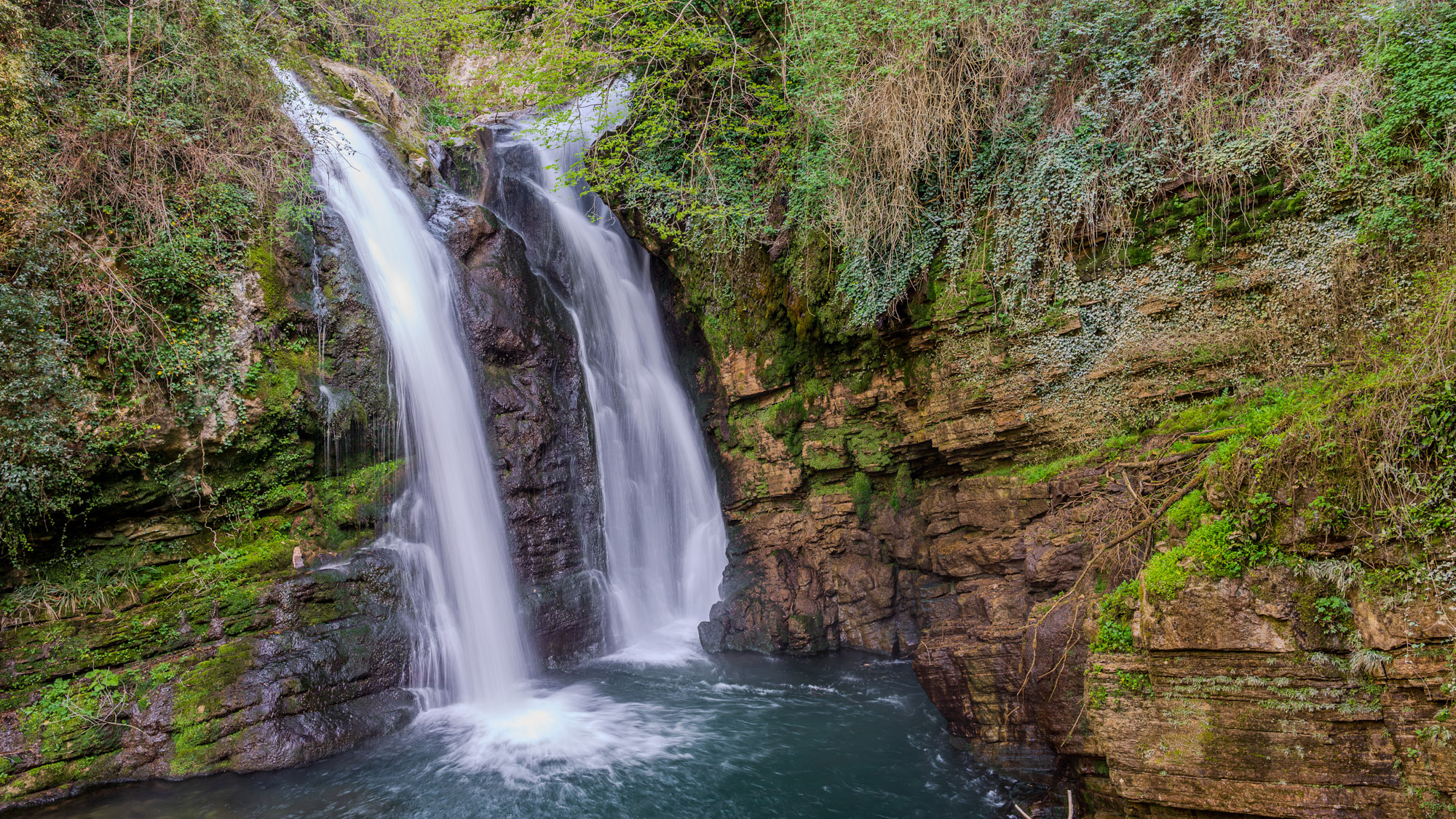
Carpinone. The waterfalls. Spring 2024
In the heart of a very small village in Molise, immersed in an enchanted forest and floral nature, stands the Carpinone waterfall, one of the most fascinating natural spectacles of the place. The rush of foaming water, which rushes downwards, pervades you as soon as you take the path and when you finally reach it you have a fantastic visual effect of light and roar. The Carpinone waterfall is becoming one of the major natural attractions of Molise, thanks also to a group of volunteers who, for some years, have been taking care of its appearance to make it accessible to everyone and not just to the few enthusiasts or those who despise the danger... She's too beautiful to leave there alone! It was born as a gift from nature and can be reached by following various paths, all immersed in the bright greenery of Molise and all marked with hand-made wooden signs, so as not to affect the suggestive panorama. As you walk, you feel a very pleasant emotion thanks to the direct contact with nature, the breathing of healthy, clean air and the sight of wonderful floral species that make everything fairytale-like.
2023
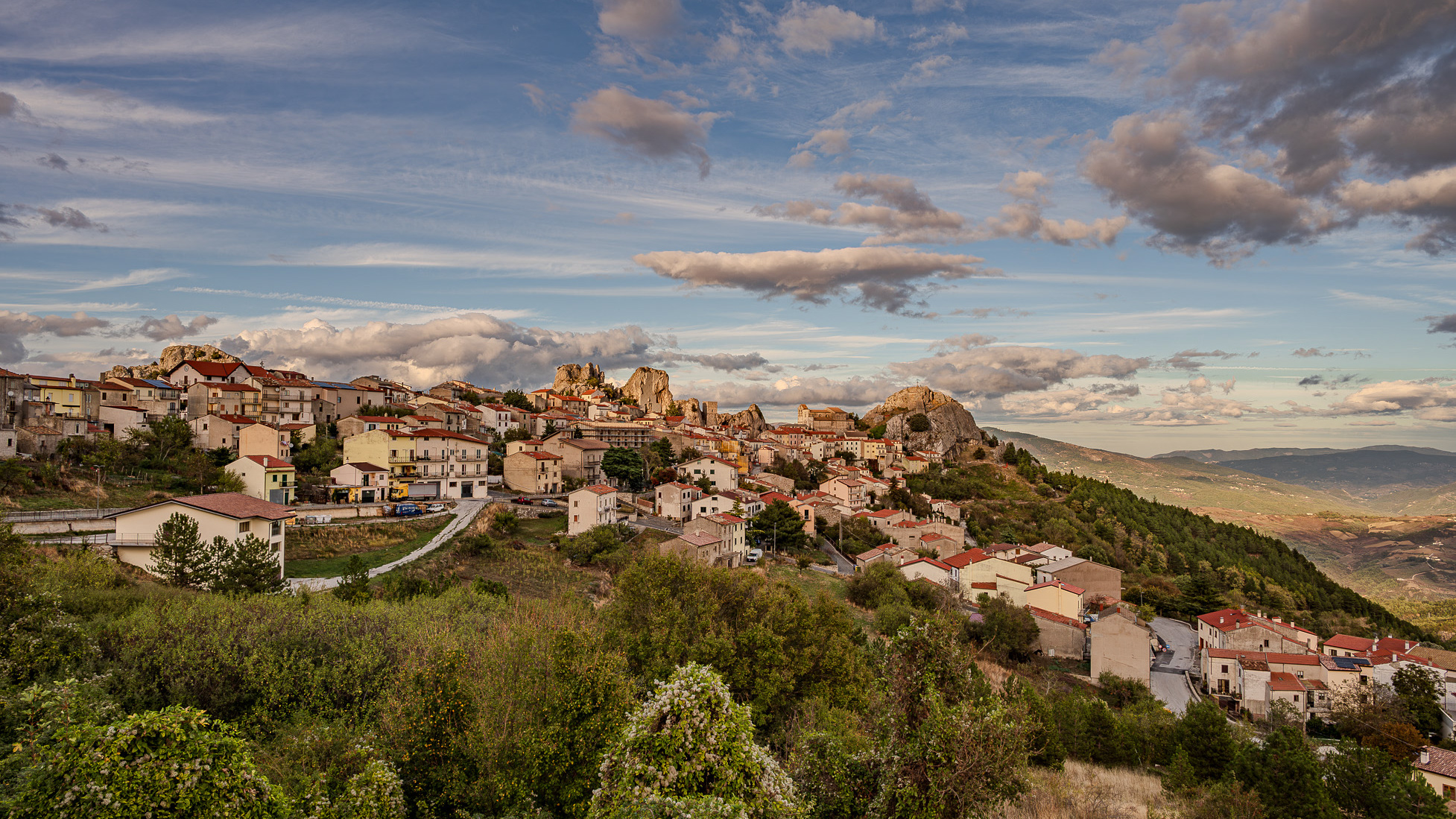
Vastogirardi, novembre 2023
Physical geography It is located at 1200 m above sea level. in the part of Molise bordering Abruzzo. The territory of Vastogirardi (IS) extends over an area of 60.72 km² and borders the municipalities of Capracotta to the north, San Pietro Avellana, Castel di Sangro (AQ) and Rionero Sannitico to the west, Forlì del Sannio, Roccasicura and Carovilli to the south, Agnone to the east. From a morphological point of view, the territory is separated from that of Capracotta by reliefs of Monte Capraro, which oscillate between 1300 - 1350 m, which descend steeply to Piano S. Angelo and Difesa Grande and Capo di Trigno (ancient lake basin ) at an altitude of 1100 m from which the Trigno river originates, one of the two most important Molise rivers which flows into the Adriatic Sea and gives its name to the road of the same name which reaches up to San Salvo (CH), i.e. the Trignina. To the west are the mountains of Montagnola (1292 m) and Monte Miglio (1350 m), to the south is Monte Pizzi (1373 m), while to the east are the mountains of Montagna Fiorita with Montarone (1278 m). Vastogirardi develops close to a hill at the top of which are the castle and the ecclesiastical complex of San Nicola di Bari. Inside the walls is the village, which appears well preserved in its original defense function, as evidenced by the cylindrical towers incorporated in factories and the supports between building blocks. The result of subsequent expansions, the churches of S. Rocco and S. Maria delle Grazie were built at the beginning of the 18th century and incorporated into the third urban expansion dating back to the 18th - 19th century. Over the course of the last century the town no longer followed the aggregation trend of stepped bands, according to the morphological trend of the site, but developed along via Garibaldi c.da Difensa (towards Castel di Sangro) and via Re d'Italia (direction Isernia). Origins of the name It is assumed that the name Vastogirardi originates from the name of a crusader captain, Giusto Girardi. In the past it also took the name of Castrum Girardi due to the castle (other attested toponyms are Castel Girardo, Rocca Girardo, Guasti Belardi, Guardia Giraldo and Guardia Gerardo) and subsequently its current name, deriving from an alliteration of Lombard jargon.
2023
Pescolanciano. D’Alessandro Castle
The D'Alessandro castle is a fortified structure in the municipality of Pescolanciano. The castle was built on the rocky spur (peschio) that overlooks the town near a Samnite fortification.
2023
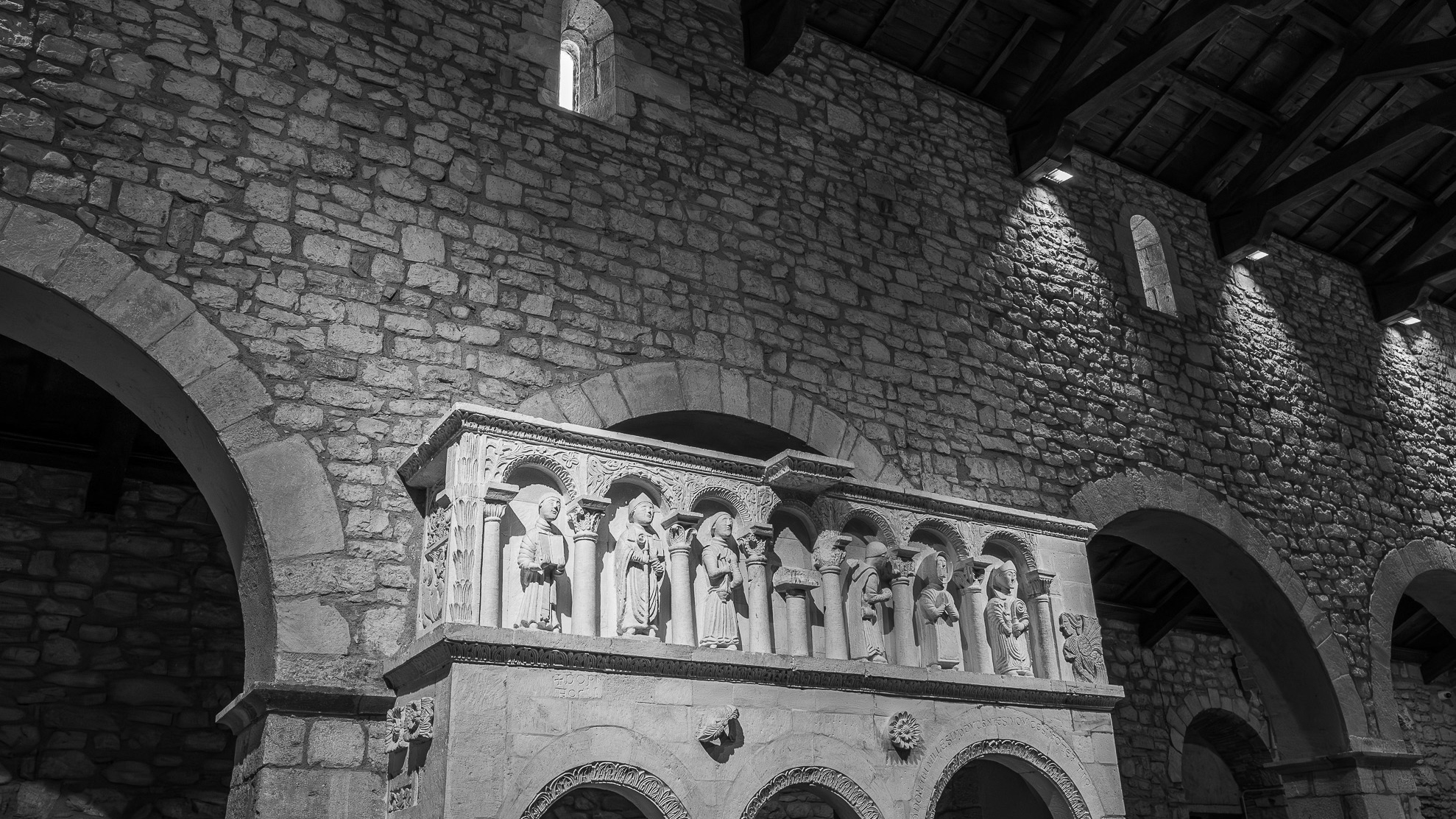
Roccavivara, Sanctuary of S. Maria di Canneto
Surrounded by pines, in an area already inhabited in Roman times, the abbey-sanctuary of S. M. di Canneto rises isolated in the middle of an olive grove.
2025
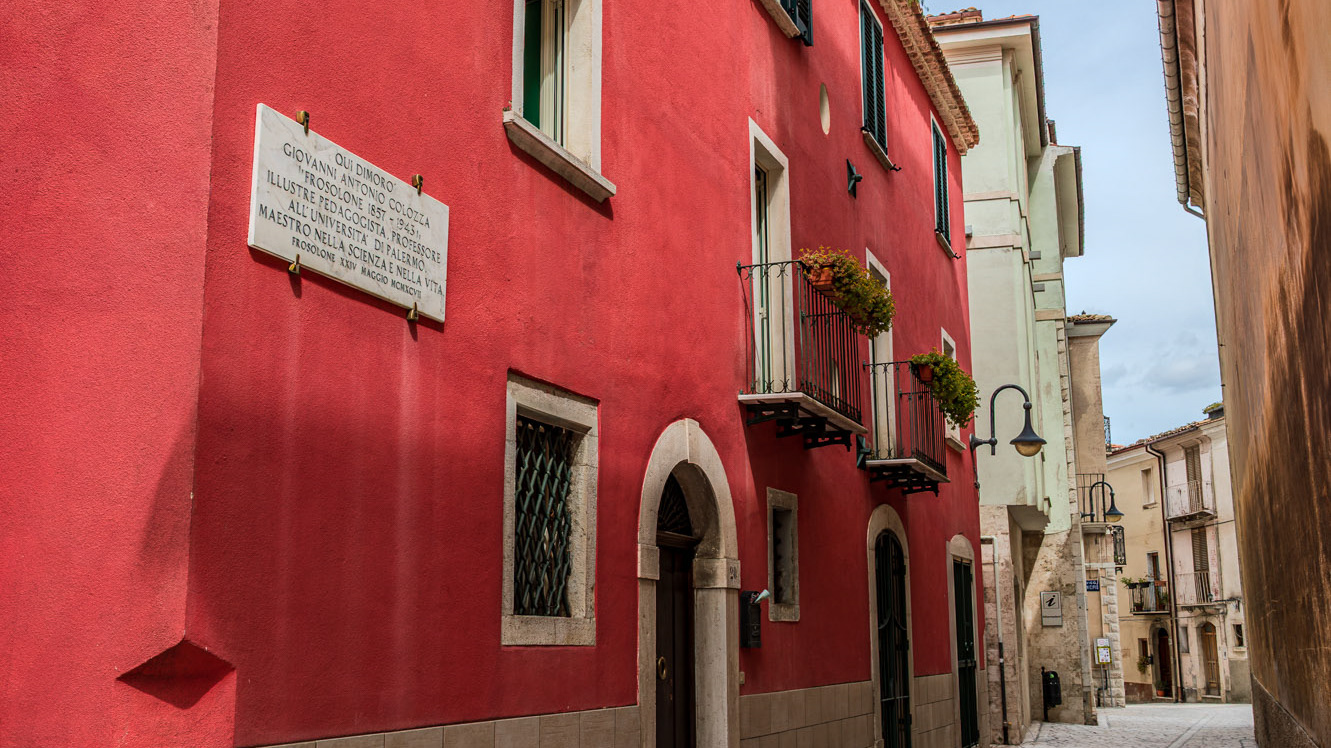
Frosolone. Glimpses of the historic center
2016
Scapoli (IS)
Scapoli (Scapulë in molisano) è un comune italiano di 666 abitanti della provincia di Isernia in Molise. Fino al XV secolo fu parte integrante del Giustizierato d'Abruzzo e dell'Abruzzo Citeriore. Le origini del paese risalgono probabilmente al IX secolo, come risulterebbe da alcuni testi tra i quali il "Chronicon Vulturnense", antico testo redatto intorno al 1130 da un monaco dell'abbazia di San Vincenzo al Volturno di nome Giovanni. Proprio da questo testo risulterebbe che l'insediamento di Scapoli (cd. Castrum Scappili) nacque sulle terre di proprietà dall'abbazia ad opera dei monaci che erano stati cacciati dai Saraceni da Castel San Vincenzo. Dalla sua costituzione Scapoli subì l'influenza di diverse famiglie di origine franco-romana, tra le quali nel 1043 prevalse la famiglia Borrello che aveva sottratto all'abbazia l'intera valle del Volturno. Il paese ritornò nelle mani dell'abbazia grazie all'intervento del Papa Niccolò II per poi esservi di nuovo sottratto ad opera dei Conti dei Marsi. Successivamente dal 1200 passò in mano ai Caldora e nel 1382 il feudo fu venduto ai Pandone. Nel XVI secolo e fino al 1621 fu dei Bucciarelli per poi essere ceduto a Innico di Grazia, barone di Cerro al Volturno, fino ad arrivare ai marchesi Battiloro. Fu annesso al ducato di Terra di Lavoro fino al 1861 quando entrò nel territorio di Campobasso. Durante la seconda guerra mondiale si trovò sulla famosa "Linea Gustav" creata dai Tedeschi per impedire l'avanzamento degli alleati. Molto importante fu infatti la costituzione proprio a Scapoli del Corpo Italiano di Liberazione, protagonista di sanguinose battaglie sul vicino Monte Marrone. Nel 1970 fu annesso alla neonata provincia di Isernia e da 20 anni fa parte del Parco nazionale d'Abruzzo, Lazio e Molise.
2011
Miranda (IS)
Miranda è un comune italiano di 1.022 abitanti della provincia di Isernia in Molise. Un primo insediamento umano nell'area dell'attuale comune è da far risalire probabilmente all'XI secolo, come testimonia la facies normanna del castello che si erge sul promontorio prece, di cui tuttavia sopravvivono pochi elementi architettonici. Attorno ad esso si struttura il nucleo originario del paese, inframezzato da vari muraglioni che individuano i successivi strati abitativi costruiti a partire dalla fortezza primaria. Le scarne documentazioni relative al feudo di Miranda testimoniano un fitto passaggio di proprietà tra varie famiglie nobili, tra cui i partenopei Di Somma, il cui stemma familiare costituito da due torri erte su fondo marino è ancora oggi il simbolo ufficiale del comune.
2021
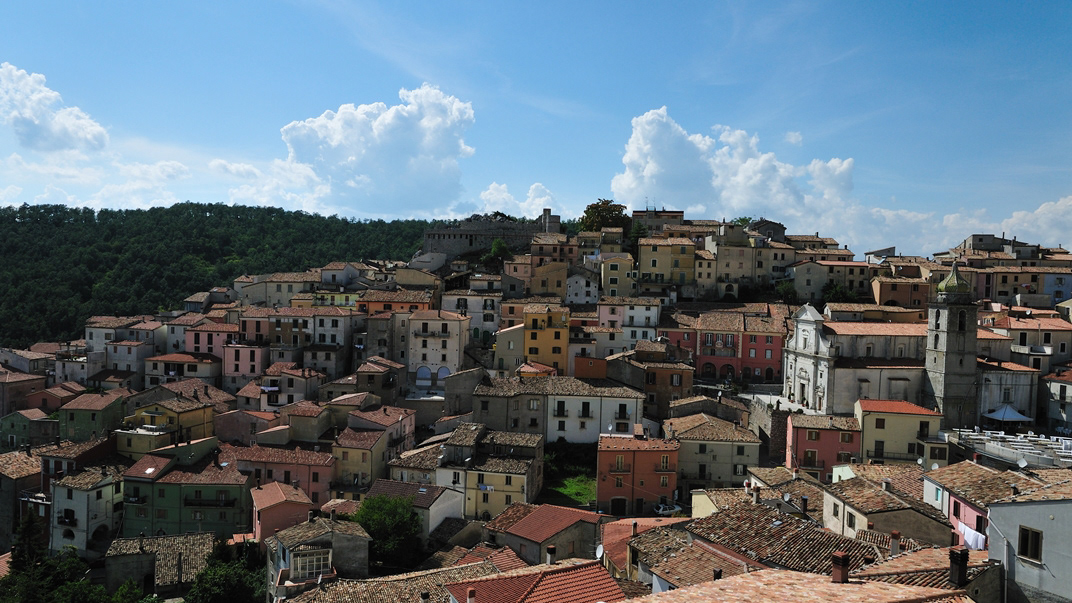
Pescopennataro. Glimpses of summer
Pescopennataro is an Italian town of 244 inhabitants in the province of Isernia, in Molise. Until 1790 it was an integral part of the Giustizierato d'Abruzzo and of the Abruzzi Citrior.
2023
Pietrabbondante. Panorama
2022
Isernia. The Sanctuary of SS Cosma e Damiano
The Sanctuary of Santi Cosma e Damiano is located at an altitude of 400 meters. Inside, silver busts of the seventeenth century are venerated with the relics of the two saints inside, always inside two small plaster statues depicting the two saints to whom the sanctuary is dedicated. According to tradition, the sanctuary has existed since 1130, the first official document concerning it, however, dates back to 1523. In fact, in 1130 it seems that a chapel was built in this place, but this statement cannot be supported by any documentation that proves its actual presence. on that date. The current sanctuary as we can see it today dates back to the construction of 1523. Inside, the church has a single nave with a coffered ceiling. The presbytery ends with an apse. A beautiful cycle of frescoes depicting the life of Saints Cosma and Damiano of the Neapolitan school adorns the church. The ceiling was instead made by various artisans of Agnone. Inside the sanctuary we also find a collection of ex-votos that include painted tablets, sheets with inscriptions, photographs, anthropomorphic figurines and other objects.
Back to Top