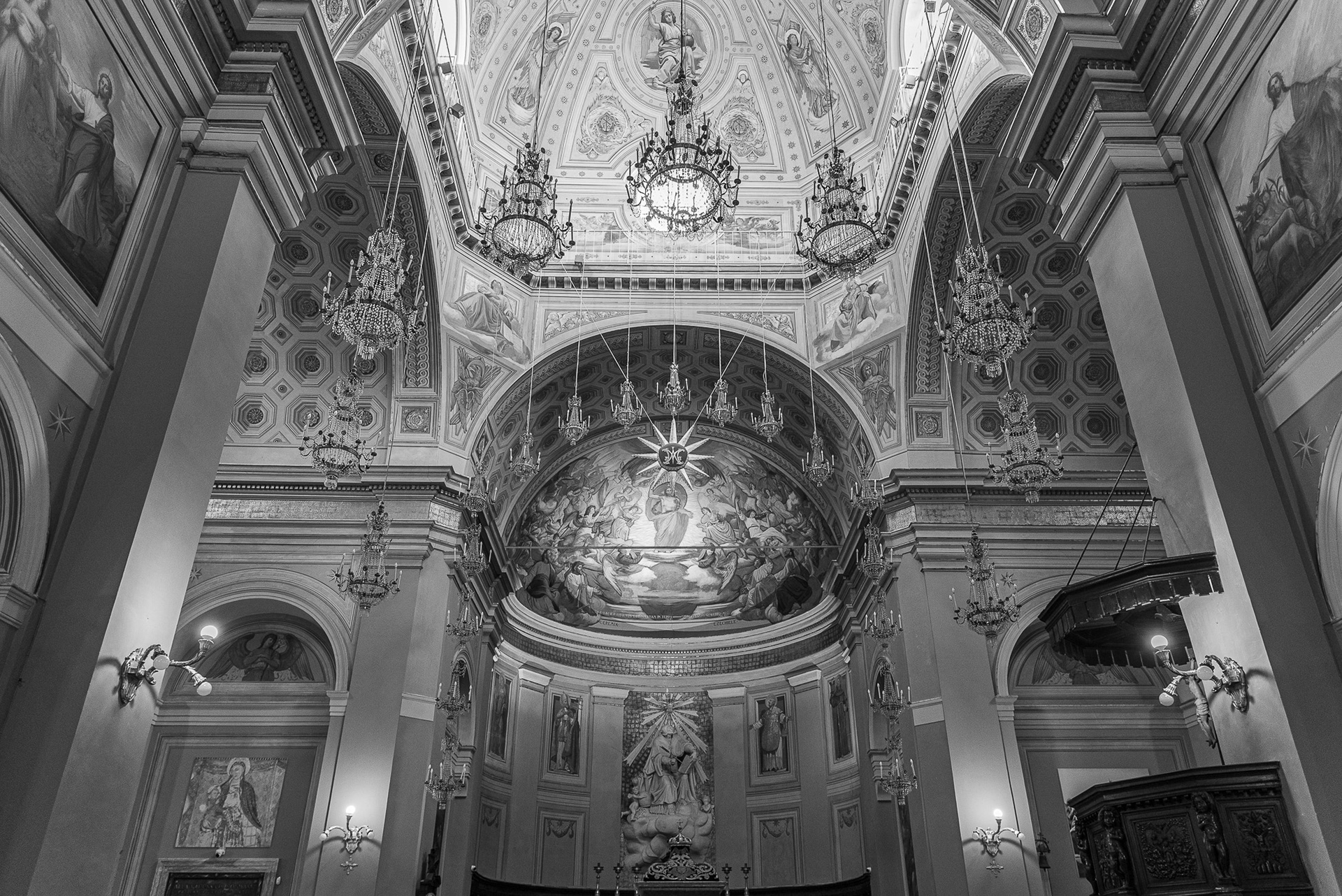
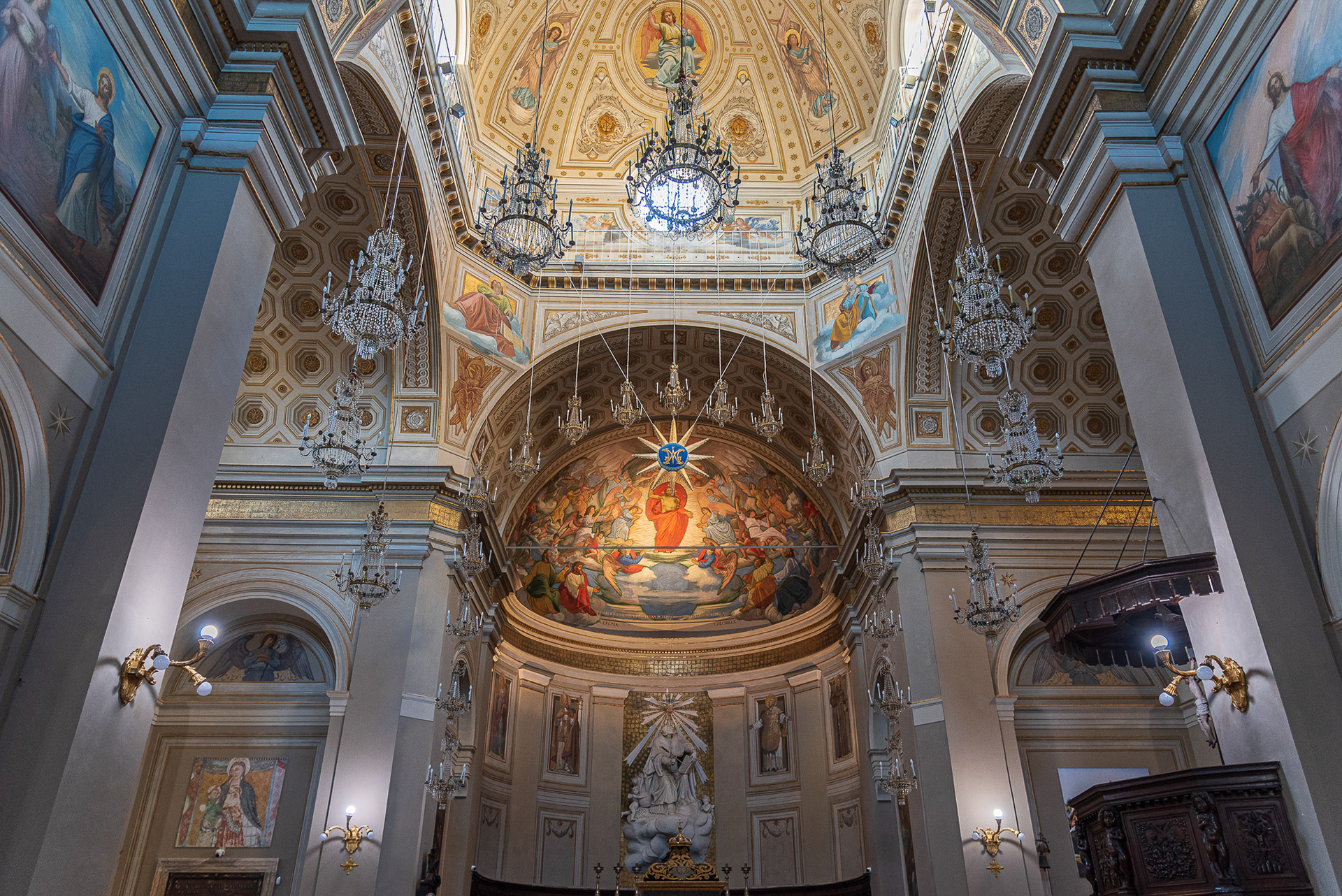
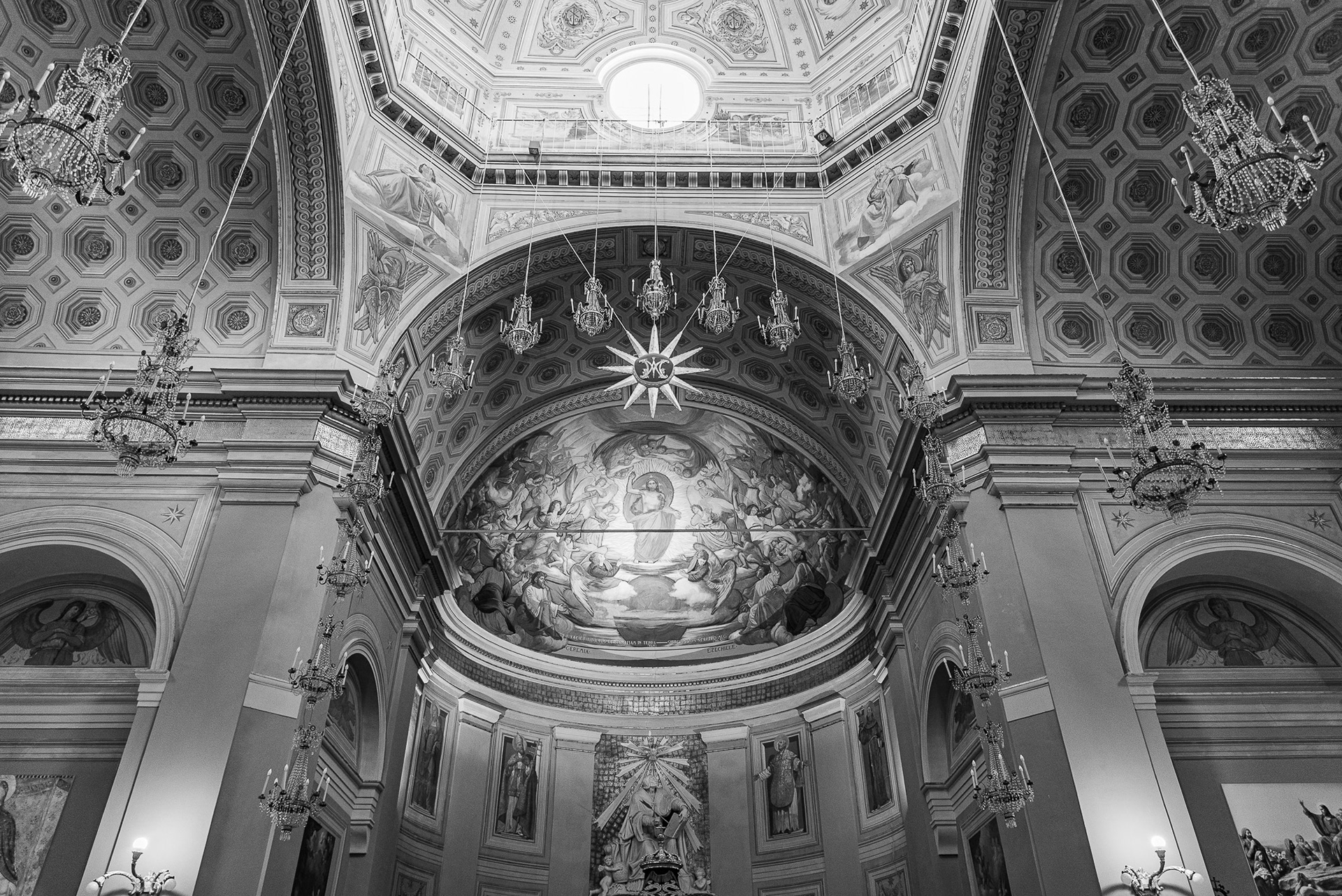
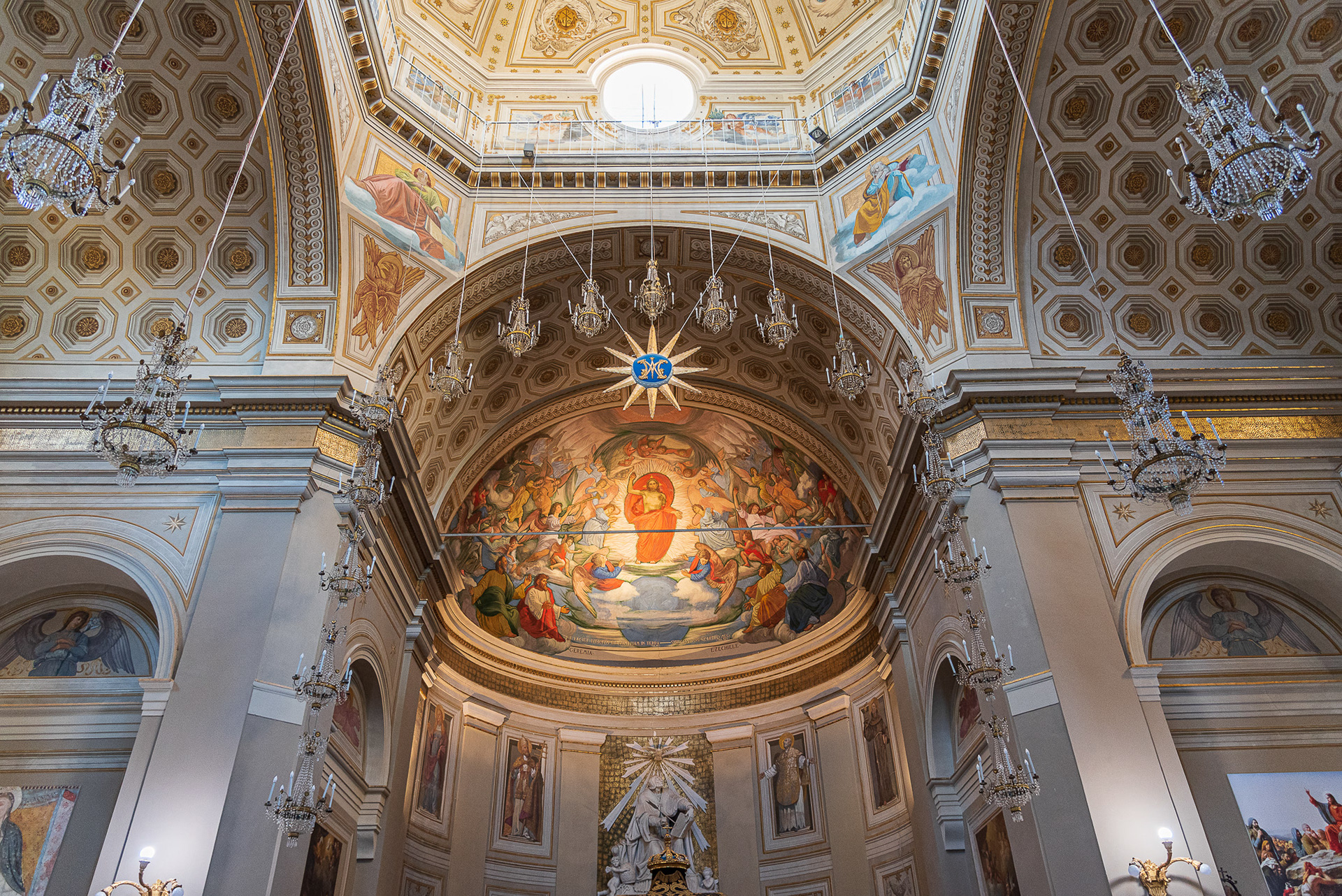
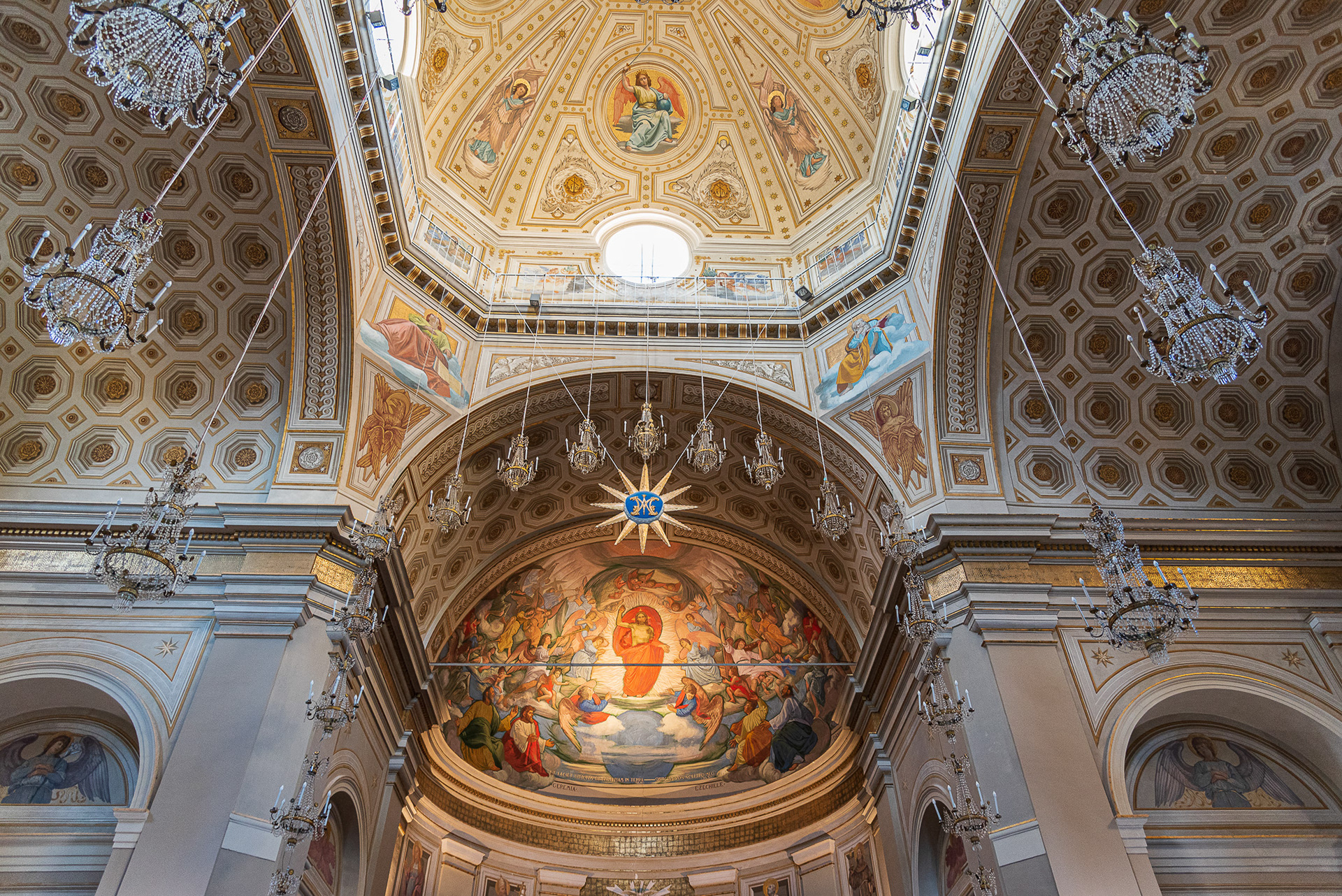
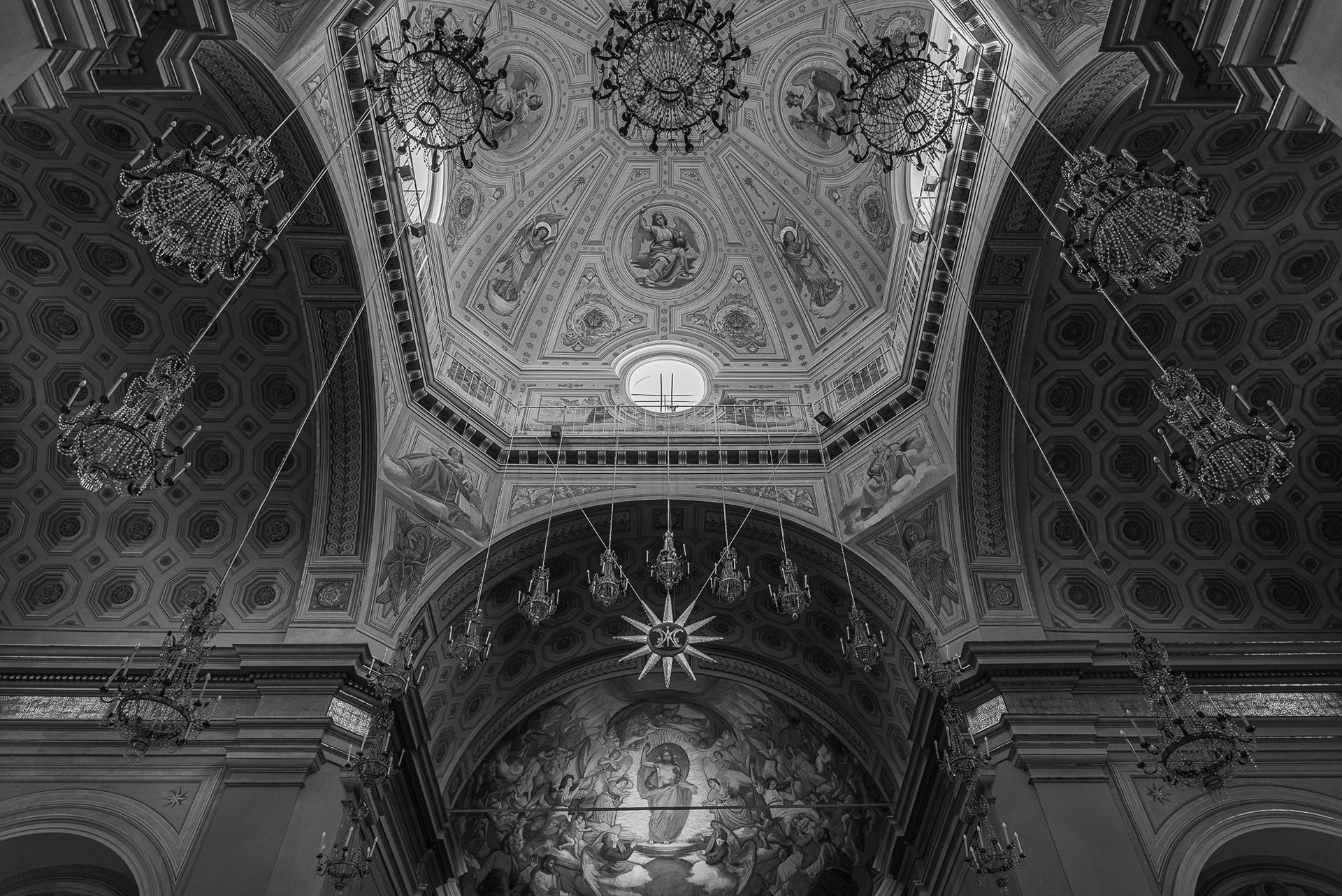
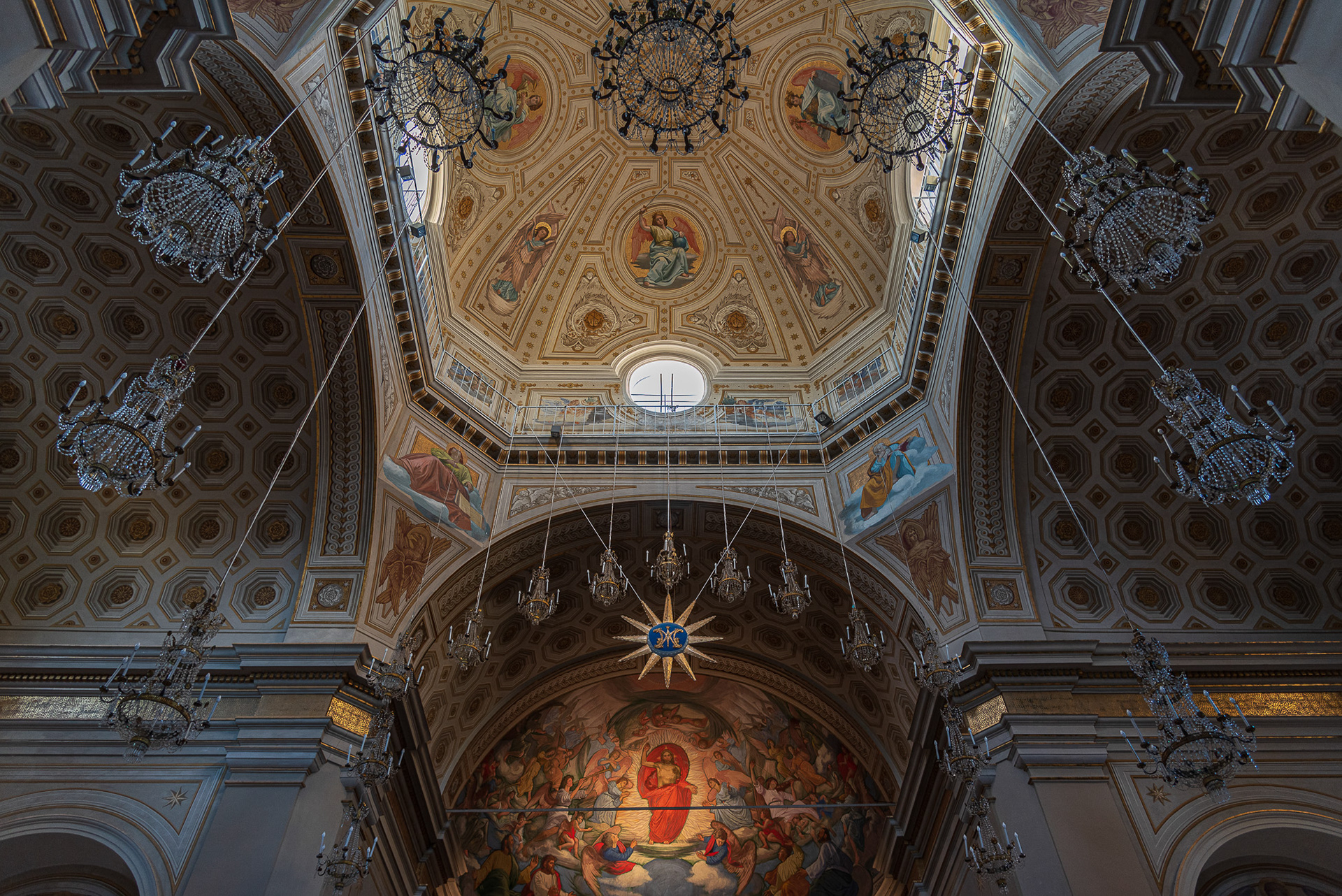
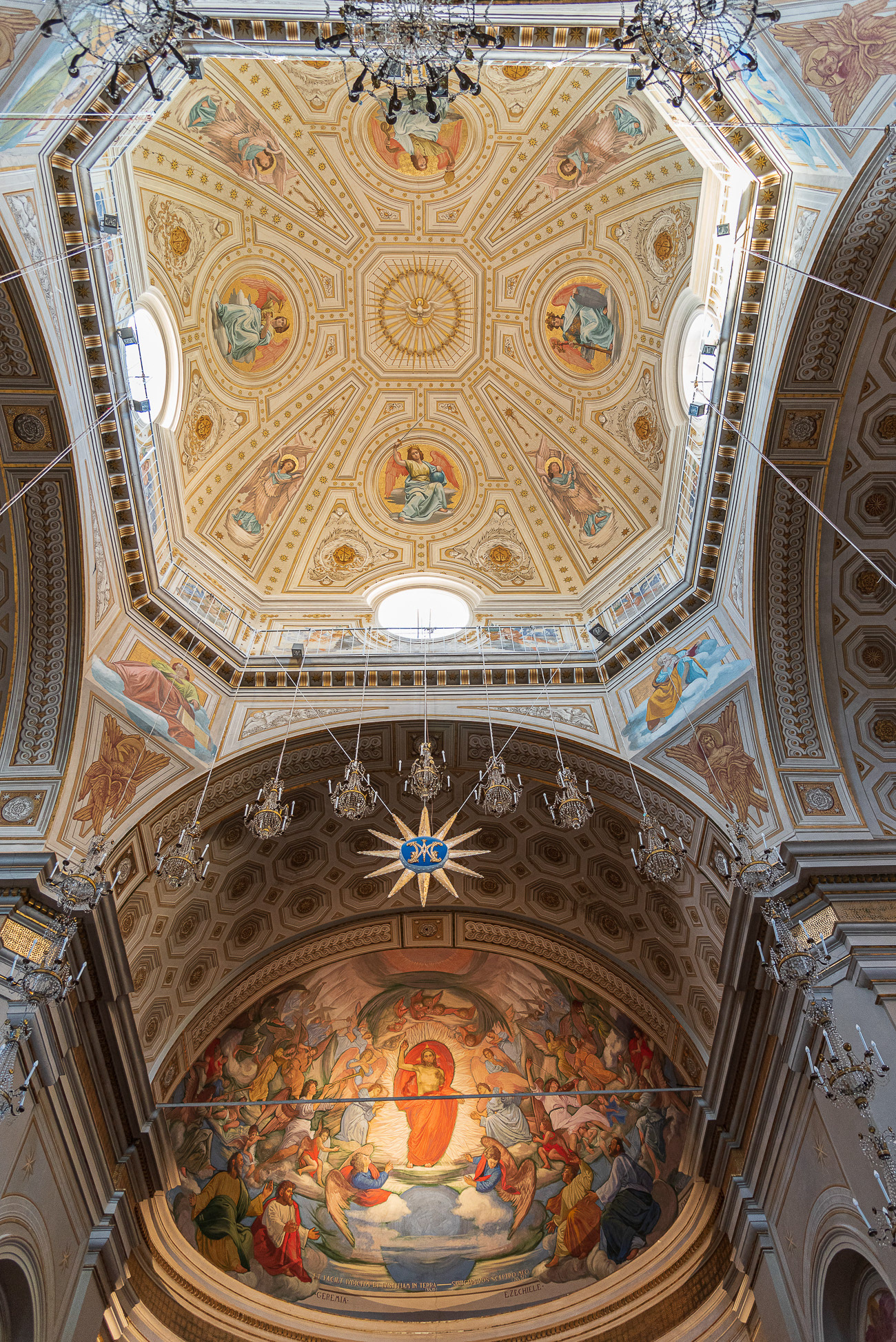
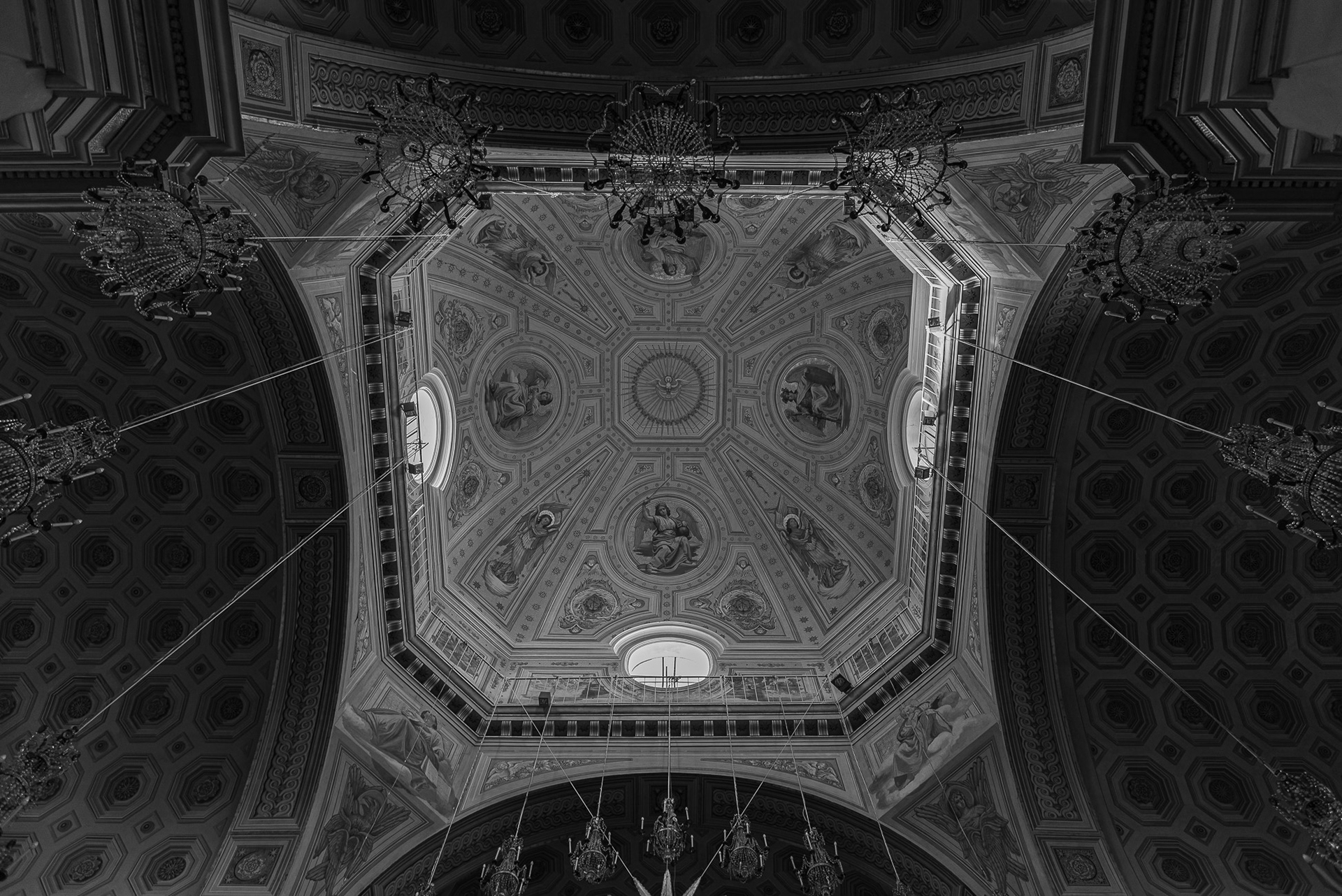
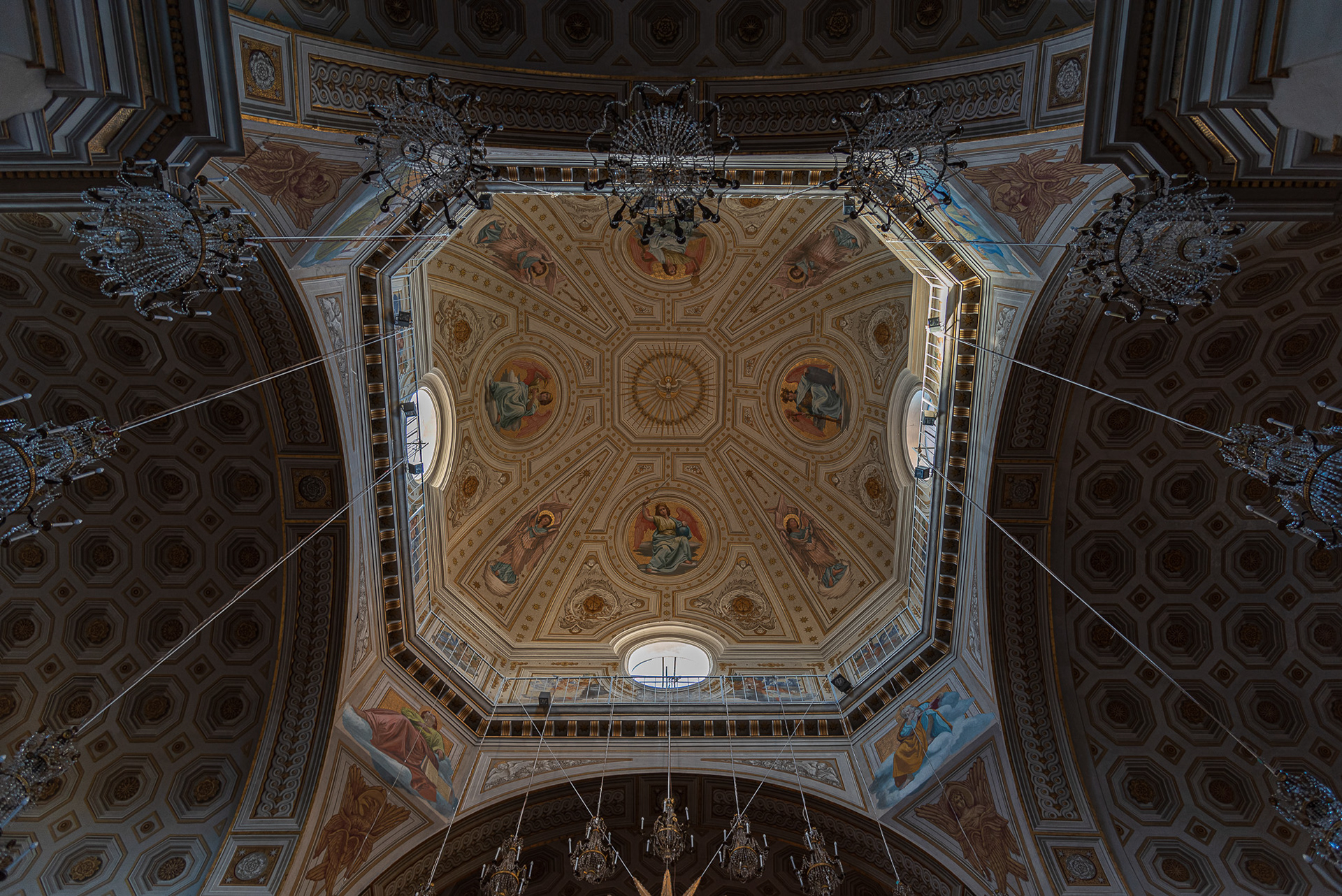
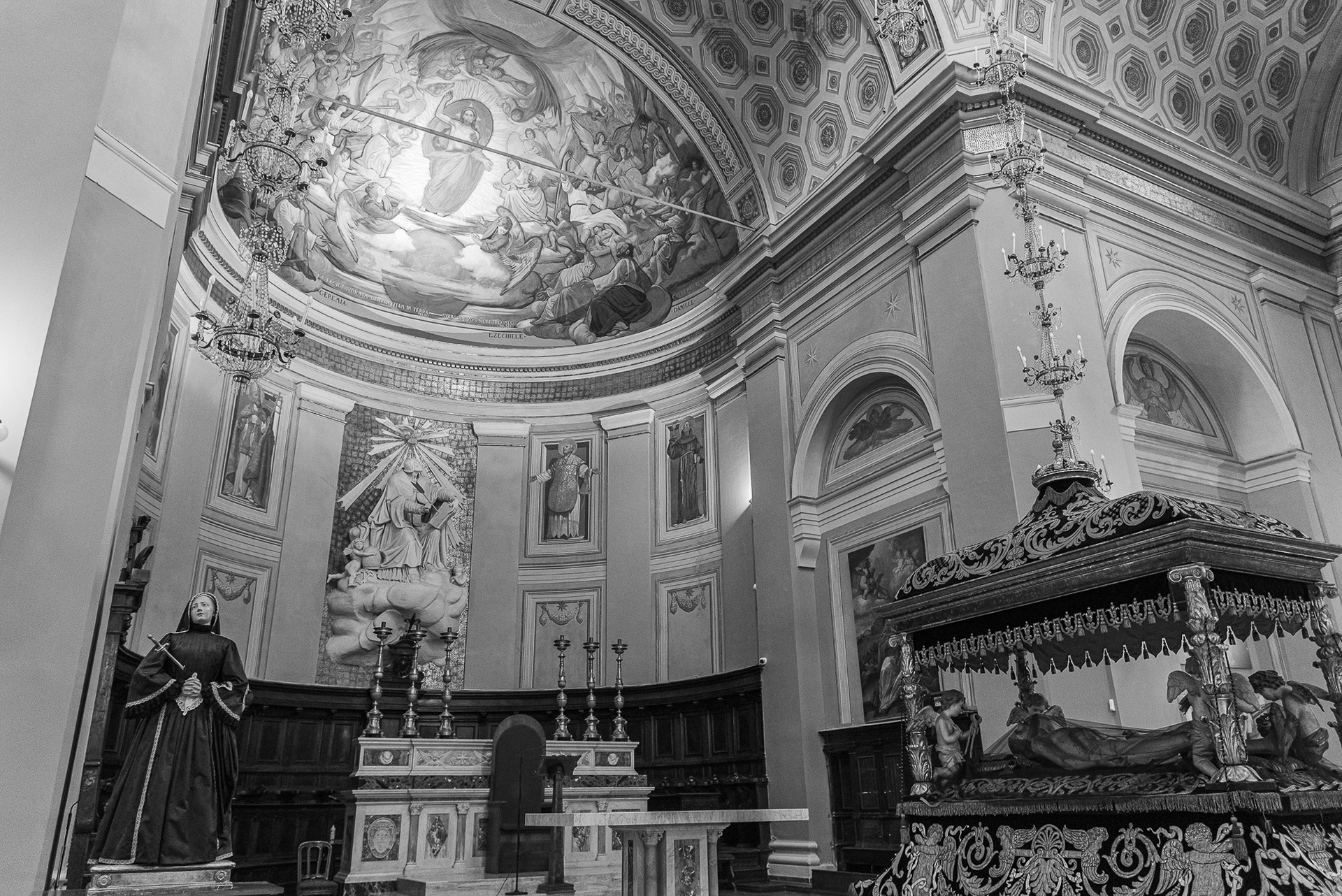
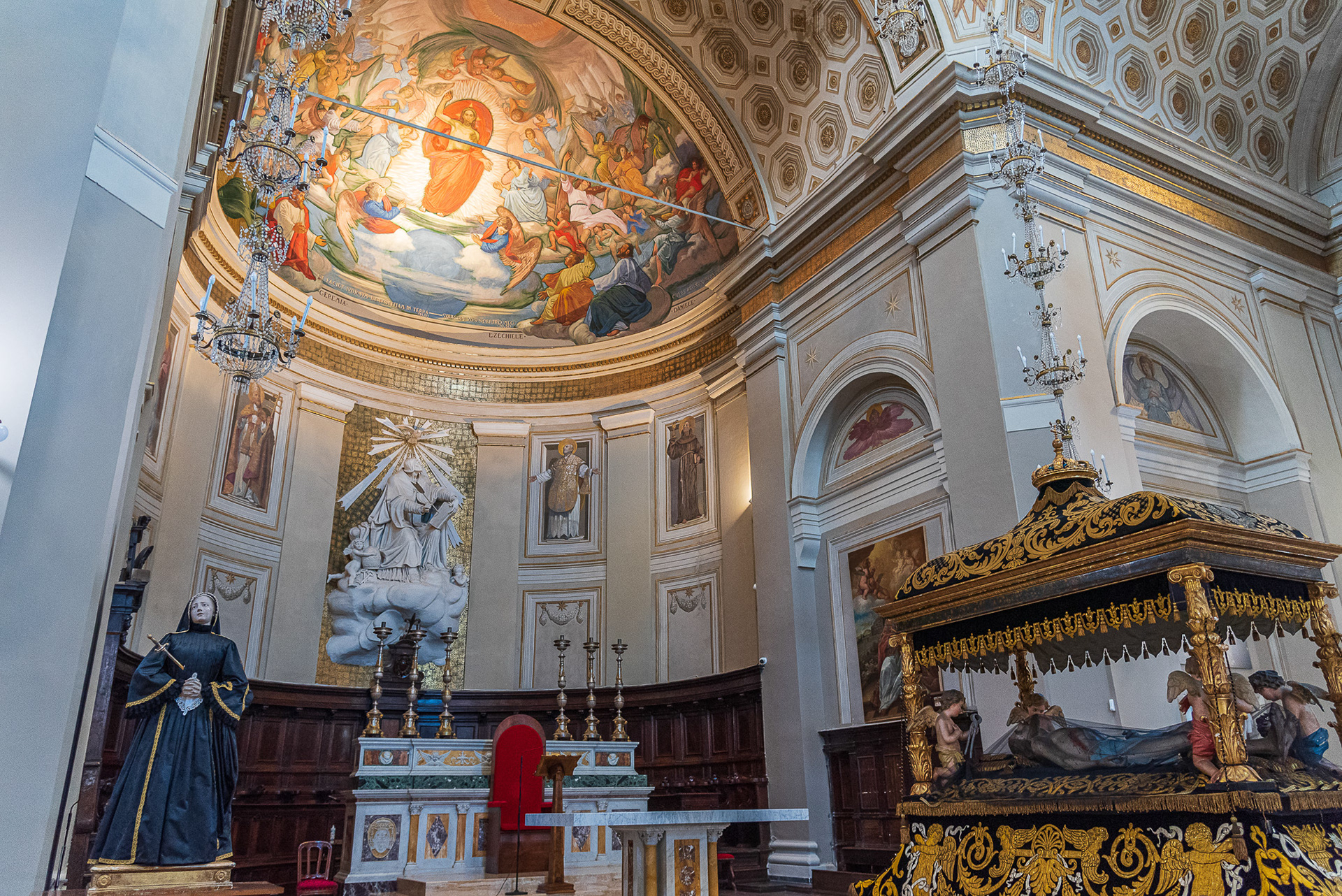
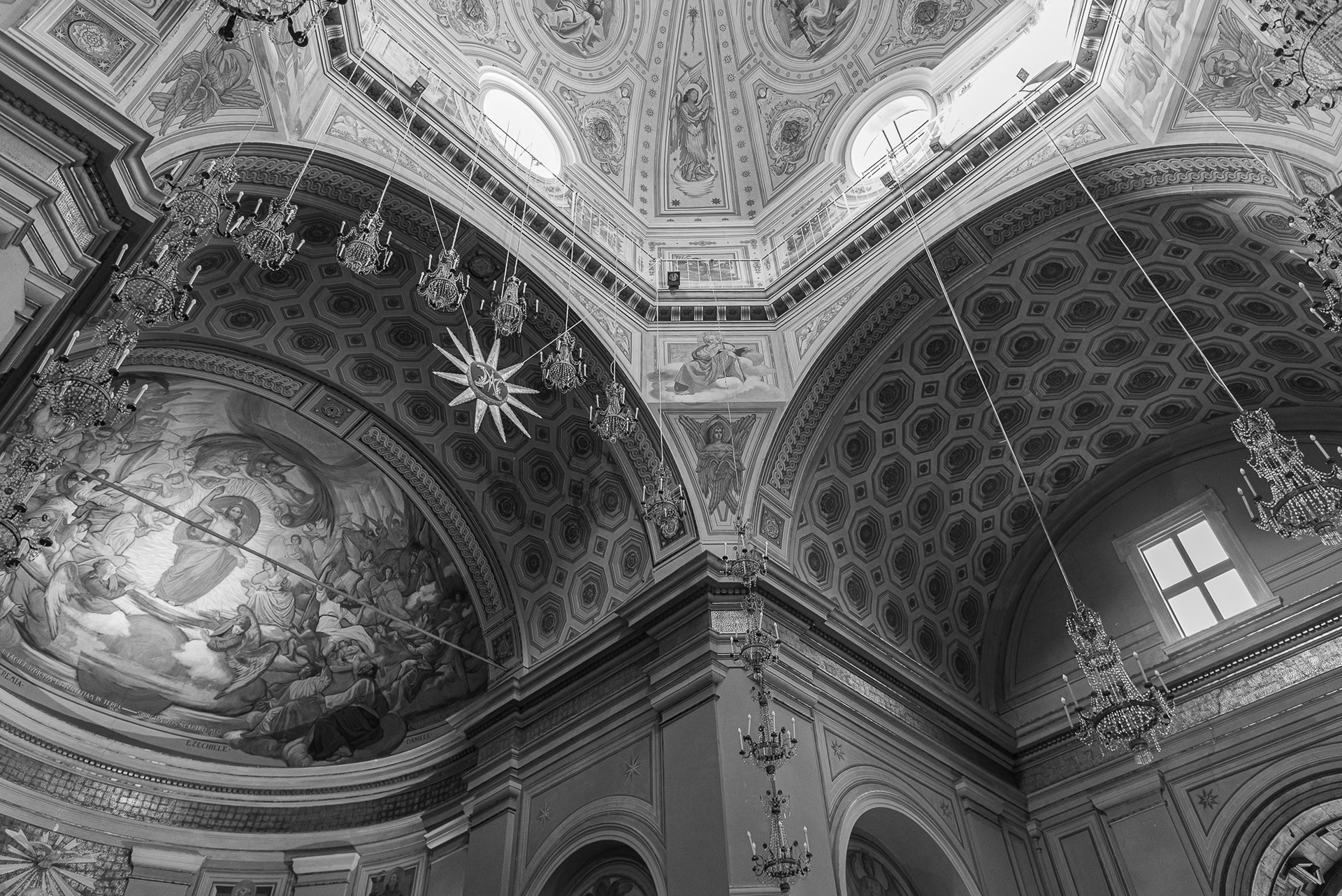
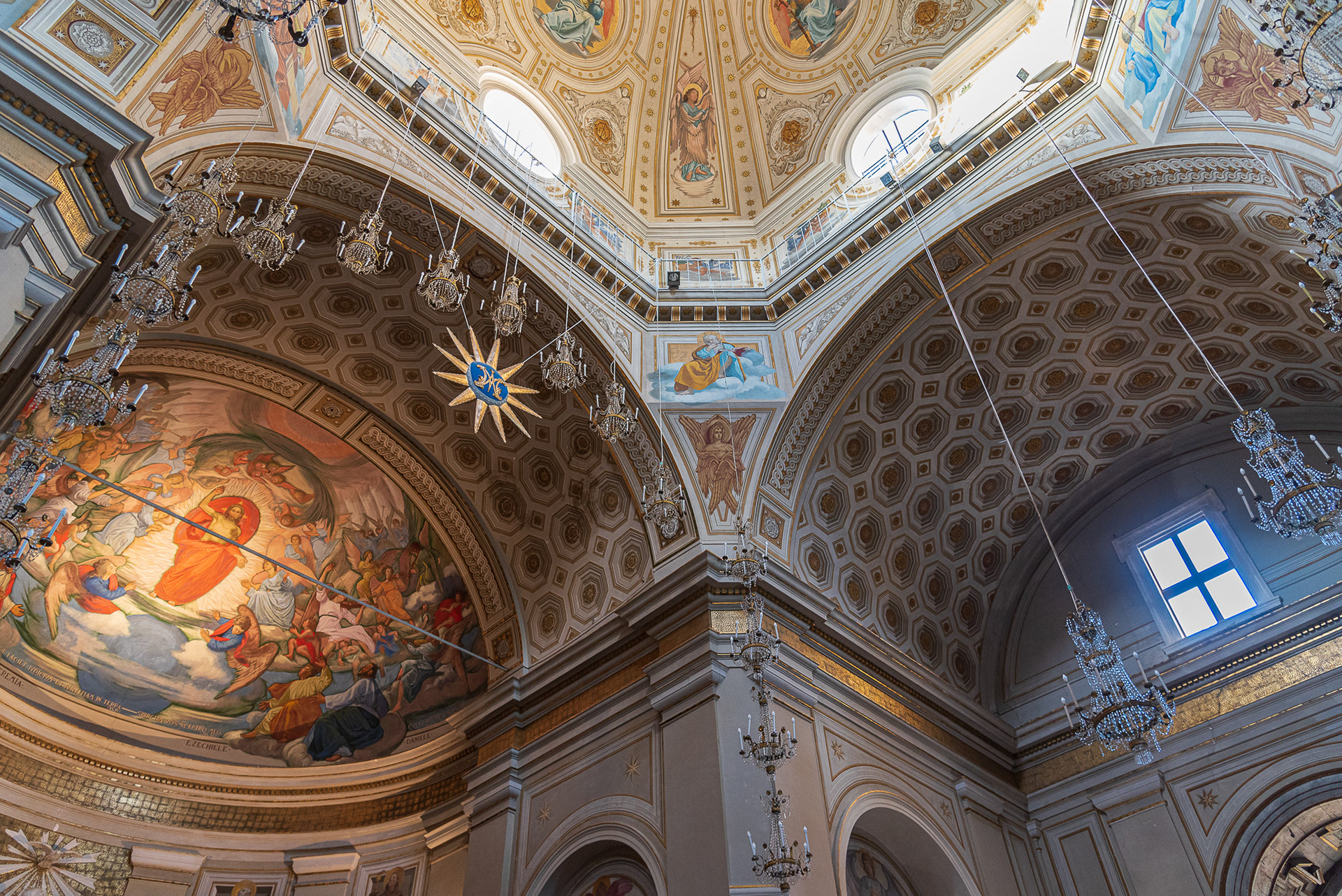
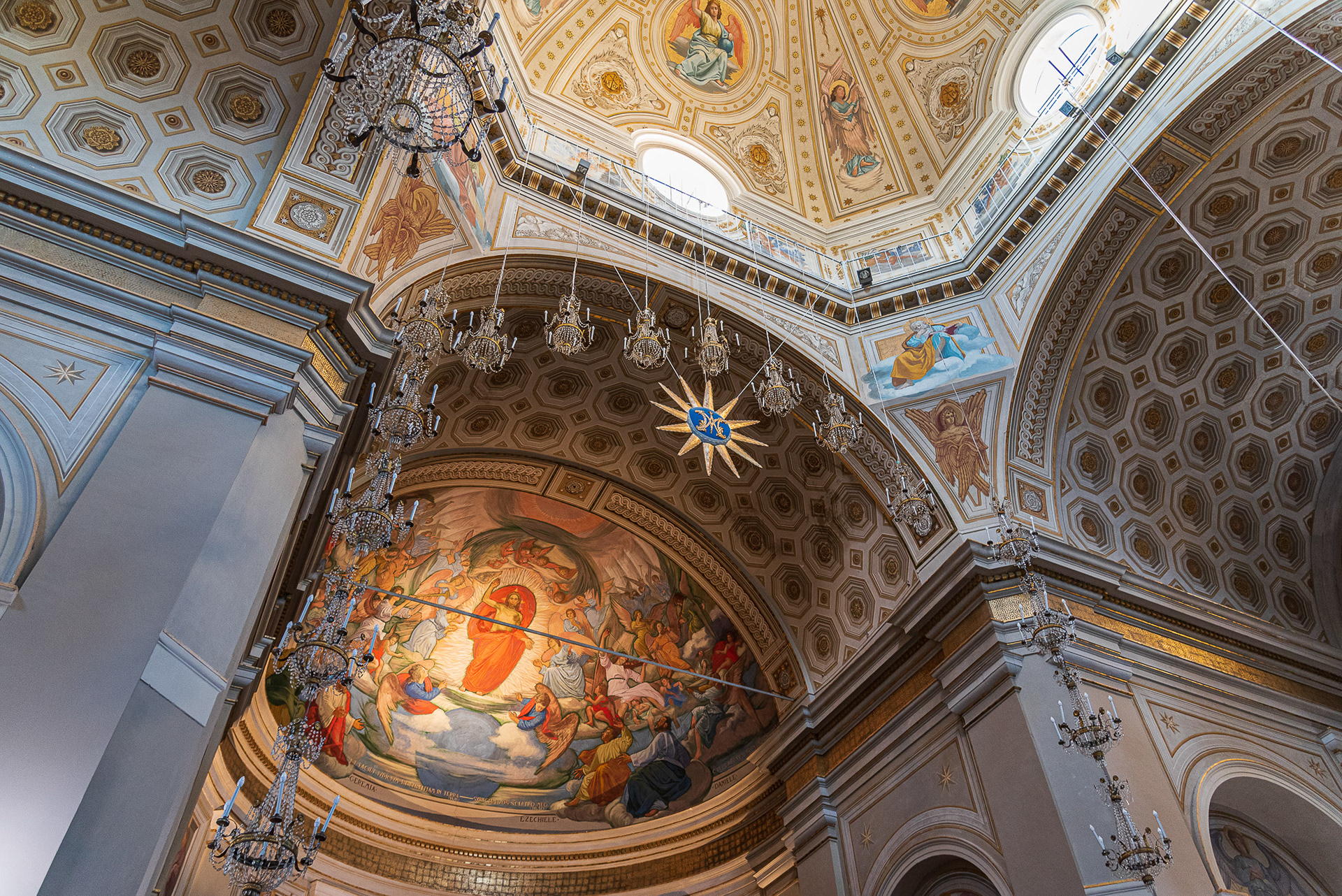
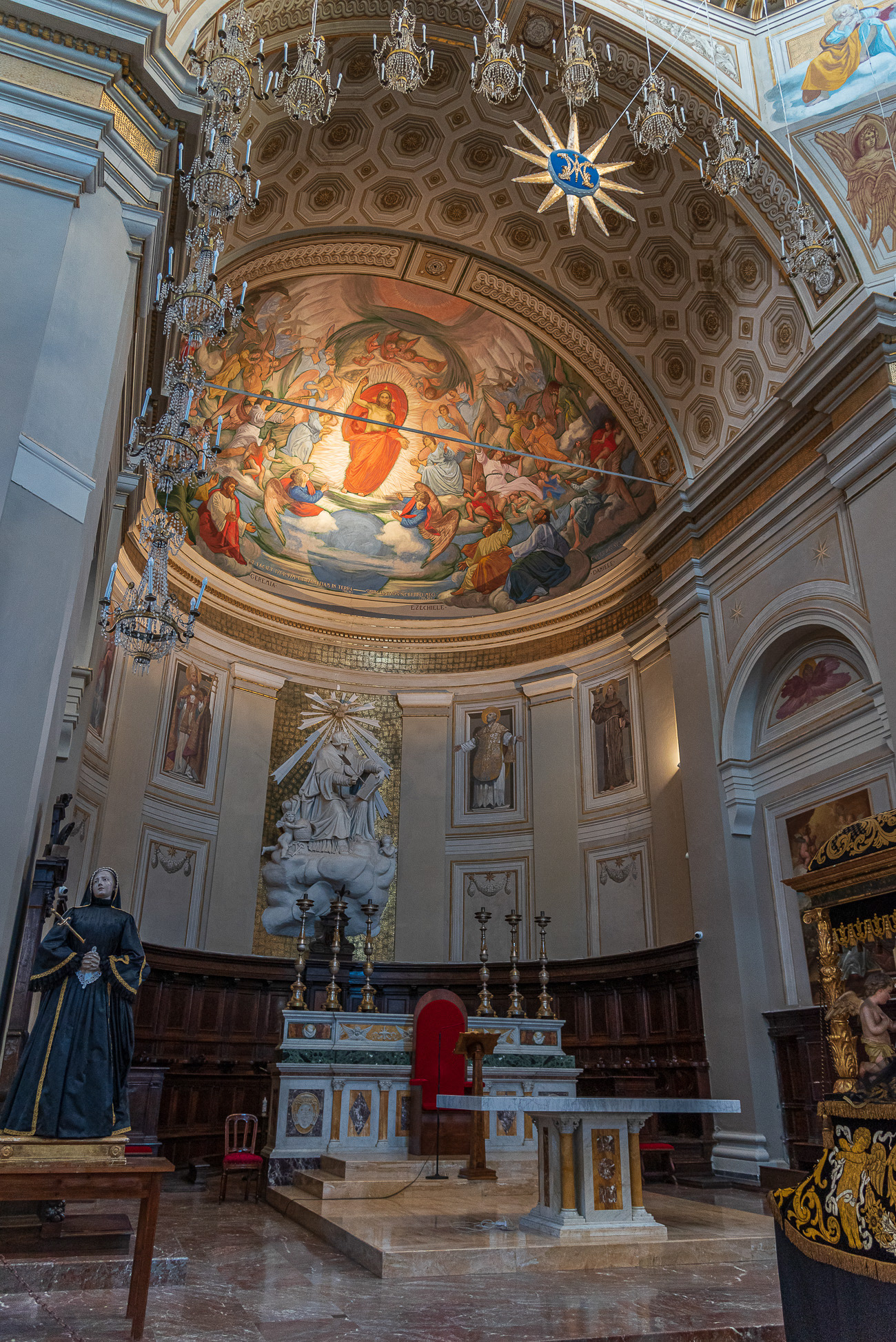
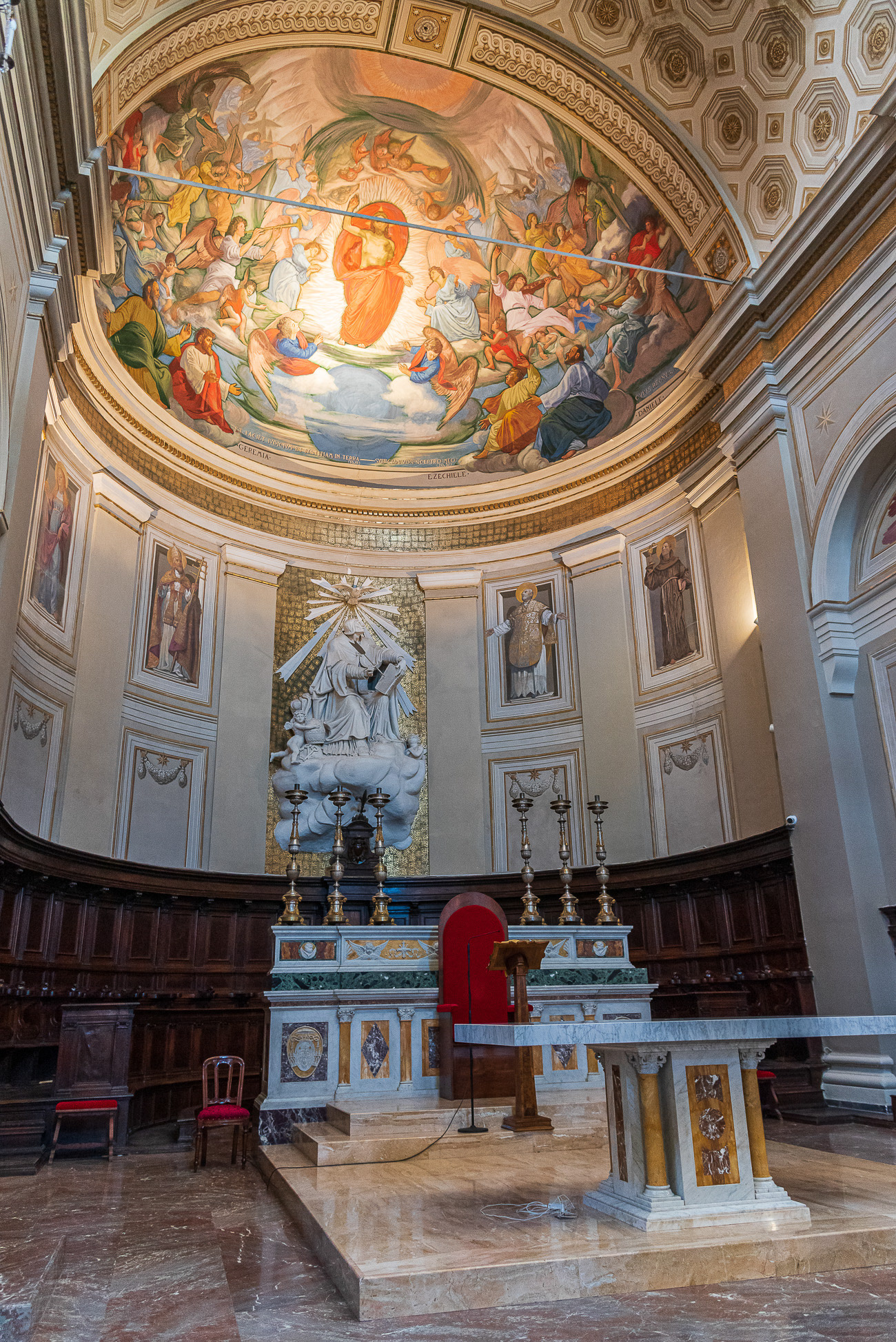
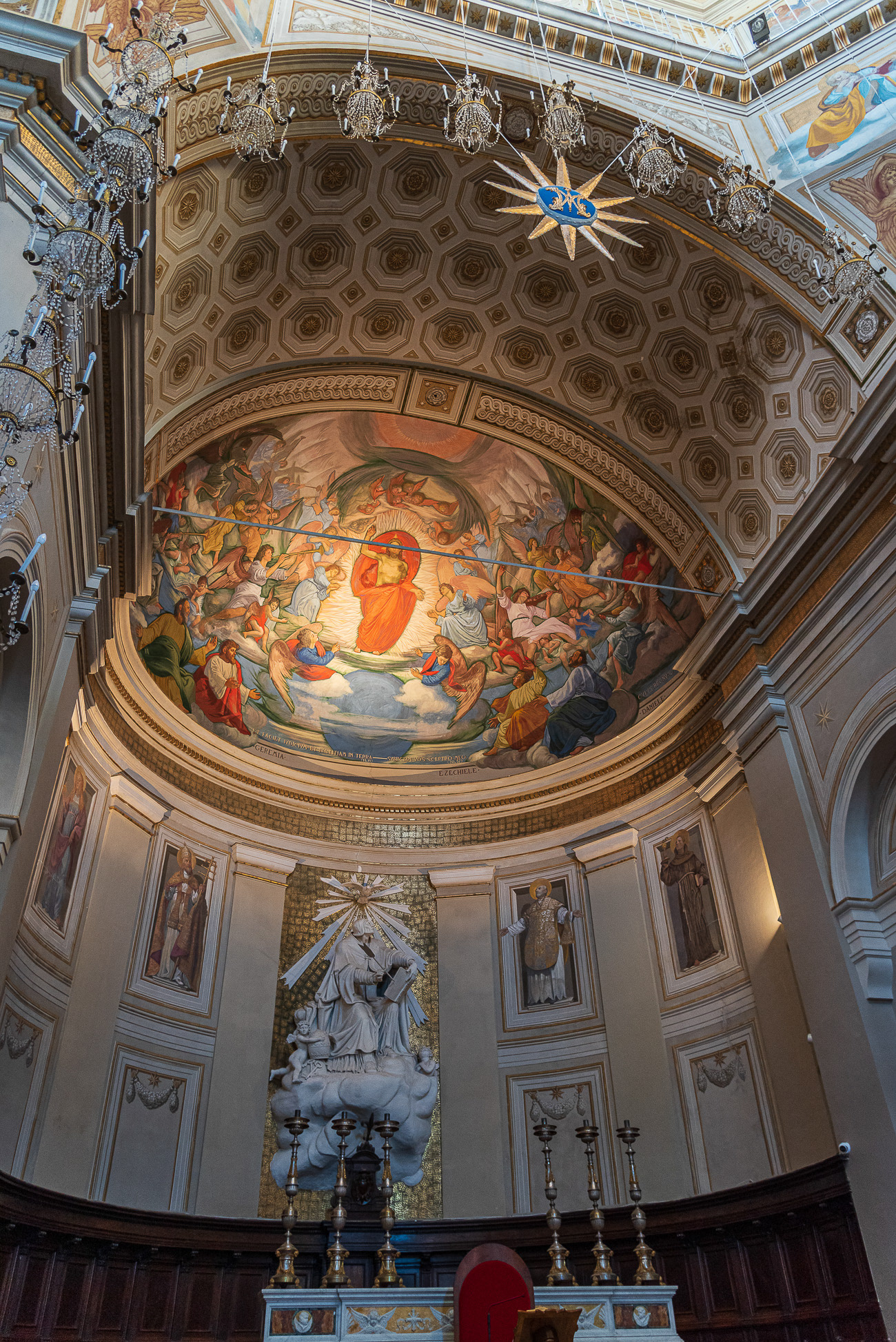
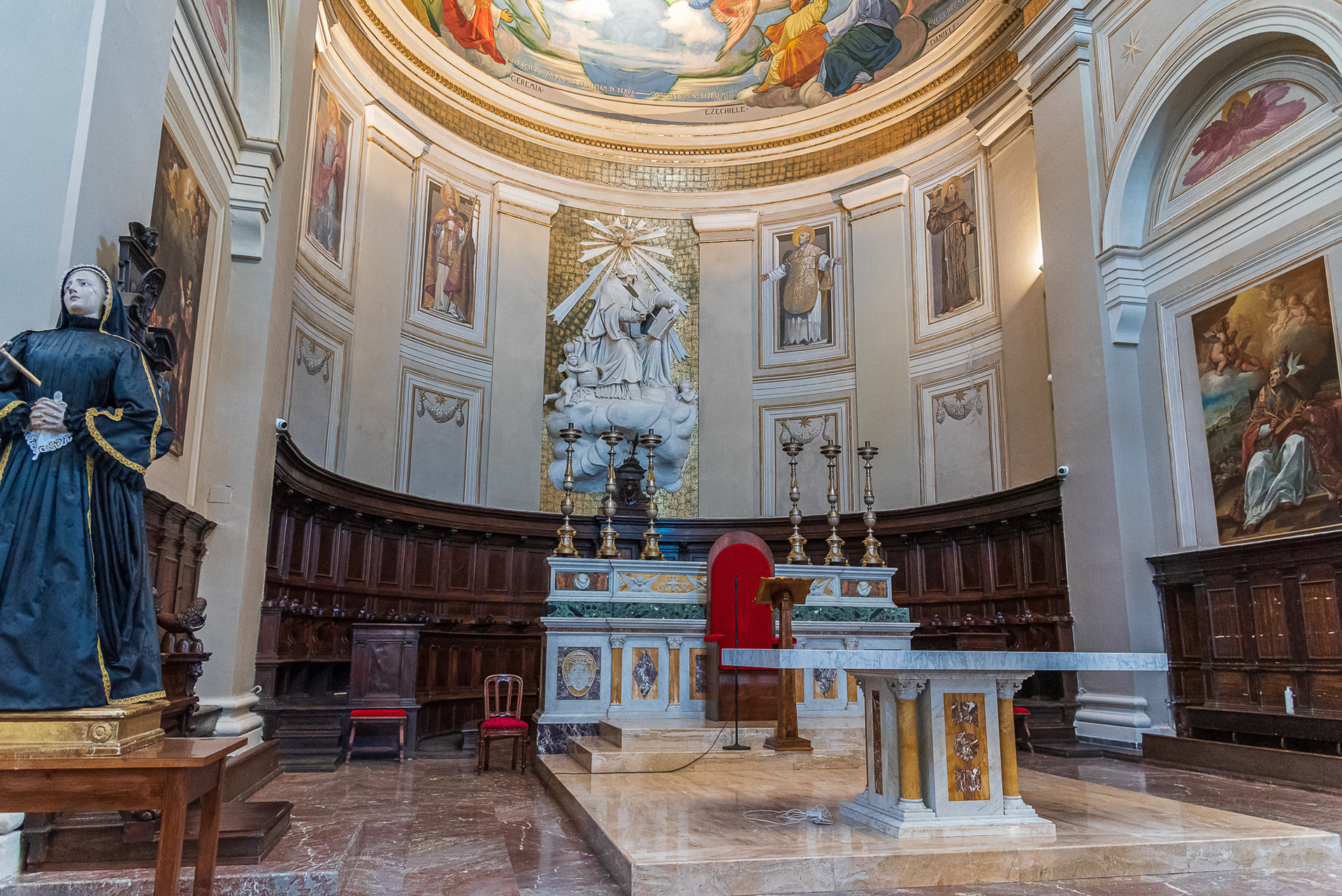
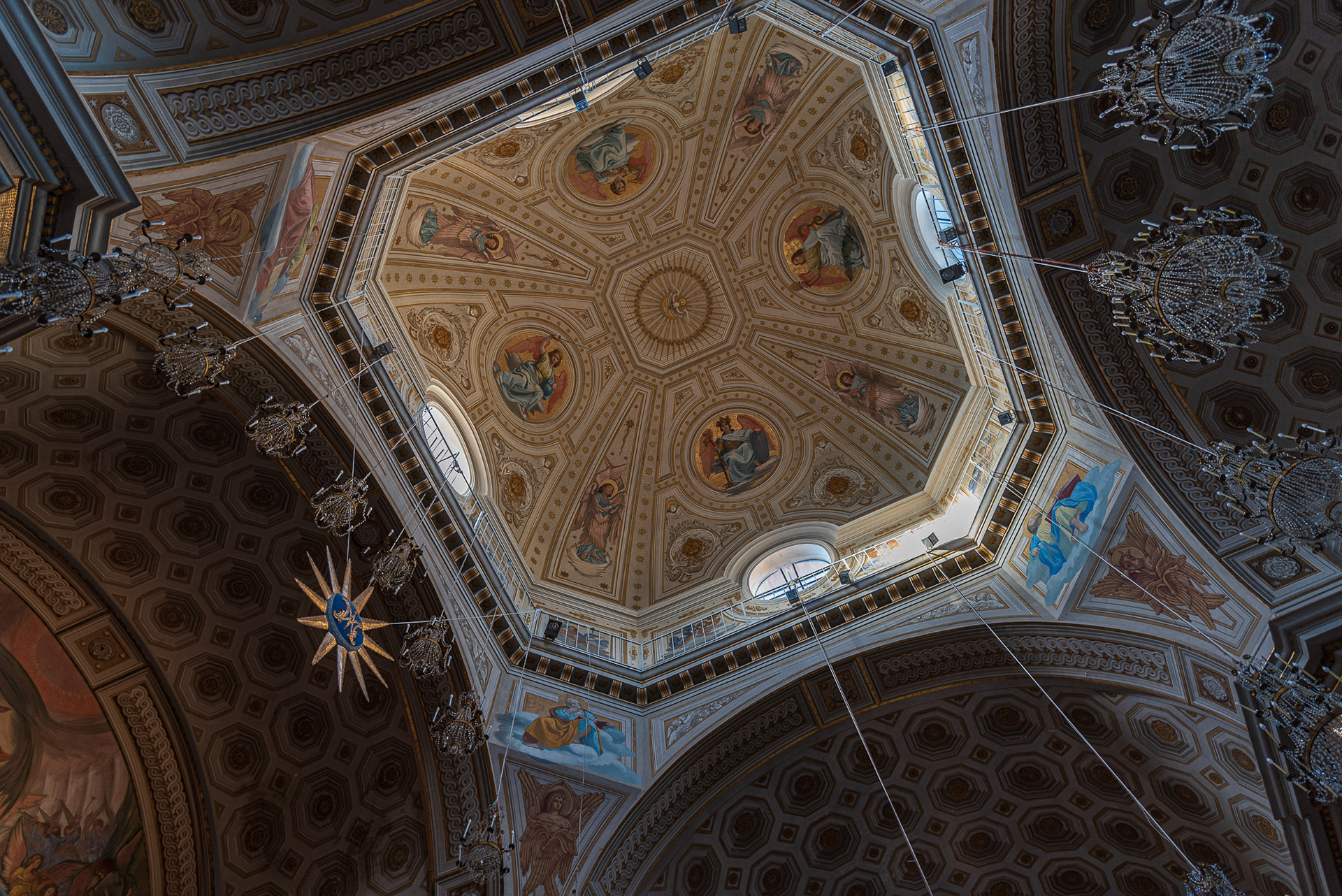
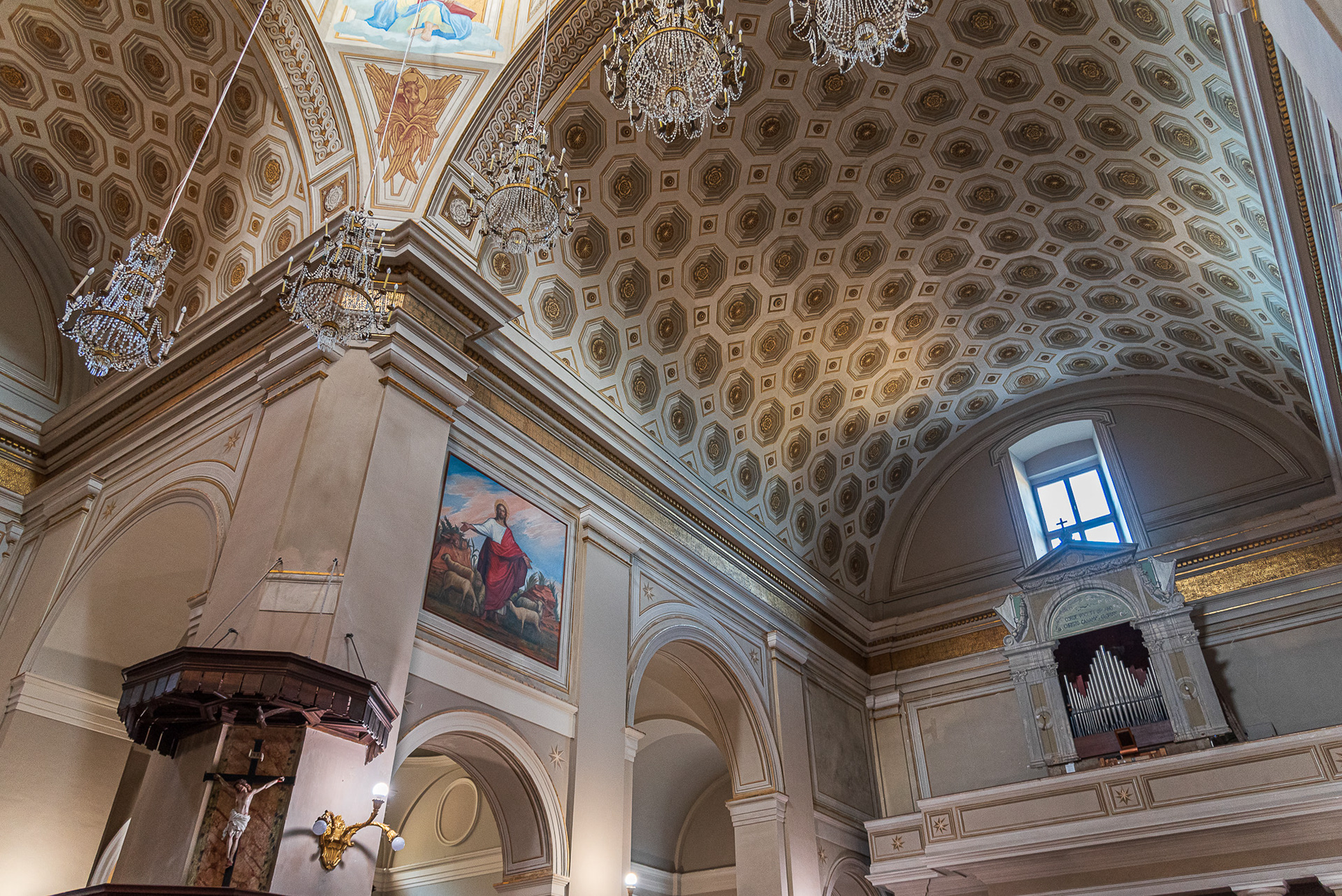
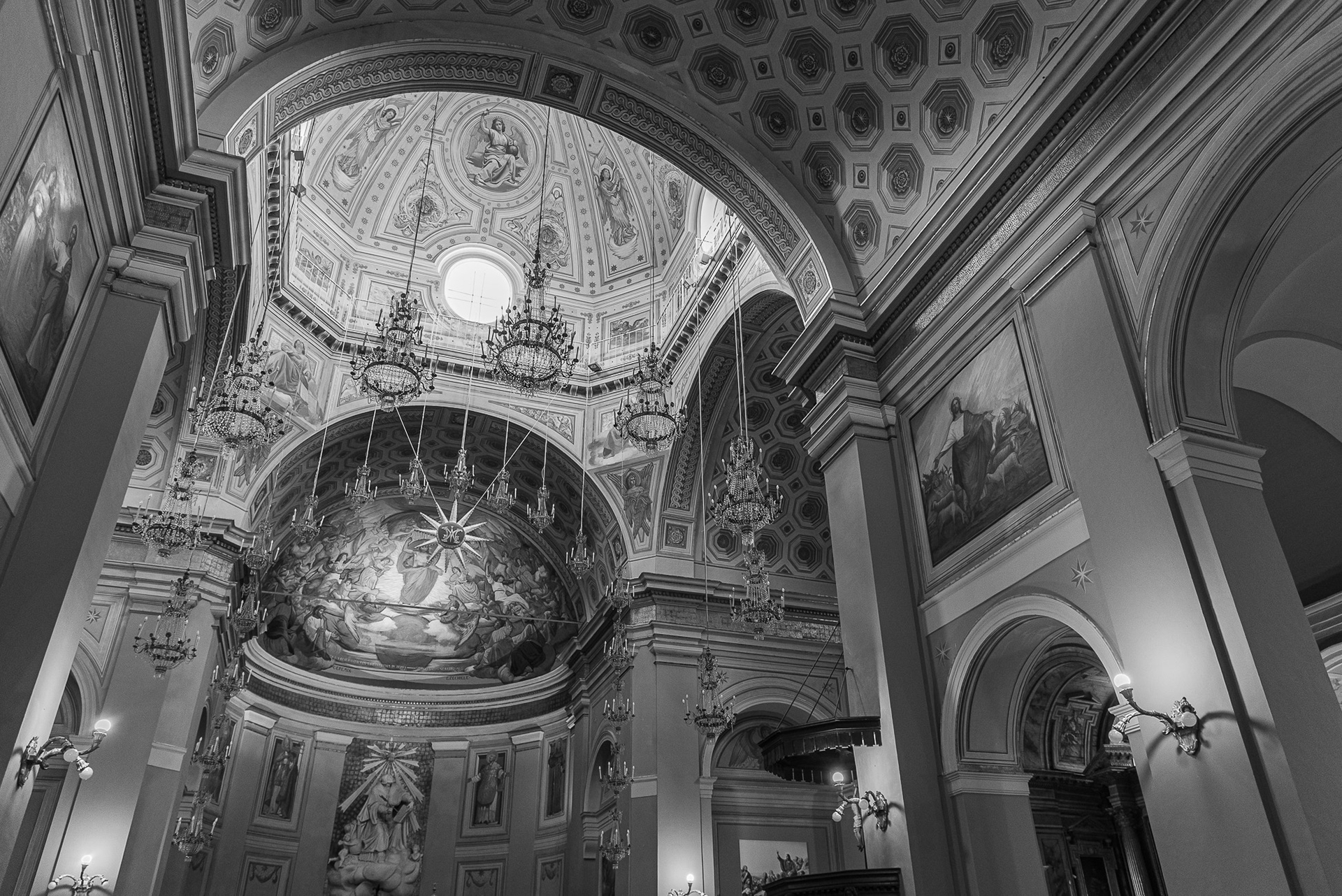
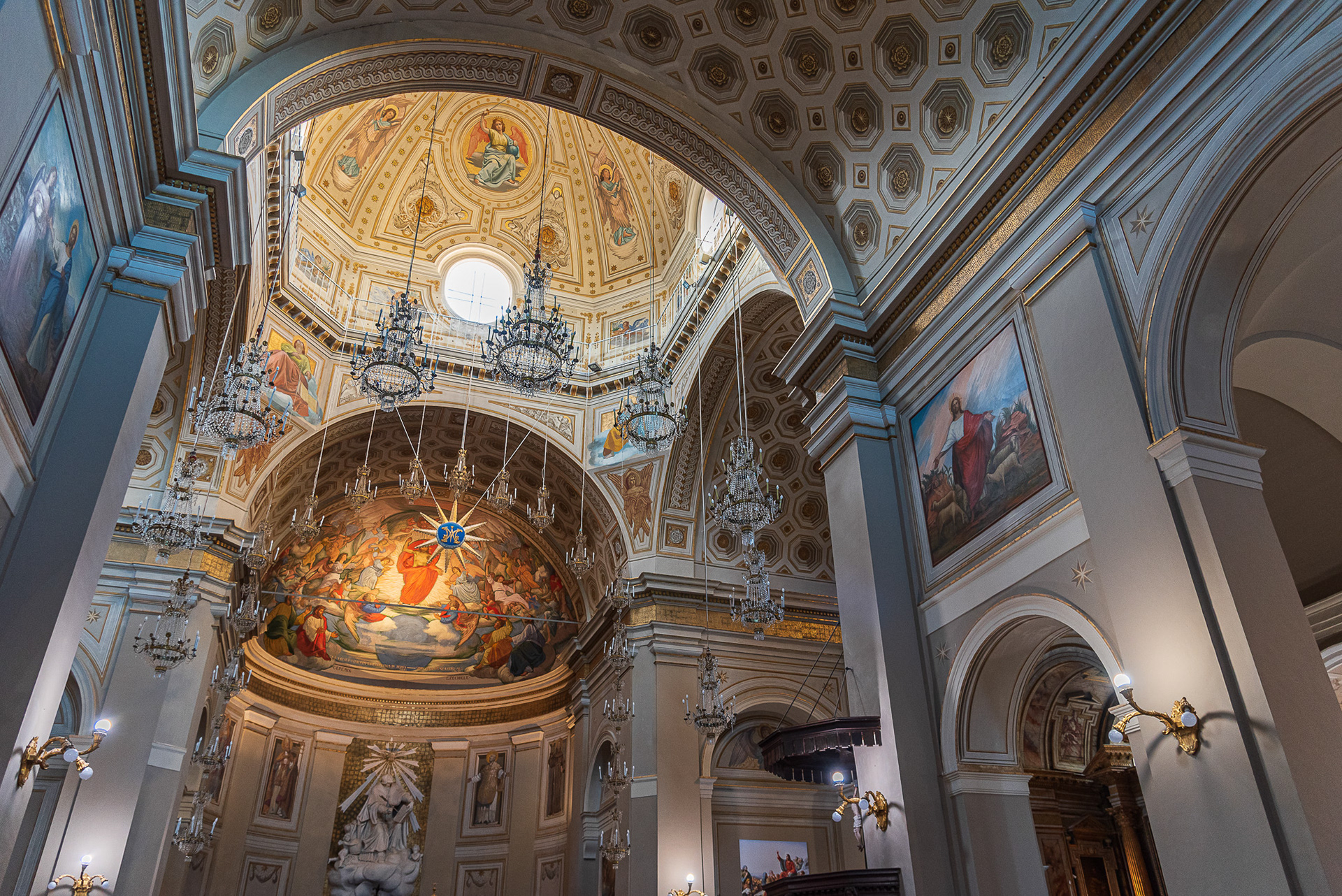
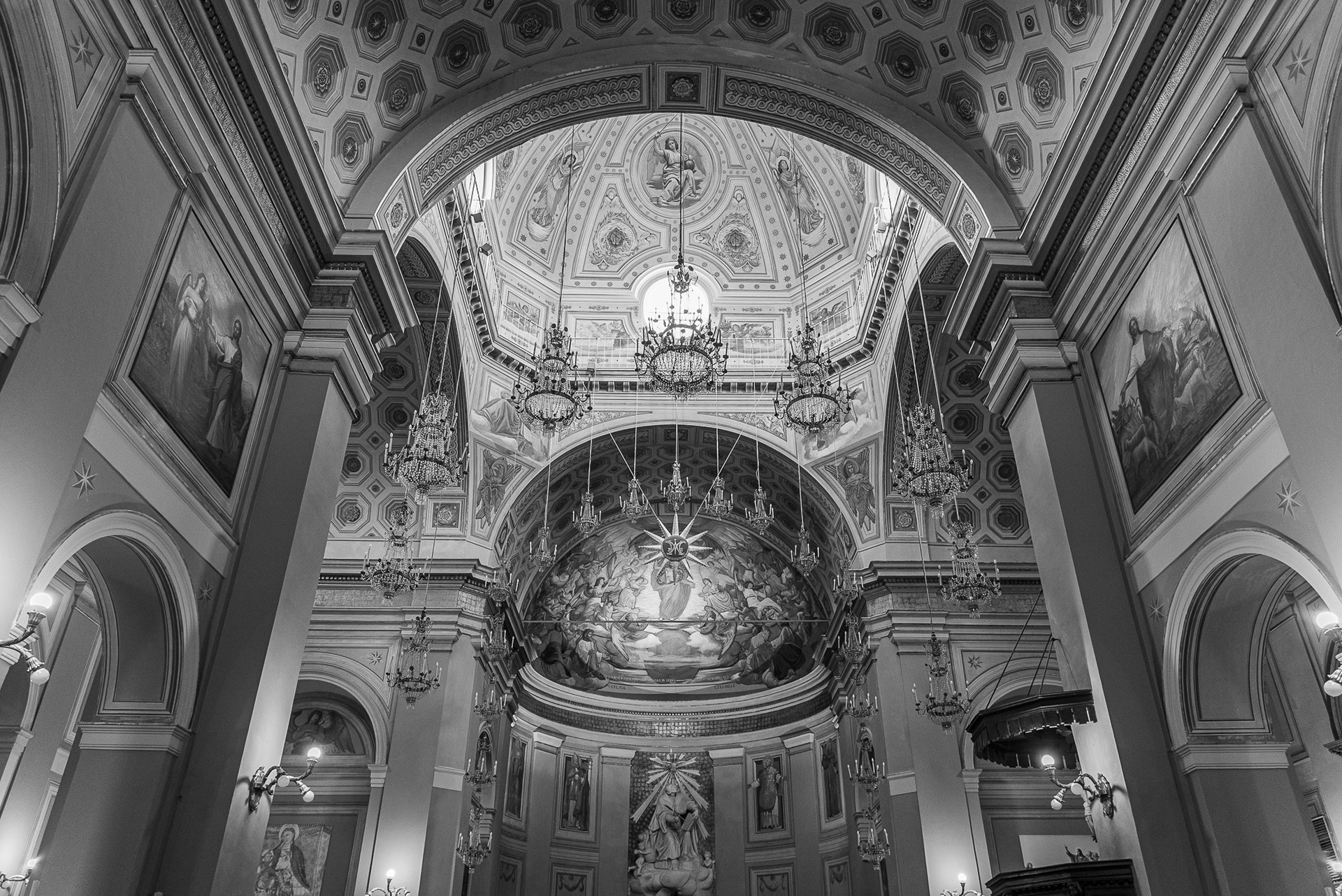
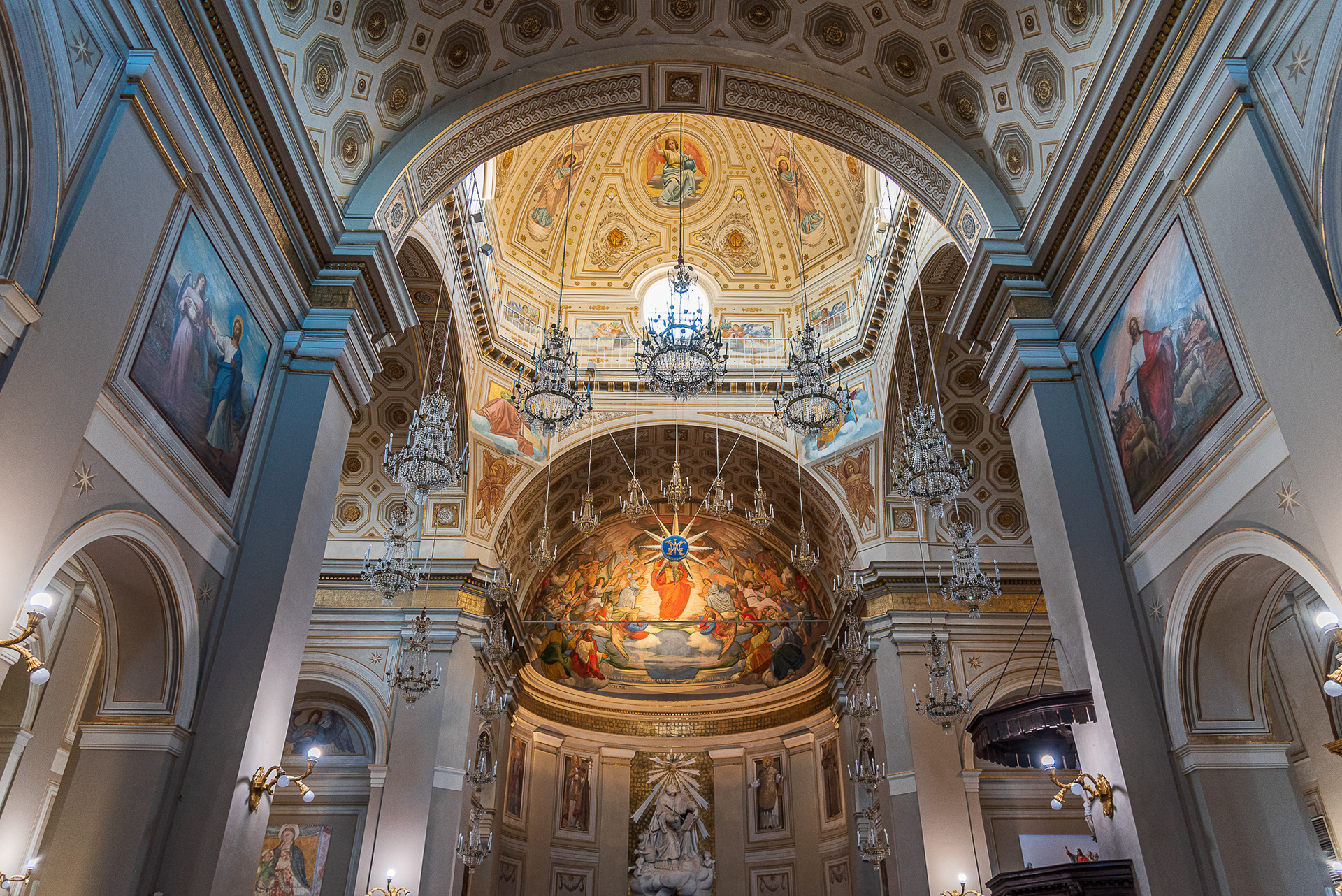
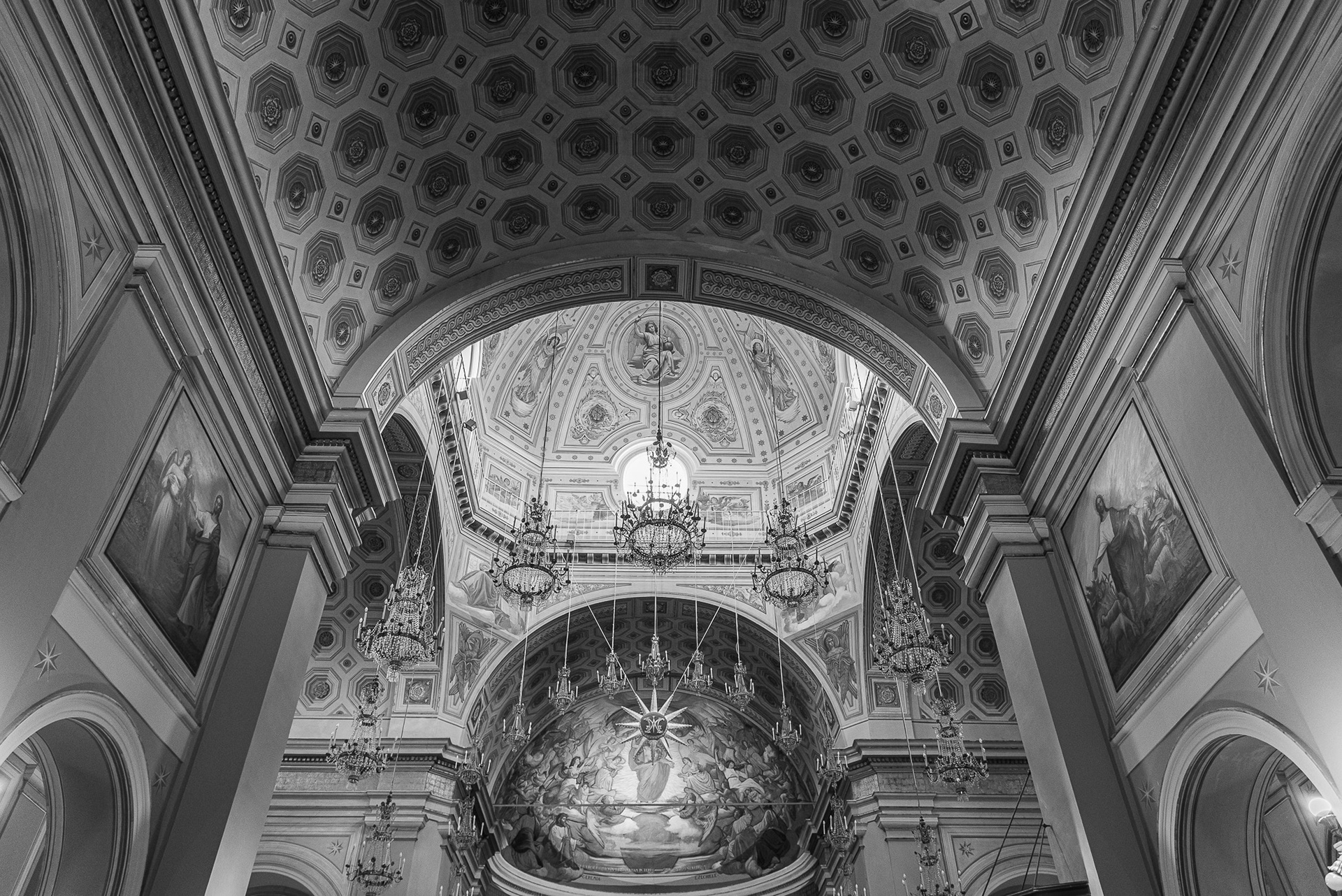
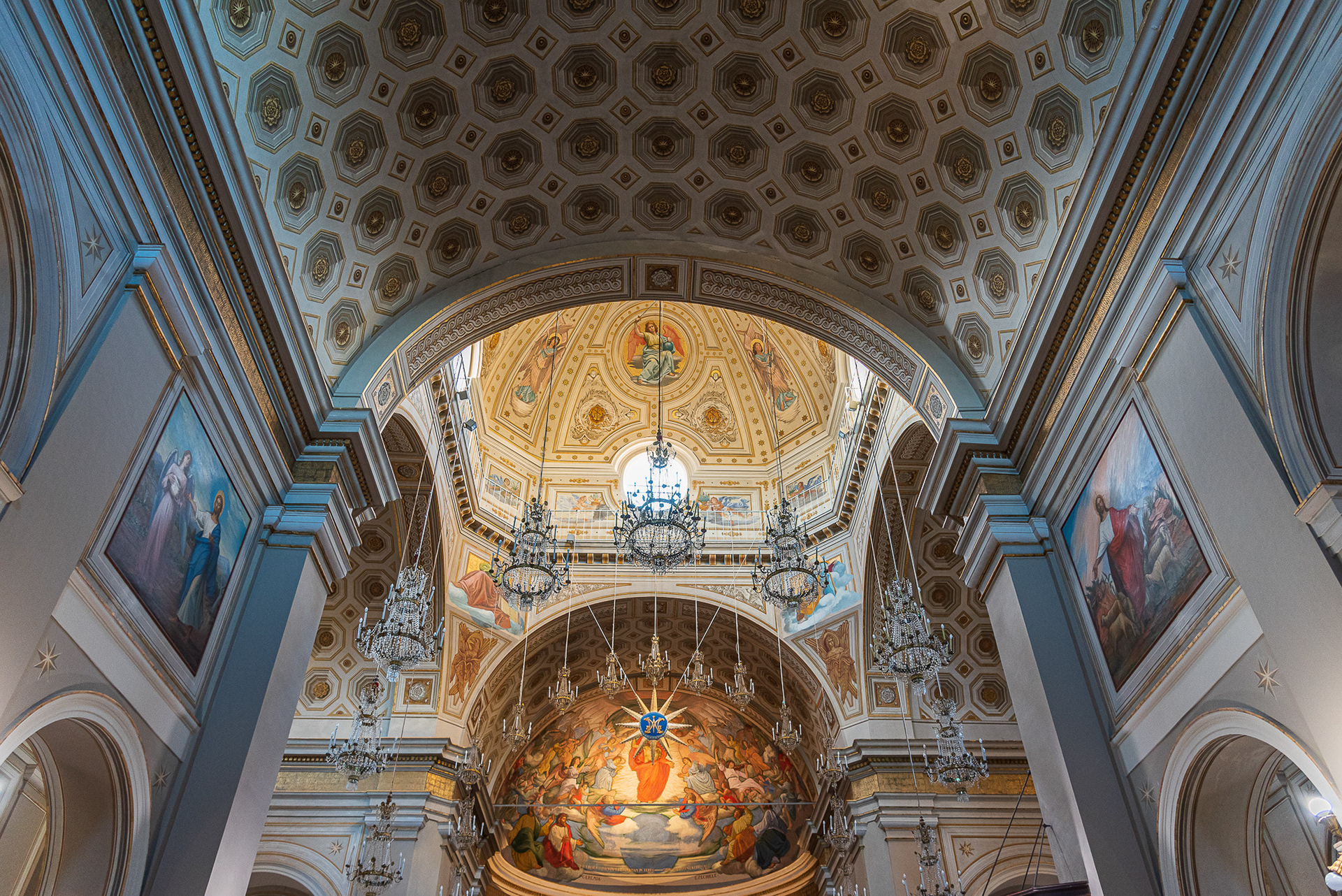
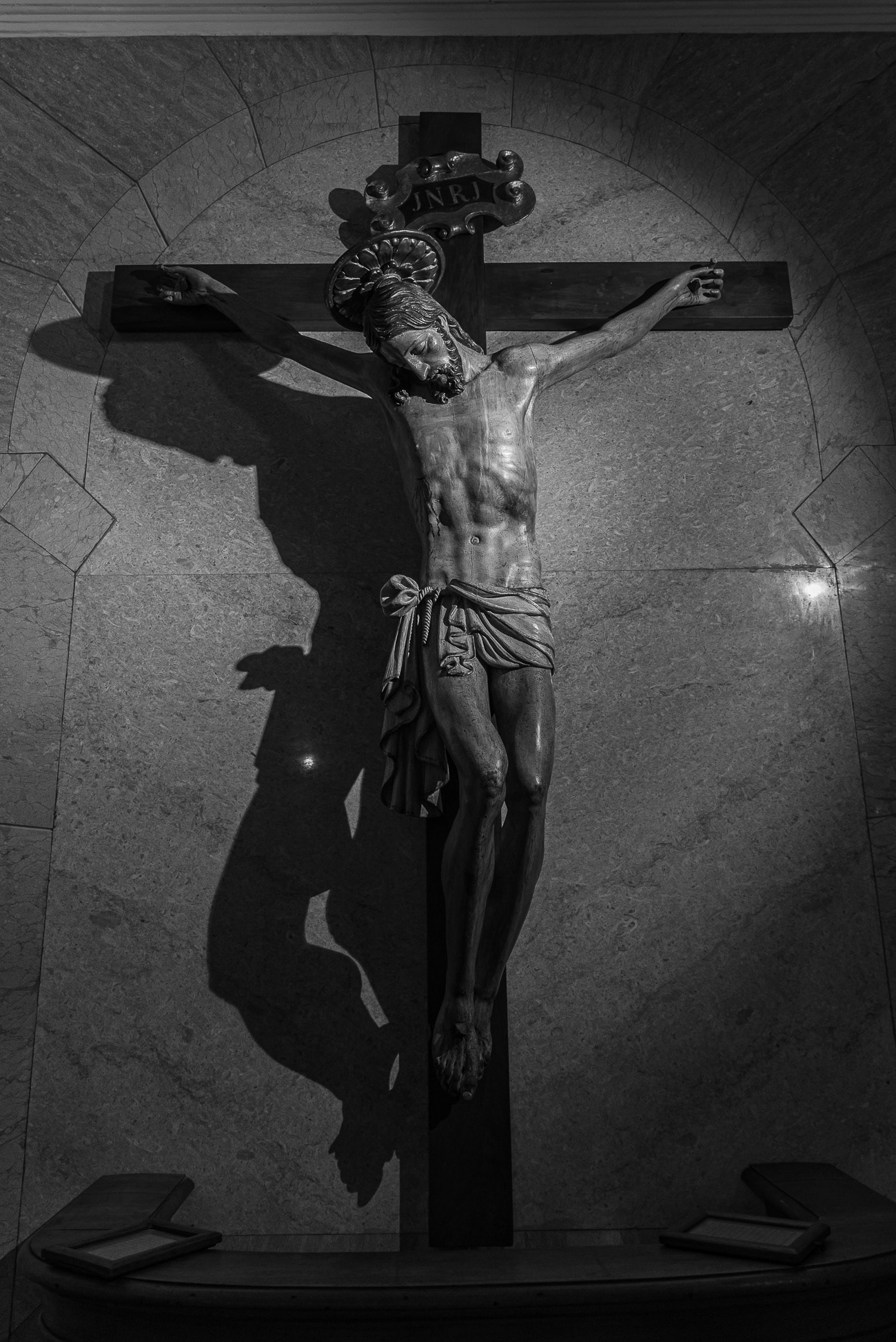
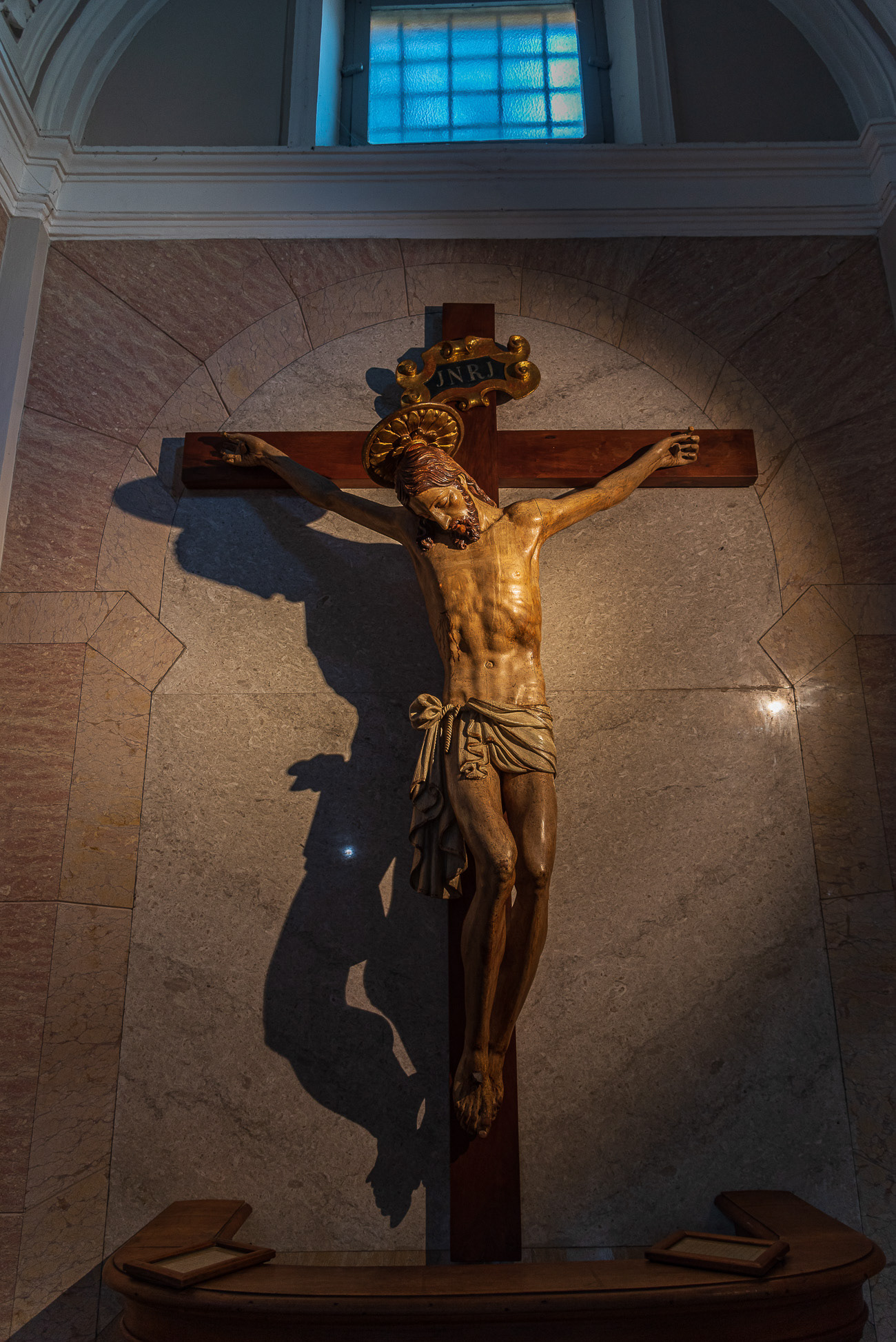
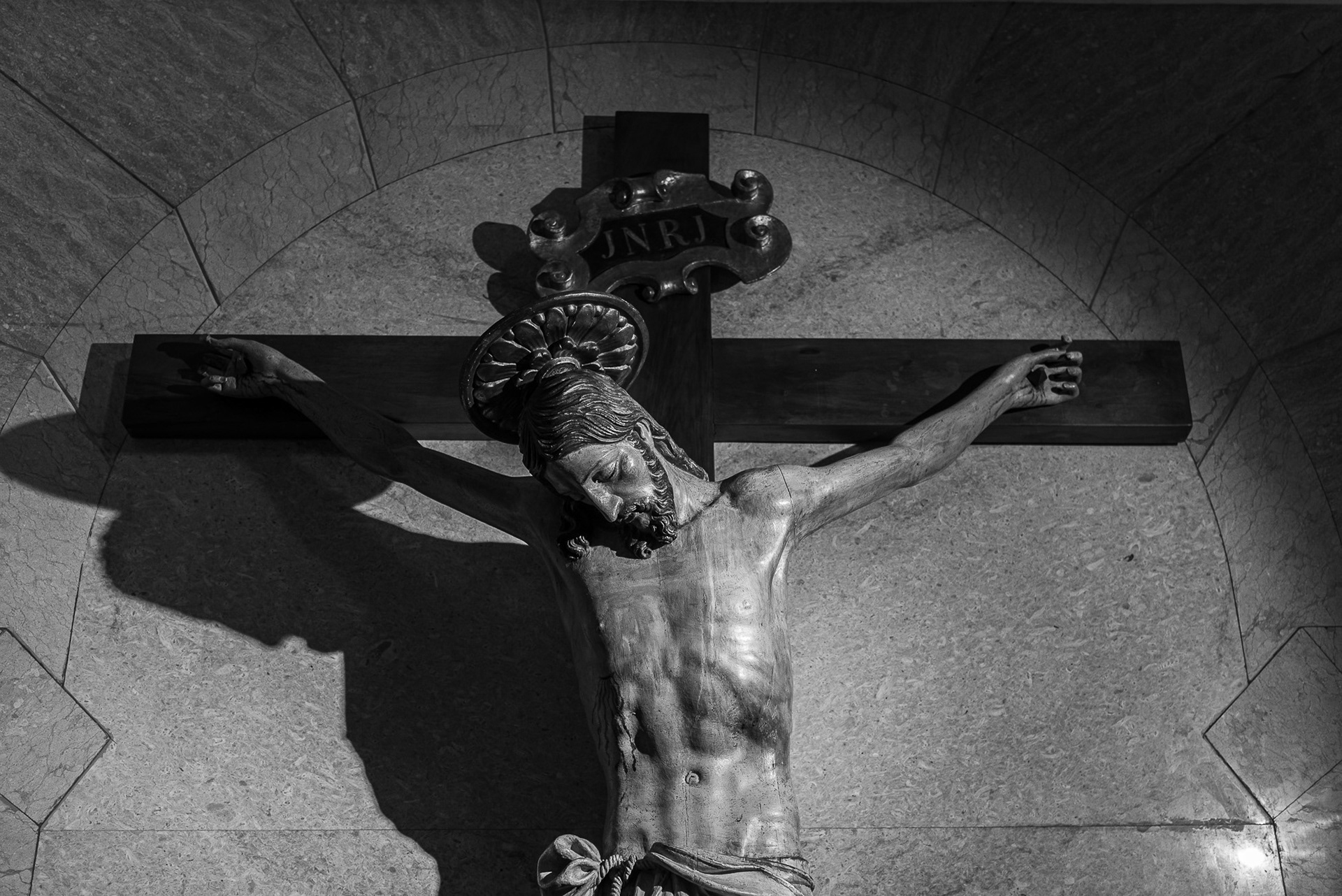
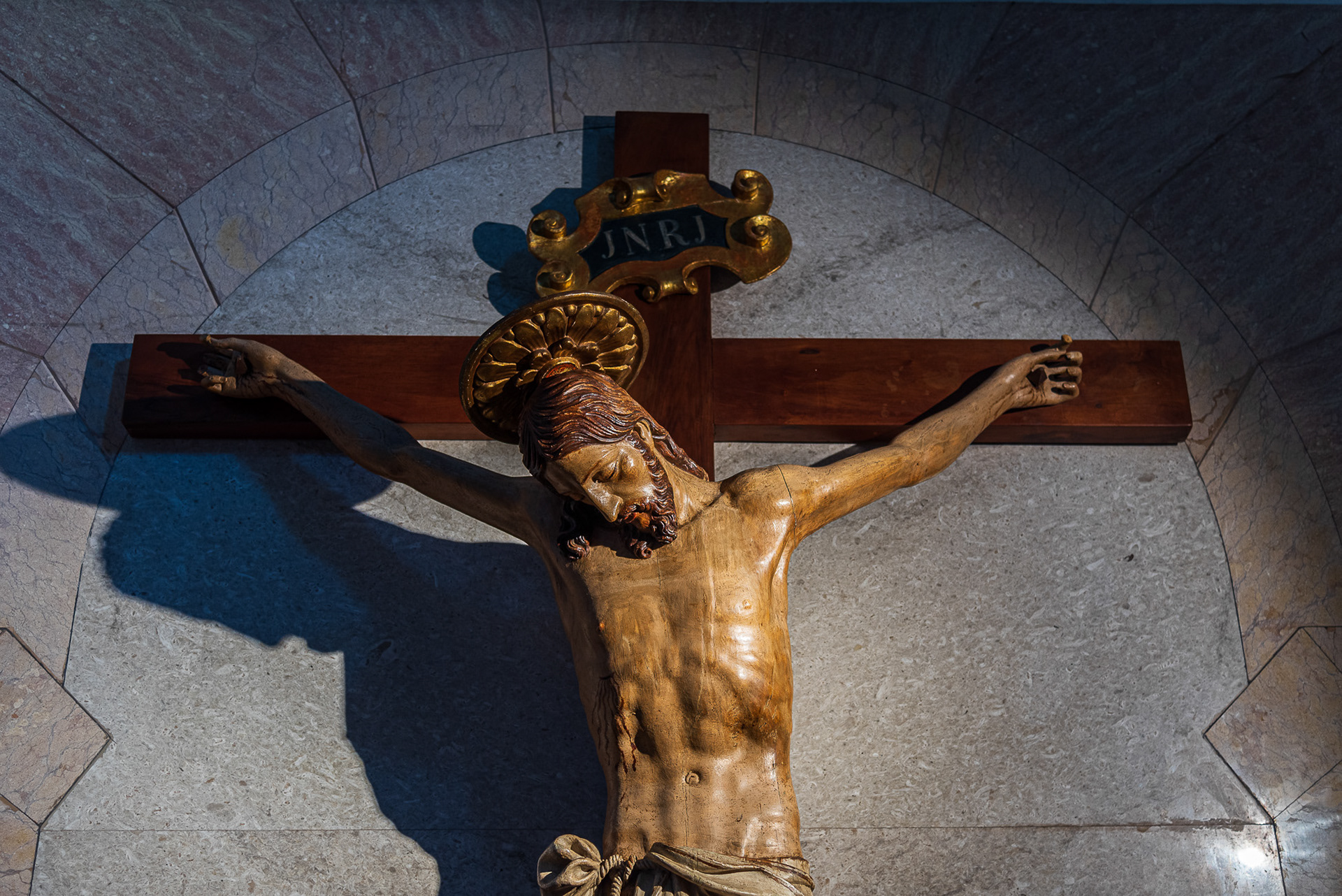
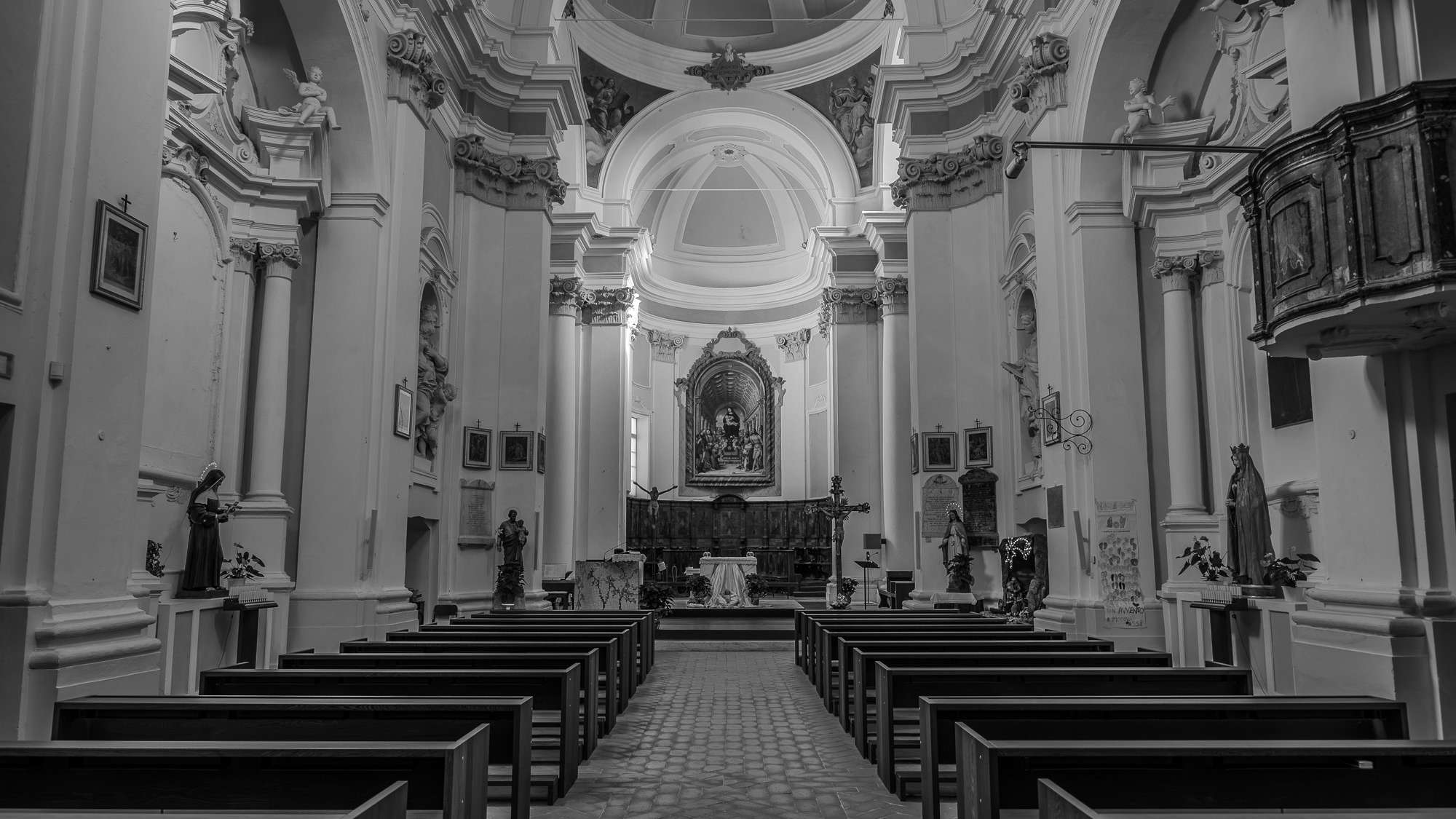
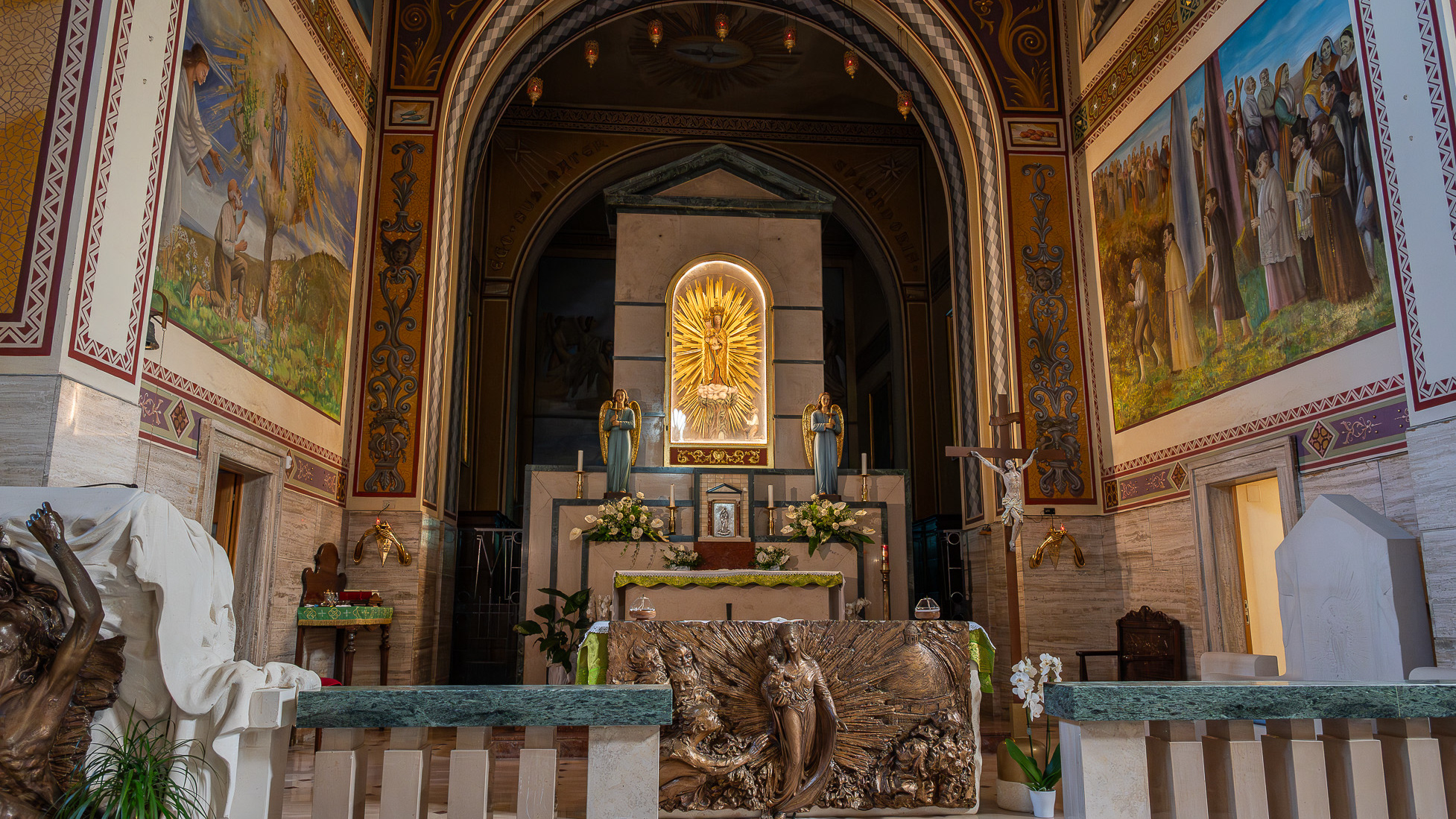
Ripatransone. The co-cathedral of SS. Gregorio Magno
2022
The co-cathedral of Saints Gregorio Magno and Margherita is the main cult building in Ripatransone, in the province of Ascoli Piceno, co-cathedral of the diocese of San Benedetto del Tronto-Ripatransone-Montalto. It is a minor basilica and a triple sanctuary, as it also includes the chapel of the Madonna di San Giovanni and the crypt of Mercy and Death, considered temples in their own right.
You may also like
2025
Genga. The church of San Vittore alle Chiuse
The church of San Vittore alle Chiuse or "delle Chiuse" is a Romanesque building located in San Vittore Terme in the municipality of Genga, near the Frasassi gorge and caves.
2025
Offida. Piazza del Popolo, the Town Hall
2022
Offida, Ascoli Piceno. Piazza del Popolo, the Town Hall
Town Hall. Built between the 13th and 14th centuries (central crenellated tower). The façade is preceded by a 7-arched portico with an elegant 14-arched loggia raised in the 15th century. Inside there is a small art gallery with works by Pietro Alamanno and Simone de Magistris from Caldarola. In the municipal historical archive there is, among other things, the mutilated parchment cadastre of the fourteenth century with a good 70 parchments in Gothic characters.
2025
Offida. Collegiate Church of S. Maria Assunta
2024
Loreto. The Basilica of the Holy House
The Basilica of the Holy House is one of the main places of veneration of Mary and one of the most important and visited Marian shrines of the Catholic Church. It is located in Loreto.
2024
Acquaviva Picena. Mother Church of San Nicolò
The church is dedicated to S. Nicolò di Bari, patron saint of the city. The original construction dates back to the 16th c., and then assumed its current architectural forms during the 19th century
2023
Giulianova. The sanctuary of the M. dello Splendore
The sanctuary of the Madonna dello Splendore is a cult building in Giulianova, with the convent, the miraculous fountain and the Art Museum of Splendor and the "Padre Candido Donatelli" Library
2022
Ascoli Piceno. The Palazzo dei Capitani del Popolo
Overlooking Piazza del Popolo, it stands out for its elegant medieval crenellated tower next to the historic Meletti café. Built between the 13th and 14th centuries from the union of three small buildings separated by two rue, one of which was equipped with a tower which was later reused, it was remodeled following the fire that almost entirely destroyed the interior in 1535. The central portal, preceded by a staircase and surmounted by the monument to Paul III, the courtyard with three orders of loggias and the staircase, the latter built by Camillo Merli around 1550, date back to that period.
2020
Rotella. Hermitage of San Francesco
In the territory of Poggio Canoso, along the road from Rotella to the Ascension mountain, there is an ancient convent, one of the first Franciscan hermitages built in the region. Tradition has it that it was San Francesco himself, perhaps bringing back everything that was already existing Benedictine, to choose the place that would host his convent and remain there for a night. The convent of Poggio Canoso was suppressed on 18 December 1653. After the uncertainties about its use, the convent finally received the attention it deserved and from 1989 to 2009 it was the seat of the "Meeting Community" of Don Pierino Gelmini. The boys, guests of the center, with precise and assiduous work, managed to restore the church, the cloister and all the ancient Franciscan structures to the splendors of the times of the conventual fathers.
2022
Ascoli Piceno. The Cathedral of San Emidio
The city's cathedral, dedicated to the patron saint, stands on the site of a Roman public building, perhaps the Basilica del Foro, and is the result of multiple construction events that substantially range from the 11th to the 16th century. The main facade created by Cola dell'Amatrice opens onto Piazza Arringo, while the two side facades date back to the end of the 15th century. The interior, with three naves divided by polygonal pillars, from the end of the fifteenth century, houses, among the various works, in the central apse a late Gothic wooden choir from the first half of the fifteenth century, a wooden pulpit from around 1660; in the Chapel of the Sacrament the Polyptych of Sant'Emidio by Carlo Crivelli, the imposing decorative cycle by Cesare Mariani, and the crypt of Sant'Emidio, built in the mid-11th century which houses, in a 4th century sarcophagus, the relics of the patron saint of the city.