You may also like

2025
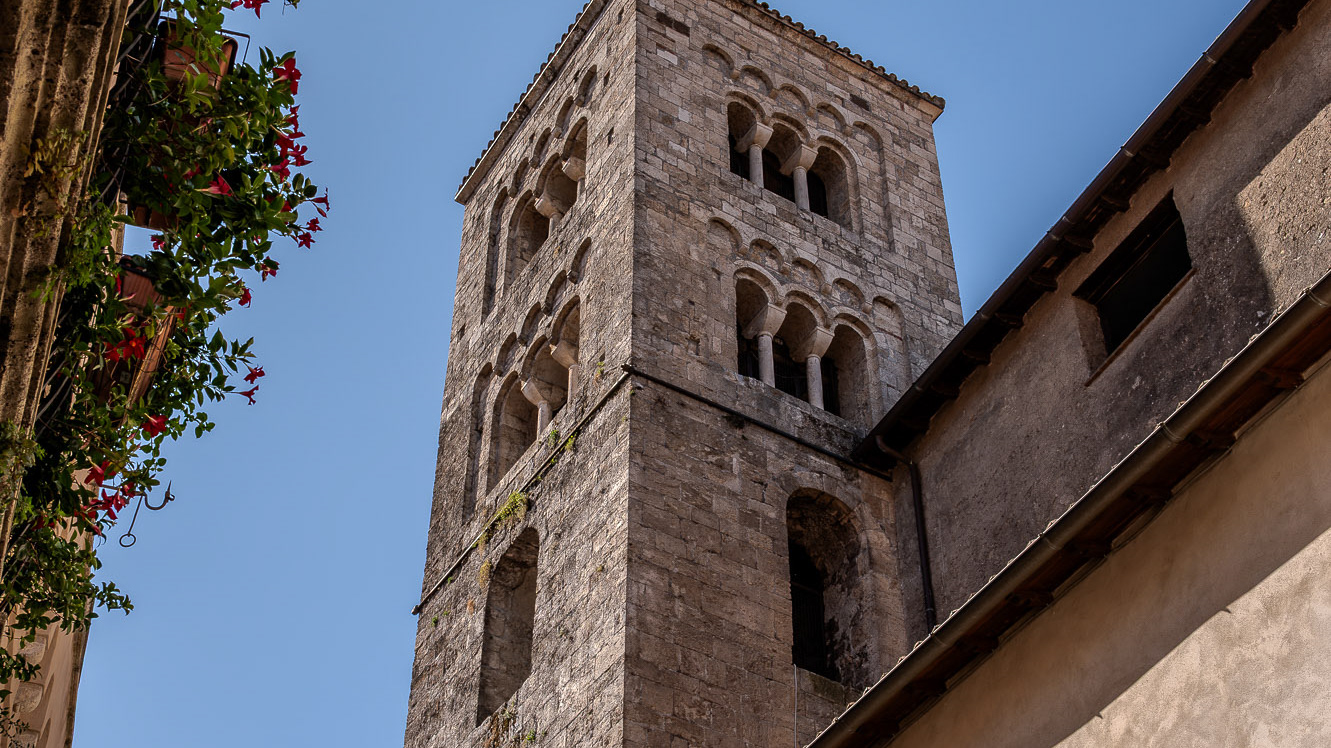
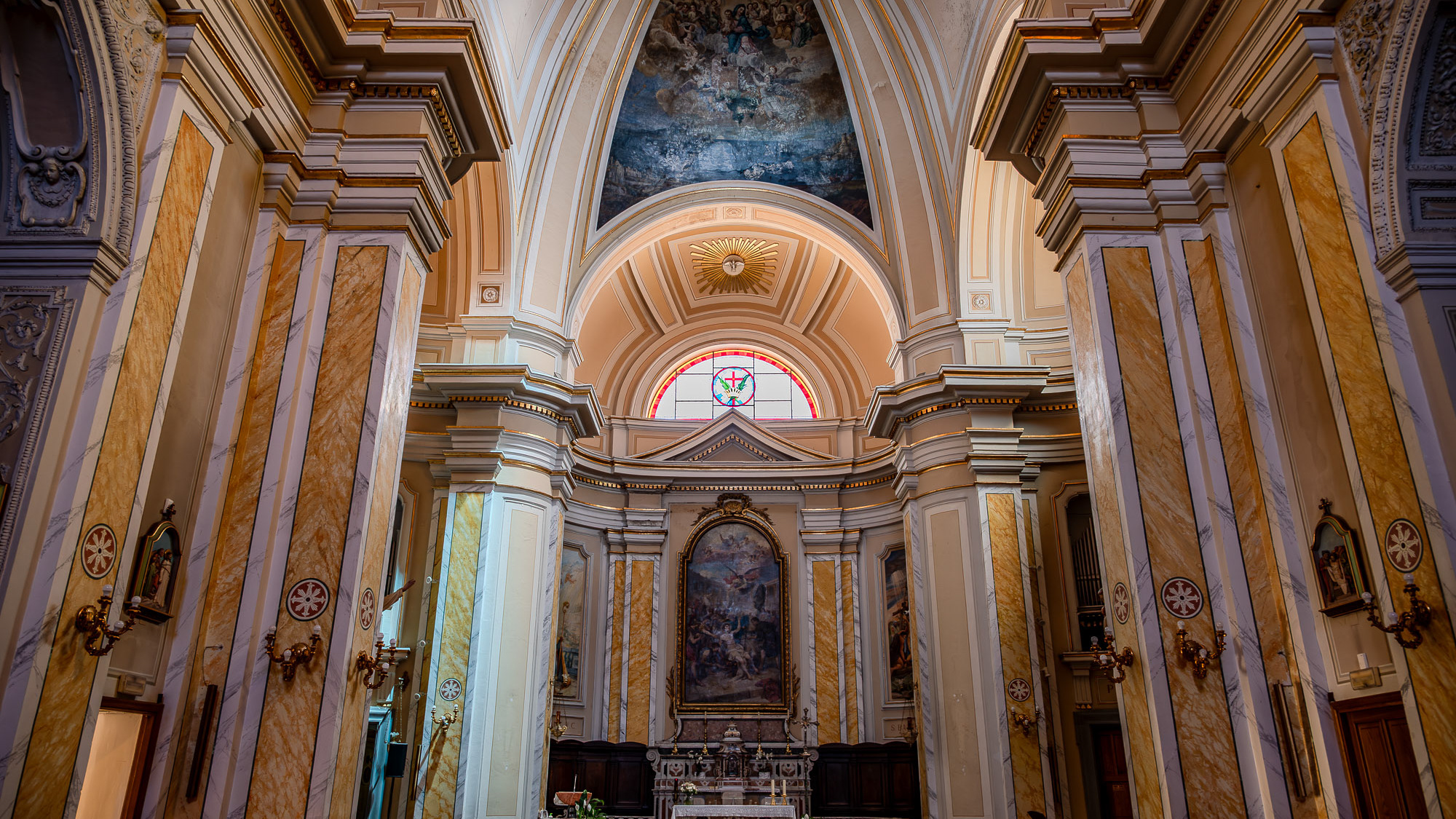
Anagni. Church of St. Andrew
Sant'Andrea is a Roman Catholic church located on Via Vittorio Emanuele in the town of Anagni, in the province of Frosinone, in the Lazio region of Italy. A church on this site has been documented since 1003. Between 1263 and 1276, the church was rebuilt under Bishop Landone Conti in the Gothic style. Some parts of the Romanesque structure remain, including the crypt, once part of the church of San Vito. In the 16th century, Cardinal Benedetto Lomellino renovated the church; another renovation was carried out between 1748 and 1751. The current façade was added in 1761. The interior has a single nave. The altarpieces of the high altar depict Saint Andrew: Virgin Mary with Saint Andrew and Others by Giorgini Vocation of Saint Andrew and Martyrdom of Saint Andrew (1894) by Gagliardi. Triptych of the Savior, with Mary, Andrew and the donor Gregorius Francisci in the central panel, and Saint Magnus and Saint Secondina in the side panels, attributed to the school of Cavallini and Torriti.
2014
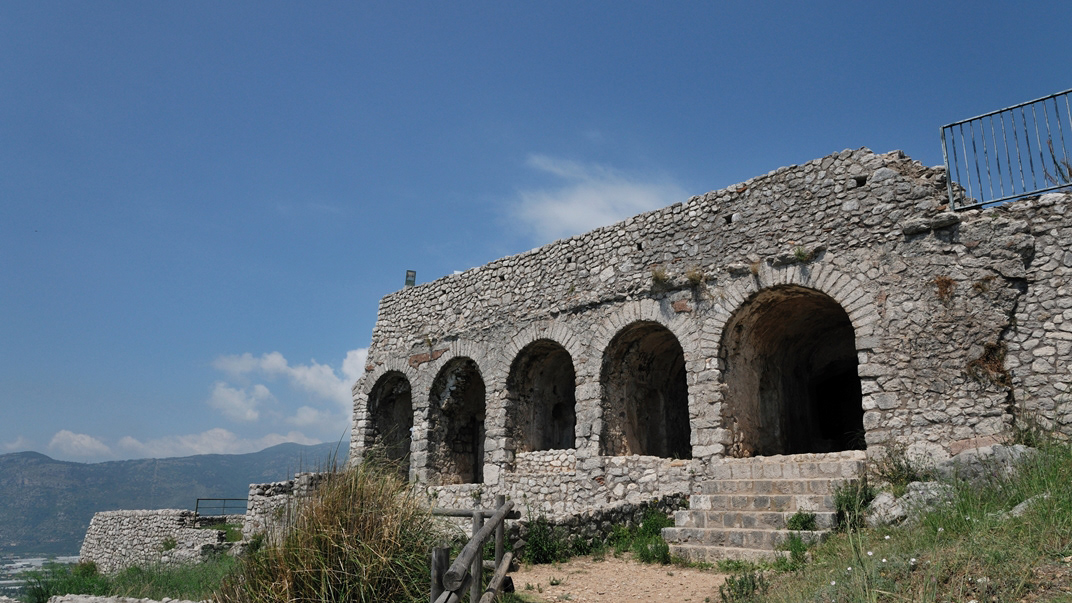
Terracina, Temple of Jupiter Anxur
The temple of Jupiter Anxur is a Roman temple built on an imposing construction of the 1st century BC. on Mount Sant'Angelo, in the city of Terracina, in the province of Latina.
2017
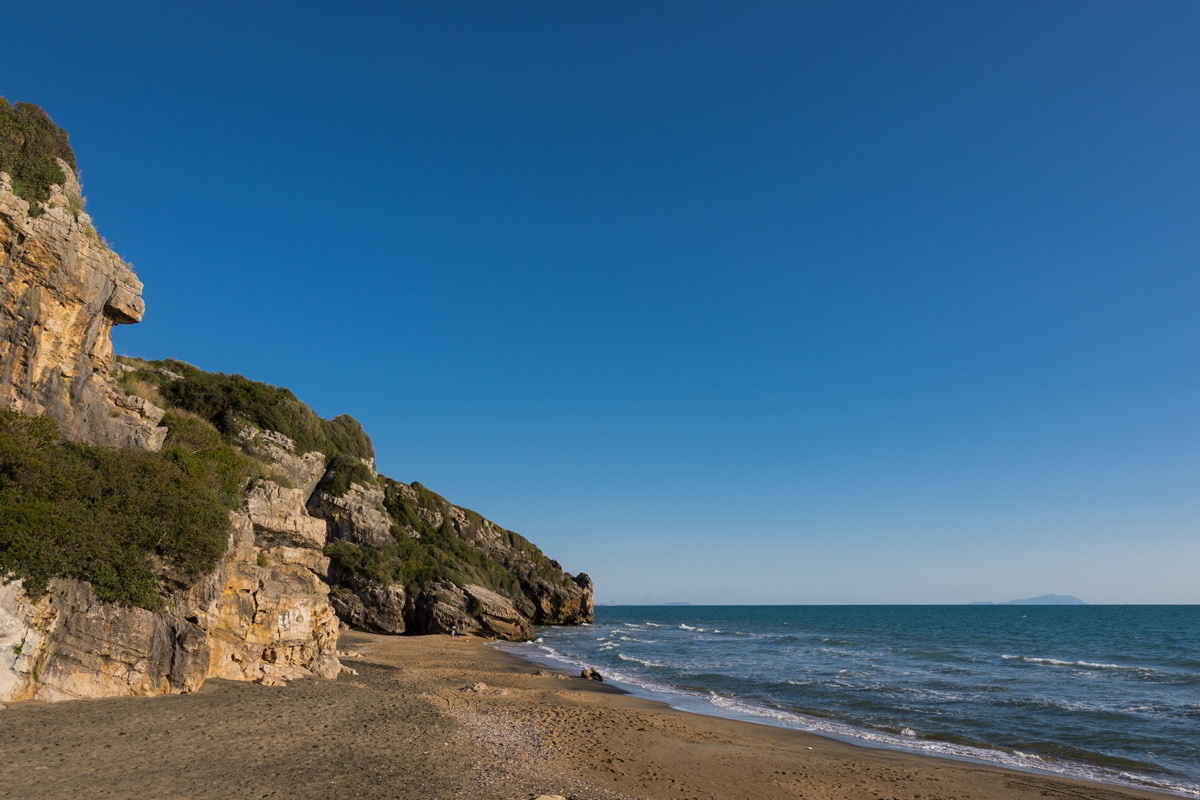
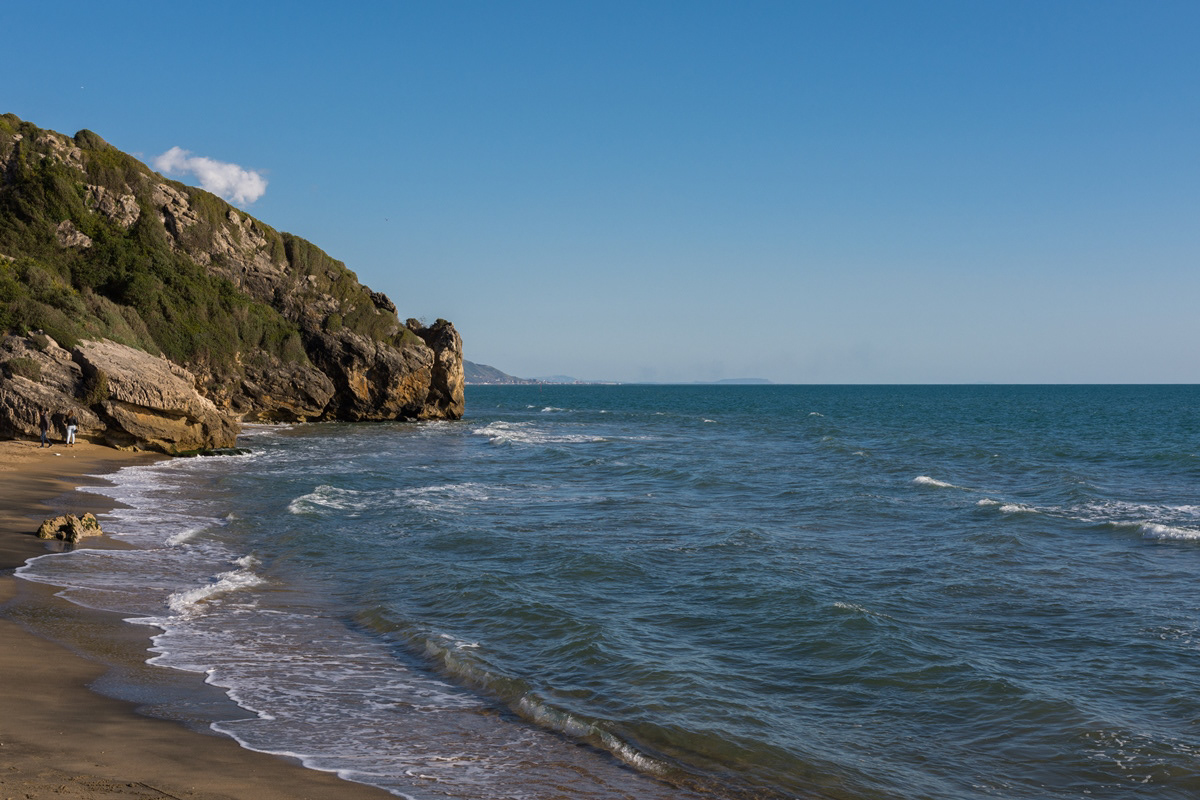
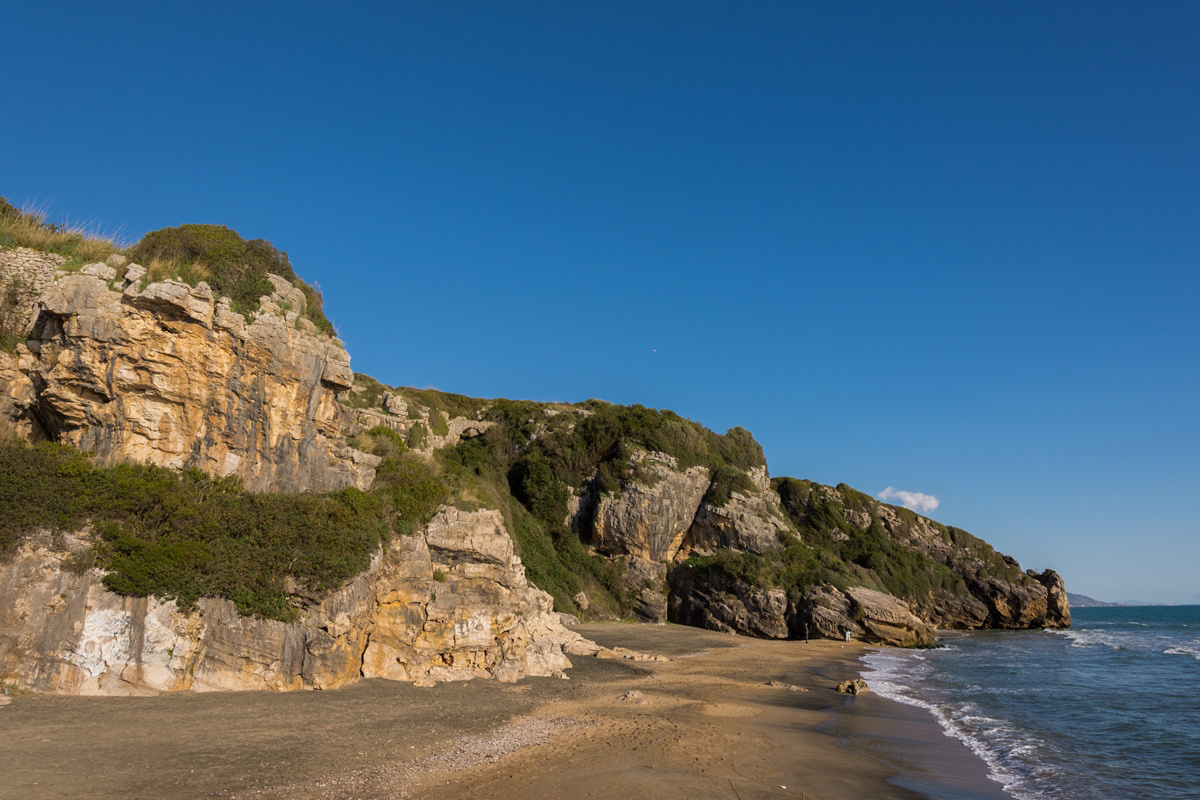
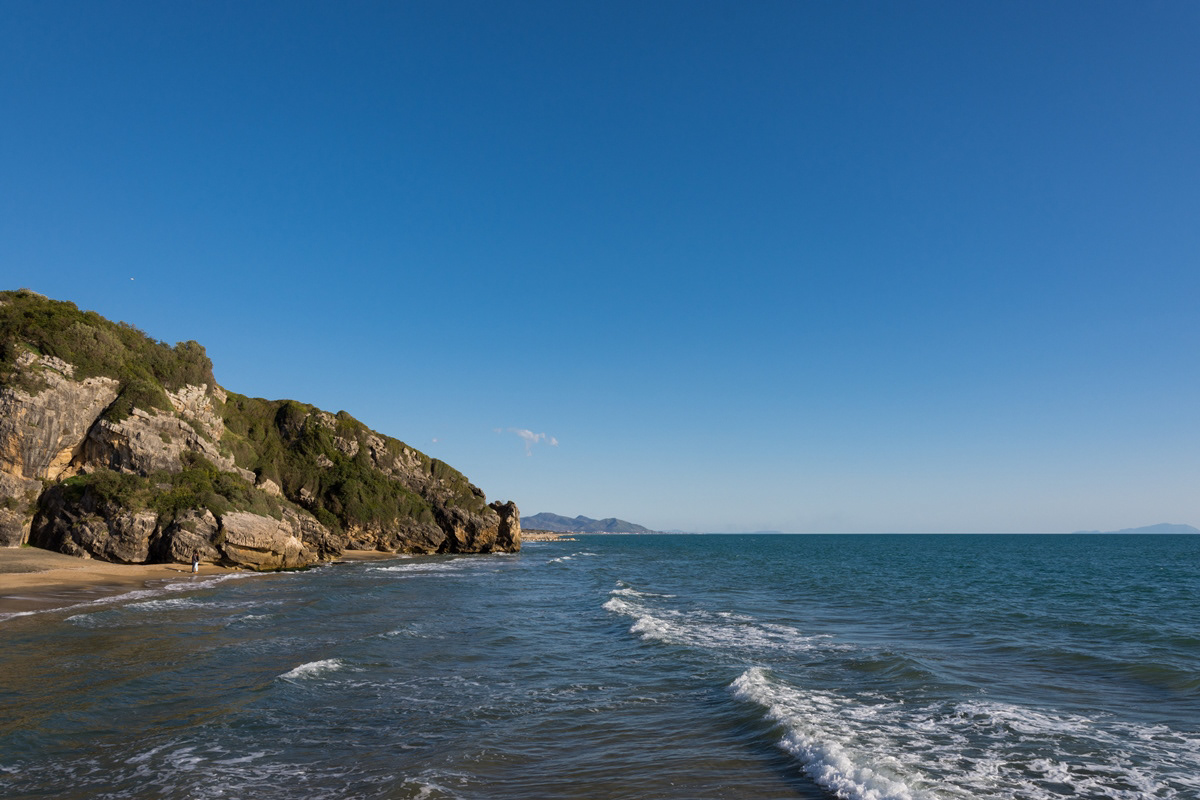
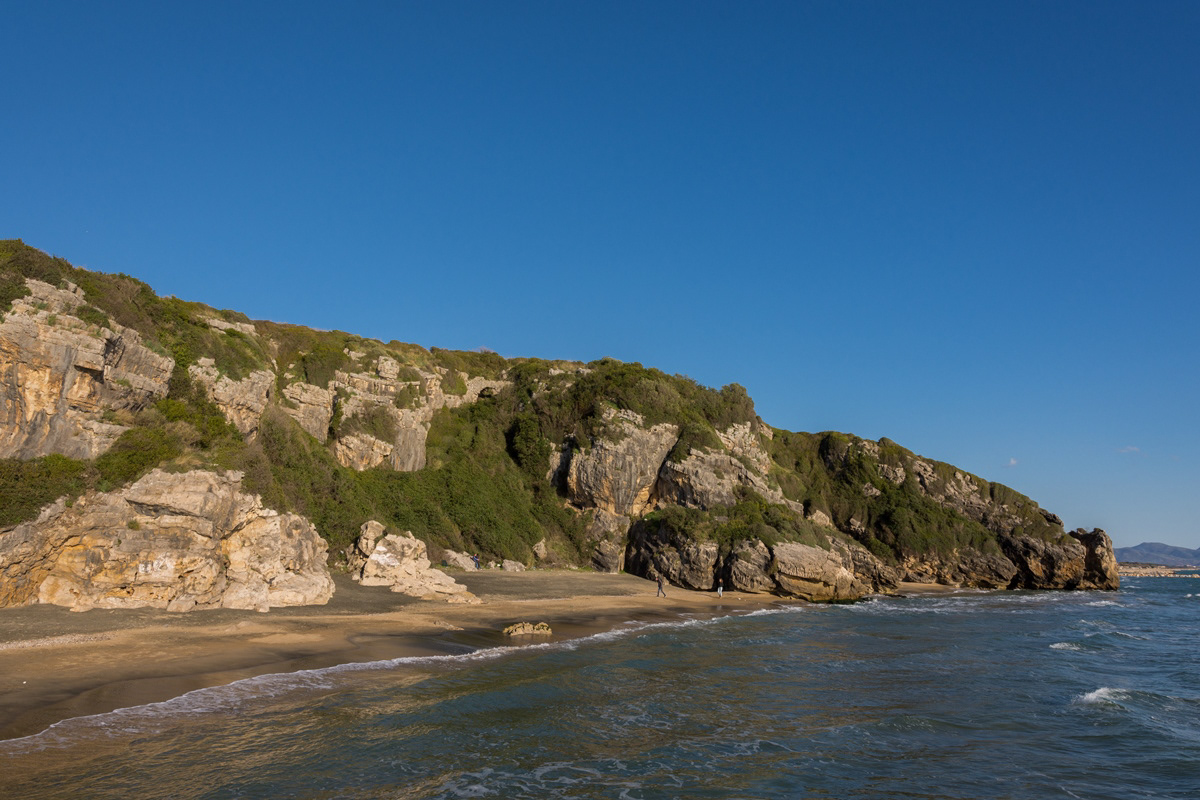
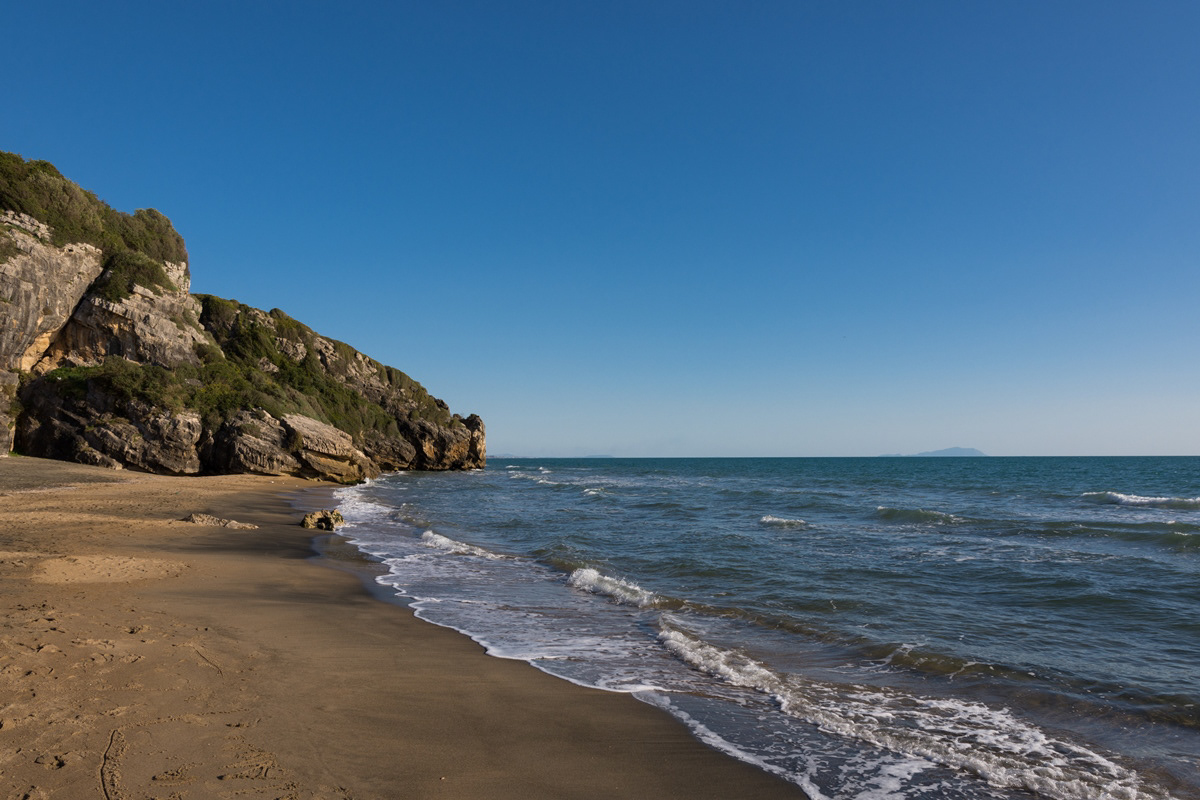
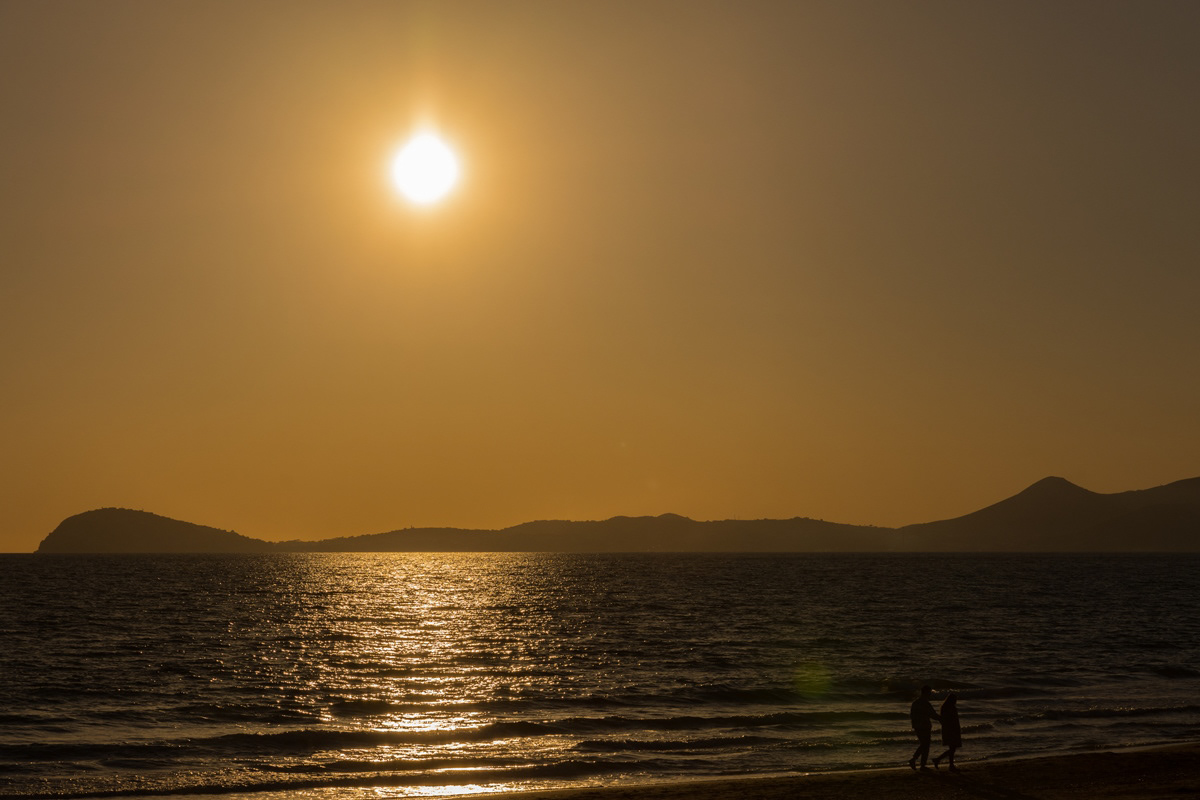
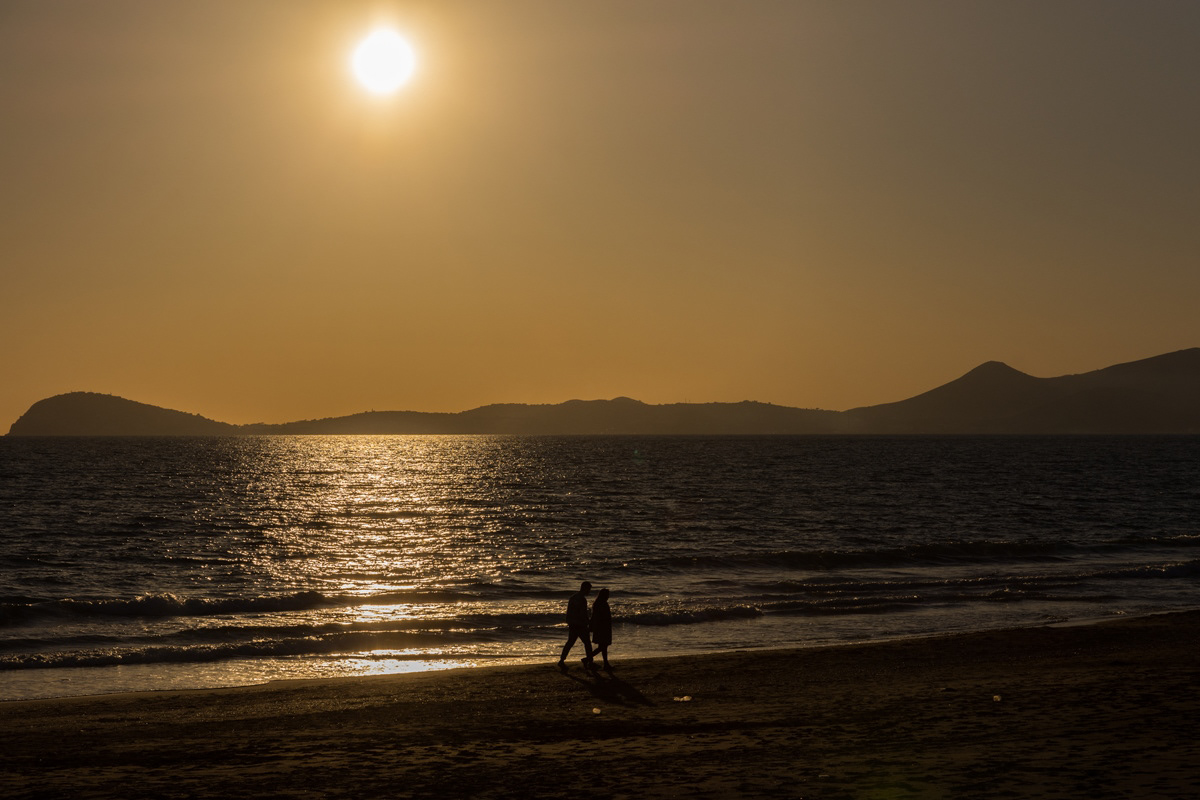
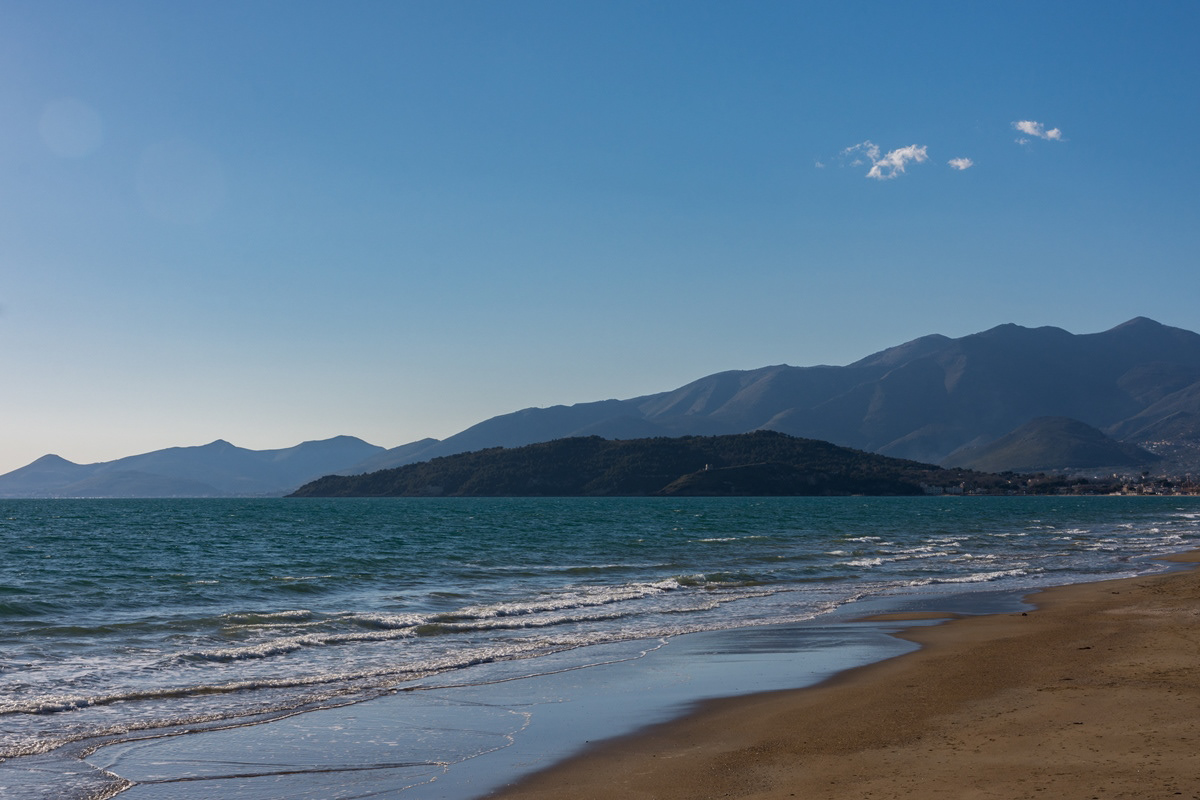
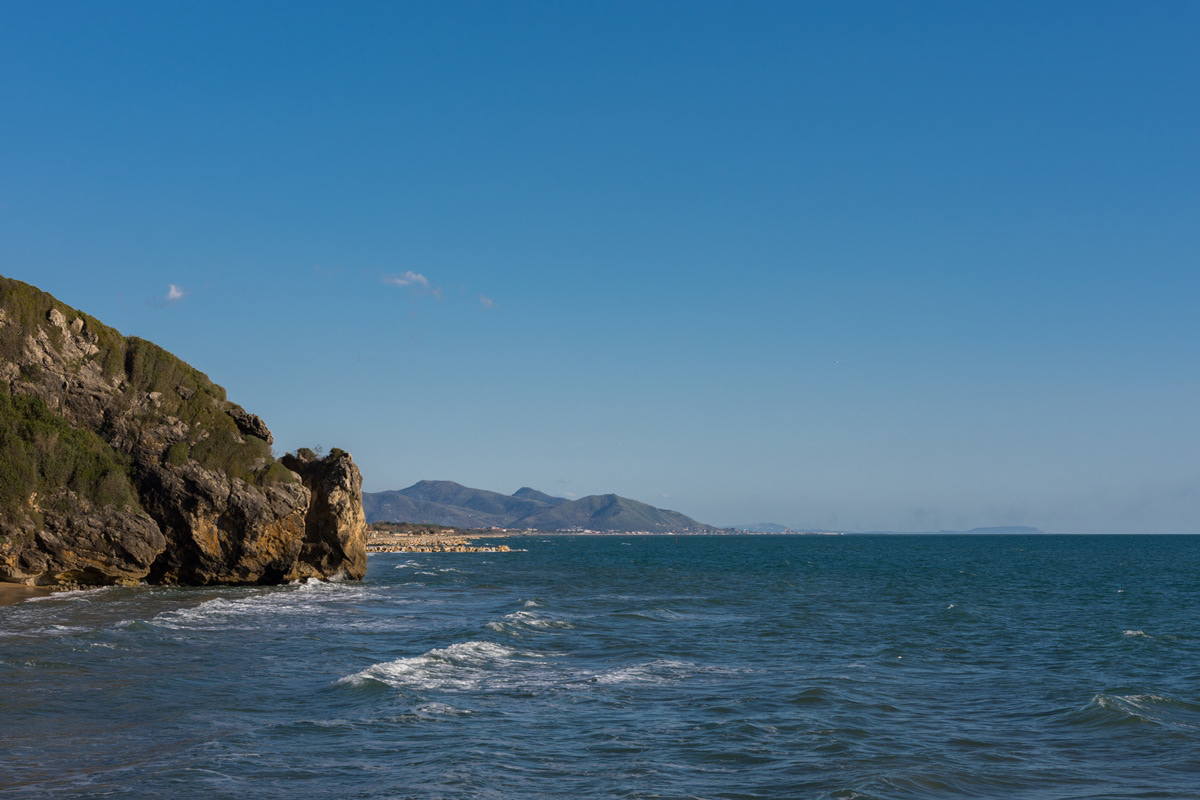
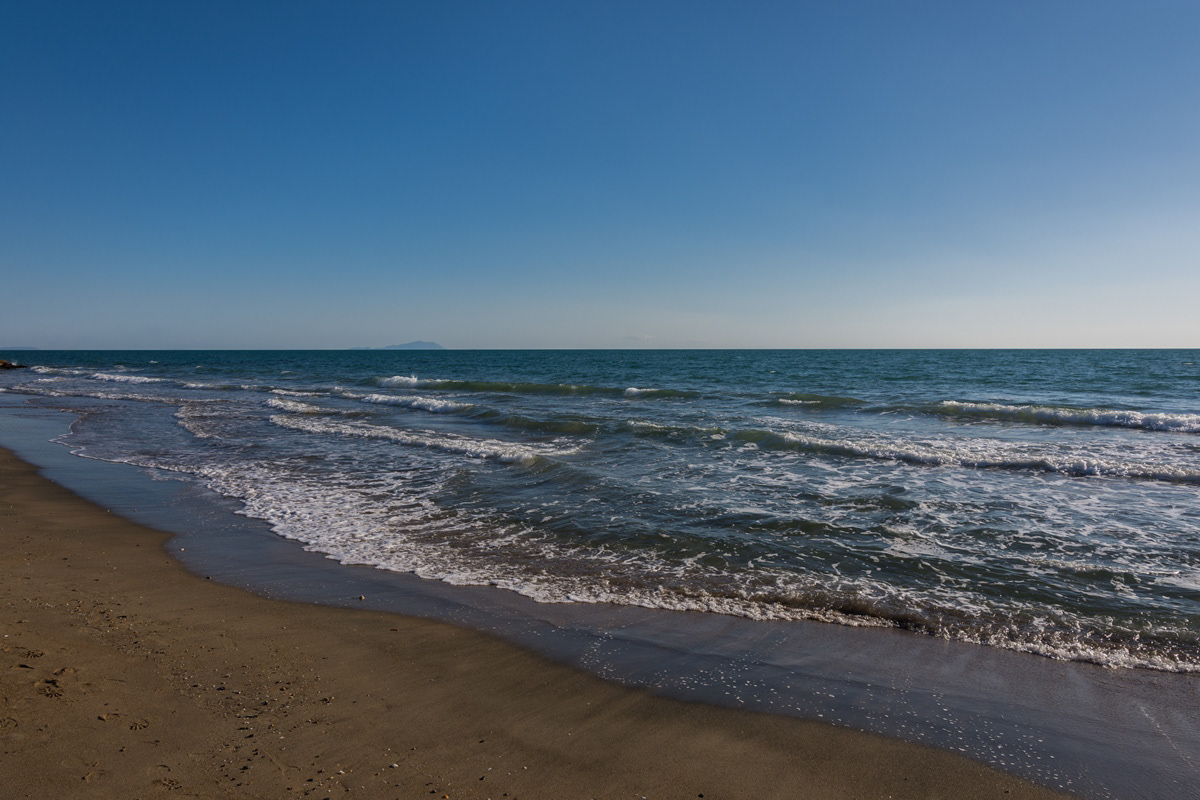
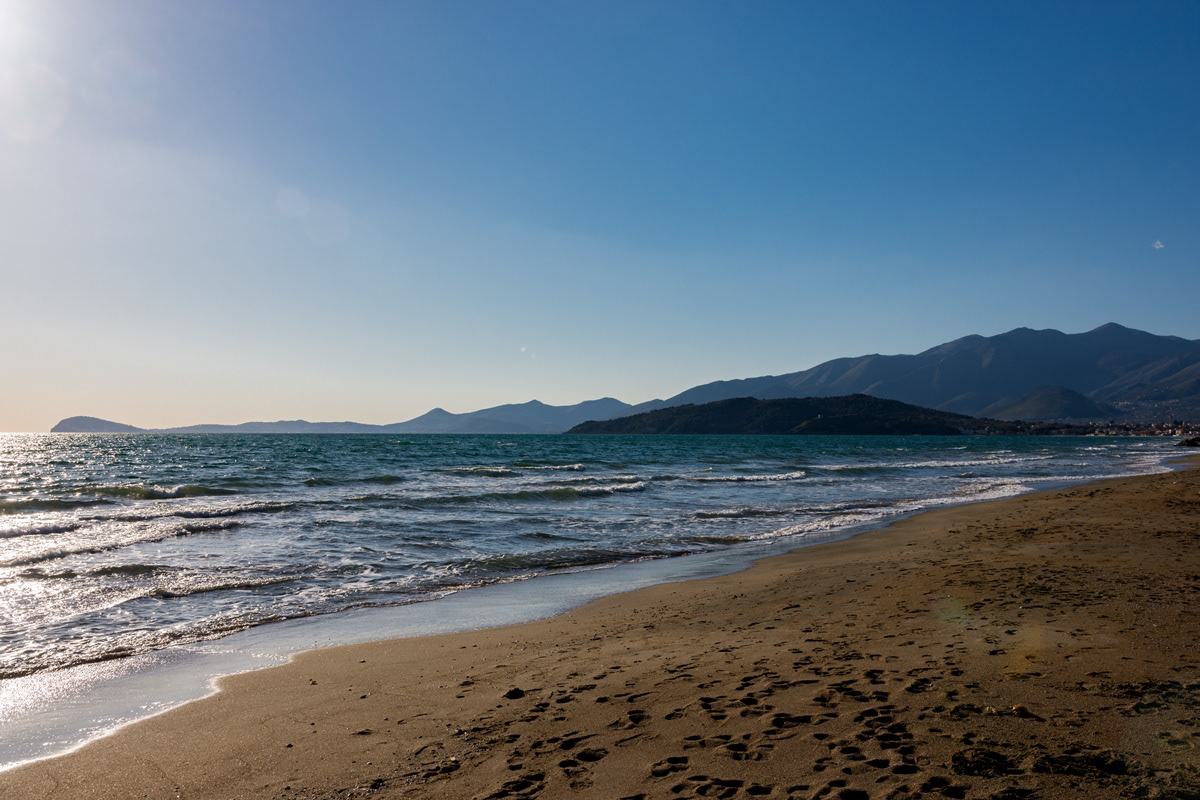
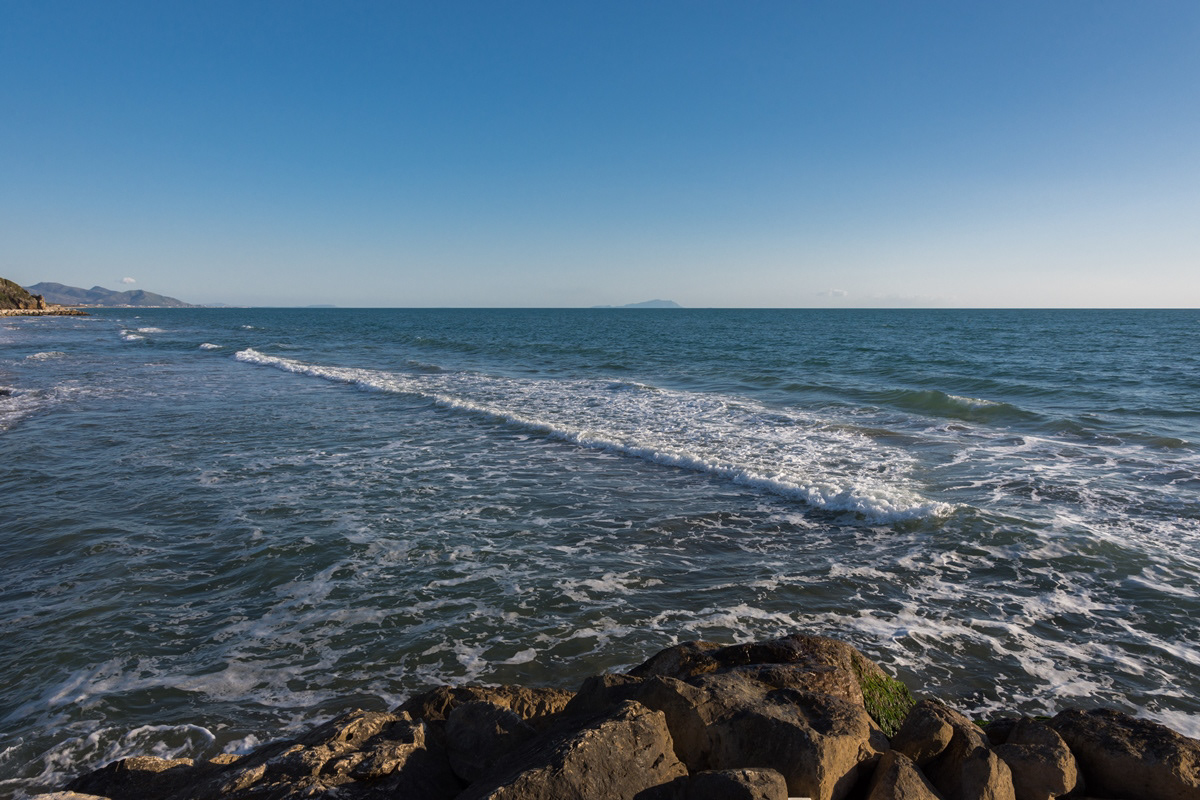
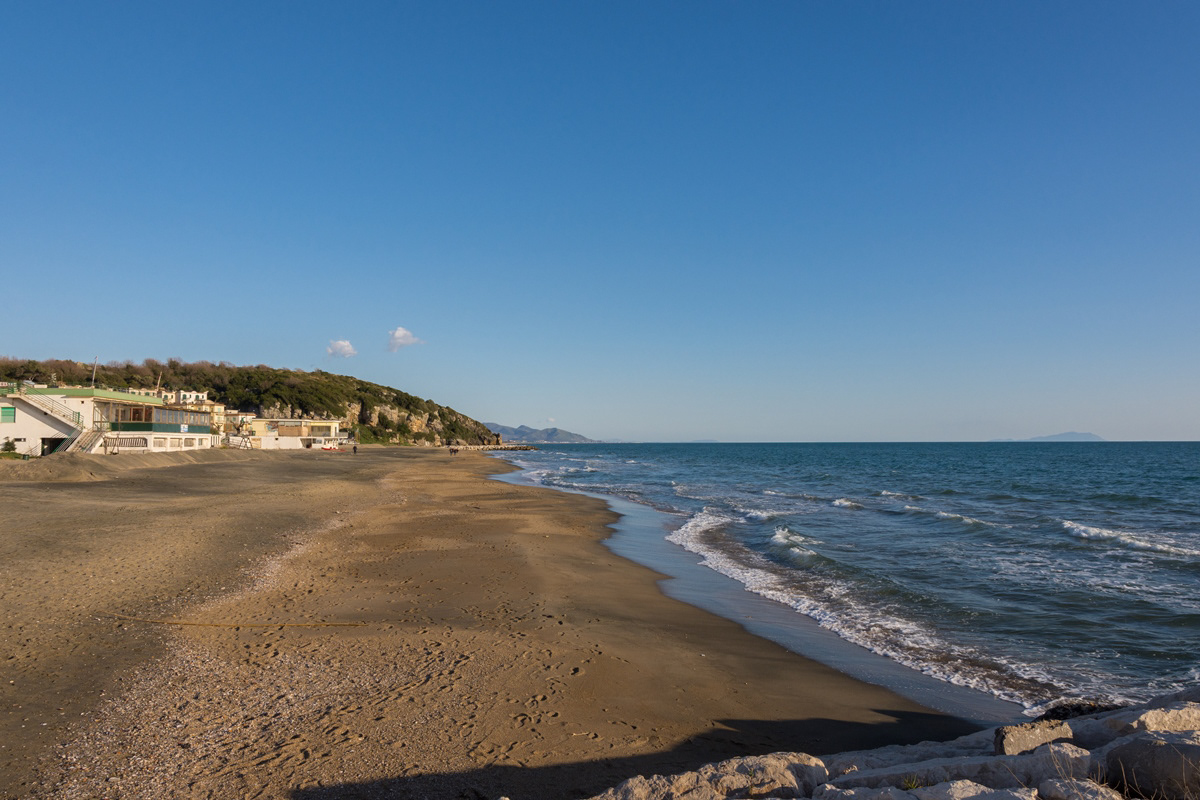
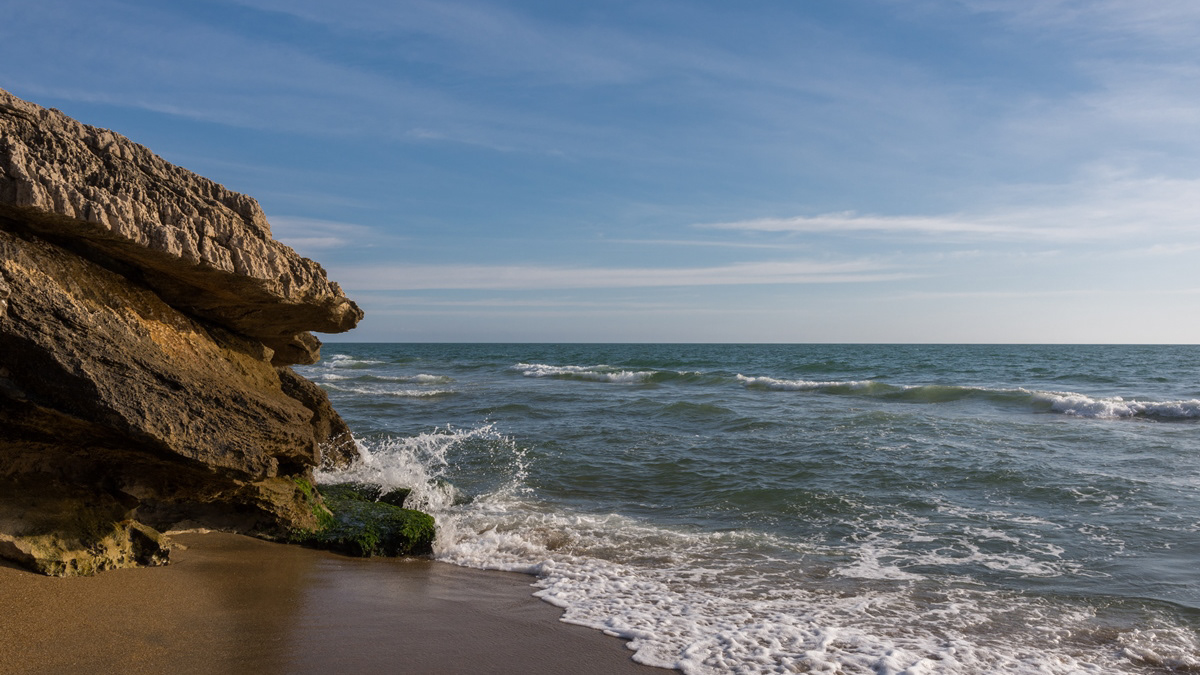
Marina di Minturno (LT) - Parte II
2015
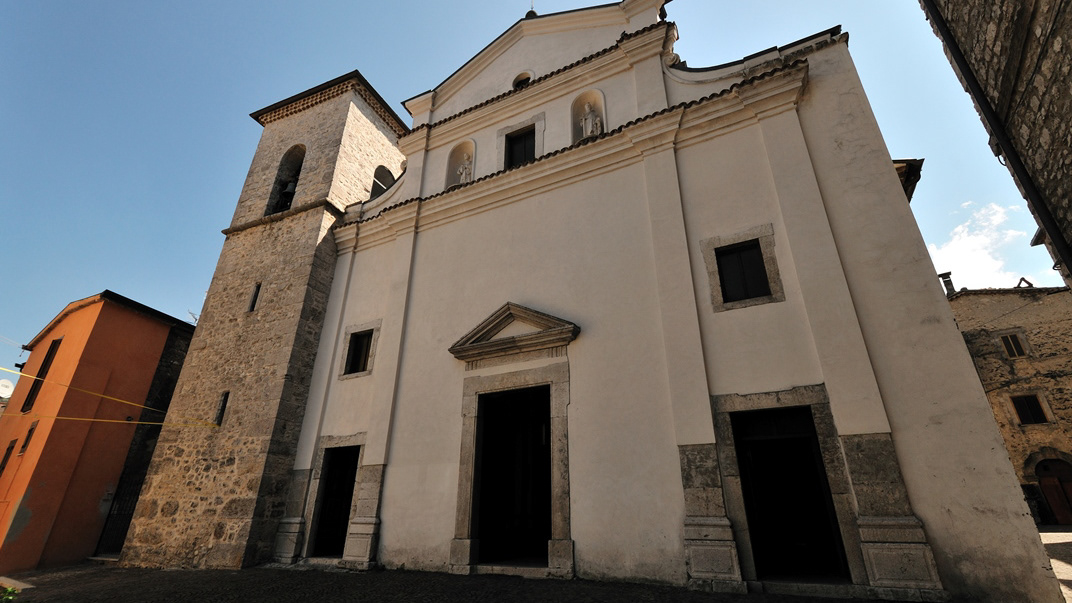
Amaseno (FR)
Amaseno (IPA: amaˈsɛːno, locally Masè) is an Italian town of 4,352 inhabitants in the province of Frosinone in Lazio. Church of San Pietro Apostolo; it dates back to the 14th century, in fact it is mentioned in some documents concerning the payment of taxes. Over the centuries the church underwent various changes, until 1749. In 1944 due to the bombing of the Second World War it was damaged and had to be restored. Some parts of the church are in the Gothic style. It has three naves and an 18th century apse. Church of Santa Maria dell'Auricola; it is located on the Auricola hill on a height of 270 meters. It dates back to the 13th century, in fact the church is mentioned in some documents of Pope Honorius II towards the beginning of the 13th century. According to some hypotheses, the church was founded by Cistercian monks. In 1893 the church passed into the hands of some bishops, who in turn entrusted it to the Franciscan fathers who had it restored. Like many other churches in the area, it suffered a lot of damage in the Second World War. Now the church is in the hands of the Curia of Ferentino. Church of Santa Maria Assunta; consecrated in 1177, it was probably completed at the end of the 13th century, the year in which the pulpit made by Pietro and Giacomo Gullimari de Piperno (Priverno) is dated. The church, which shows numerous Cistercian features, both in the plan and in the architectural sculpture, preserves interesting medieval and modern works of art inside. It also possesses the prodigious Blood of San Lorenzo martyr which melts on the occasion of the feast (10 August)
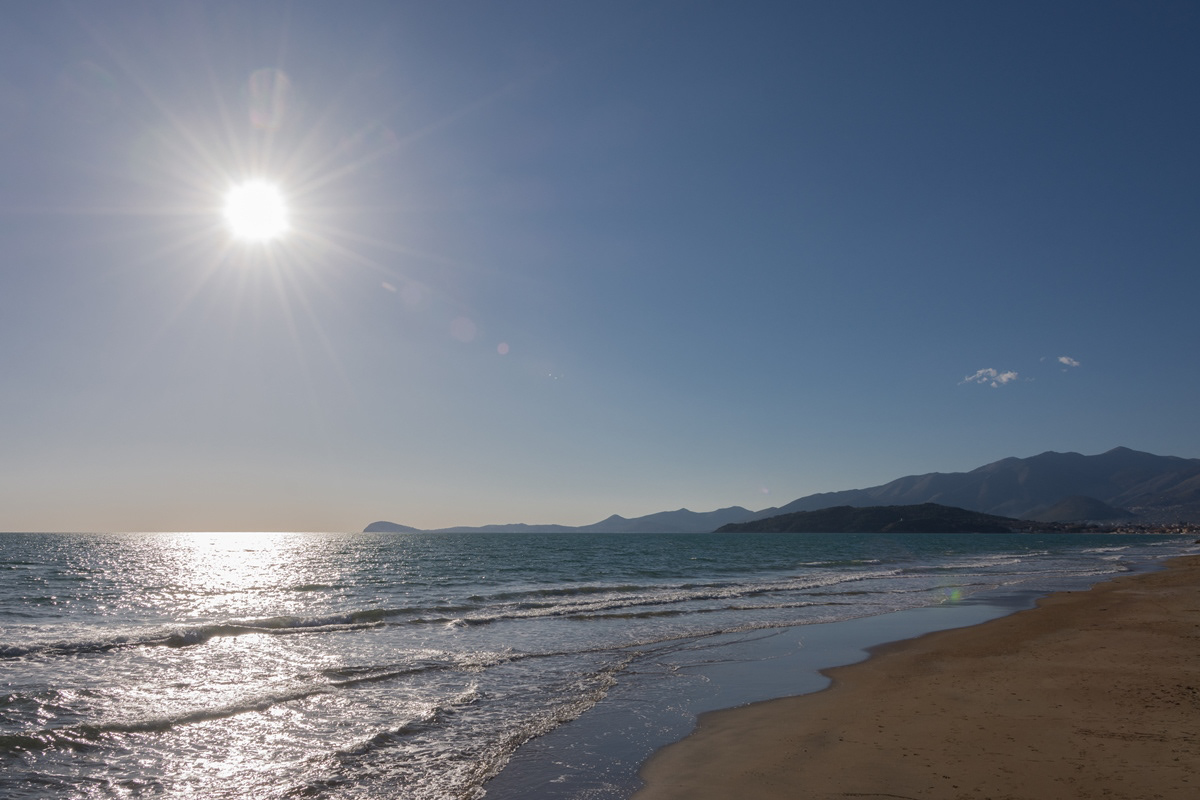
2017
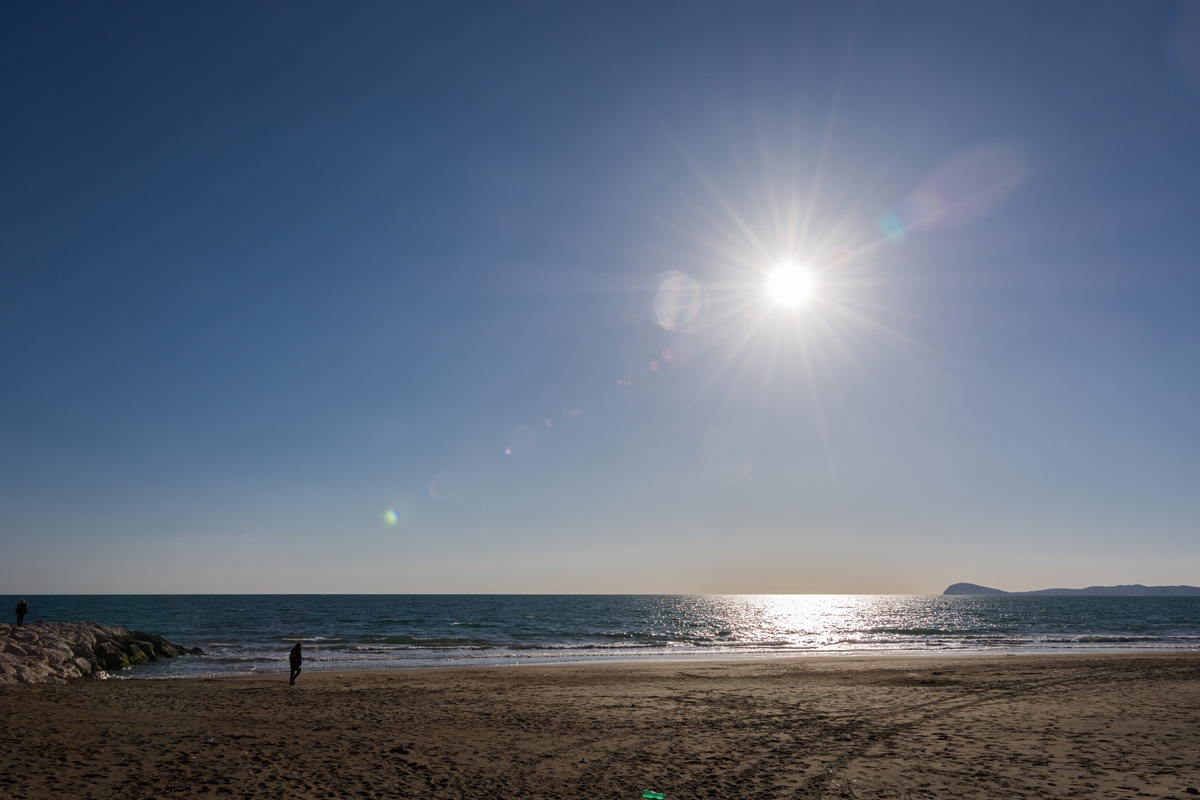
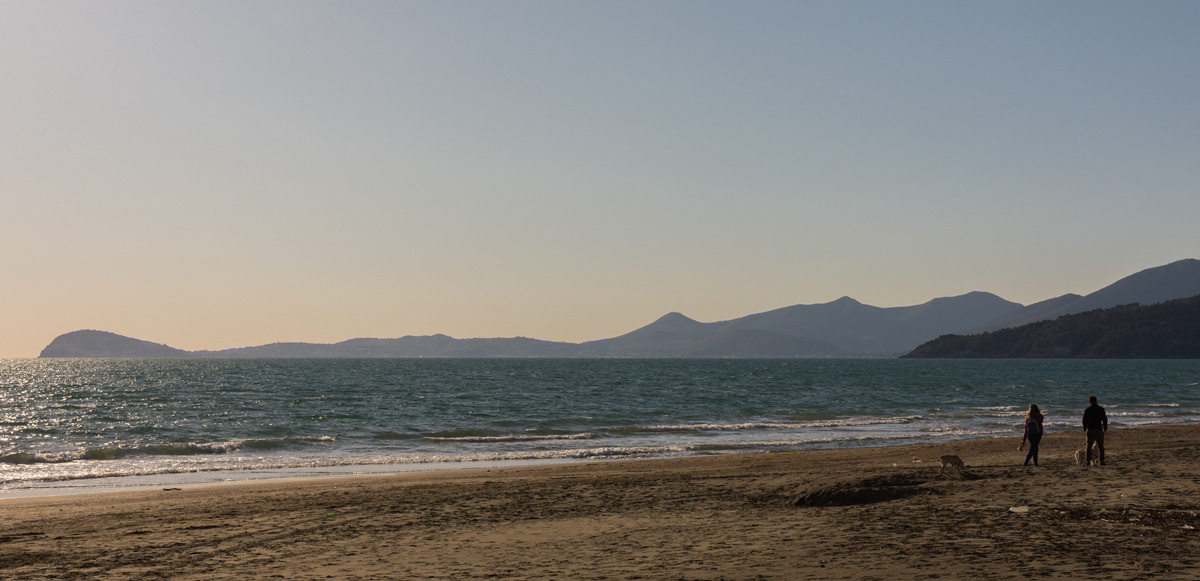
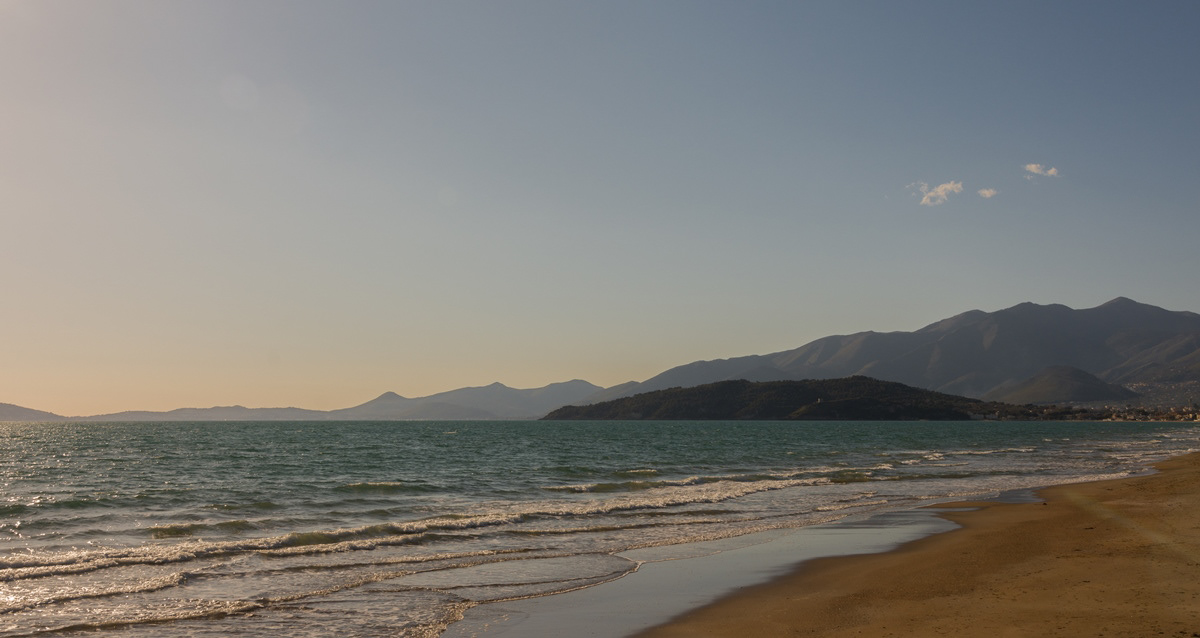
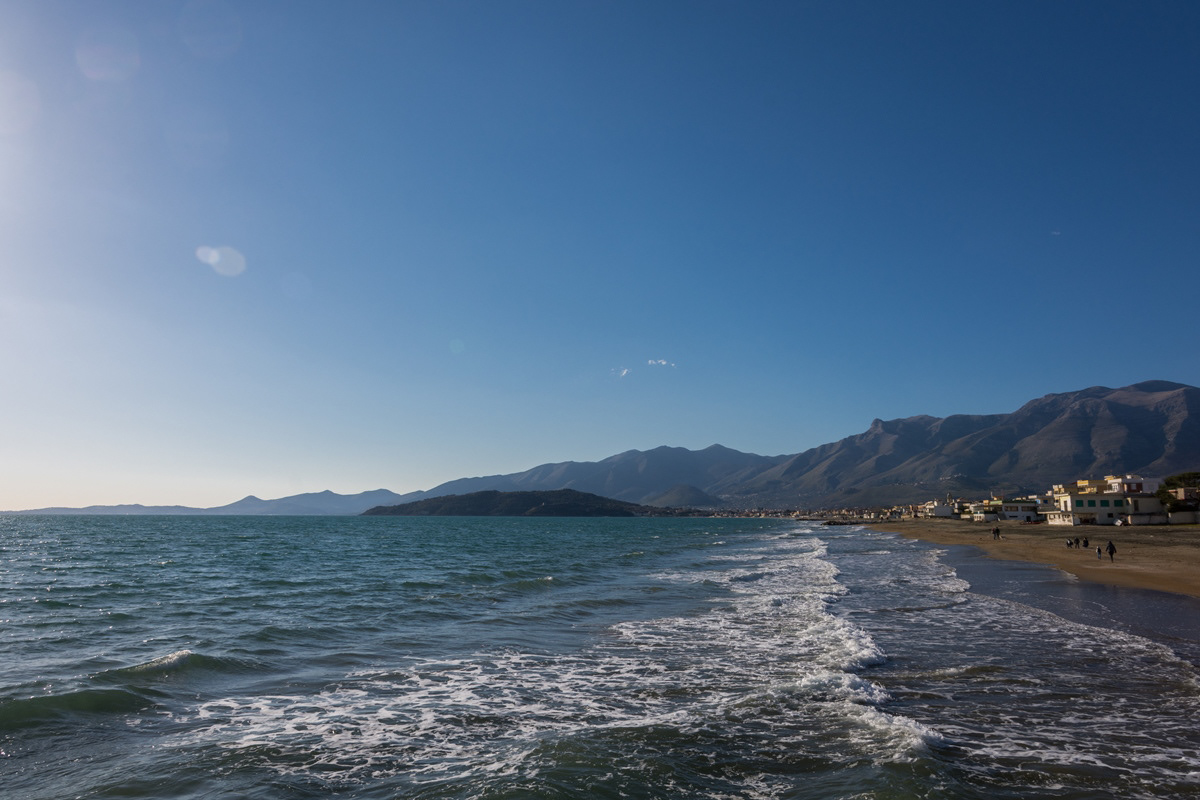
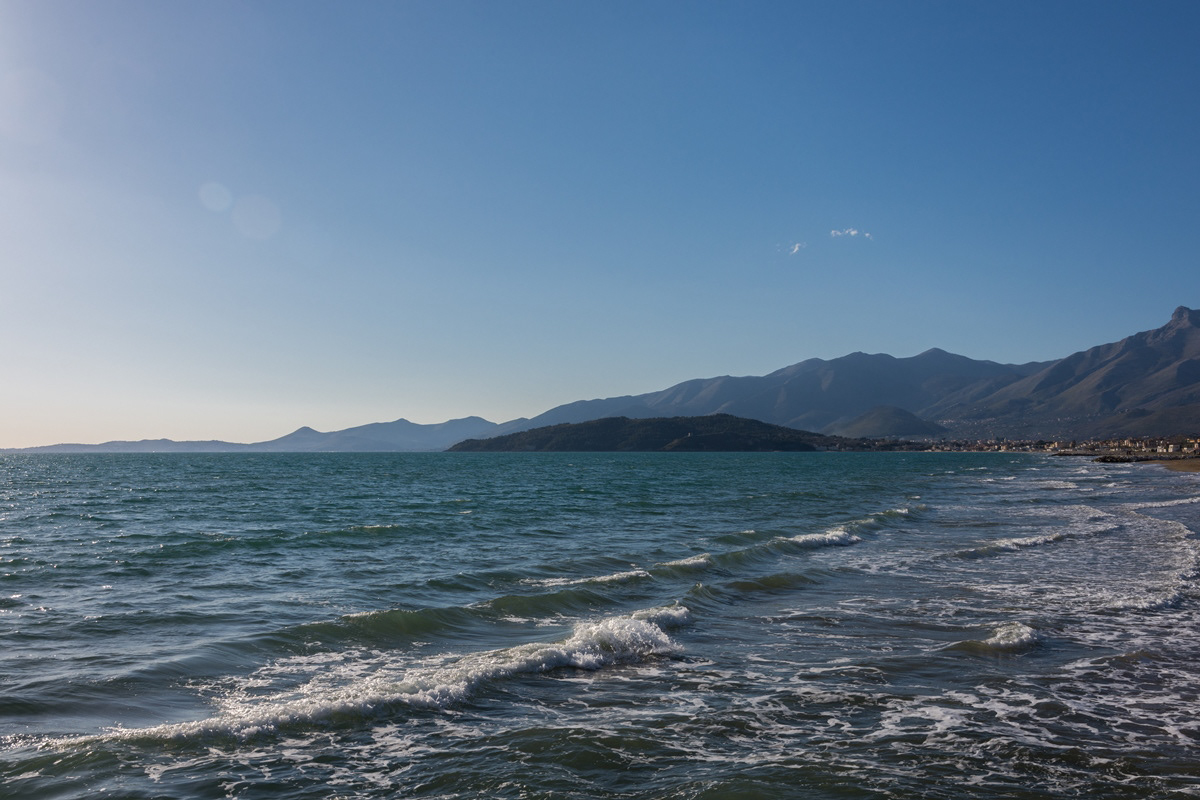
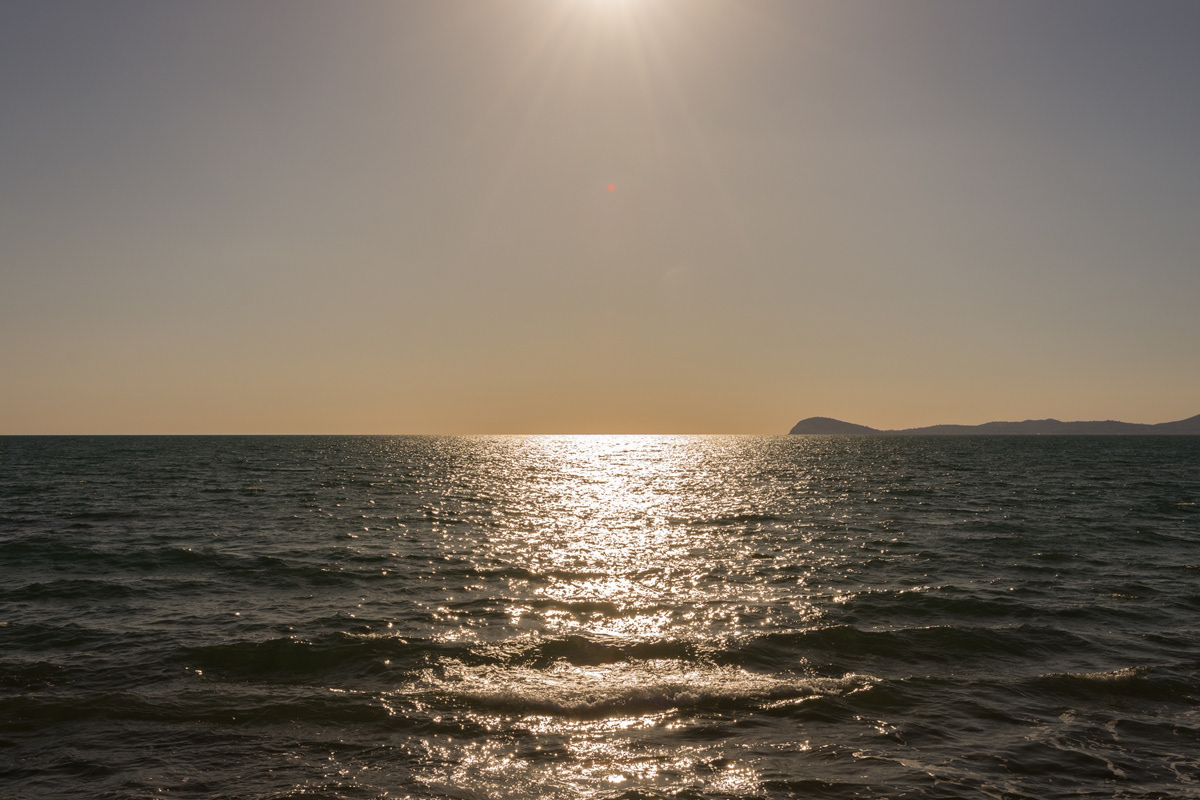
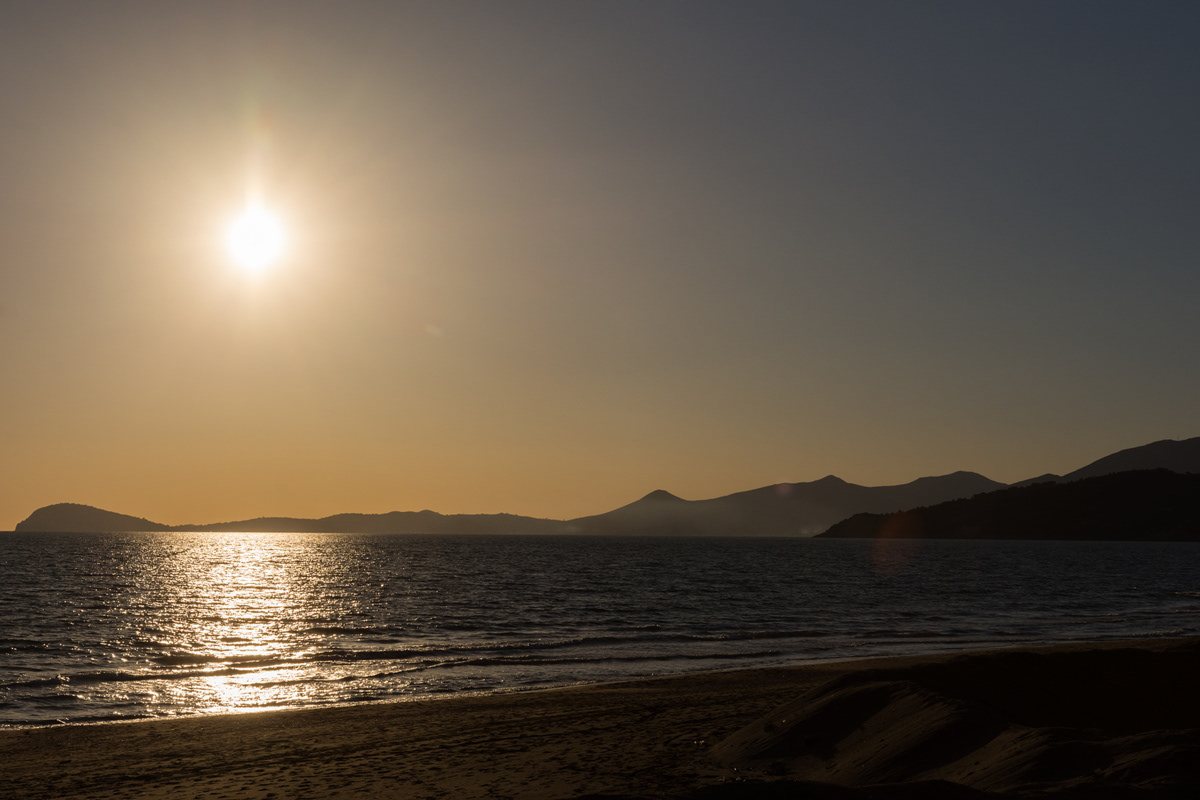
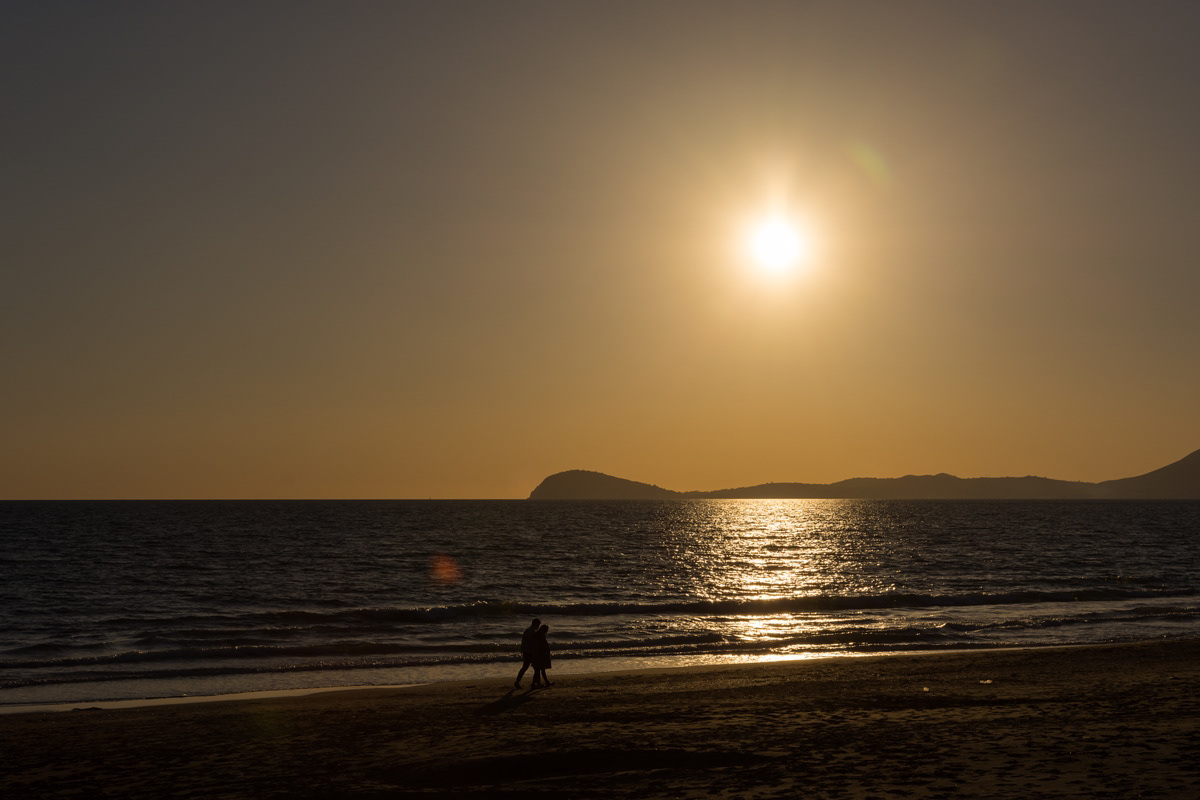
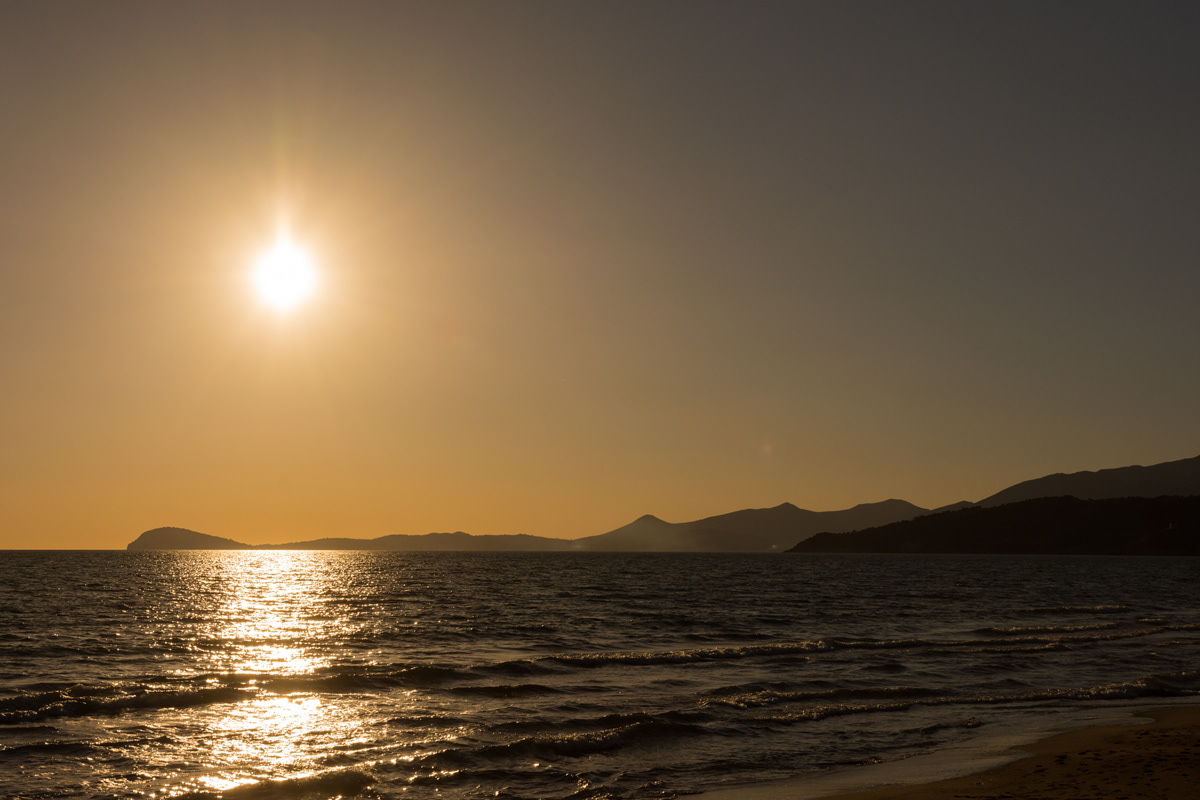
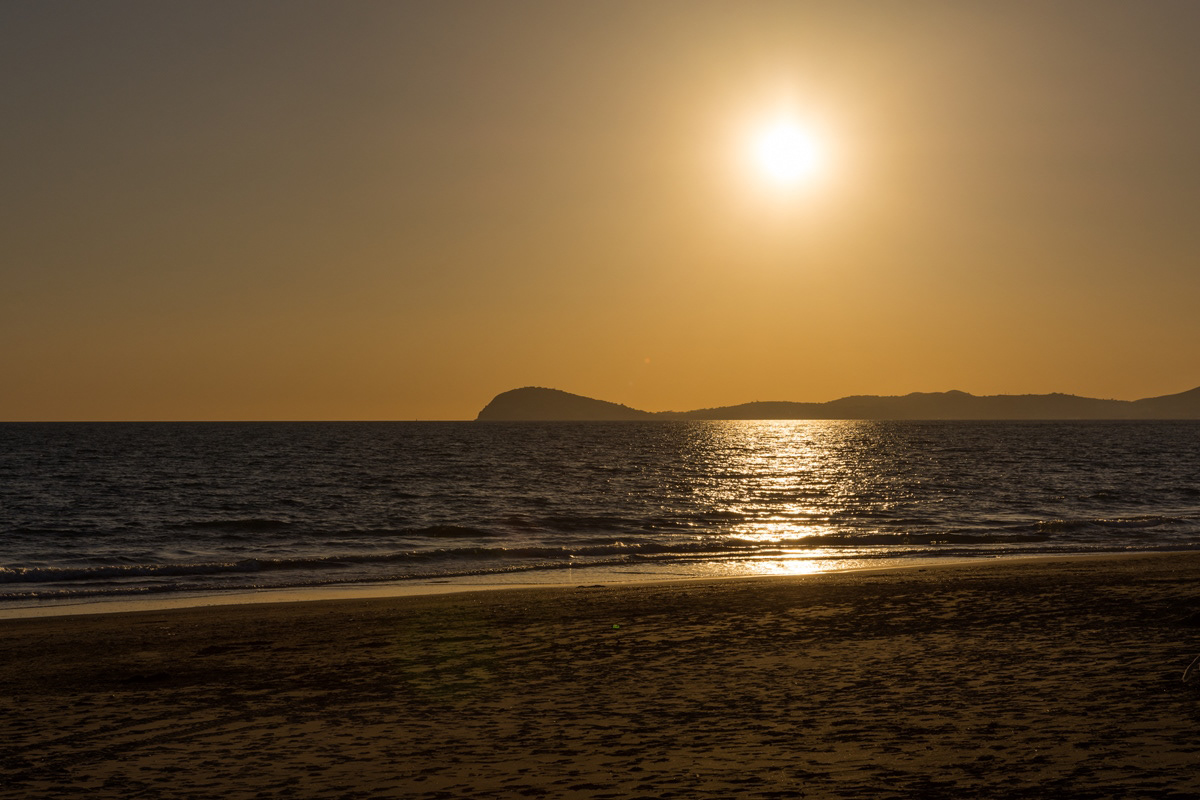
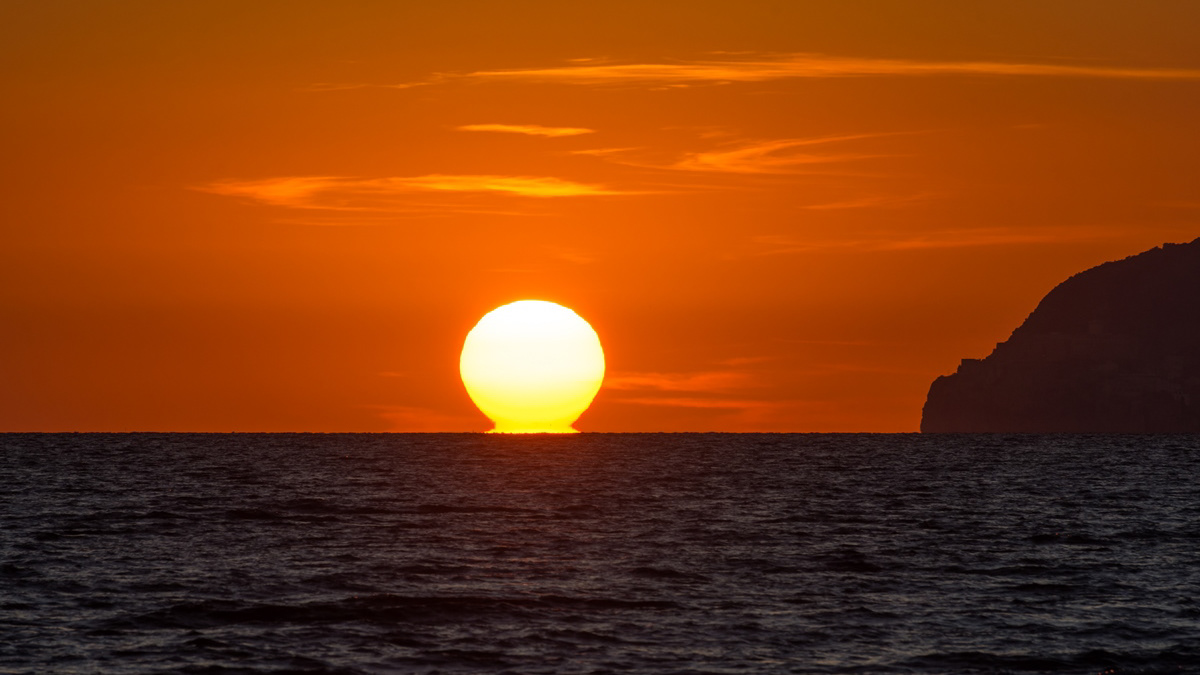
Marina di Minturno (LT) - Sunset
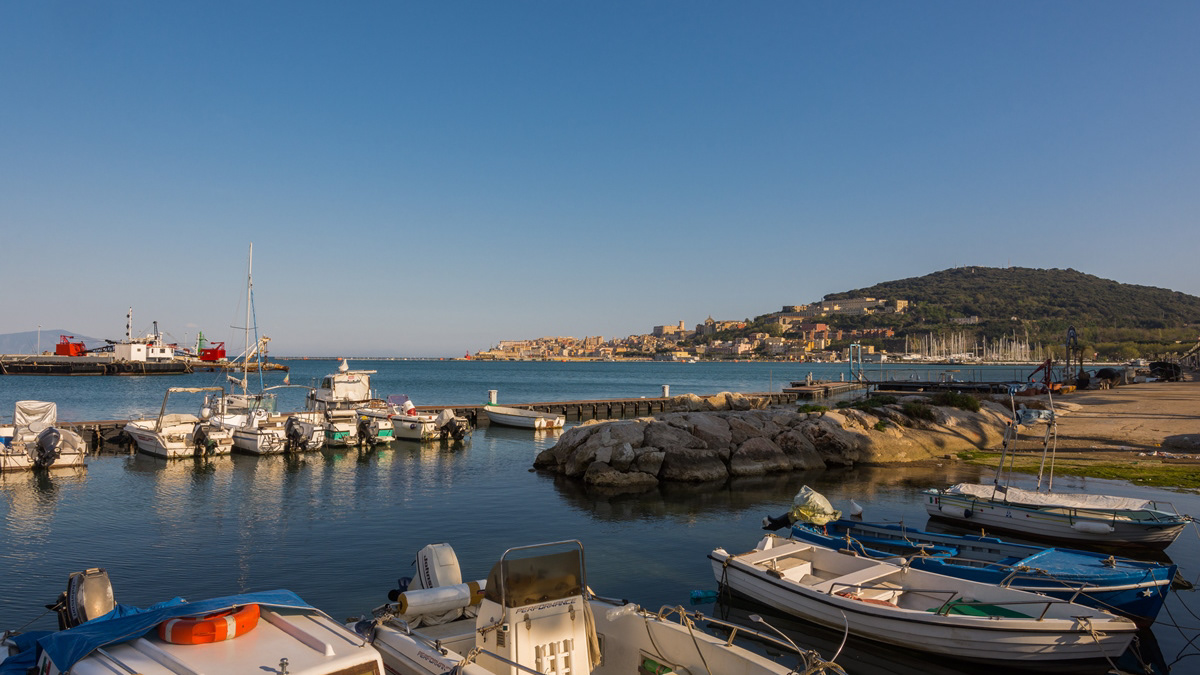
2024
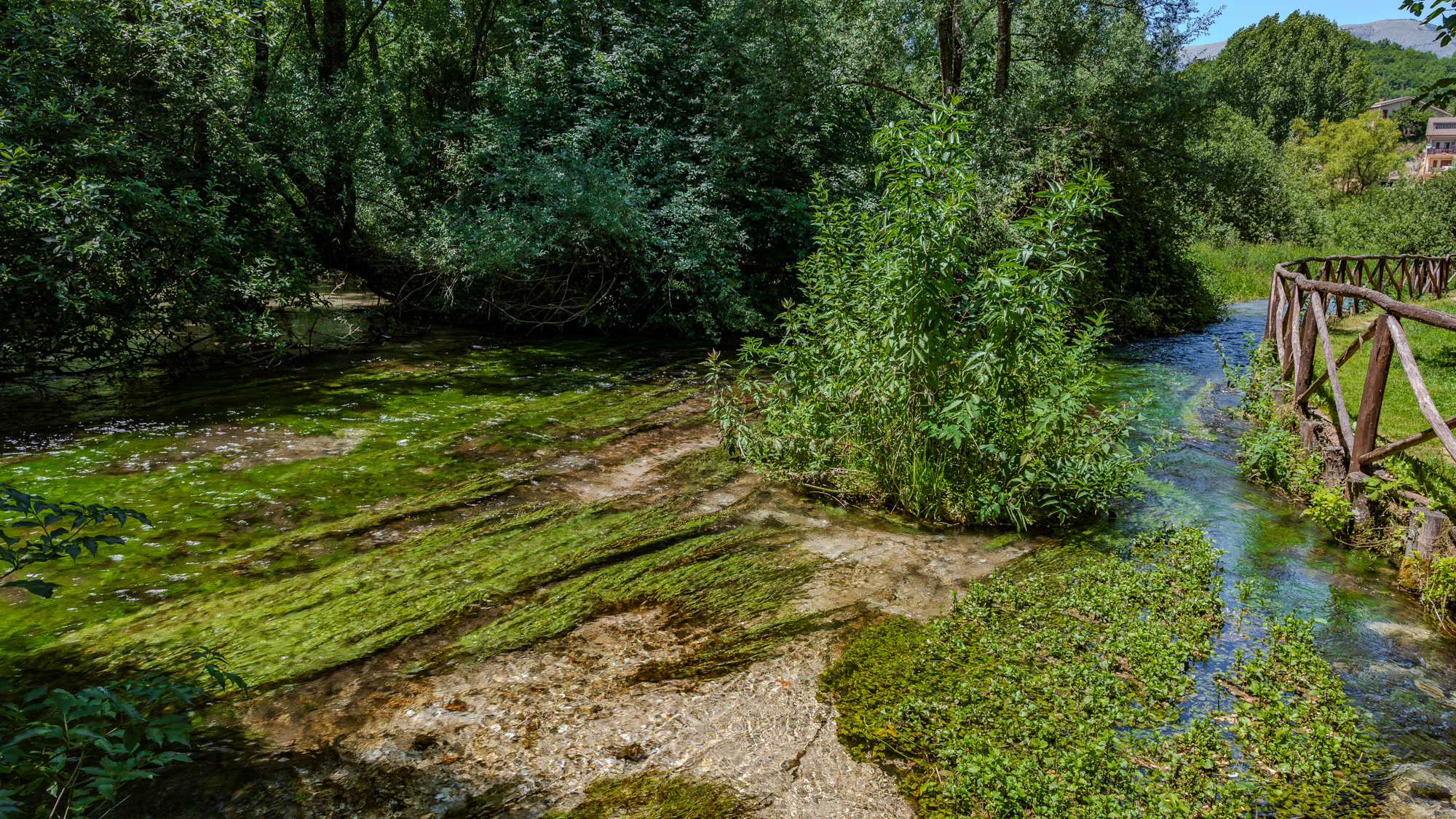
Posta Fibreno lake nature reserve, Frosinone
The Posta Fibreno lake is located in the Comino Valley. In addition to its endemic fauna, the lake is known for the presence of a natural floating island already described by Plinio il Vecchio.
2023
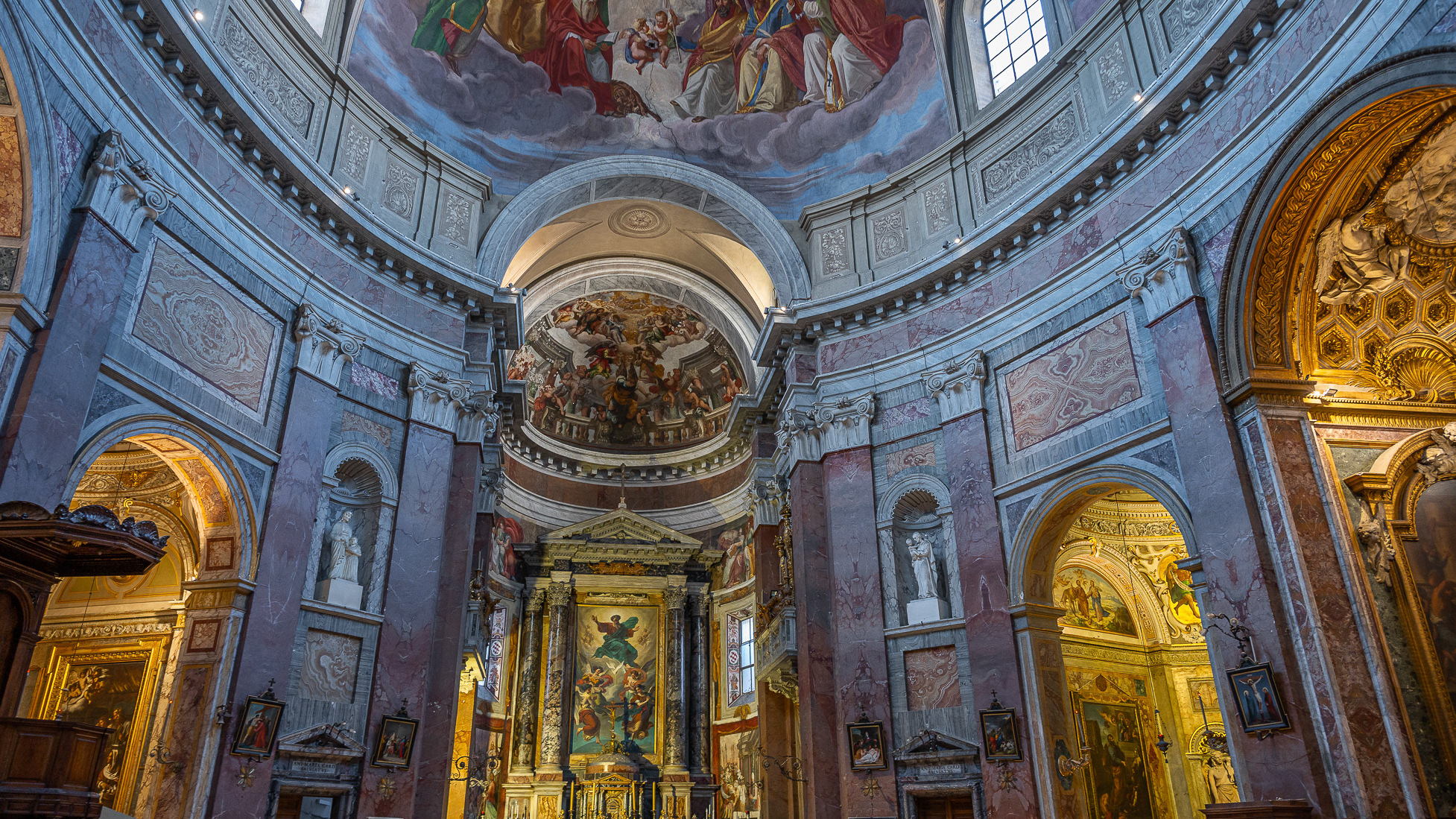
Rome. Church of San Giacomo in Augusta
The church of S. Giacomo in Augusta is a Catholic place of worship in Rome, located in the Campo Marzio district, annexed to the homonymous hospital, also called S. Giacomo degli Incurabili
2023
Cassino. The Benedictine Abbey of Montecassino.
The abbey of Montecassino is a Benedictine monastery located on the top of Montecassino, in Lazio. It is the oldest monastery in Italy together with the monastery of Santa Scolastica.
2025
Isola del Liri. Church of San Lorenzo Martire
The Church of San Lorenzo Martire is the city's main church, located in the historic center on Piazza San Lorenzo. It is Isola del Liri's most important monument.
2018
Gaeta (LT)
Gaeta is an Italian town of 20 545 inhabitants in the province of Latina in southern Lazio, belonging to the historical-geographical region of the Terra di Lavoro. It rises in the homonymous gulf on the Tyrrhenian Sea and is about 90 km from Naples and 120 km from Rome. The Garigliano and Volturno rivers flow into the Gulf of Gaeta, which extends from the Circeo promontory to Capo Miseno.
Back to Top