You may also like

2015
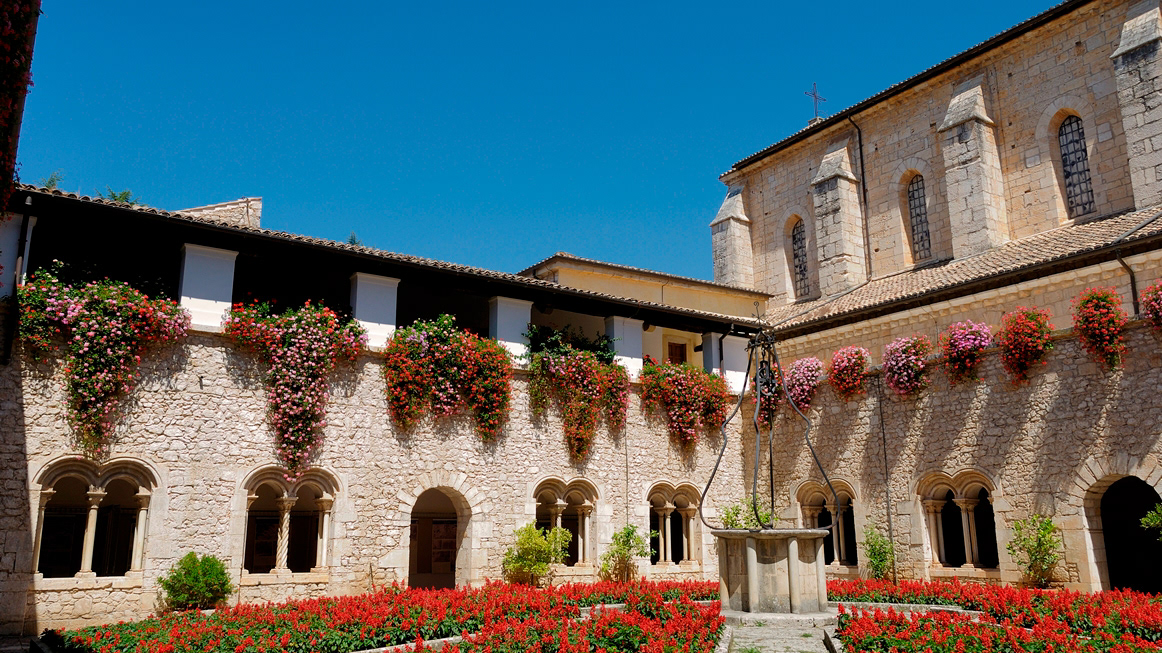
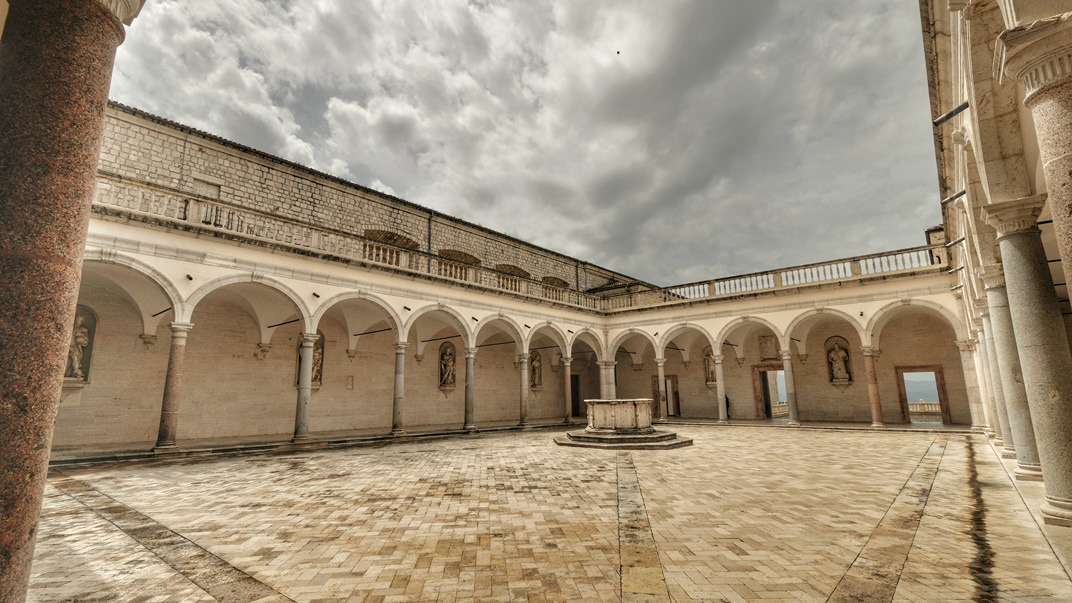
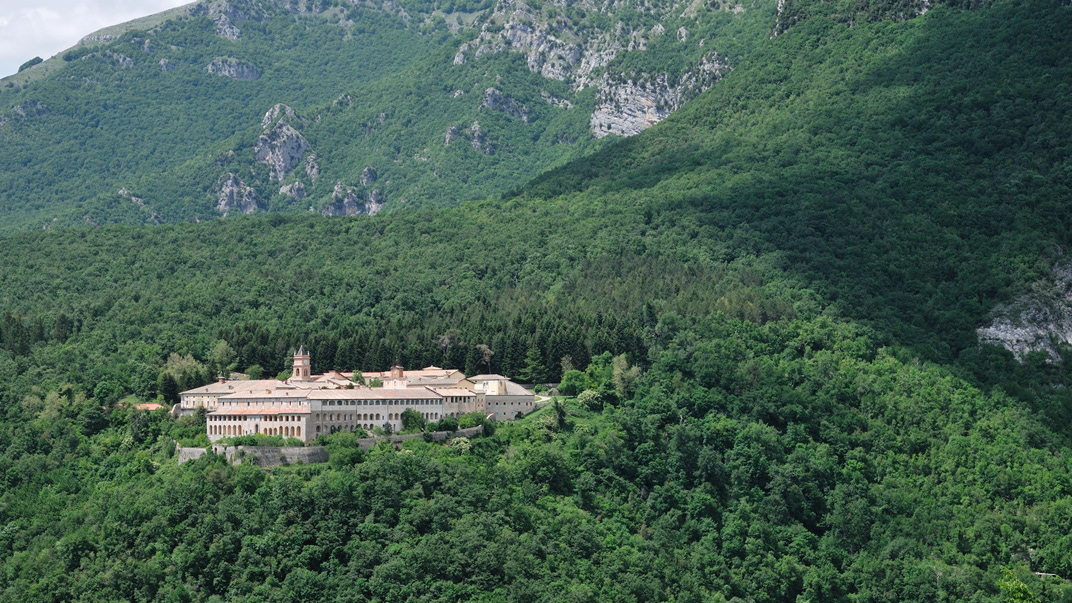
Collepardo (FR) - The Charterhouse of Trisulti
The Charterhouse of Trisulti is a monastery located in the municipality of Collepardo, in the province of Frosinone. It has been a national monument since 1873. Since December 2014 it has been managed by the Lazio Museum Complex. It is located among oak woods, in the so-called Selva d'Ecio, at the foot of Mount Rotonaria (Monti Ernici), at an altitude of 825 m and 6 km north-east of the town. Immersed in the green of centuries-old forests lies this famous and majestic Certosa, founded in 1204 by the will of Pope Innocent III and entrusted, since 1208, to the Carthusian monks (hence the name "Certosa"). In 1947 they were replaced by the Cistercian monks of the Congregation of Casamari. In 2018 the Ministry of Cultural Heritage entrusted it in concession to the "Dignitatis Humanae Institute" Association. Inside it is possible to visit the Church with valuable works of art, the ancient Pharmacy of the seventeenth century. , the gardens, the refectory, the large cloister and the small cloister with the ancient cemetery of the monks.
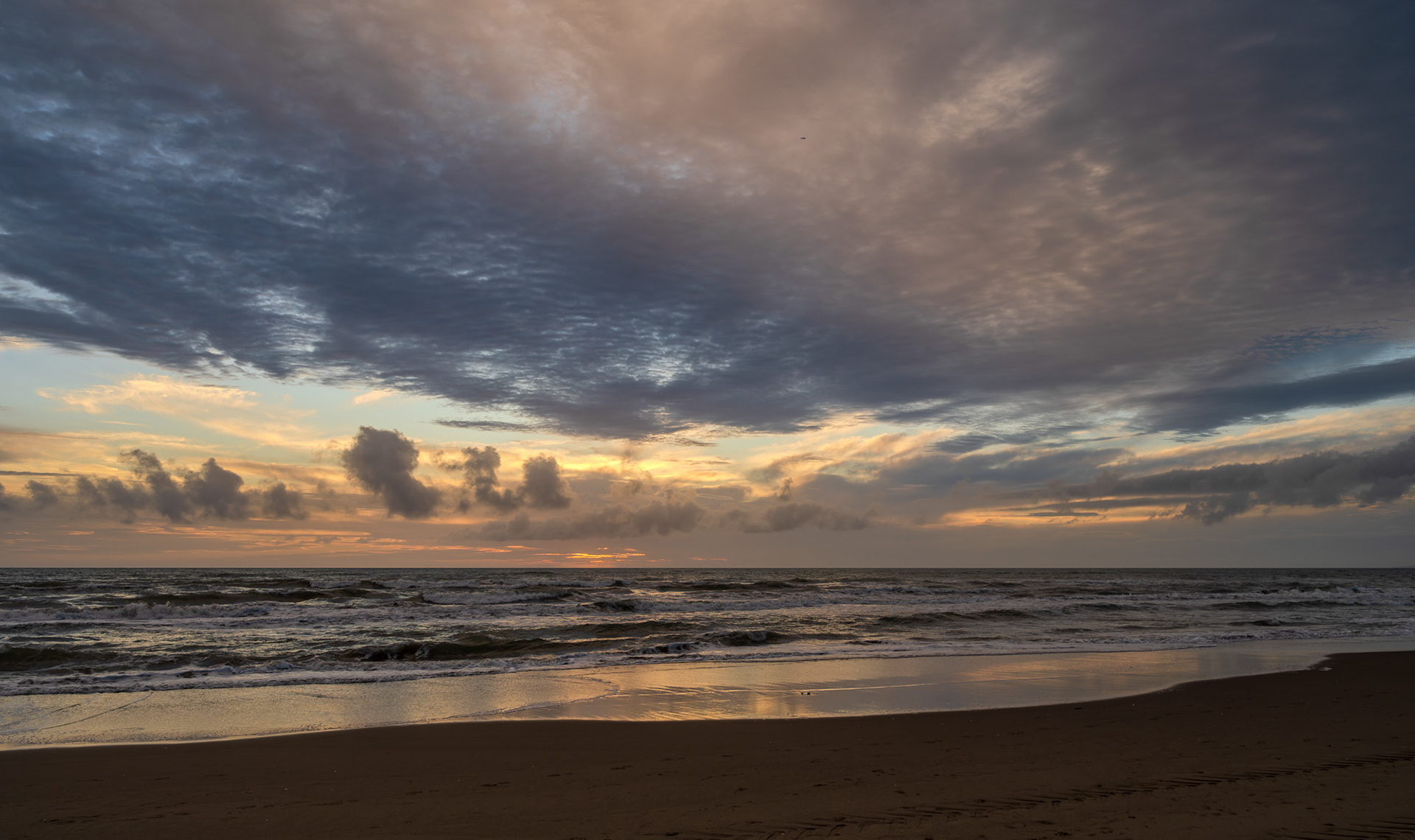
2024
The Charterhouse of Trisulti
Trisulti Charterhouse is a monastery located in the municipality of Collepardo, in the province of Frosinone. It is recognized as a national monument in 1879.
2025
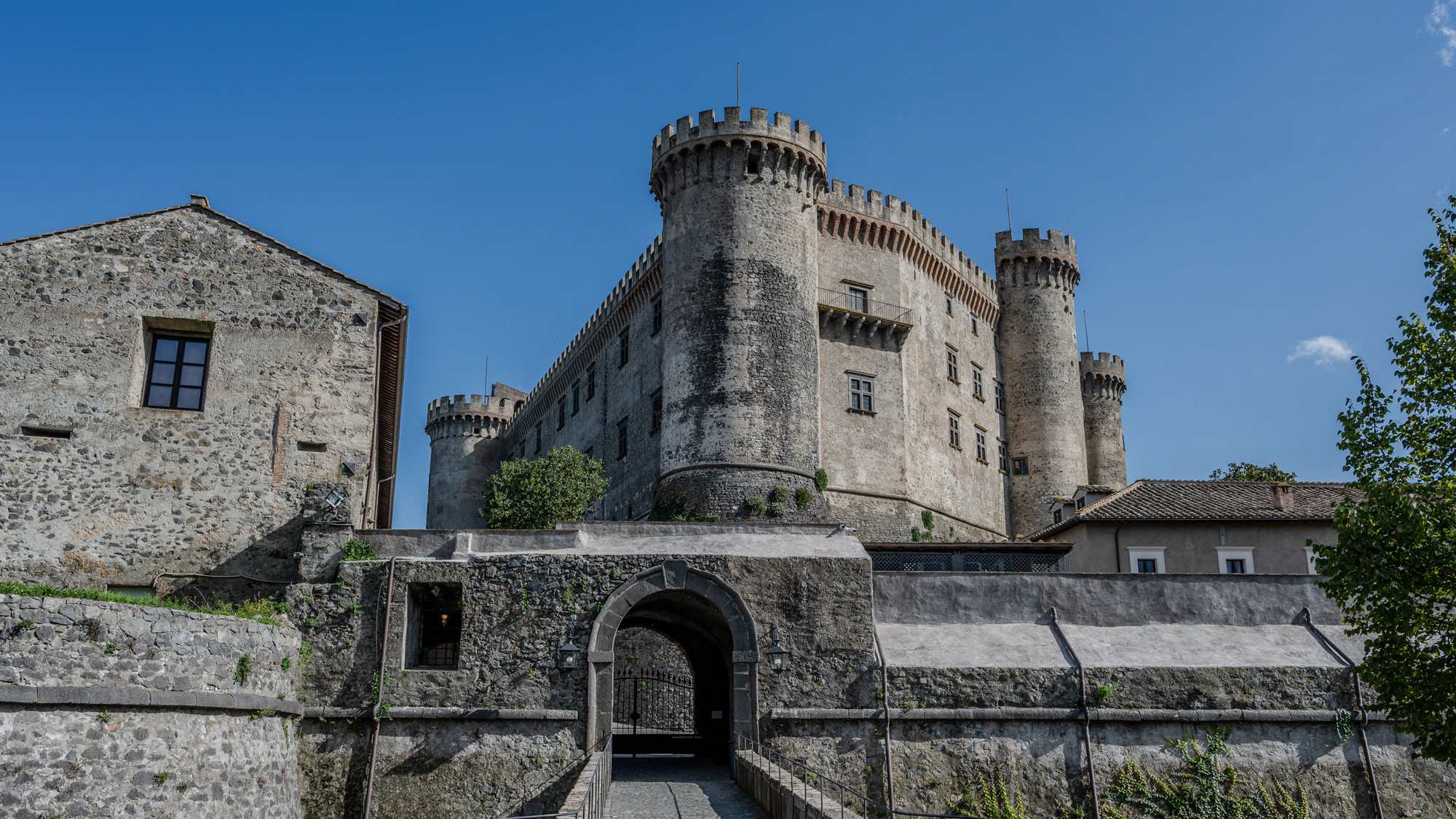
Priverno. Cistercian Abbey of Fossanova.
Fossanova Abbey is located in the municipality of Priverno, 5 km south of the city center, in the province of Latina. The surrounding area has the appearance of a vicus and takes its name from a sewer that in the early days of the small village (now a hamlet of Priverno) was called Fossa Nova. Declared a "national monument" in 1874, Fossanova Abbey is the oldest example of Cistercian art in Italy and, together with Casamari Abbey, one of its highest expressions. The complex was born at the end of the 12th century from the transformation of a pre-existing Benedictine monastery, perhaps dating back to the 6th century, of which a faint trace remains above the rose window of the church. The ancient monastery, built on the ruins of a Roman villa, was in fact ceded in 1134 by Pope Innocent II to some Burgundian monks, led by Saint Bernard of Clairvaux, who followed the rigid rule resulting from the Citeaux reform (1098) based on the original Benedictine orthodoxy. The abbey complex known as a remake of the Benedictine one is made up of the cloister, the heart of the entire organism, the church of Santa Maria, the Chapter House with the monks' dormitories above, the refectory, the kitchen and the dormitories of the lay brothers. The pilgrims' house, the cemetery and the infirmary complete the complex. Consecrated in 1208, it preserves the bare architecture, the magnificent rose window and lantern and the finely sculpted capitals, testifying to the pre-eminent role played in the area. The buildings of the monumental complex are fenced so as to appear like a village, further enriched by the remains of a Roman villa from the 1st century BC, visible right in front of the church. In the 18th century the abbey was called Badia del For Appio. In one of the abbey's rooms, the monks' products are sold, from food to wines and liqueurs. From 1935 to 2017, a community of Conventual Friars Minor (Franciscans) lived in the abbey. Since 2017, the care of the abbey and the parish has been entrusted to the fathers of the Institute of the Incarnate Word, with the help of the Sisters Servants of the Lord and the Virgin of Matará, by the same Religious Family.
2025
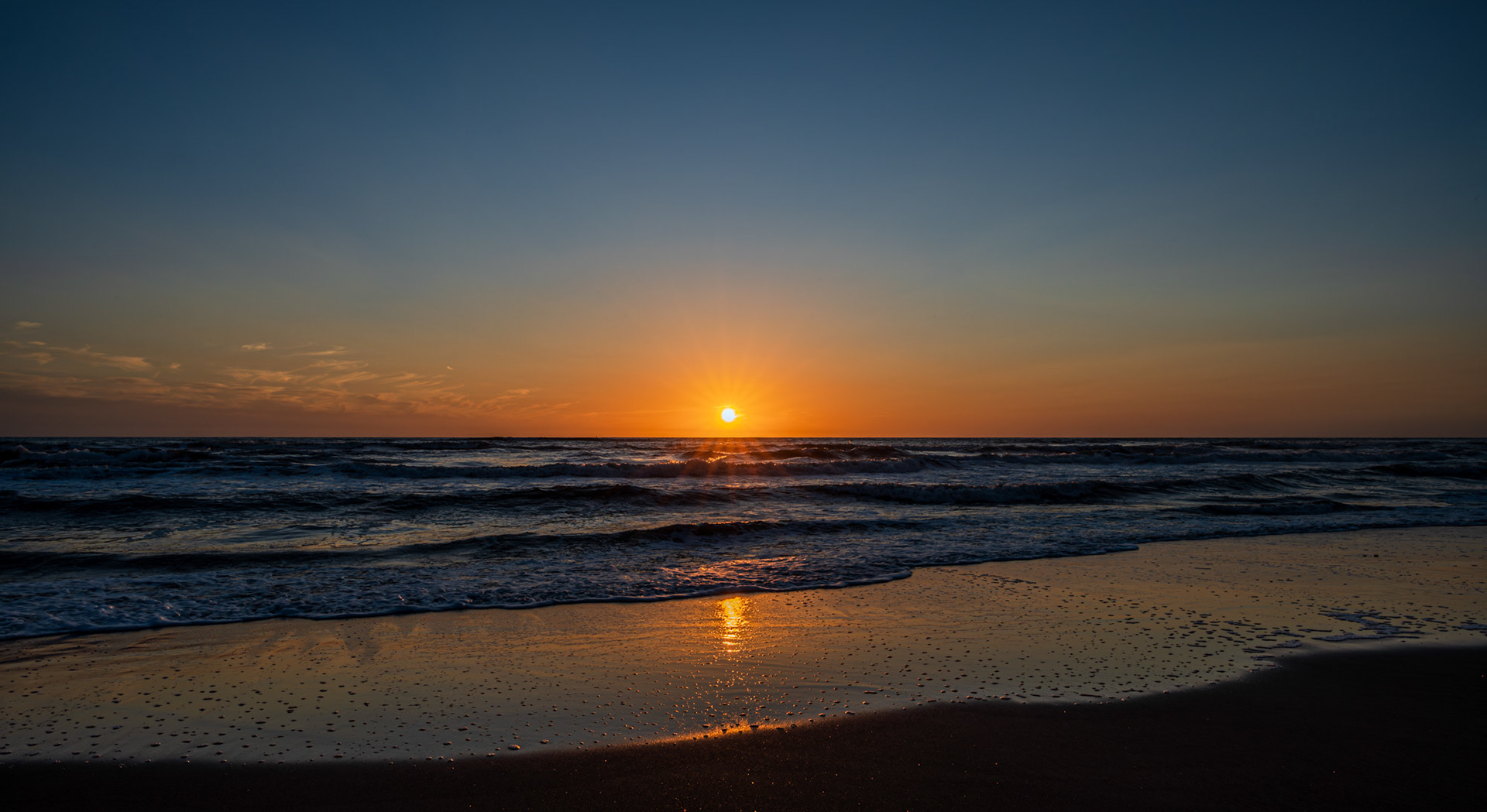
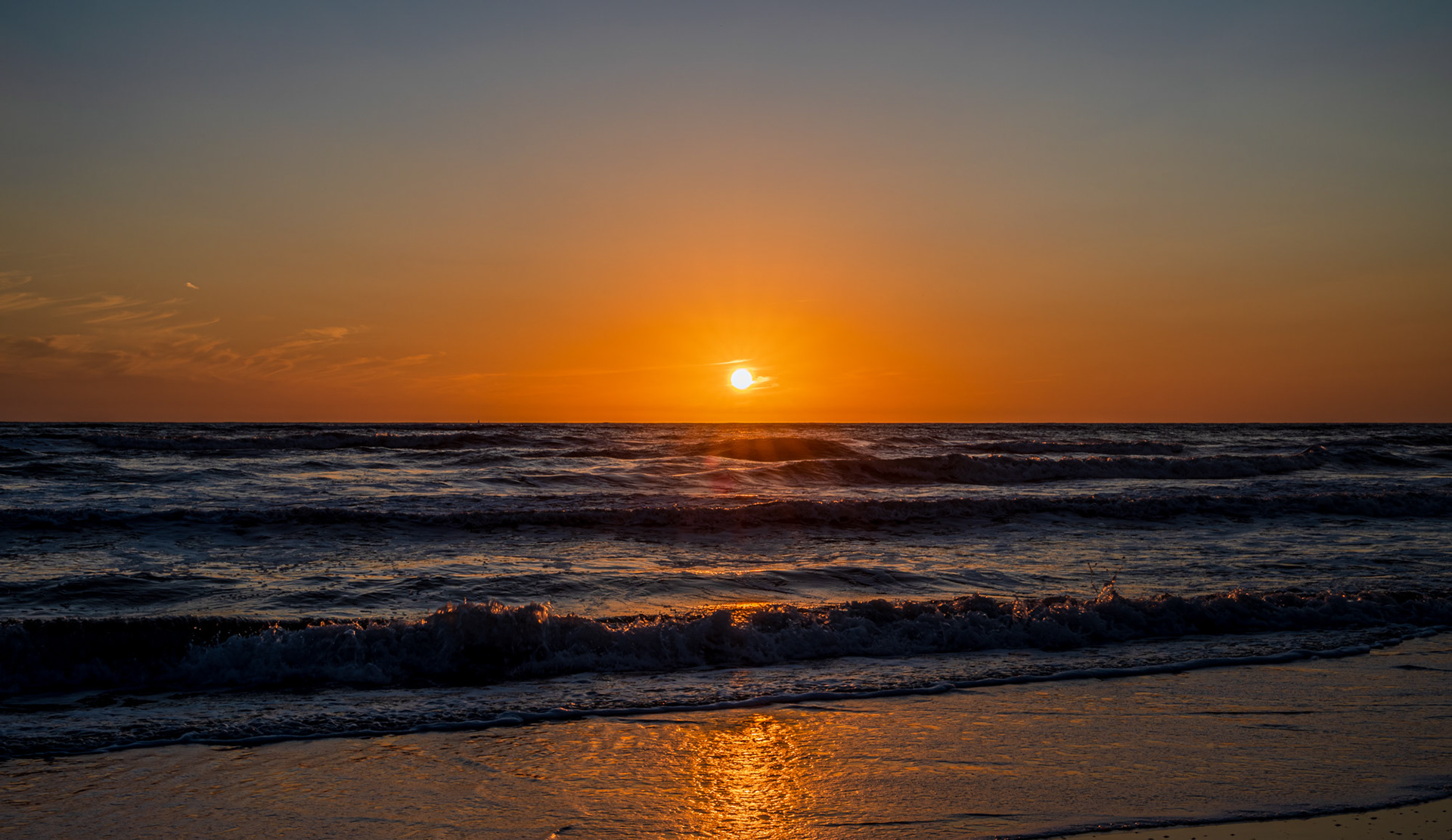
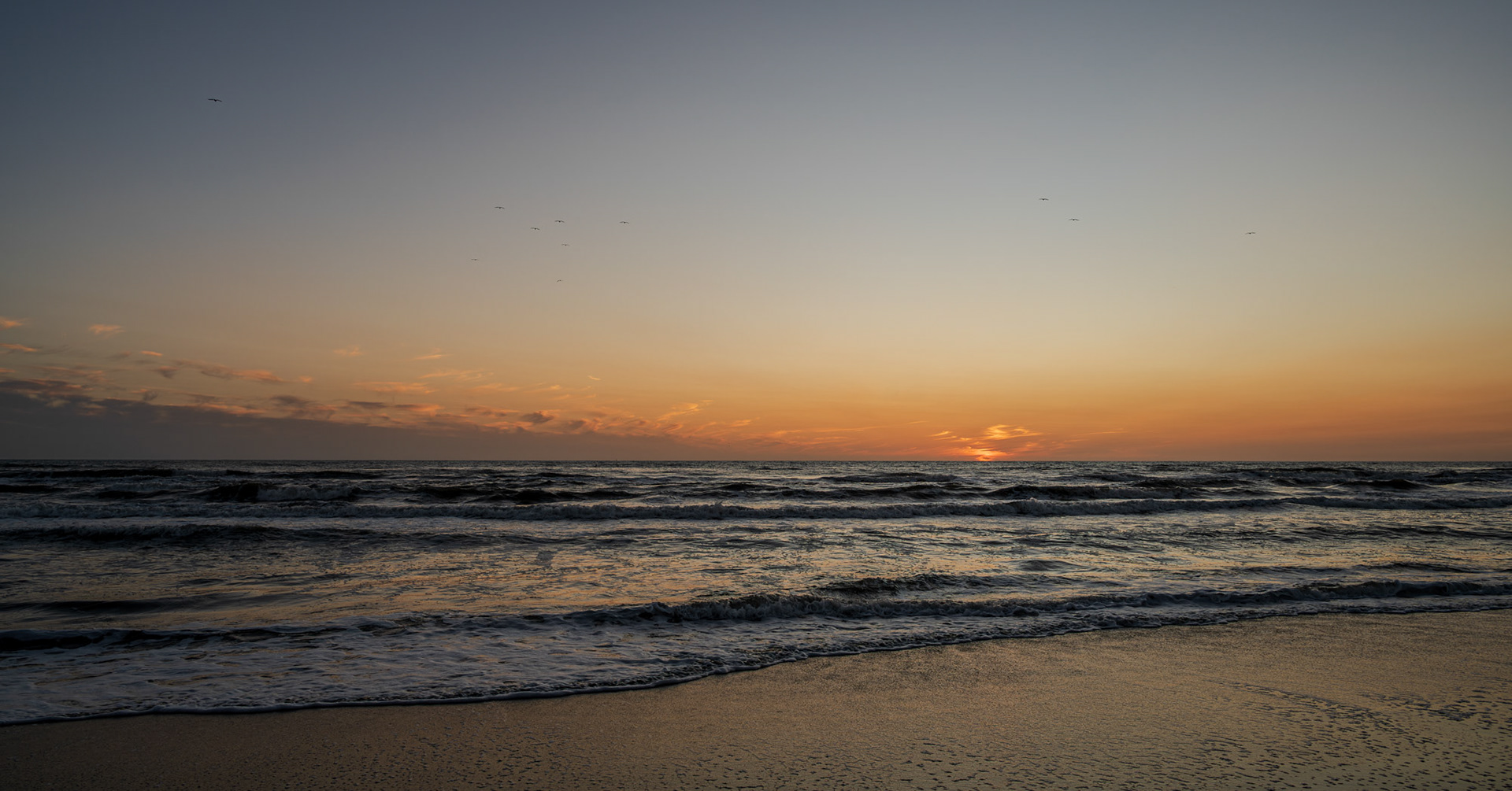
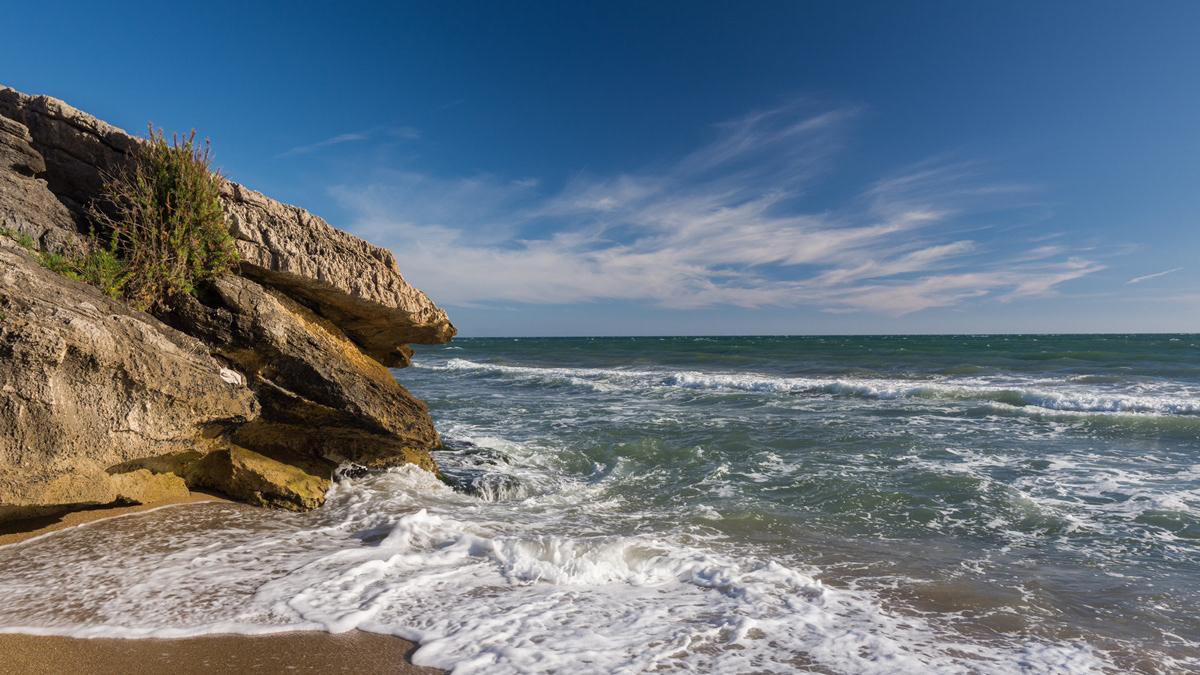
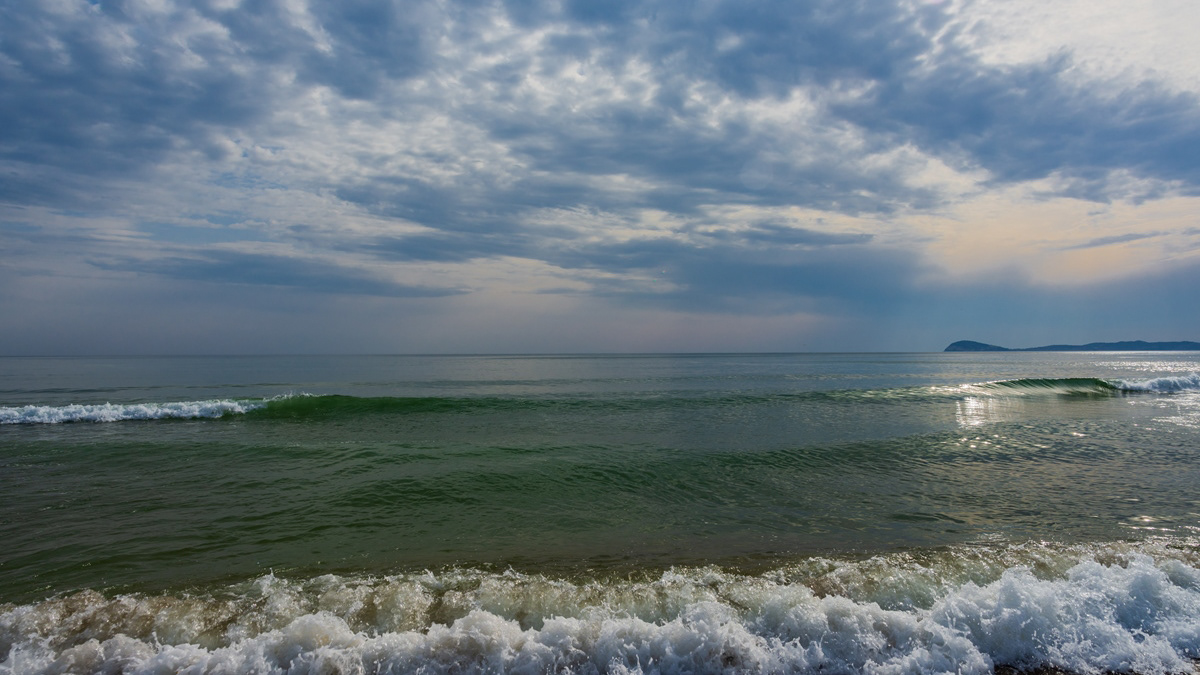
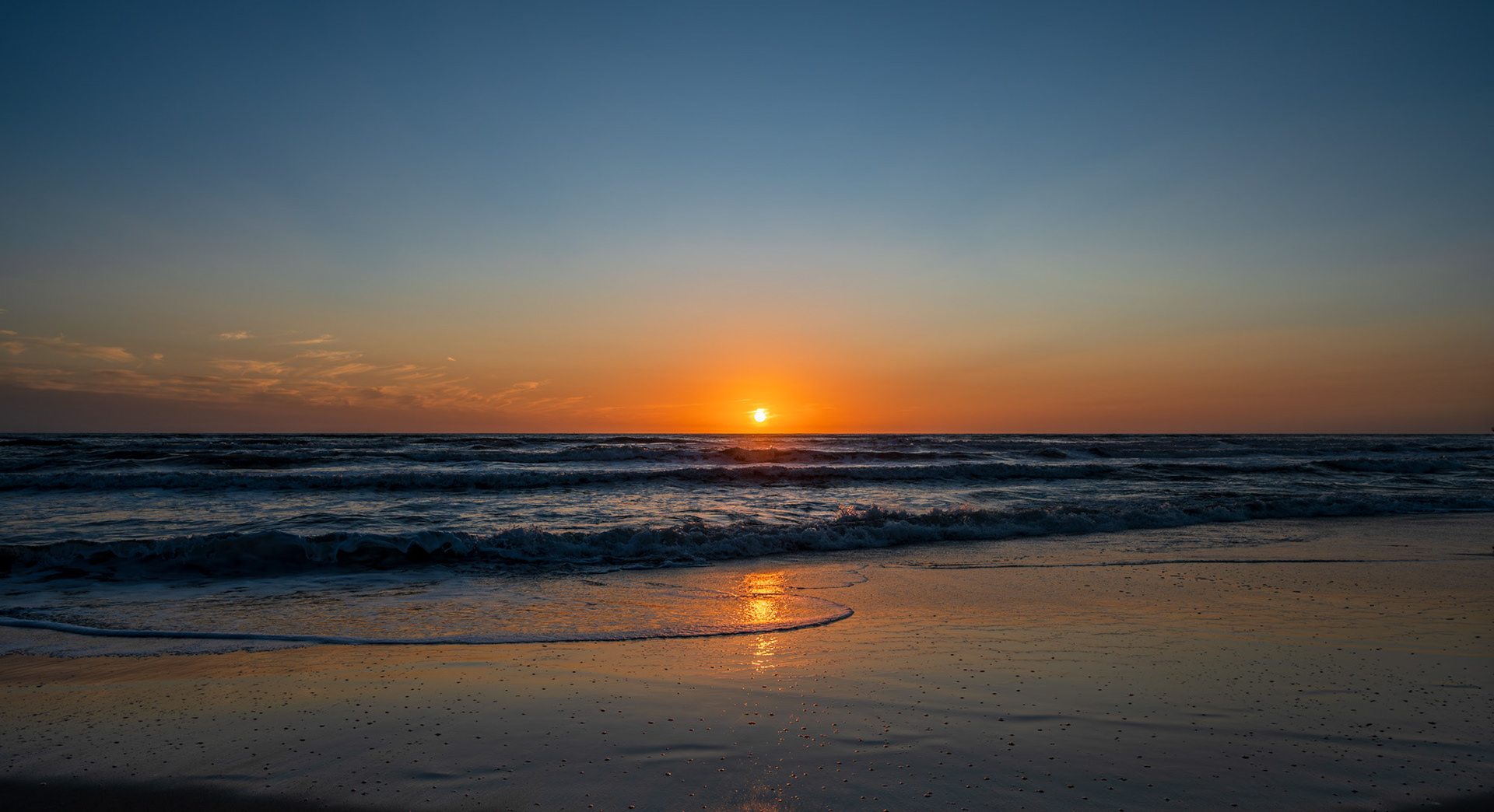
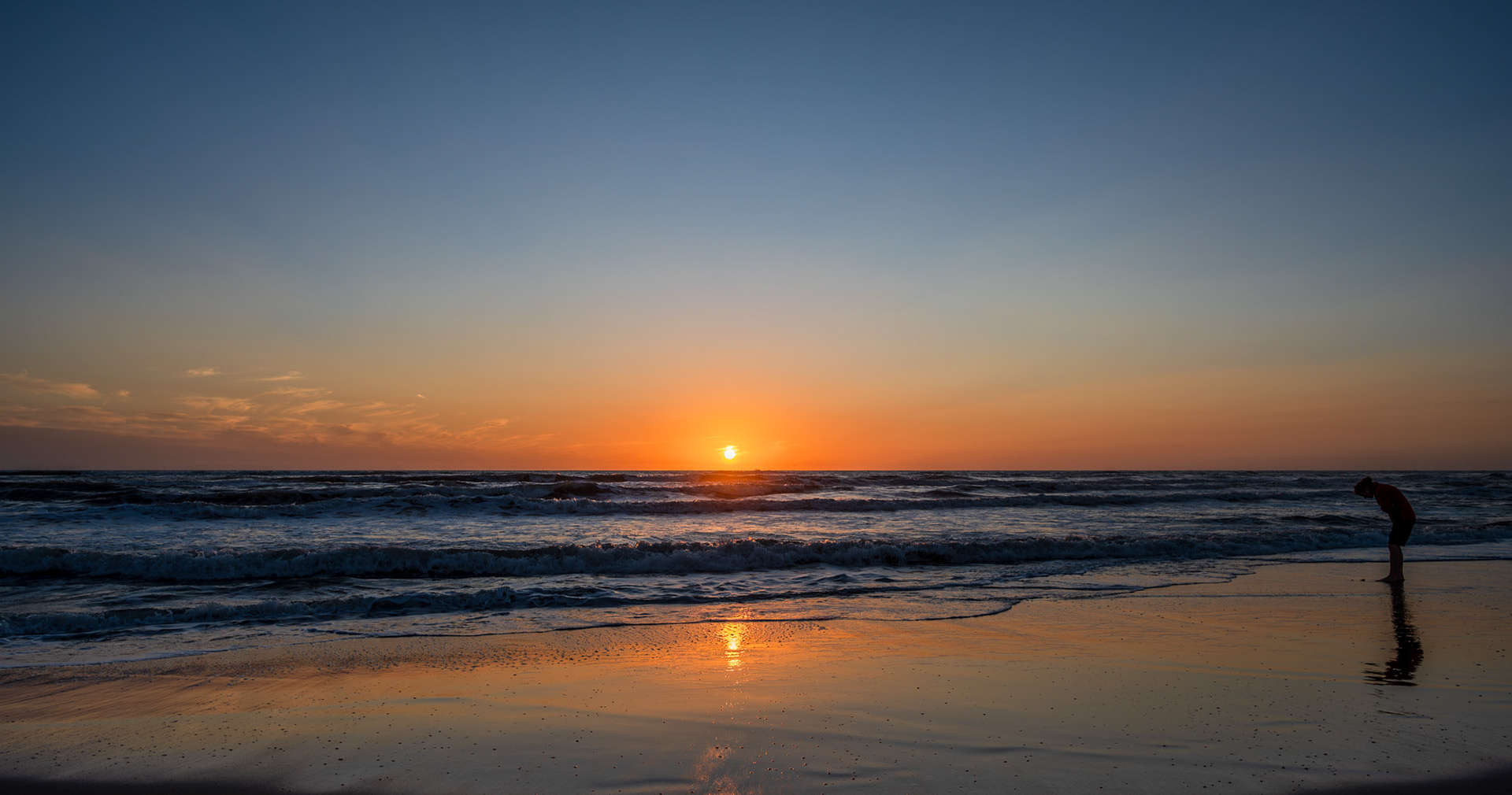
Gaeta. Serapo beach.
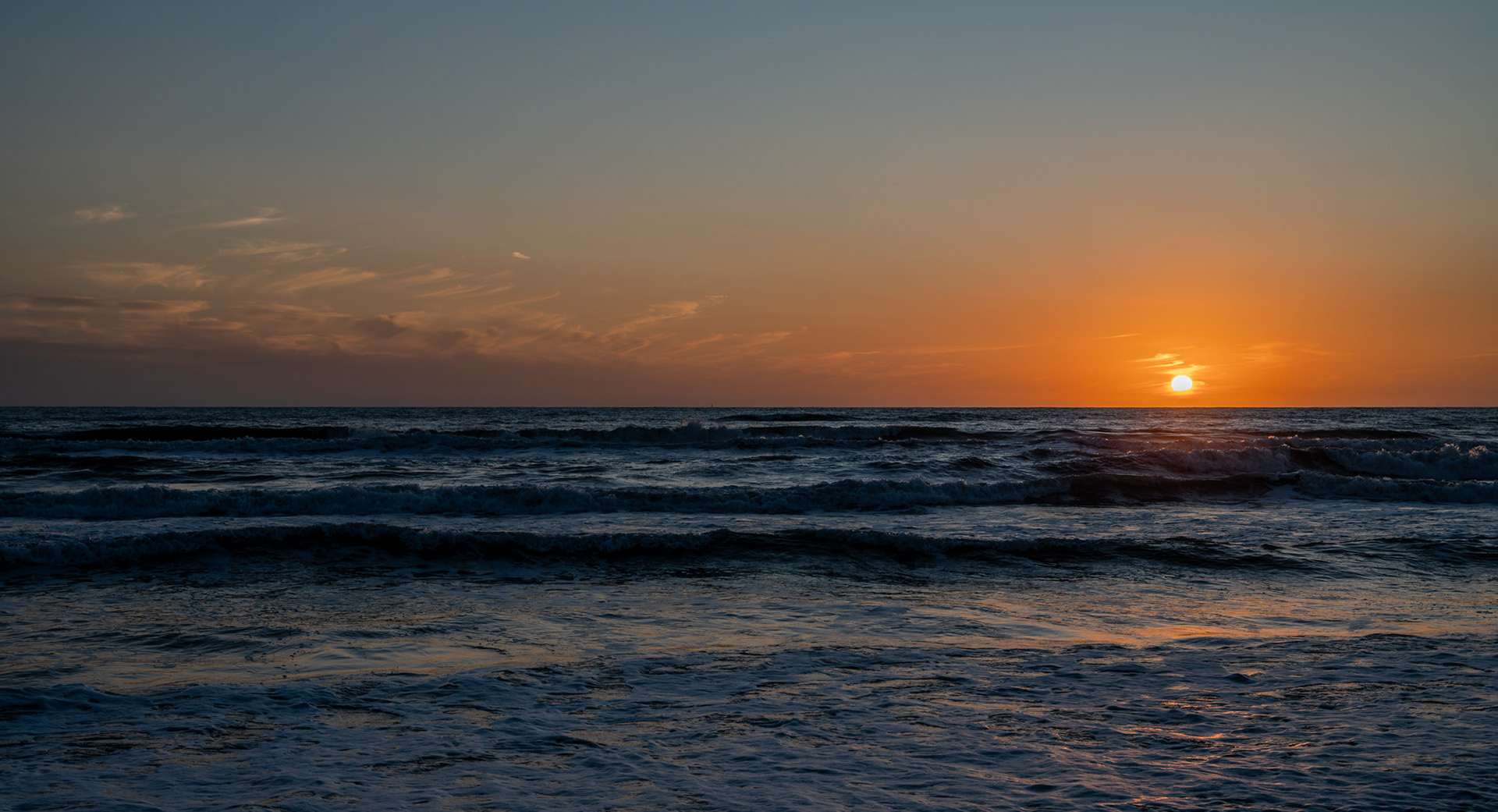
2017
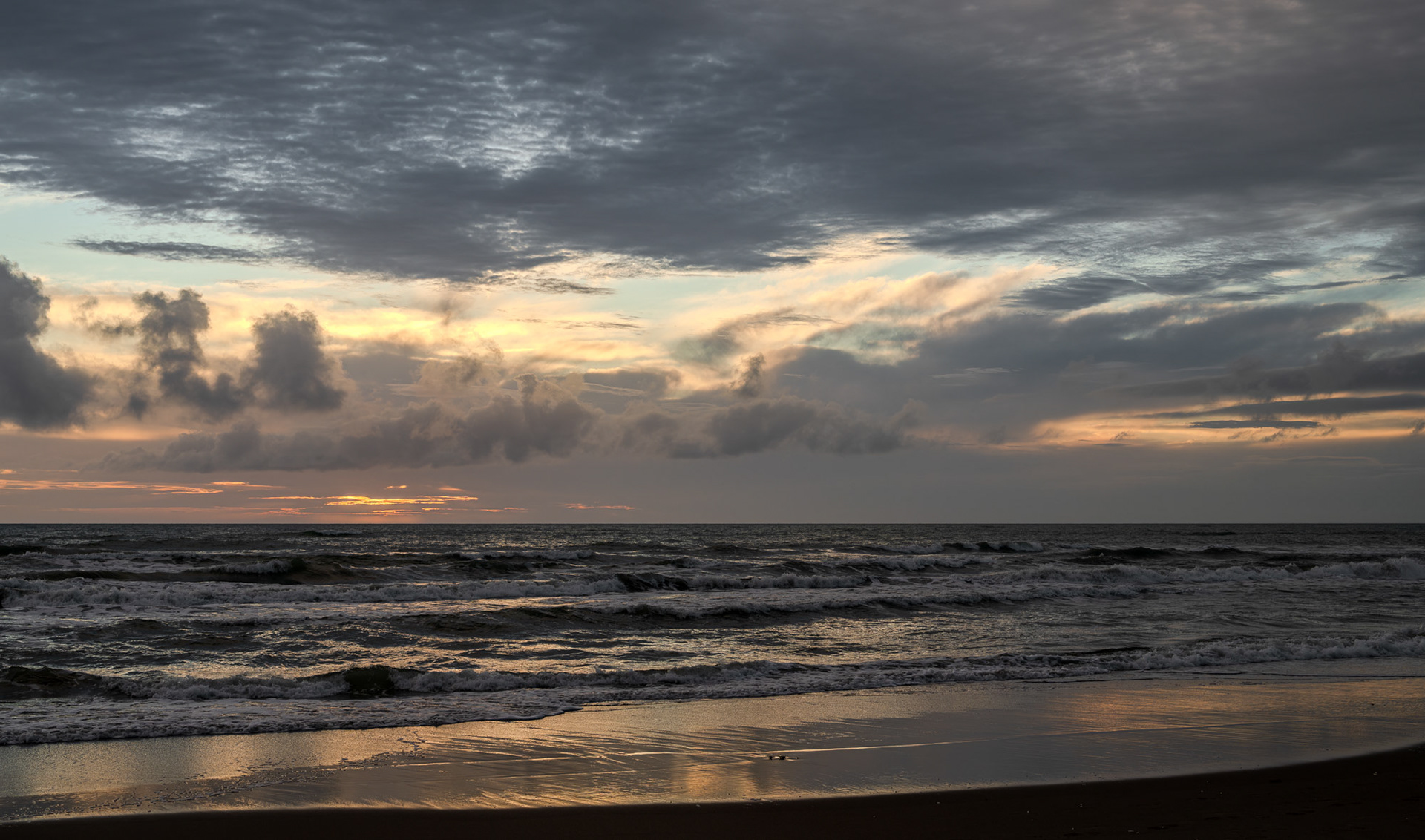
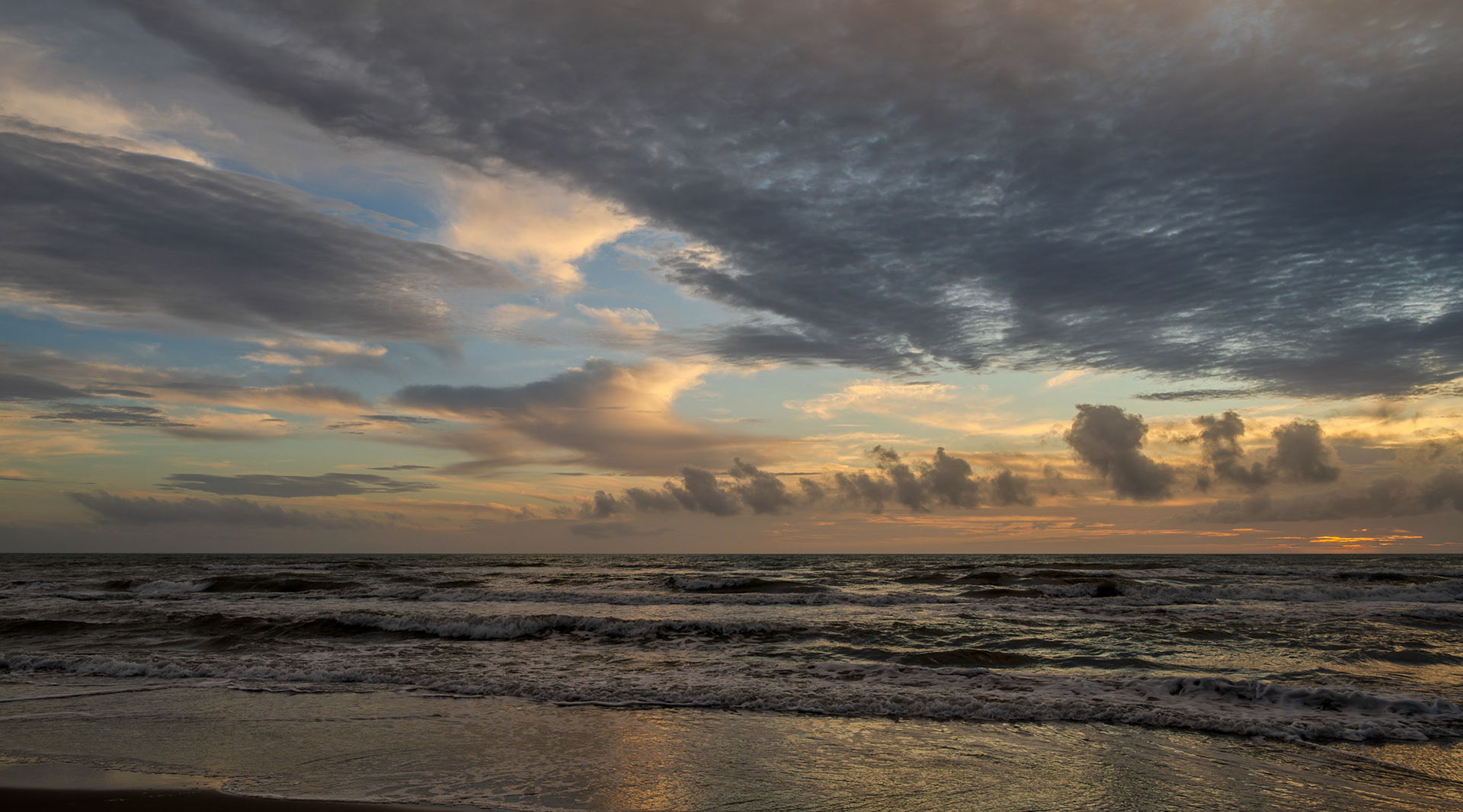
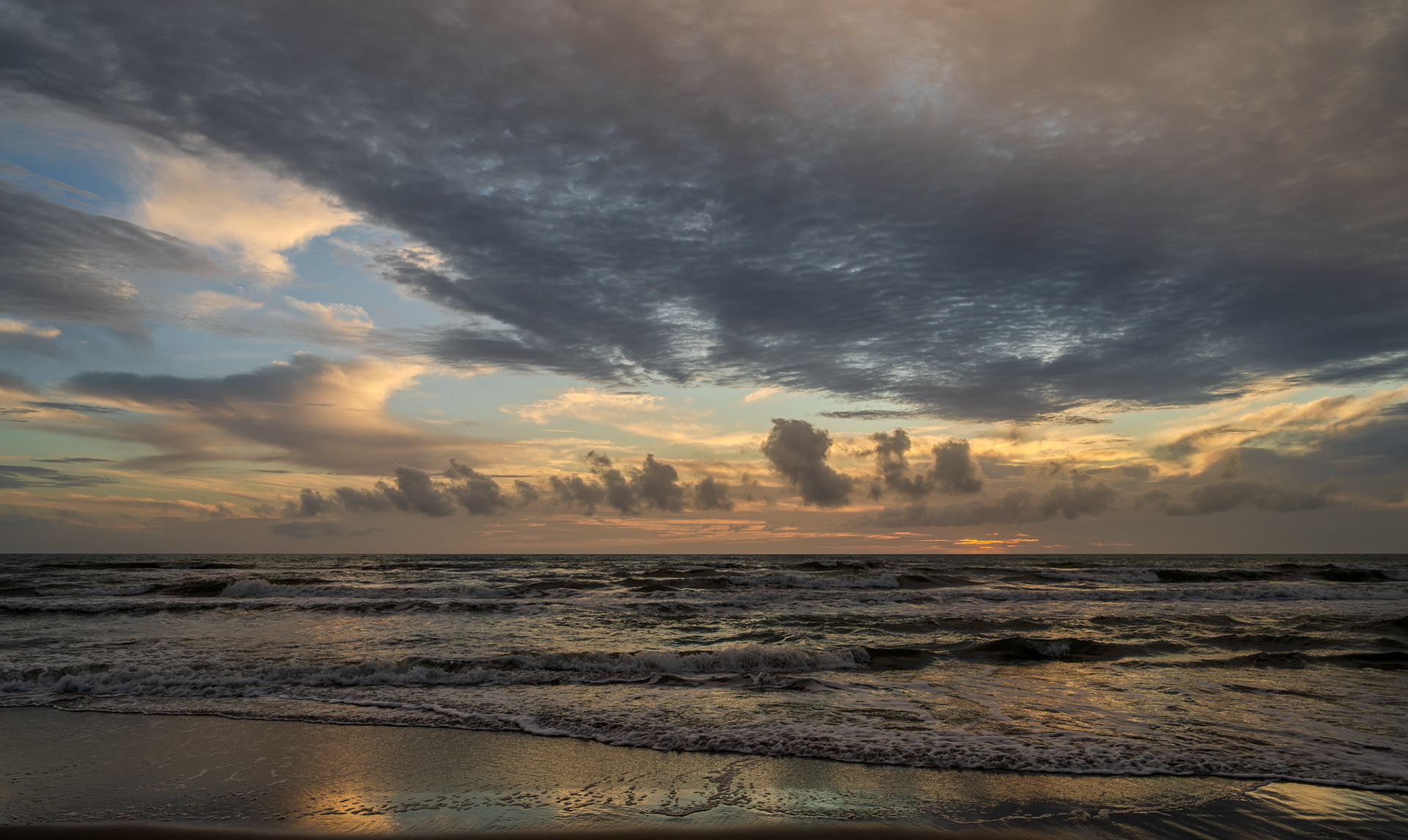
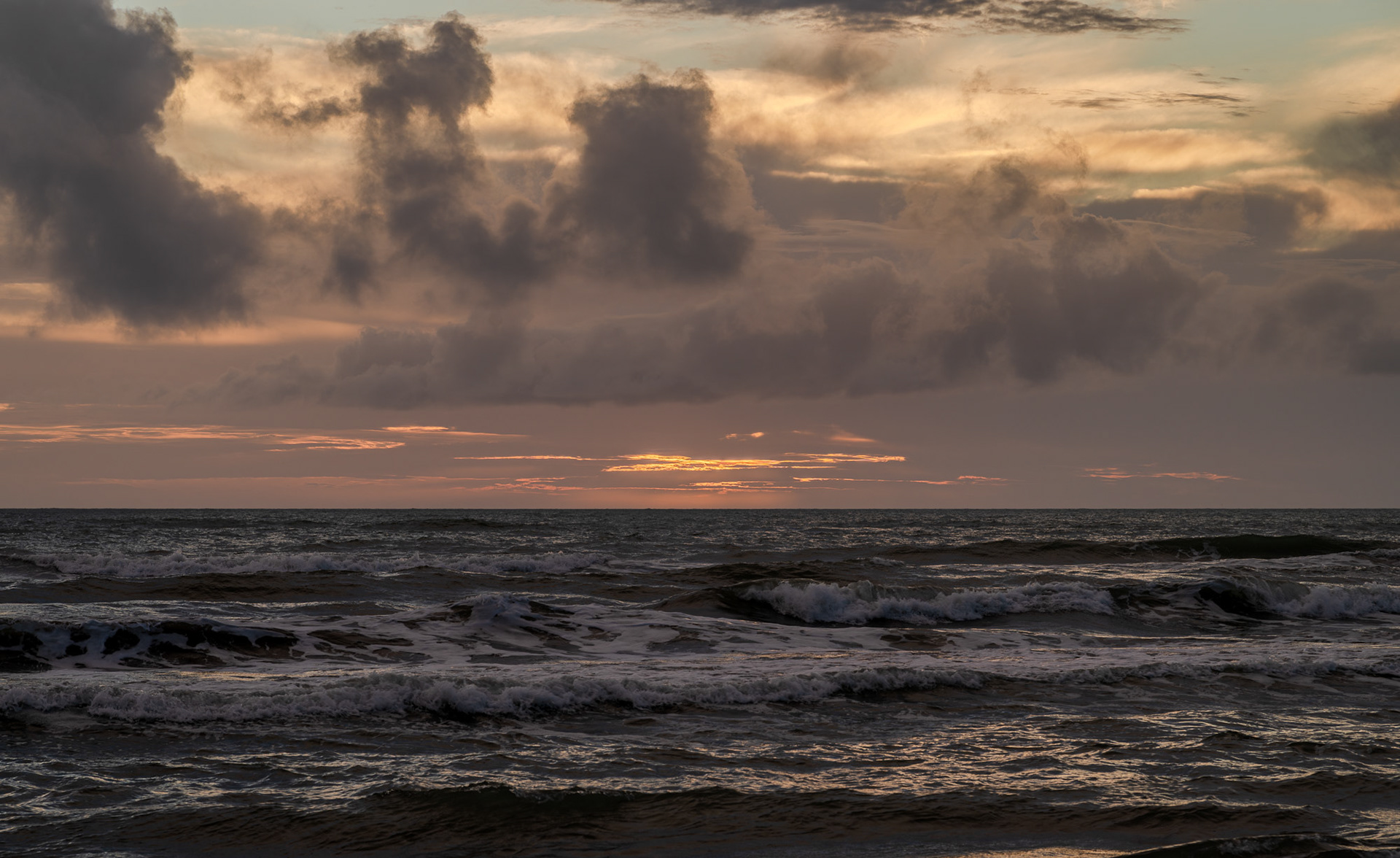
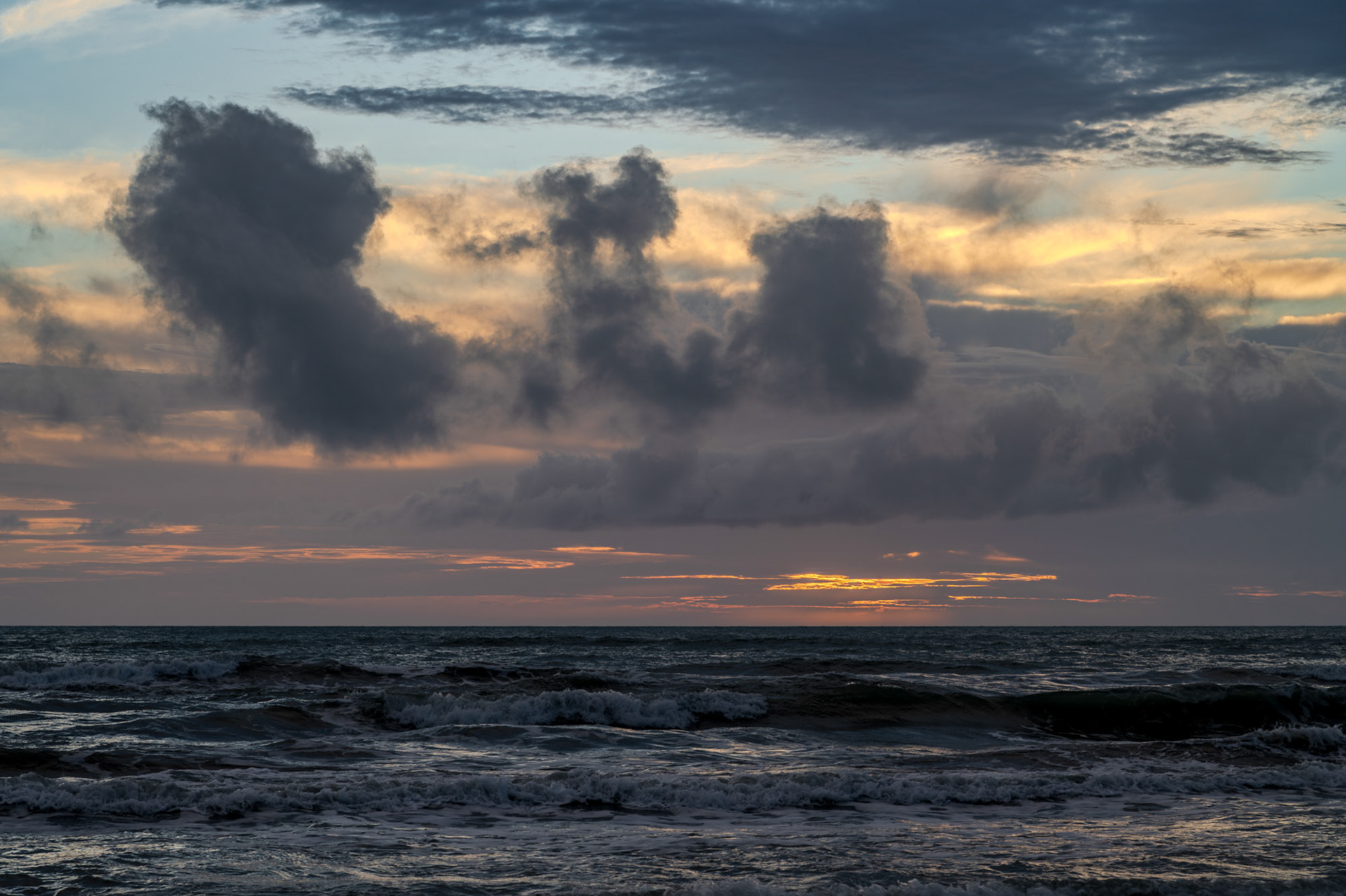
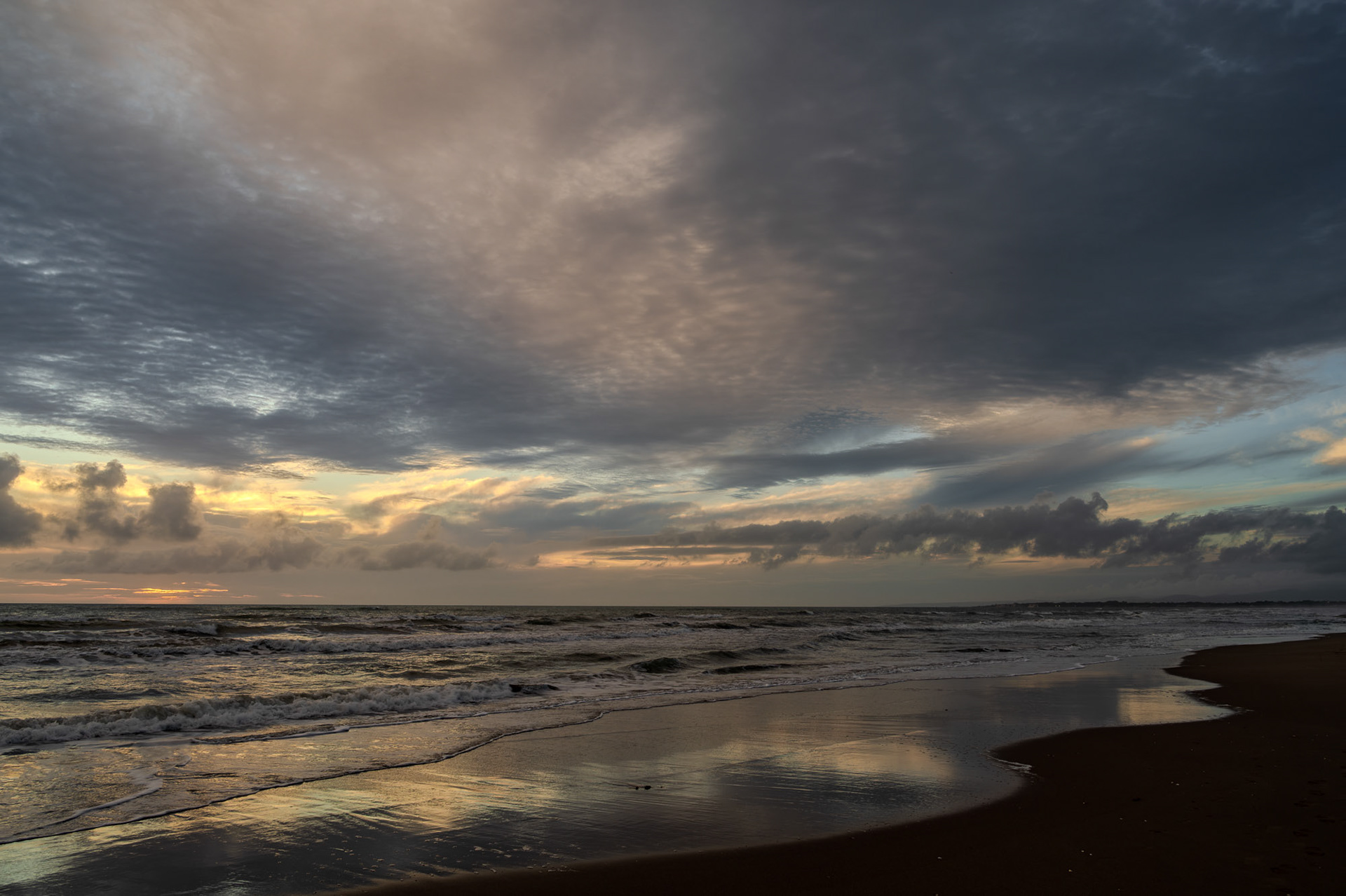
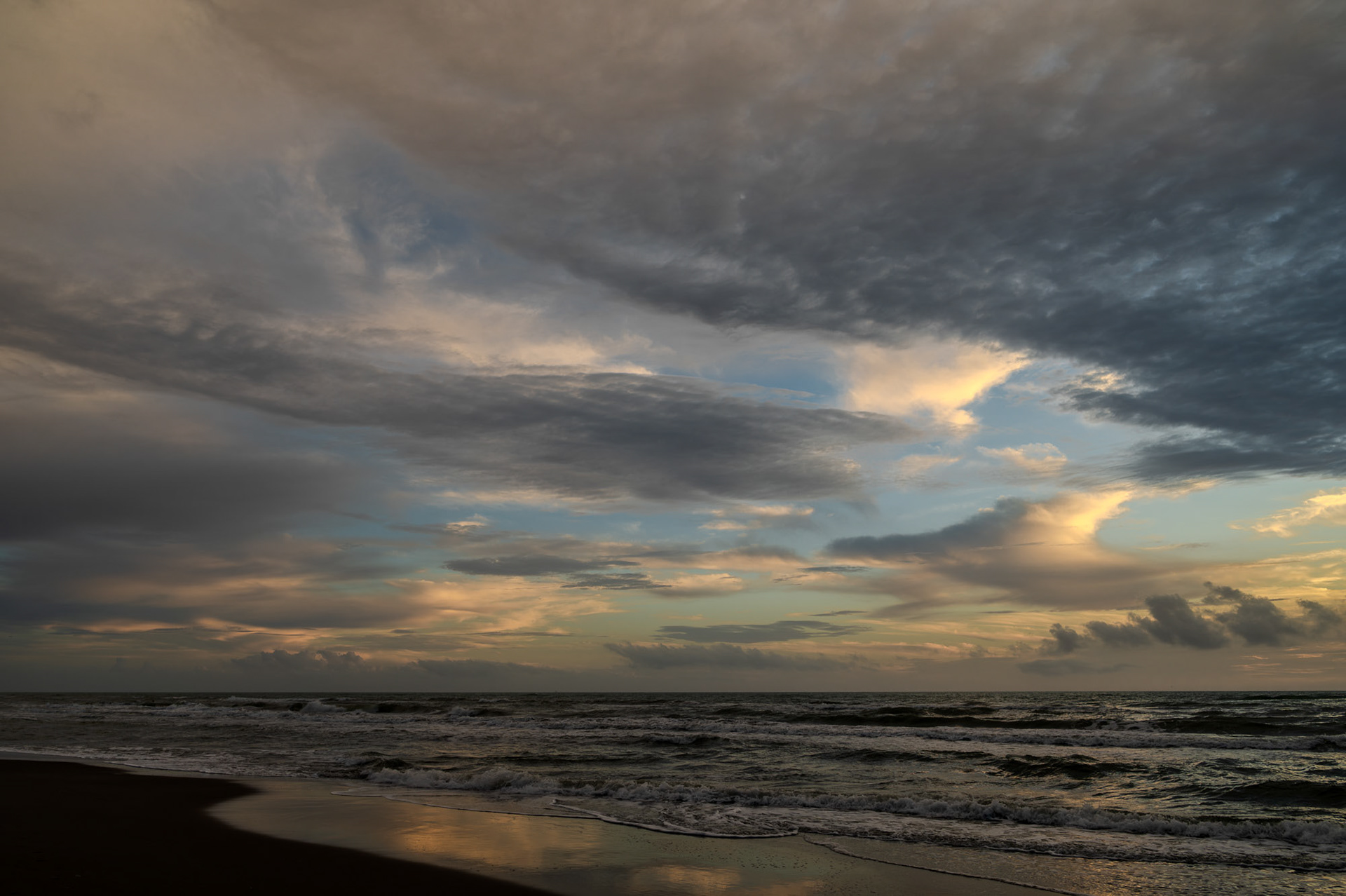
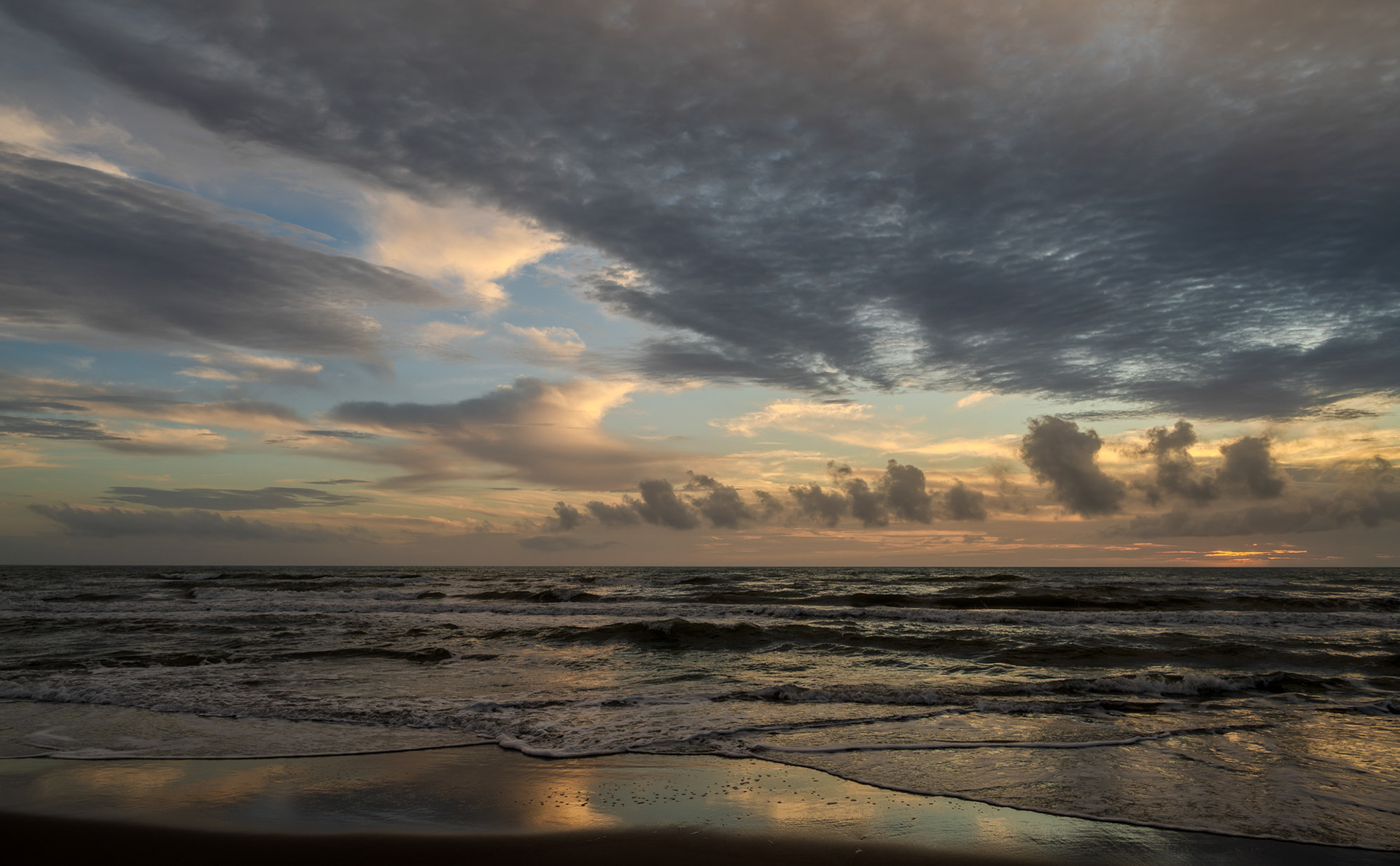
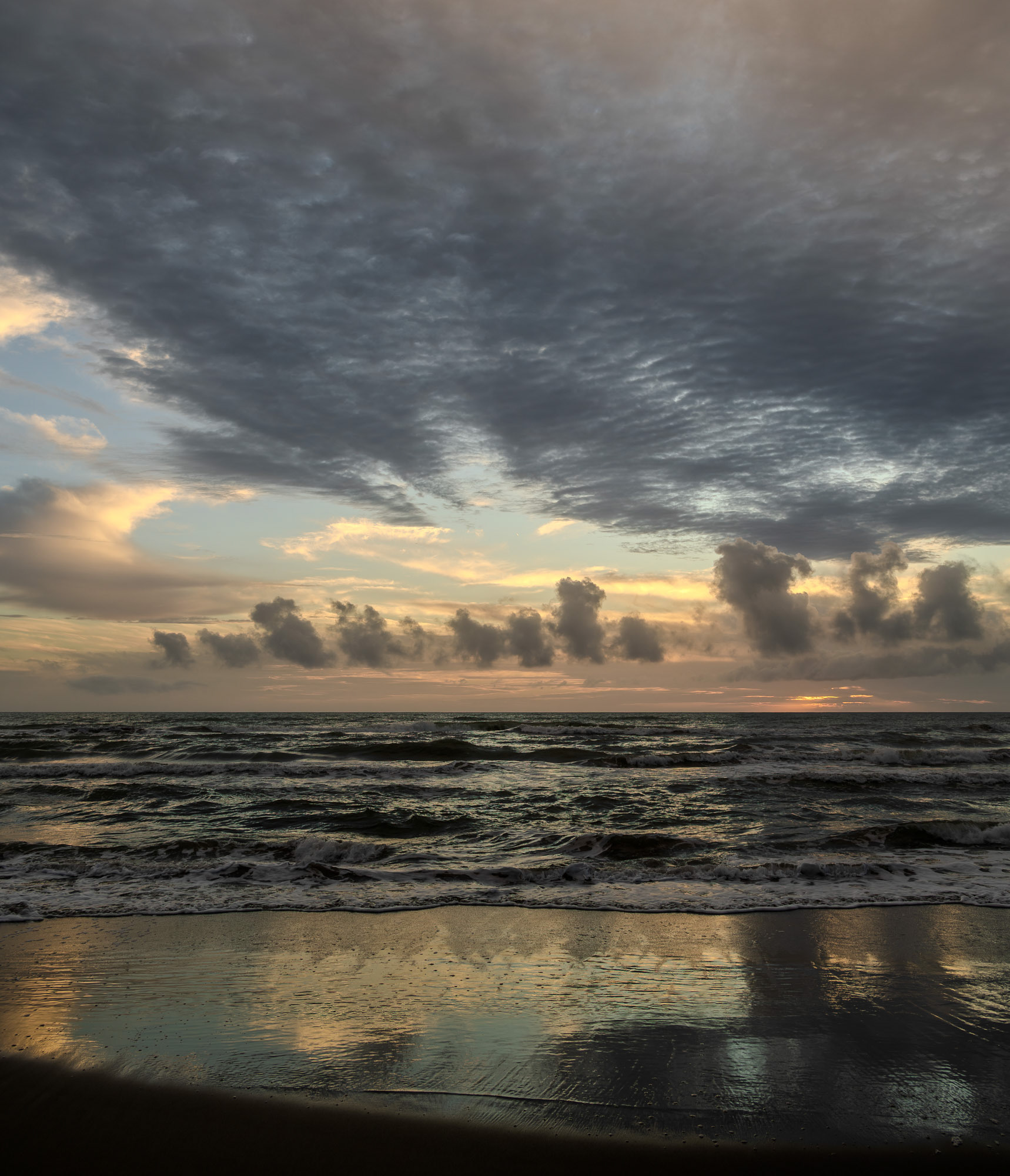
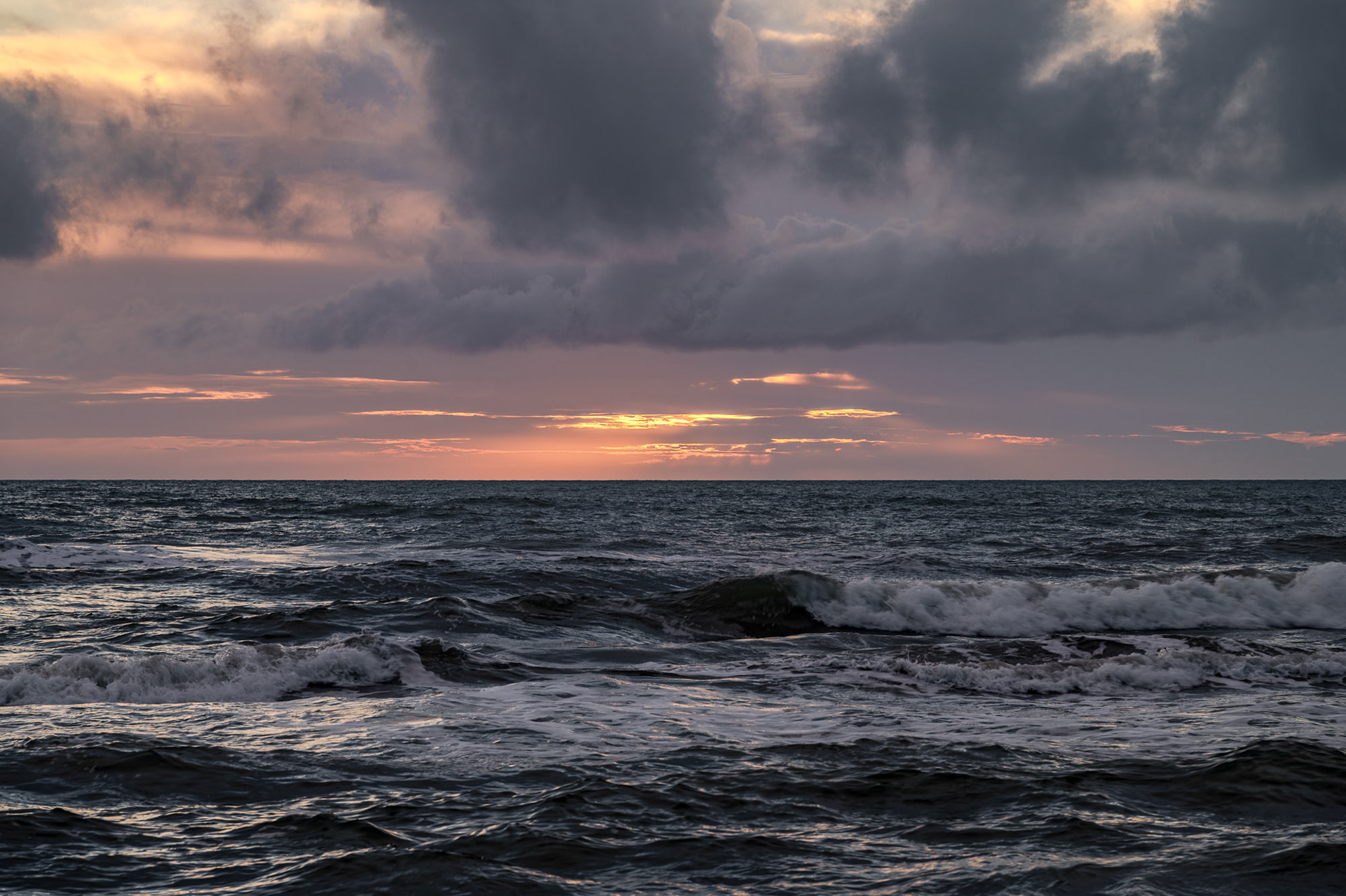
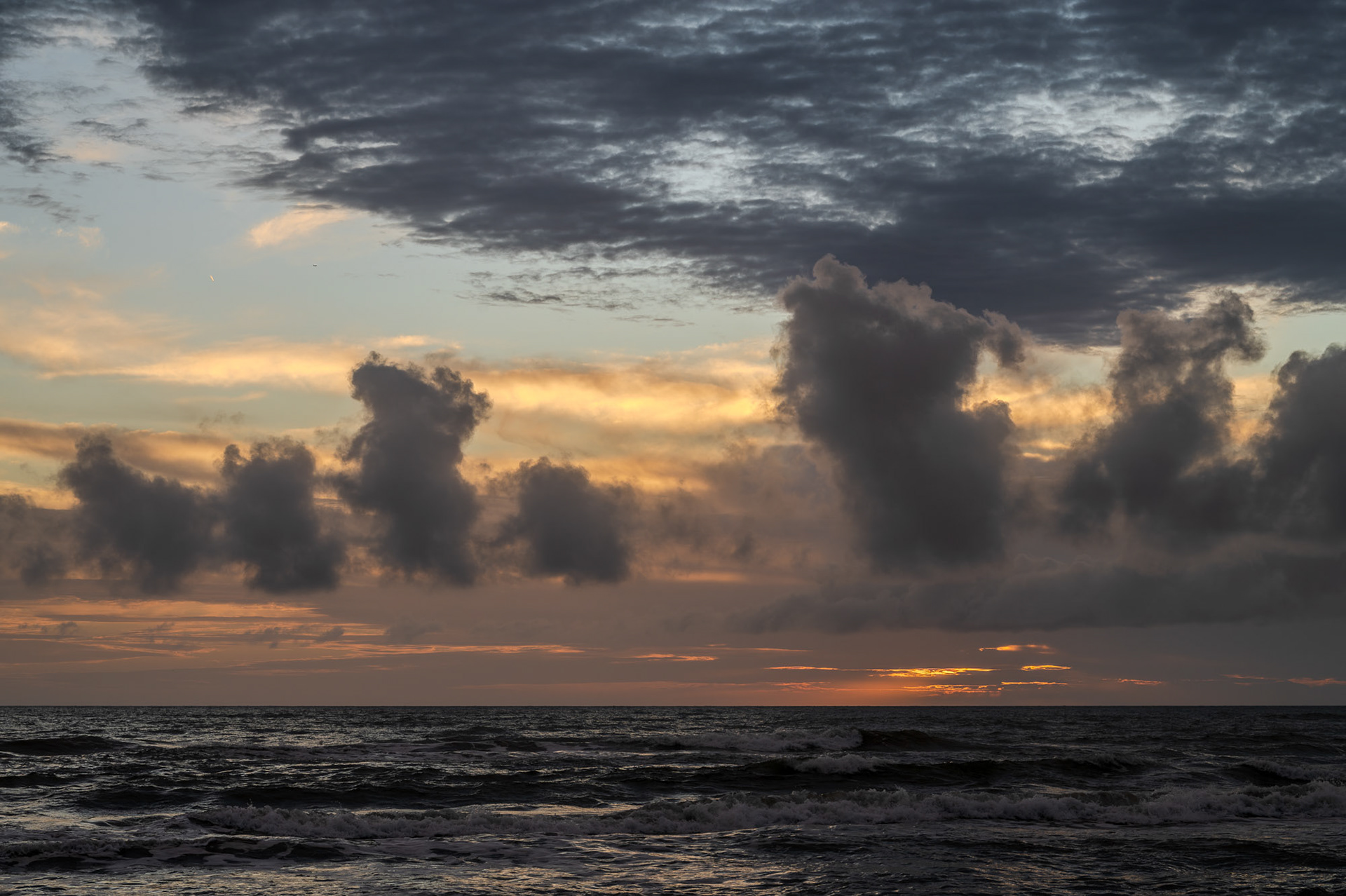
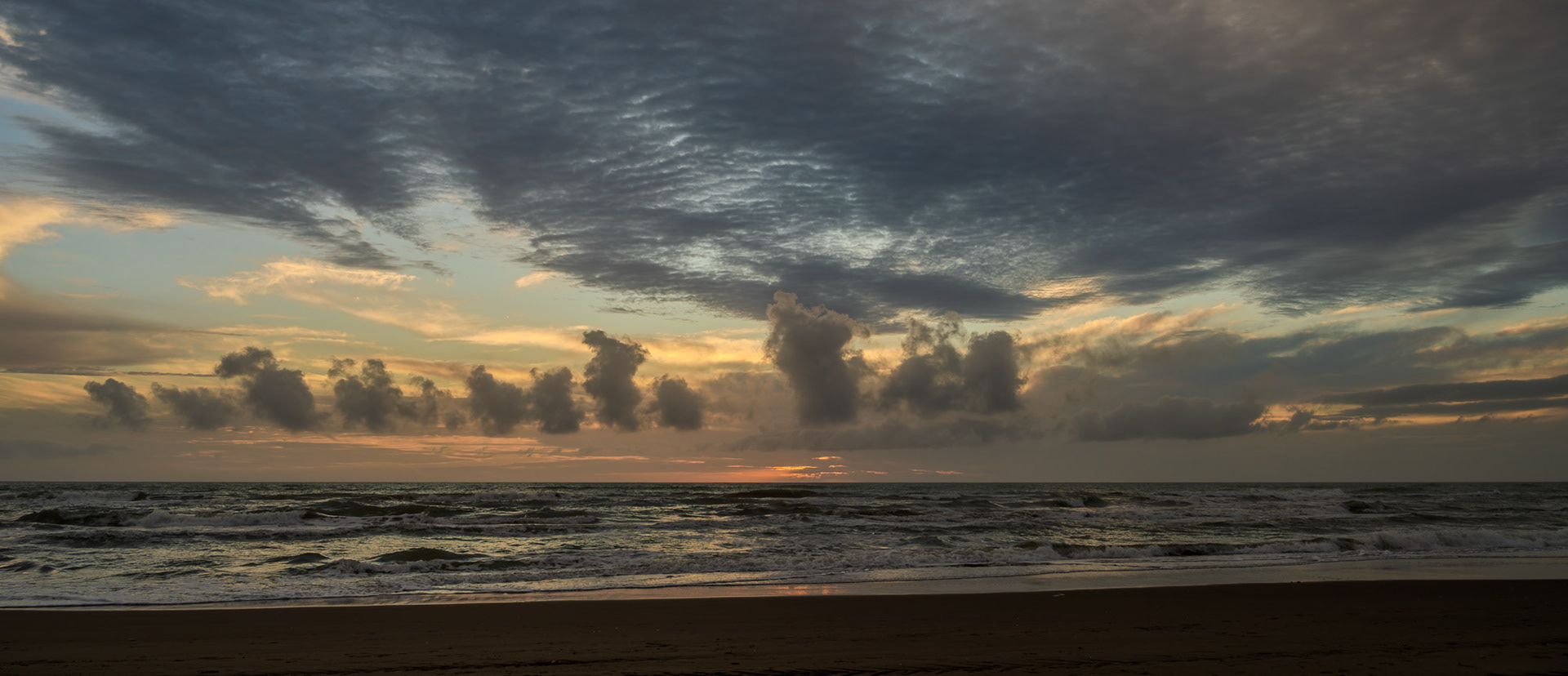
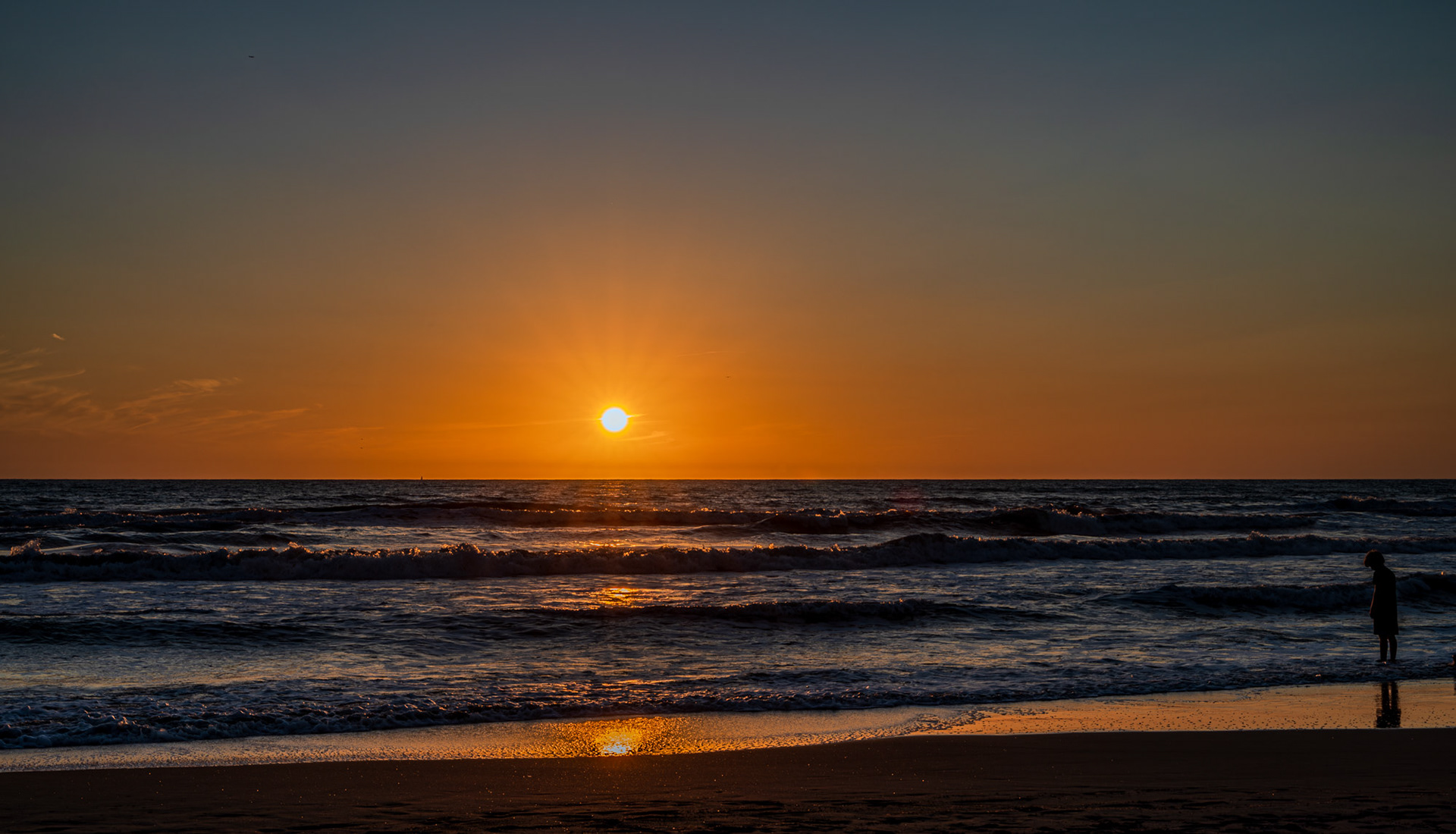
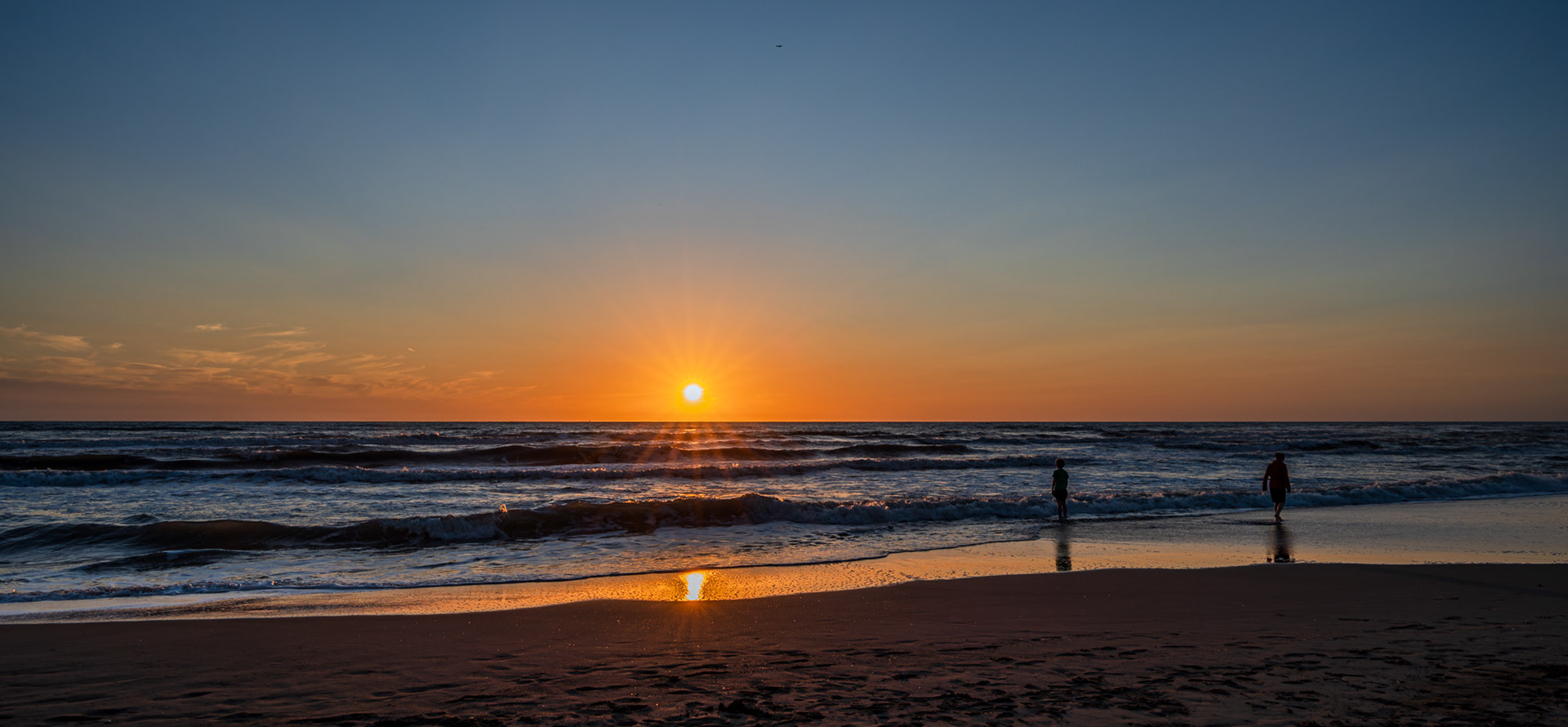
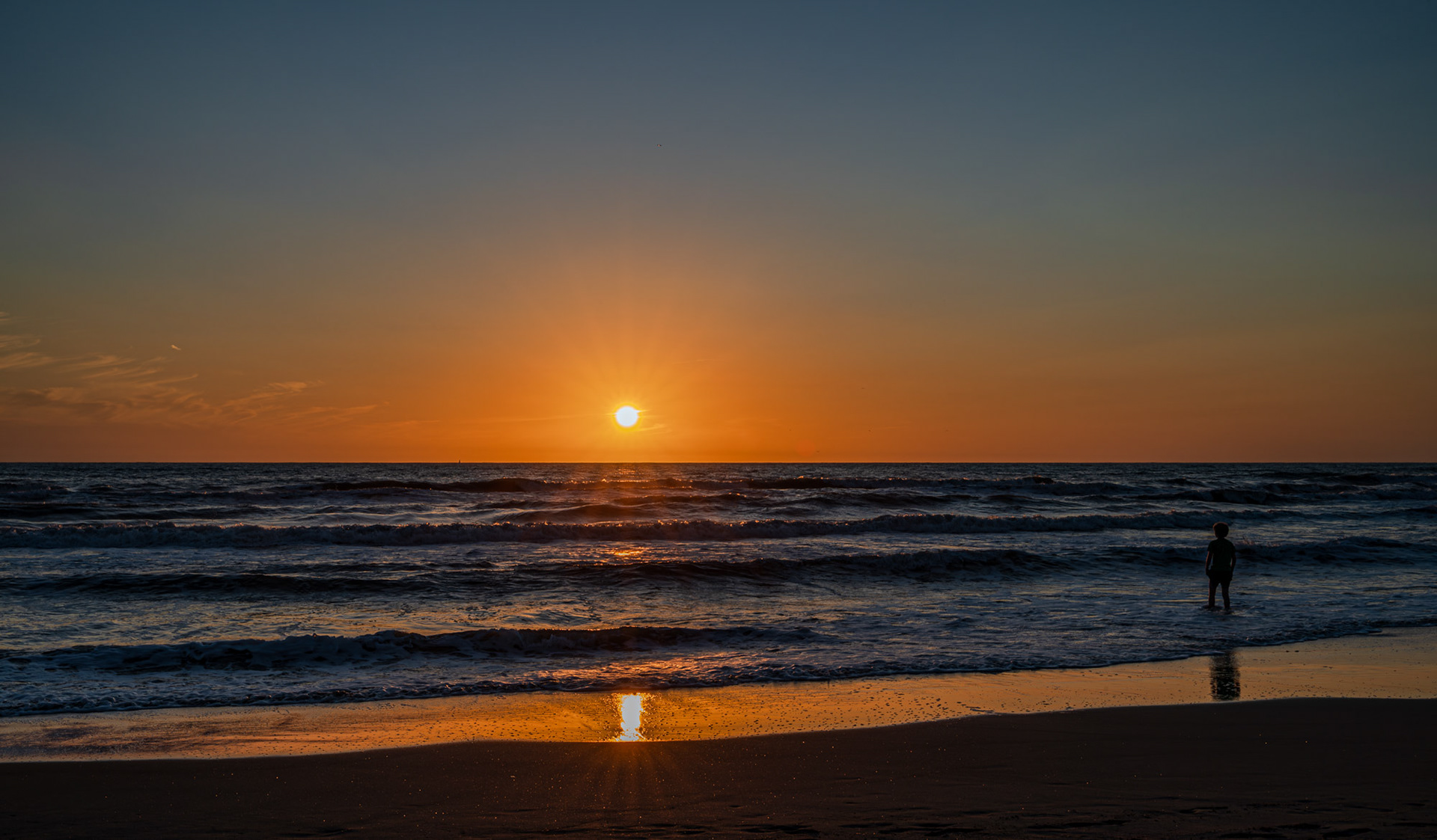
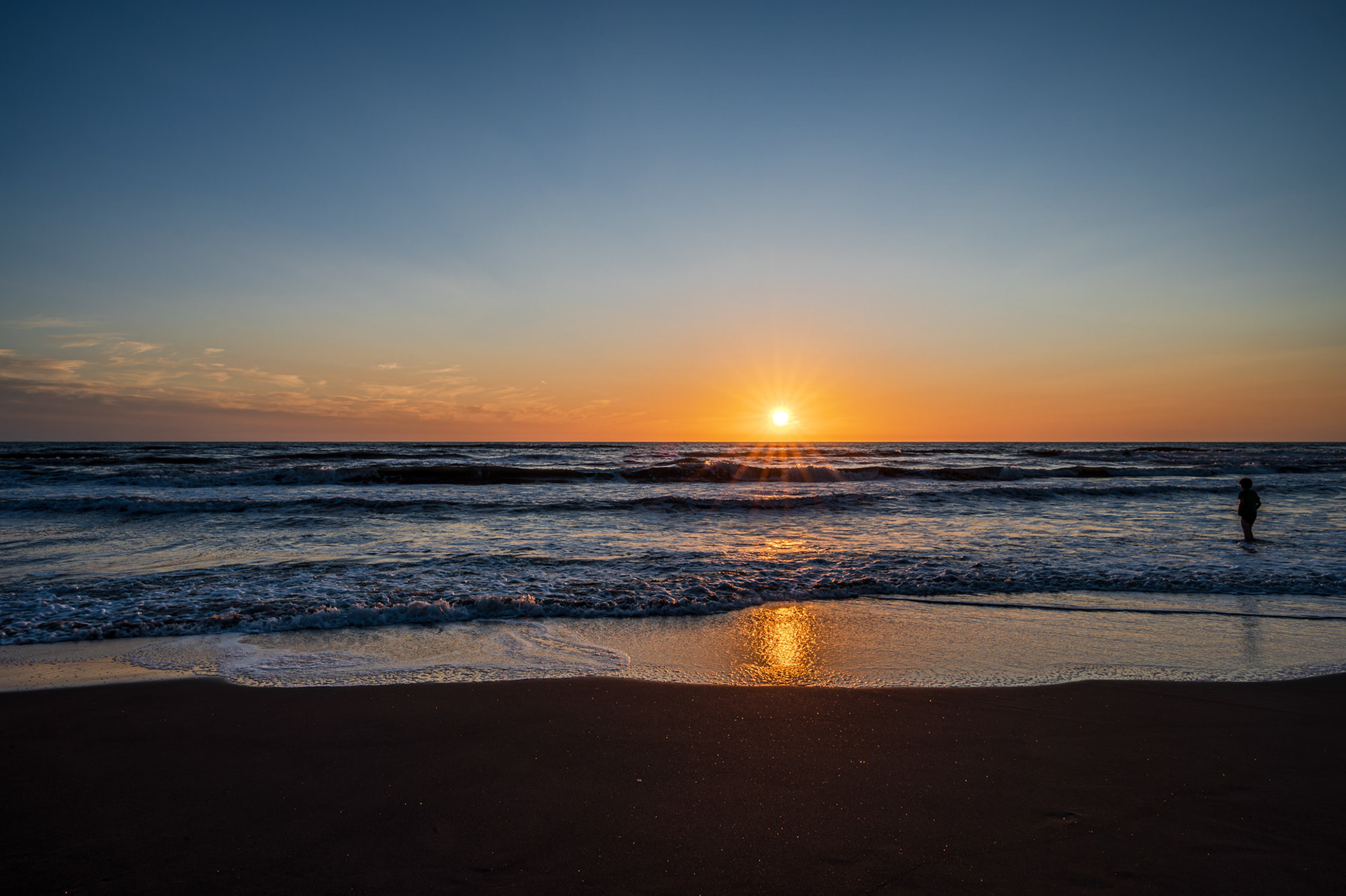
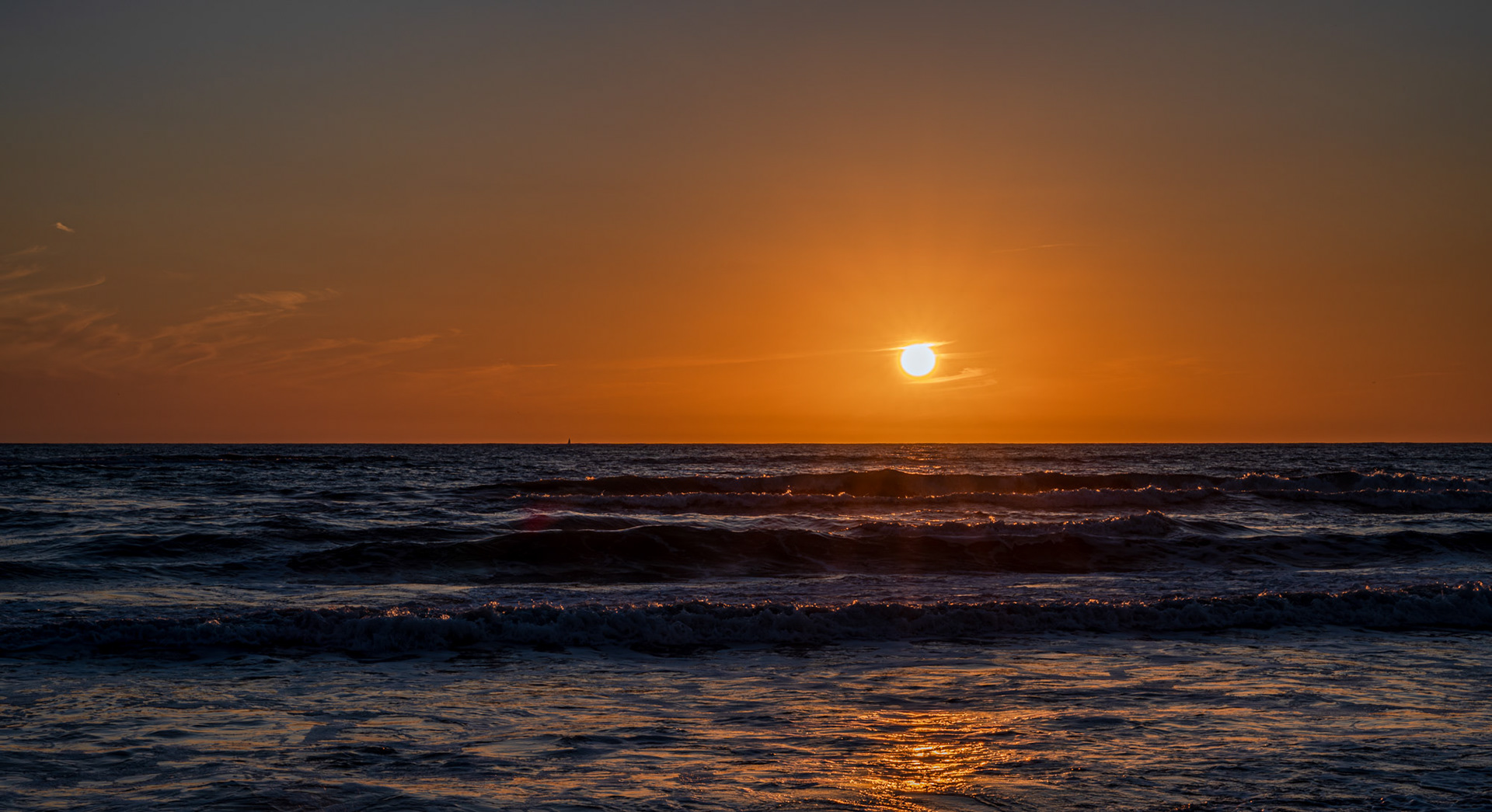
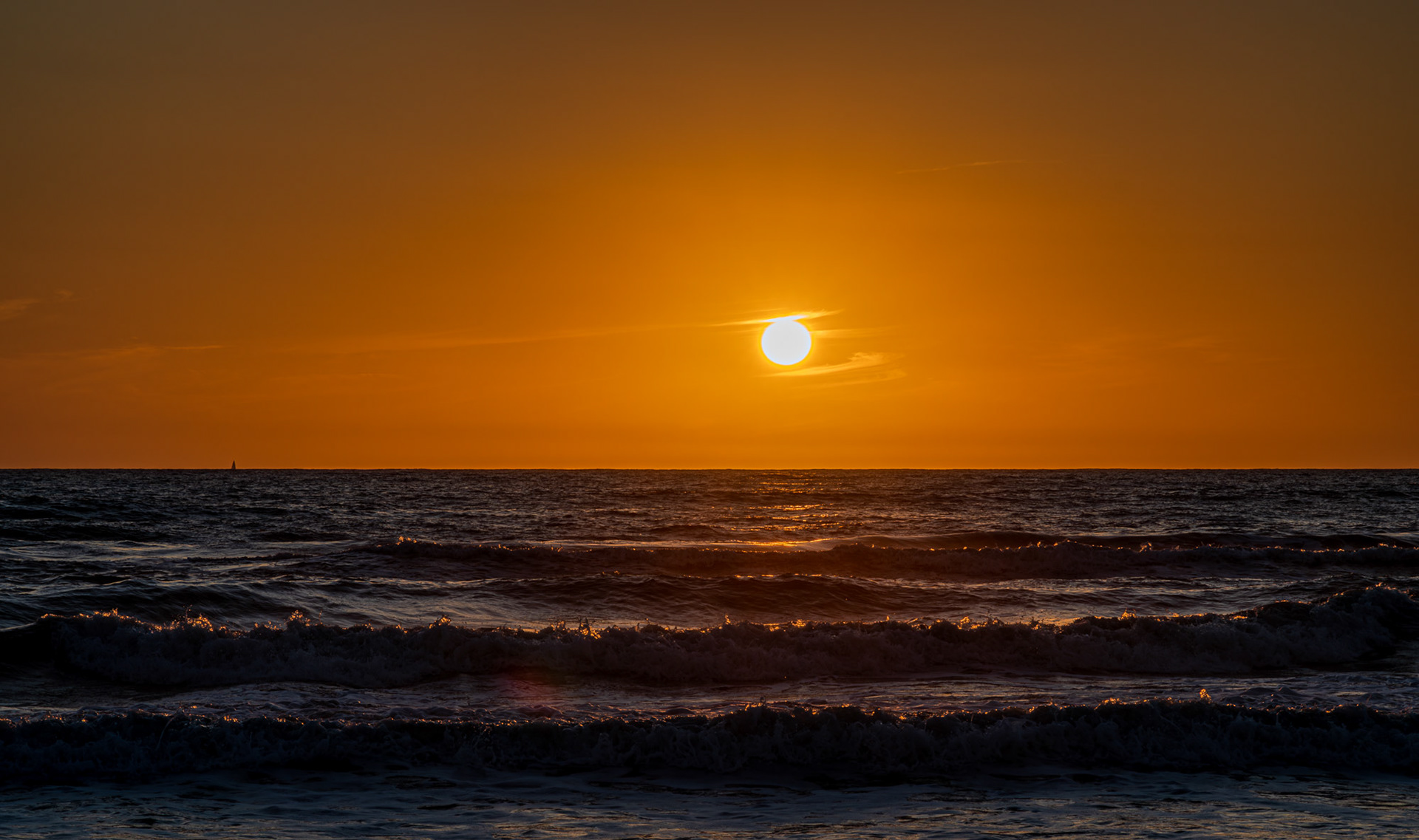
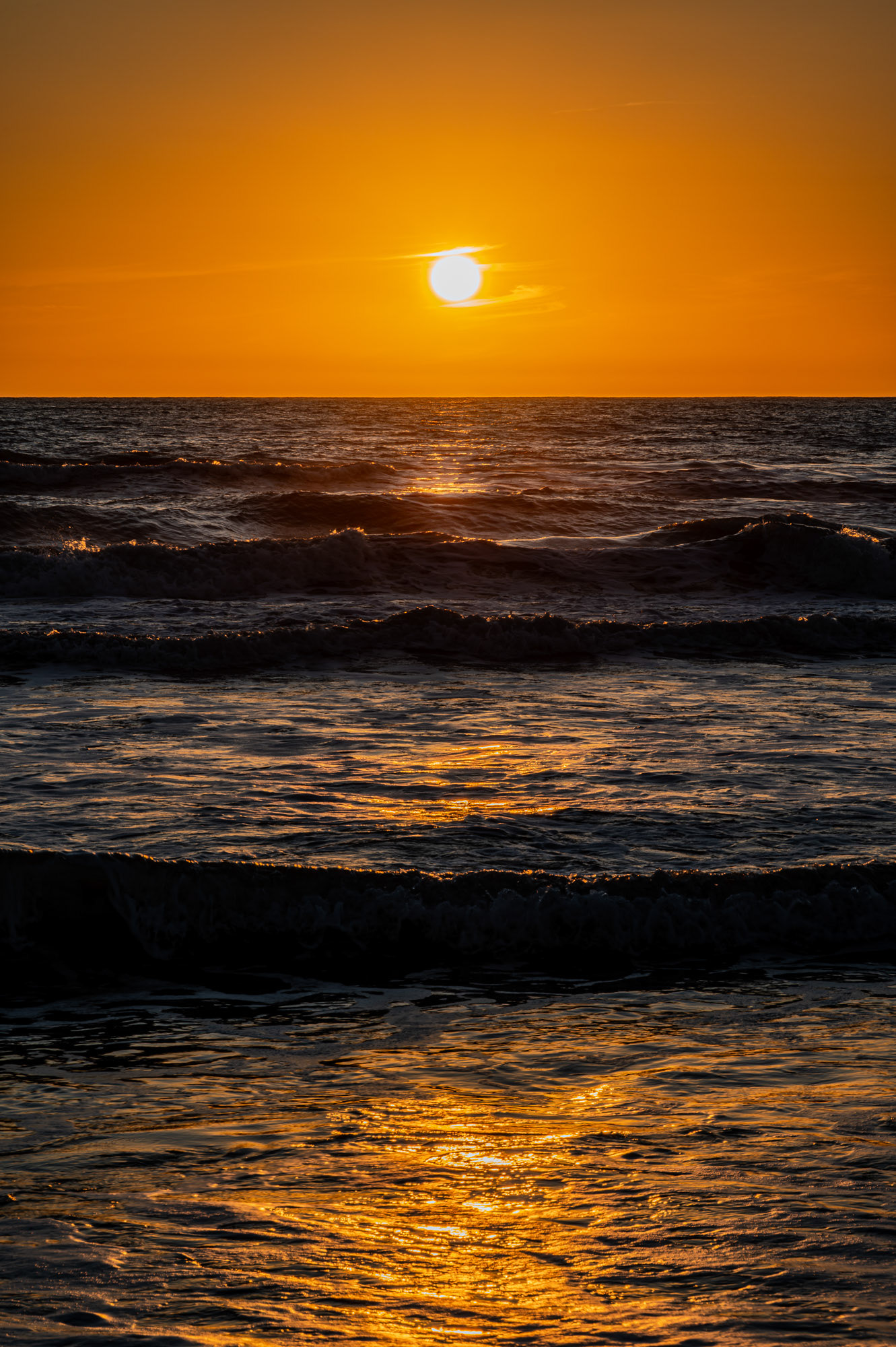
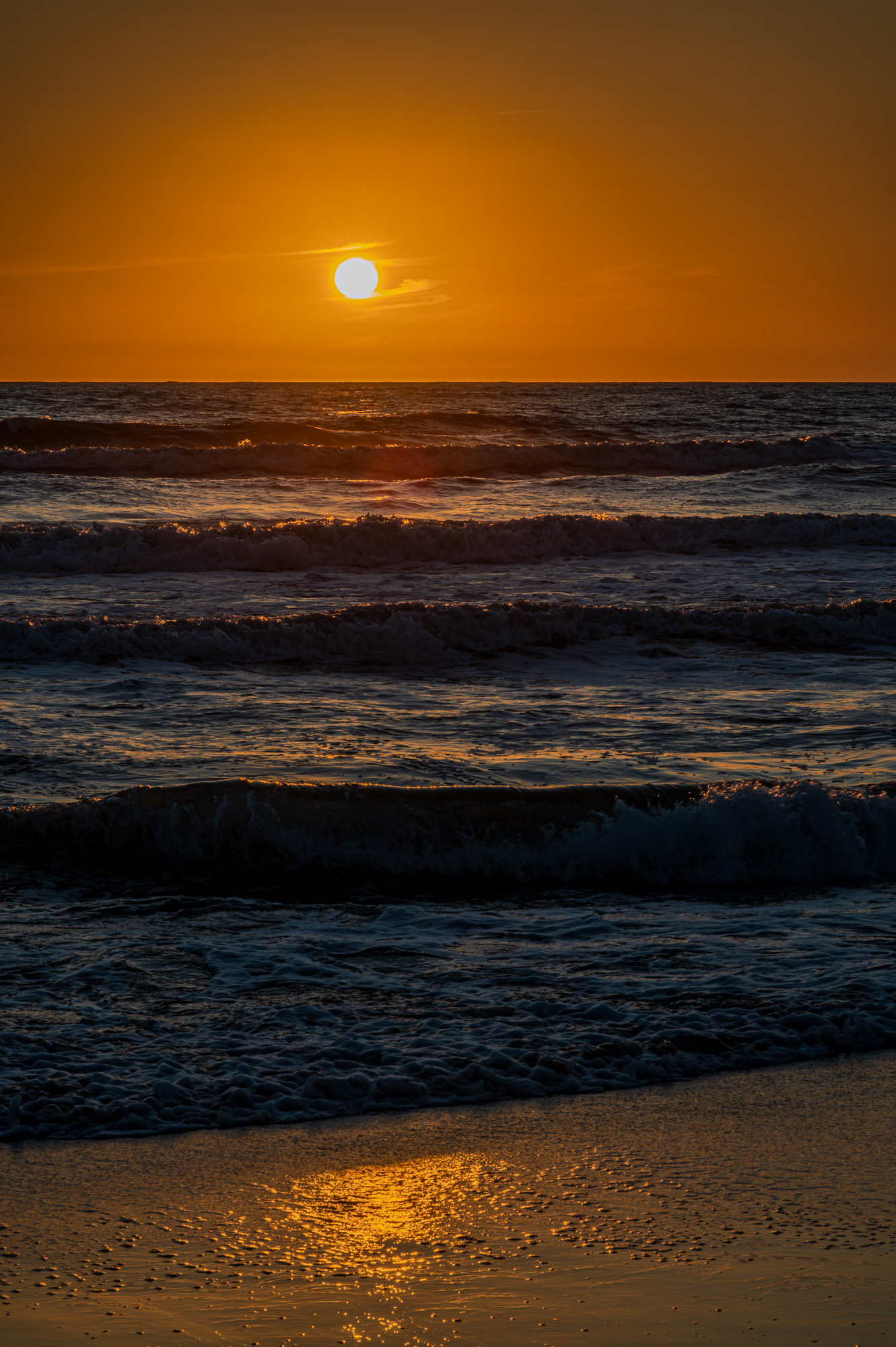
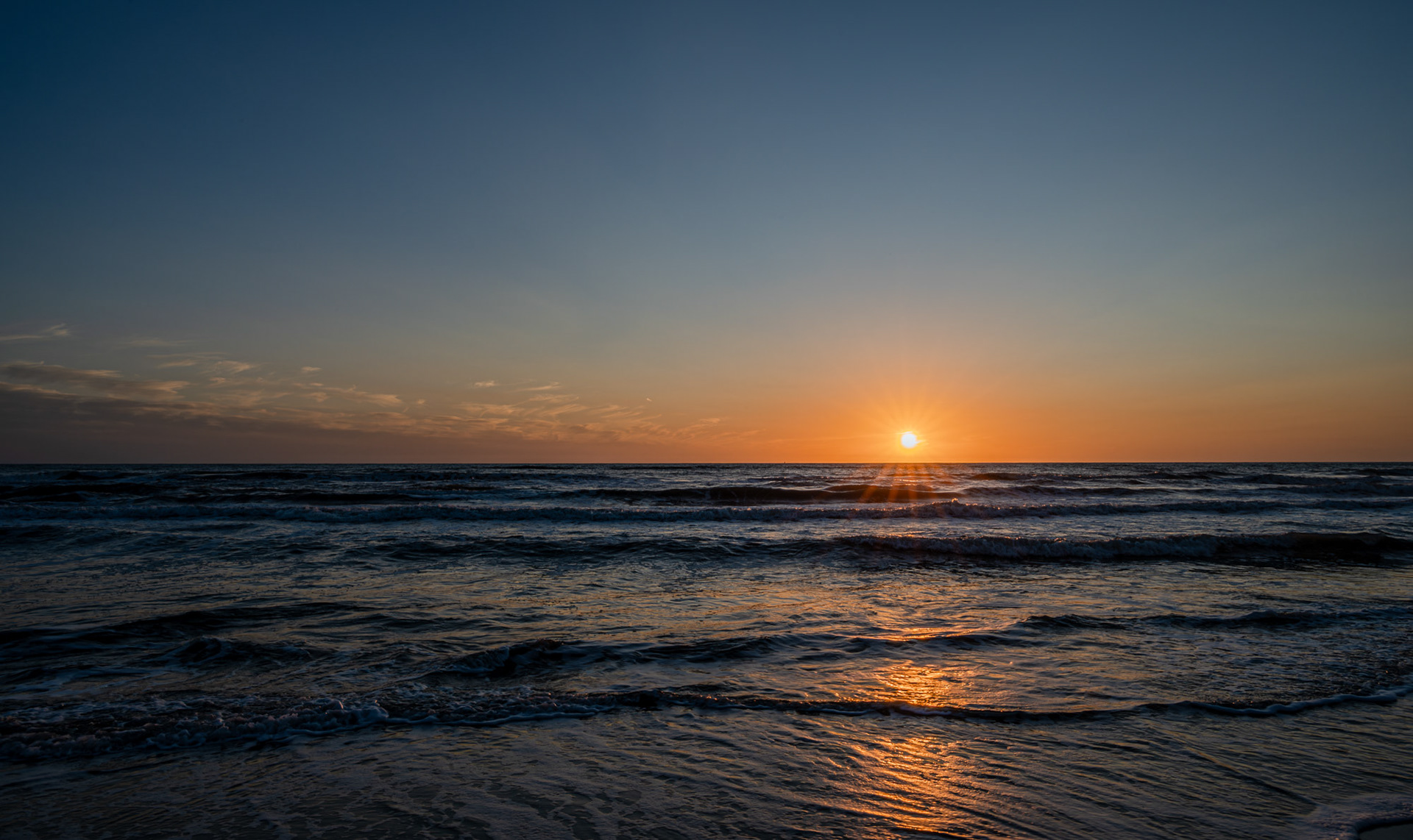
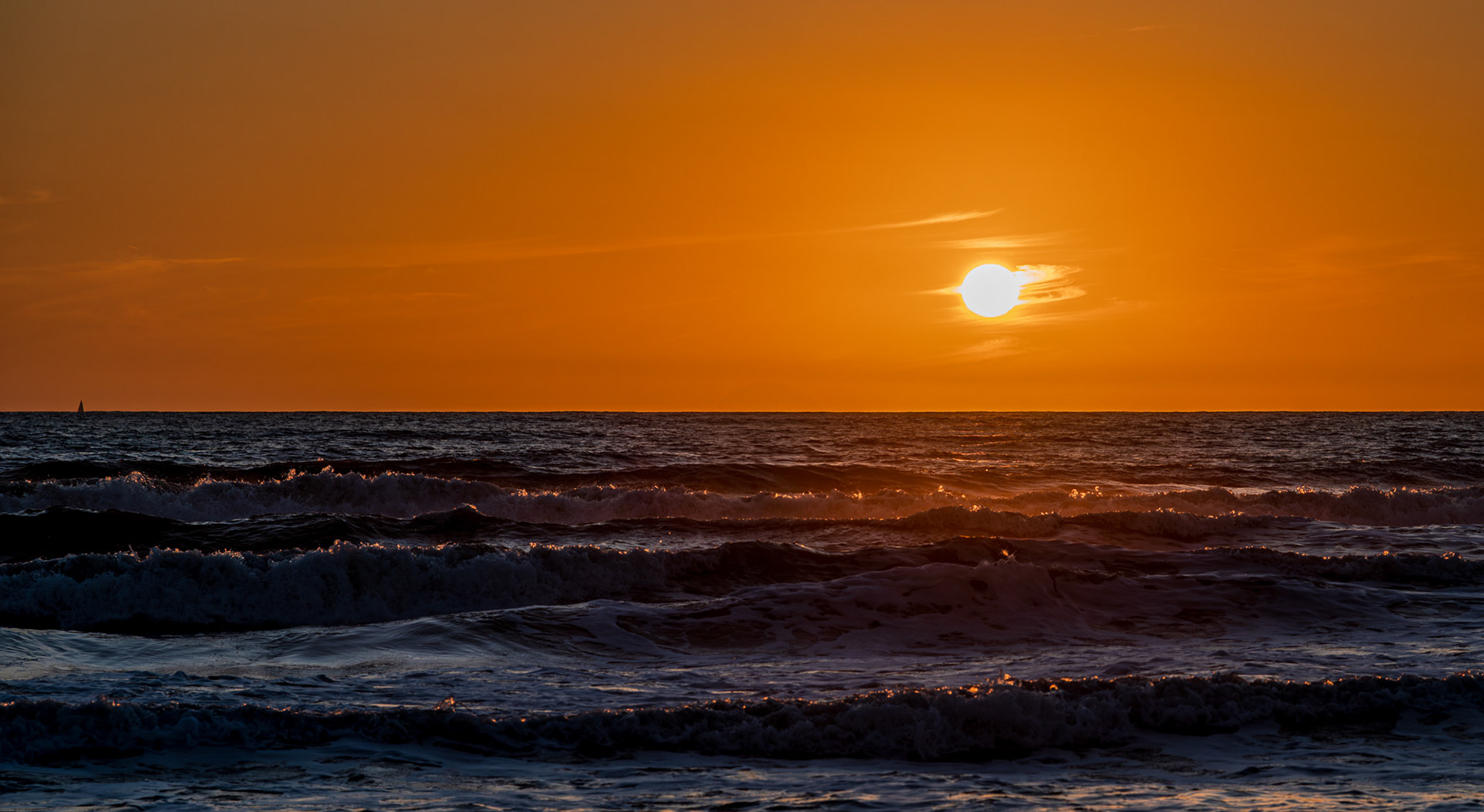
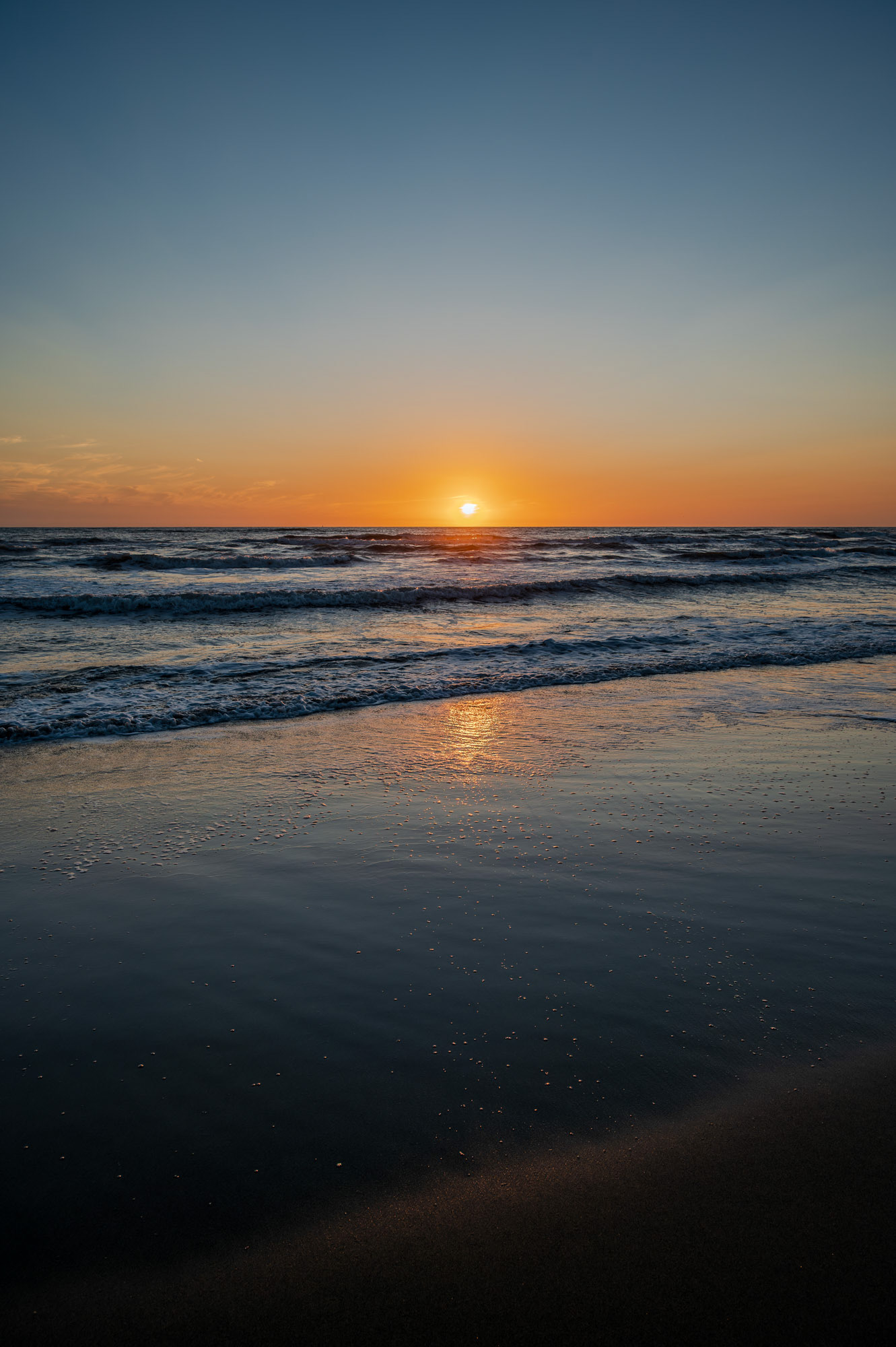
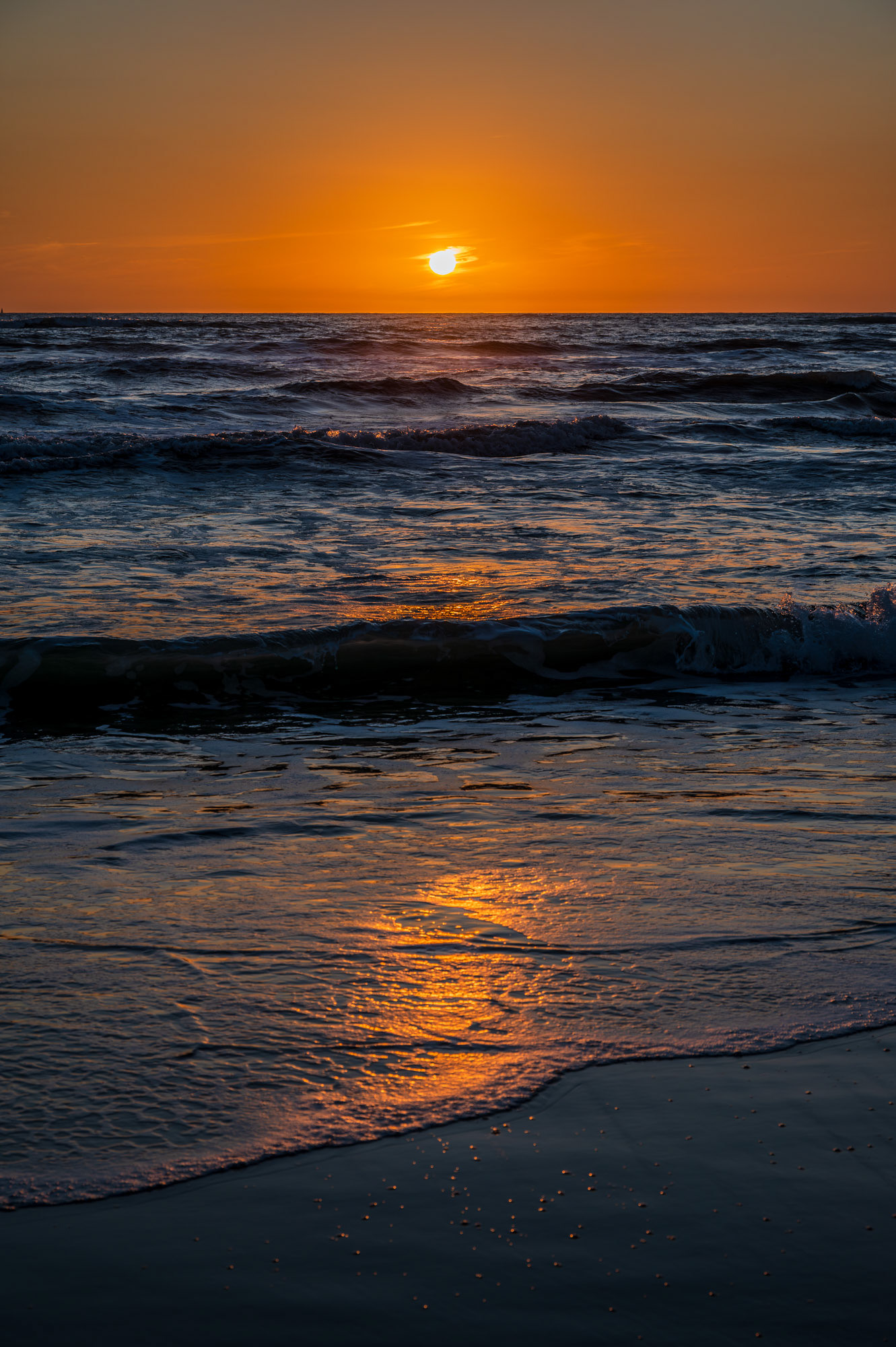
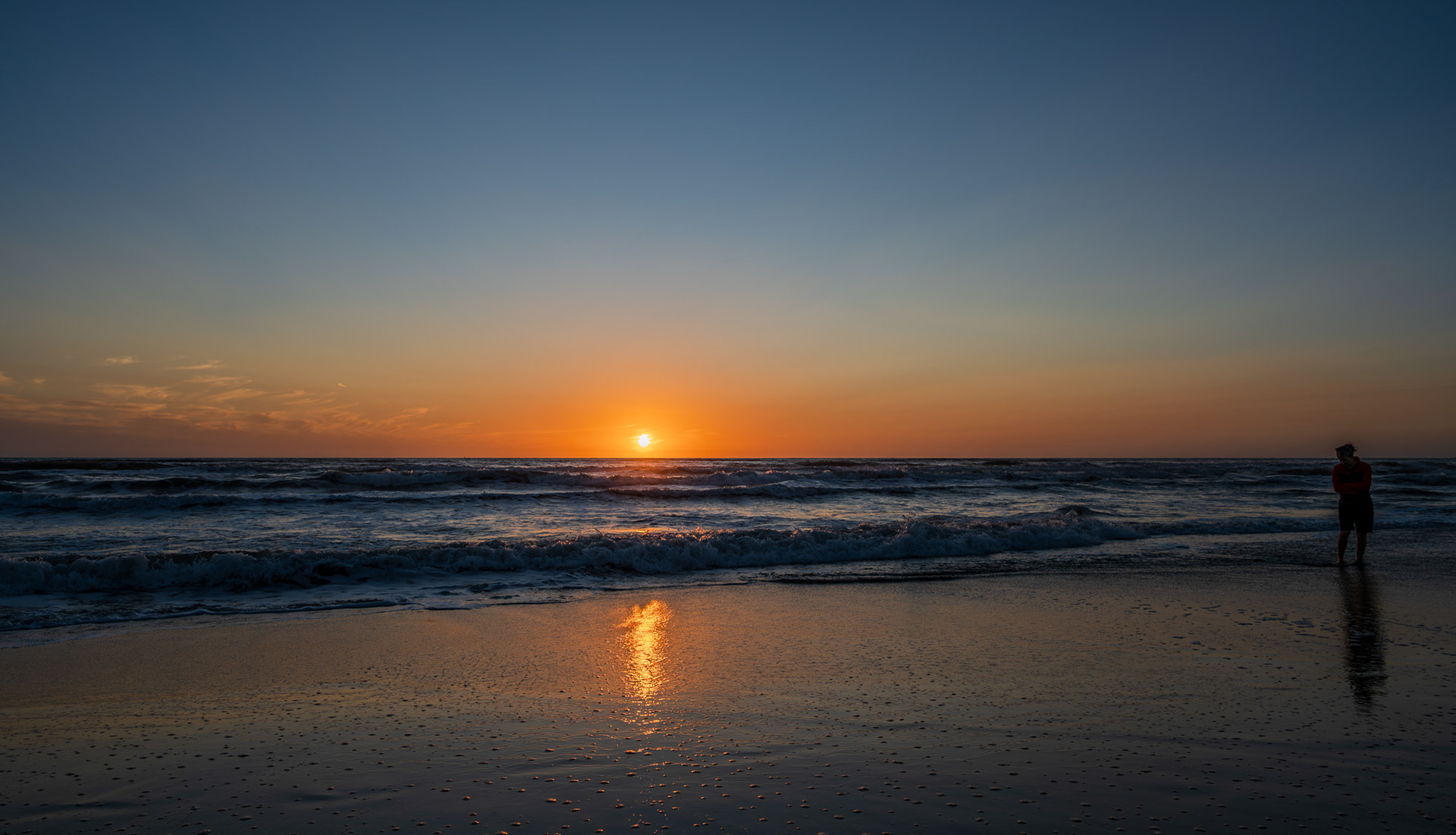
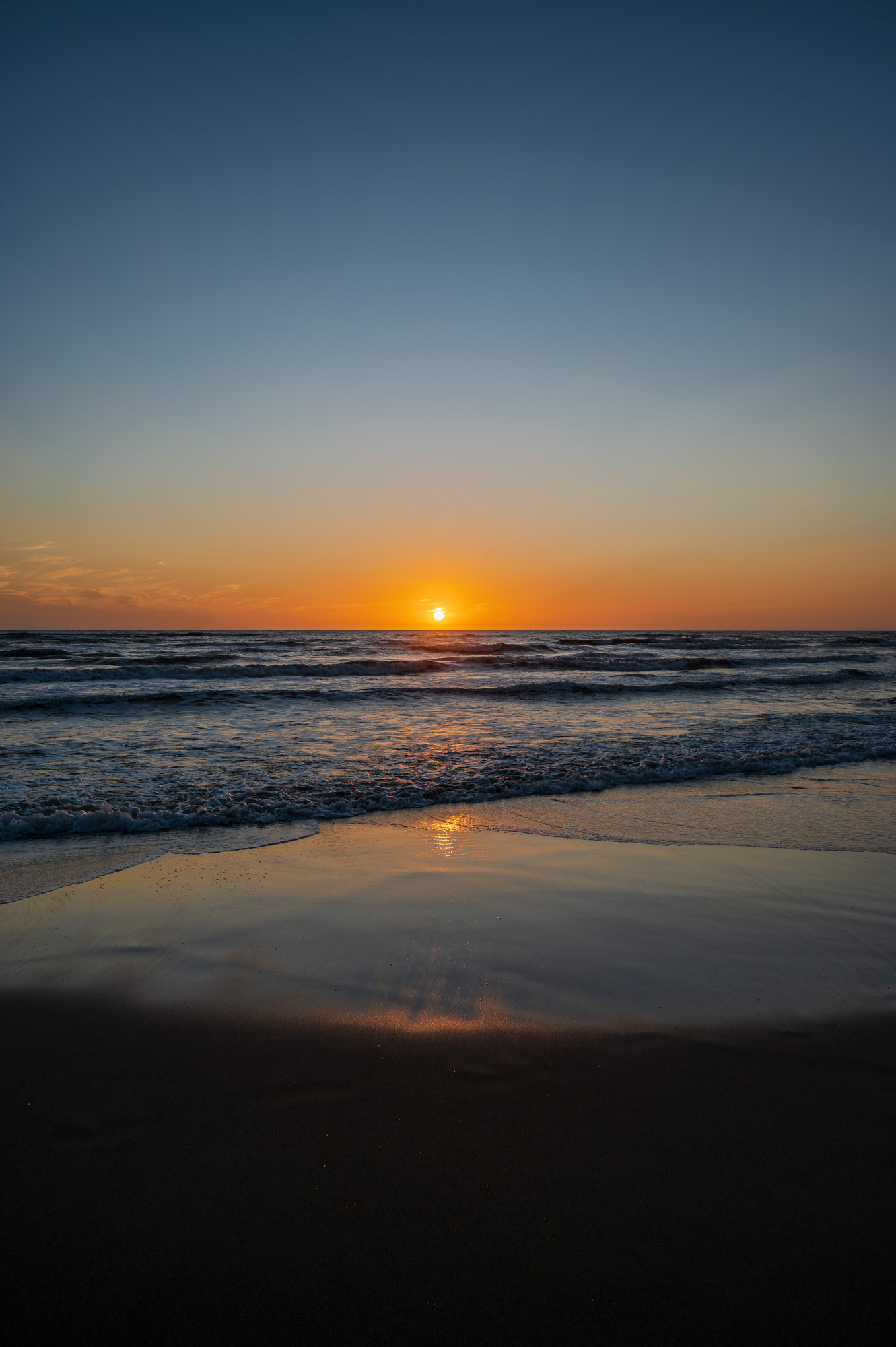
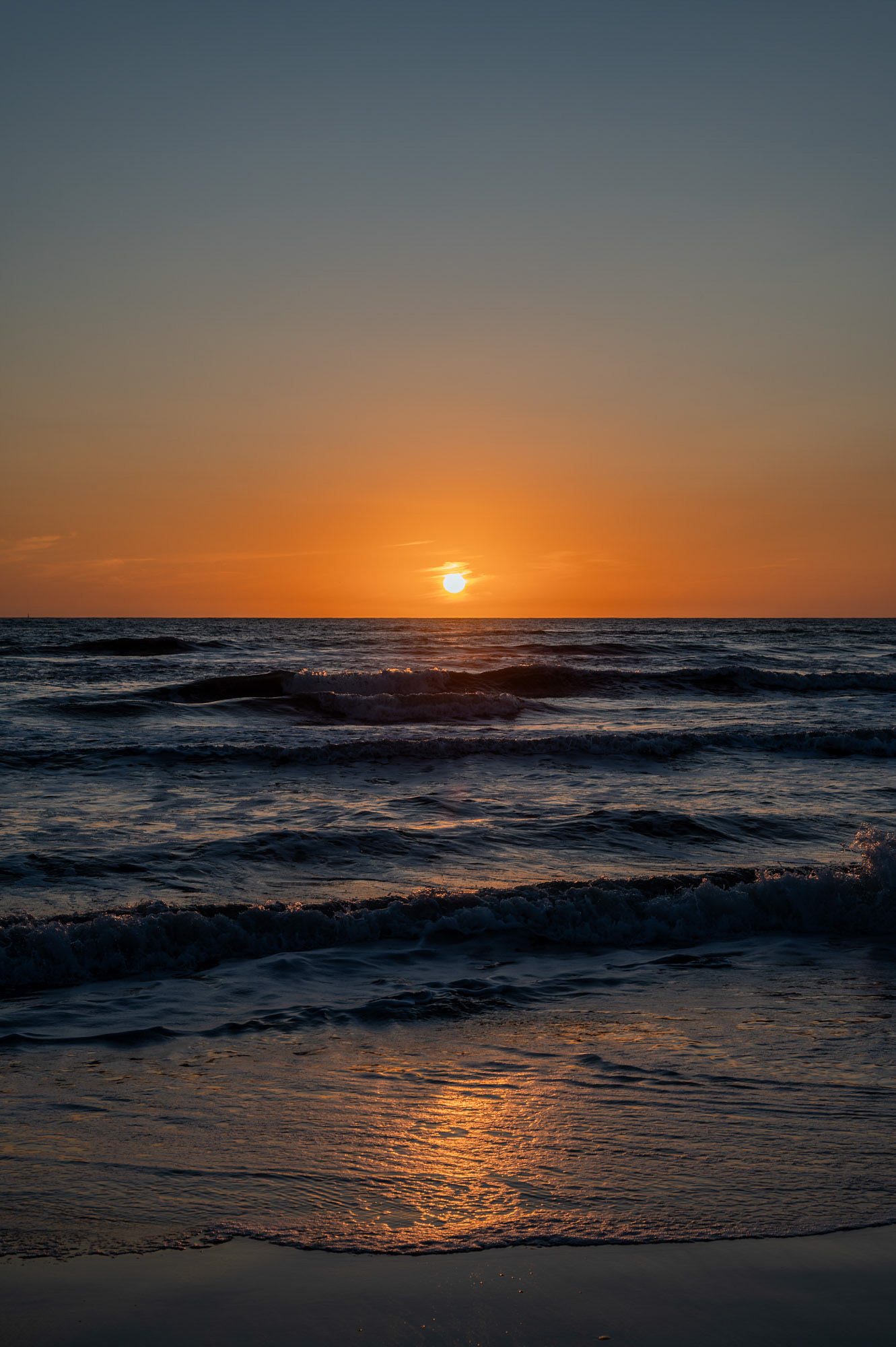
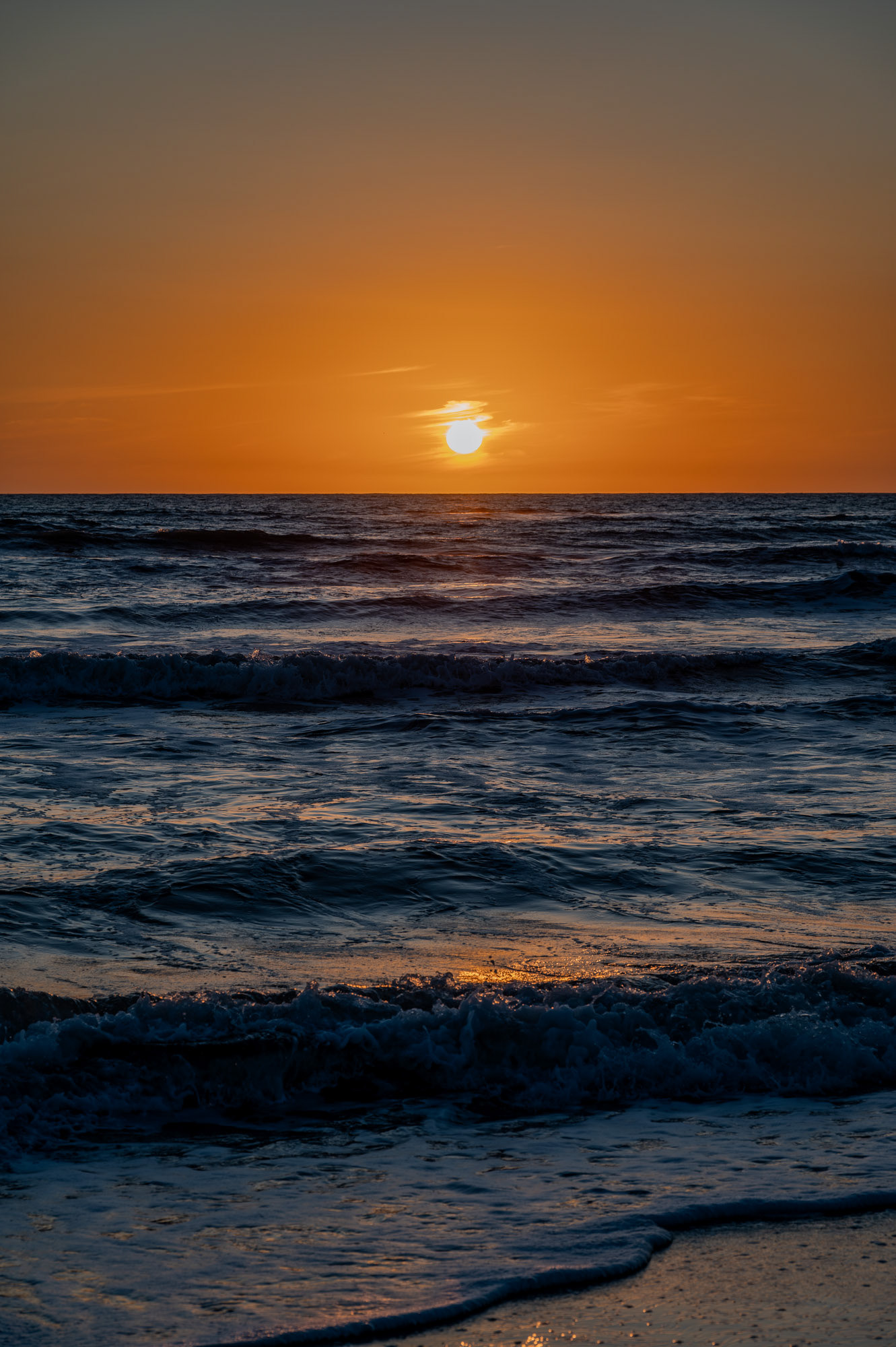
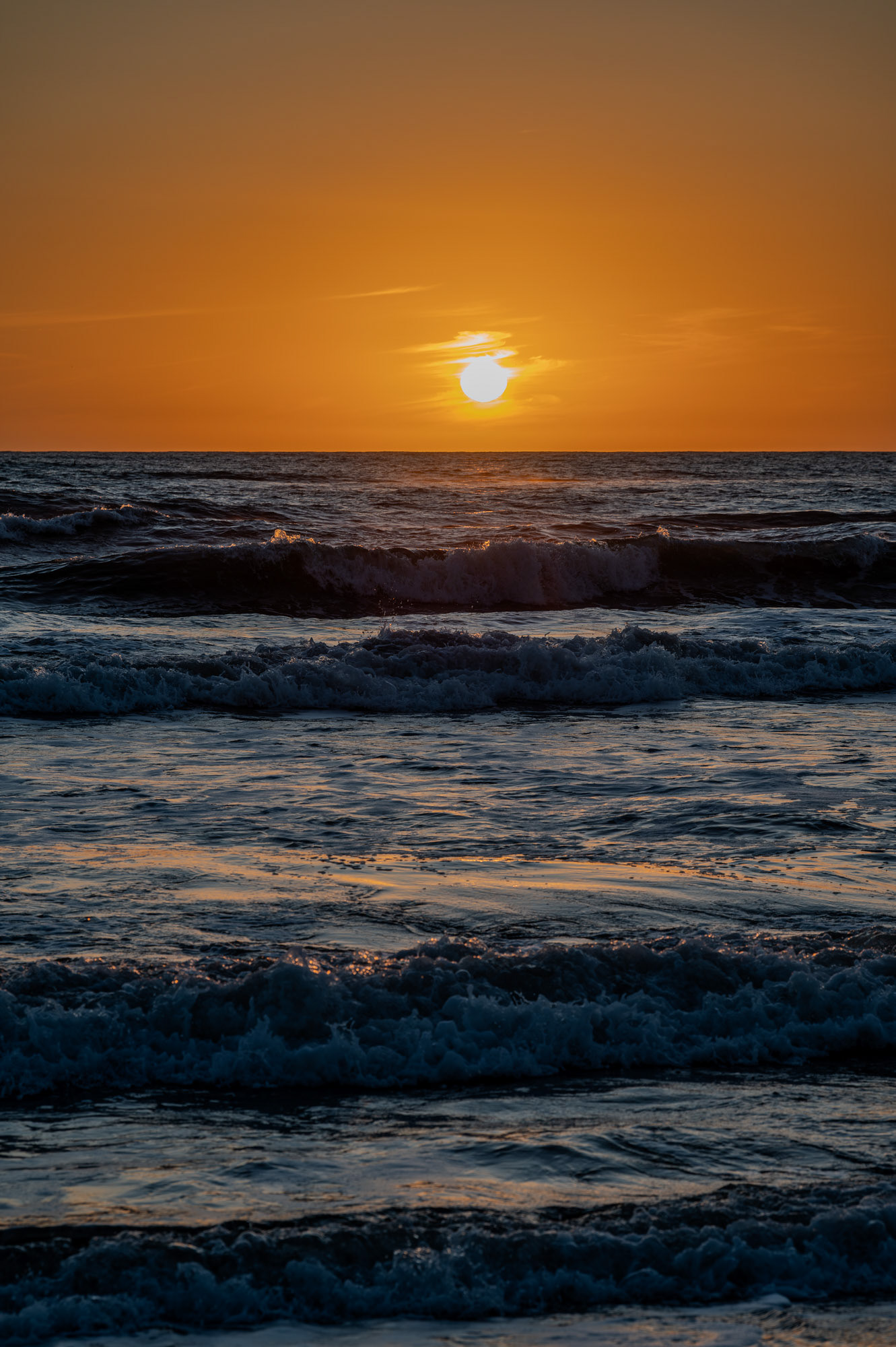
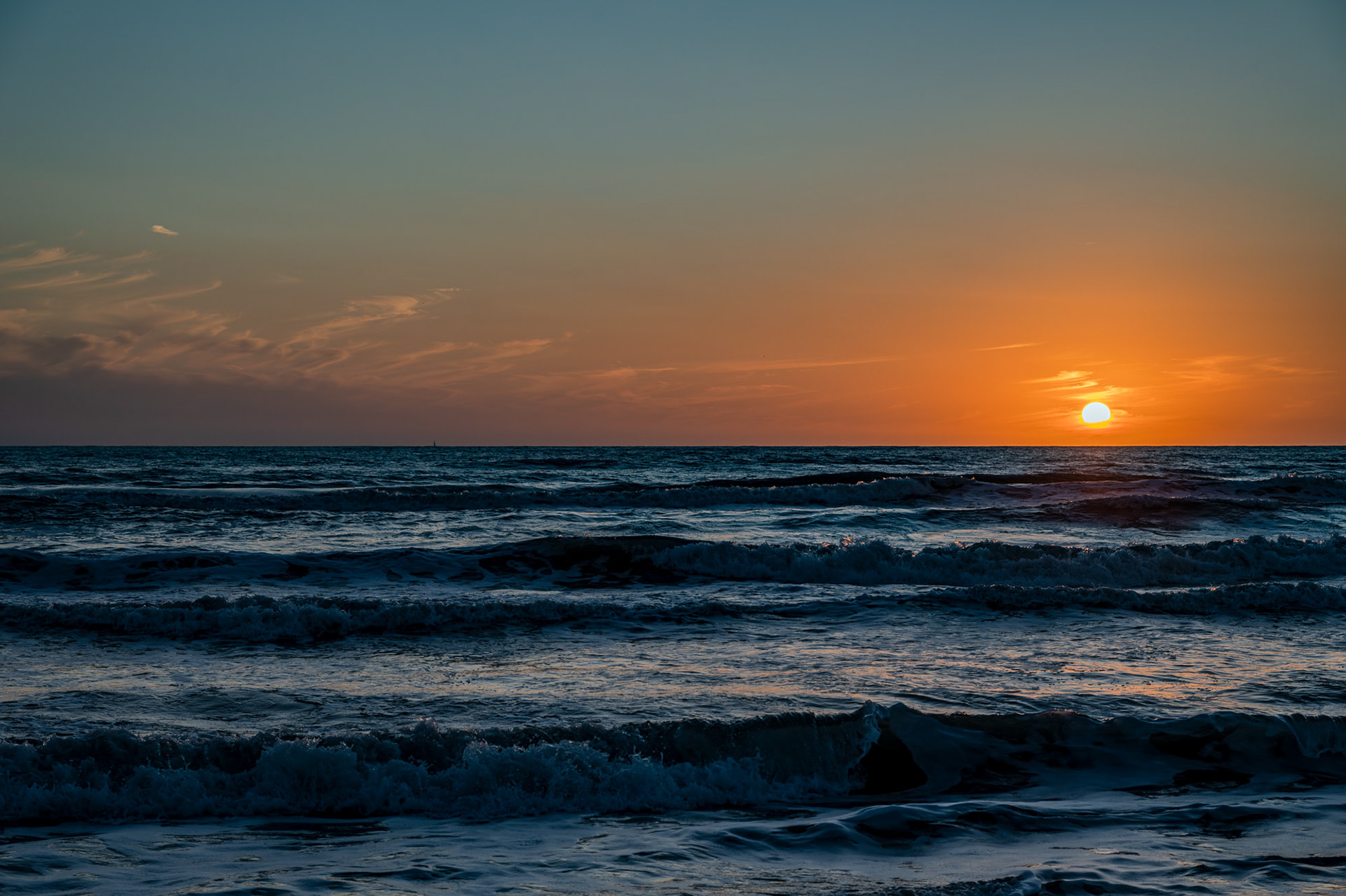
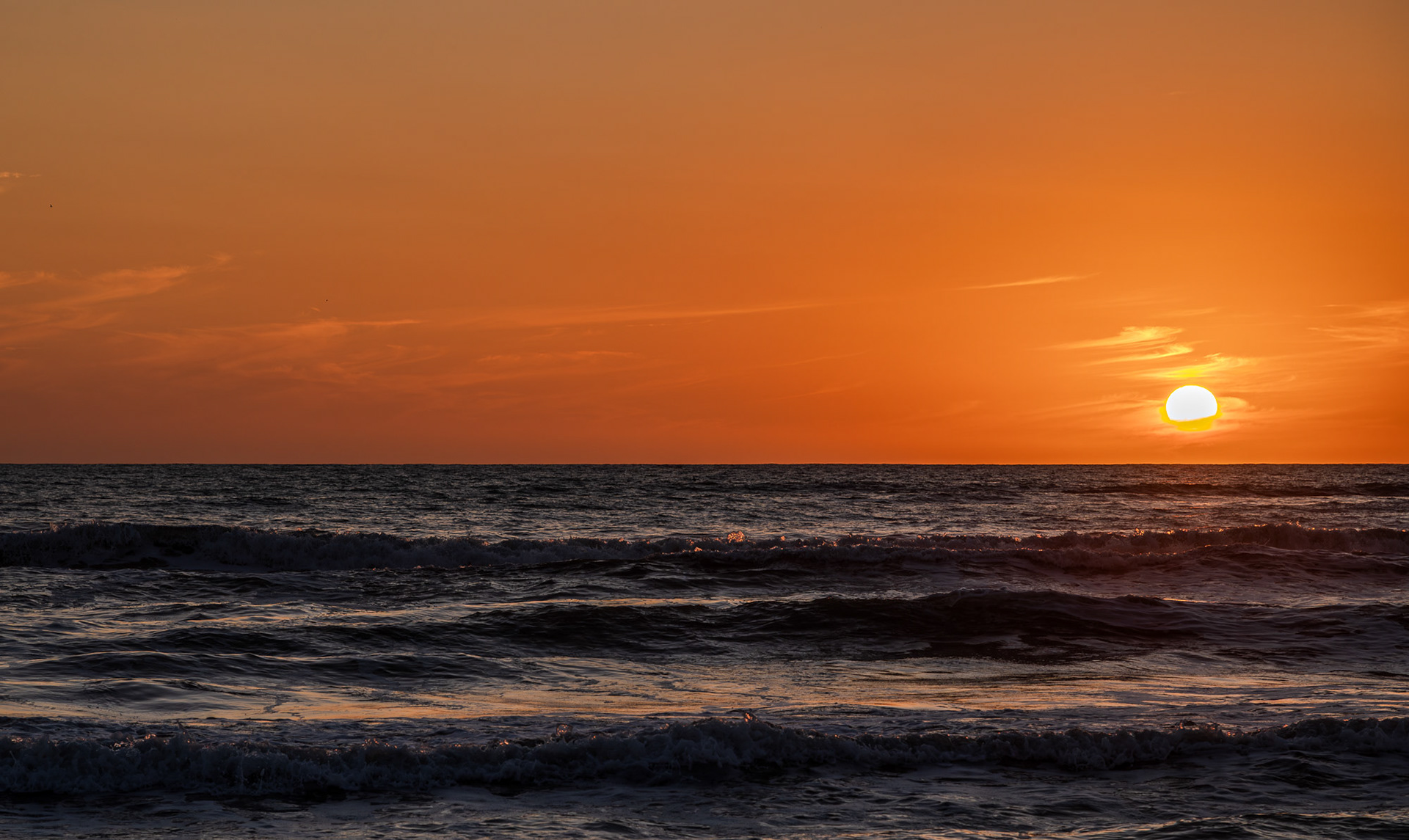
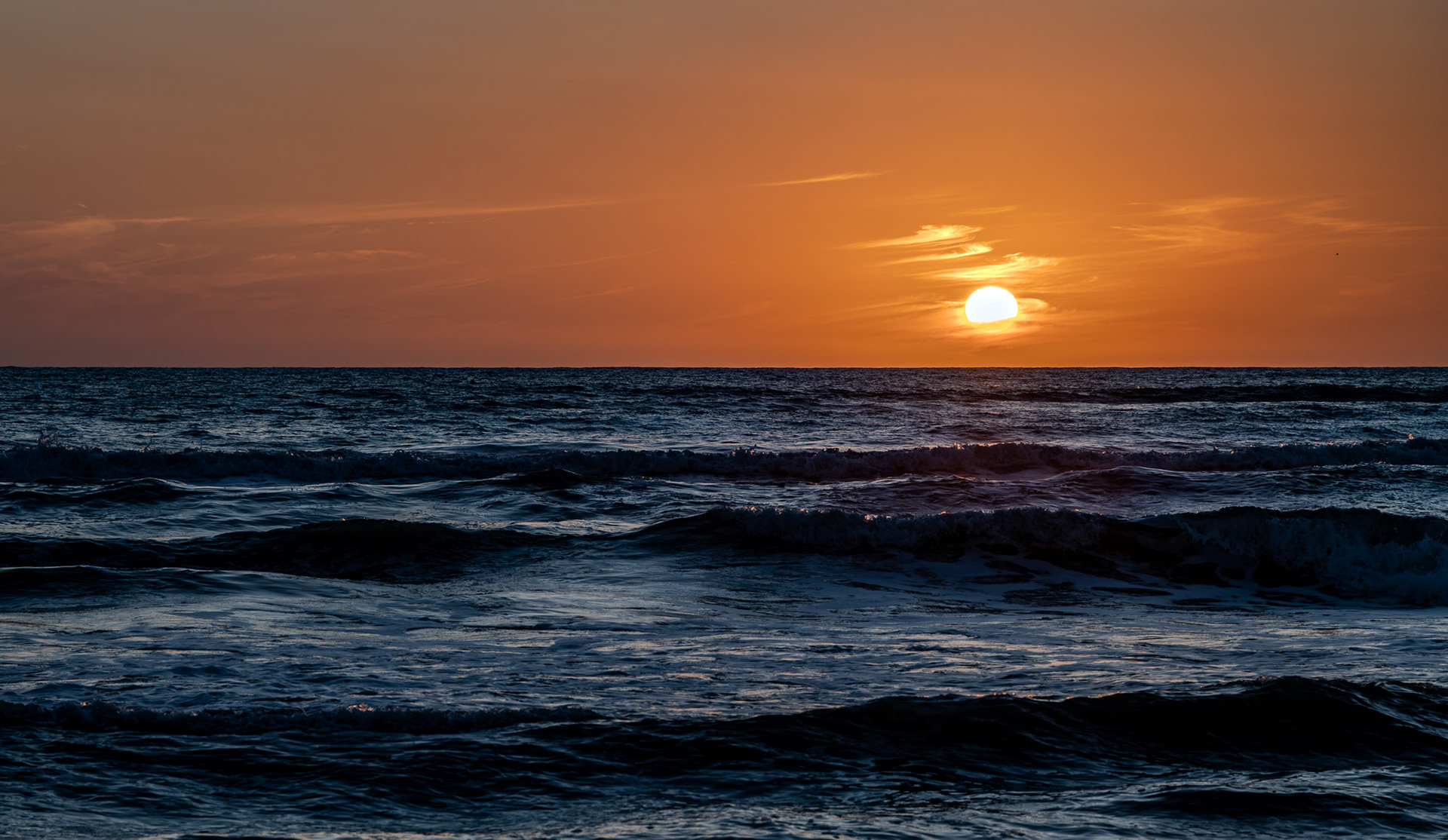
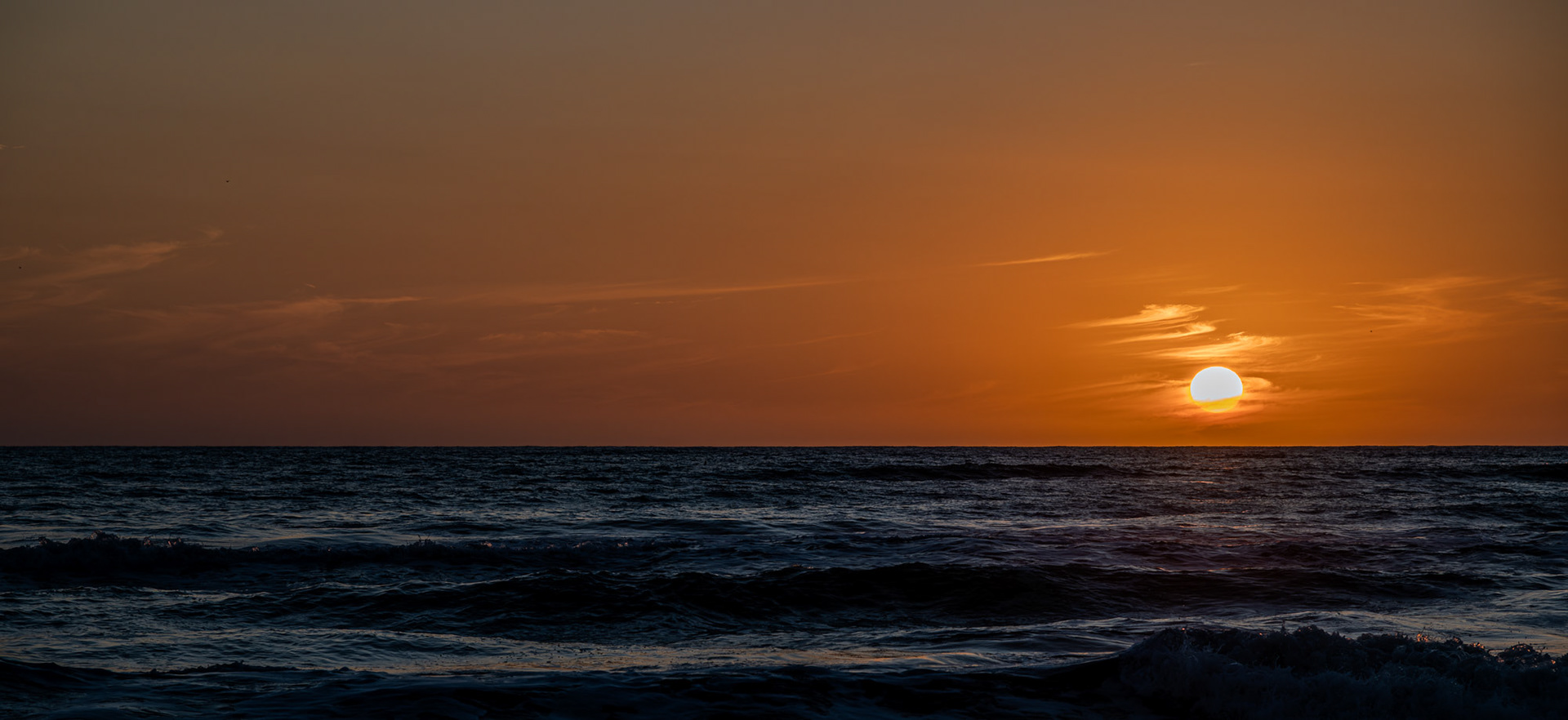
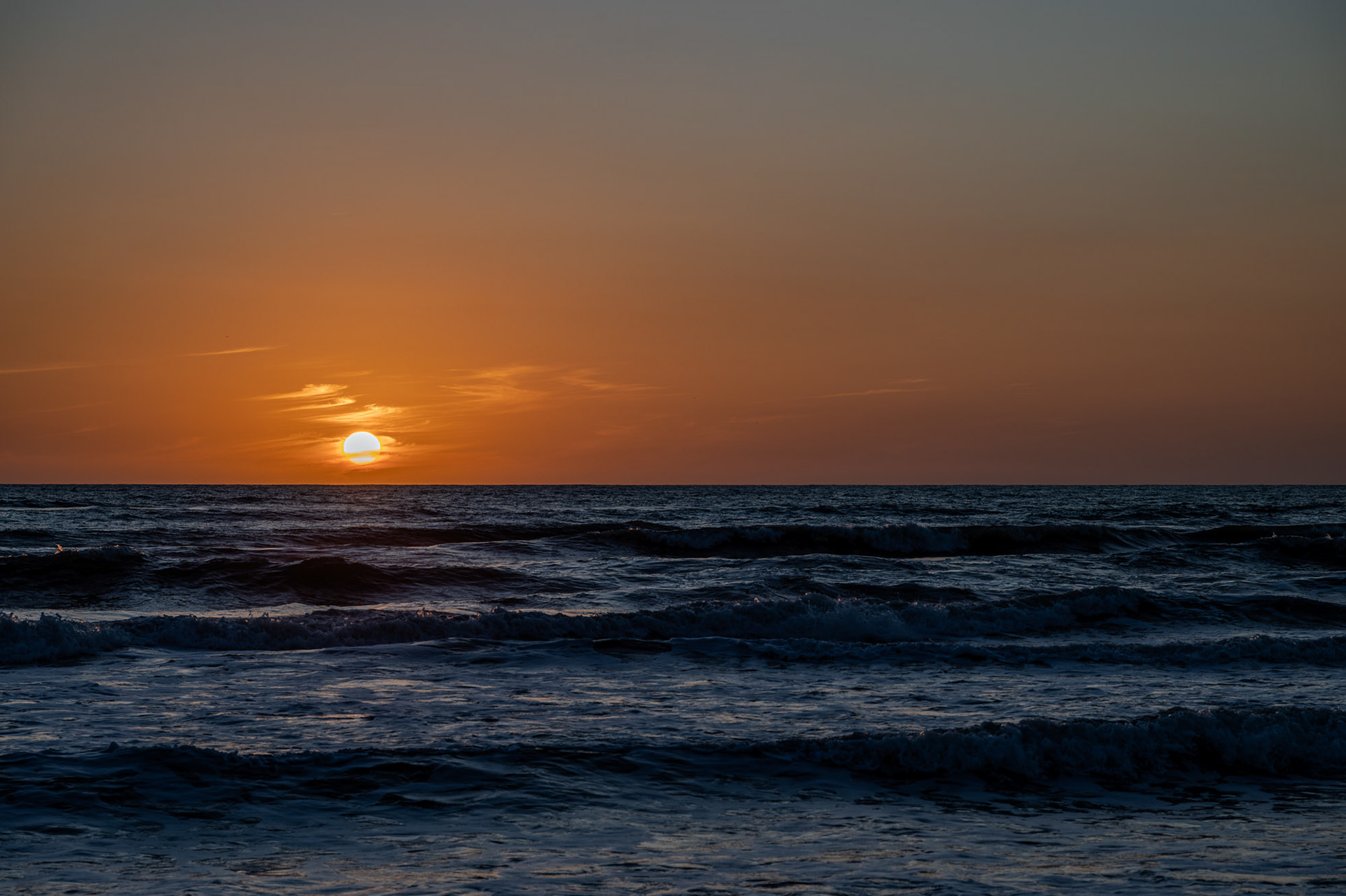
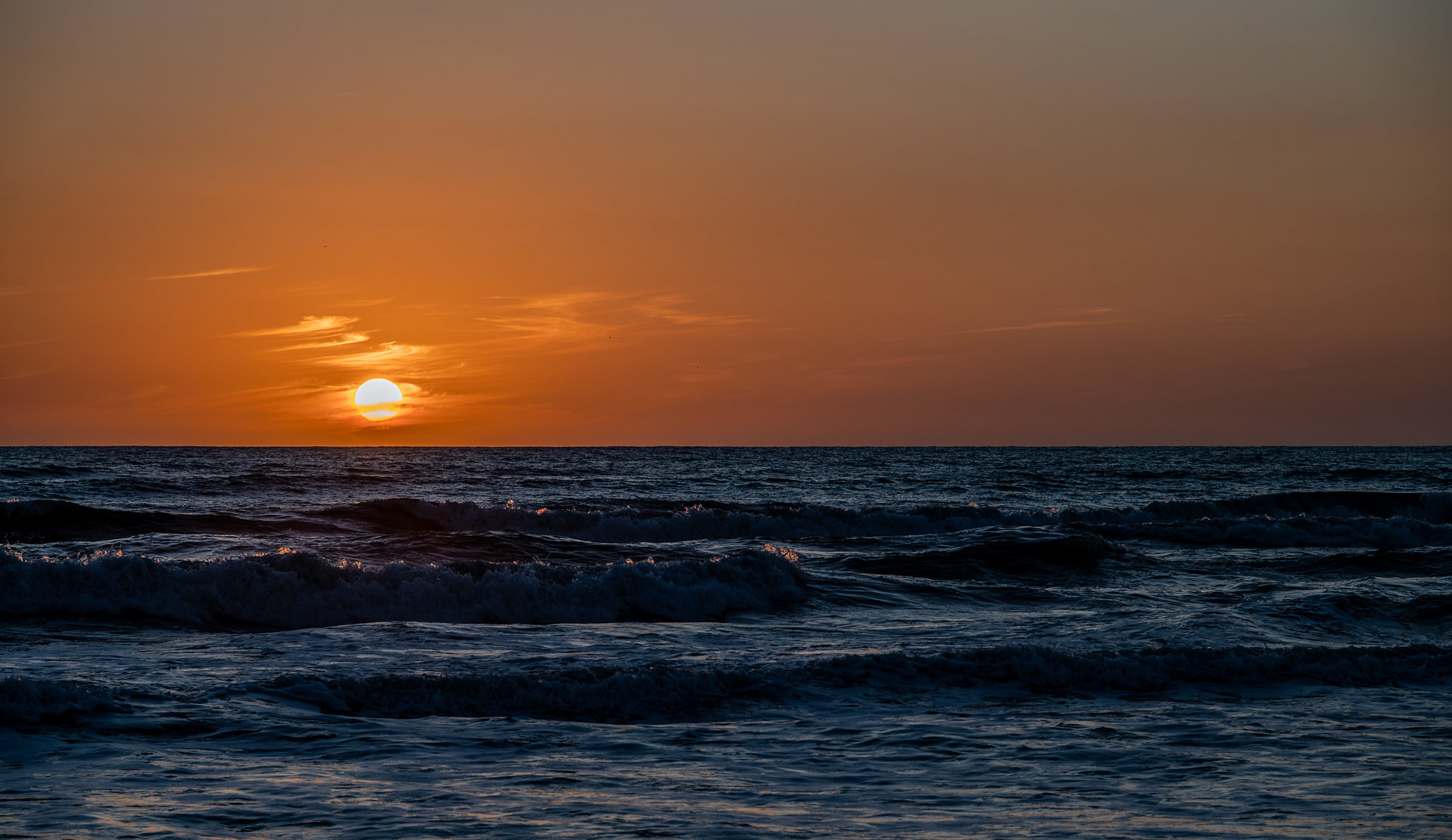
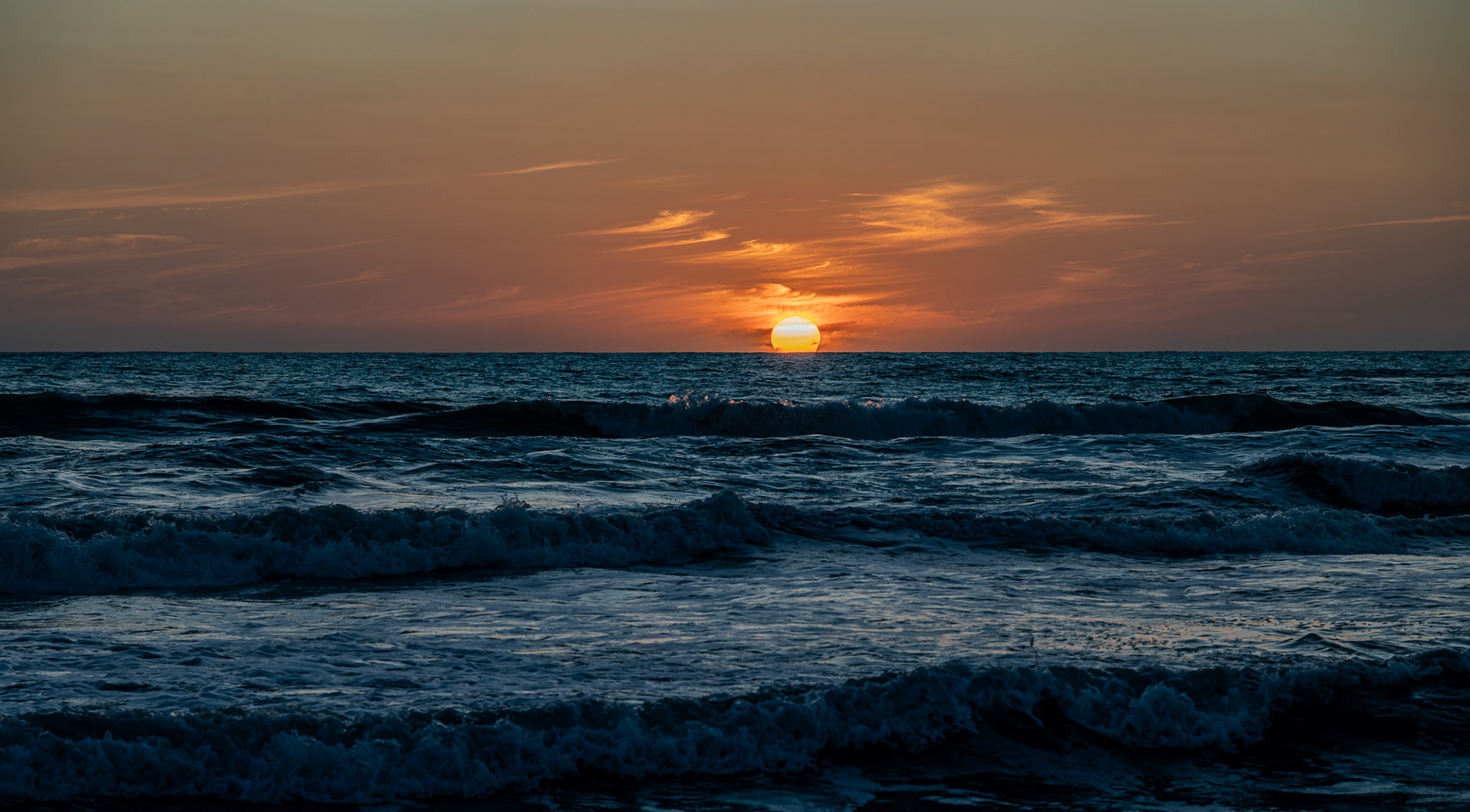
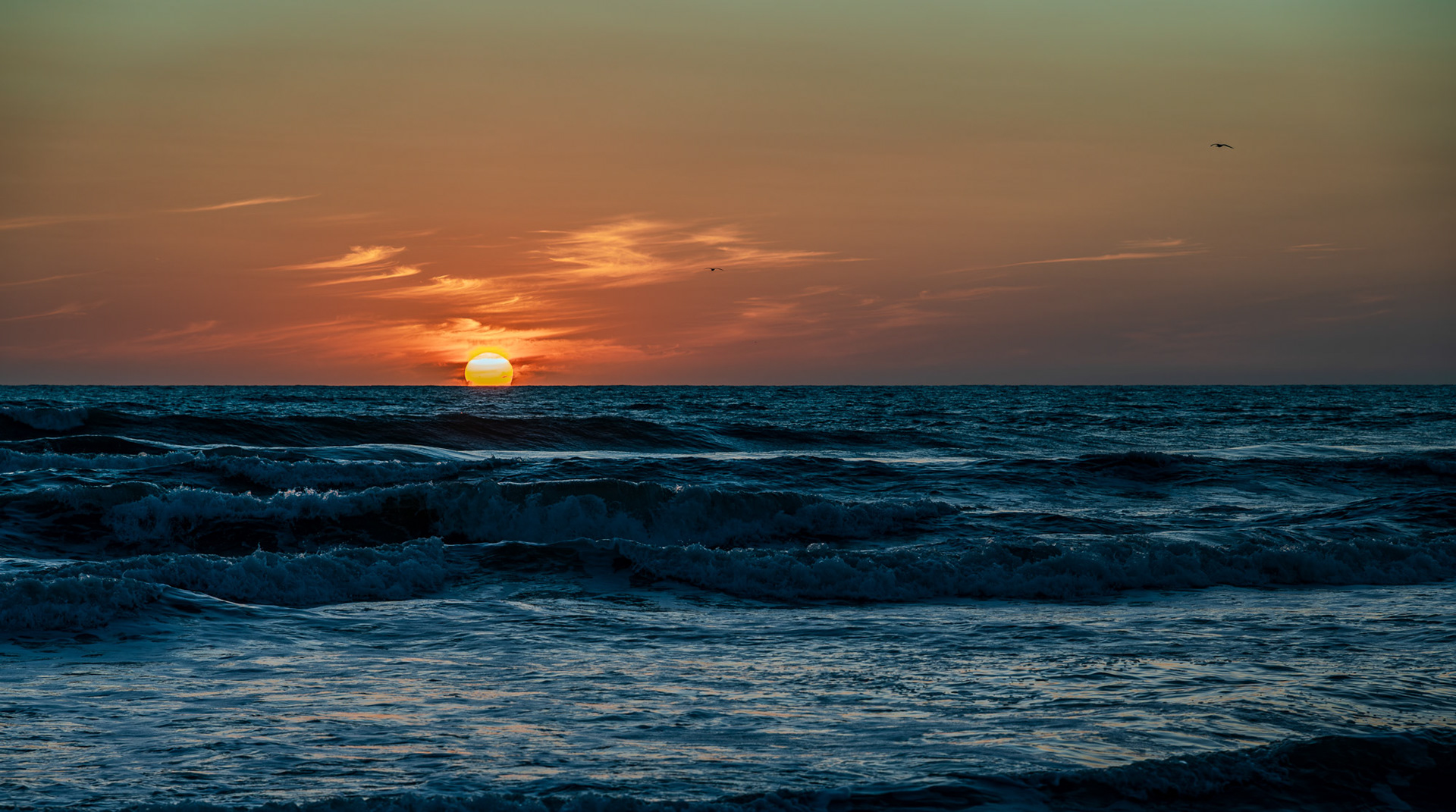
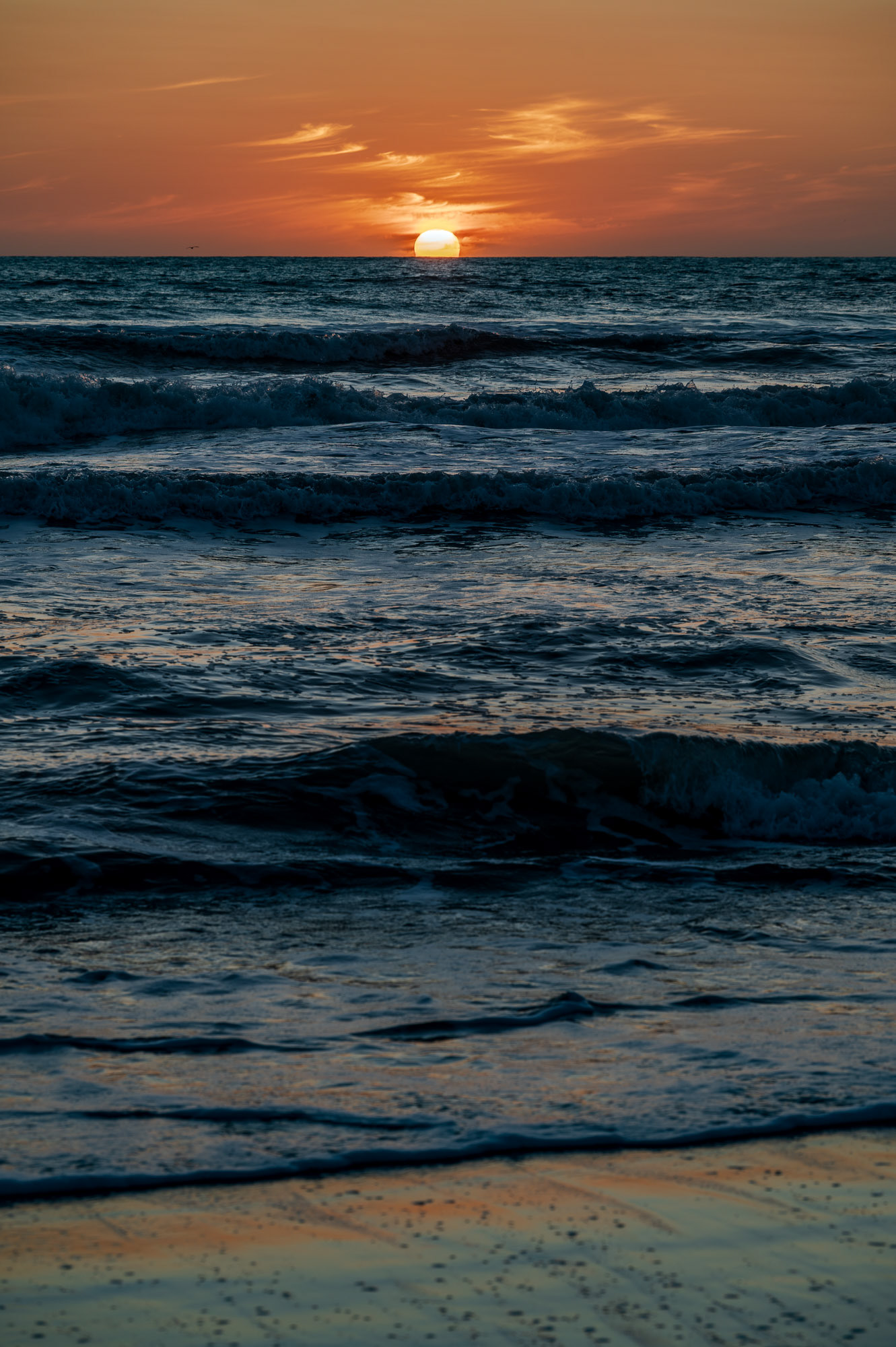
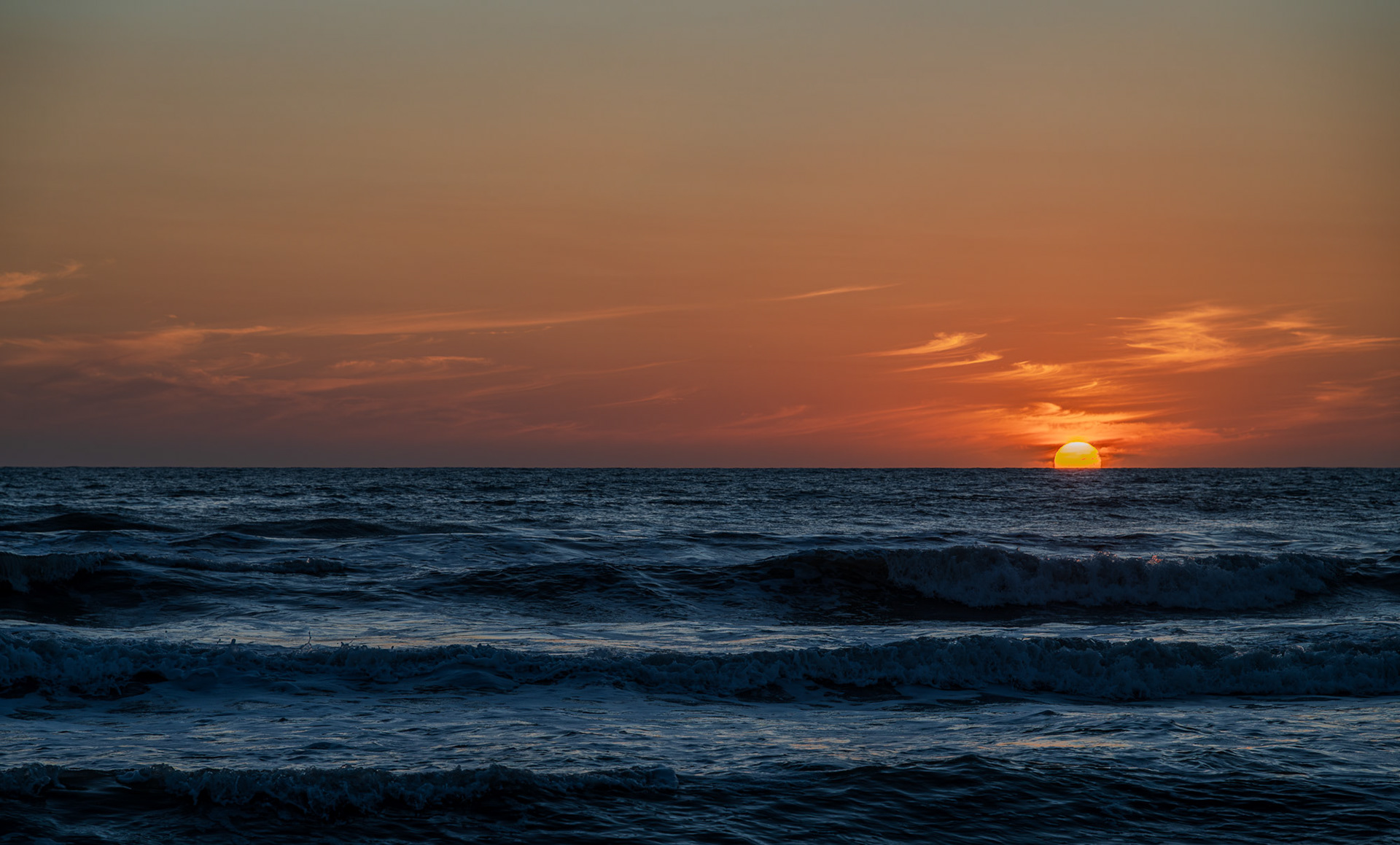
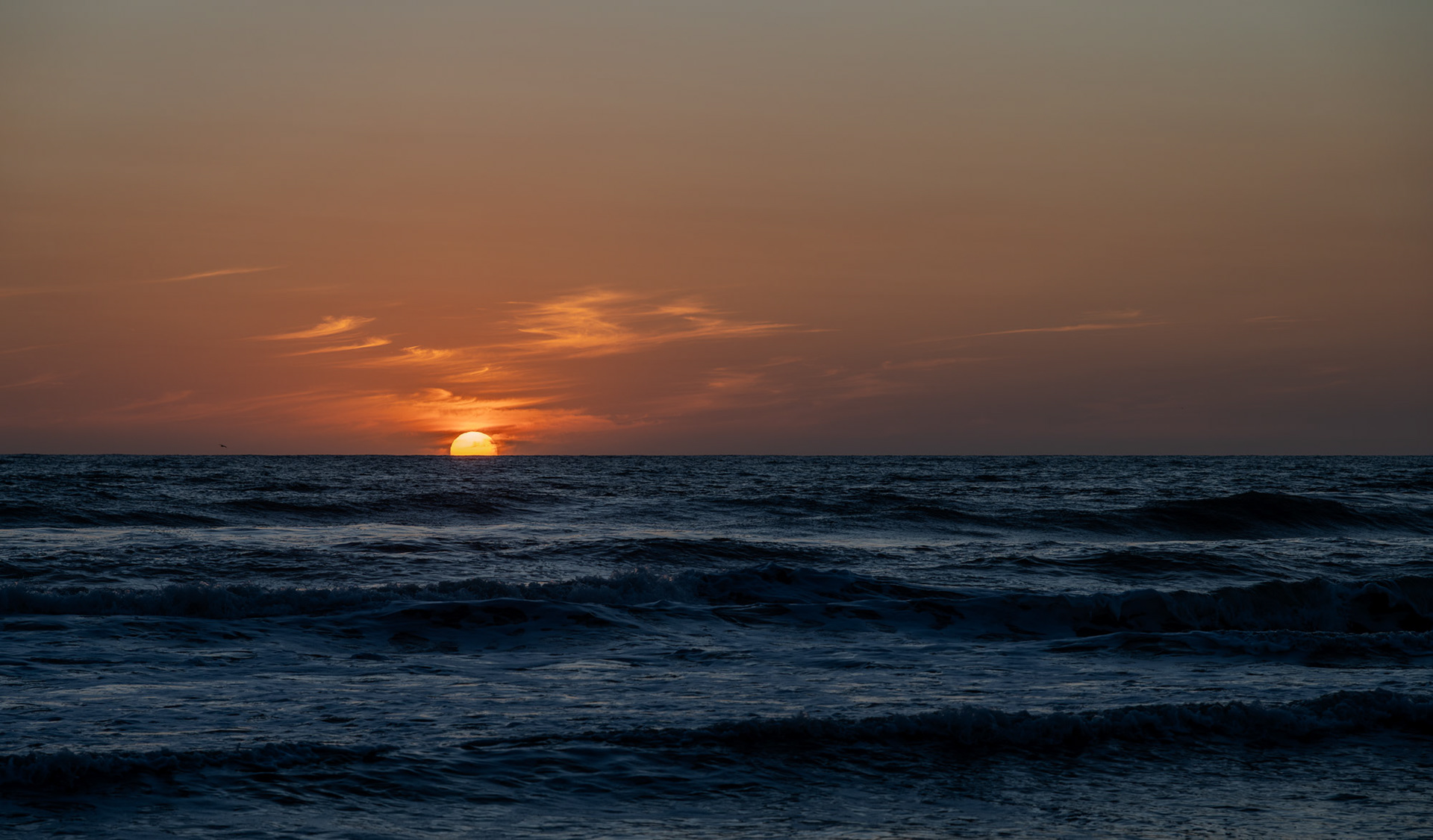
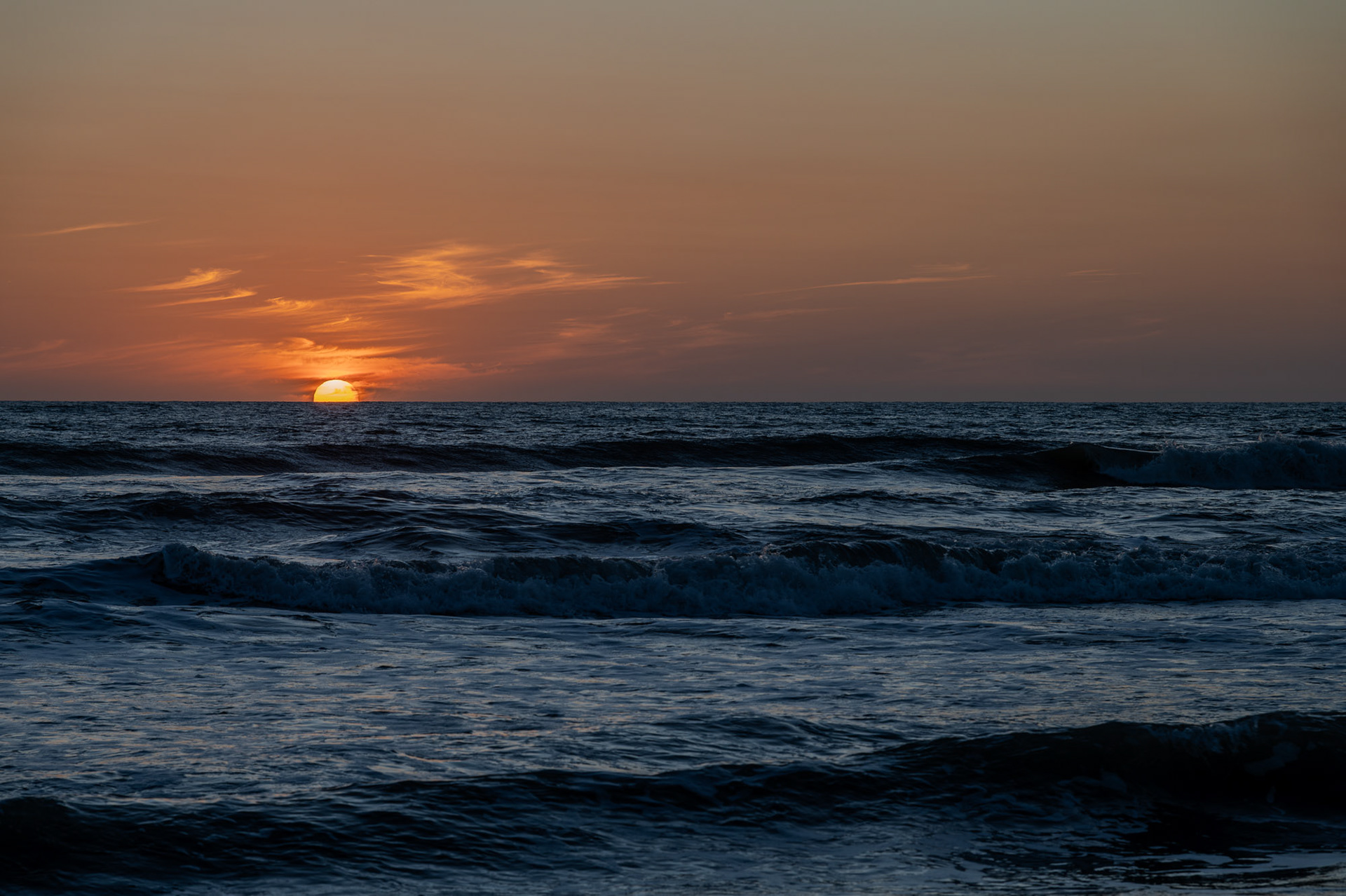
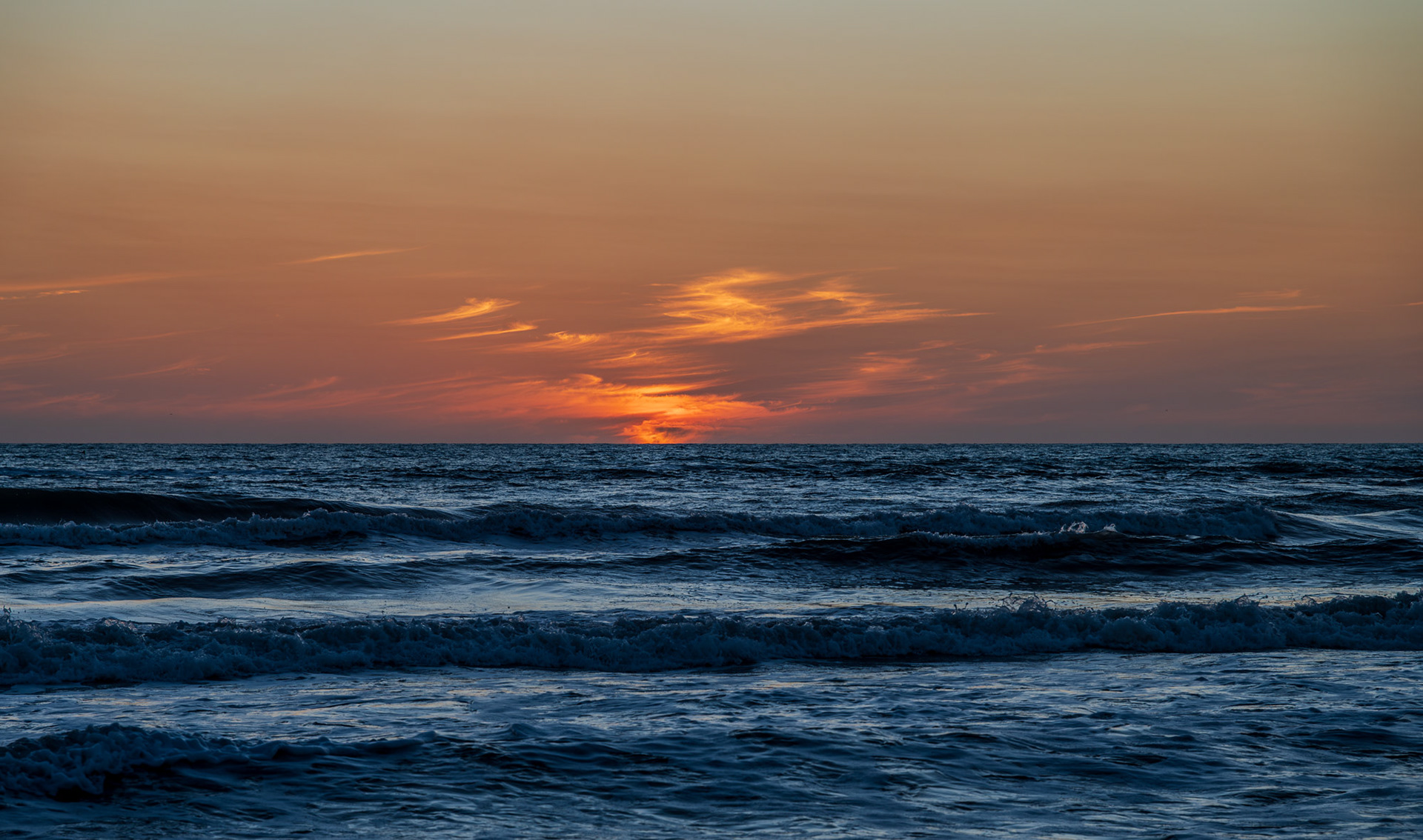
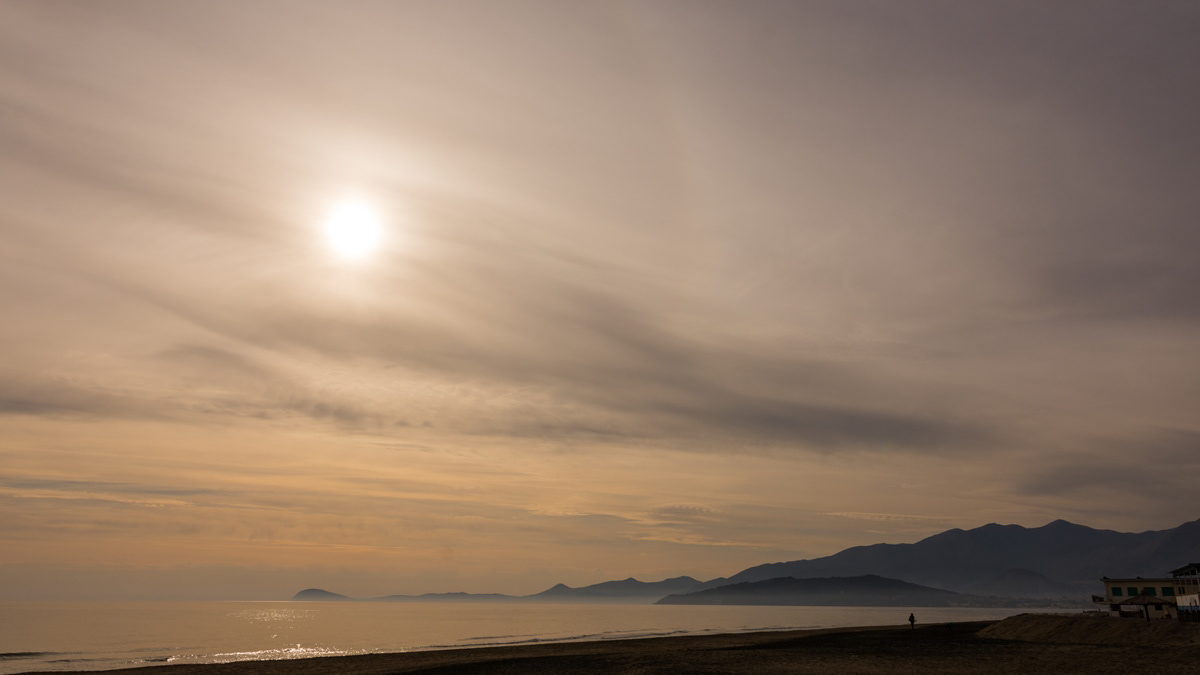
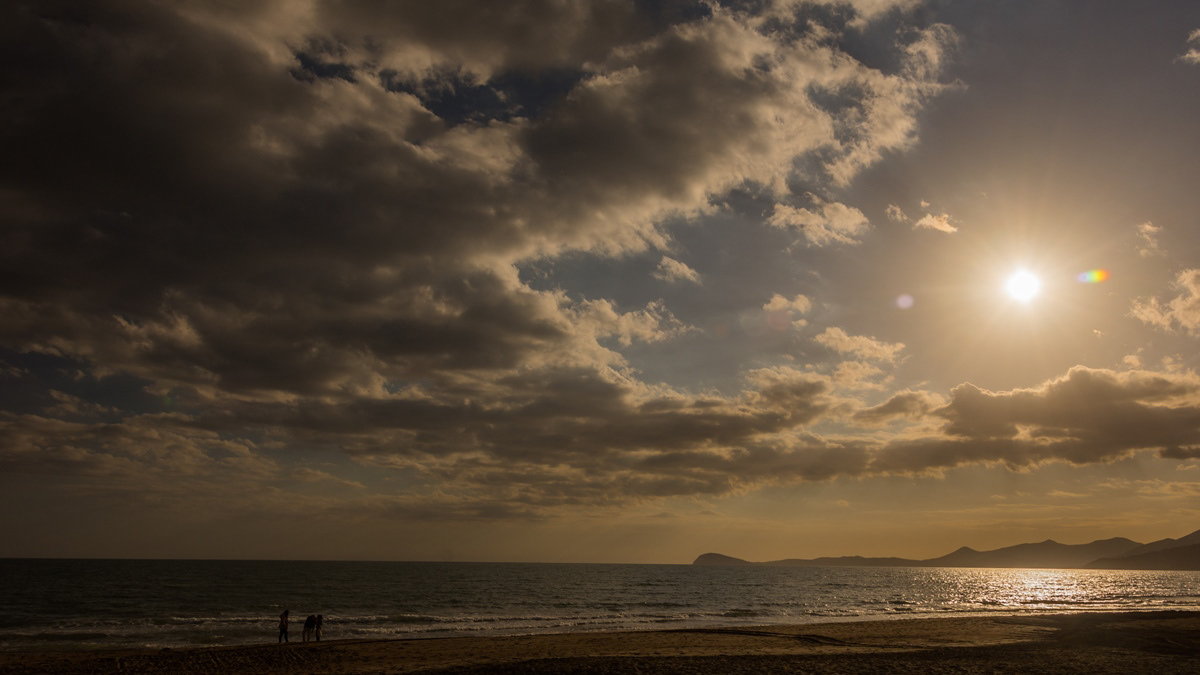
Marina di Minturno (LT) - Sunset
2024
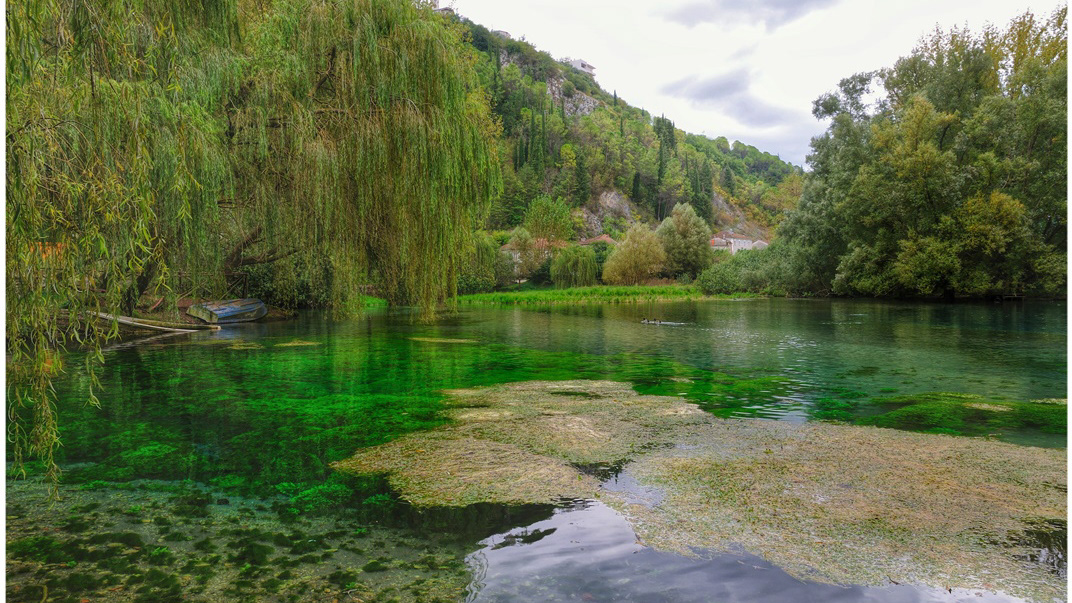
Posta Fibreno lake nature reserve, Frosinone
The Posta Fibreno lake is located in the Comino Valley. In addition to its endemic fauna, the lake is known for the presence of a natural floating island already described by Plinio il Vecchio.
2023
Roma. The Papal Basilica of Santa Maria Maggiore
The papal Liberian archpriest major archbasilica of Santa Maria Maggiore, known simply by the name of basilica of Santa Maria Maggiore or basilica Liberiana (because on its site it was thought there was a cult building erected by Pope Liberius, which however has been denied by investigations carried out under the pavement), is one of the four papal basilicas of Rome, located in Piazza dell'Esquilino on the top of the homonymous hill, on the top of the Cispio, between the Rione Monti and the Esquilino. It is the only basilica in Rome to have preserved the primitive paleo-Christian structure, albeit enriched by subsequent additions.
2014
Terracina, Temple of Jupiter Anxur
The temple of Jupiter Anxur is a Roman temple built on an imposing construction of the 1st century BC. on Mount Sant'Angelo, in the city of Terracina, in the province of Latina.
2023
Rome. Church of San Giacomo in Augusta
The church of S. Giacomo in Augusta is a Catholic place of worship in Rome, located in the Campo Marzio district, annexed to the homonymous hospital, also called S. Giacomo degli Incurabili
2025
Priverno. Co-Cathedral of Santa Maria Annunziata
The diocese of Priverno has very ancient origins (figures of martyrs from the early centuries and the recent discovery of the remains of the ancient Paleochristian Cathedral in the archaeological site of Privernum, a Roman city). But the first certain evidence (documents and acts of jurisdiction) date back to the second half of the 8th century, when the signature of Bishop Boniface of Priverno also appears among the signatories of the acts of the Lateran Council called by Pope Stephen III. The diocesan cathedral, also very remote, was destroyed by a fire in 1159, later rebuilt and consecrated by Pope Lucius III in 1183. The building was renovated with various attempts starting from the seventeenth century until reaching the current layout with the addition of the side chapels. The final restoration, which took place between 1776 and 1780, brought about some alterations in a Baroque style with a central-southern influence.
Back to Top