You may also like

2018
Civitacampomarano (CB), il Castello Angioino
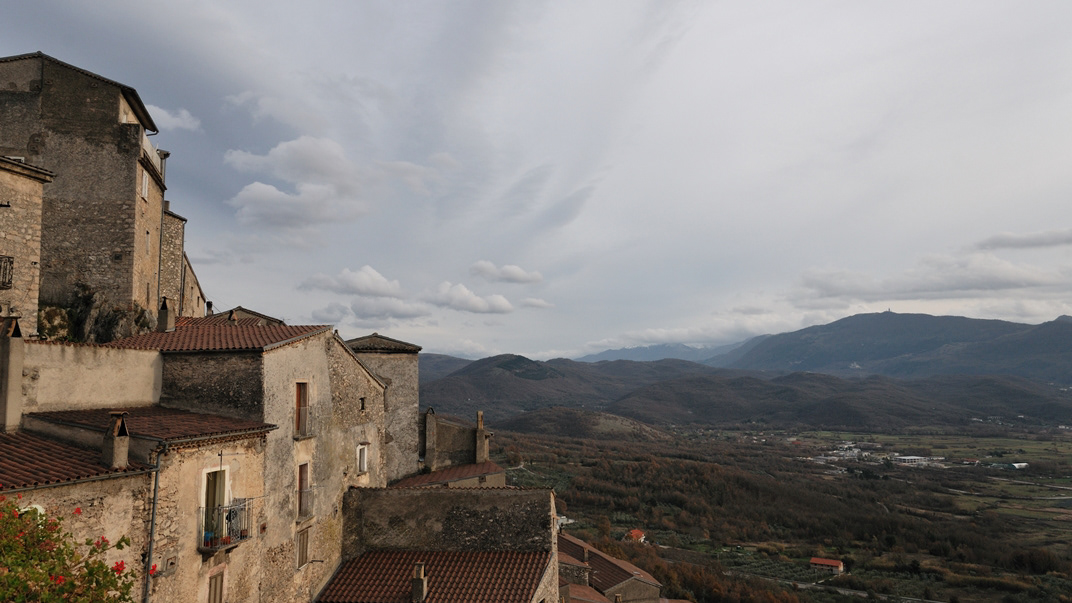
Il castello è il principale monumento della città. Si erge nella parte centrale del paese su un crinale di arenaria, fra i torrenti Mordale, che attraversa la Cavatella, e il Vallone Grande, uno degli affluenti del fiume Biferno. Si sostituì ad una più antica torre di avvistamento, databile probabilmente intorno alla seconda metà del XII secolo e di cui si può ancora vedere il perimetro, messo in evidenza durante gli imponenti lavori di restauro della fine del secolo scorso. L'impianto così come lo vediamo oggi, invece, secondo gli studiosi dovrebbe risalire al XIII secolo, presentando l'edificio degli elementi architettonici tipici dell'epoca, sotto la dominazione angioina. Originariamente di fronte ad esso era posta la chiesa madre, crollata nel 1903 a seguito di uno sfaldamento del costone sul quale si ergeva. Di essa ora resta visibile solo il basamento, mentre il campanile è intatto e funzionante ed è provvisto anche di un orologio i cui rintocchi risuonano ogni quarto d'ora.
2016
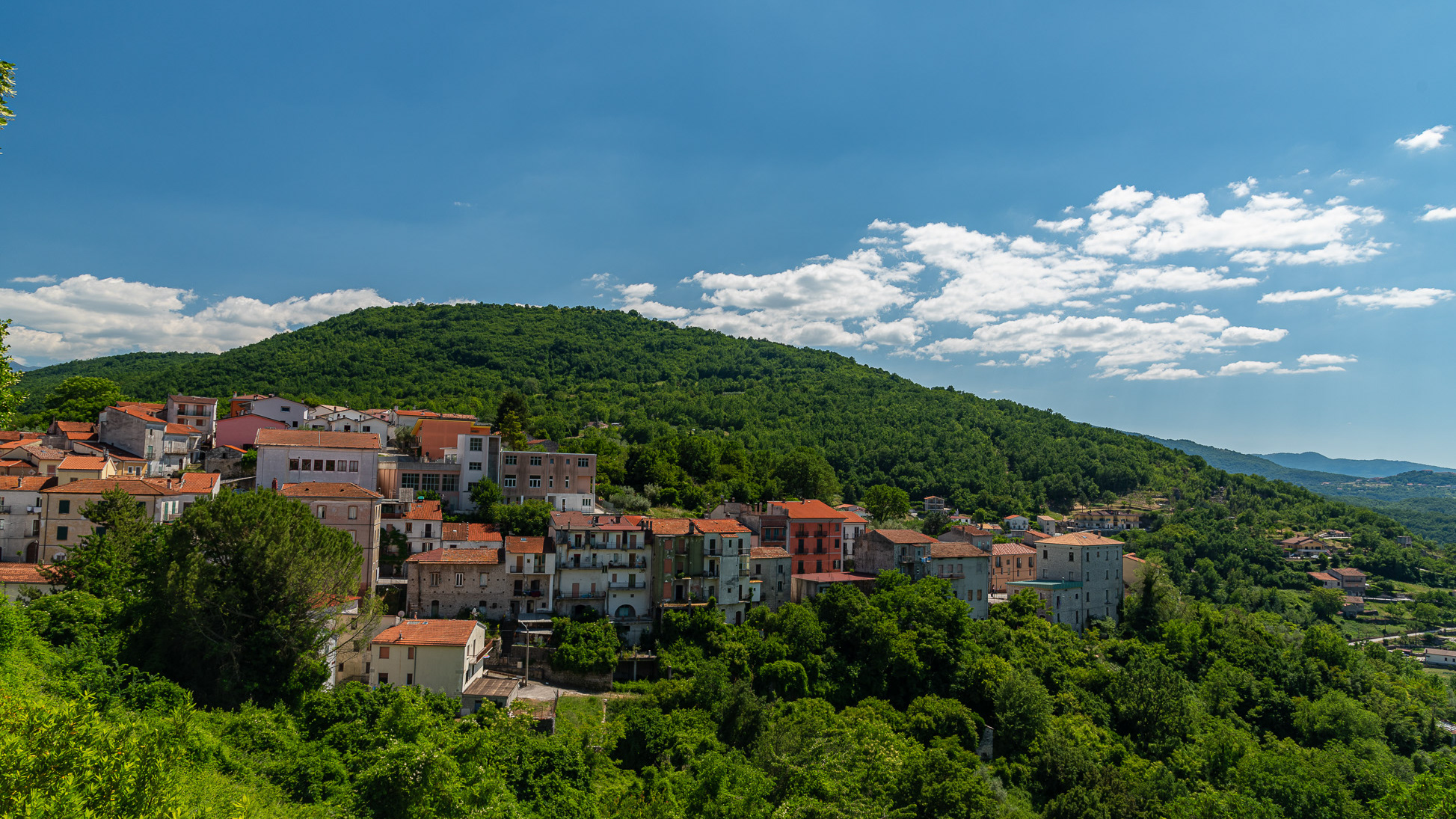
Molise - Fornelli (IS)
Fornelli (Furnièllè in molisano) è un comune italiano di 1.905 abitanti della provincia di Isernia nel Molise. Fa parte del circuito dei Borghi più belli d'Italia. È città dell'olio. Giace in parte su una collina lambita dal torrente Vandra, che confluisce nel Volturno, e in parte sul monte Cervaro, ove supera i 1000 metri. Il nome gli deriva forse da un forno per la produzione di laterizi cotti presente nell'antichità nel paese e al servizio della Badia di San Vincenzo. Fornelli, infatti, è caratterizzato da un terreno ricco di argilla.
2021
Roccamandolfi. The Norman Longobard Castle
On the top of the hill on which the town is built there are the ruins of a Norman castle built on a pre-existing Lombard fortress, the subject of studies even in recent times.
2024
Carpinone. The waterfalls. Spring 2024
In the heart of a very small village in Molise, immersed in an enchanted forest and floral nature, stands the Carpinone waterfall, one of the most fascinating natural spectacles of the place. The rush of foaming water, which rushes downwards, pervades you as soon as you take the path and when you finally reach it you have a fantastic visual effect of light and roar. The Carpinone waterfall is becoming one of the major natural attractions of Molise, thanks also to a group of volunteers who, for some years, have been taking care of its appearance to make it accessible to everyone and not just to the few enthusiasts or those who despise the danger... She's too beautiful to leave there alone! It was born as a gift from nature and can be reached by following various paths, all immersed in the bright greenery of Molise and all marked with hand-made wooden signs, so as not to affect the suggestive panorama. As you walk, you feel a very pleasant emotion thanks to the direct contact with nature, the breathing of healthy, clean air and the sight of wonderful floral species that make everything fairytale-like.
2014
Molise - Abbazia di San Vincenzo al Volturno (IS)
L'abbazia di San Vincenzo al Volturno è una storica abbazia benedettina posta nel territorio dei comuni di Castel San Vincenzo e di Rocchetta a Volturno in Provincia di Isernia, nell'Alta Valle del Volturno
2026
Mainarde, spectacular autumn sunset.
2022
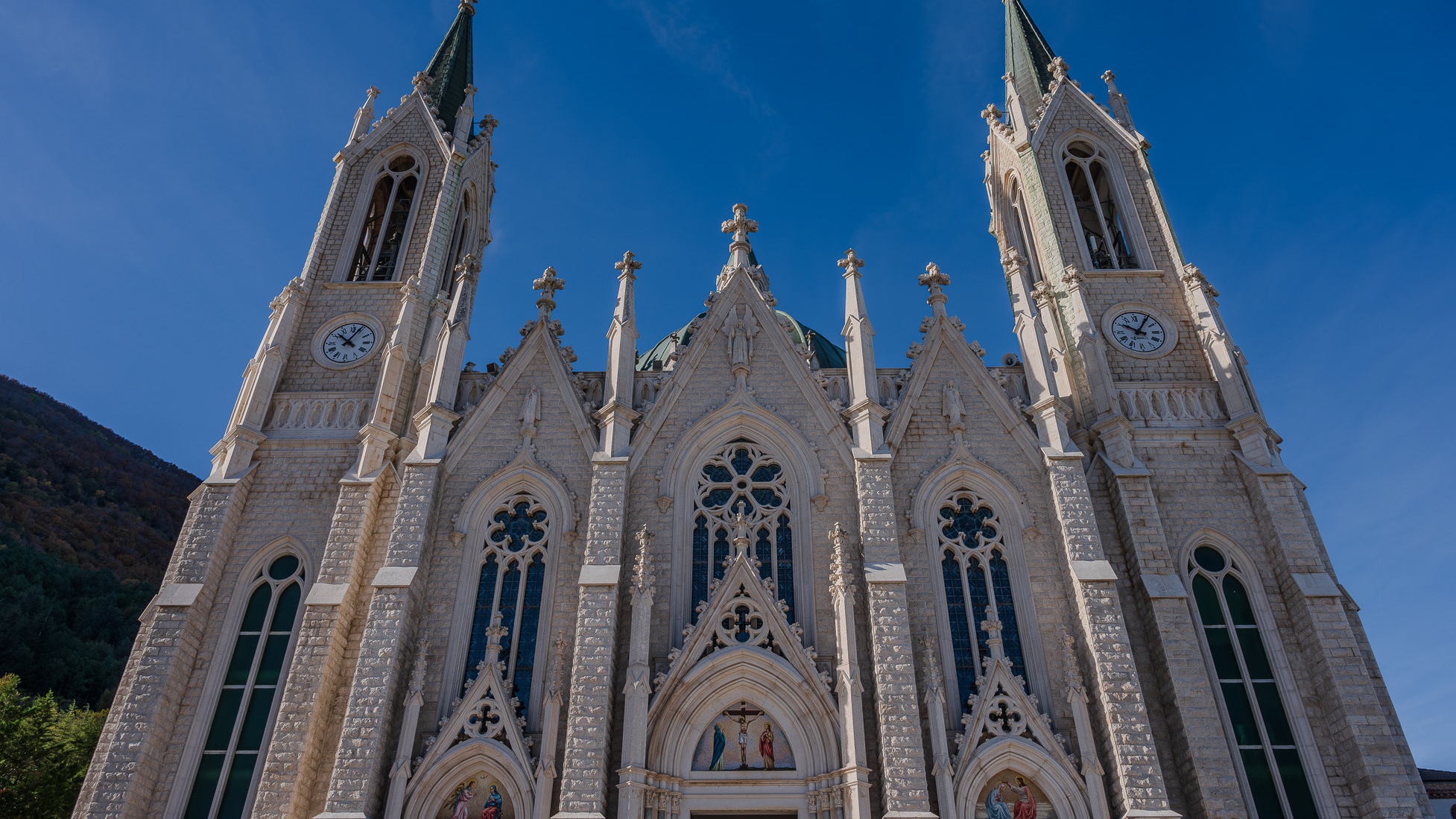
Castelpetroso. Sanctuary of the Madonna Addolorata.
The basilica sanctuary of Maria Santissima Addolorata, or simply the Addolorata basilica is an important Catholic place of worship located in the municipality of Castelpetroso, in the province of Isernia, and belonging to the archdiocese of Campobasso-Boiano. According to the testimony of the visionaries, the Virgin Mary appeared for the first time on March 22, 1888 to two shepherdesses named Serafina and Bibiana in the locality of Cesa tra Santi, on the slopes of Mount Patalecchia. This first apparition was followed by others and, following the recognition of this phenomenon, Pope Paul VI proclaimed Maria Santissima Addolorata of Castelpetroso patroness of Molise on 6 December 1973. In the 1890s, it was decided to build a sanctuary near the place of the apparitions, but further downstream from this, so that it would be more easily accessible by pilgrims. The project was entrusted to Giuseppe Gualandi, whose death (1944) was succeeded by his son Francesco. On 28 September 1890 the first stone was laid and construction of the sanctuary began. It proceeded slowly due to economic problems and the two world wars: in 1907 the chapel of the Poles was finished and opened for worship, but the perimeter walls of the church were completed only in 1950 [2], thanks to donations from don Nicolino Passarelli, canon theologian of the cathedral of Venafro, lawyer of the Sacra Rota and professor. In the following decades the sanctuary was completed and consecrated on 21 September 1975 by the bishop of Boiano-Campobasso Alberto Carinci.
2018
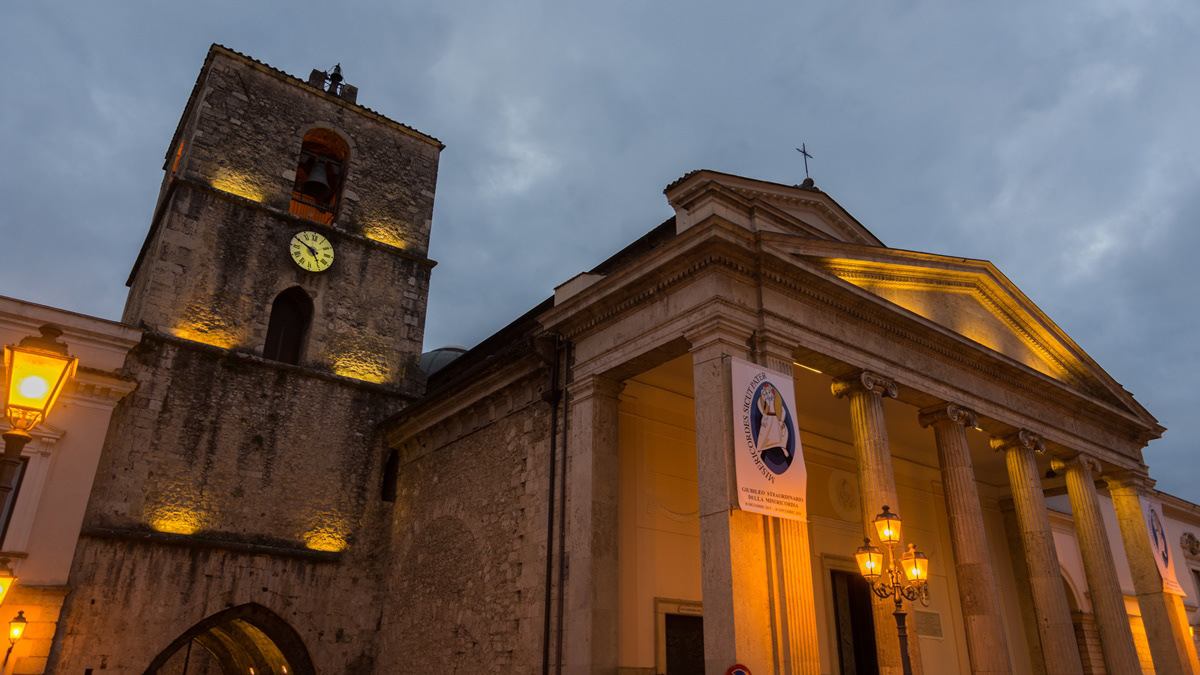
Isernia - La Cattedrale di S. Pietro Apostolo
La cattedrale di San Pietro Apostolo è l'edificio di culto cattolico più importante della città di Isernia, chiesa madre della diocesi di Isernia-Venafro e sede dell'omonima parrocchia. Si trova in piazza Andrea d'Isernia, nel centro storico della città e sorge su un antico tempio pagano italico del III secolo a.C.; il suo aspetto odierno è il risultato di numerosi interventi, effettuati sia dopo i numerosi terremoti, sia in seguito a progetti di rinnovamento dell'edificio.
2018
Panorami
2021
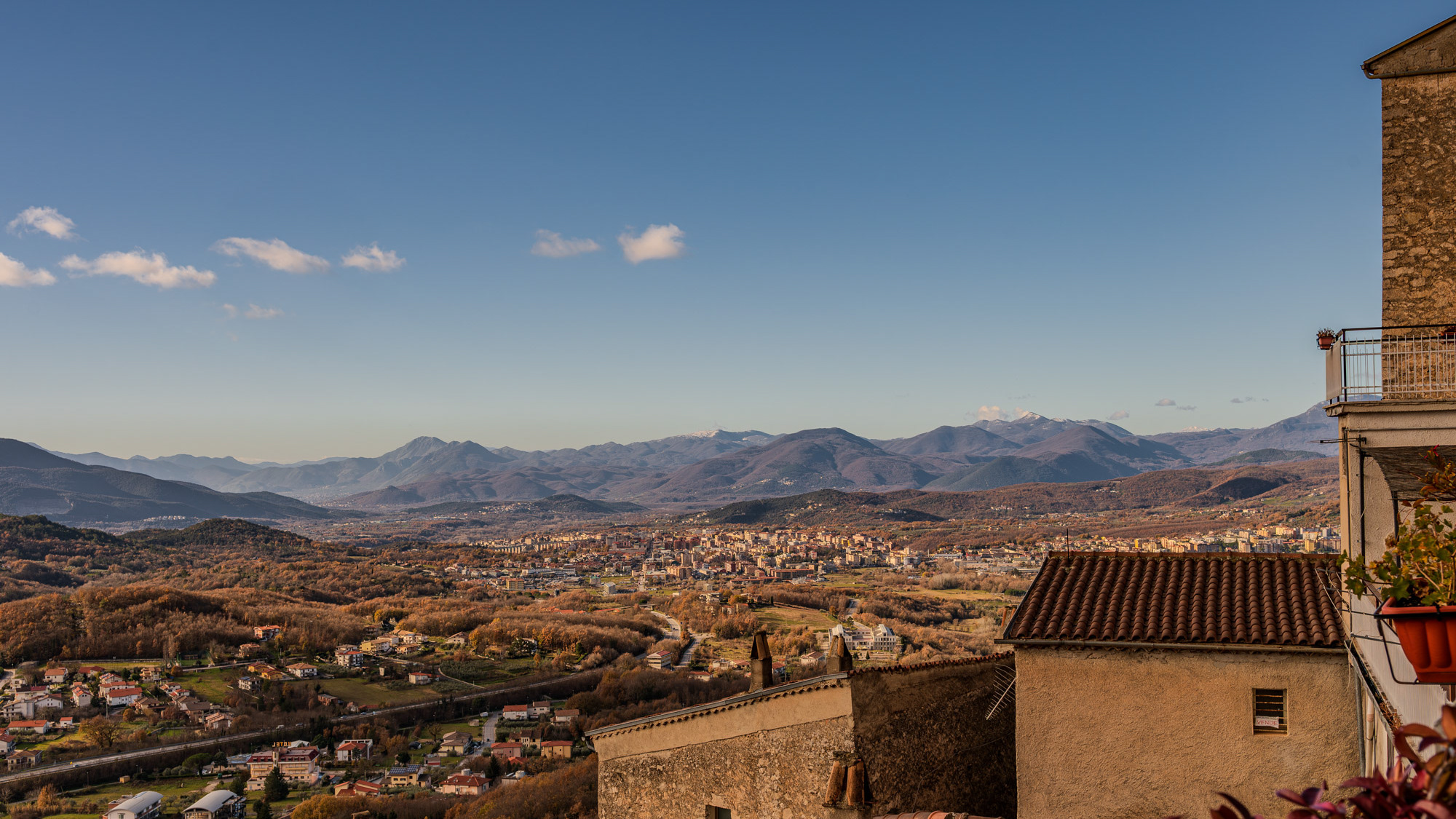
Autumnal landscape of Molise
Back to Top