You may also like

2023
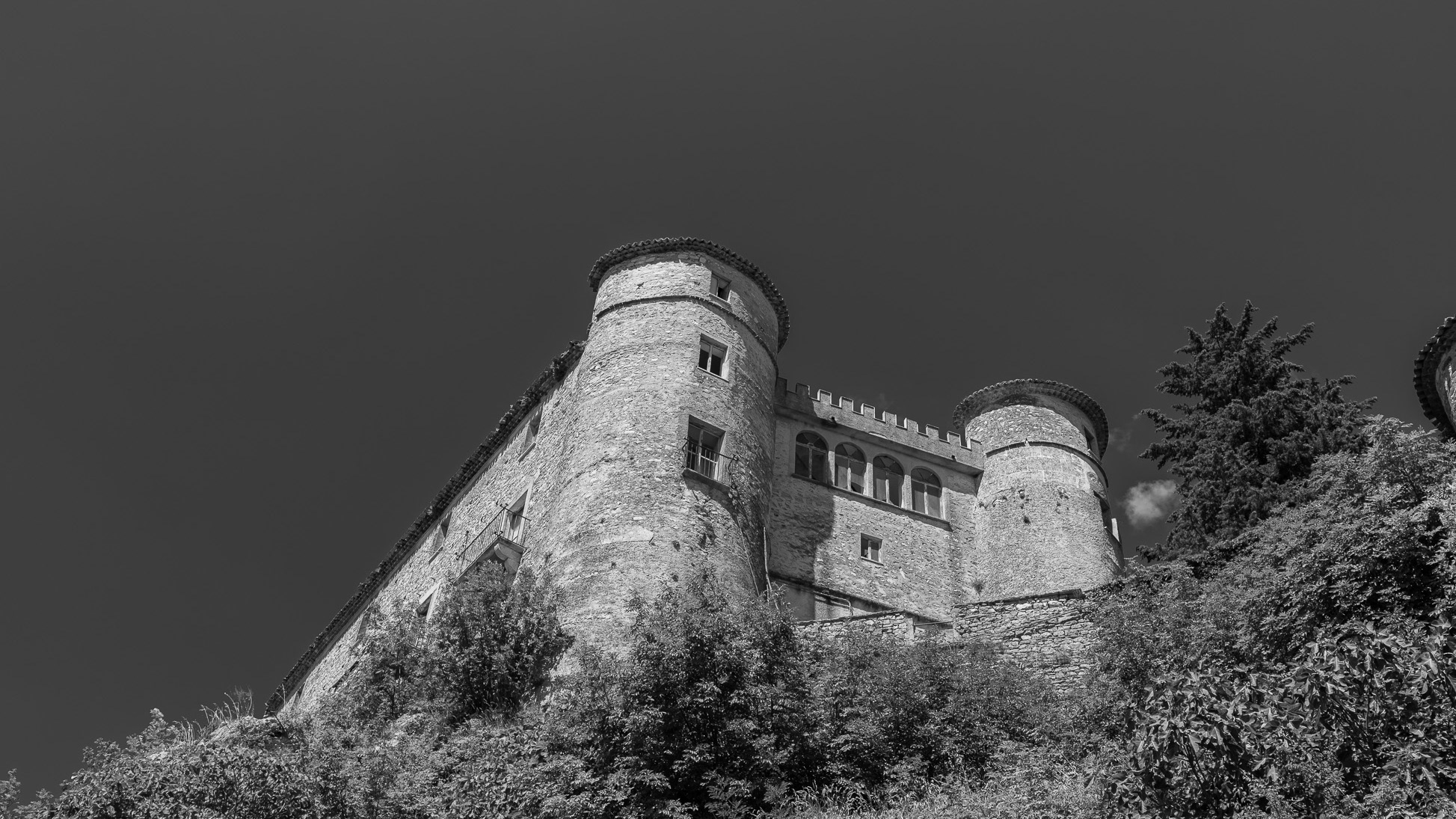
Pescolanciano. D’Alessandro Castle
The D'Alessandro castle is a fortified structure in the municipality of Pescolanciano. The castle was built on the rocky spur (peschio) that overlooks the town near a Samnite fortification.
2015
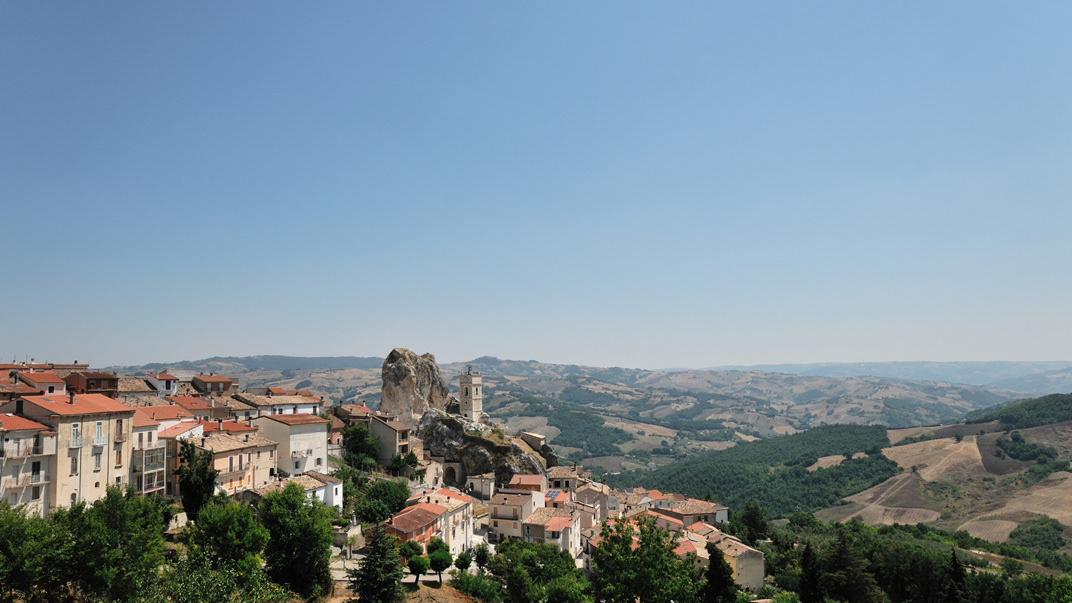
Molise - Pietracupa (CB)
Pietracupa è un comune italiano di 207 abitanti della provincia di Campobasso, in Molise. L'etimologia del nome è un composto di pietra, poiché costruito su un'enorme formazione calcarea, la "Morgia", e dell'aggettivo cupa, che in latino vuol dire "botte", in riferimento ai numerosi insediamenti rupestri ancora visibili in essa. È zona di villeggiatura estiva e di escursionismo.
2022
Carpinone. Caldora castle.
The castle was built in the 11th century, in the shape of an irregular pentagon, bordered by 5 towers, above the ravine overlooking the Carpino river. In 1223 it was destroyed by Ruggero da Pescolanciano.
2022
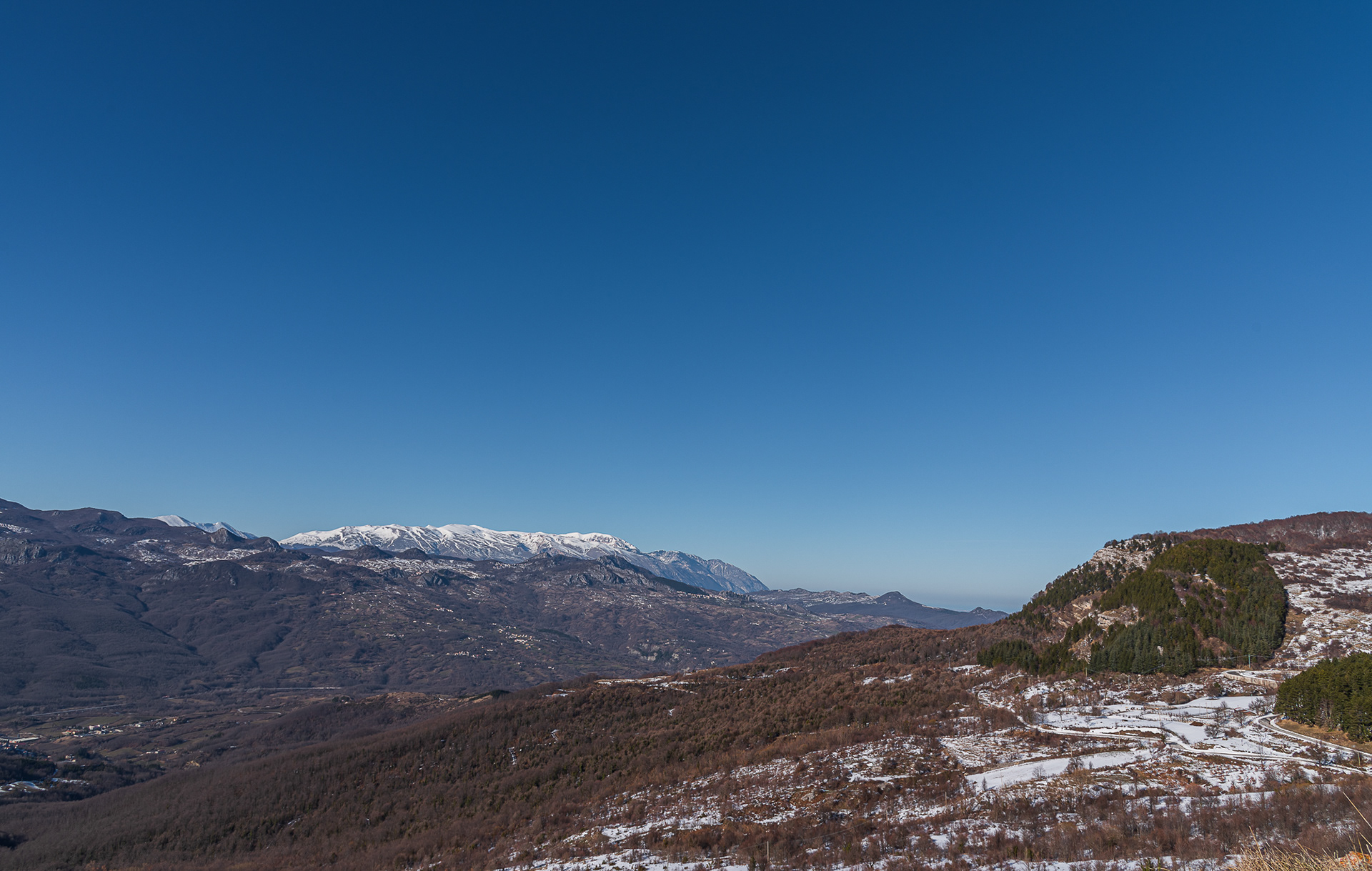
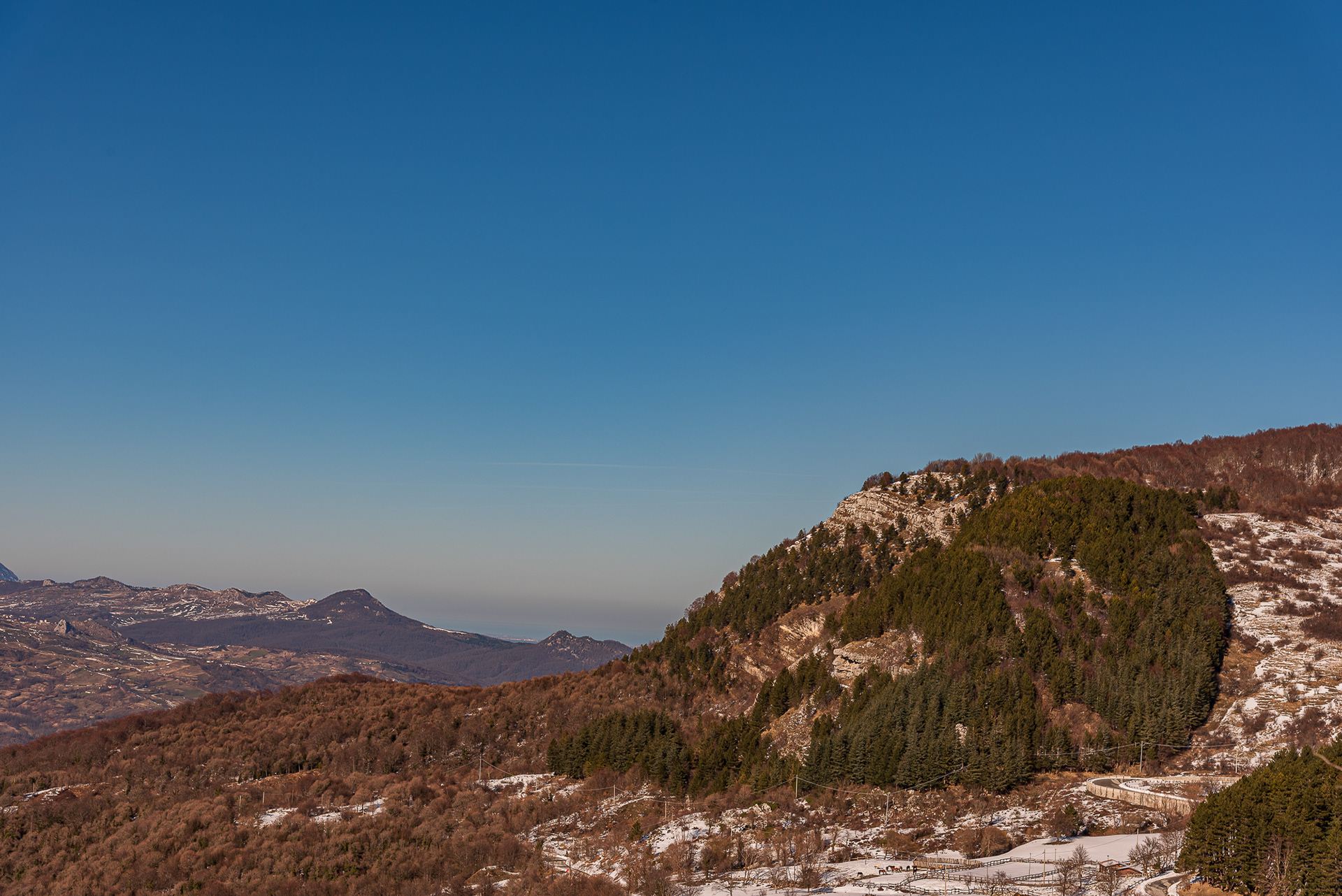
Rocchetta a Volturno. Winter 2022
Rocchetta a Volturno is an Italian town of 1 098 inhabitants in the province of Isernia in Molise. The Municipality of Rocchetta al Volturno is made up of two nuclei: the original village, called Rocchetta Alta, or Rocchetta Vecchia, still perched in a defensive position on the mountain, and Rocchetta Nuova, which is located at a lower altitude. The new Rocchetta was born because, at the end of the 19th century, the slope that connected the southern part of the ancient town with the opposite hill was deforested and the land began to show serious subsidence from 1890 due to the progressive sliding of the superimposed layers of clay and sandstone, increased by water infiltrations, both rain and spring. In 1905, following further disastrous events, the population moved for the most part downstream, where there was a hamlet called Case Sparse. The modern town is developed today in the center of a plateau, bordered to the west by the terminal part of the Mainarde chain and to the east by a depression, at the bottom of which the Volturno flows; about two kilometers away are the sources of the river. Its name characterizes the toponyms of other nearby municipalities such as Colli a Volturno and Cerro al Volturno.
2018
Isernia - Chiesa di Santa Chiara
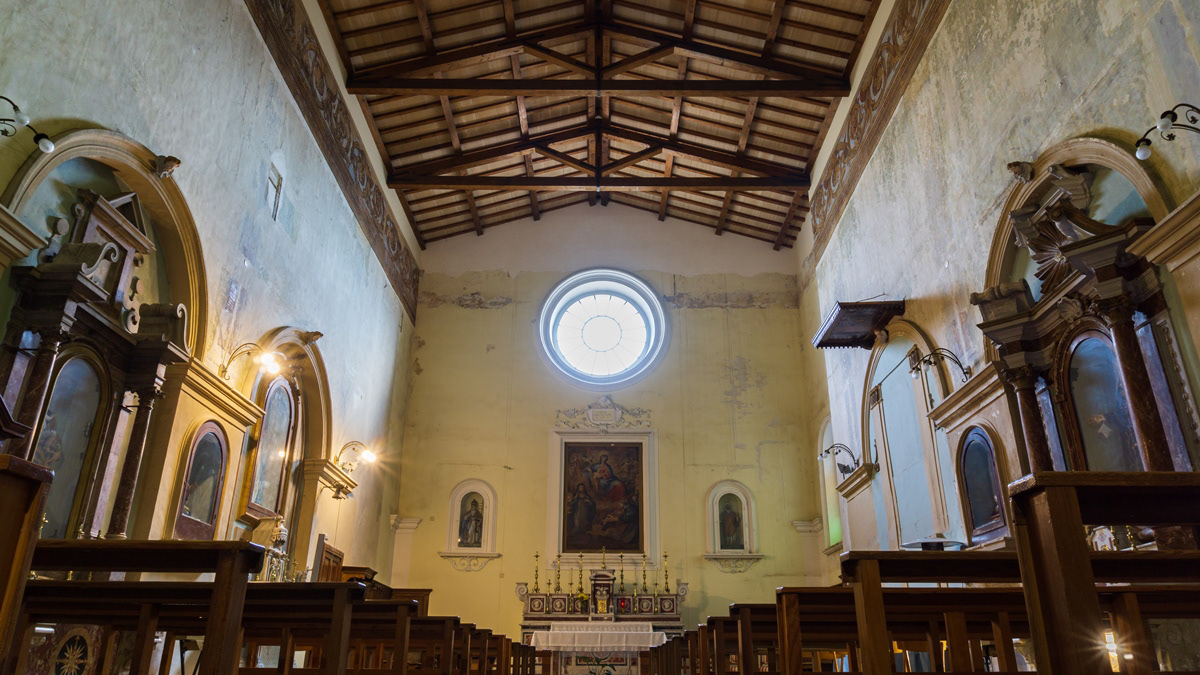
La chiesa di Santa Chiara, insieme al monastero omonimo, è stata fondata nel 1275. Allo stato attuale, però, non esistono più tracce dell'edificio originario. Nel 1809 il monastero fu soppresso, mentre verso la fine del secolo un terremoto danneggiò seriamente la chiesa, che per questo fu chiusa al culto; la riapertura avvenne il 10 ottobre 1910. Durante la Prima guerra mondiale, l'ex edificio monasteriale servì da alloggio a prigionieri austriaci e ungheresi. La chiesa custodisce la statua dell'Addolorata che, durante la processione del Venerdì Santo, viene trasportata dai portantini subito dietro a quella del Cristo morto.
2015
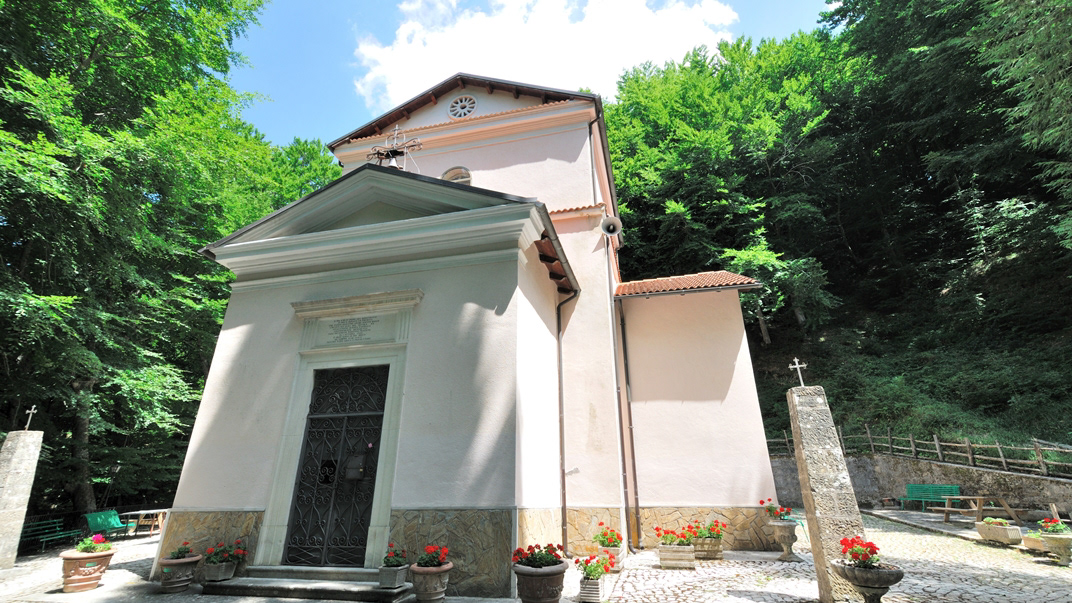
San Pietro Avellana (IS), eremo di S. Amico
2020
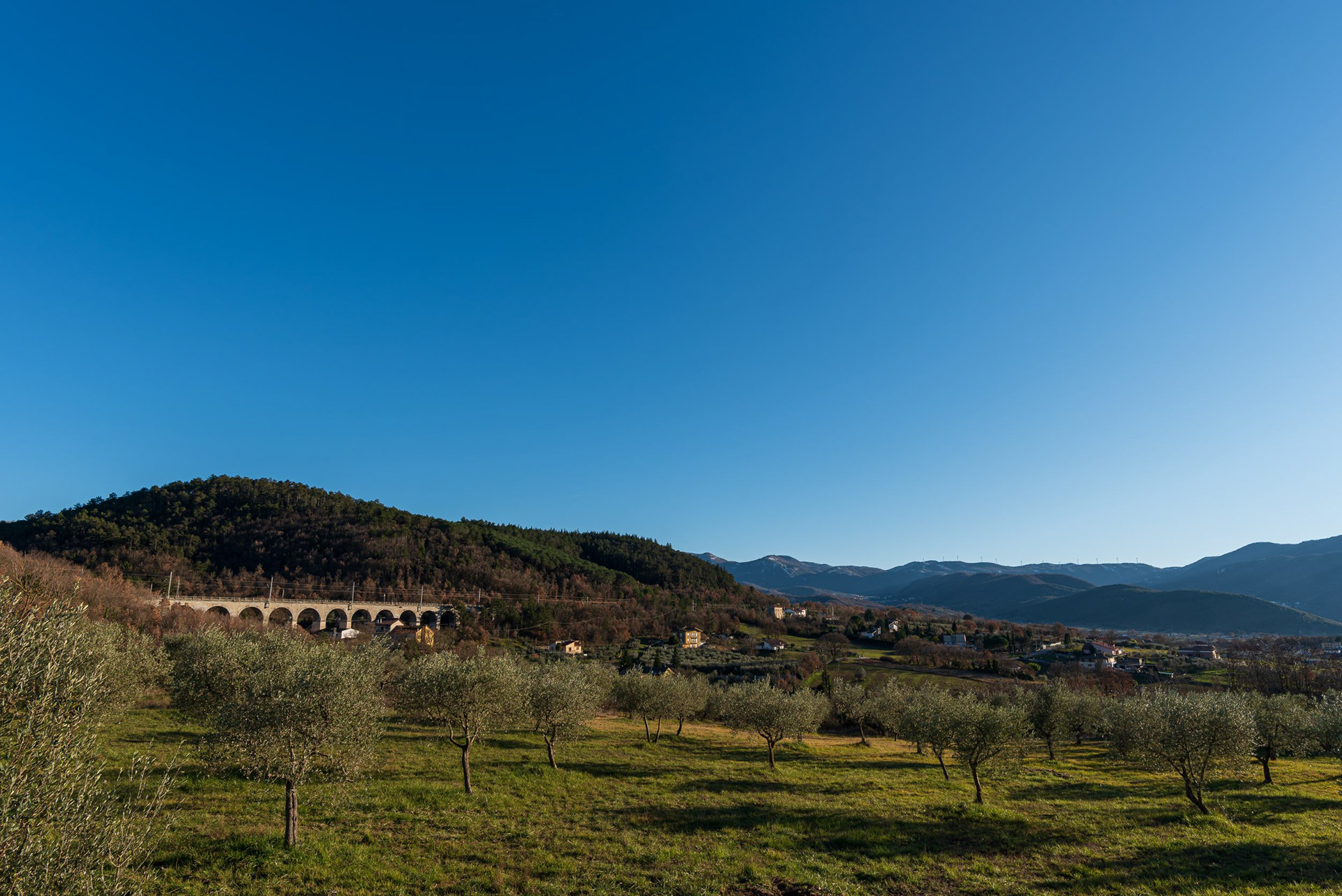
Macchia d'Isernia. Baronial castle D'Alena
The castle occupies a substantial portion of the ancient circular village. It was built around 1100 by Clementina, daughter of Ruggero II Normanno, king of Sicily, when the fiefdom was part of the county of Ugone del Molise. The garrison passed into the hands of the Anjou, the Afflitto and the Rotondi barons. In 1480 it was restored in the Renaissance style as a patrician residence, purchased by Giovanni Donato della Marra, who was count of Macchia. In 1748 the castle was sold to Maria Grazia Rotondi, then sold to Nicola d'Alena. Celeste d'Alena was baroness of Macchia, married to the Frisari, counts of Bisceglie and patricians of Castel San Vincenzo. The façade of the building dominates the square in front of the village, embellished by a Renaissance loggia with round arches. The first part of this loggia dates back to the Aragonese period, with a roof resting on 5 small arches. The rest of the castle is spread over 3 levels, the highest of which is the attic. In the inner courtyard the beautiful Renaissance staircase with the colonnade, which leads to the noble floors, stands out. On the ground floor there are the cellars, the stables and the servants' rooms. The upper floor was the home of the nobles, with various rooms, including the private chapel with different relics. In 1984 the castle was fully restored, being brought back to its eighteenth-century splendor.
2020
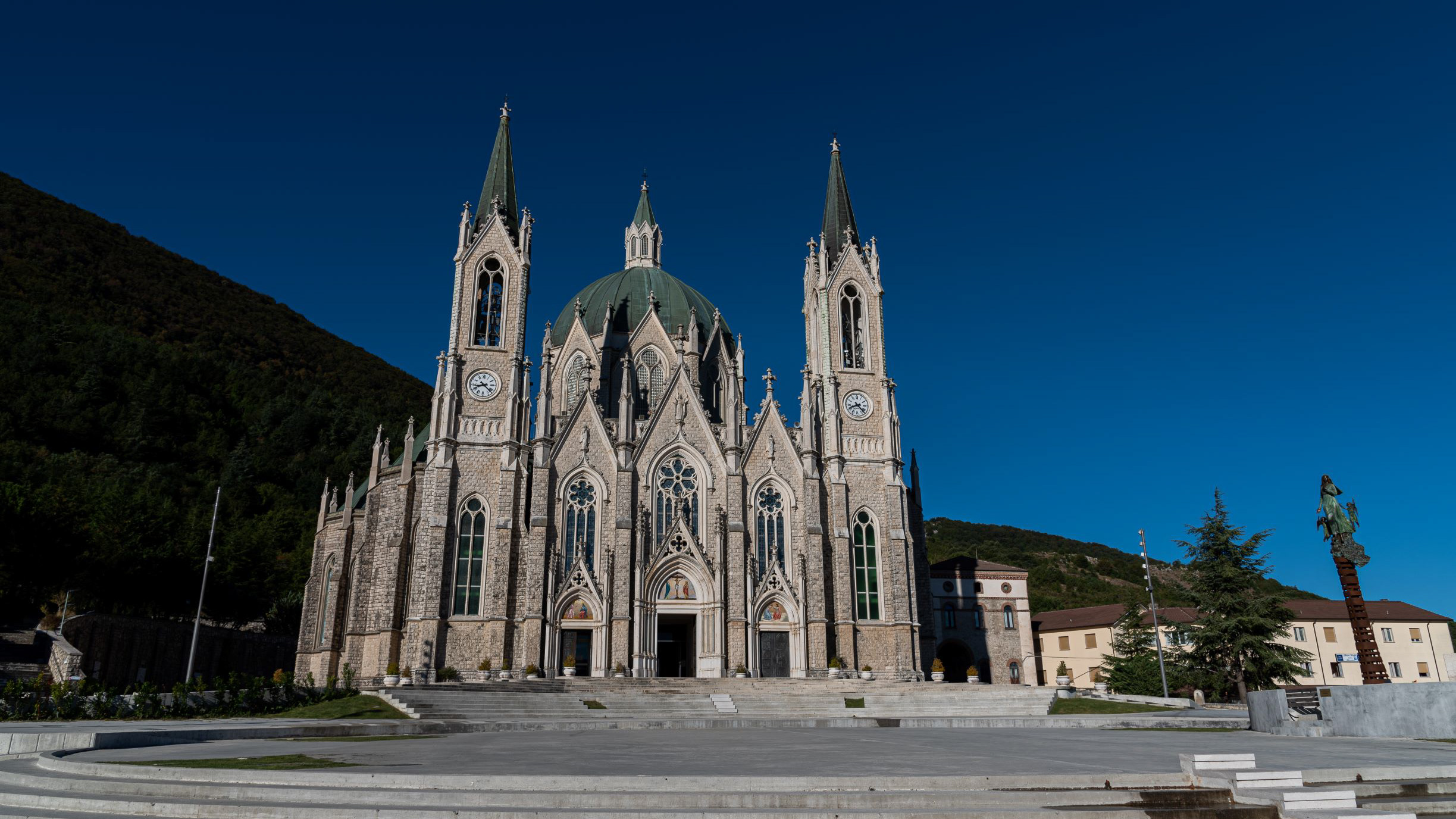
Castelpetroso. The Sanctuary - 2020
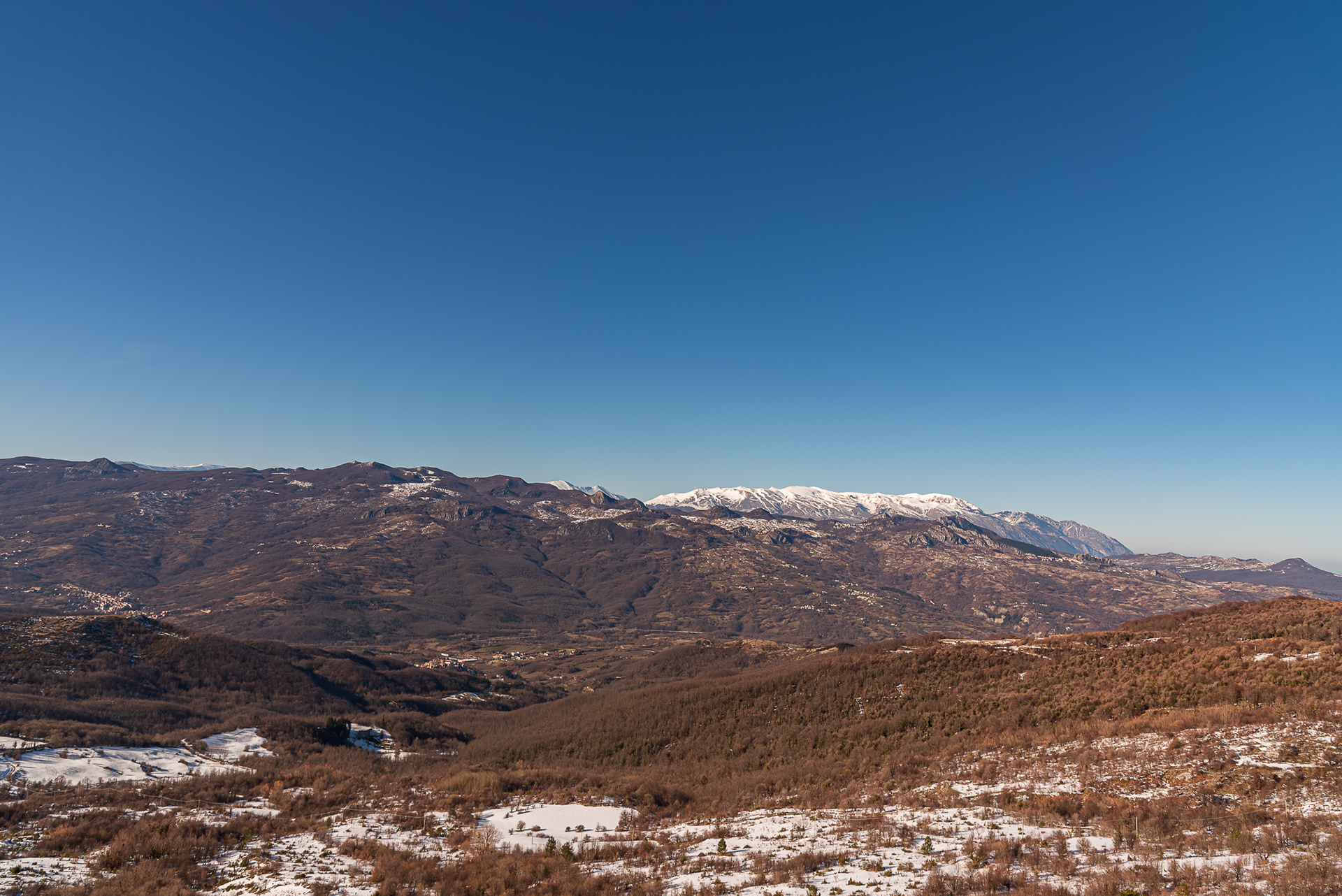
Castelpetroso is home to the Shrine of Maria Santissima Sorrows, patron saint of Molise. According to the testimony of the visionaries, the Virgin Mary first appeared on March 22, 1888 to two shepherds named Serafina and Bibiana in Cesa between Saints, on the slopes of Mount Patalecchia. This first appearance was followed by others. This phenomenon was later recognized. The shrine, which began with the laying of the first stone on September 28, 1890 and completed in 1975, is made in the neo-Gothic style; seen from above is composed of seven chapels depicting the seven sorrows of Our Lady, in the center of which there is the dome 54 meters high. The shrine and the place of apparitions are connected to each other by the Via Matris, 750 meters long, where precisely remember the seven Marian sorrows.
2024
Miranda 2024
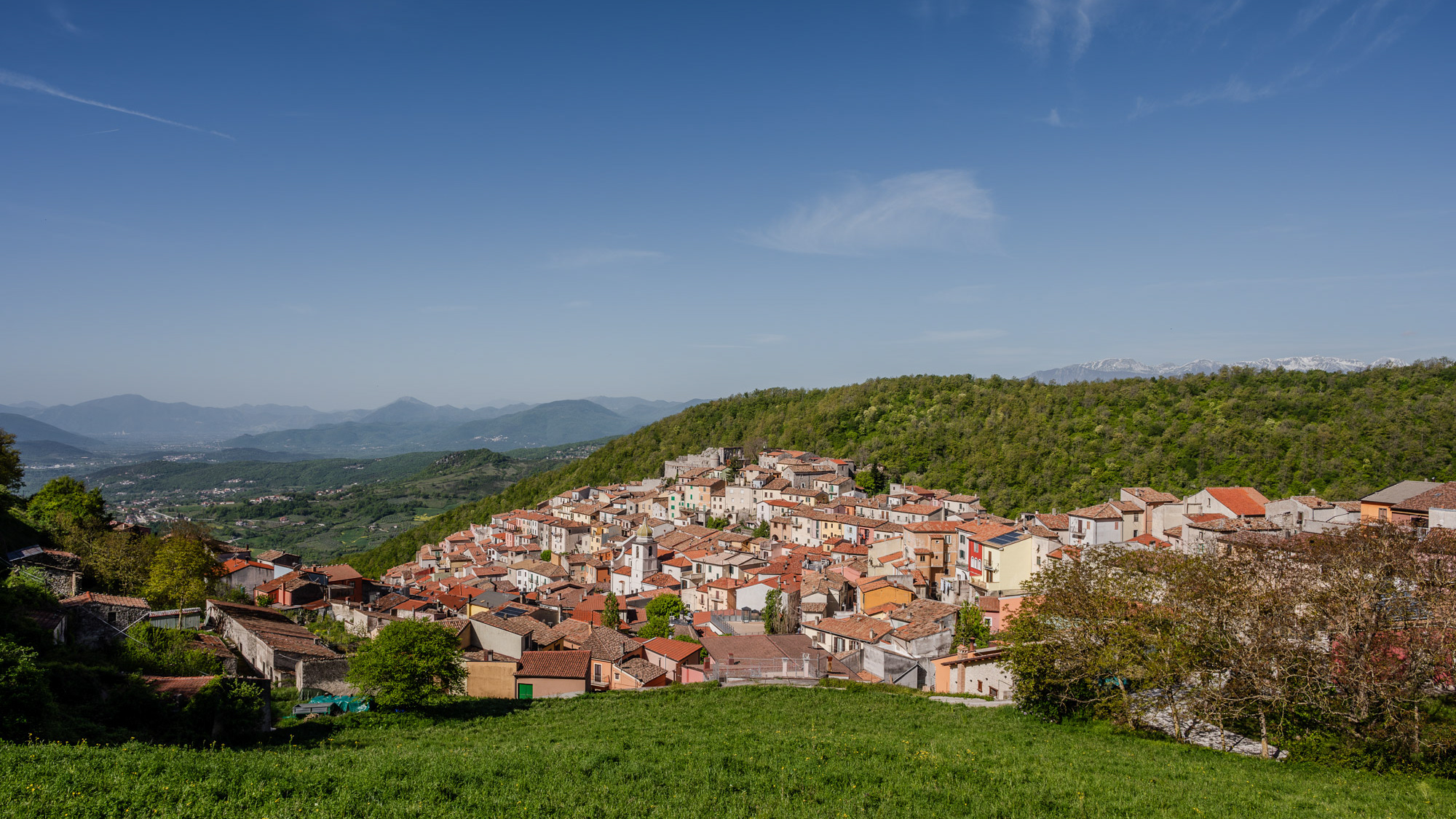
Miranda is an Italian municipality of 952 inhabitants in the province of Isernia in Molise. A first settlement of the current municipality probably dates back to the 11th century, as evidenced by the Norman facies of the castle that stands on the previous promontory, of which however few survive architectural elements. The original nucleus of the town is structured around it, interspersed with various walls that identify the subsequent residential layers built starting from the primary fortress. The scant documentation relating to the Miranda fiefdom testifies to a frequent transfer of ownership between various noble families, including the Di Somma Neapolitans, whose family coat of arms consisting of two towers standing on the seabed is still the official symbol of the municipality today.
2025
The Guardialfiera or Liscione lake
Back to Top