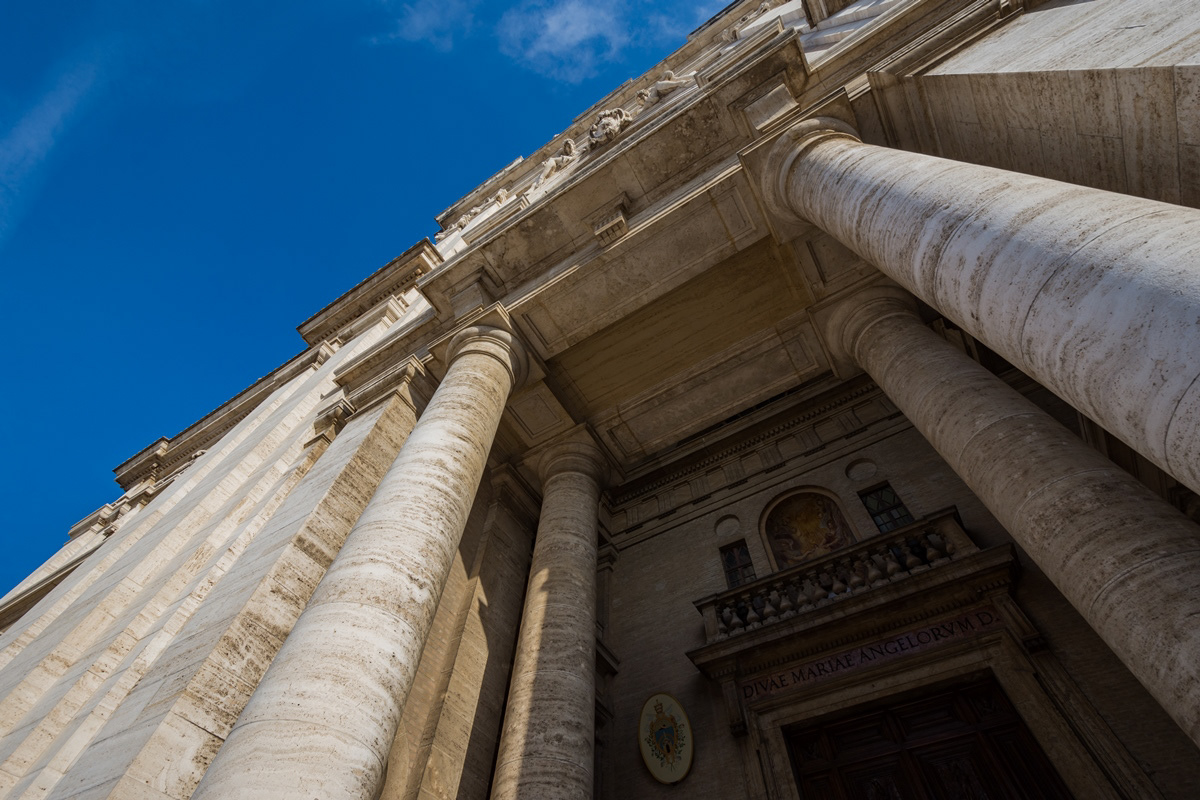
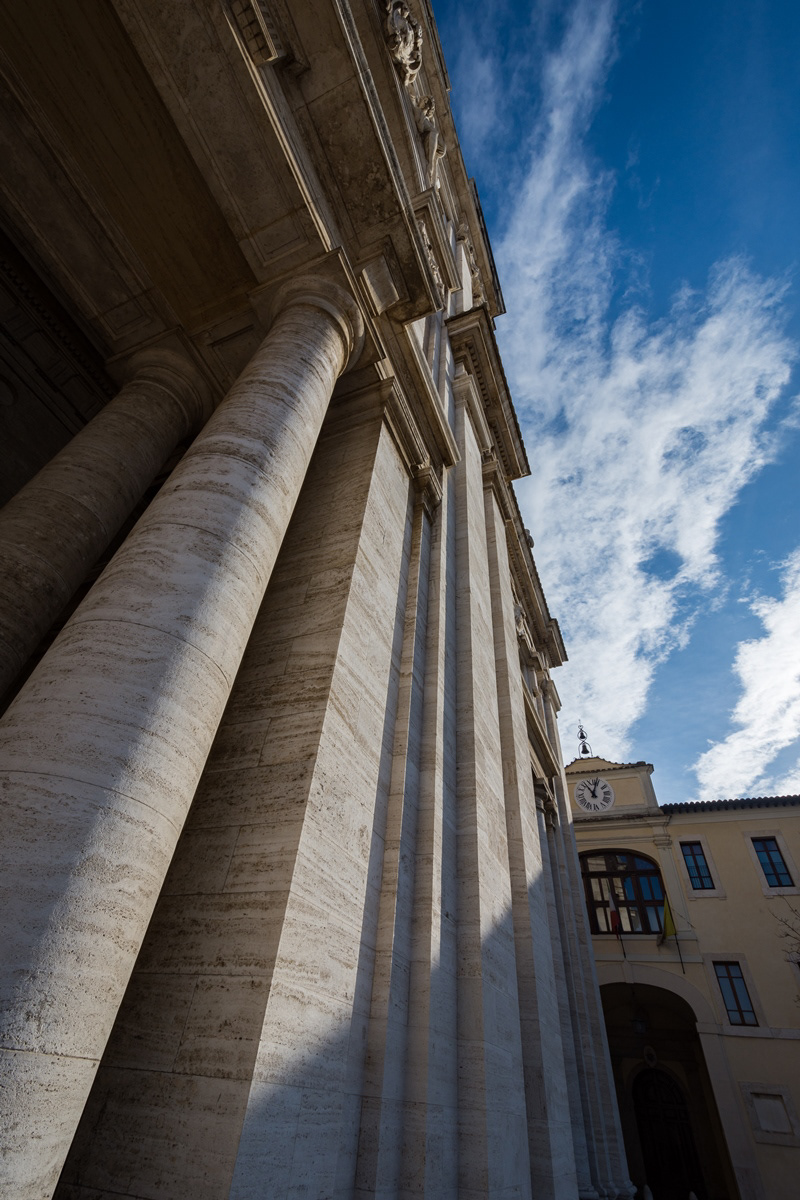
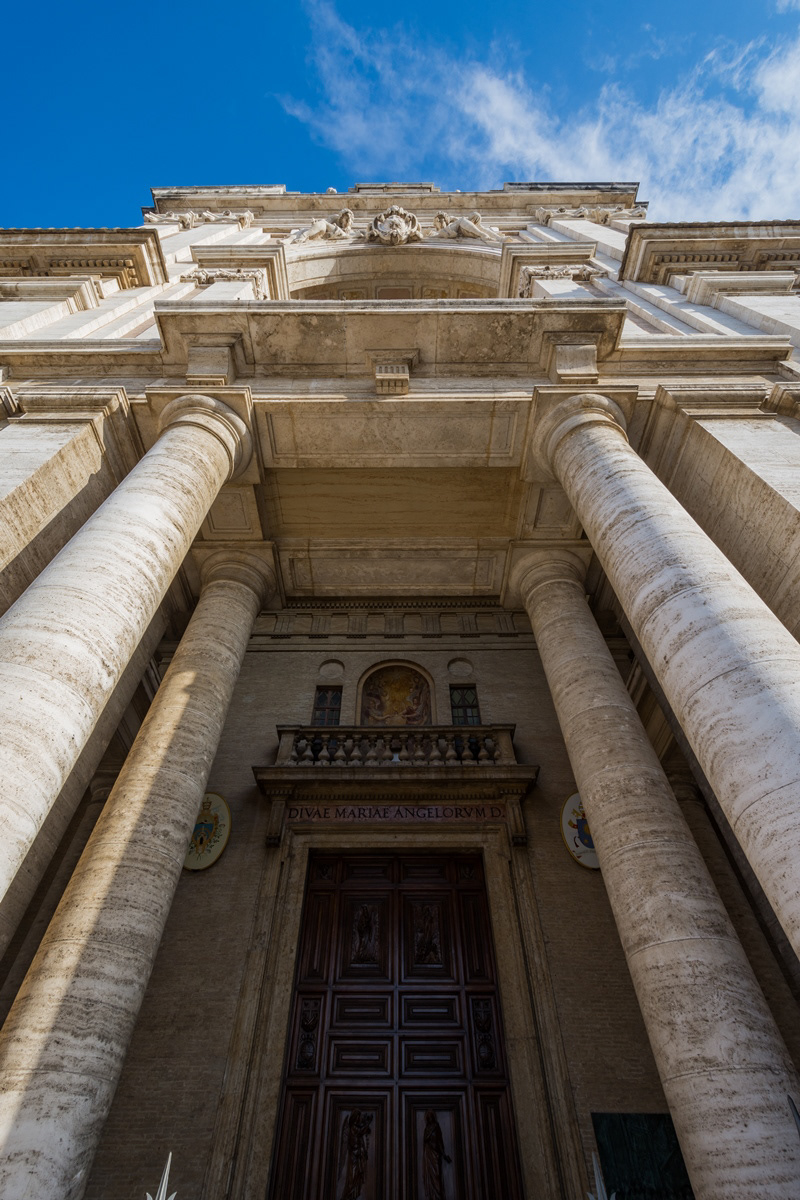
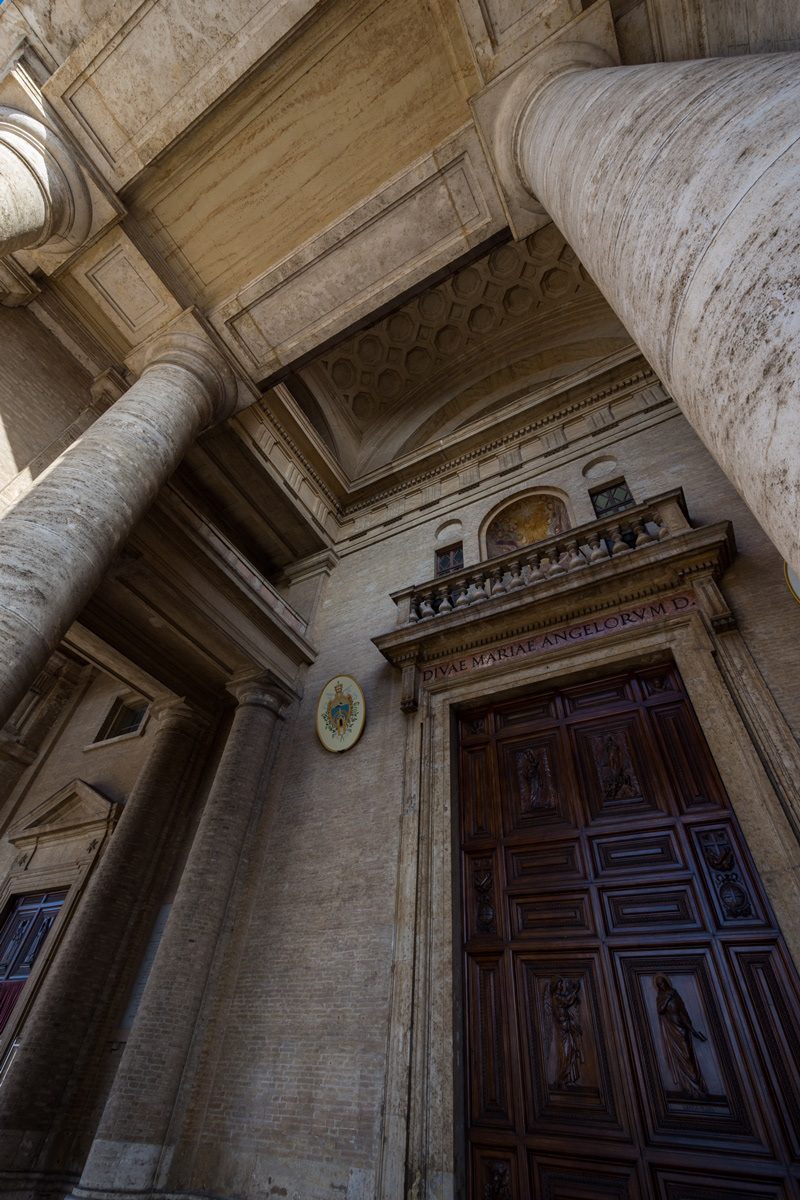
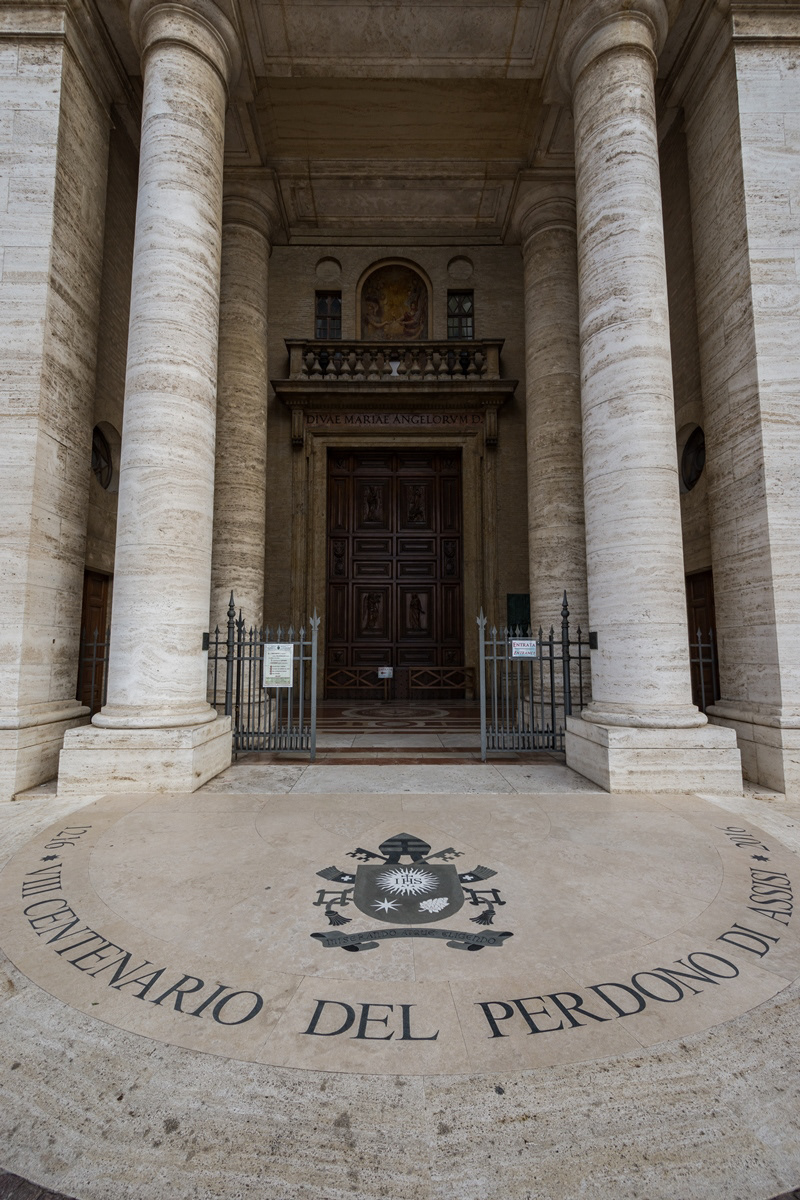
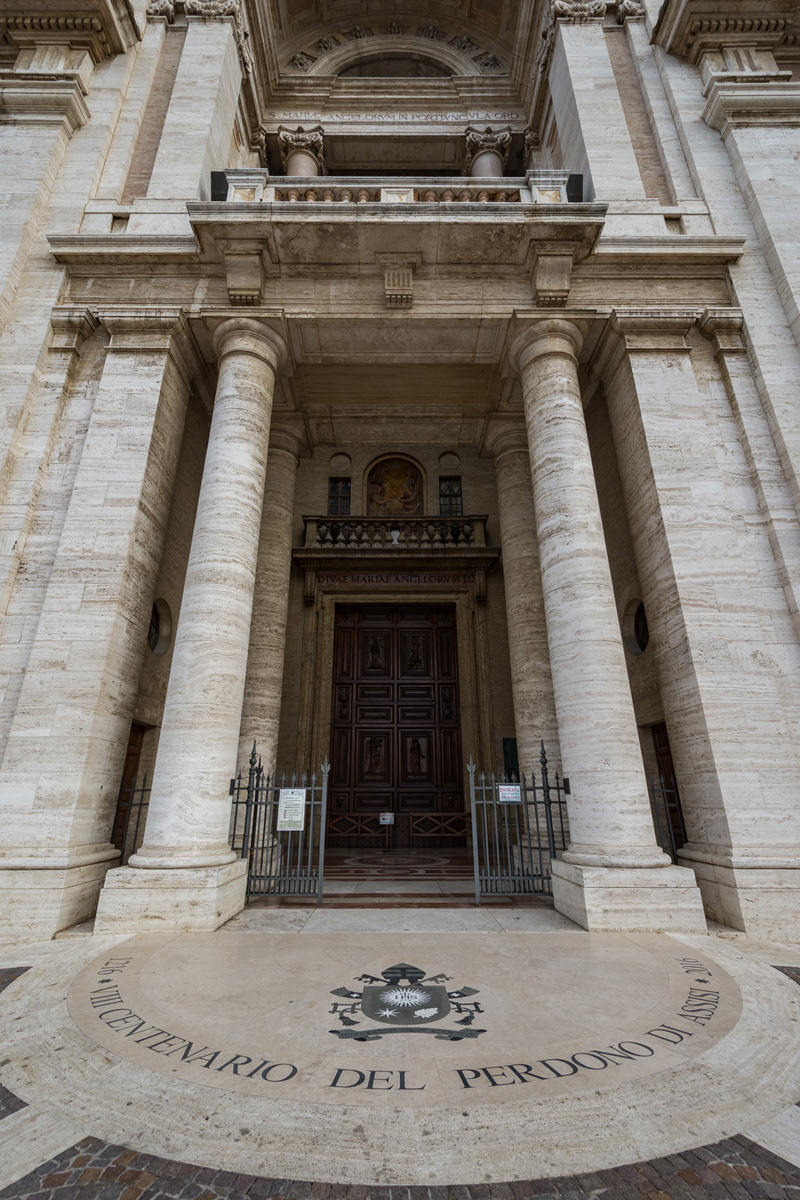
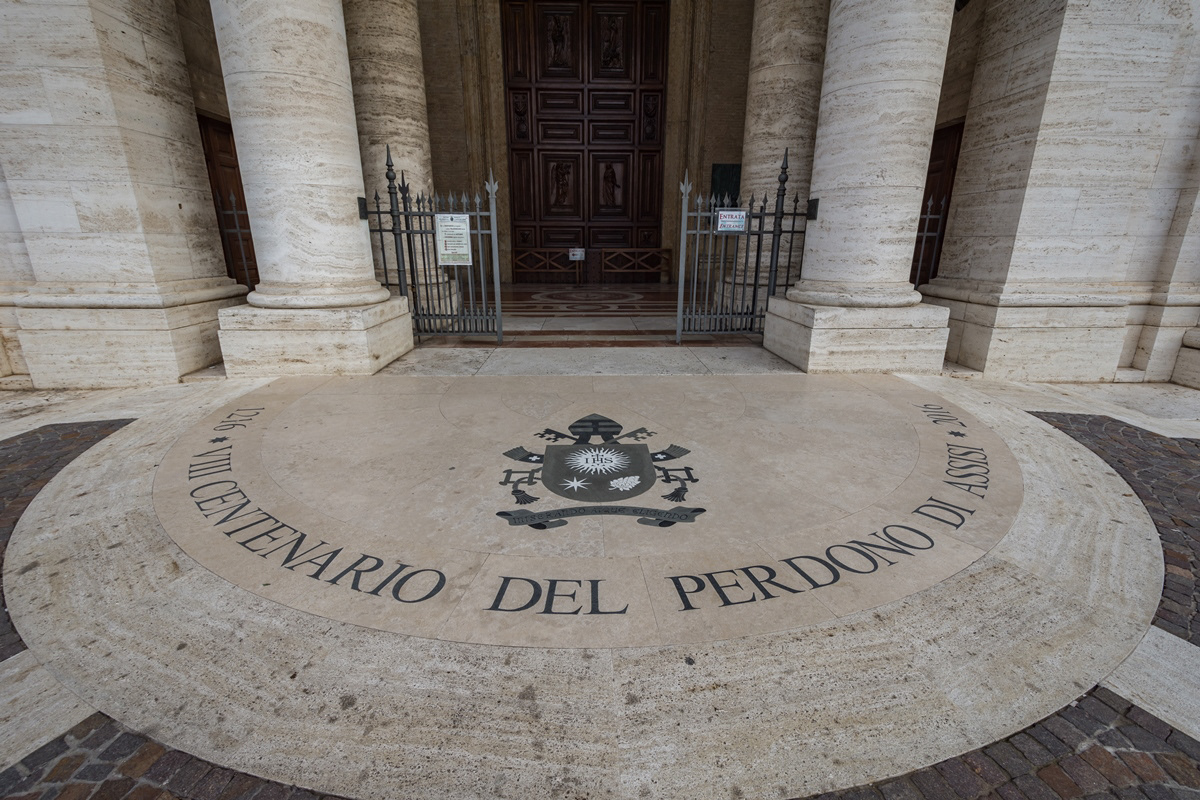
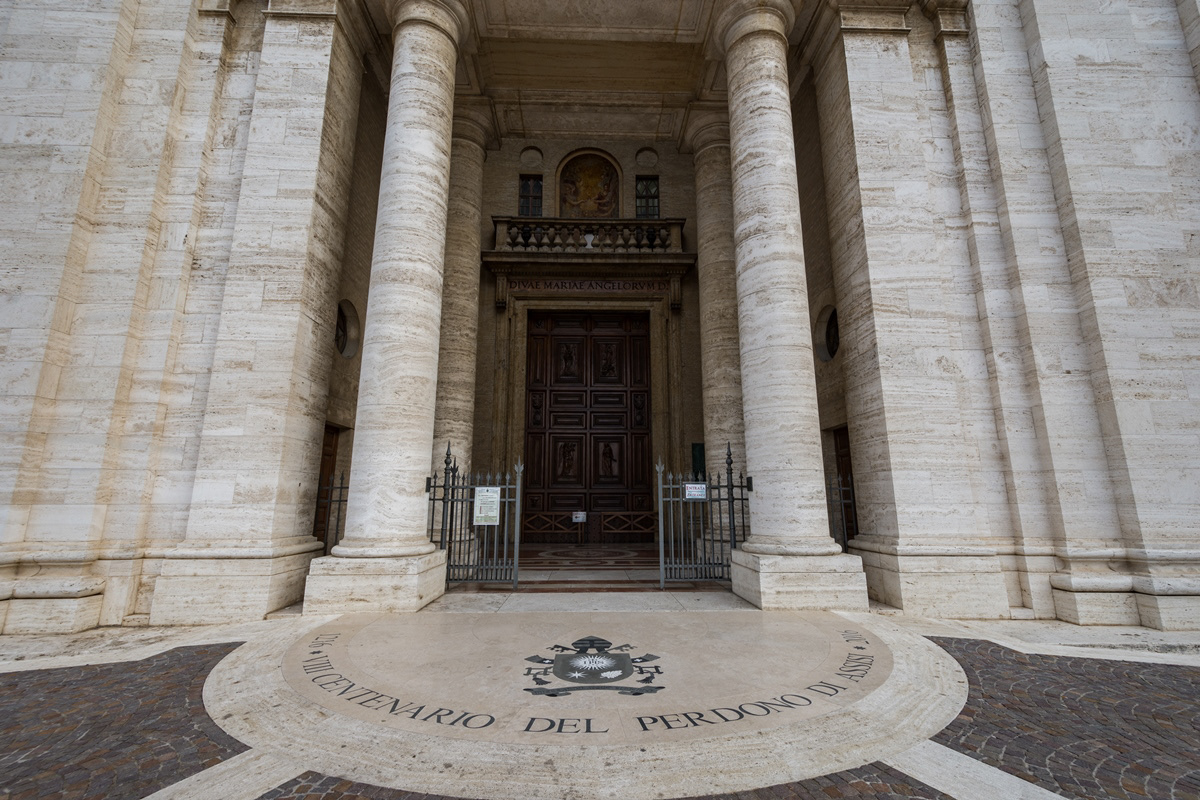
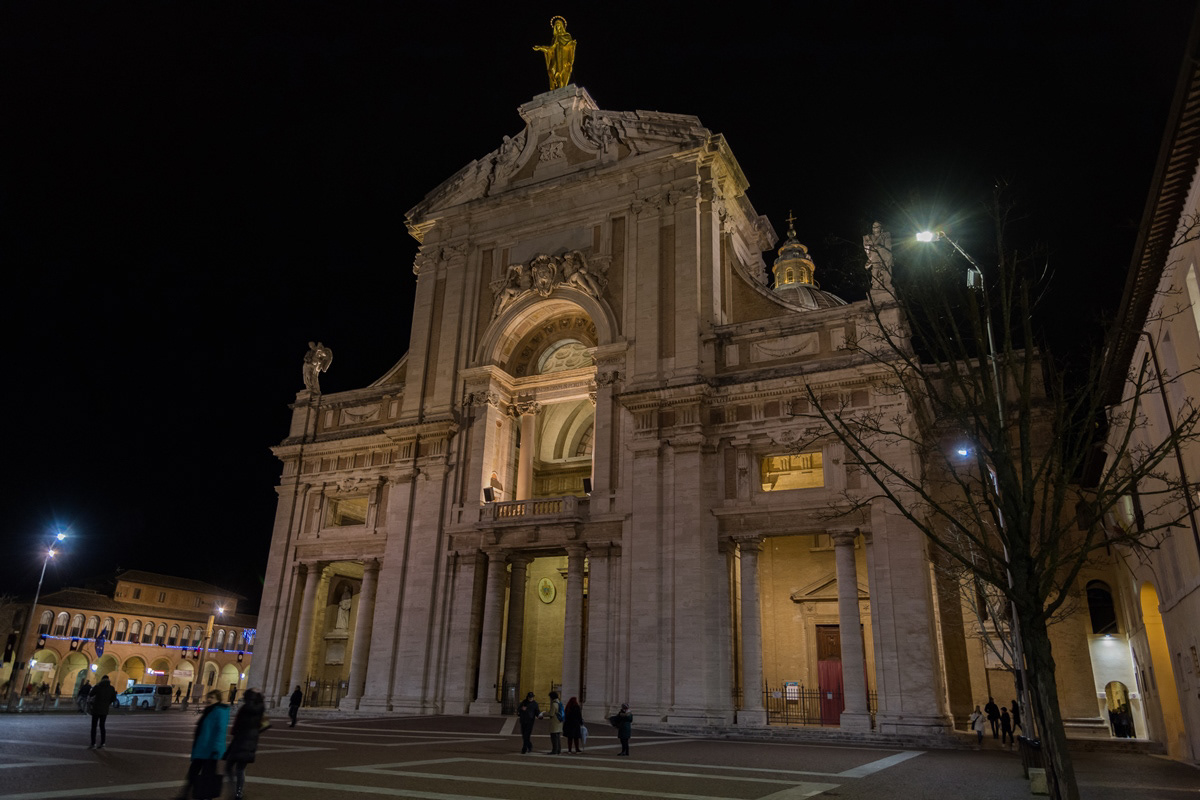
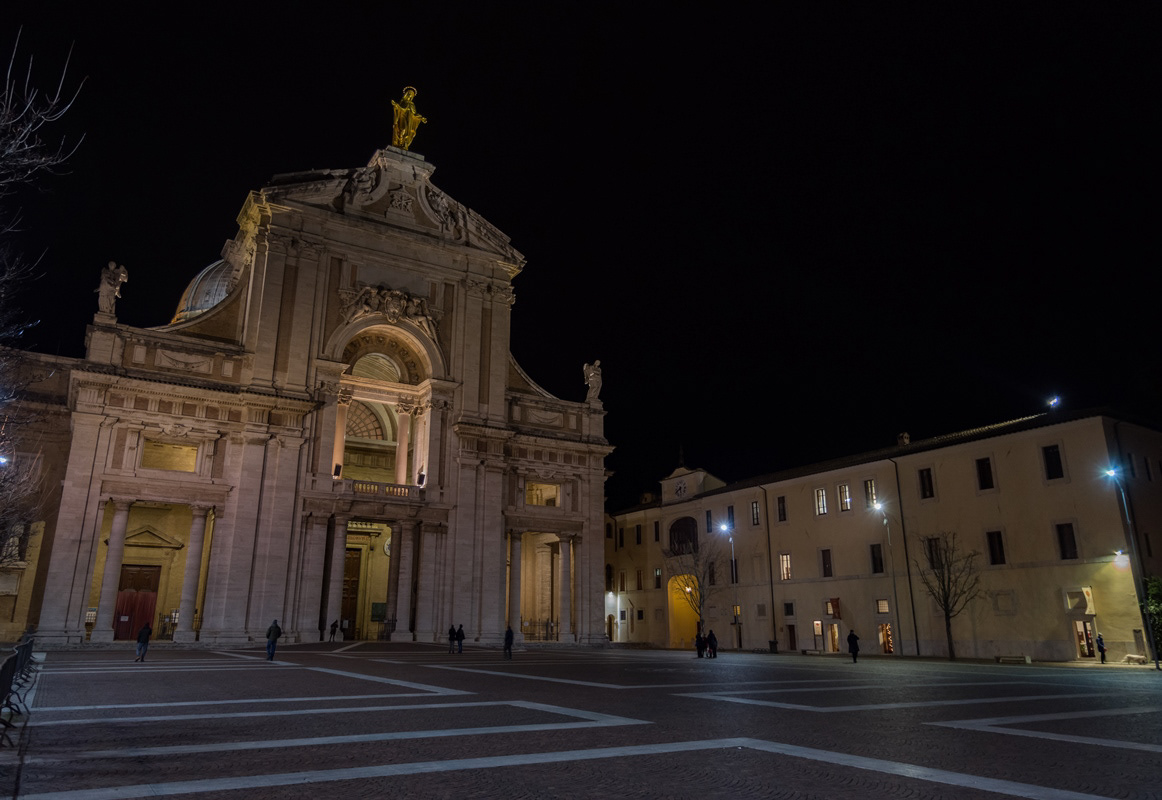
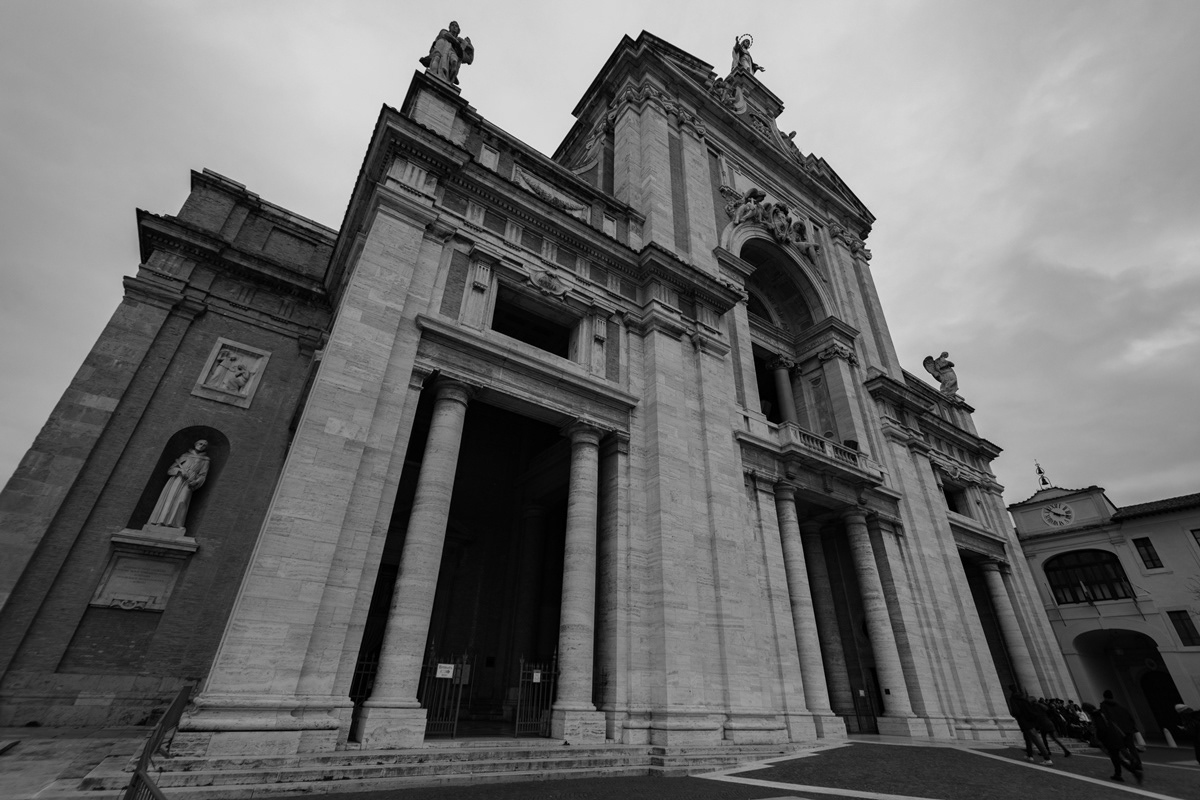
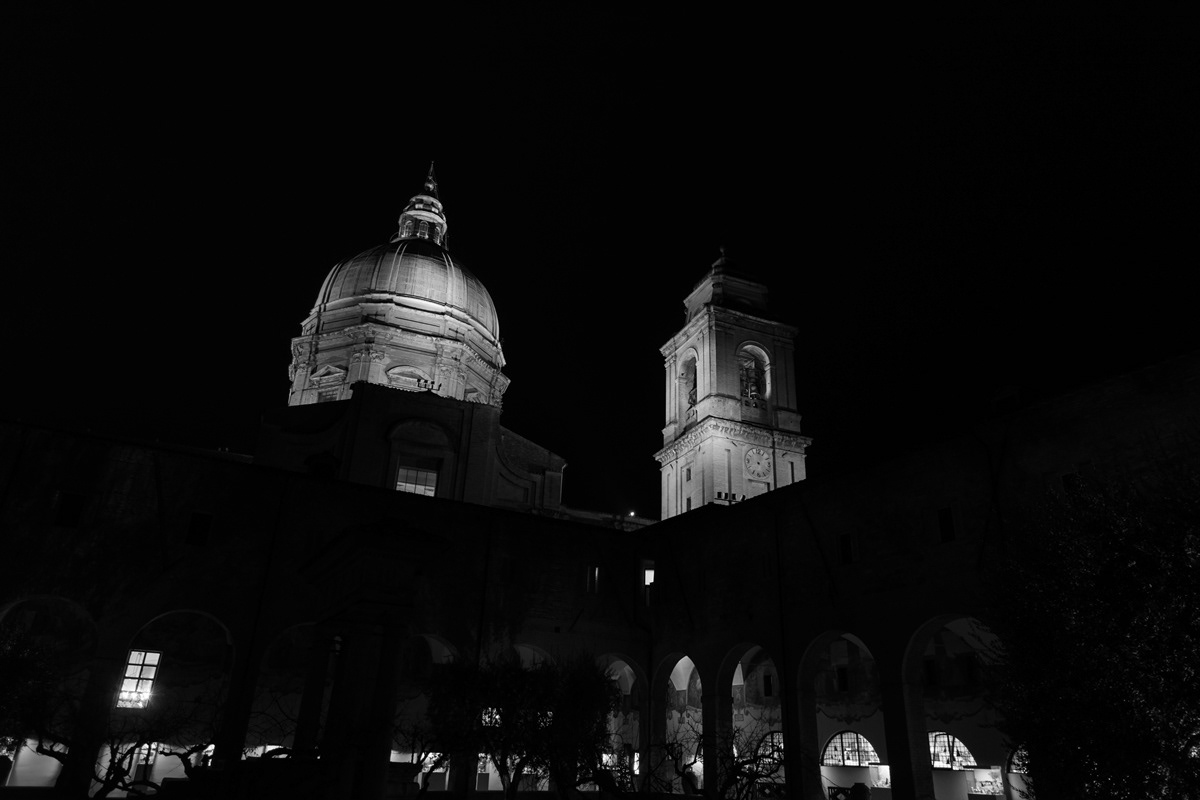
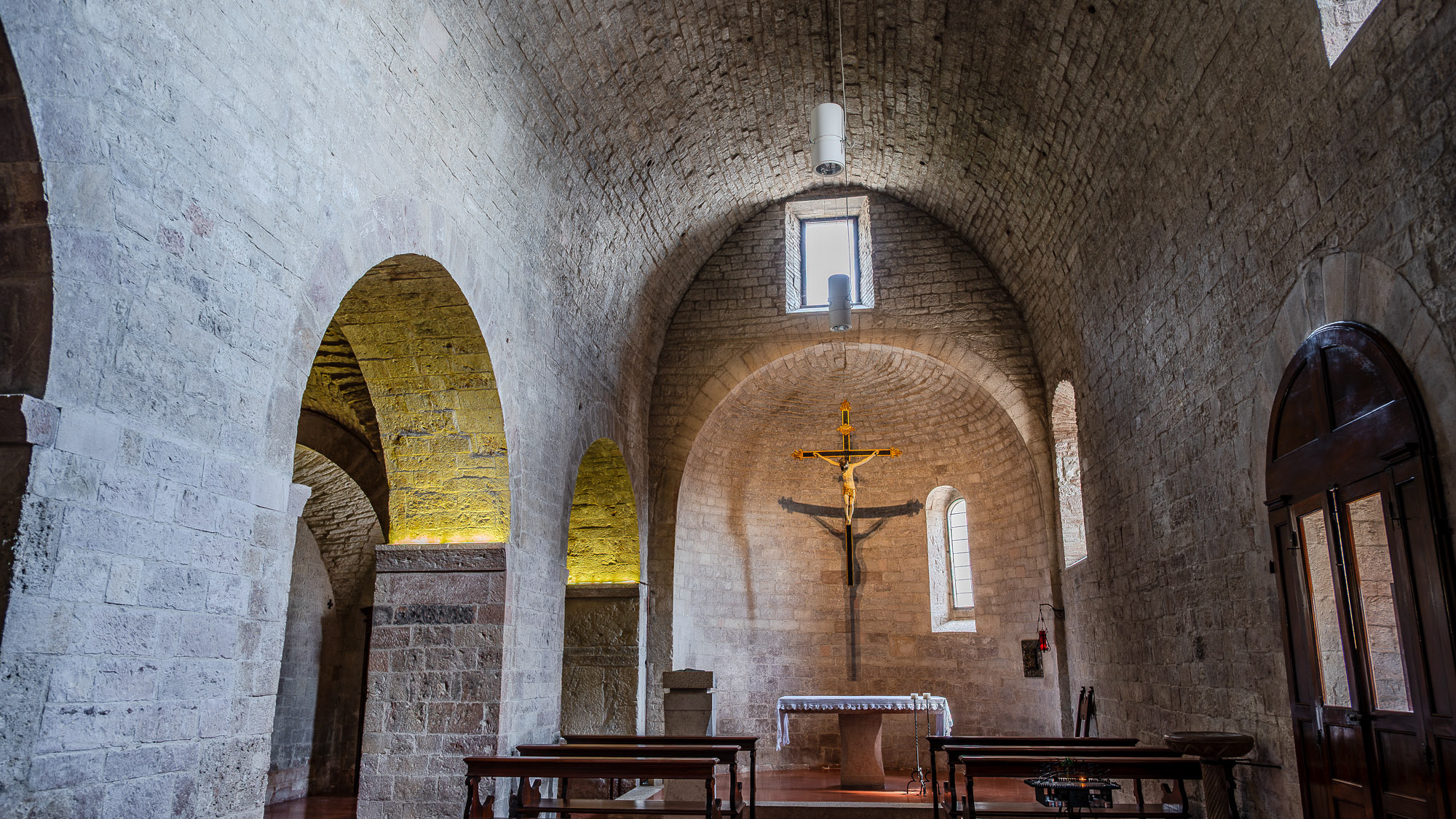
Assisi - Basilica of Santa Maria degli Angeli
2018
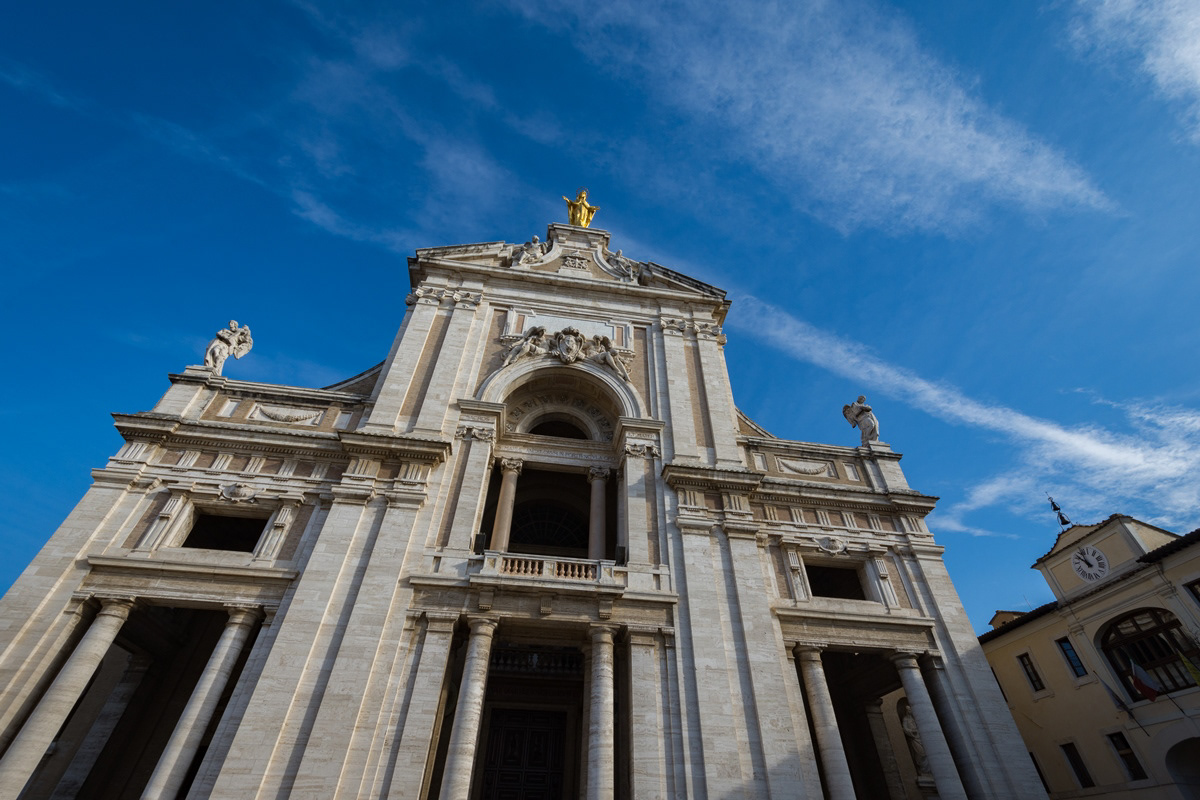
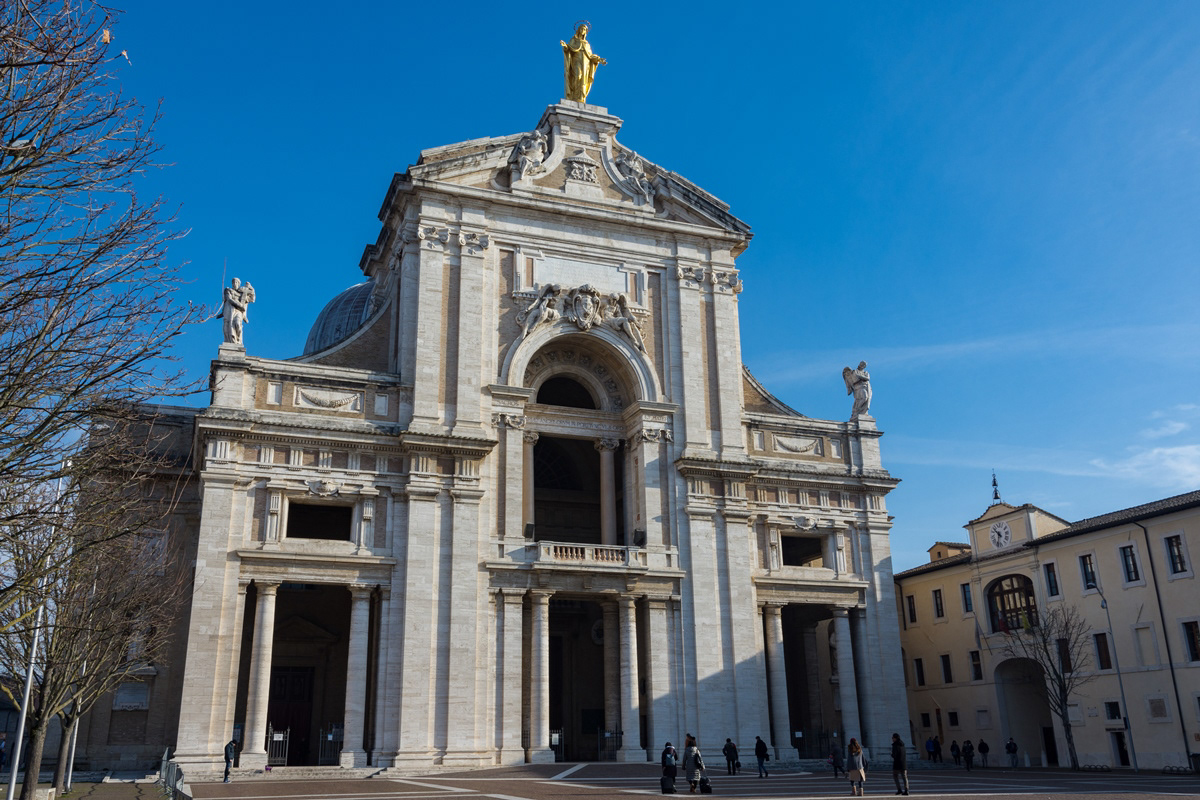
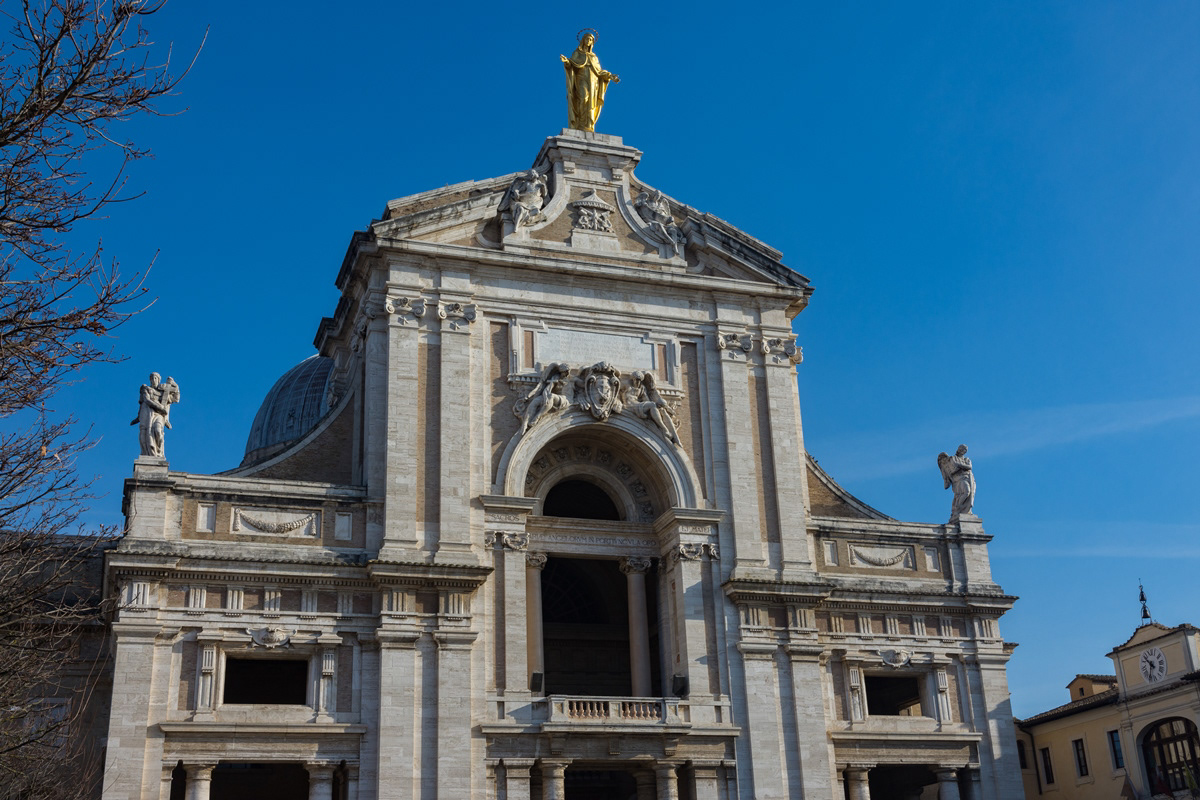
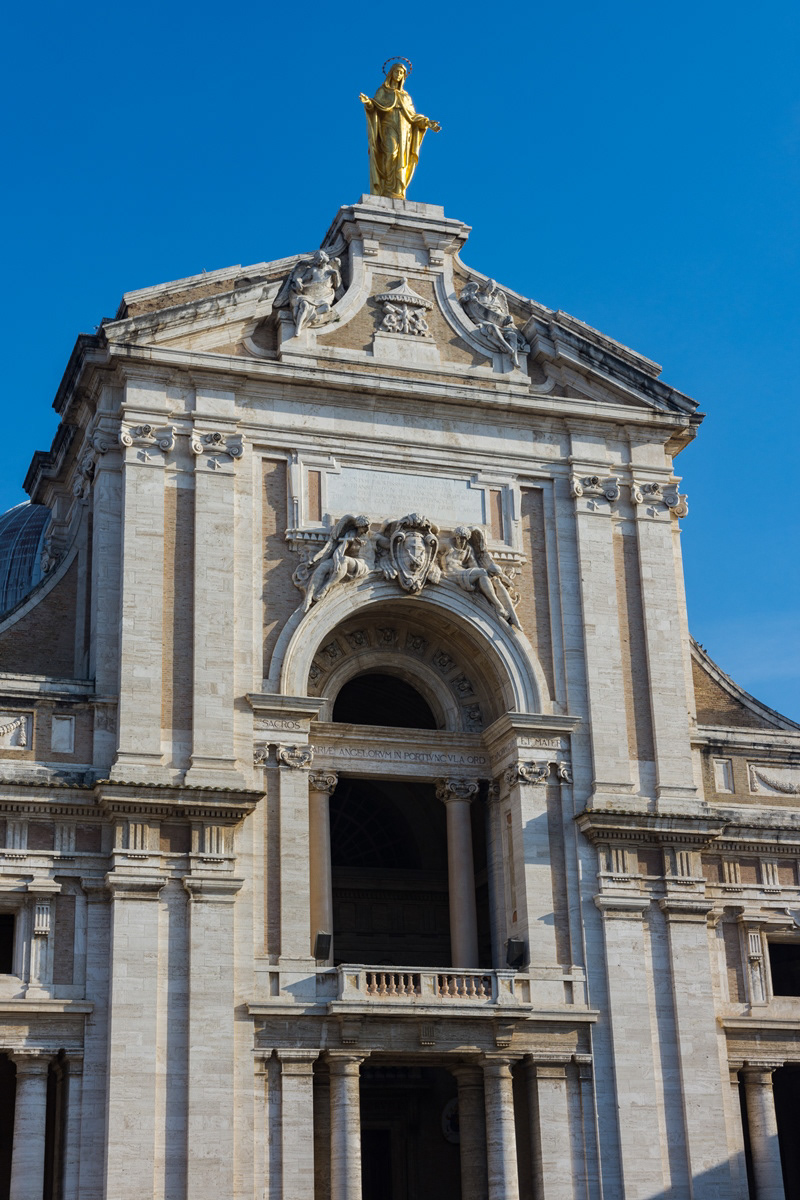
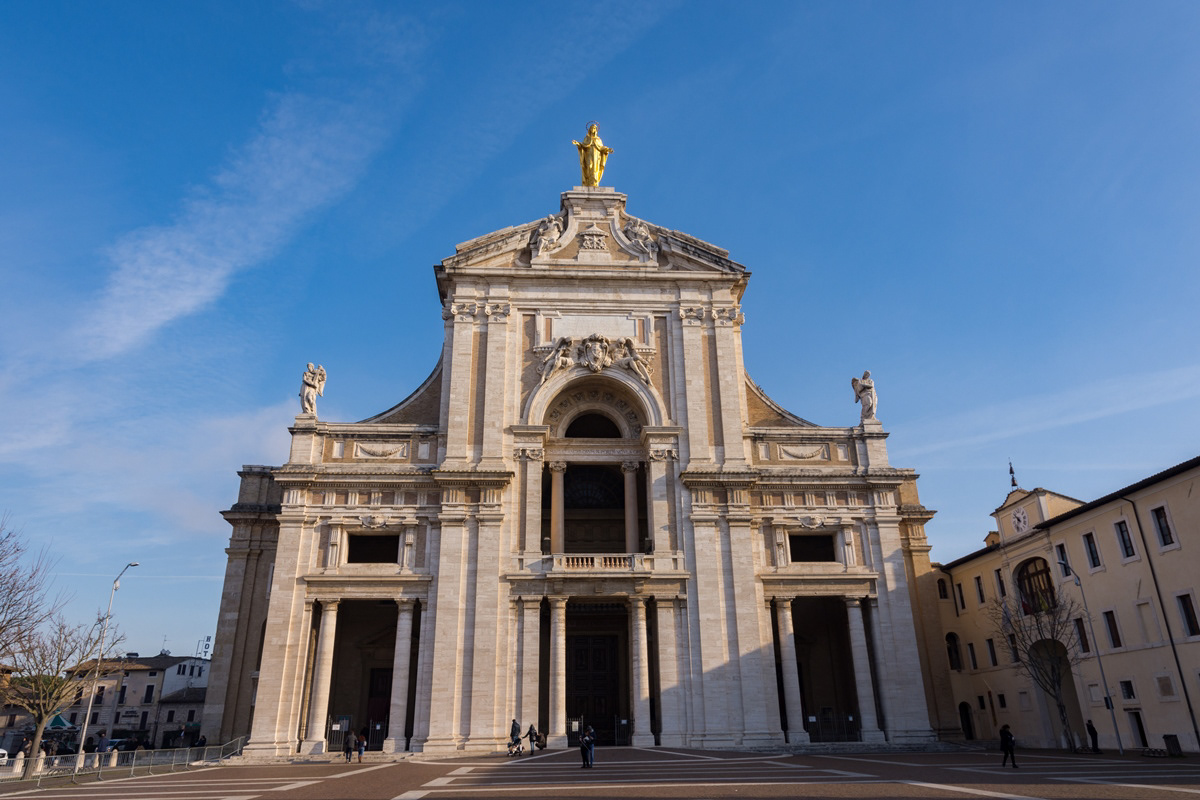
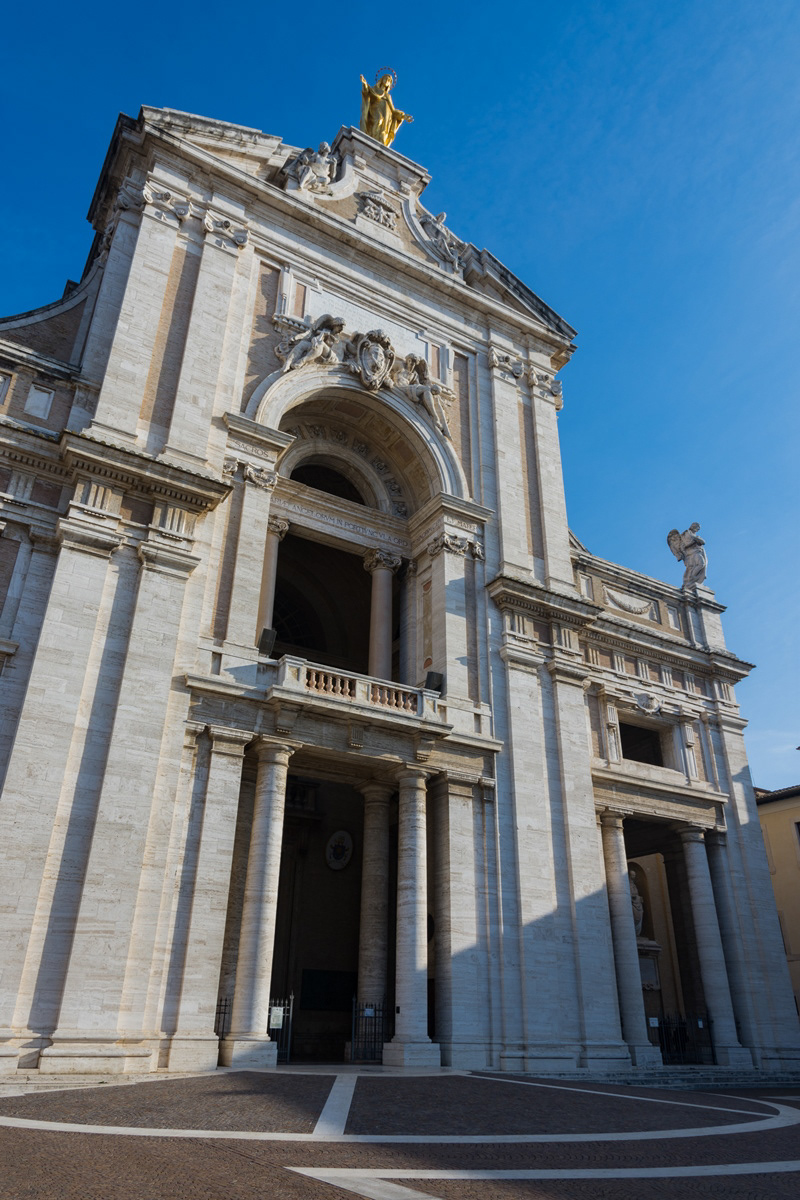
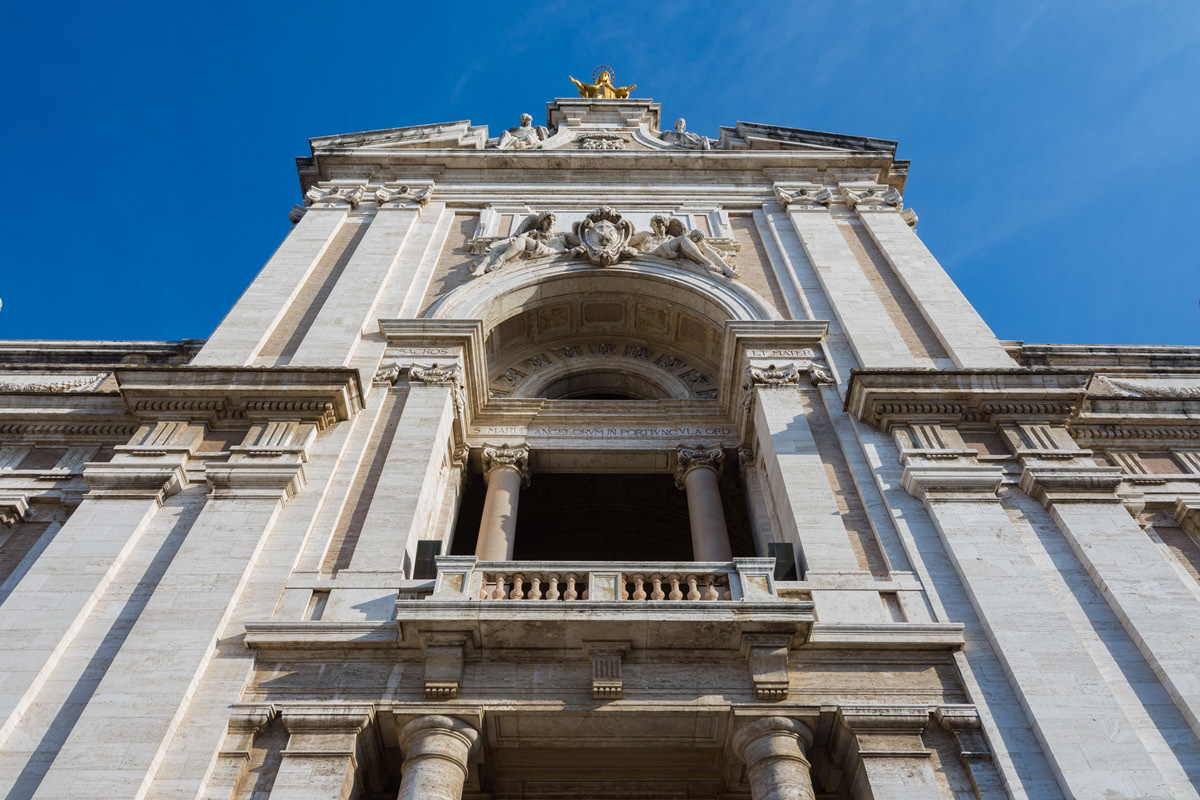
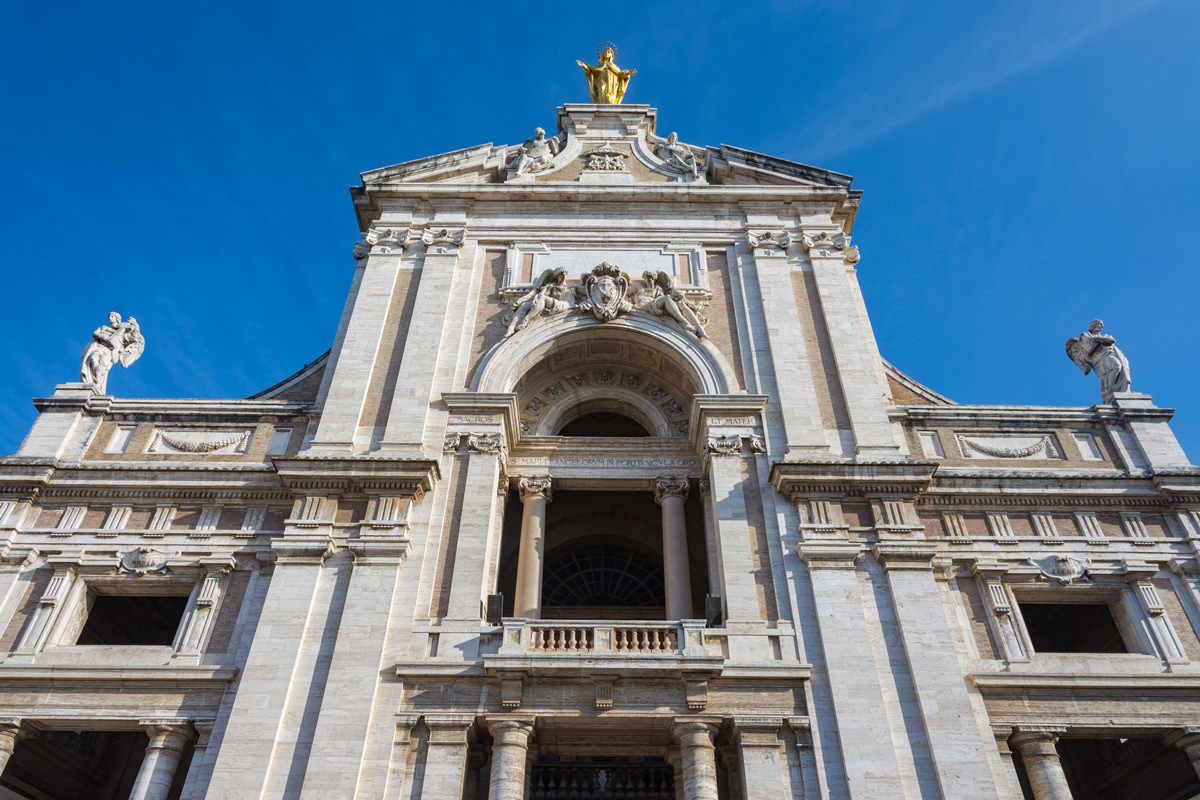
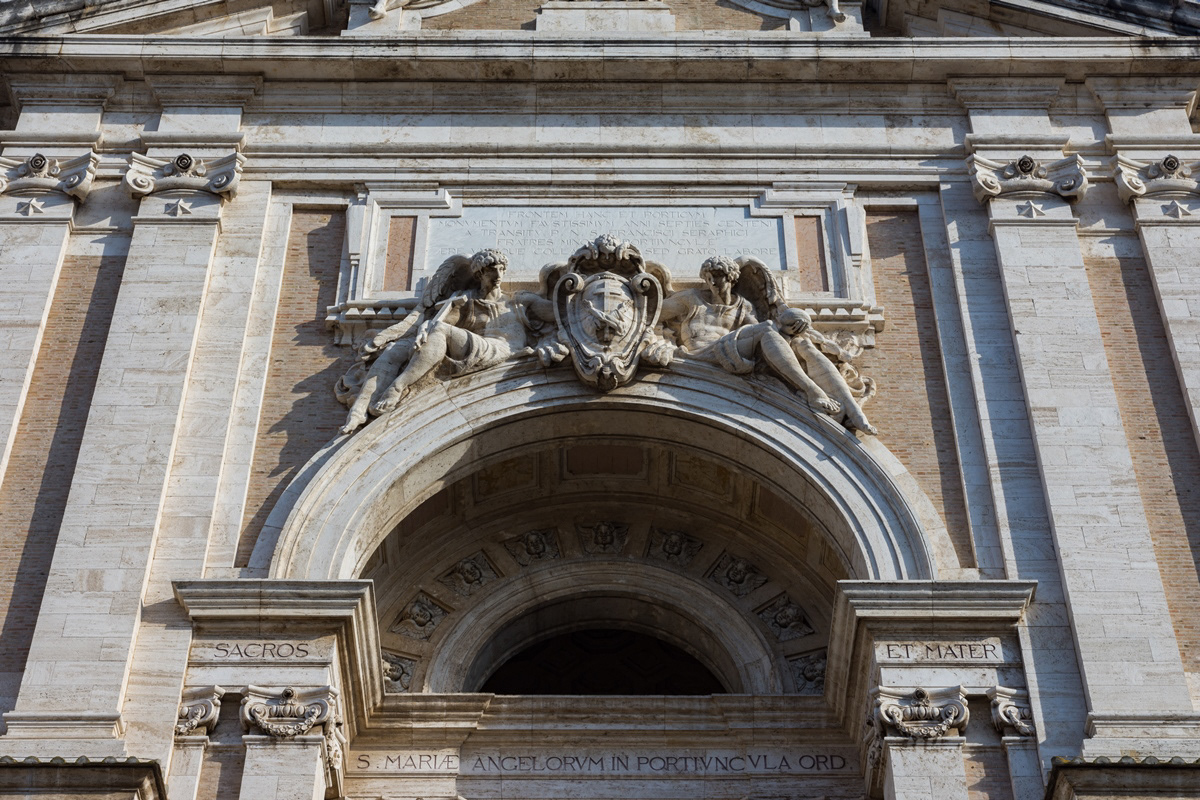
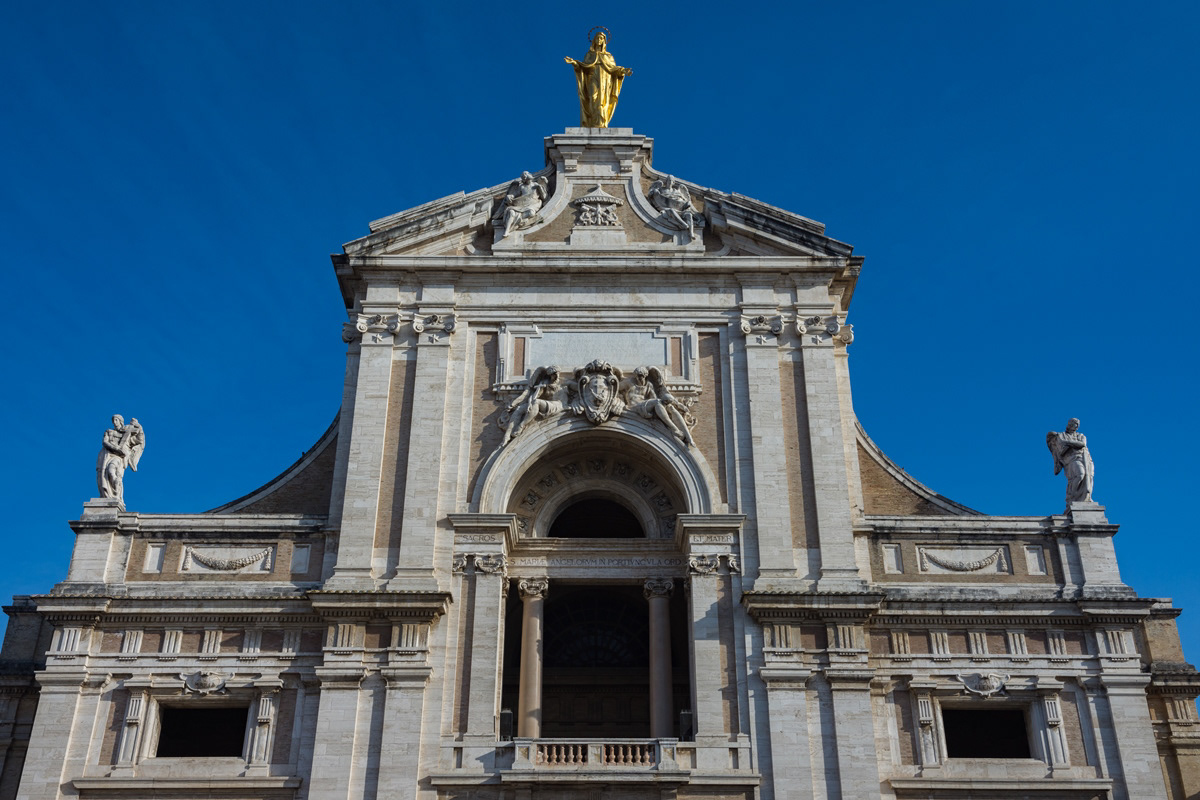
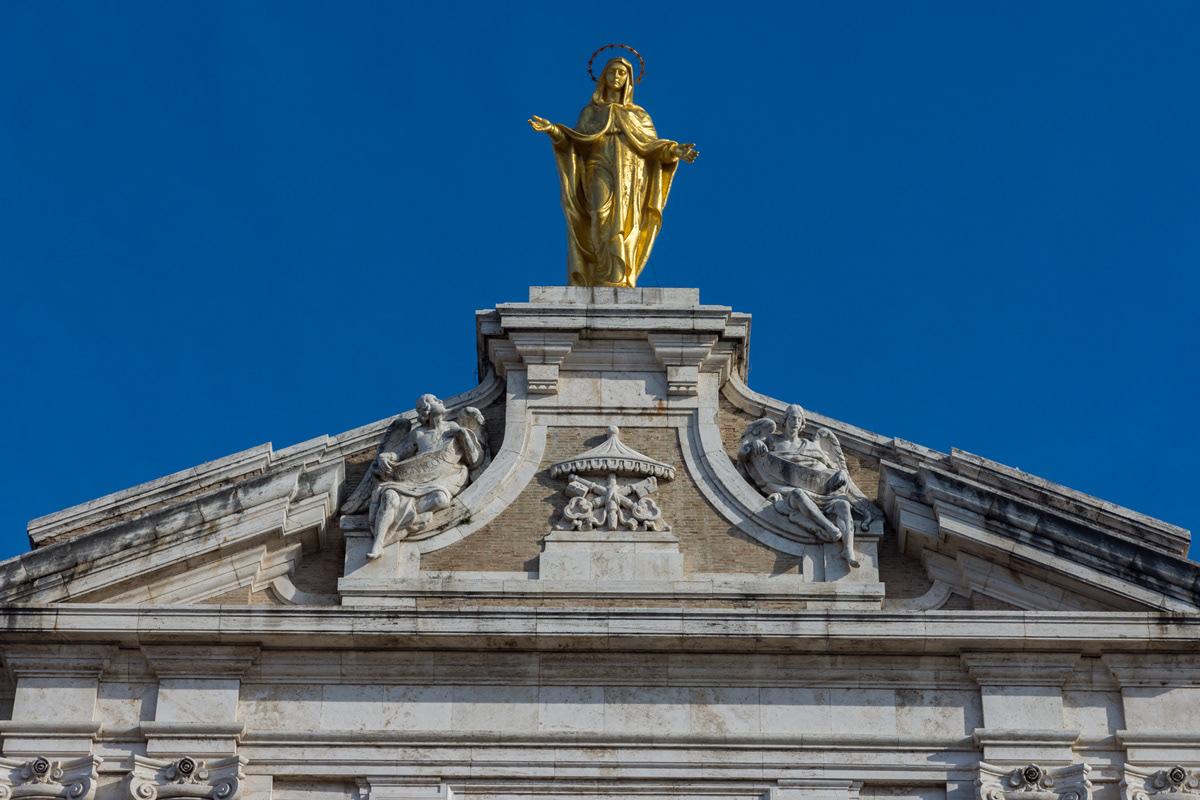
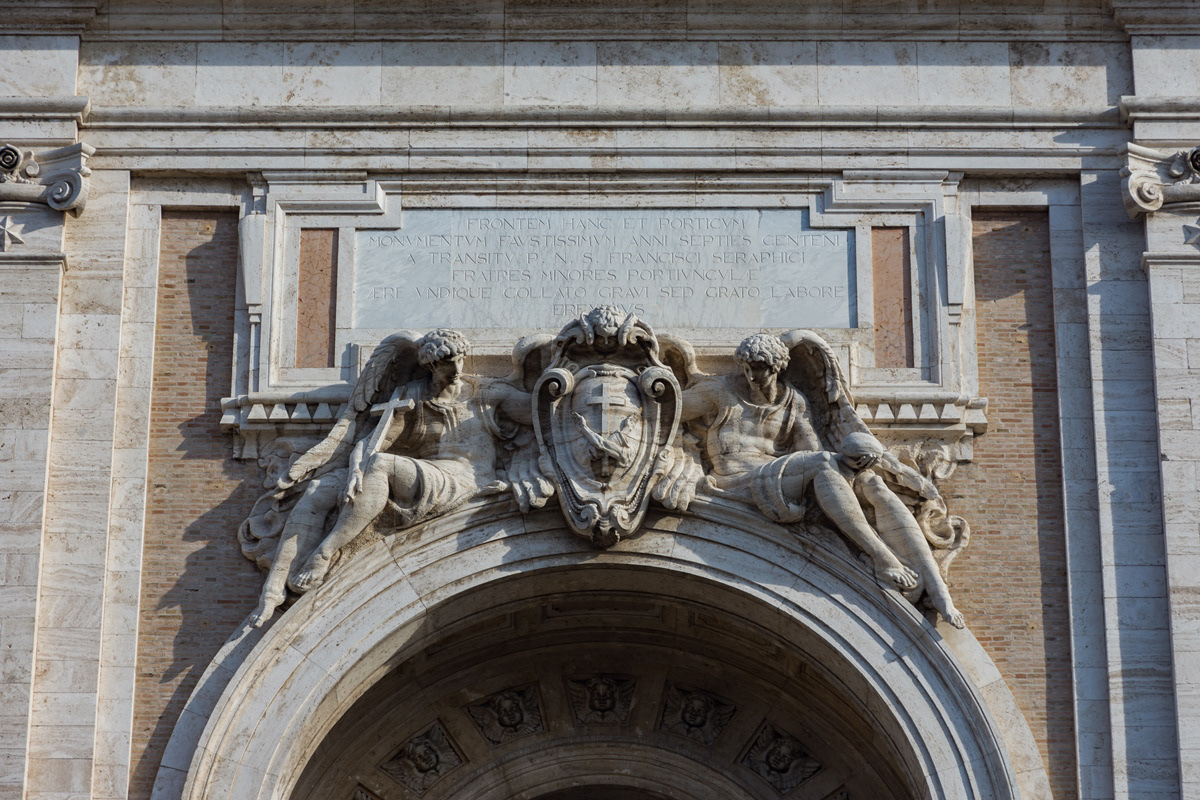
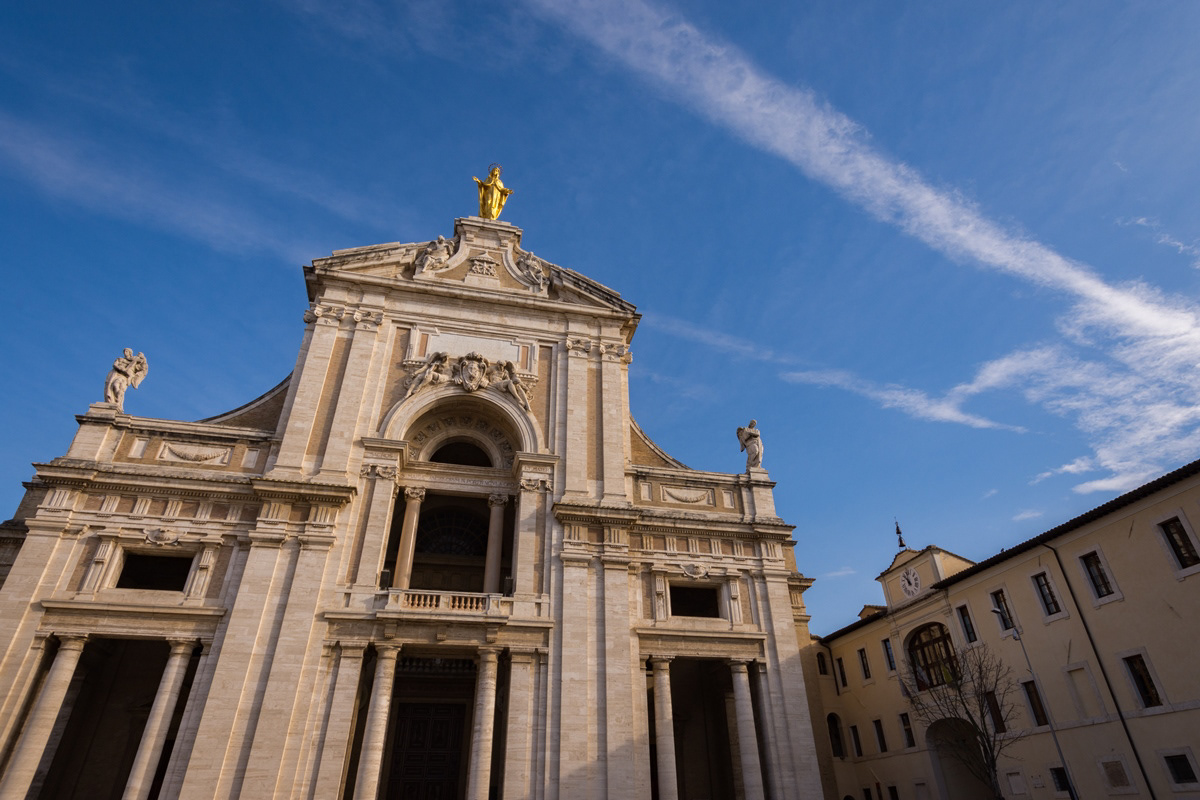
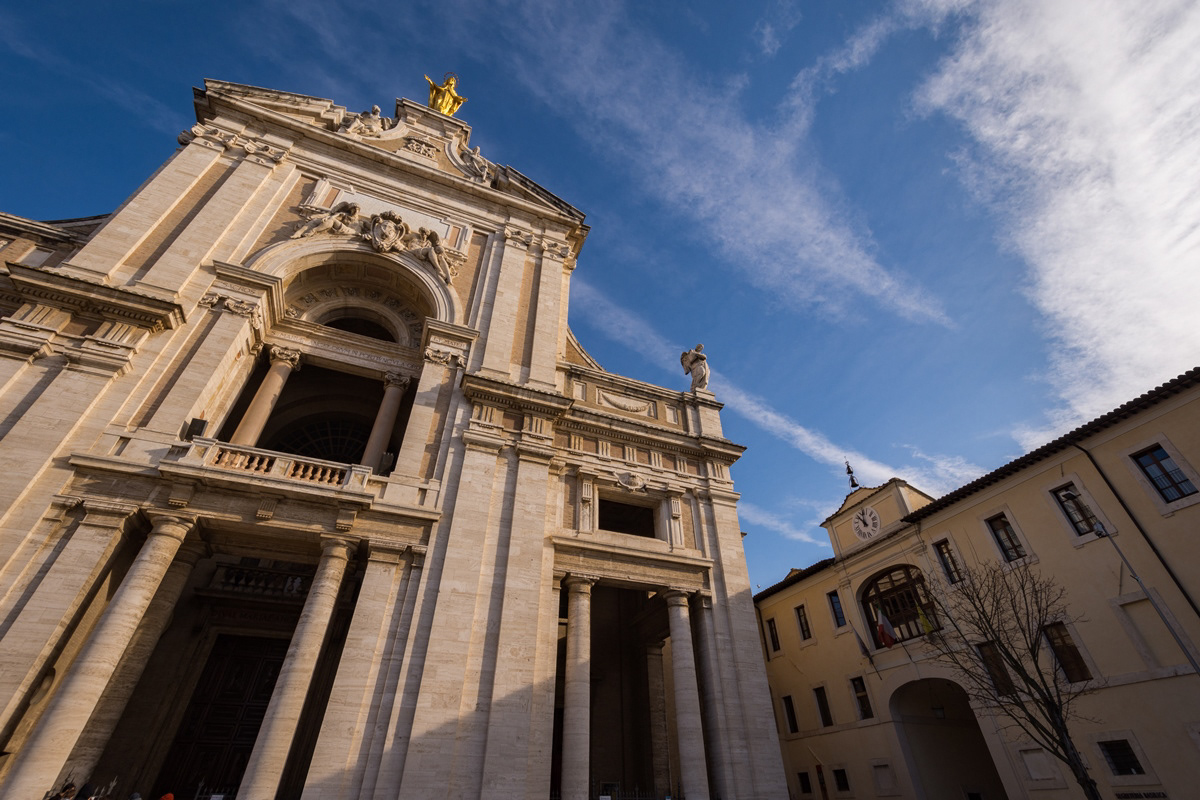
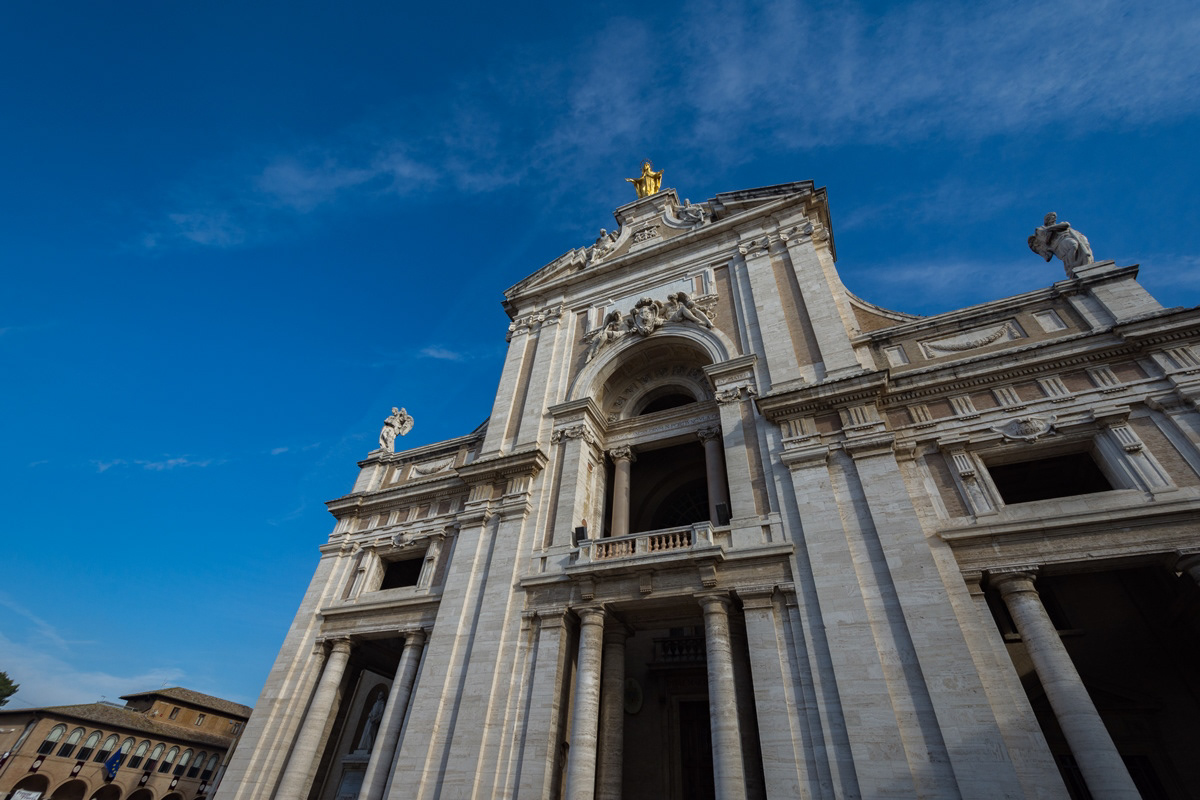
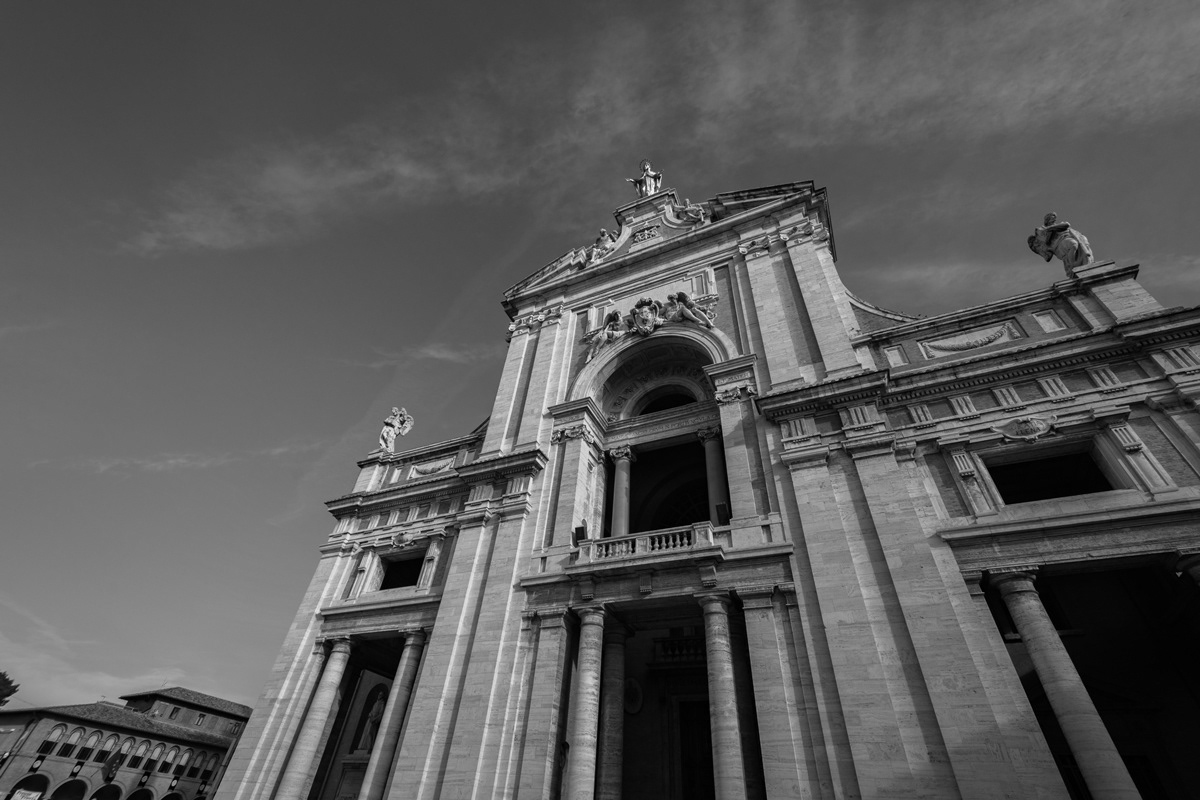
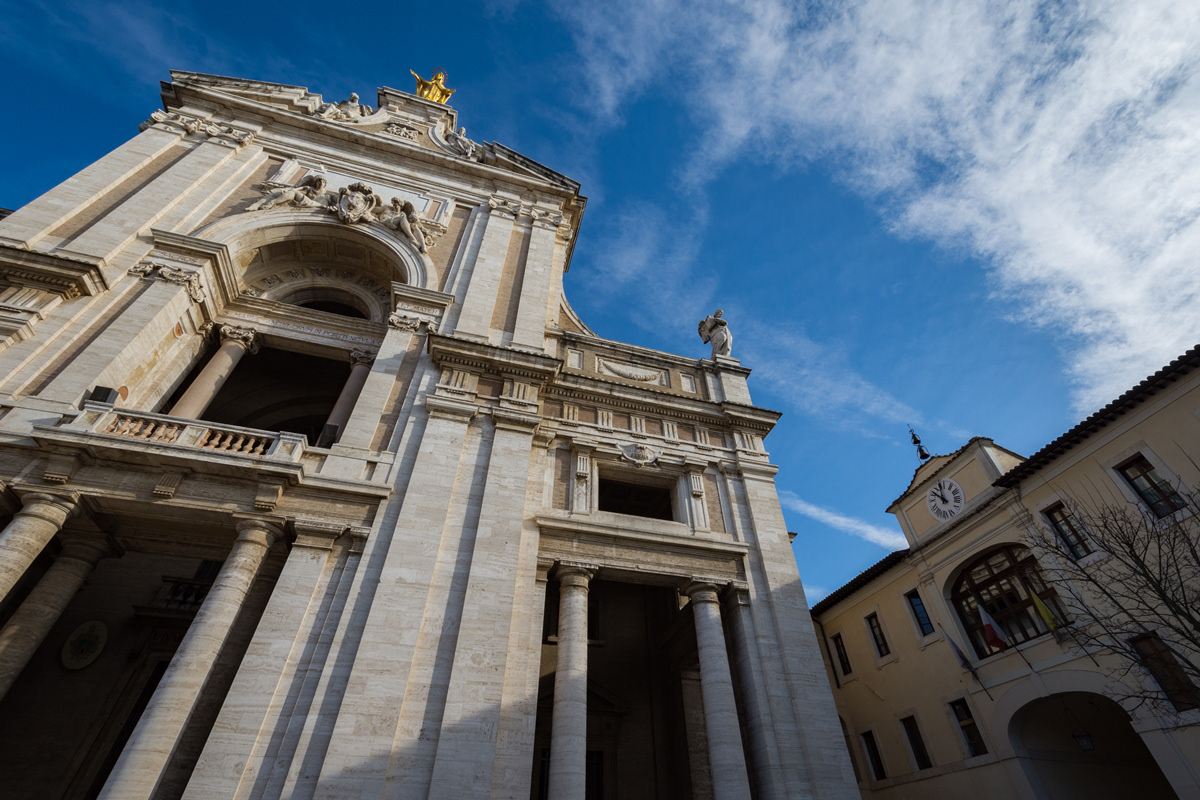
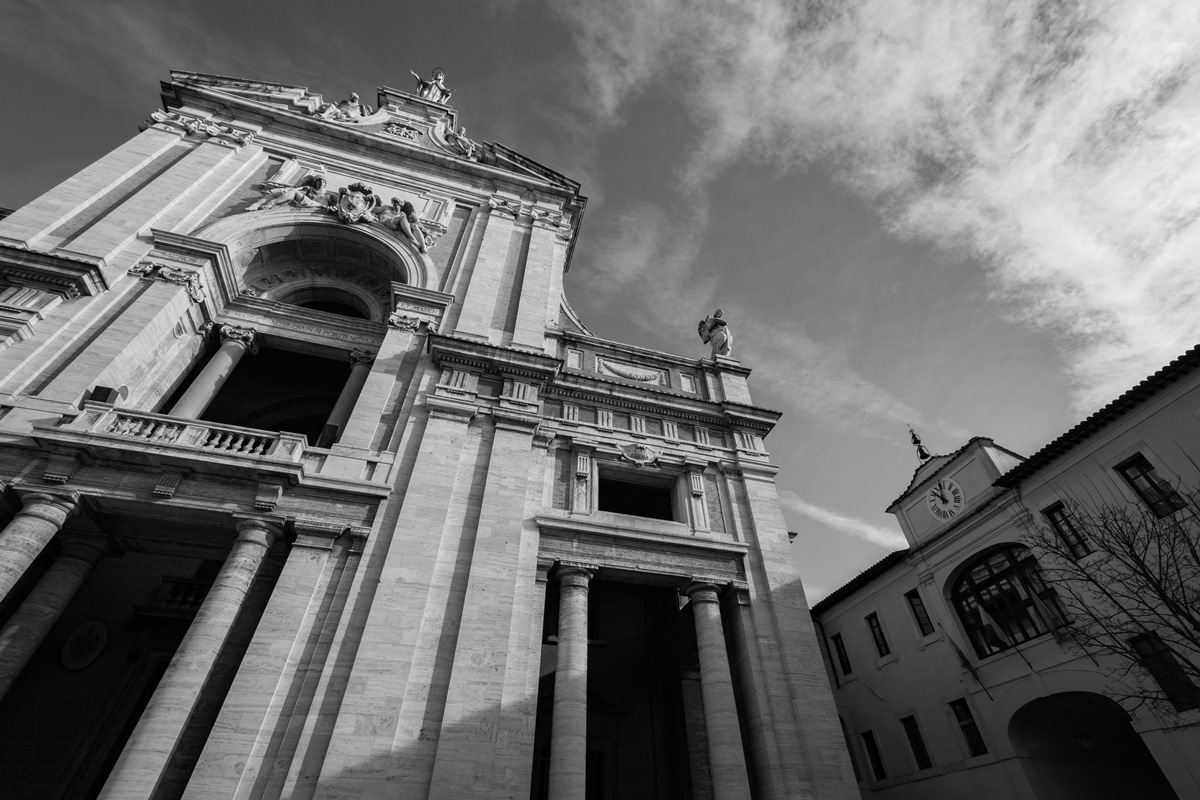
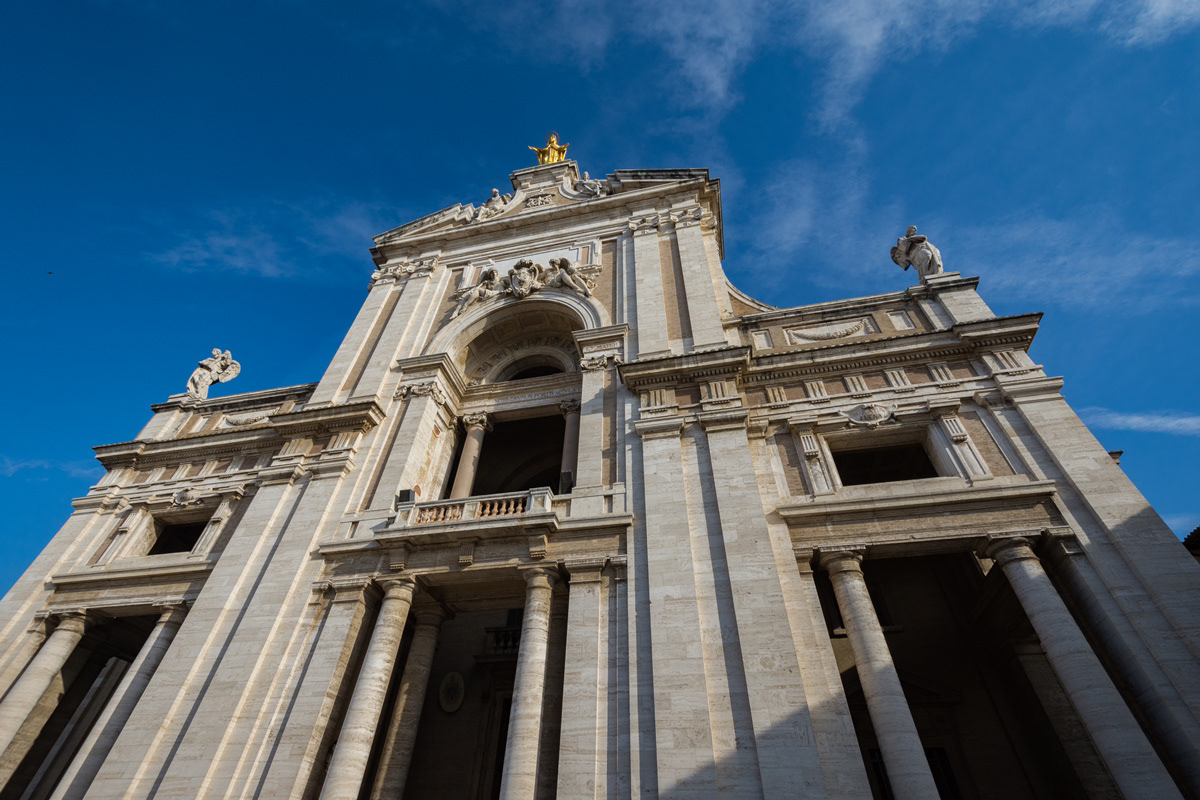
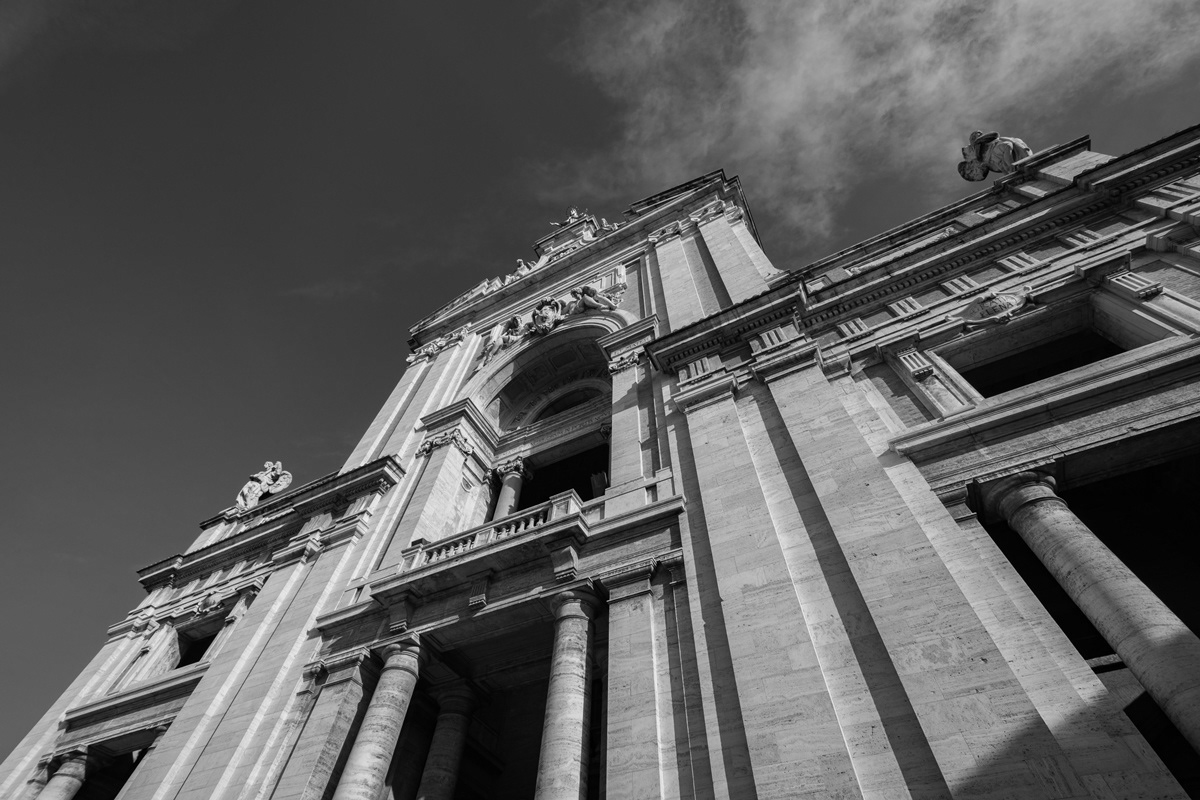
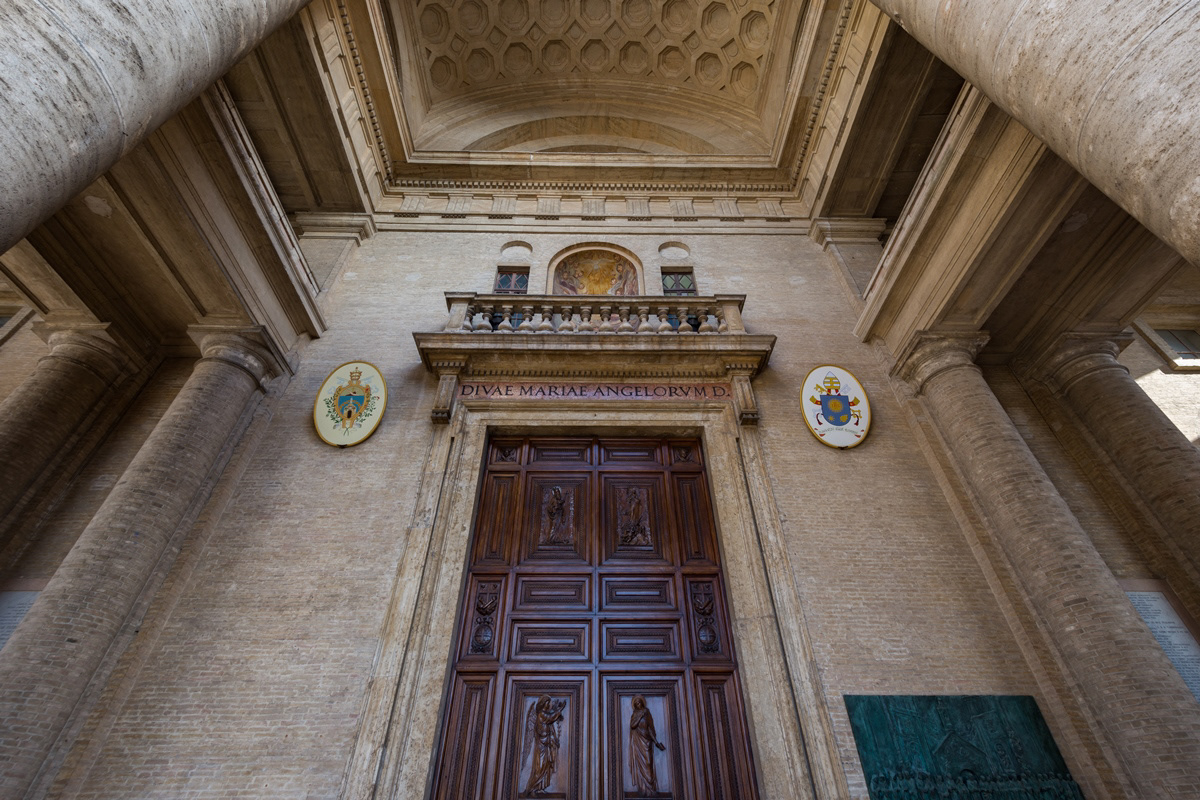
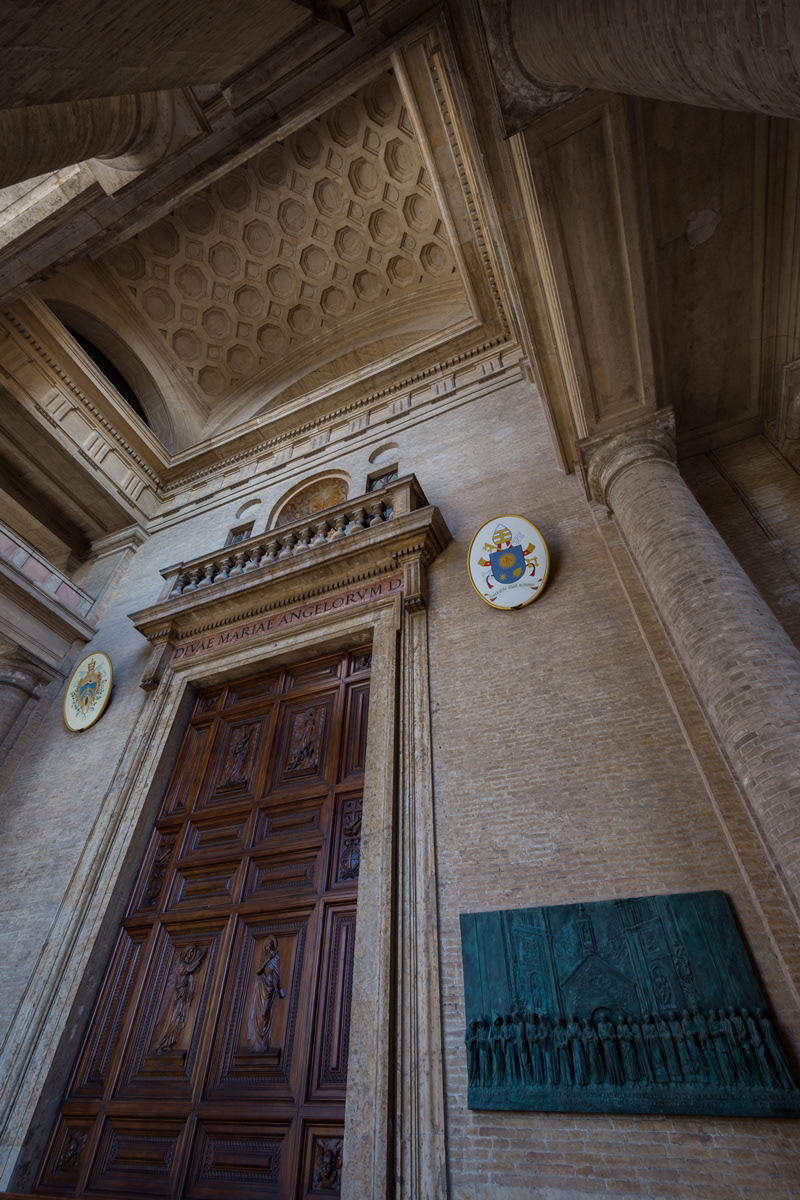
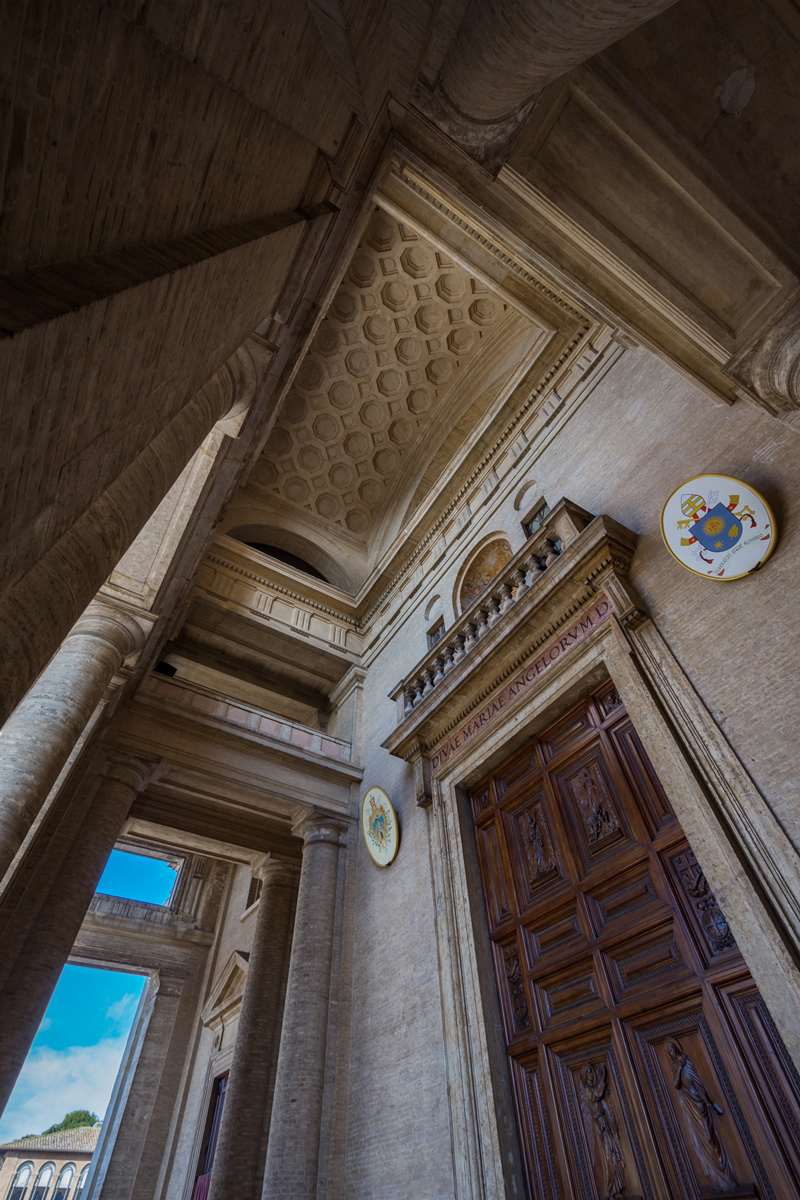
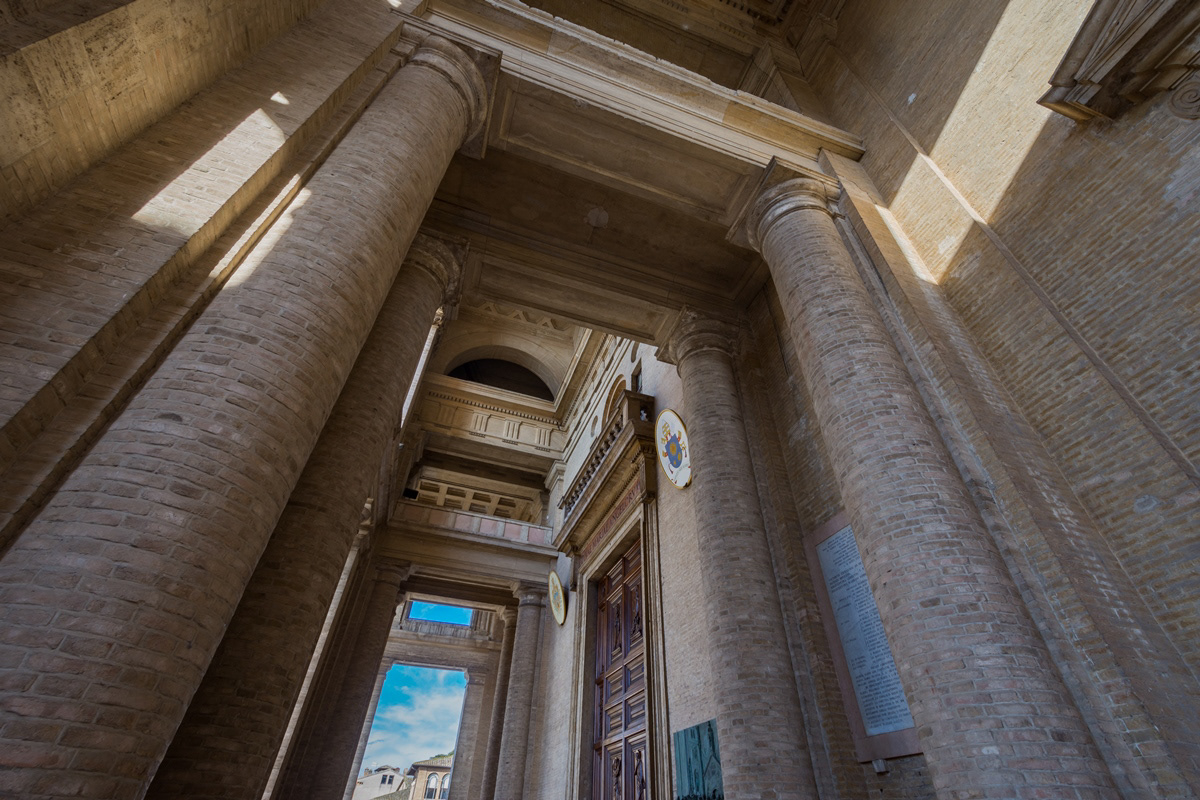
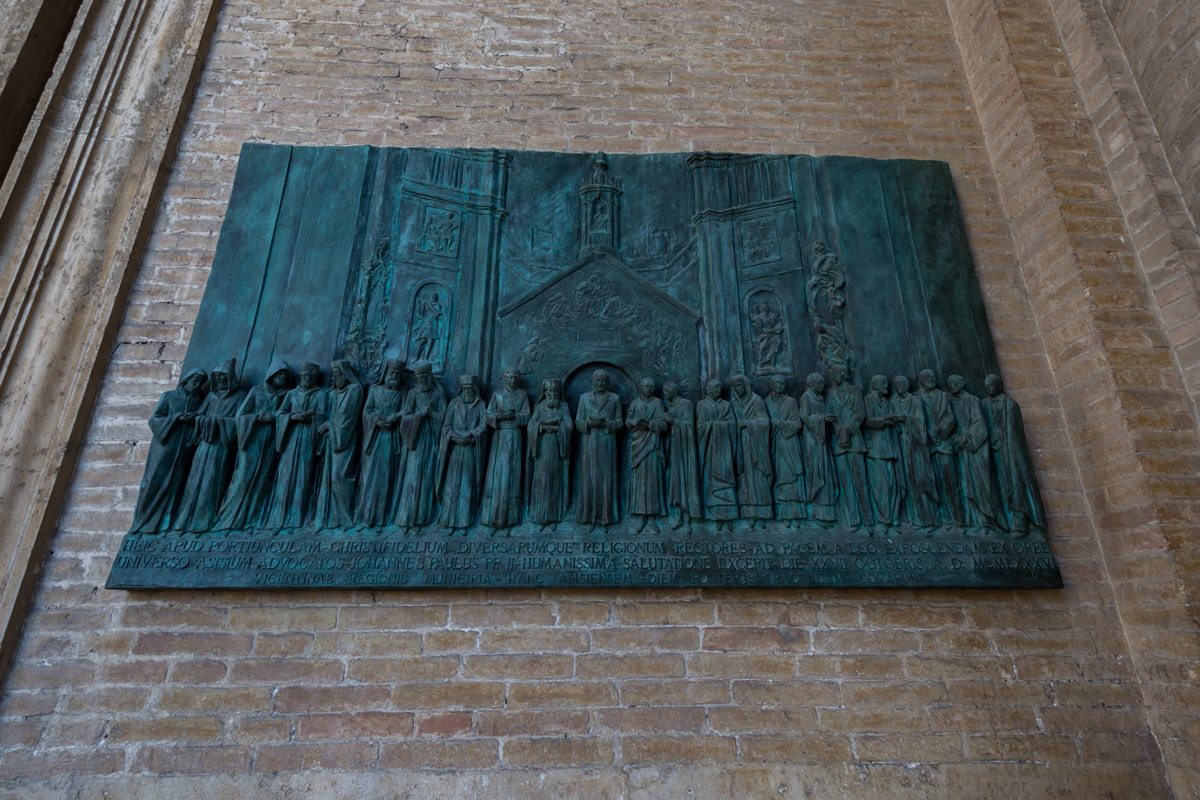
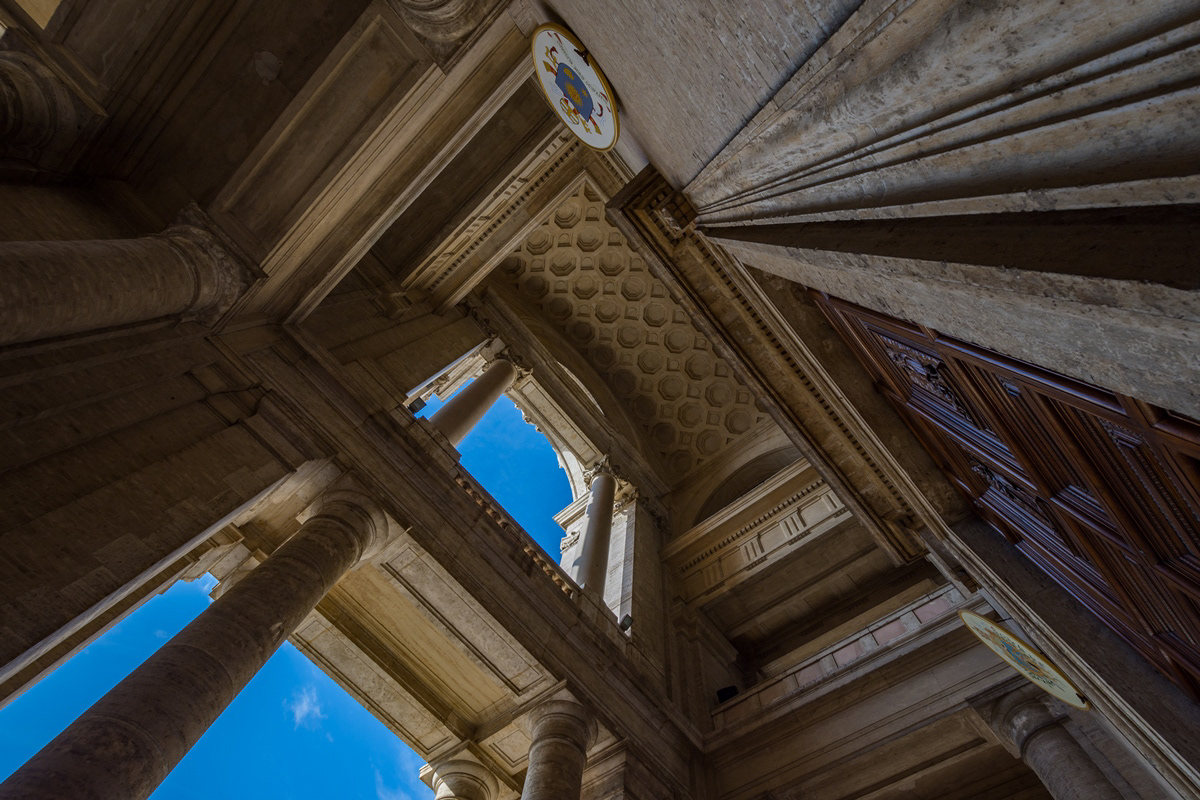
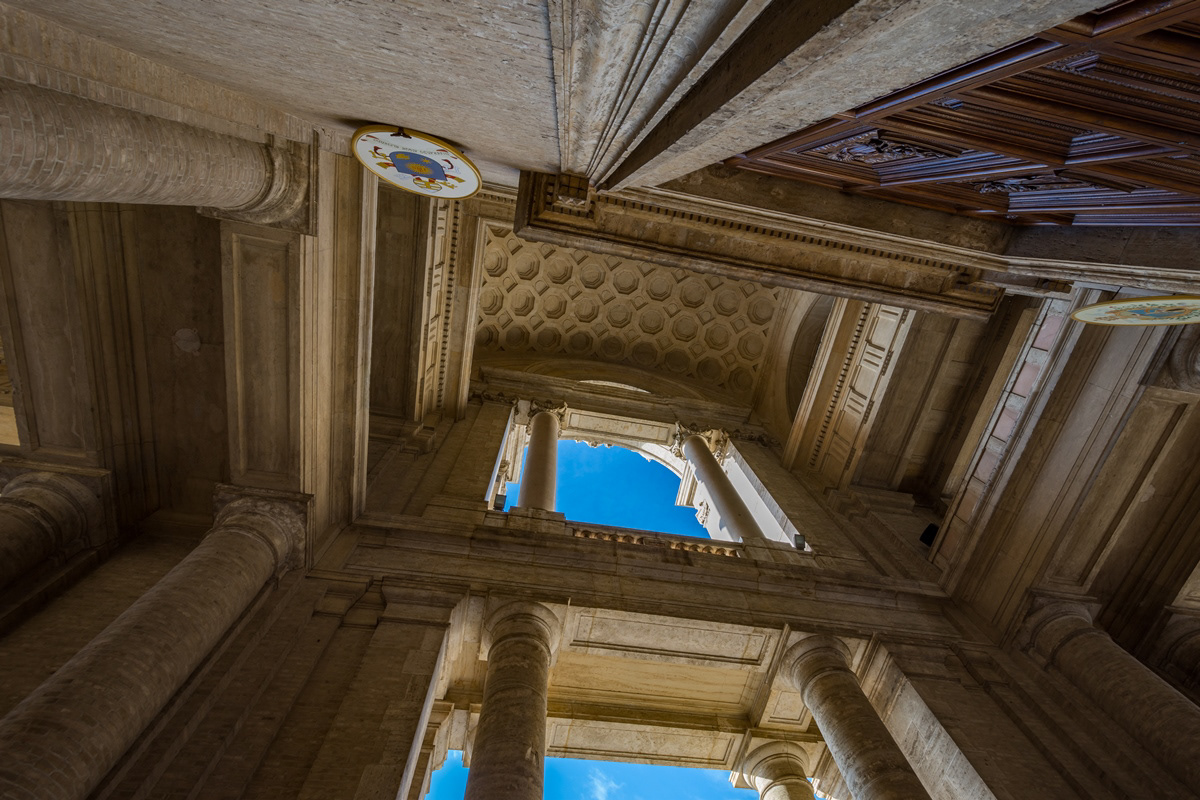
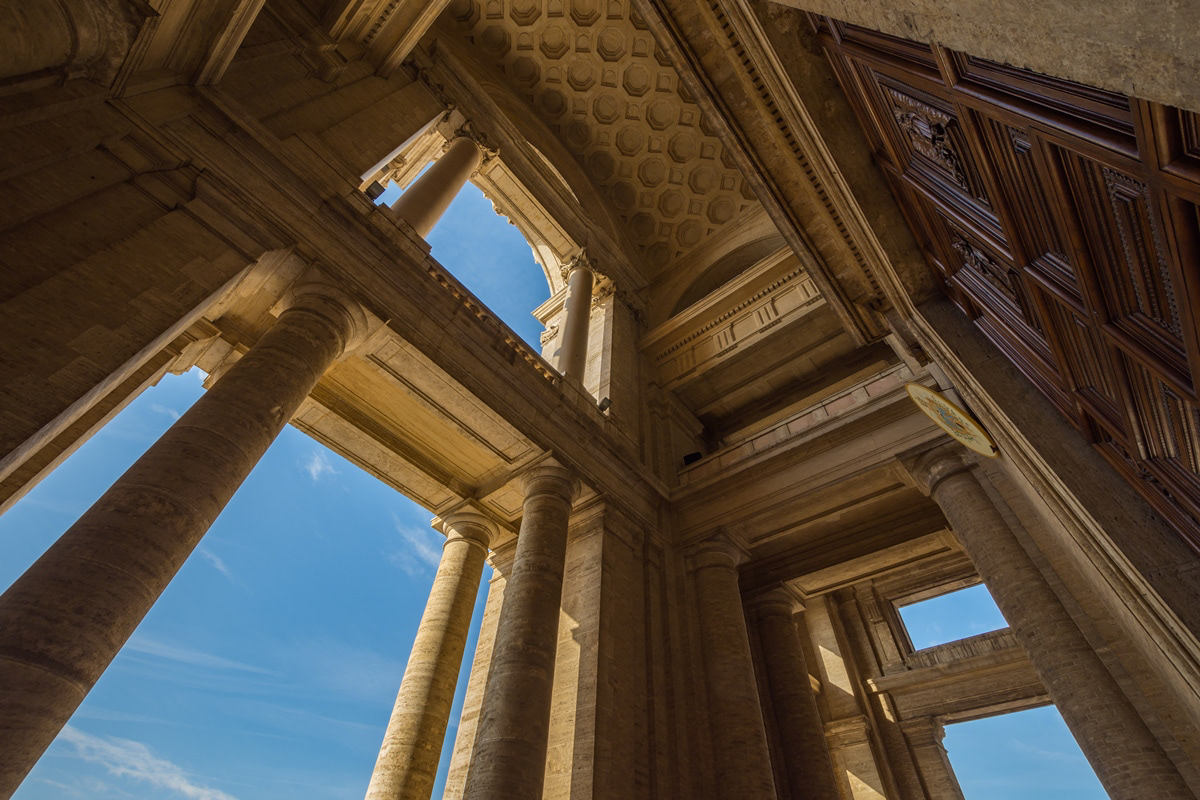
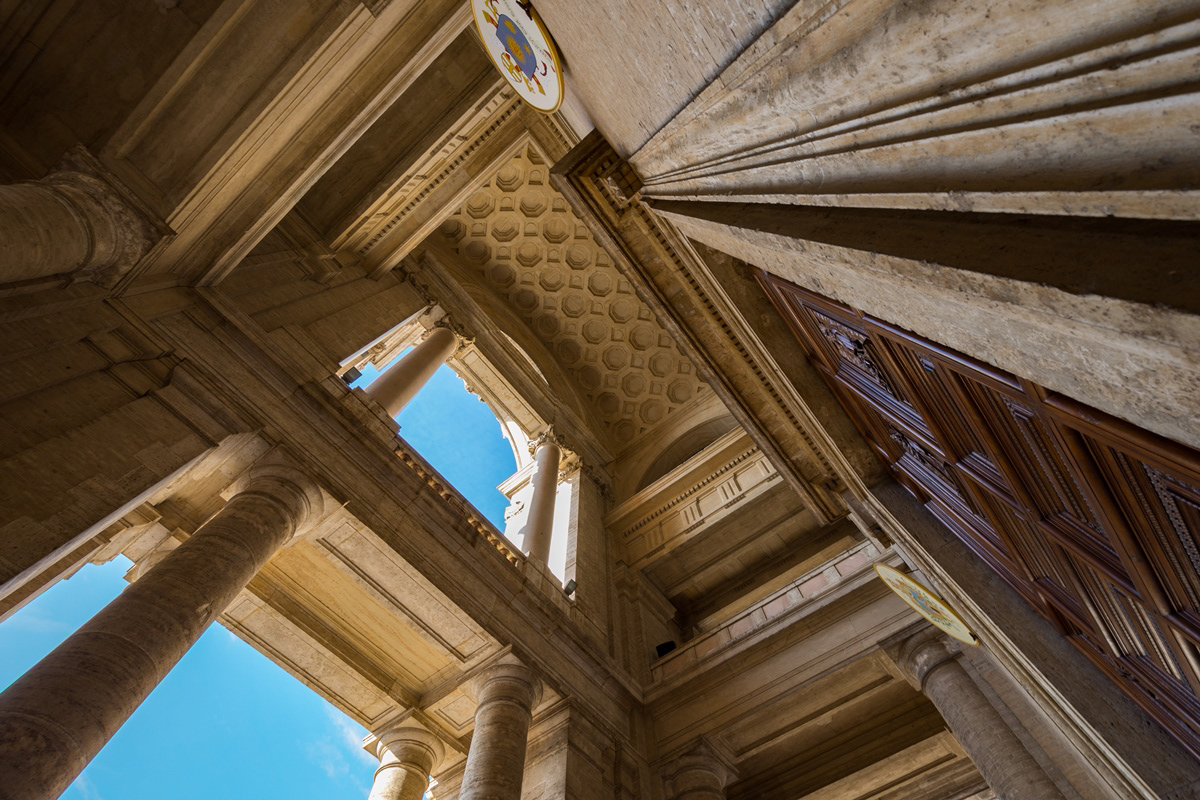
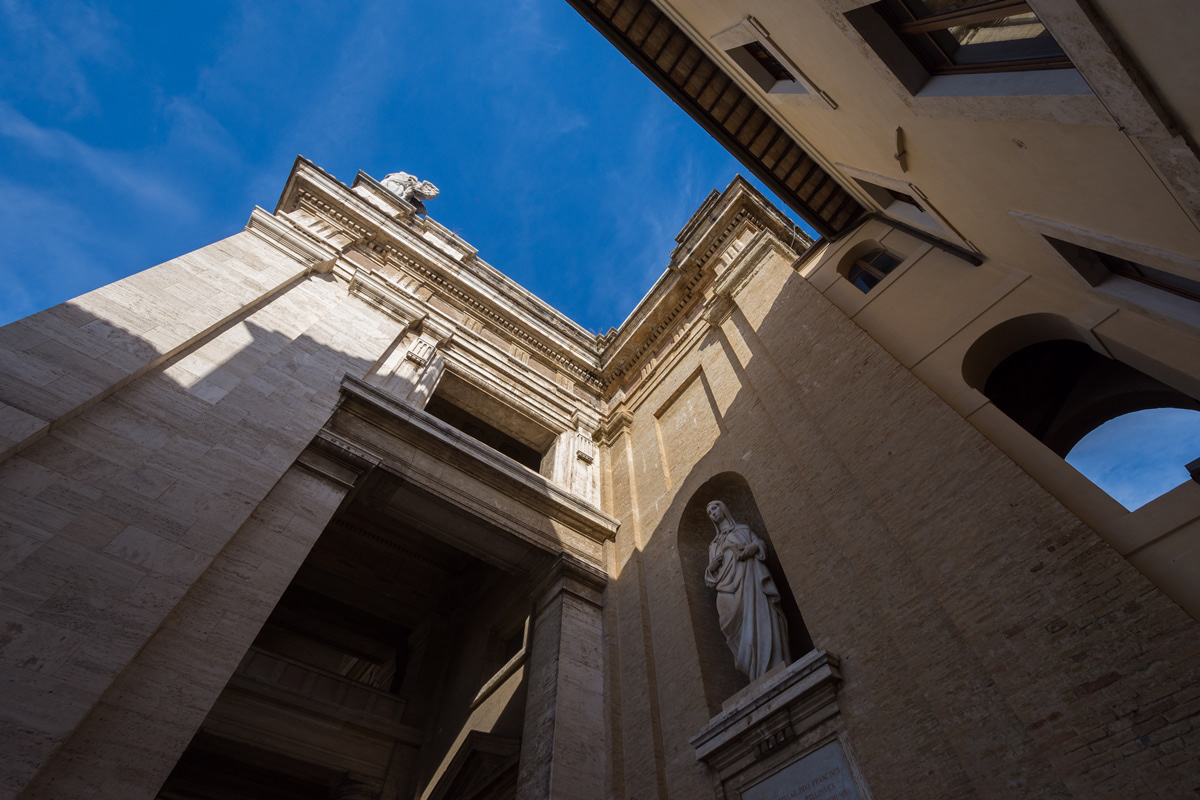
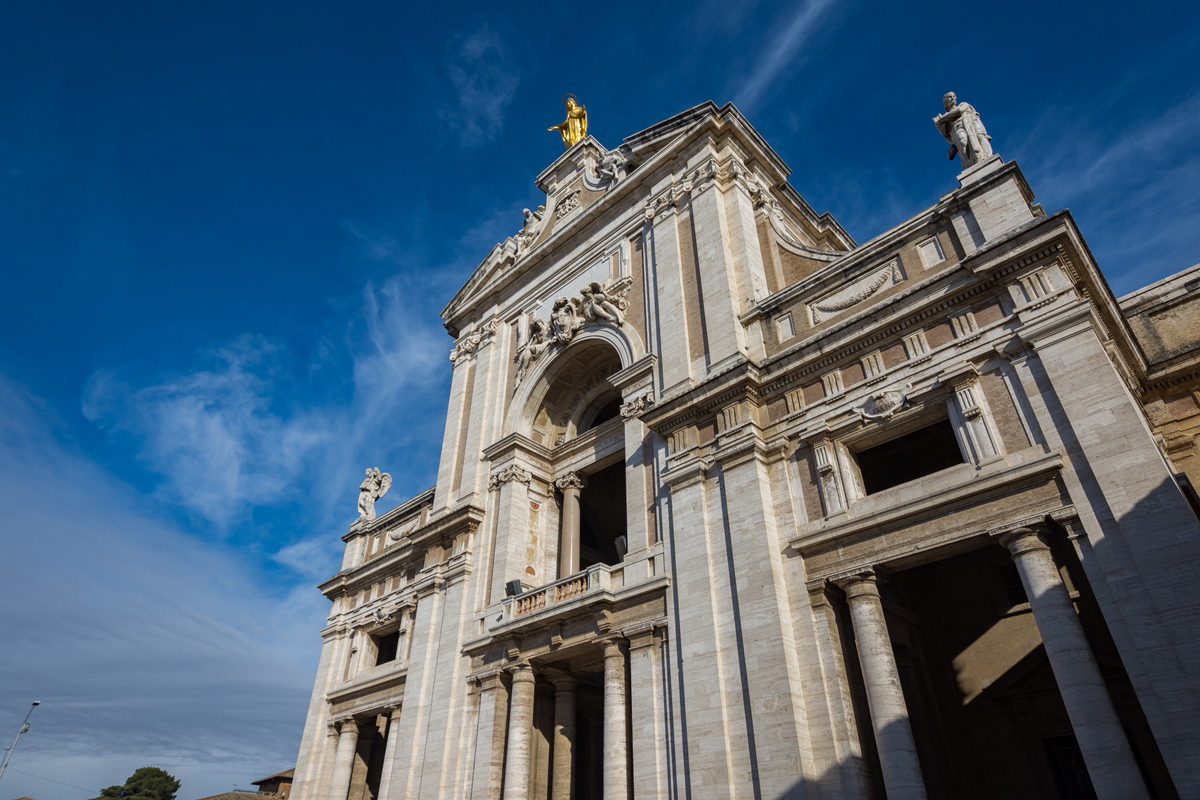
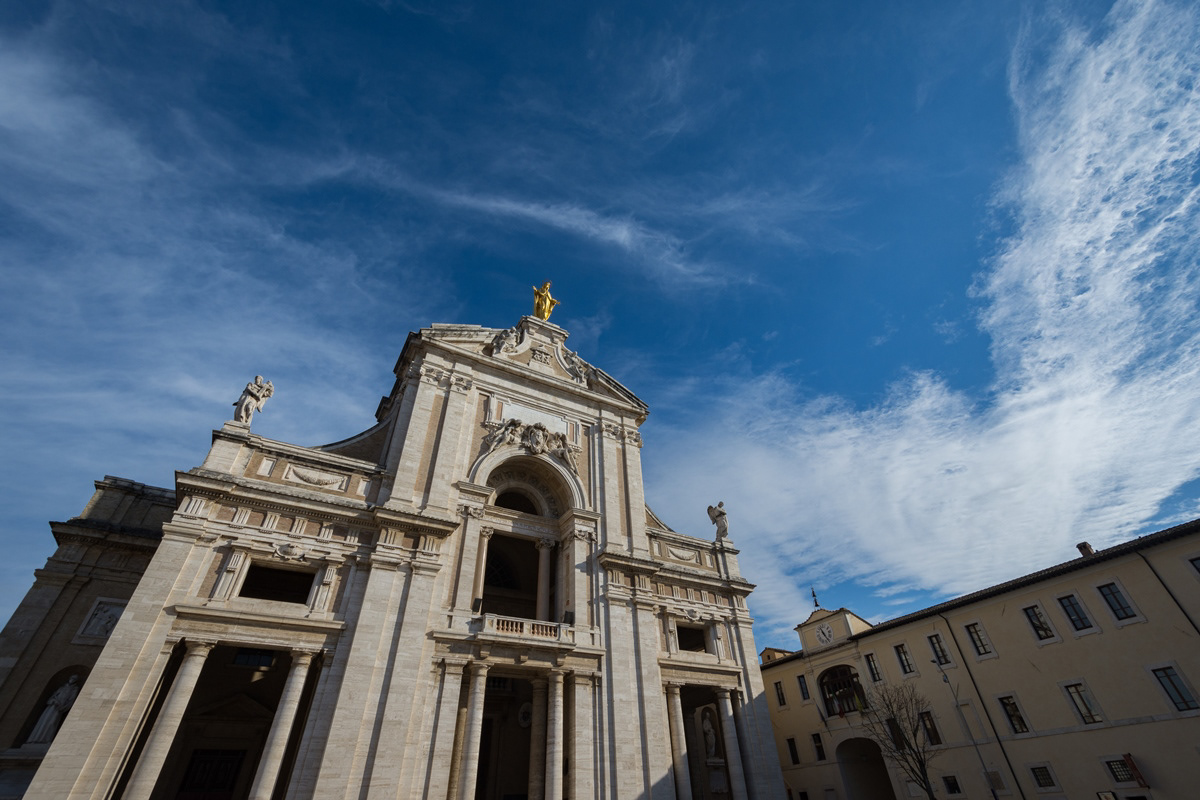
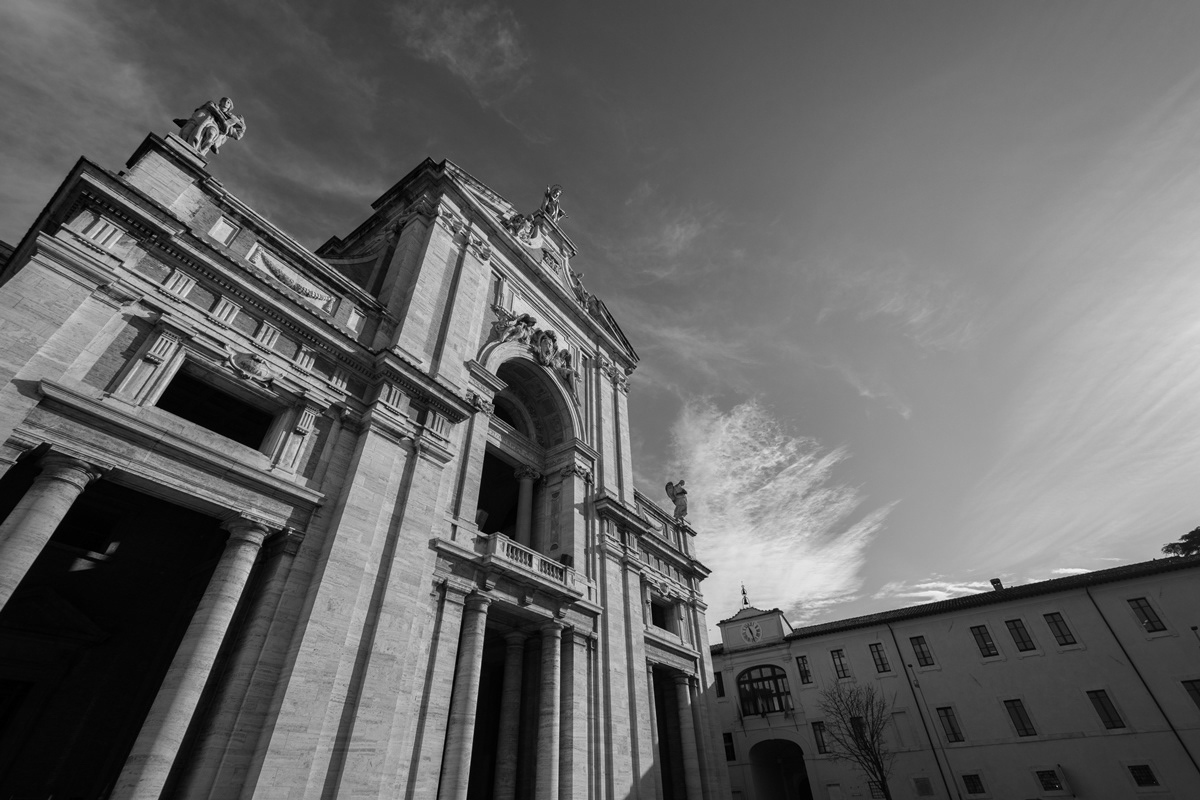
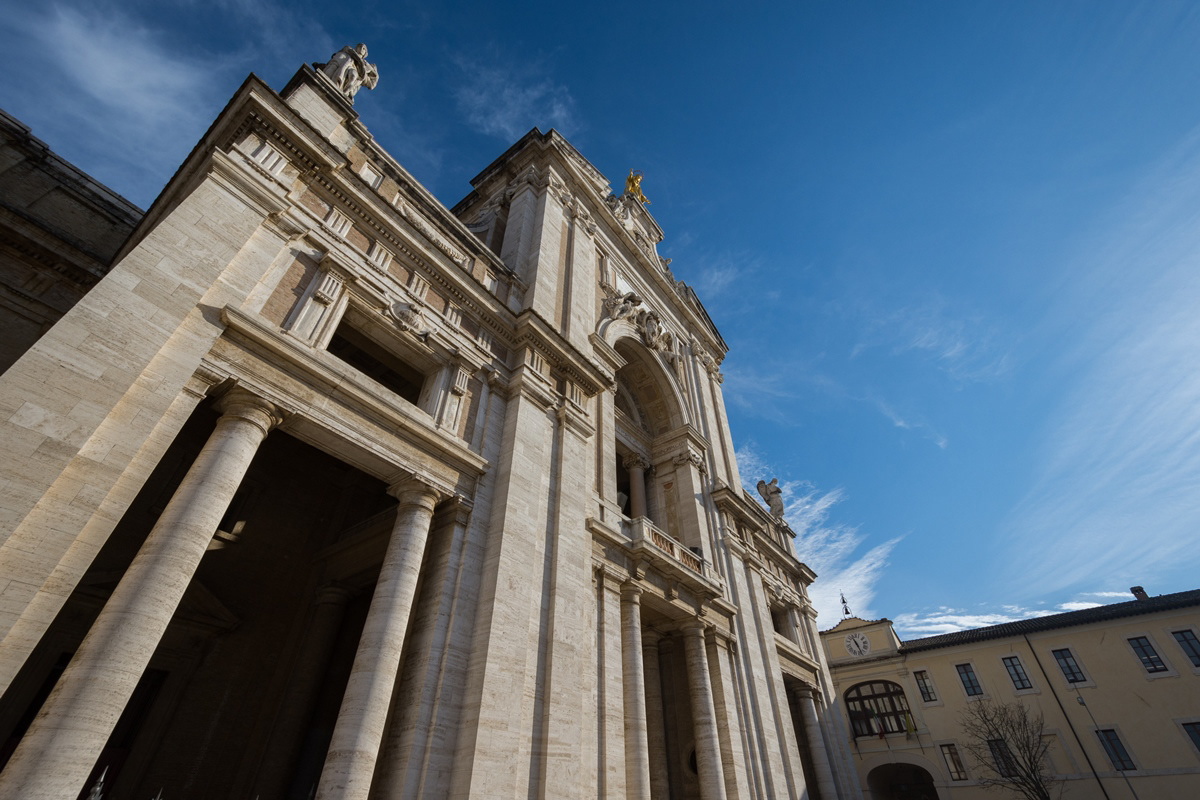
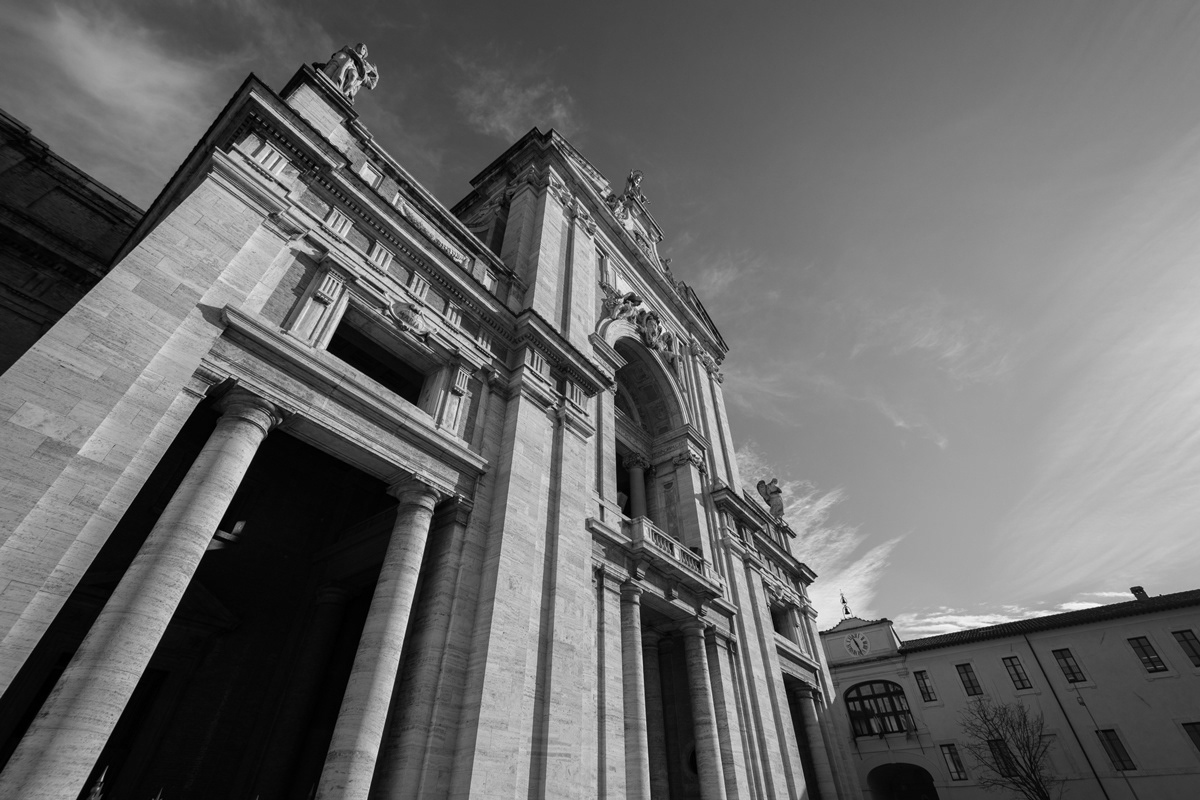
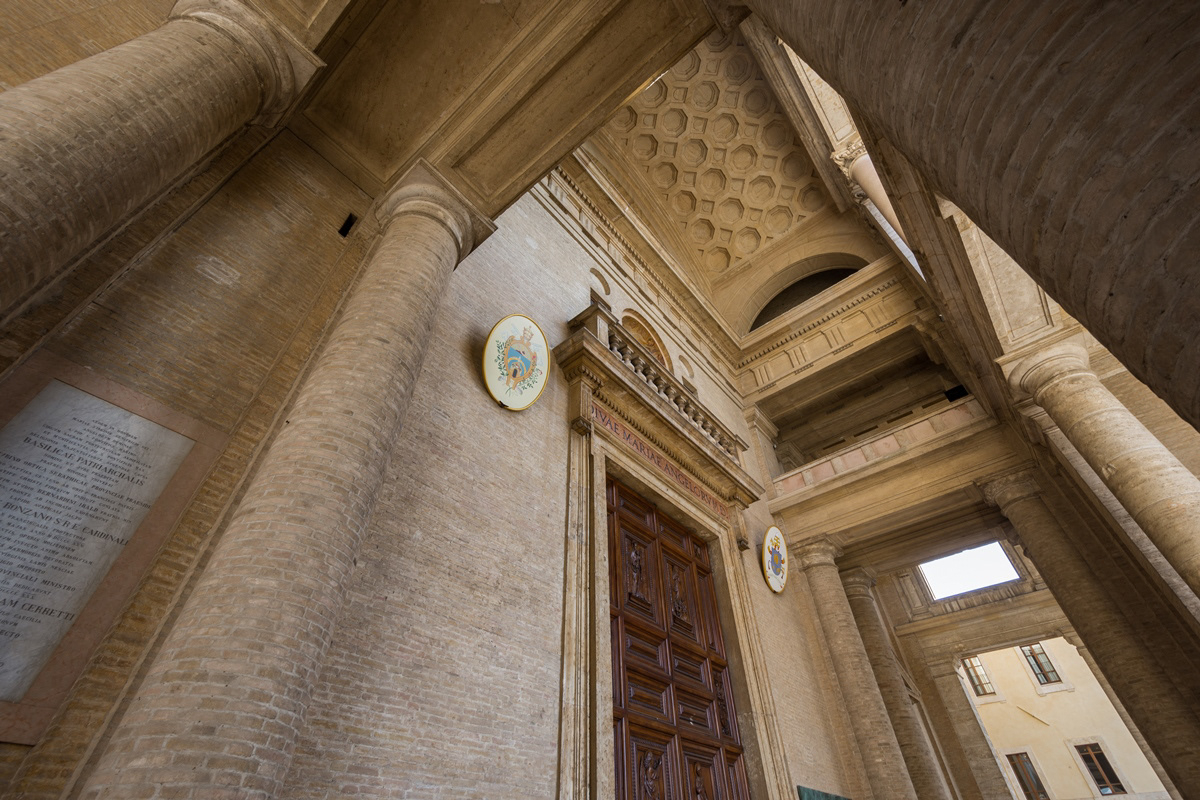
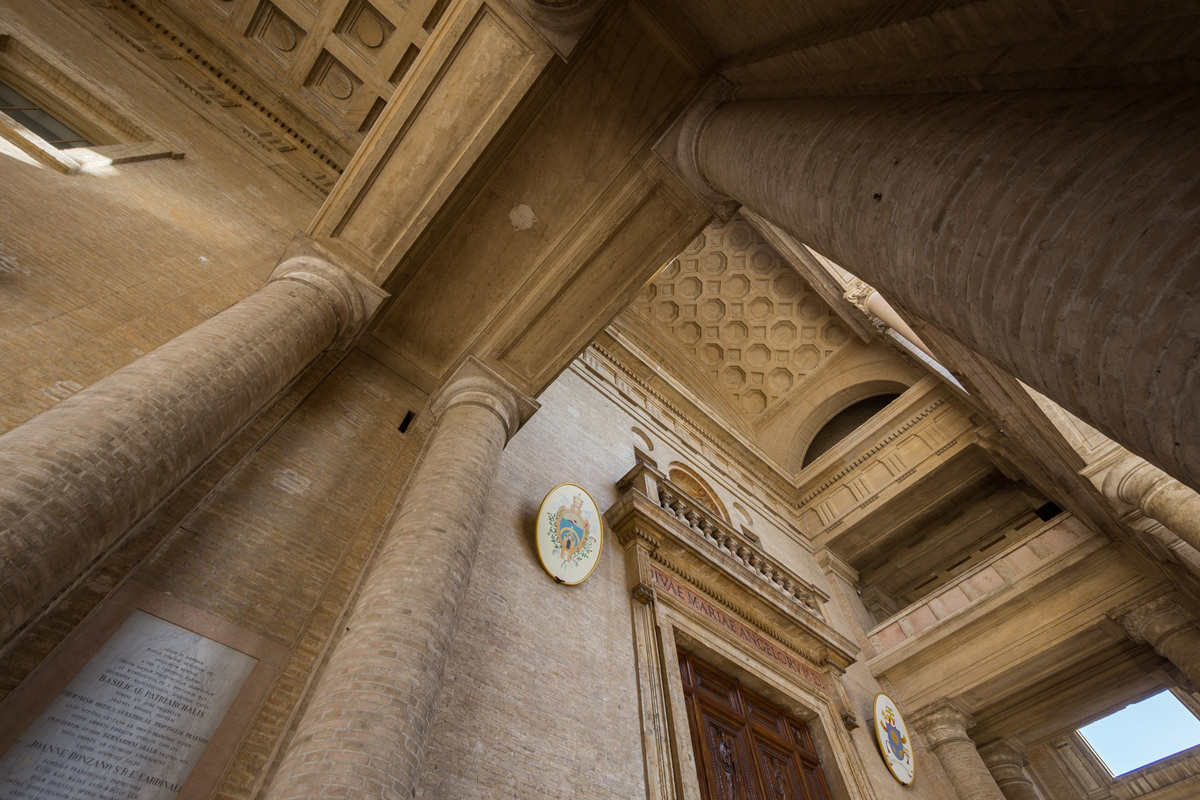
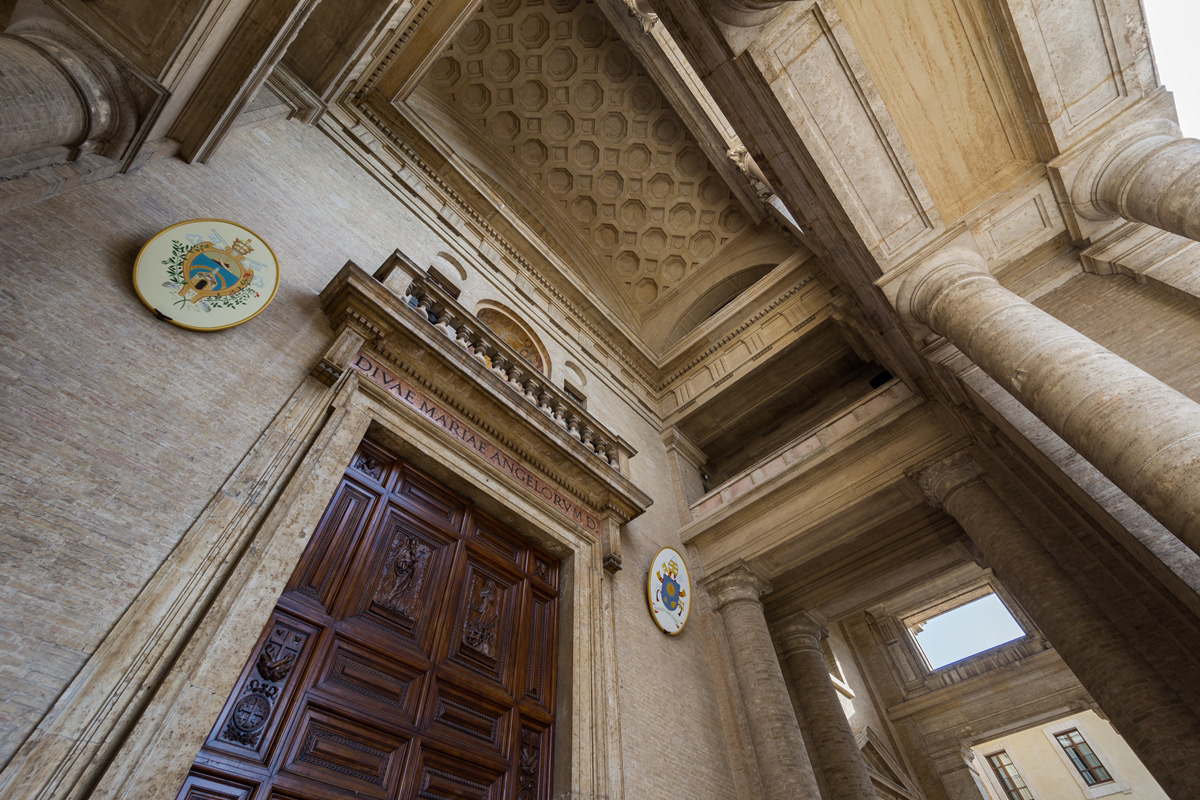
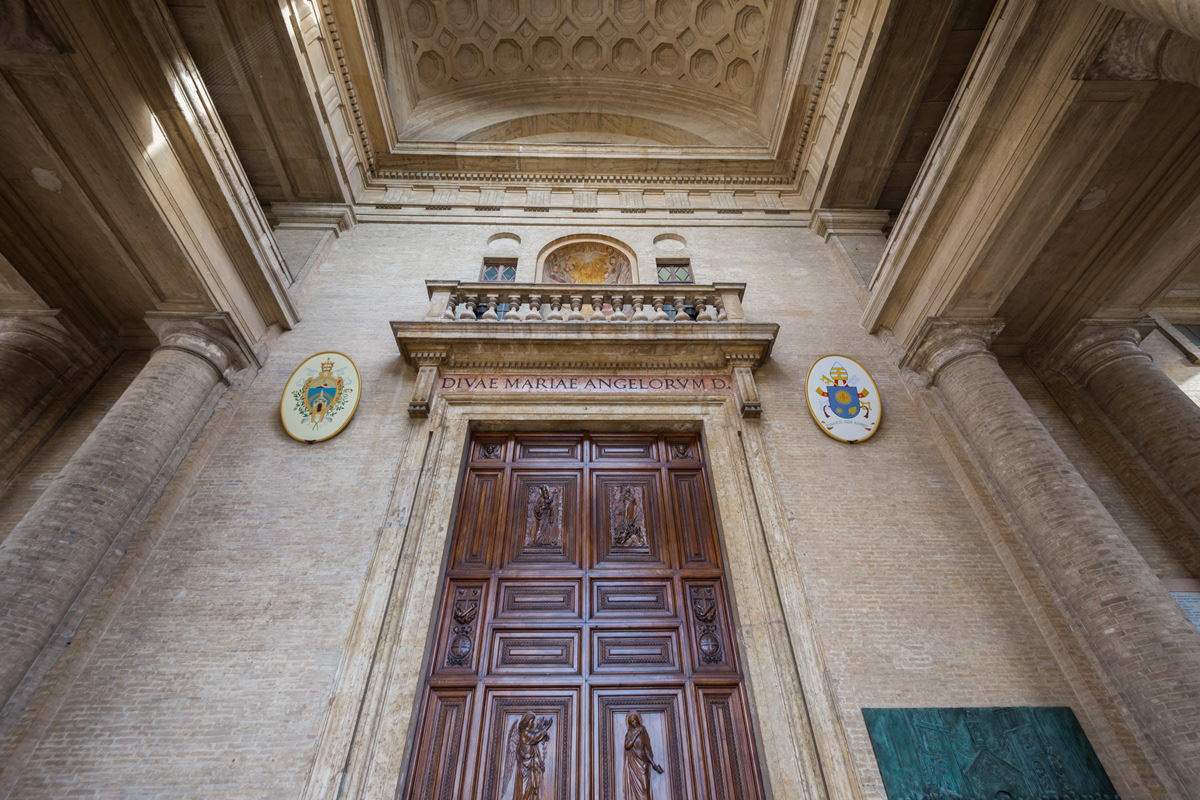
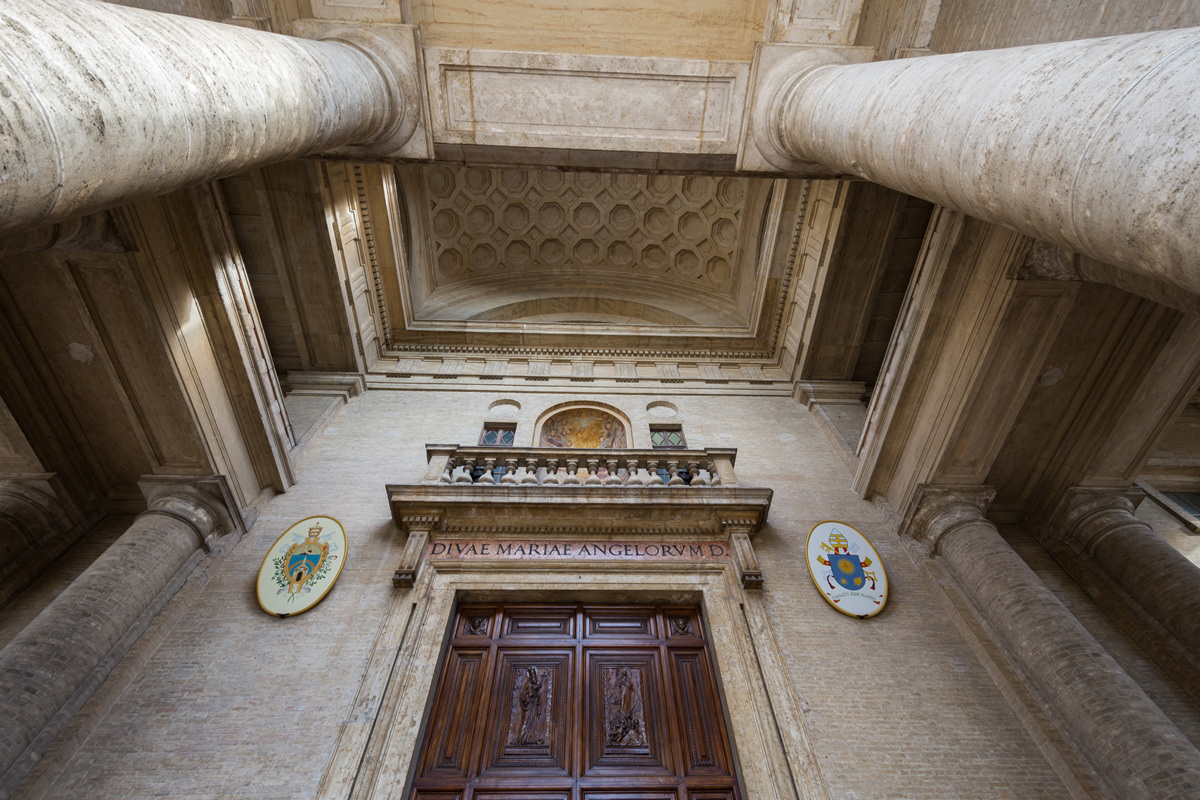
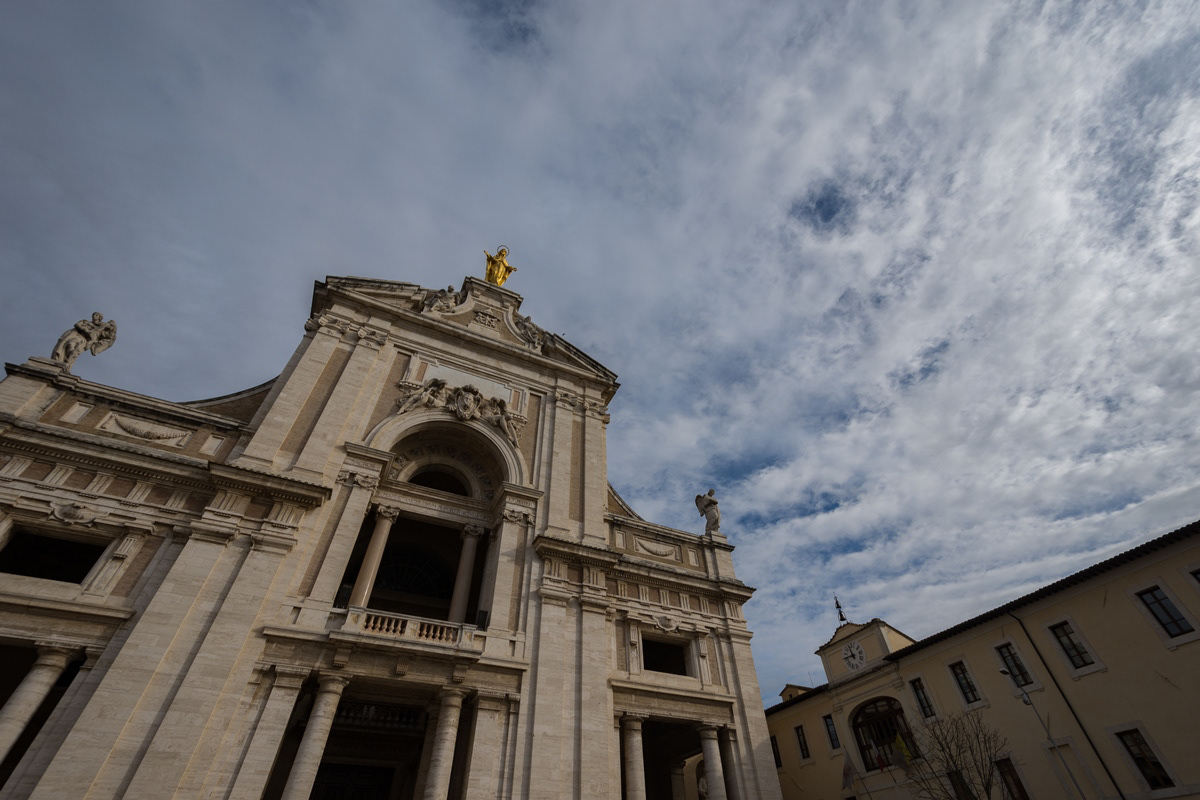
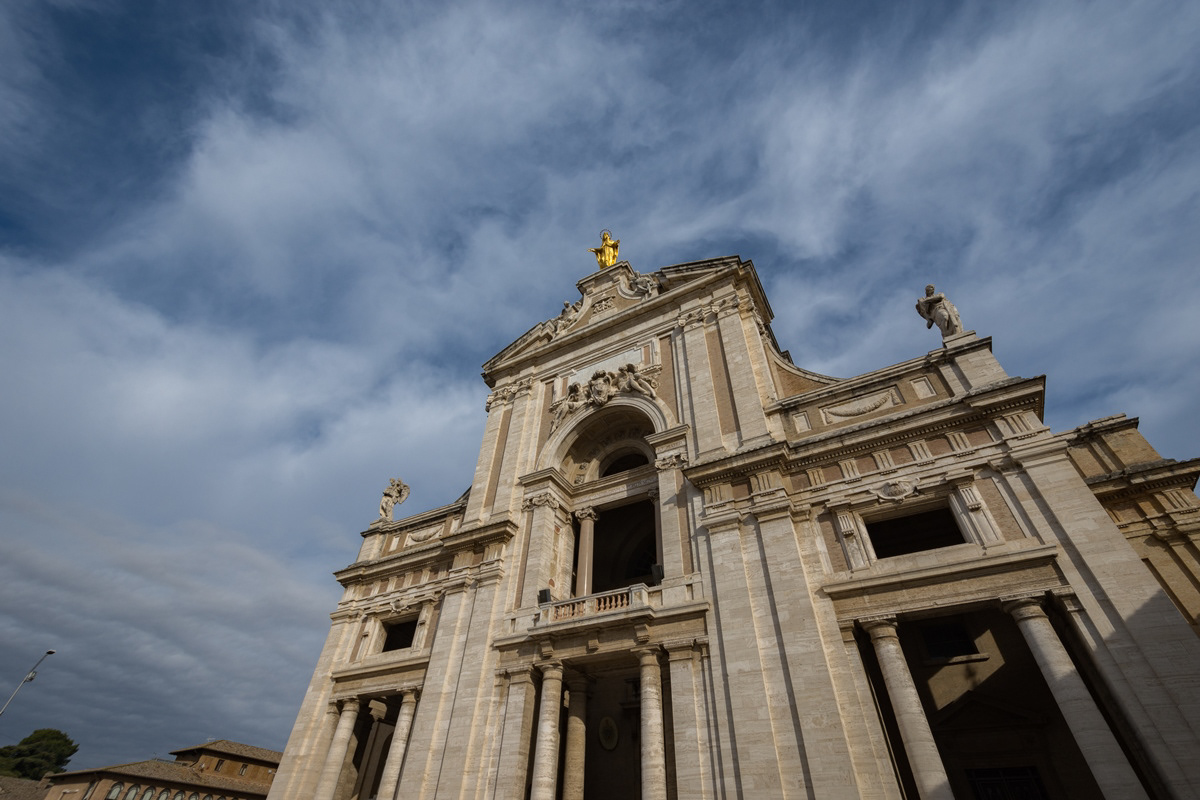
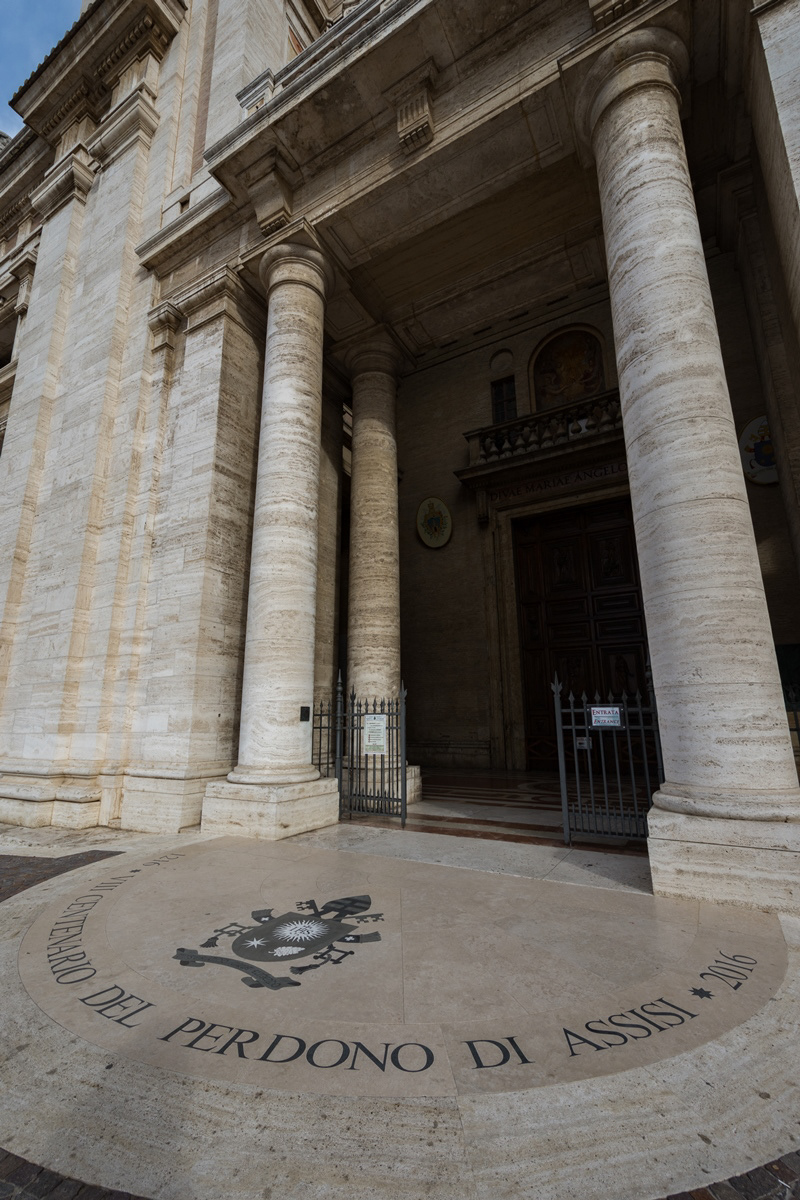
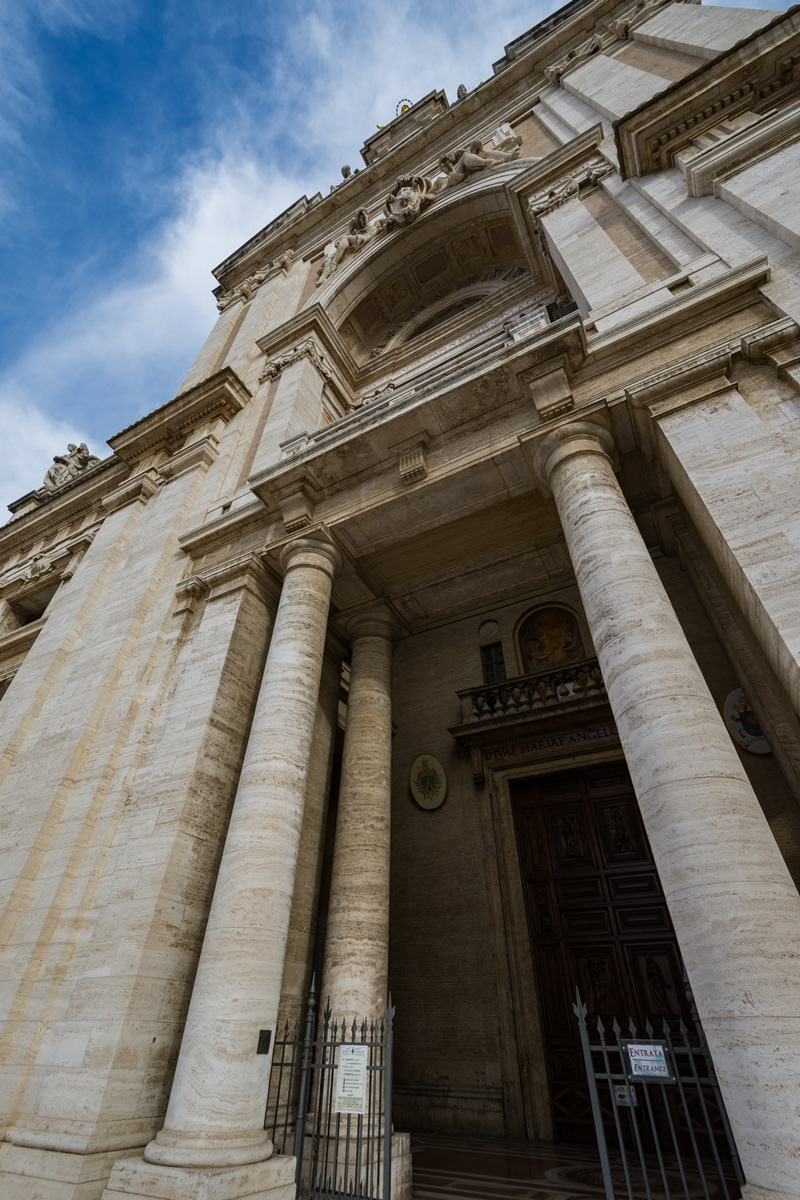
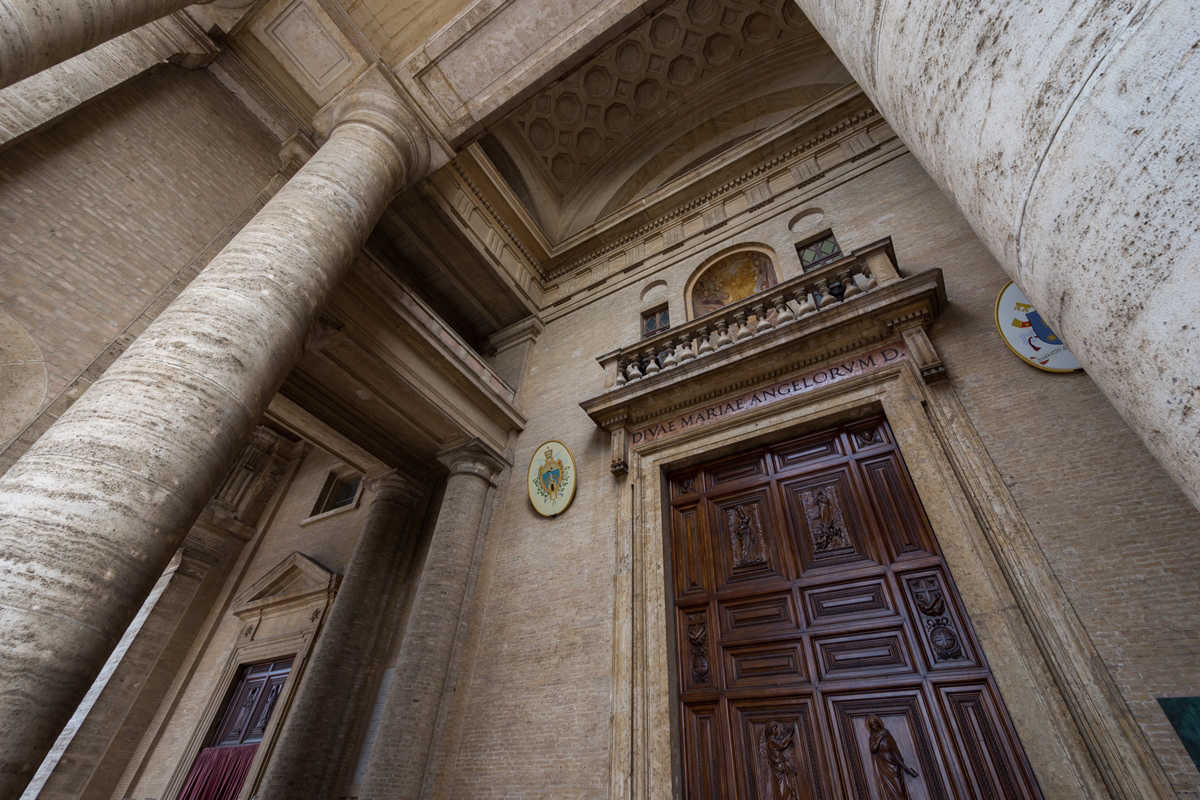
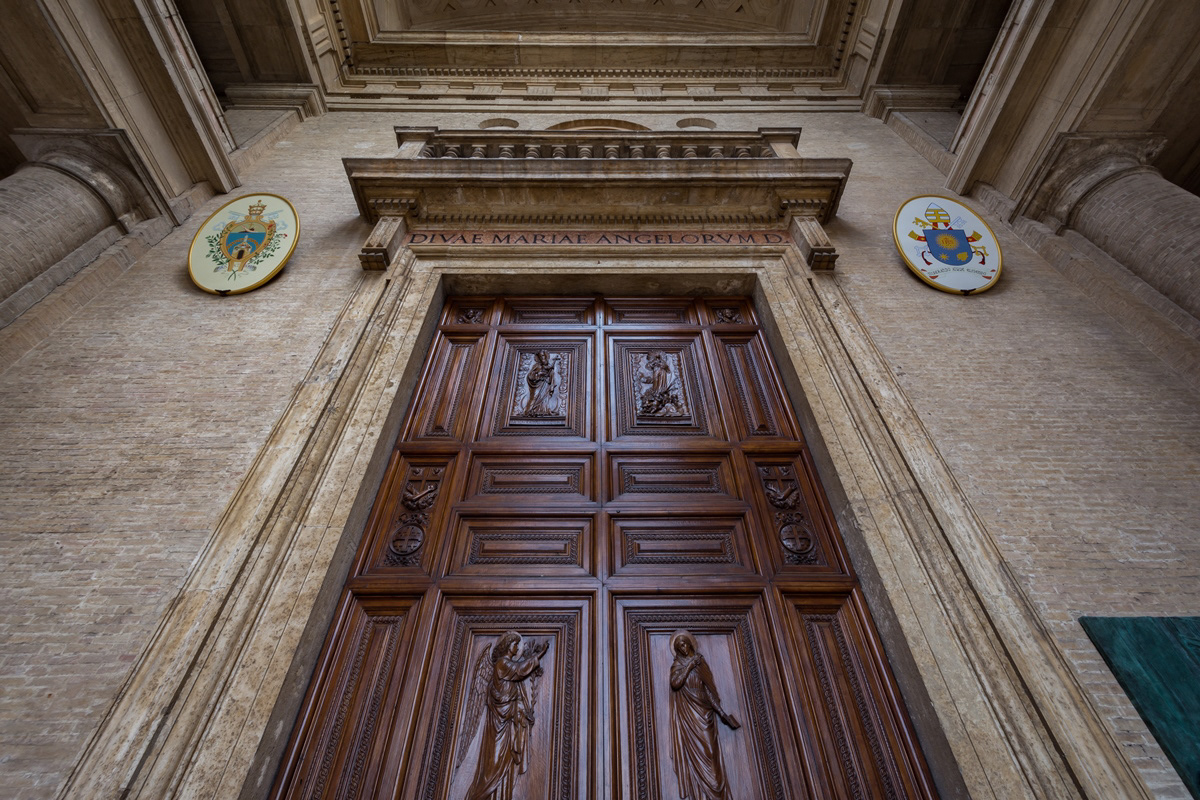
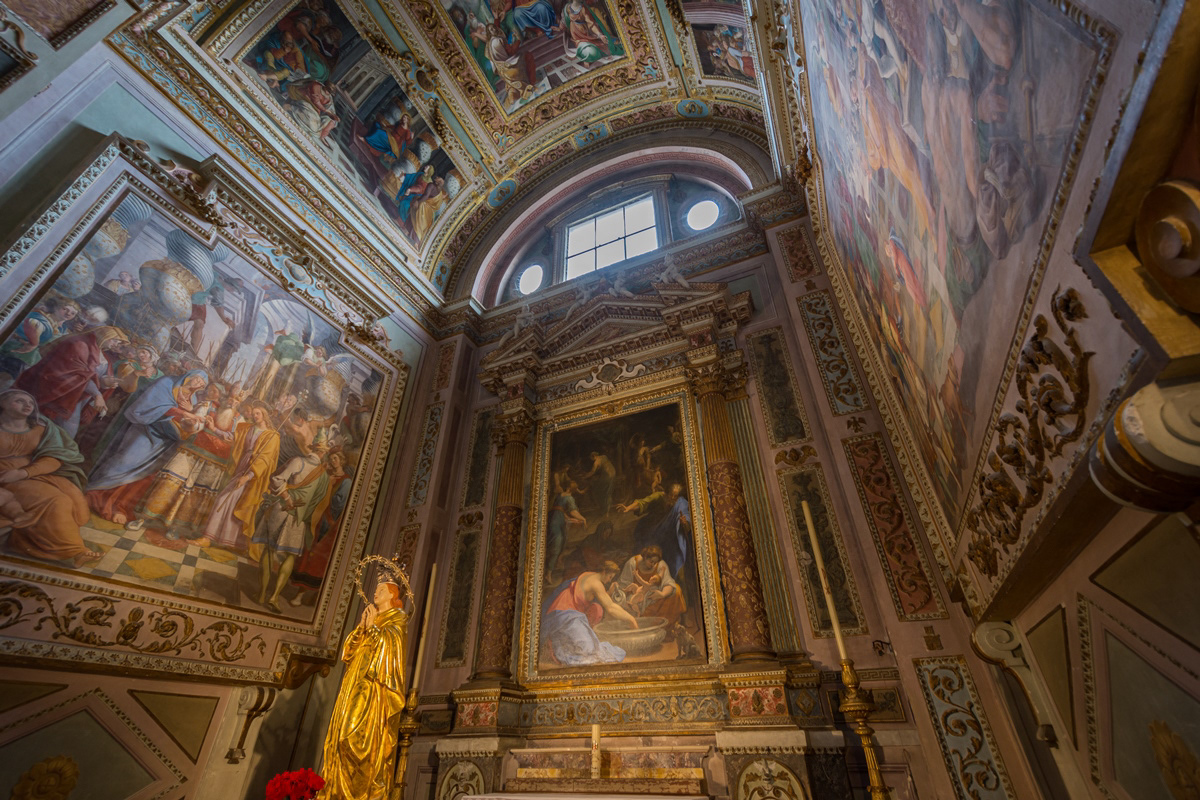
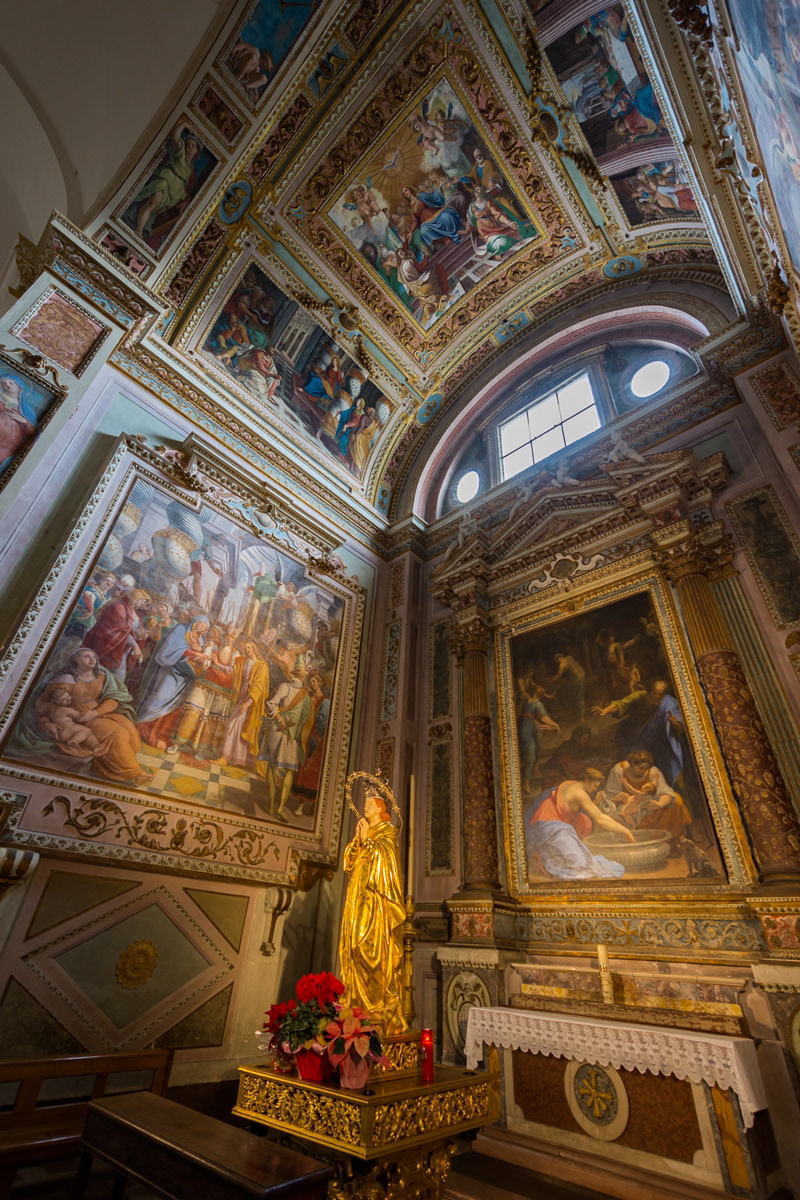
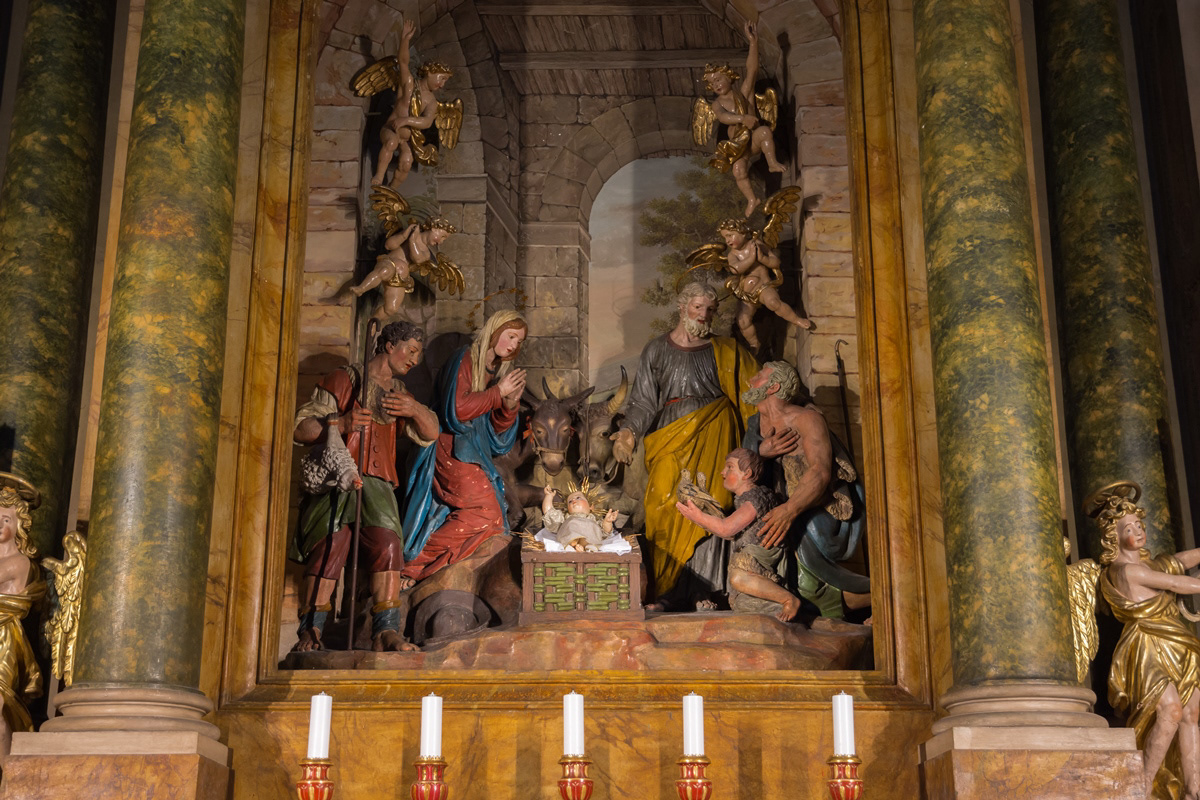
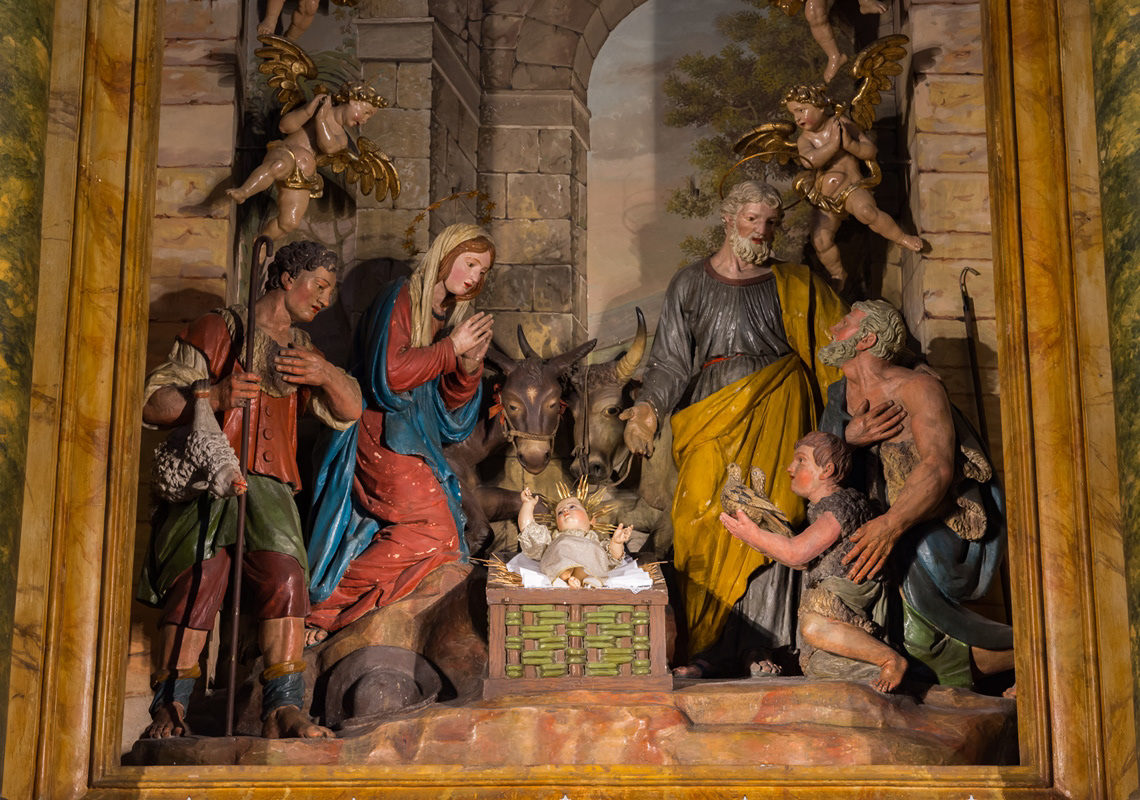
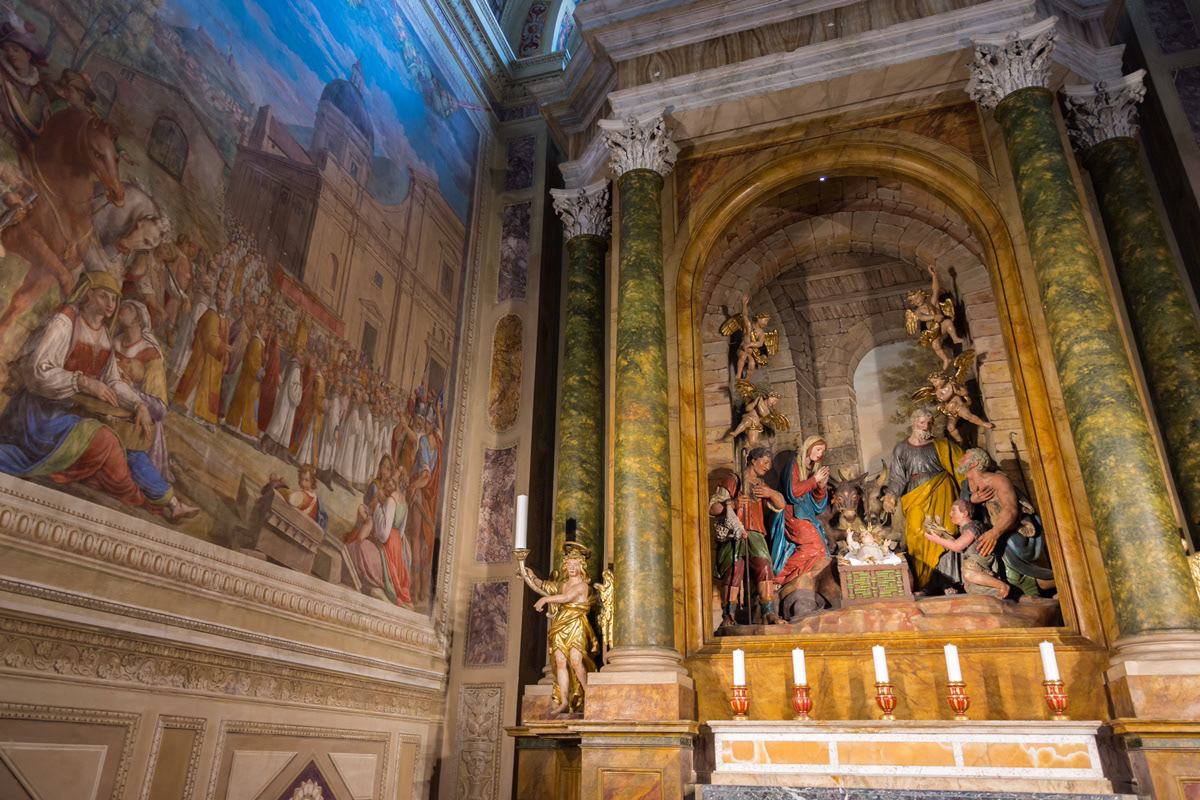
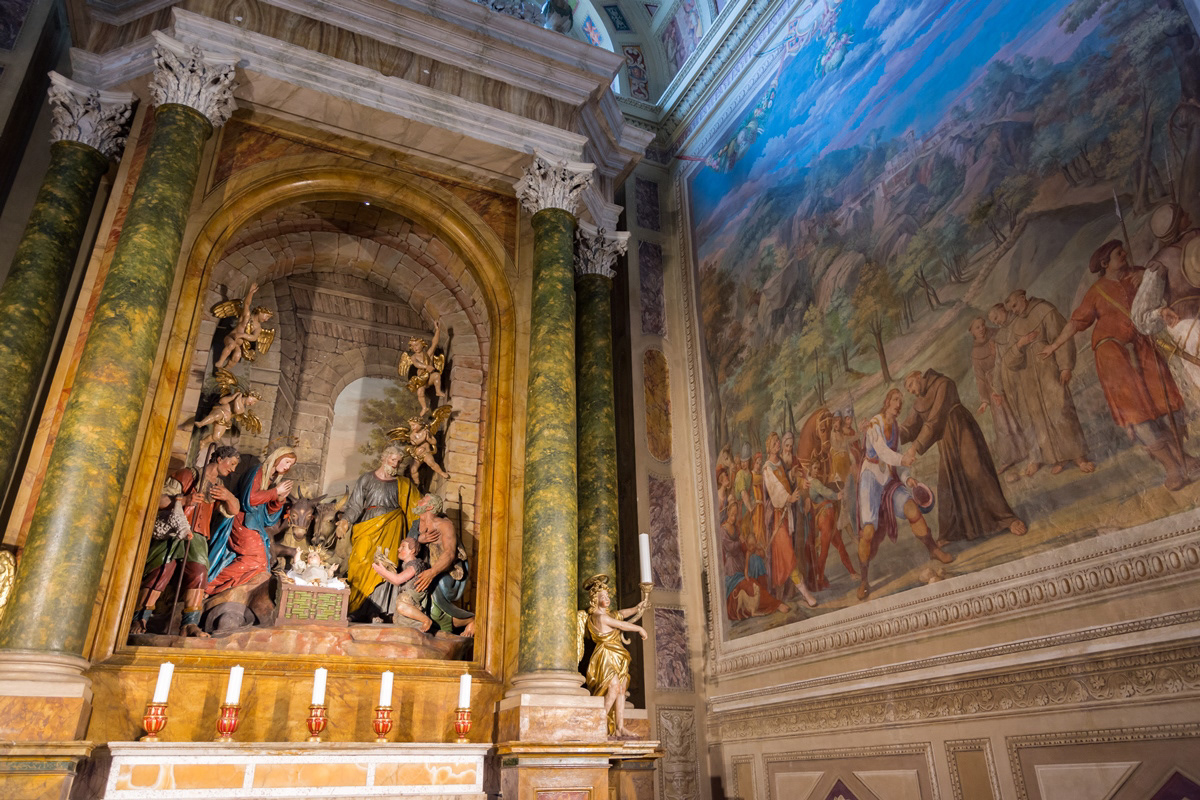
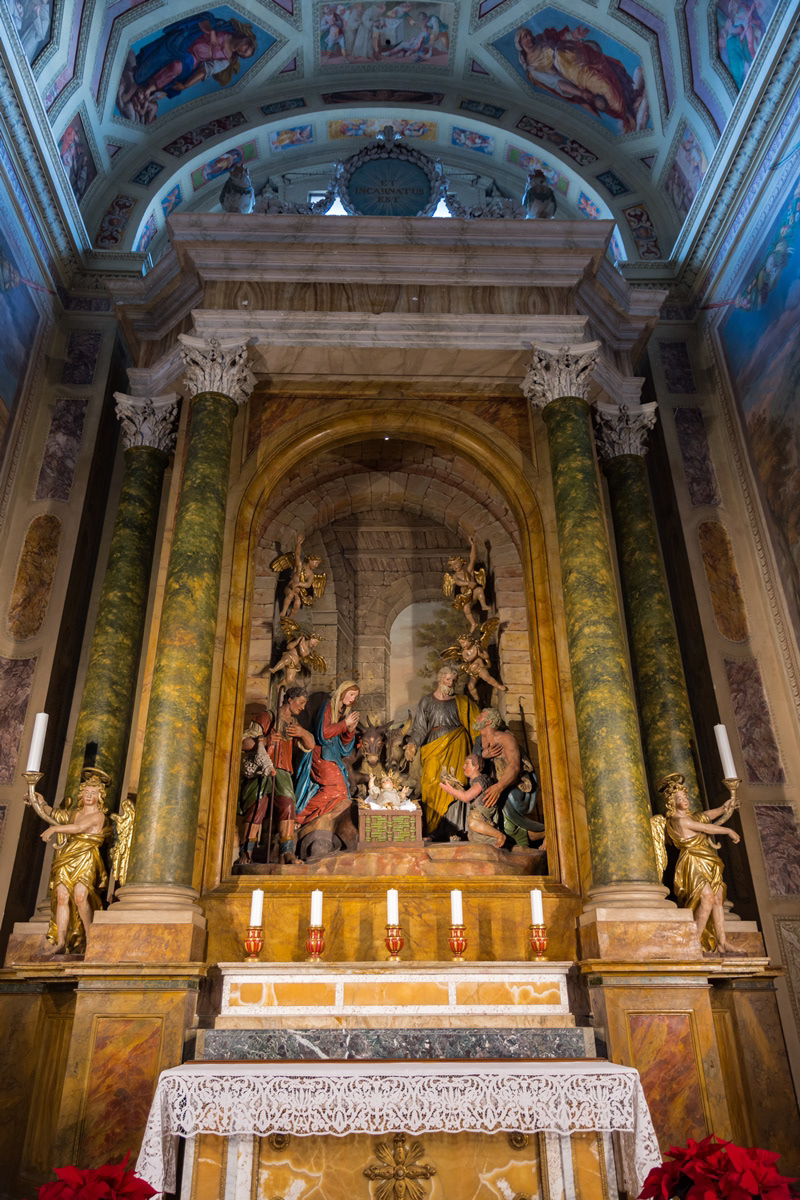
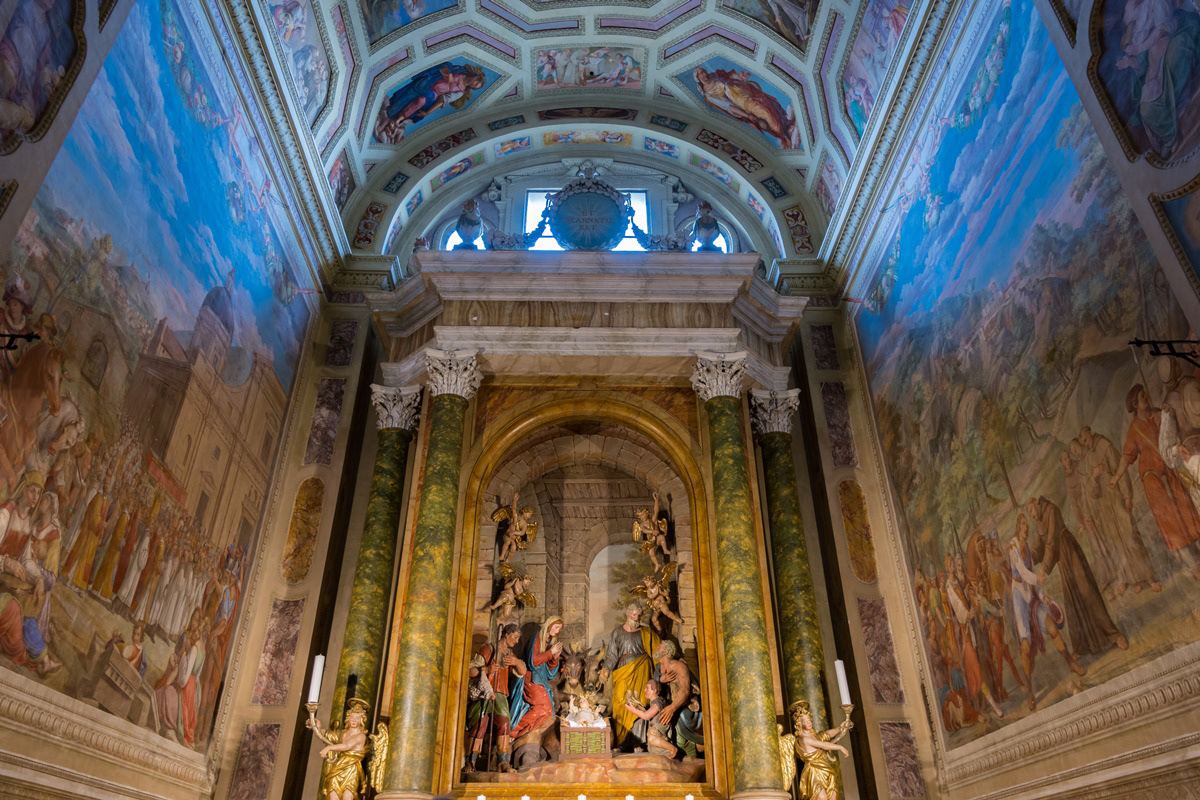
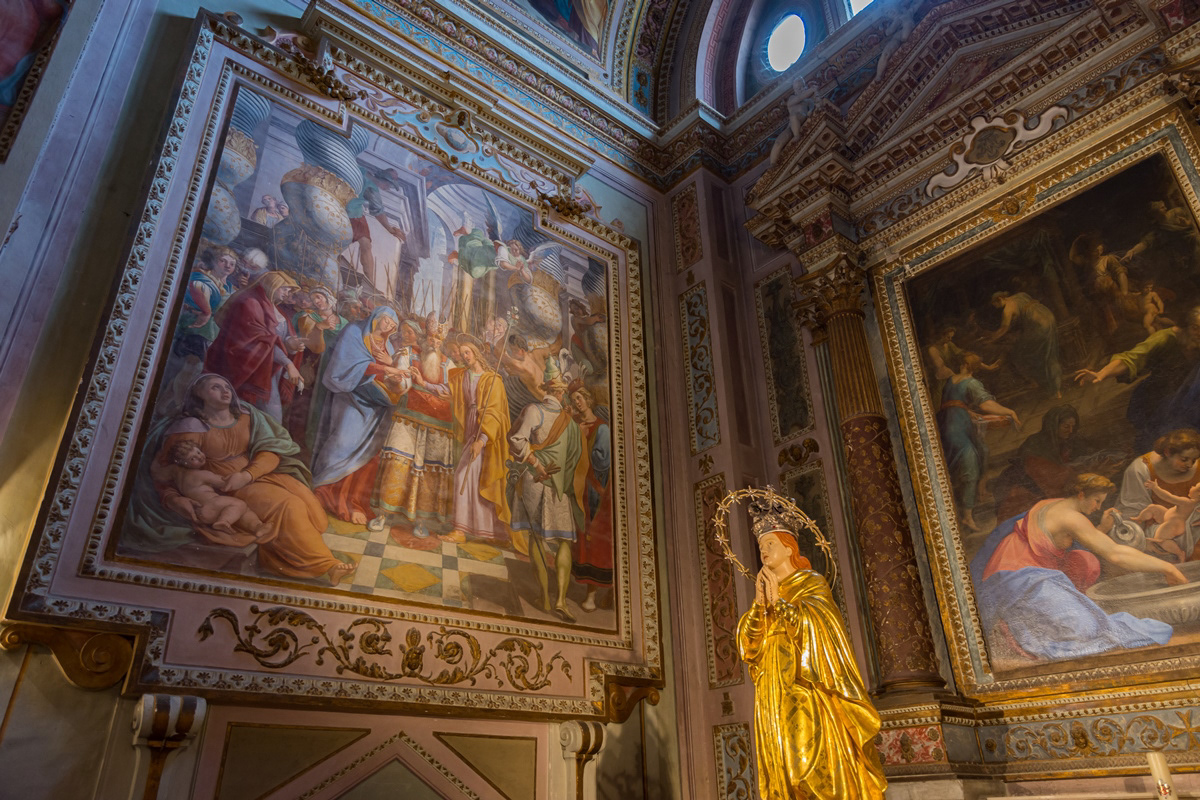
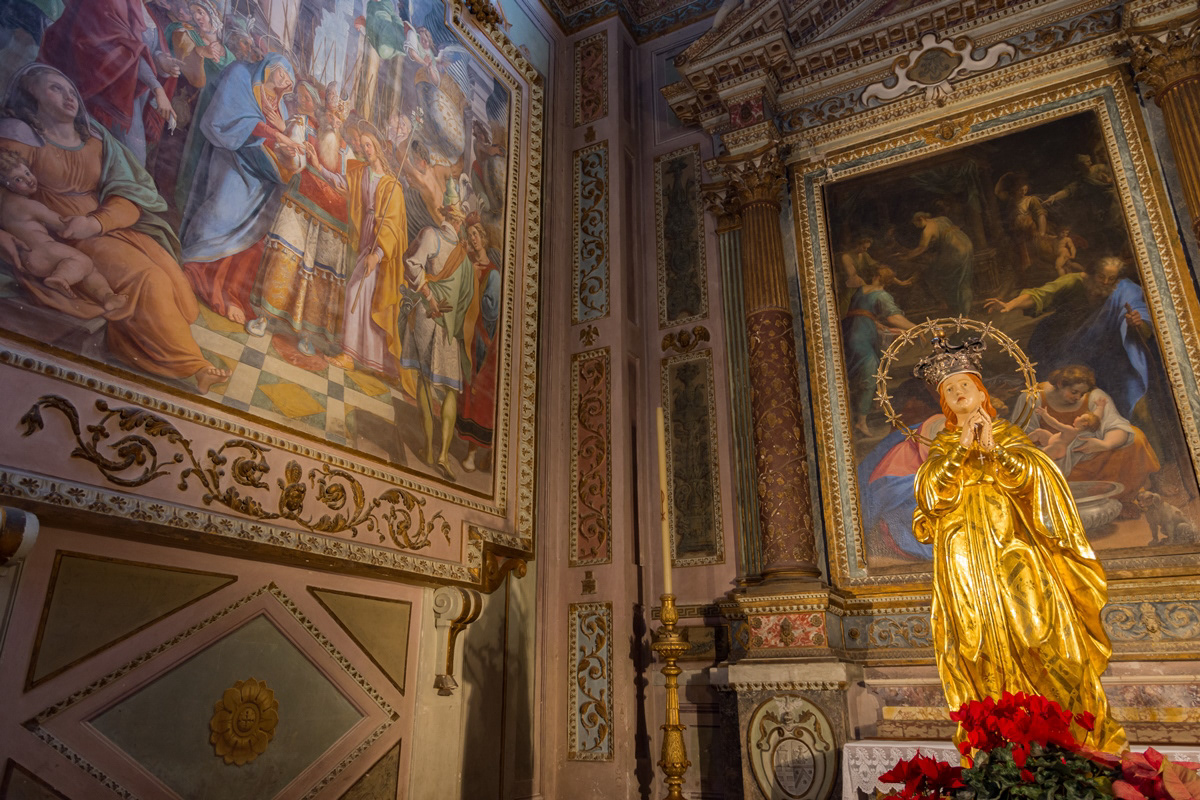
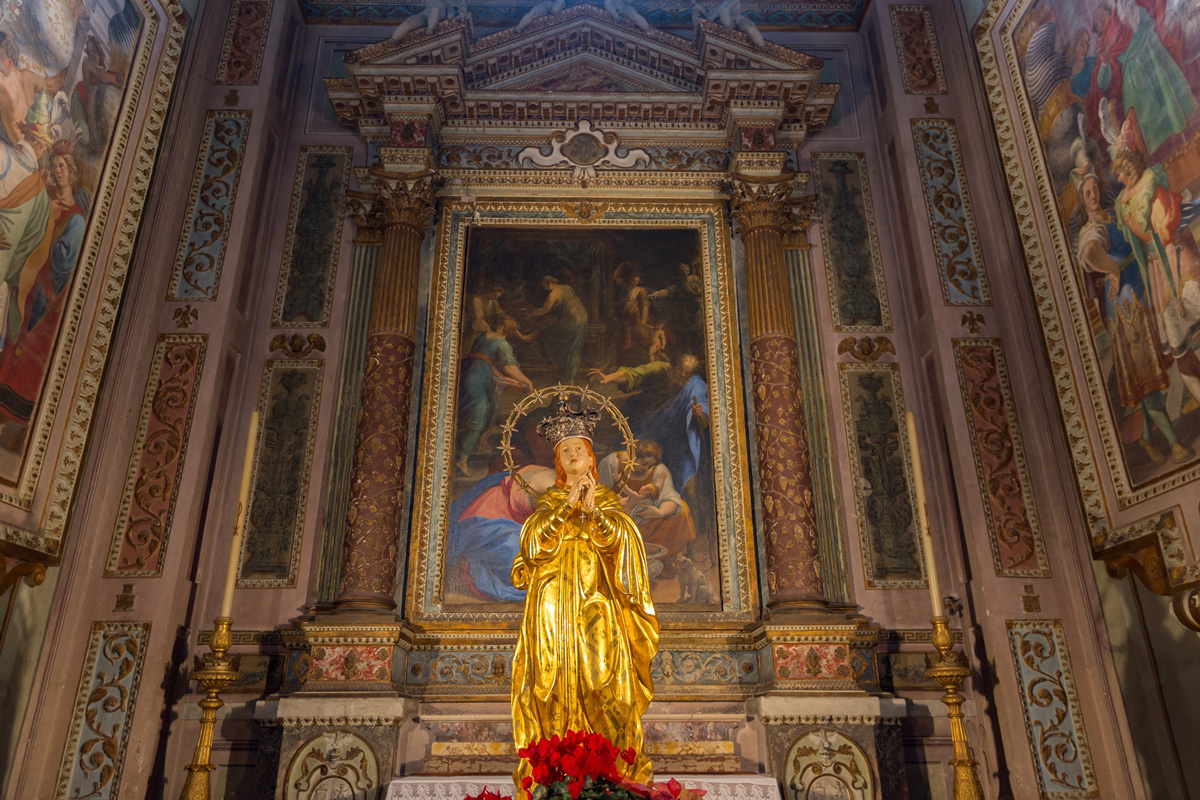
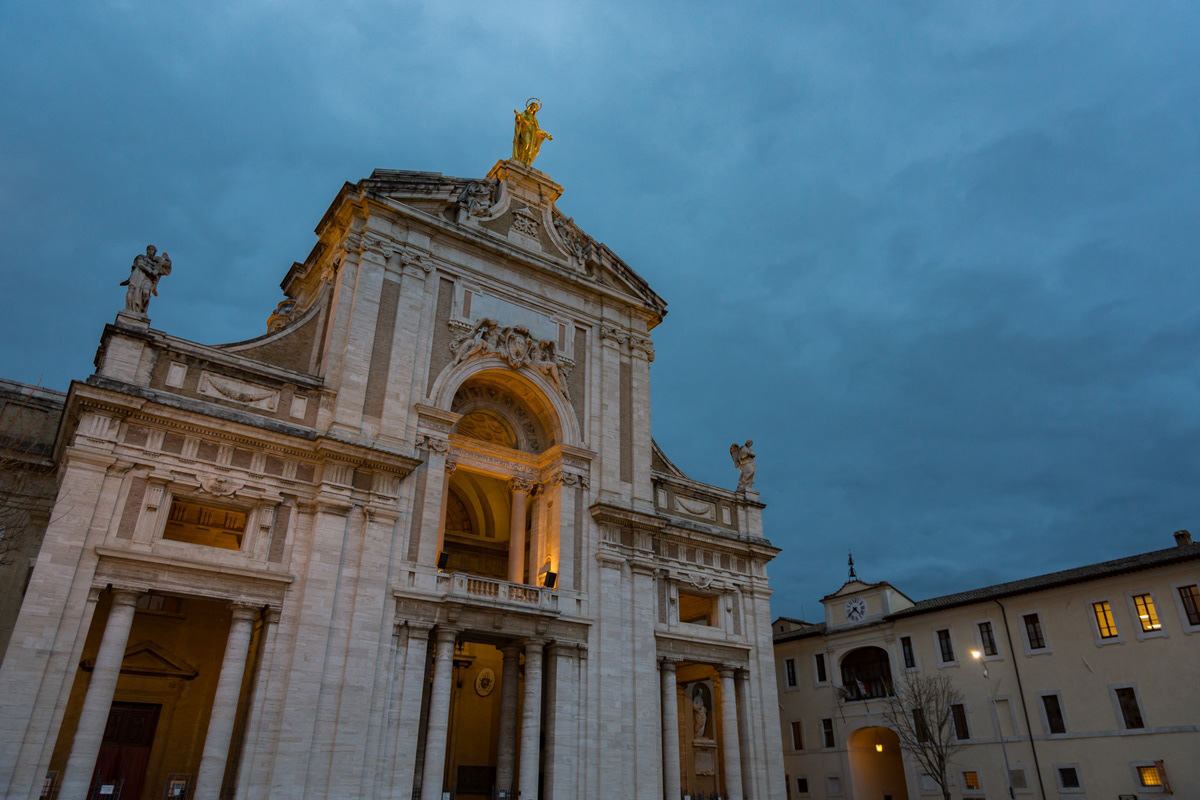
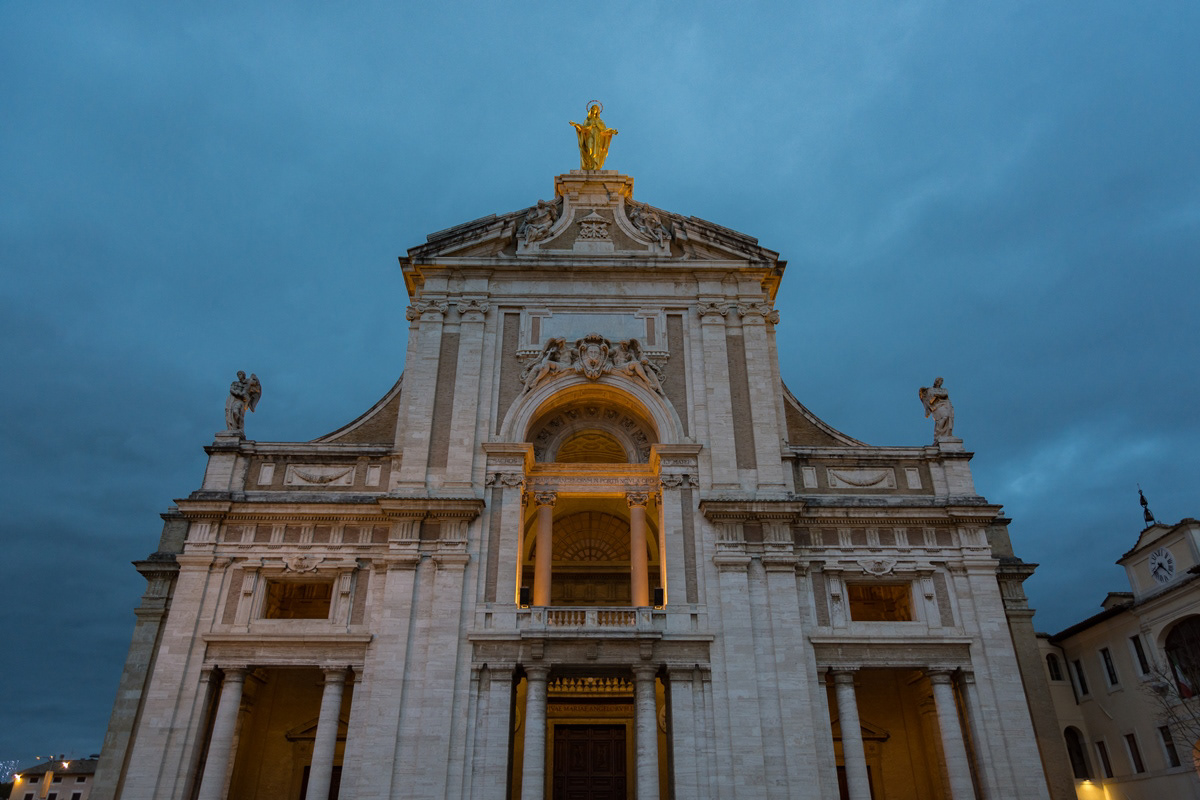
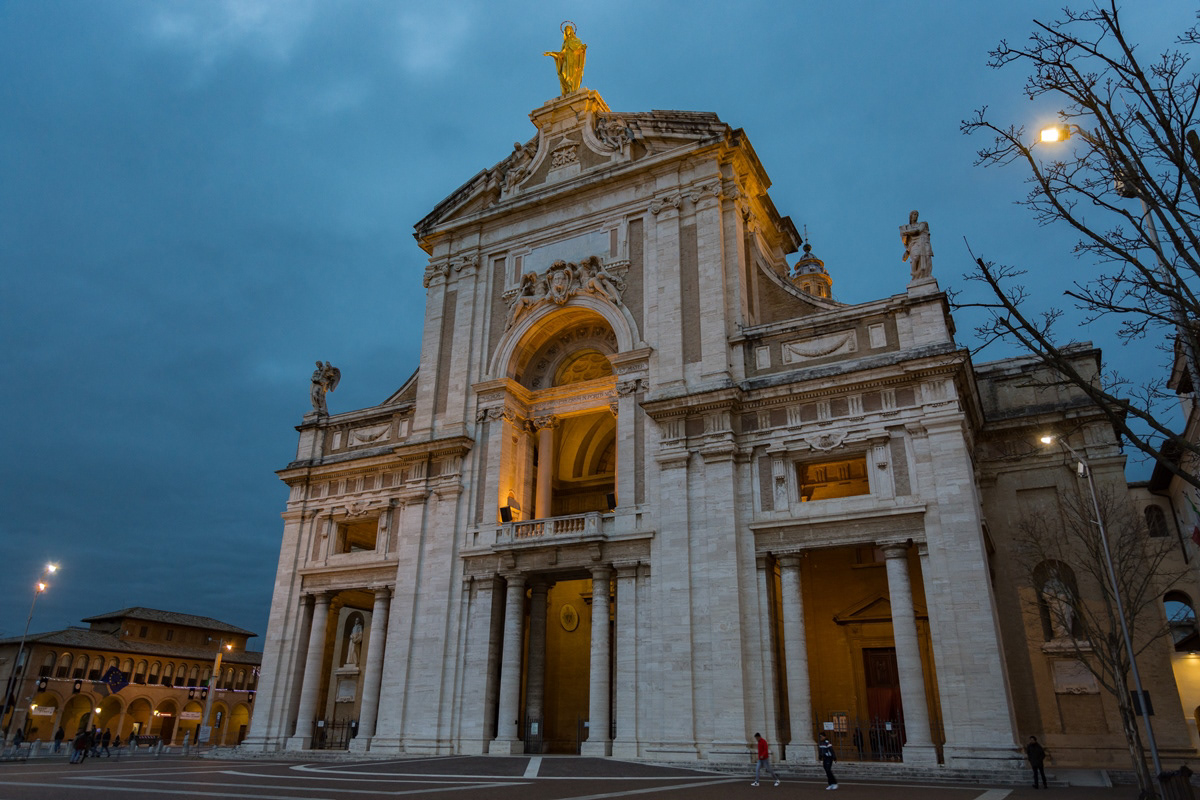
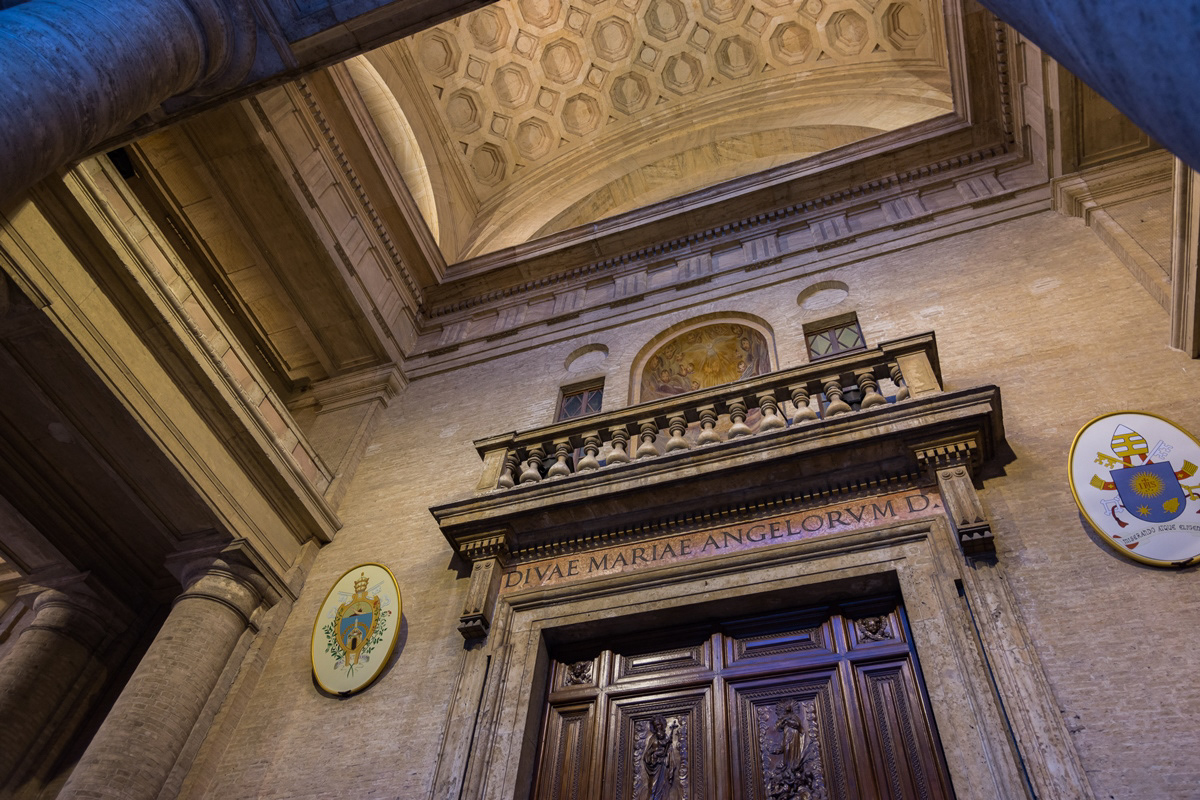
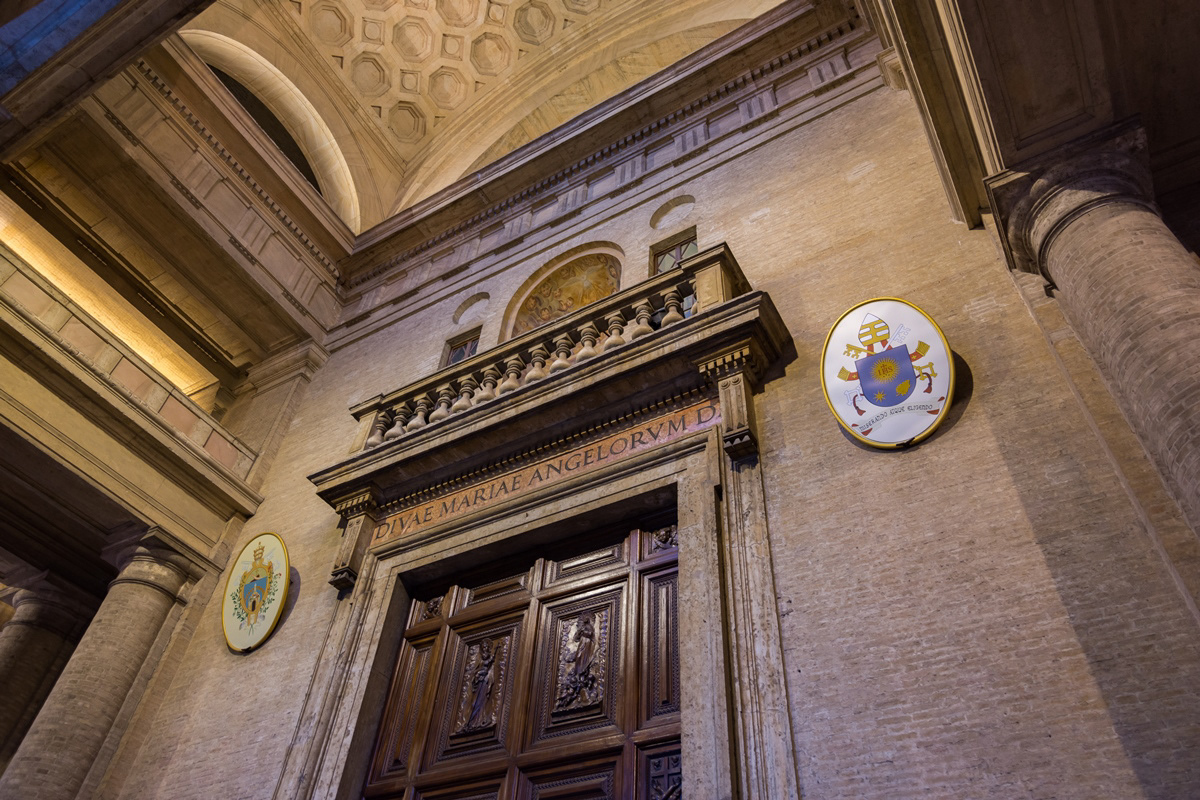
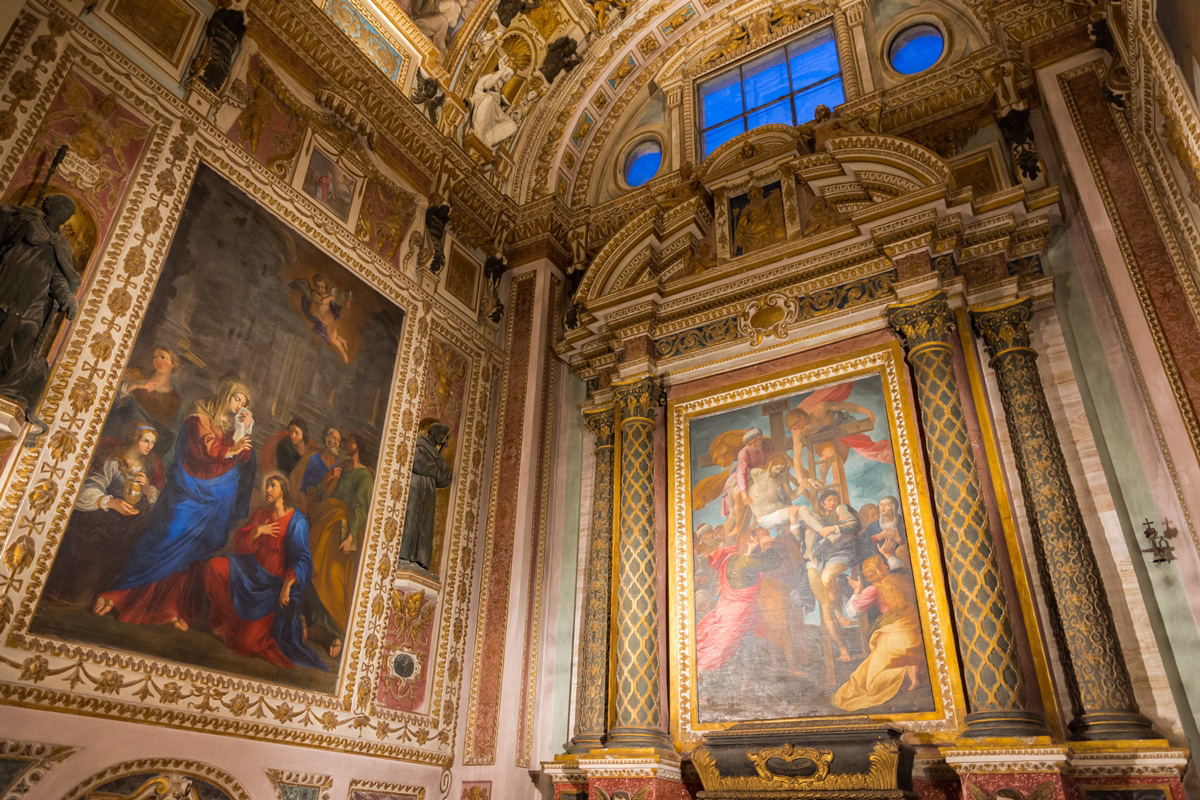
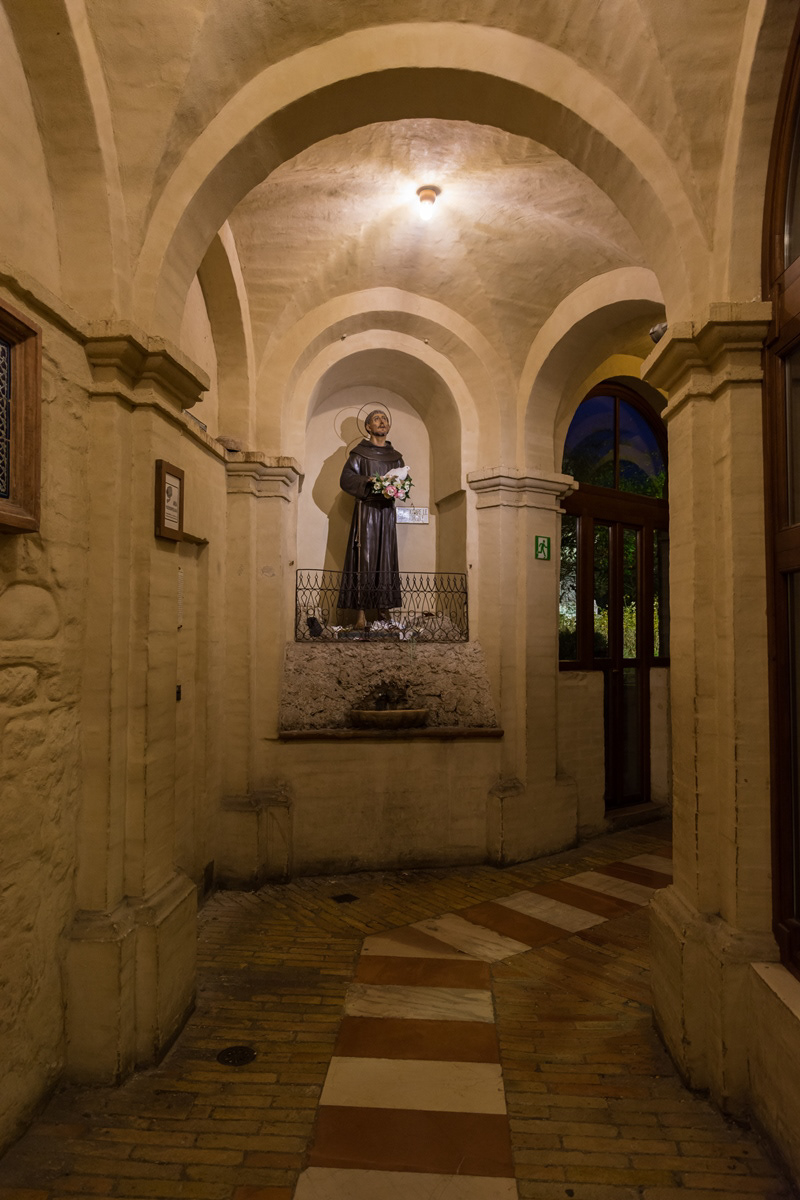
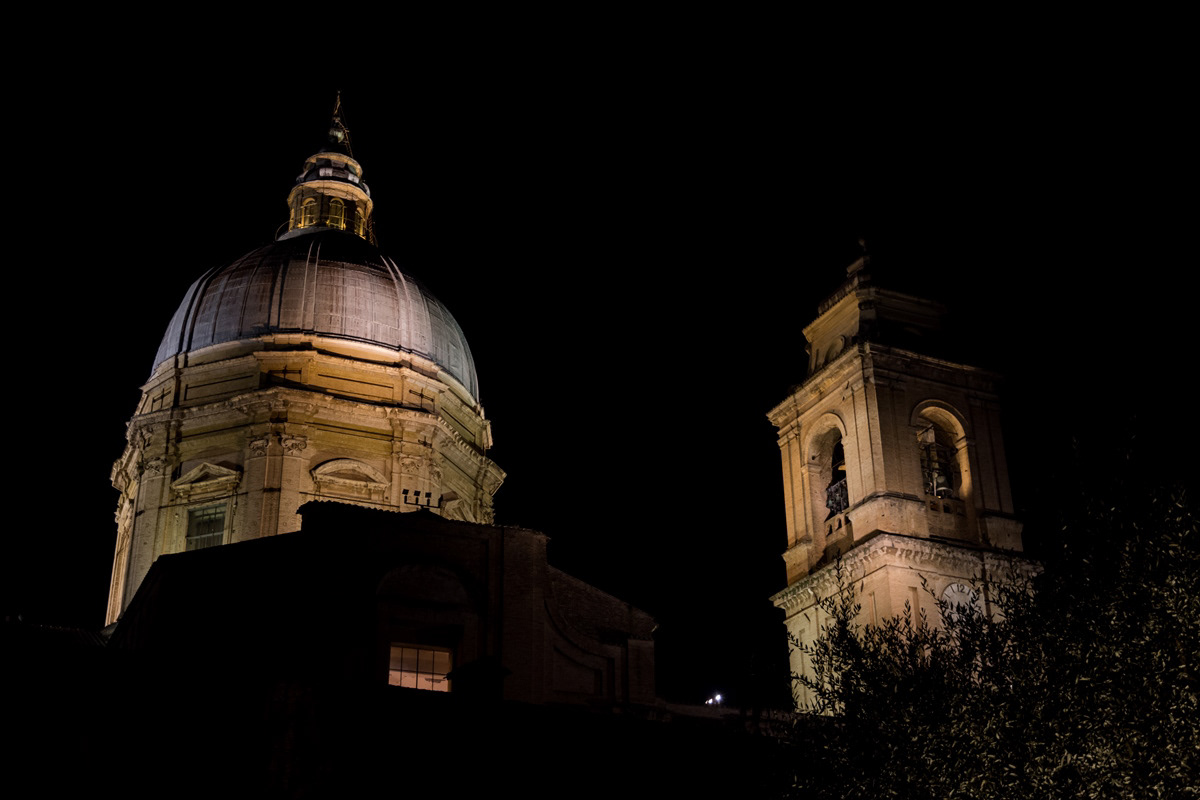
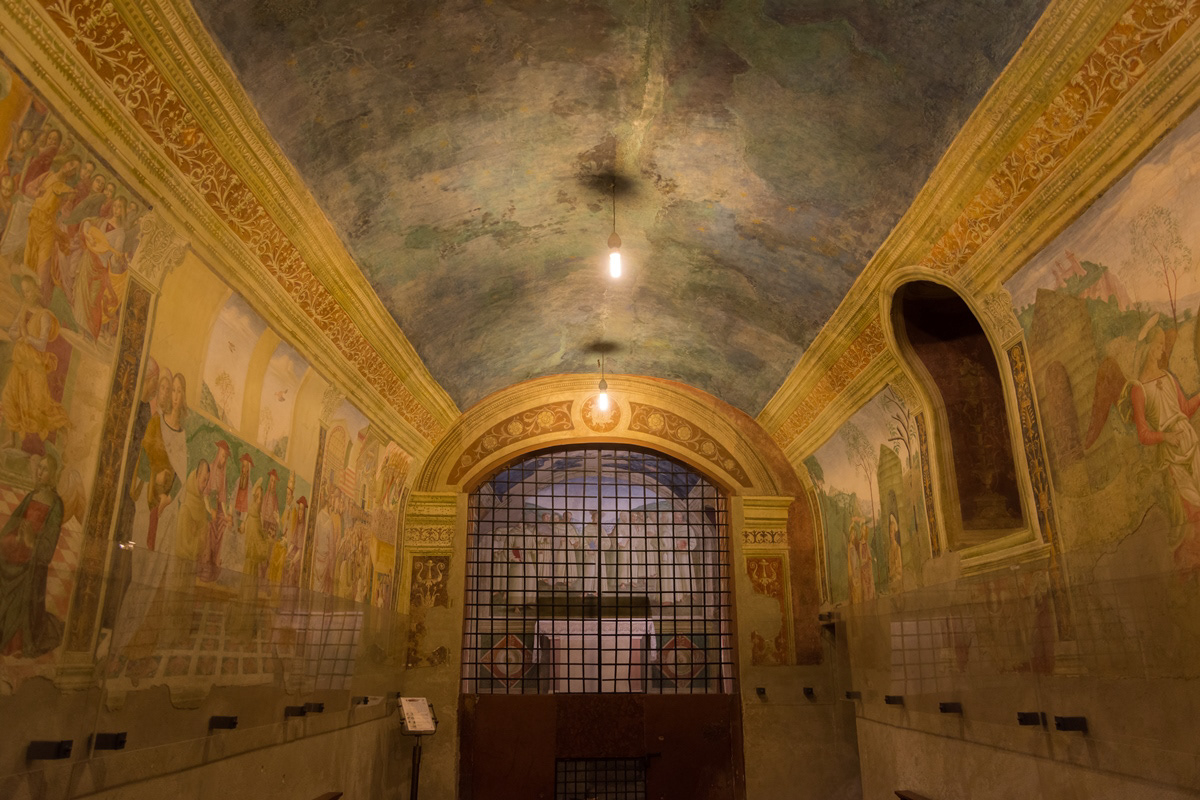
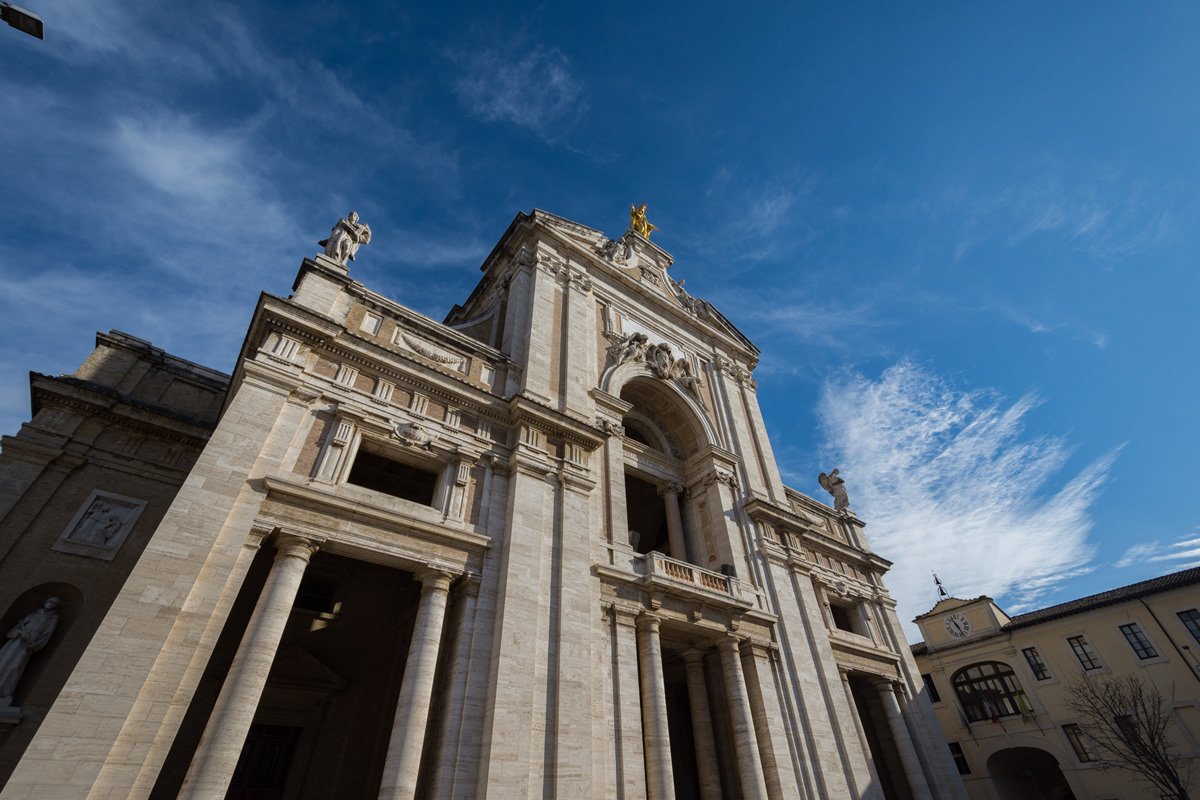
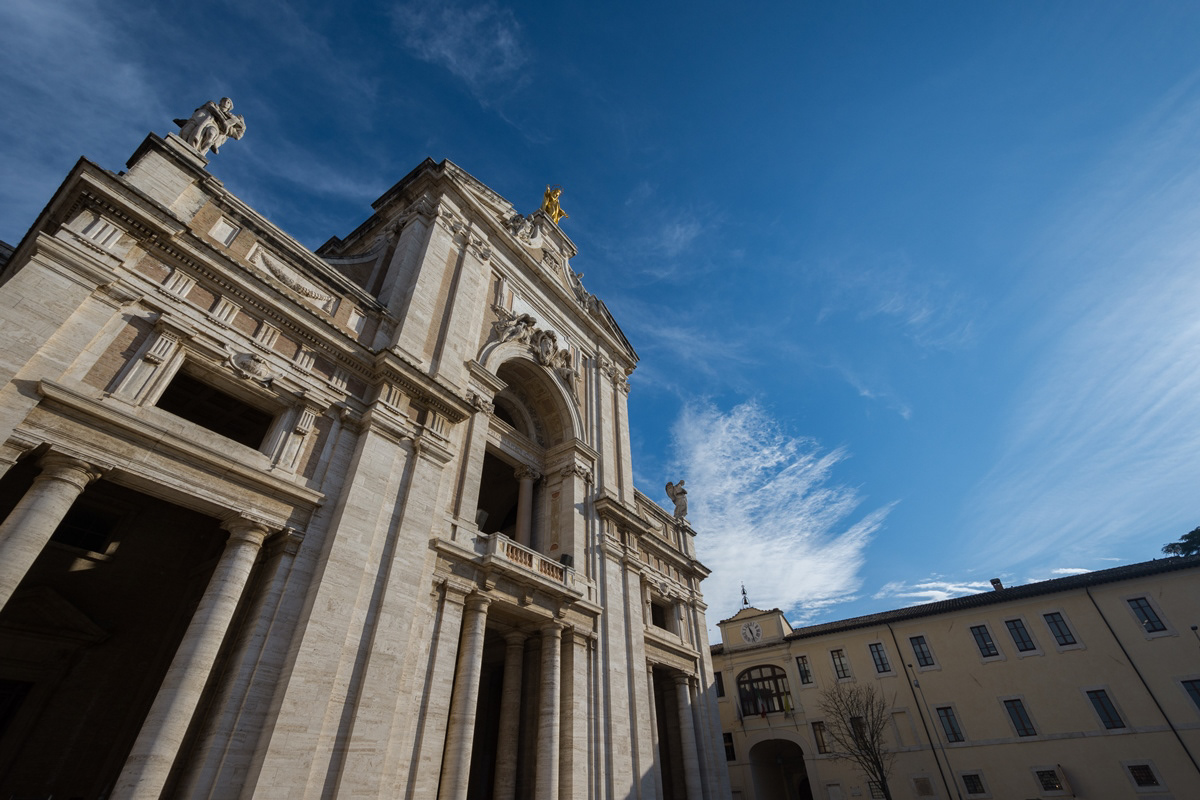
The Basilica of Santa Maria degli Angeli is a Roman Catholic rite church located in Assisi, in the hamlet of the same name. It was built on a project by Galeazzo Alessi and with interventions by Jacopo Barozzi da Vignola starting from the second half of the sixteenth century. On top of the facade of the temple stands the statue of the Madonna in gilded bronze modeled by Colasanti and cast by the Ferdinando Marinelli Artistic Foundry of Florence. It has the dignity of a papal basilica. Inside there is the Porziuncola, the chapel where Francis of Assisi gathered in prayer, and for this reason the center of Franciscan spirituality.
You may also like
2025
Gubbio. The Church of San Marziale.
The Church of San Marziale in Gubbio is a small church located at the edge of the historic center of Gubbio, a few steps from Porta Vehia, the last remnant of the original Roman walls.
2018
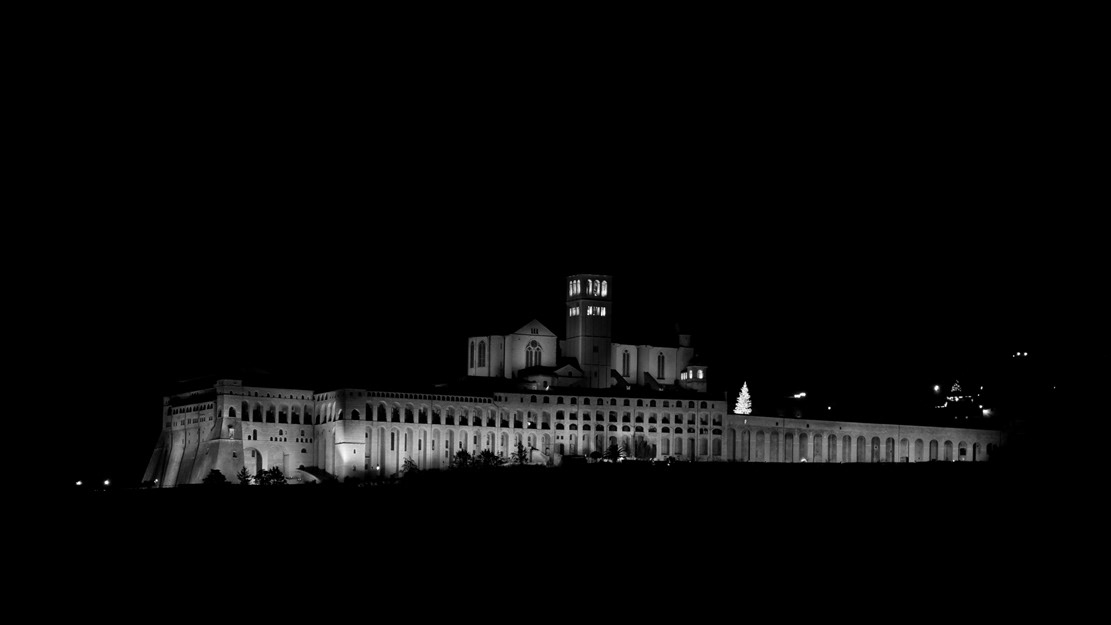
Assisi - Basilica of San Francesco
The basilica of San Francesco is located in Assisi, it is the place that since 1230 preserves and guards the mortal remains of the seraphic saint. Wanted by Pope Gregory IX as specialis ecclesia, it was awarded by the same Pontiff the title of Caput et Mater of the Minorite Order and at the same time entrusted in perpetuity to the same friars. In the complex history that marked the evolution of the Order, the basilica (and the adjoining Sacred Convent) was always guarded by the so-called "community friars", the group that later went on to form the Order of Friars Minor Conventual. At the sepulchral church of the Basilica where the altar on the tomb of the saint was erected, on November 19, 1585, the Franciscan Pope Sixtus V, with the bull Supernae dispositionis, established the Archconfraternity of the Cordigeri. In 1754 Benedict XIV elevated it to the dignity of patriarchal Basilica (since 2006 "Papal Basilica") and Papal Chapel. In the year 2000, together with other Franciscan sites in the district, the basilica was included in the UNESCO World Heritage List.
2025
Gubbio. The Cathedral of SS Mariano and Giacomo
The Cathedral of Saints Mariano and Giacomo is the mother church of the Diocese of Gubbio. It is dedicated to Saints Mariano and Giacomo, martyrs of Lambaesi in Numidia.
2025
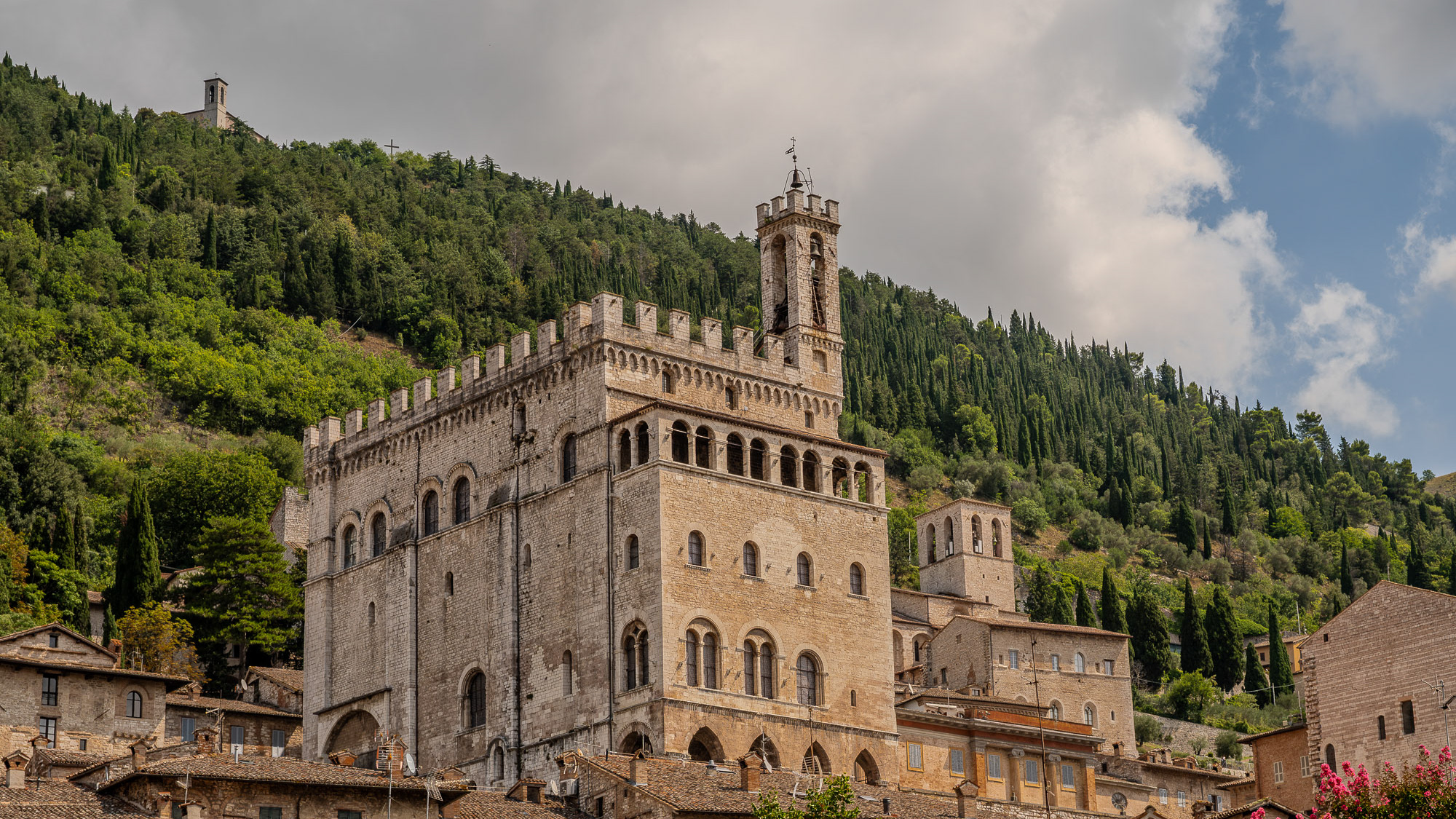
Gubbio. The Gothic-style Palazzo dei Consoli.
The Gothic-style Palazzo dei Consoli was built in the 14th century by the city government, which sought to demonstrate the city's grandeur and power. Since 1901, it has housed the civic museum.
2025
Gubbio. Glimpses and panoramas
Gubbio is a medieval town in Umbria. Its Colle Eletto cable car ascends Mount Ingino, home to the five-aisled Basilica of Sant'Ubaldo and offering panoramic views of the Apennines.
2018
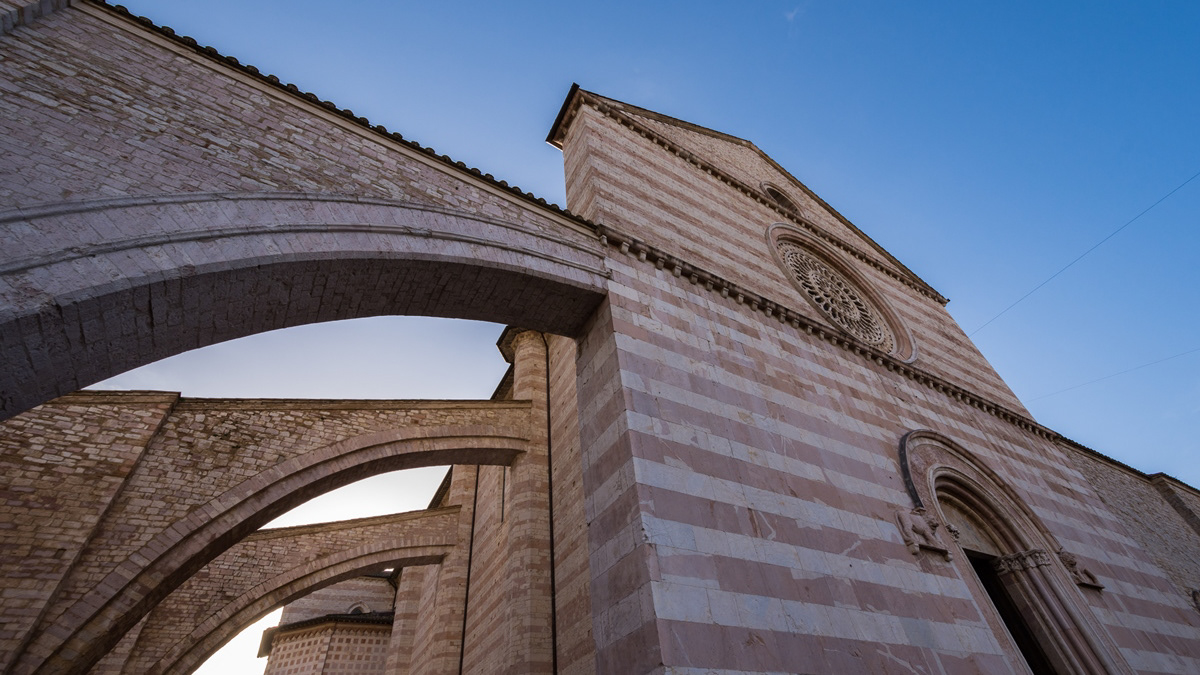
Assisi - Basilica of Santa Chiara
The basilica of Santa Chiara is an important place of worship in the historic center of Assisi. The church was built, after the death of St. Clare, between 1257 and 1265, around the ancient church of San Giorgio, which until 1230 had kept the mortal remains of St. Francis. The remains of the saint were already transferred in 1260, while the solemn consecration took place in 1265, in the presence of Clement IV. The construction works were carried out by the architect Filippo da Campello. The crypt that now houses the tomb of the saint was only built in 1850. The architectural style is Gothic, and closely resembles the almost contemporary upper basilica of San Francesco d'Assisi.
2018
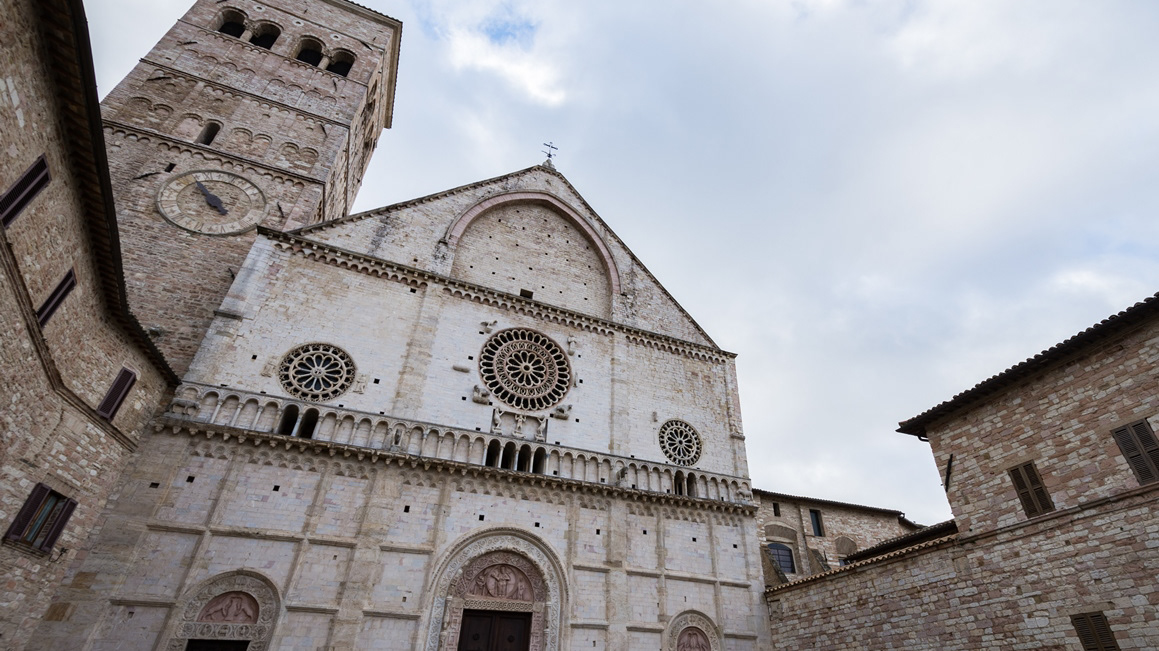
Assisi - Cathedral of San Rufino
The Cathedral of San Rufino is the main place of Catholic worship in the city of Assisi, the mother church of the diocese of Assisi-Nocera Umbra-Gualdo Tadino. The church stands in the homonymous square, originally a terrace created in Roman times, perhaps the forum of the Roman city of Asisium. Medieval historians indicate this site as that of a Roman temple dedicated to the Bona Mater. San Pier Damiani wrote how on this site there was a basilica with the remains of San Rufino from 412 and how the bishop Ugone (11th century) was in contrast with the people because he wanted to translate them into the then cathedral of Santa Maria Maggiore, with the victory of the citizens of Assisi. In the feudal city the church of San Rufino was the fulcrum of the "citadel of the canons" and the foundation of the present church probably dates back to the eighth century. It was rebuilt for the first time in larger forms by Hugh himself, who at the end of the title awarded it the title of cathedral in 1036. In 1140 a new reconstruction was started based on a project by Giovanni da Gubbio, which lasted for several decades. In 1210 the Municipality, which used the churchyard for meetings, hoped for a quick completion, because it attributed the bad luck that animated the struggles between the factions to the incomplete building. In 1228 the main altar was consecrated by Pope Gregory IX and in 1253 the entire completed church was consecrated by Innocent IV. In 1571 the interior of the cathedral was renovated according to a design by Galeazzo Alessi, assuming its current shape.
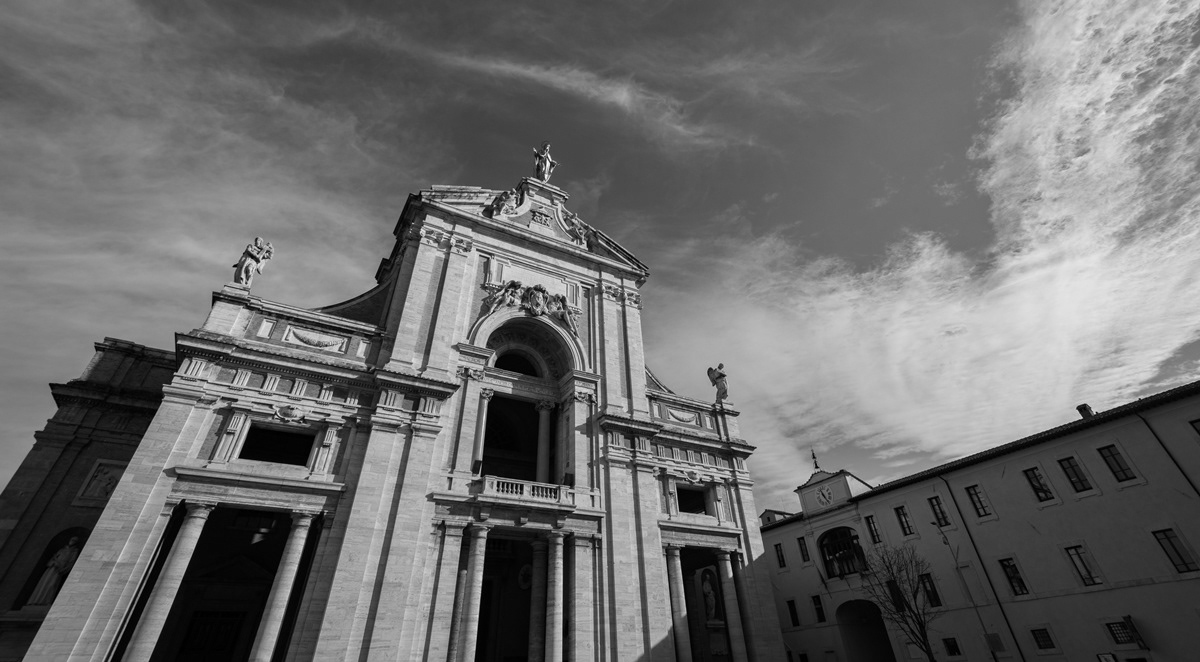
2018
Assisi - Panoramas
Assisi is a hill town in Umbria, in central Italy. It is the birthplace of San Francesco (1181-1226), one of the patron saints of Italy. The basilica of San Francesco is an imposing church on 2 levels consecrated in 1253. The 13th century frescoes depicting the life of San Francesco have been attributed, among others, to Giotto and Cimabue. The crypt houses the stone sarcophagus of the saint.
2025
Gubbio. Church of San Giovanni Battista
The Church of San Giovanni Battista is a religious building located in Gubbio, a town in Umbria. Built between the 13th and 14th centuries, the façade is Gothic, while the bell tower is Romanesque.
2025
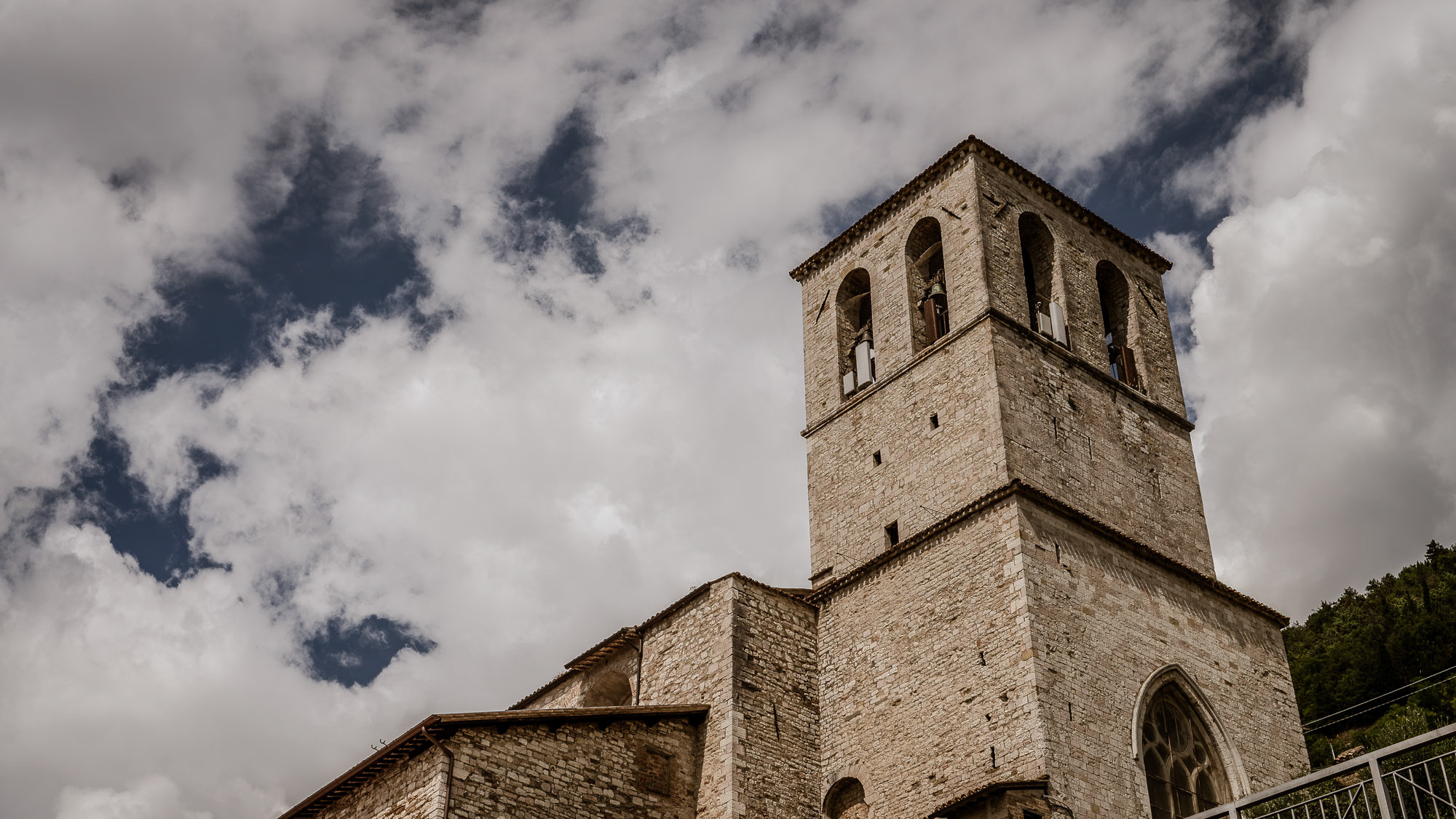
Gubbio. Church of San Francesco
The Church of San Francesco is a religious building located in Gubbio, built in the second half of the 13th century. The exterior retains its Gothic apse, and the bell tower stands next to it.