
You may also like

2023
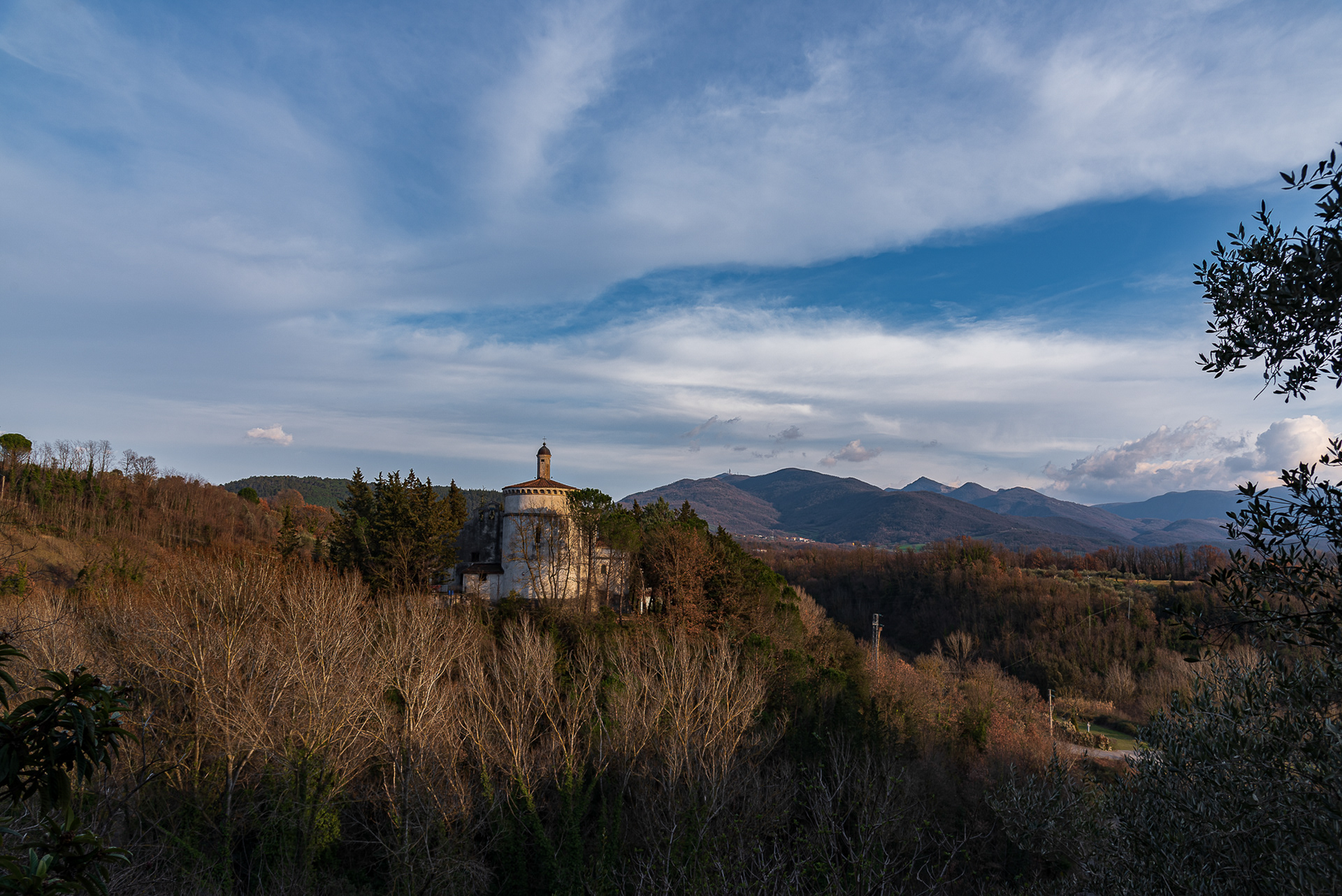
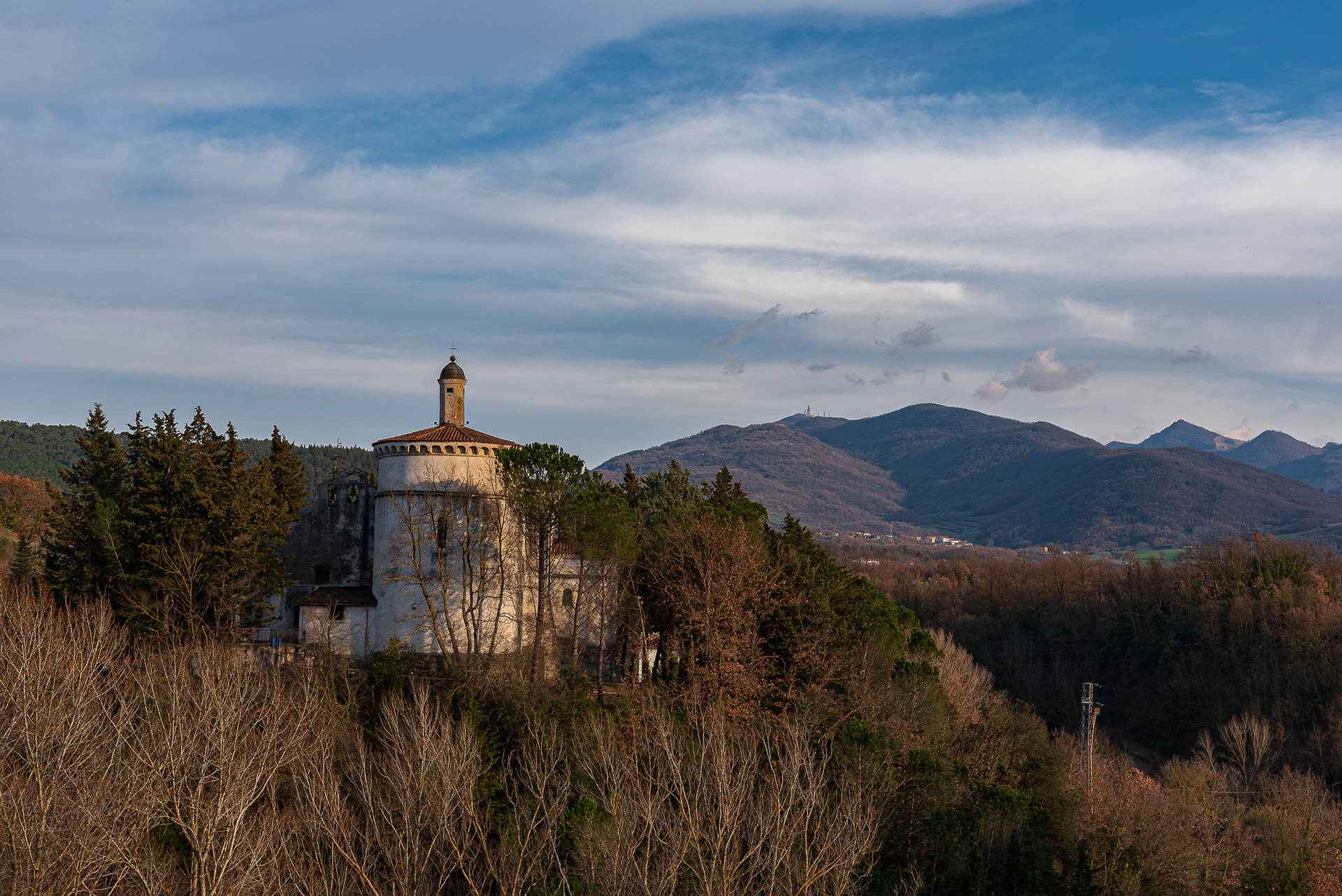
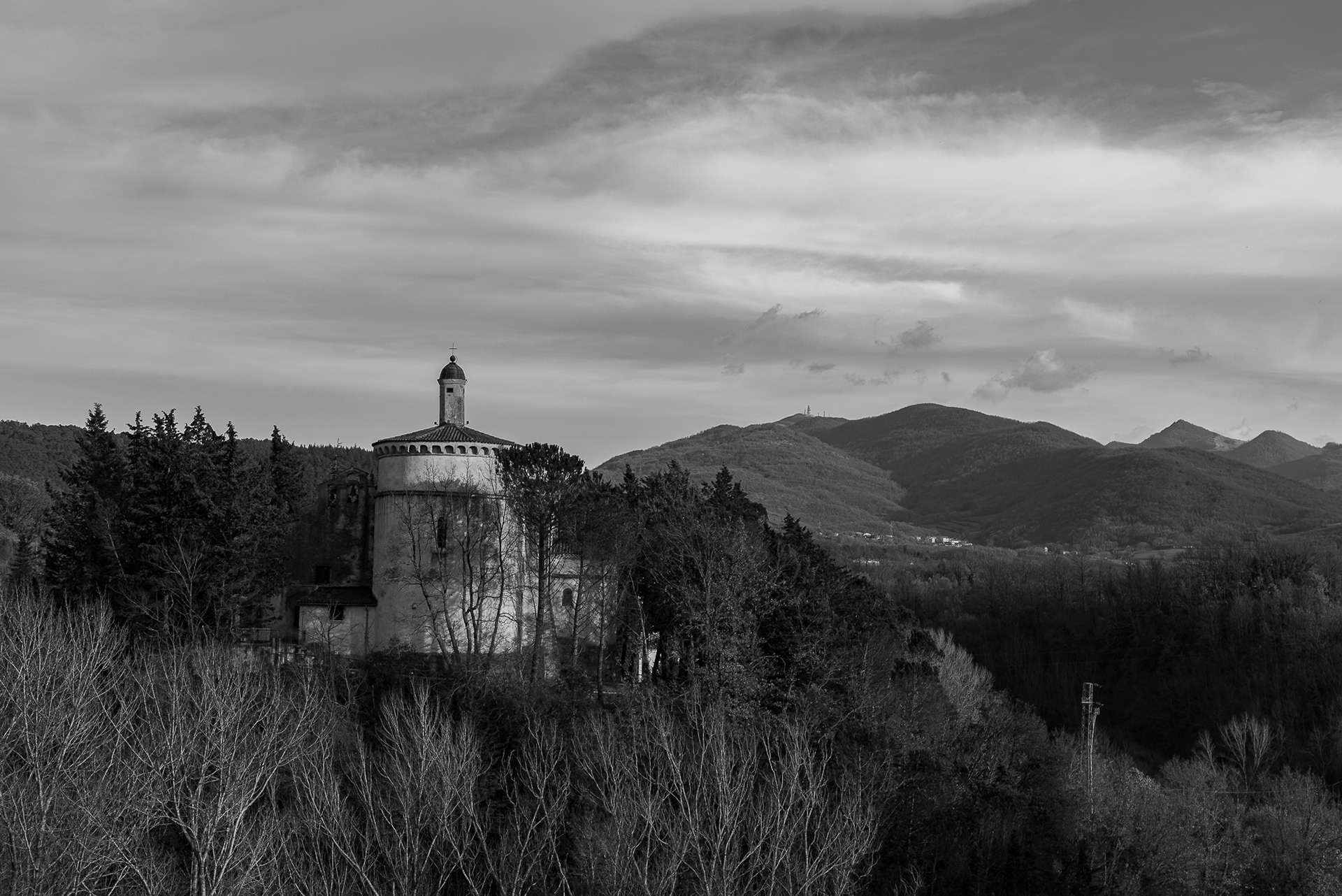
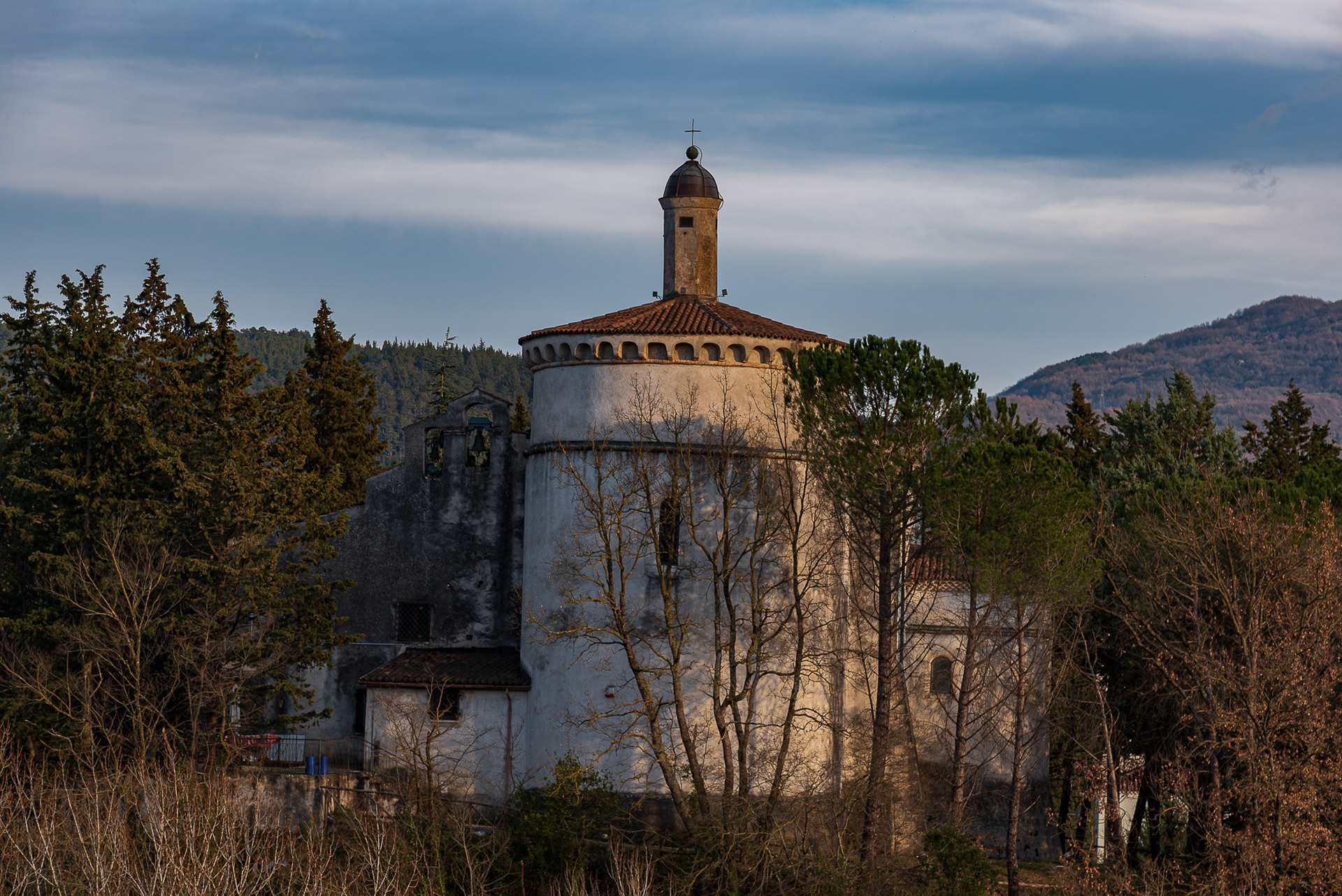
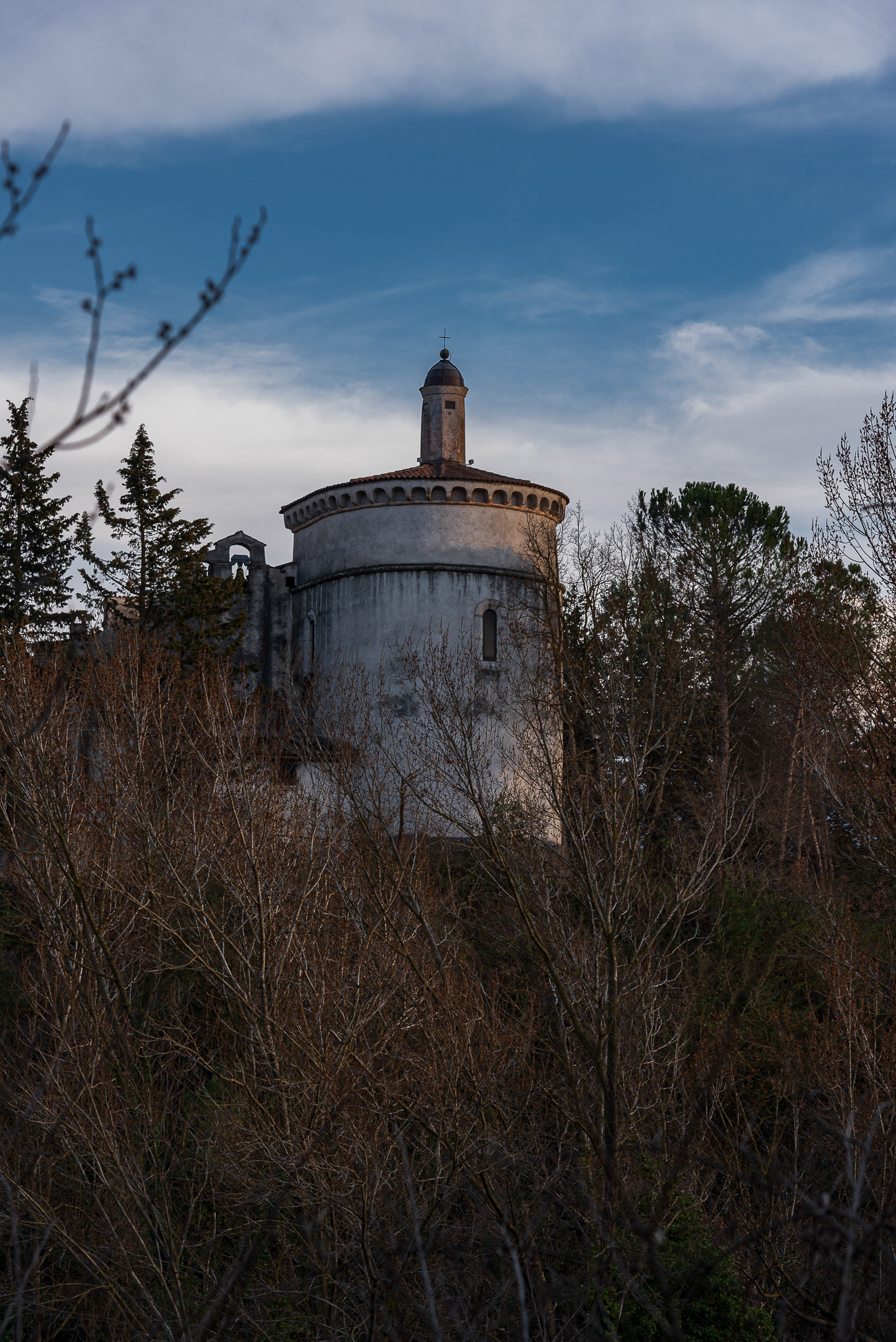
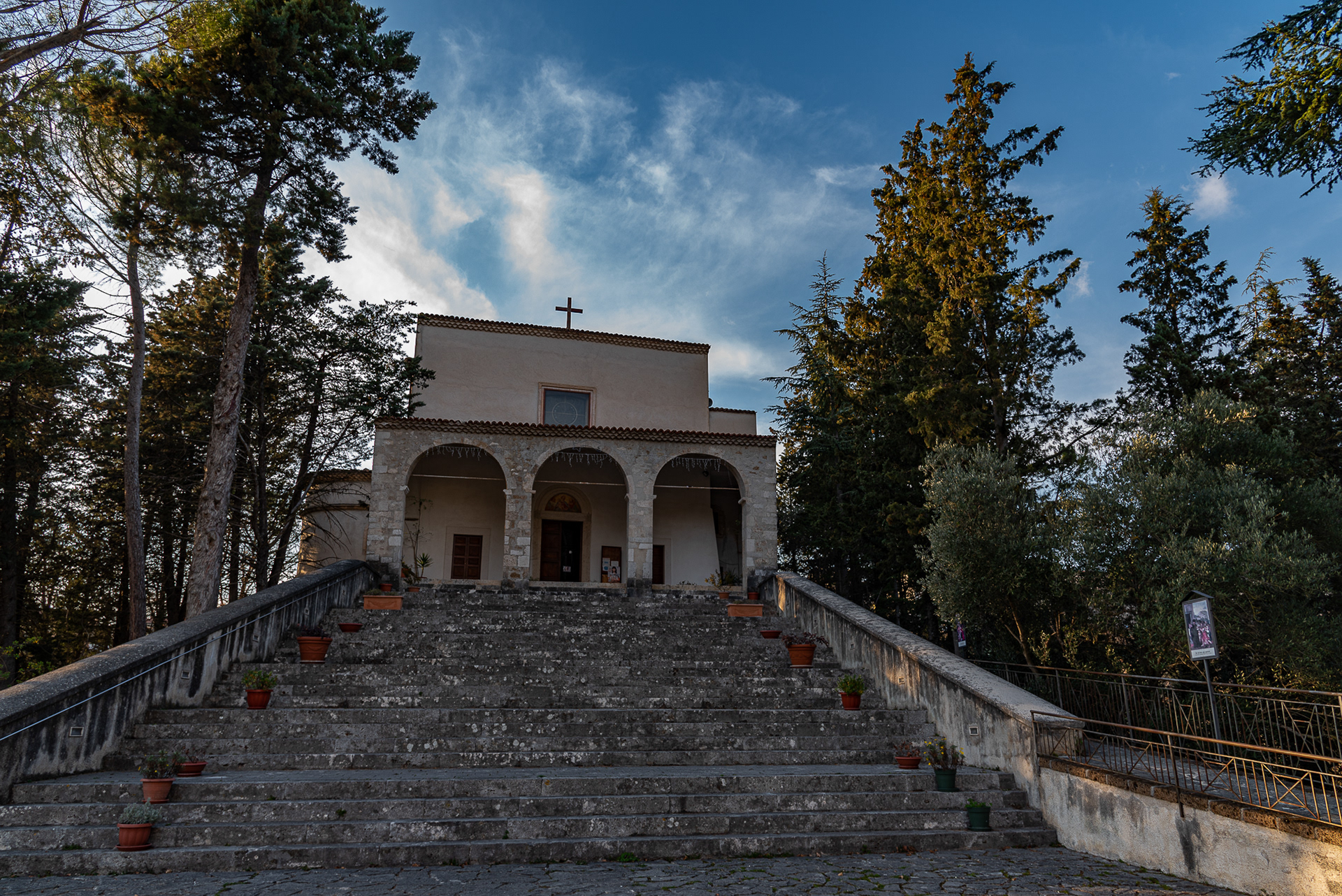
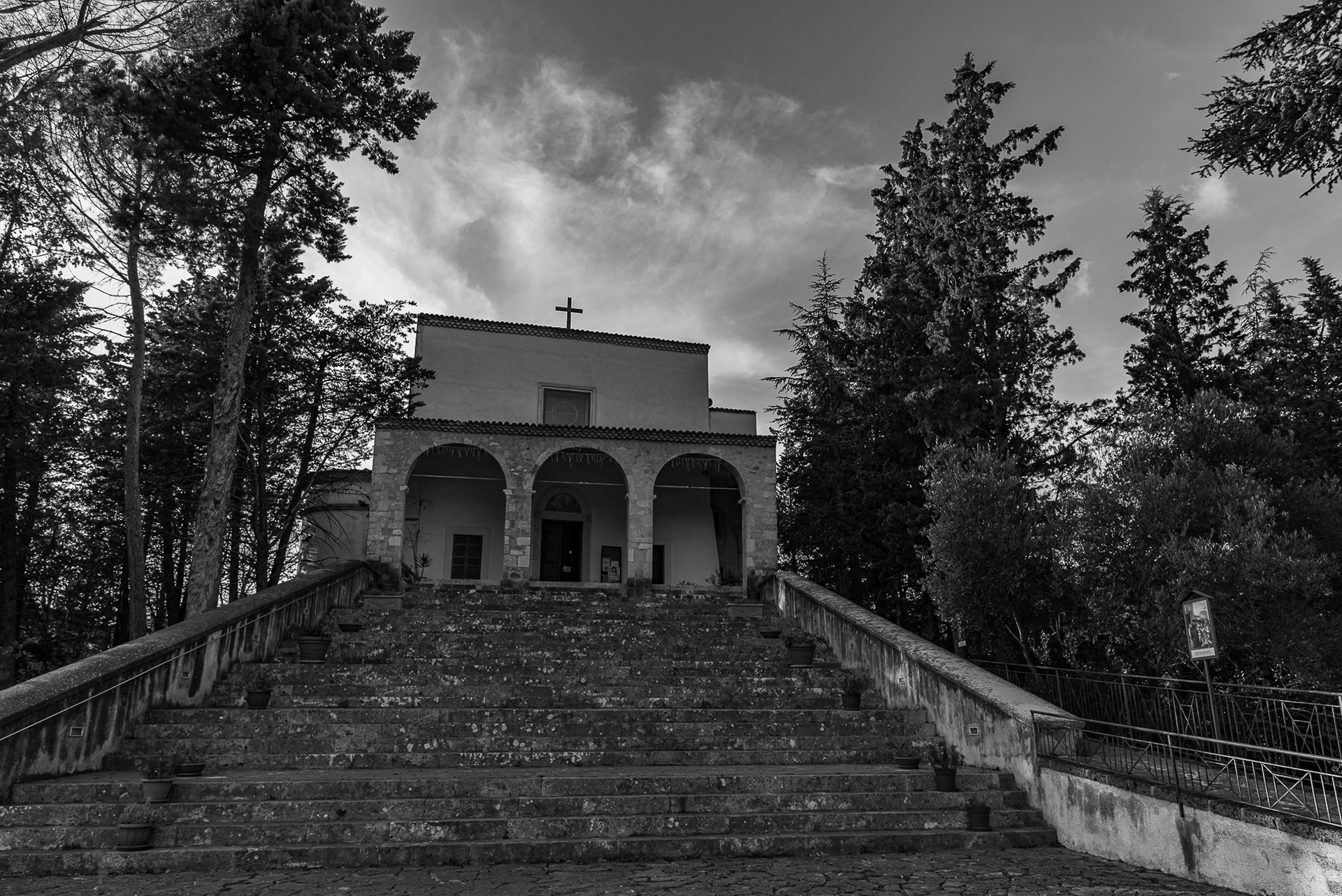
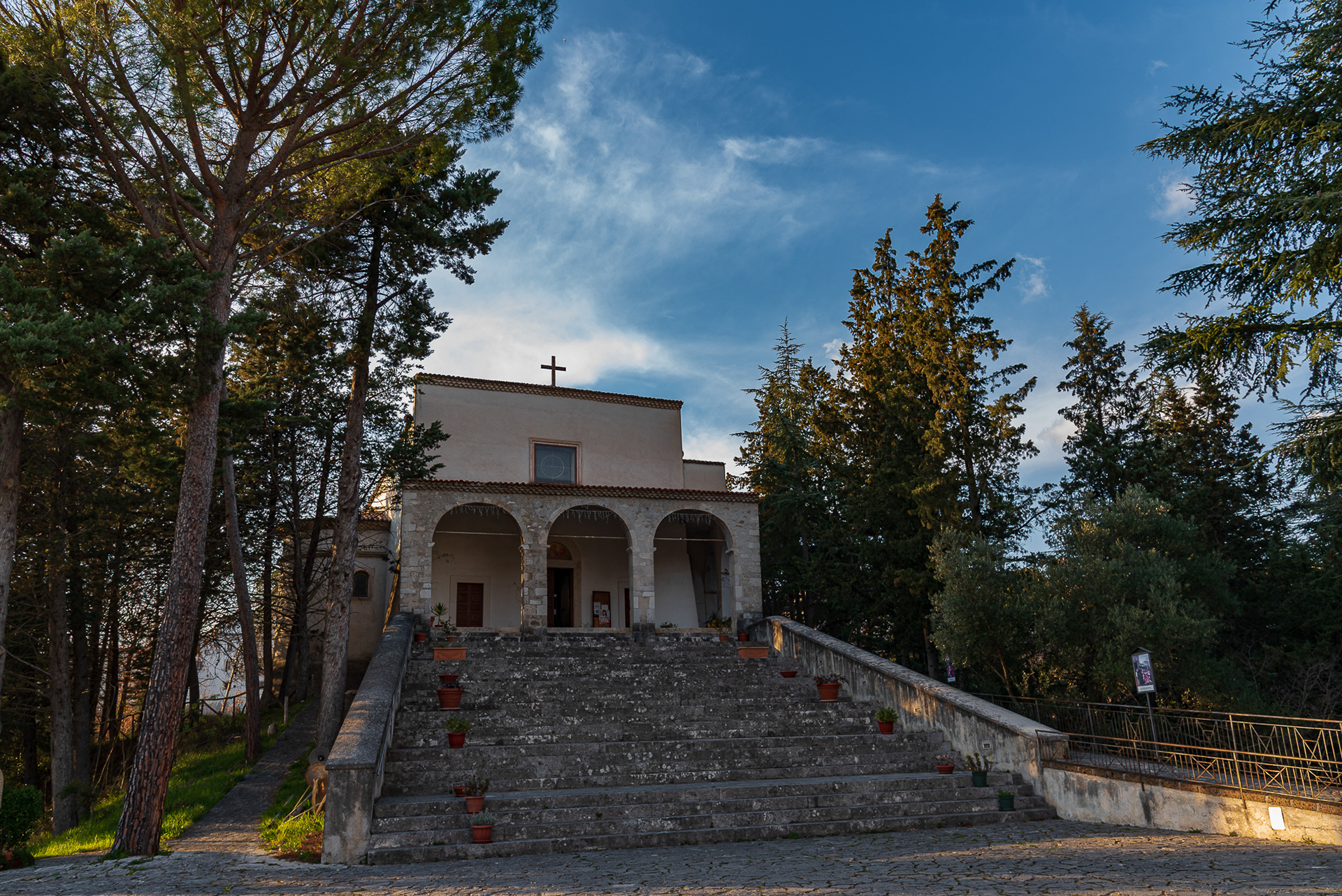
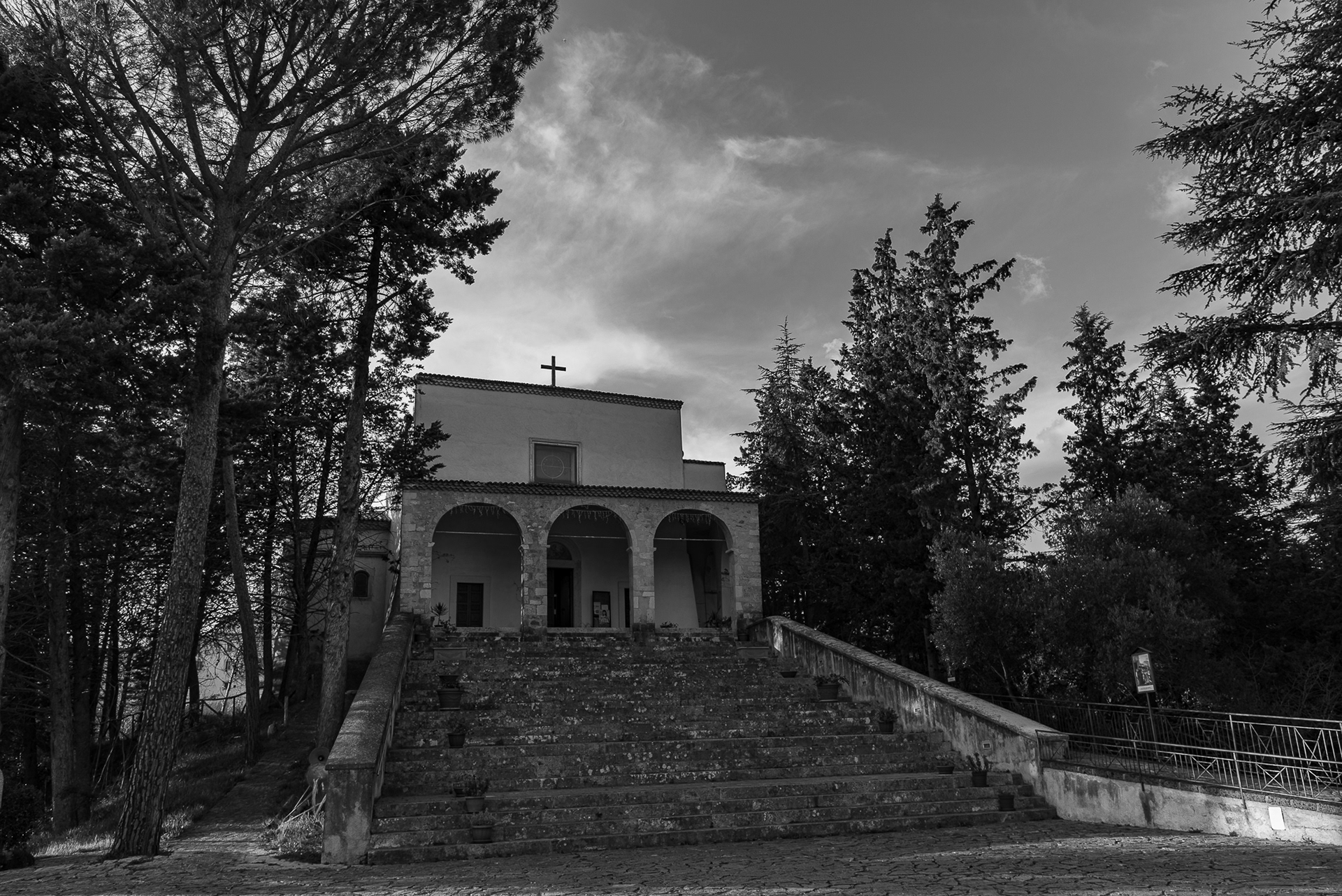
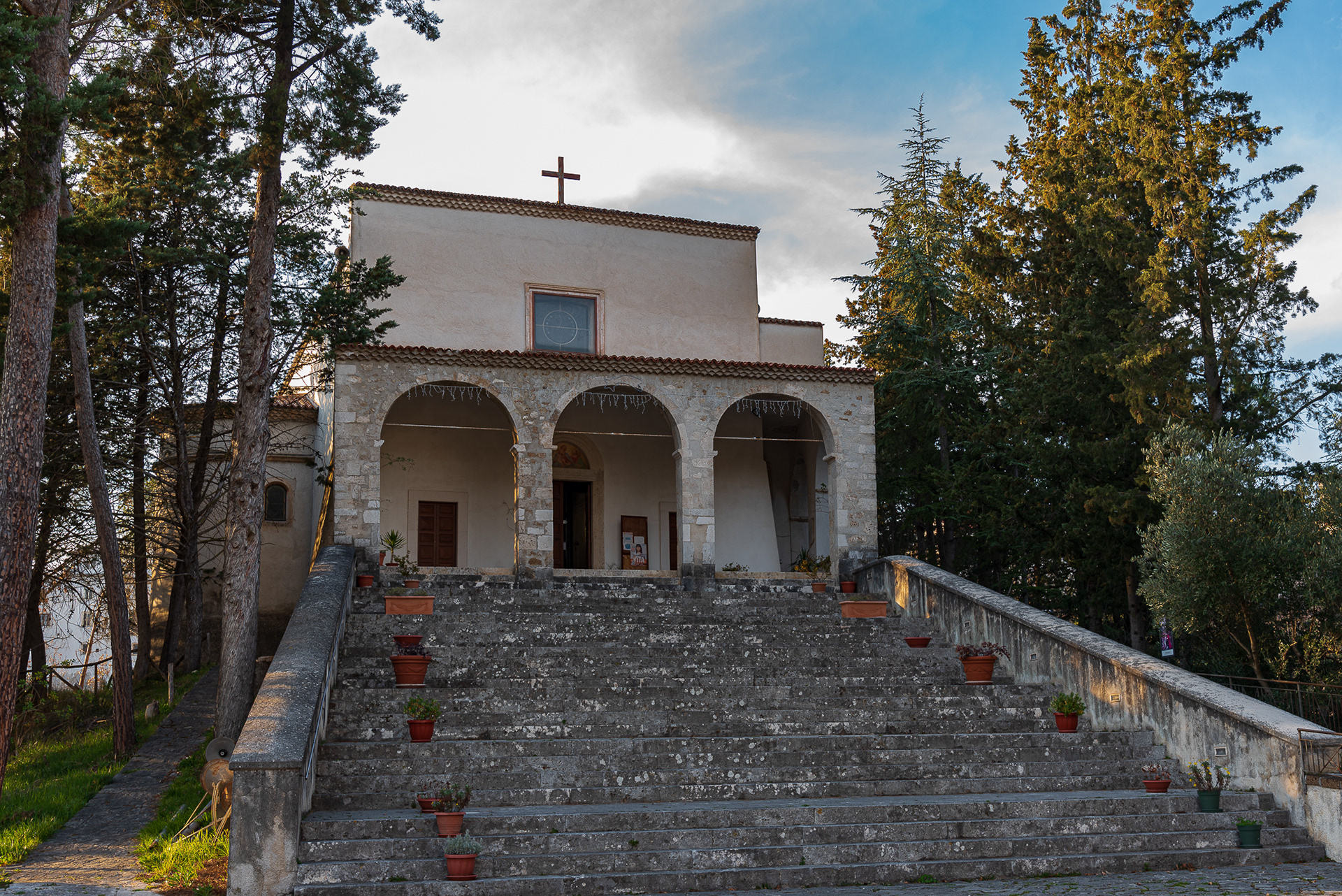
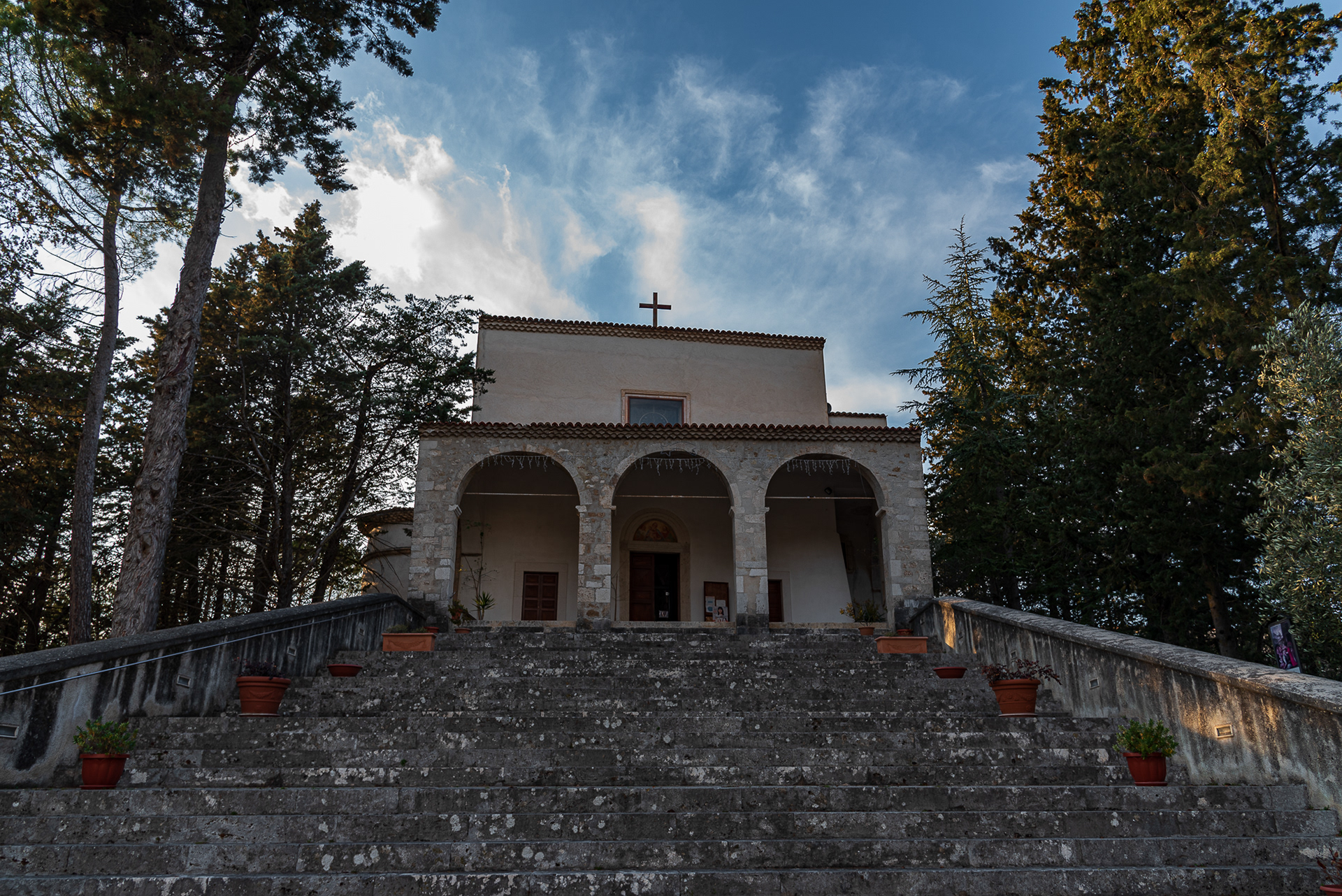
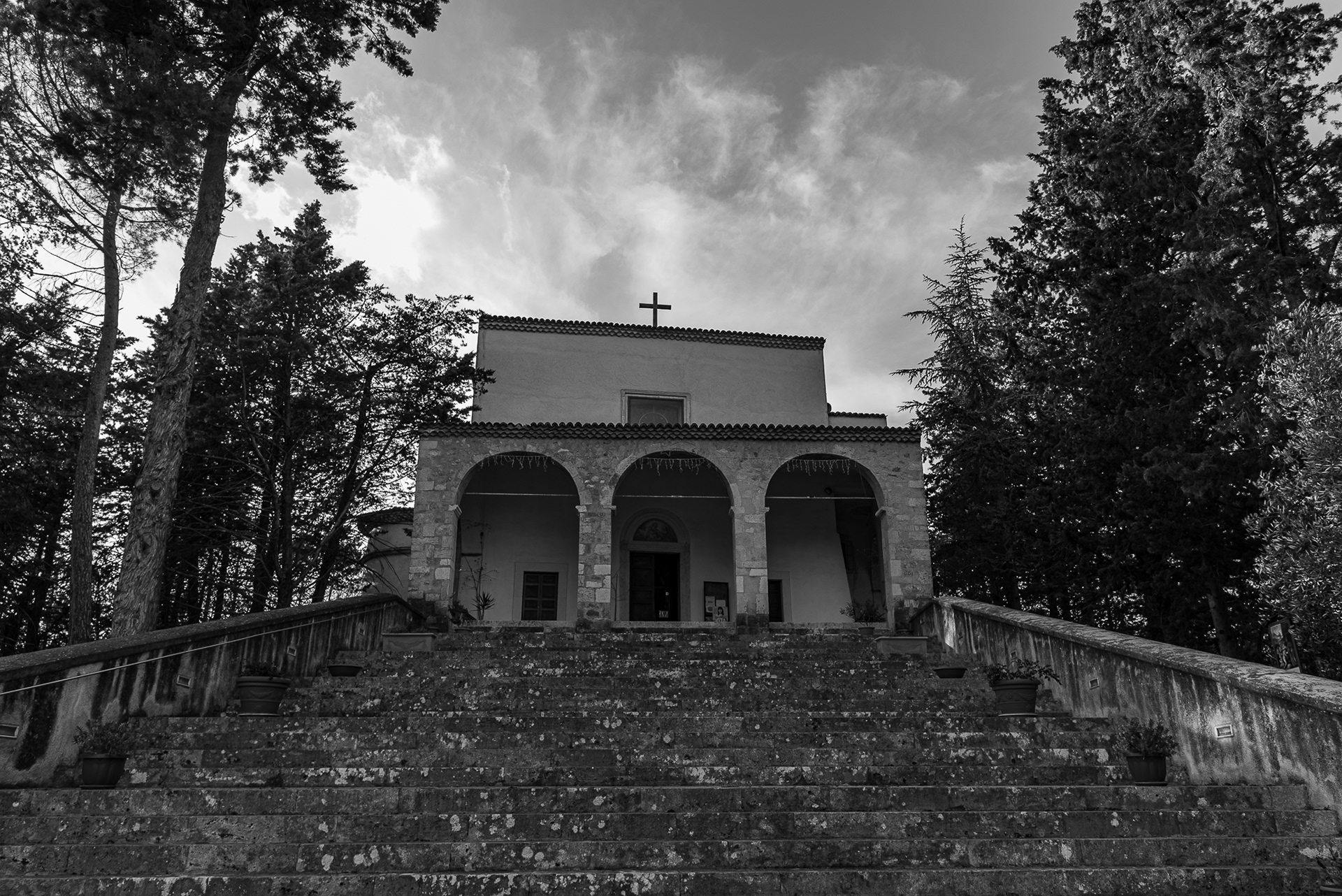
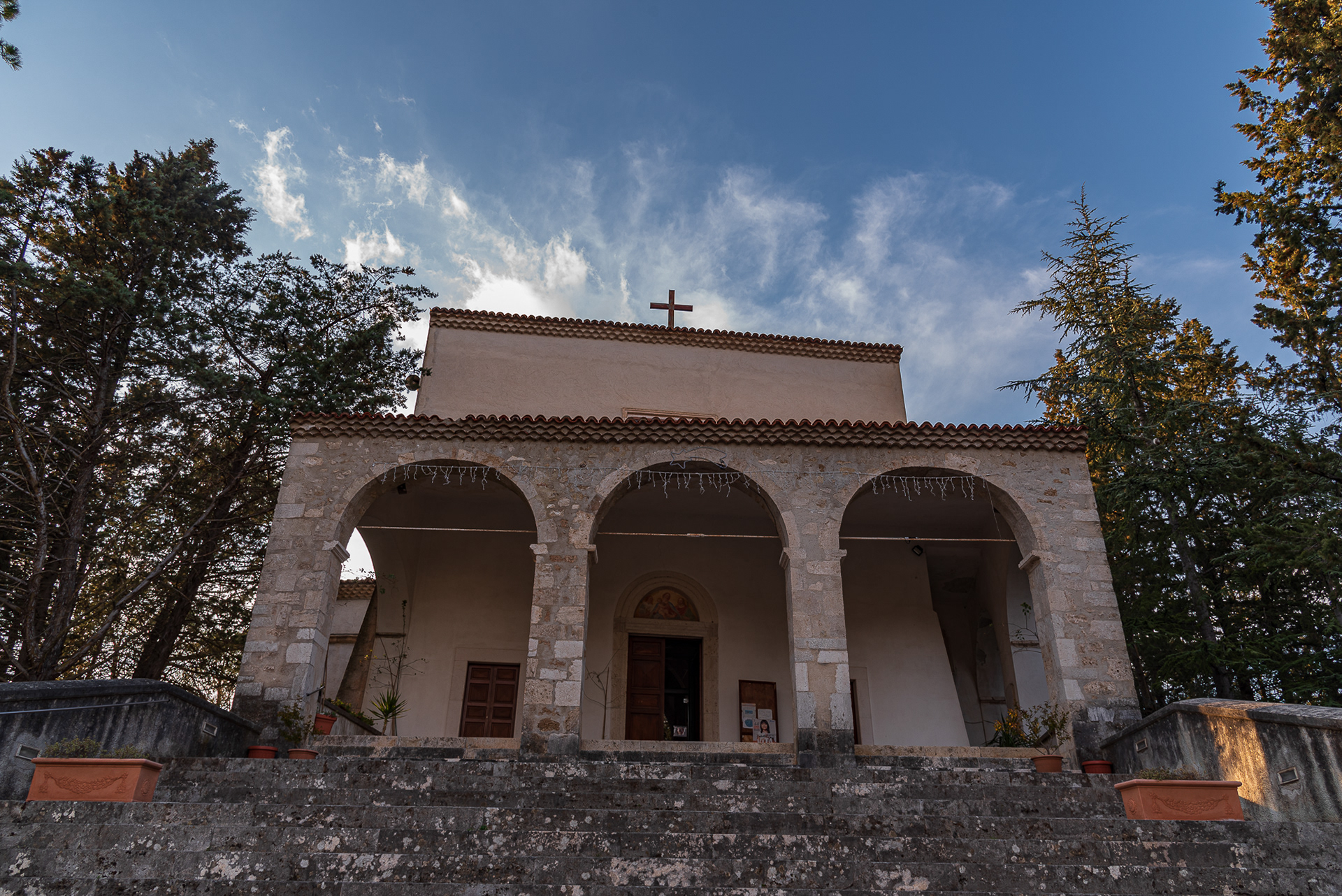
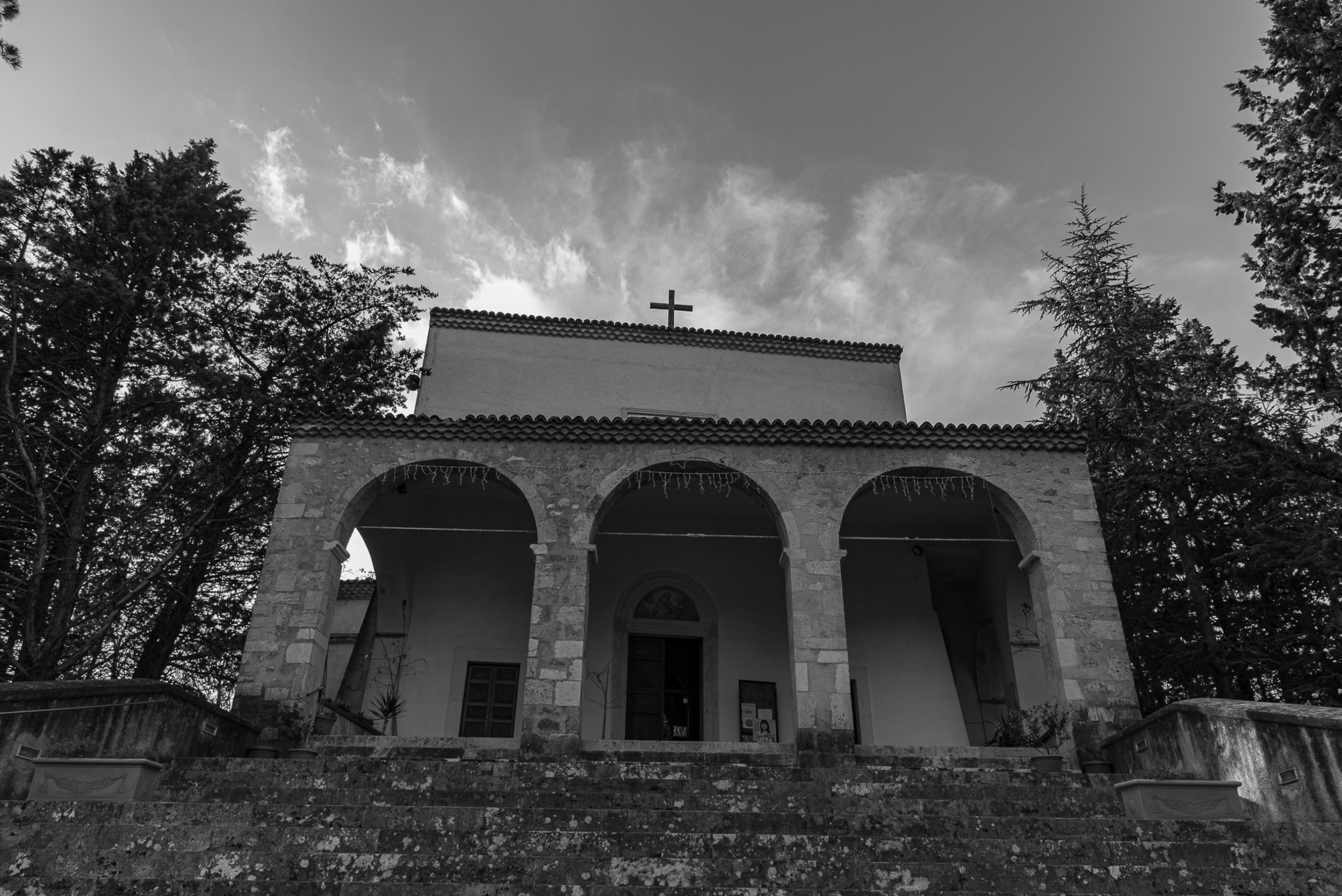
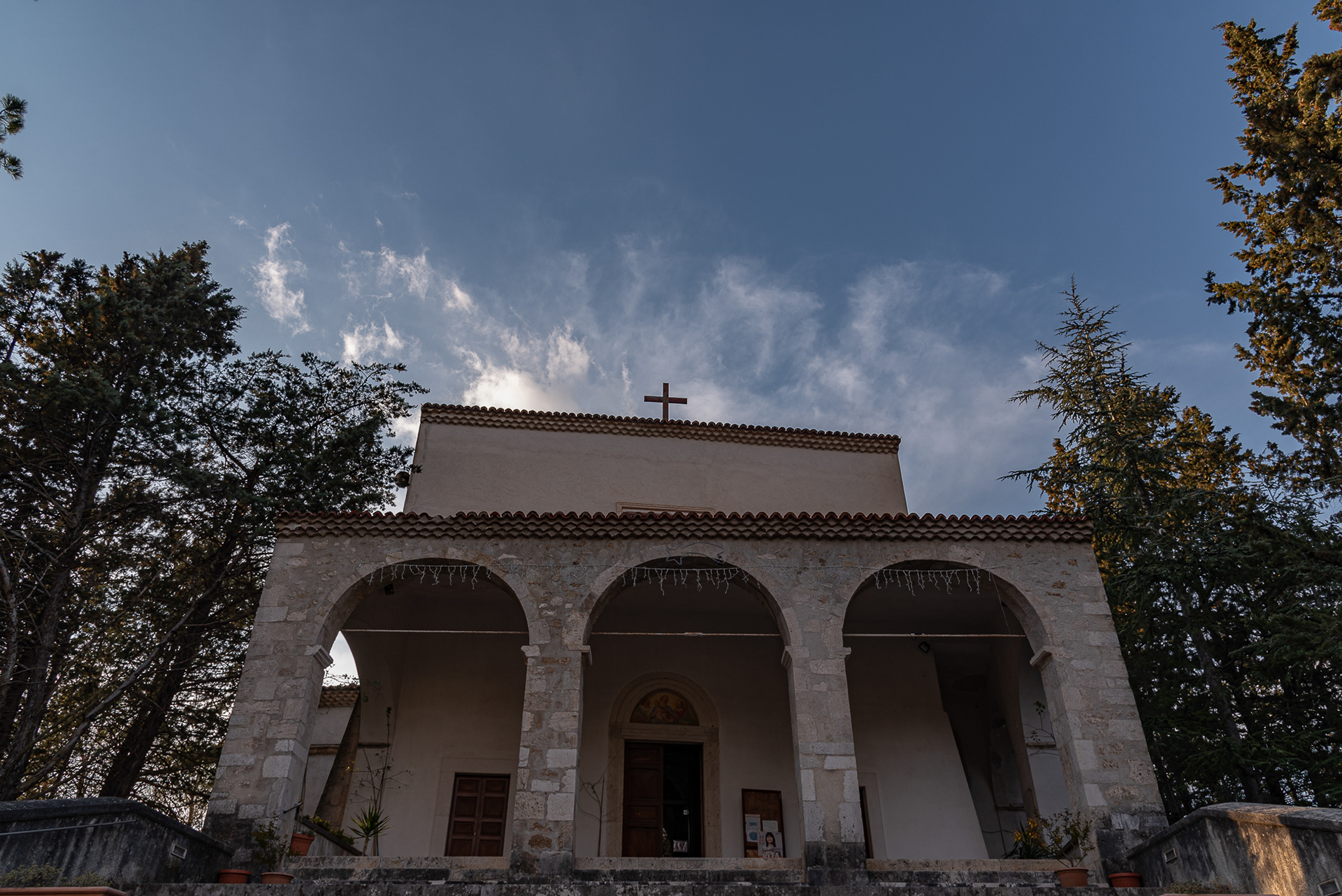
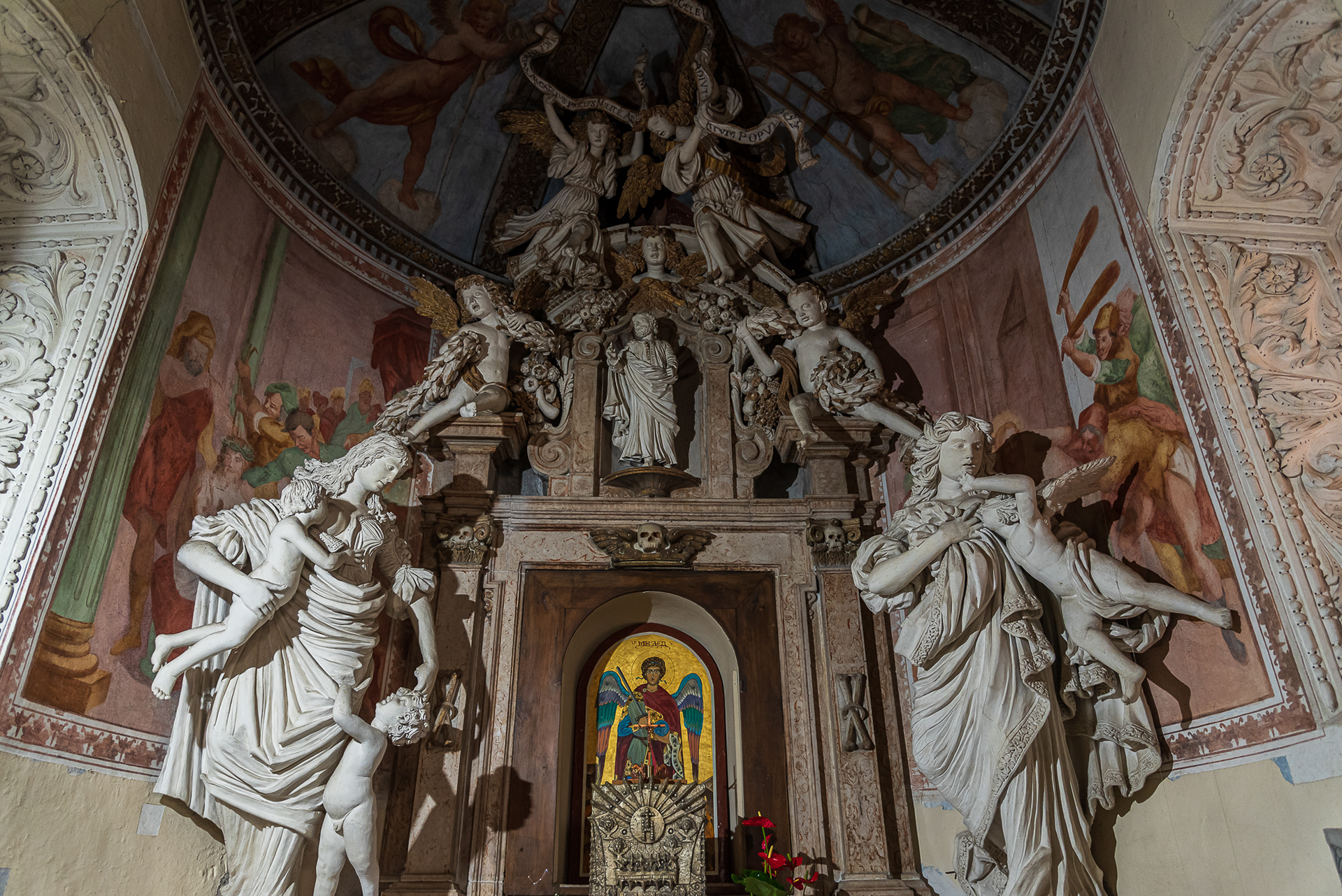
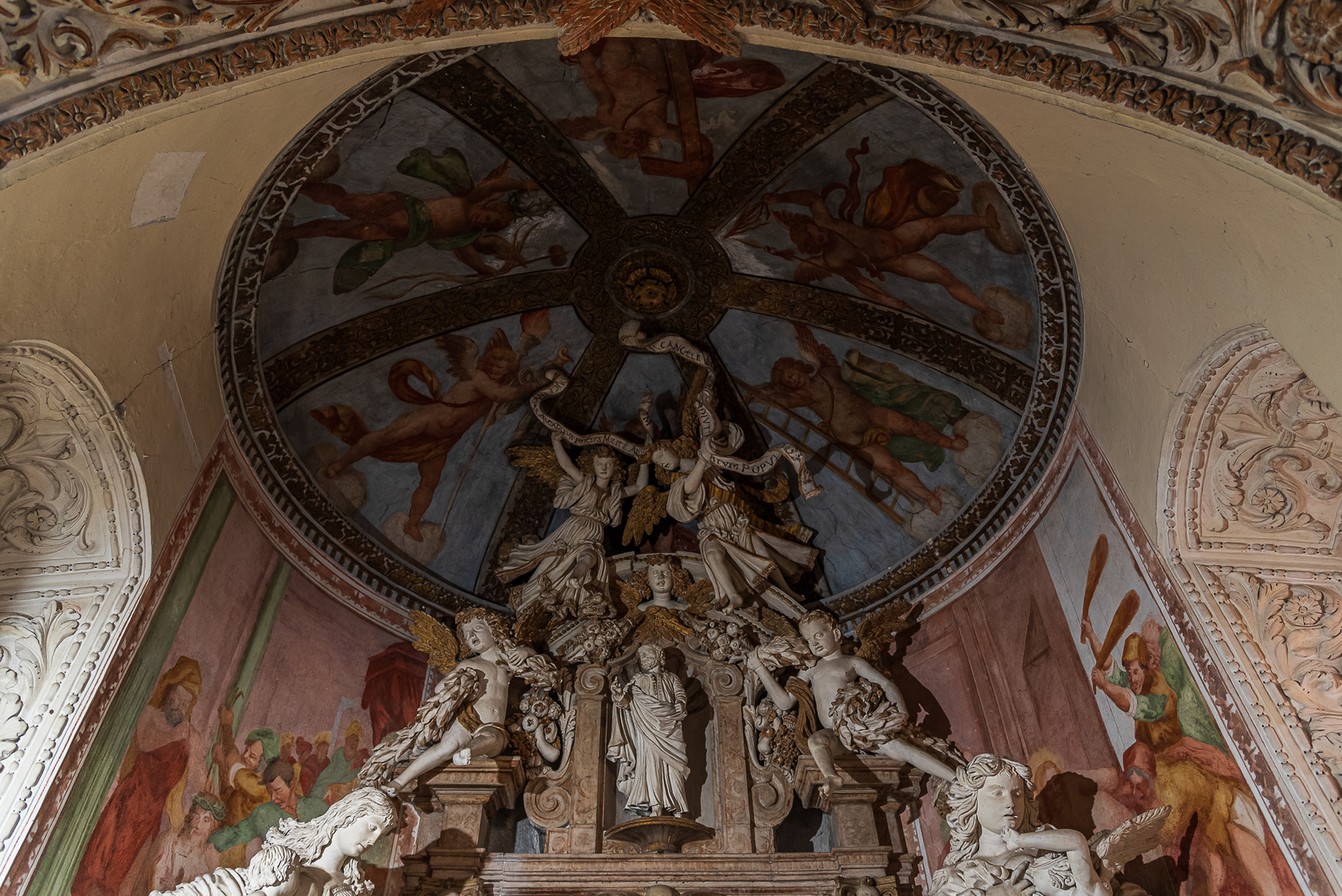
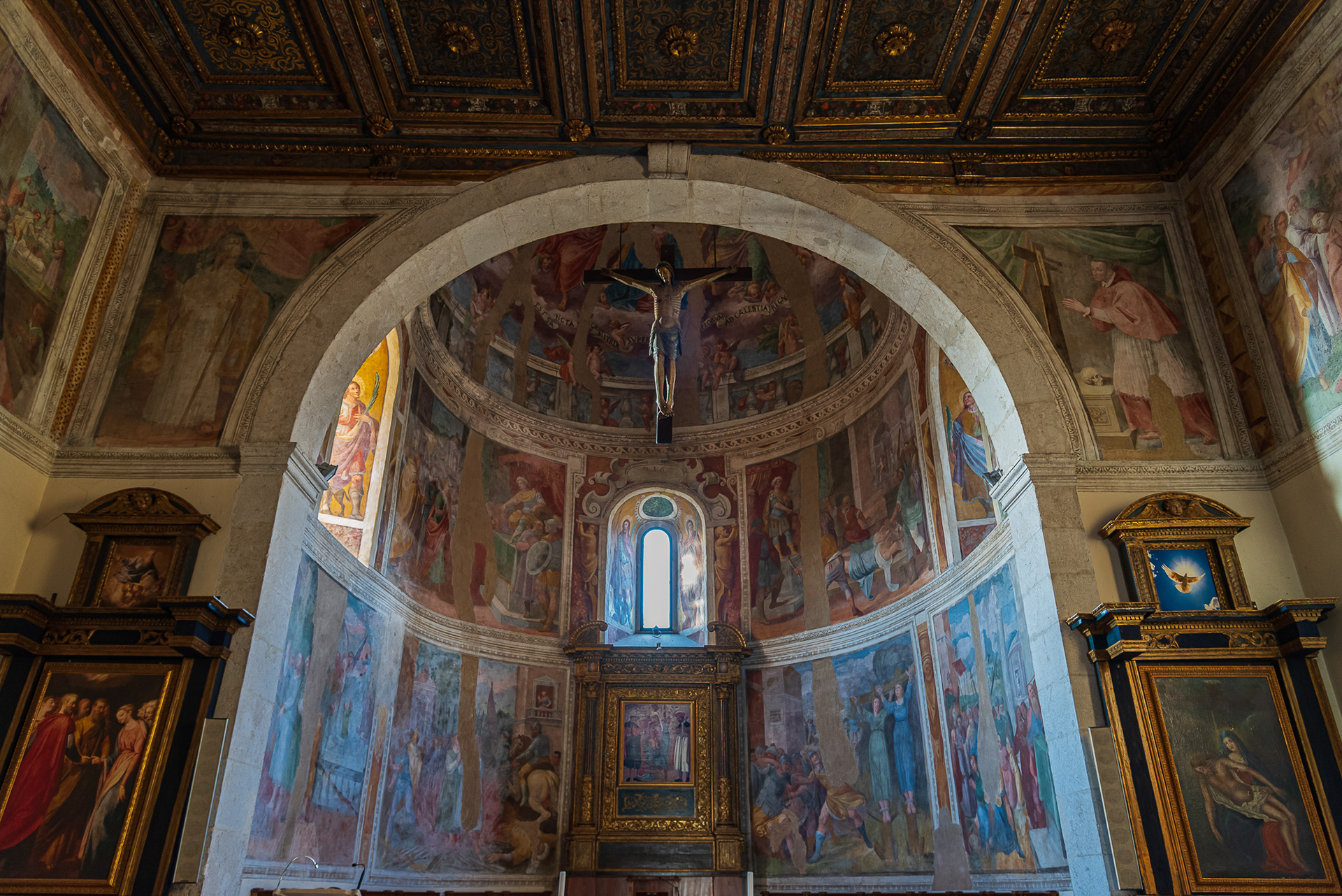
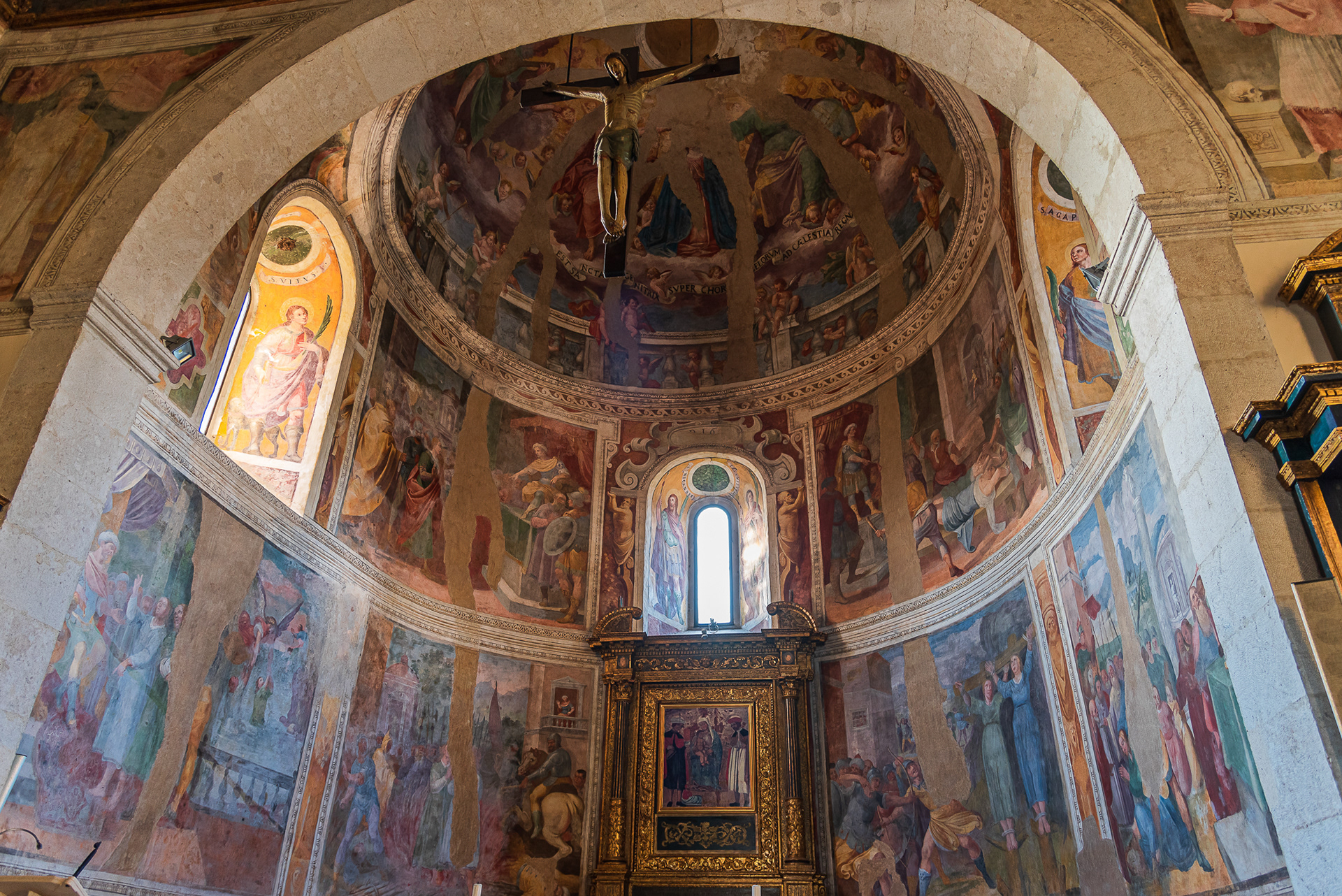
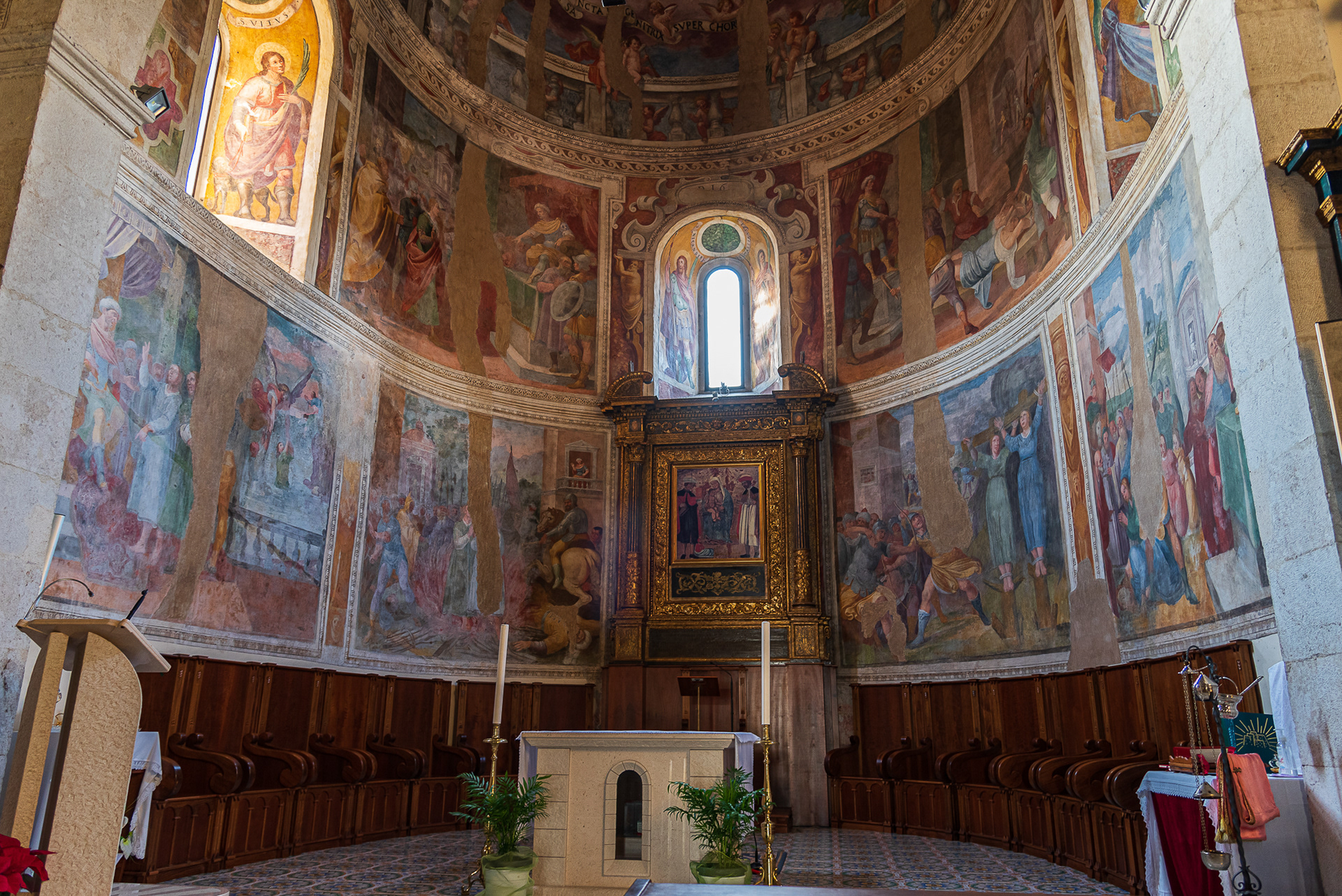
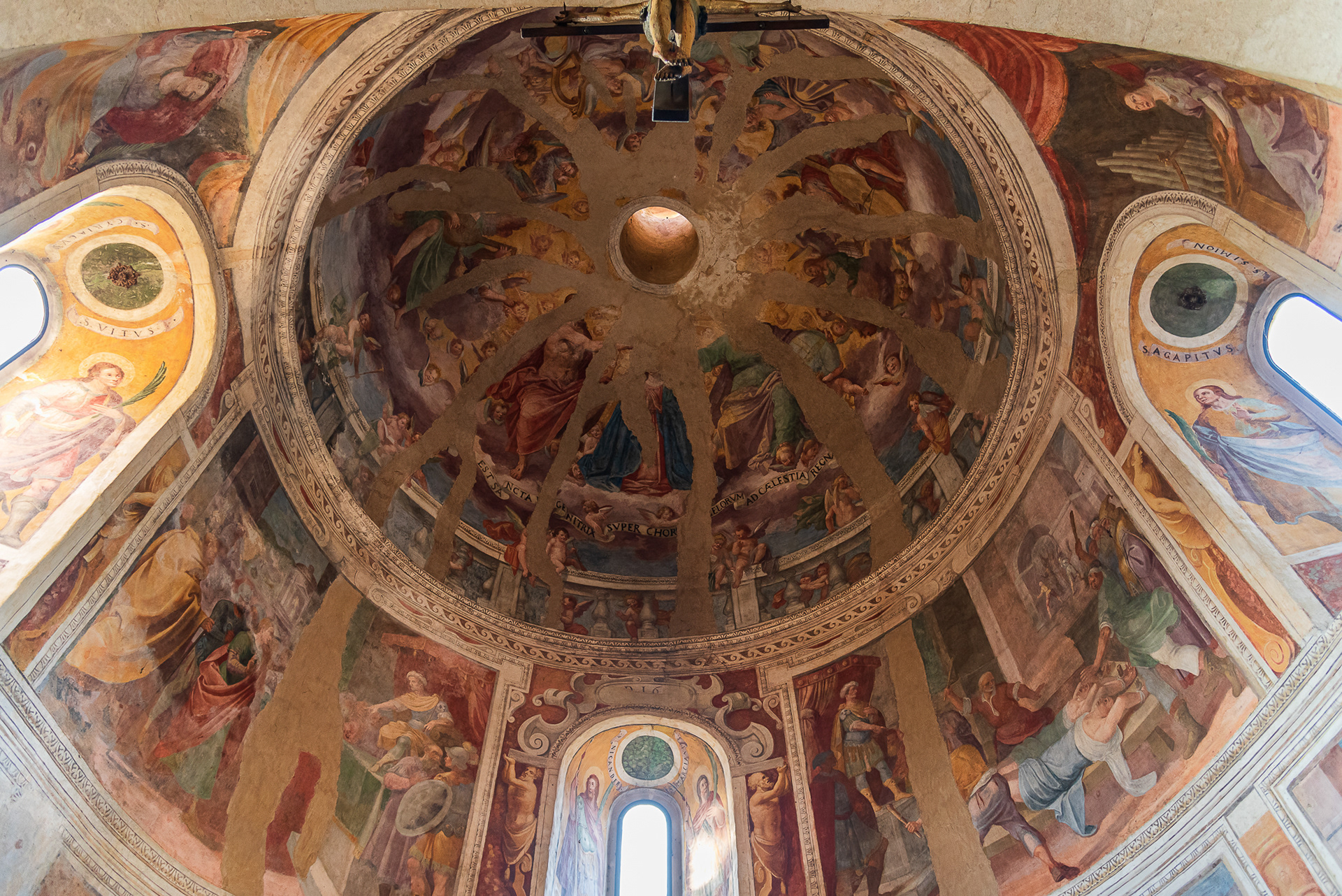
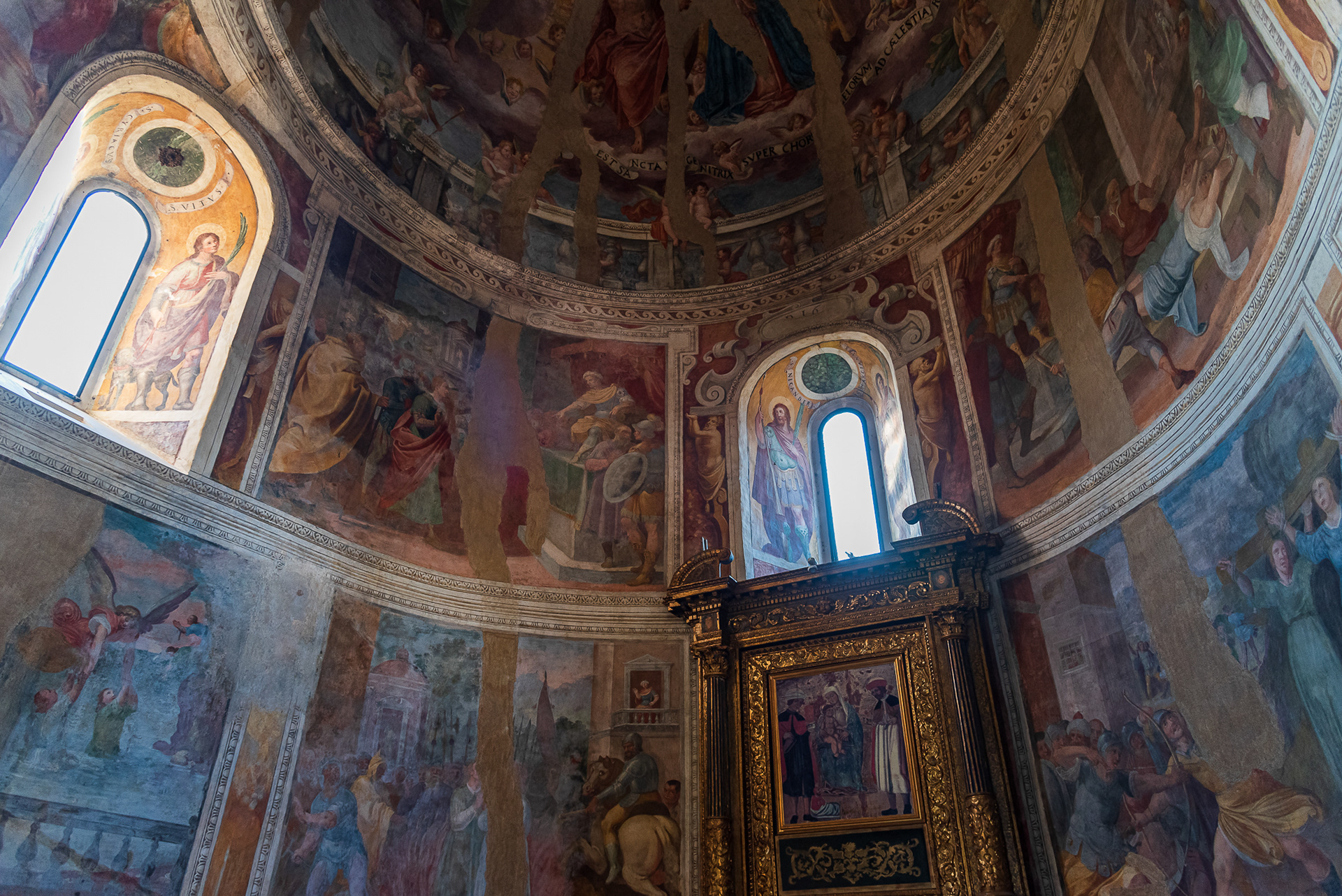
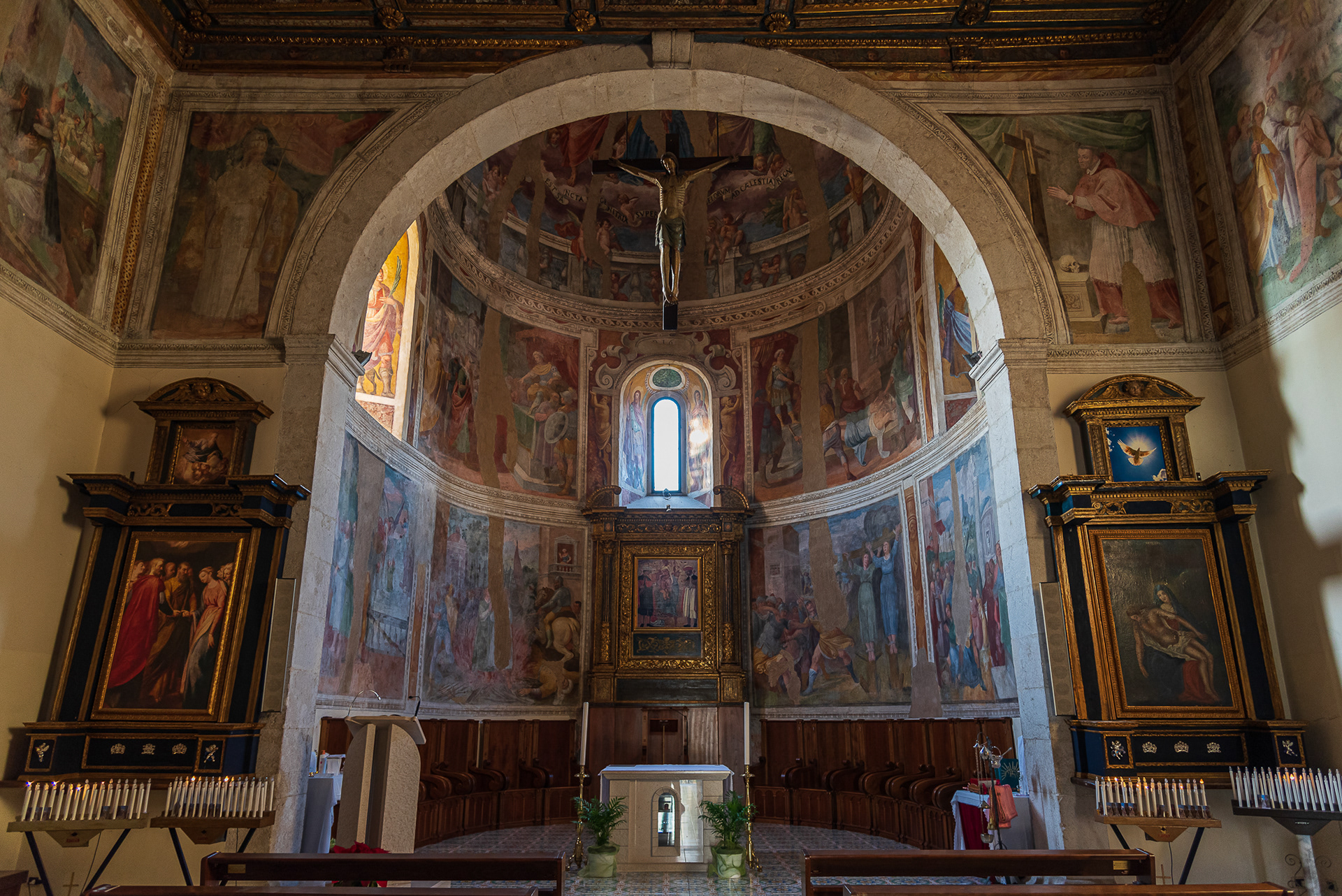
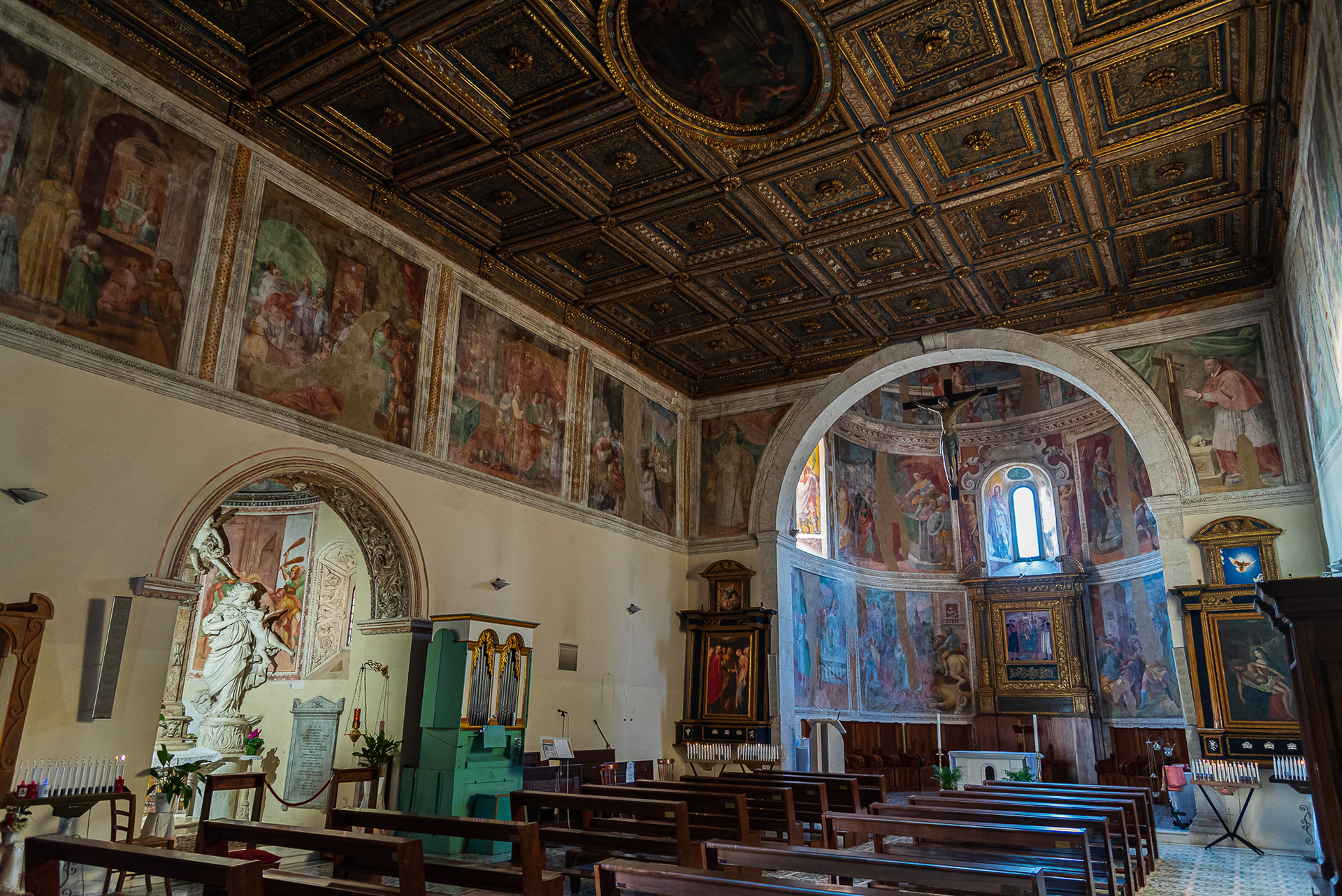
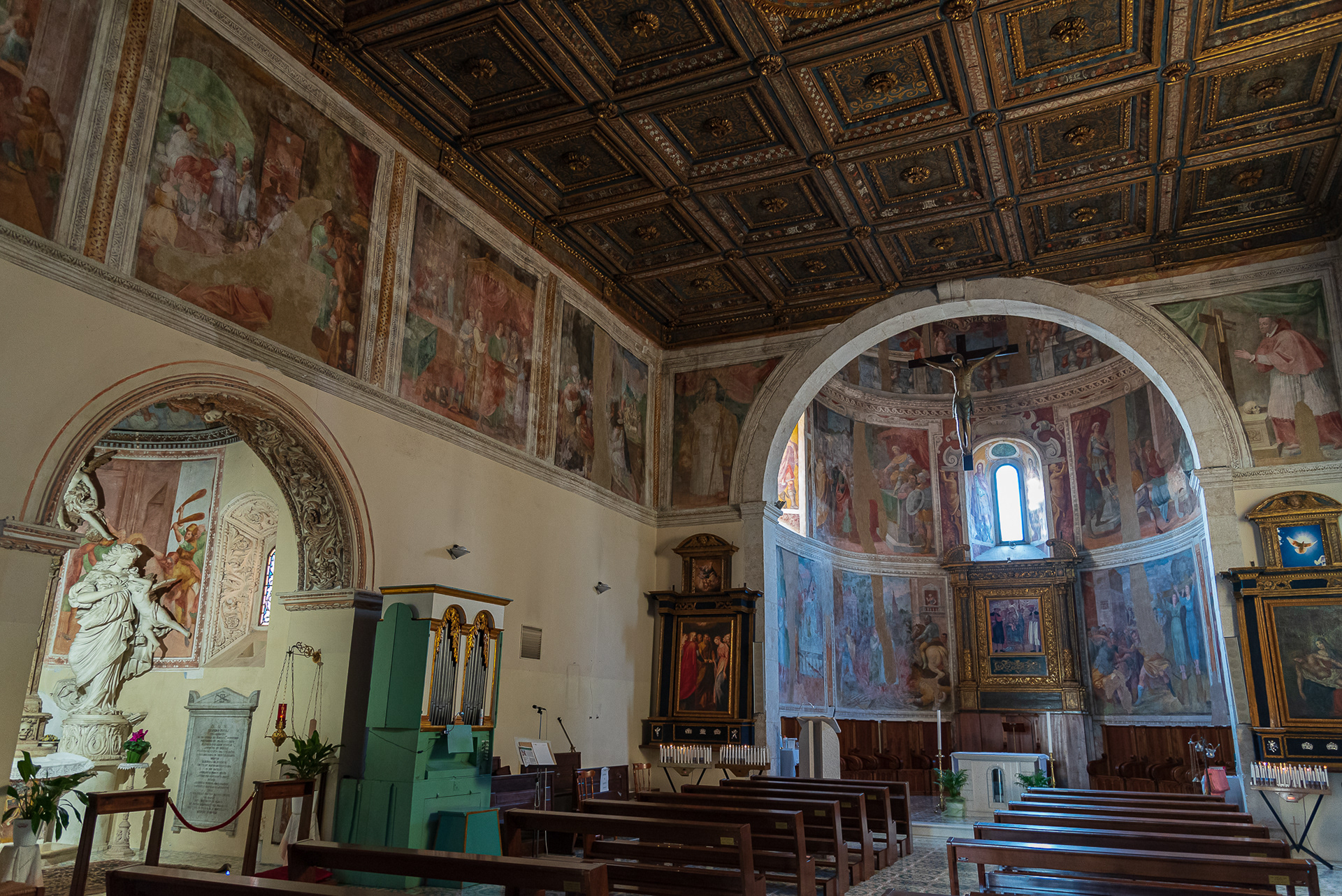
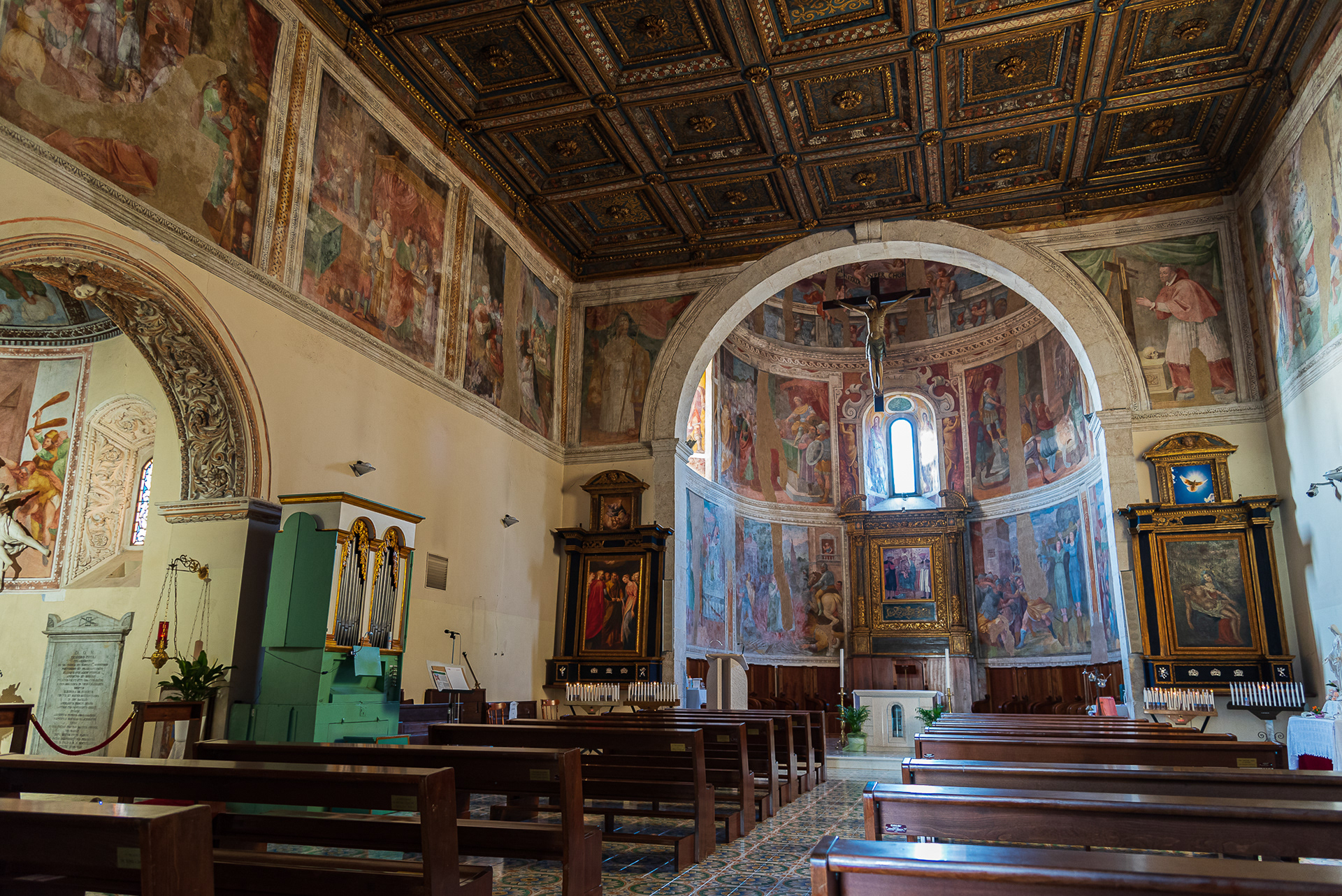
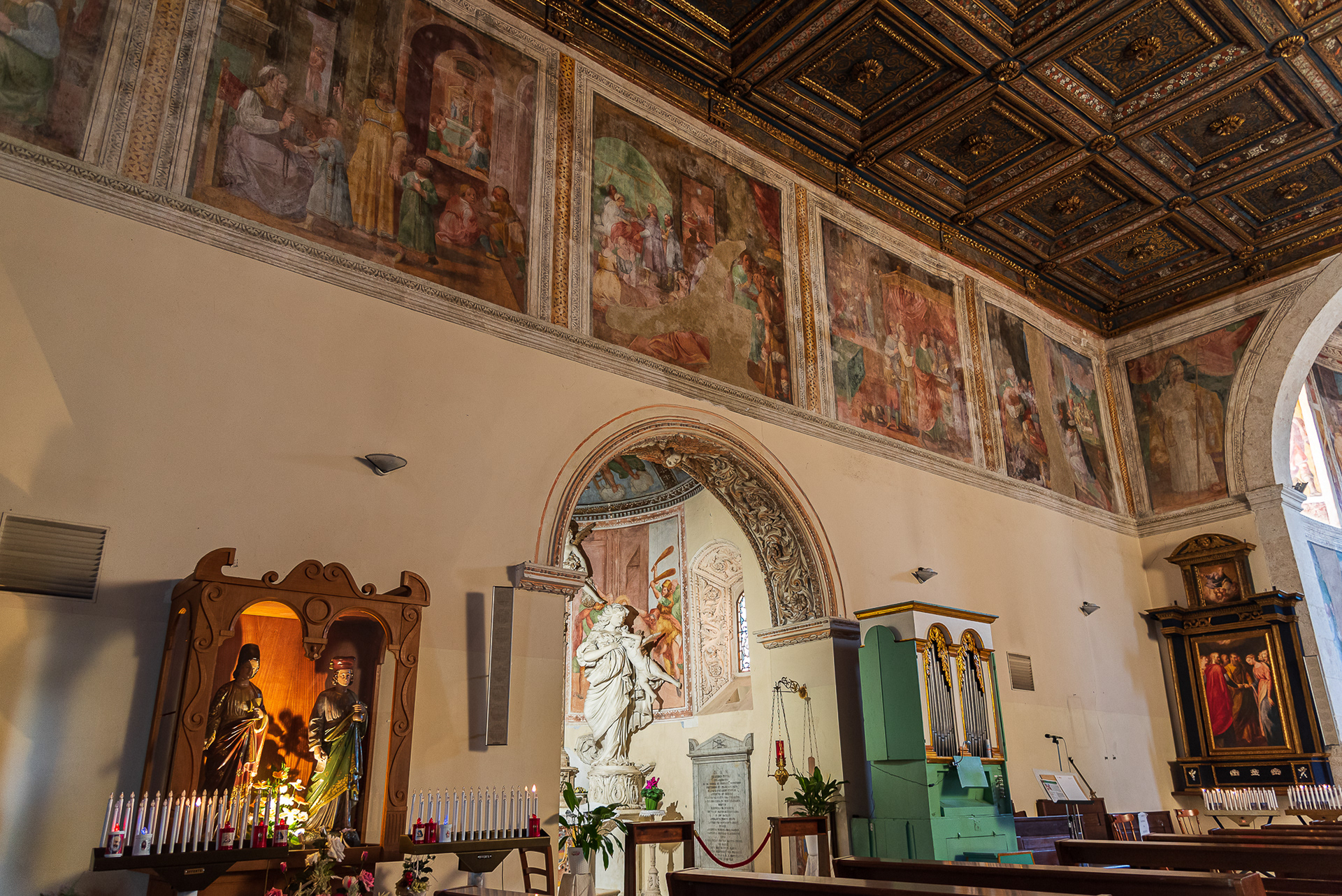
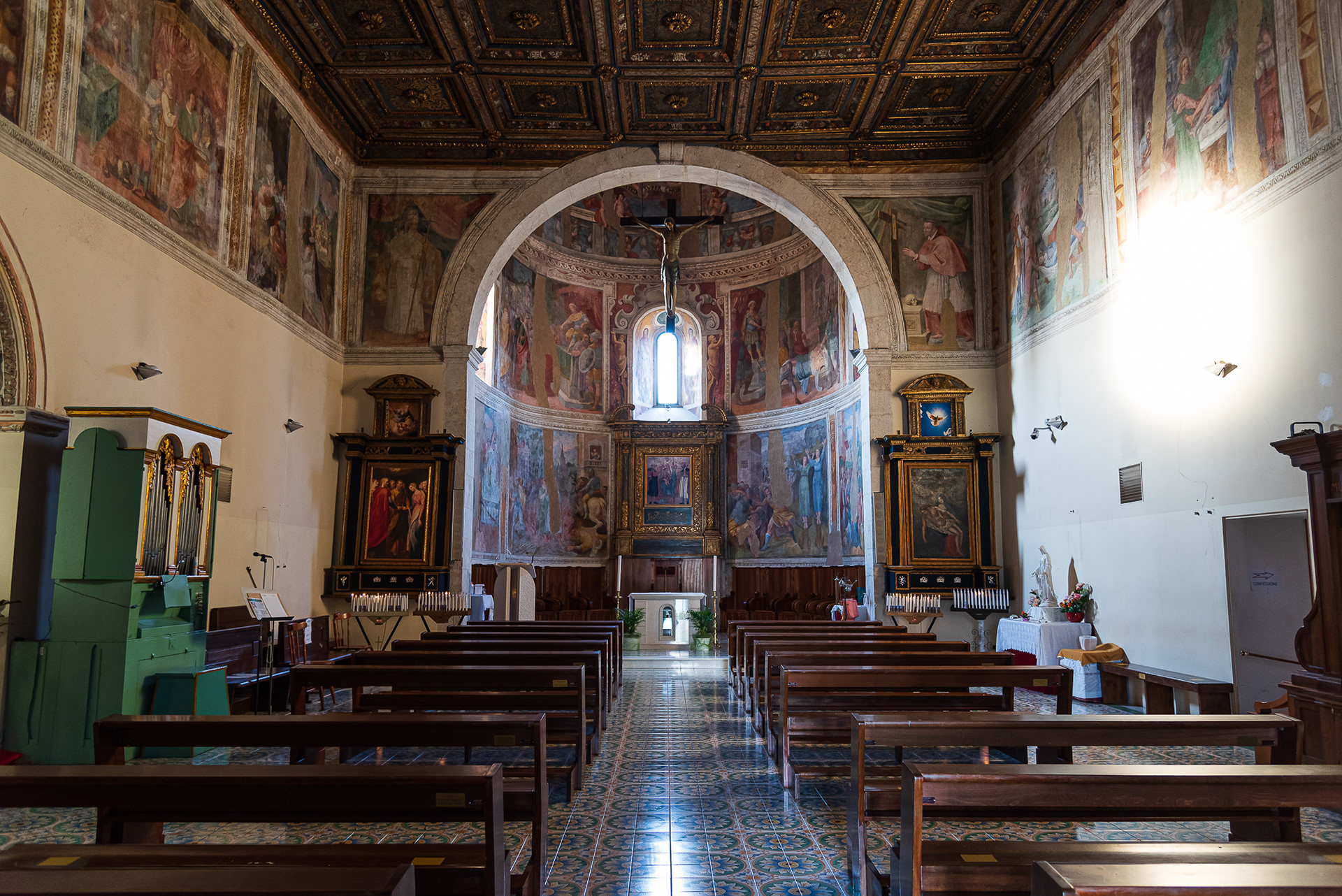
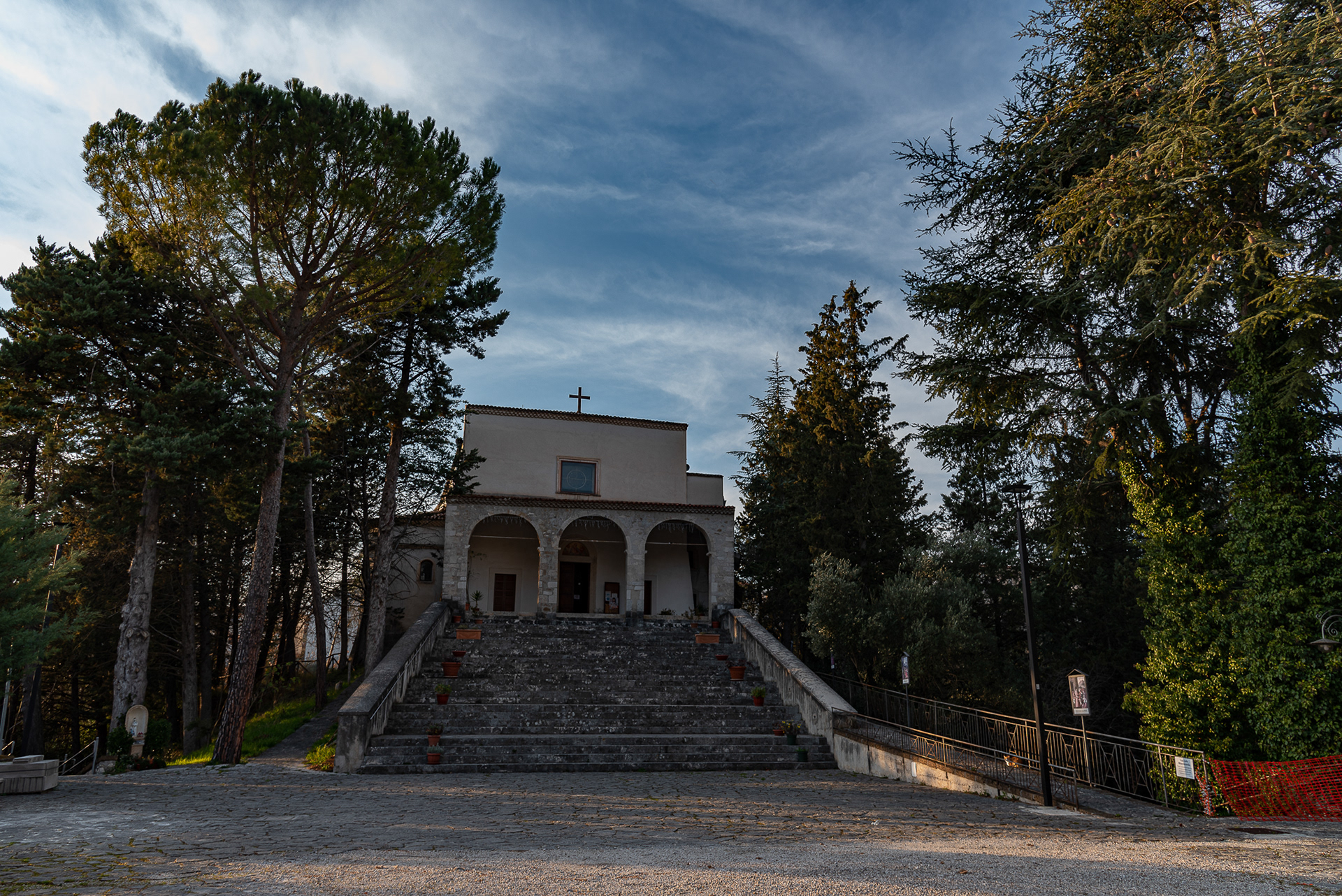
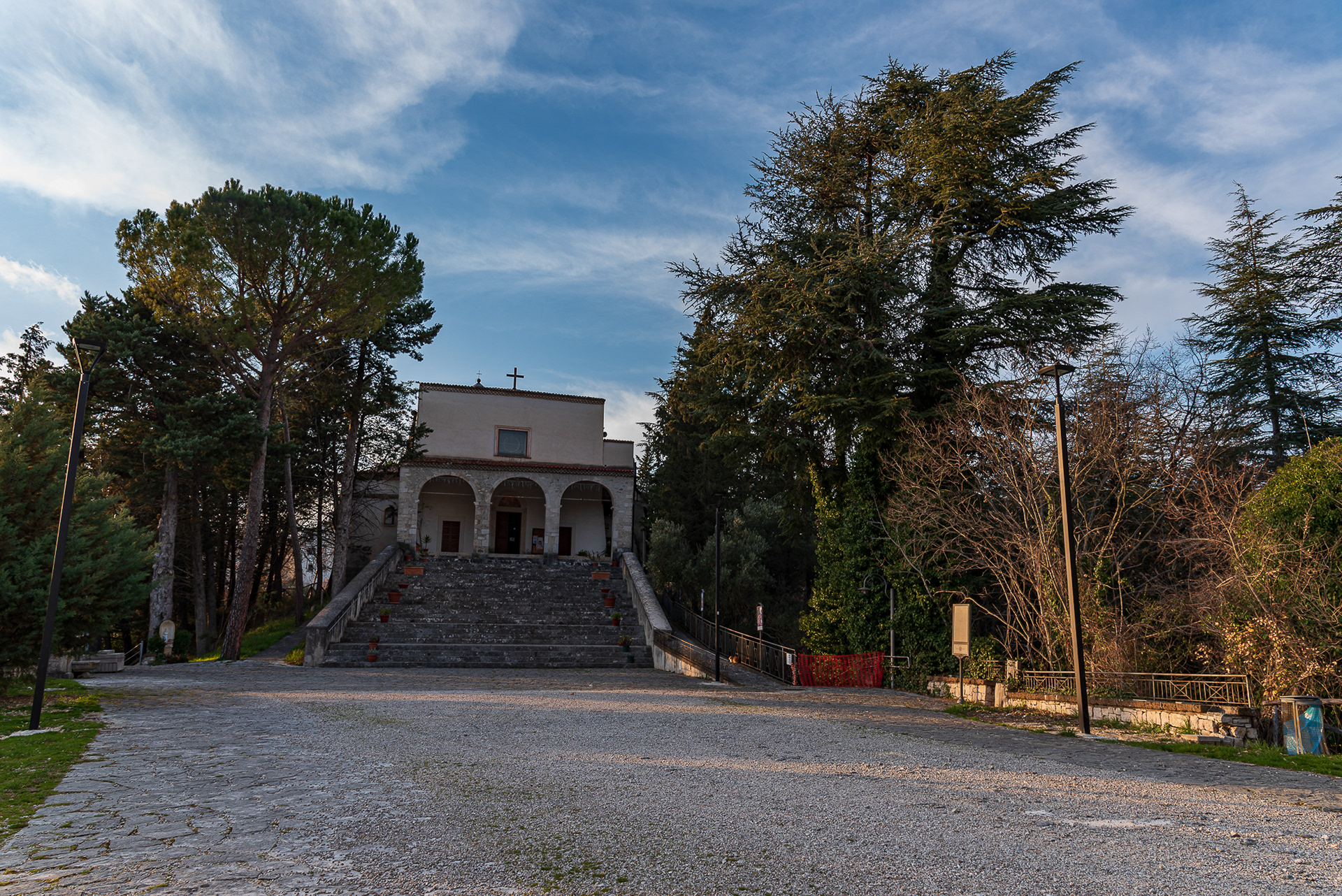
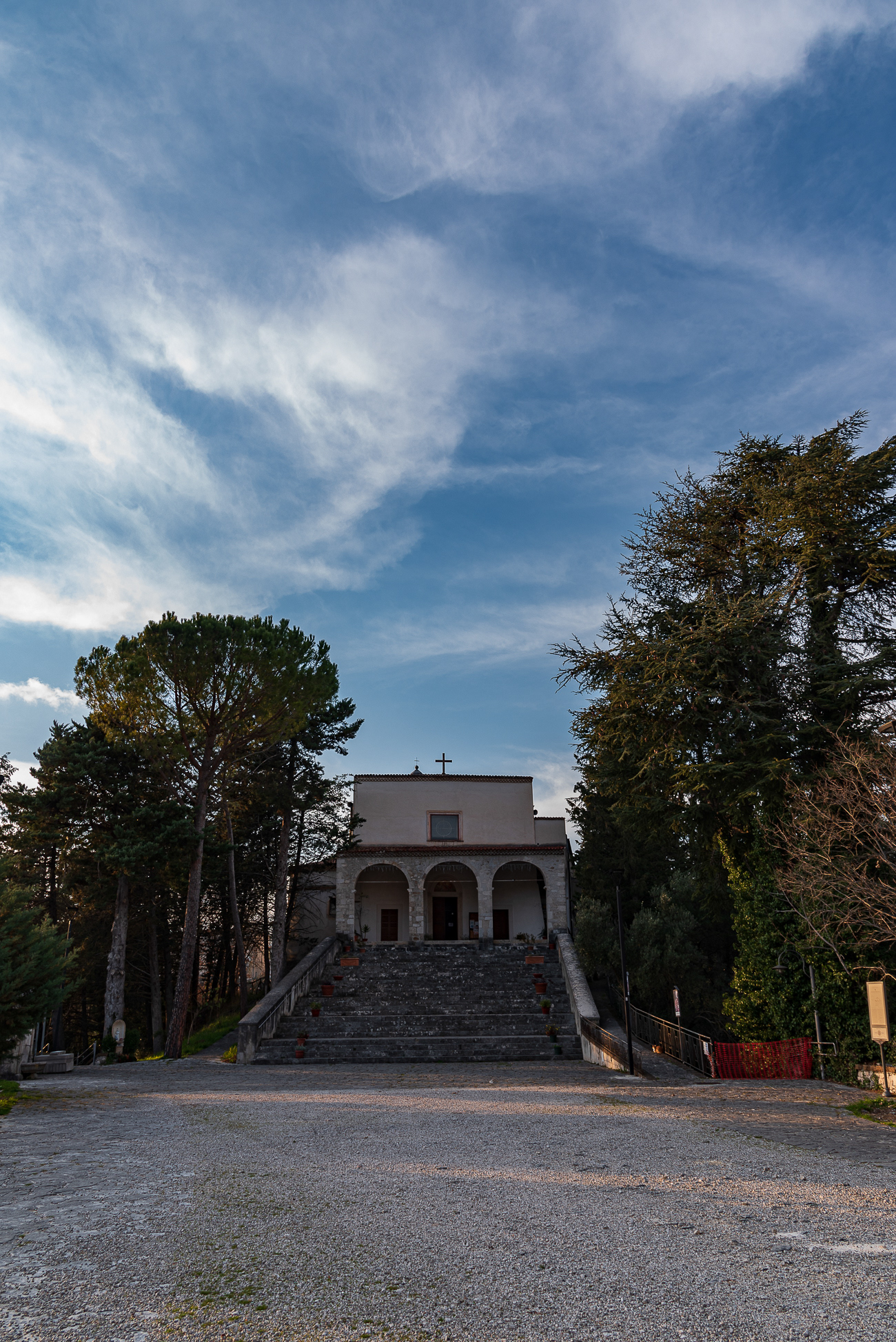
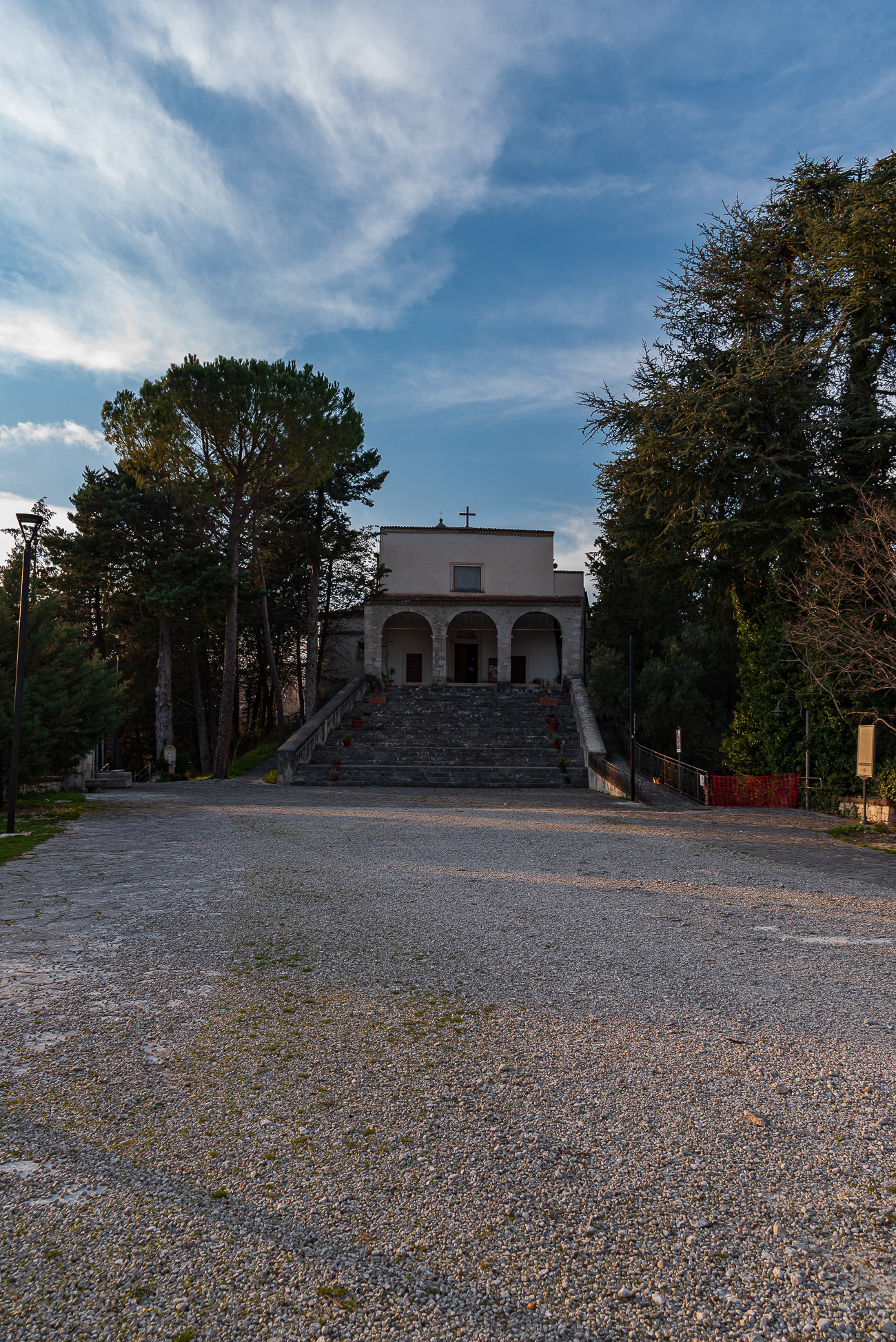
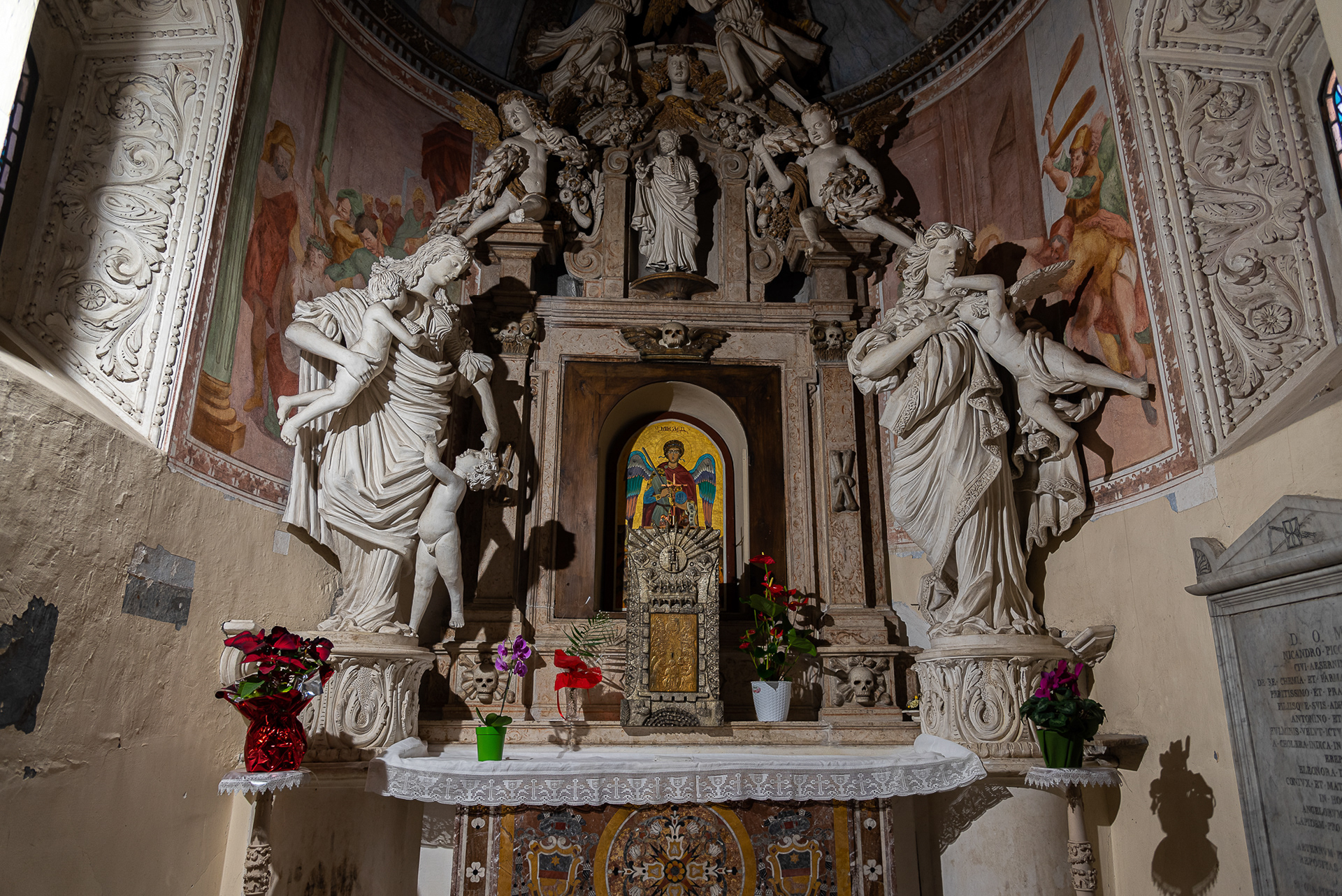
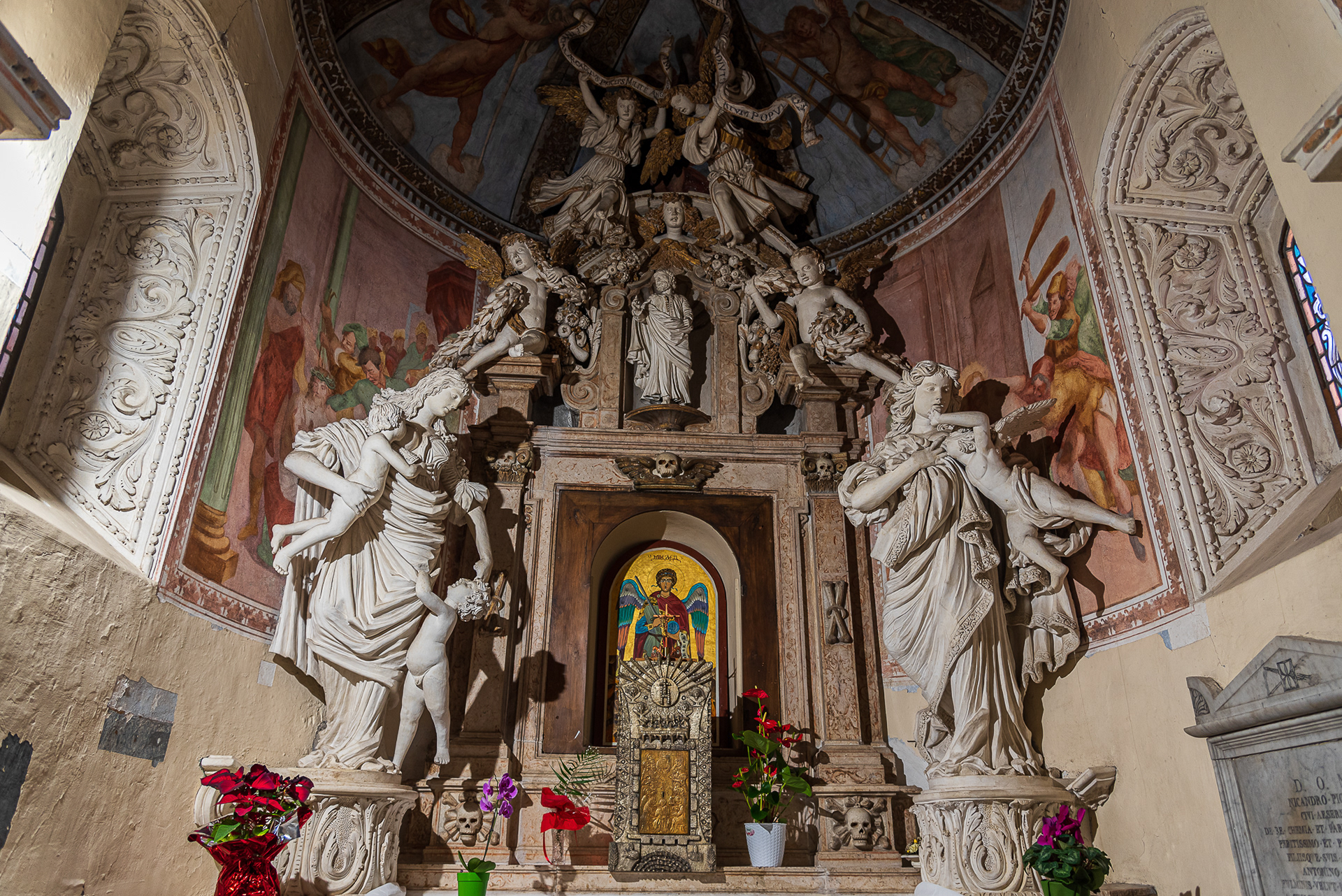
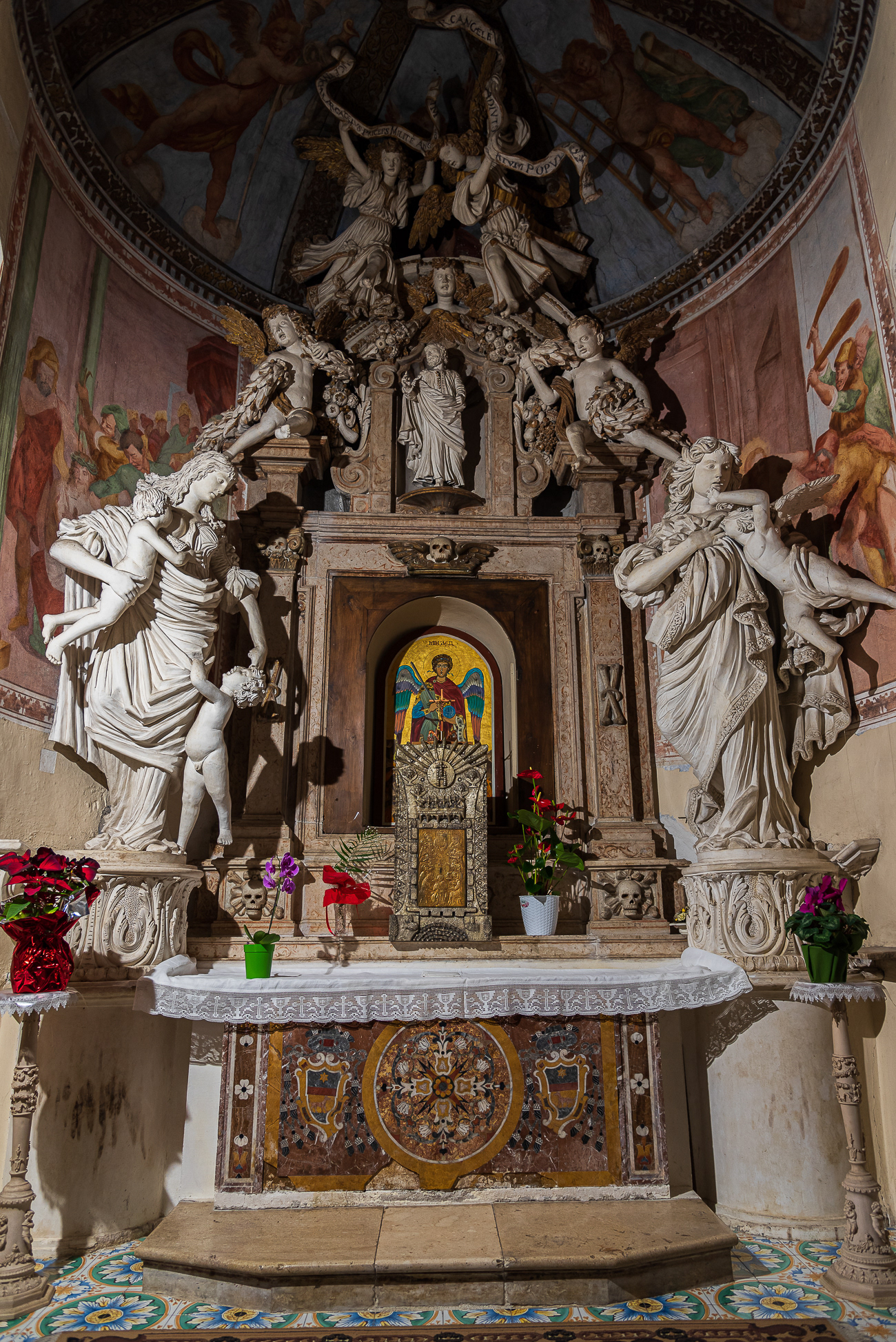
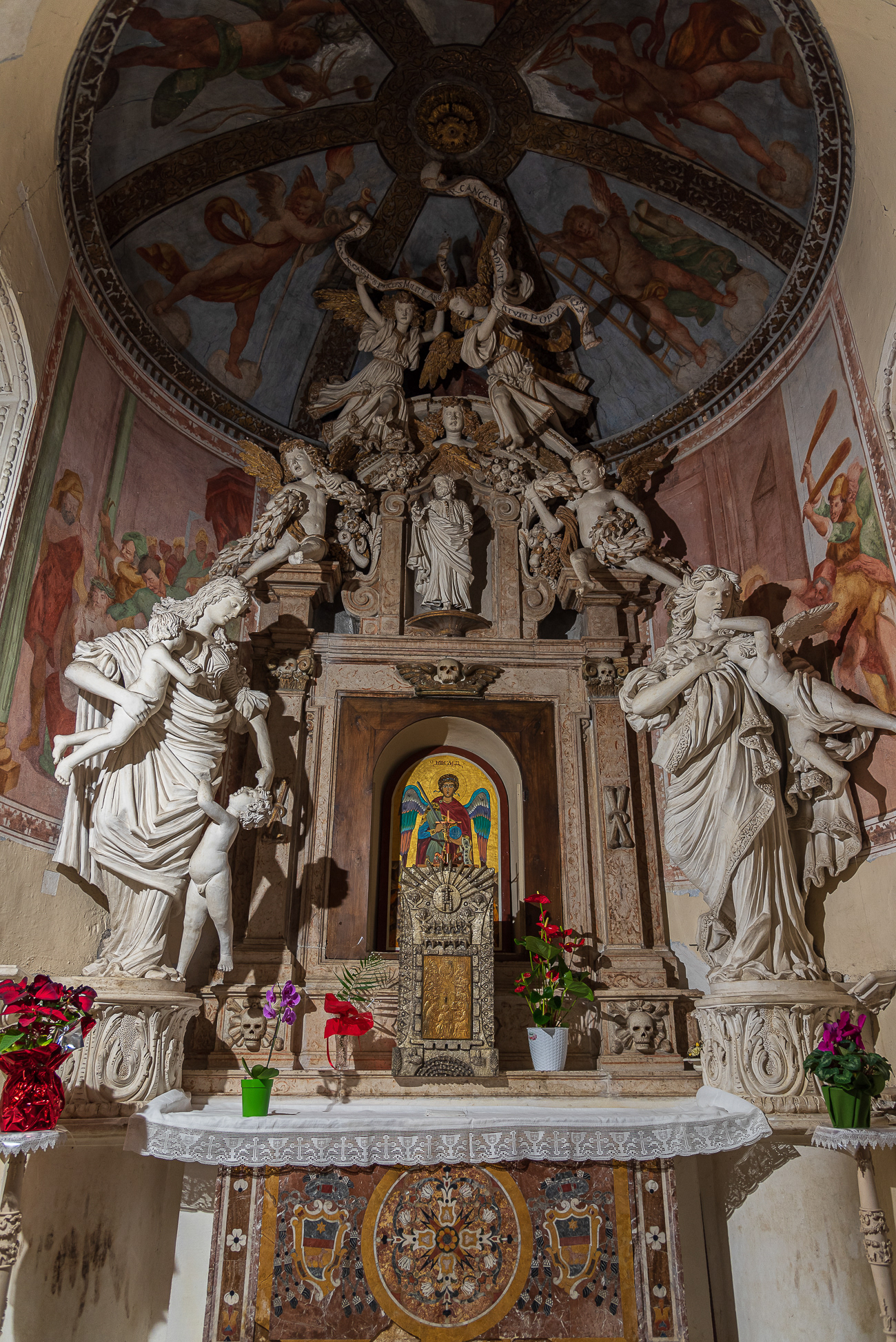
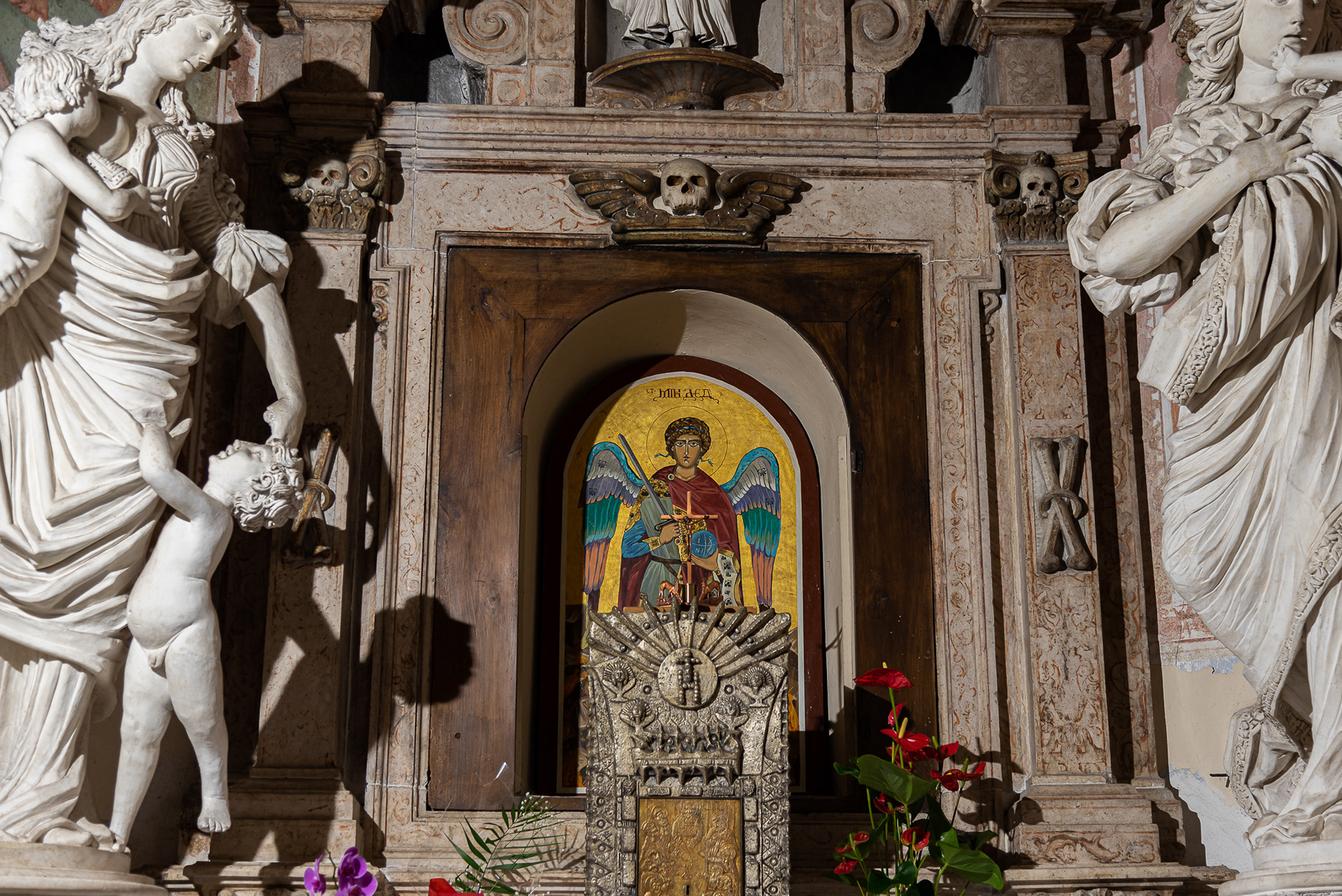
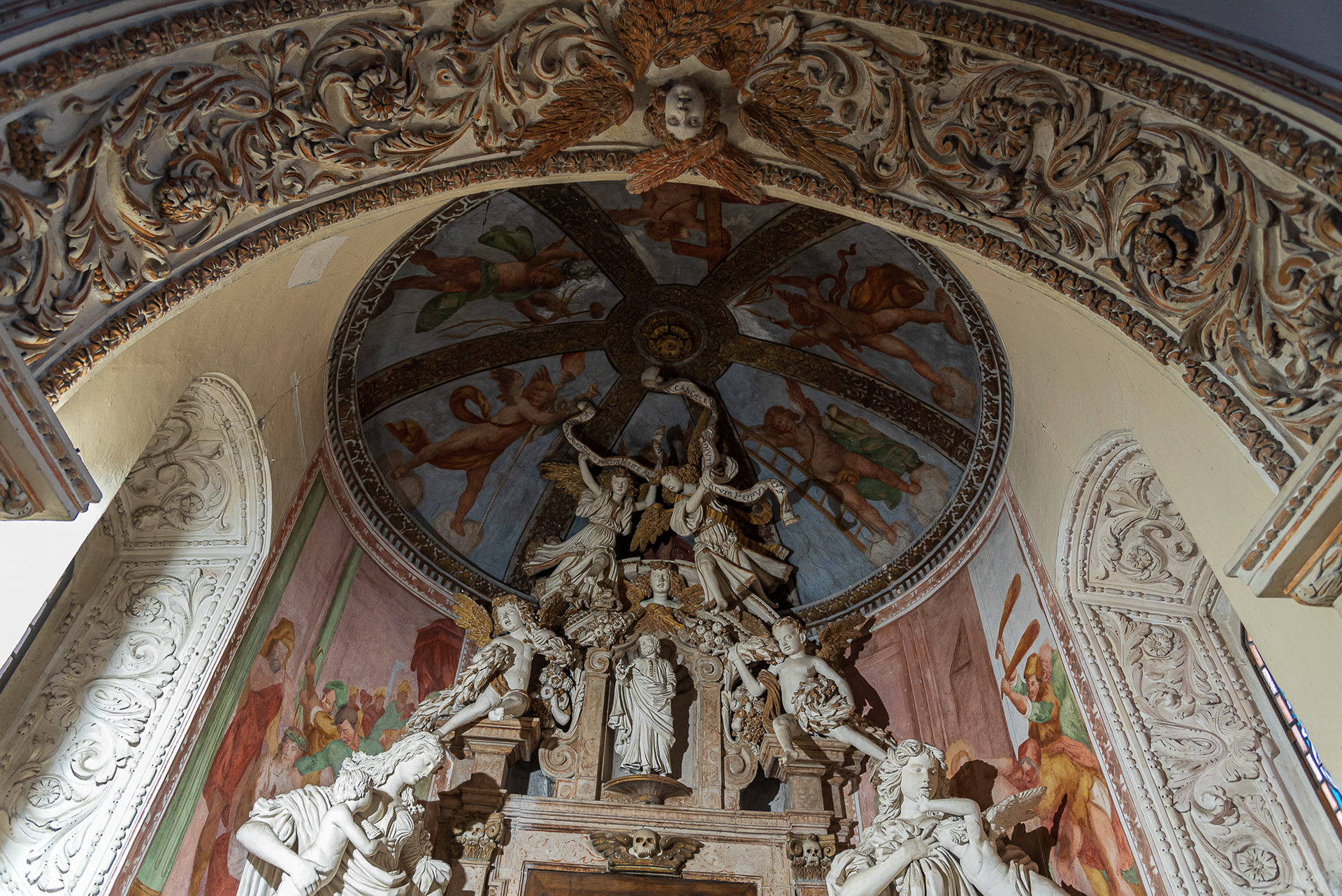
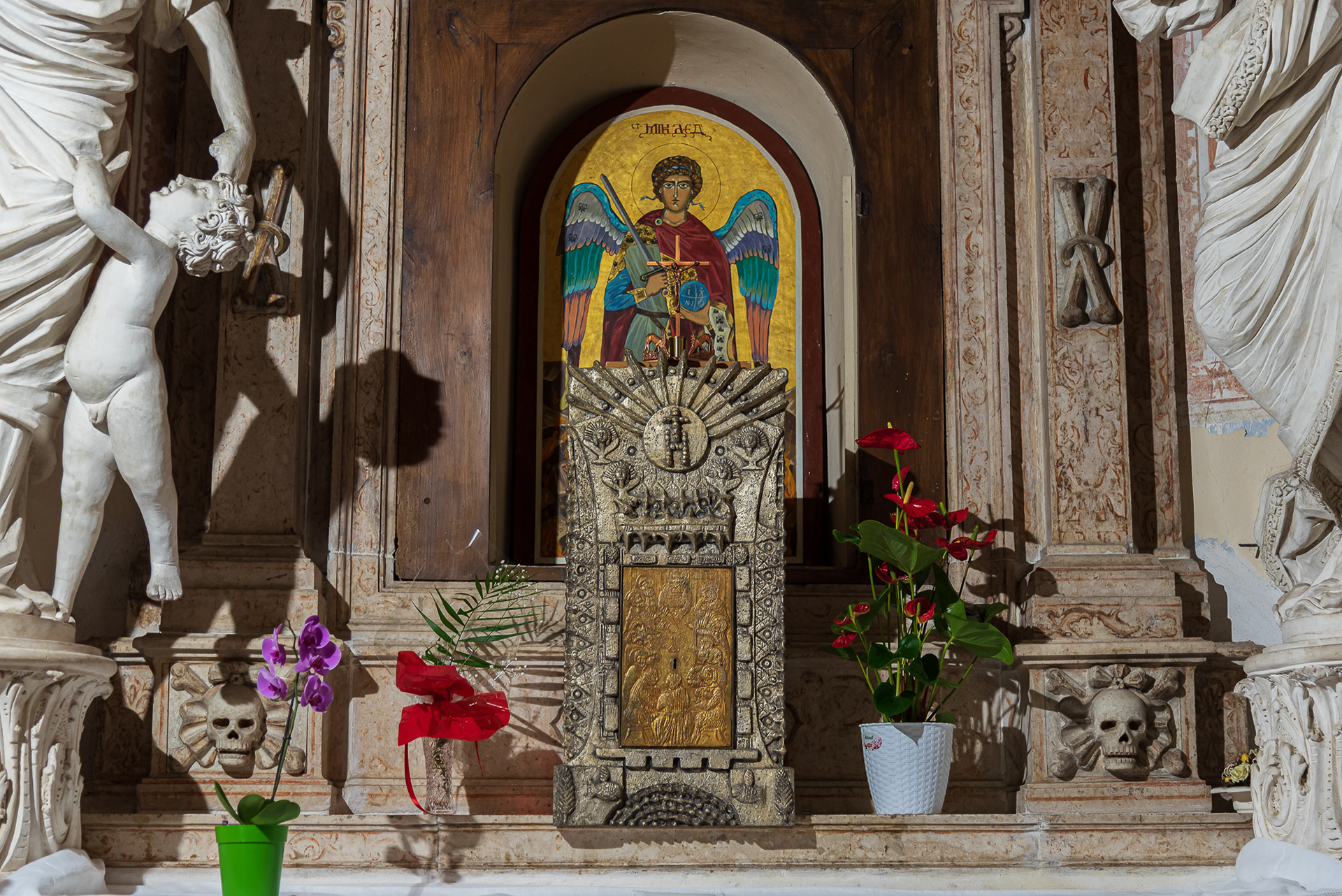
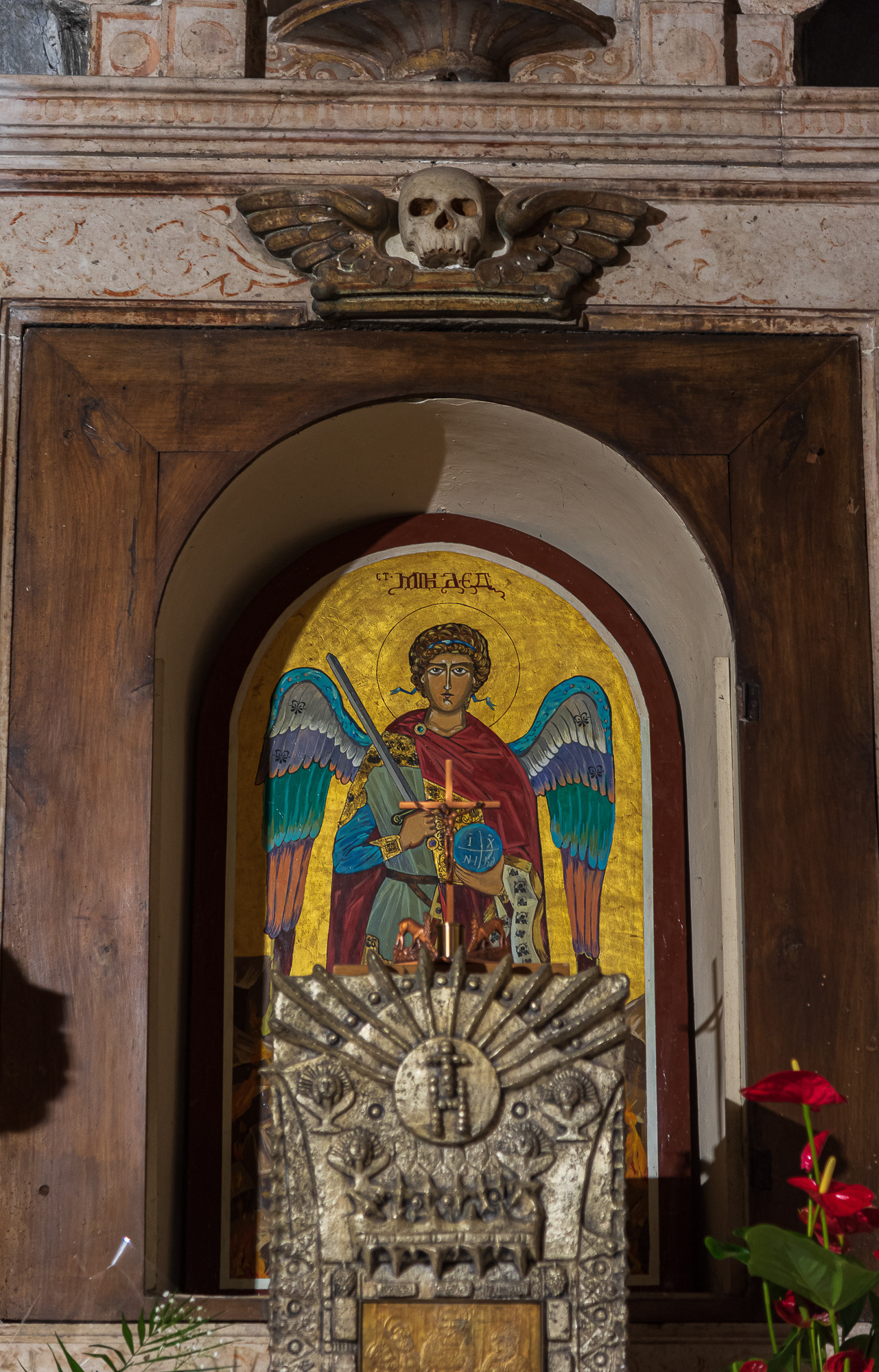
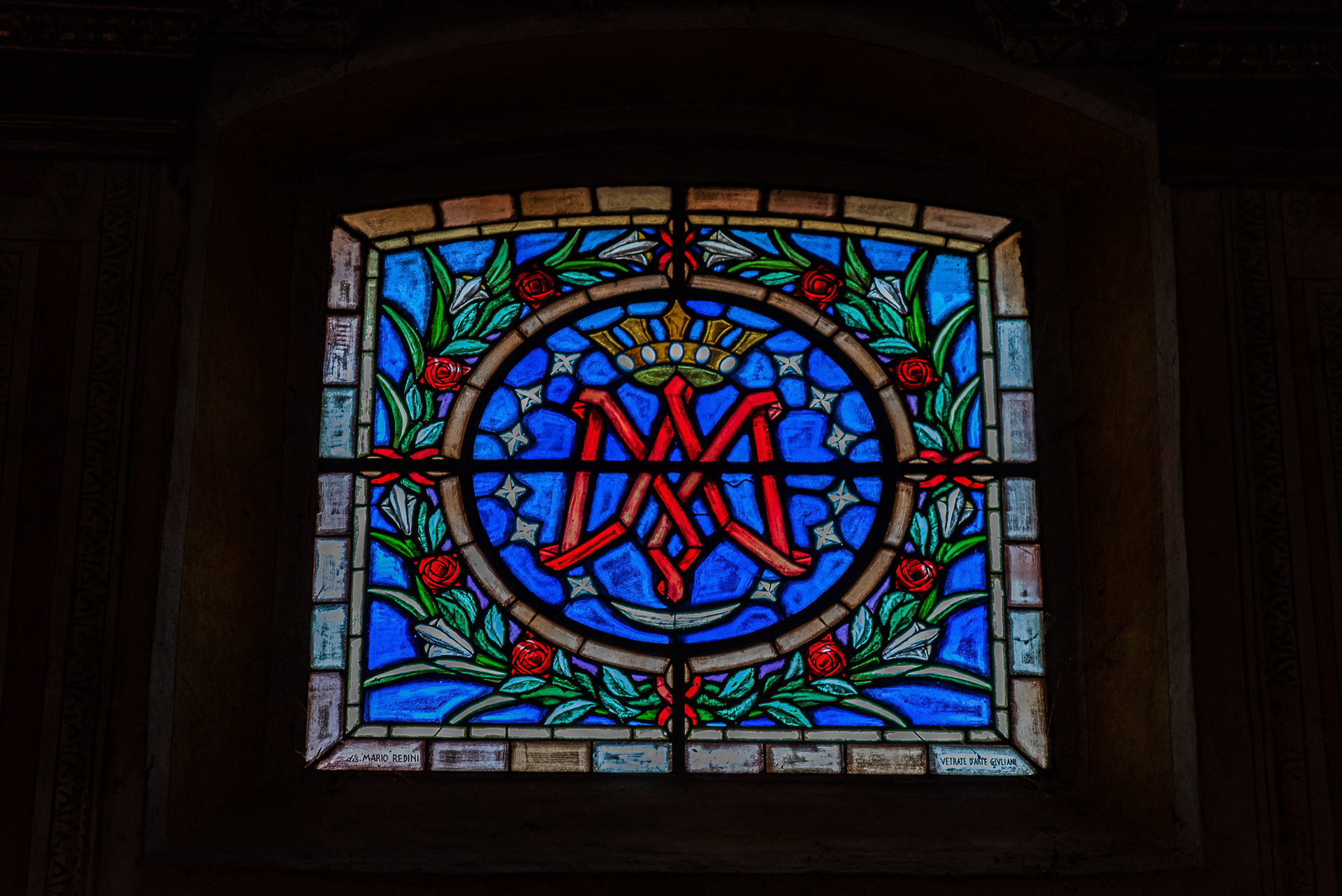
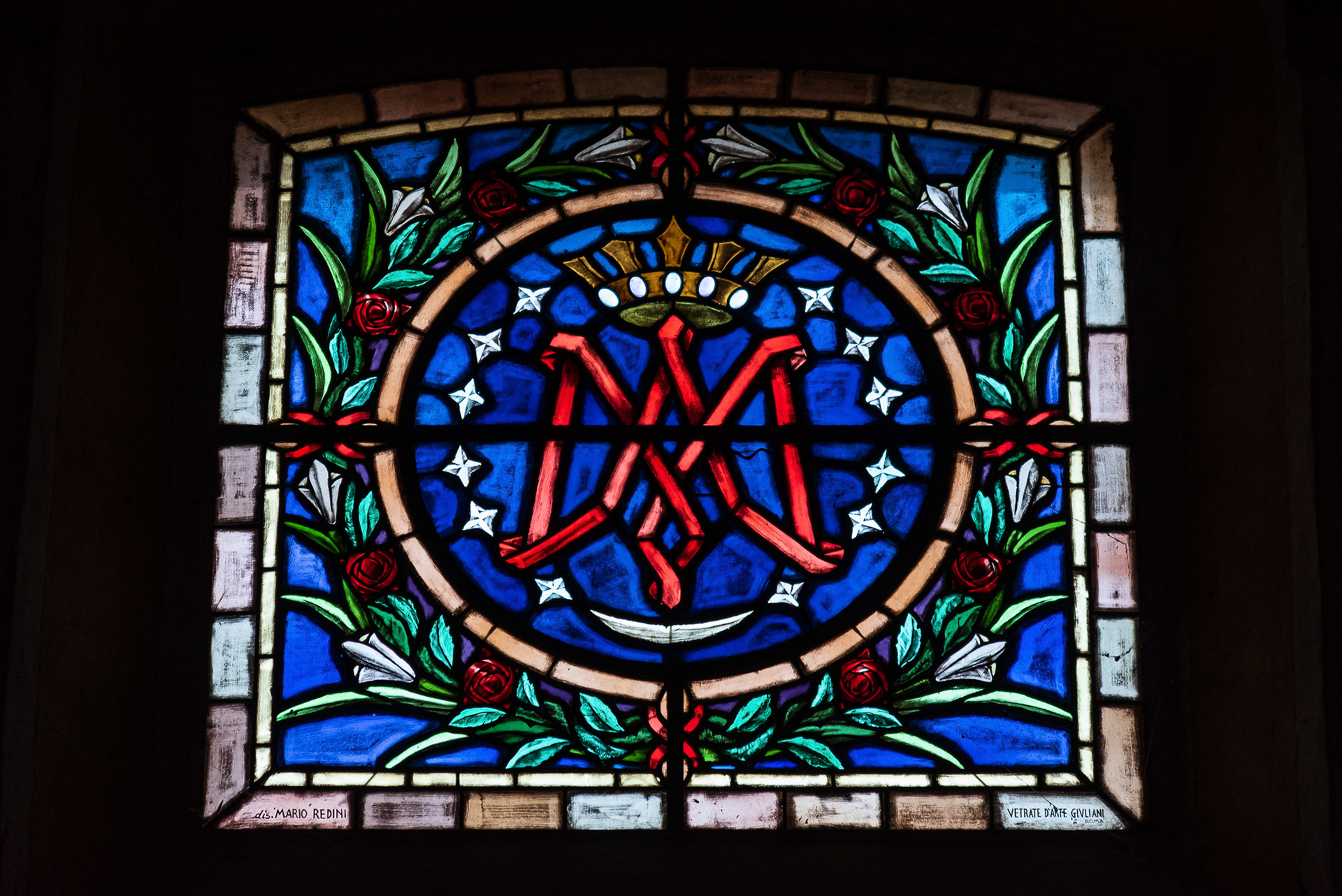
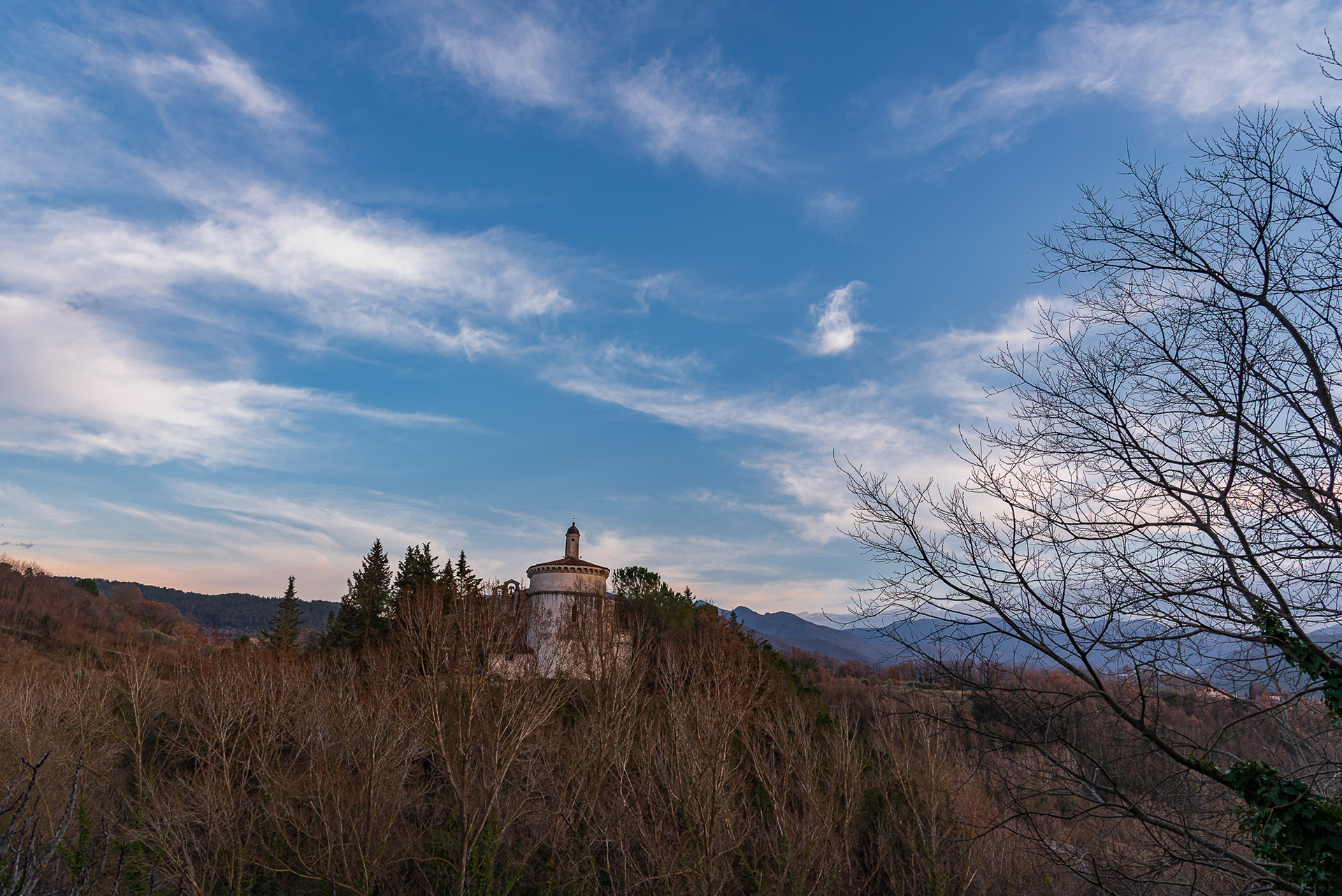
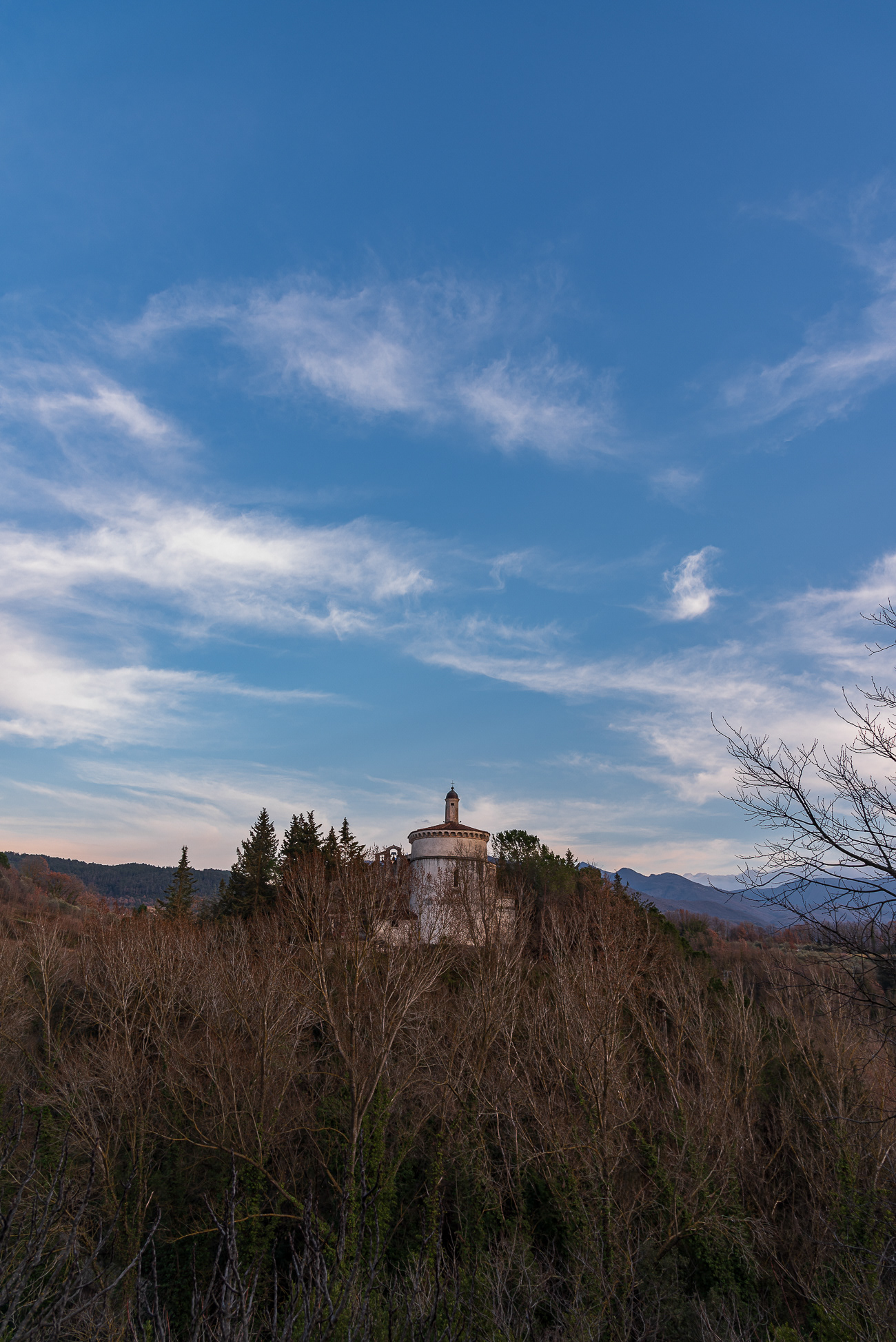
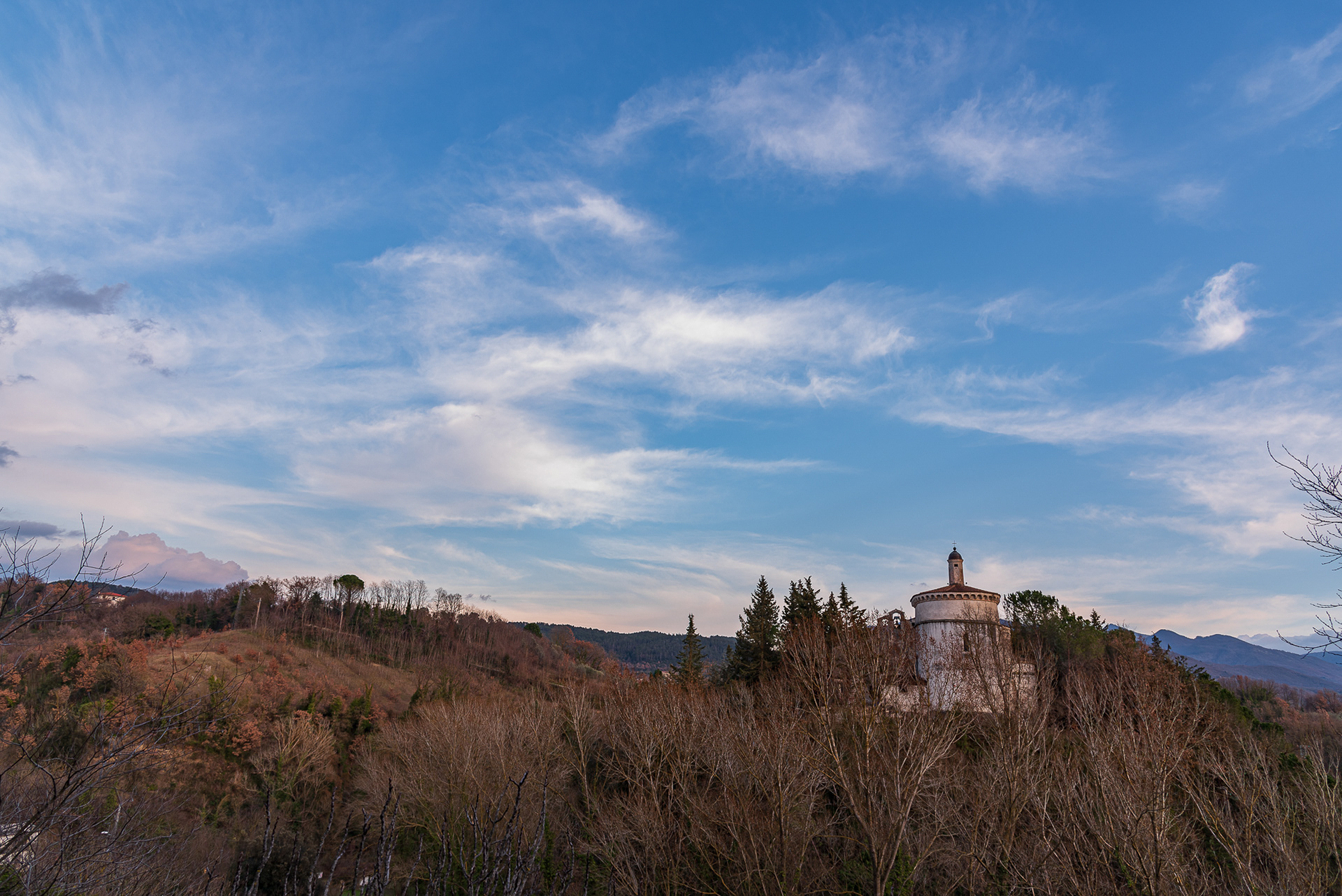
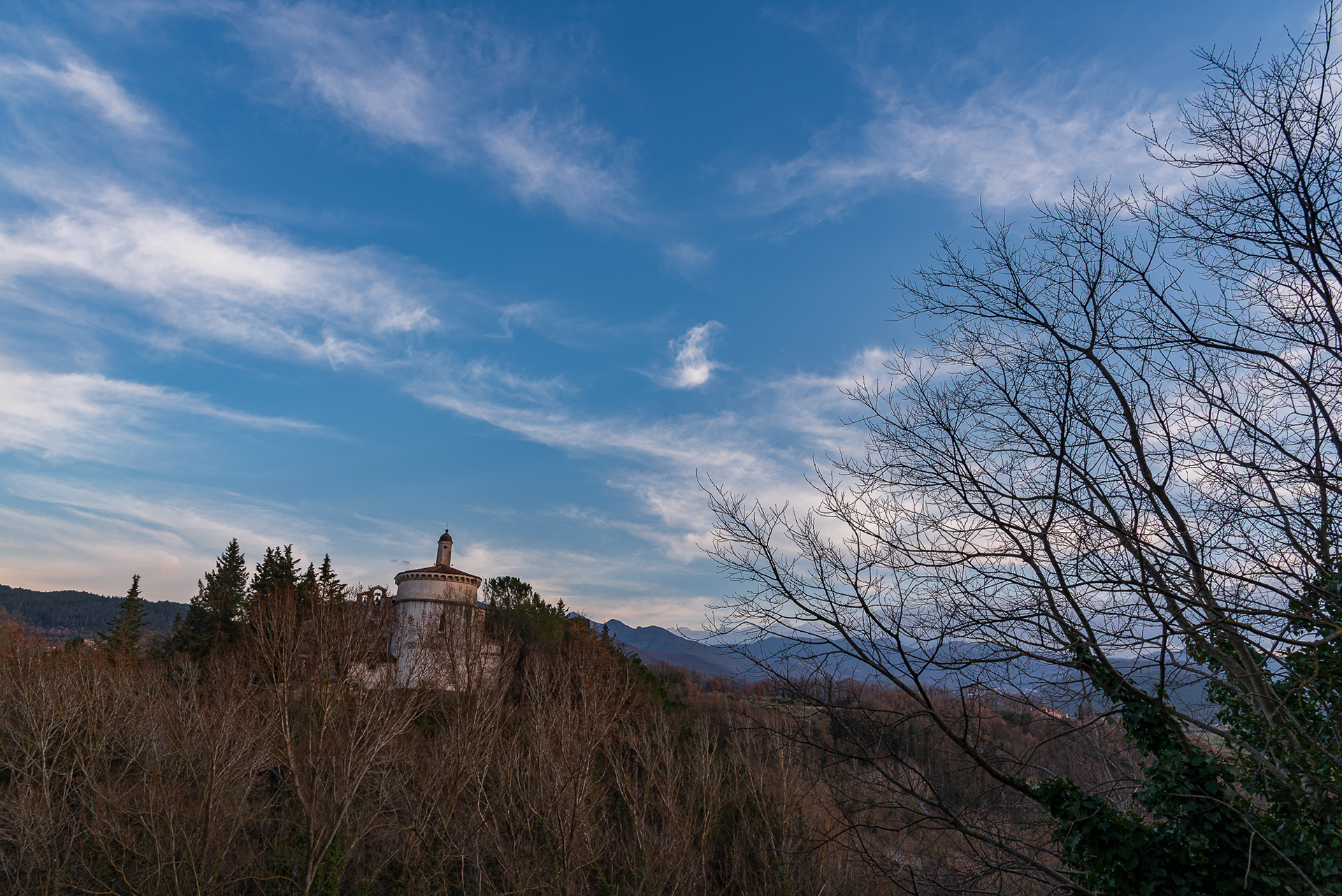
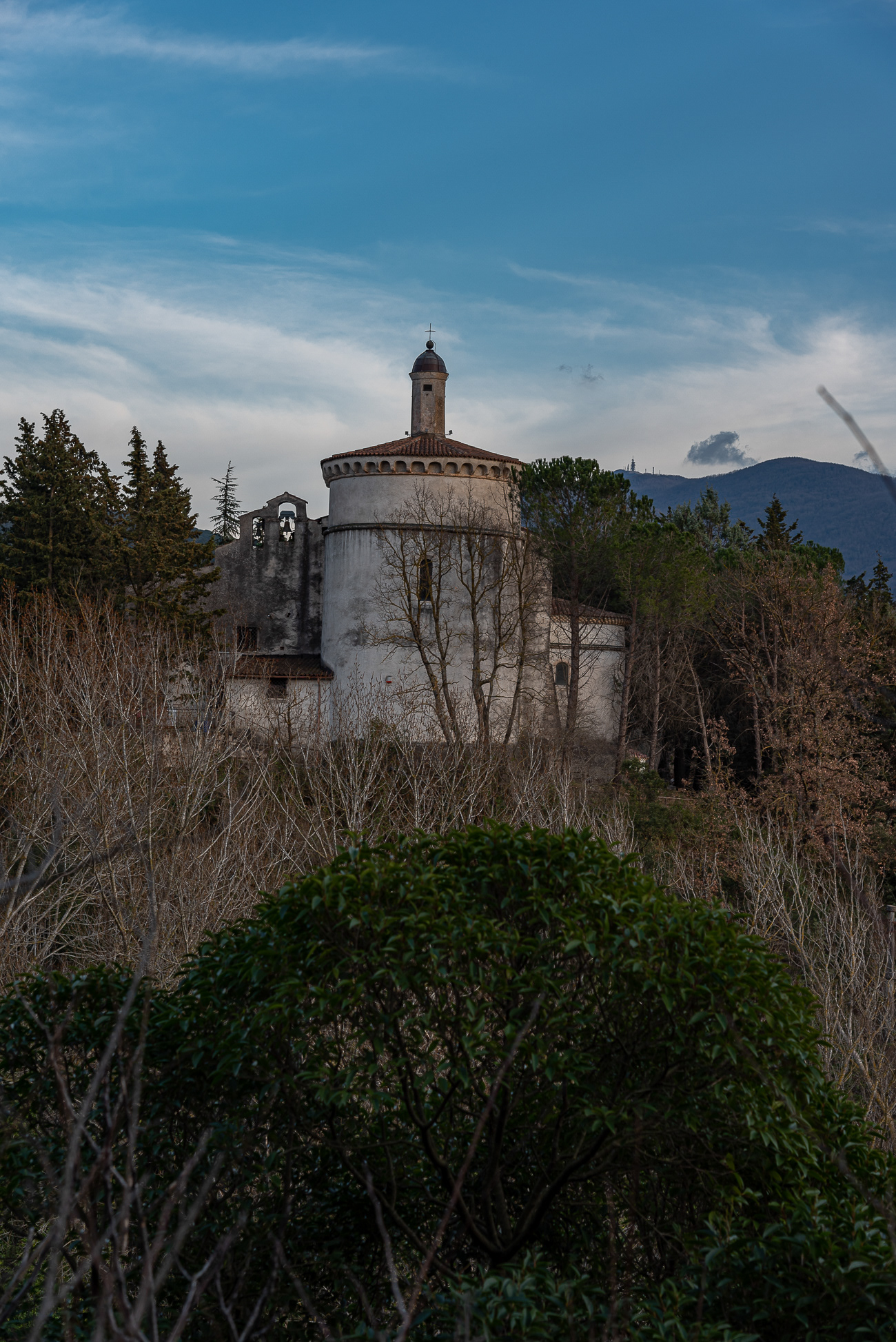
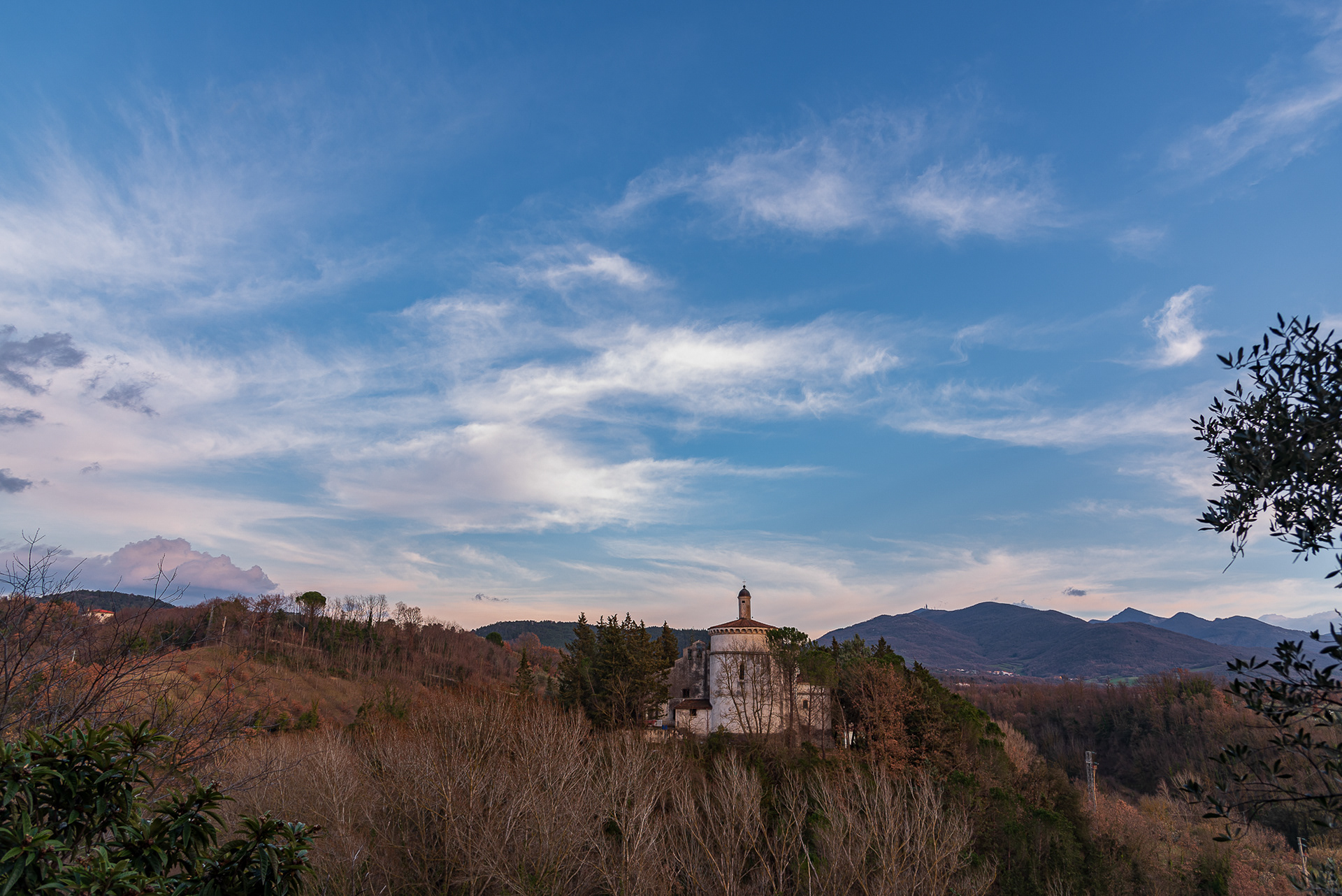
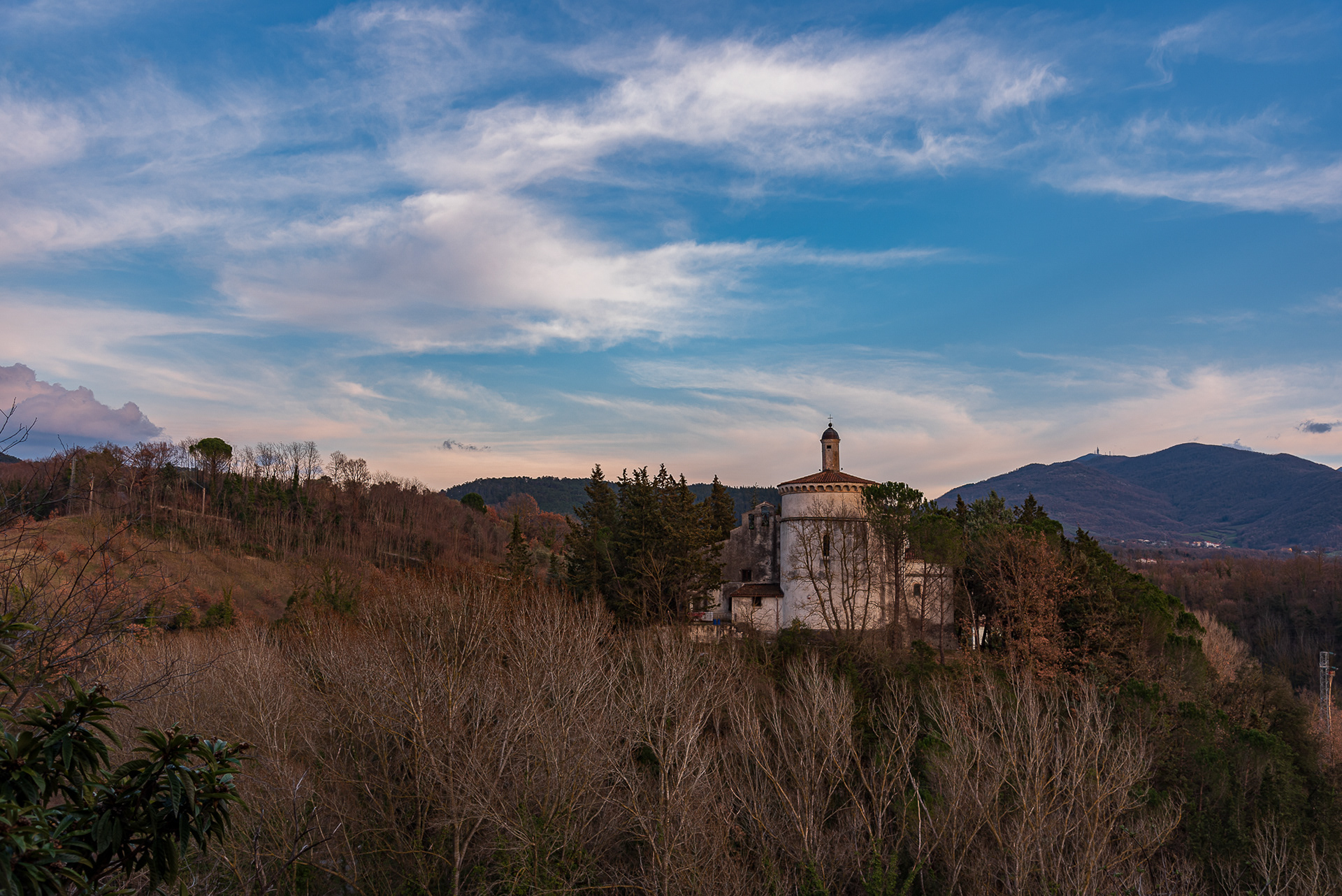
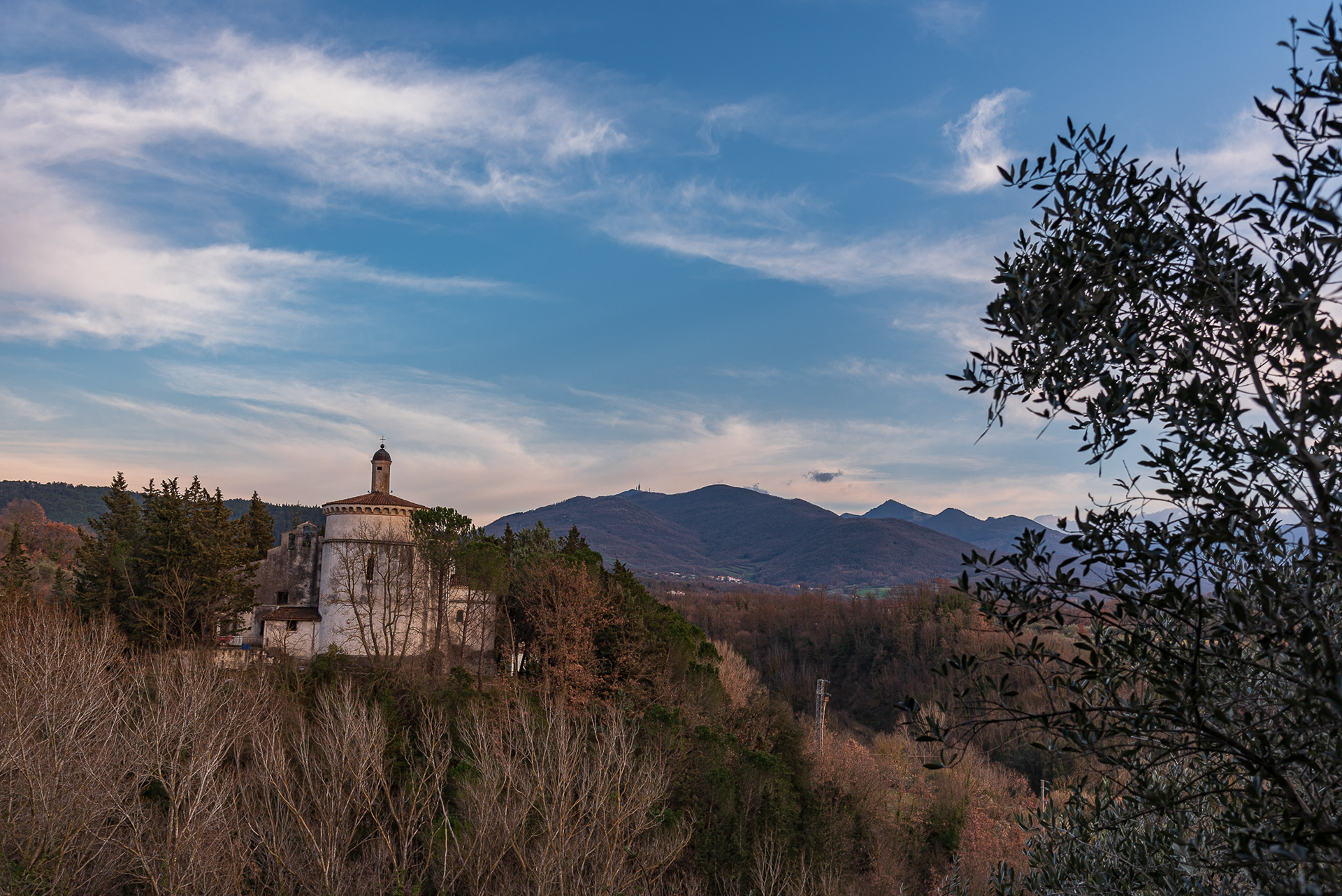
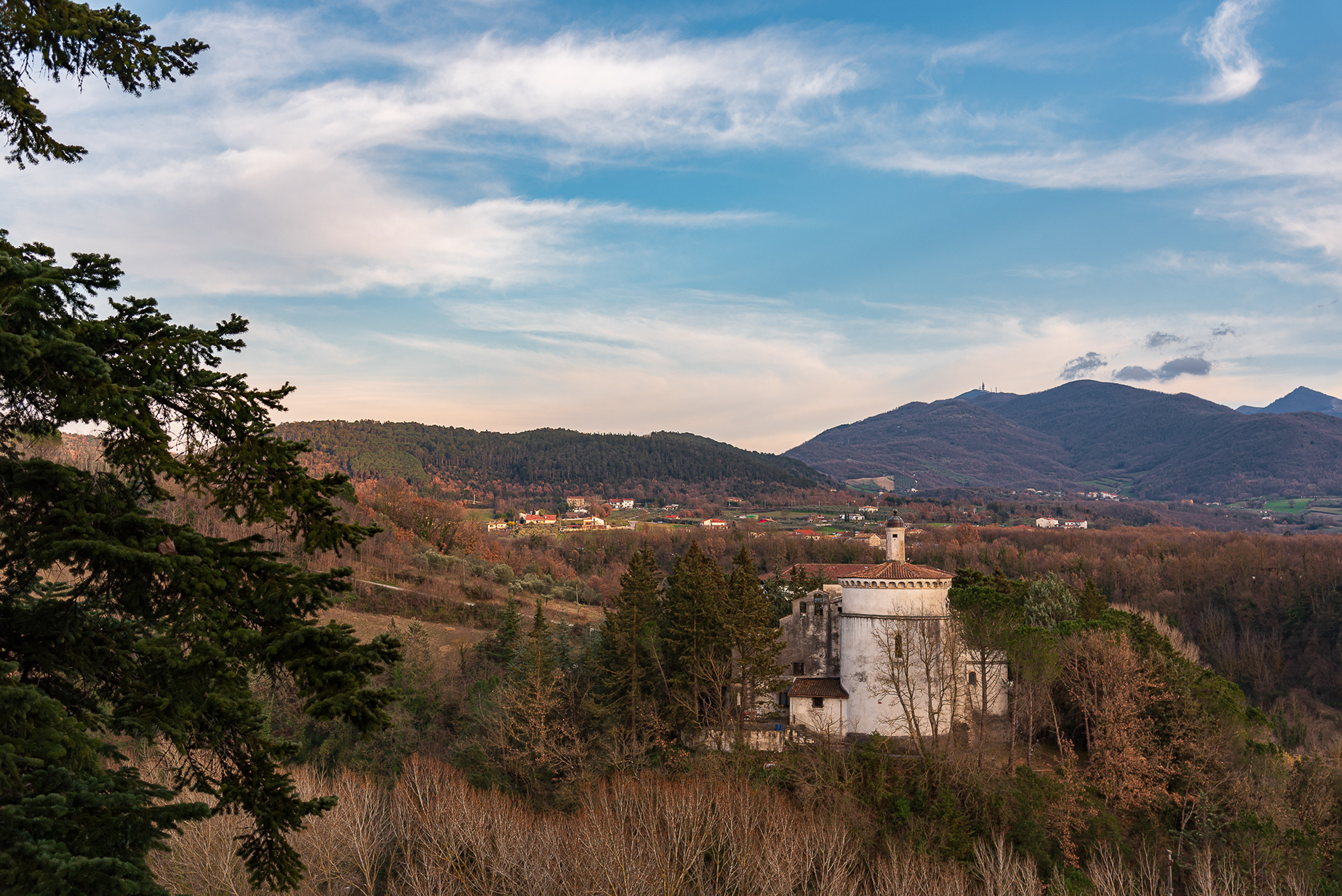
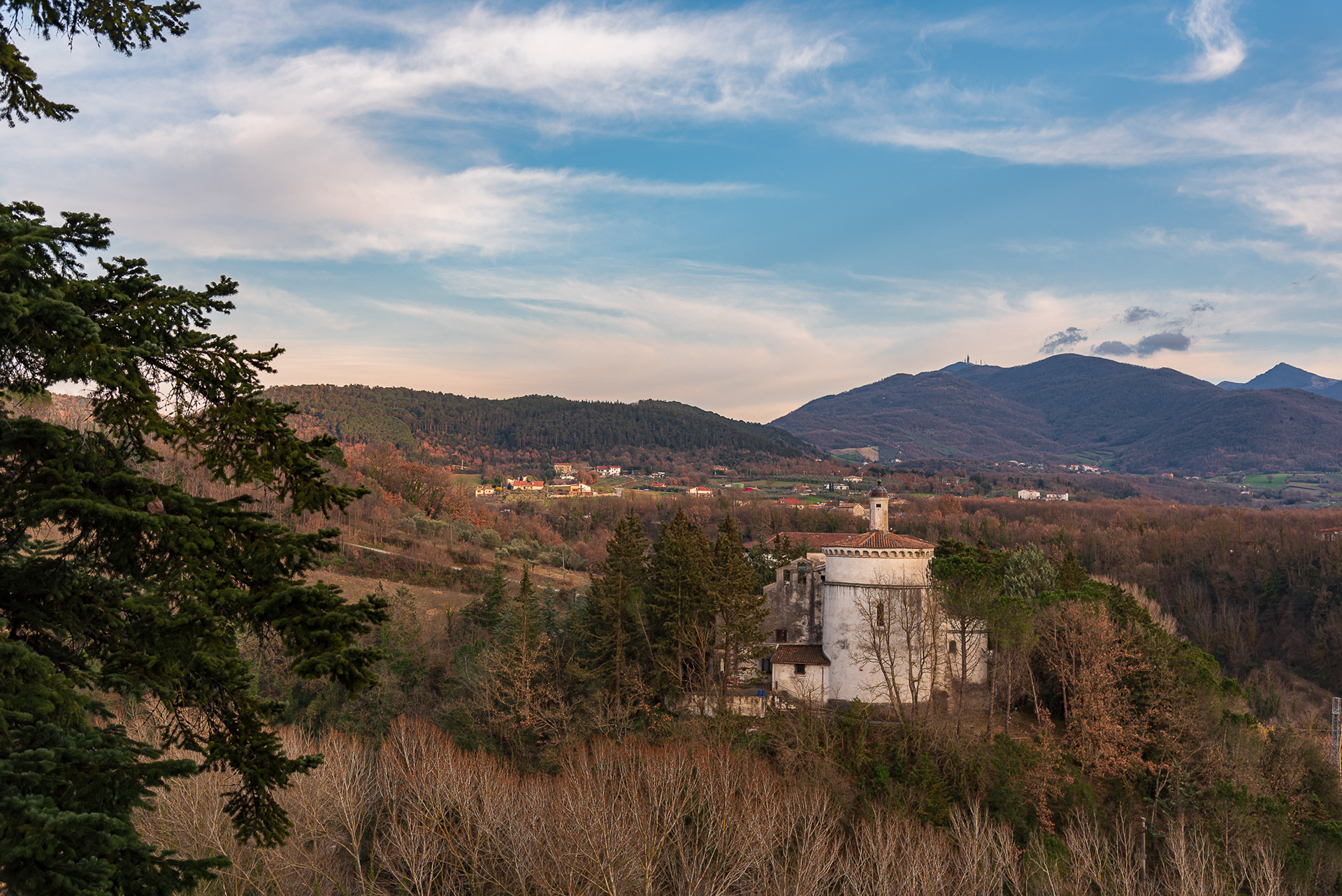
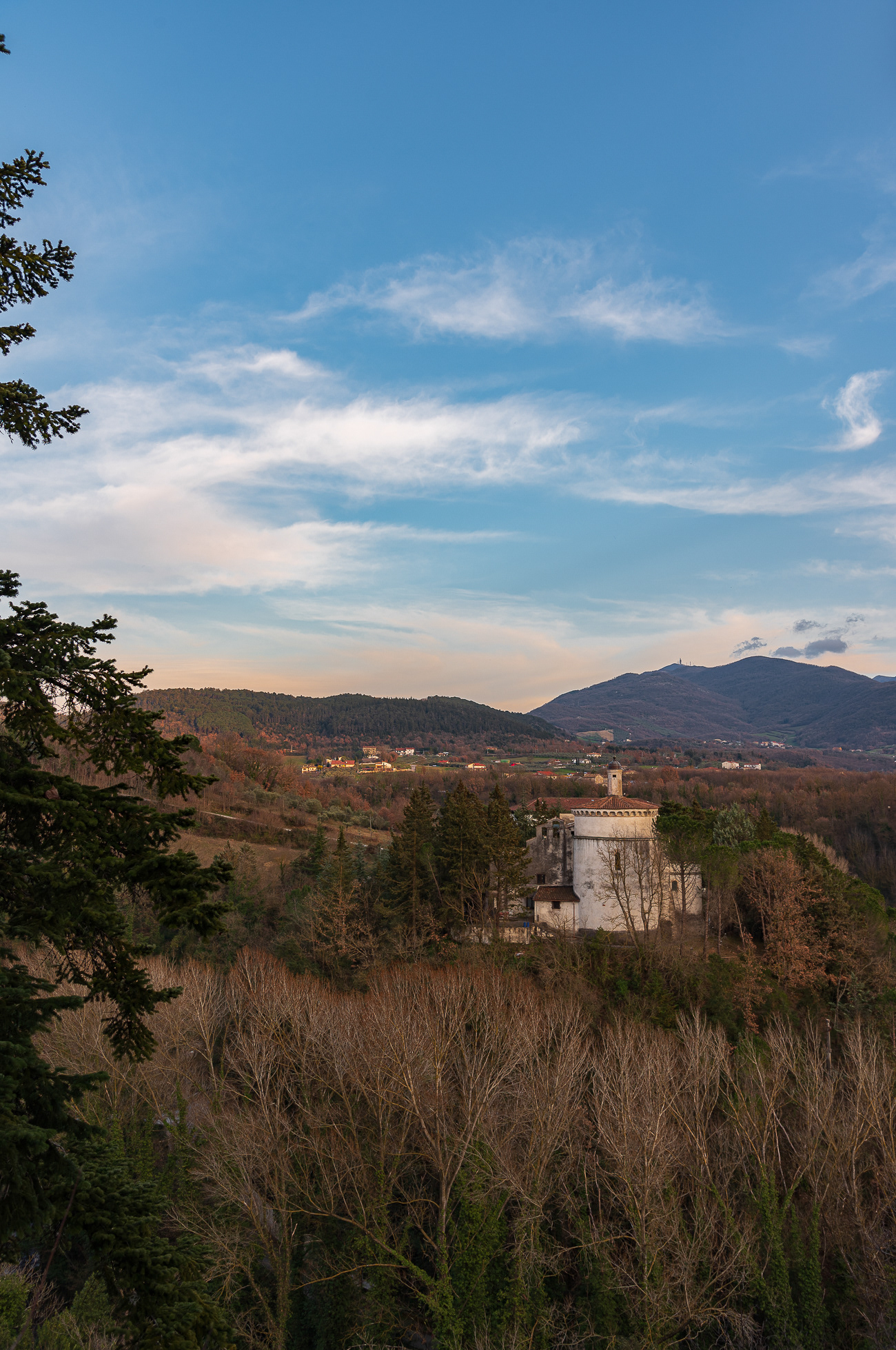
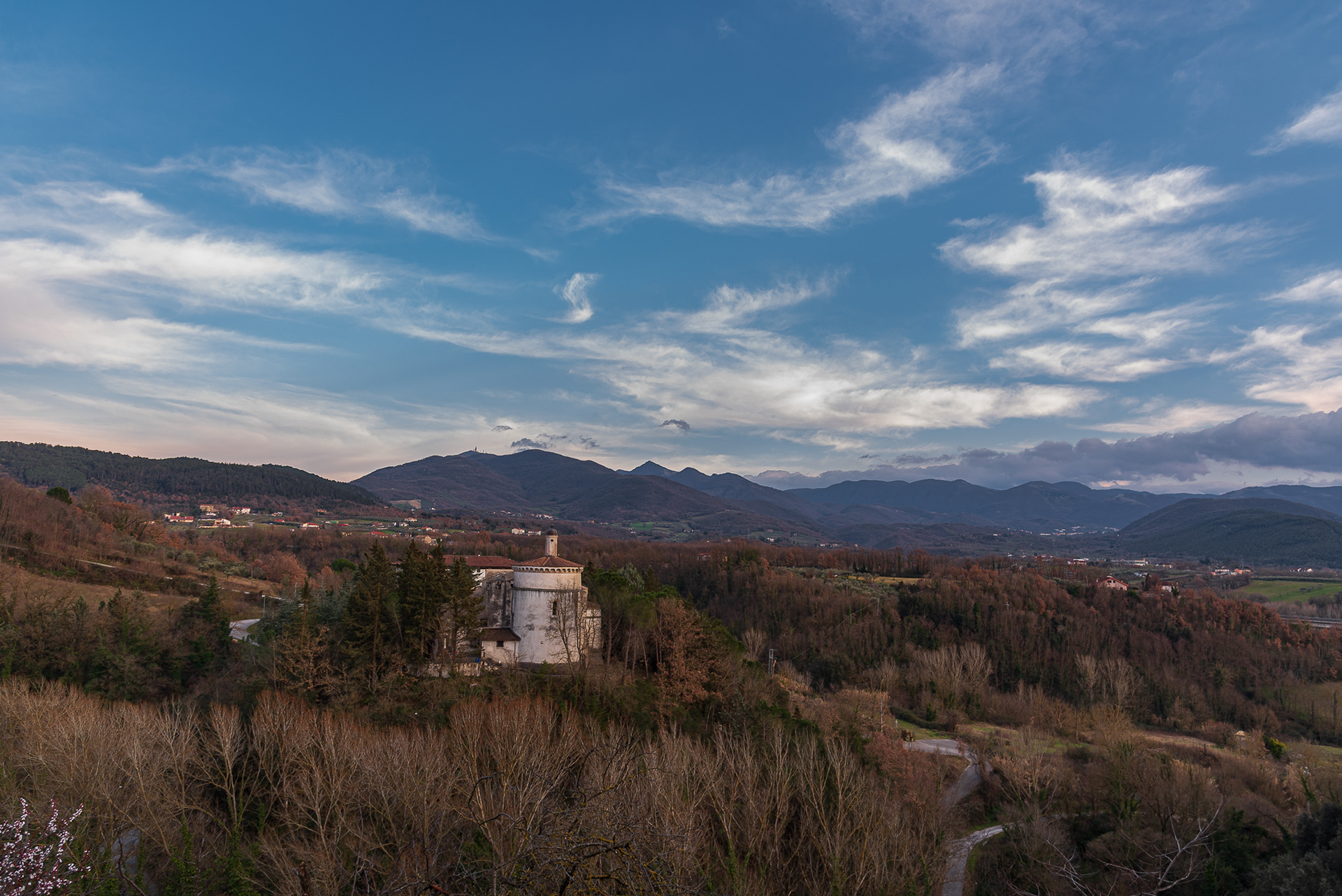
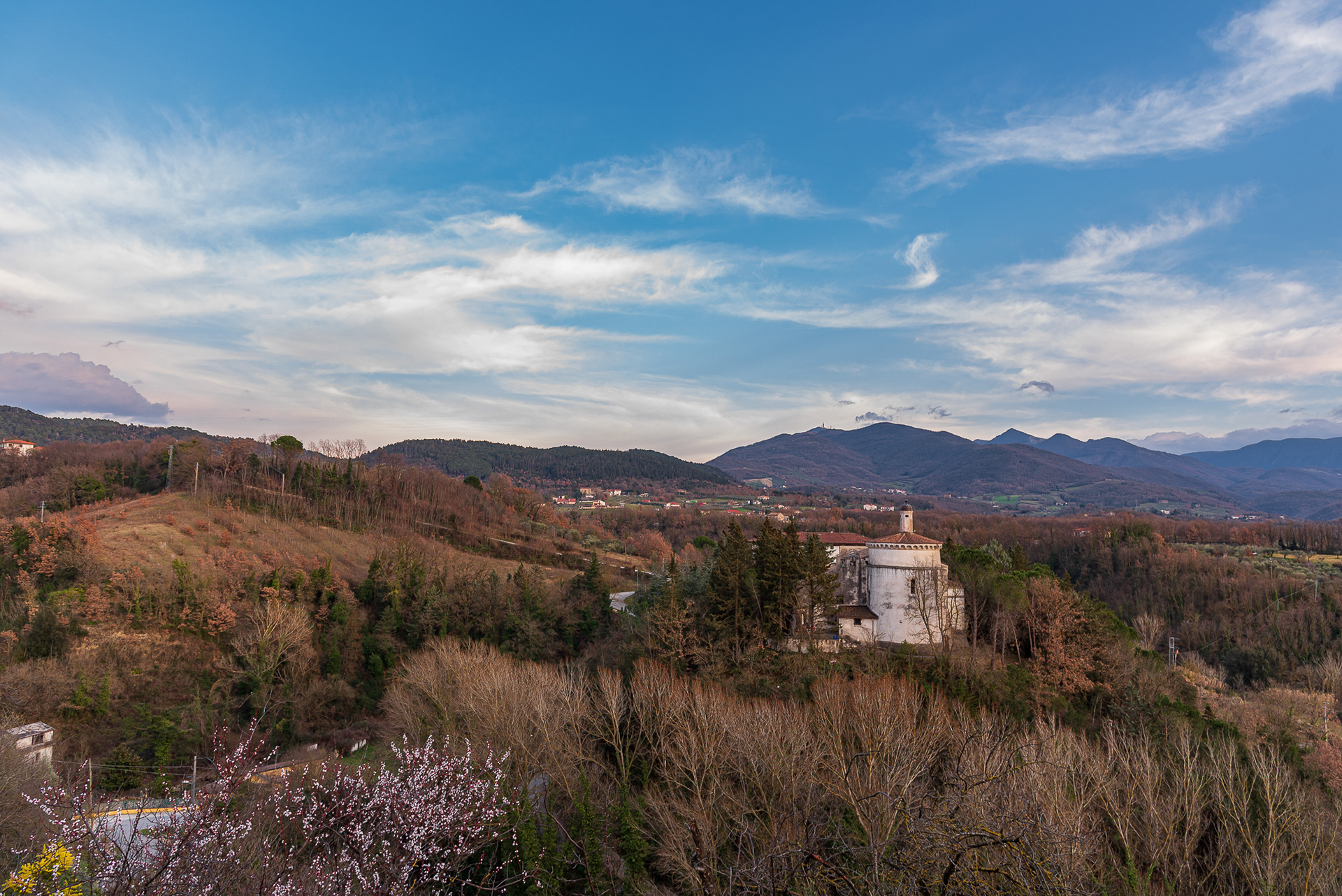
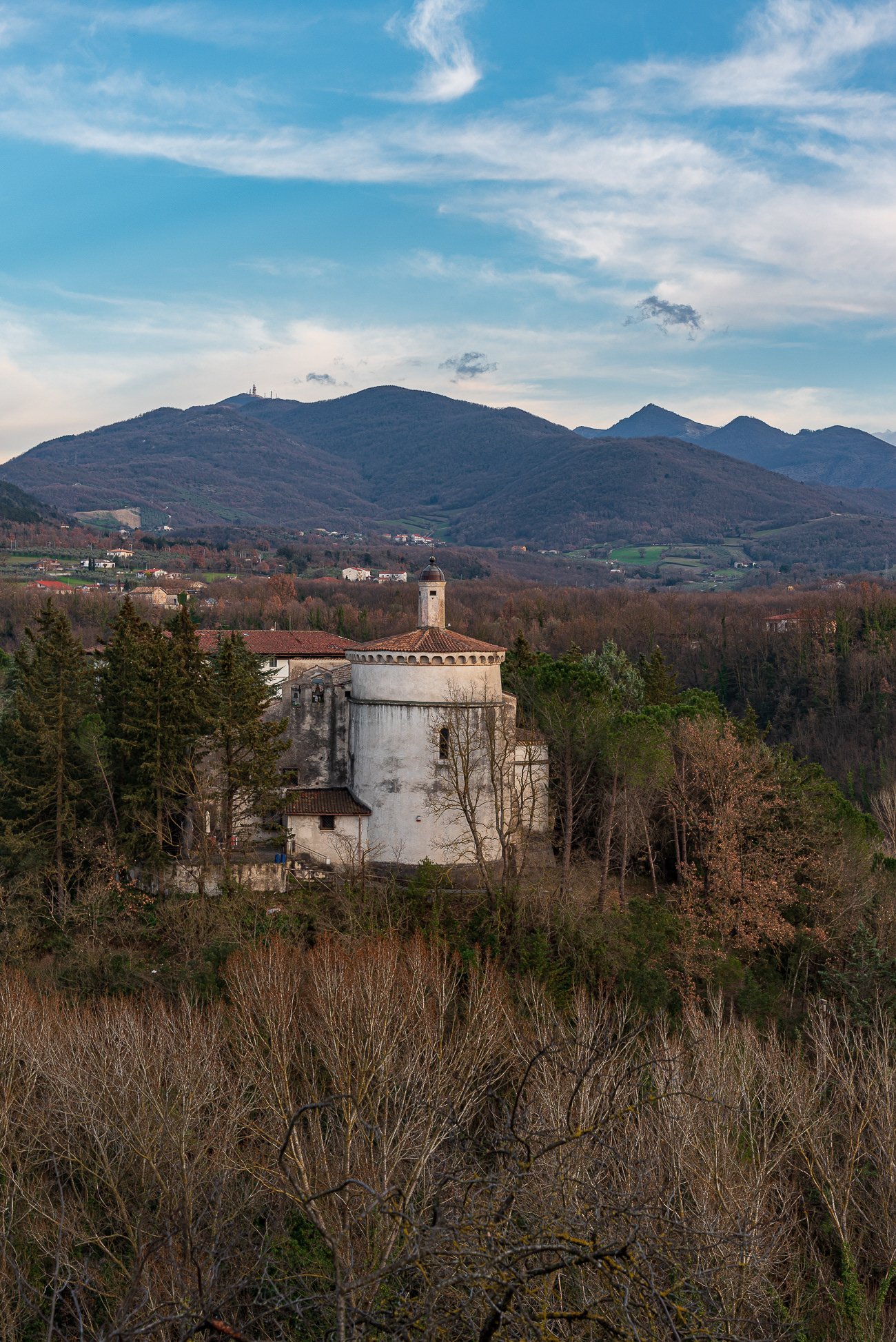
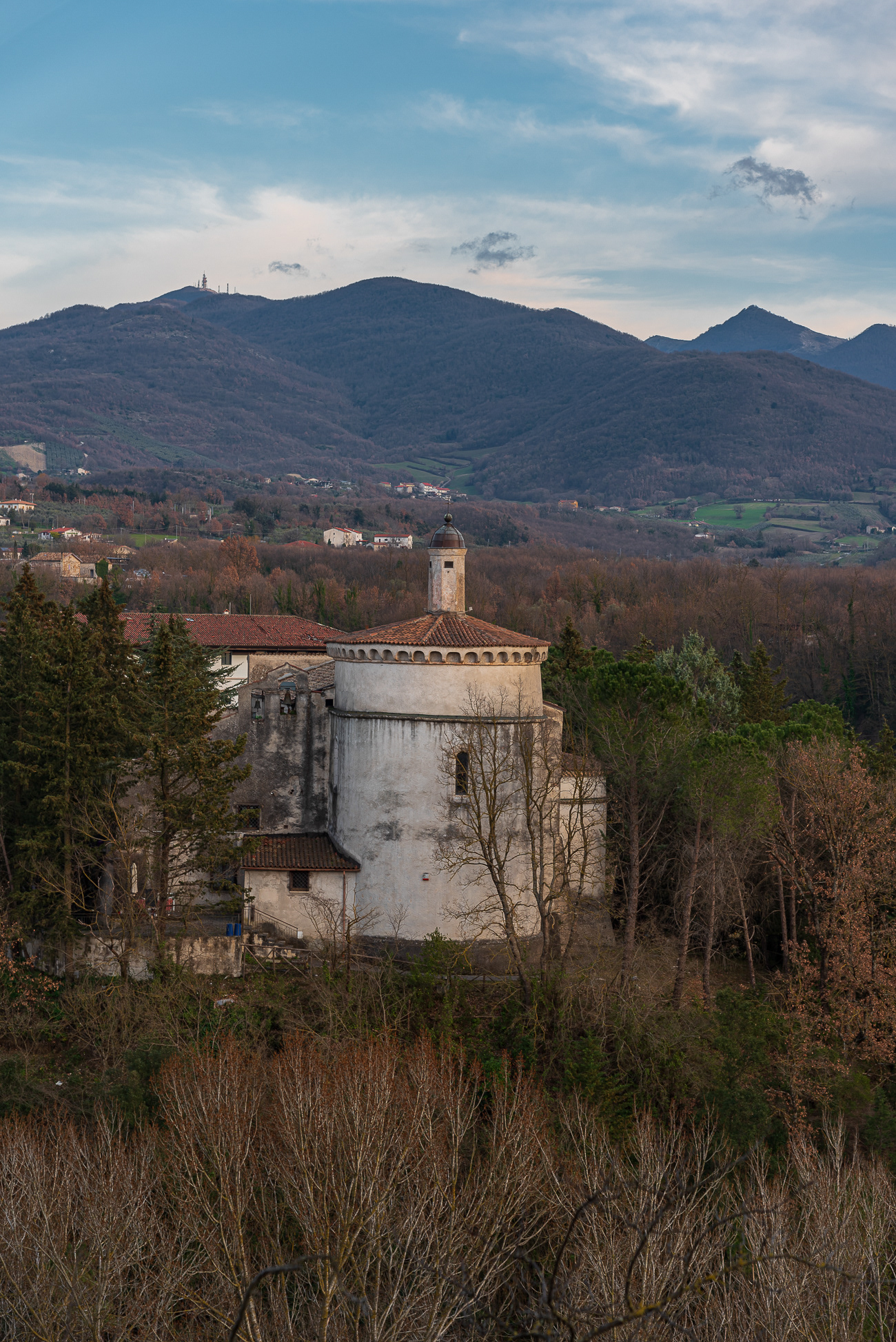
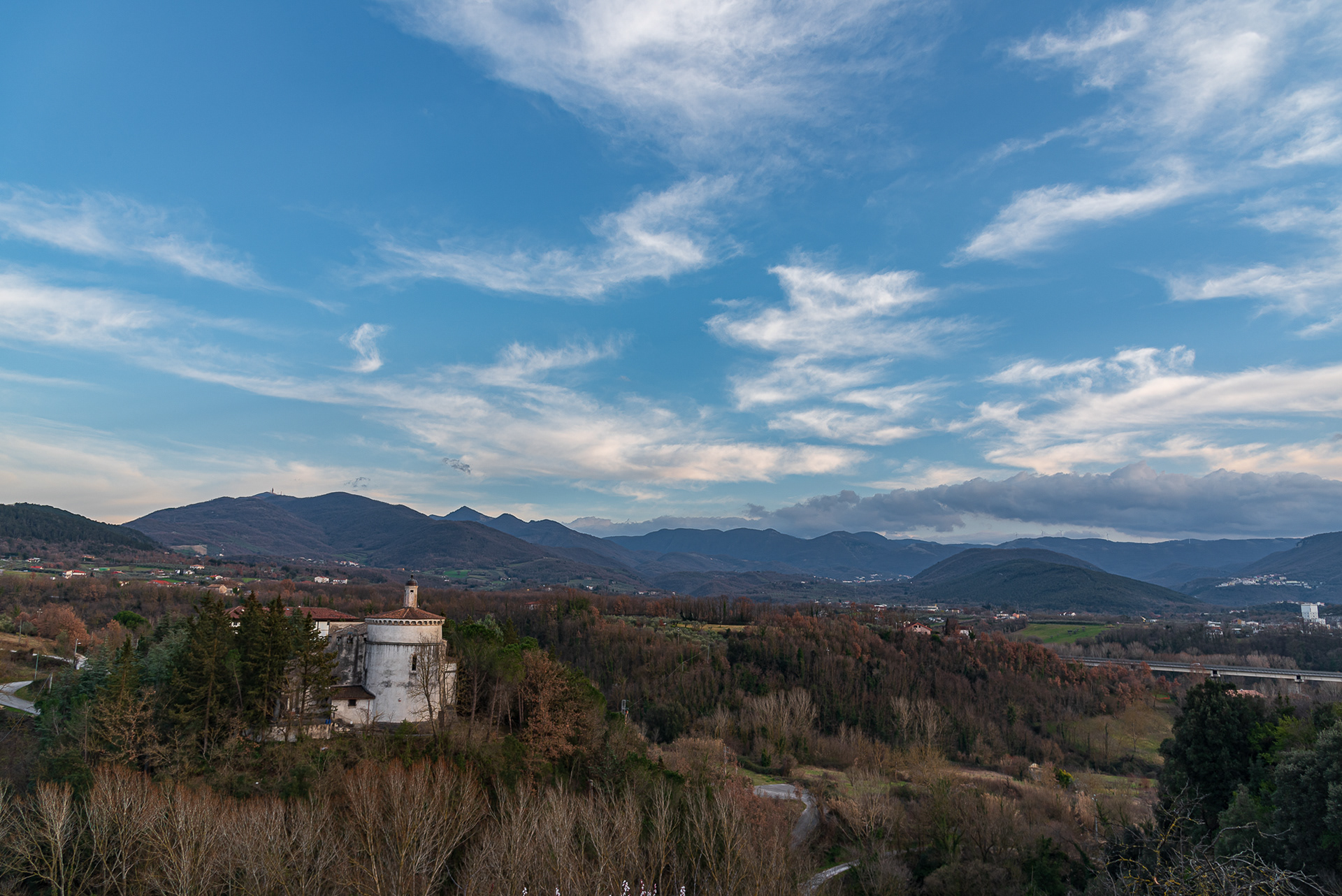
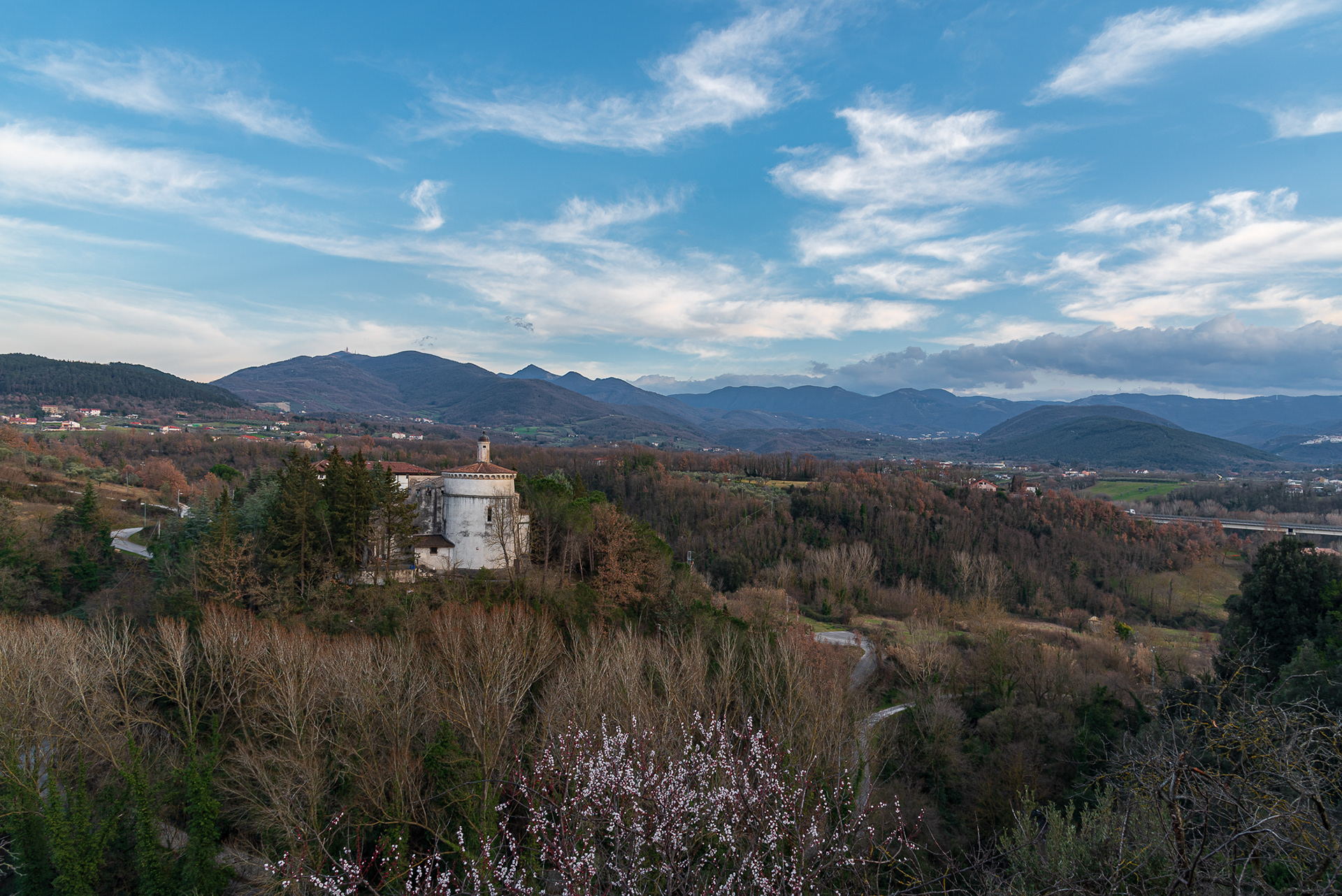
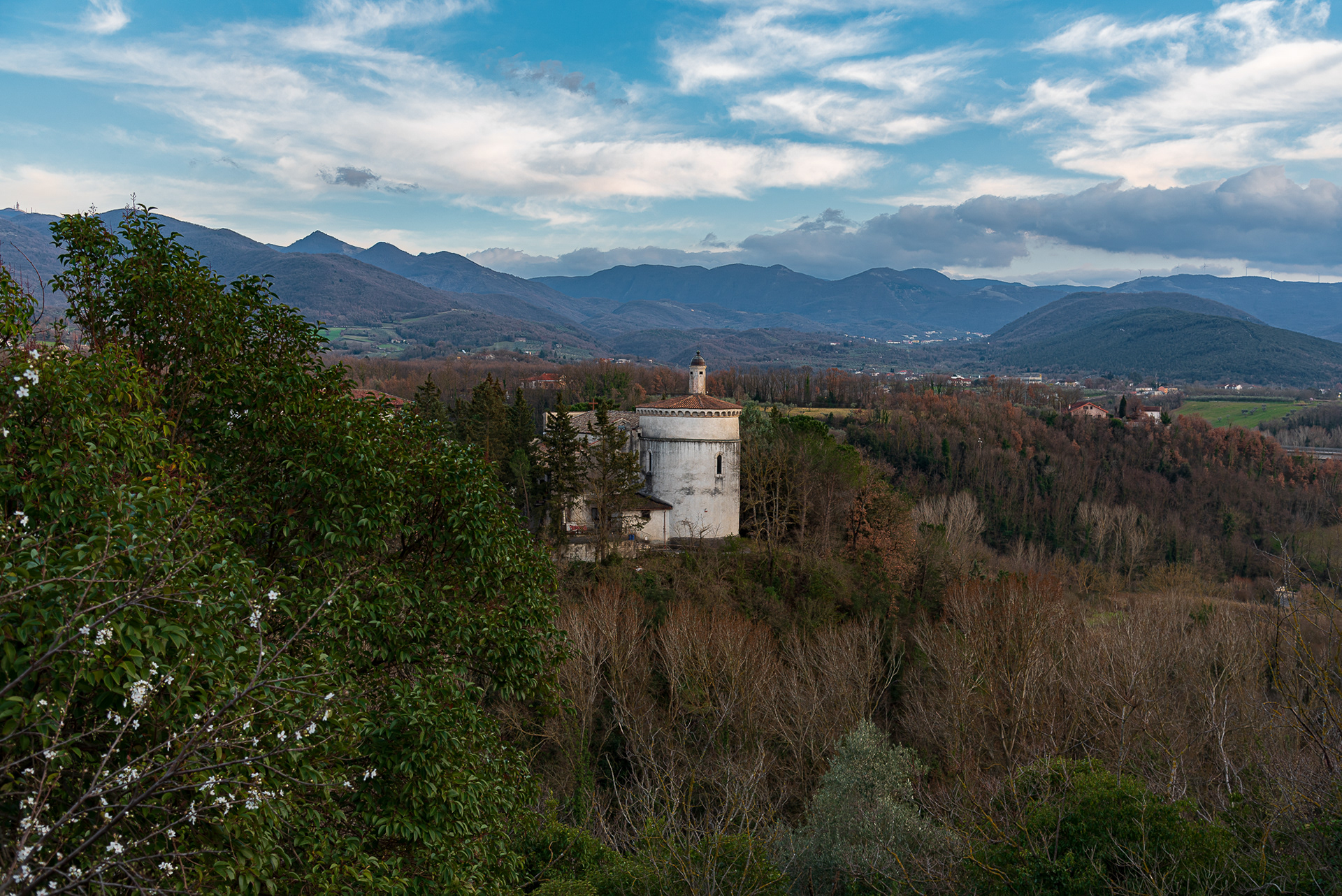
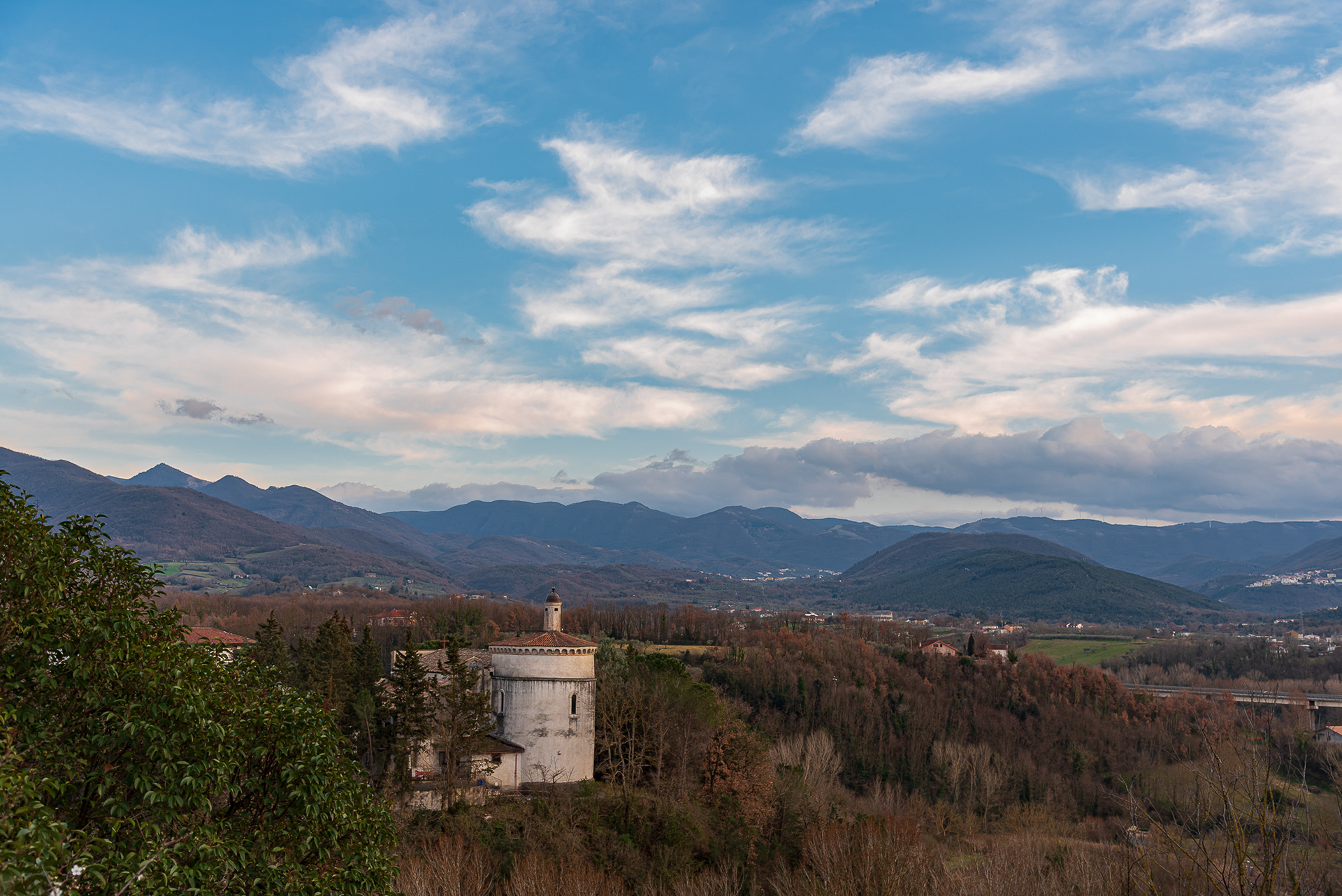
Rocchetta in Volturno. Sanctuary of S. M. delle Grotte
Of Benedictine architecture, between the 13th and 14th centuries the Sanctuary, which is flanked by a monastery, represents a complex of very significant religious importance.
2022
Carpinone.
Carpinone is an Italian town of 1,075 inhabitants in the province of Isernia in Molise. The name derives from the Carpino river that runs along the center, or from the Carpinus plant.
2023
Pescolanciano. D’Alessandro Castle
The D'Alessandro castle is a fortified structure in the municipality of Pescolanciano. The castle was built on the rocky spur (peschio) that overlooks the town near a Samnite fortification.
2022
Rocchetta a Volturno. Winter 2022
Rocchetta a Volturno is an Italian town of 1 098 inhabitants in the province of Isernia in Molise. The Municipality of Rocchetta al Volturno is made up of two nuclei: the original village, called Rocchetta Alta, or Rocchetta Vecchia, still perched in a defensive position on the mountain, and Rocchetta Nuova, which is located at a lower altitude. The new Rocchetta was born because, at the end of the 19th century, the slope that connected the southern part of the ancient town with the opposite hill was deforested and the land began to show serious subsidence from 1890 due to the progressive sliding of the superimposed layers of clay and sandstone, increased by water infiltrations, both rain and spring. In 1905, following further disastrous events, the population moved for the most part downstream, where there was a hamlet called Case Sparse. The modern town is developed today in the center of a plateau, bordered to the west by the terminal part of the Mainarde chain and to the east by a depression, at the bottom of which the Volturno flows; about two kilometers away are the sources of the river. Its name characterizes the toponyms of other nearby municipalities such as Colli a Volturno and Cerro al Volturno.
2022
Pesche, village in the province of Isernia, in Molise
Pesche, village in the province of Isernia, in Molise, perched along the steep slopes of Mount San Marco, a white spot against the green of the mountain and the gray of the stones.
2017
Molise - Castel S. Vincenzo (IS) - Il Lago
Il lago di Castel San Vincenzo è un invaso artificiale realizzato sul finire degli anni Cinquanta per scopi idroelettrici. Il lago occupa una superficie di 6,140 km² ed ha una capacità utile di 10 milioni di metri cubi. Le acque che alimentano il lago provengono principalmente dai torrenti della Montagna Spaccata nei vicini comuni di Alfedena e Barrea. Le acque di questi torrenti alimentano le centrali Enel di Pizzone, di Rocchetta a Volturno e di Colli a Volturno. Seppure artificiale, il lago è ben armonizzato con il paesaggio circostante di montagne e boschi. La fauna acquatica è costituita in prevalenza da salmonidi. In prossimità del lago, dove è possibile dedicarsi alla pesca e ad altri sport d'acqua, sono presenti un'area attrezzata per il camping e un maneggio.
2024
Rionero Sannitico. Church of San Bartolomeo Apostolo
Mother church of San Bartolomeo Apostolo. Formerly dedicated to S. Maria Assunta in cielo. Its shape is a Latin cross, with three naves separated by two rows of columns.
2021
Isernia, the Cathedral
The cathedral of San Pietro Apostolo is the most important Catholic church in the city of Isernia, mother church of the diocese of Isernia-Venafro and seat of the parish of the same name. It is located in Piazza Andrea d'Isernia, in the historic center of the city and stands on an ancient Italic pagan temple from the 3rd century BC; its present appearance is the result of numerous interventions, carried out both after the numerous earthquakes, and as a result of renovation projects of the building.
2020
Carpinone
The municipality owes its name to the small Carpino river that flows in its territory from north to west. In turn, the Carpino river received its name from the abundance of the "carpioni", the trout males, whose fishing in its waters is numerous. The origins of Carpinone, although not very ancient, date back to at least the tenth century since in 1064 the count of Isernia Bernardo had founded the Monastery of San Marco here, then donated to the abbey of Cassino. Belonged to the County of Isernia during the Lombard domination, in the Norman and Swabian era it belonged to the County of Molise. At the beginning of the Angevin period it became a fiefdom of Tommaso d'Evoli and returned to his family in 1382 after it had belonged first to the Tucciaco family and then to the Count of Gravina.
2023
Roccavivara, Sanctuary of S. Maria di Canneto
Surrounded by pines, in an area already inhabited in Roman times, the abbey-sanctuary of S. M. di Canneto rises isolated in the middle of an olive grove.
Back to Top