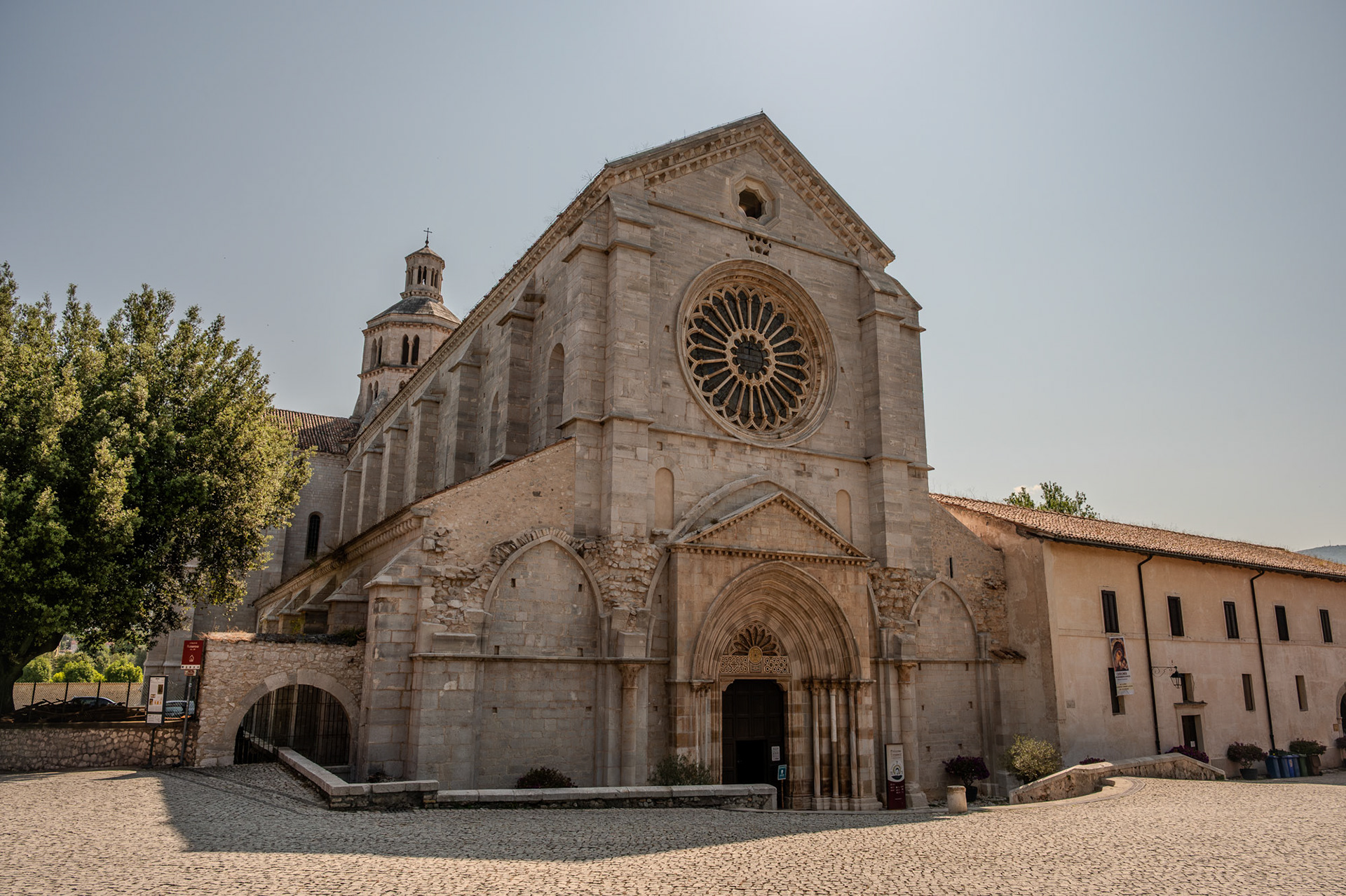

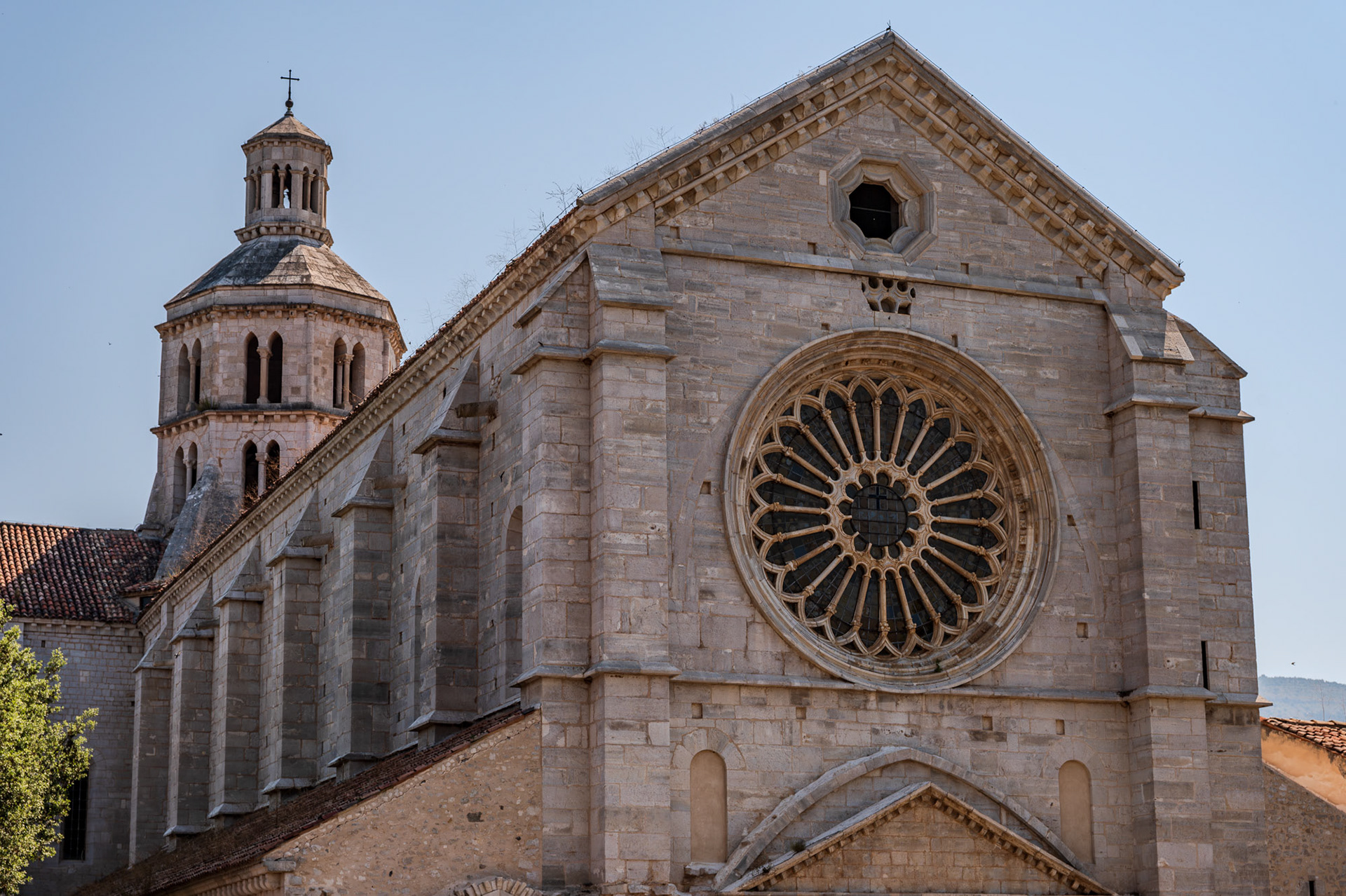


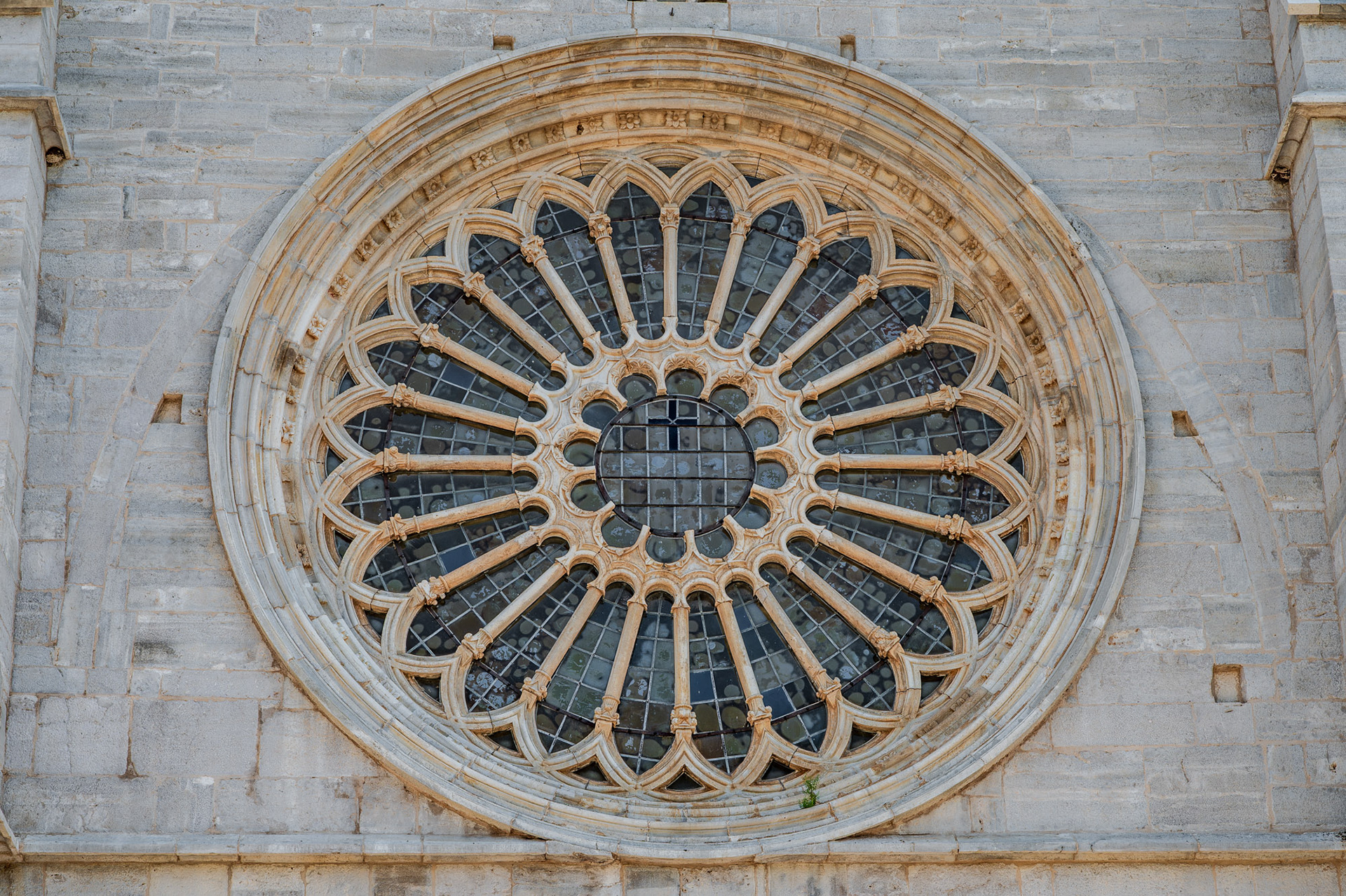

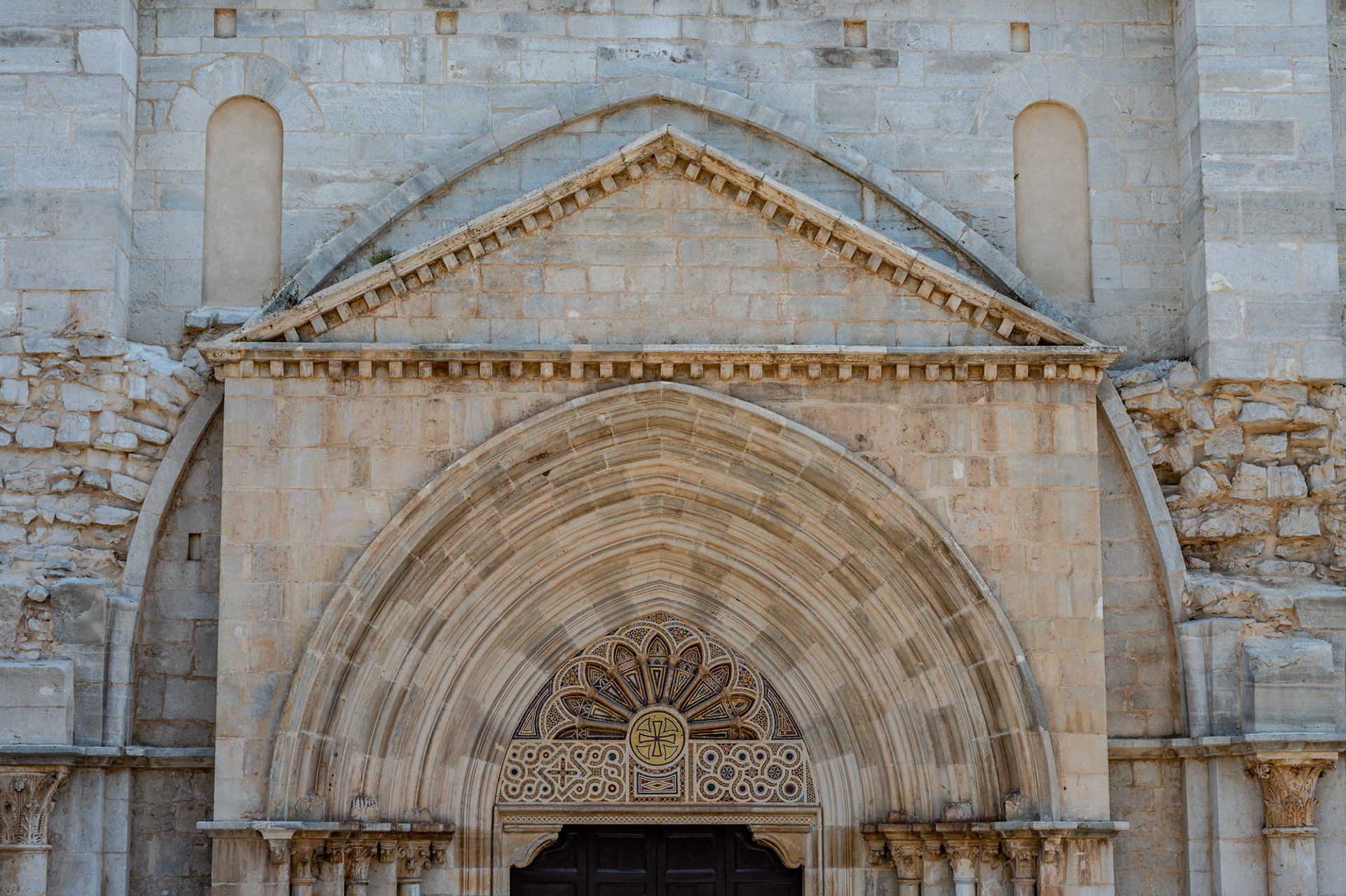

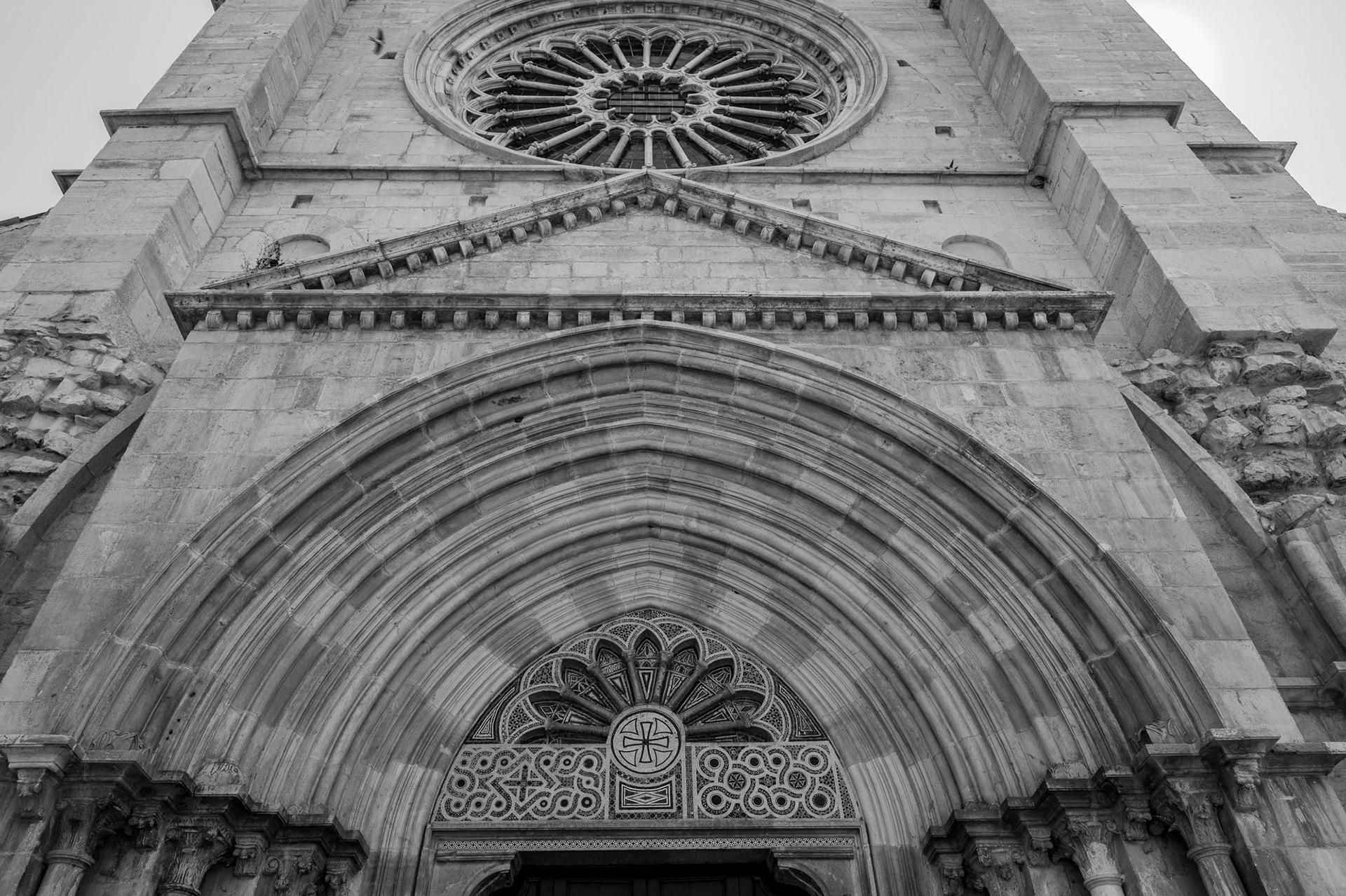
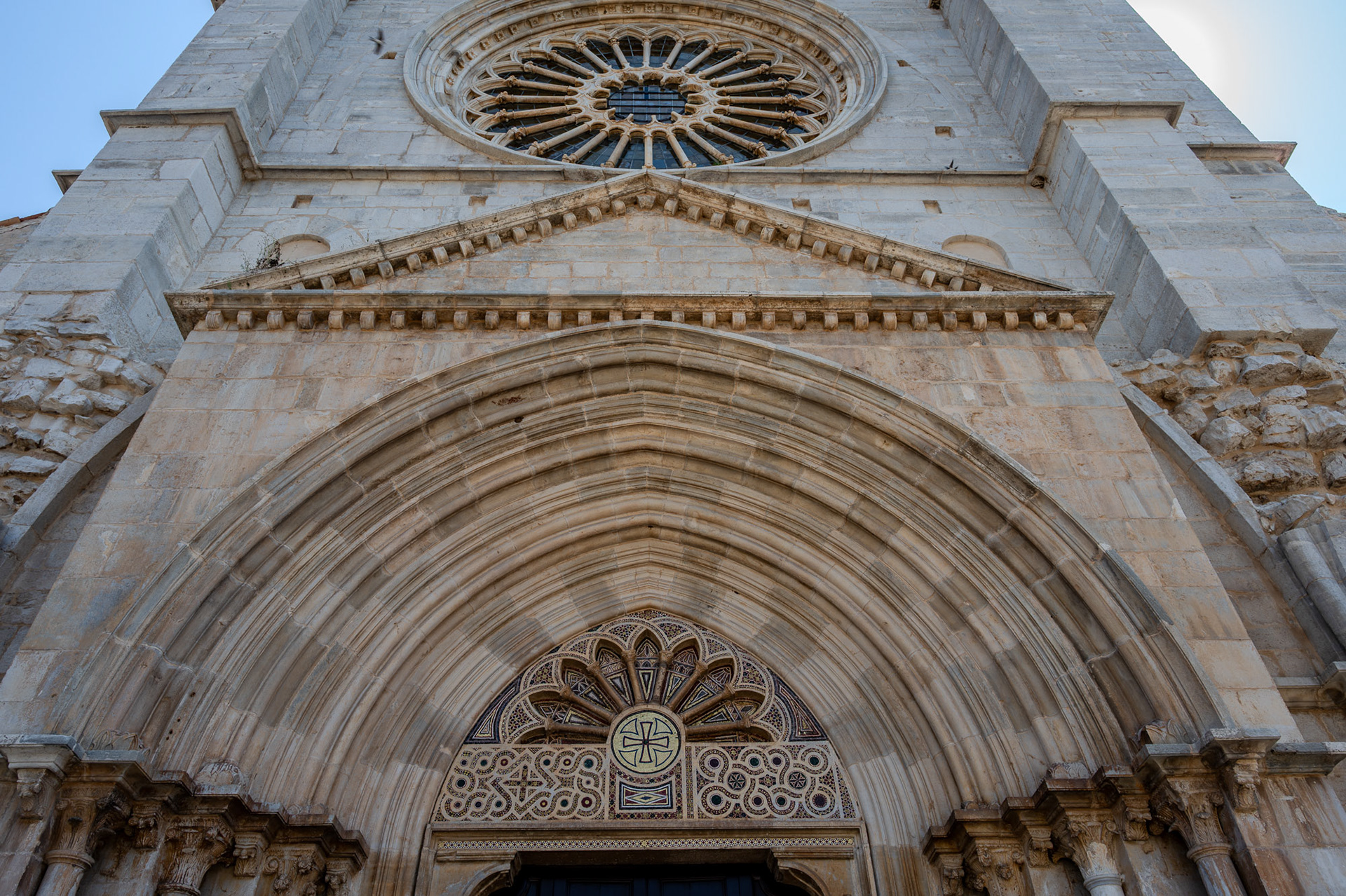
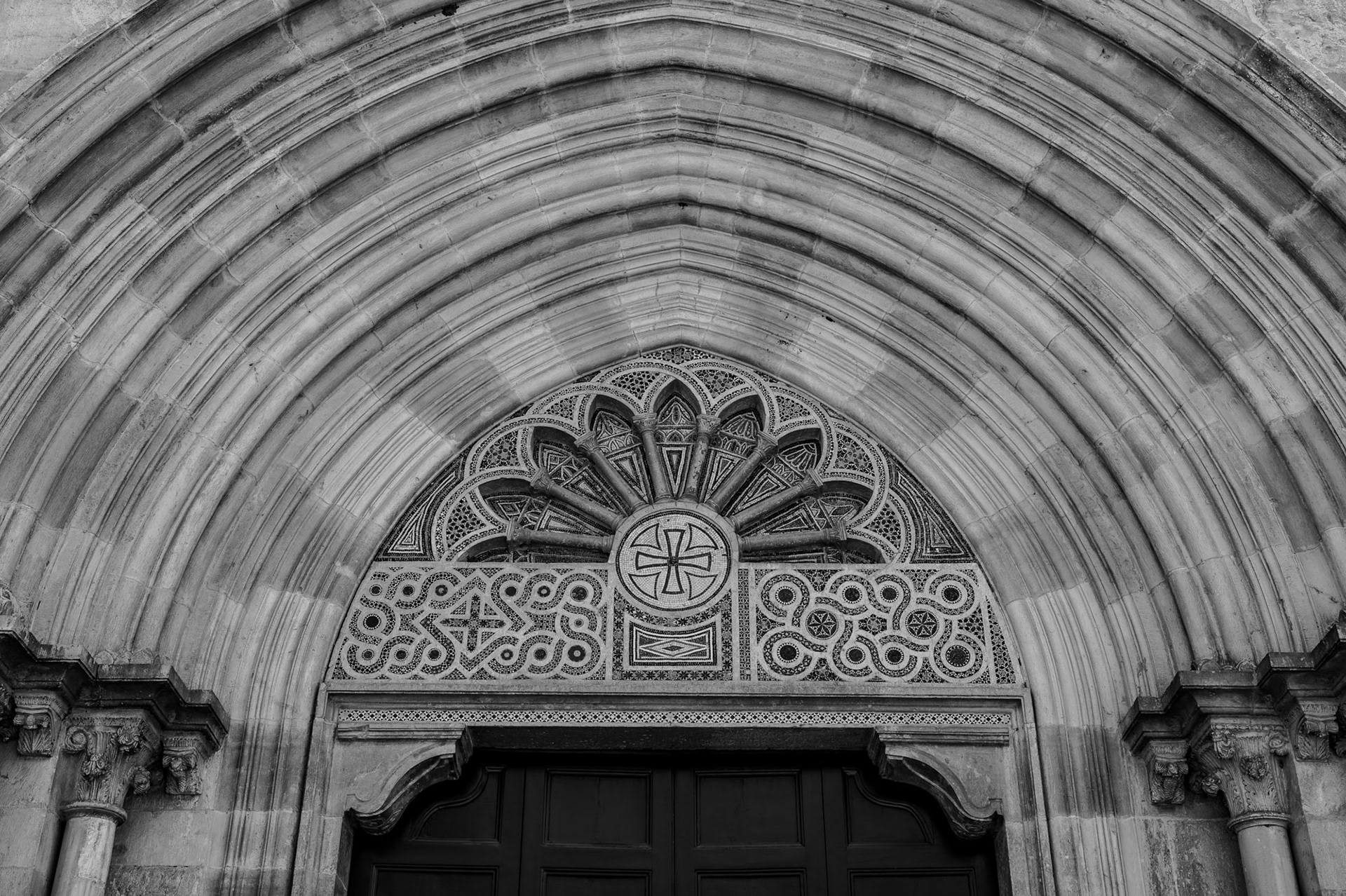


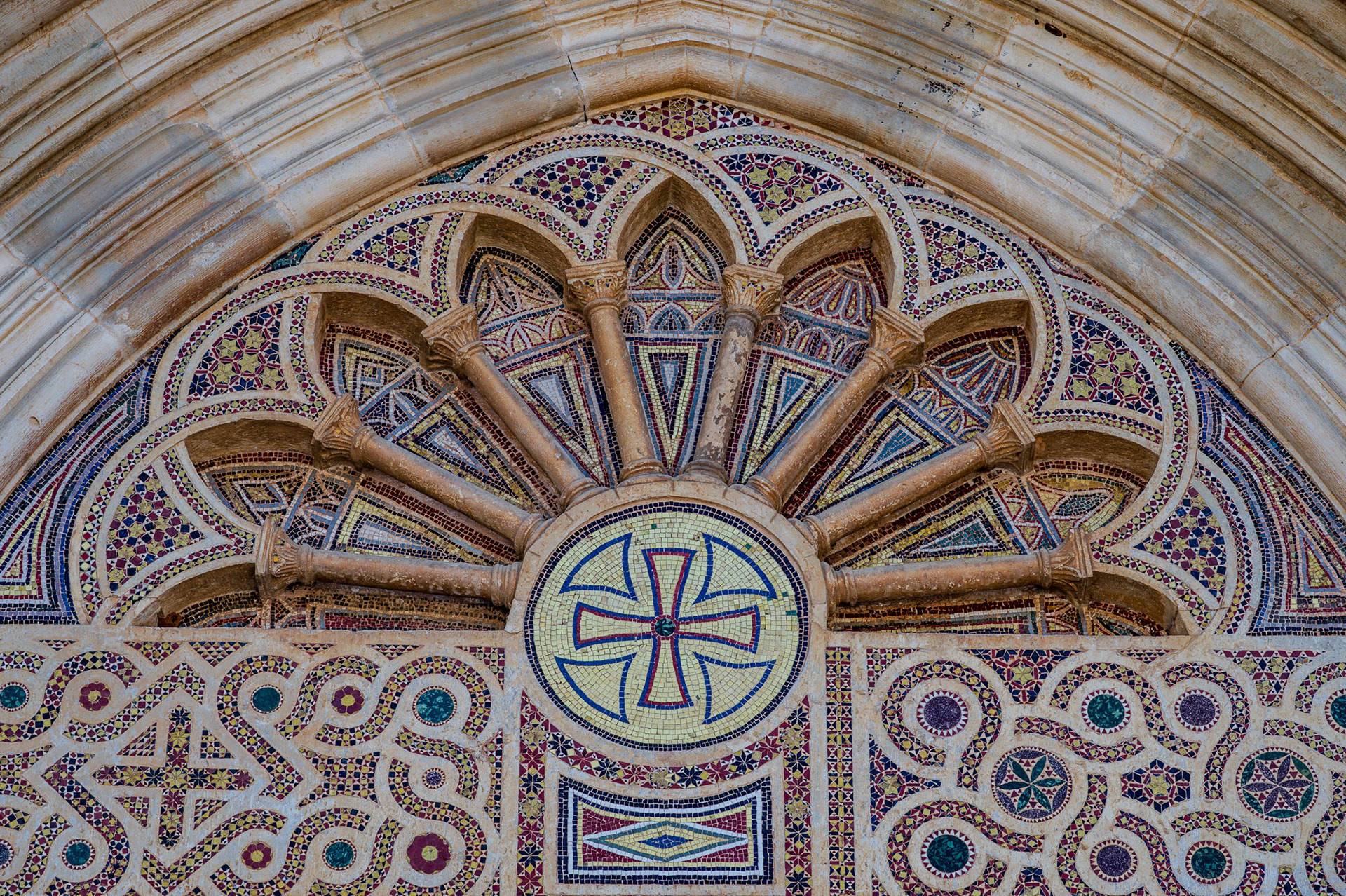

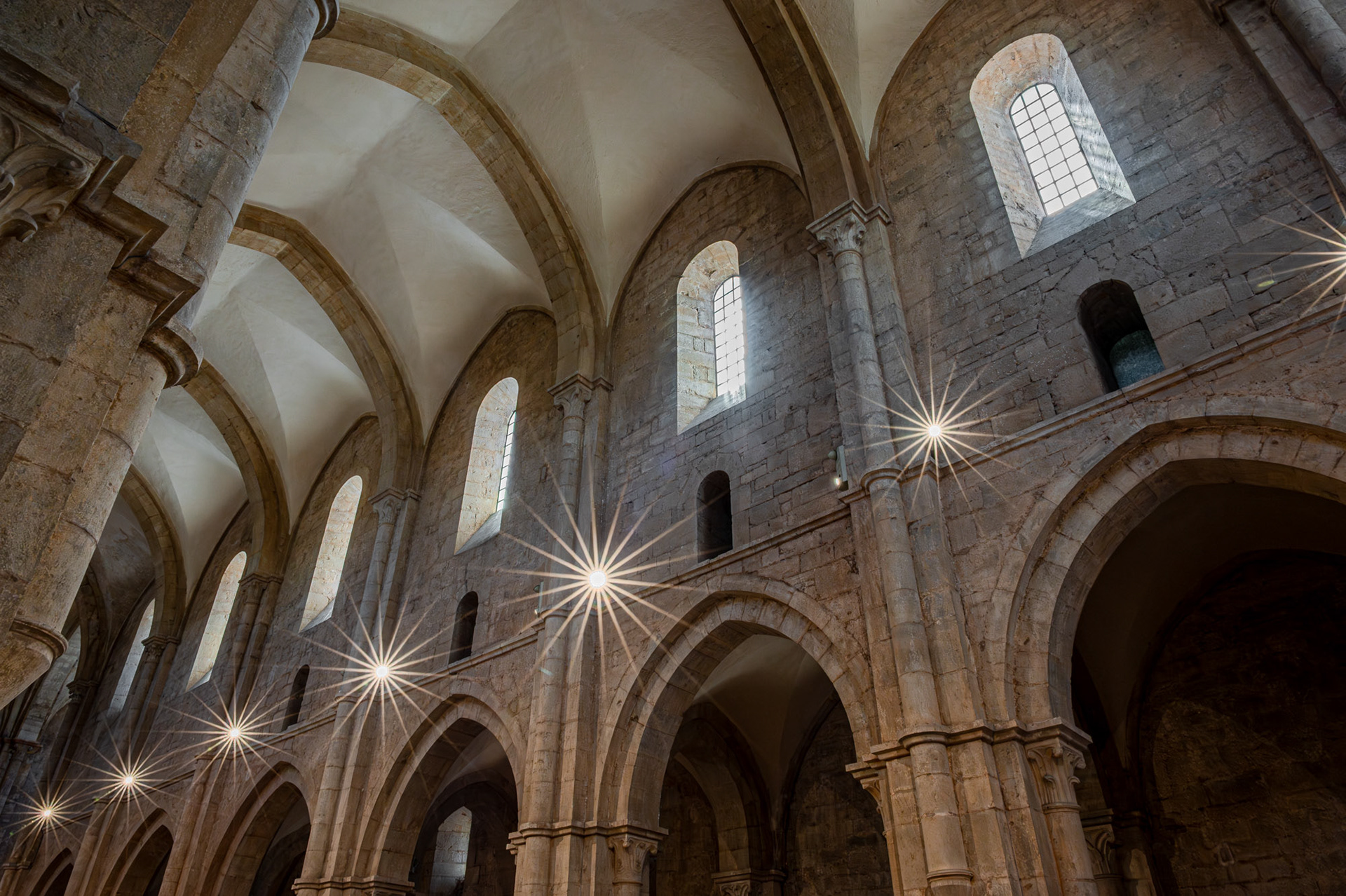

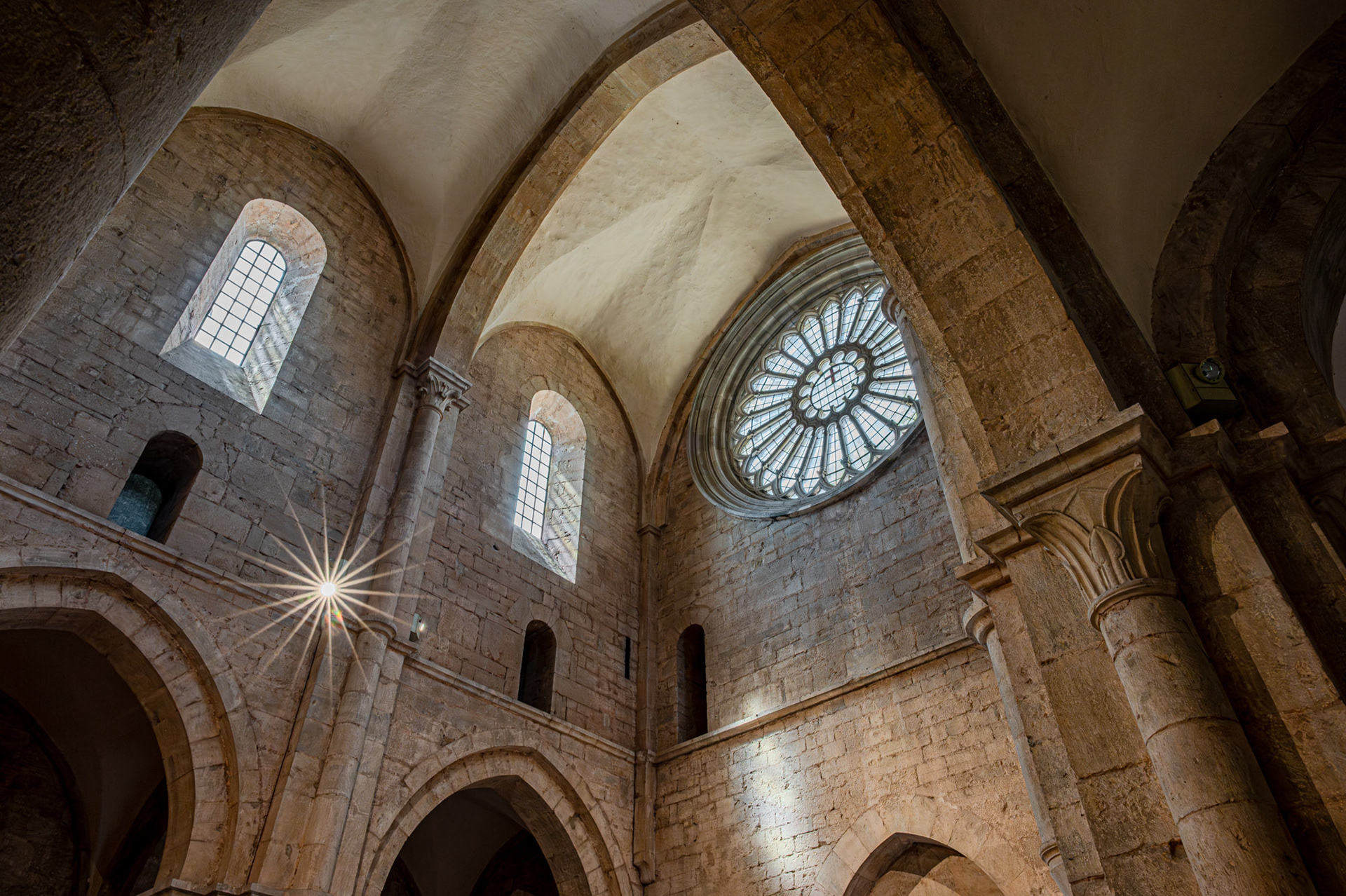


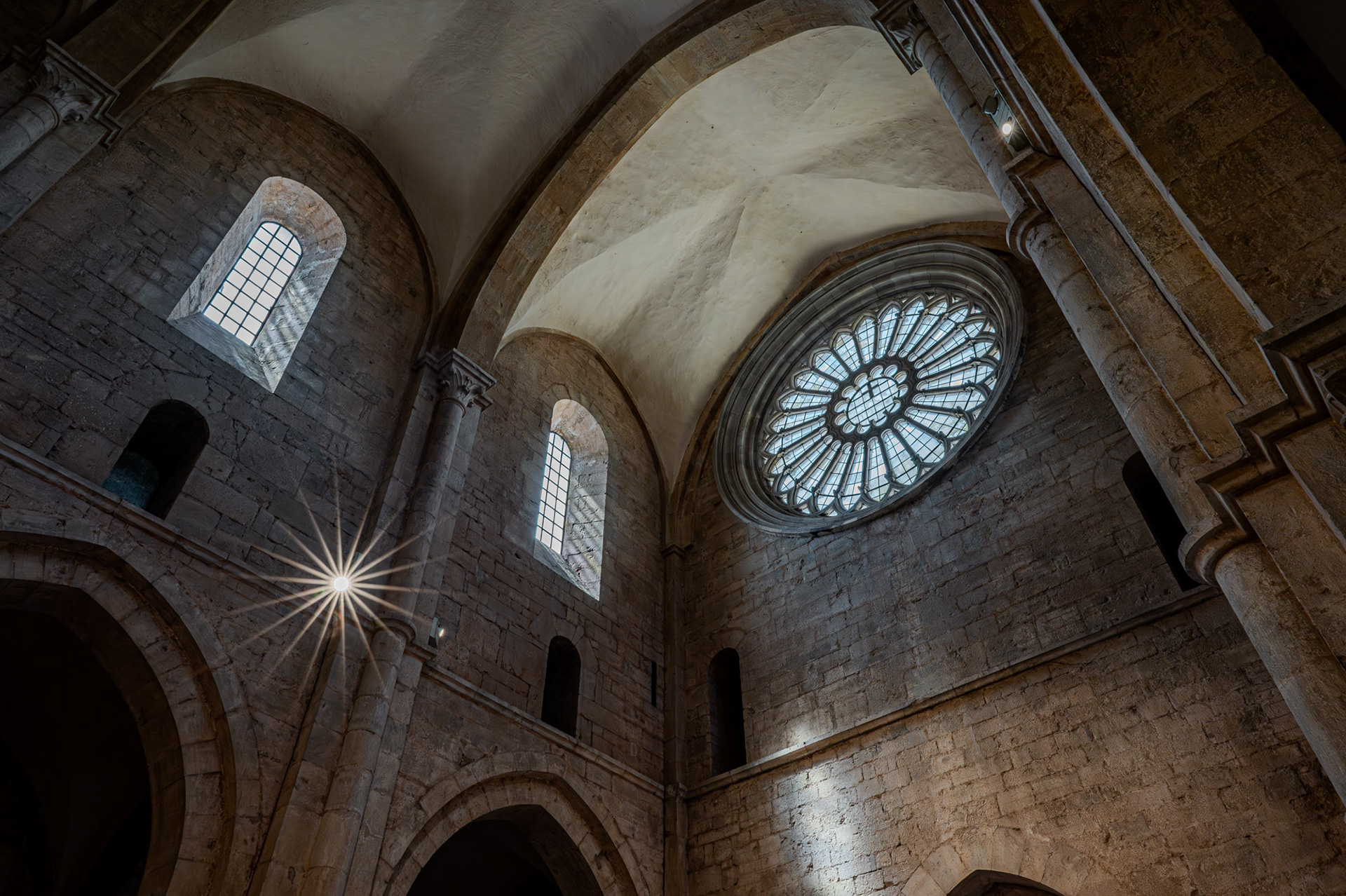


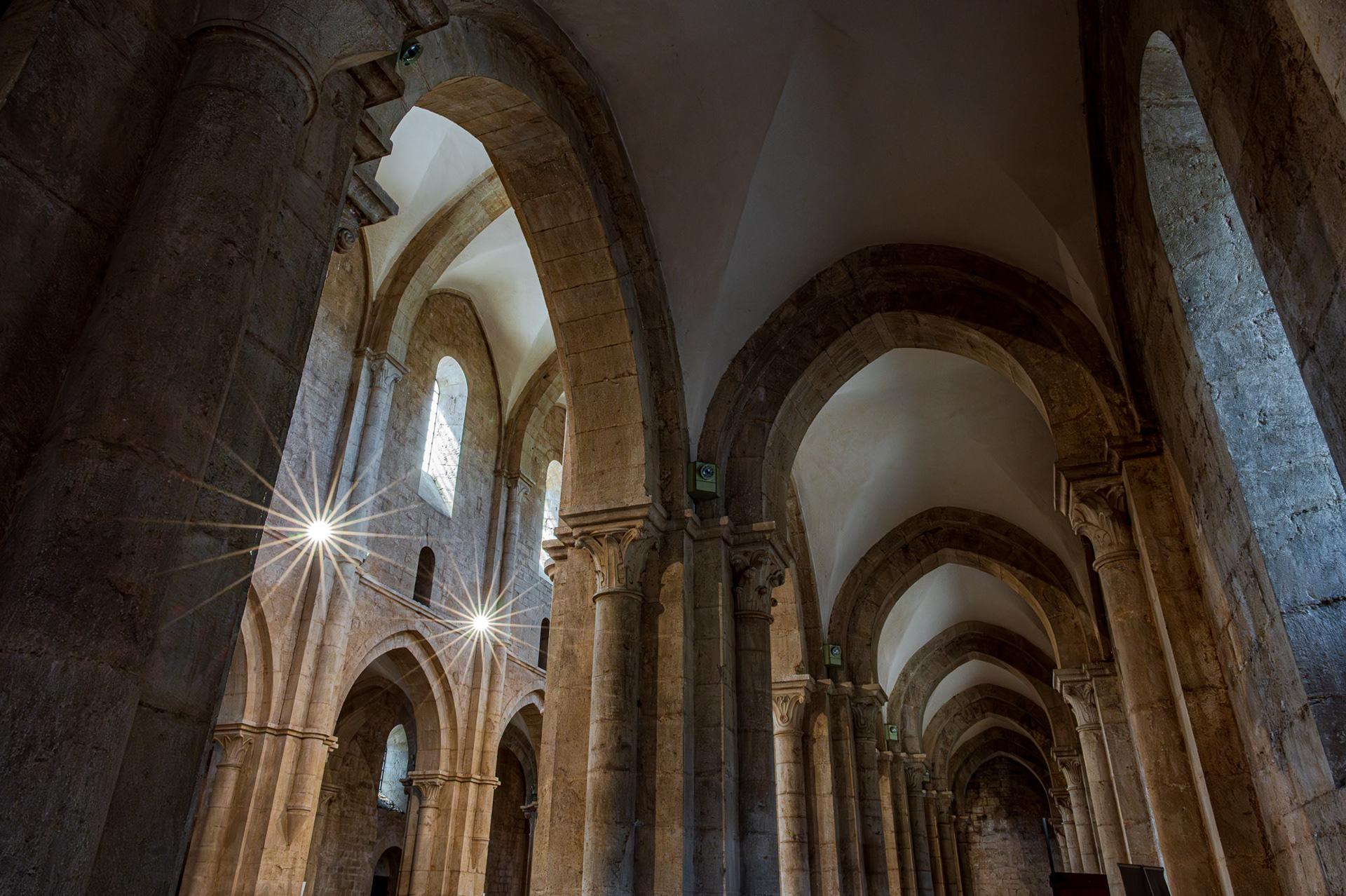

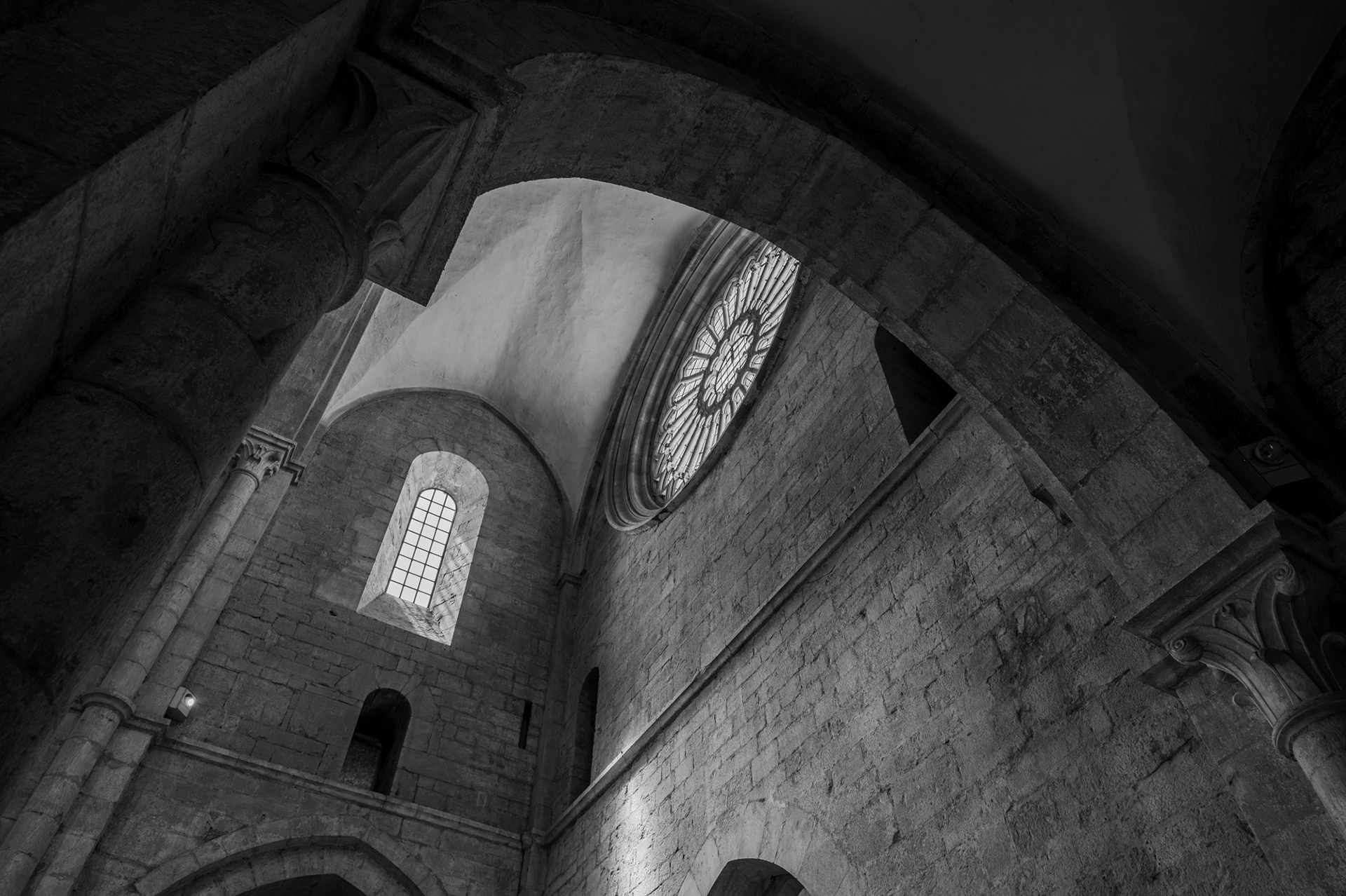


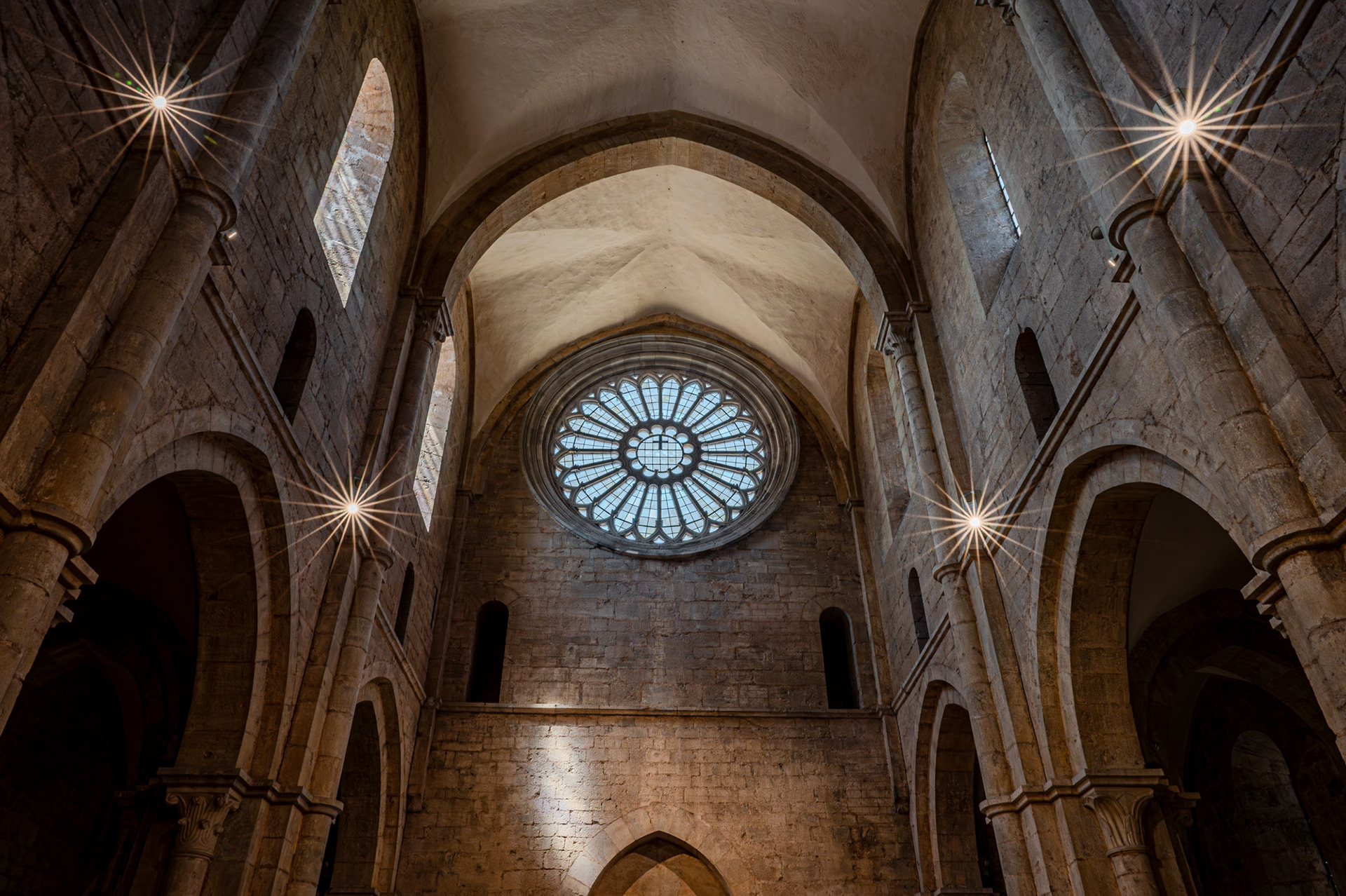
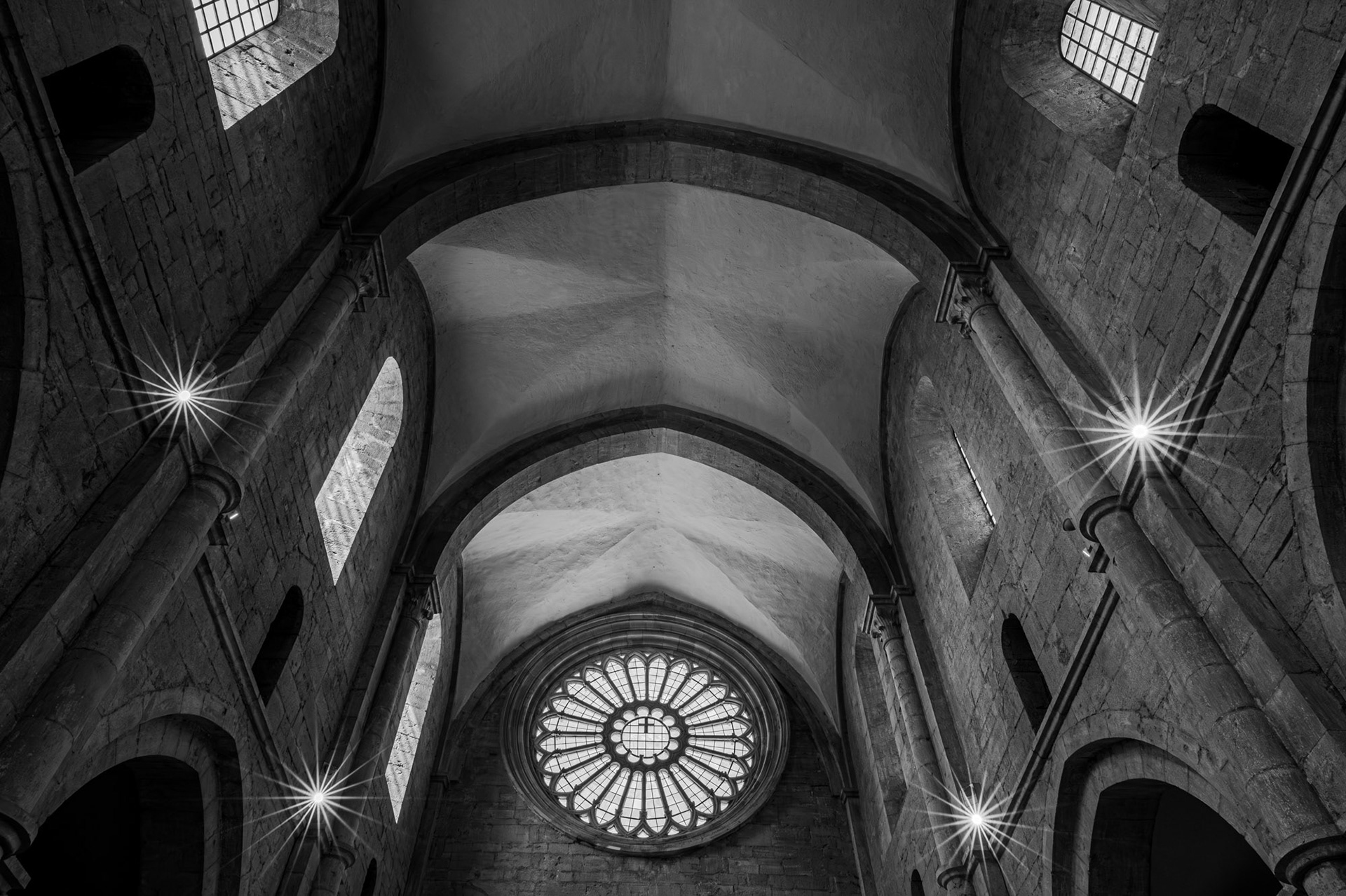

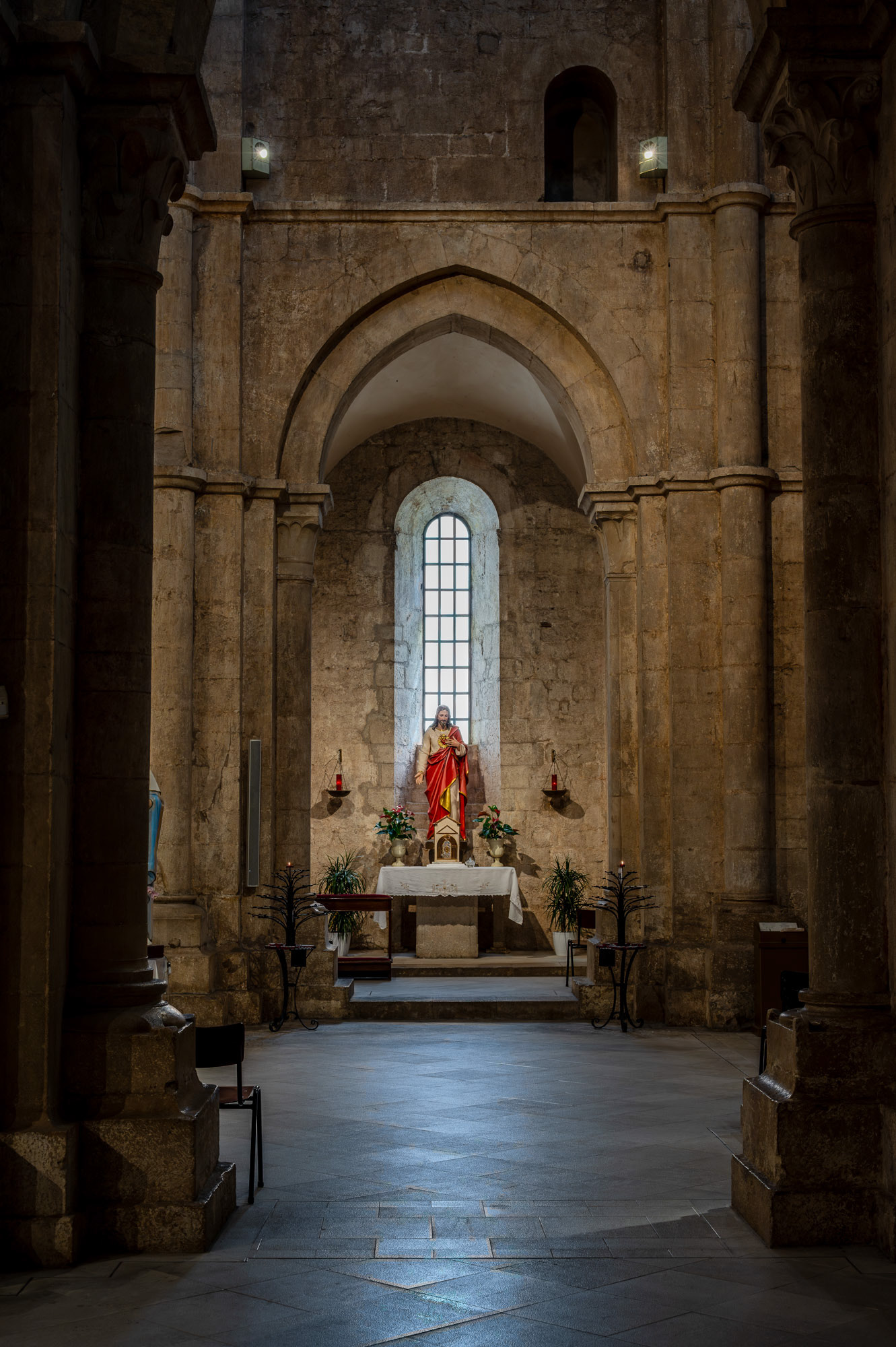
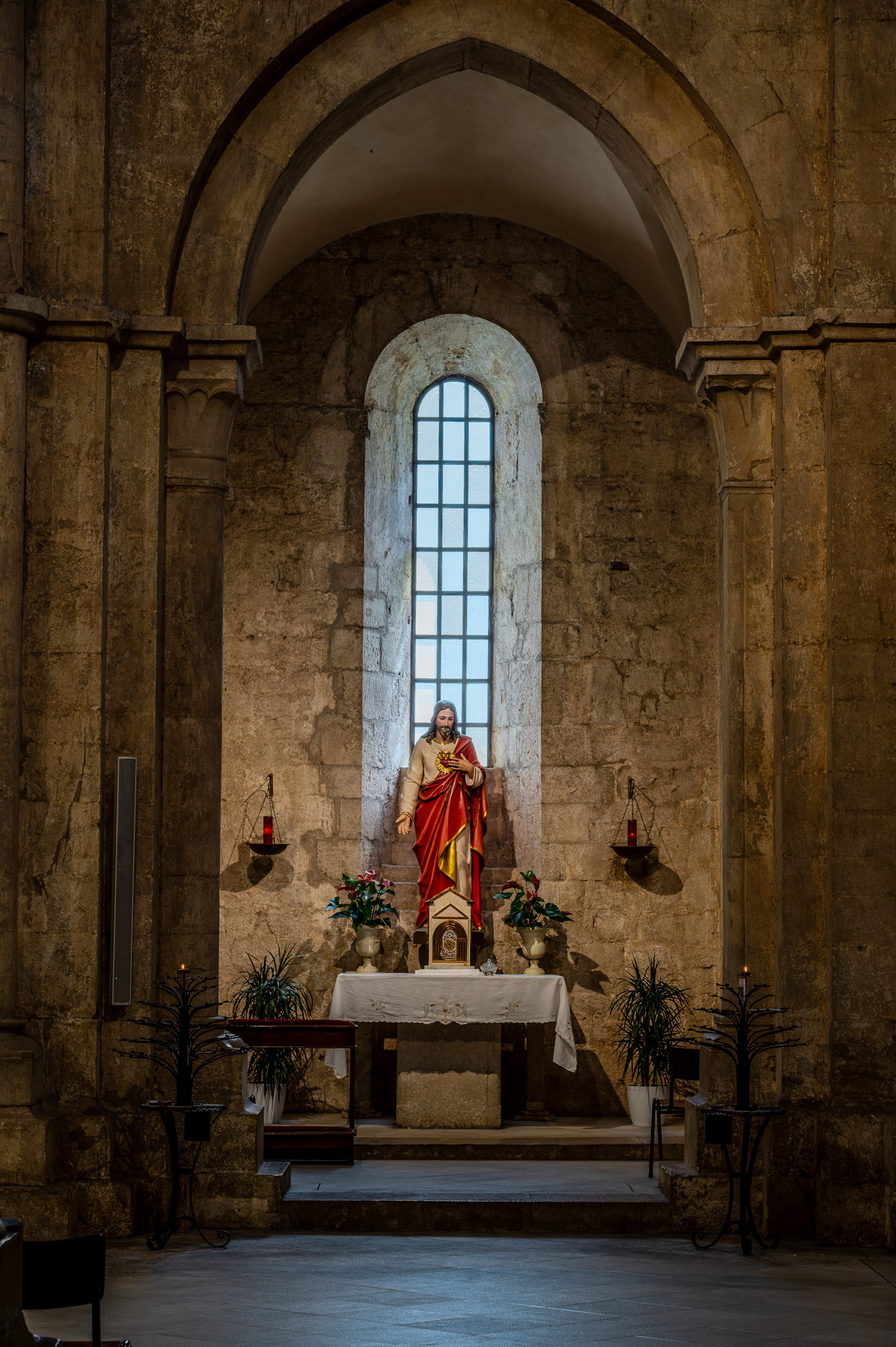


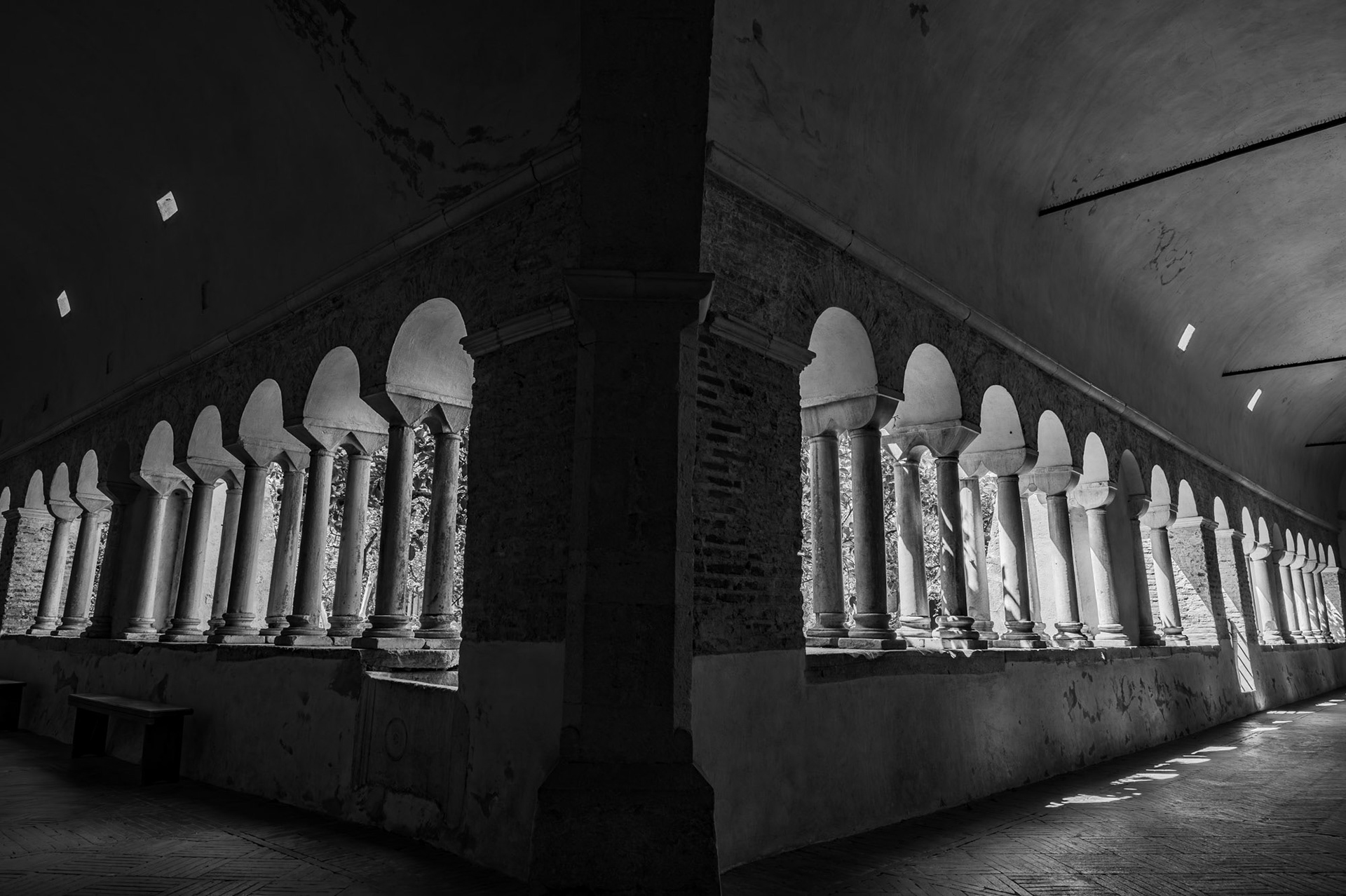
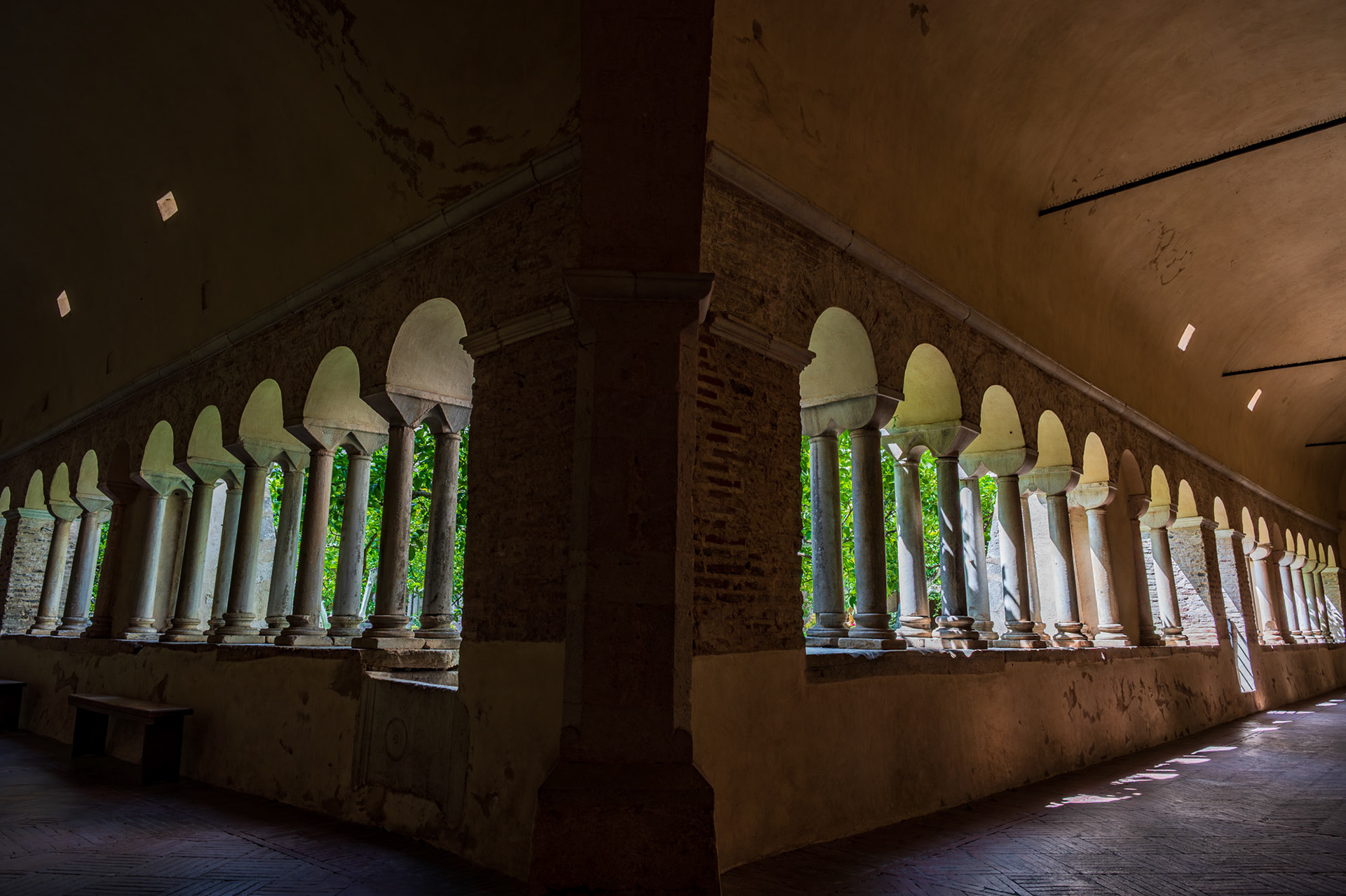
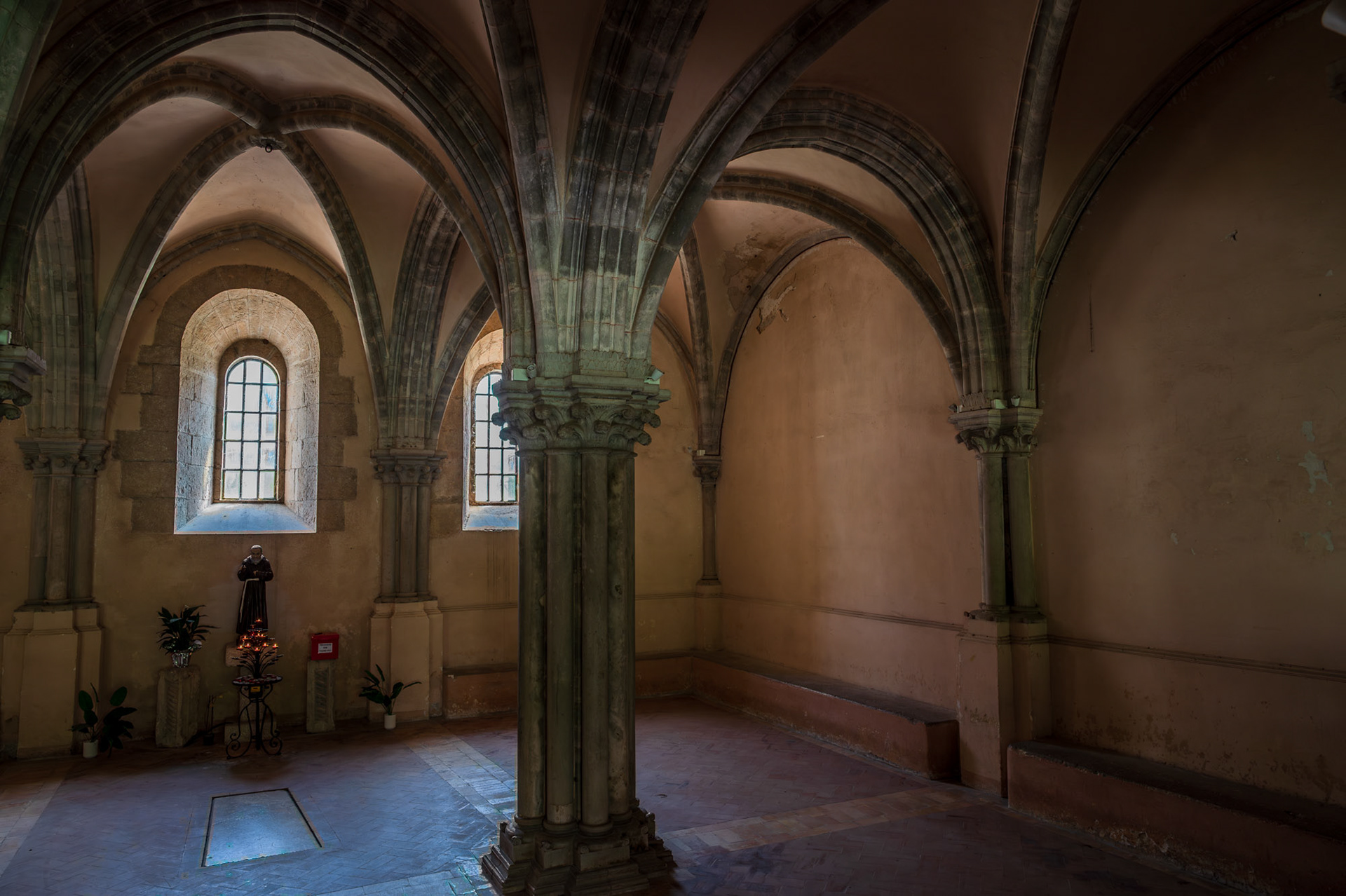
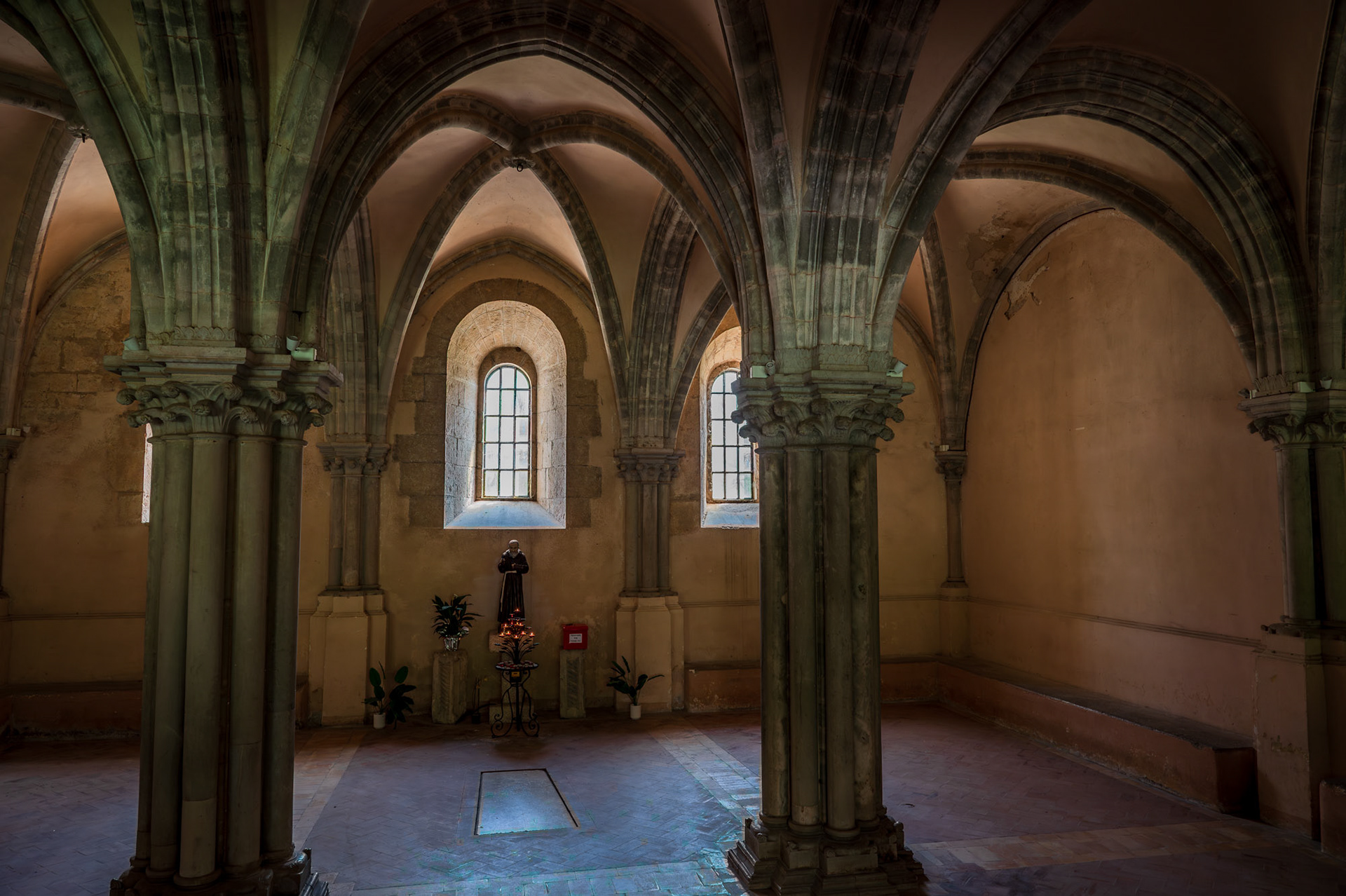
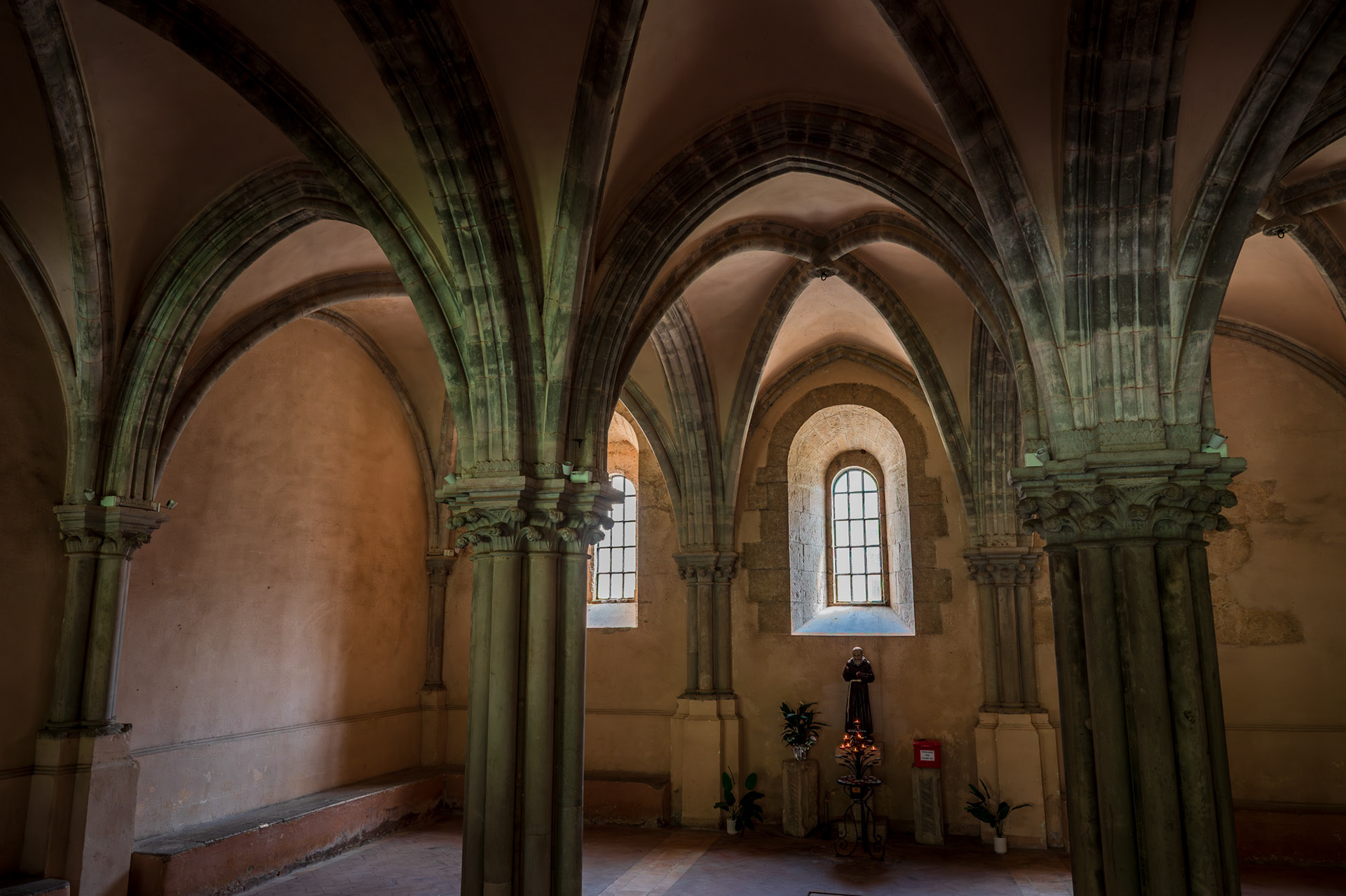


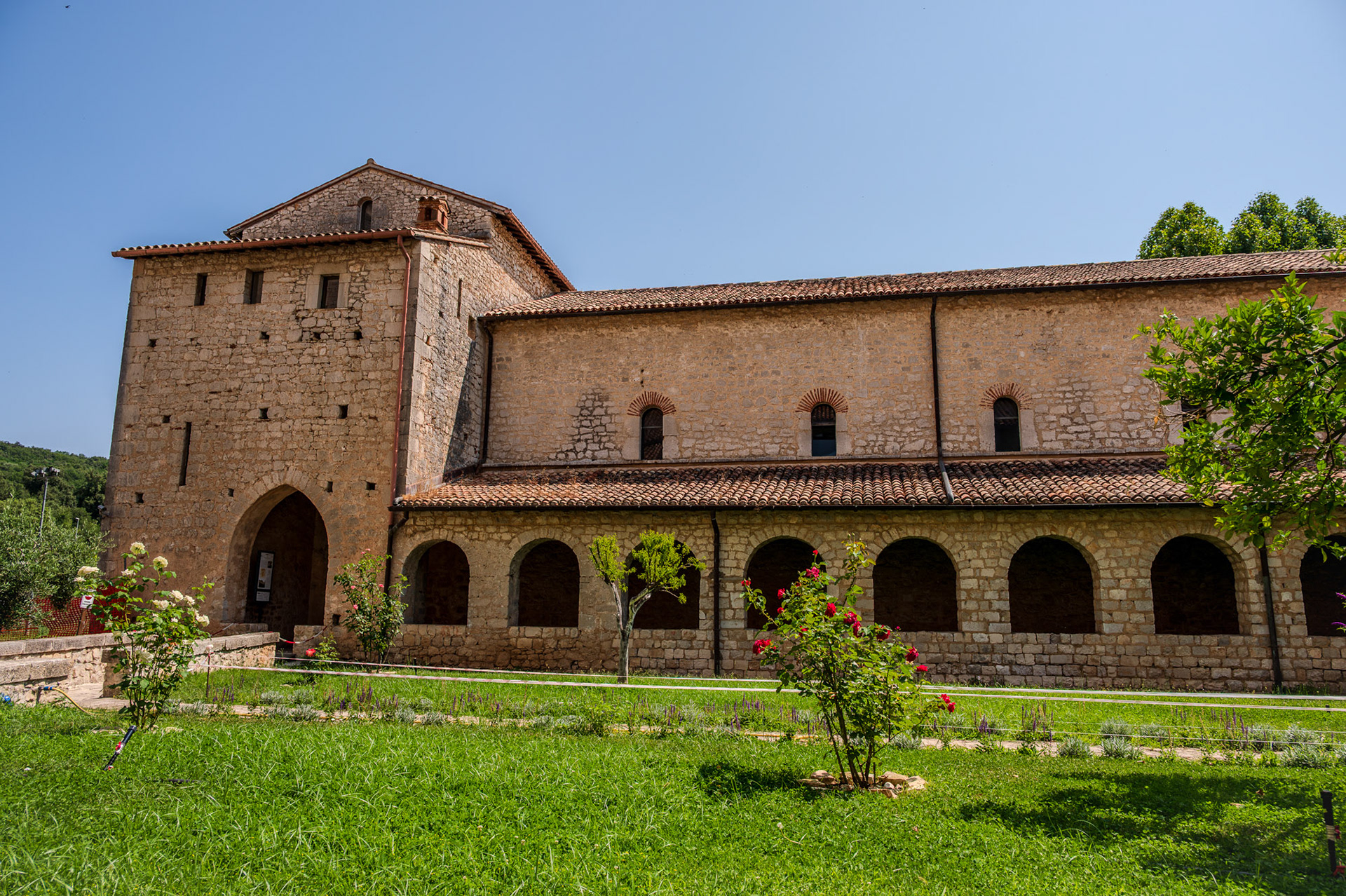
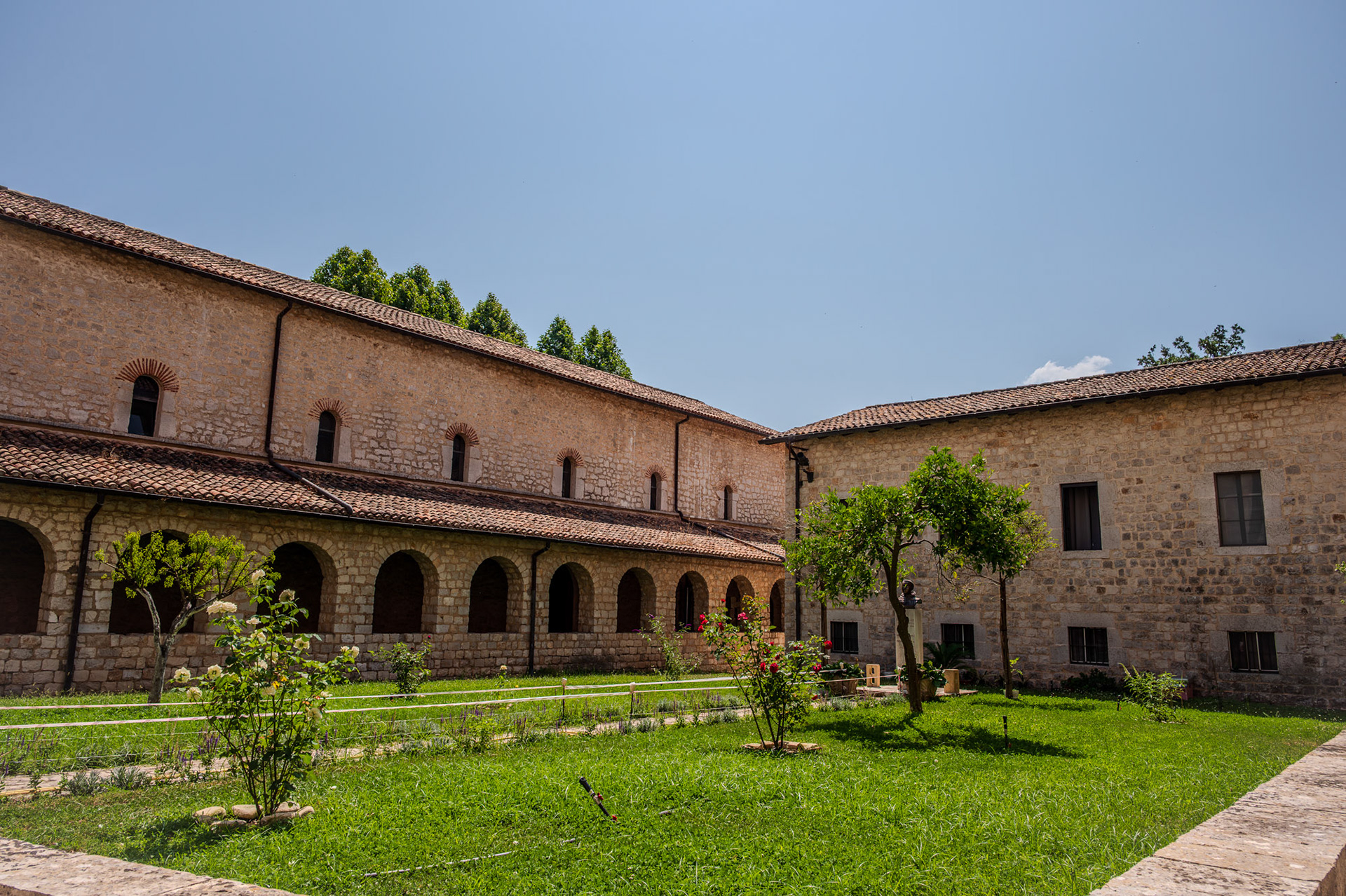

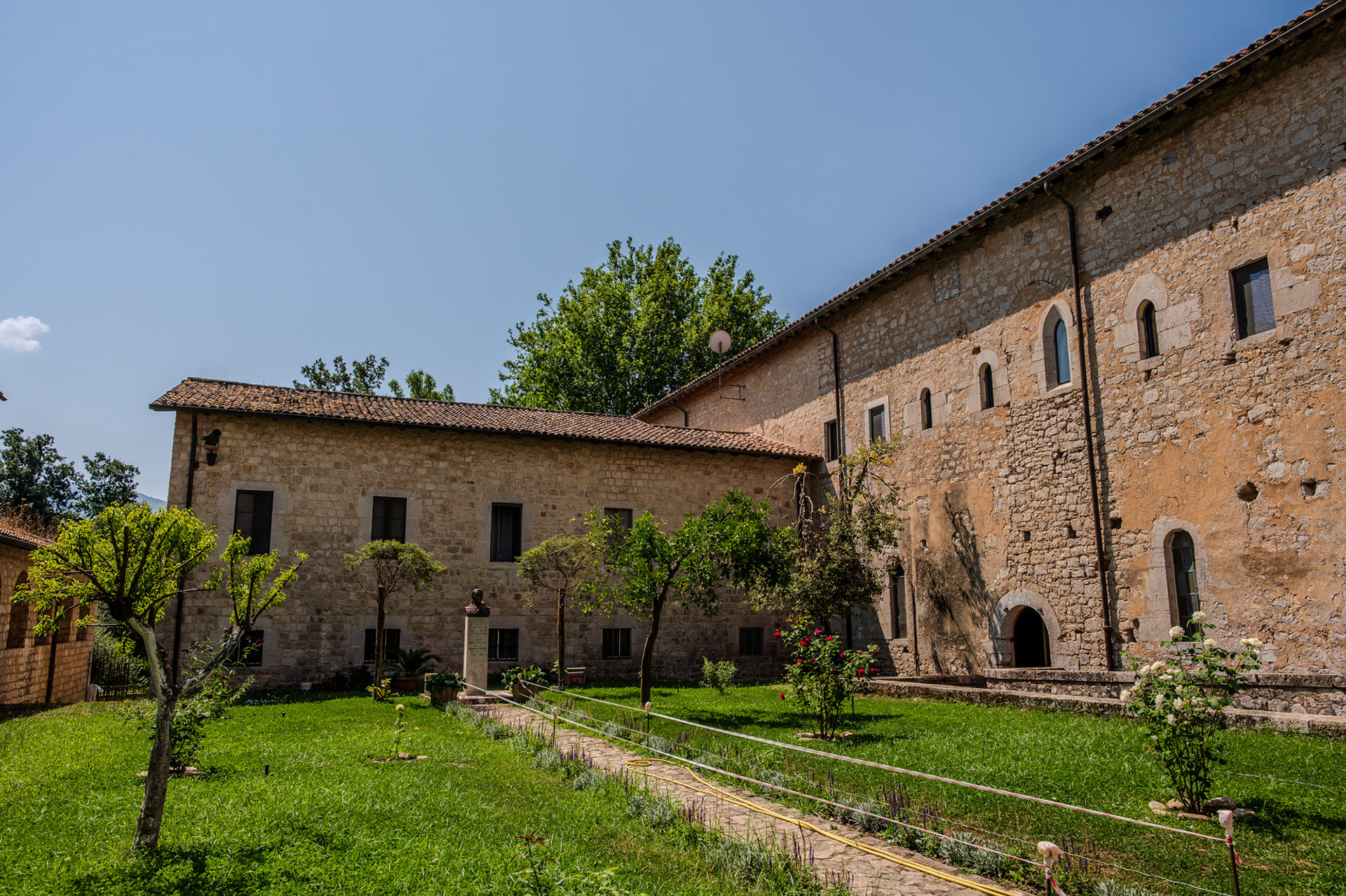


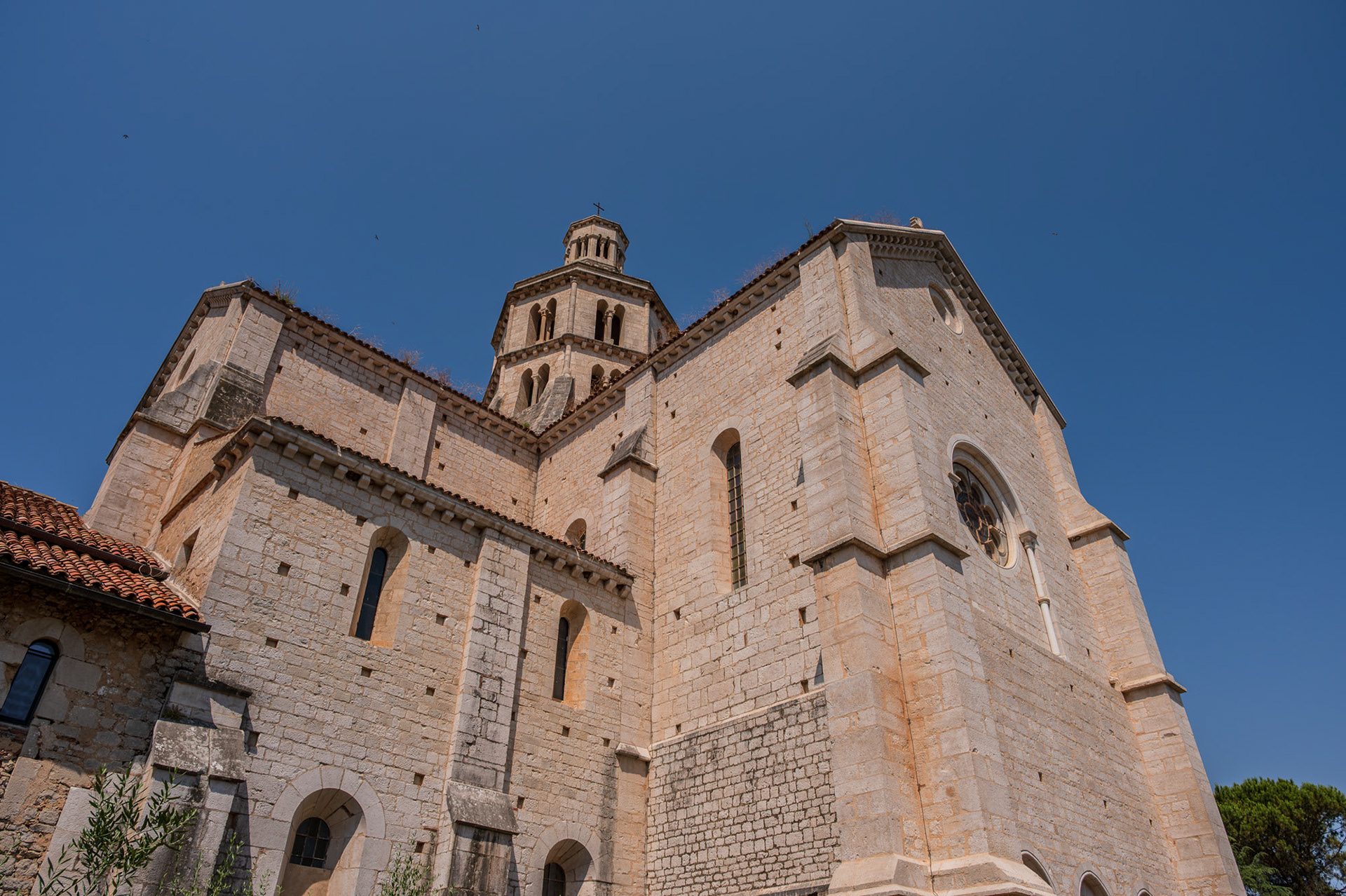


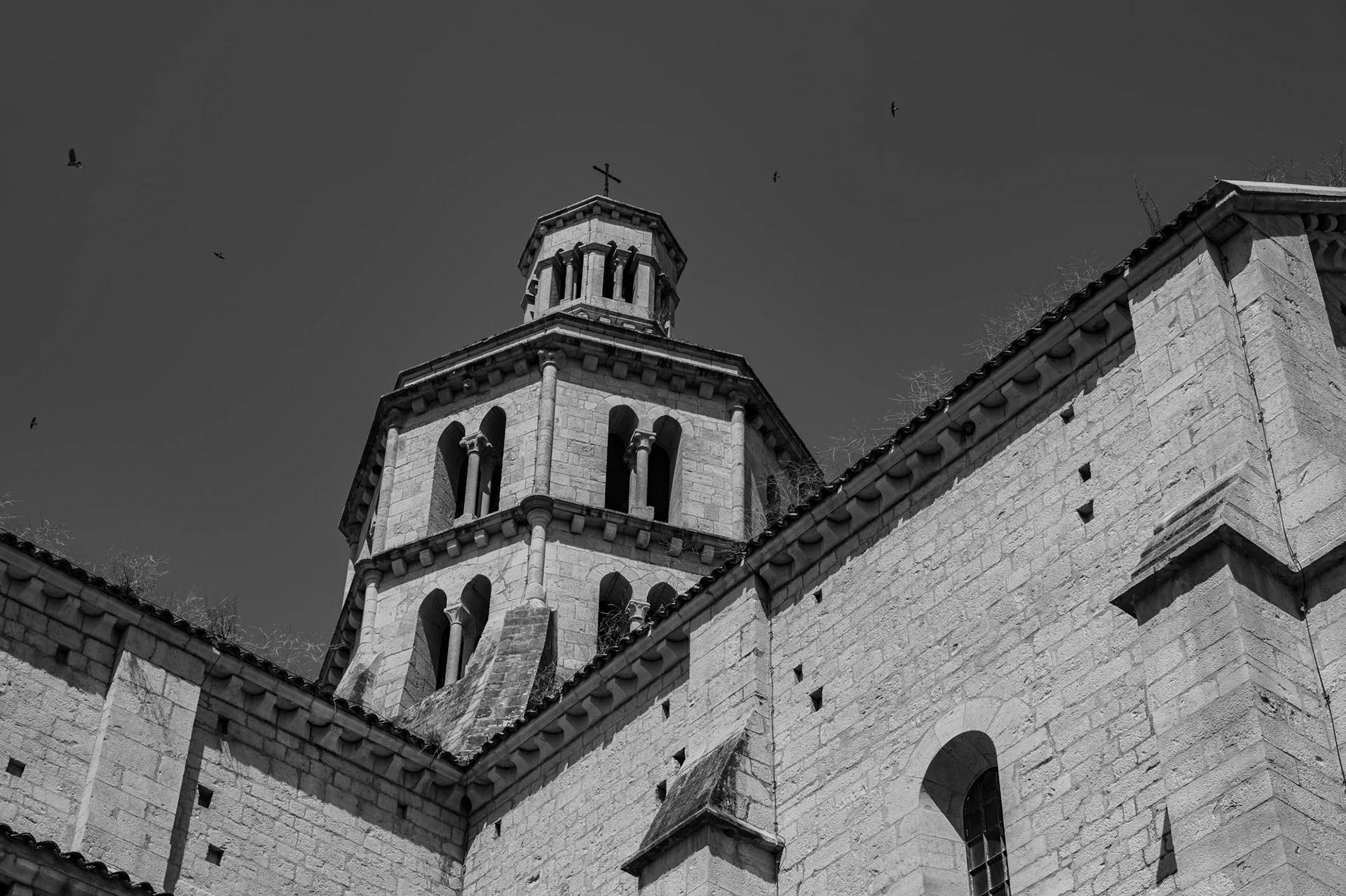


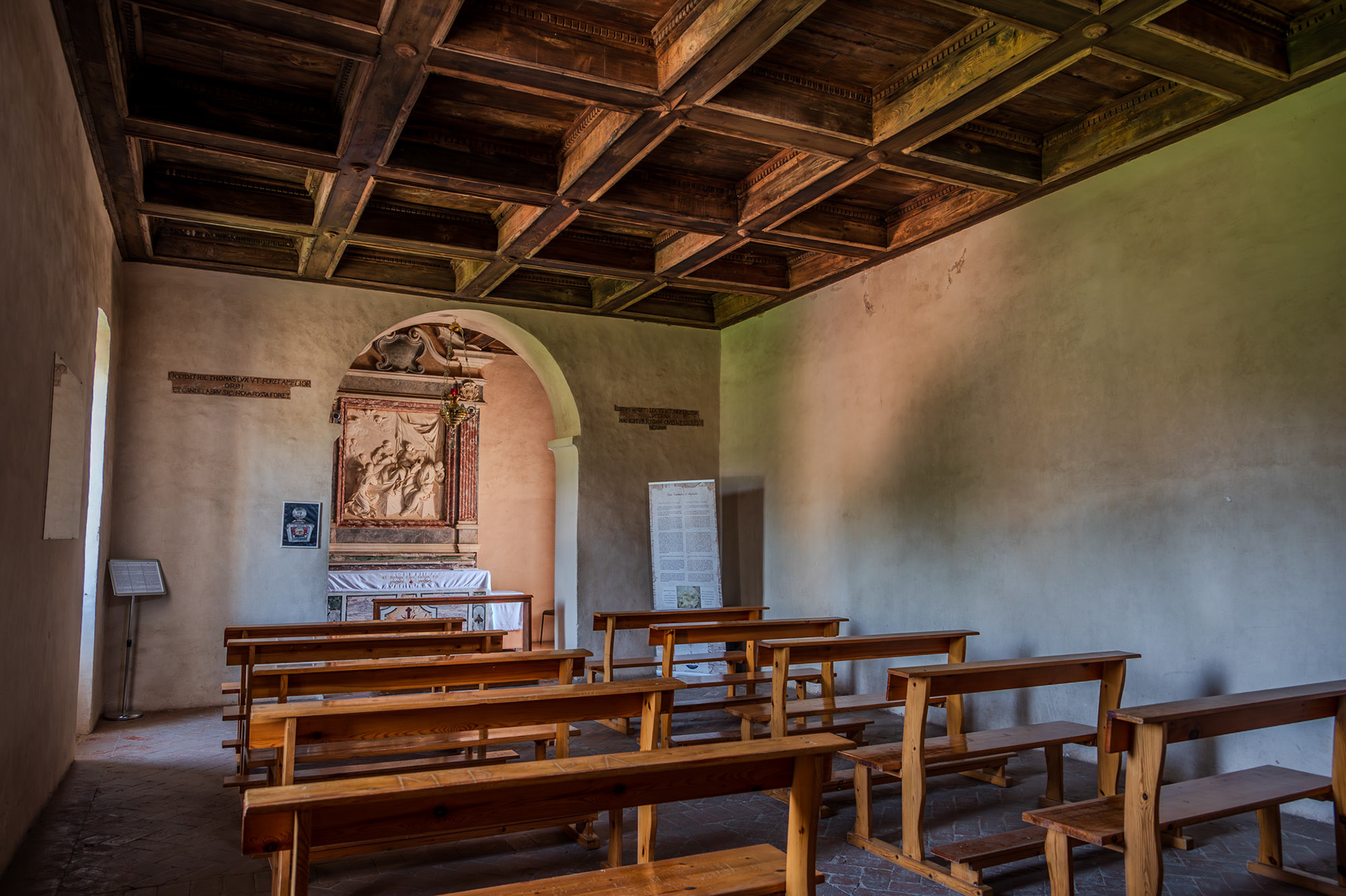


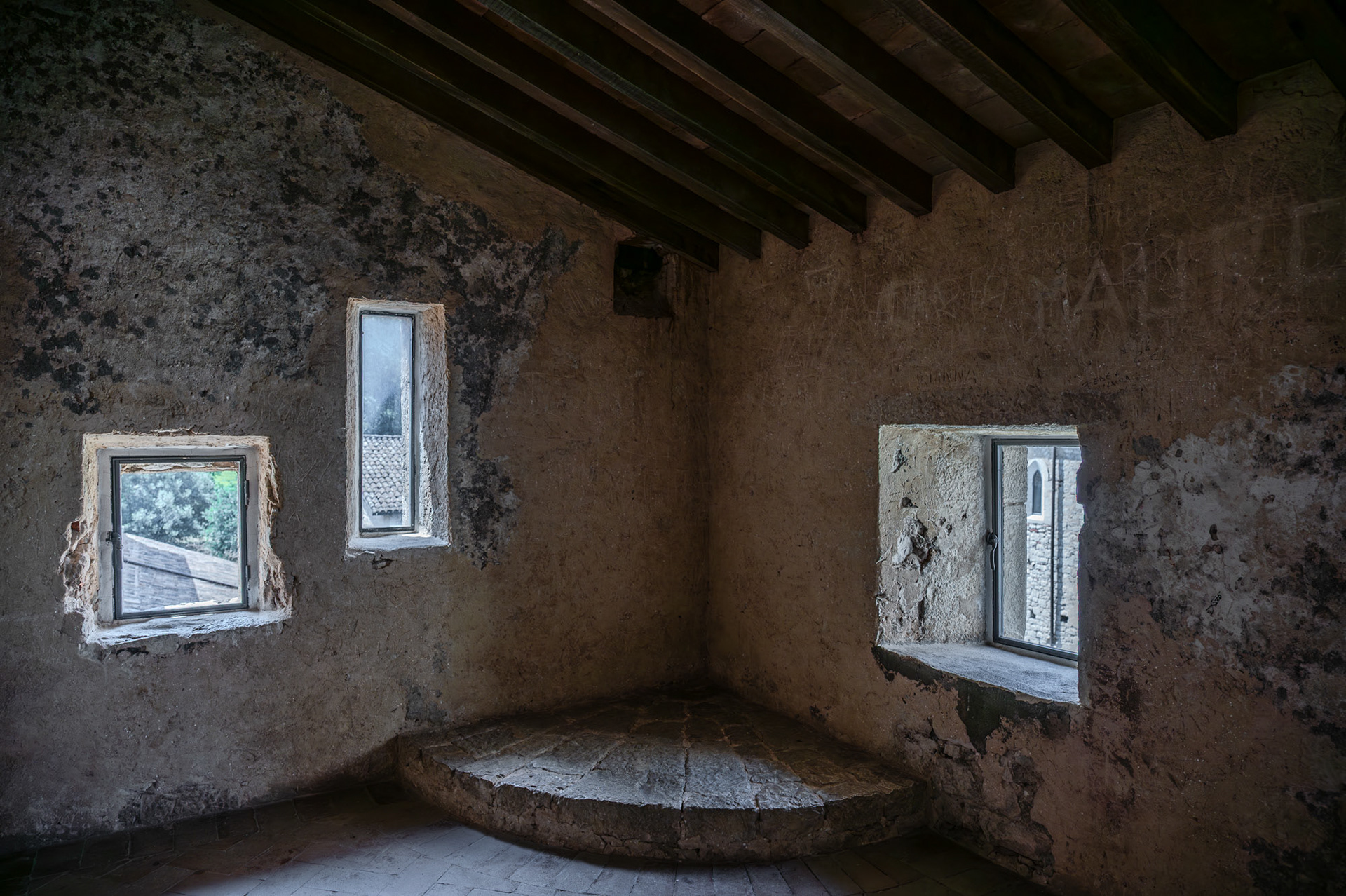


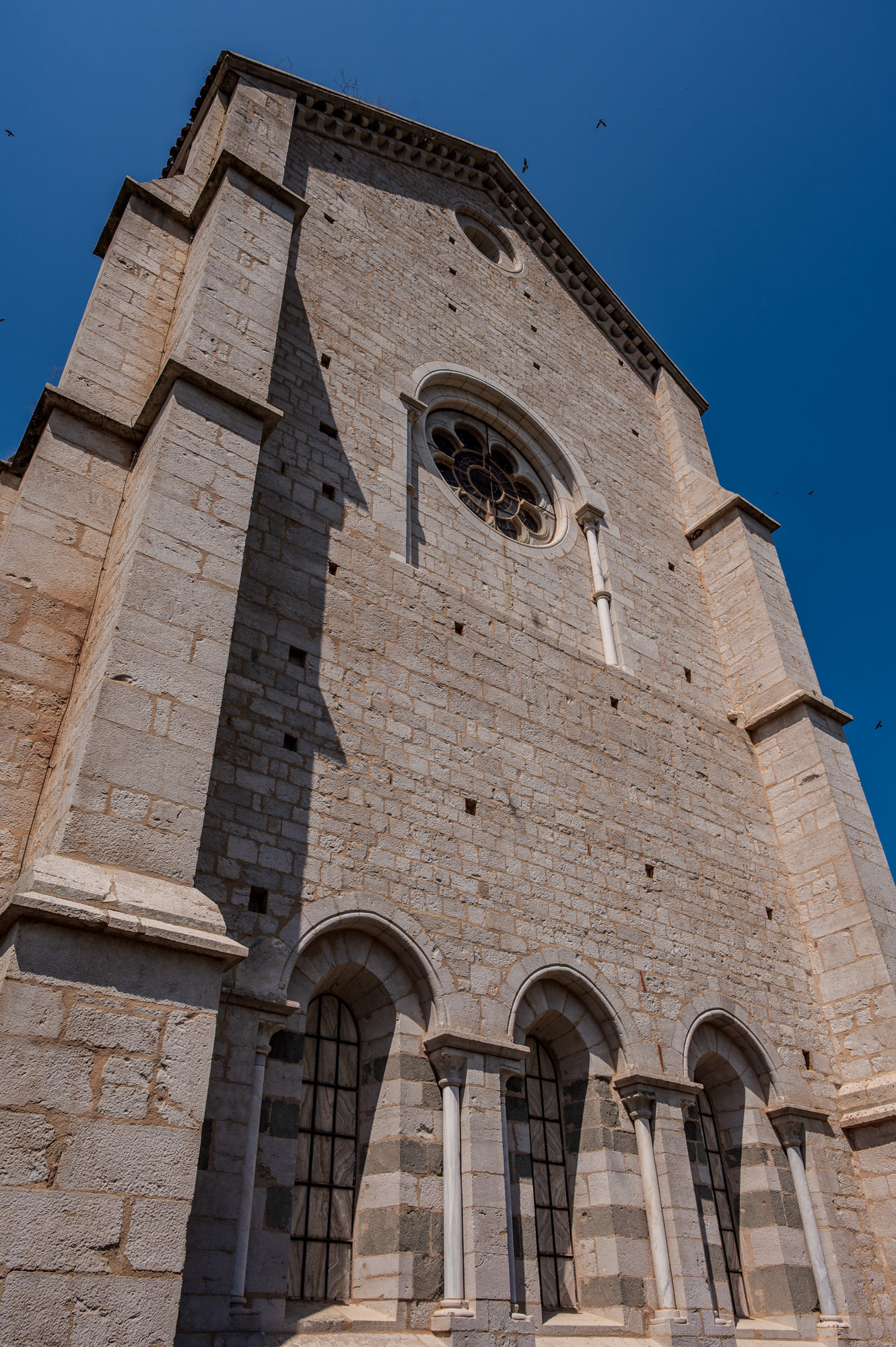
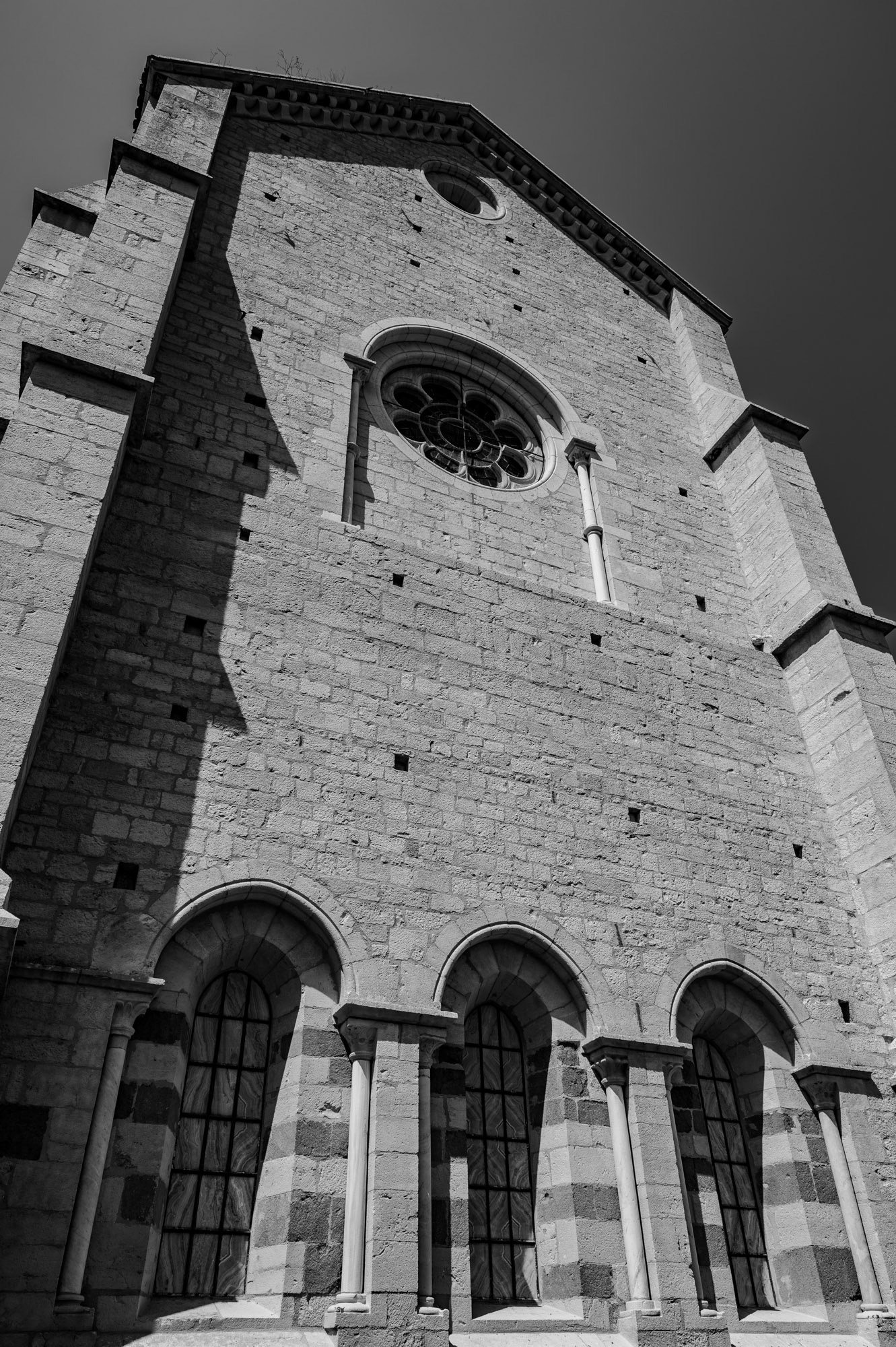


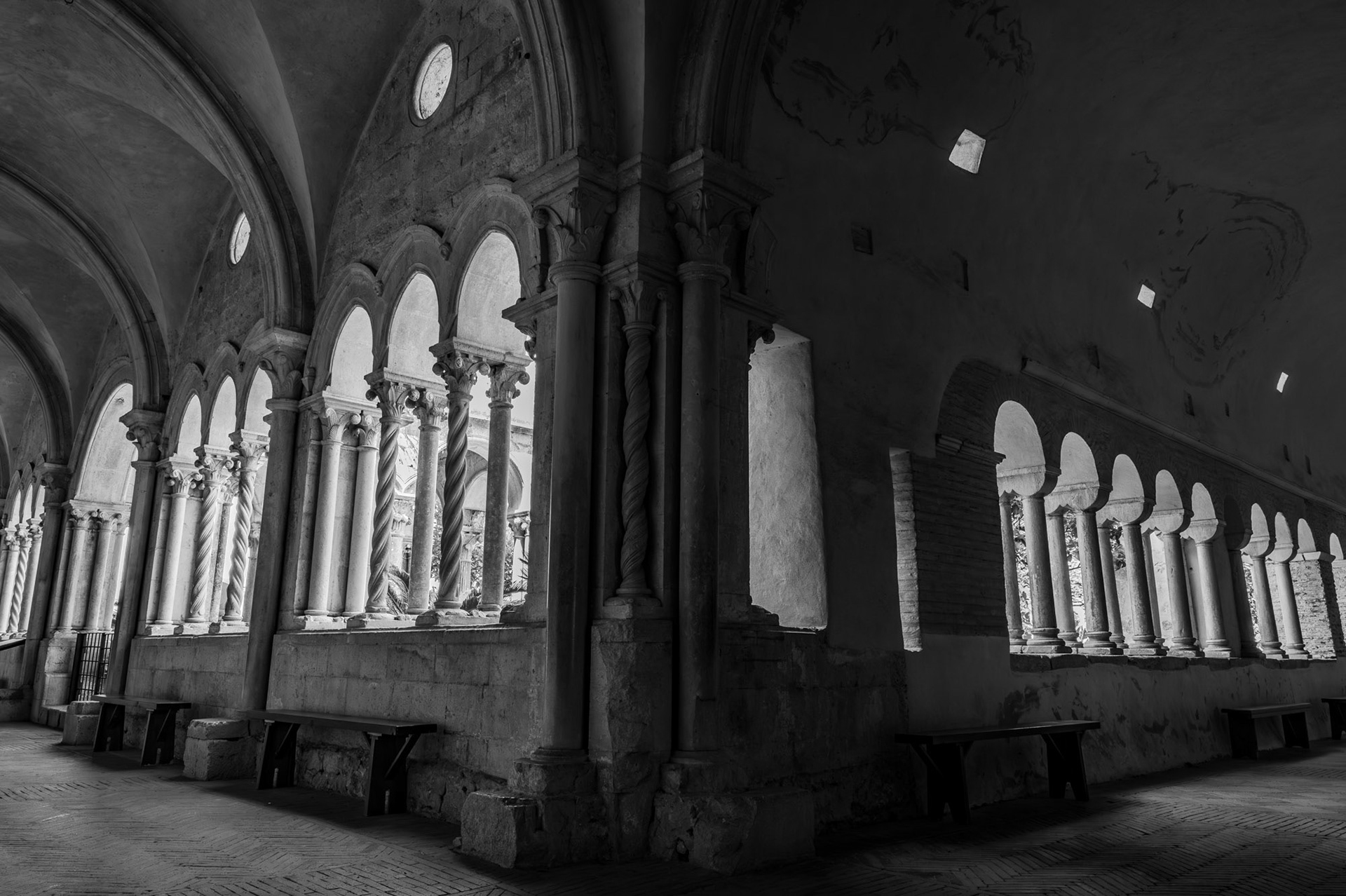


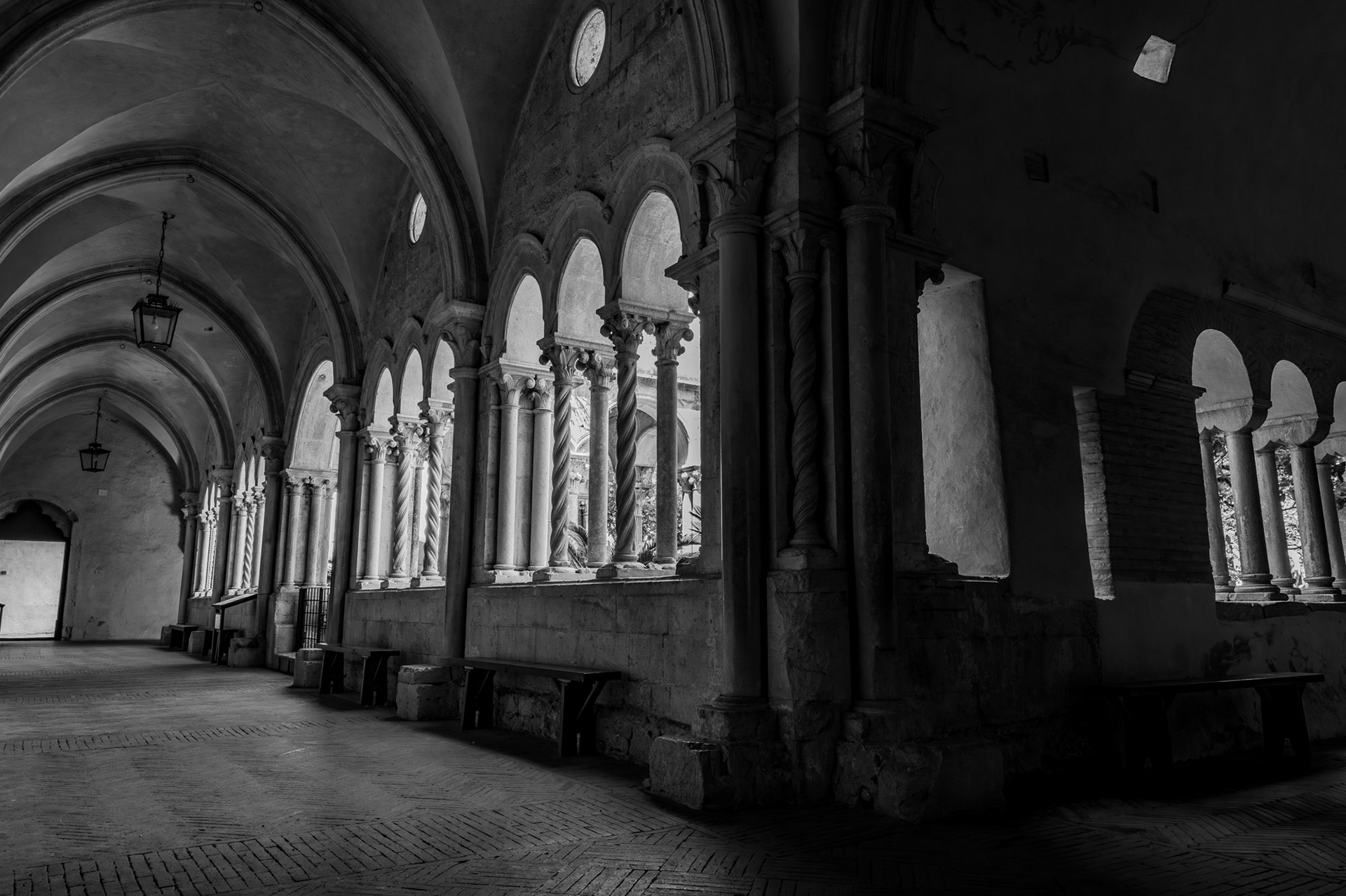

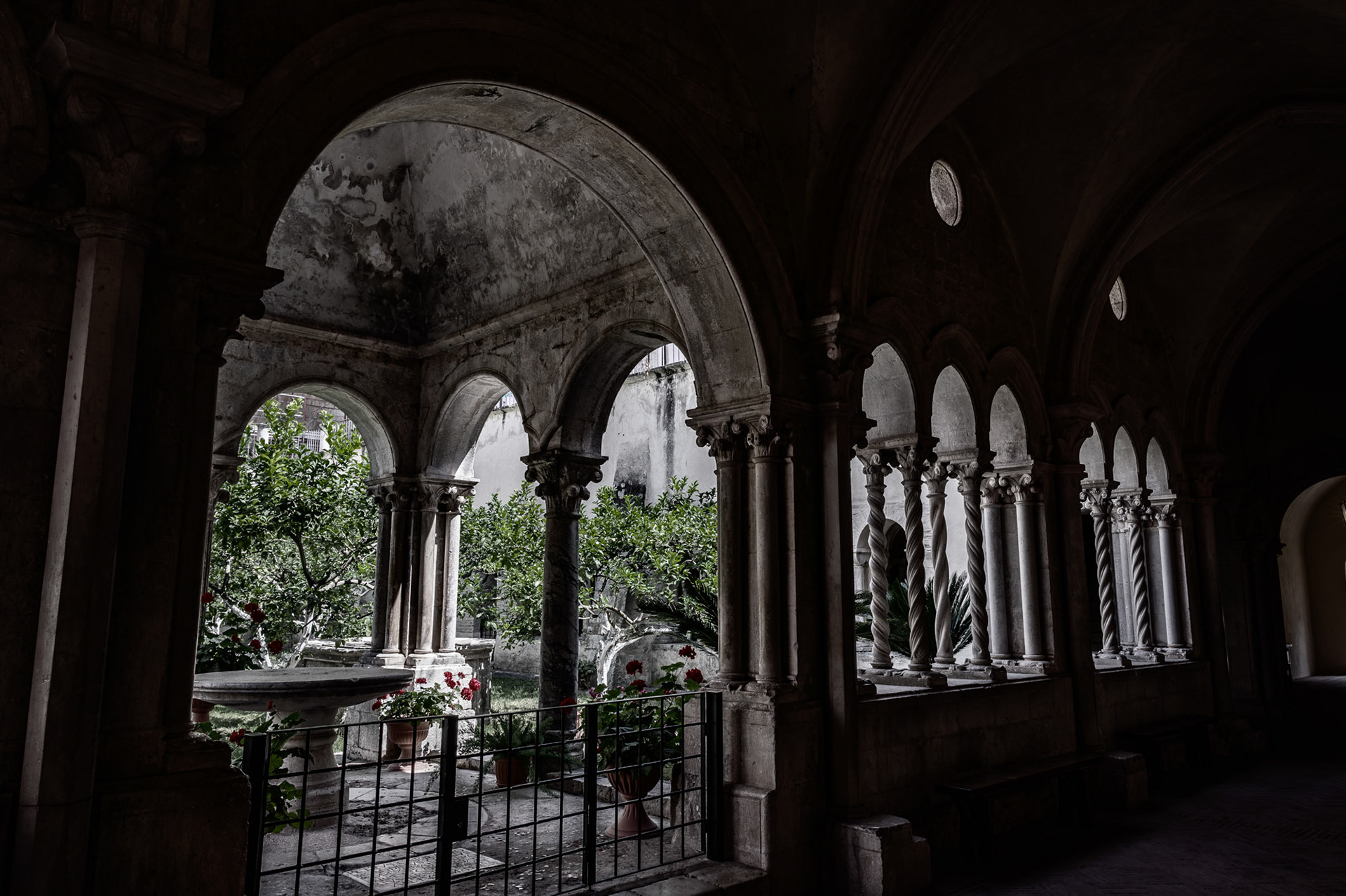


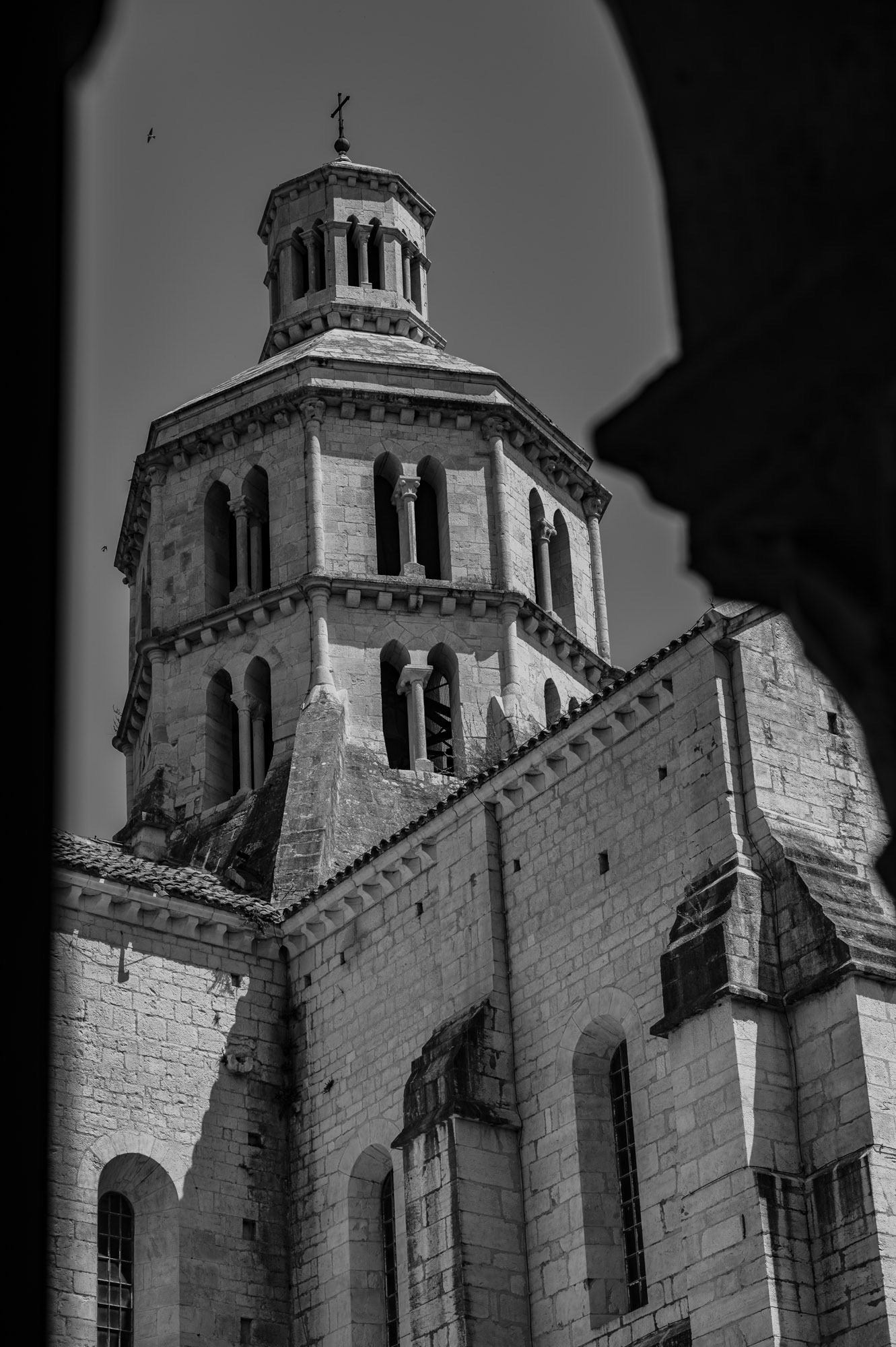

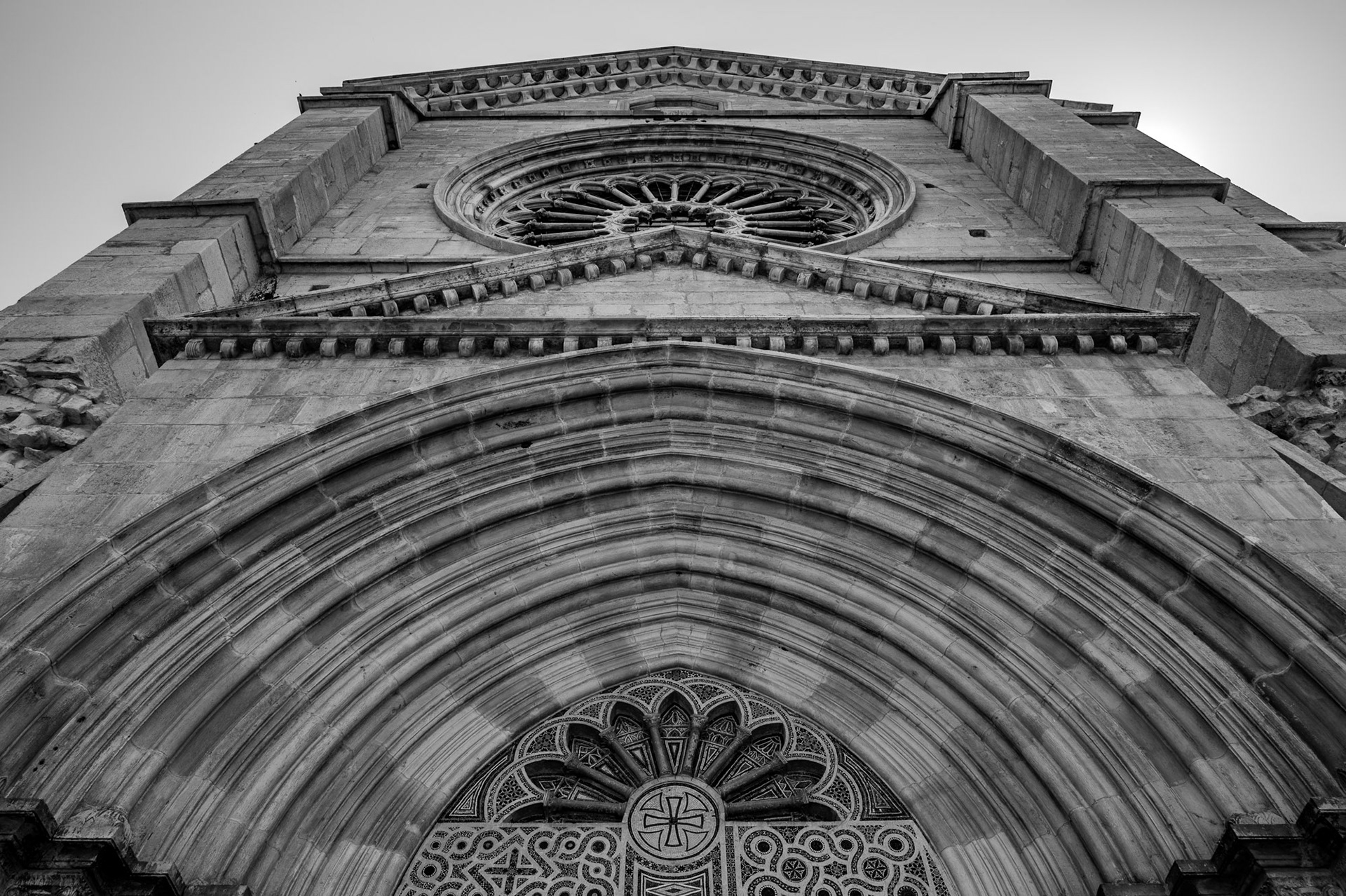
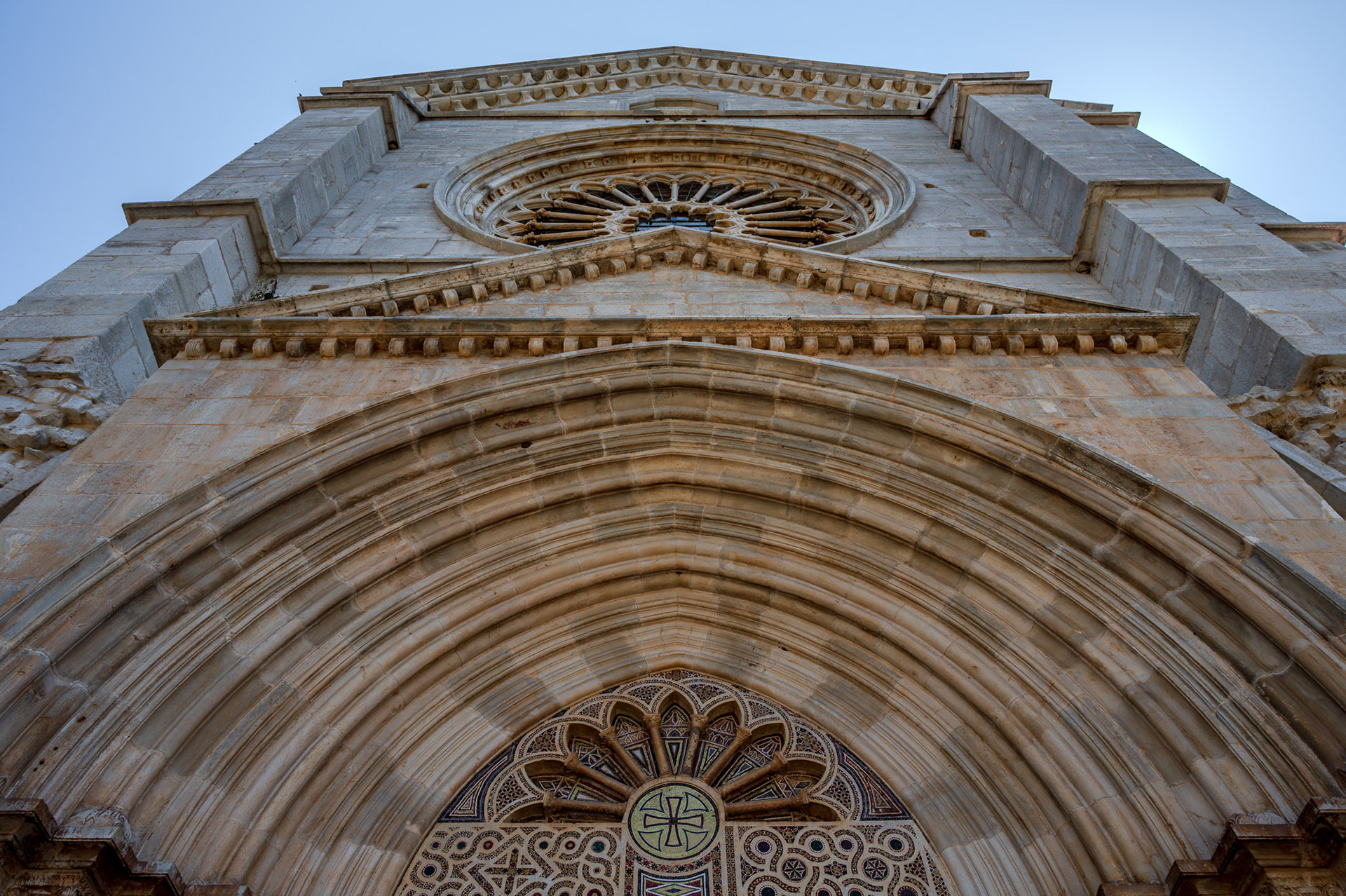

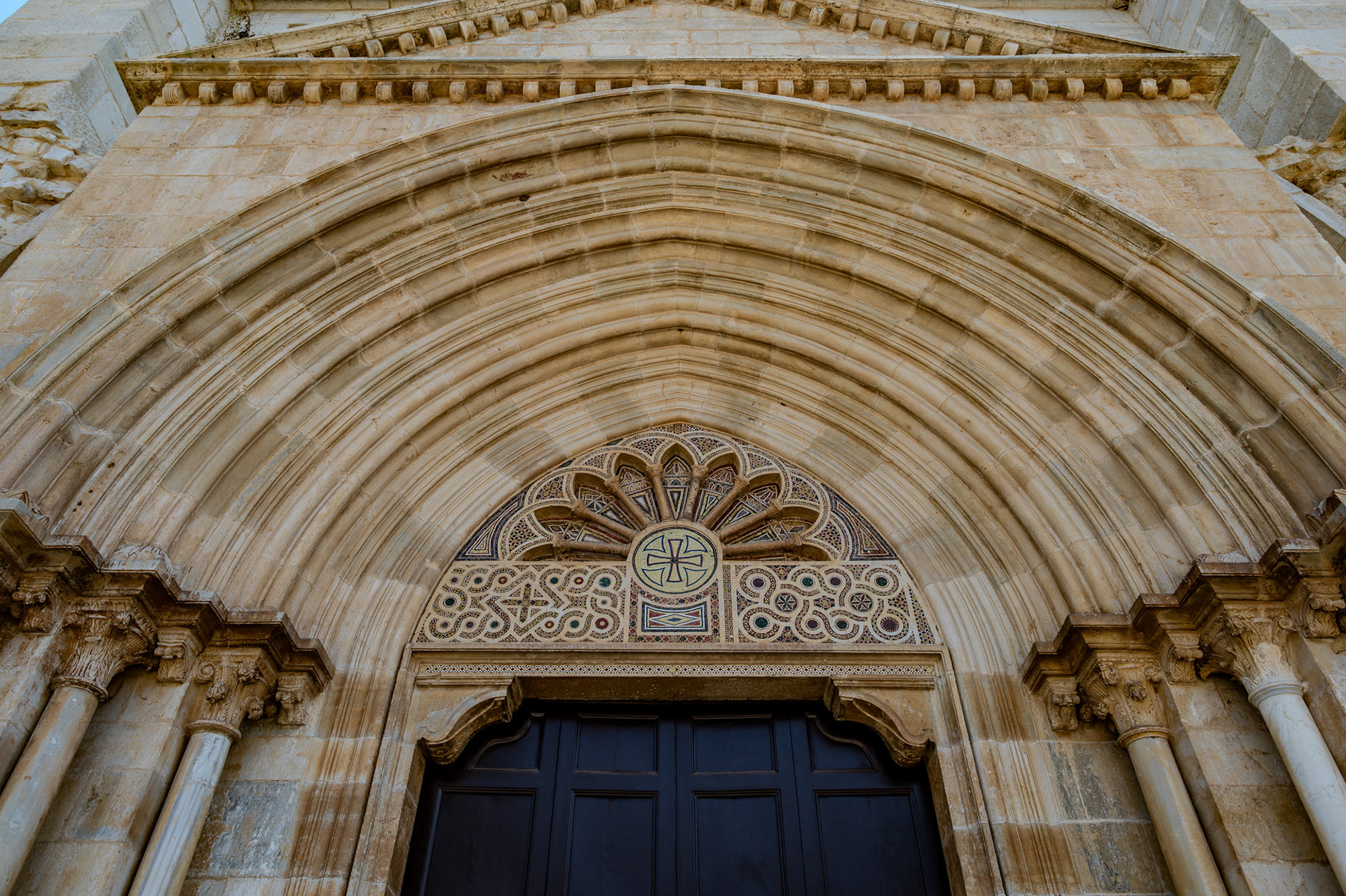
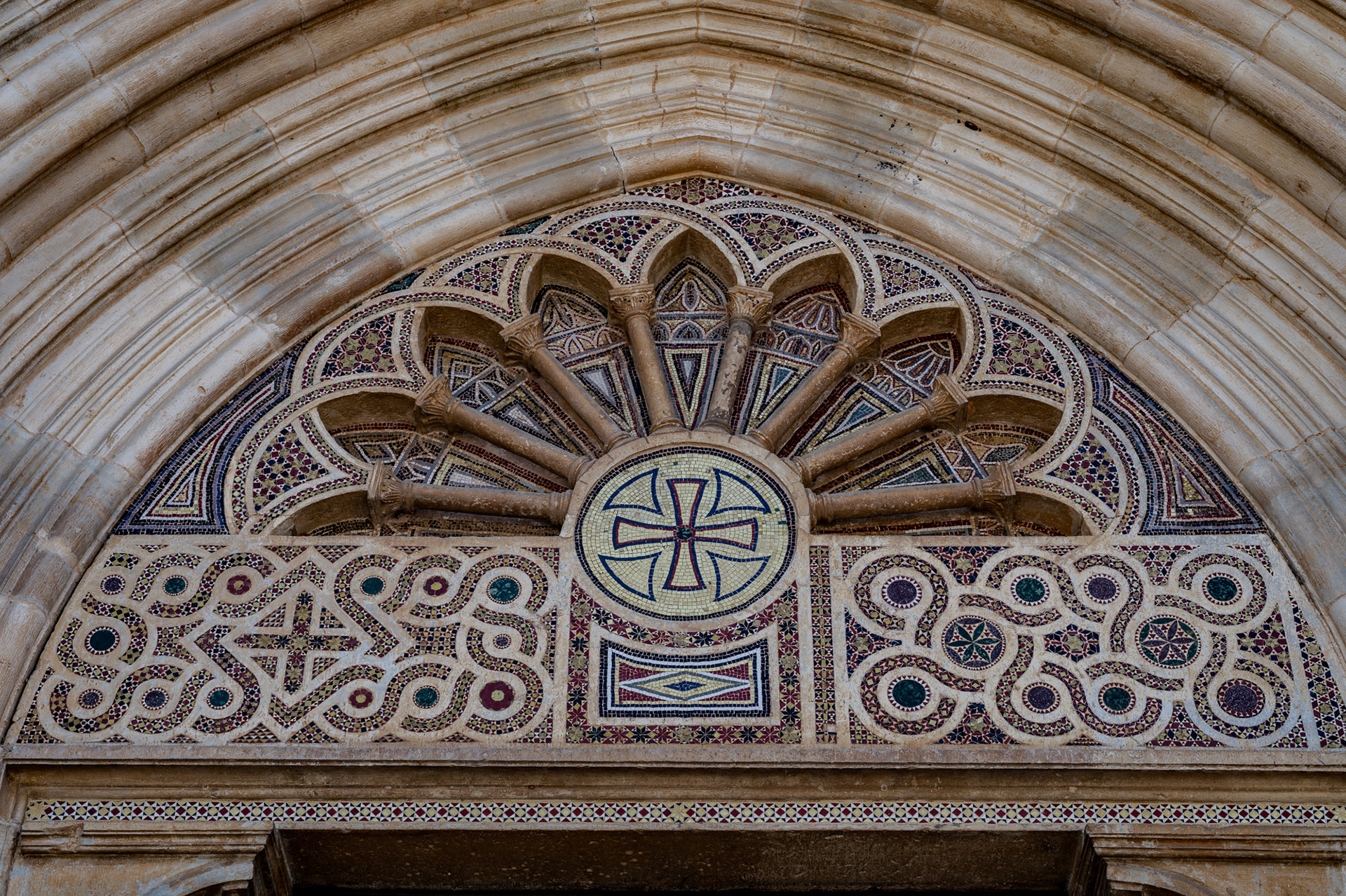
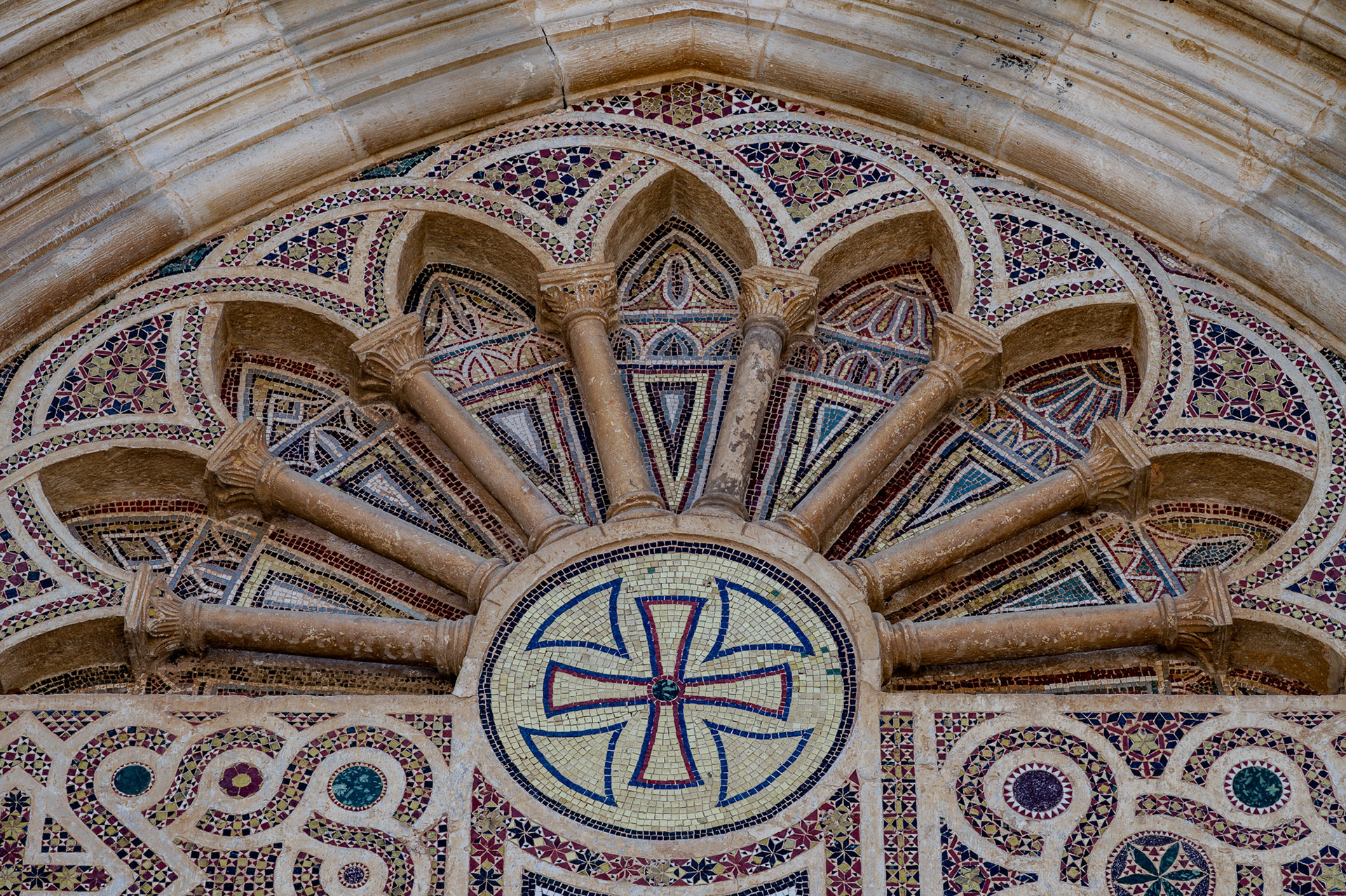
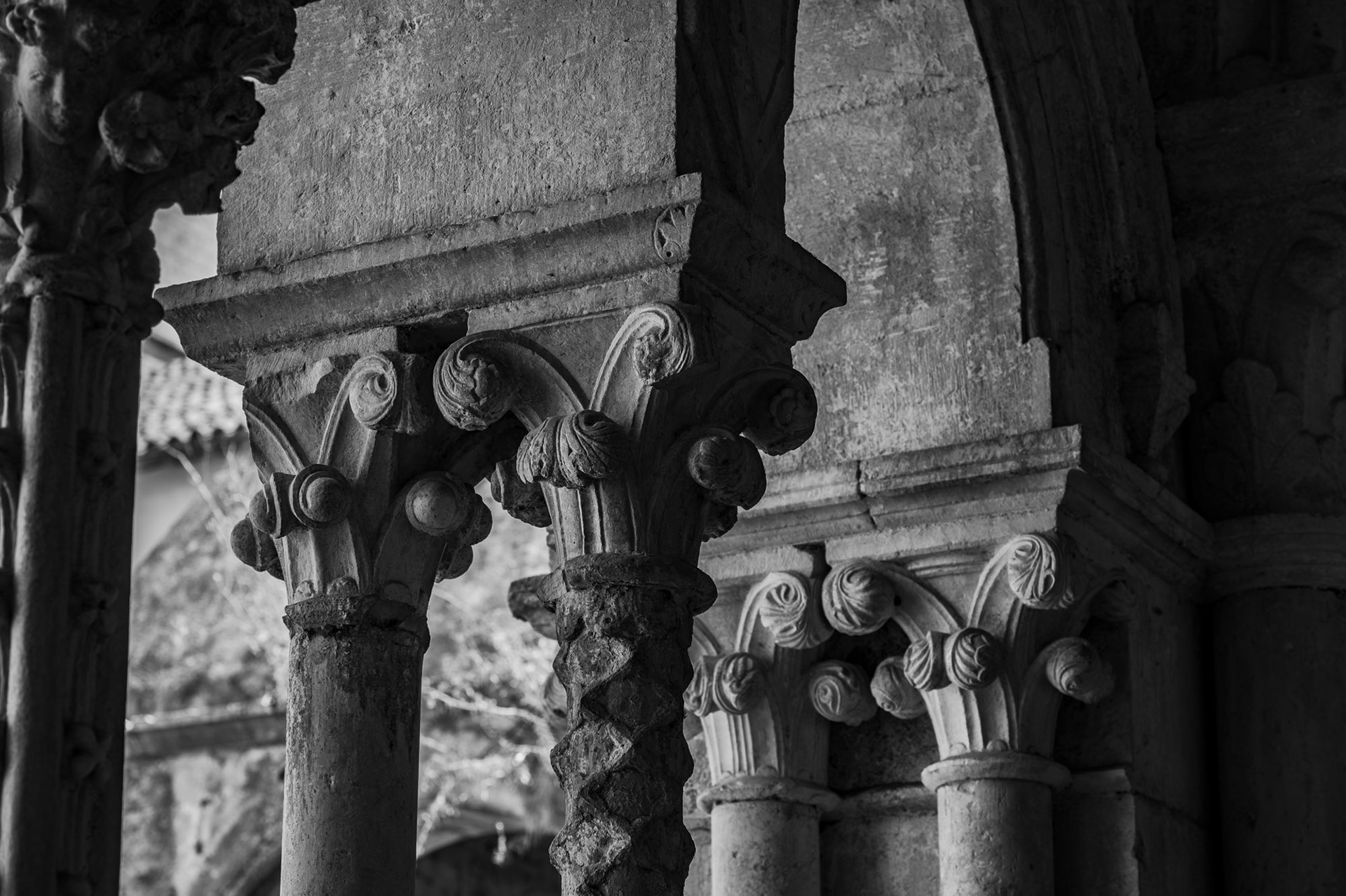


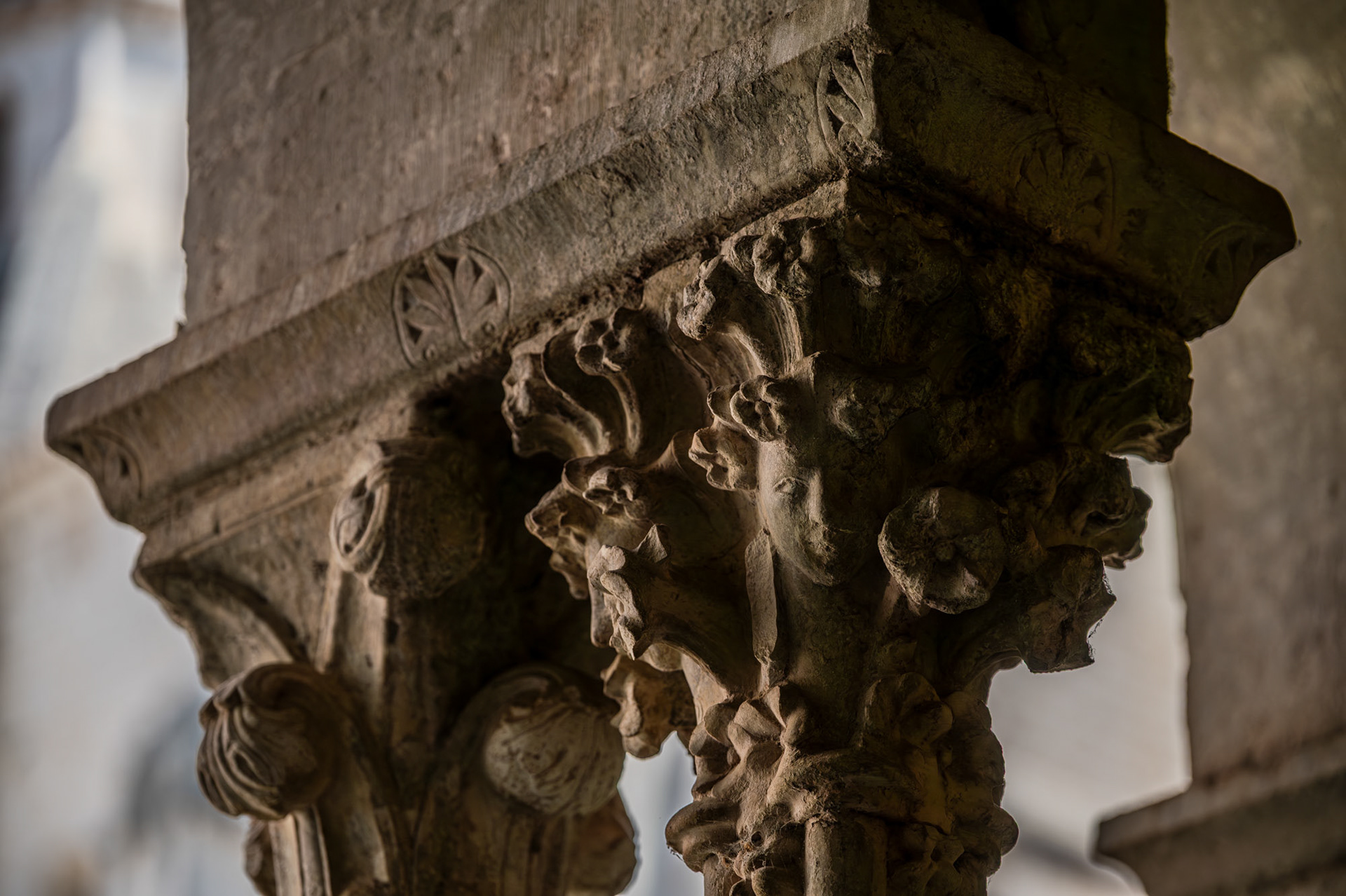


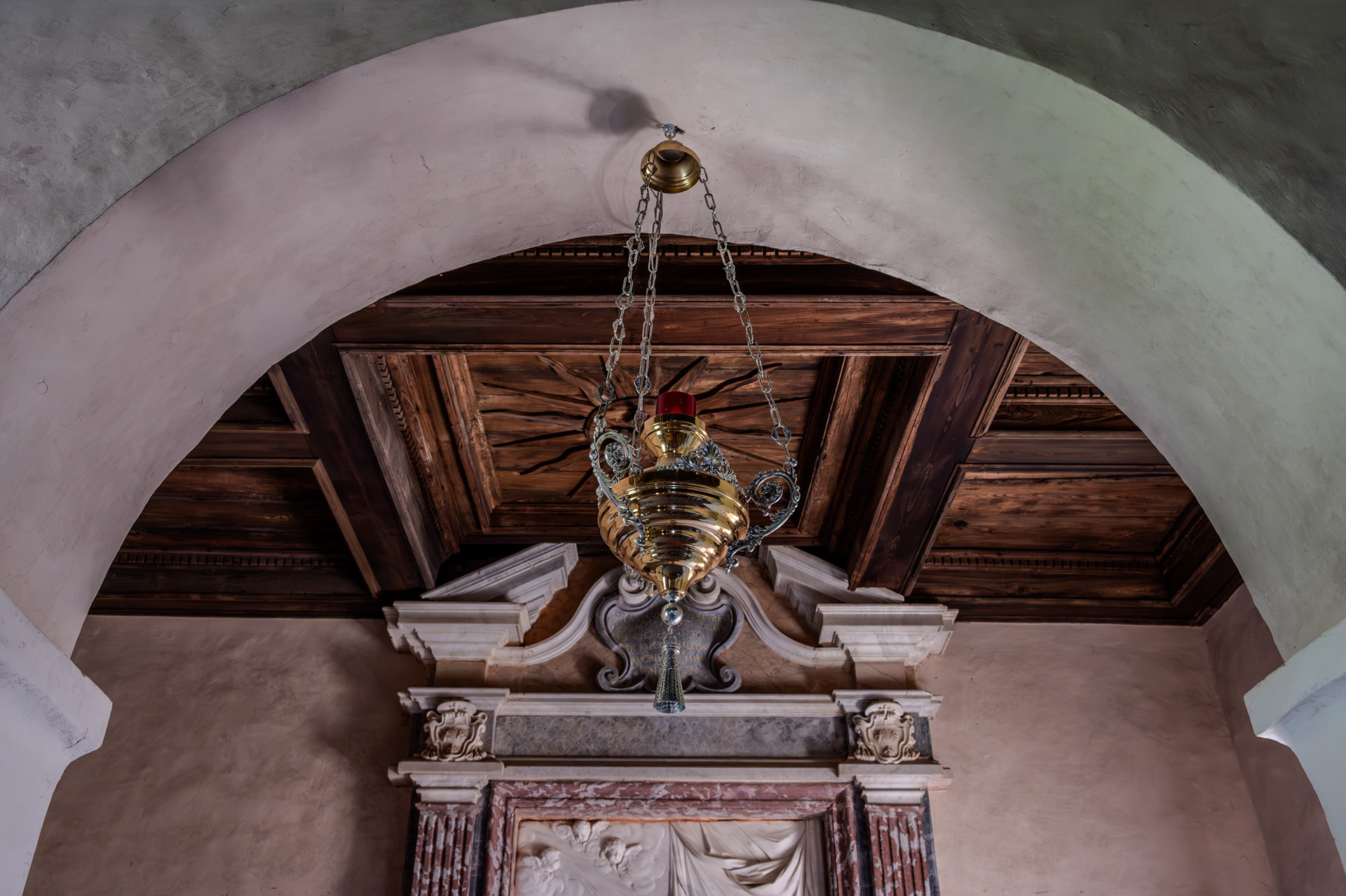

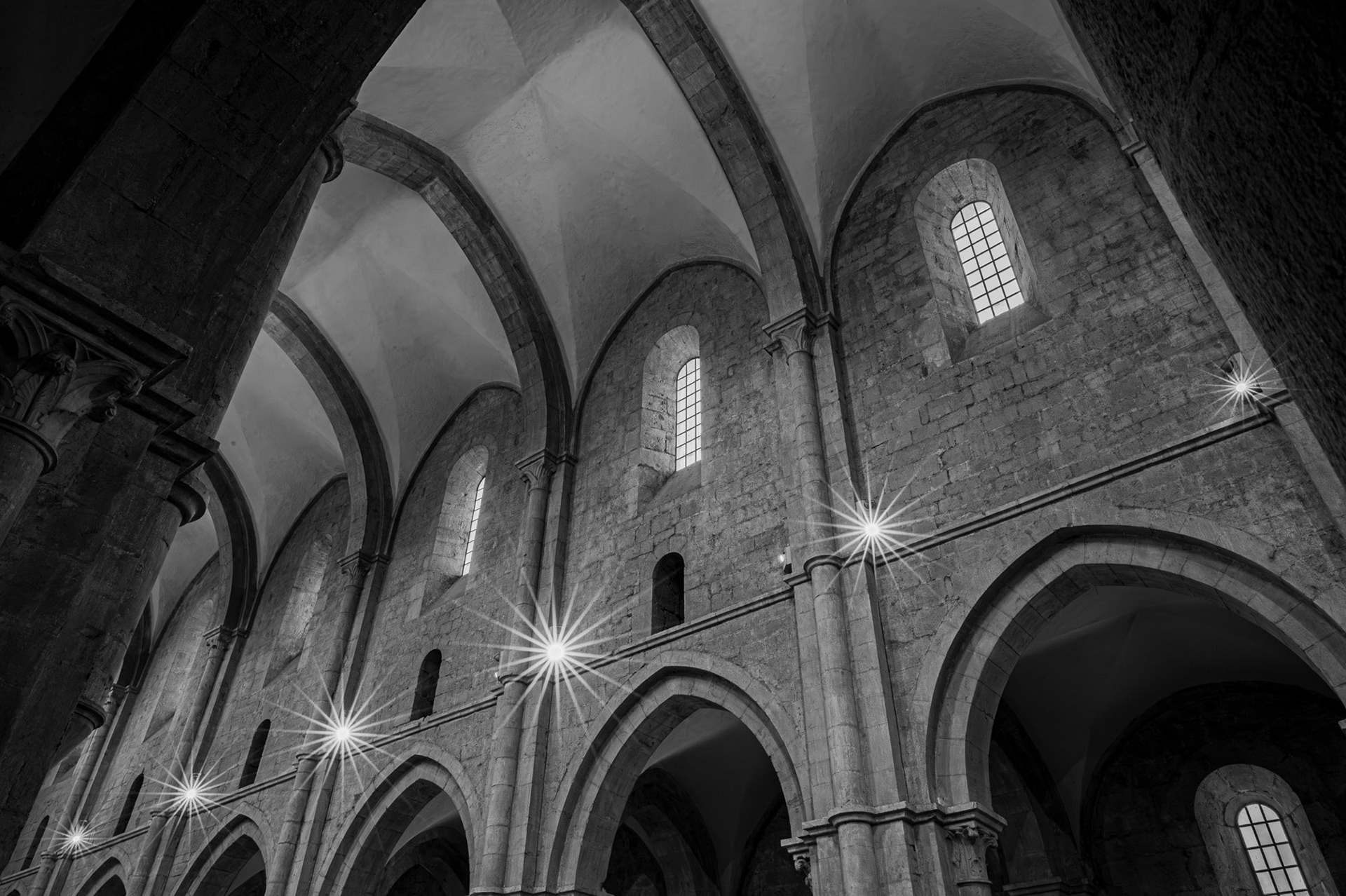

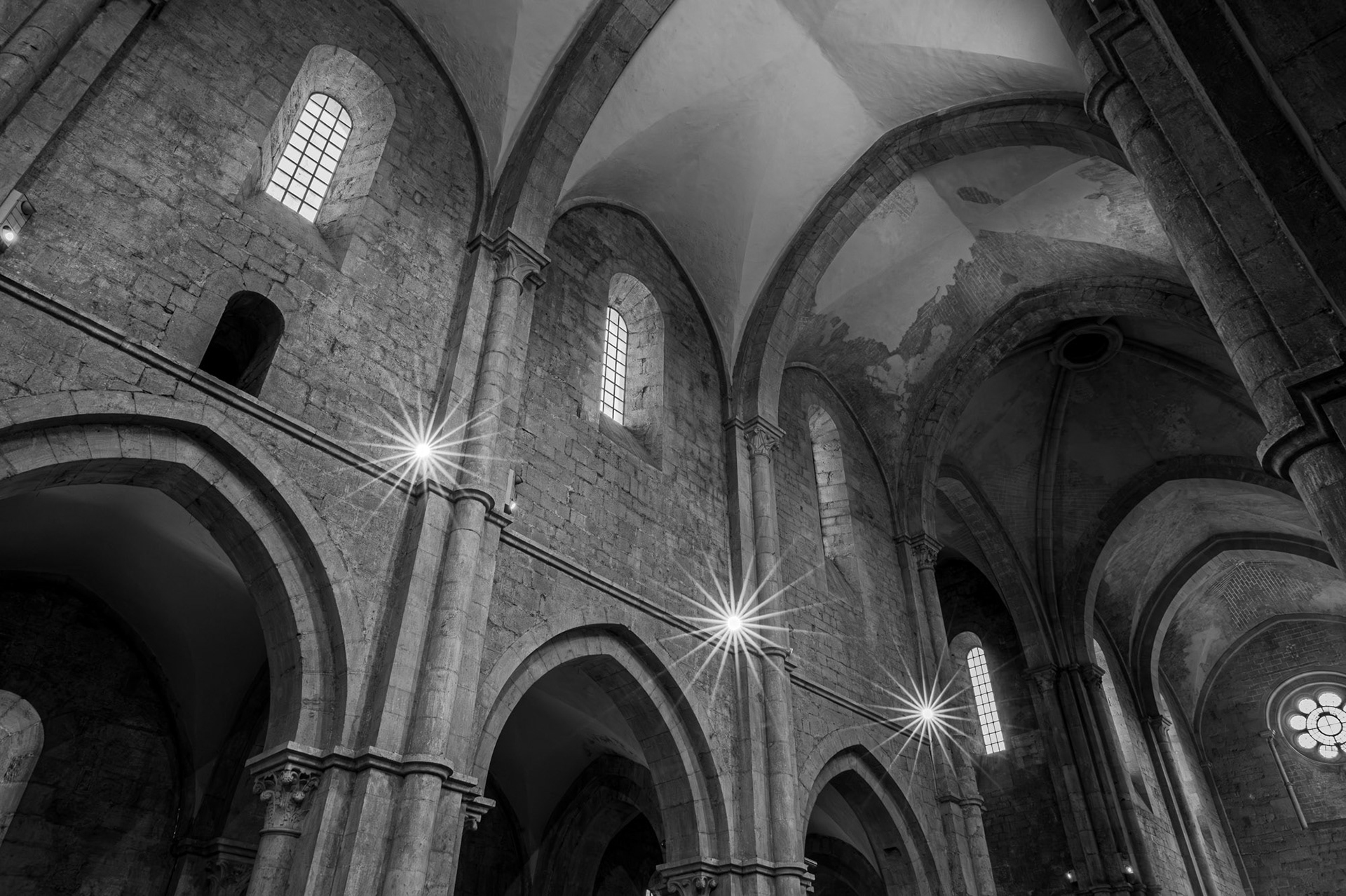


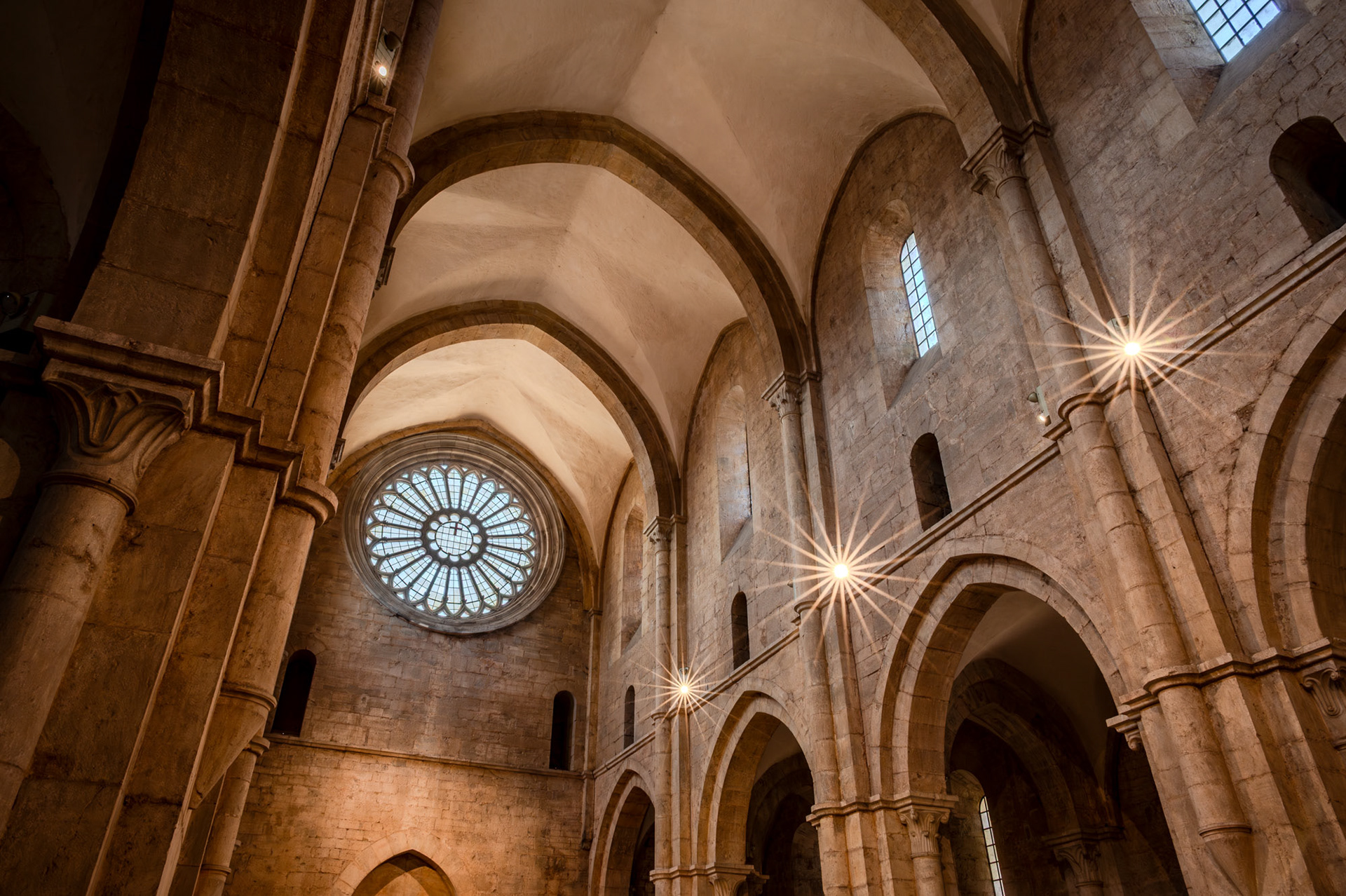


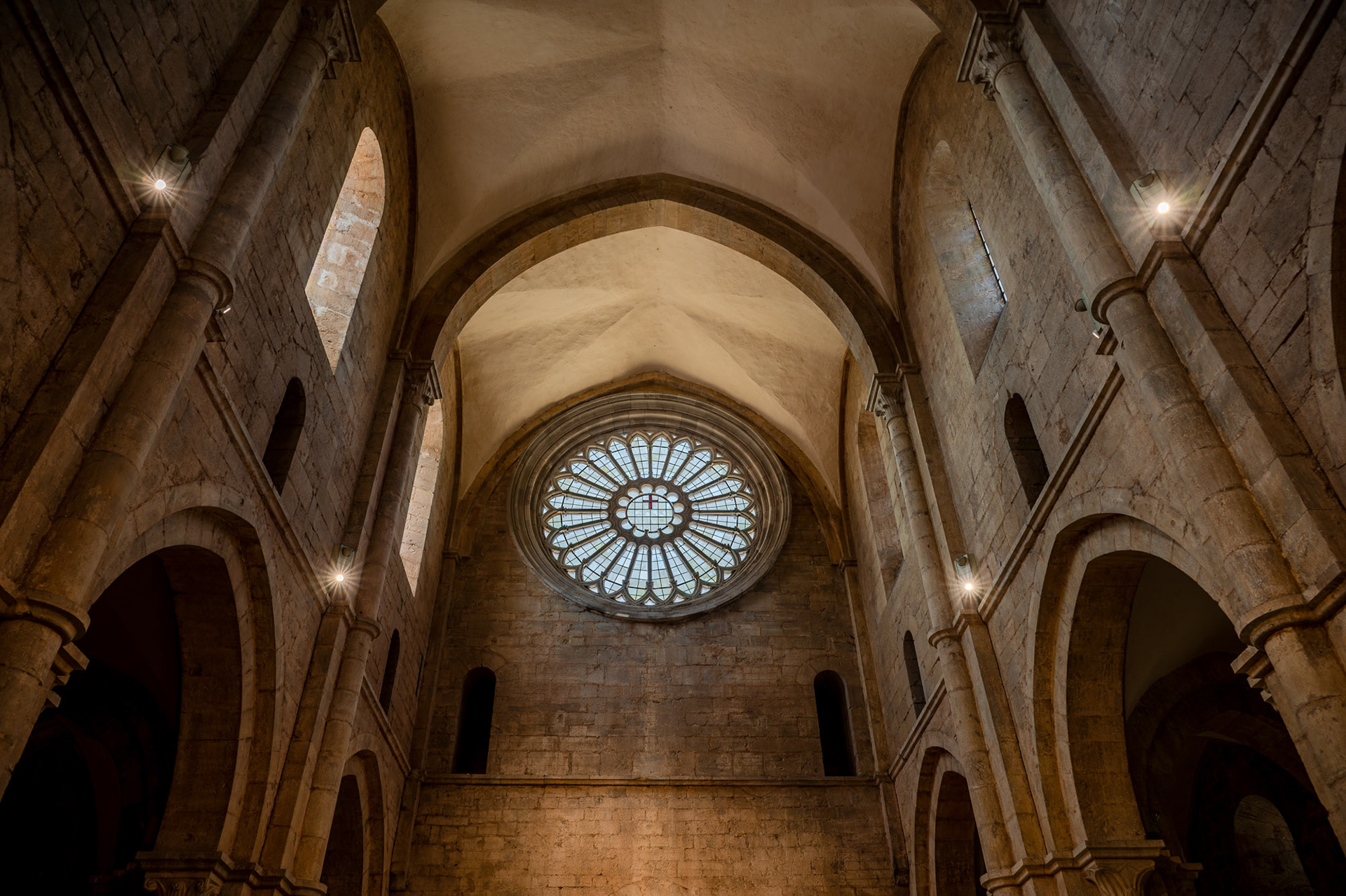
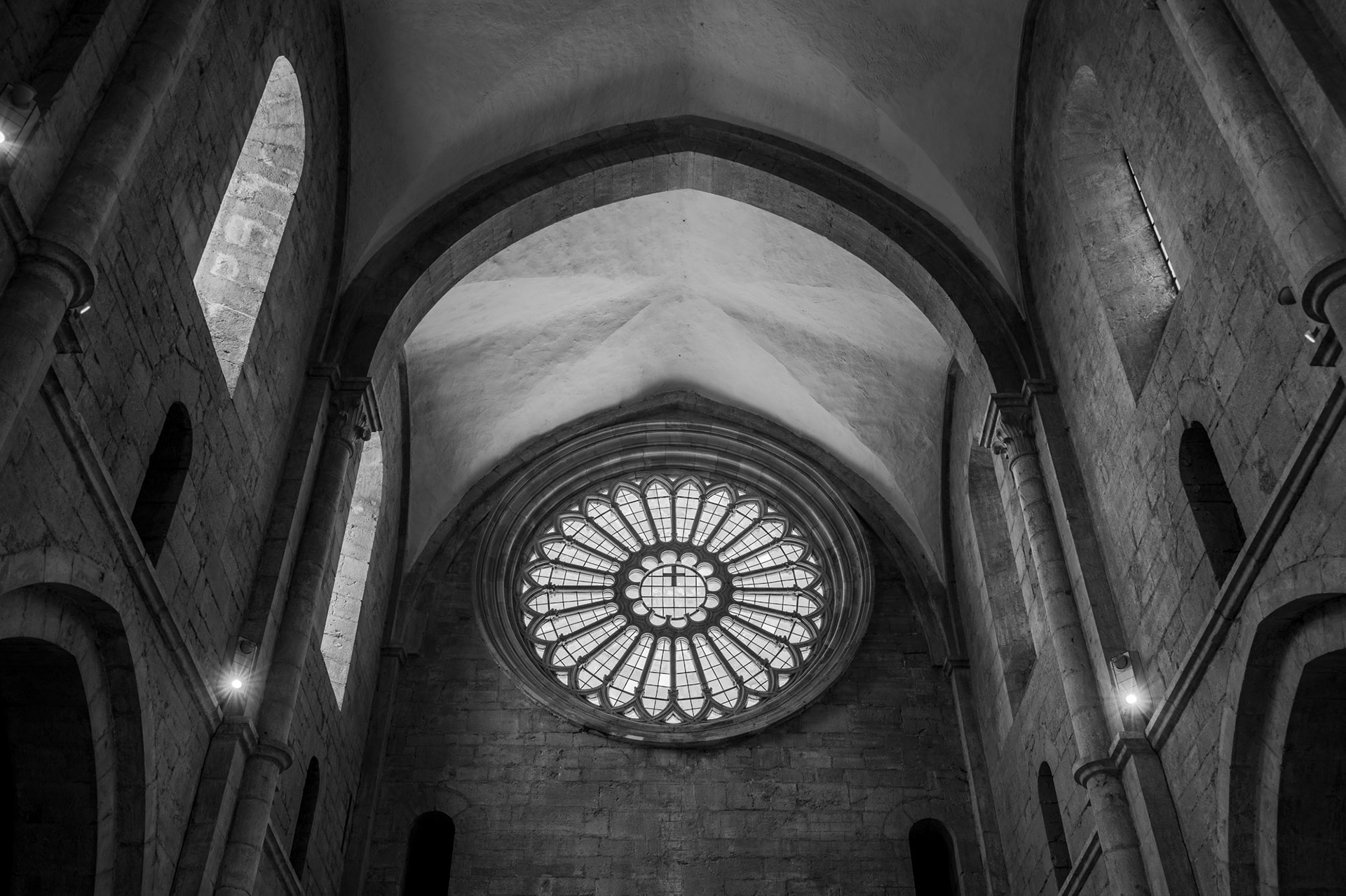


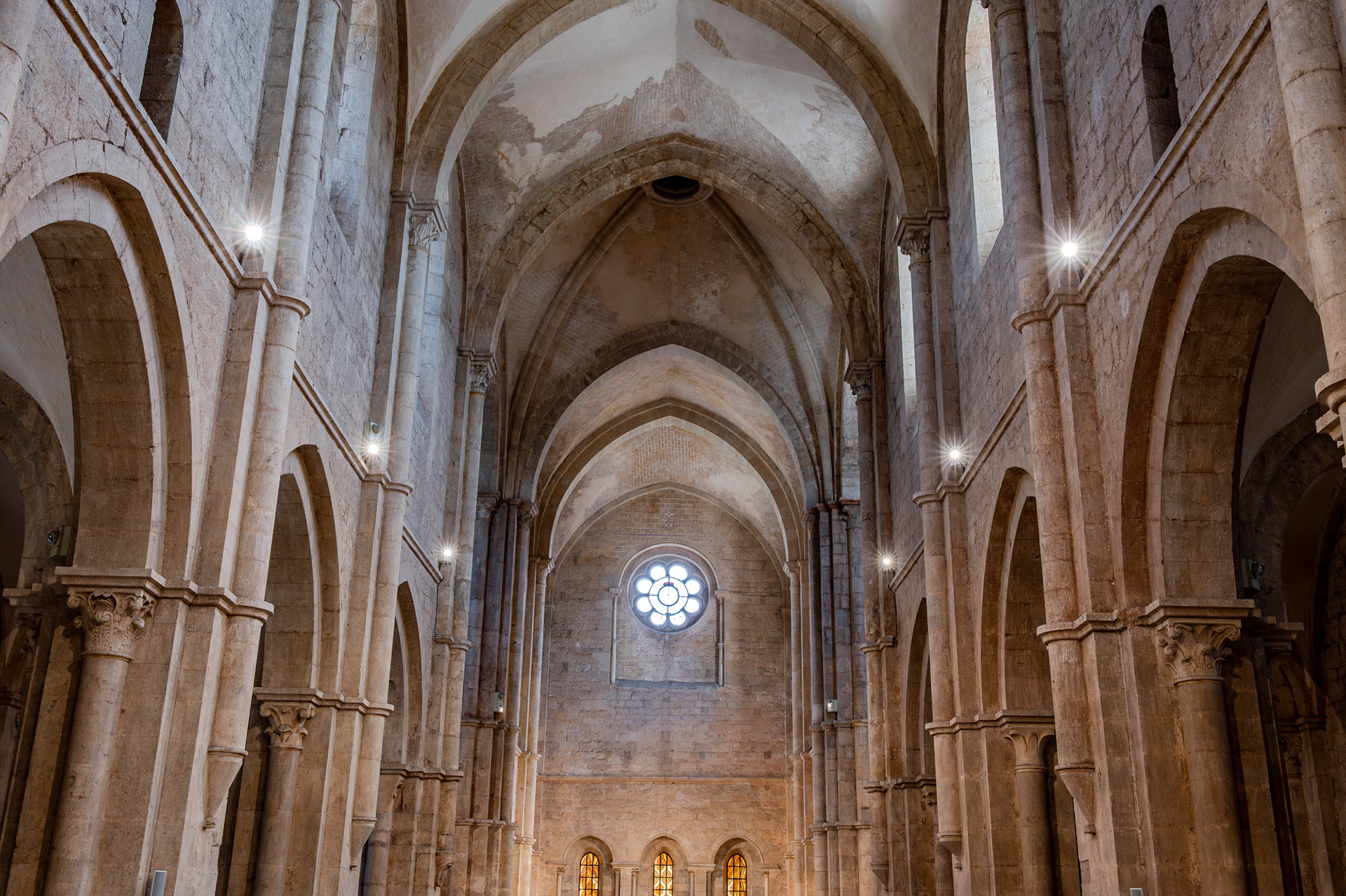


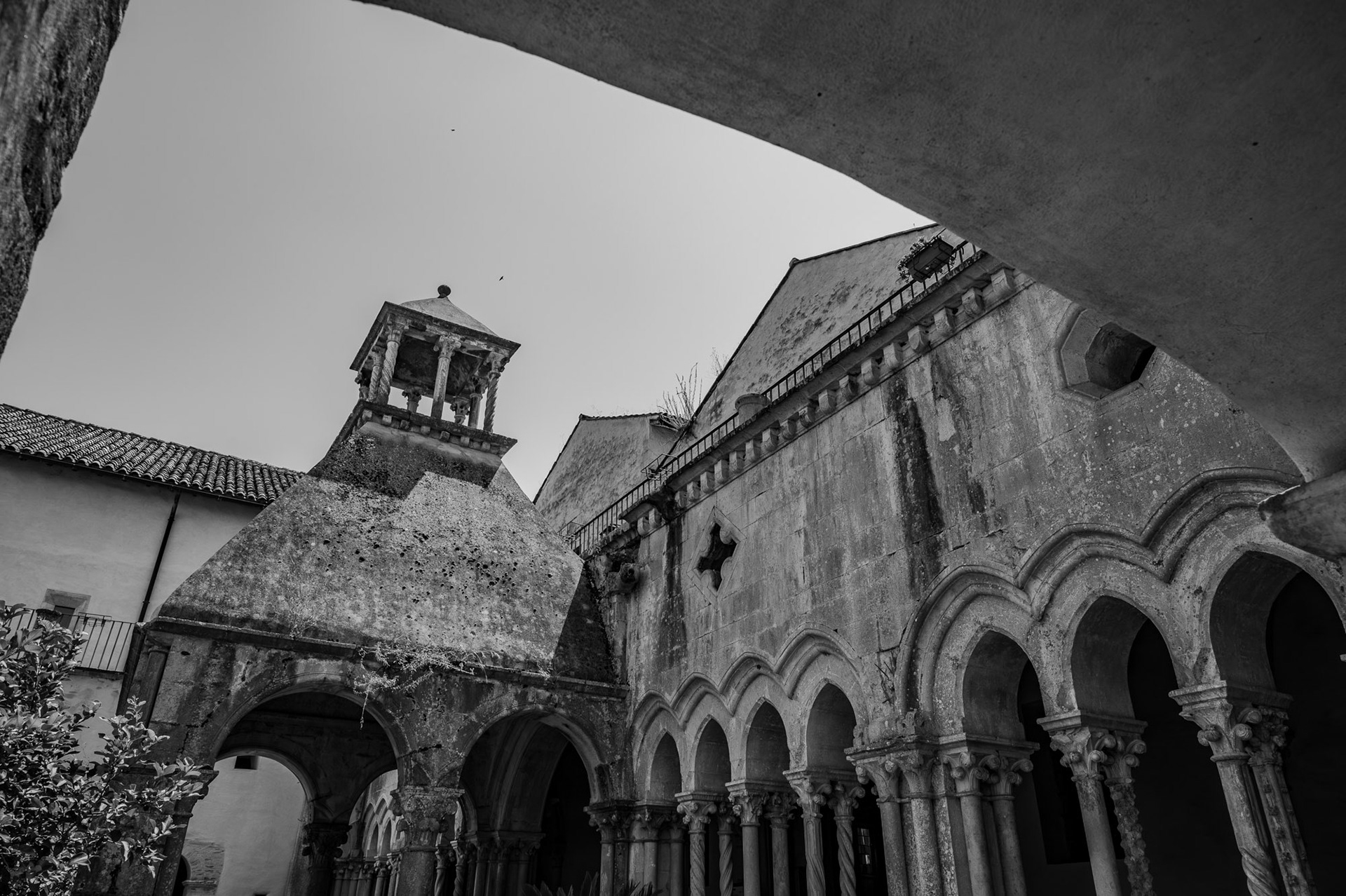


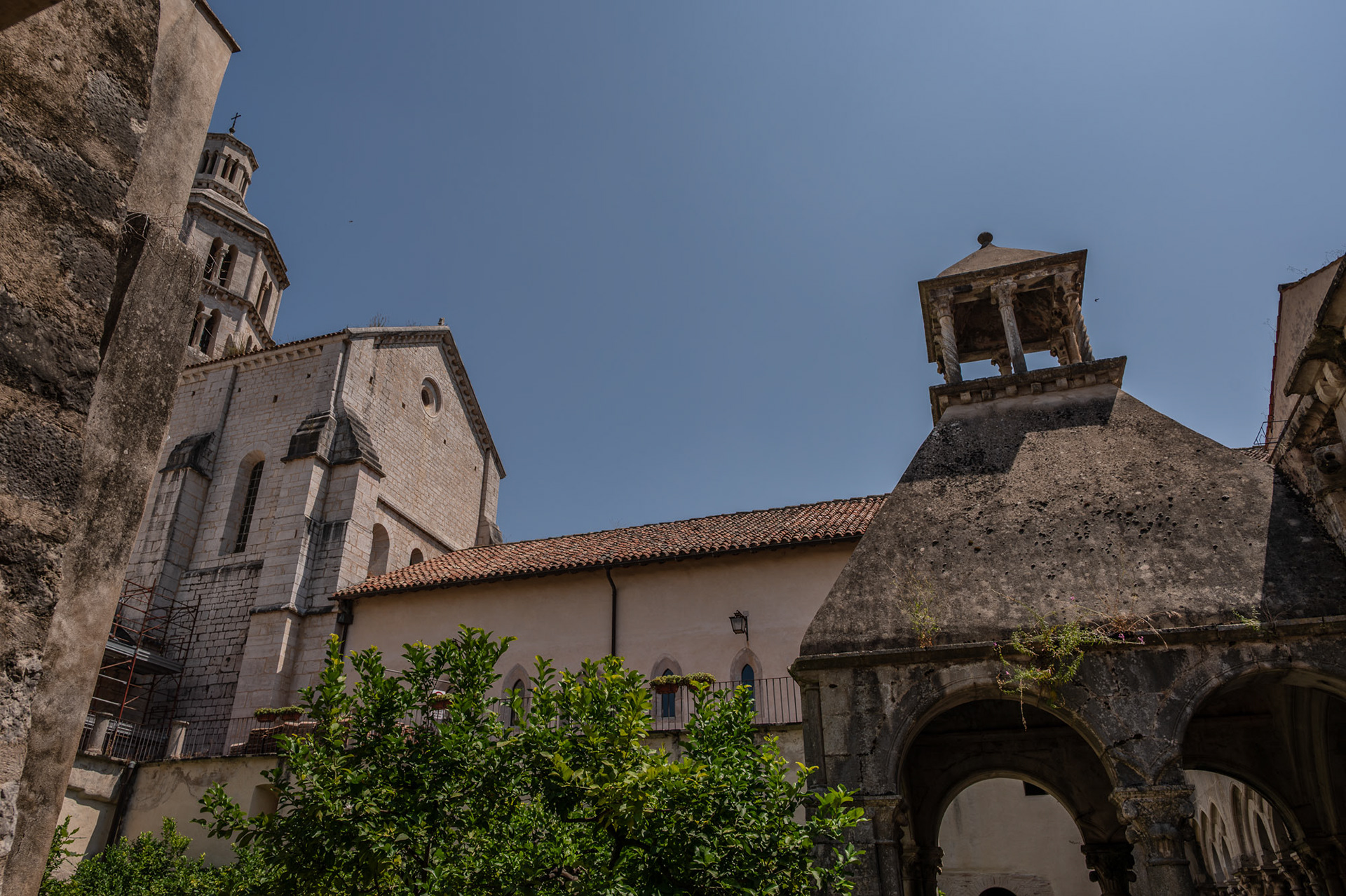


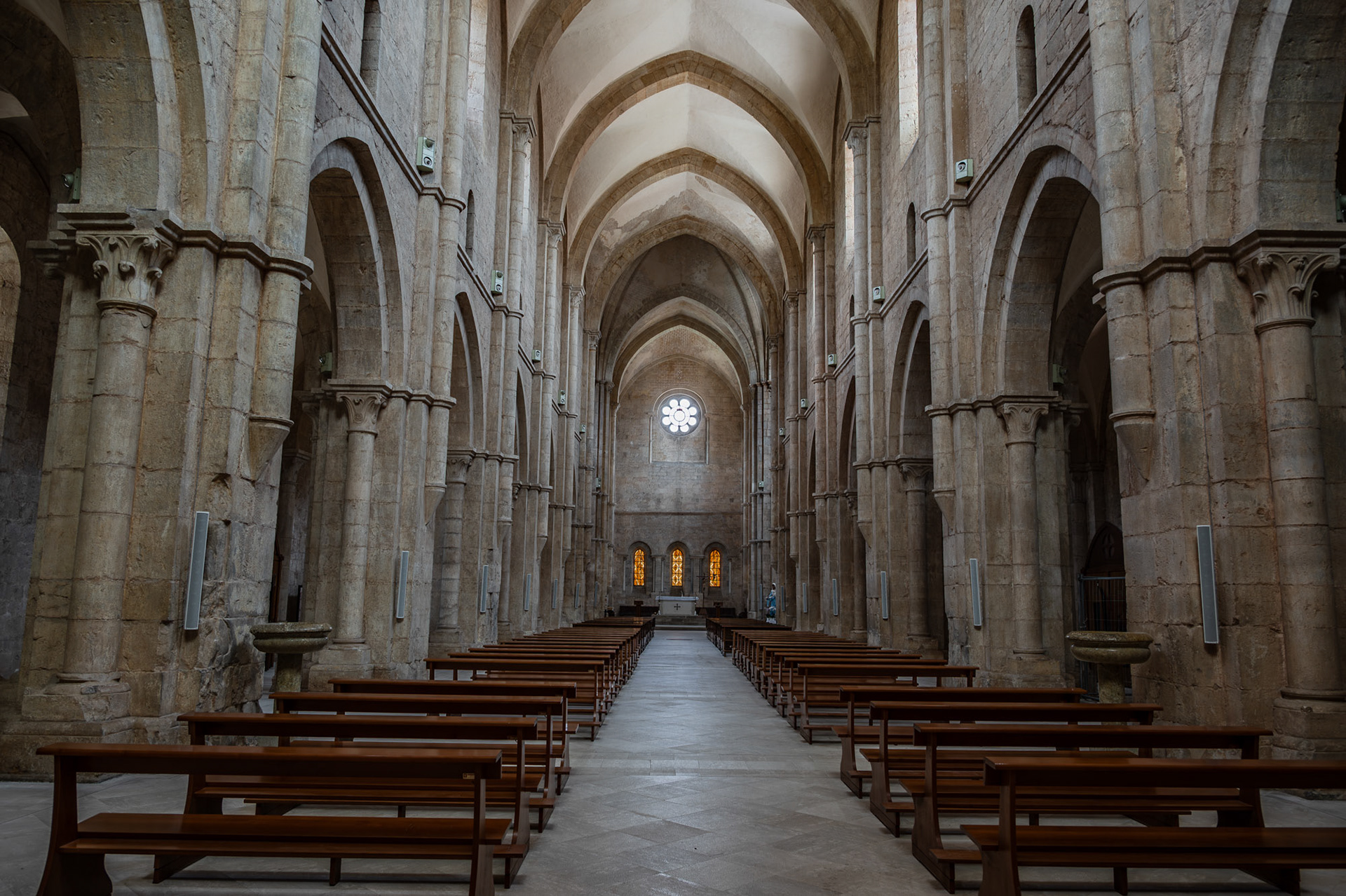

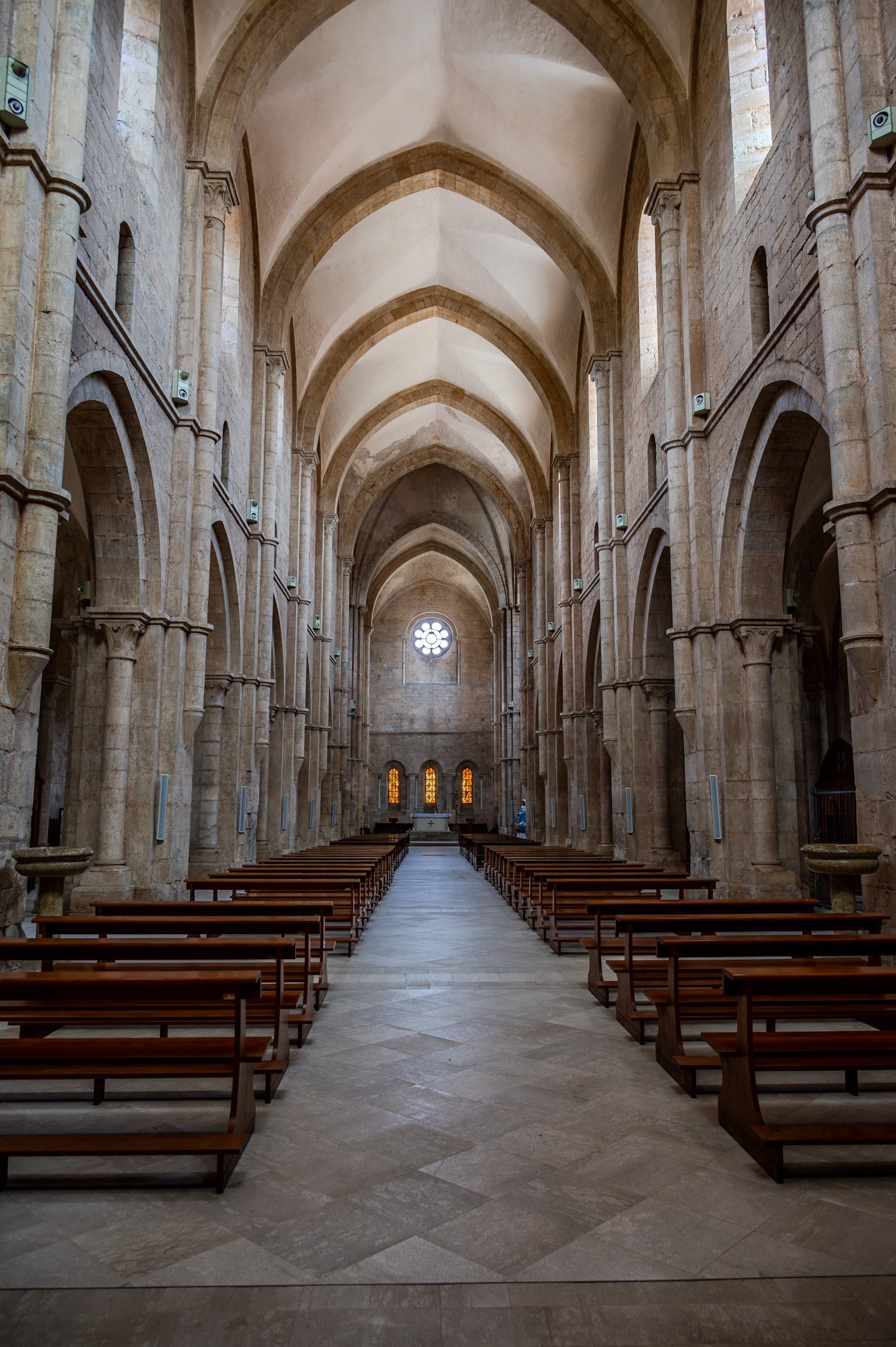


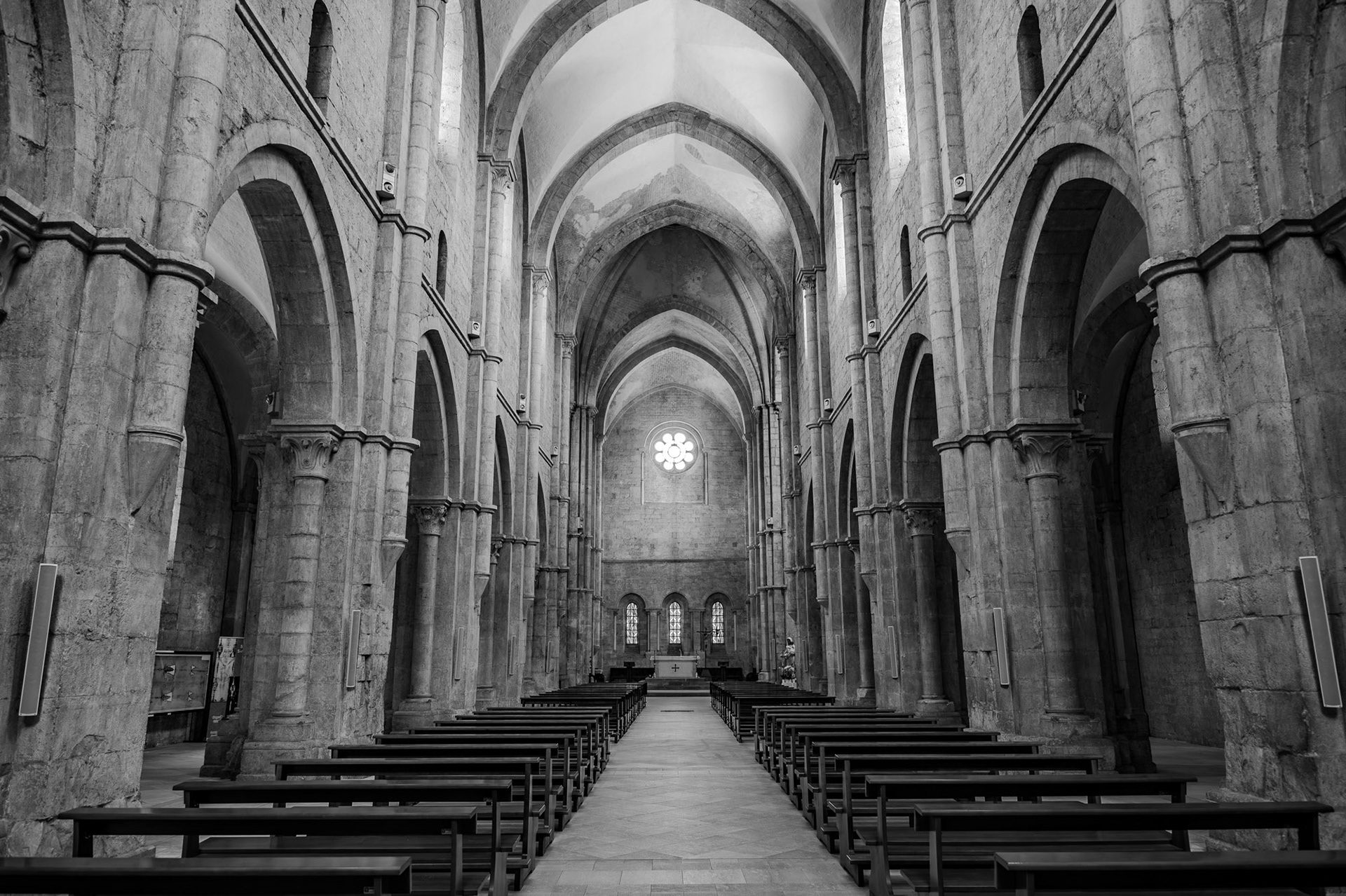

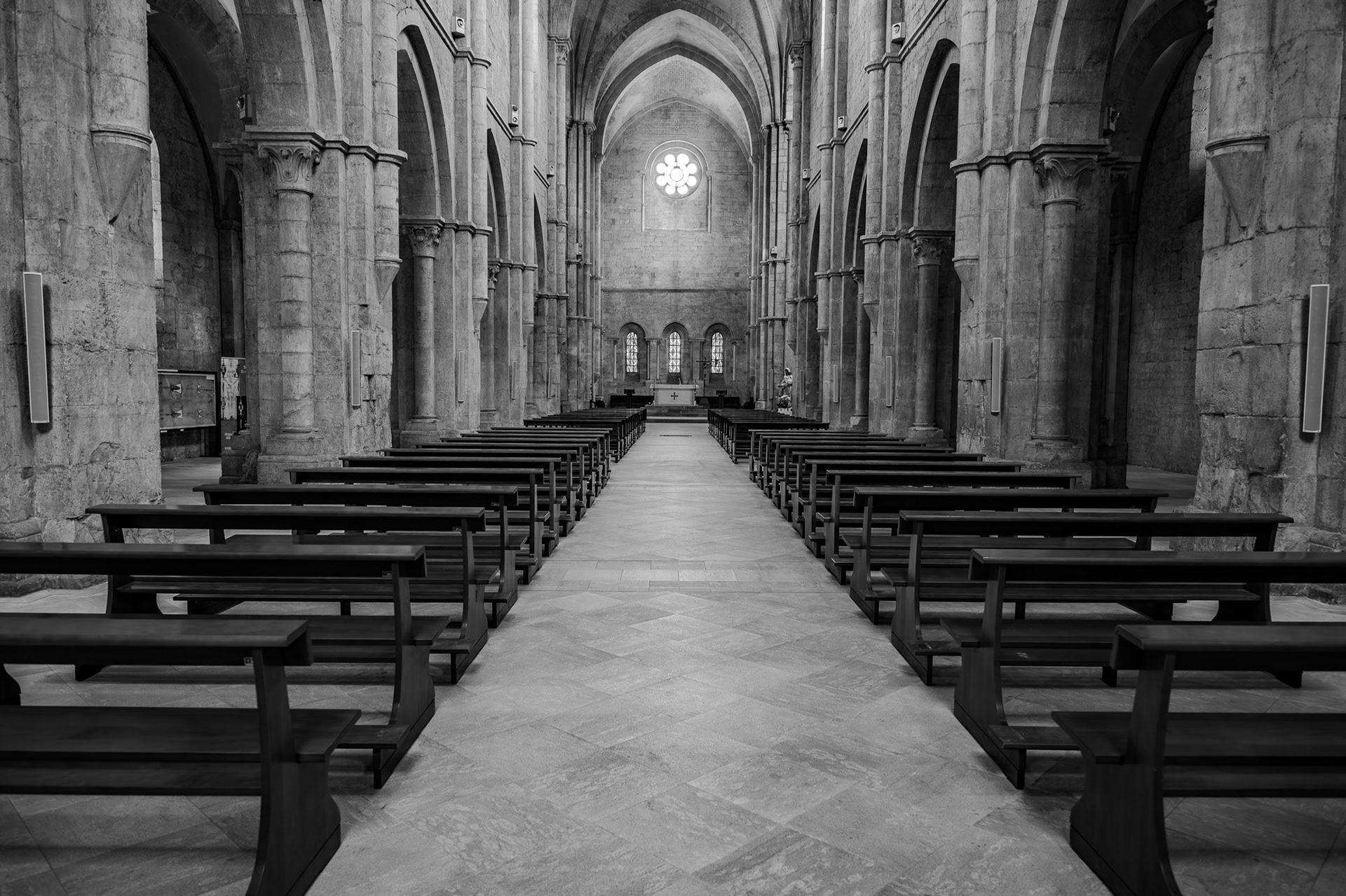


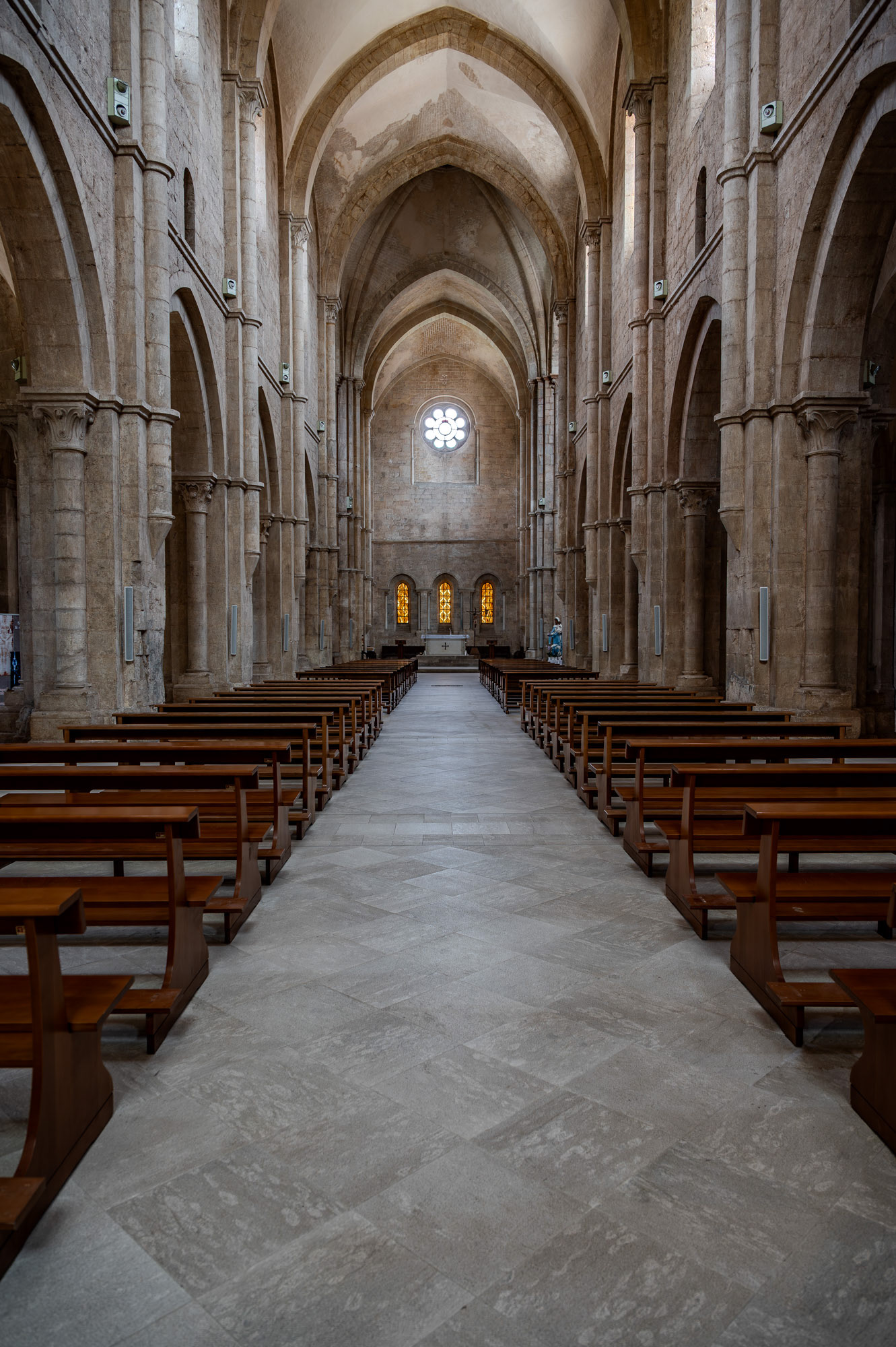


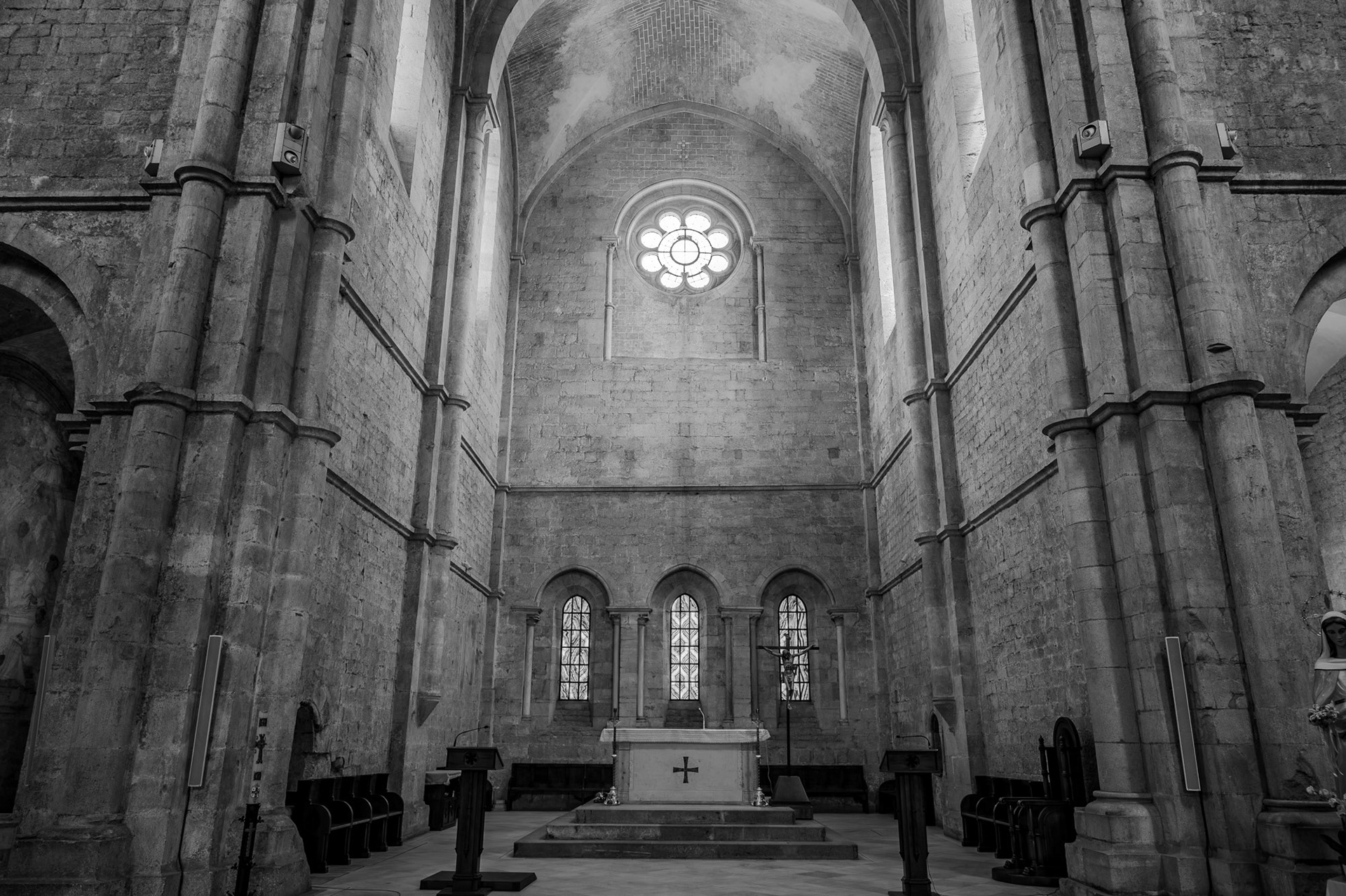

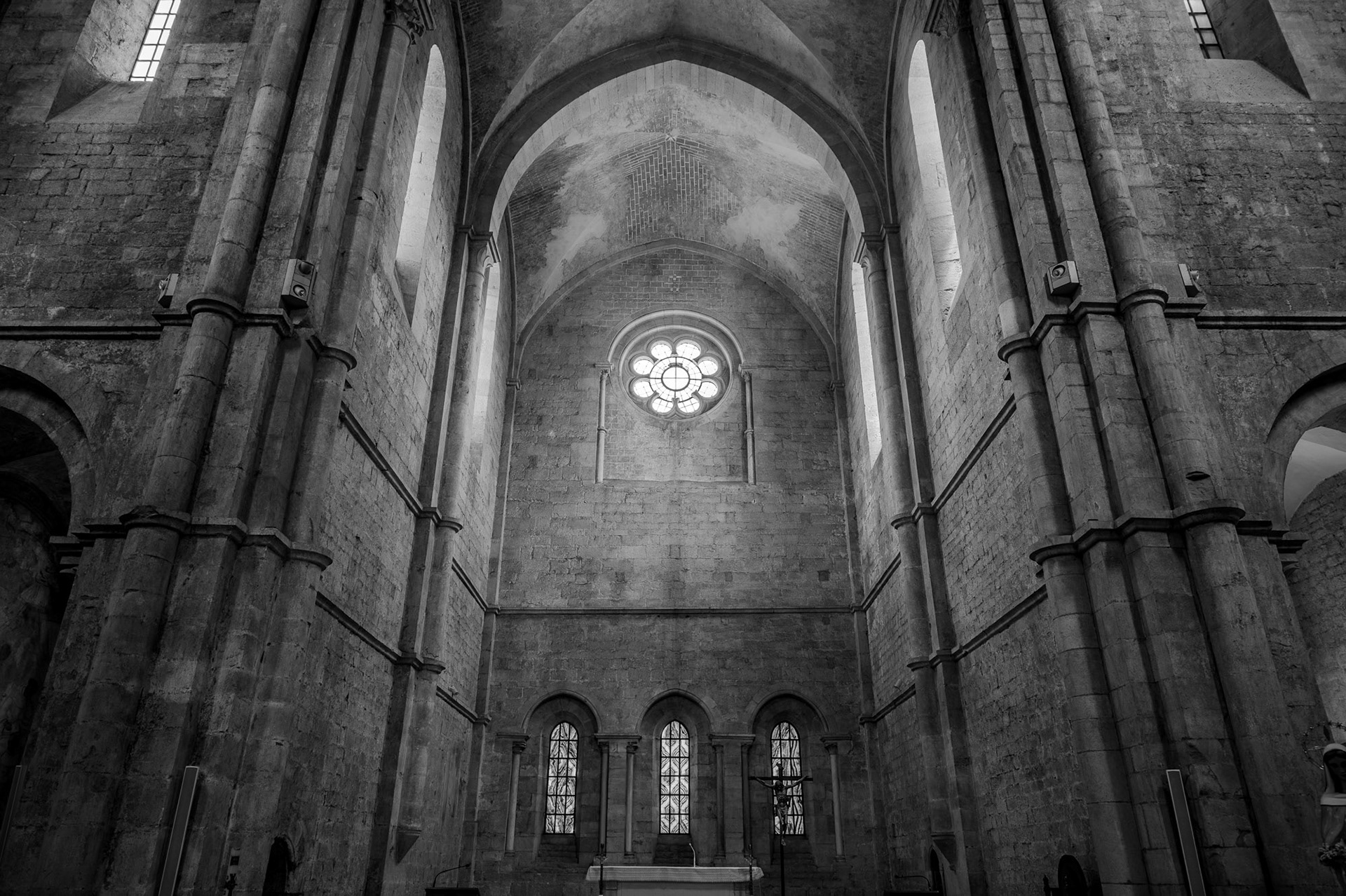
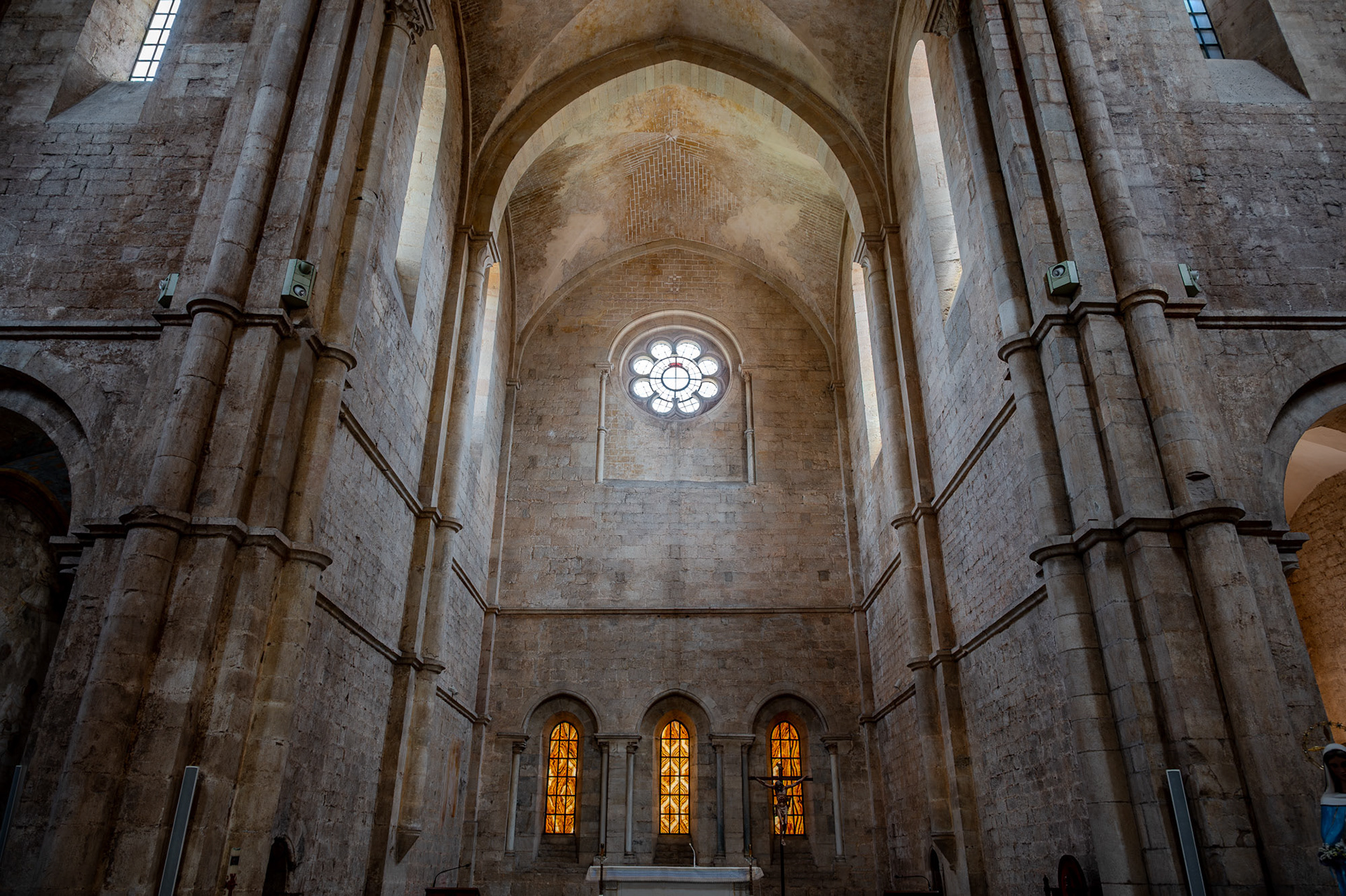


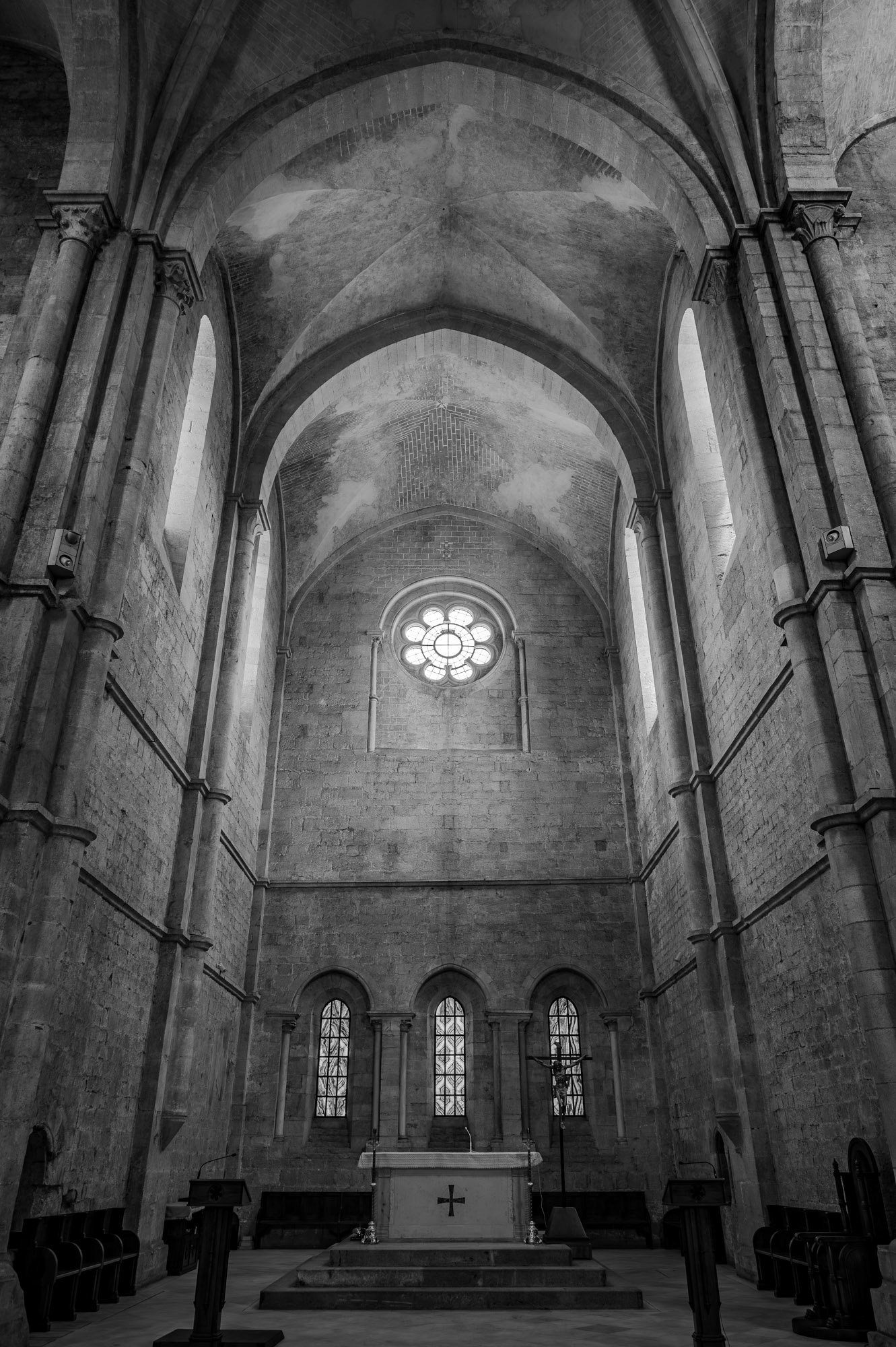
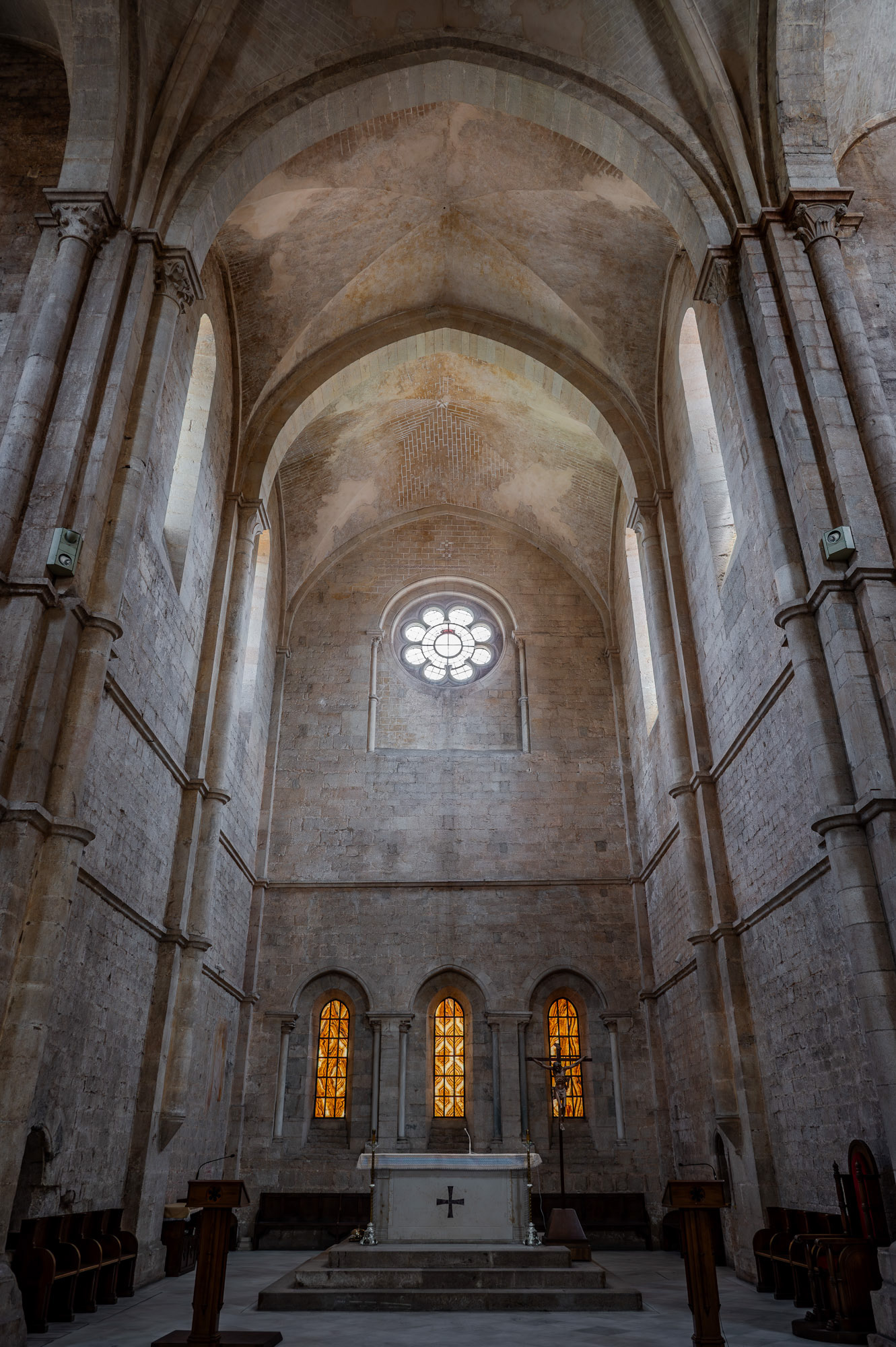


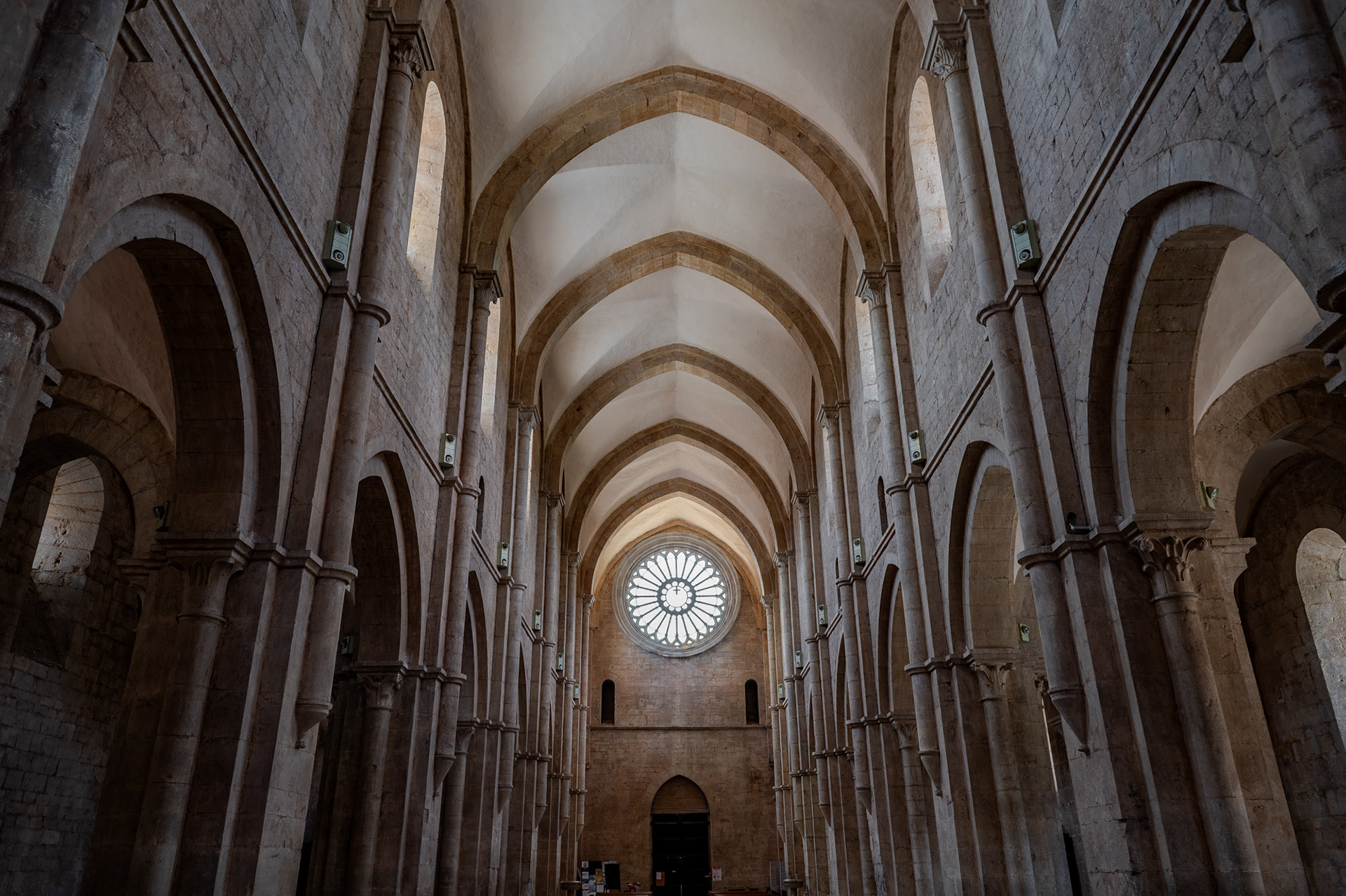


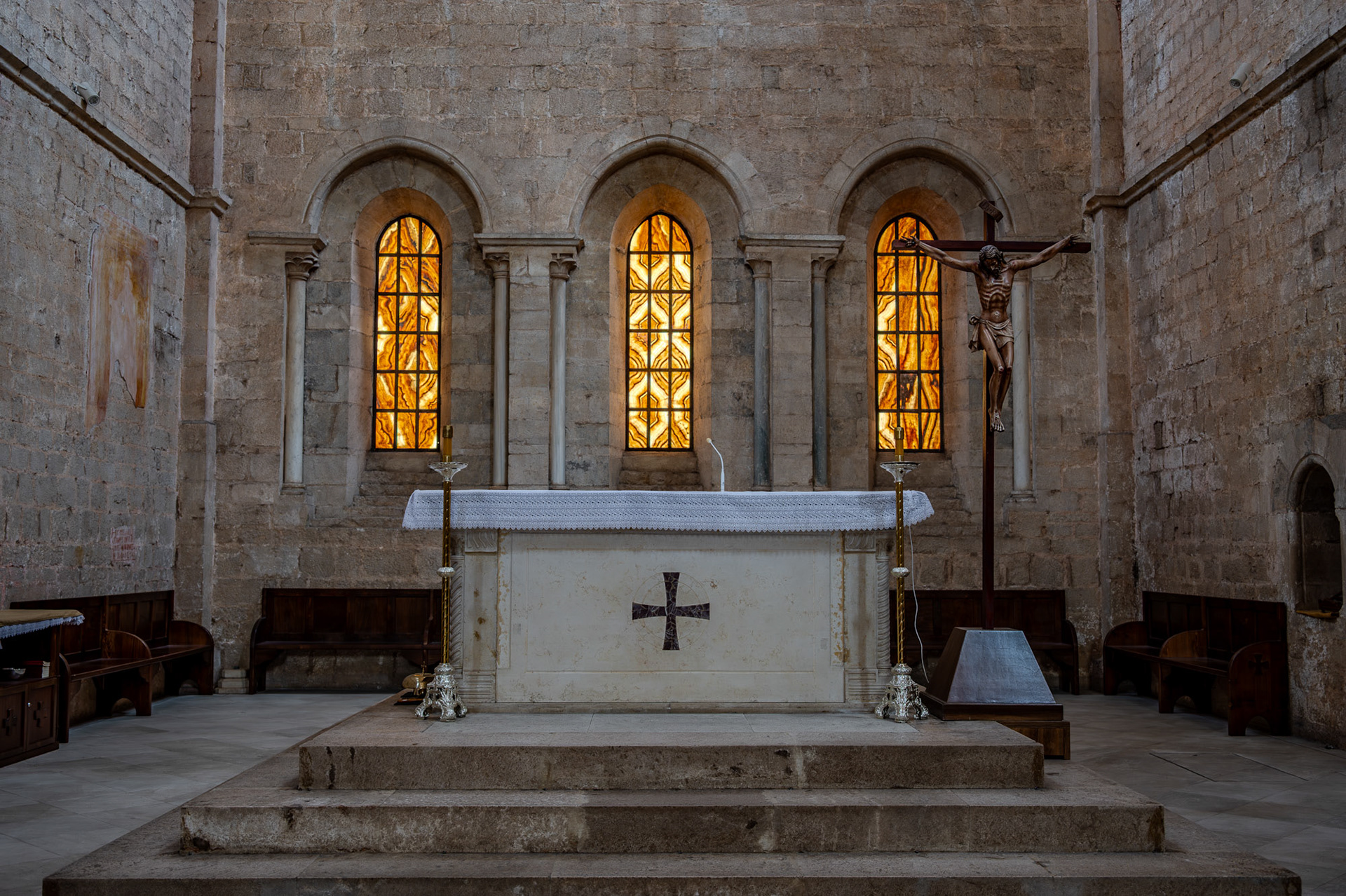


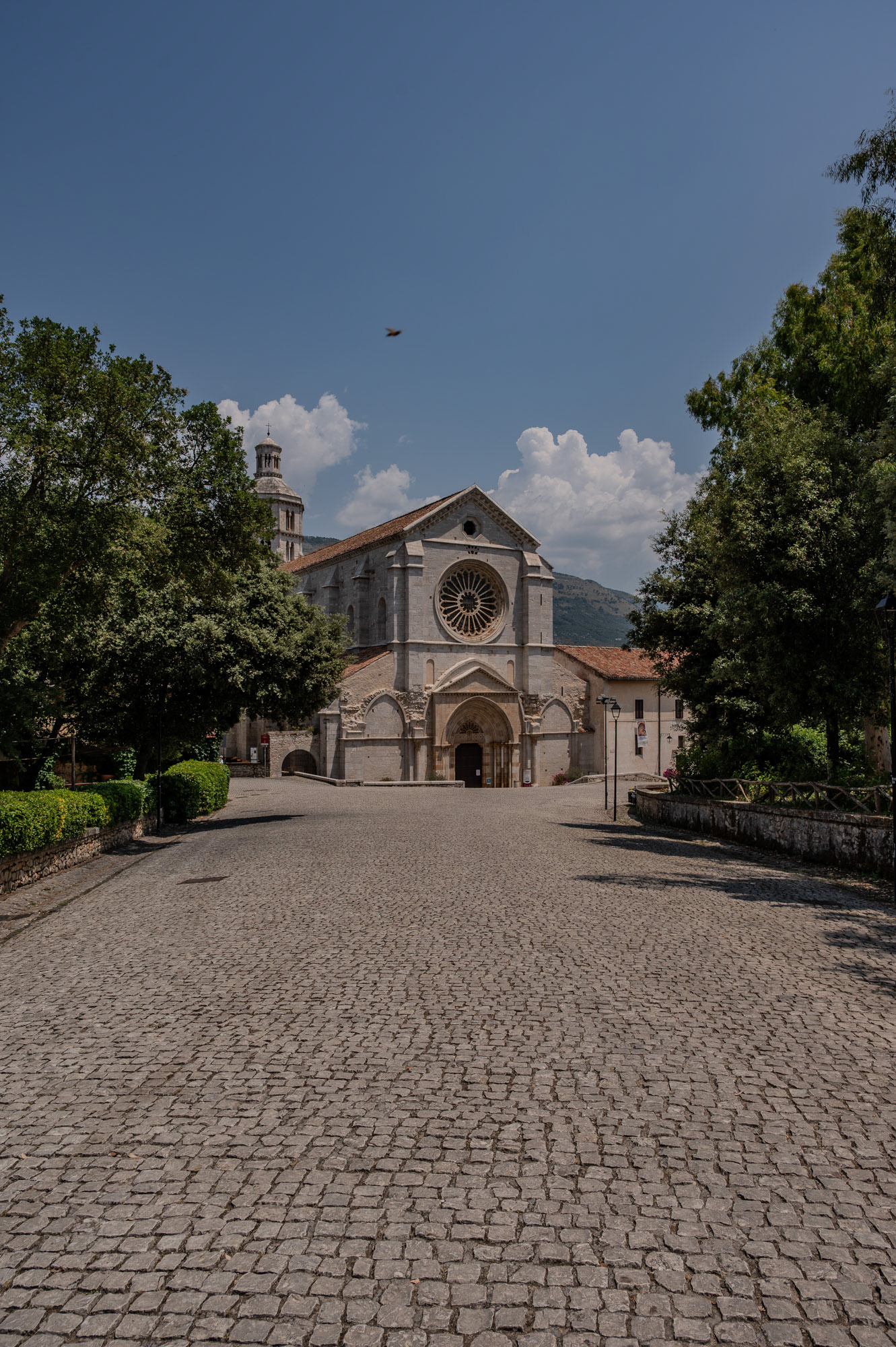
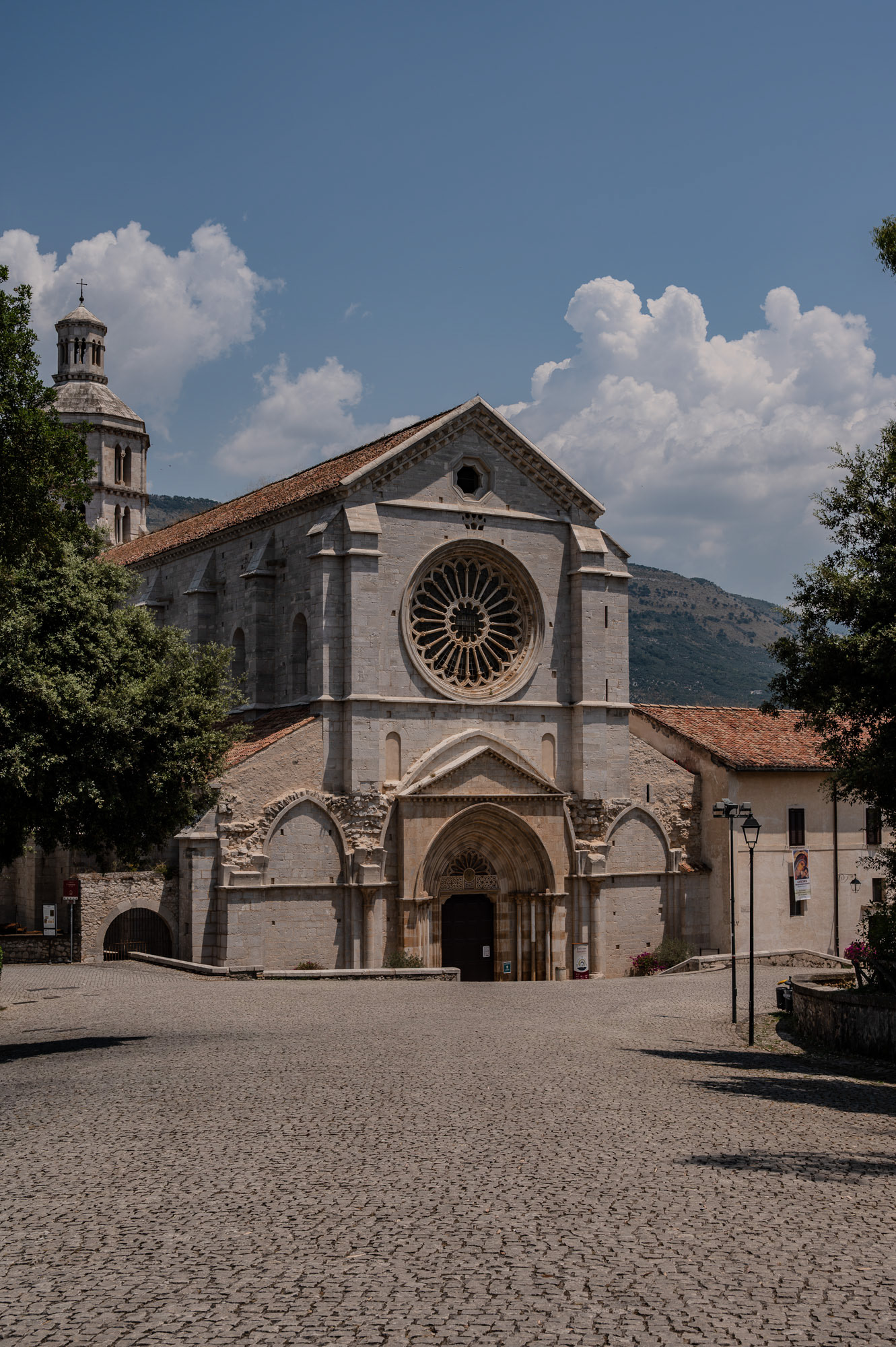


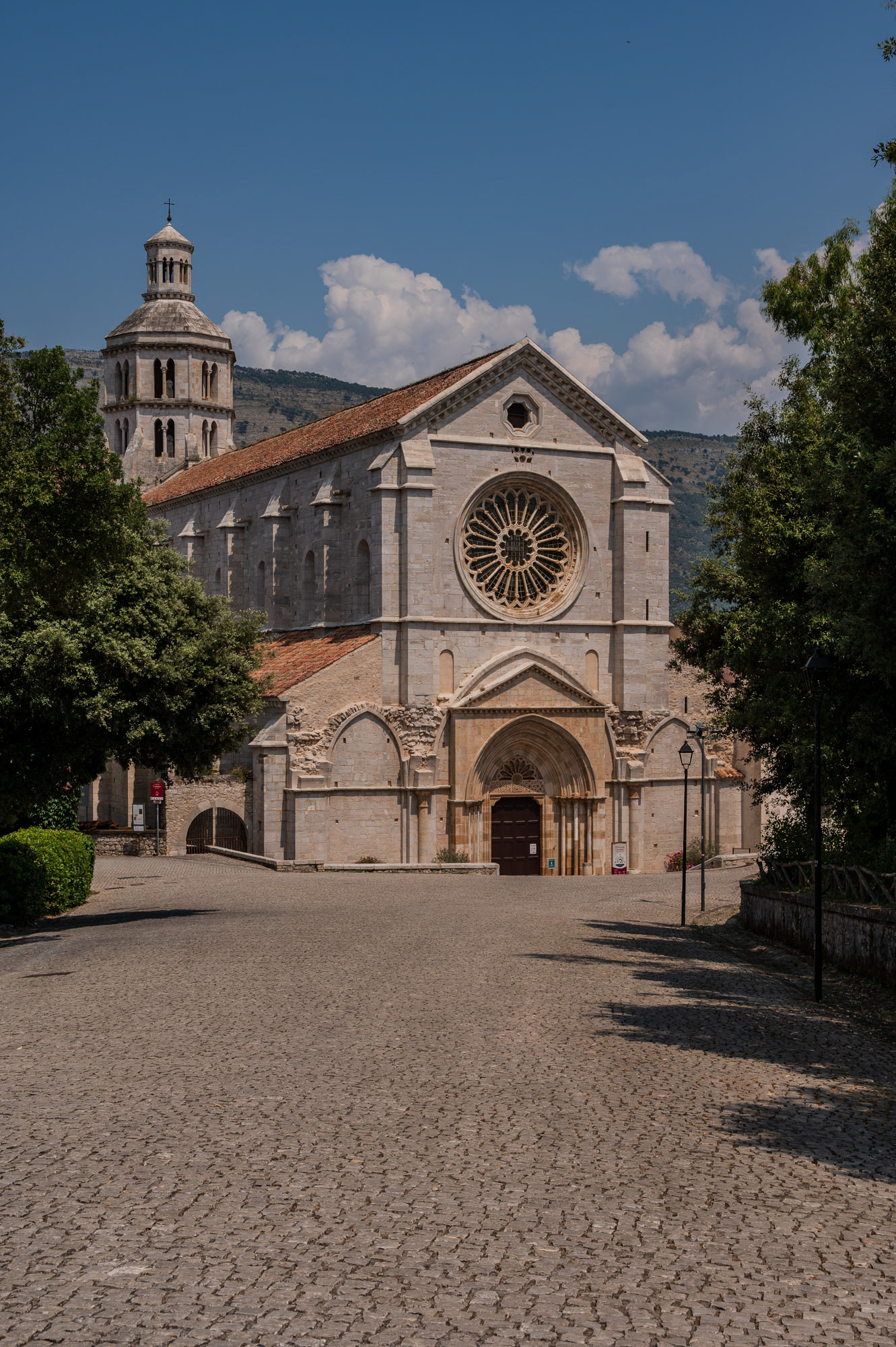


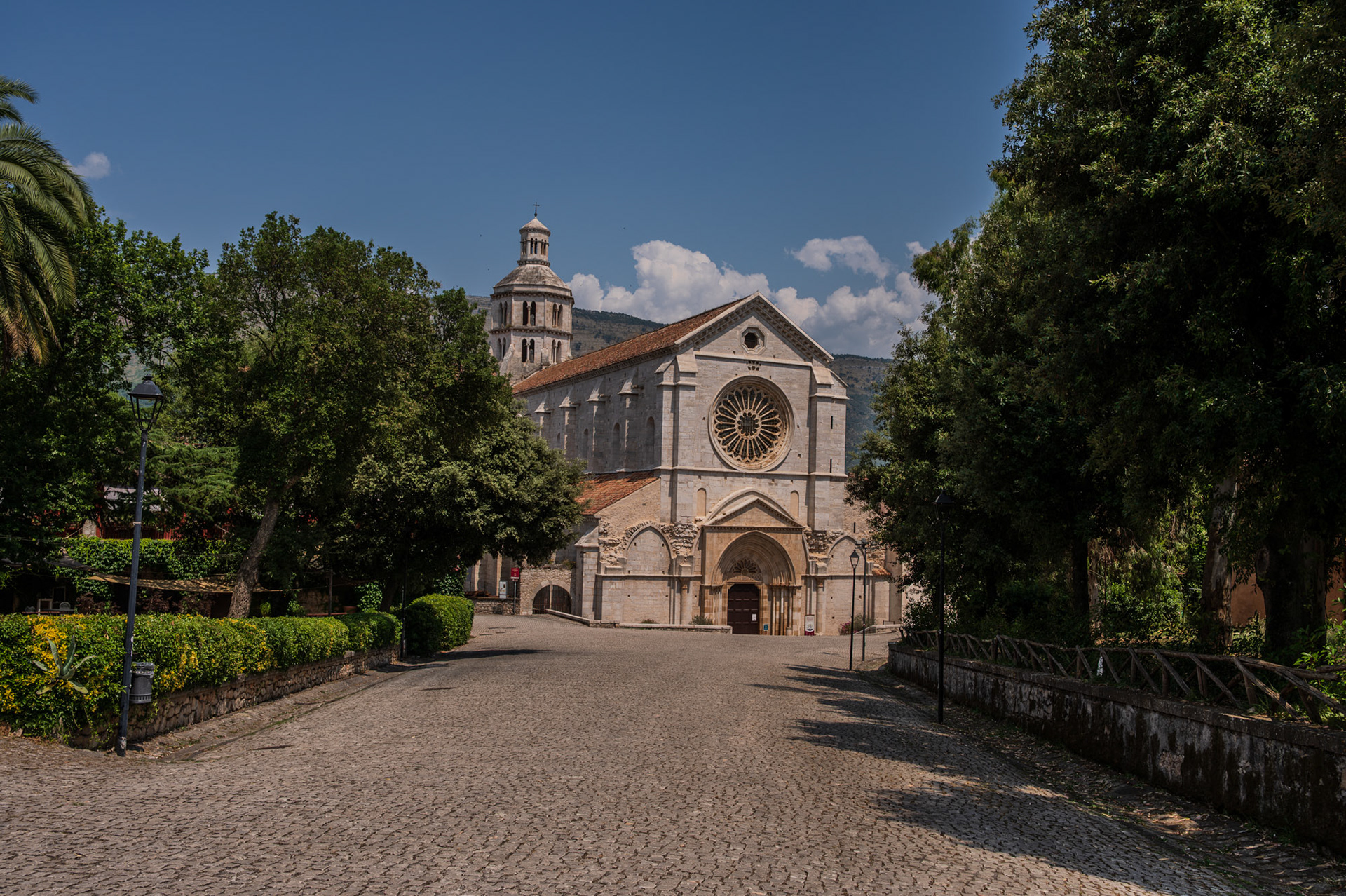


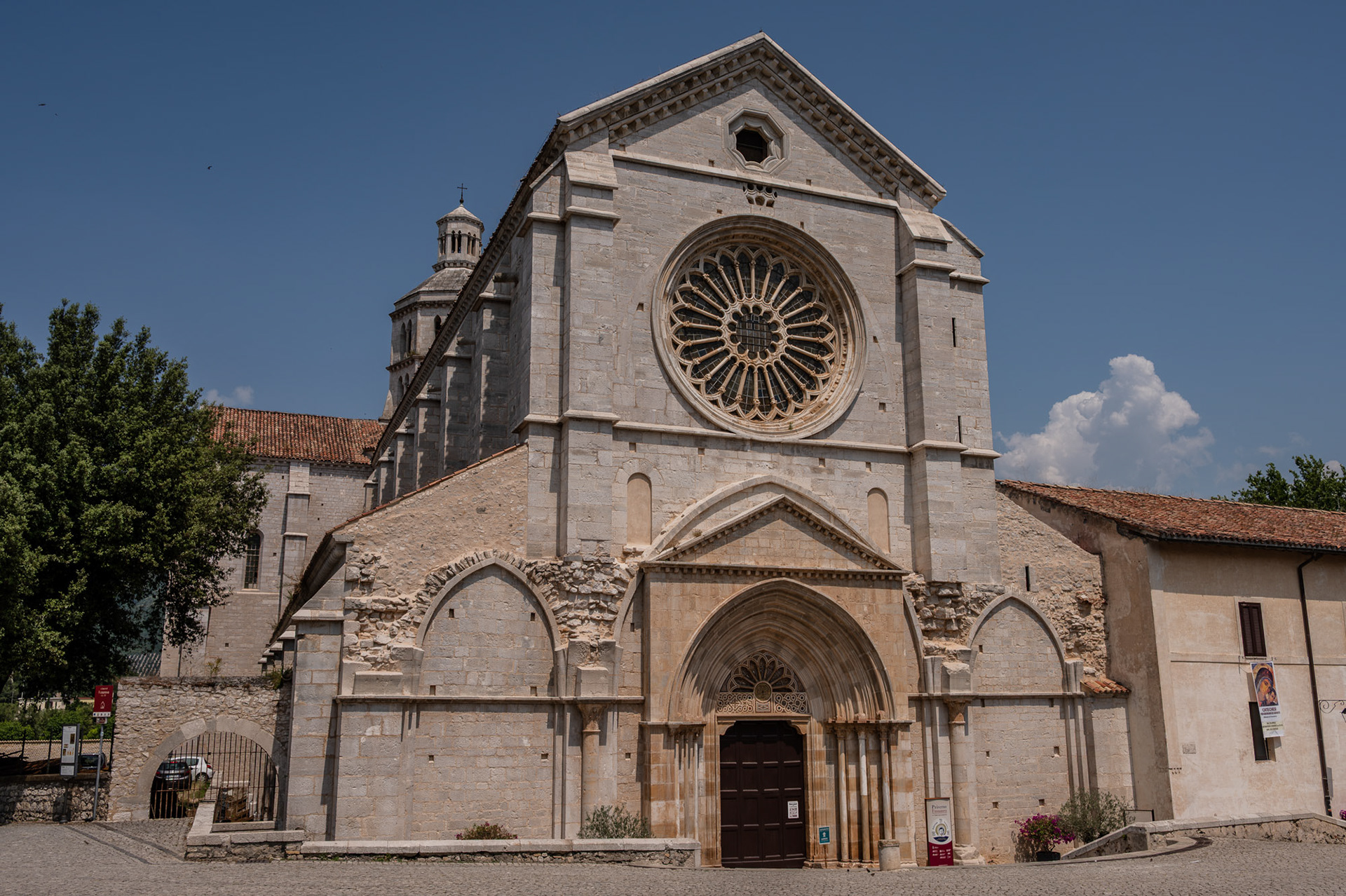

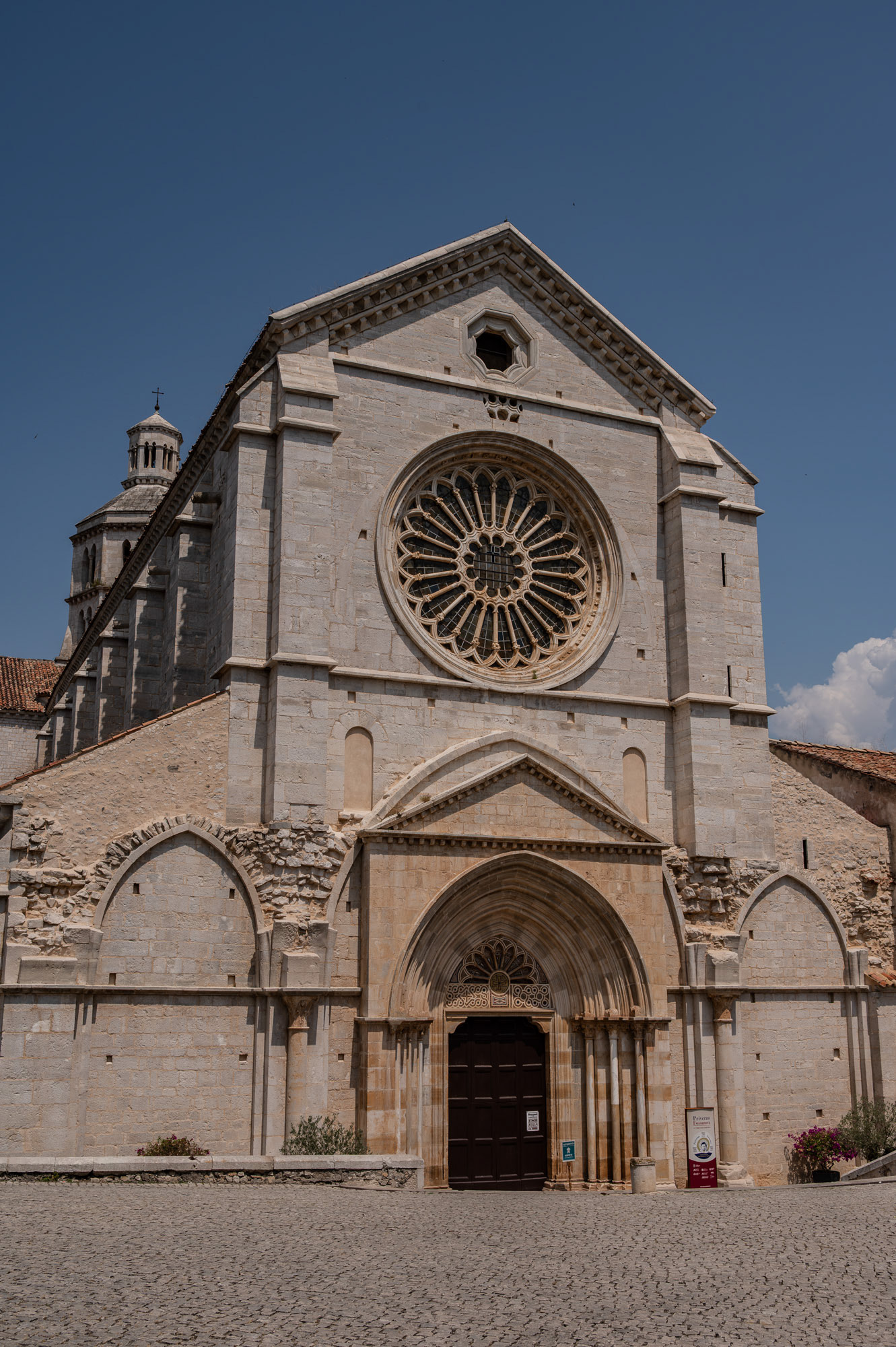
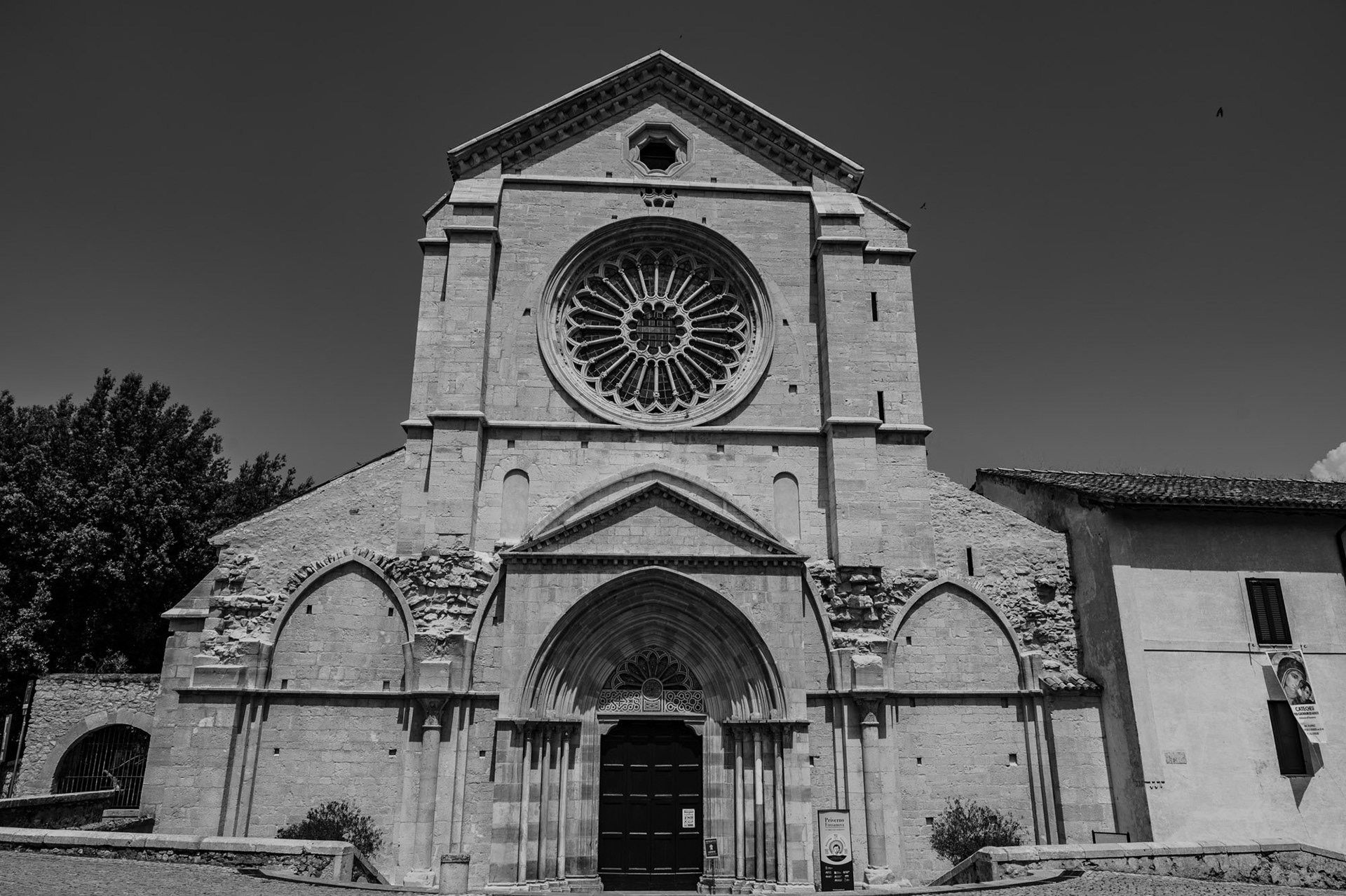
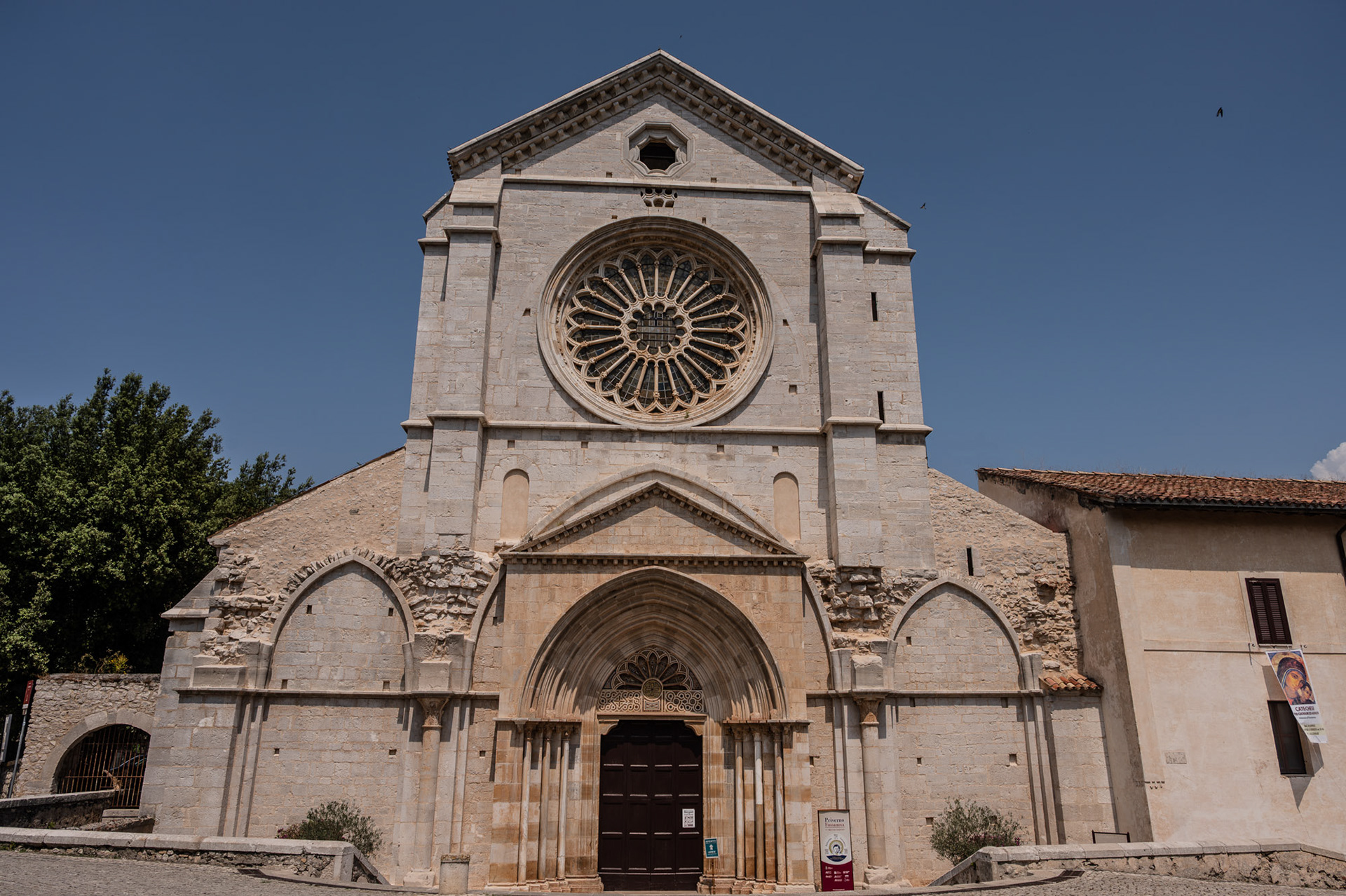

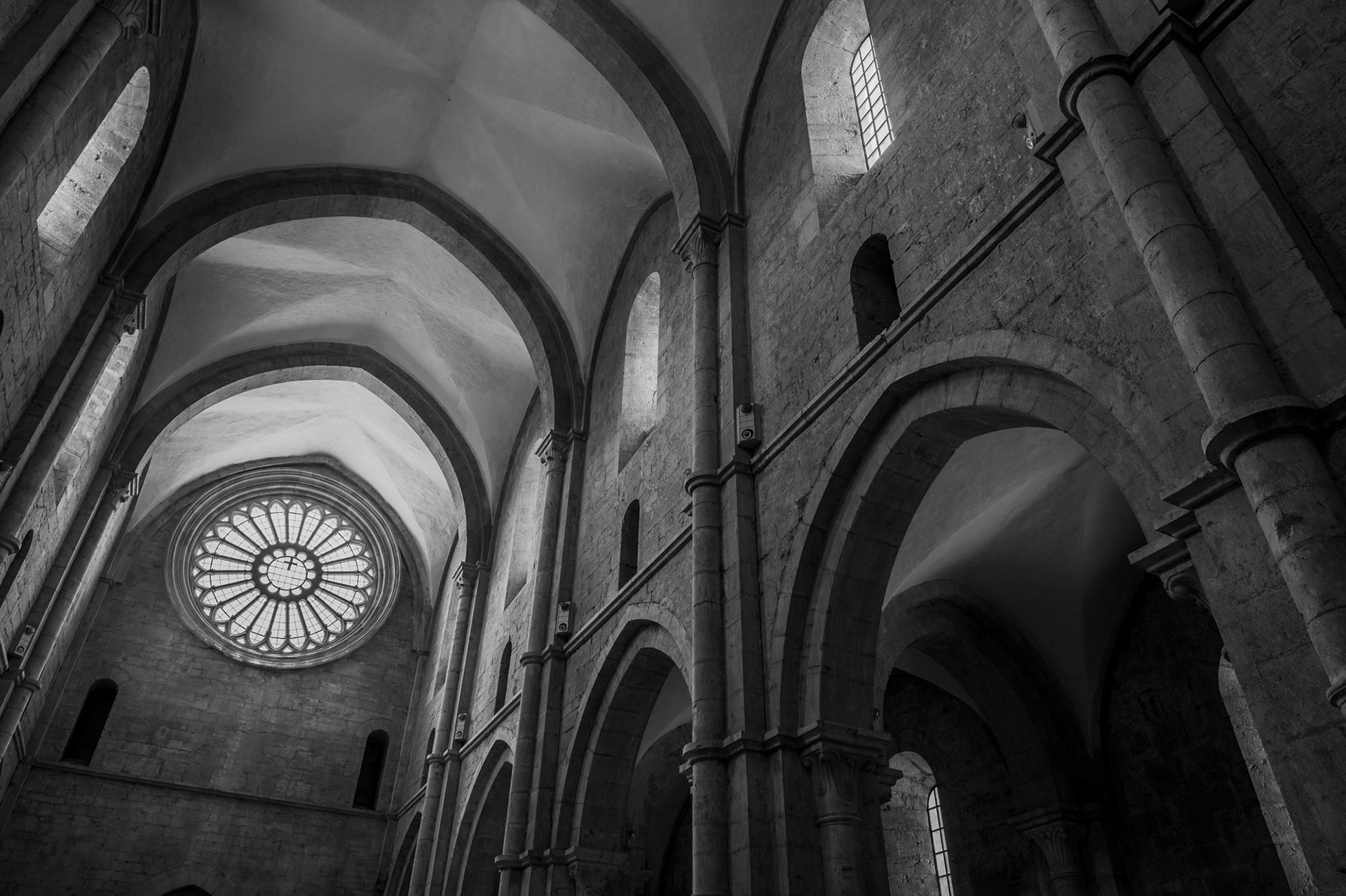


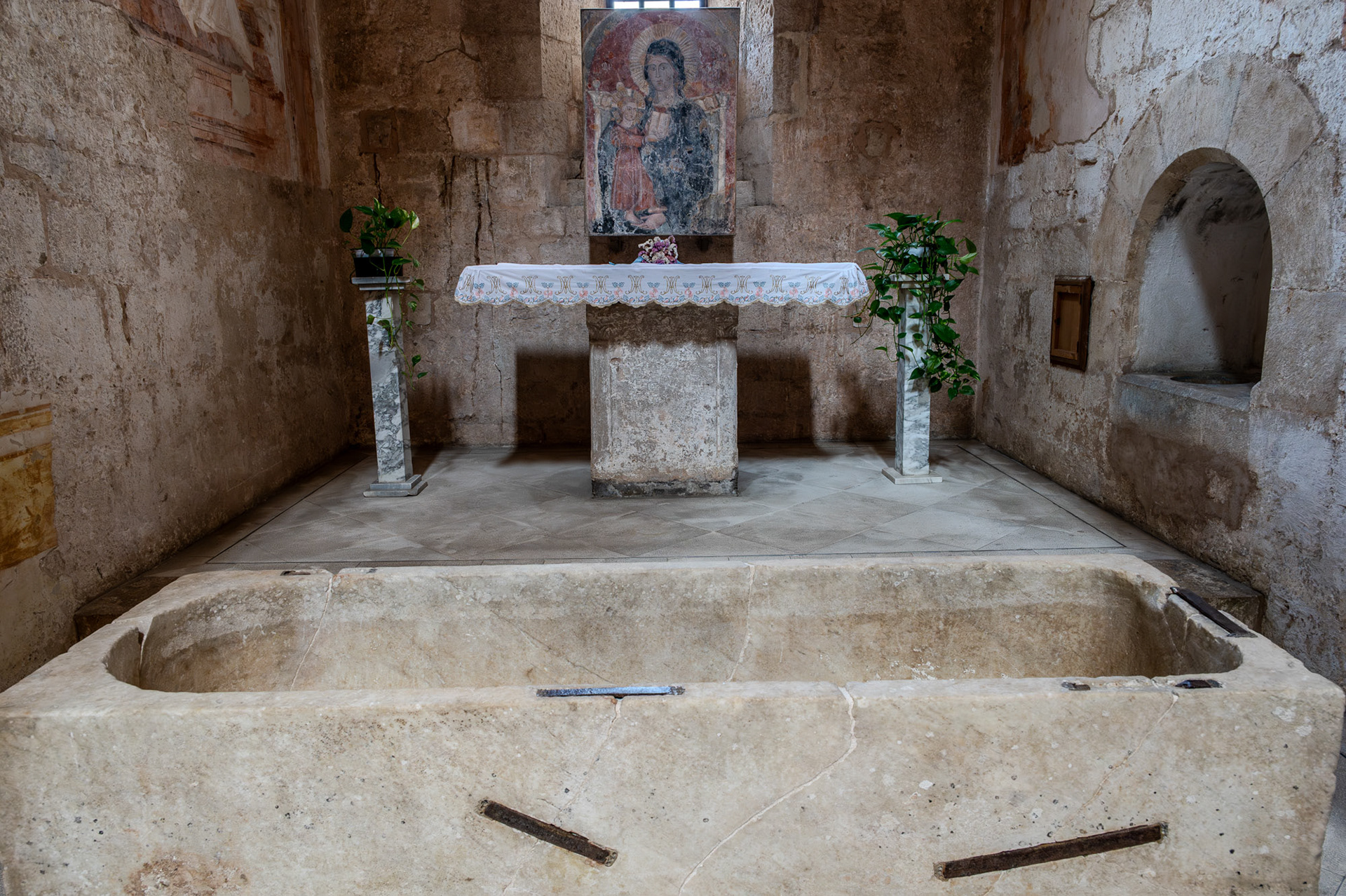
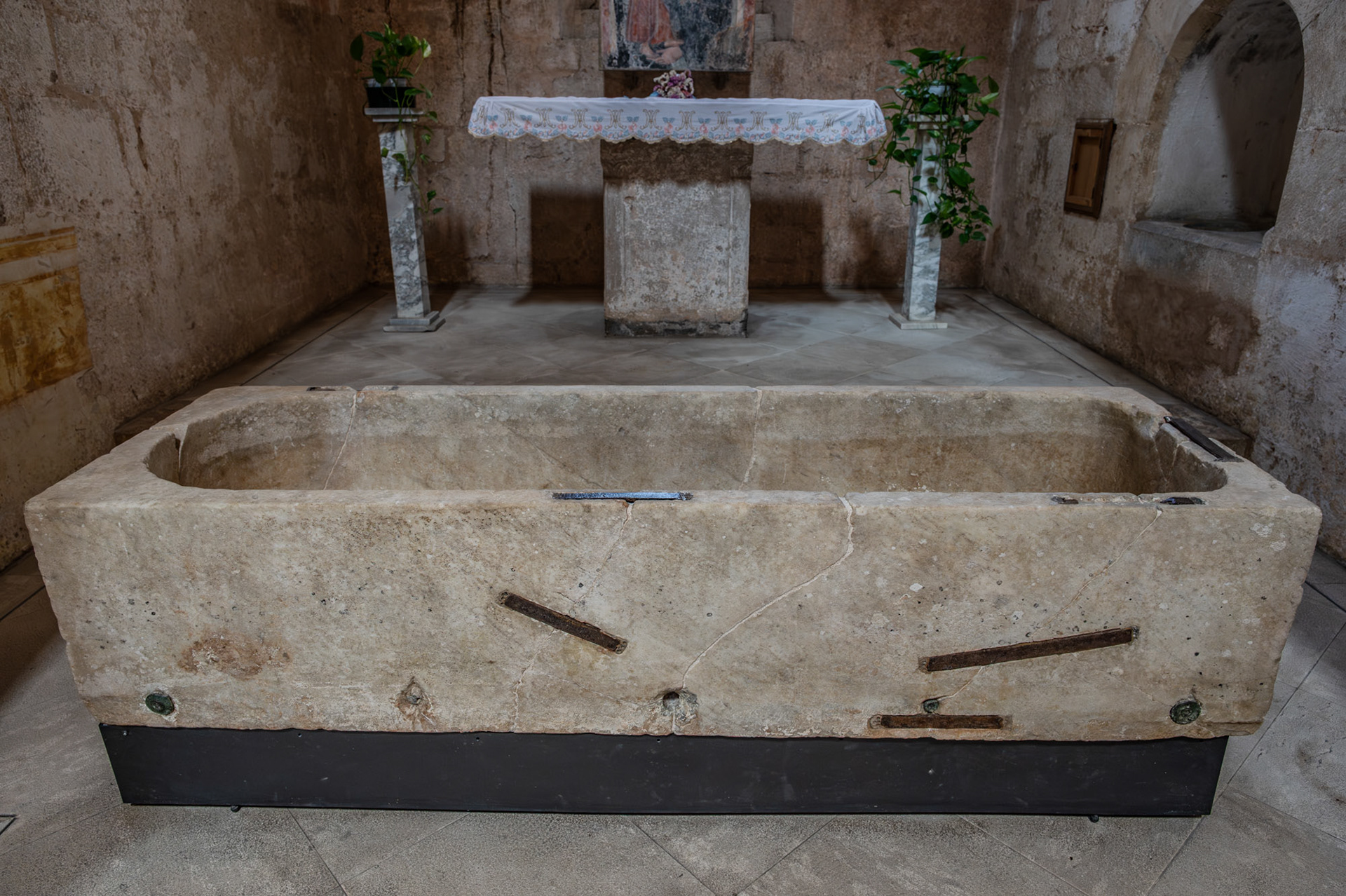

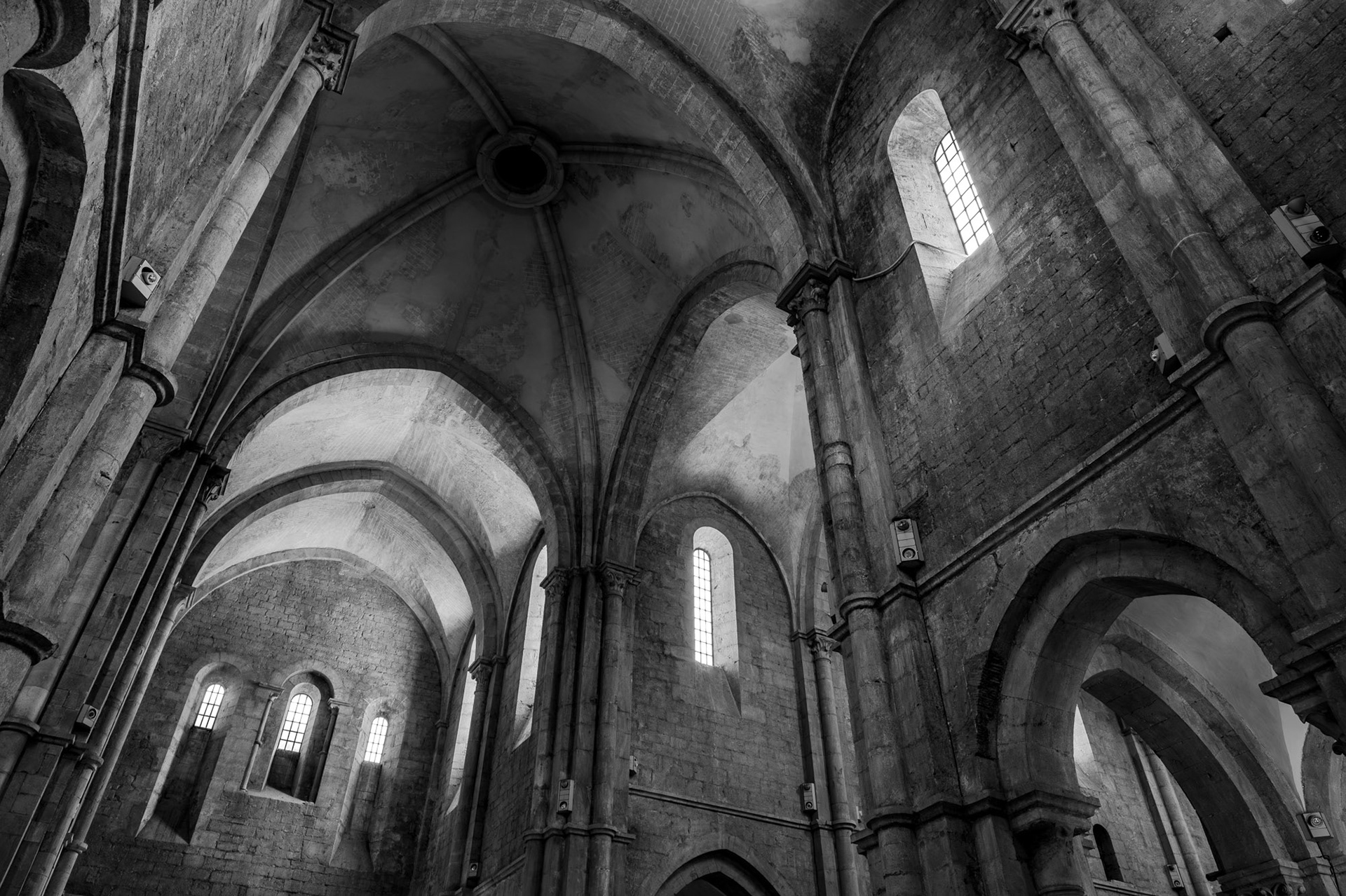

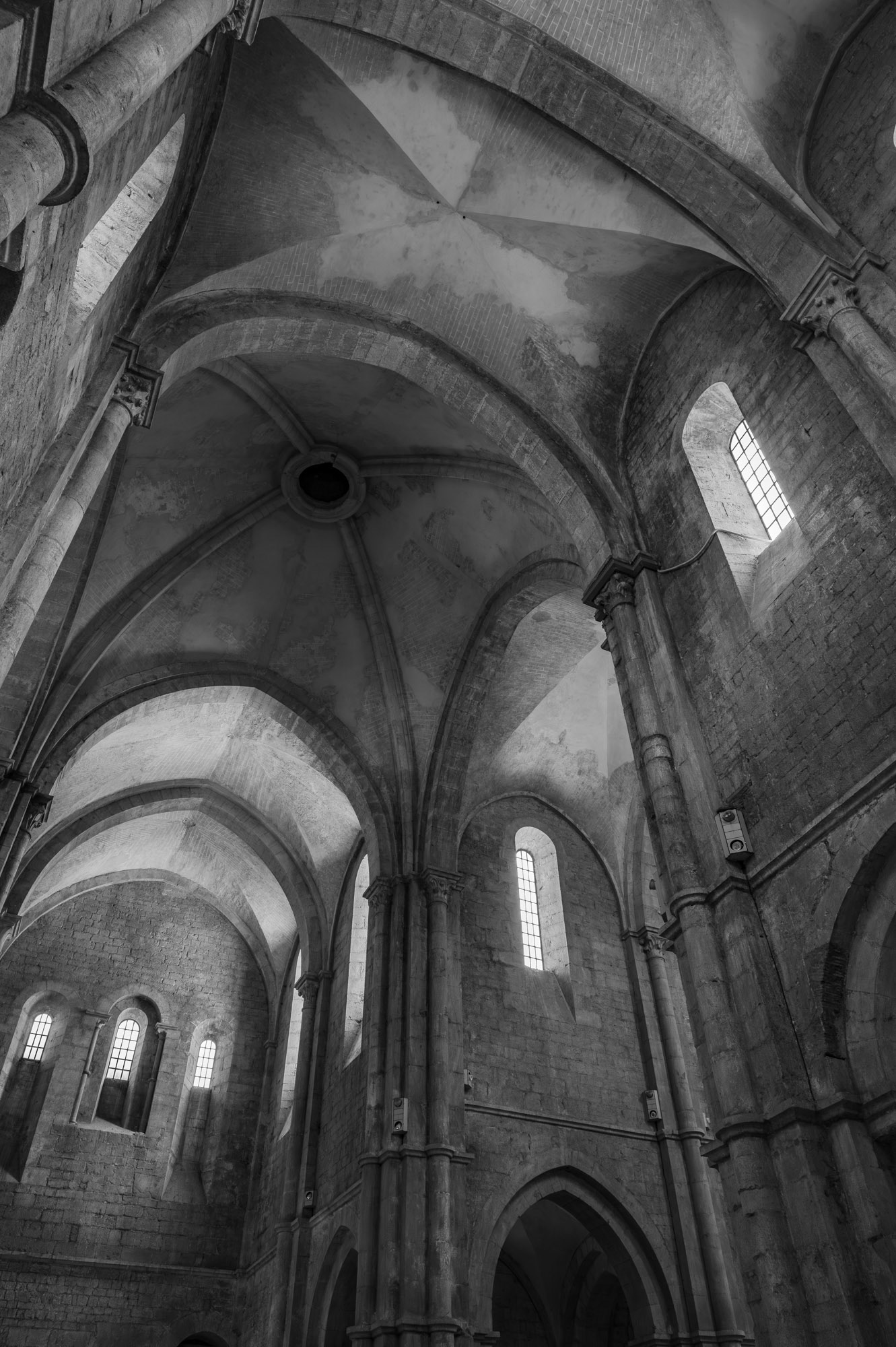


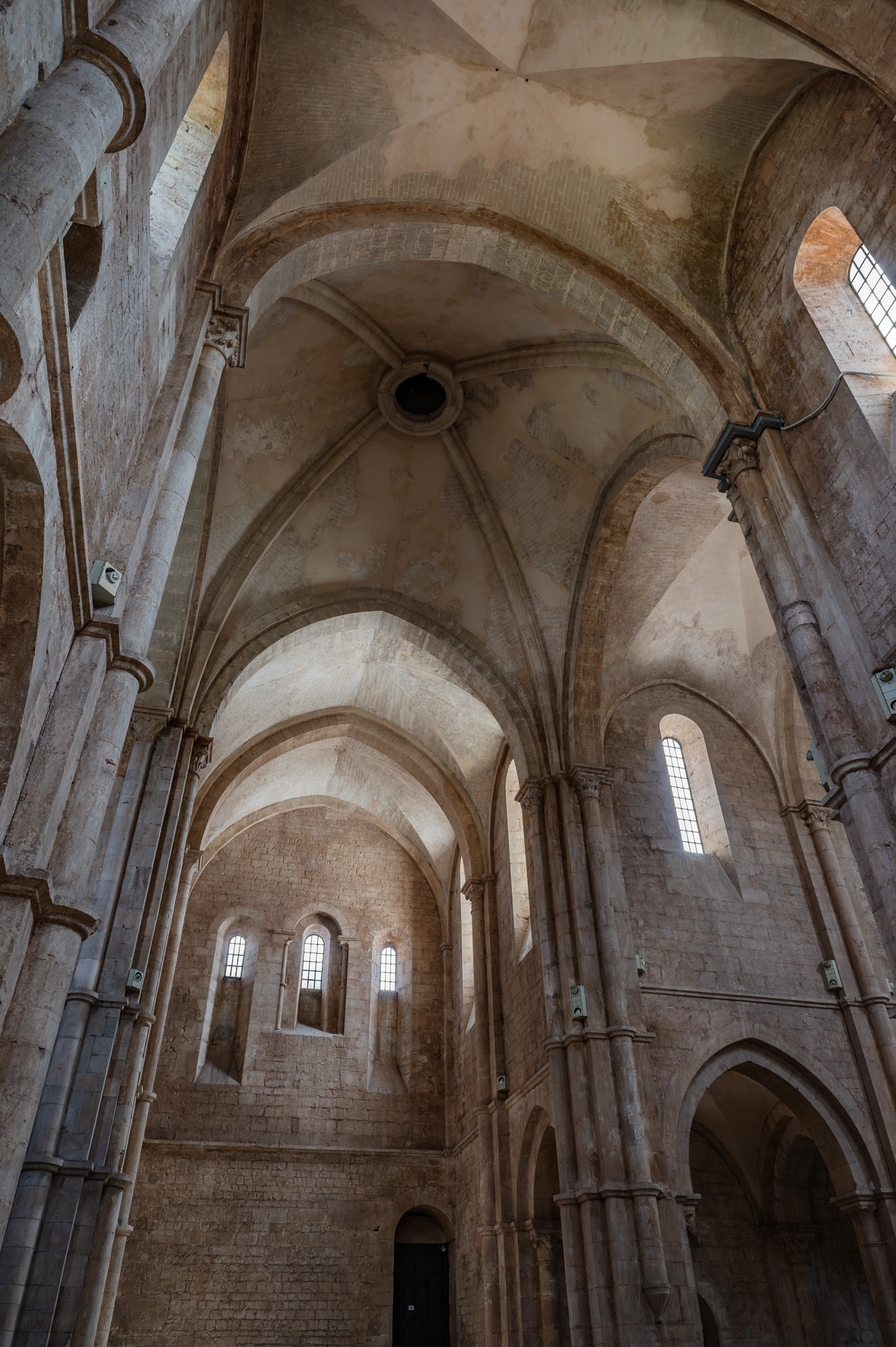

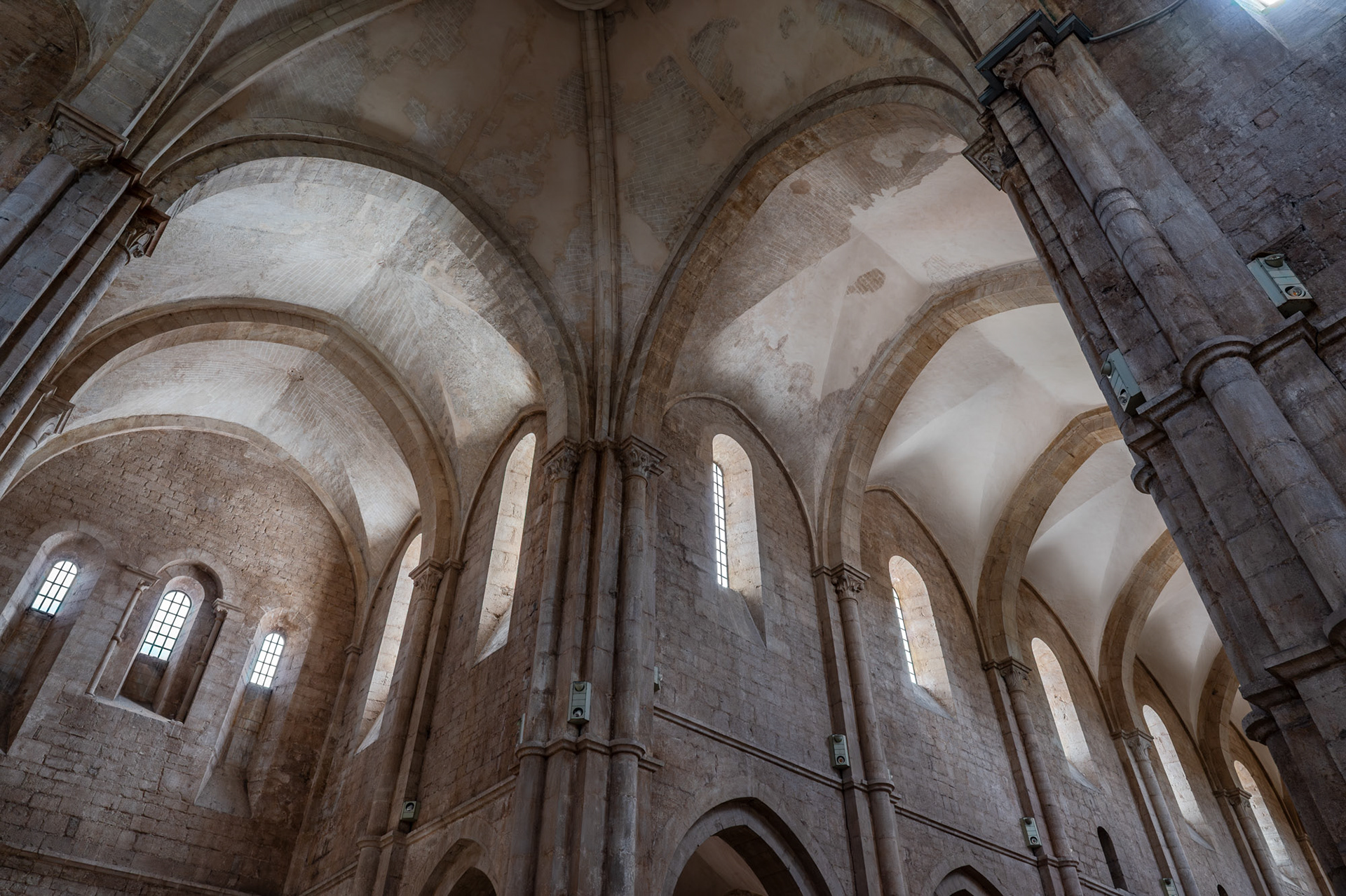
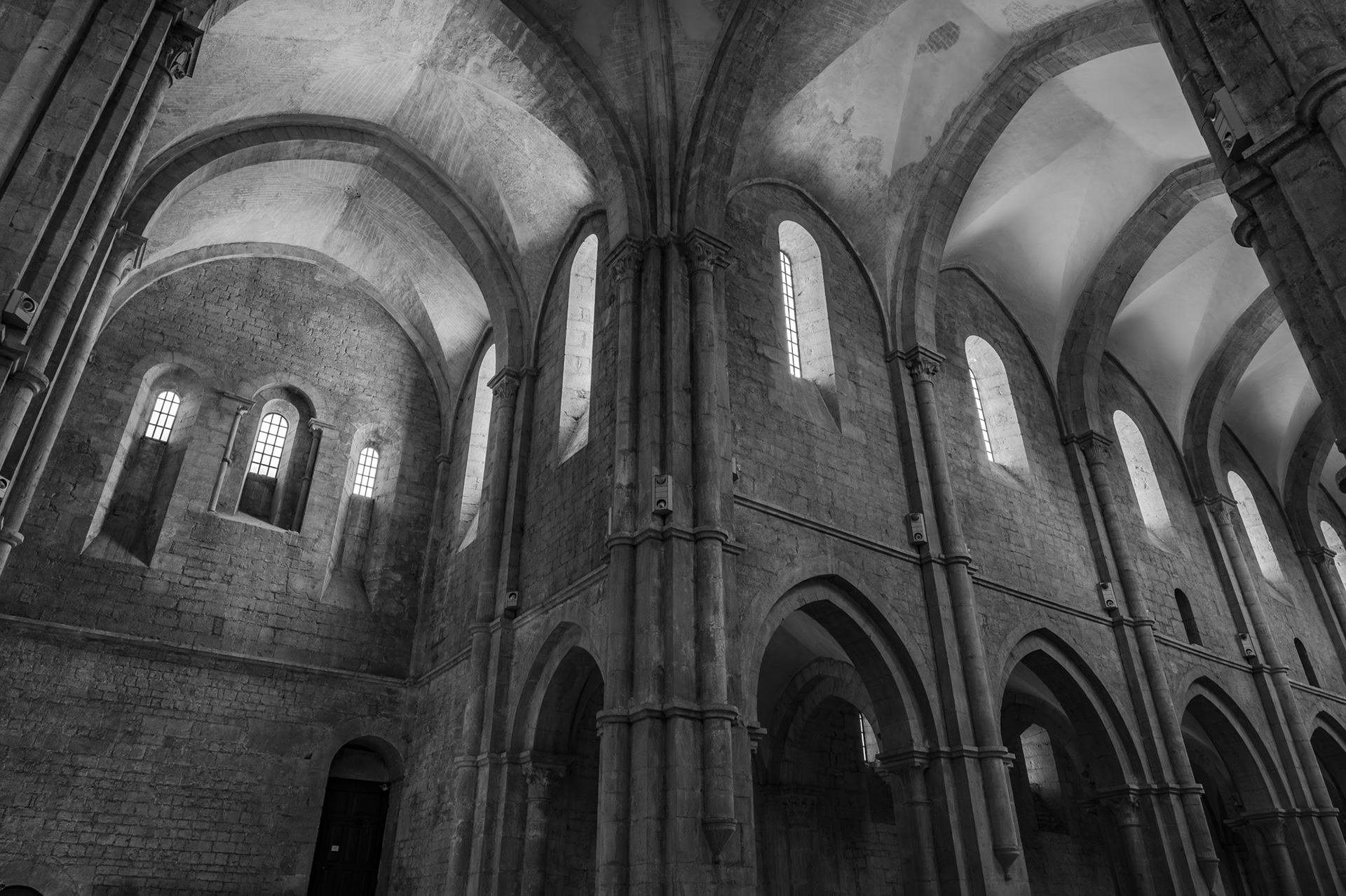

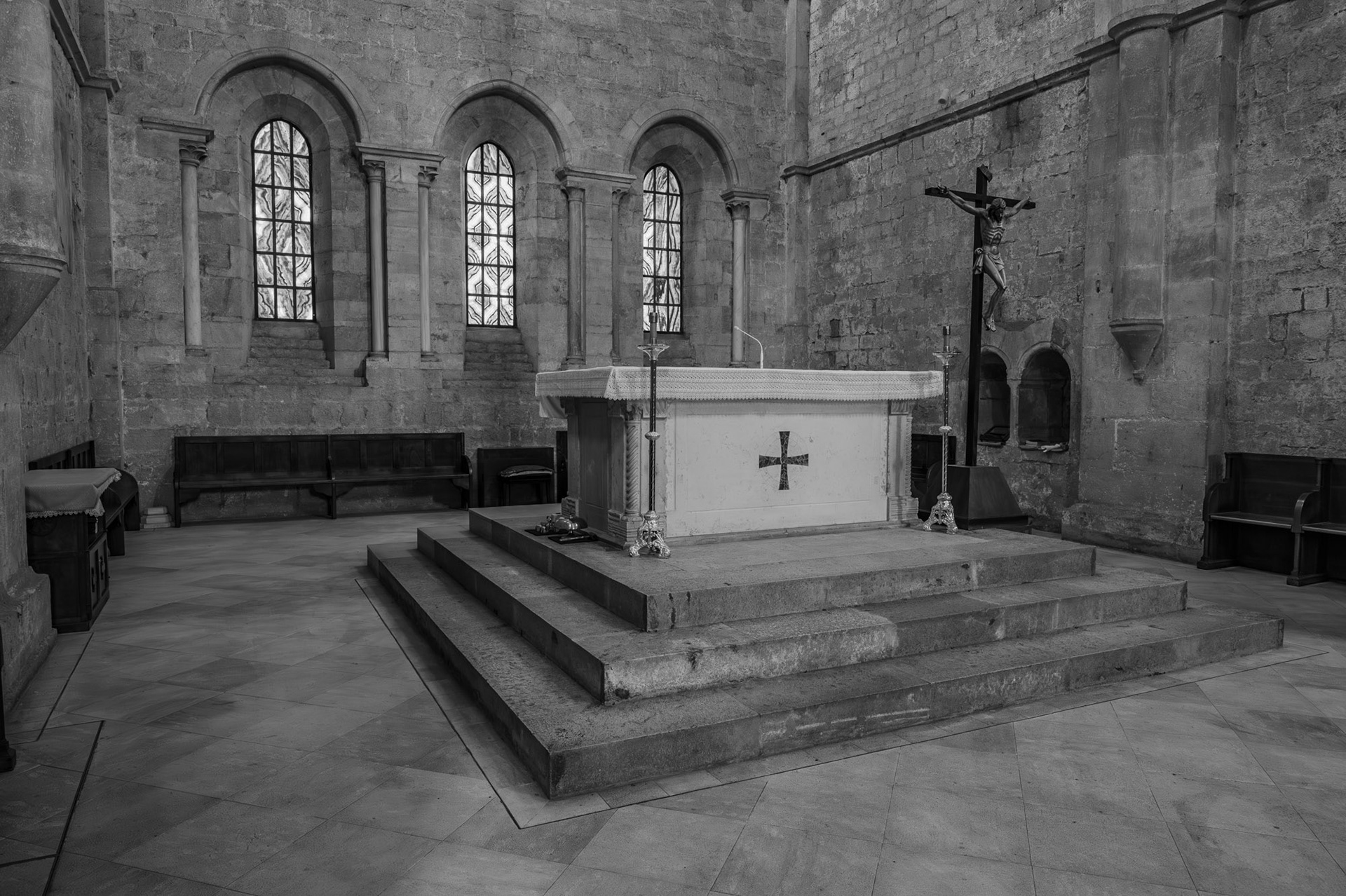


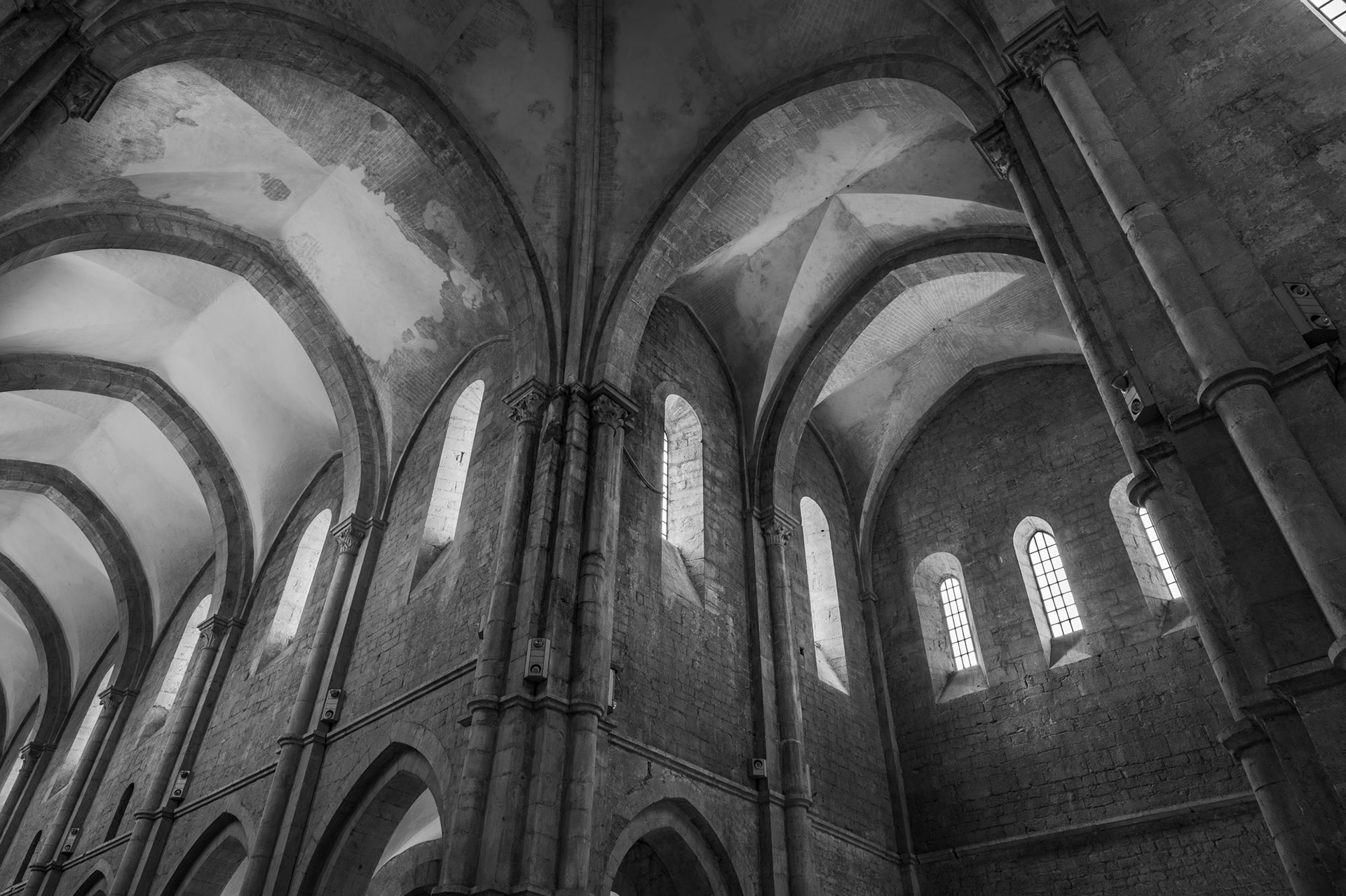


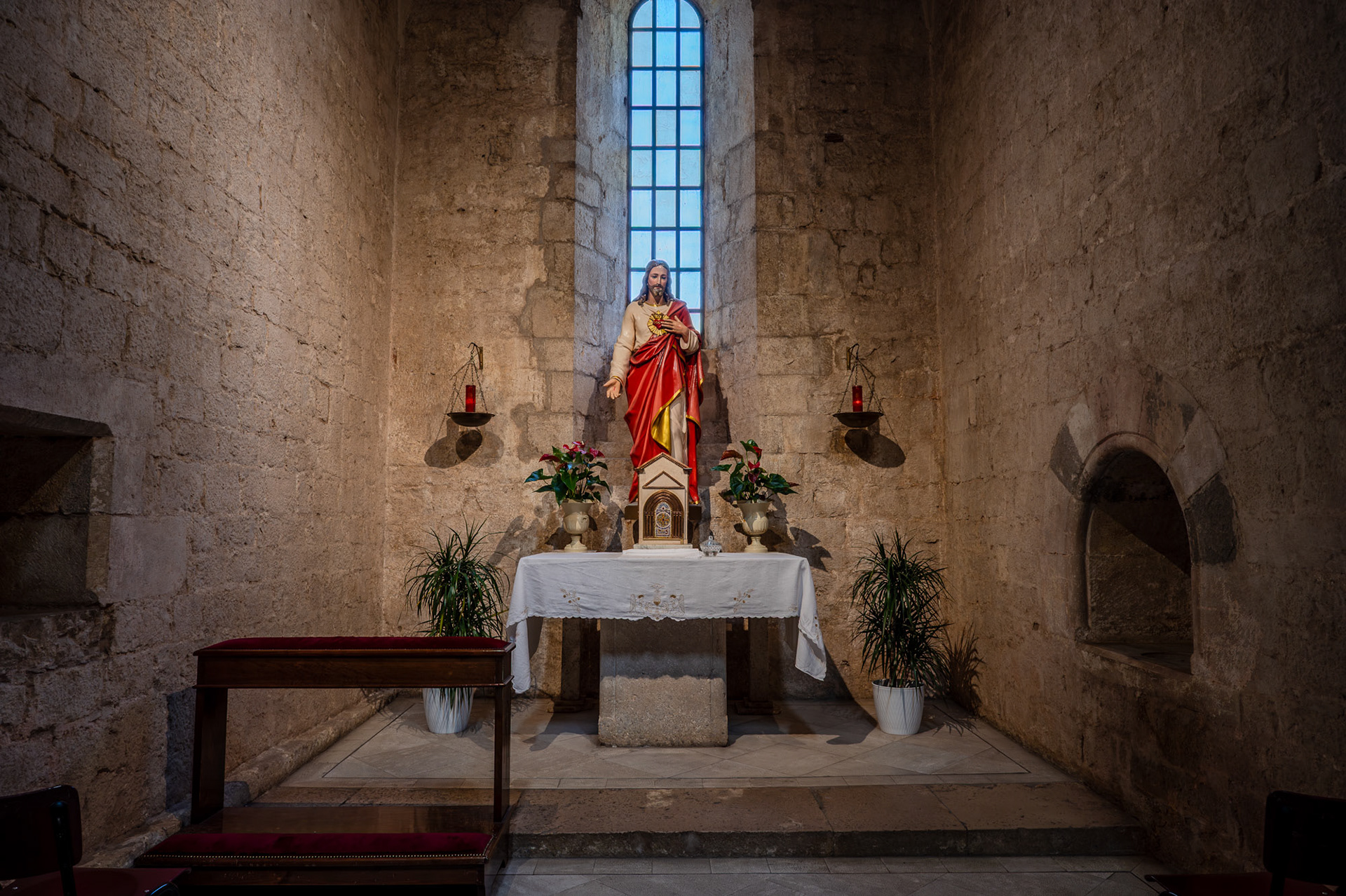


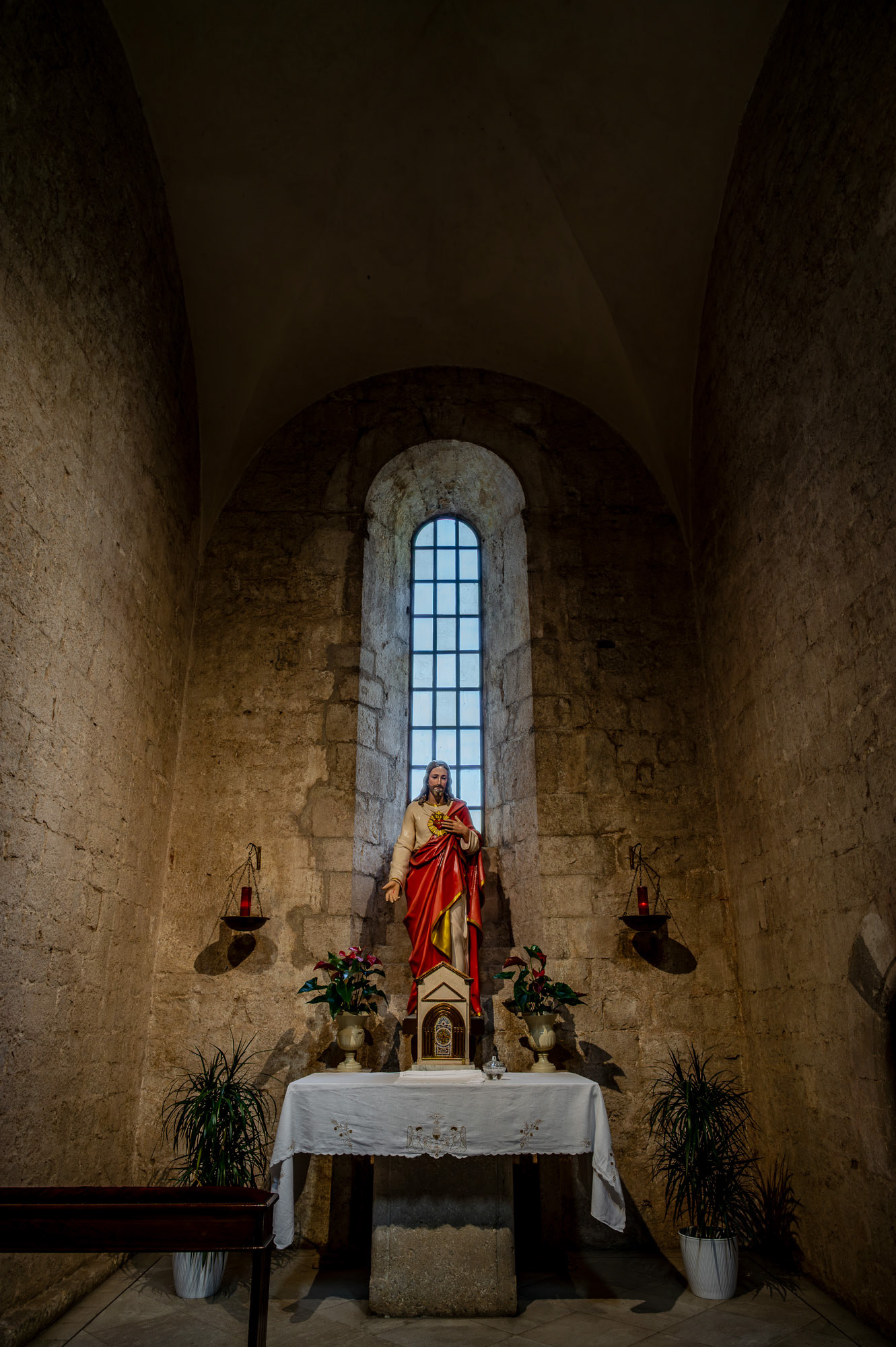


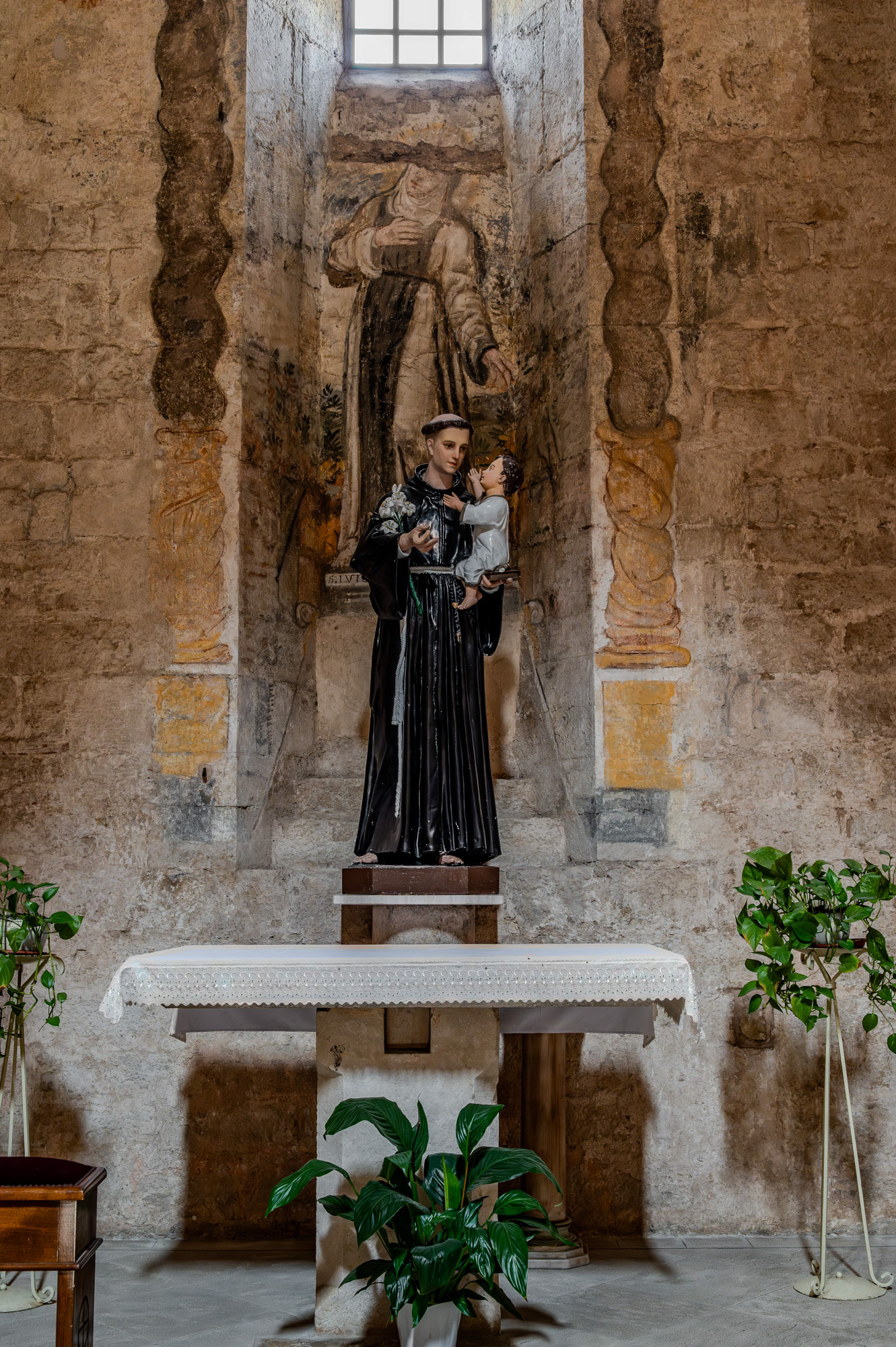
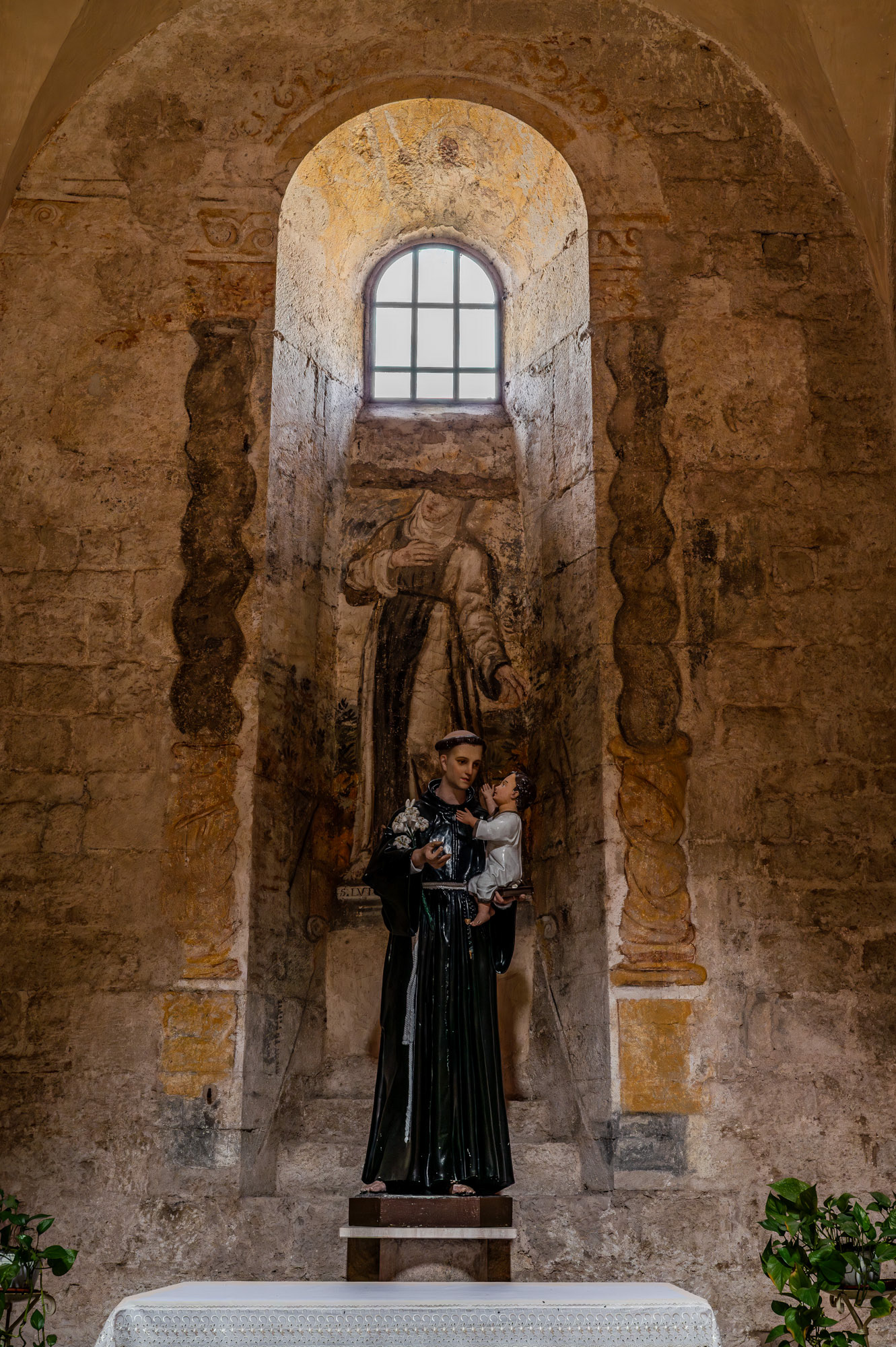
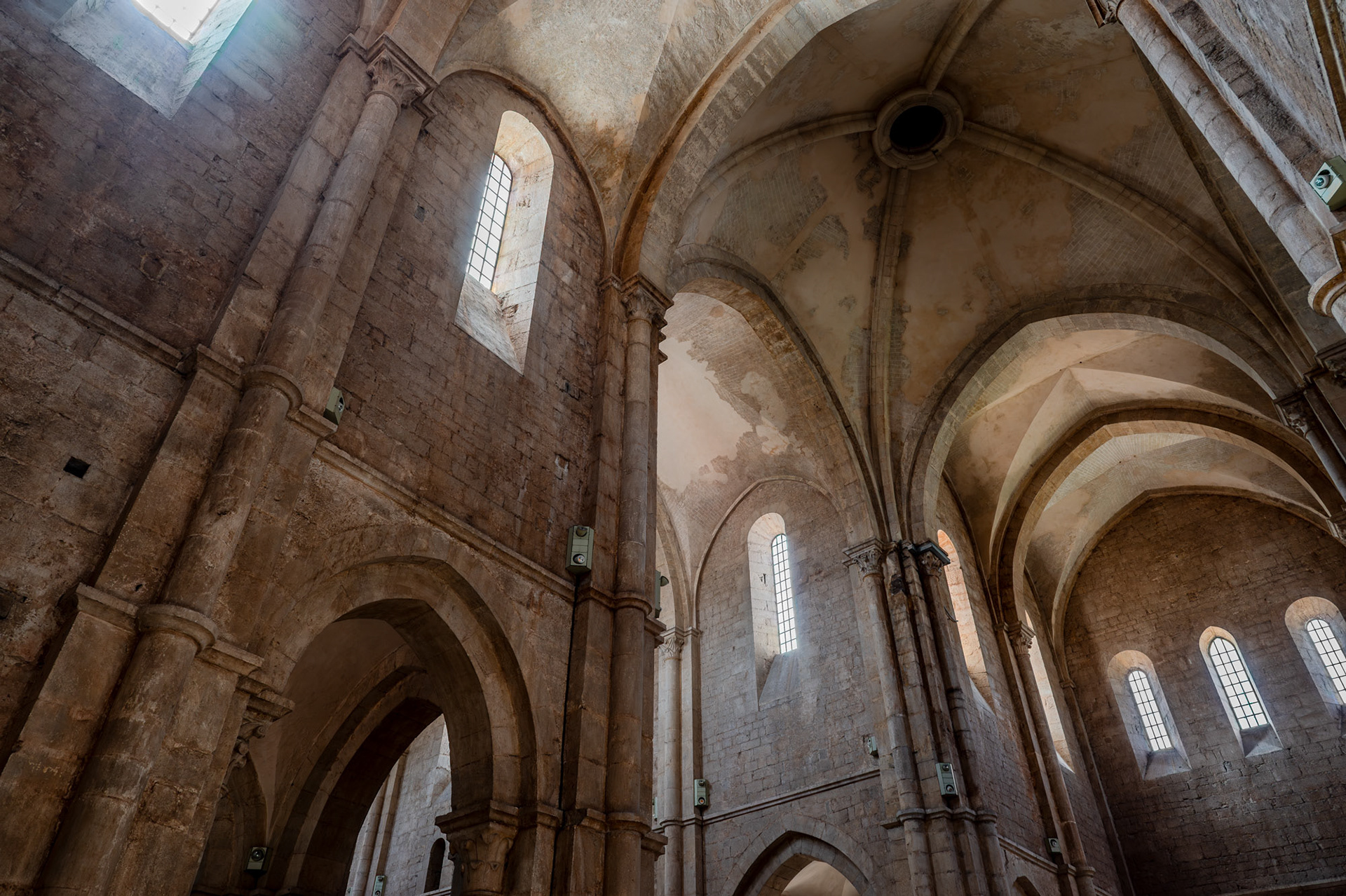
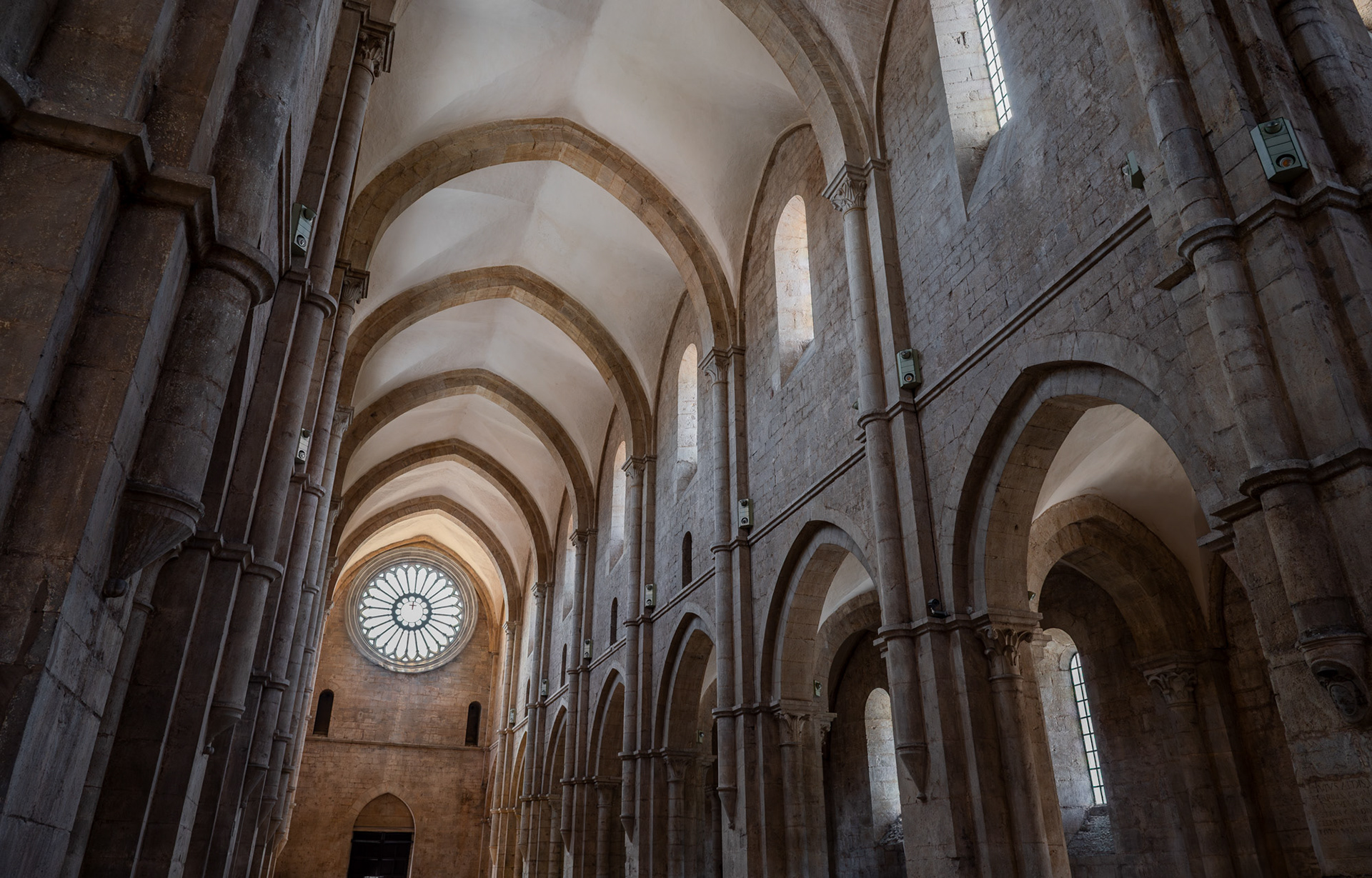


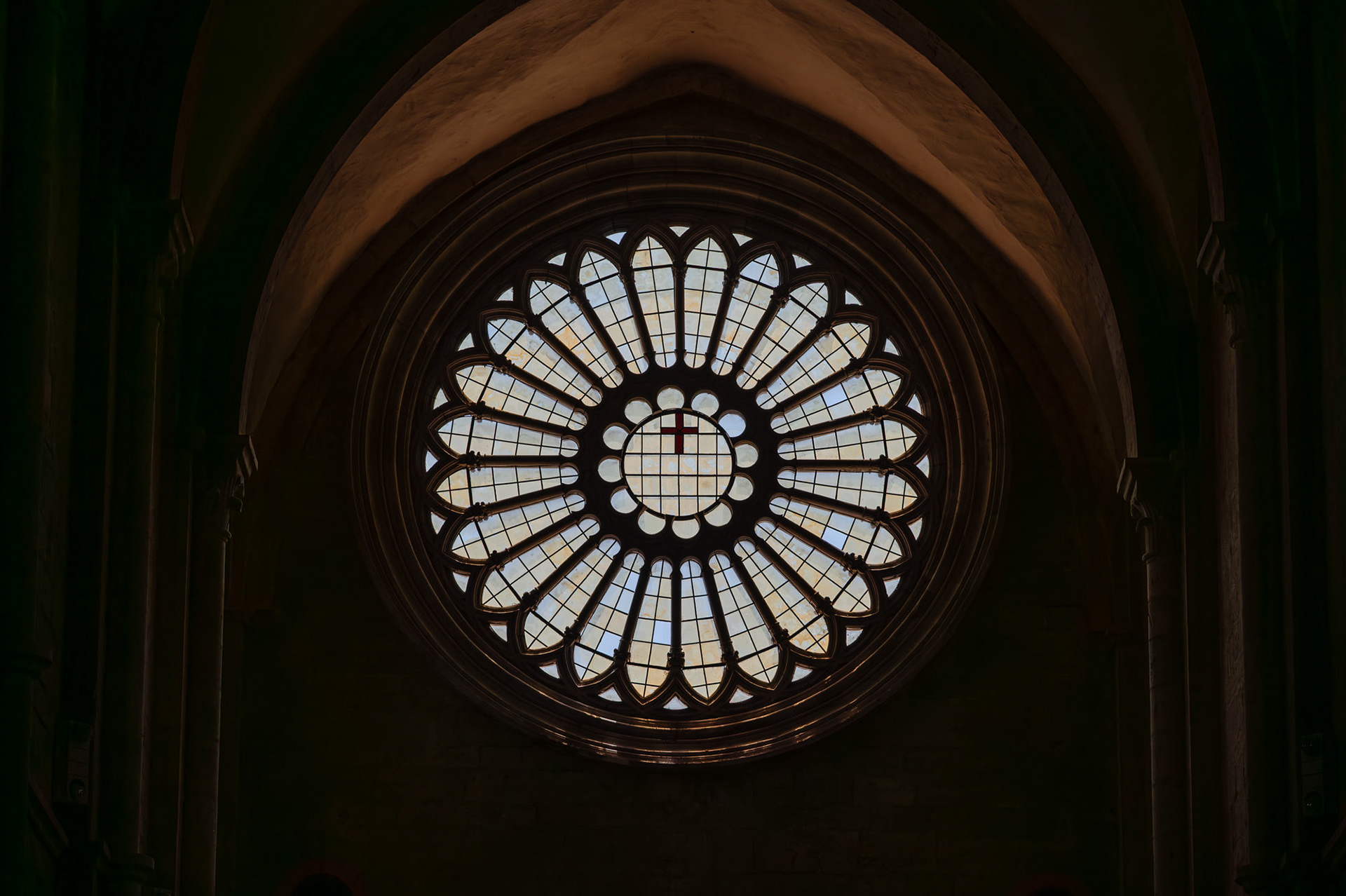
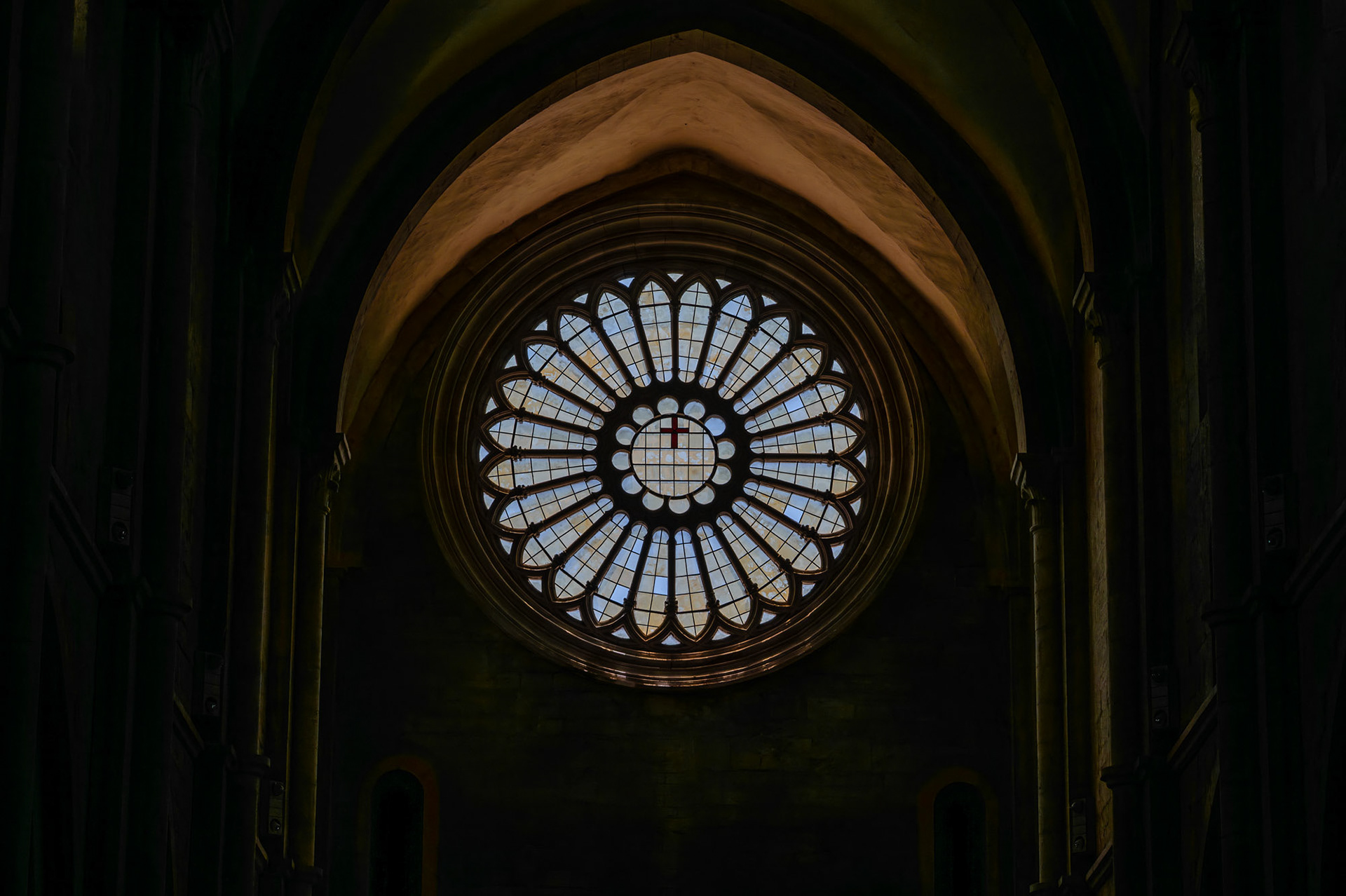

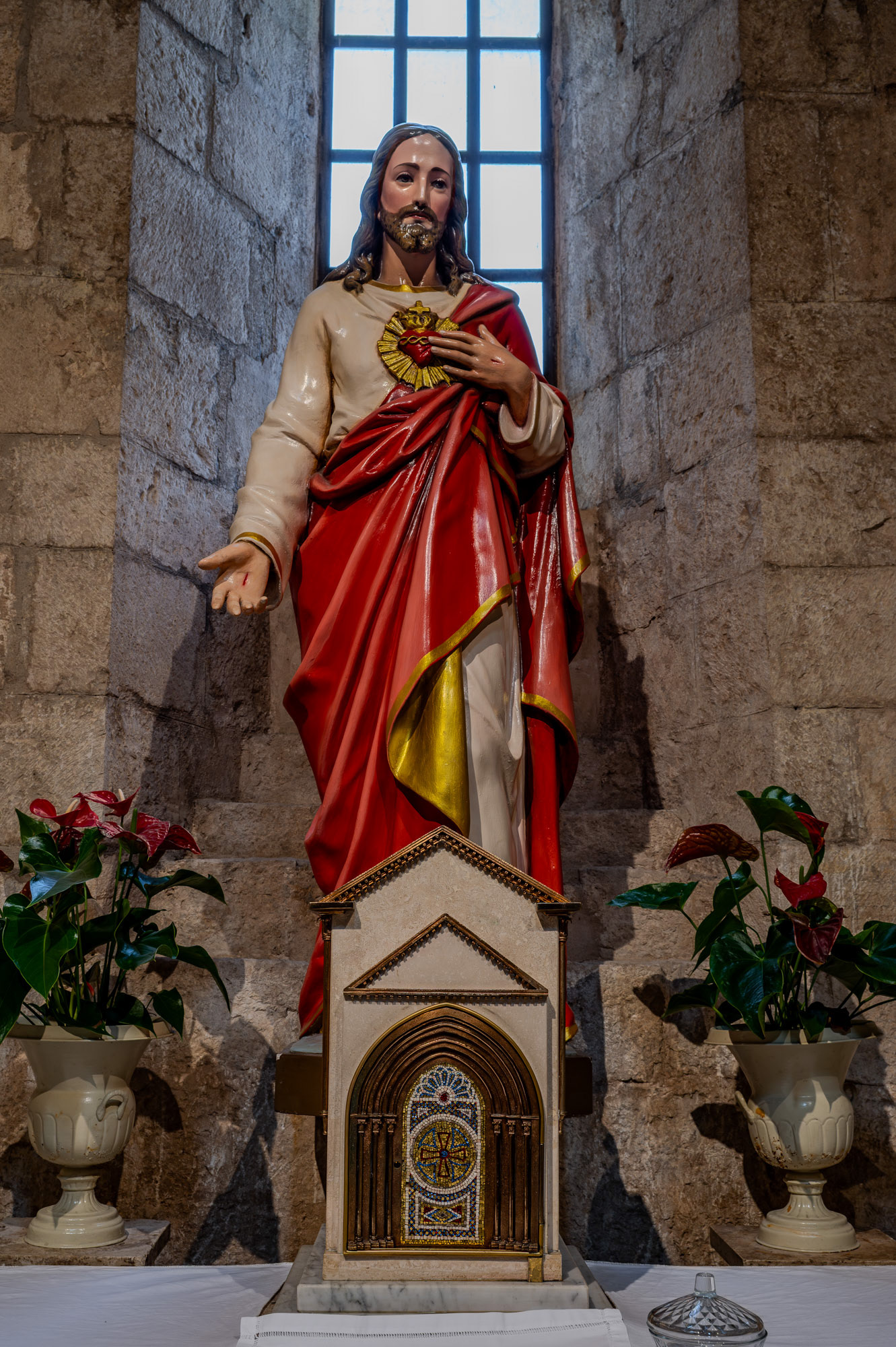

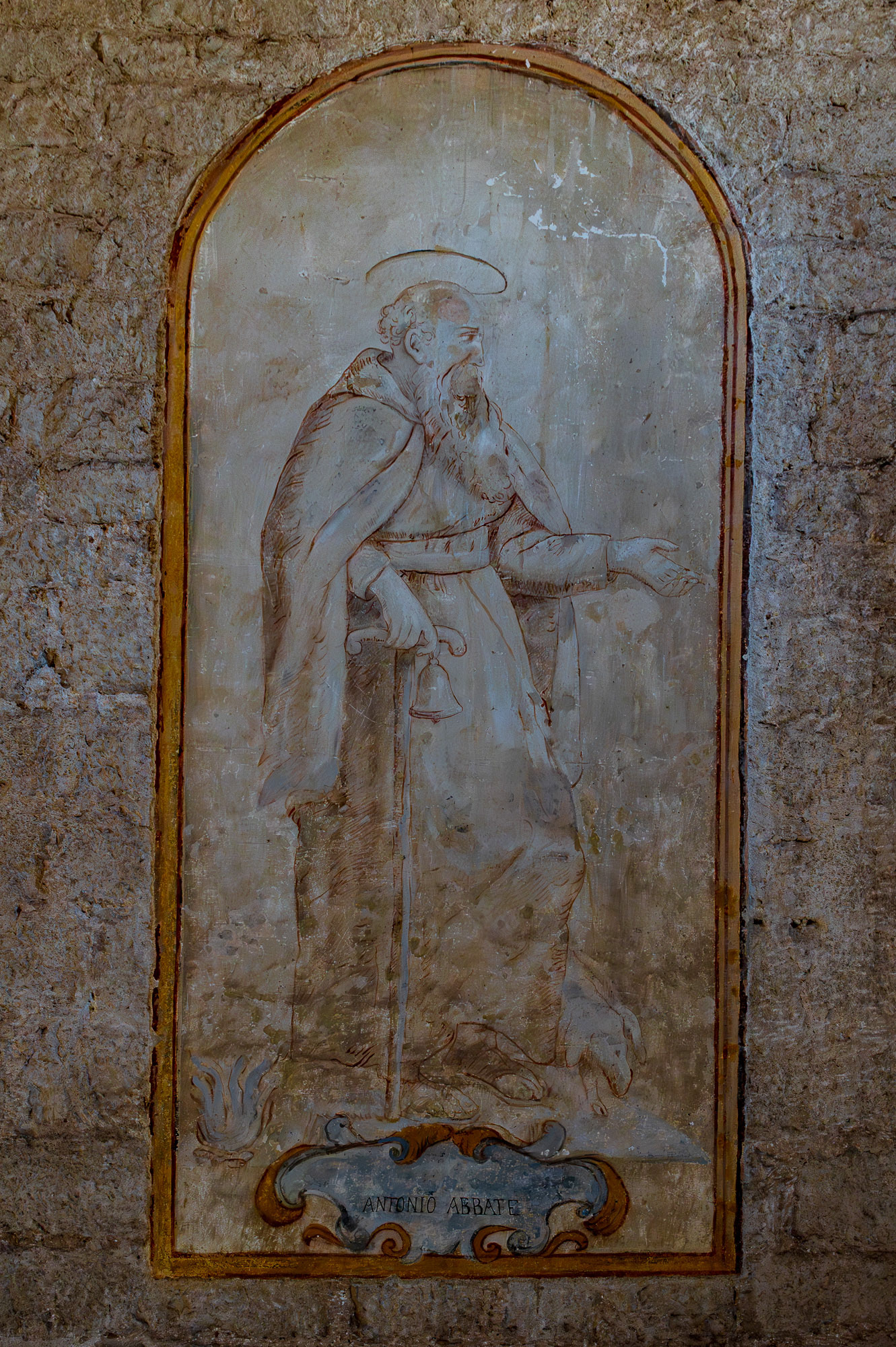
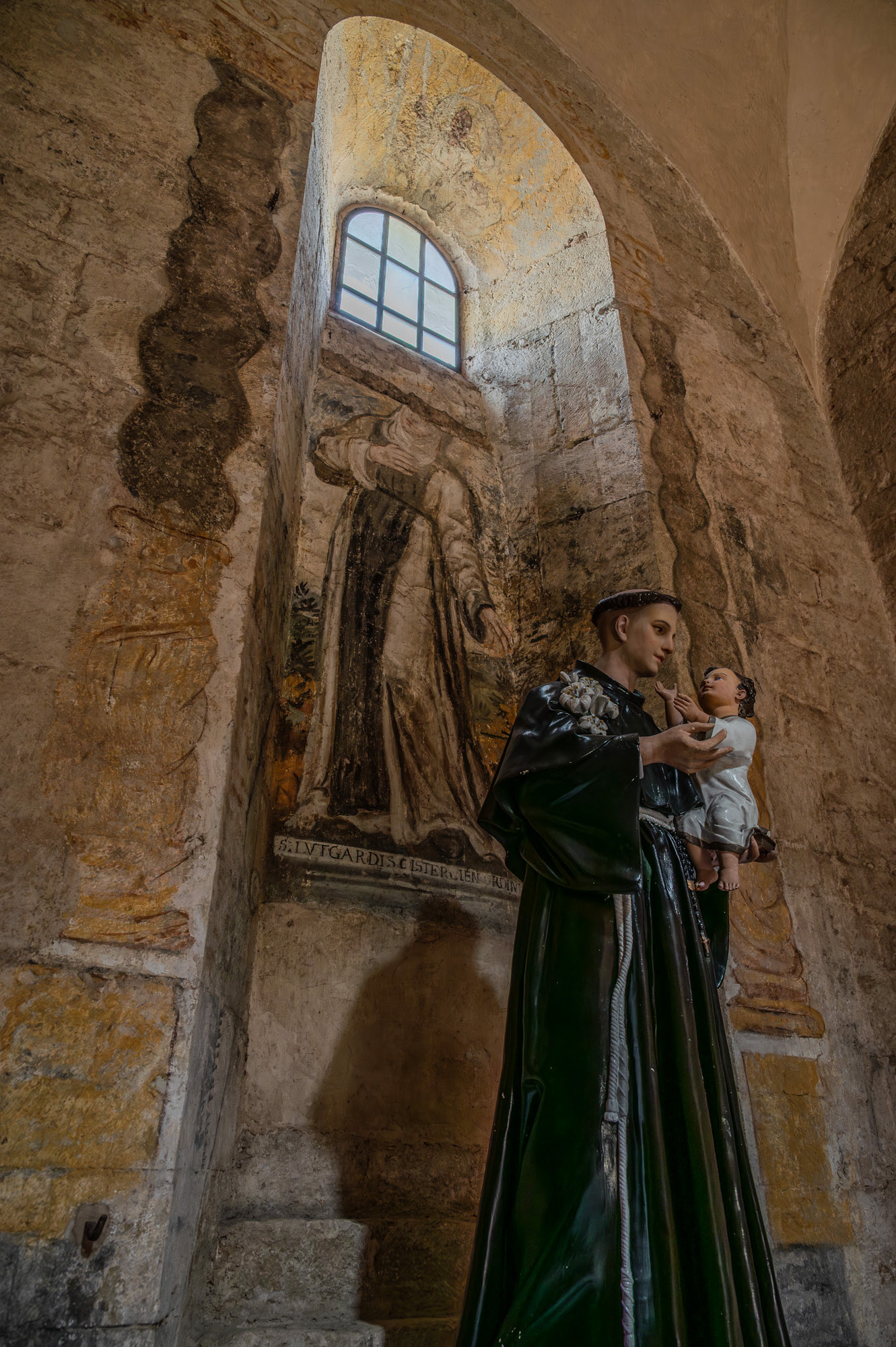


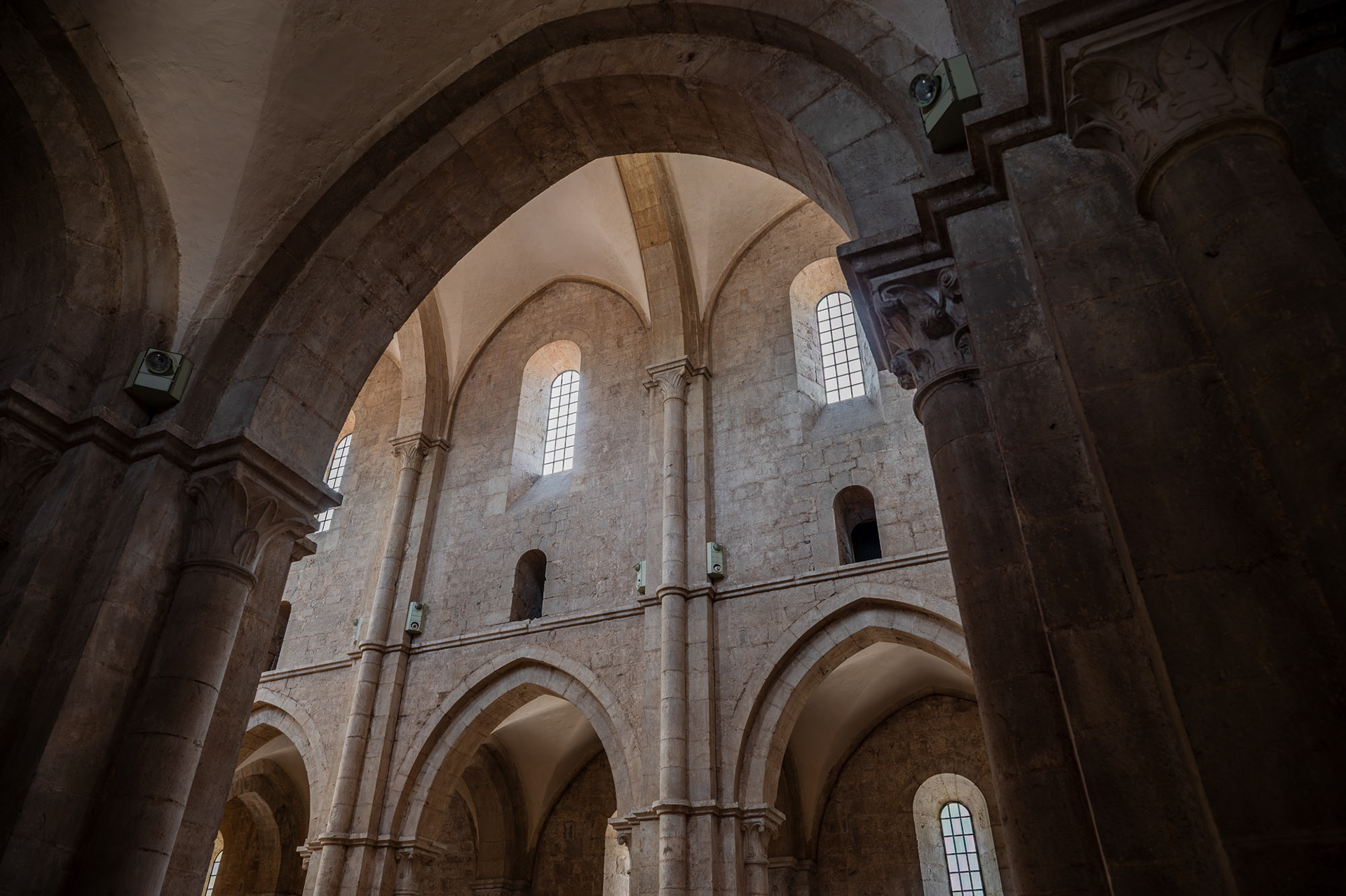
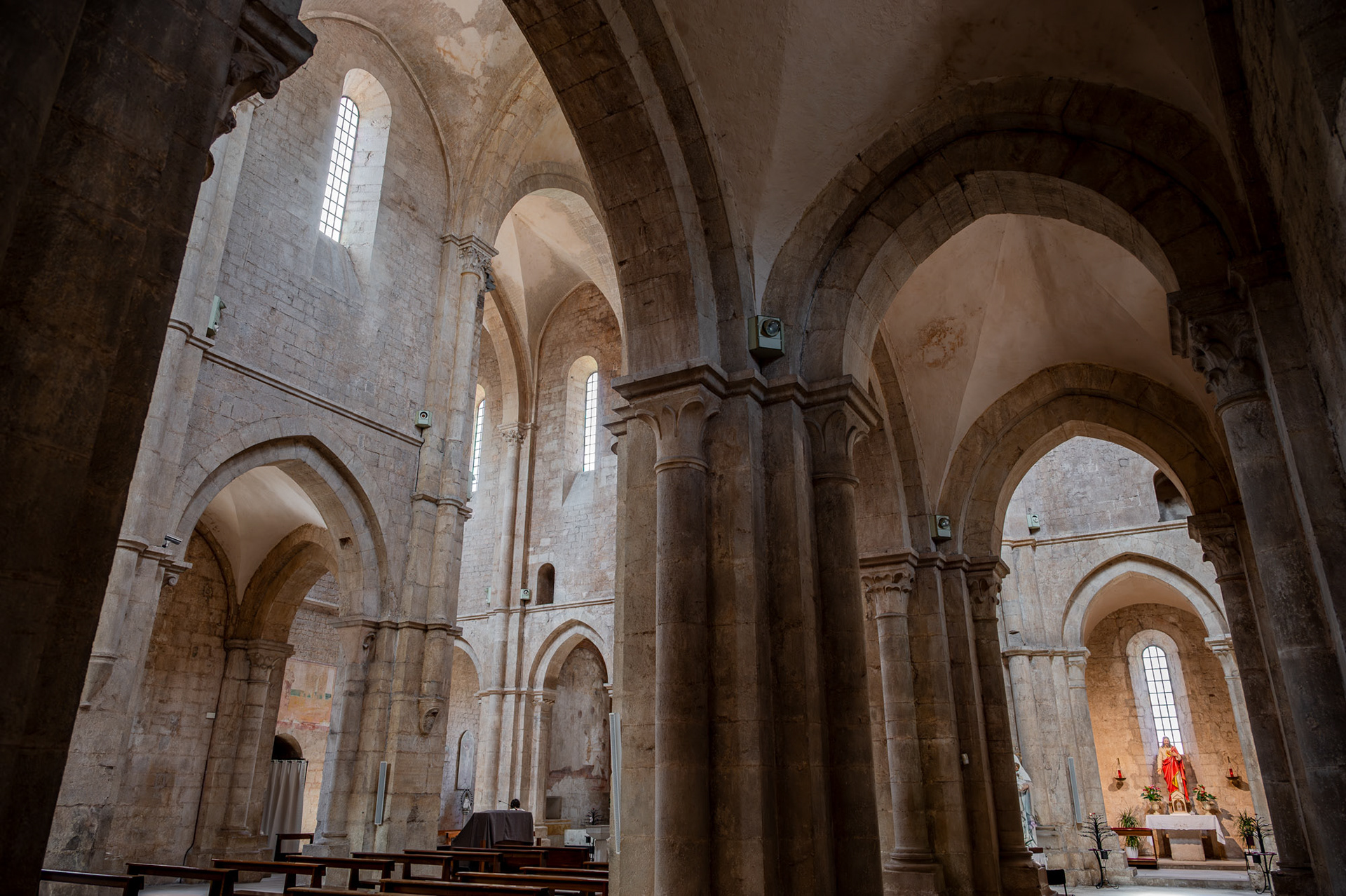

Fossanova Abbey is located in the municipality of Priverno, 5 km south of the city center, in the province of Latina. The surrounding area has the appearance of a vicus and takes its name from a sewer that in the early days of the small village (now a hamlet of Priverno) was called Fossa Nova. Declared a "national monument" in 1874, Fossanova Abbey is the oldest example of Cistercian art in Italy and, together with Casamari Abbey, one of its highest expressions. The complex was born at the end of the 12th century from the transformation of a pre-existing Benedictine monastery, perhaps dating back to the 6th century, of which a faint trace remains above the rose window of the church. The ancient monastery, built on the ruins of a Roman villa, was in fact ceded in 1134 by Pope Innocent II to some Burgundian monks, led by Saint Bernard of Clairvaux, who followed the rigid rule resulting from the Citeaux reform (1098) based on the original Benedictine orthodoxy. The abbey complex known as a remake of the Benedictine one is made up of the cloister, the heart of the entire organism, the church of Santa Maria, the Chapter House with the monks' dormitories above, the refectory, the kitchen and the dormitories of the lay brothers. The pilgrims' house, the cemetery and the infirmary complete the complex. Consecrated in 1208, it preserves the bare architecture, the magnificent rose window and lantern and the finely sculpted capitals, testifying to the pre-eminent role played in the area. The buildings of the monumental complex are fenced so as to appear like a village, further enriched by the remains of a Roman villa from the 1st century BC, visible right in front of the church. In the 18th century the abbey was called Badia del For Appio. In one of the abbey's rooms, the monks' products are sold, from food to wines and liqueurs. From 1935 to 2017, a community of Conventual Friars Minor (Franciscans) lived in the abbey. Since 2017, the care of the abbey and the parish has been entrusted to the fathers of the Institute of the Incarnate Word, with the help of the Sisters Servants of the Lord and the Virgin of Matará, by the same Religious Family.