You may also like

2025
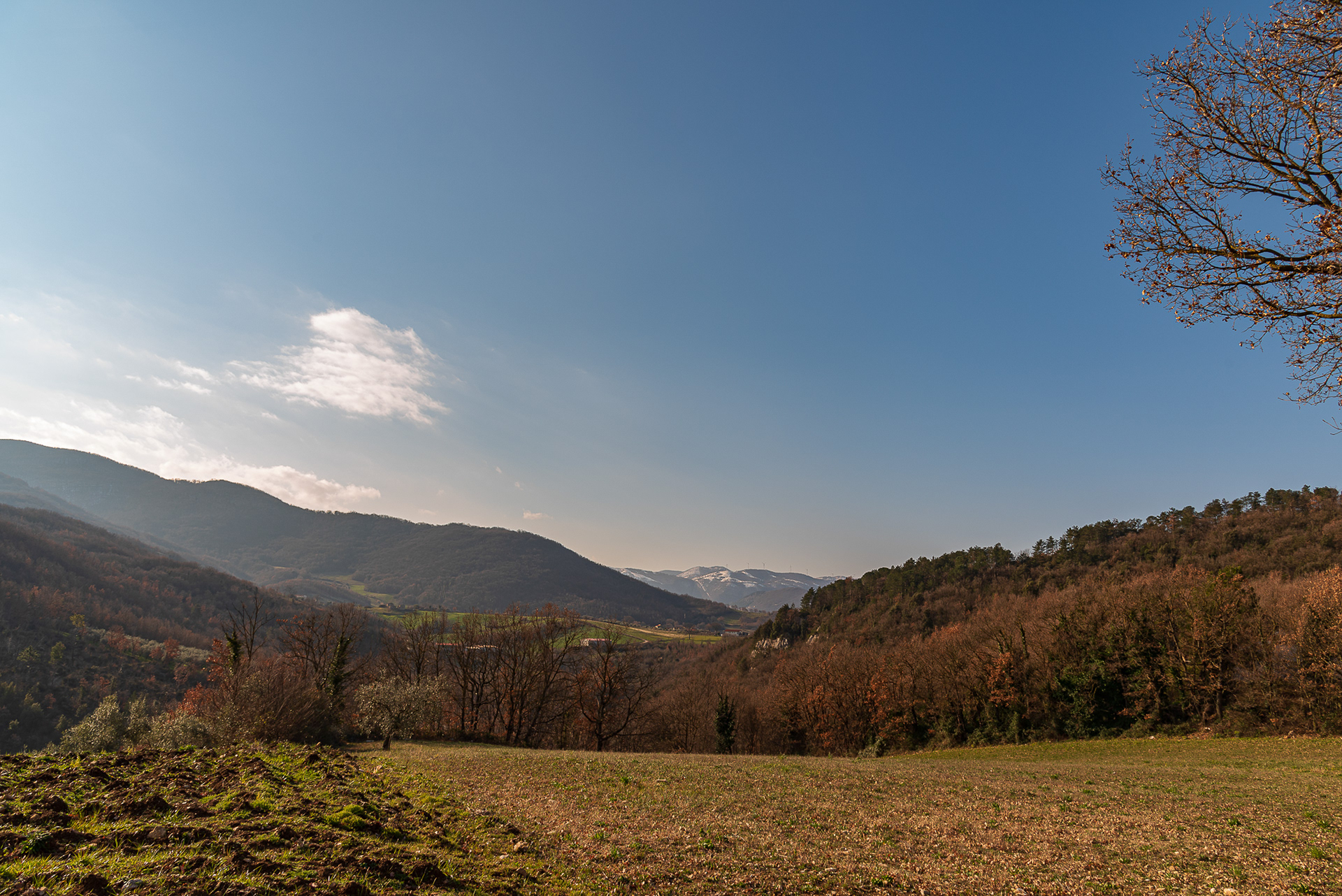
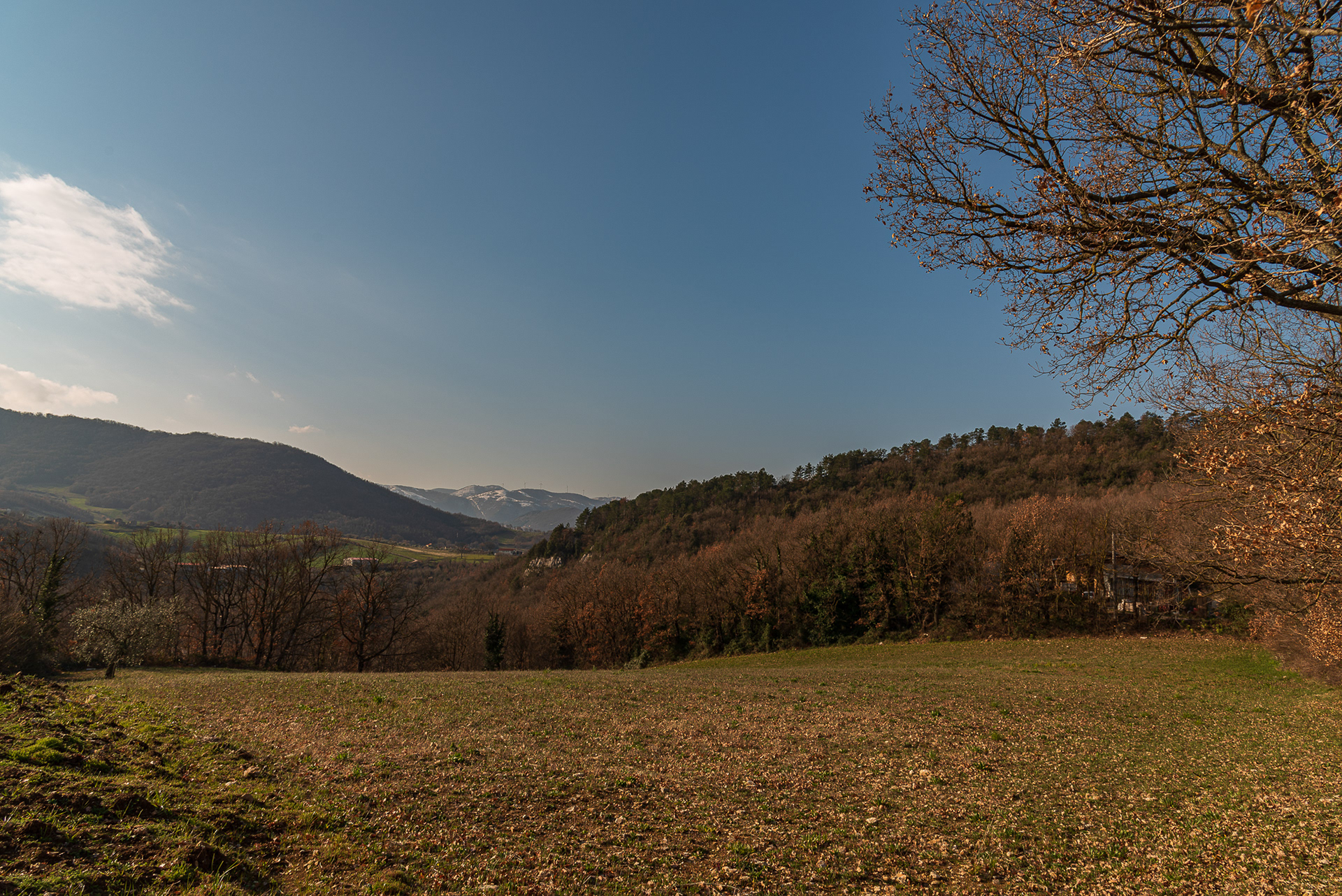
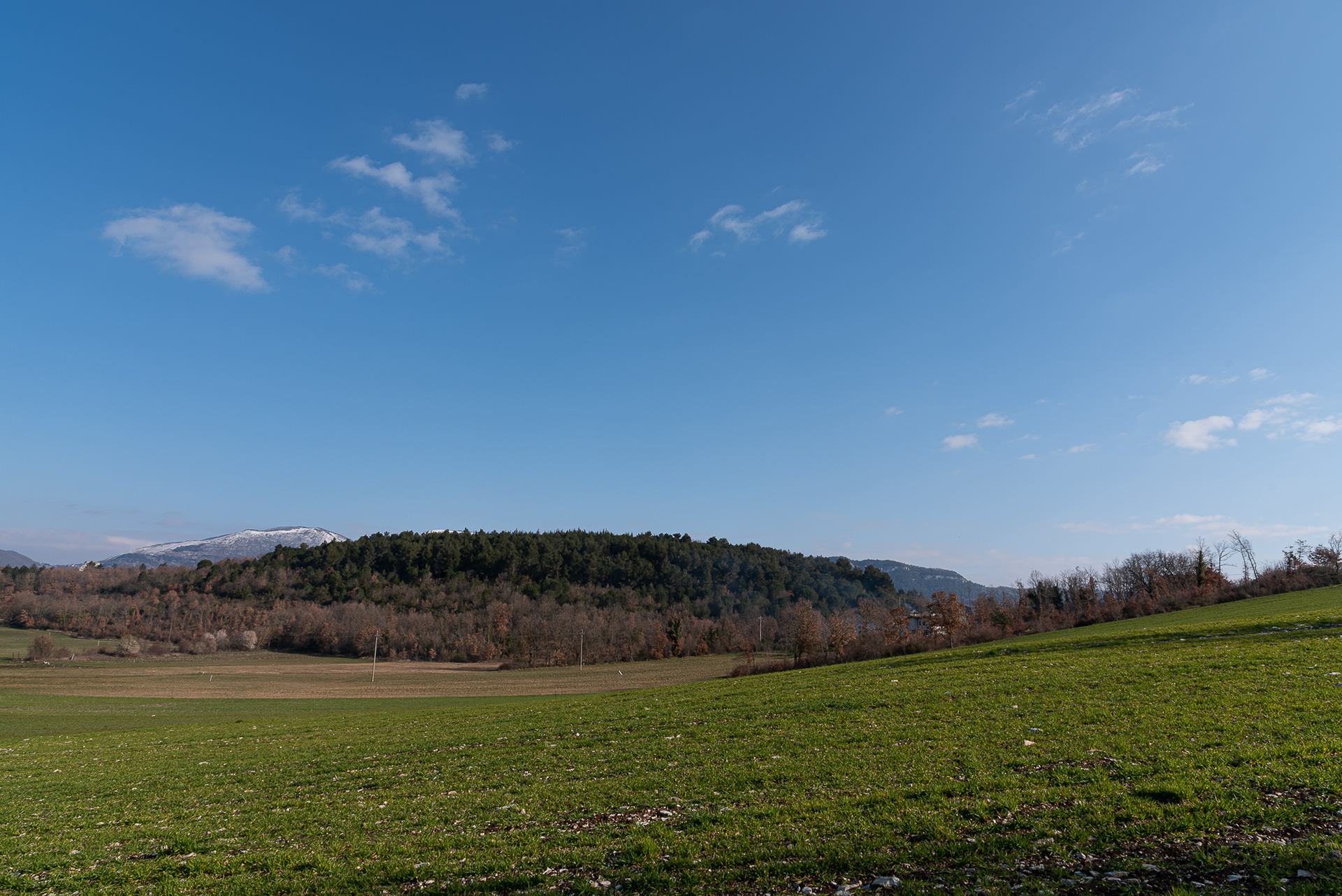
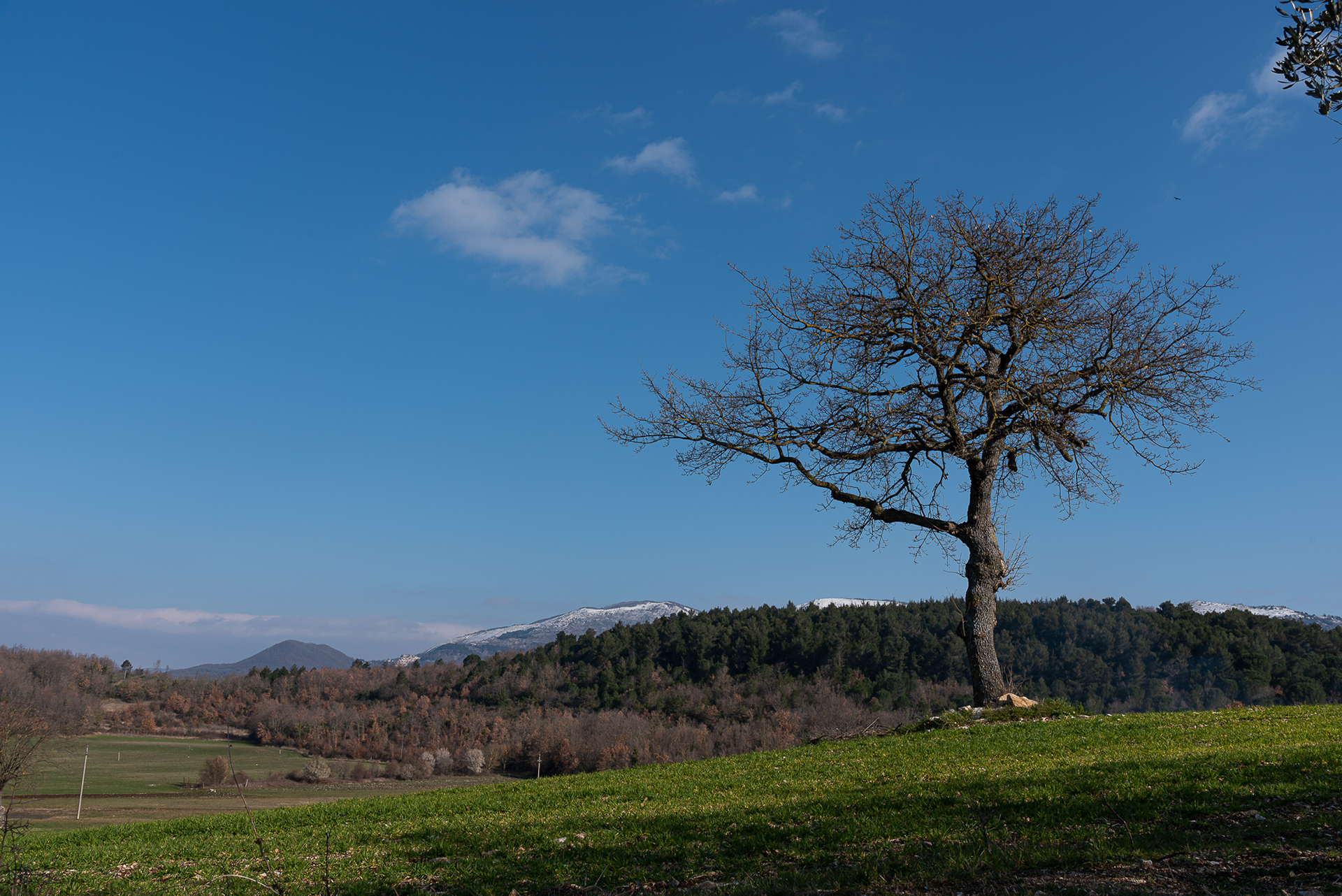
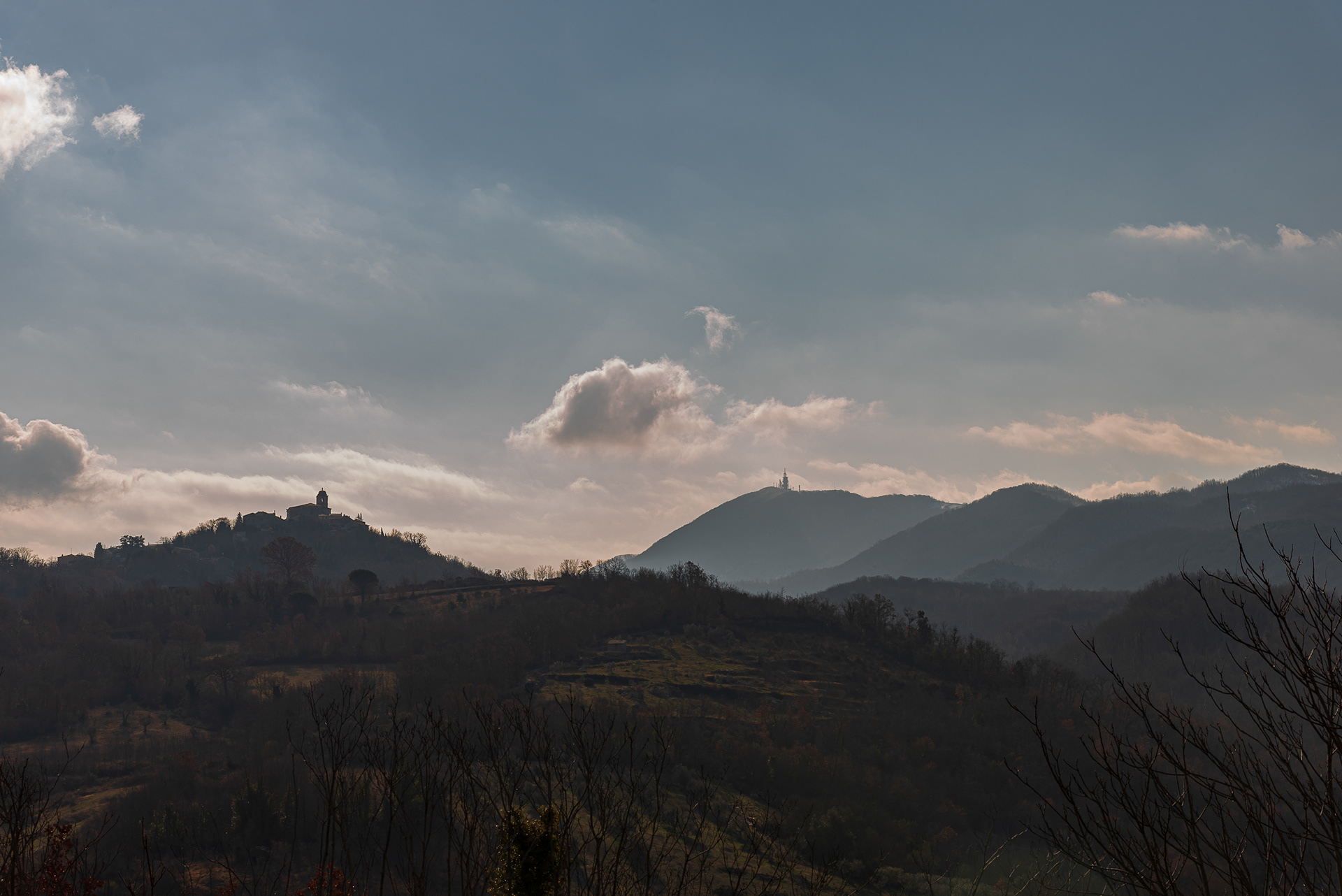
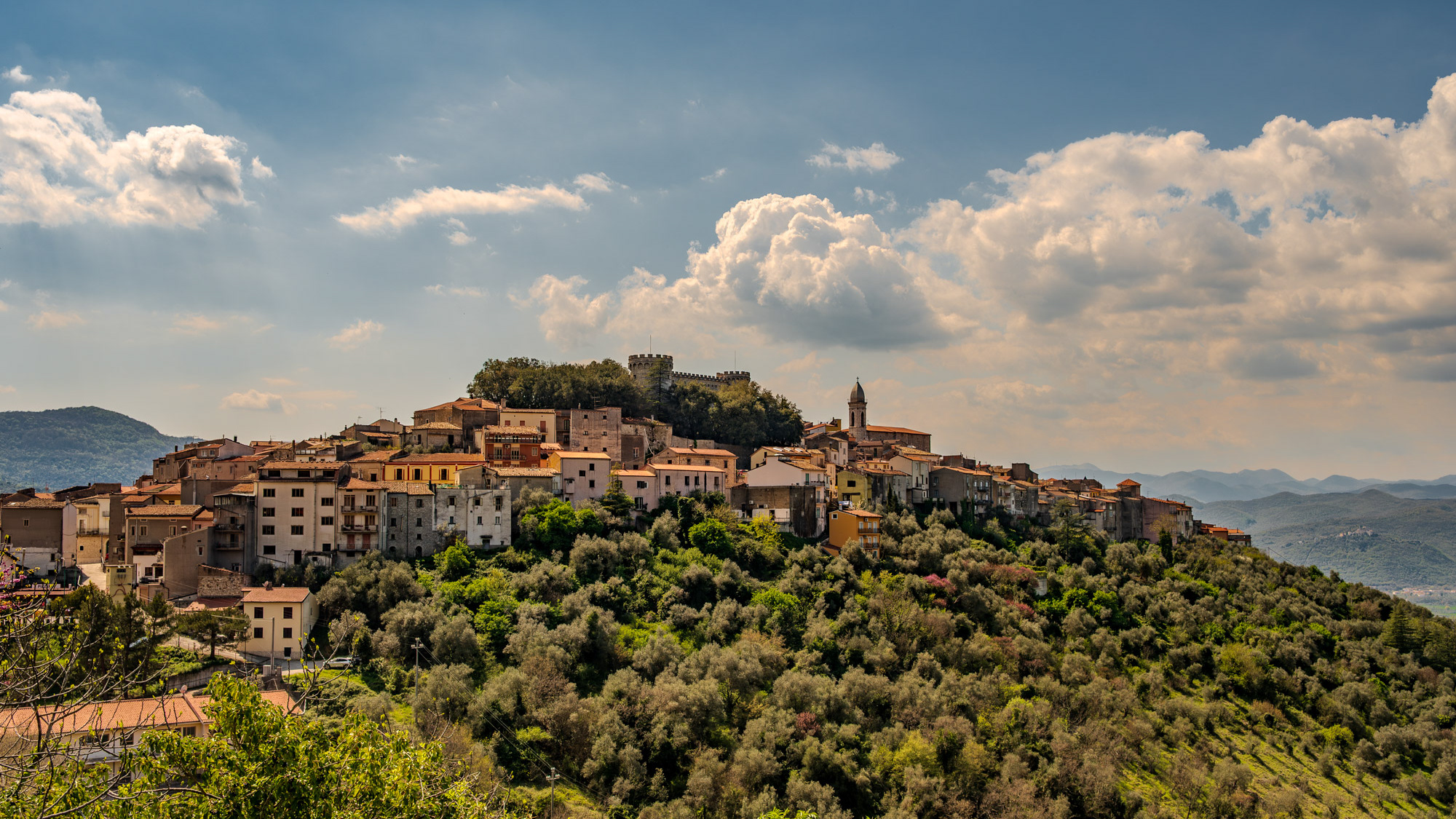
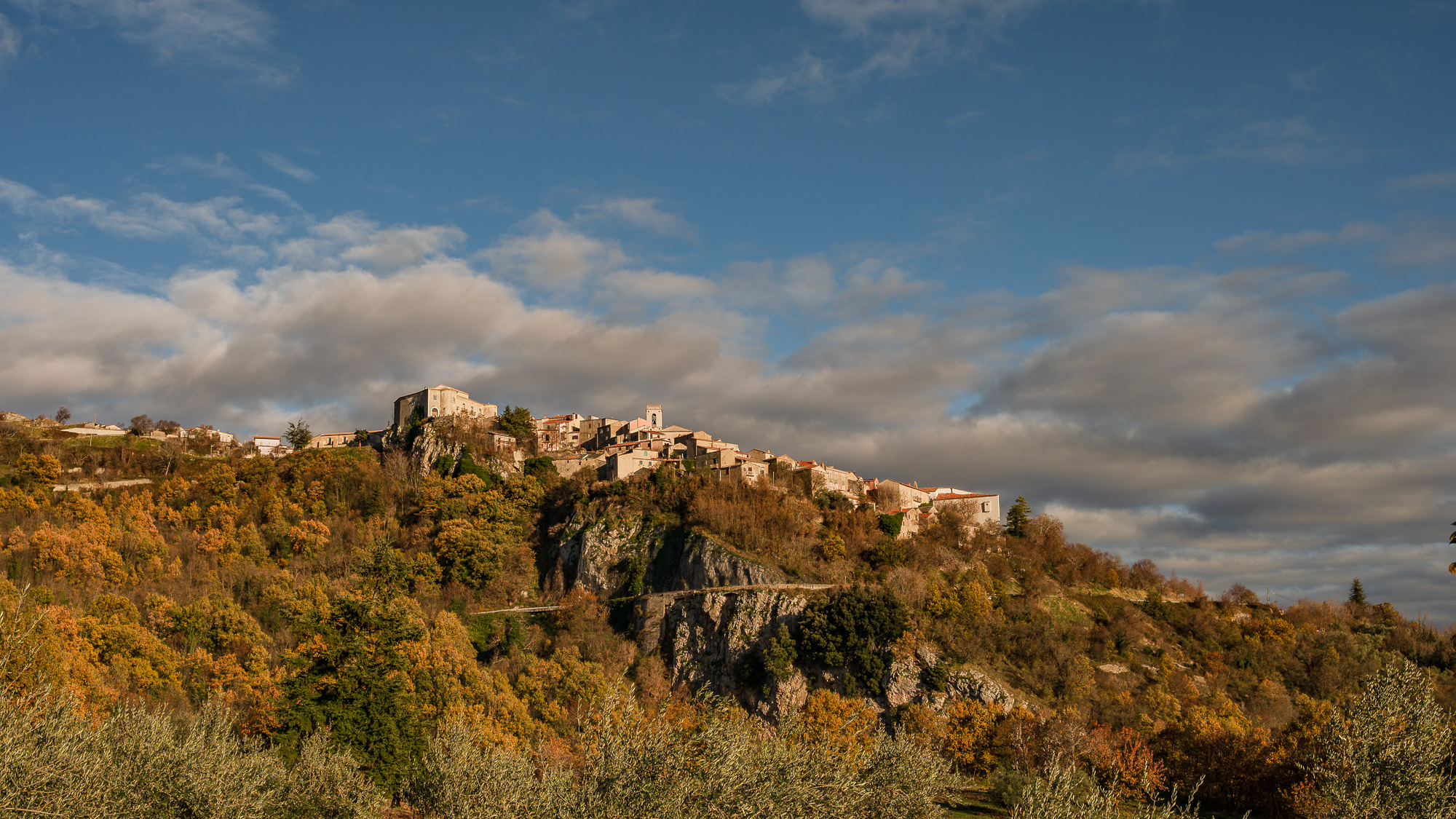
Monteroduni. Spectacular spring views
Monteroduni is an Italian town in the province of Isernia in Molise. Situated on a hill at about 460 meters in a very panoramic position, it stands out for its Pignatelli Castle.
2023
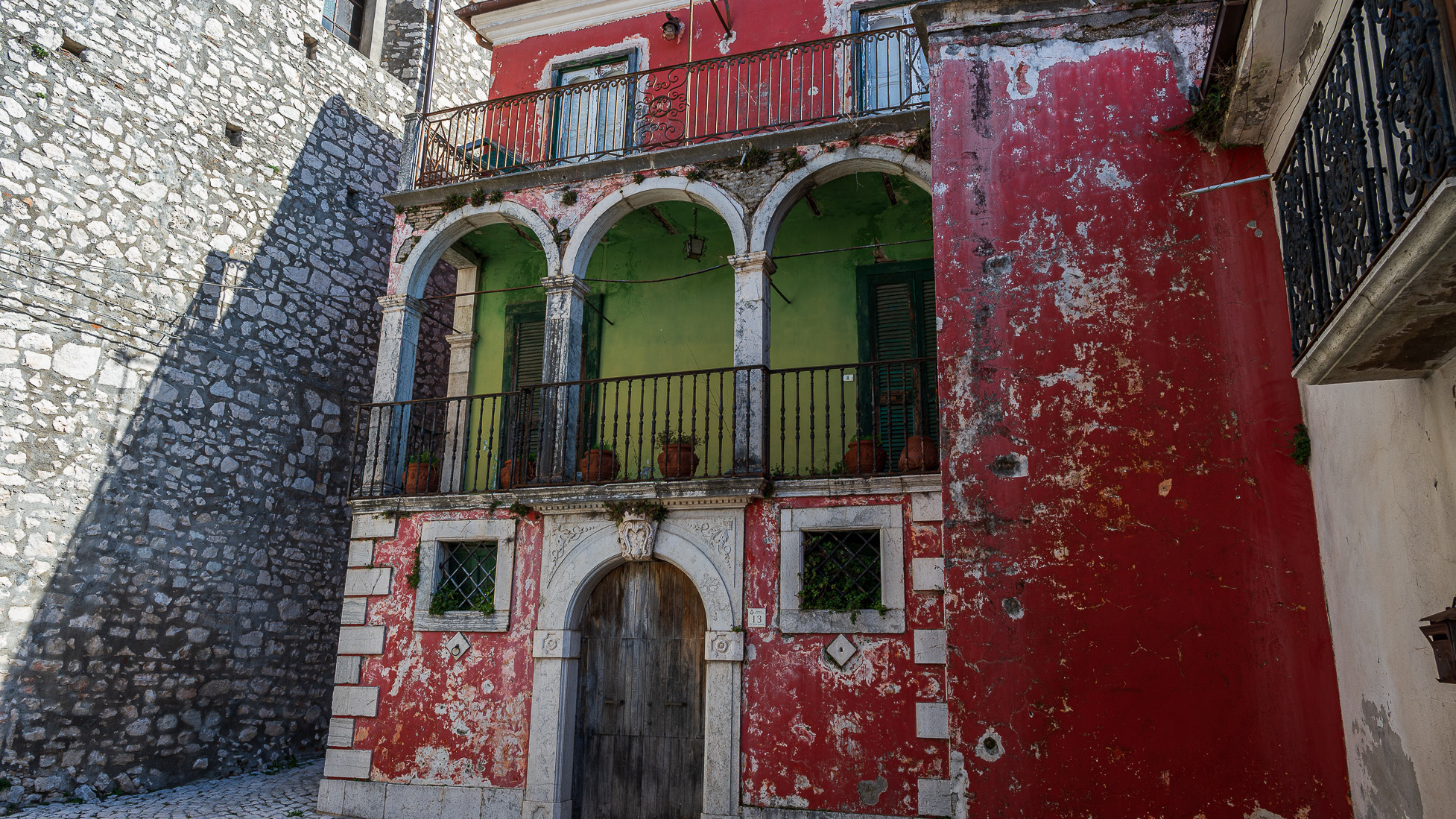
Macchia d'Isernia. Glimpses and panoramas
Macchia d'Isernia is an Italian town of 1,008 inhabitants in the province of Isernia in Molise. The most important monuments are the baronial castle D'Alena and the church of San Nicola di Bari.
2022
Capracotta. Parish Church of S. Maria in Cielo Assunta
It is located on the highest part of the town, in the Terra Vecchia district, and was the seat of the collegiate church. It is not known what the current church was like, which is the result of a total renovation in 1725. The antiquity of the church is testified by a bas-relief of the bell tower, which bears the symbol of the Tree of Life, from the Renaissance period, the adjacent walls, with the portal of the chapel of the Visitation, show holes for the bells. The stone bell tower, with a square plan, has its current appearance, the result of the restoration of 1898. The baptismal font in walnut wood, with gold decorations, restored in 1980, and a stone font can also be attributed to the archaic church. In the 18th century the civic coat of arms was moved to the main altar by the Town Hall, and the church became the symbol of the entire Capracottese community.
2018
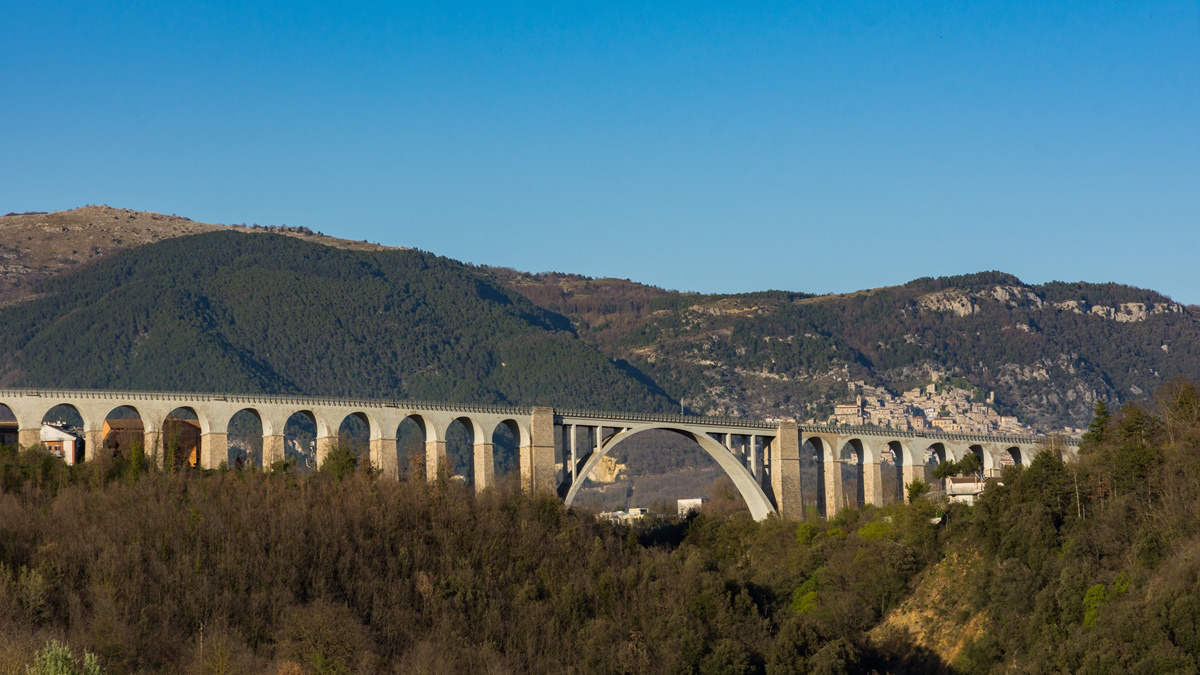
Isernia - Ponte S. Spirito
2025
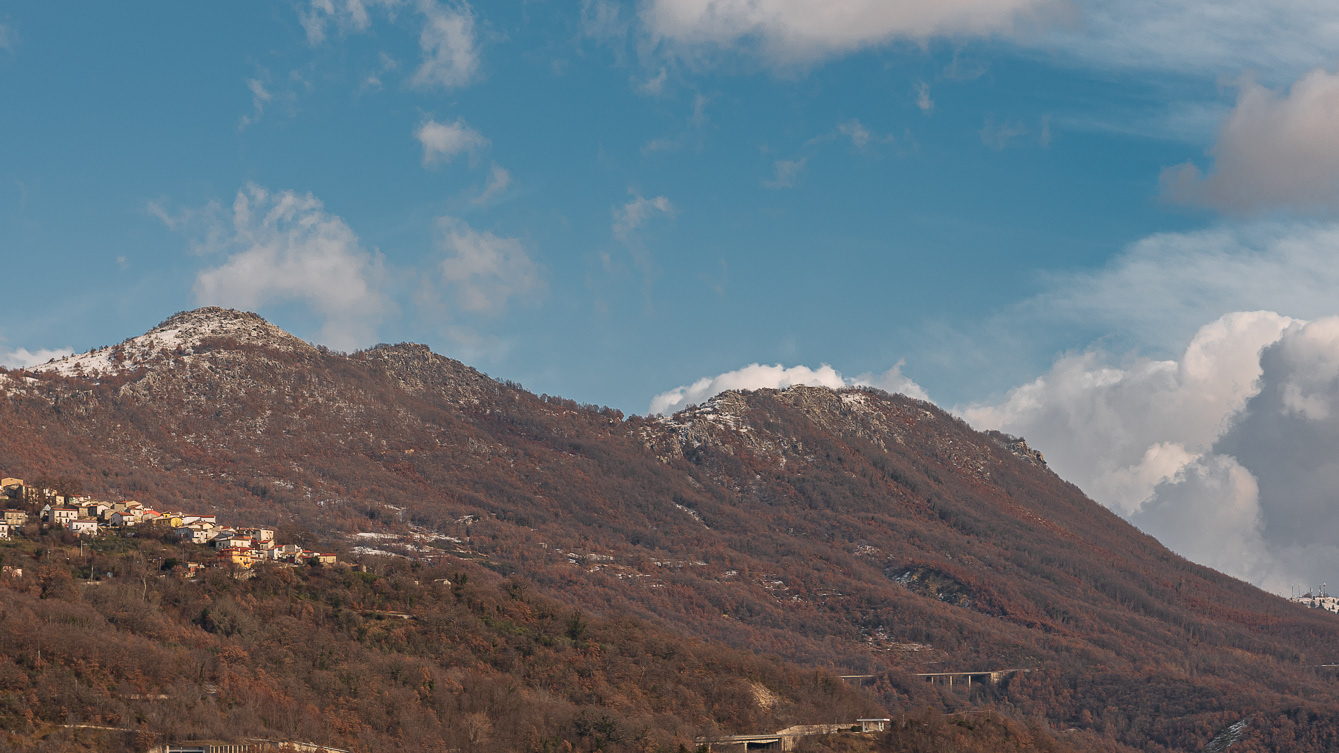
Agnone. Winter landscape 2024
2026
Castelpetroso. Views of the historic center.
2015
Molise - Pietrabbondante (IS) Il Teatro Italico
Il teatro e tempio italico di Pietrabbondante fanno parte di una vasta area archeologica ricadente nel territorio comunale di Pietrabbondante, in provincia di Isernia, nella regione Molise. Ubicati a circa m. 966 di altitudine s.l.m. essi occupano un ripido declivio che si affaccia sulla valle del Trigno, in località Calcatello, a circa un chilometro di distanza, in linea d'aria, dalla vetta del monte Saraceno. La zona non è attraversata da alcun tracciato stradale di grande comunicazione; sono individuabili tracce di un antico sentiero esistente tra il moderno abitato di Pietrabbondante ed il vicino monte Saraceno, già praticato in antico, una direttrice stradale che ancora oggi segue l’andamento del ripido pendio e, costeggiando il lato orientale del monte, rappresenta l’unica via di accesso all'area fortificata posta in vetta. L’area sacra rappresenta, per le sue caratteristiche architettoniche e per la sua monumentalità, la testimonianza archeologica di maggior rilievo della cultura della popolazione italica dei Samnites Pentri, e la sua esplorazione sistematica ha consentito di ricostruire le vicende storiche del territorio attraverso i secoli ed ha fornito una quantità rilevante di dati sul più importante luogo di culto dello stato sannitico.
2022
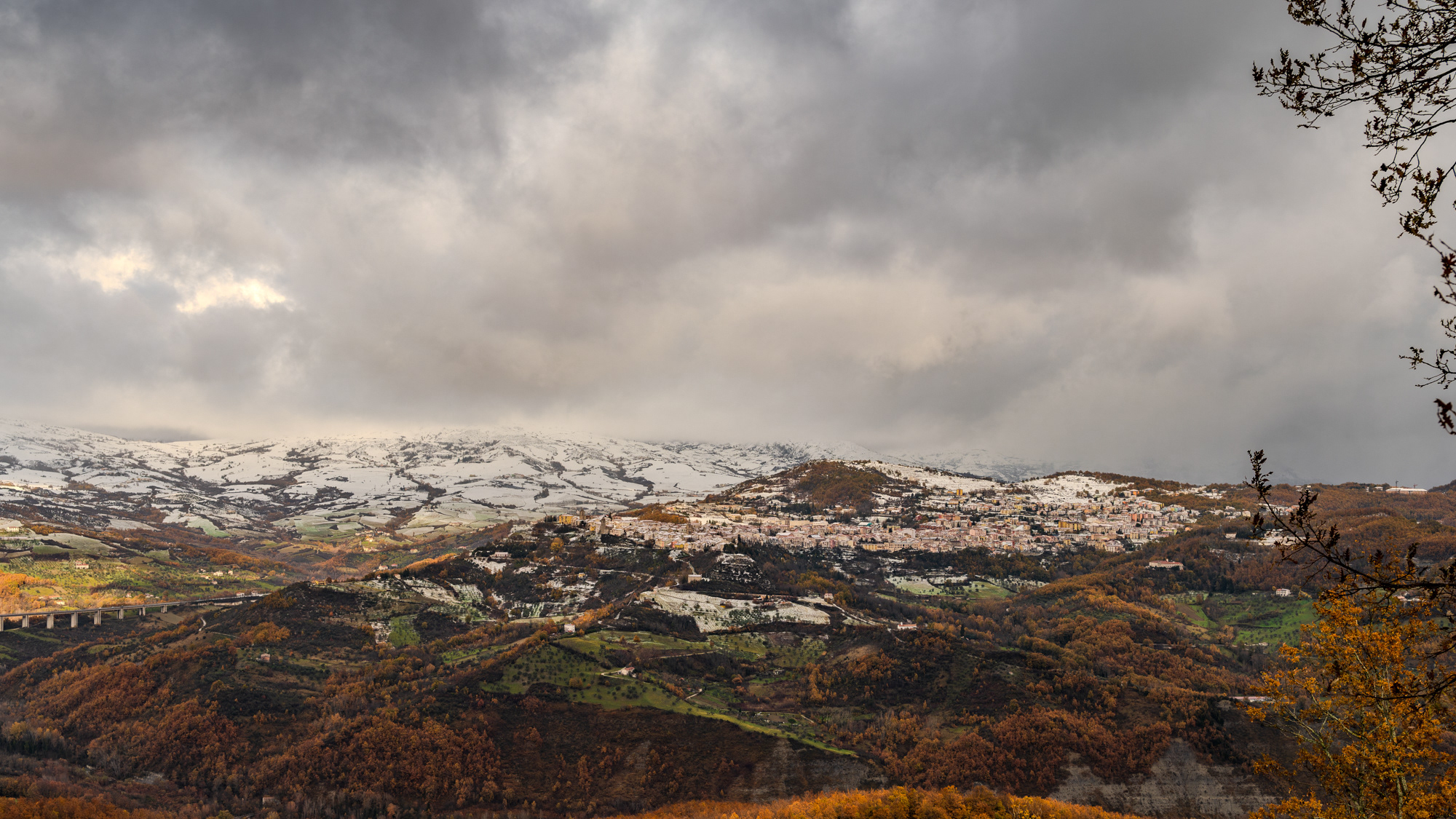
Cerro al Volturno. Winter 2022
Cerro al Volturno (Cièrrë in Molise) is an Italian town of 1 194 inhabitants in the province of Isernia in Molise, about 20 km from the border with Abruzzo. The municipality is also simply called Cerro because of its territory rich in oak woods, among which the Cerro, Quercus cerris, stands out. The Cerrese territory is on the border with the National Park of Abruzzo, Lazio and Molise. The climate is mainly of the Apennine type: cool and rainy autumn, cold and snowy winter and mild summer. The town was founded by the Samnites (III century BC), of which fortifications remain at Mount Santa Croce. In medieval times the hill of the present village was colonized by peasants (9th century), since the fiefdom depended on the nearby Abbey of San Vincenzo al Volturno. The origin of the community itself is linked to the influence of the abbey of San Vincenzo al Volturno, one of the oldest Benedictine monasteries in the Kingdom of Naples and in the land of San Pietro, together with Montecassino and Farfa. Cerro already existed since 899, as evidenced in the Chrnicon Vulturnense, when Roffredo, abbot of San Vincenzo led the first peasant colony to cultivate the lands in the place of Cerrum, from the name of the oak trees. The 11th century Norman castle was later owned by the Filangieri, Borrello and Cantelmo di Popoli family, until the 15th century, when it passed to the Pandone family, who renovated it extensively. In the following centuries the feud belonged to various families, including the Carafa. In 1811 the village passed to the territory of Benevento, and only in 1861 was it included again in Molise, first linked to the territory of Piedimonte Matese, and then to the area of Castellone Volturno, i.e. Castel San Vincenzo. Since 1970 it has been part of the province of Isernia.
2022
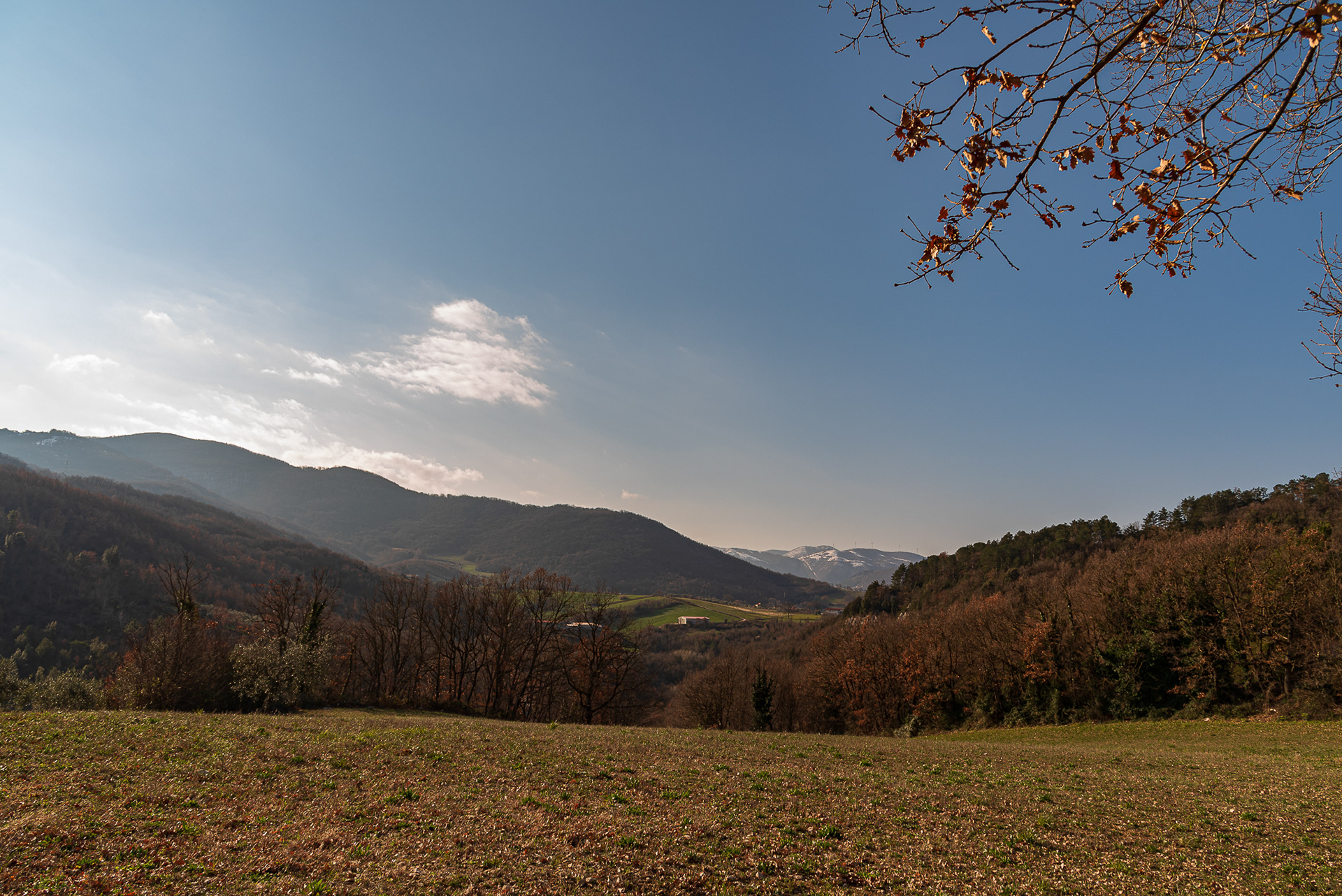
Castel San Vincenzo. The lake. Winter 2022
Castel San Vincenzo, Isernia, Molise, Italy. The lake. It is an artificial reservoir built at the end of the fifties for hydroelectric purposes. It occupies an area of 6.140 km². The lake of Castel San Vincenzo is an artificial reservoir built in the late 1950s for hydroelectric purposes. The lake occupies an area of 0.614 km² and has a useful capacity of 10 million cubic meters. The waters that feed the lake come mainly from the streams of the Montagna Spaccata in the nearby municipalities of Alfedena and Barrea. The waters of these streams feed the Enel power stations in Pizzone, Rocchetta a Volturno and Colli a Volturno. Although artificial, the lake is well harmonized with the surrounding landscape of mountains and woods. The aquatic fauna consists mainly of salmonids. Near the lake, where it is possible to engage in fishing and other water sports, there is an area equipped for camping and a riding stable.
2024
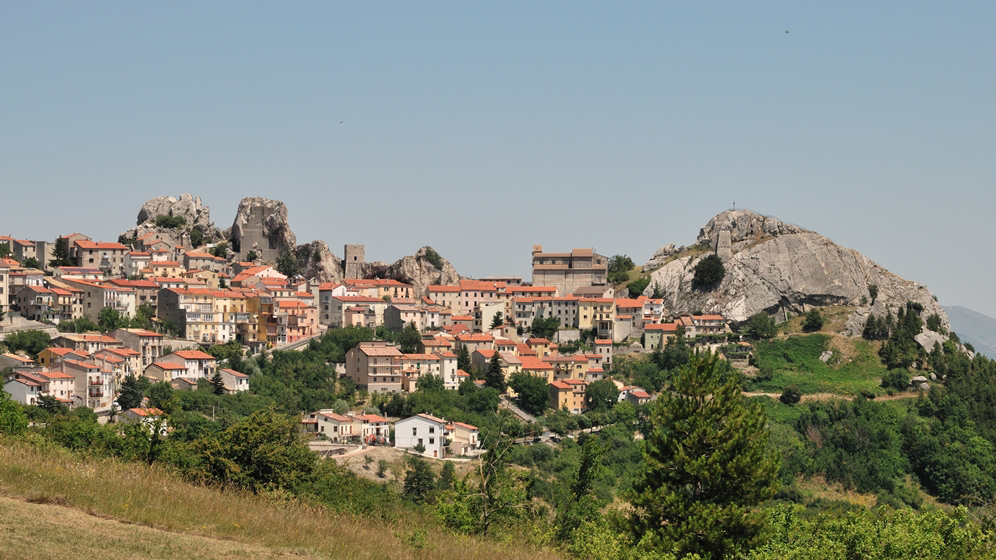
Macchiagodena. Glimpses of autumn.
Macchiagodena is an Italian municipality of 1,648 inhabitants in the province of Isernia in Molise.
Back to Top