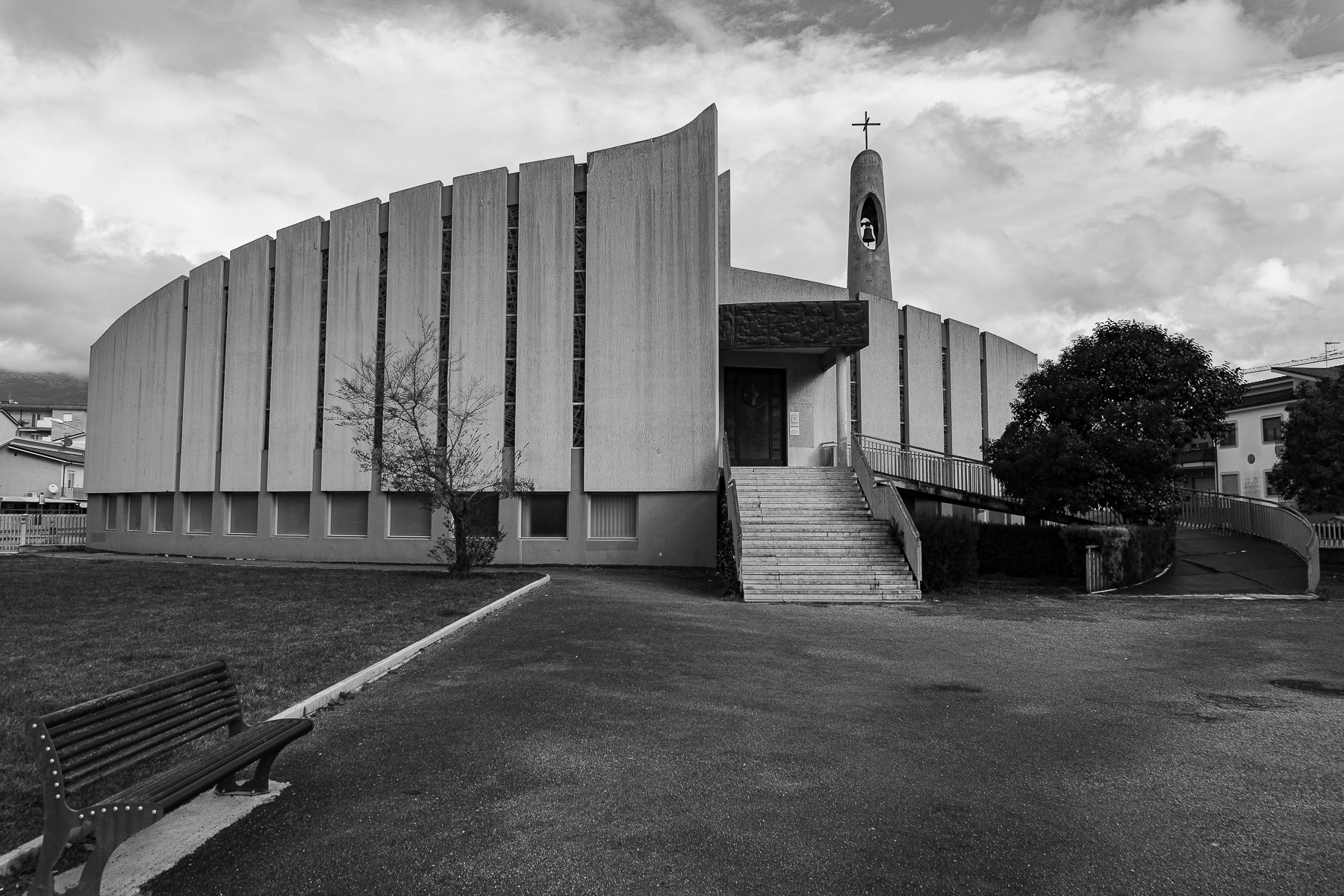
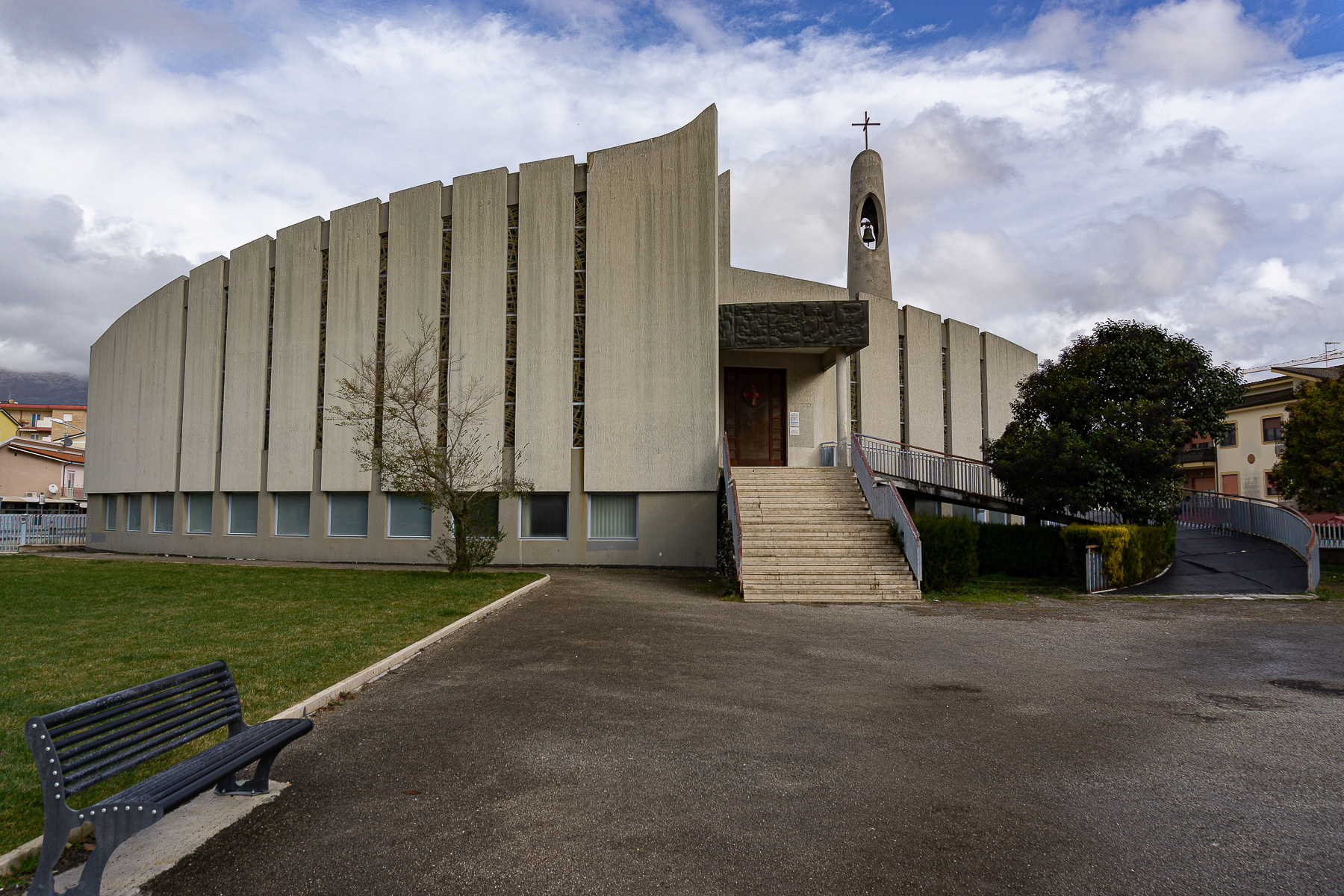
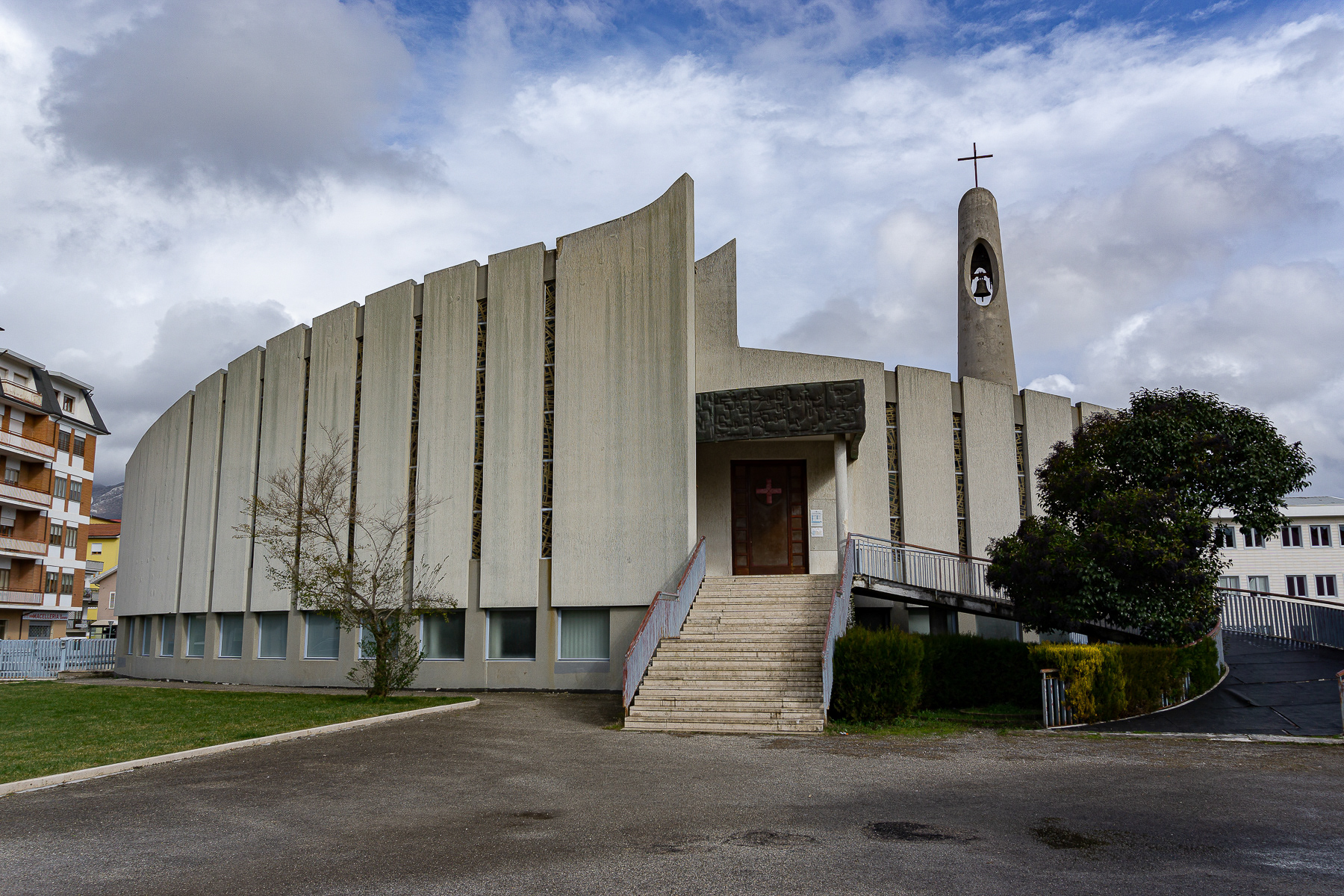
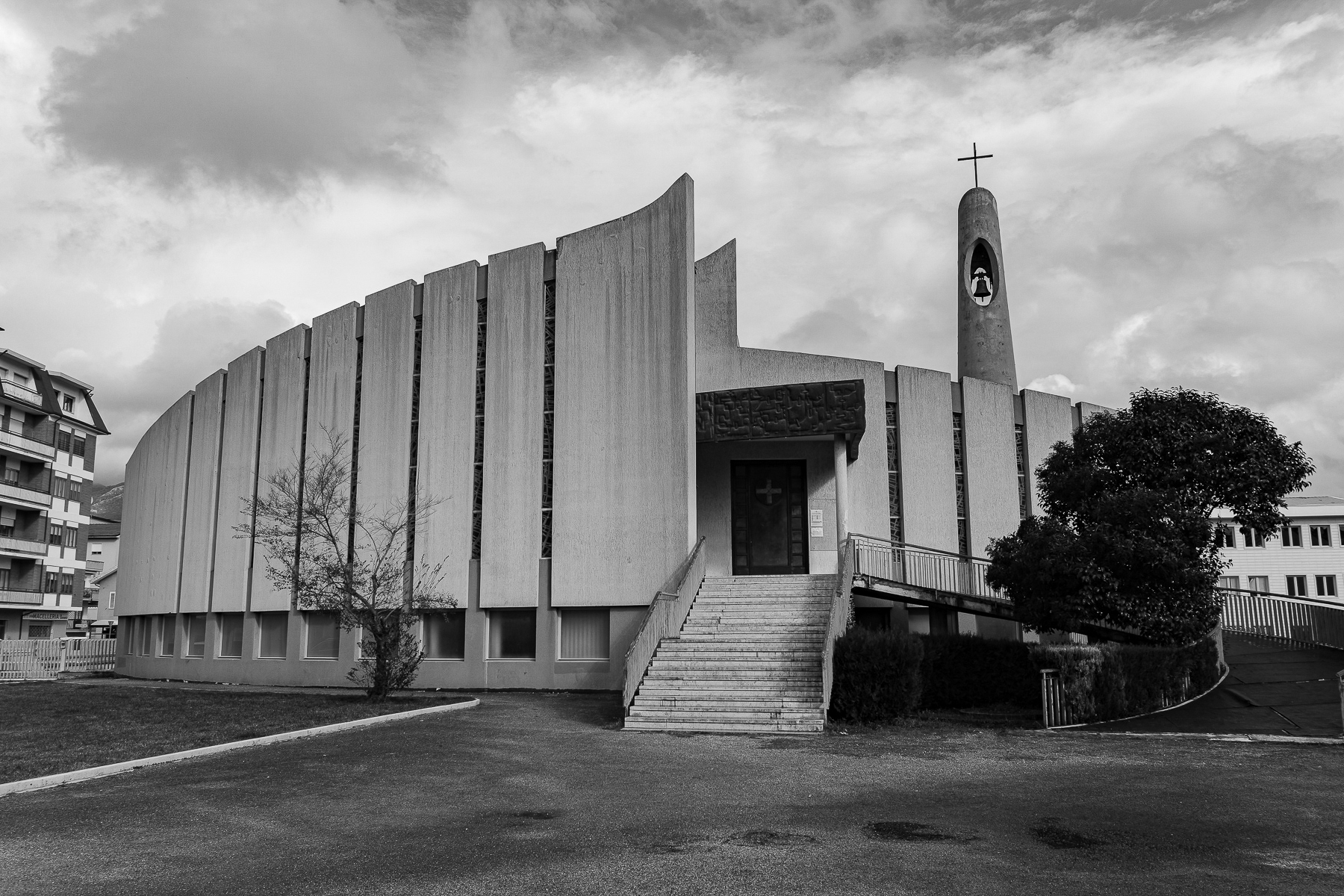
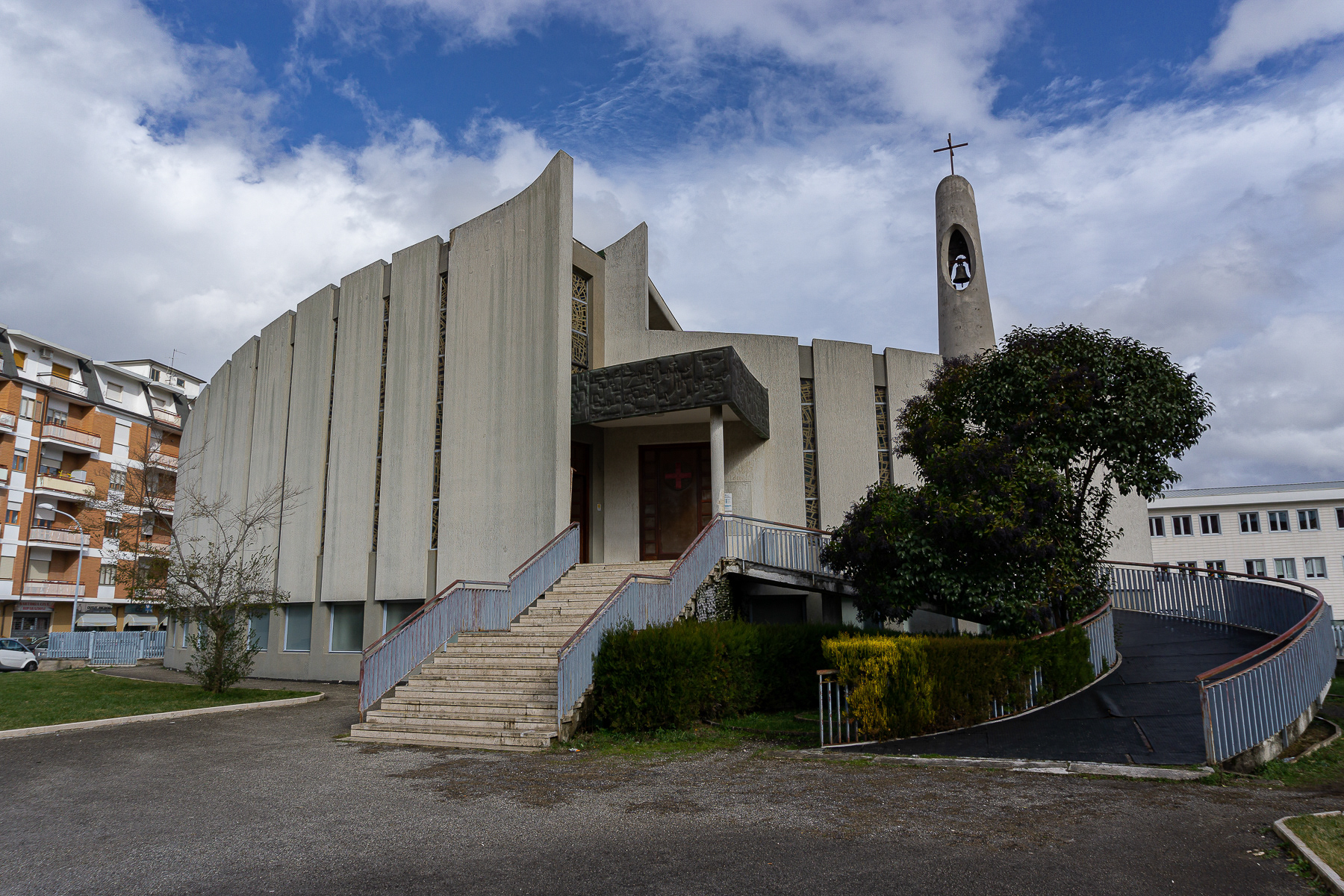
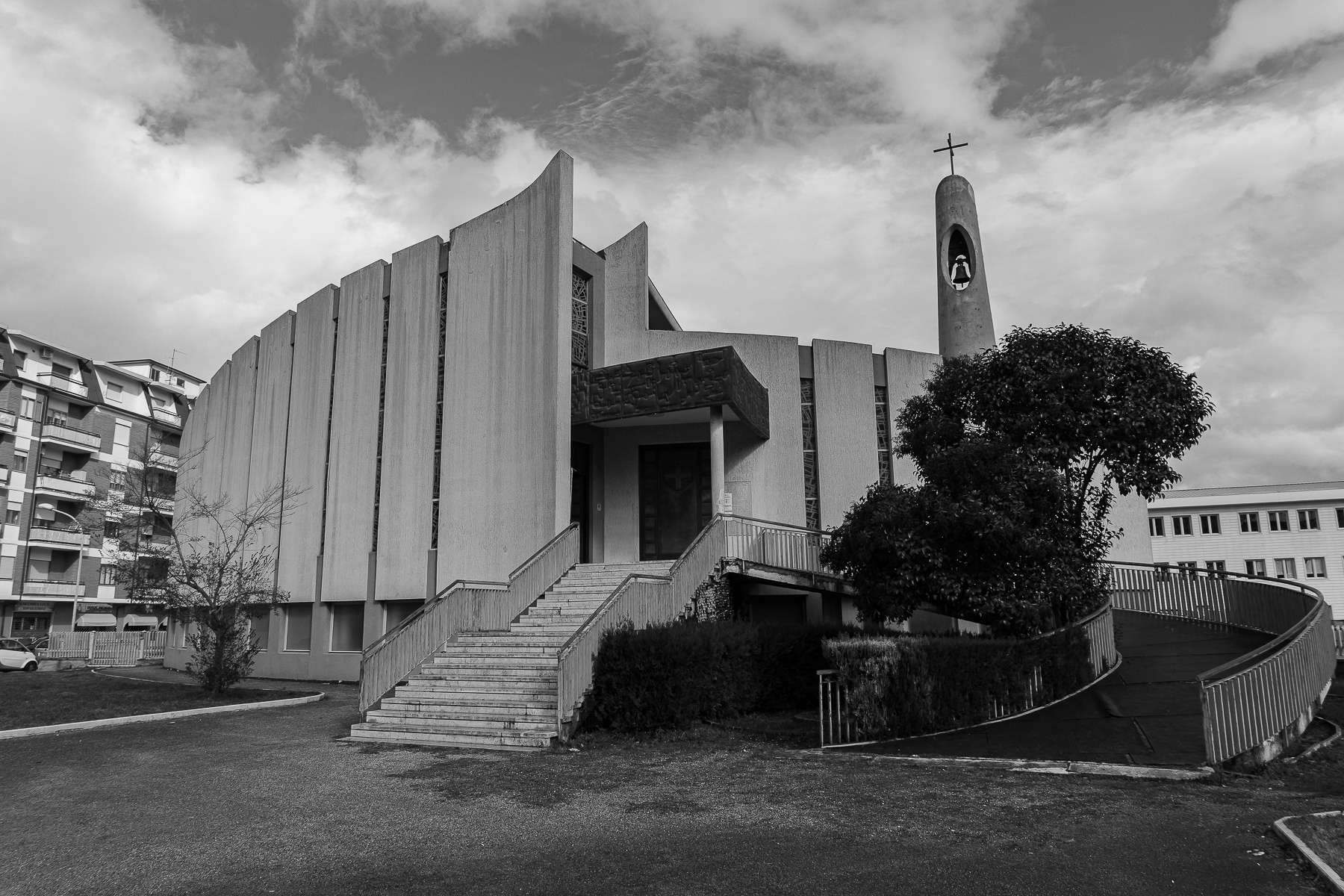
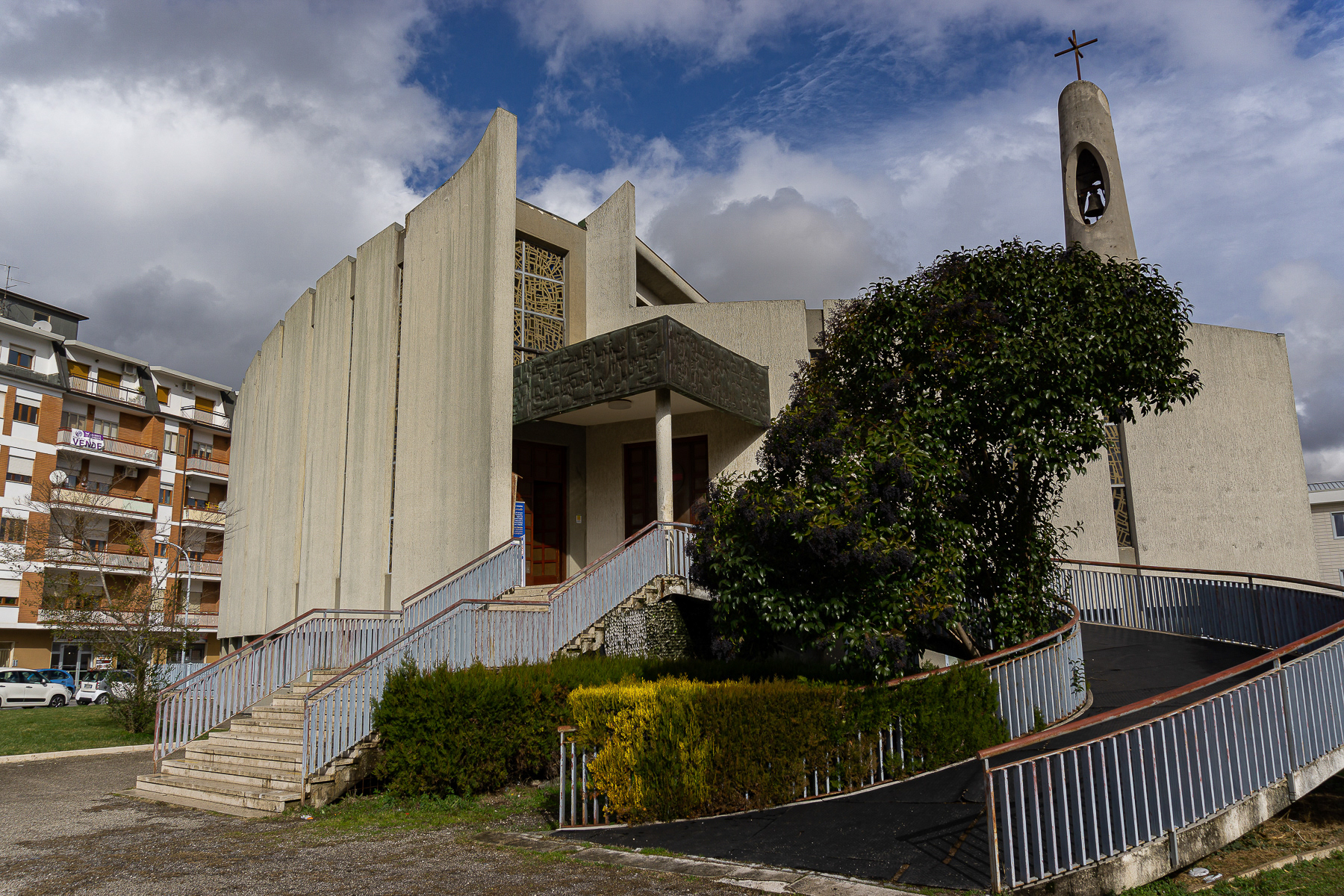
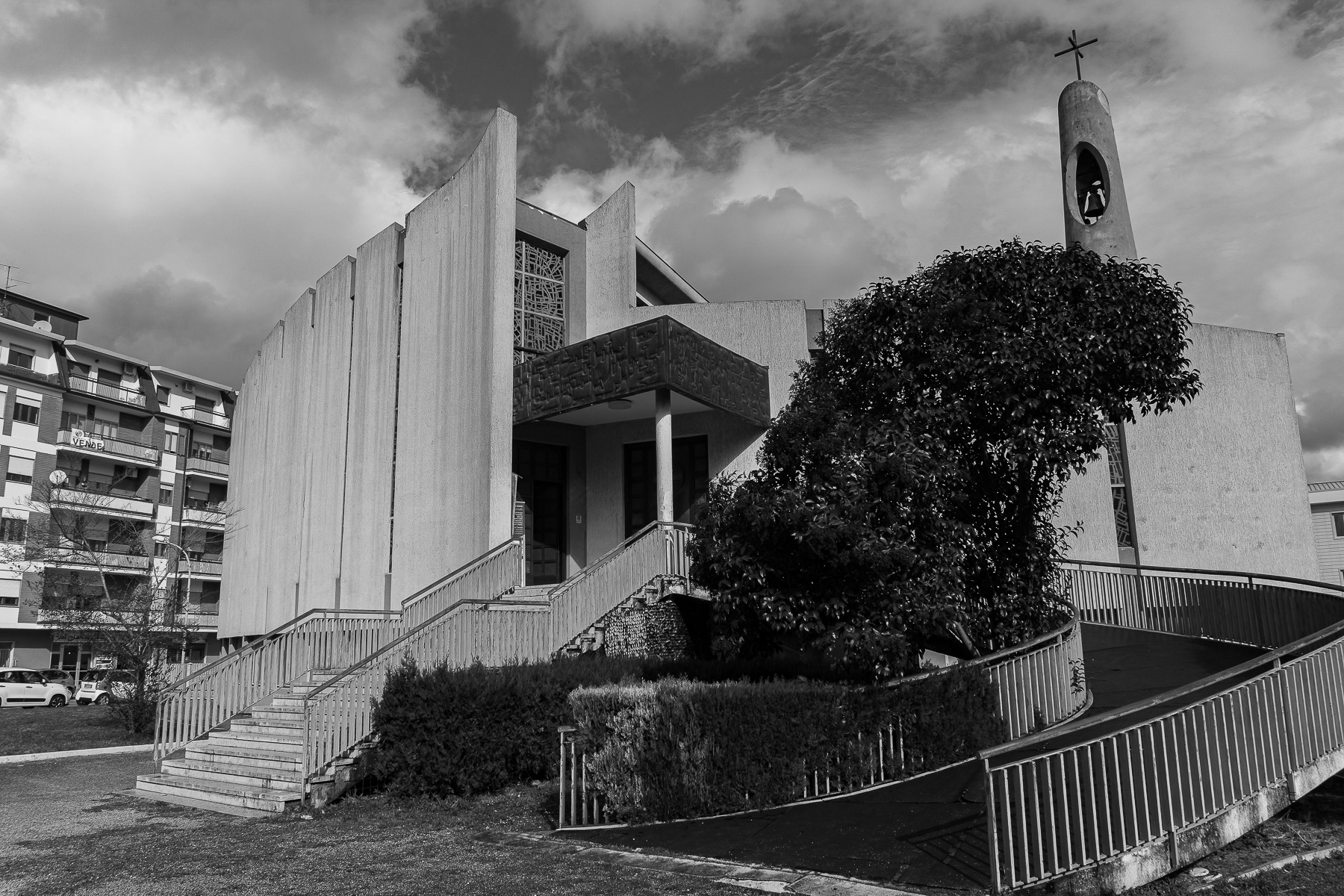
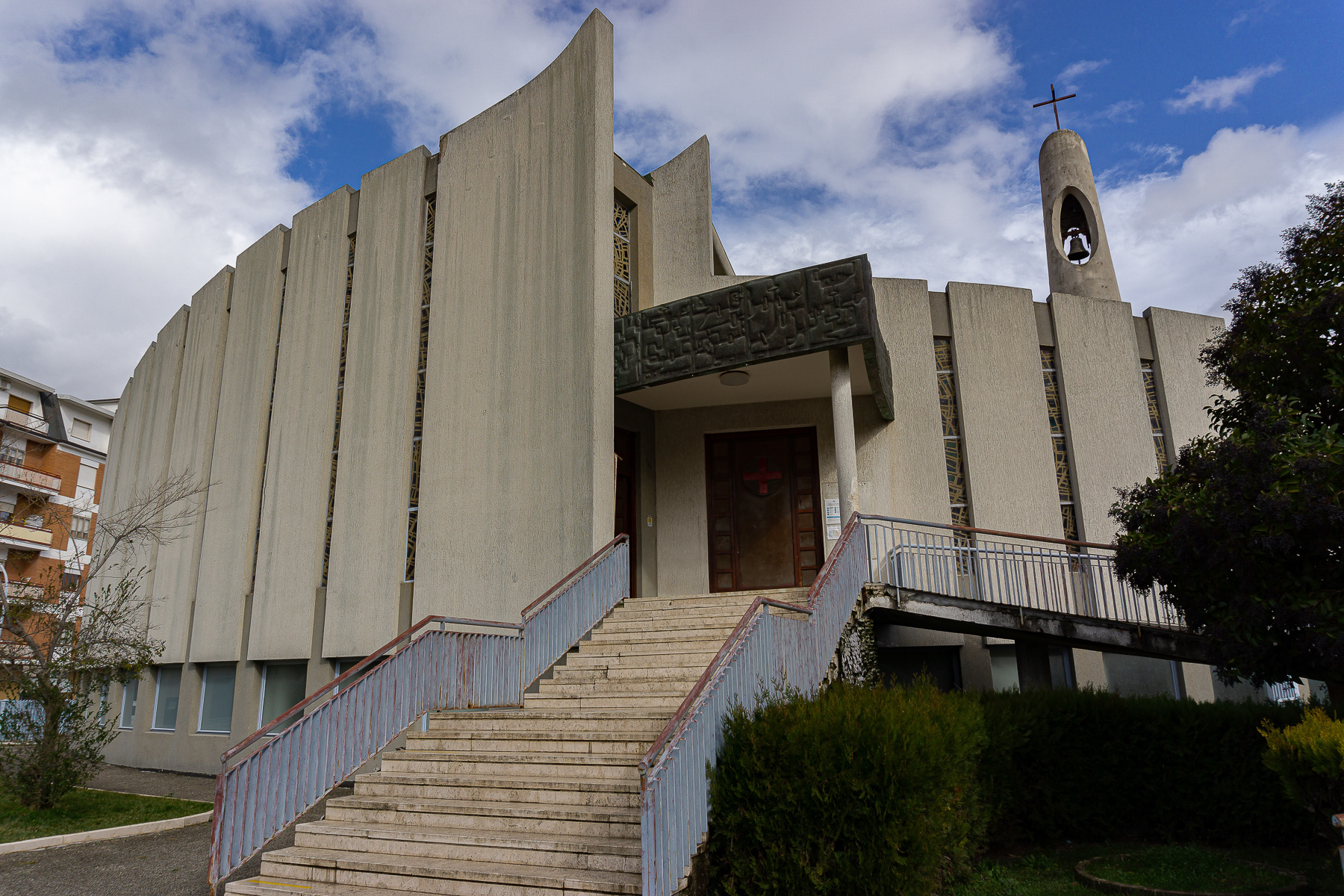
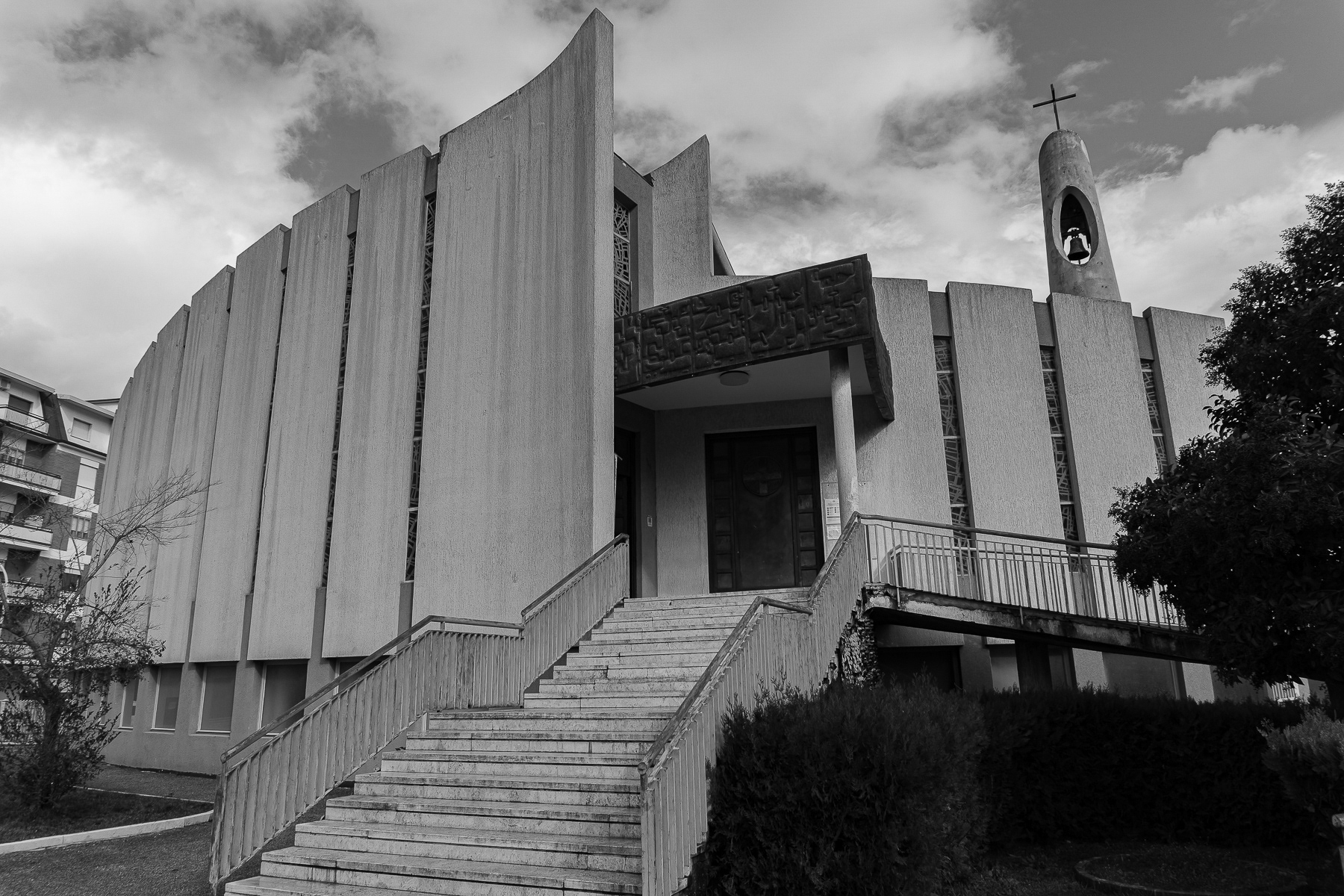
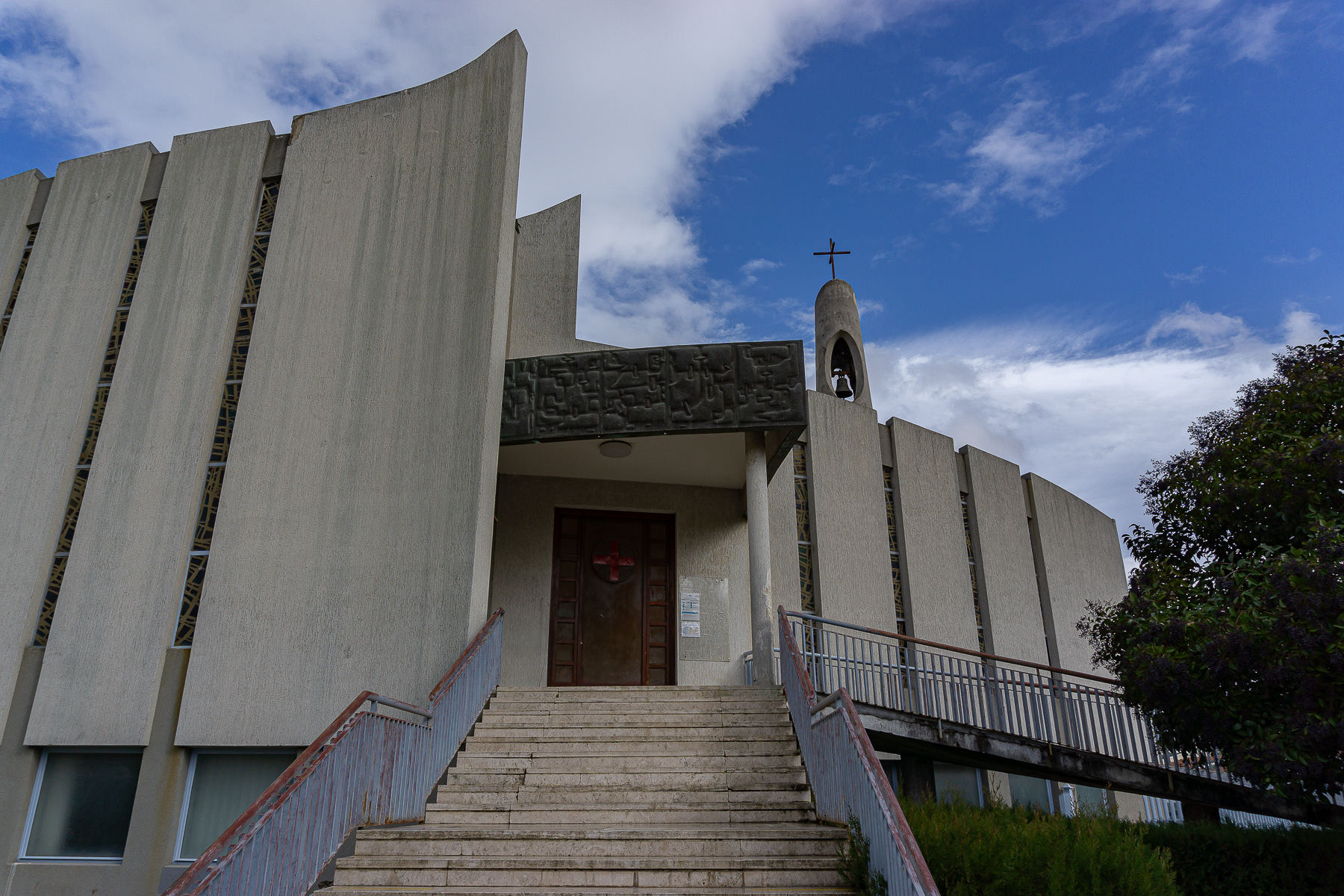
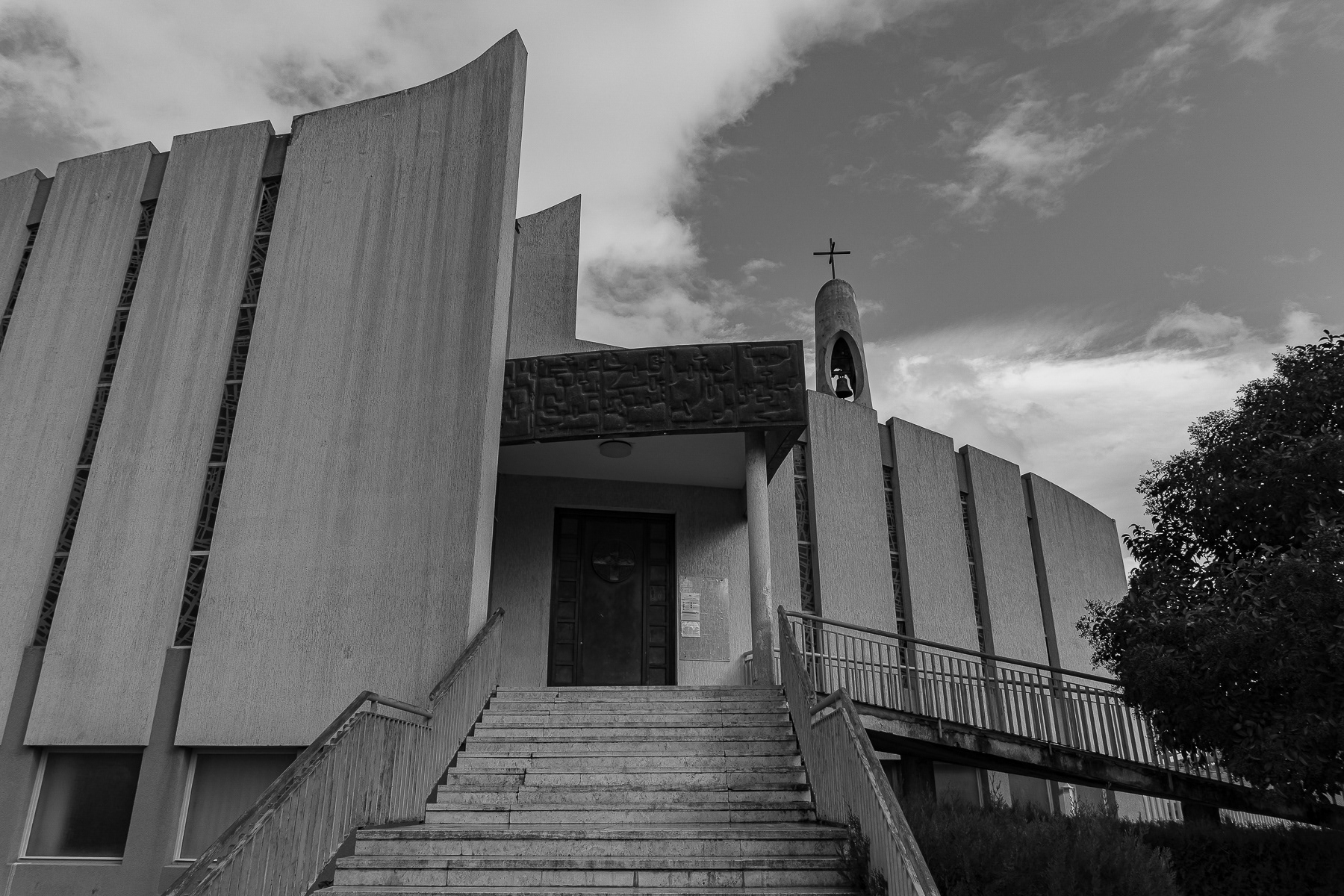
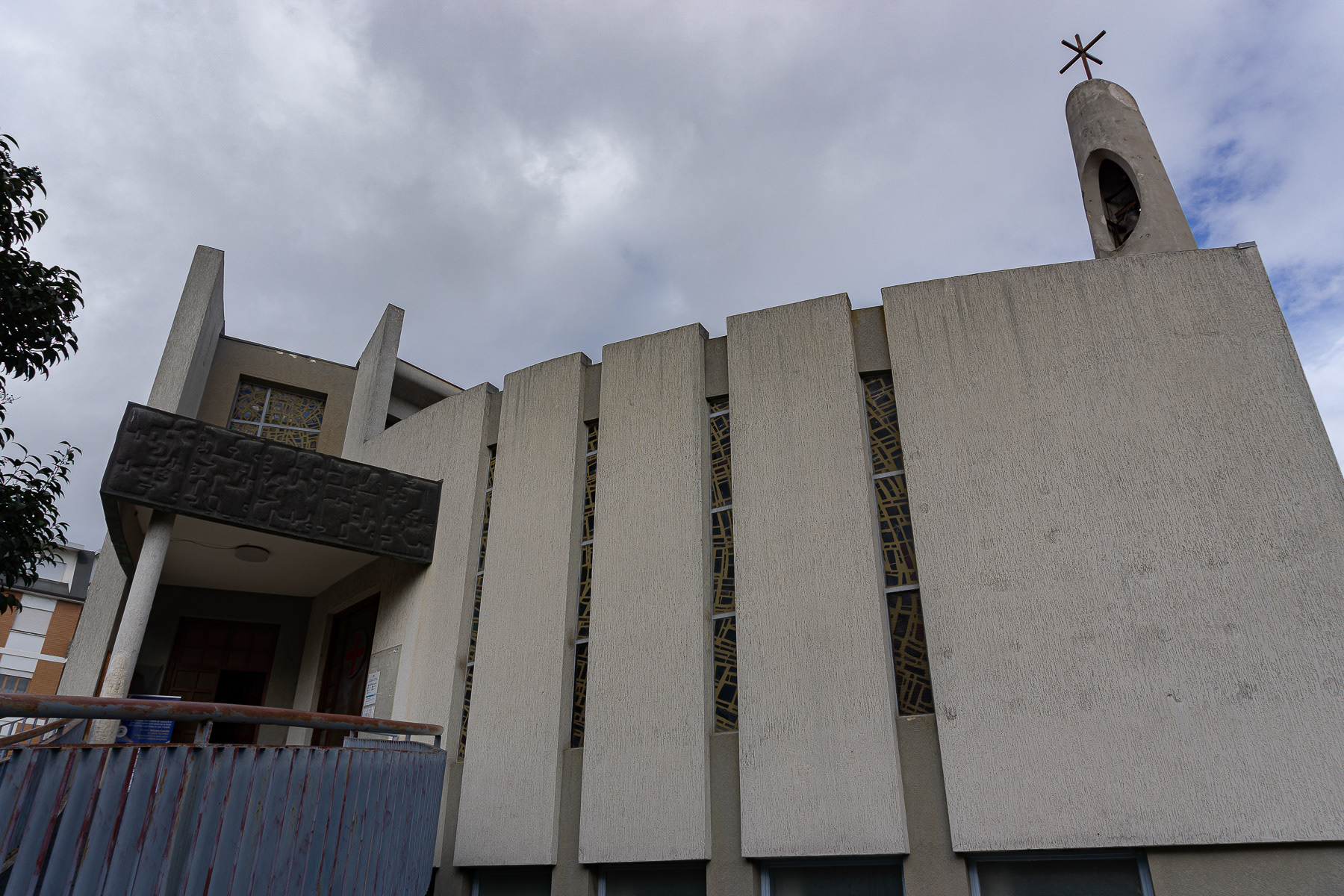
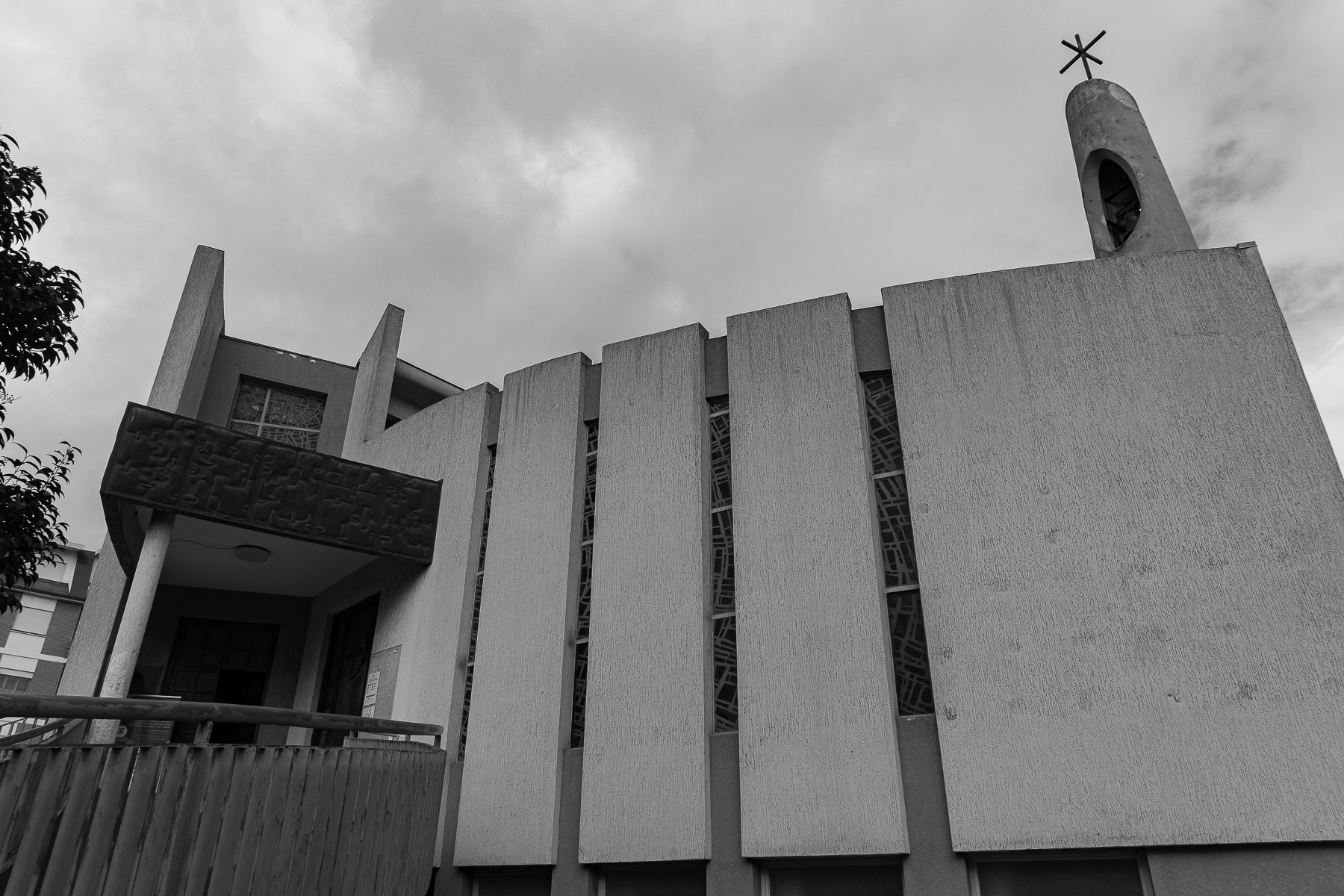
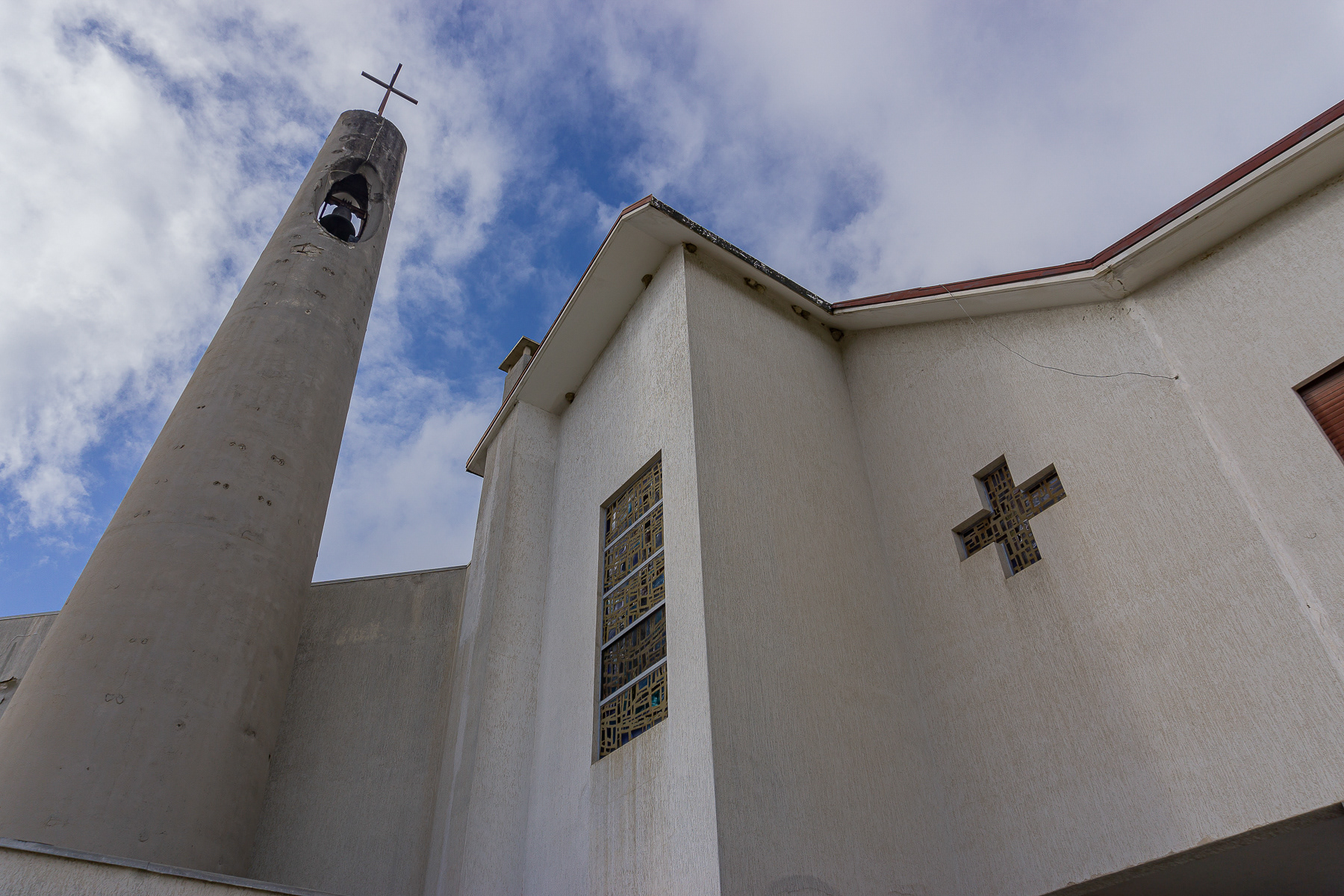
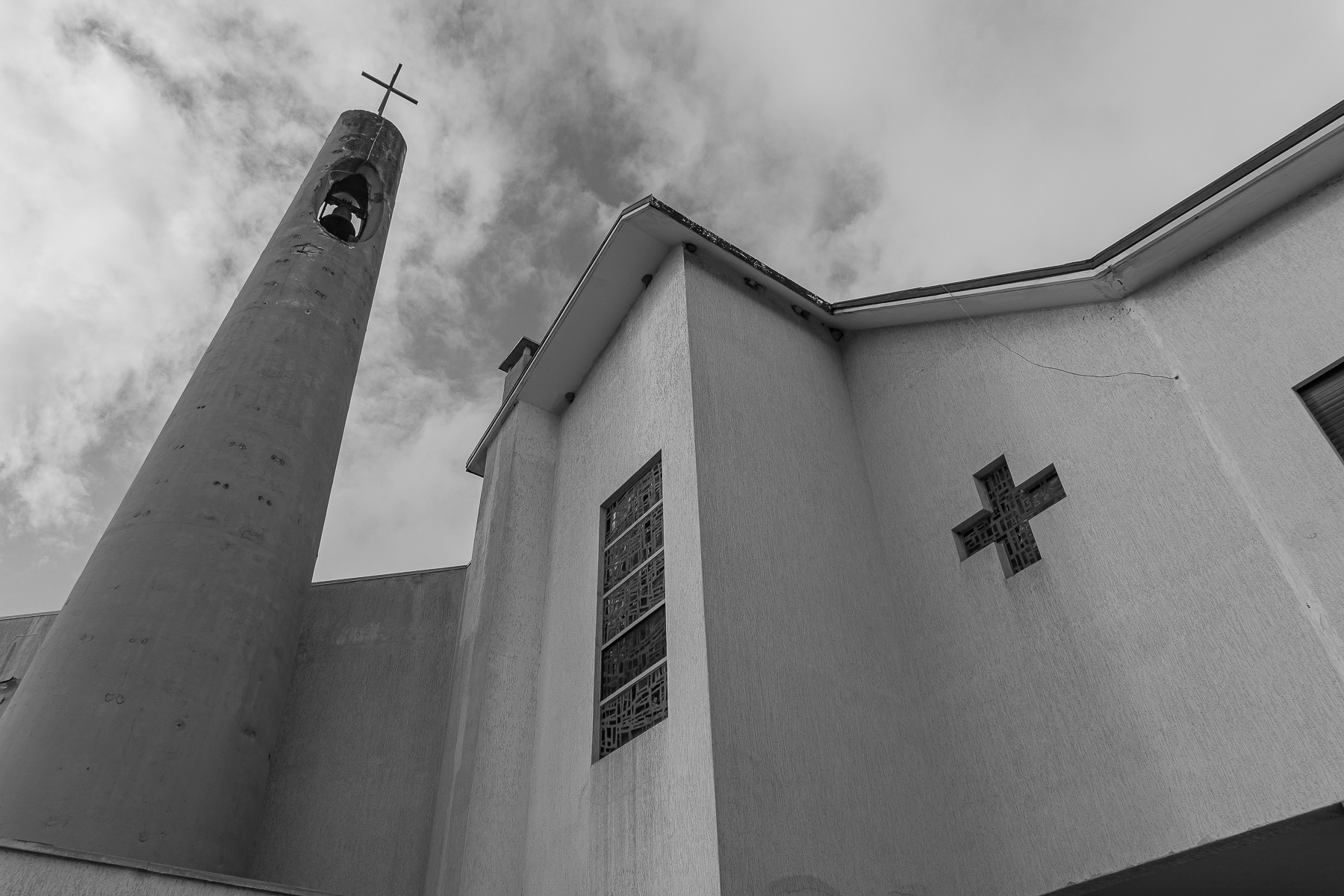
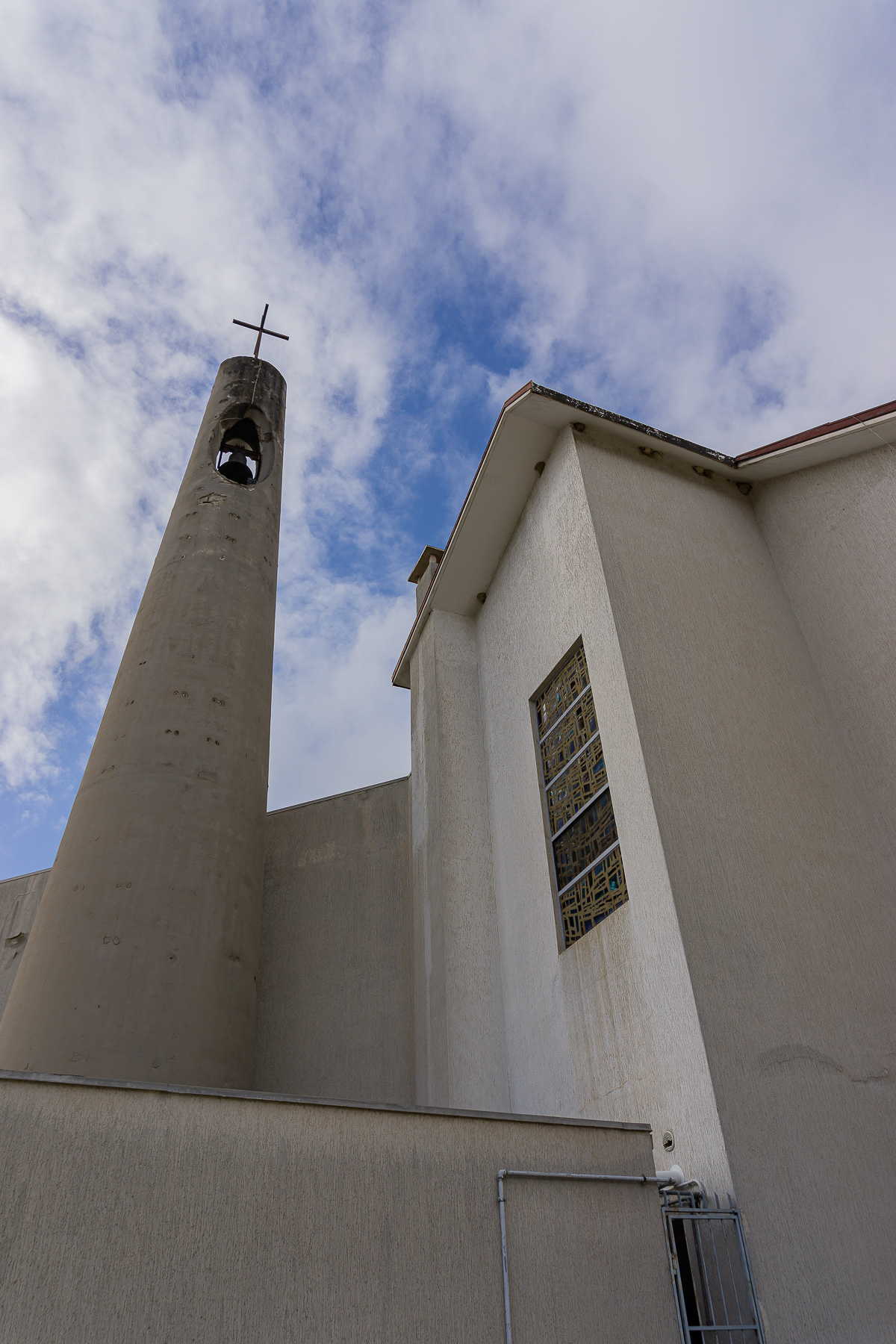
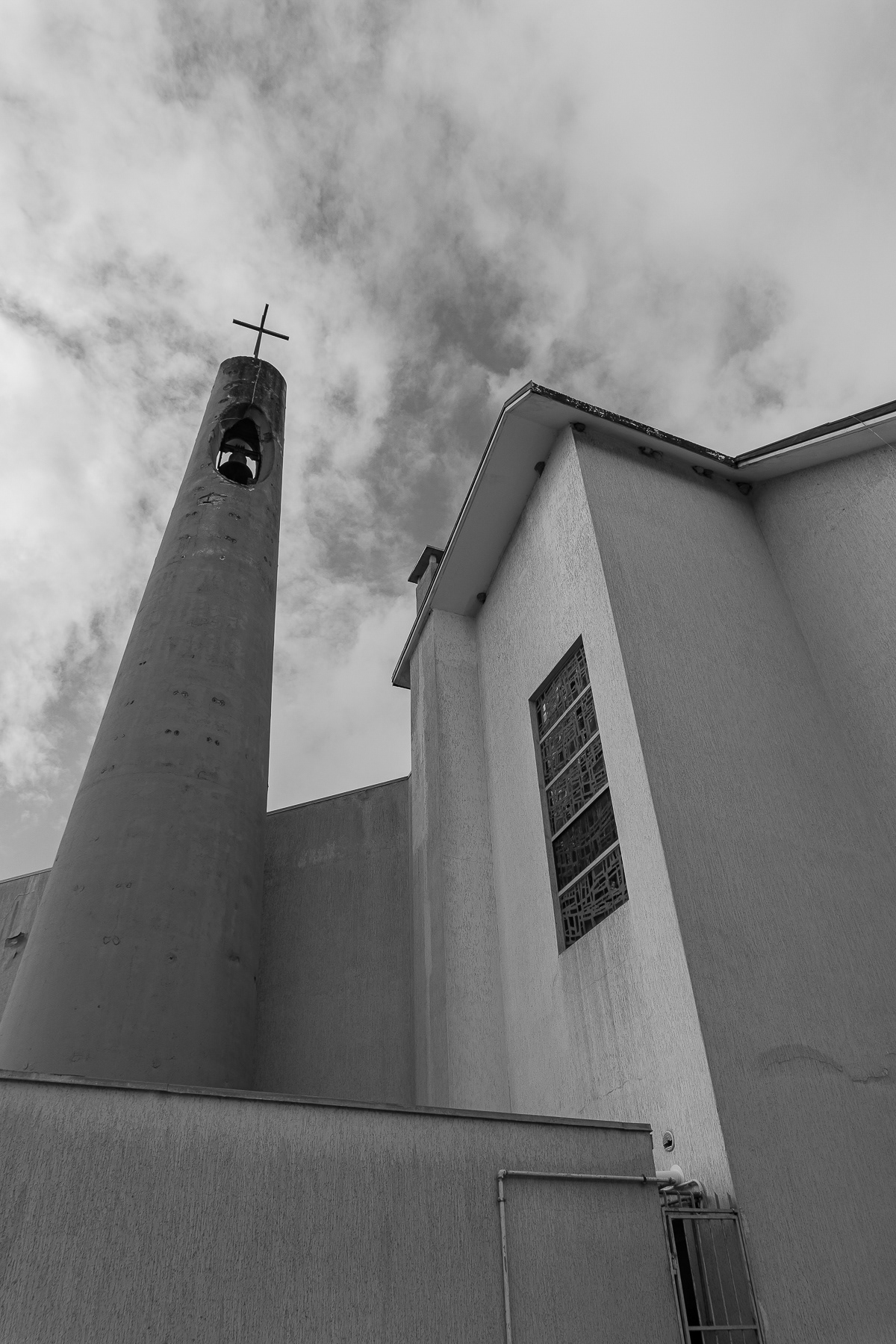
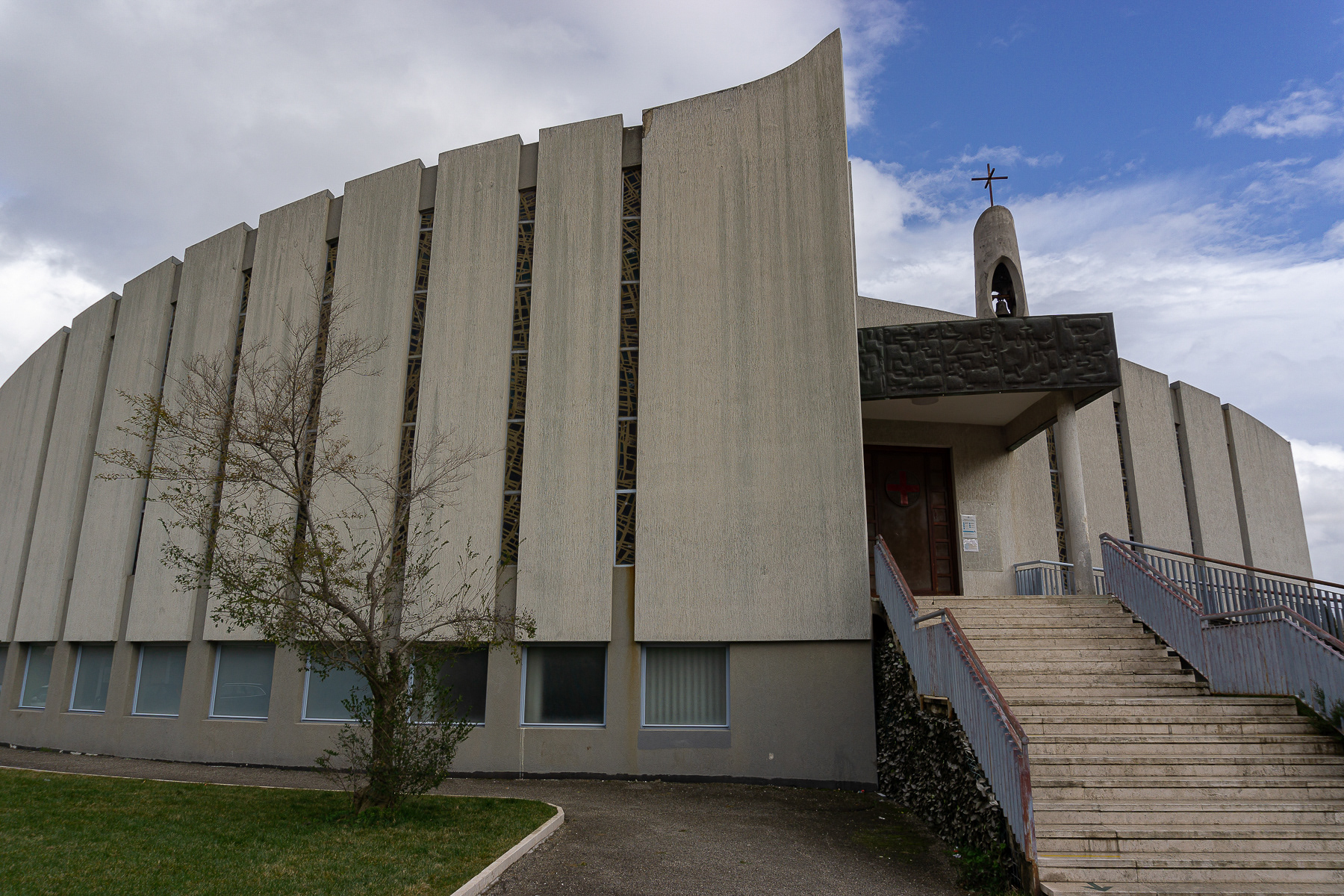
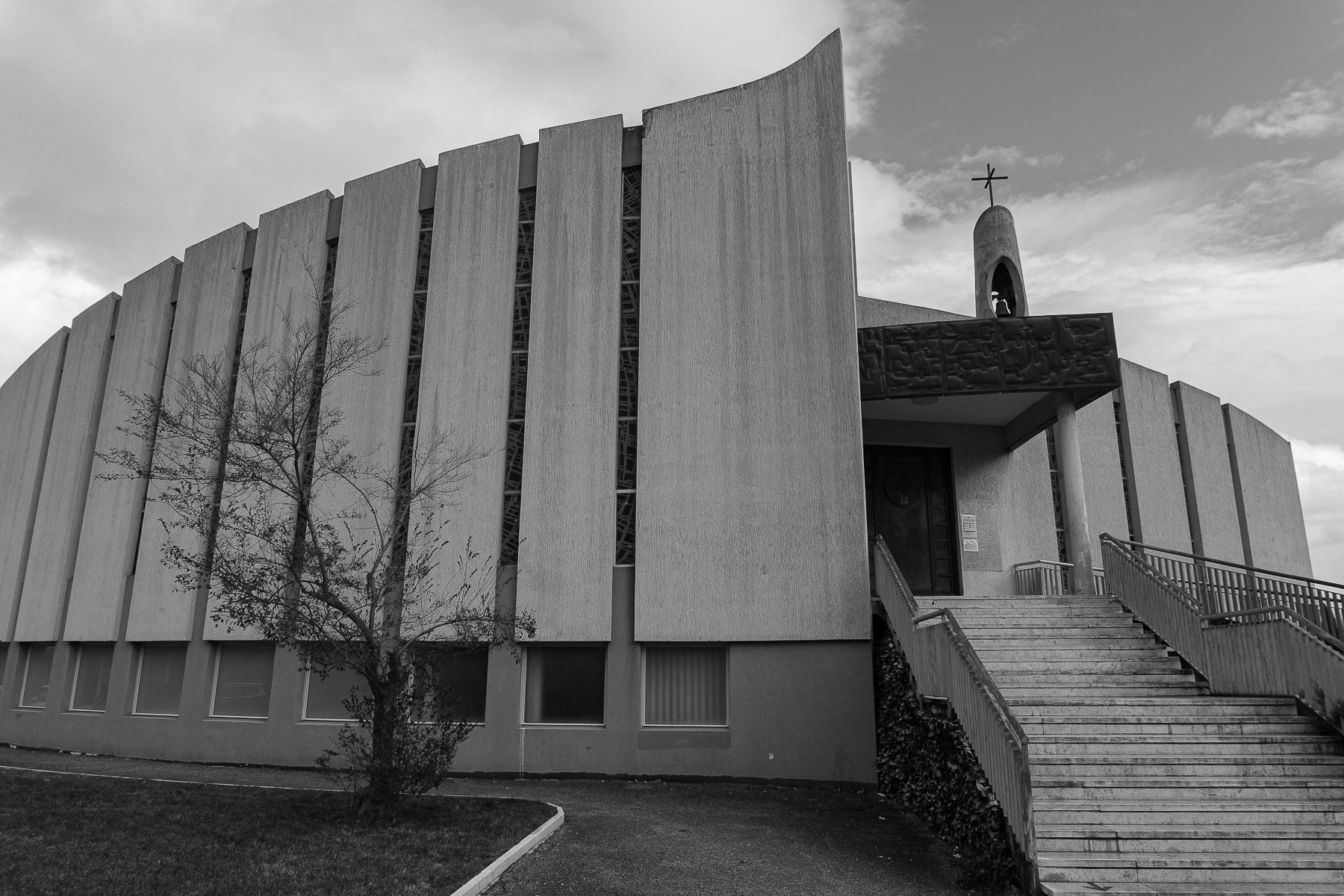
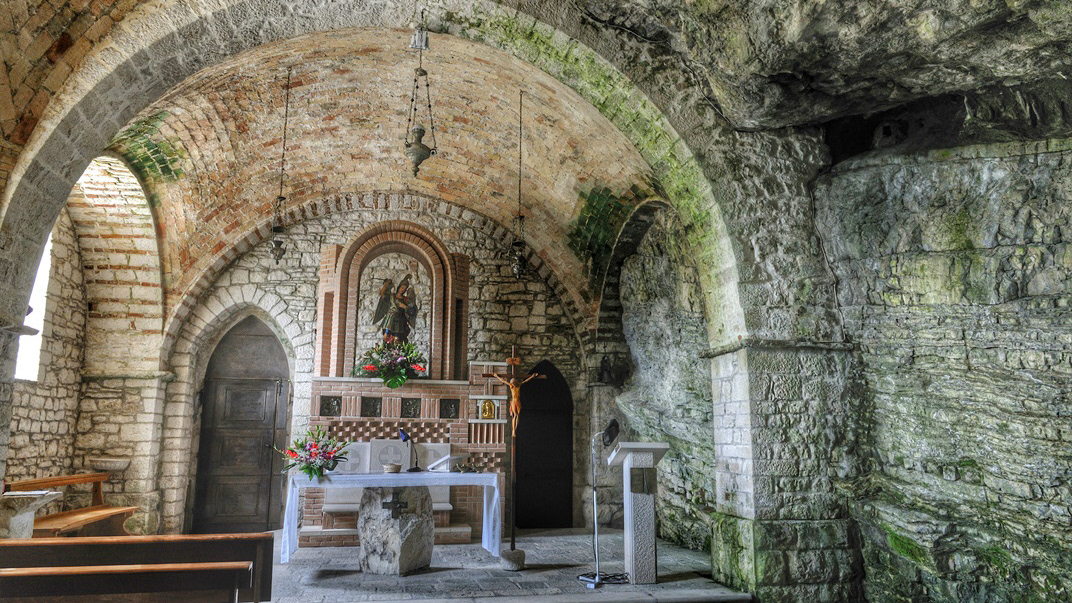
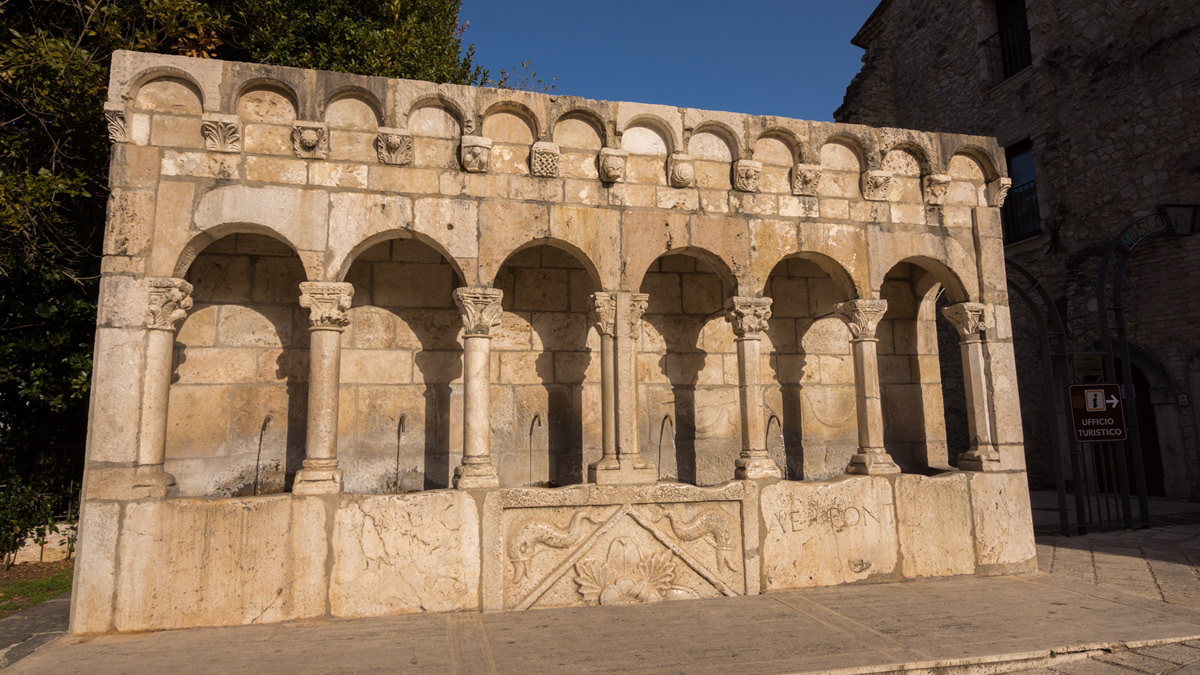
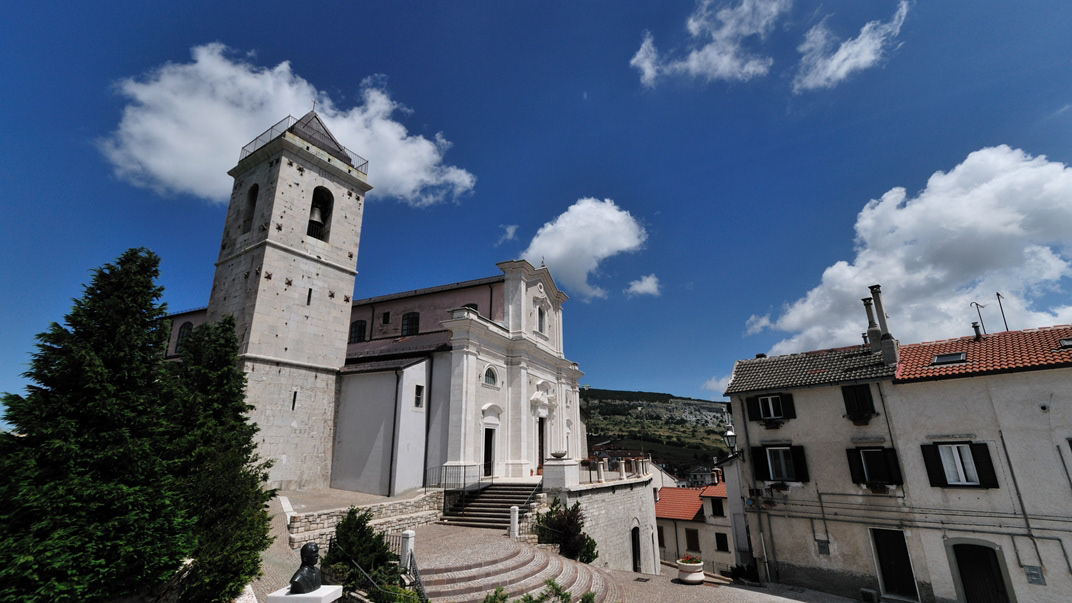
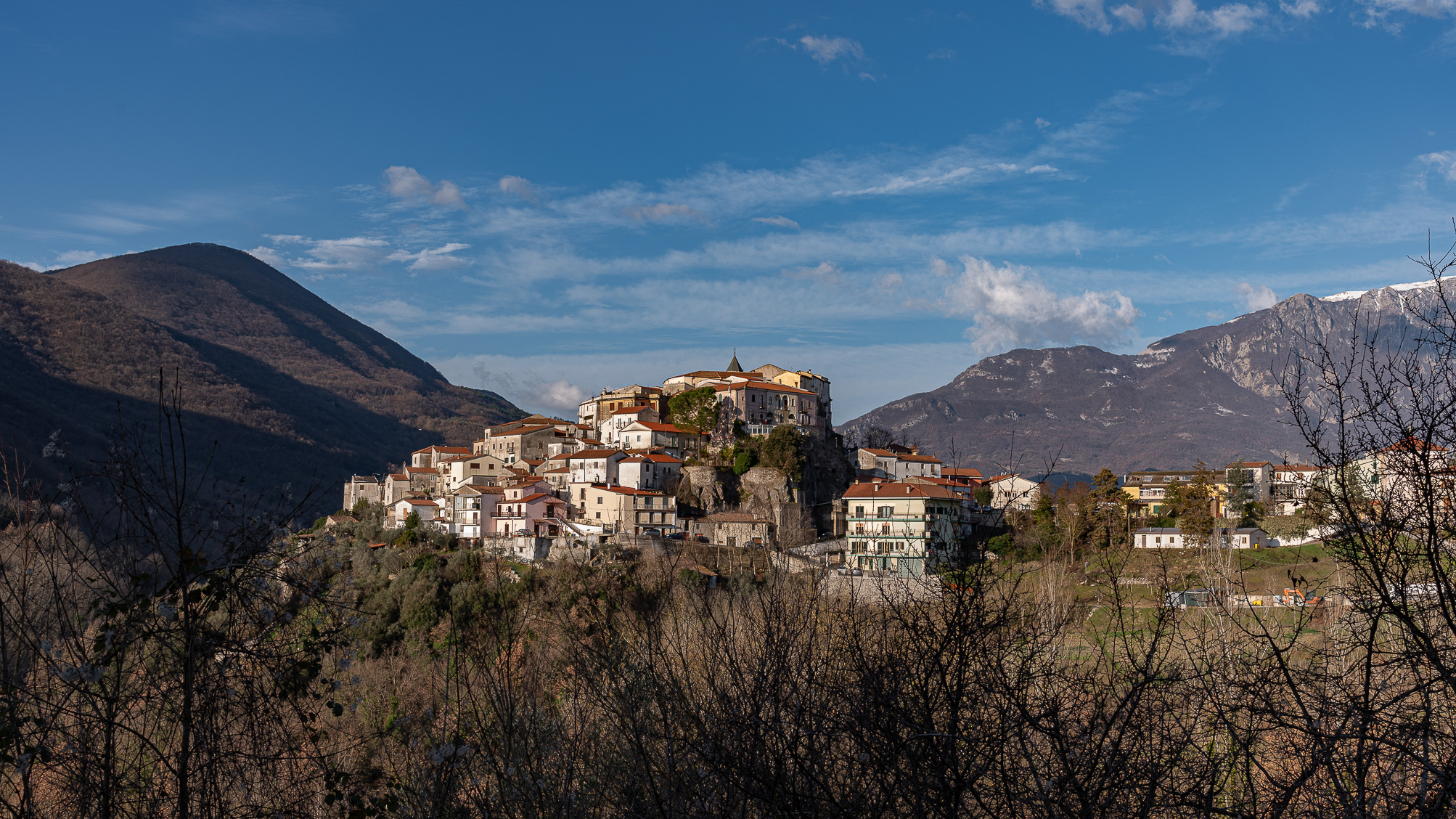
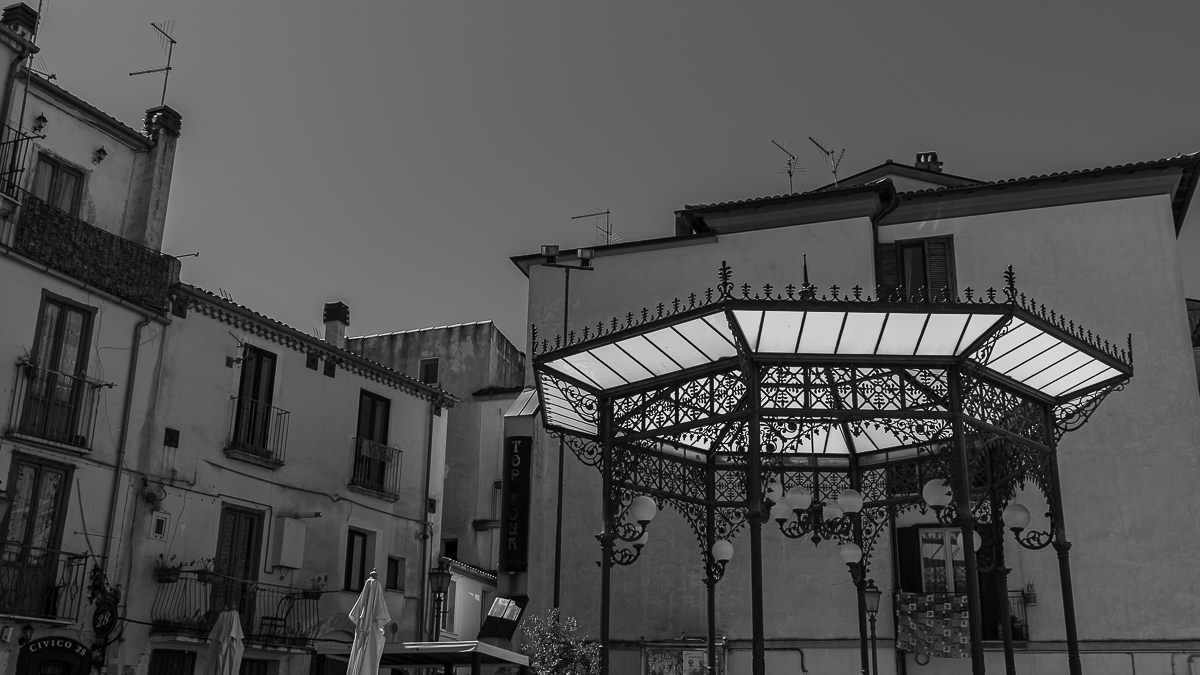
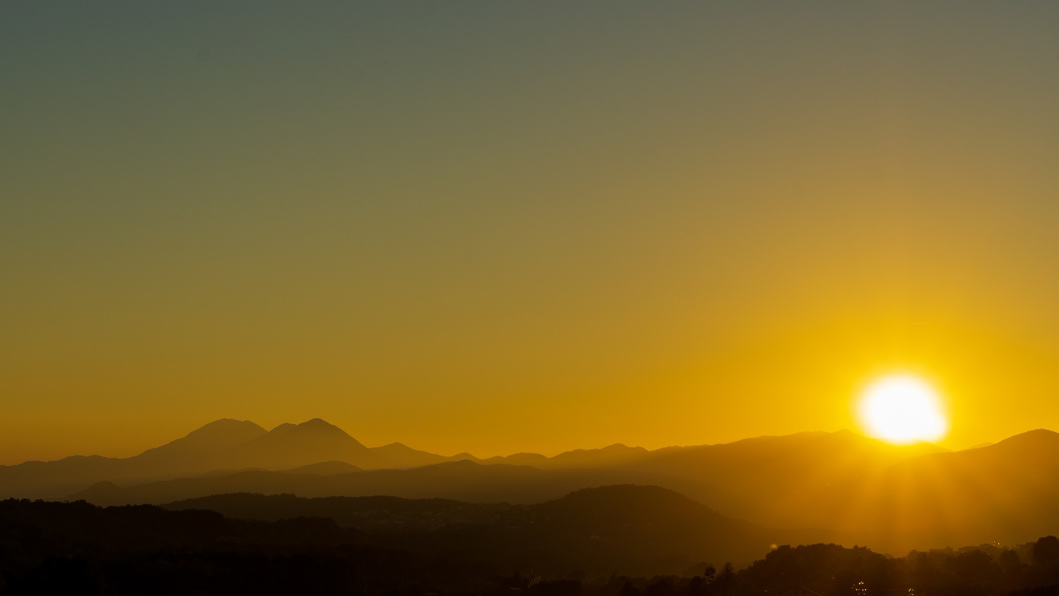
Isernia, Church of S. Maria Assunta
2021
La Chiesa, in stile moderno, si trova nel centro cittadino della parte nuova ed è facilmente raggiungibile da ogni punto. Essa stessa rappresenta un punto di riferimento urbano per muoversi all'interno della città.
You may also like
2025
Molise. Winter landscapes from Pesche
2023
Pietrabbondante. Panorama
2024
Matrice. Chiesa di Santa Maria della Strada
Nostra Signora della Via (Italian: Santa Maria della Strada) is an abbey in the municipality of Matrice, Campobasso. The date of construction of the abbey is not known, but it was consecrated in August 1148 by Peter II, archbishop of Benevento. In 1153 it appears in a list of churches and monasteries under the jurisdiction of Peter II drawn up for Pope Anastasius IV. The first abbot may have been called Landulfus, as "Abbas Landulfus" was engraved on a paving stone inside the church. Nazzarius is named abbot in a document from 1176. His foundation has historically been linked to the monastery of Santa Sofia of Benevento, but there is no evidence to support this claim. It is possible that the great abbey of Montecassino was involved, but the fact that the abbey is not listed as a subject house in medieval documents casts doubt on this claim. The eponymous Santa Maria de Strata appears in a register of the Abbey's possessions, but is believed to refer to a separate monastery in the vicinity of San Germano.
2021
Termoli
Termoli è un comune italiano di 32 953 abitanti della provincia di Campobasso in Molise. Termoli si trova lungo la costa adriatica. Unico porto del Molise, è centro peschereccio, turistico e industriale. Mantieni il borgo medievale chiuso all'interno delle mura che lo separano dalla città moderna.
2022
Archaeological complex of the Cathedral of Isernia.
This complex testifies to what remains of the Italic temple from the second half of the third century. BC, preserved thanks to the fact that what is now the cathedral of Isernia was built on it.
2022
Capracotta, winter 2022
Capracotta is an Italian town of 833 inhabitants in the province of Isernia, in Molise. It suffered great destruction during the Second World War and from the second half of the twentieth century it developed on the tourist level as a Molise ski resort together with Campitello Matese. Located at 1,421 meters above sea level, it is, from a geographical point of view, one of the highest areas of the Apennines as well as being the highest municipality in Molise. The town is located on the parallel 41 ½ and on the meridian of Castel dell'Ovo and extends between the countryside of Pescopennataro and Sant'Angelo del Pesco to the north, that of Agnone to the east, of Vastogirardi to the south and S. Pietro Avellana and Castel del Giudice. The highest point in the municipal area is the summit of Monte Campo at 1746 m a.s.l. Downstream of the town, towards the south, are the sources of the Verrino, a tributary of the river Trigno. Just outside the town, on the road to Pescopennataro, is the "Garden of Apennine Flora", a high altitude botanical garden that collects notable floral and tree species from central and southern Italy. Capracotta is an important climatic and ski resort. It has two important facilities: one for alpine skiing, in Monte Capraro, with a chairlift; the other for cross-country skiing in Prato Gentile: the latter facility was the site of the Absolute Italian Cross-Country Skiing Championships in 1997.
2018
Isernia, Il convento celestino di S. Spirito
2023
Macchia d'Isernia. Glimpses and panoramas
Macchia d'Isernia is an Italian town of 1,008 inhabitants in the province of Isernia in Molise. The most important monuments are the baronial castle D'Alena and the church of San Nicola di Bari.
2007
Castiglione di Carovilli (IS)
Castiglione di Carovilli (o Castiglione) è una frazione del comune di Carovilli, nella provincia di Isernia, Molise. Sito in una zona di grande valore paesaggistico e faunistico, oggi conta circa 200 abitanti, mentre agli inizi del secolo la popolazione era attorno al migliaio di unità. Rilevante è la presenza dell'Oasi WWF di Collearso (attraversata dal fiume Trigno) nella quale si possono osservare molte specie di mammiferi (cinghiale, daino, volpe, lupo, puzzola europea, tasso, donnola), uccelli (nibbio), rettili (vipera comune, lucertola, biscia) e anfibi. Per ciò che riguarda il patrimonio storico e architettonico va segnalata l'antica chiesa sul colle, risalente al Quattrocento, che oggi, specie nei mesi estivi, ospita manifestazioni teatrali e di musica classica.
2015
Bagnoli del Trigno (IS)
Bagnoli del Trigno (Vagnuolë in molisano) è un comune italiano di 708 abitanti della provincia di Isernia in Molise. Le origini del paese sono ignote[3] e si fanno risalire a diverse leggende, secondo le quali Bagnoli sarebbe stata fondata in una da un Duca che si abbevera nelle acque del Trigno, in un'altra con la costruzione di agglomerati urbani intorno a una sorgente termale (Balneoli, da cui il nome) e infine da alcune tribù per trovare riparo dalle invasioni barbariche. Le prime notizie storiche risalgono al medioevo, quando il feudo era parte del Contado del Molise. Successivamente, dopo una serie di passaggi di proprietà anche tra signori francesi e spagnoli, diventa parte del Regno di Napoli e successivamente del Regno d'Italia. Con il novecento il paese ha visto un forte spopolamento a causa dell'emigrazione, soprattutto a Roma dove molti bagnolesi svolgono il lavoro di tassisti. Da uno studio effettuato dall'associazione "Forche Caudine" nel 2013 risulta che vivono più bagnolesi a Roma (circa un migliaio) rispetto ai residenti in paese.