2018
Venafro (IS)
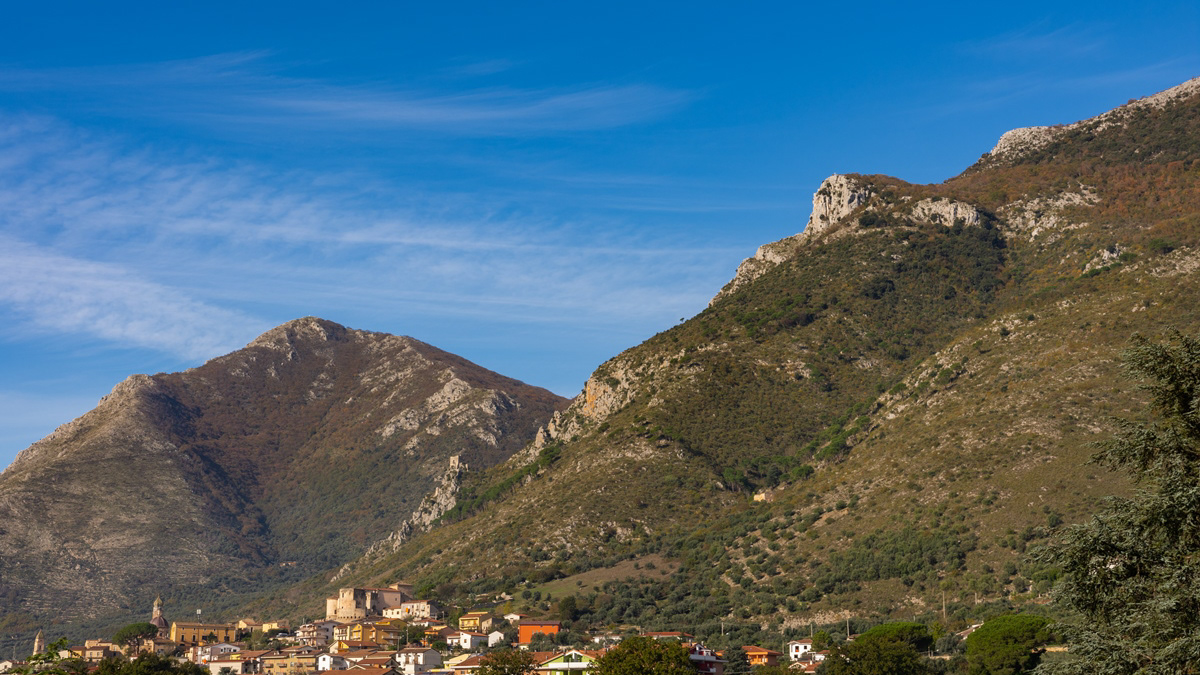
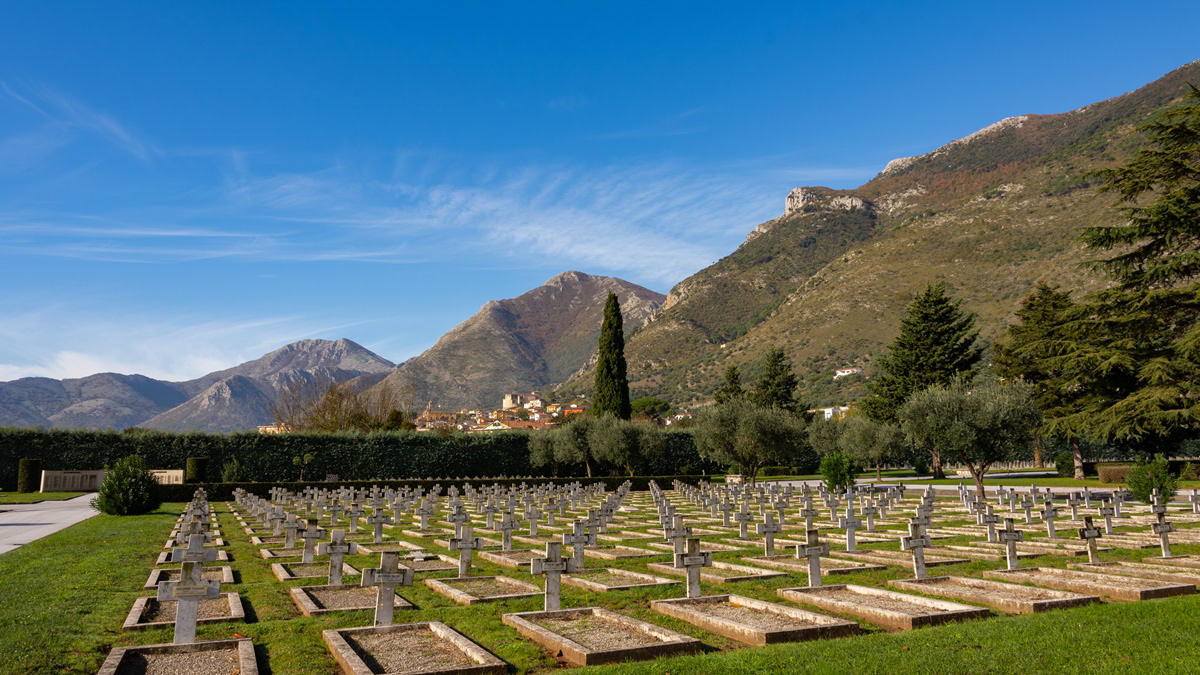
Venafro (Venafrum in latino, Venafrë in dialetto locale) è un comune italiano di 11 226 abitanti della provincia di Isernia, in Molise. È la quarta città della regione per popolazione. Ha origini molto antiche, risalenti al popolo italico dei Sanniti, dove nel III secolo a.C. combatterono aspramente contro Roma durante le guerre sannitiche. Nell'89 a.C. Venafrum fu teatro di uno scontro decisivo contro Roma dove guerreggiò il gruppo dei popoli della "Lega italica", nella cosiddetta "Guerra sociale". Nel Medioevo, fu invasa dai Longobardi, e divenne dal VI secolo sede di una diocesi, nonché importante centro di passaggio da Molise e Abruzzo per Napoli. Dal XV secolo fu di proprietà della famiglia Pandone, che contribuì alla ripresa economica del centro. Nel 1860 ospitò anche Vittorio Emanuele II in viaggio per l'incontro con Giuseppe Garibaldi. Il centro storico si presenta sotto aspetto di borgo fortificato lungo la scarpata della montagna, distante dall'antico centro romano, identificato nella zona dell'anfiteatro. Il punto più alto del borgo è il Castello Pandone, mentre la Cattedrale, seguendo lo schema delle antiche città normanno-longobarde, si trova fuori le mura. L'assetto urbanistico è molto preciso, scandito da cardo e decumano, e risente dell'influsso architettonico del barocco napoletano. Presso il centro si trovano altri due monumenti importanti: il cimitero militarefrancese di guerra, e il convento di San Nicandro, divenuto santuario già ai tempi della visita di Padre Pio nei primi anni del '900, necessitando di cure mediche per le sue malattie.