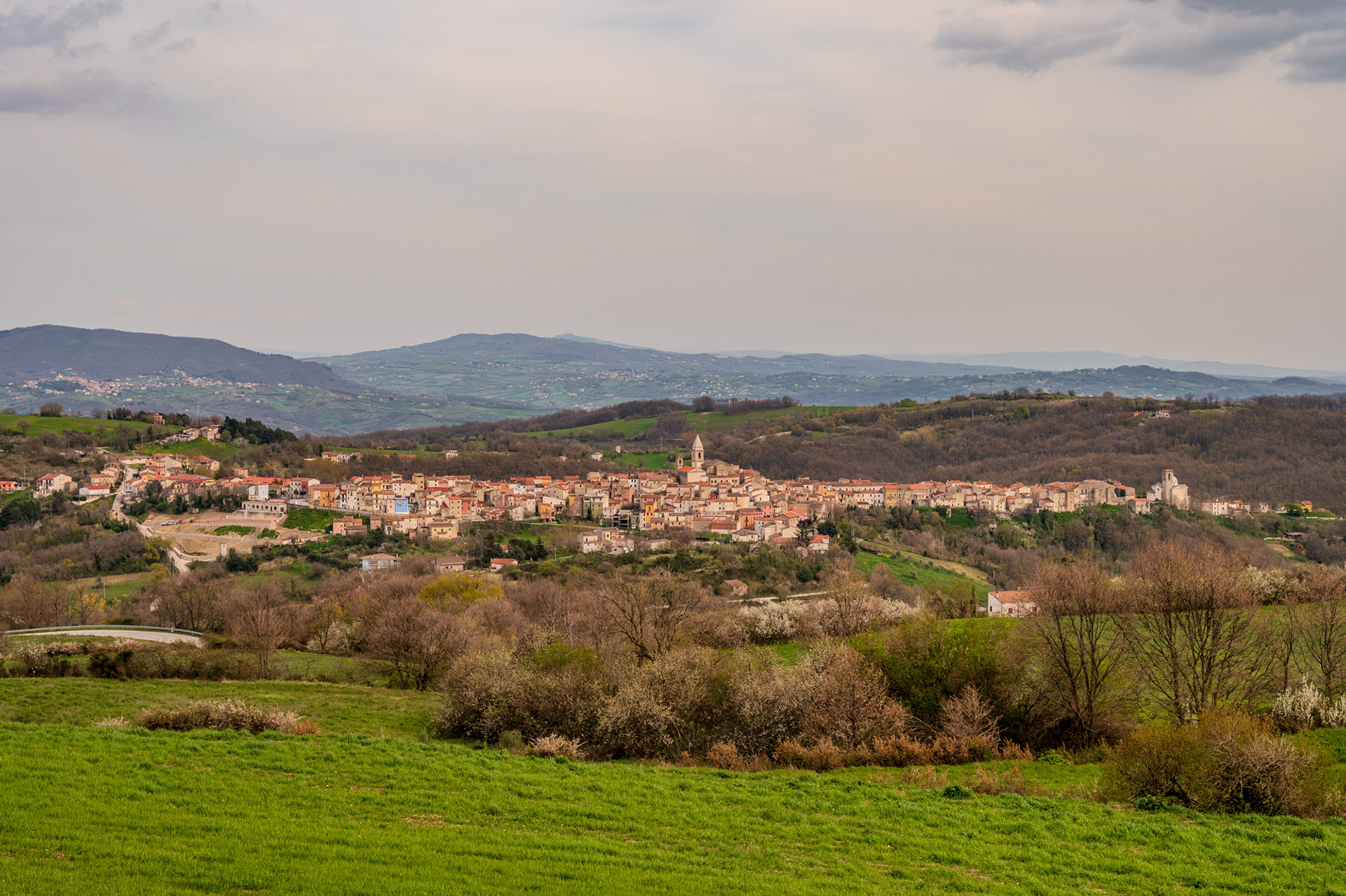
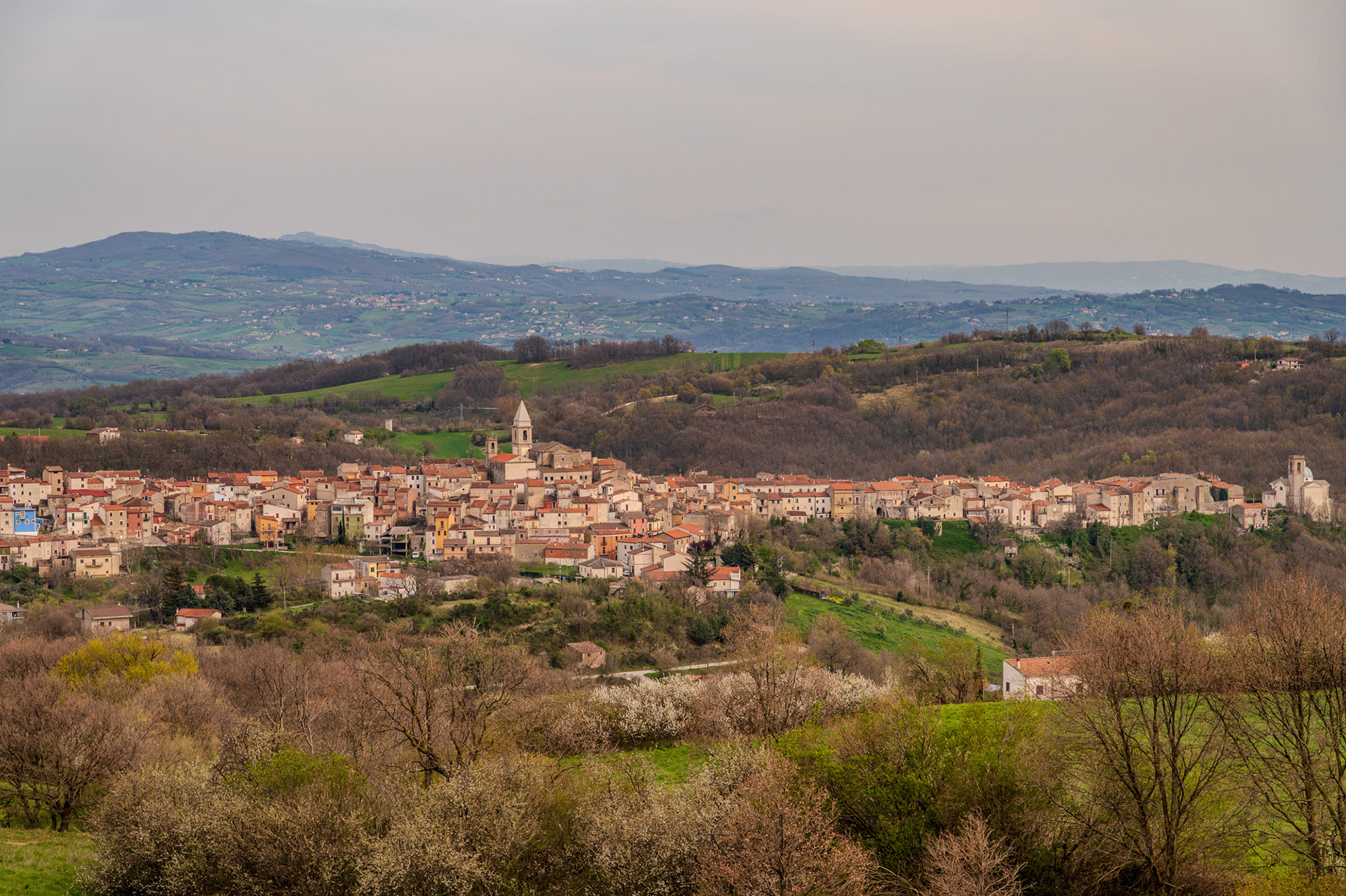
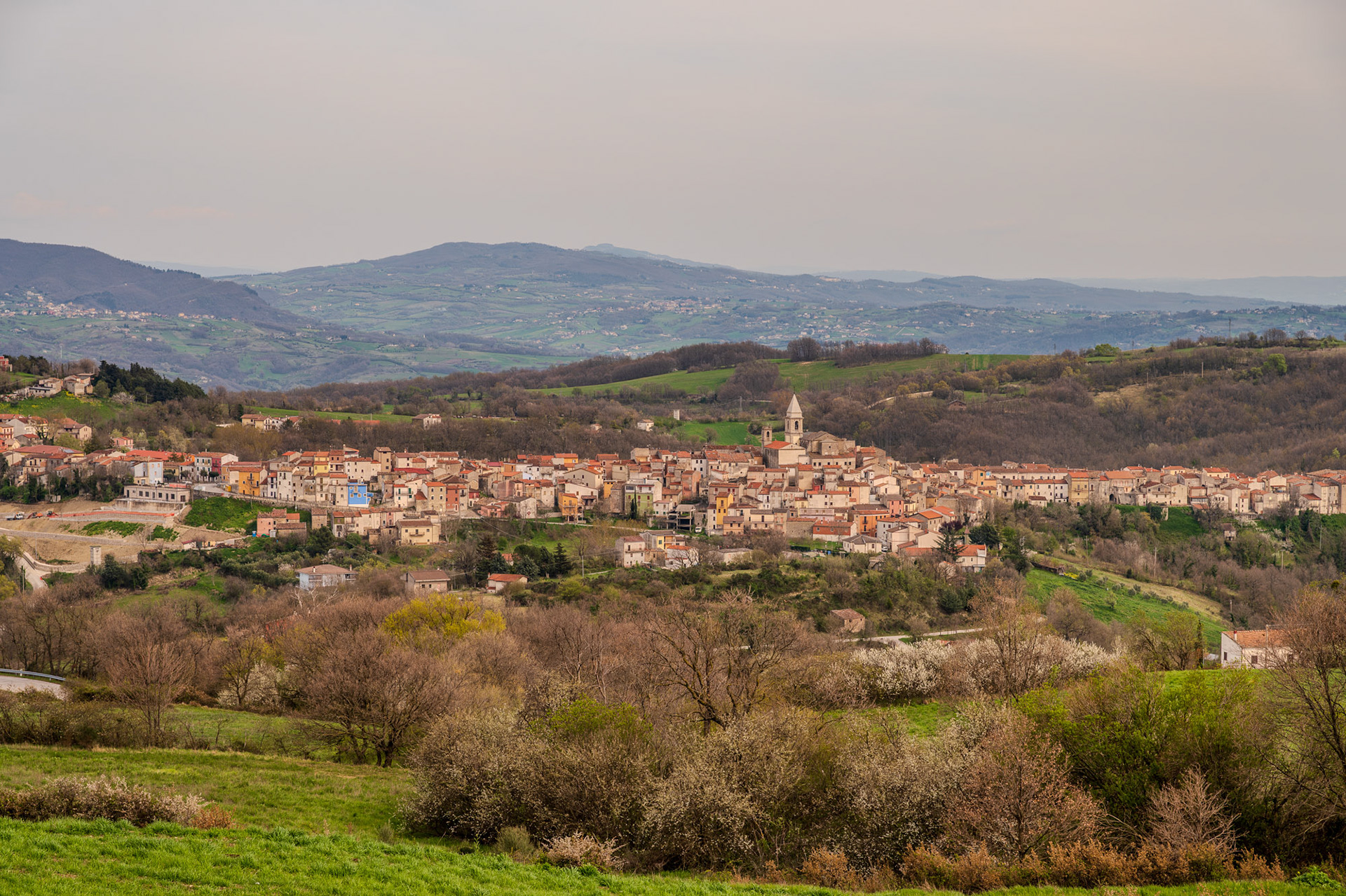
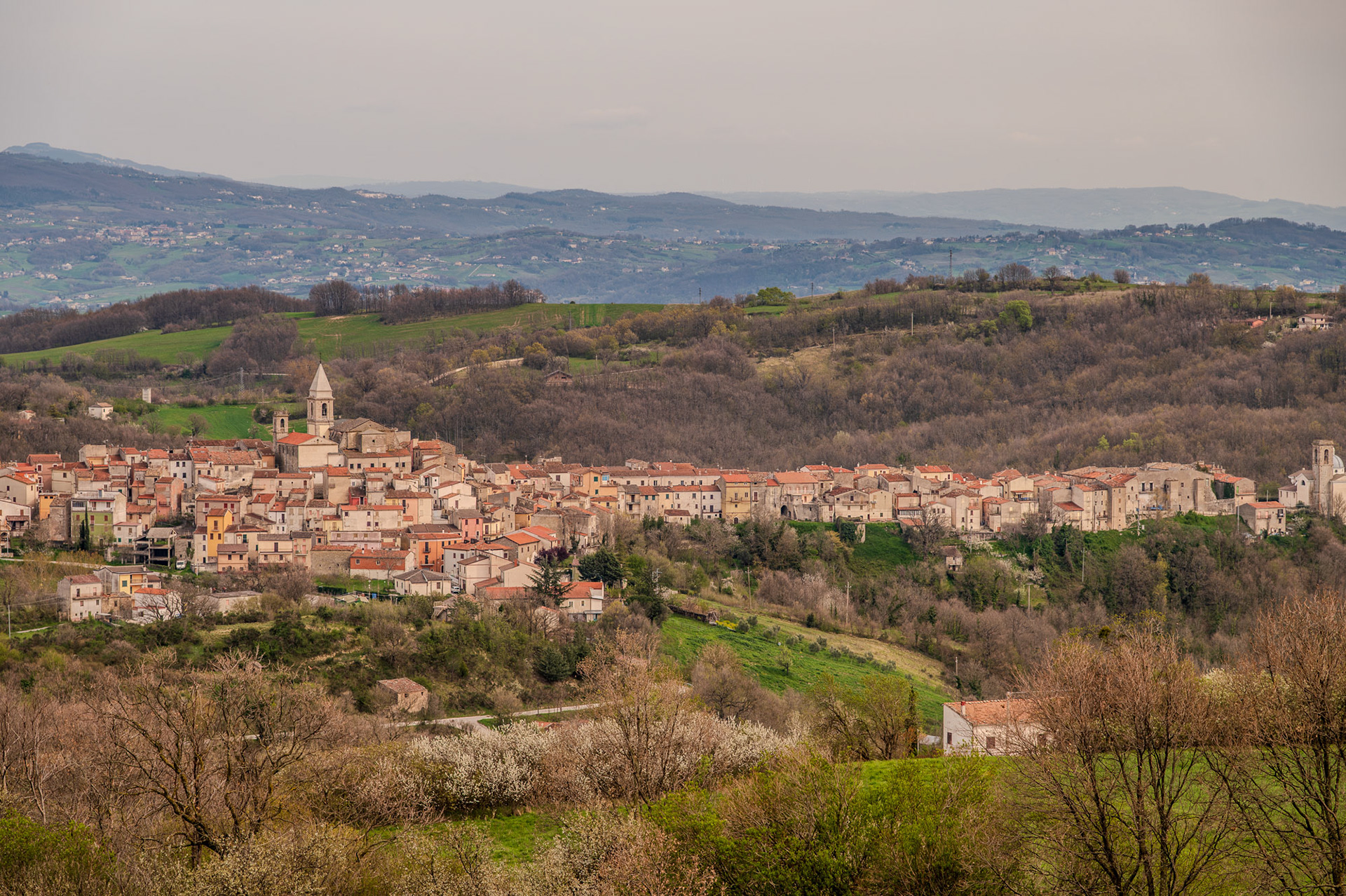
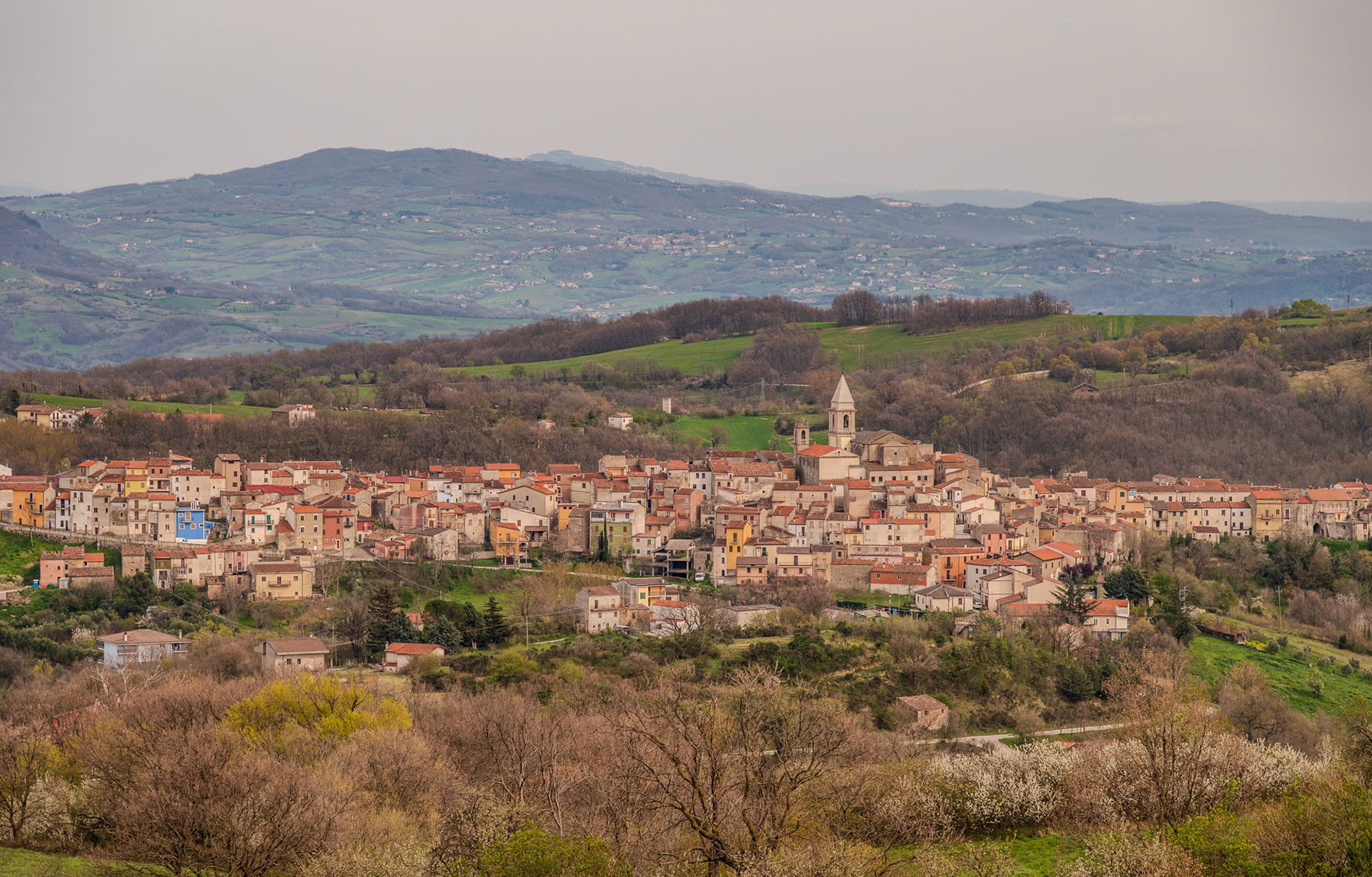
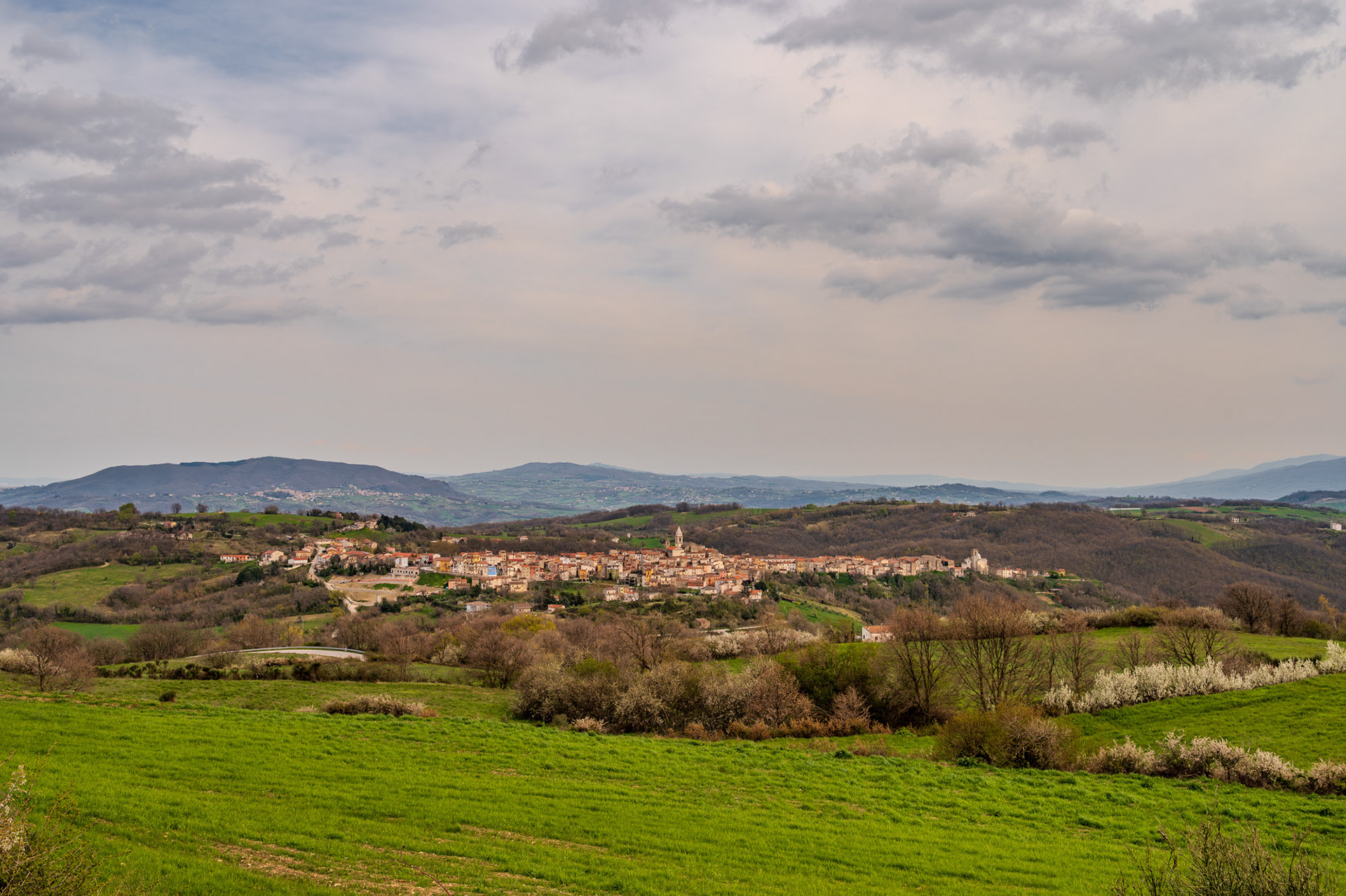
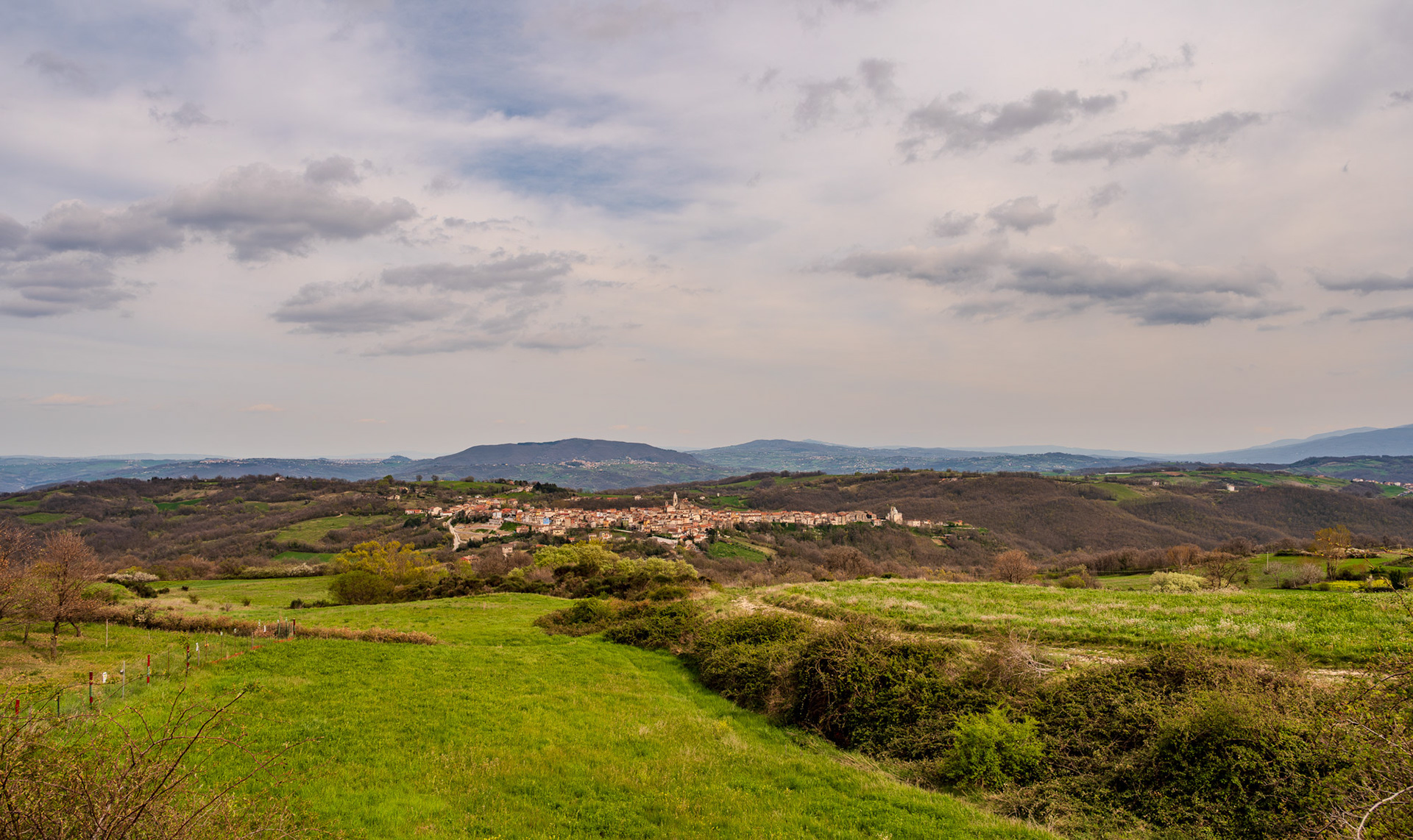
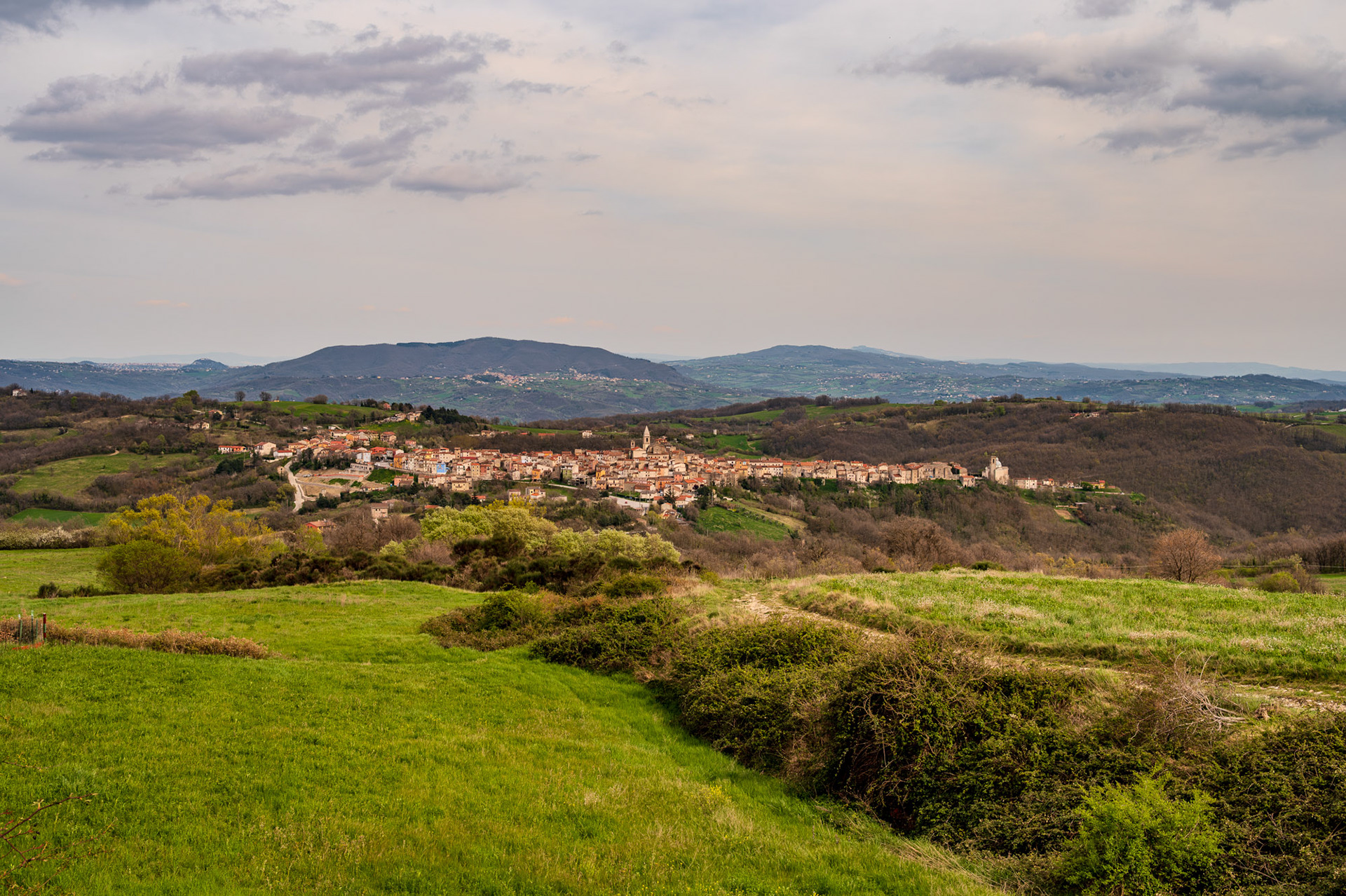
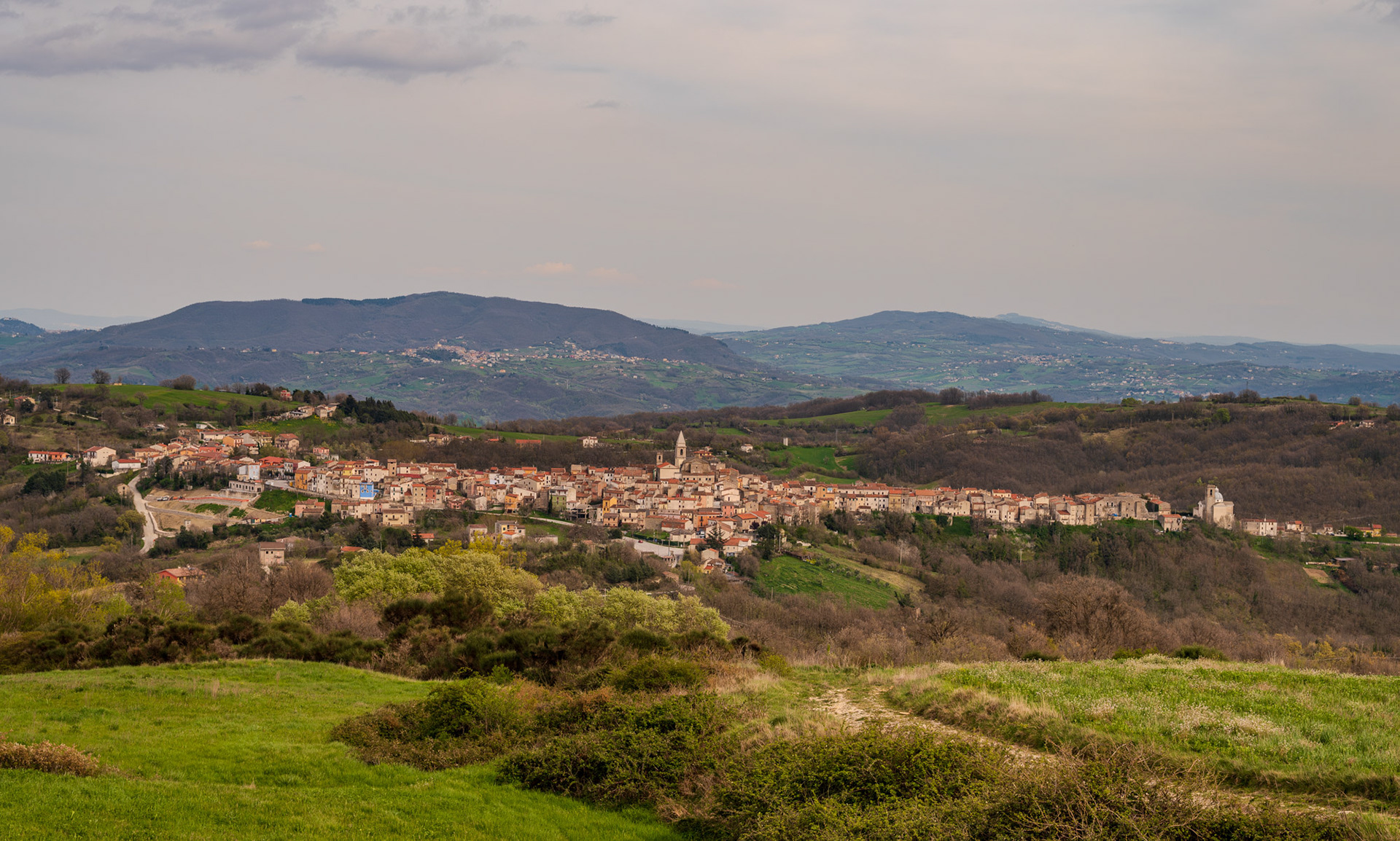
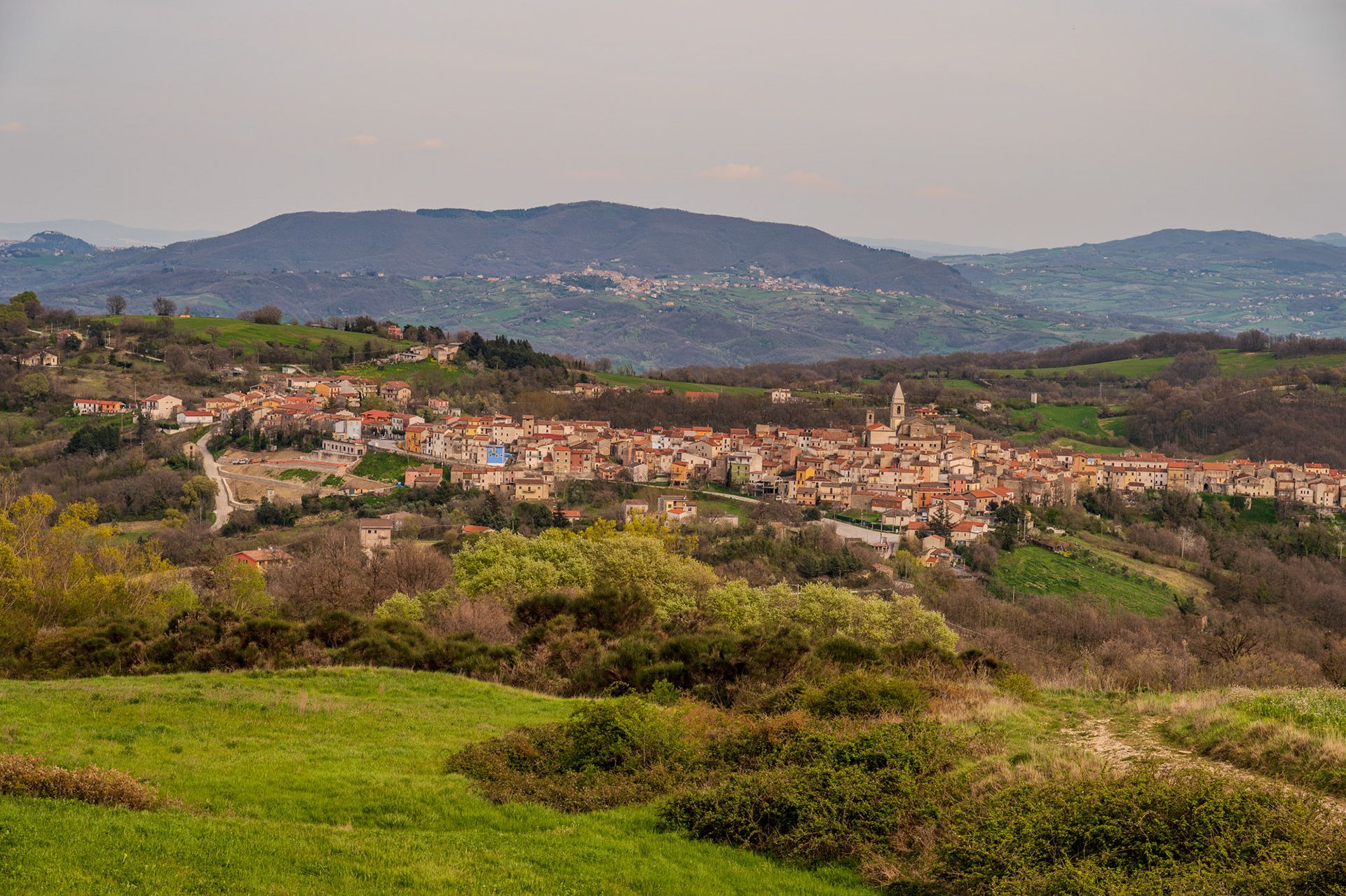
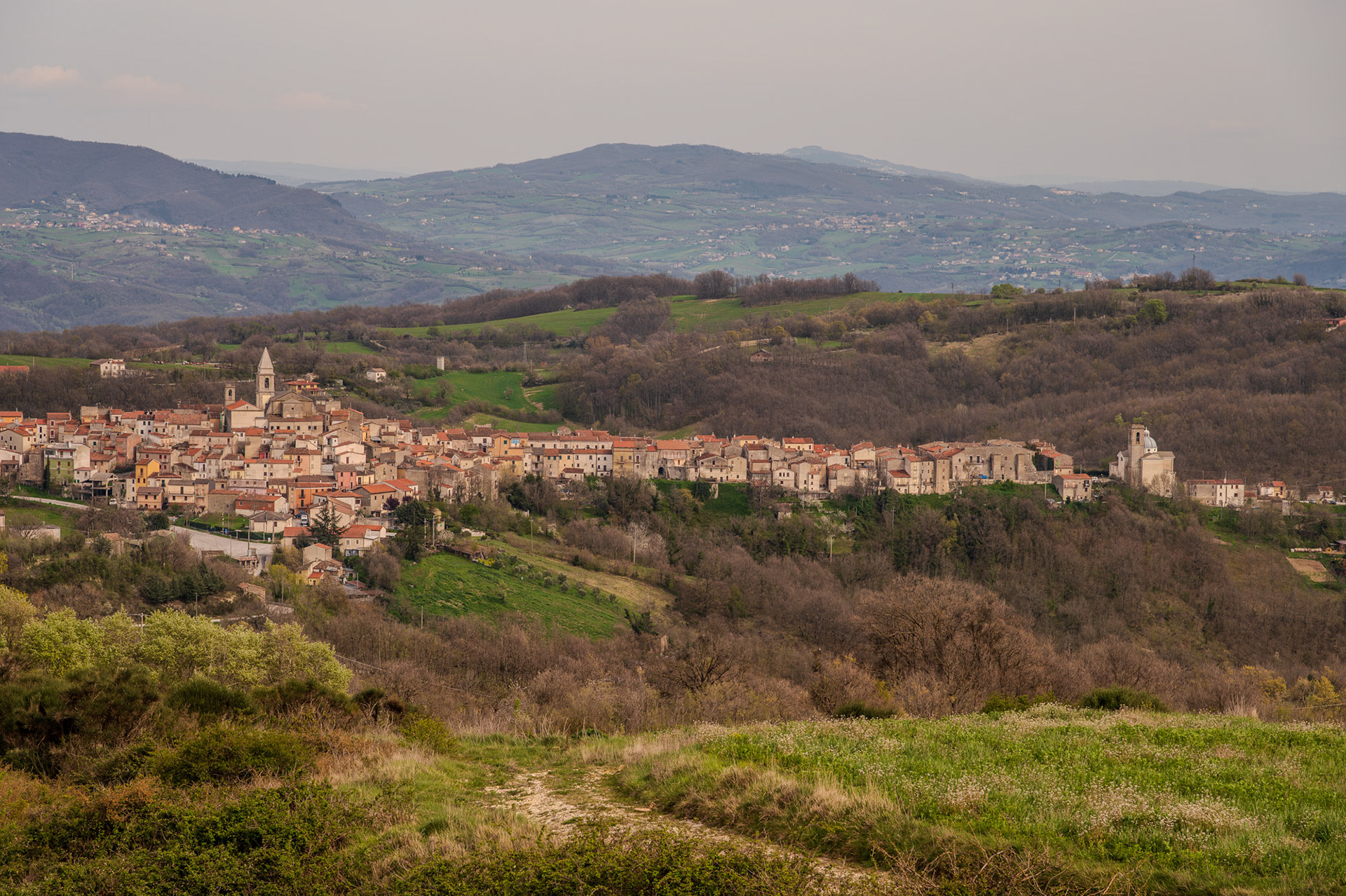
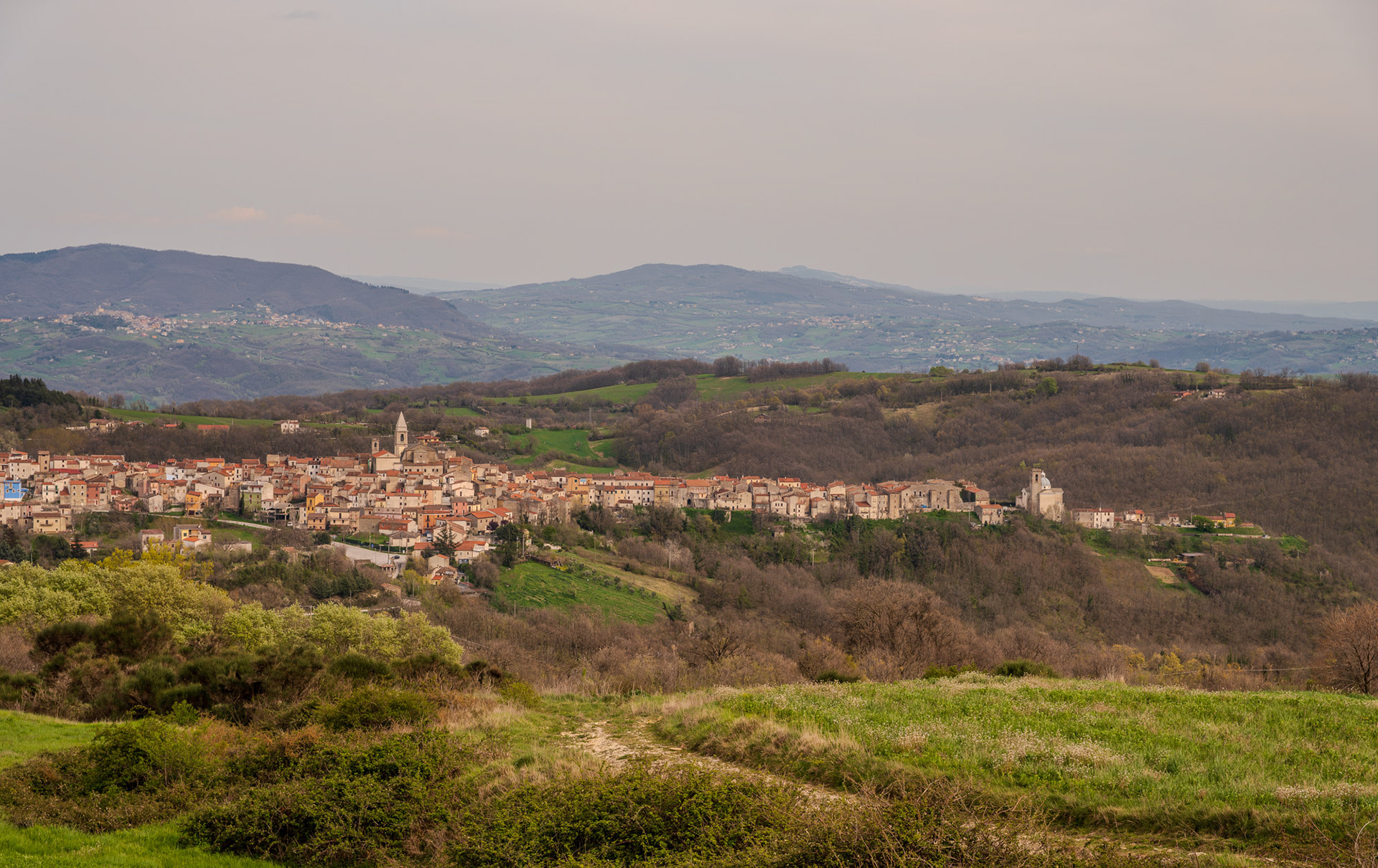
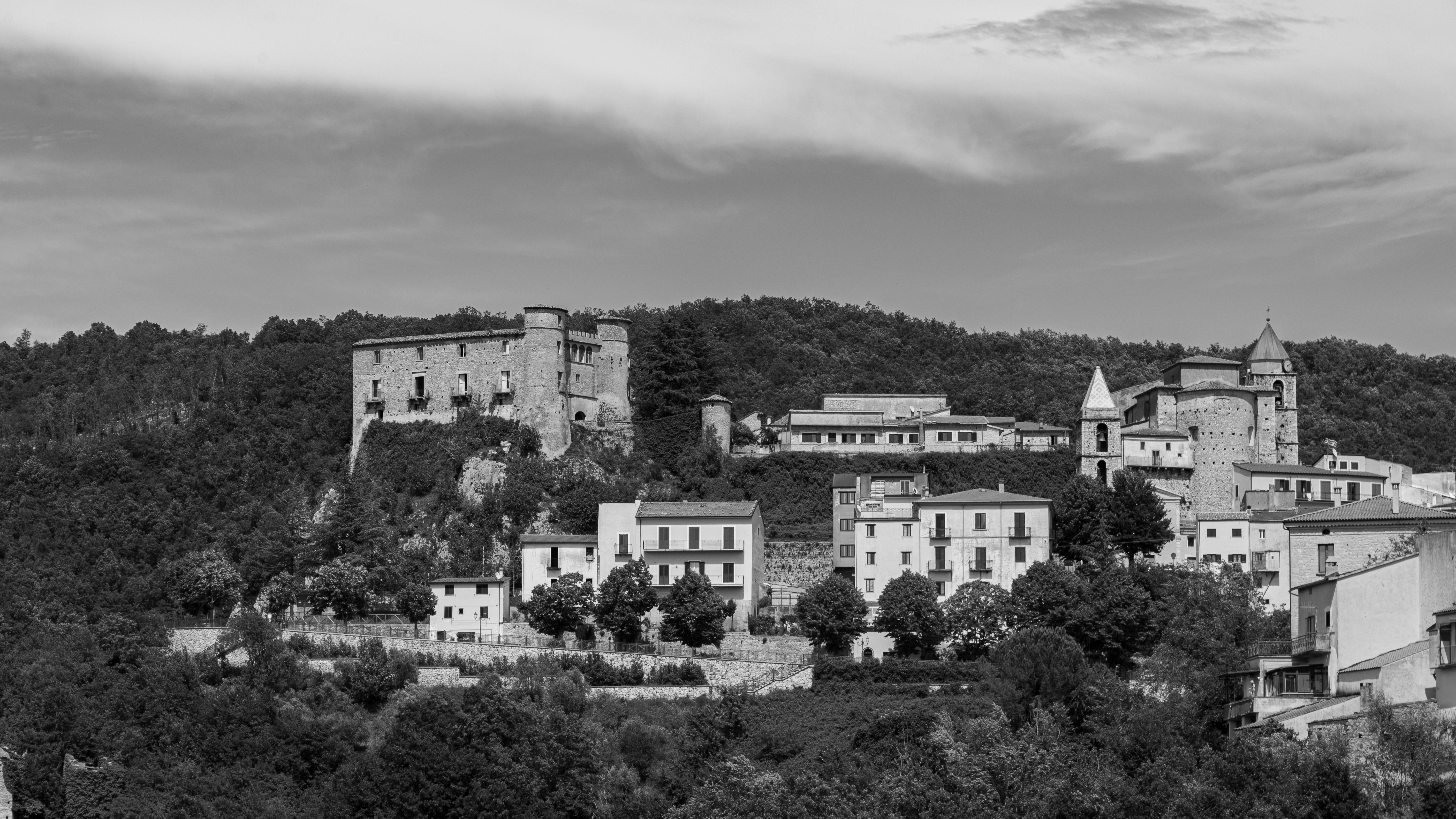
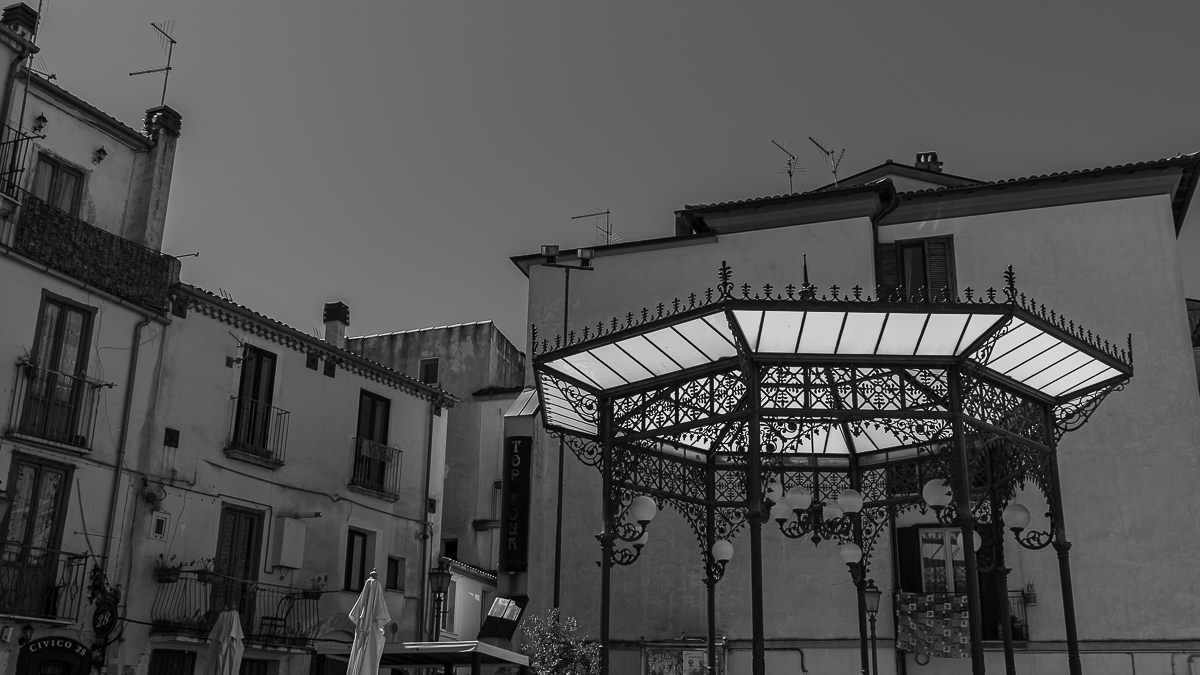
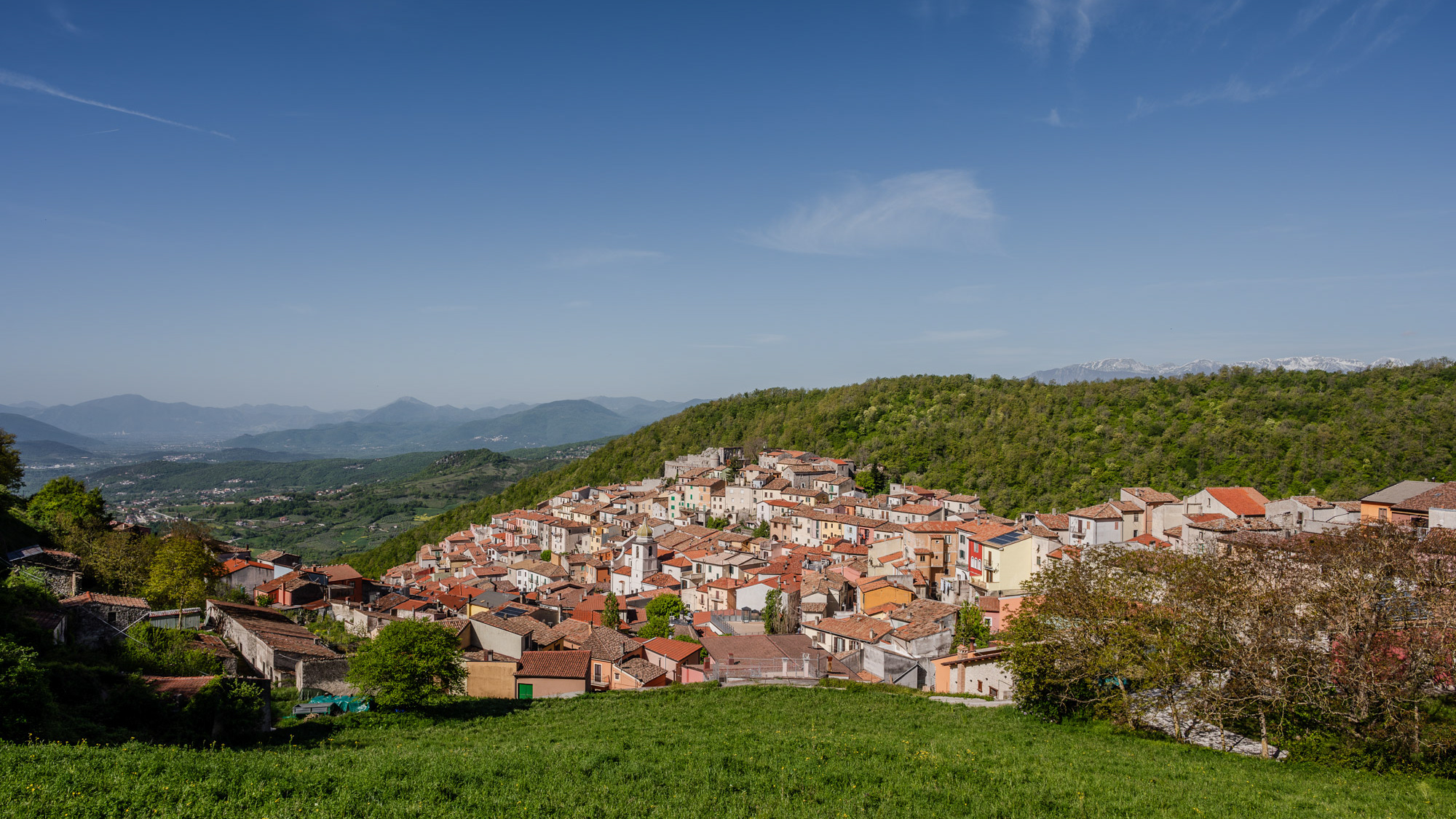
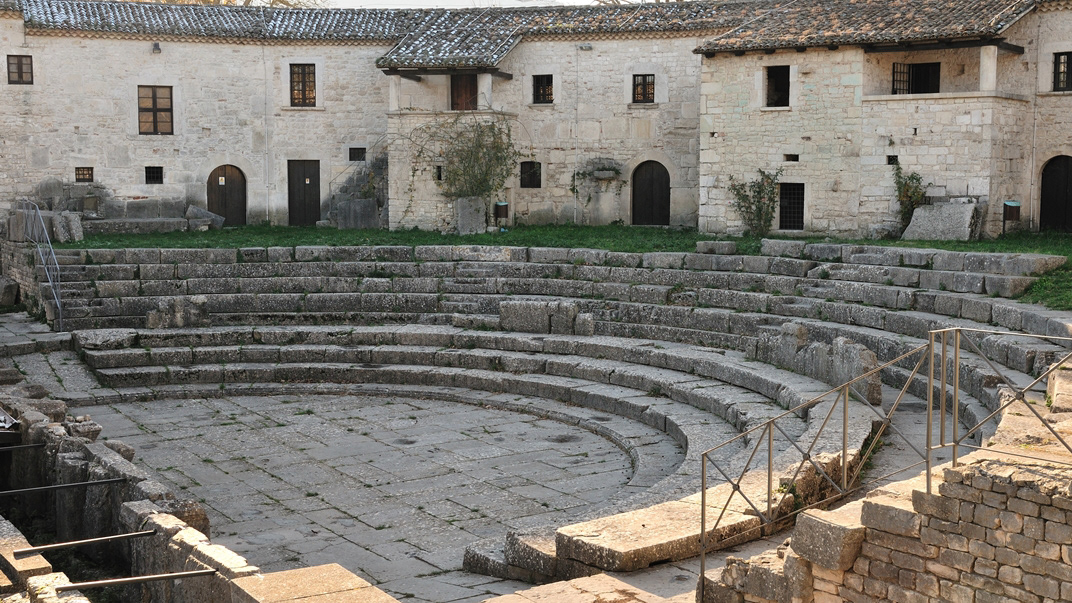
Sant’Elena Sannita. Spectacular spring views
2025
You may also like
2020
Carpinone
The municipality owes its name to the small Carpino river that flows in its territory from north to west. In turn, the Carpino river received its name from the abundance of the "carpioni", the trout males, whose fishing in its waters is numerous. The origins of Carpinone, although not very ancient, date back to at least the tenth century since in 1064 the count of Isernia Bernardo had founded the Monastery of San Marco here, then donated to the abbey of Cassino. Belonged to the County of Isernia during the Lombard domination, in the Norman and Swabian era it belonged to the County of Molise. At the beginning of the Angevin period it became a fiefdom of Tommaso d'Evoli and returned to his family in 1382 after it had belonged first to the Tucciaco family and then to the Count of Gravina.
2025
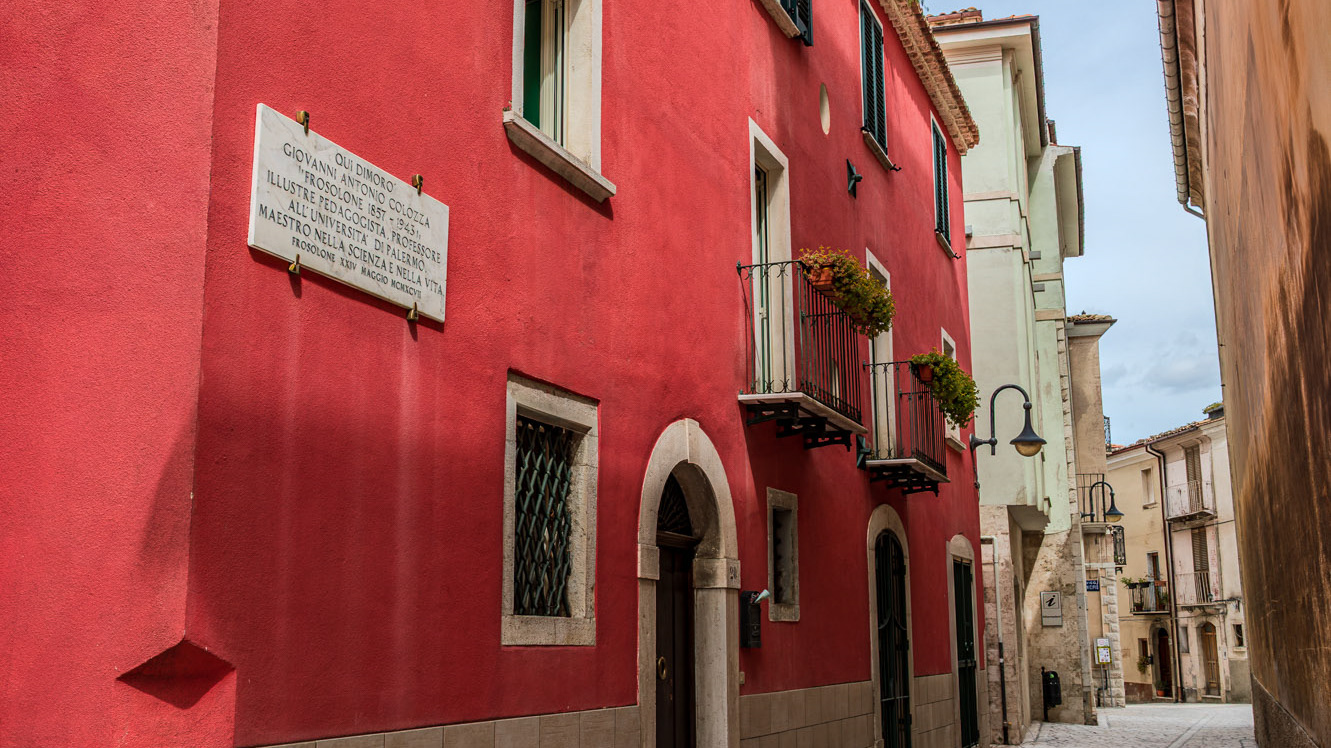
Frosolone. Glimpses of the historic center
2026
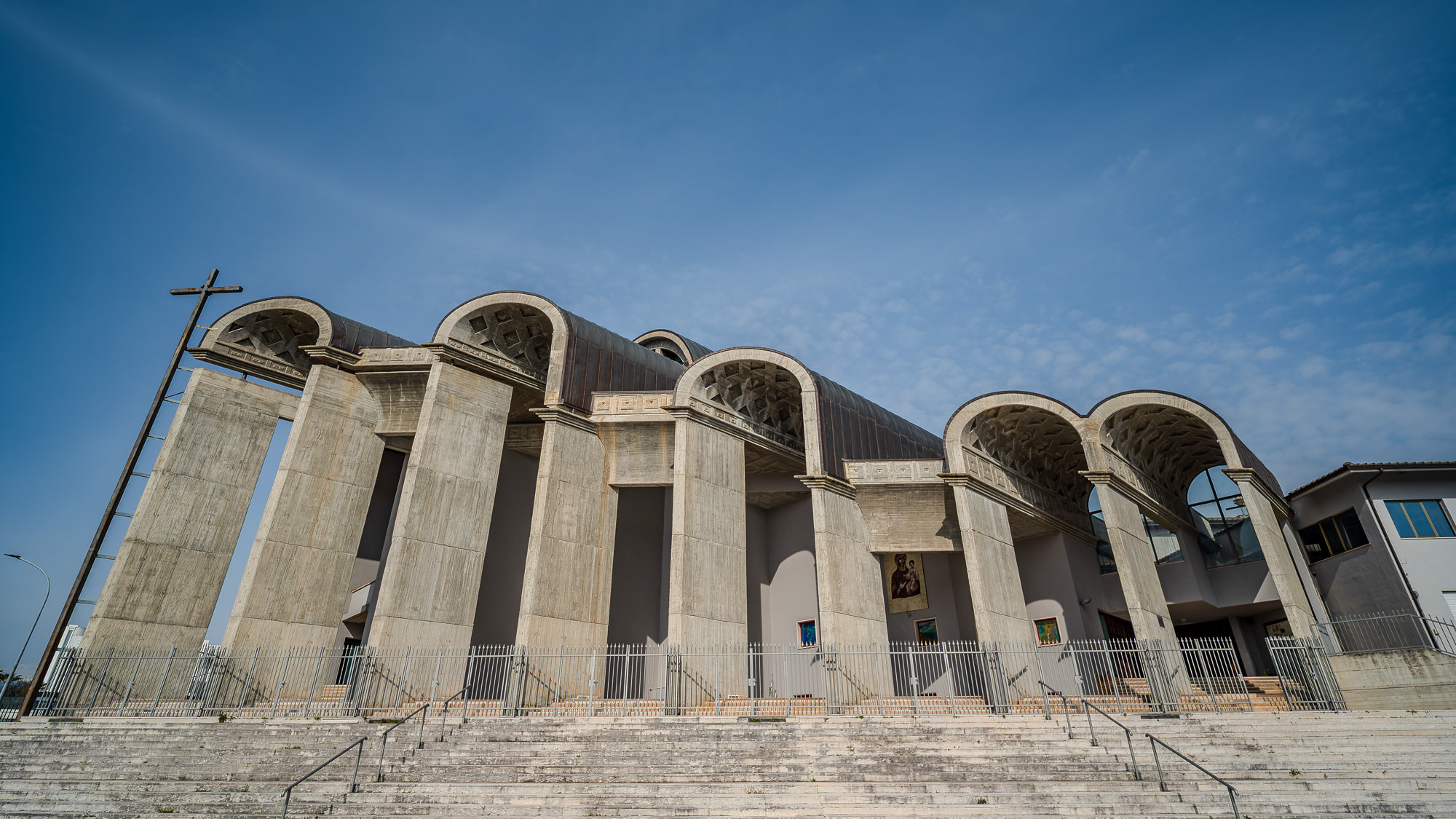
Isernia, The Church of San Giuseppe Lavoratore
2016
Scapoli (IS)
Scapoli (Scapulë in molisano) è un comune italiano di 666 abitanti della provincia di Isernia in Molise. Fino al XV secolo fu parte integrante del Giustizierato d'Abruzzo e dell'Abruzzo Citeriore. Le origini del paese risalgono probabilmente al IX secolo, come risulterebbe da alcuni testi tra i quali il "Chronicon Vulturnense", antico testo redatto intorno al 1130 da un monaco dell'abbazia di San Vincenzo al Volturno di nome Giovanni. Proprio da questo testo risulterebbe che l'insediamento di Scapoli (cd. Castrum Scappili) nacque sulle terre di proprietà dall'abbazia ad opera dei monaci che erano stati cacciati dai Saraceni da Castel San Vincenzo. Dalla sua costituzione Scapoli subì l'influenza di diverse famiglie di origine franco-romana, tra le quali nel 1043 prevalse la famiglia Borrello che aveva sottratto all'abbazia l'intera valle del Volturno. Il paese ritornò nelle mani dell'abbazia grazie all'intervento del Papa Niccolò II per poi esservi di nuovo sottratto ad opera dei Conti dei Marsi. Successivamente dal 1200 passò in mano ai Caldora e nel 1382 il feudo fu venduto ai Pandone. Nel XVI secolo e fino al 1621 fu dei Bucciarelli per poi essere ceduto a Innico di Grazia, barone di Cerro al Volturno, fino ad arrivare ai marchesi Battiloro. Fu annesso al ducato di Terra di Lavoro fino al 1861 quando entrò nel territorio di Campobasso. Durante la seconda guerra mondiale si trovò sulla famosa "Linea Gustav" creata dai Tedeschi per impedire l'avanzamento degli alleati. Molto importante fu infatti la costituzione proprio a Scapoli del Corpo Italiano di Liberazione, protagonista di sanguinose battaglie sul vicino Monte Marrone. Nel 1970 fu annesso alla neonata provincia di Isernia e da 20 anni fa parte del Parco nazionale d'Abruzzo, Lazio e Molise.
2023
Pescolanciano. D’Alessandro Castle
The D'Alessandro castle is a fortified structure in the municipality of Pescolanciano. The castle was built on the rocky spur (peschio) that overlooks the town near a Samnite fortification.
2022
Rocchetta a Volturno. Winter 2022
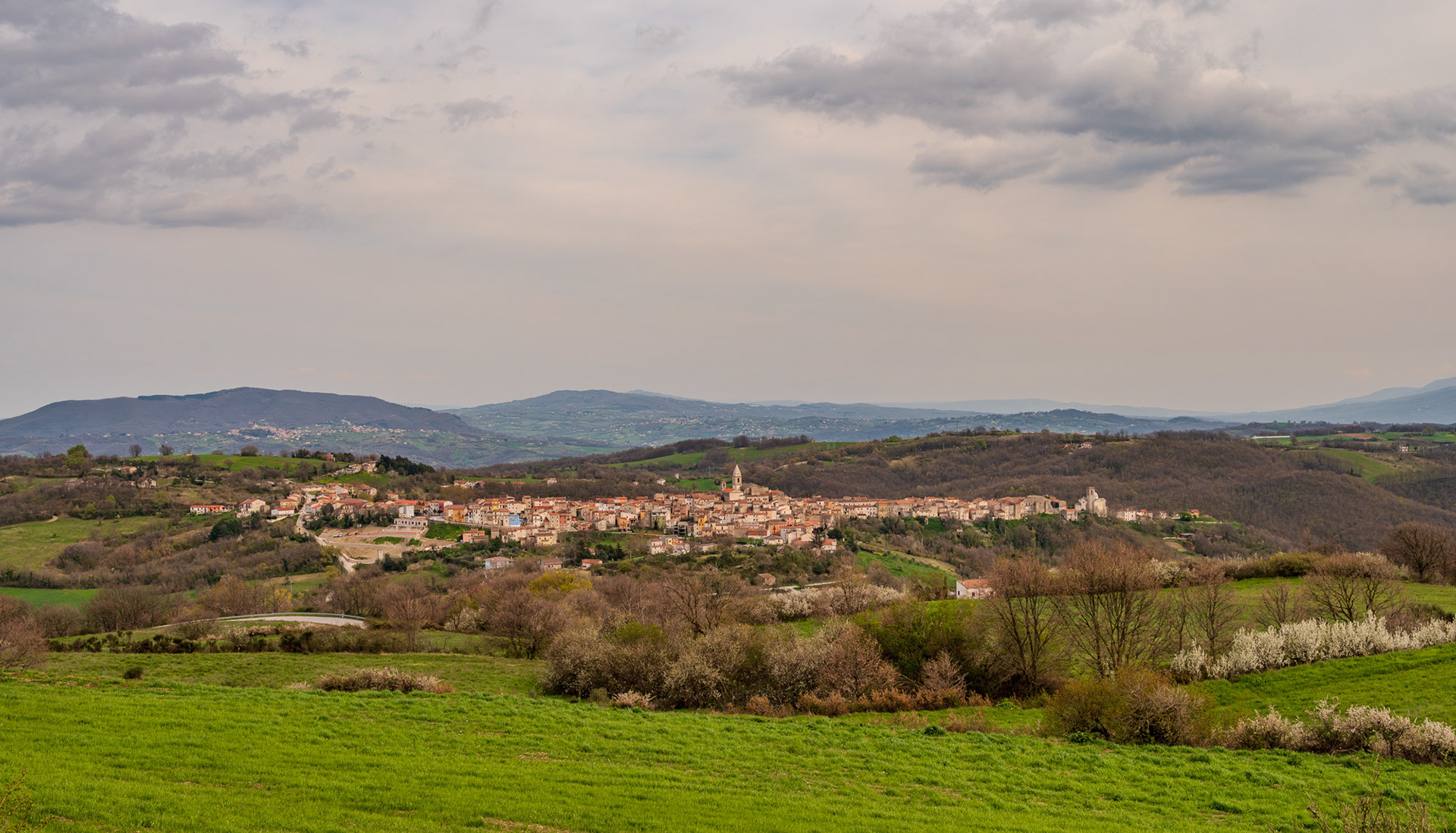
Rocchetta a Volturno is an Italian town of 1 098 inhabitants in the province of Isernia in Molise. The Municipality of Rocchetta al Volturno is made up of two nuclei: the original village, called Rocchetta Alta, or Rocchetta Vecchia, still perched in a defensive position on the mountain, and Rocchetta Nuova, which is located at a lower altitude. The new Rocchetta was born because, at the end of the 19th century, the slope that connected the southern part of the ancient town with the opposite hill was deforested and the land began to show serious subsidence from 1890 due to the progressive sliding of the superimposed layers of clay and sandstone, increased by water infiltrations, both rain and spring. In 1905, following further disastrous events, the population moved for the most part downstream, where there was a hamlet called Case Sparse. The modern town is developed today in the center of a plateau, bordered to the west by the terminal part of the Mainarde chain and to the east by a depression, at the bottom of which the Volturno flows; about two kilometers away are the sources of the river. Its name characterizes the toponyms of other nearby municipalities such as Colli a Volturno and Cerro al Volturno.
2015
Trivento (CB)
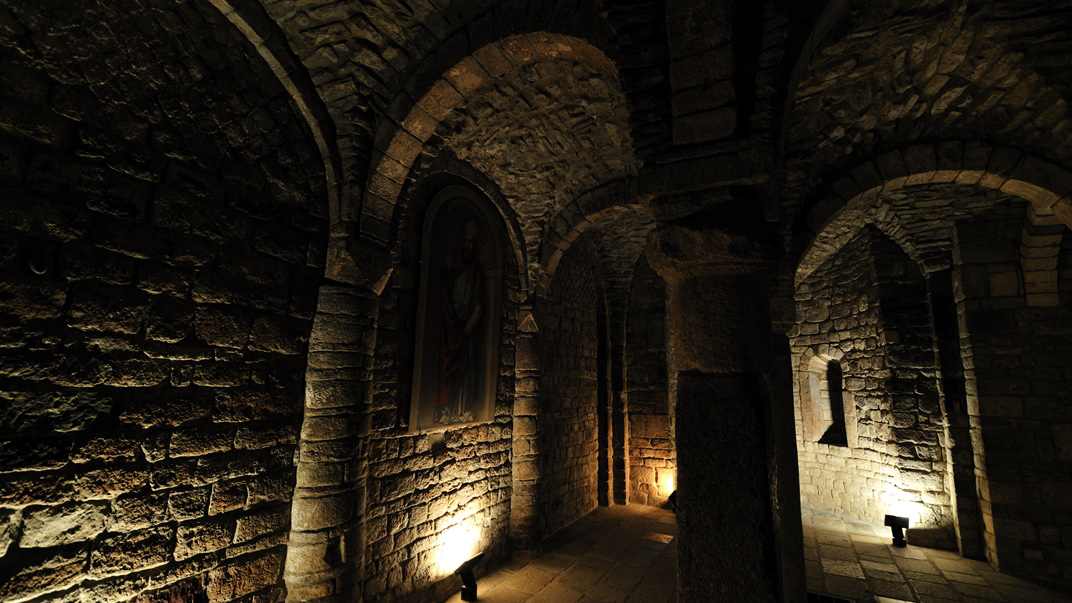
Trivento è un comune italiano di 4 663 abitanti della provincia di Campobasso, in Molise. È sede vescovile. Cattedrale dei Santi Nazario, Celso e Vittore: principale edificio religioso, fu costruita sopra il tempio di Diana e dove ora si trova la Cripta di San Casto. La chiesa venne ampliata nel XIII secolo e restaurata completamente nel 1726 in stile barocco. L'altare maggiore è di Paolo Saverio di Zinno. Di intessere è la Cripta paleocristiana in sette piccole navate con volte a crociera; presso la tomba di San Casto si trova un bassorilievo della Trinità tra due delfini. Palazzo comitale, noto anche come Palazzo Colaneri, si trova in posizione dominante sul borgo, risalente, per la forma esterna, al dominio dei Caldora nel XV secolo. La struttura presenta alte mura di cinta, con pianta irregolare, e due ingressi principali. L'interno è stato modificato nei secoli, la parte sotterranea è spartana perché usata in passato come carcere di mentre al piano nobile si conserva un salone con affreschi. Chiesa di San Nicola di Bari : costruzione del XVI secolo, in con restauro barocco dei secoli successivi, dei quali risale la statua del Sacro Cuore. La chiesa è semplice e con un impianto a capanna, e facciata alternata da mattoni e intonaco, con campanile a vela. Scalinata del borgo di San Nicola : in tutto sono 365 gradoni e costituiscono l'accesso principale alla piazza del Duomo. Sperone roccioso "Morgia dei briganti": noto per lo scorrazzare di briganti nel periodo post unitario.
2021
Isernia, scorci
2024
Miranda 2024
Miranda is an Italian municipality of 952 inhabitants in the province of Isernia in Molise. A first settlement of the current municipality probably dates back to the 11th century, as evidenced by the Norman facies of the castle that stands on the previous promontory, of which however few survive architectural elements. The original nucleus of the town is structured around it, interspersed with various walls that identify the subsequent residential layers built starting from the primary fortress. The scant documentation relating to the Miranda fiefdom testifies to a frequent transfer of ownership between various noble families, including the Di Somma Neapolitans, whose family coat of arms consisting of two towers standing on the seabed is still the official symbol of the municipality today.
2010
Sepino (CB) - Saepinum