You may also like

2023
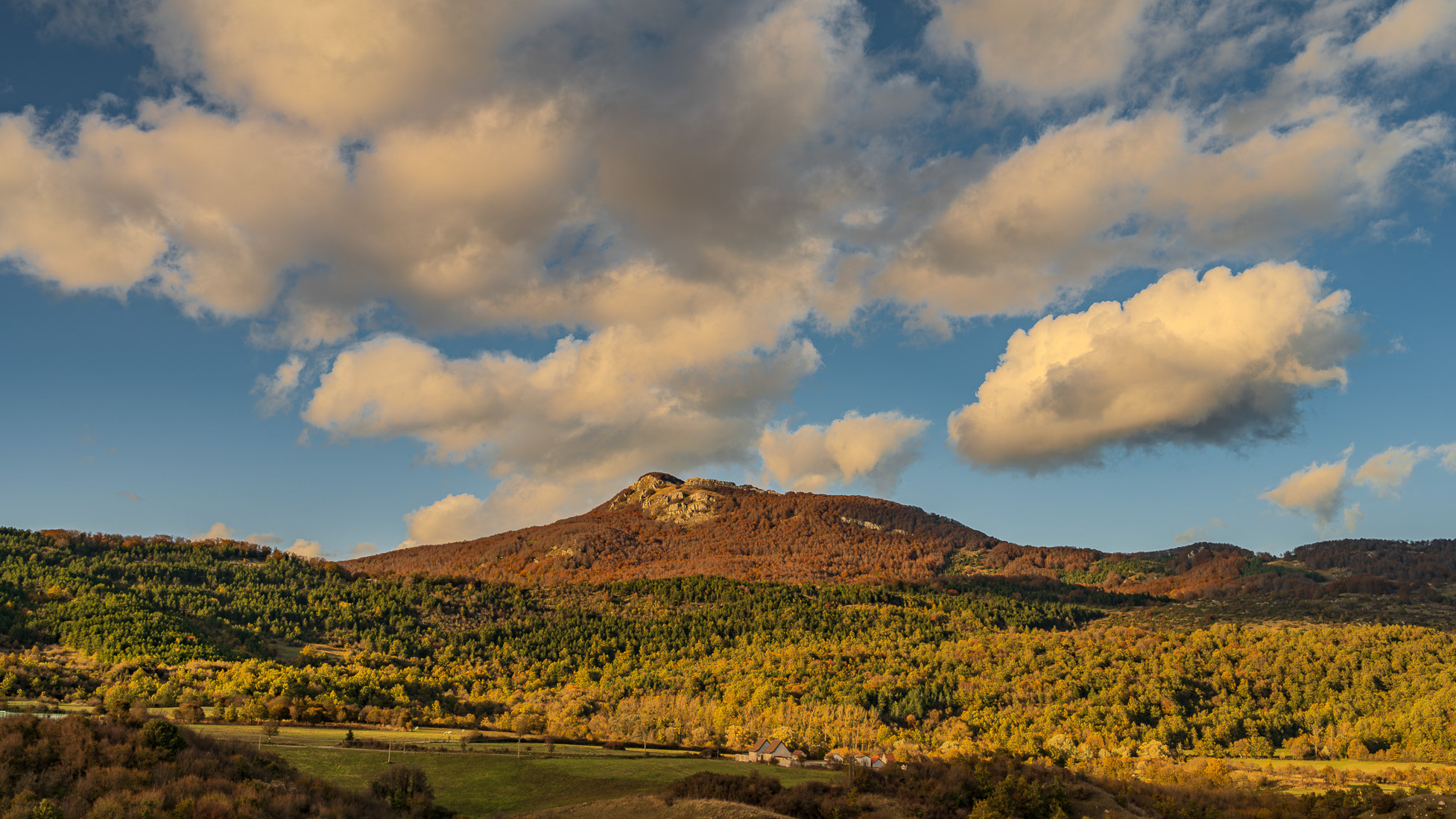
Spectacular autumn landscape
2018
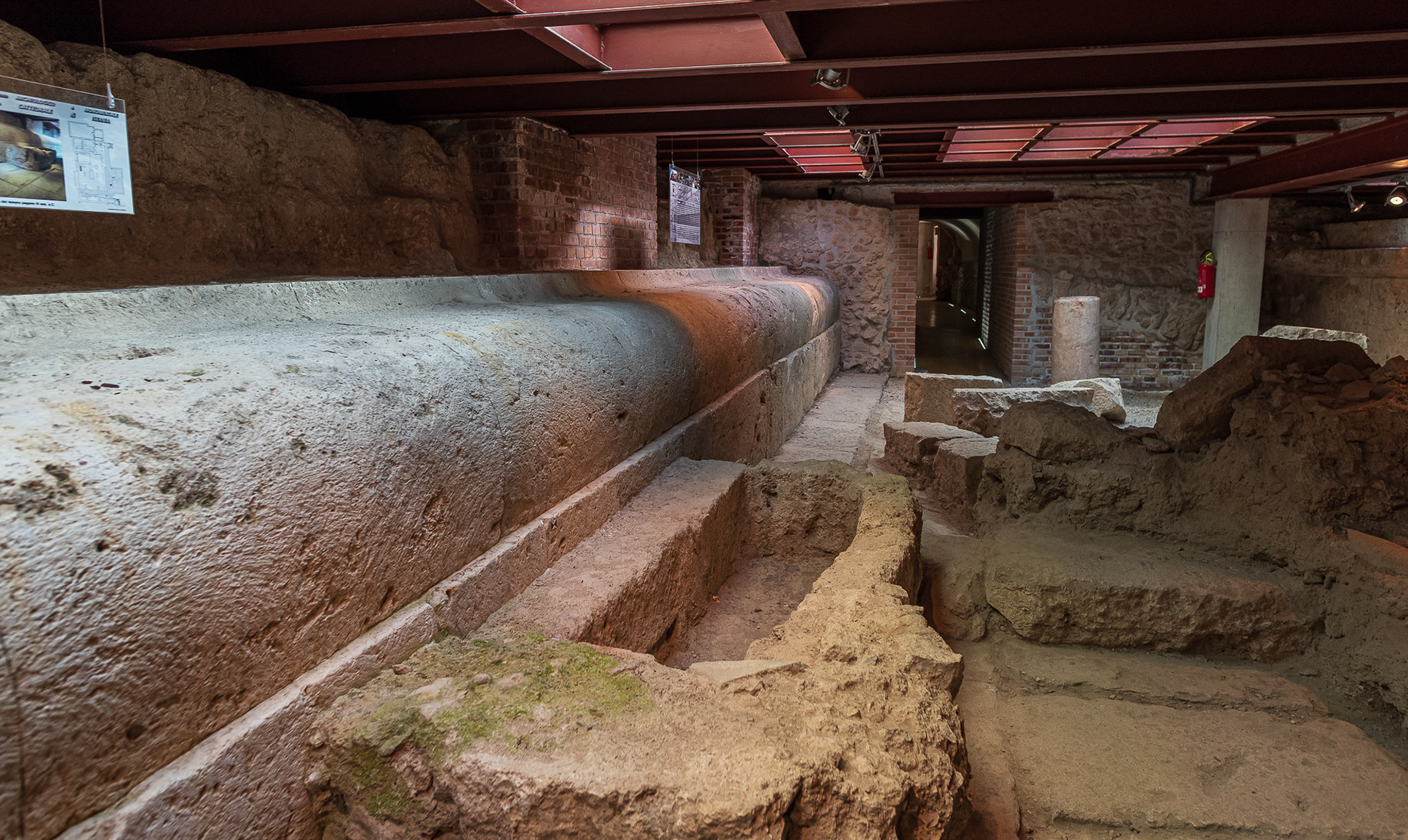
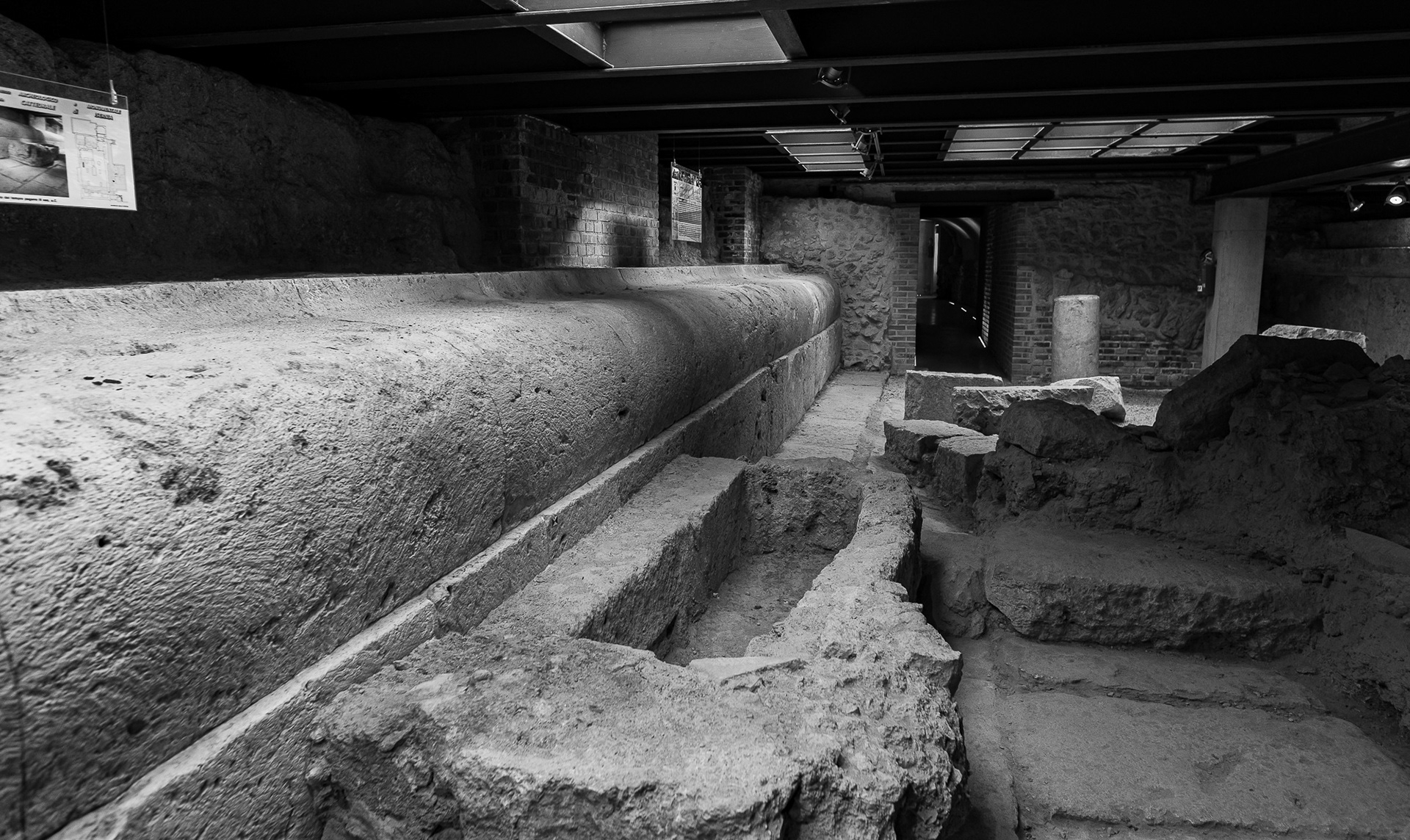
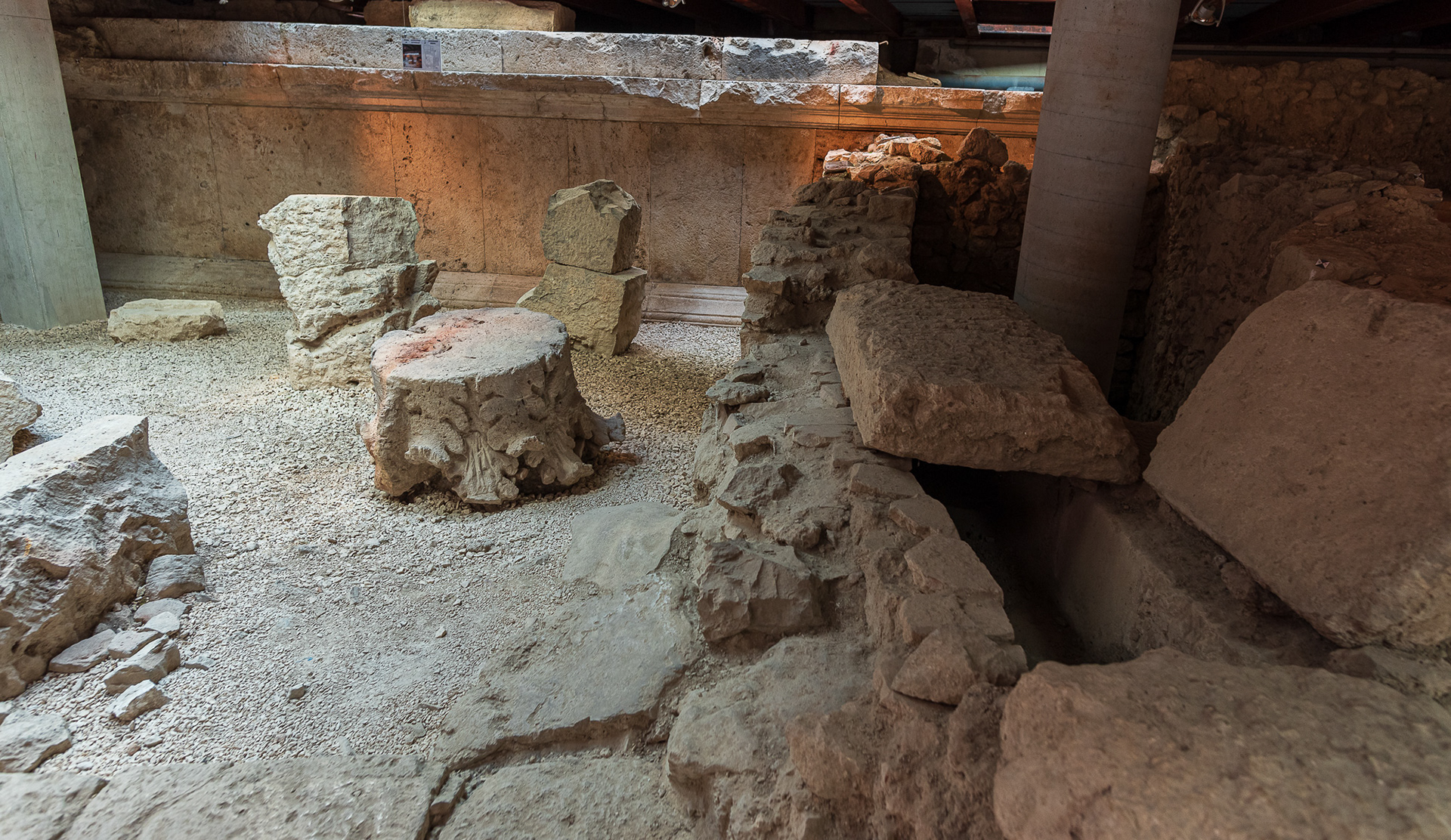
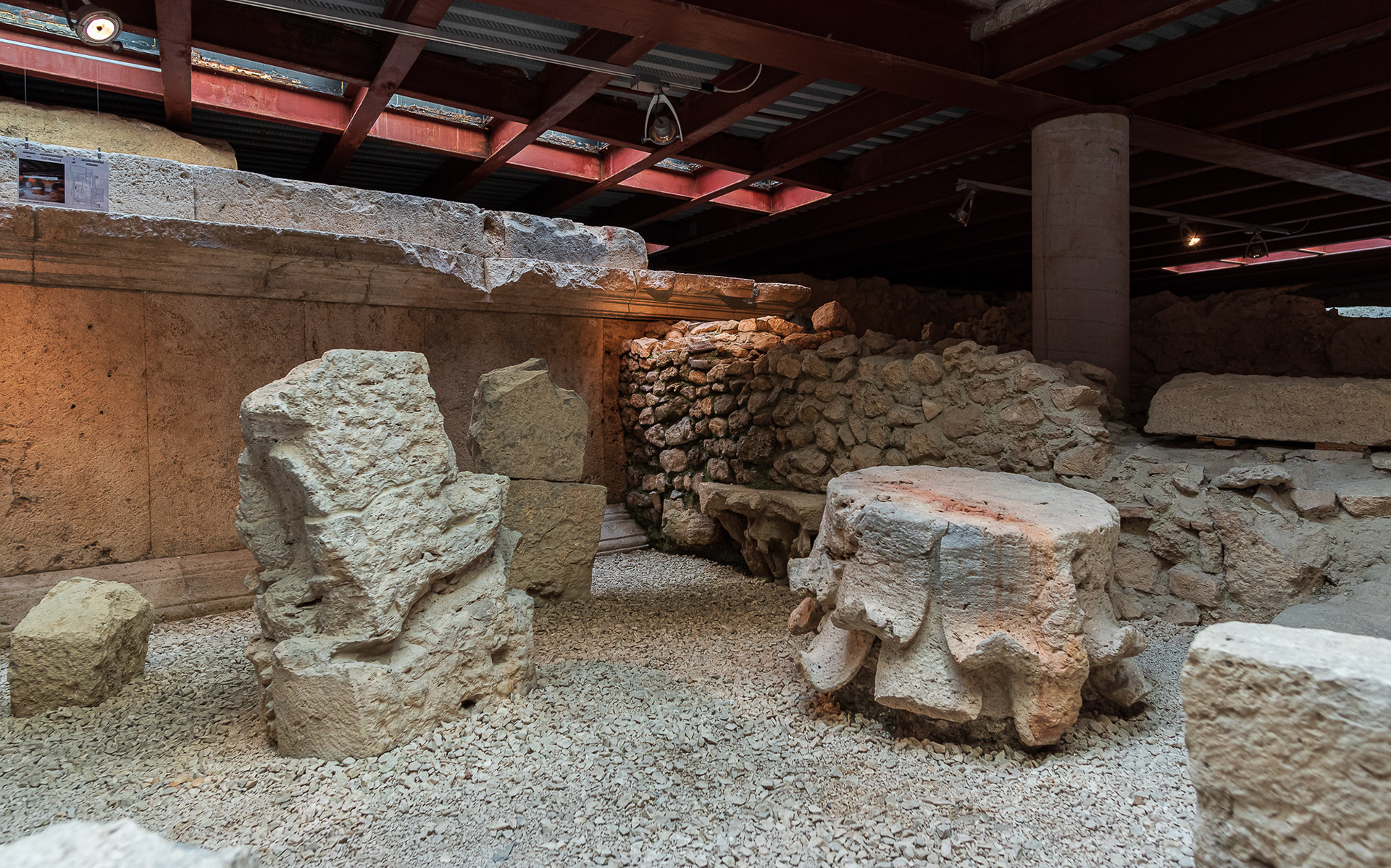
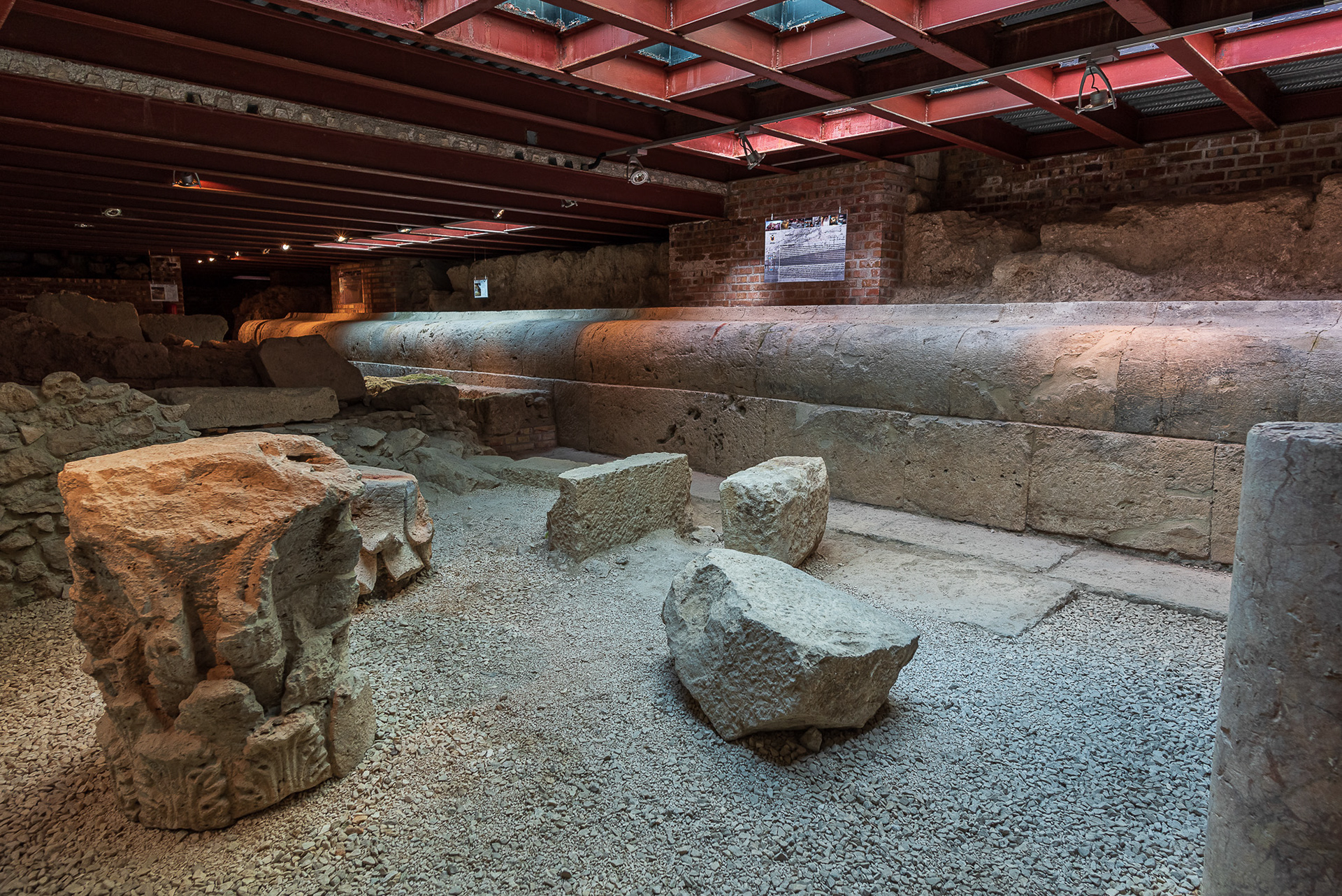
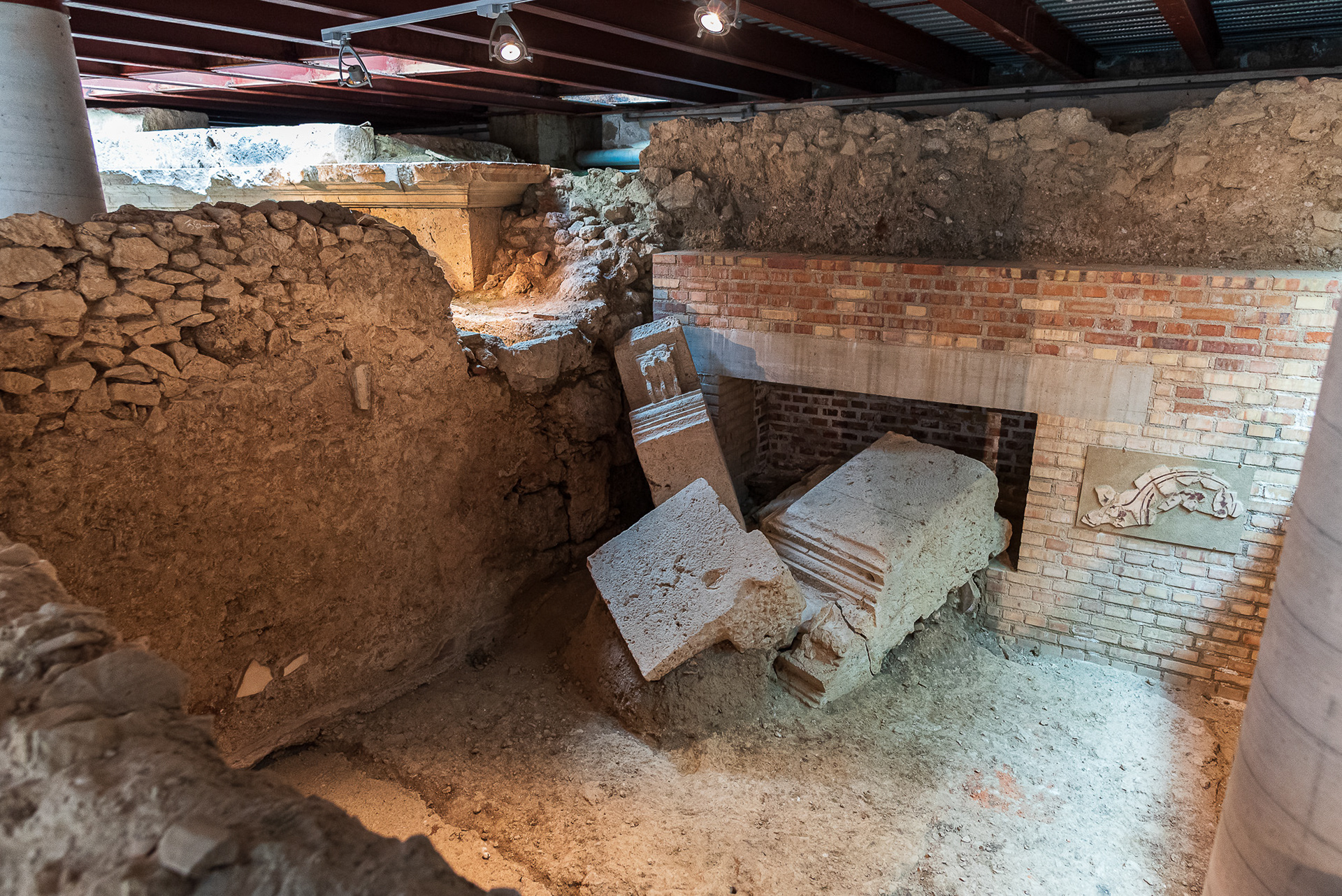
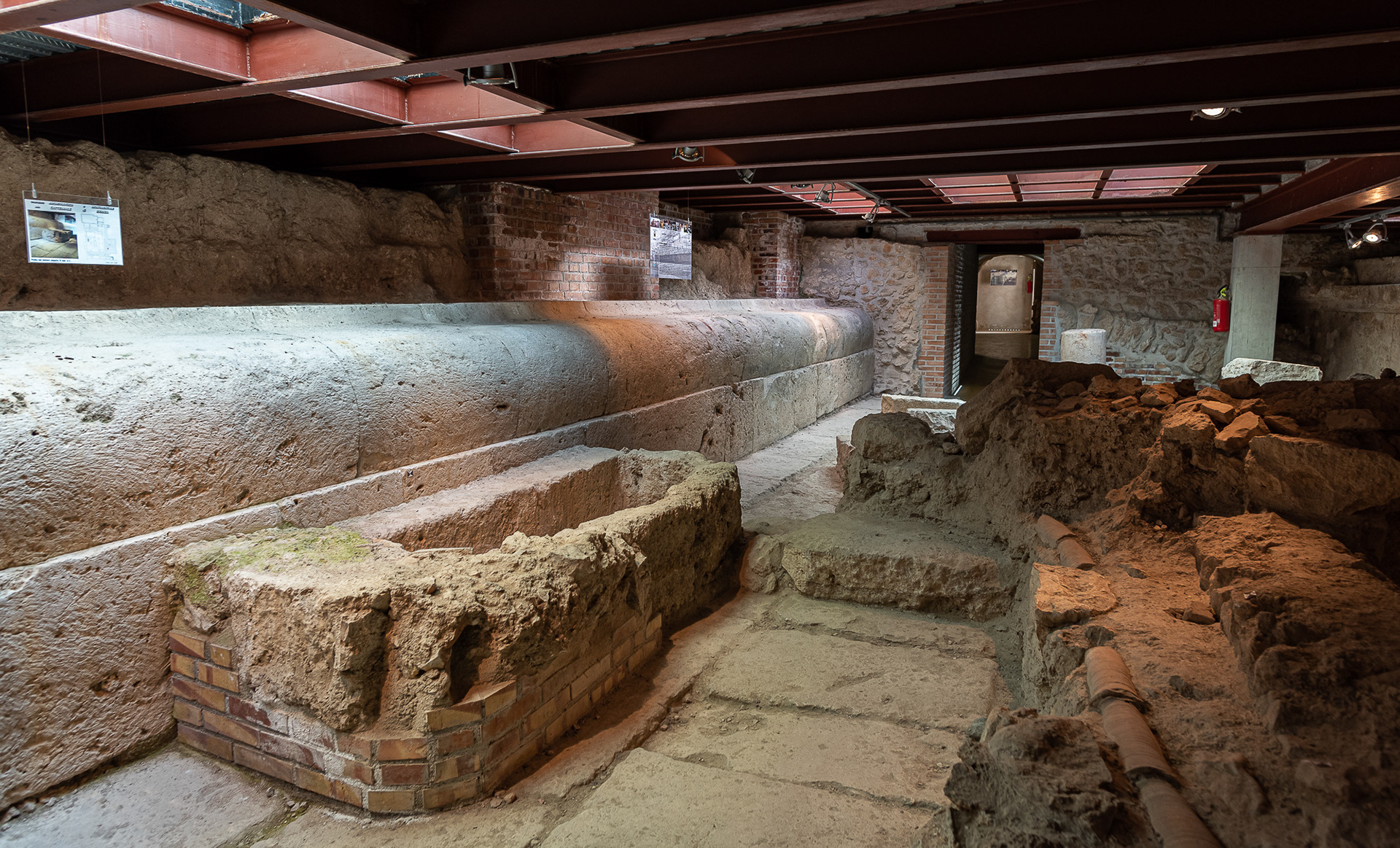
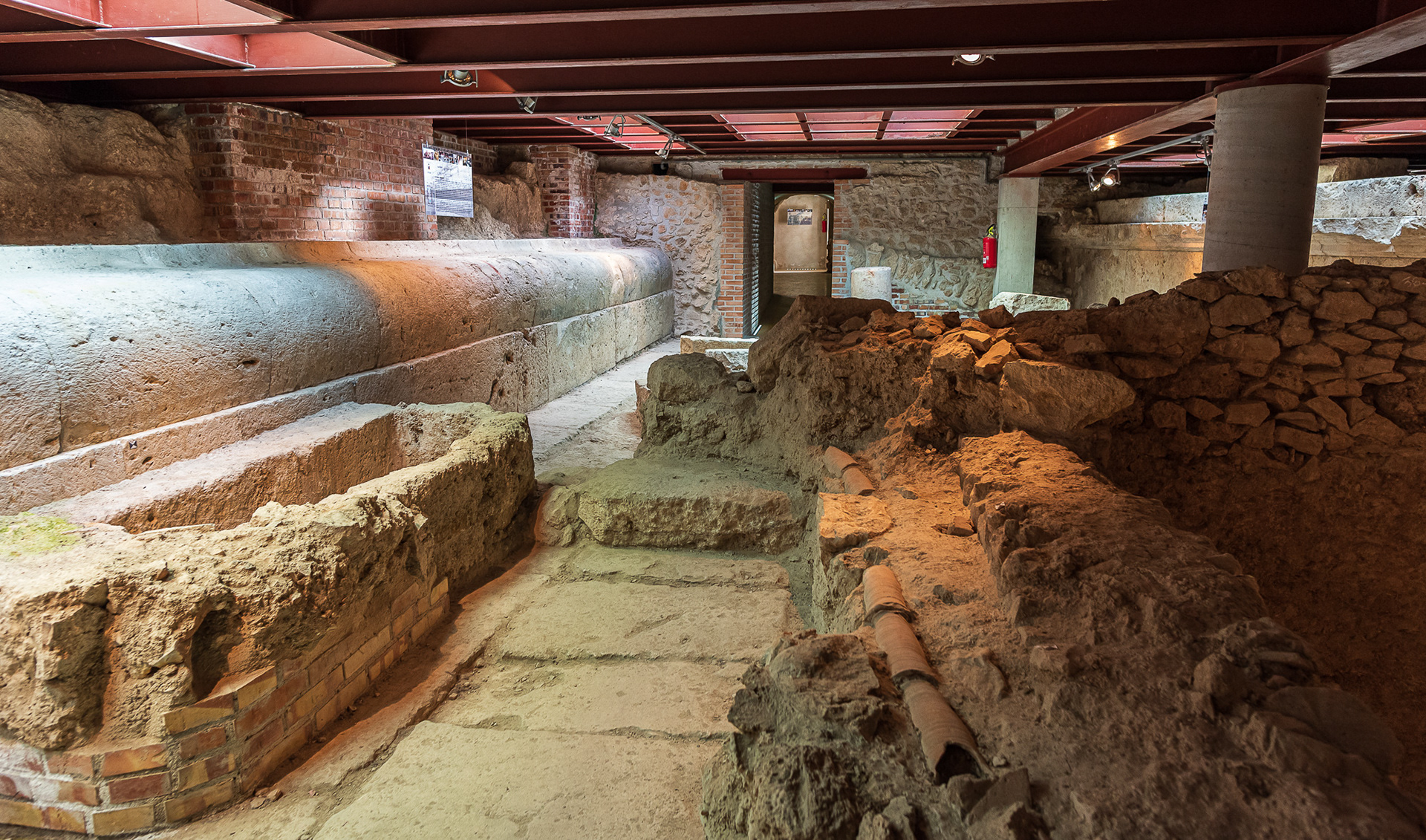
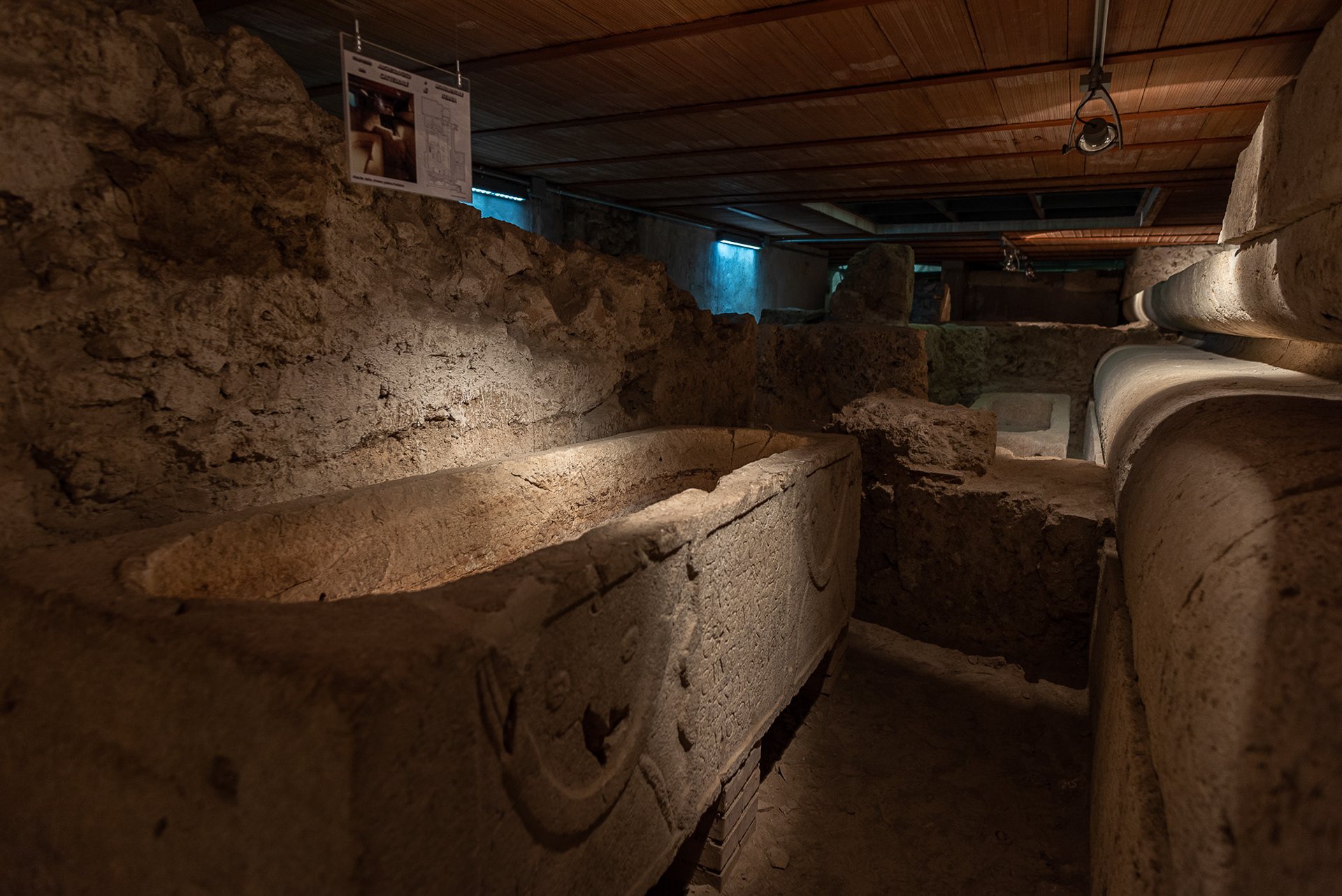
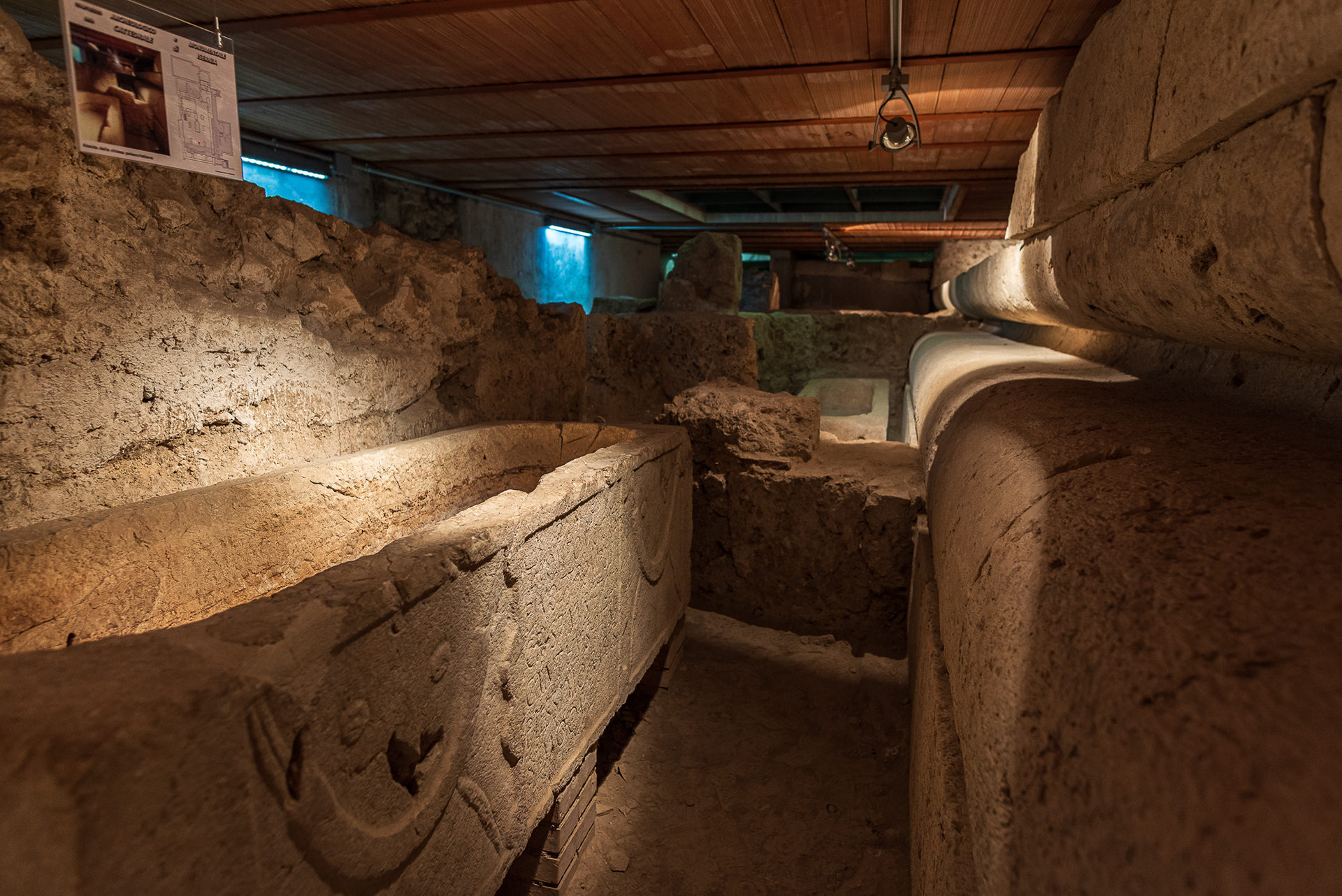
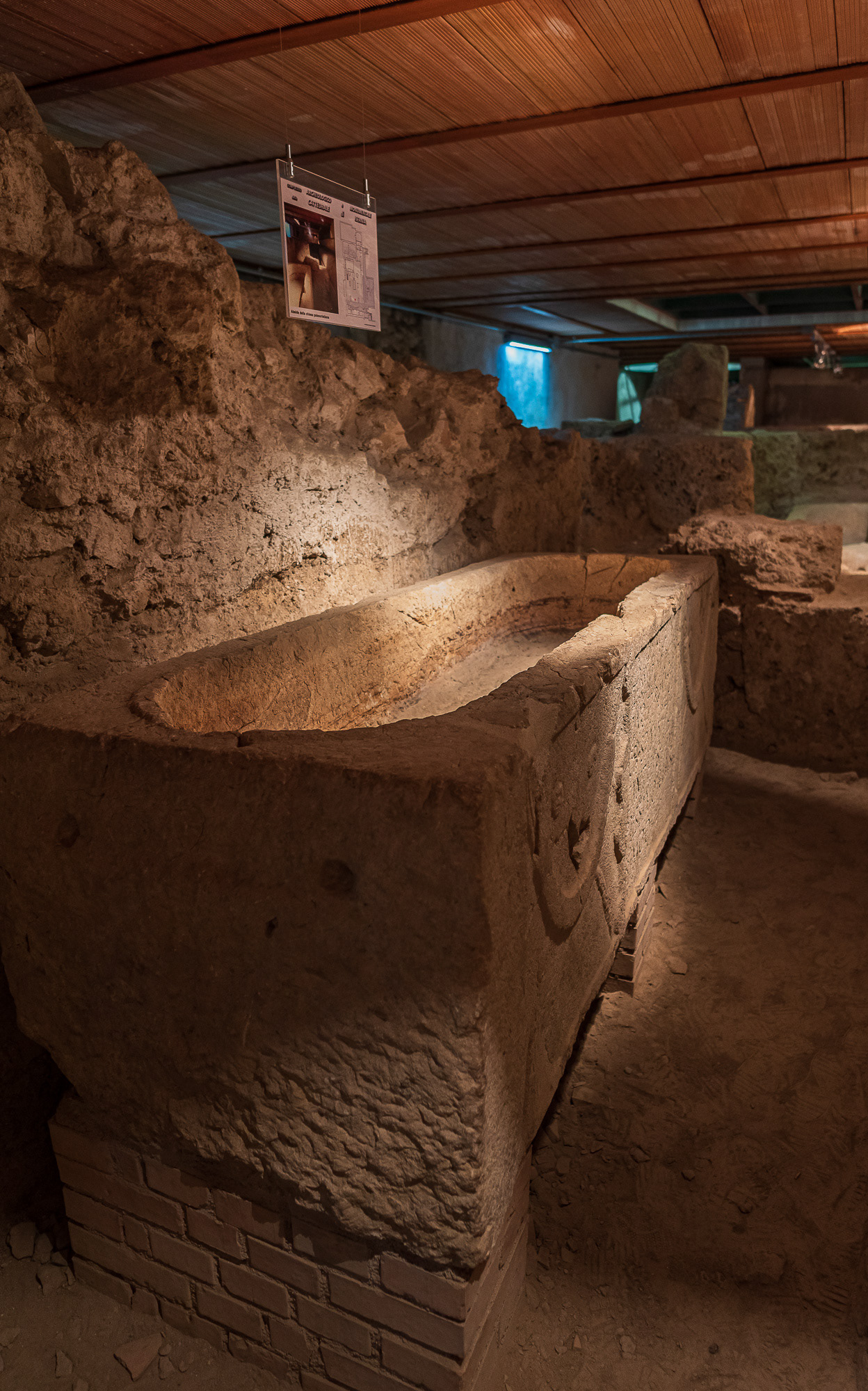
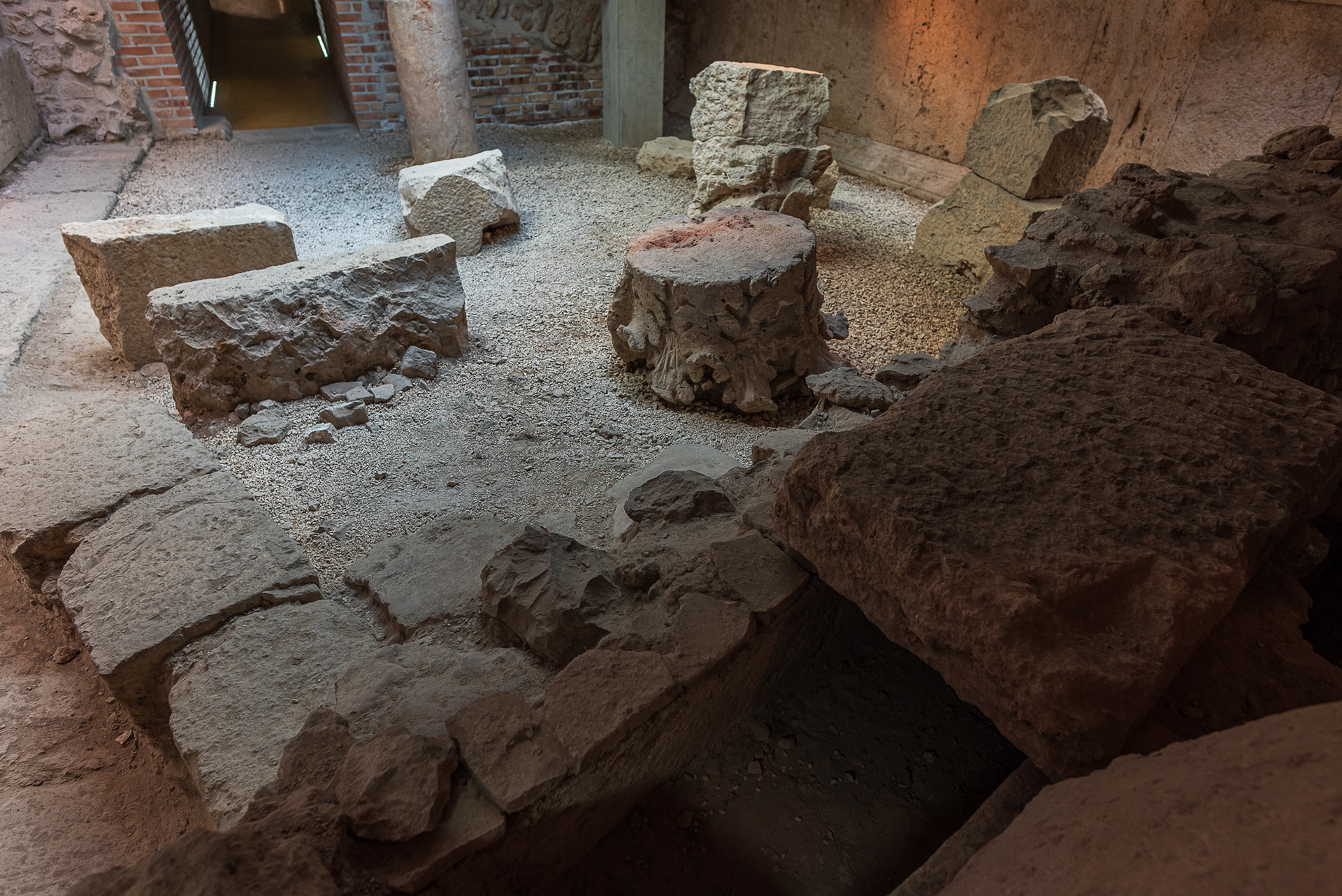
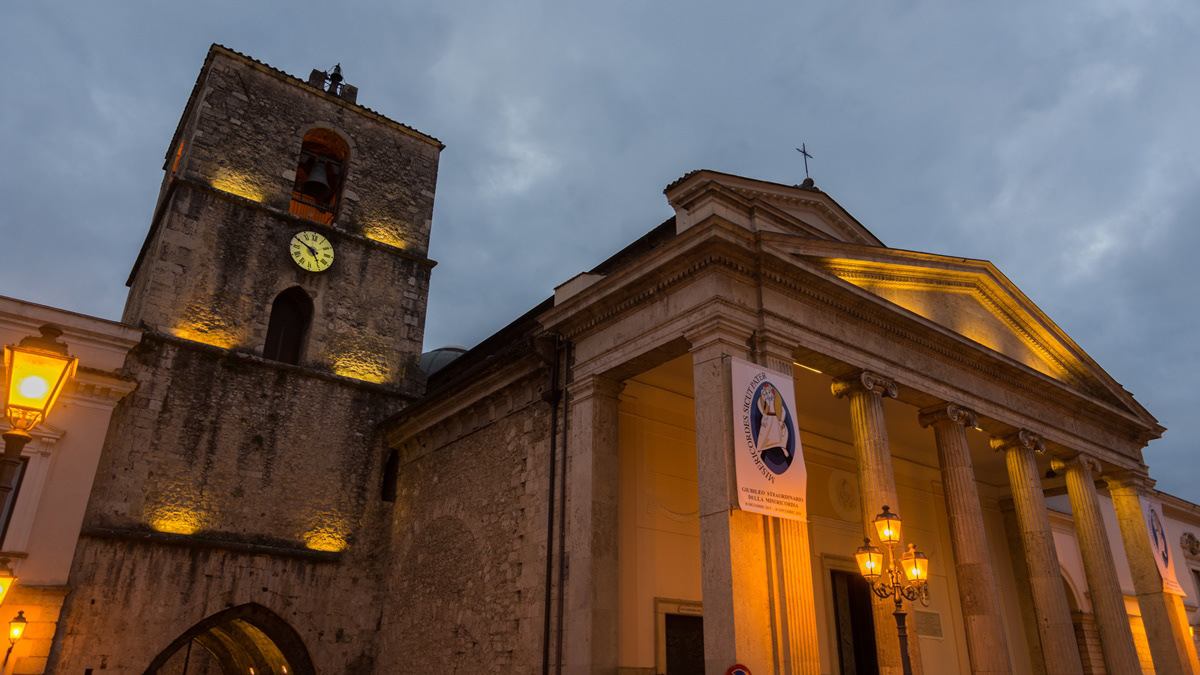
Isernia - La Cattedrale di S. Pietro Apostolo
La cattedrale di San Pietro Apostolo è l'edificio di culto cattolico più importante della città di Isernia, chiesa madre della diocesi di Isernia-Venafro e sede dell'omonima parrocchia. Si trova in piazza Andrea d'Isernia, nel centro storico della città e sorge su un antico tempio pagano italico del III secolo a.C.; il suo aspetto odierno è il risultato di numerosi interventi, effettuati sia dopo i numerosi terremoti, sia in seguito a progetti di rinnovamento dell'edificio.
2022
Capracotta, winter 2022
Capracotta is an Italian town of 833 inhabitants in the province of Isernia, in Molise. It suffered great destruction during the Second World War and from the second half of the twentieth century it developed on the tourist level as a Molise ski resort together with Campitello Matese. Located at 1,421 meters above sea level, it is, from a geographical point of view, one of the highest areas of the Apennines as well as being the highest municipality in Molise. The town is located on the parallel 41 ½ and on the meridian of Castel dell'Ovo and extends between the countryside of Pescopennataro and Sant'Angelo del Pesco to the north, that of Agnone to the east, of Vastogirardi to the south and S. Pietro Avellana and Castel del Giudice. The highest point in the municipal area is the summit of Monte Campo at 1746 m a.s.l. Downstream of the town, towards the south, are the sources of the Verrino, a tributary of the river Trigno. Just outside the town, on the road to Pescopennataro, is the "Garden of Apennine Flora", a high altitude botanical garden that collects notable floral and tree species from central and southern Italy. Capracotta is an important climatic and ski resort. It has two important facilities: one for alpine skiing, in Monte Capraro, with a chairlift; the other for cross-country skiing in Prato Gentile: the latter facility was the site of the Absolute Italian Cross-Country Skiing Championships in 1997.
2023
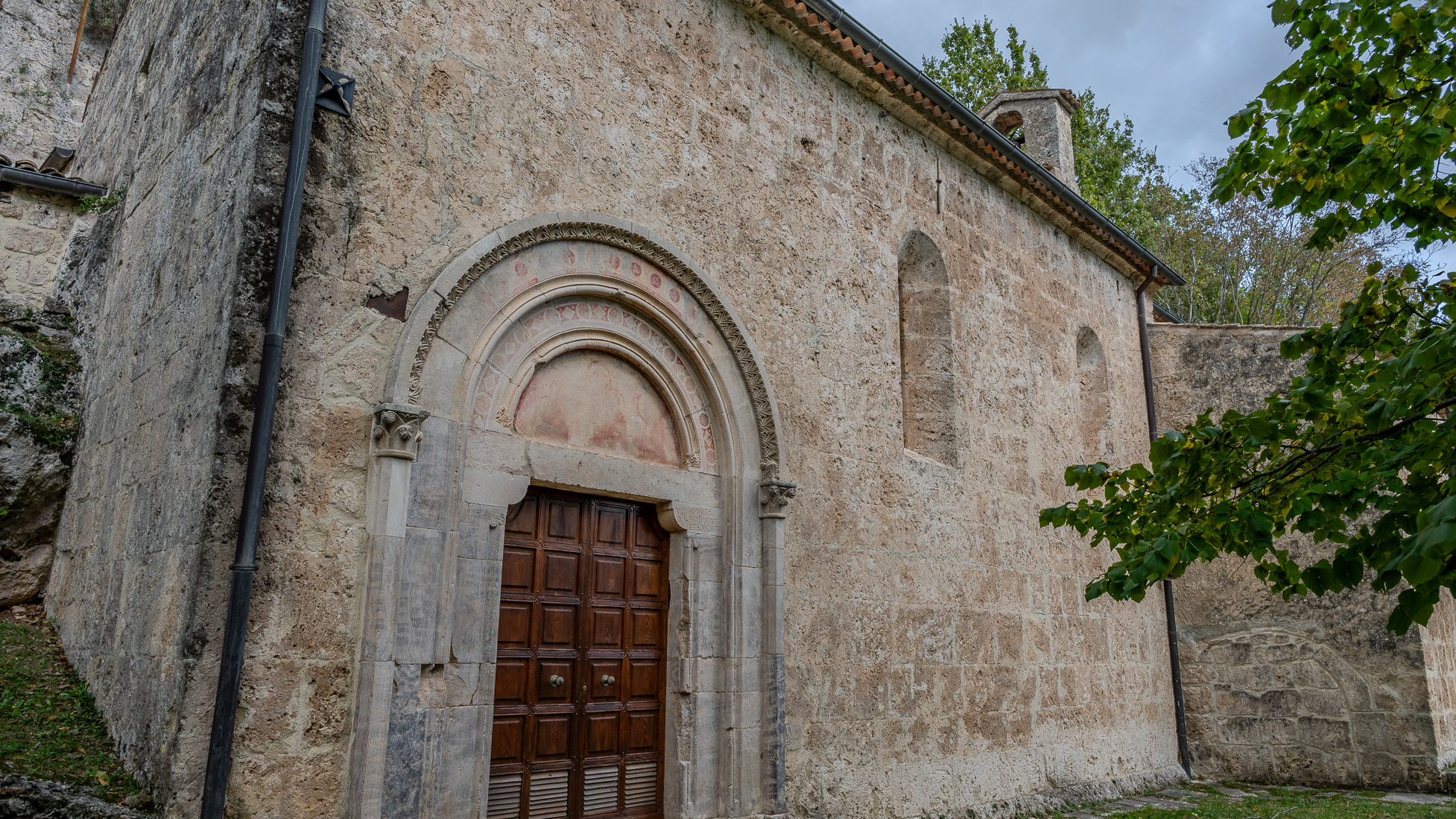
Rocchetta in Volturno. Sanctuary of S. M. delle Grotte
Of Benedictine architecture, between the 13th and 14th centuries the Sanctuary, which is flanked by a monastery, represents a complex of very significant religious importance.
2022
Rocchetta al Volturno
Rocchetta a Volturno is an Italian town of 1 098 inhabitants in the province of Isernia in Molise. The Municipality of Rocchetta al Volturno is made up of two nuclei: the original village, called Rocchetta Alta, or Rocchetta Vecchia, still perched in a defensive position on the mountain, and Rocchetta Nuova, which is located at a lower altitude. The new Rocchetta was born because, at the end of the 19th century, the slope that connected the southern part of the ancient town with the opposite hill was deforested and the land began to show serious subsidence from 1890 due to the progressive sliding of the superimposed layers of clay and sandstone, increased by water infiltrations, both rain and spring. In 1905, following further disastrous events, the population moved for the most part downstream, where there was a hamlet called Case Sparse. The modern town is developed today in the center of a plateau, bordered to the west by the terminal part of the Mainarde chain and to the east by a depression, at the bottom of which the Volturno flows; about two kilometers away are the sources of the river. Its name characterizes the toponyms of other nearby municipalities such as Colli a Volturno and Cerro al Volturno.
2023
Vastogirardi, novembre 2023
Physical geography It is located at 1200 m above sea level. in the part of Molise bordering Abruzzo. The territory of Vastogirardi (IS) extends over an area of 60.72 km² and borders the municipalities of Capracotta to the north, San Pietro Avellana, Castel di Sangro (AQ) and Rionero Sannitico to the west, Forlì del Sannio, Roccasicura and Carovilli to the south, Agnone to the east. From a morphological point of view, the territory is separated from that of Capracotta by reliefs of Monte Capraro, which oscillate between 1300 - 1350 m, which descend steeply to Piano S. Angelo and Difesa Grande and Capo di Trigno (ancient lake basin ) at an altitude of 1100 m from which the Trigno river originates, one of the two most important Molise rivers which flows into the Adriatic Sea and gives its name to the road of the same name which reaches up to San Salvo (CH), i.e. the Trignina. To the west are the mountains of Montagnola (1292 m) and Monte Miglio (1350 m), to the south is Monte Pizzi (1373 m), while to the east are the mountains of Montagna Fiorita with Montarone (1278 m). Vastogirardi develops close to a hill at the top of which are the castle and the ecclesiastical complex of San Nicola di Bari. Inside the walls is the village, which appears well preserved in its original defense function, as evidenced by the cylindrical towers incorporated in factories and the supports between building blocks. The result of subsequent expansions, the churches of S. Rocco and S. Maria delle Grazie were built at the beginning of the 18th century and incorporated into the third urban expansion dating back to the 18th - 19th century. Over the course of the last century the town no longer followed the aggregation trend of stepped bands, according to the morphological trend of the site, but developed along via Garibaldi c.da Difensa (towards Castel di Sangro) and via Re d'Italia (direction Isernia). Origins of the name It is assumed that the name Vastogirardi originates from the name of a crusader captain, Giusto Girardi. In the past it also took the name of Castrum Girardi due to the castle (other attested toponyms are Castel Girardo, Rocca Girardo, Guasti Belardi, Guardia Giraldo and Guardia Gerardo) and subsequently its current name, deriving from an alliteration of Lombard jargon.
2025
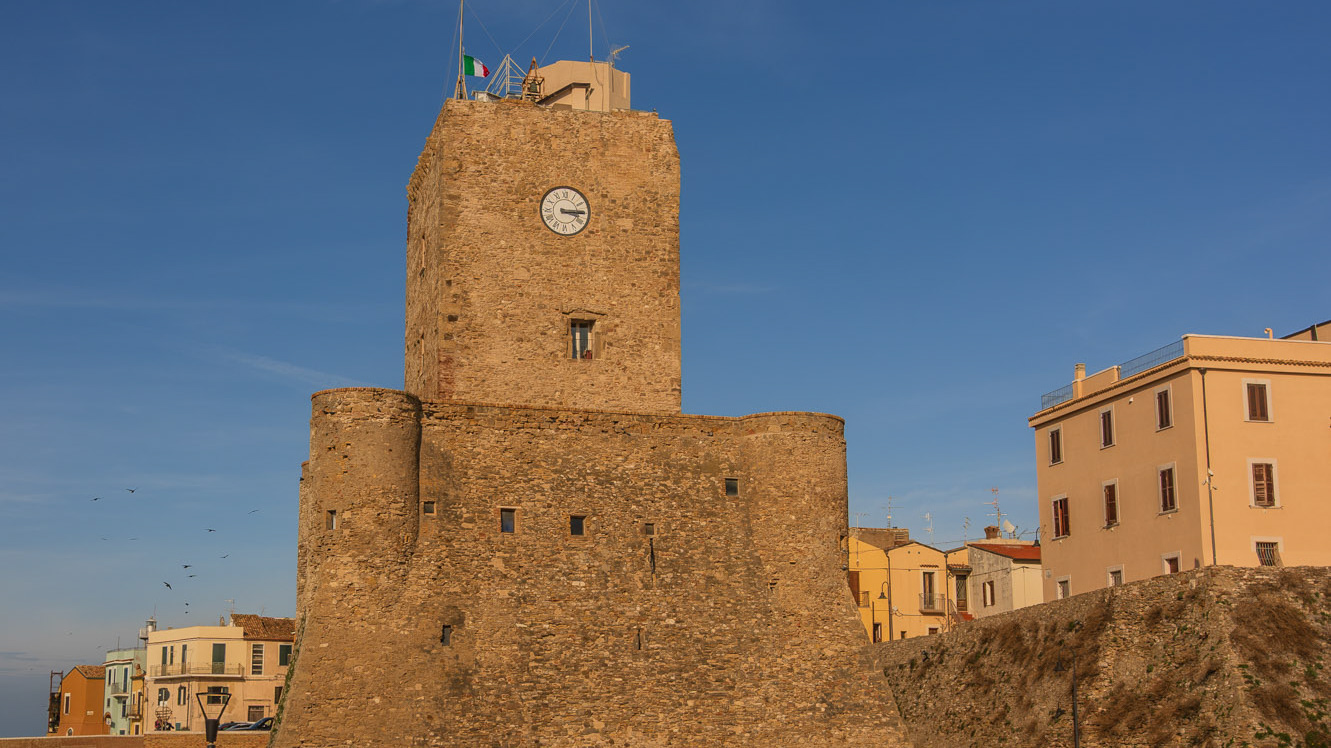
Termoli
2020
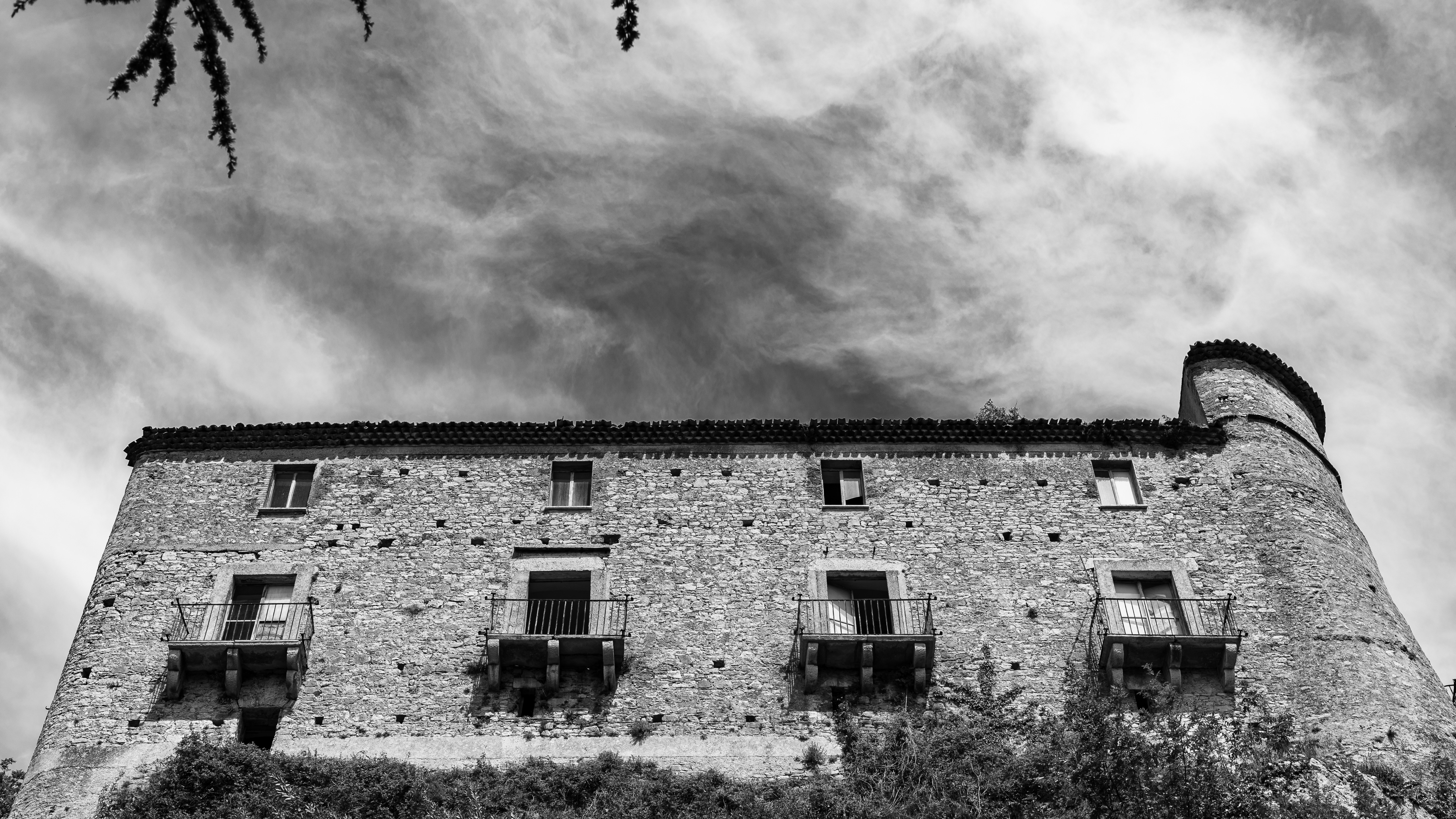
Carpinone. Il Castello
The Castle of Carpinone was probably built in the Norman period and from the time of its construction until the end of the thirteenth century the building was repeatedly enlarged and equipped with greater fortifications to become one of the strongholds of Tommaso da Celano. In 1223, on the basis of an edict issued by Frederick II of Swabia, the castle was destroyed by Ruggiero di Pescolanciano. It was then rebuilt during the 14th century by the d'Evoli family and during the 15th century it returned to its former glory thanks to the commitment of Giacomo Caldora. The last family that bought the fiefdom, that of the de Riso, maintained it until the abolition of feudalism, in 1806. In 1954 the notary Valente, one of the last owners, had the entire main floor and the second floor rebuilt, adapting them to new housing needs. Currently the castle is presented, with its three surviving towers, in a state of evident majesty.
2021
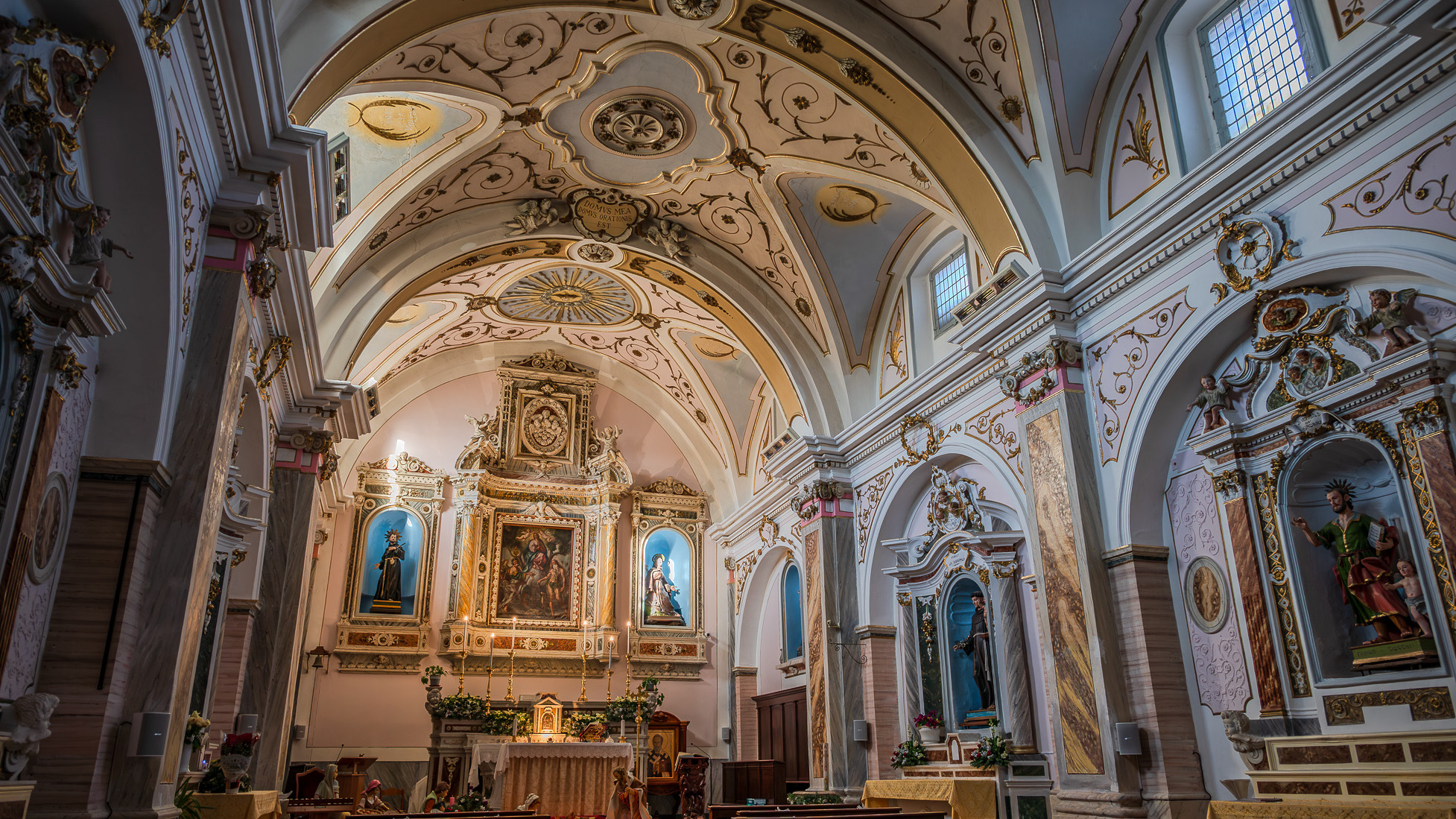
Isernia, Church of S. Maria Assunta
La Chiesa, in stile moderno, si trova nel centro cittadino della parte nuova ed è facilmente raggiungibile da ogni punto. Essa stessa rappresenta un punto di riferimento urbano per muoversi all'interno della città.
2024
Macchiagodena. Church of San Lorenzo.
The church of San Lorenzo is located near the Castle. Initially the structure was used as a convent, until it was abolished in 1866.
Back to Top