You may also like

2024
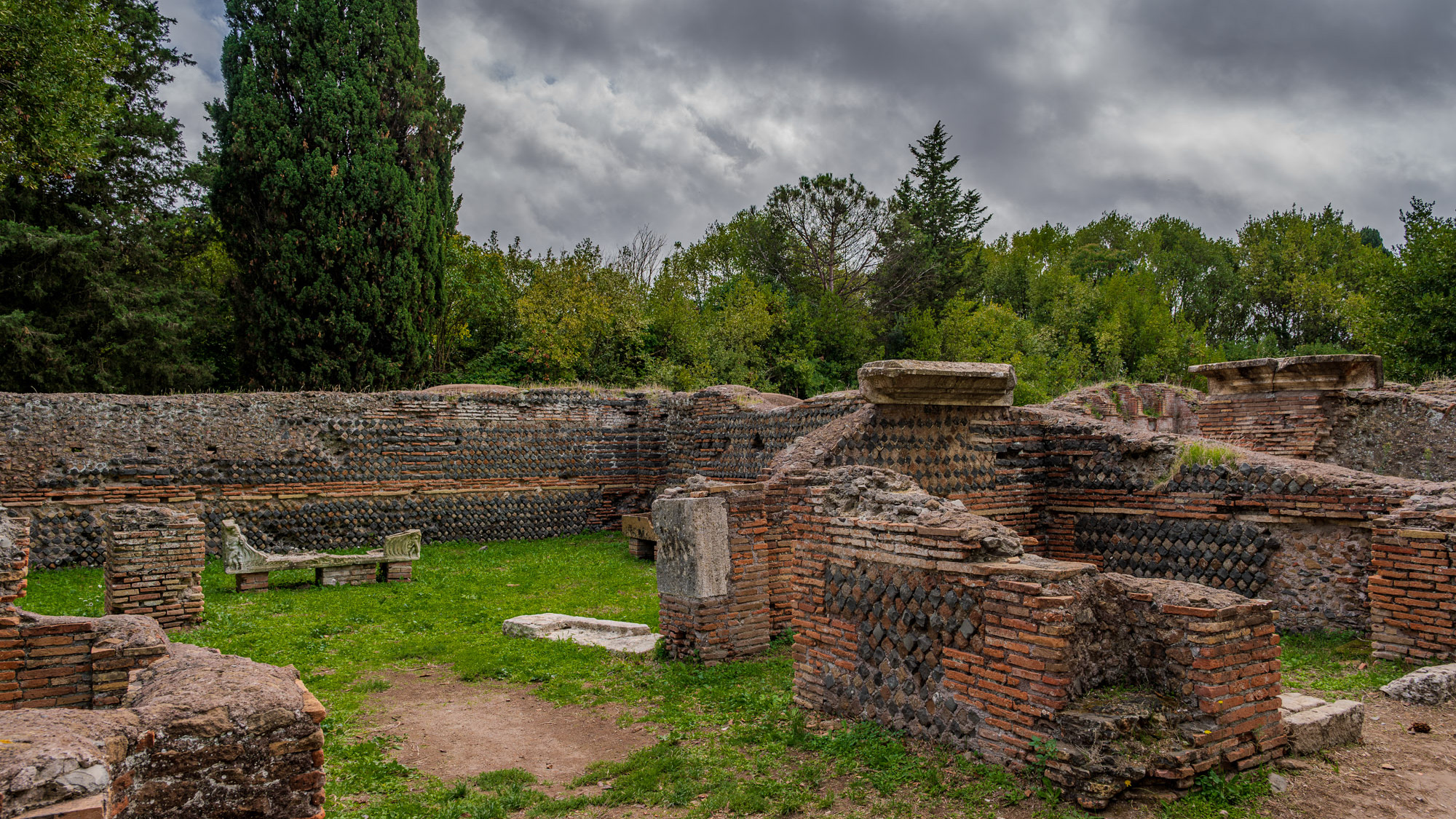
Ostia. Archaeological Park of Ostia Antica
Ostia Antica is historically considered the “Gateway to Rome”: founded at the mouth of the Tiber, it was the first colony of Rome, as early as the 4th century BC.
2023
Roma. Papal Major Basilica of St. Peter in the Vatican
St. Peter's Basilica in the Vatican, officially the Papal Major Basilica of St. Peter in the Vatican, is a Roman Catholic basilica located in St. Peter's Square in the Vatican City state; it is a masterpiece of Italian art and one of the symbols of Rome, of which it dominates the panorama. It is the largest of Rome's four papal basilicas and is often described as the largest church in the world both for its size and, metaphorically, for its importance as a center of Catholicism. However, it is not the cathedral church of the Roman diocese since this title belongs to the basilica of San Giovanni in Laterano, which is also the first in dignity being the Mother and Head of all the Churches of the City and of the World. As a papal chapel, located adjacent to the Apostolic Palace, St. Peter's Basilica is the seat of the main manifestations of Catholic worship and is therefore in solemn function on the occasion of the main papal celebrations. Under the pontificate of Pius IX it hosted the sessions of the First Vatican Council and under Pope John XXIII and Paul VI those of the Second Vatican Council. In addition to its liturgical importance, due to its thousand-year history, the workers involved, the exceptional technical and artistic quality, as well as the enormous and lasting influence it exerted on later architecture, St. Peter's basilica is widely considered one of the absolute masterpieces and one of the most important achievements in the history of architecture, and is included in the UNESCO World Heritage Site called Vatican City and established in 1984.
2025
Gaeta. The Grotta del Turco
2015
Cistercian Abbey of Casamari (FR)
Casamari Abbey is one of the most important Italian monasteries of Cistercian Gothic architecture. It was built in 1203 and consecrated in 1217. It is located in the territory of the municipality of Veroli, in the province of Frosinone. In June 1957 Pope Pius XII elevated the abbey church to the dignity of a minor basilica.
2025
Isola del Liri. Church of San Lorenzo Martire
The Church of San Lorenzo Martire is the city's main church, located in the historic center on Piazza San Lorenzo. It is Isola del Liri's most important monument.
2022
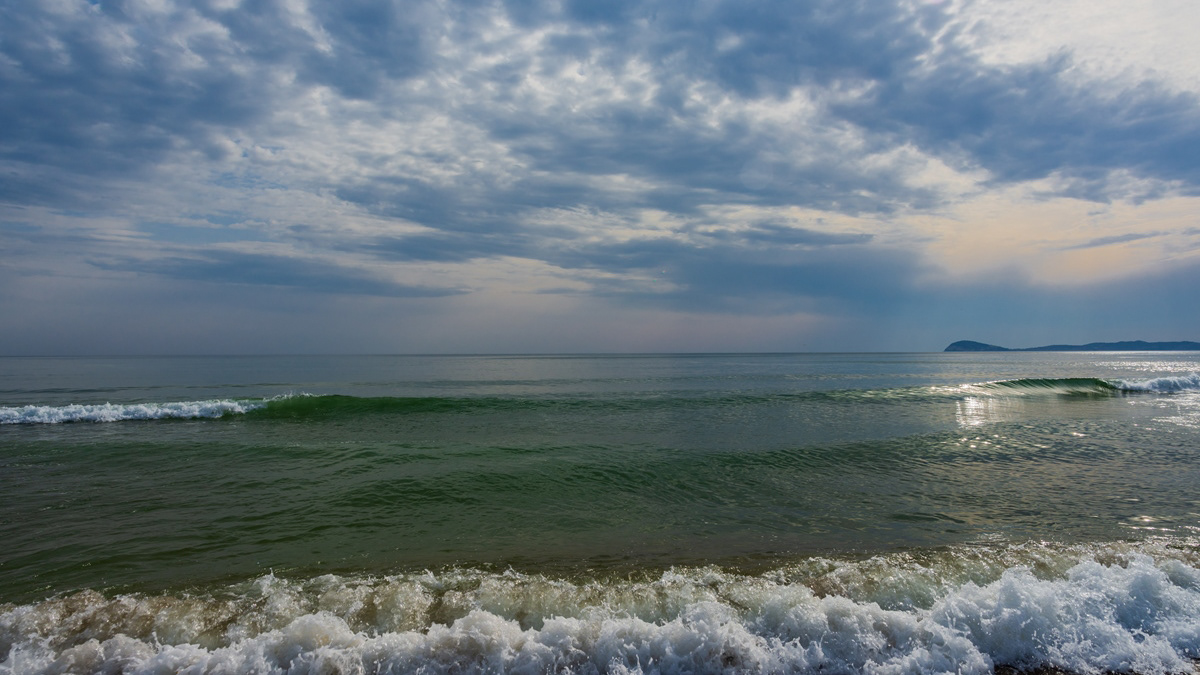
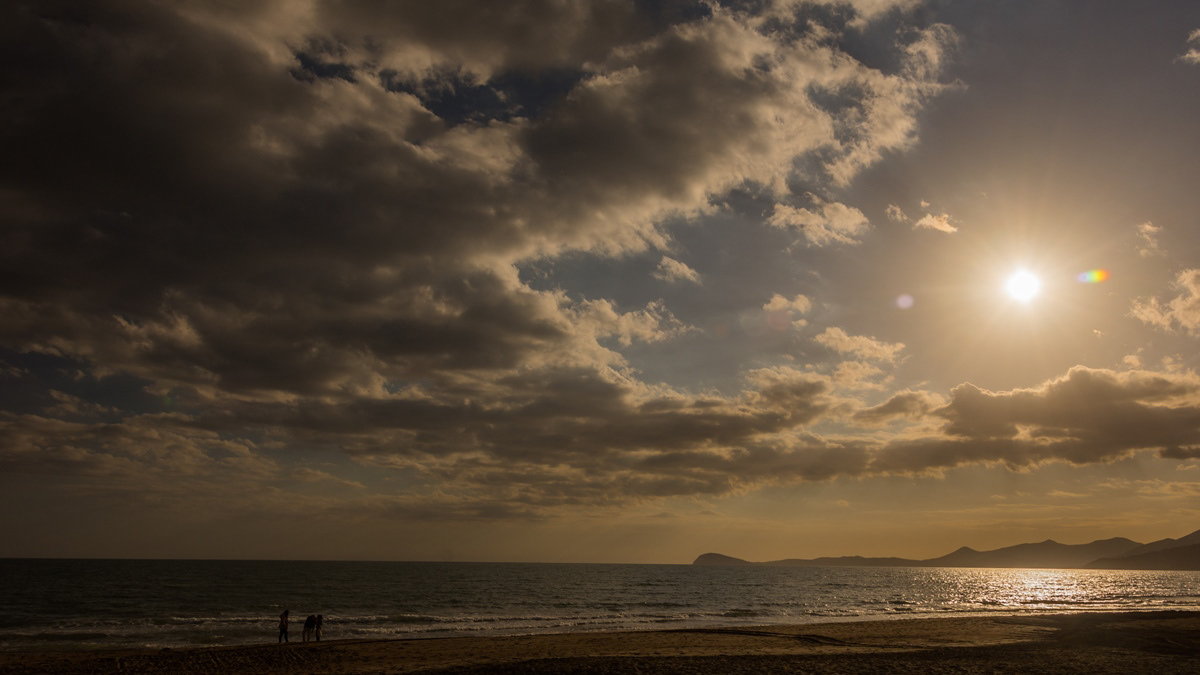
Serapo beach
2024
Posta Fibreno lake nature reserve, Frosinone
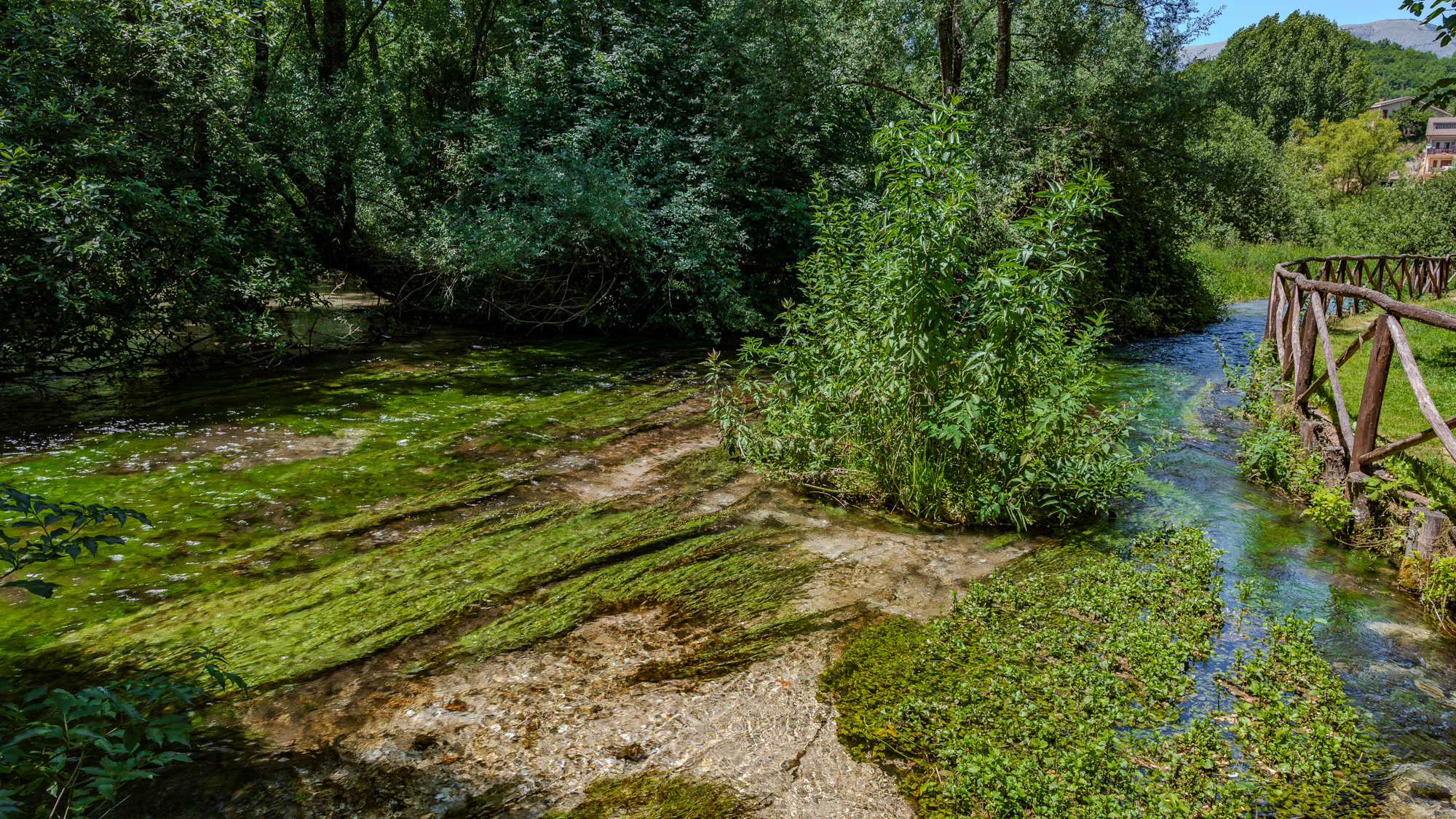
The Posta Fibreno lake is located in the Comino Valley. In addition to its endemic fauna, the lake is known for the presence of a natural floating island already described by Plinio il Vecchio.
2022
Gaeta.Sanctuary of the Split Mountain
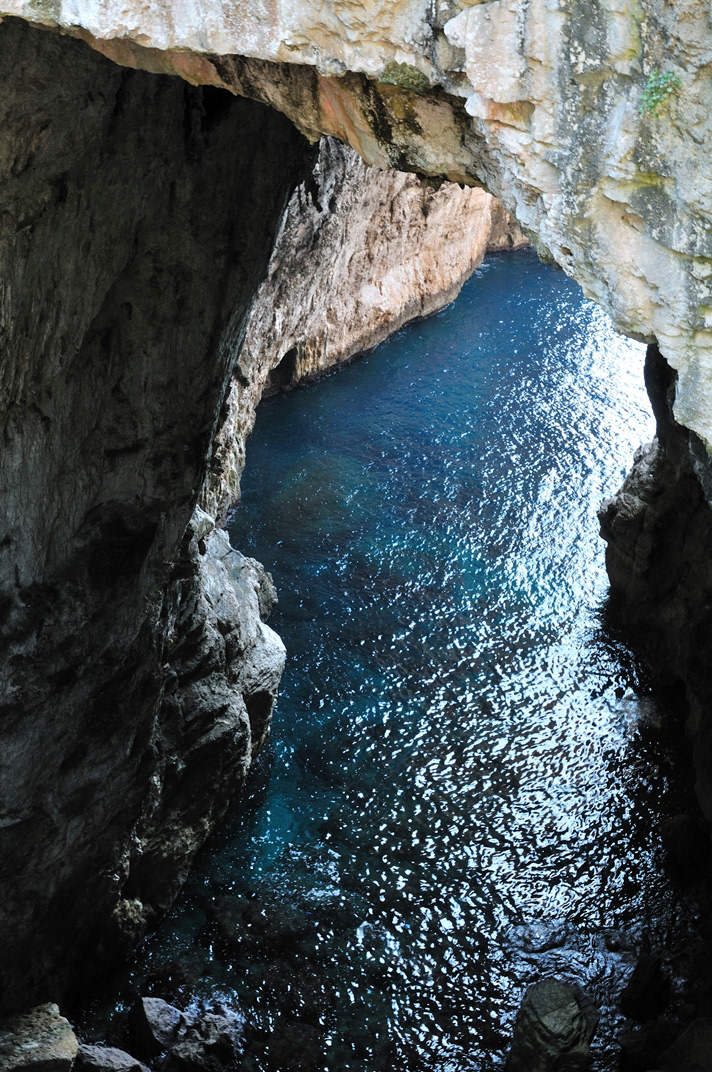
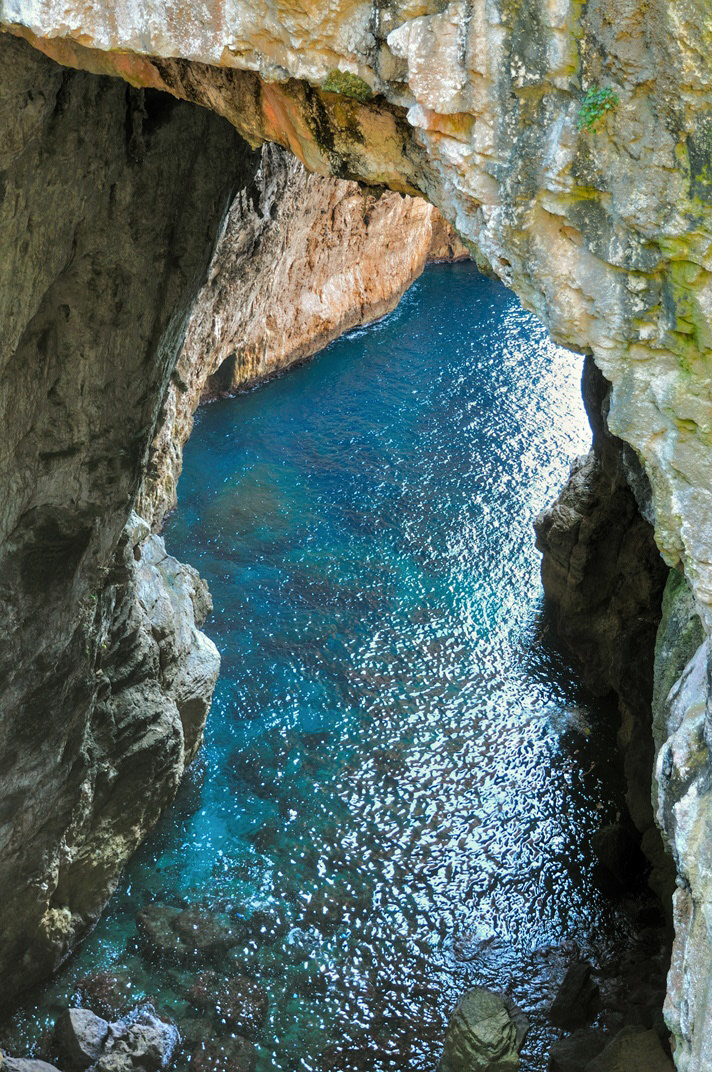
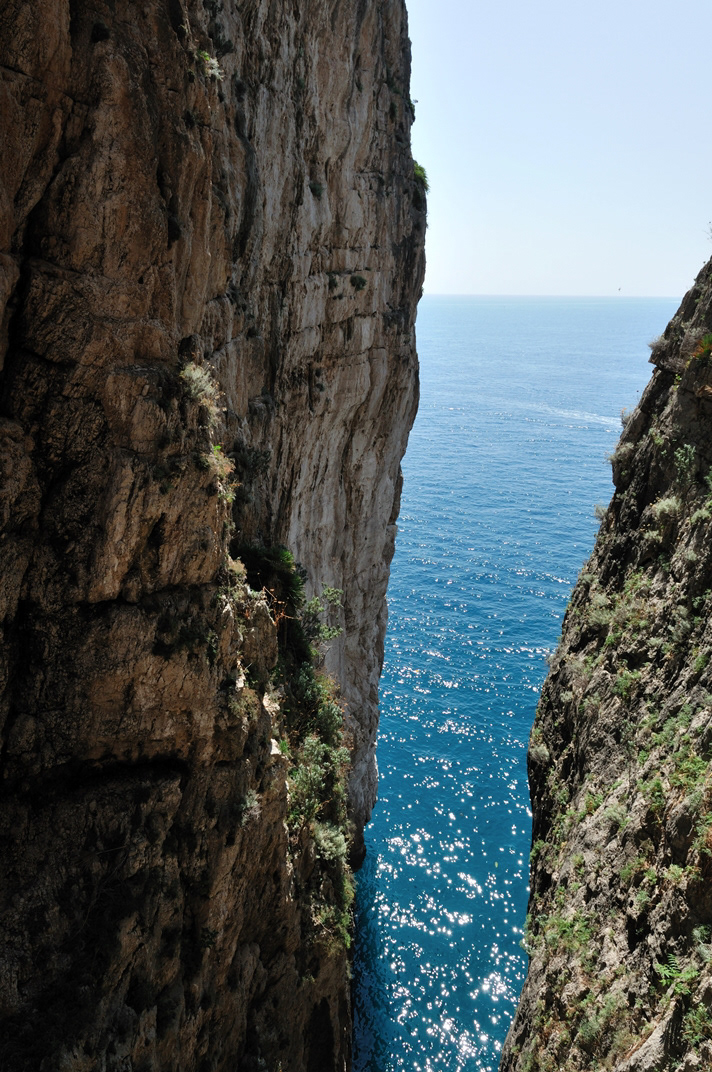
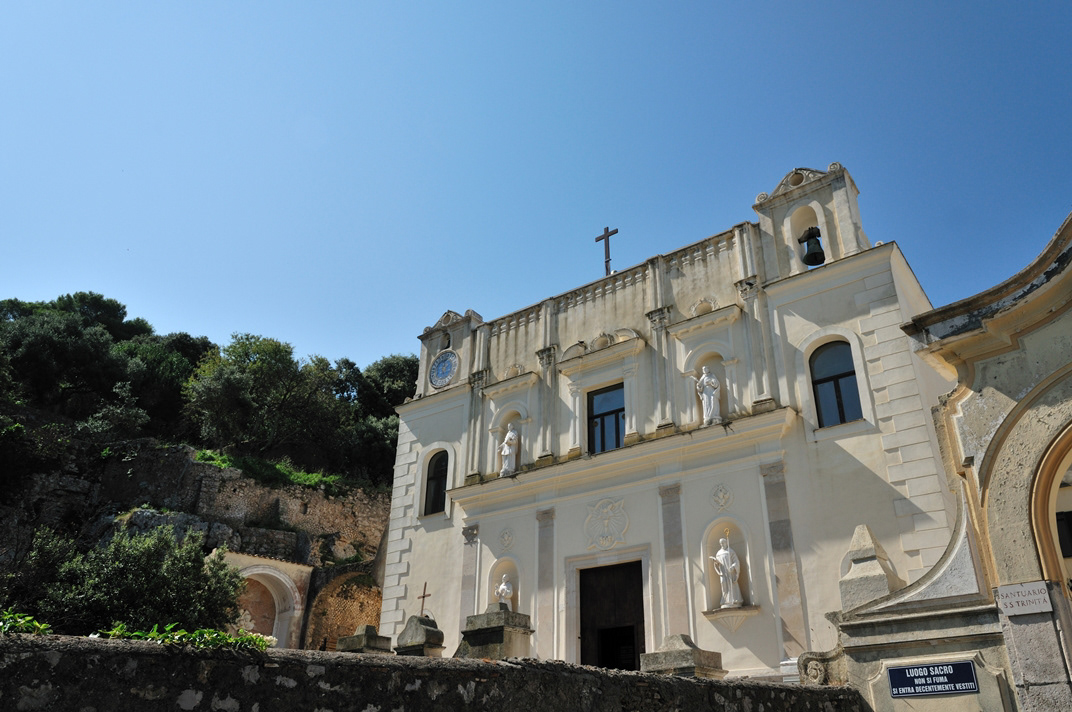
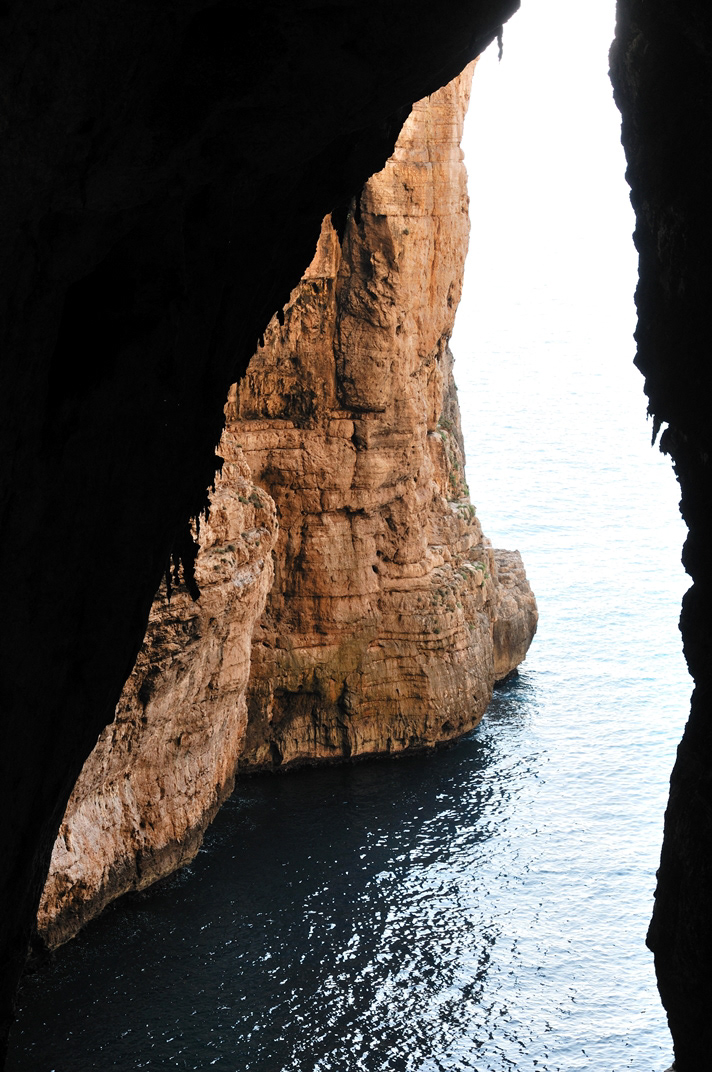
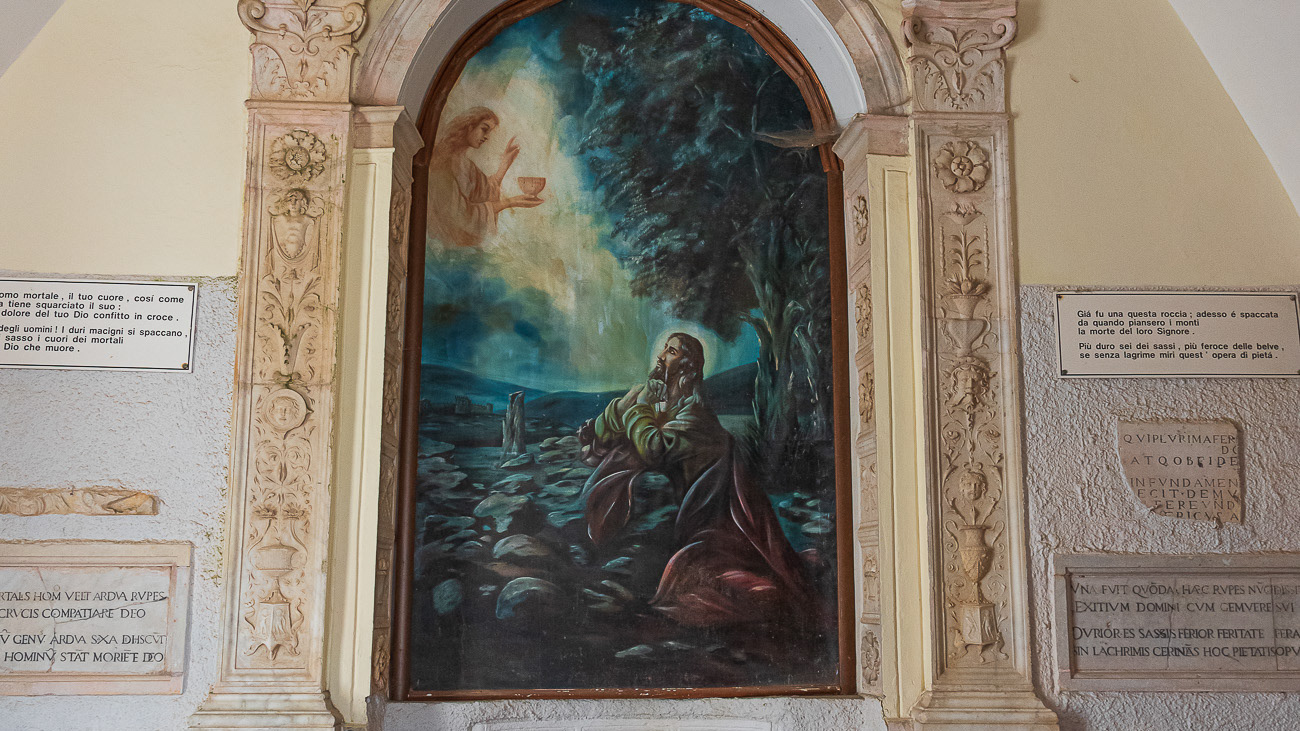
The Sanctuary of the SS. Trinità was built in the 11th century by Benedictine monks on a slope of Monte d'Orlando but the current configuration of the complex dates back to the end of the 17th century and incorporates elements of the Neapolitan and Spanish baroque. Numerous popes, sovereign bishops and saints prayed in this sanctuary including Pope Pius IX, Bernardino of Siena, Ignazio di Loyola, Leonardo da Porto Maurizio, San Paolo della Croce, Gaspare del Bufalo and San Filippo Neri. Legend has it that San Filippo Neri lived inside the Montagna Spaccata, finding refuge on a stone bed now known as the "bed of San Filippo Neri". Along the walls of the rock, it is possible to admire majolica panels depicting the Via Crucis, dating back to 1849 and attributed to S. Bernardino da Siena, containing the verses of Metastasio. In 1434 from the top of the two rock ridges that gave rise to the name of "split mountain" a boulder came off and got stuck further down between the walls of the cleft. A small chapel dedicated to the Crucifix was built on it (14th century).
2017
Marina di Minturno (LT) - Parte VI
2025
Anagni. Church of St. Andrew
Sant'Andrea is a Roman Catholic church located on Via Vittorio Emanuele in the town of Anagni, in the province of Frosinone, in the Lazio region of Italy. A church on this site has been documented since 1003. Between 1263 and 1276, the church was rebuilt under Bishop Landone Conti in the Gothic style. Some parts of the Romanesque structure remain, including the crypt, once part of the church of San Vito. In the 16th century, Cardinal Benedetto Lomellino renovated the church; another renovation was carried out between 1748 and 1751. The current façade was added in 1761. The interior has a single nave. The altarpieces of the high altar depict Saint Andrew: Virgin Mary with Saint Andrew and Others by Giorgini Vocation of Saint Andrew and Martyrdom of Saint Andrew (1894) by Gagliardi. Triptych of the Savior, with Mary, Andrew and the donor Gregorius Francisci in the central panel, and Saint Magnus and Saint Secondina in the side panels, attributed to the school of Cavallini and Torriti.
Back to Top