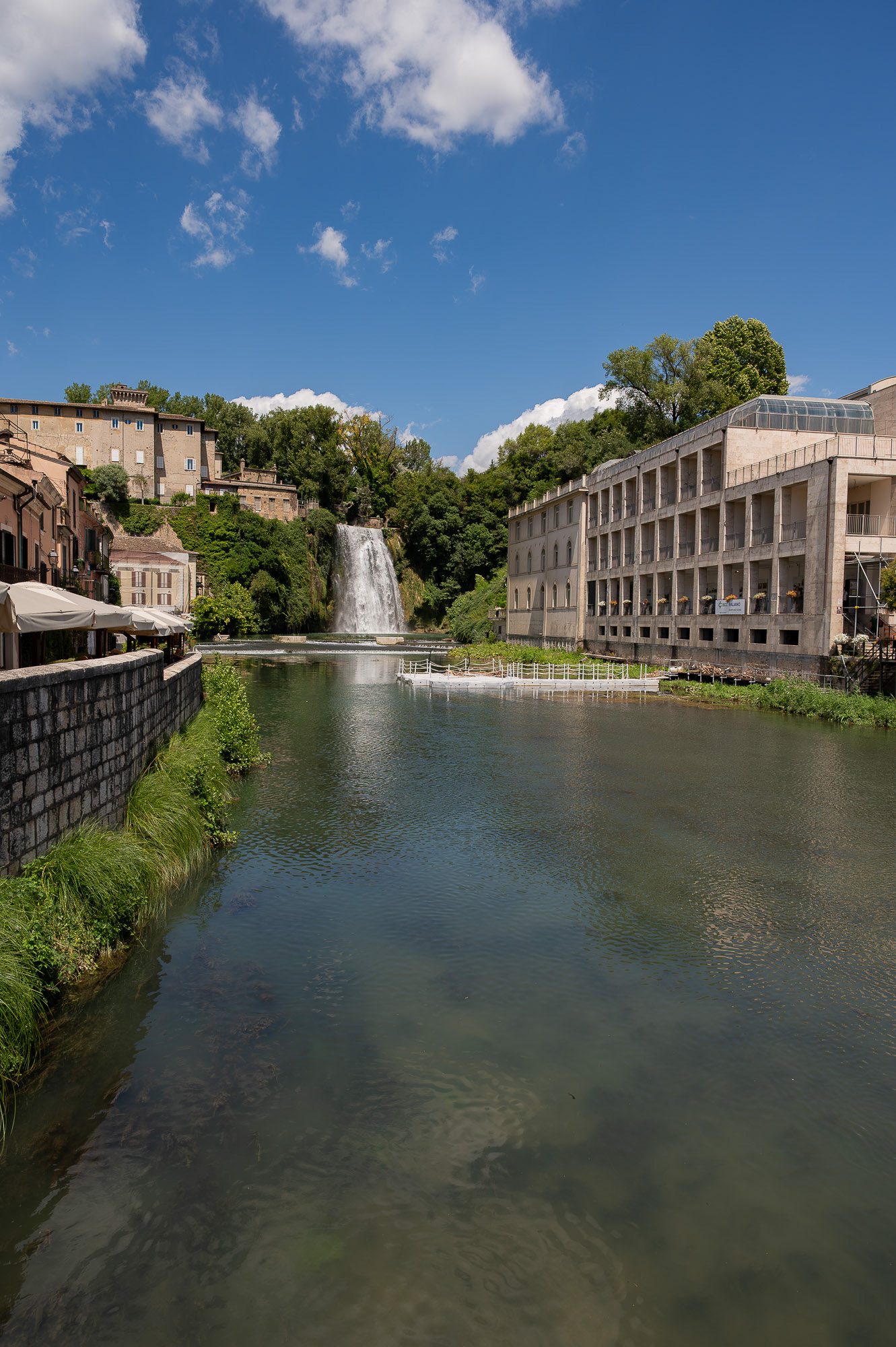
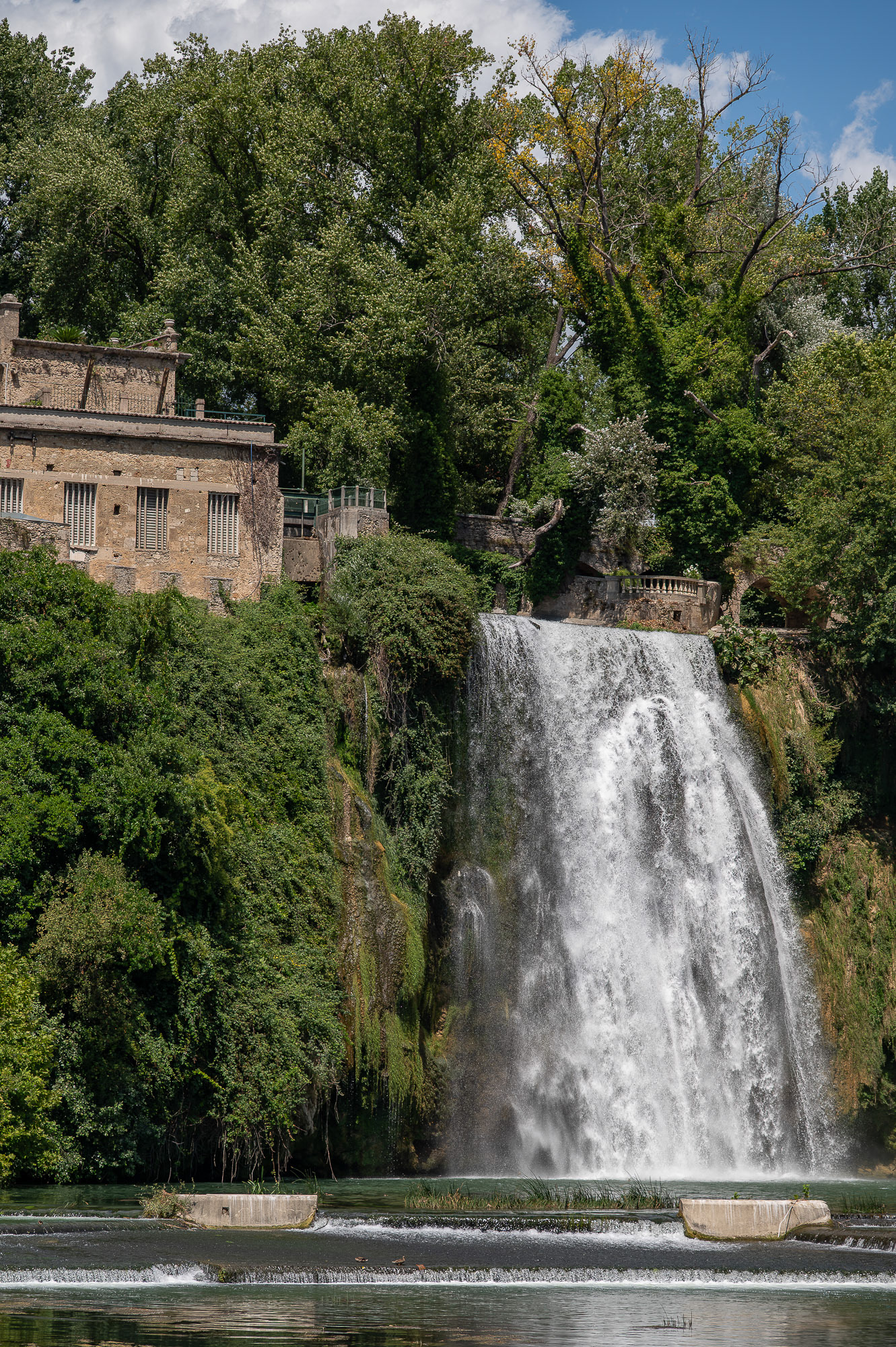
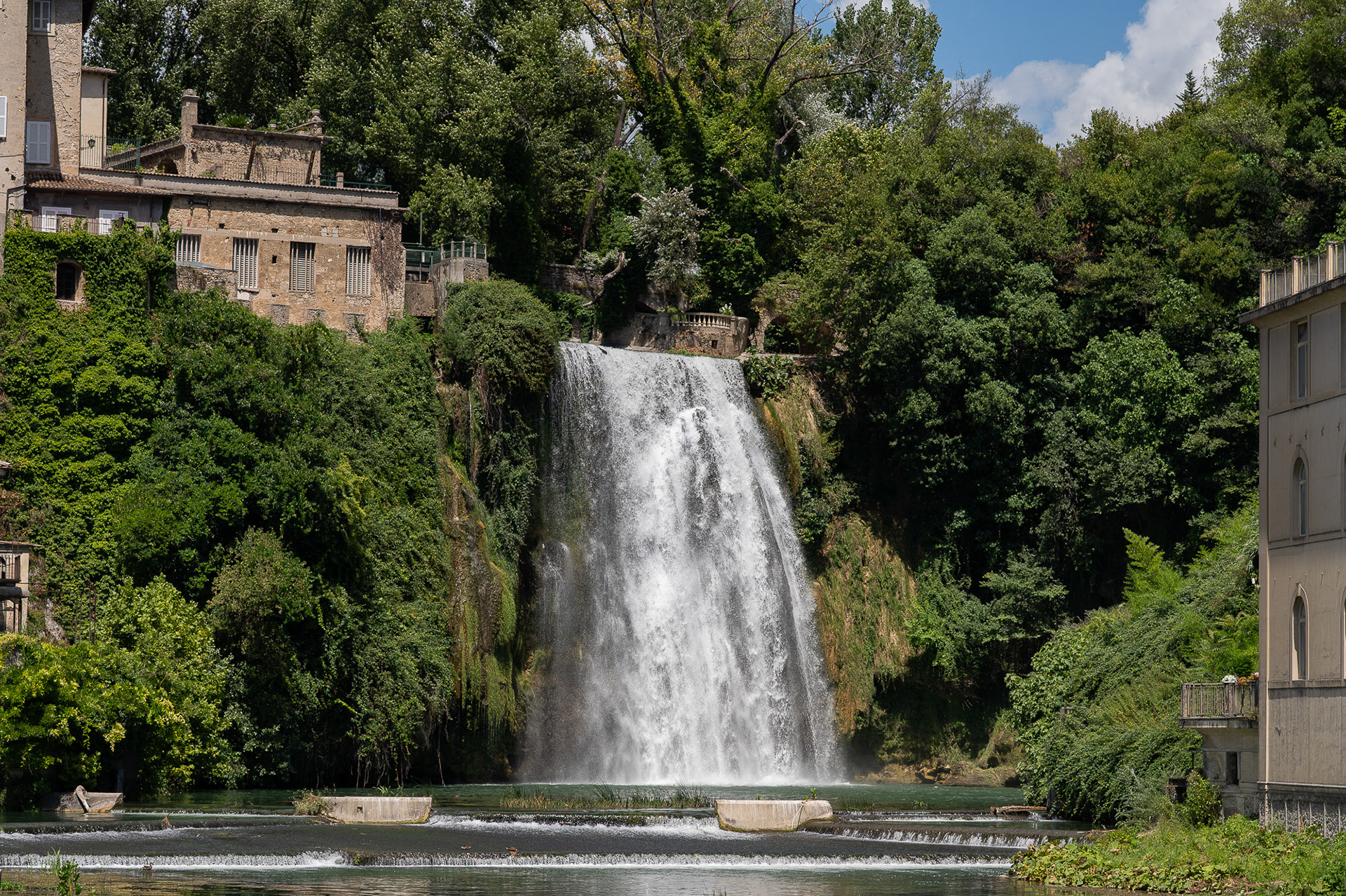
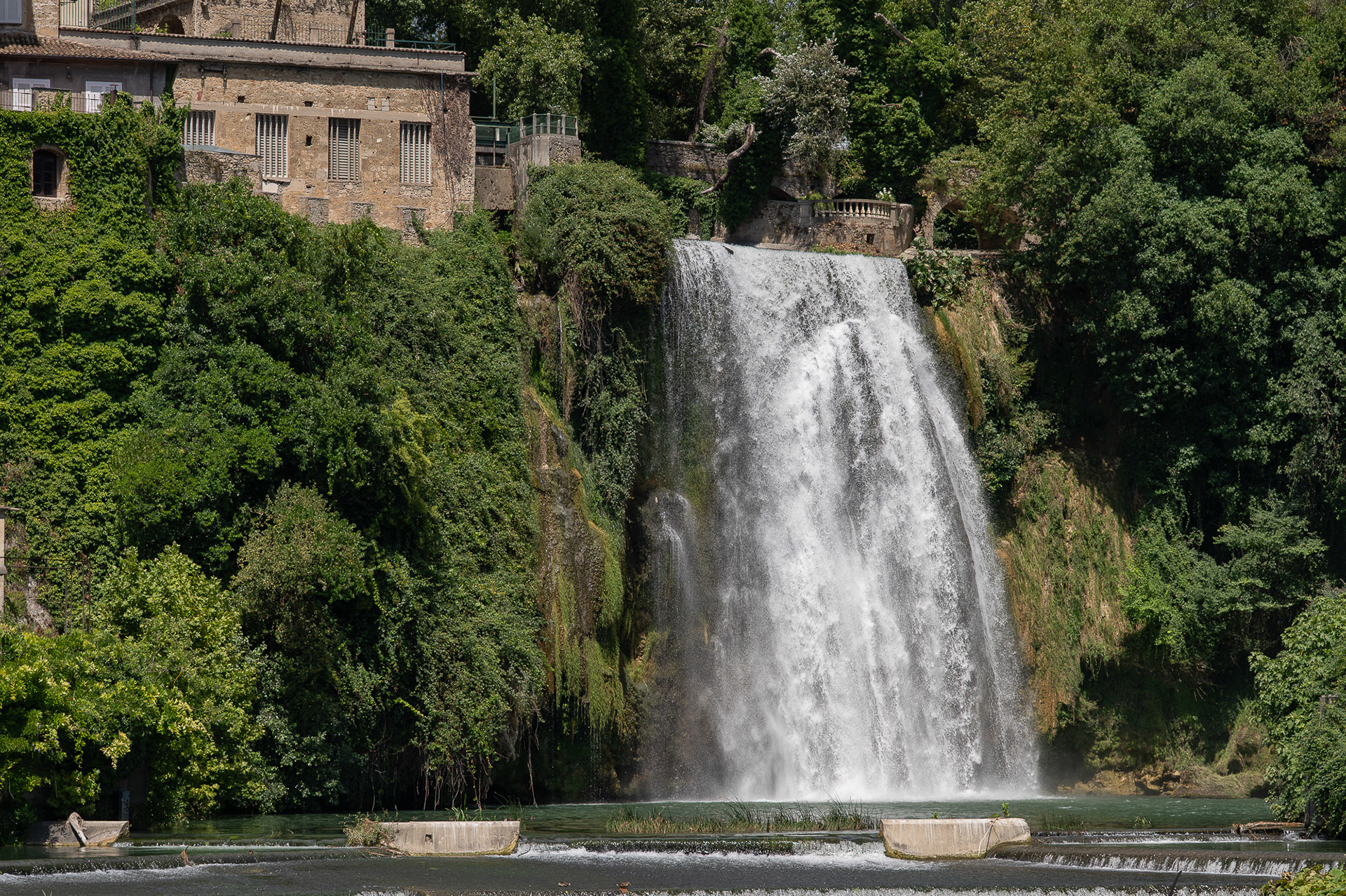
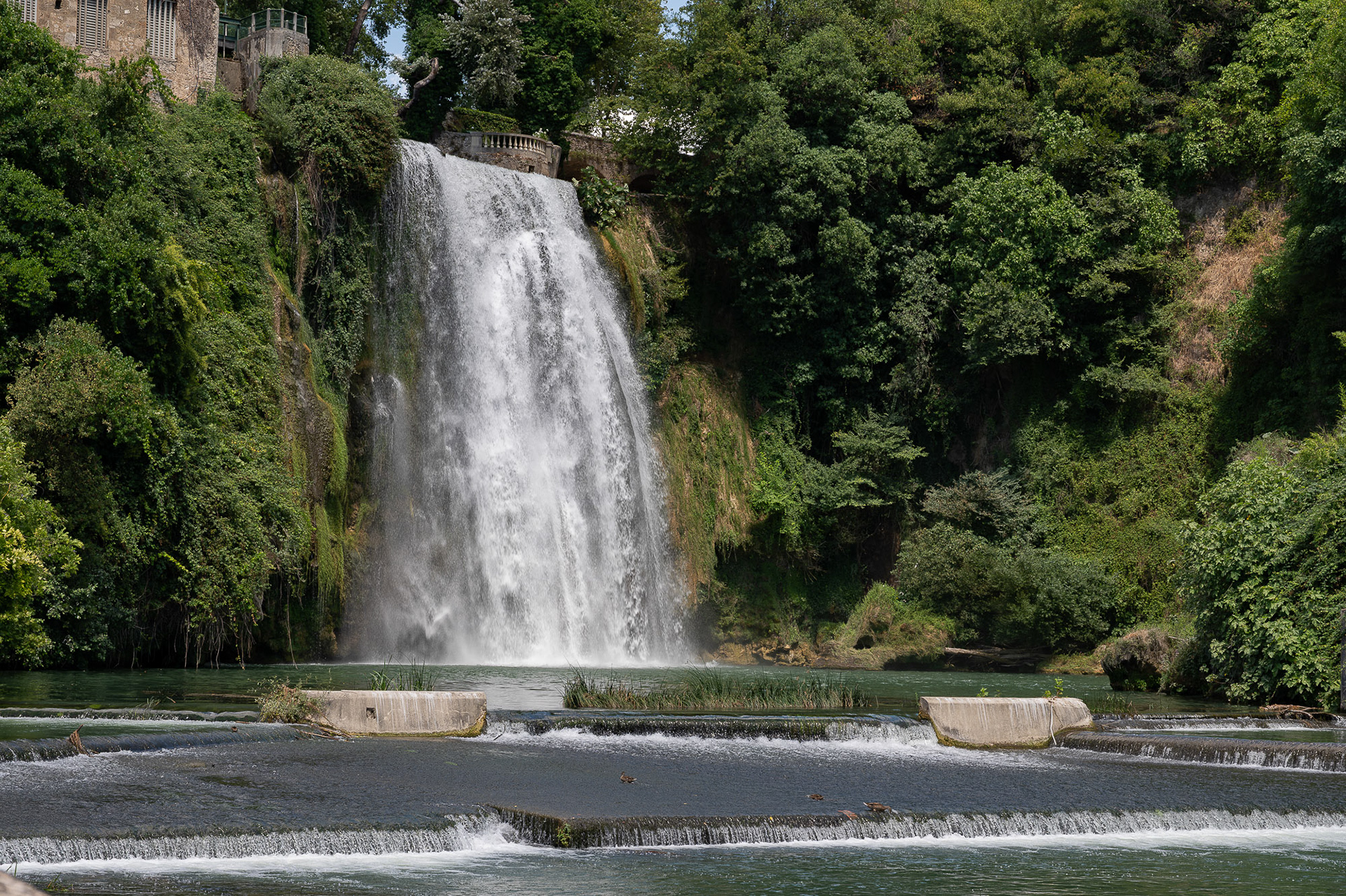
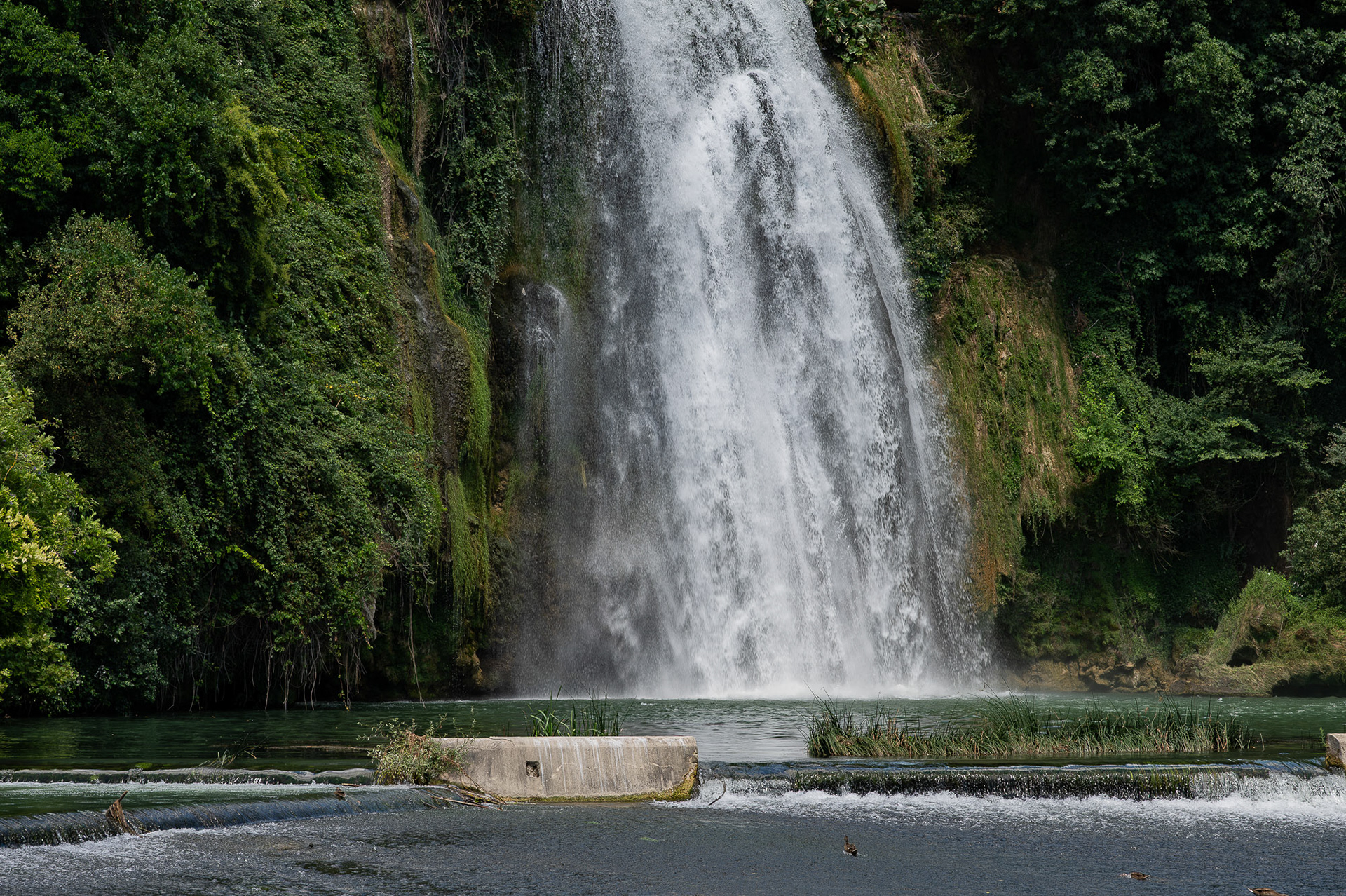
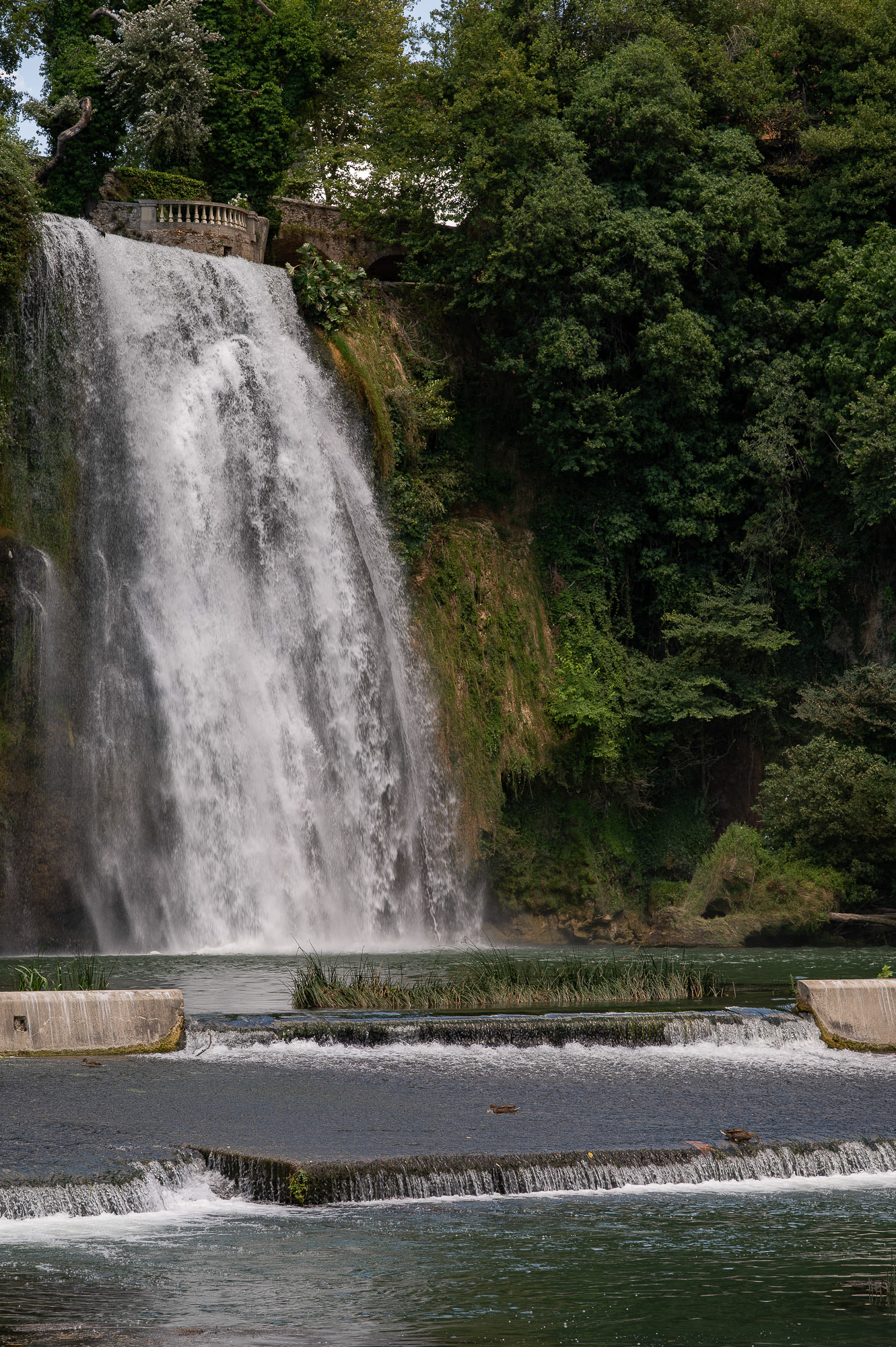
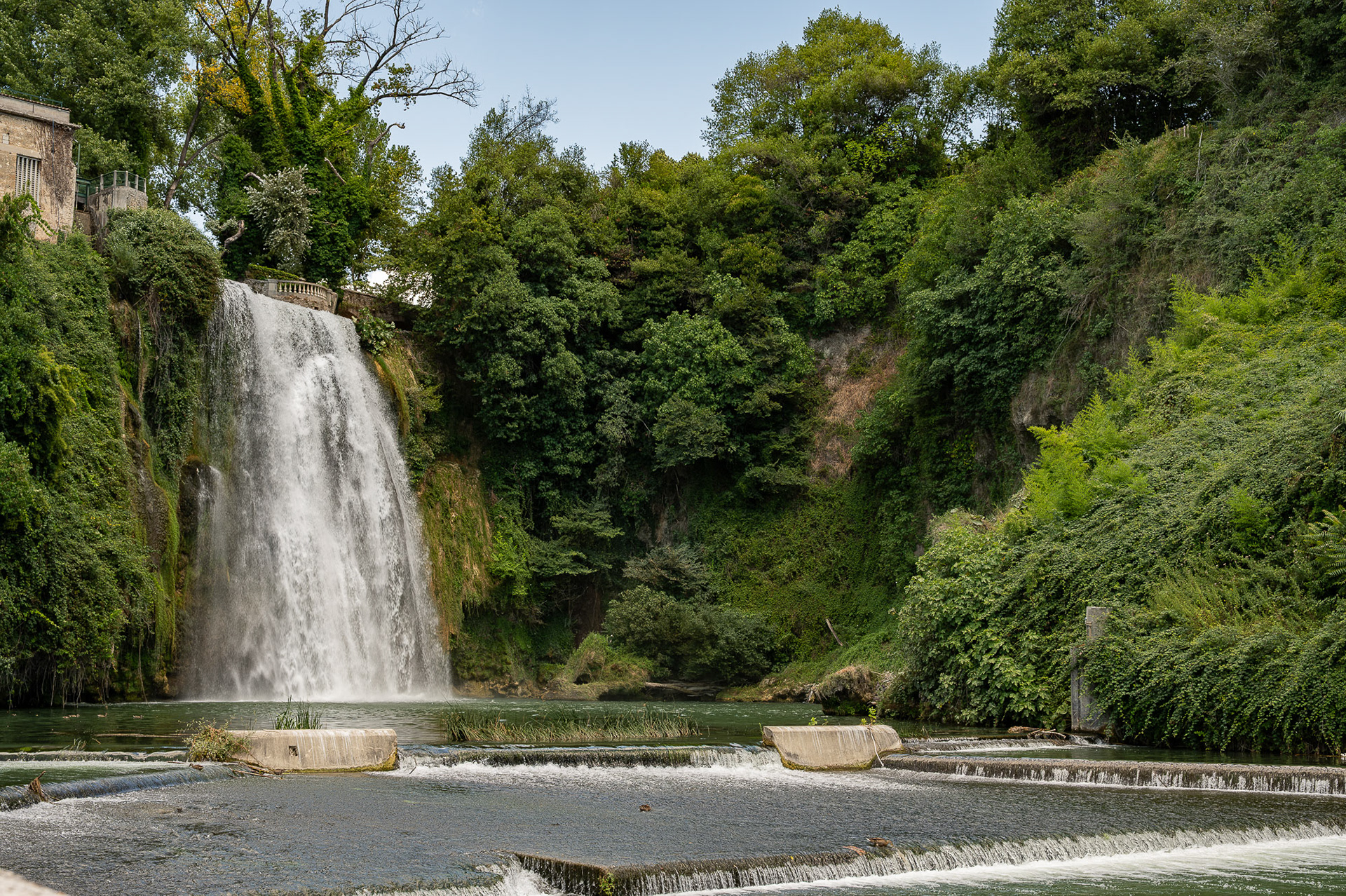
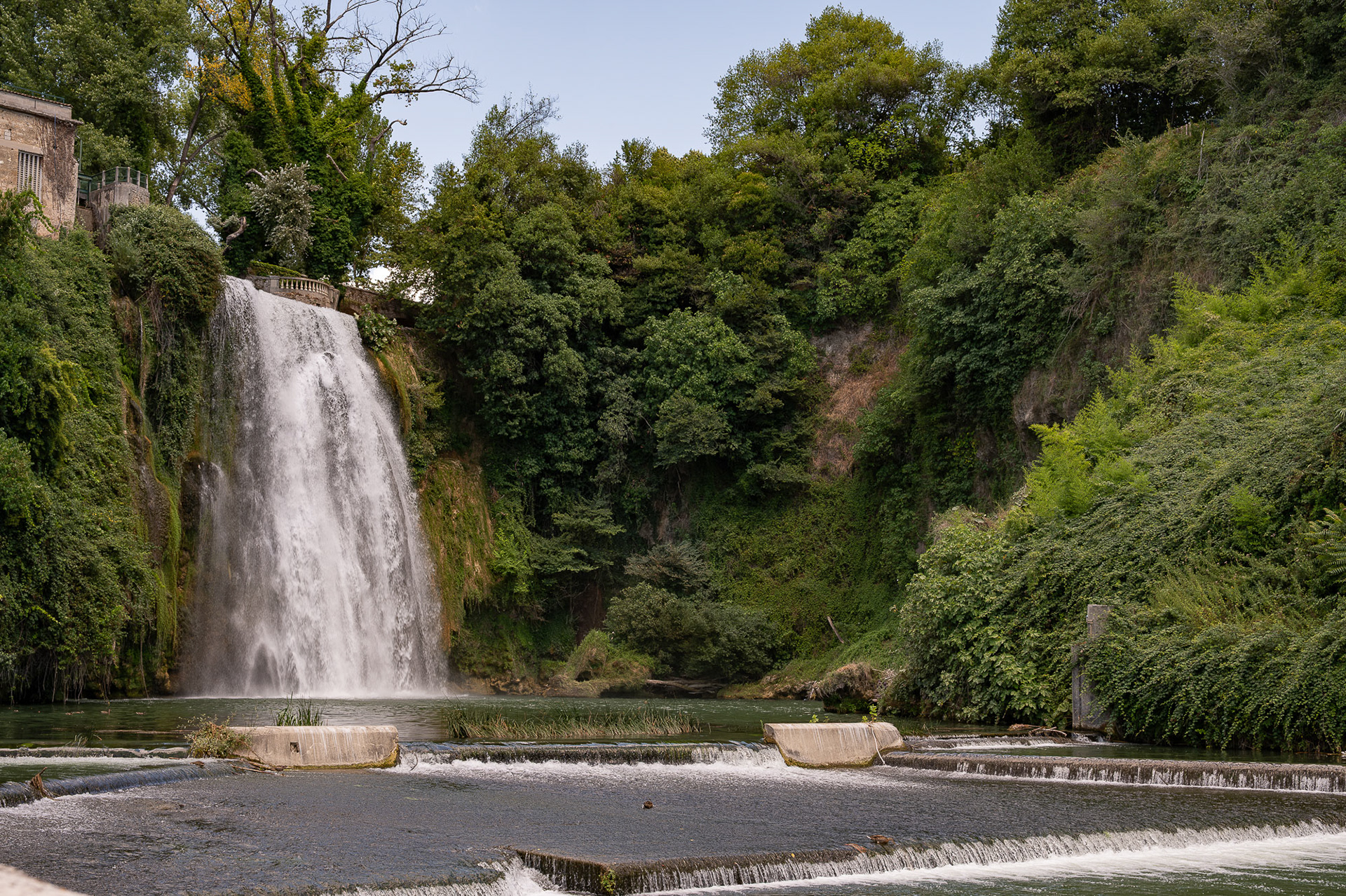
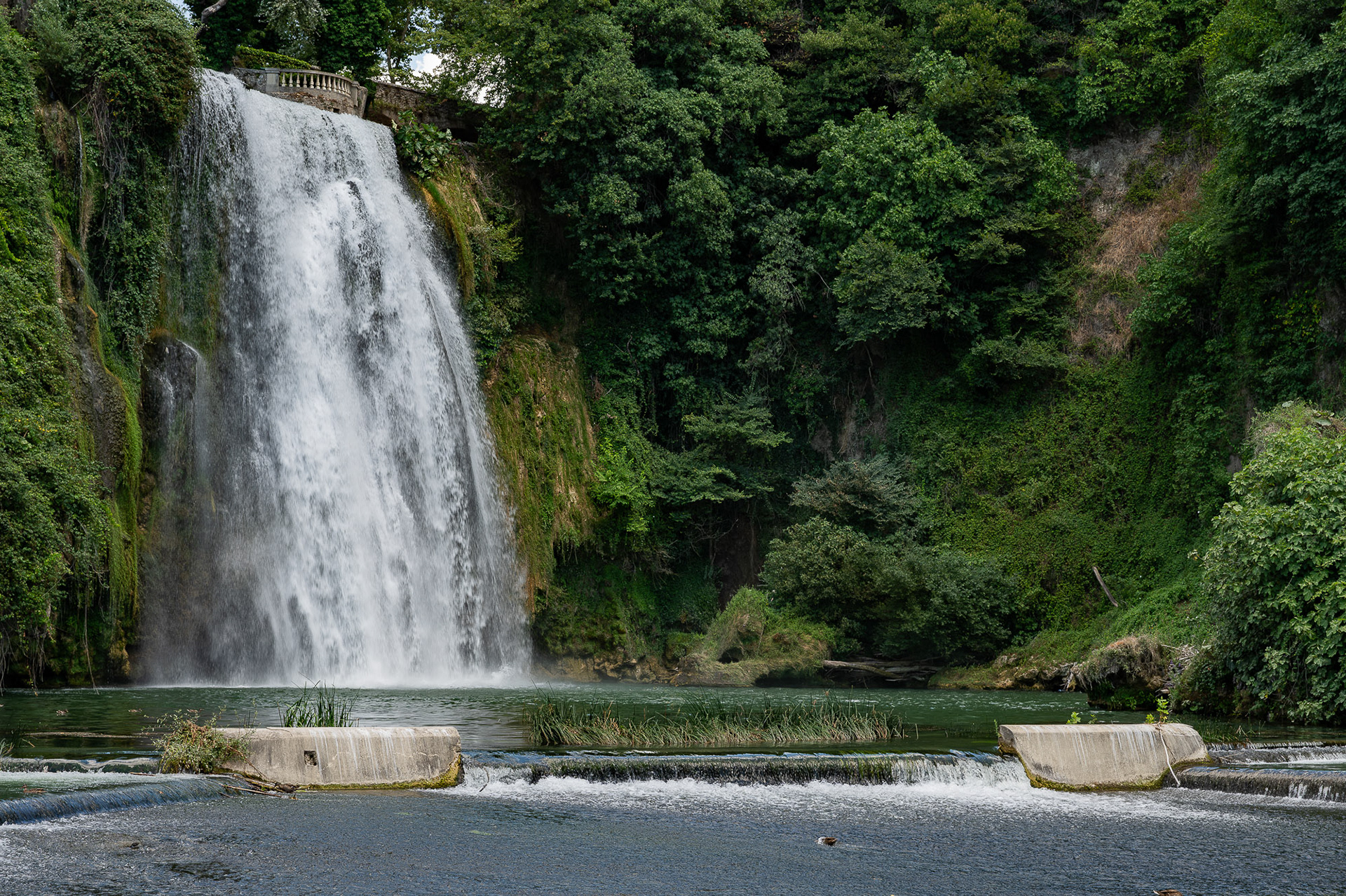
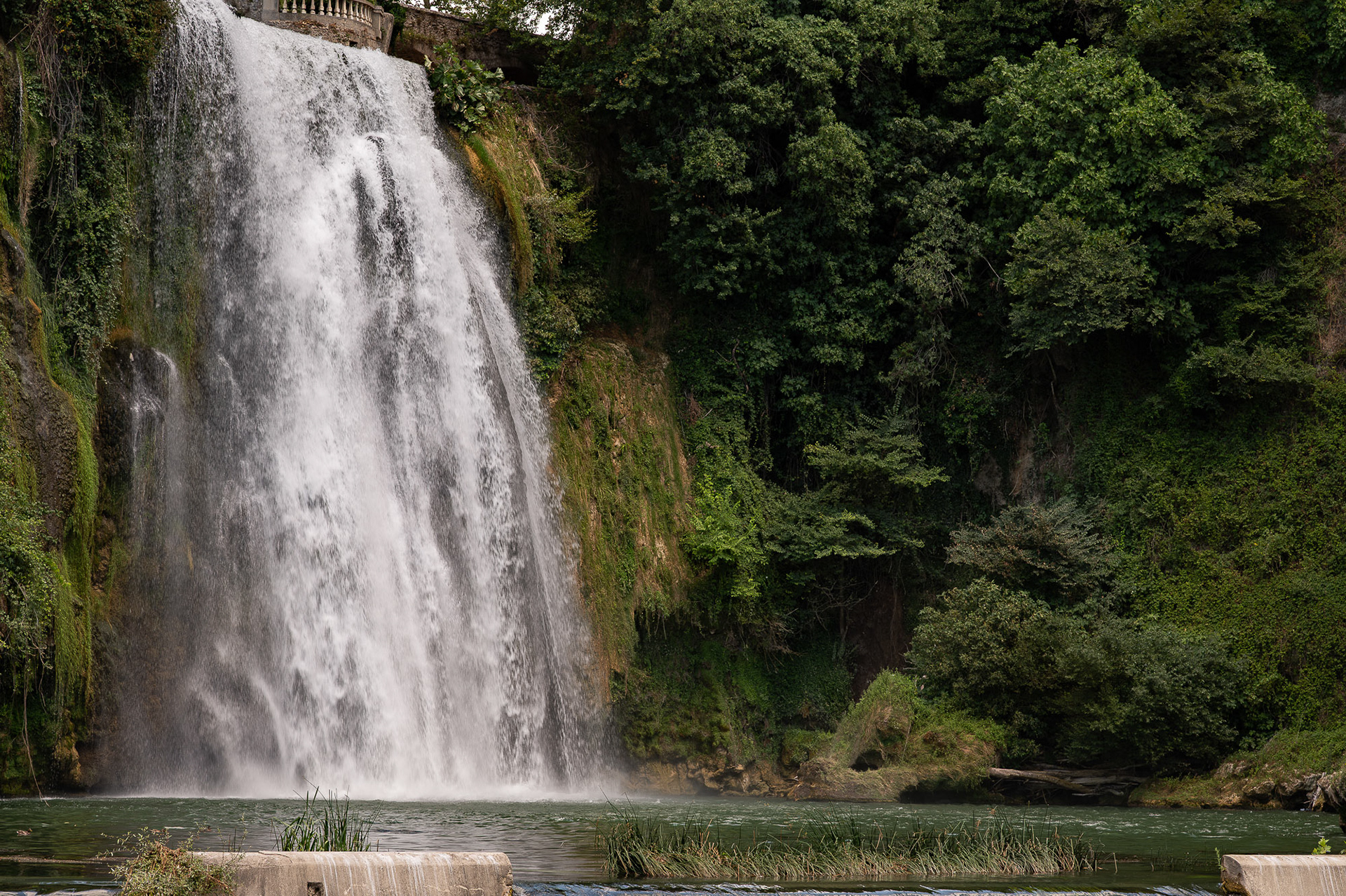
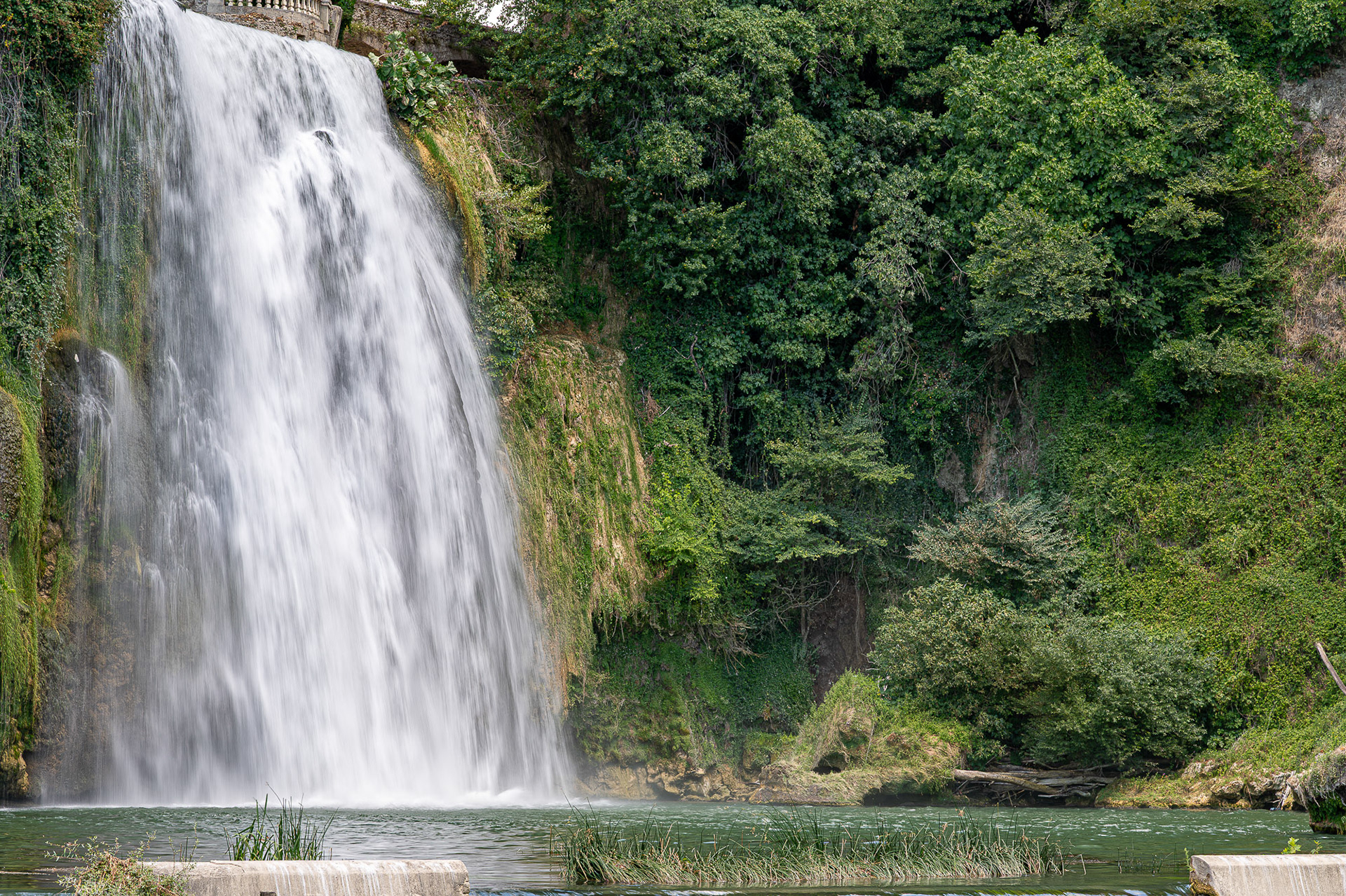
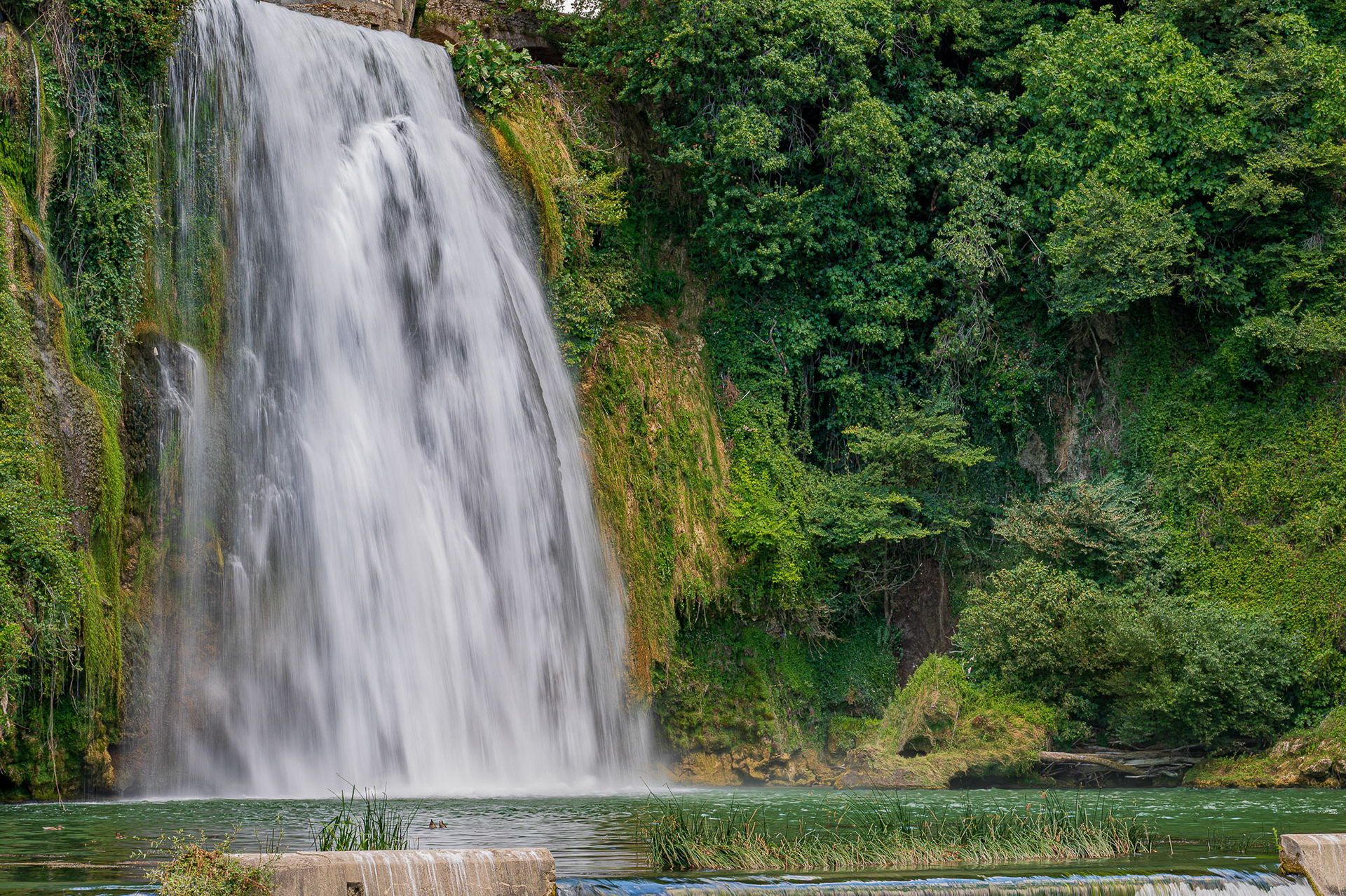
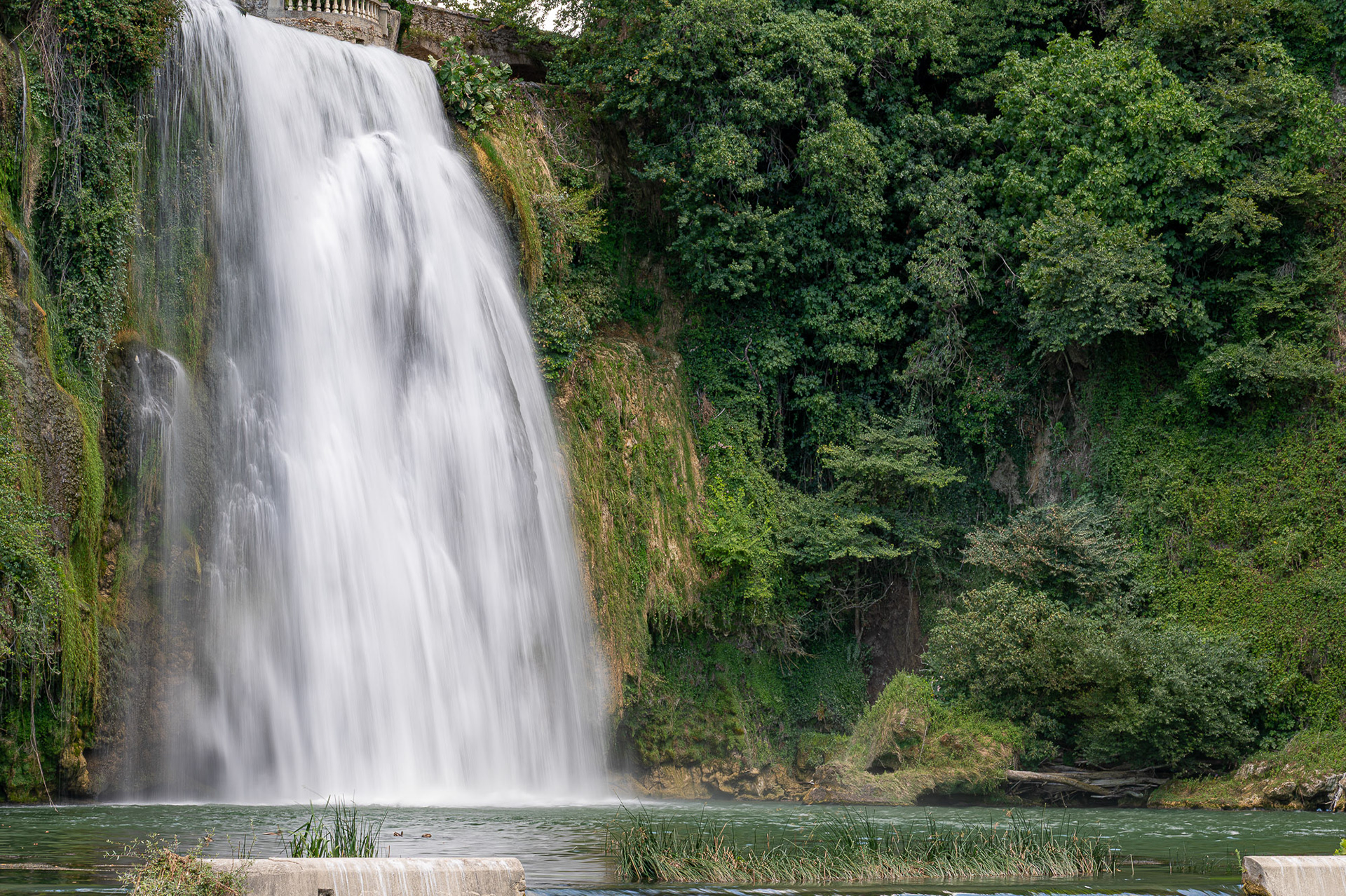
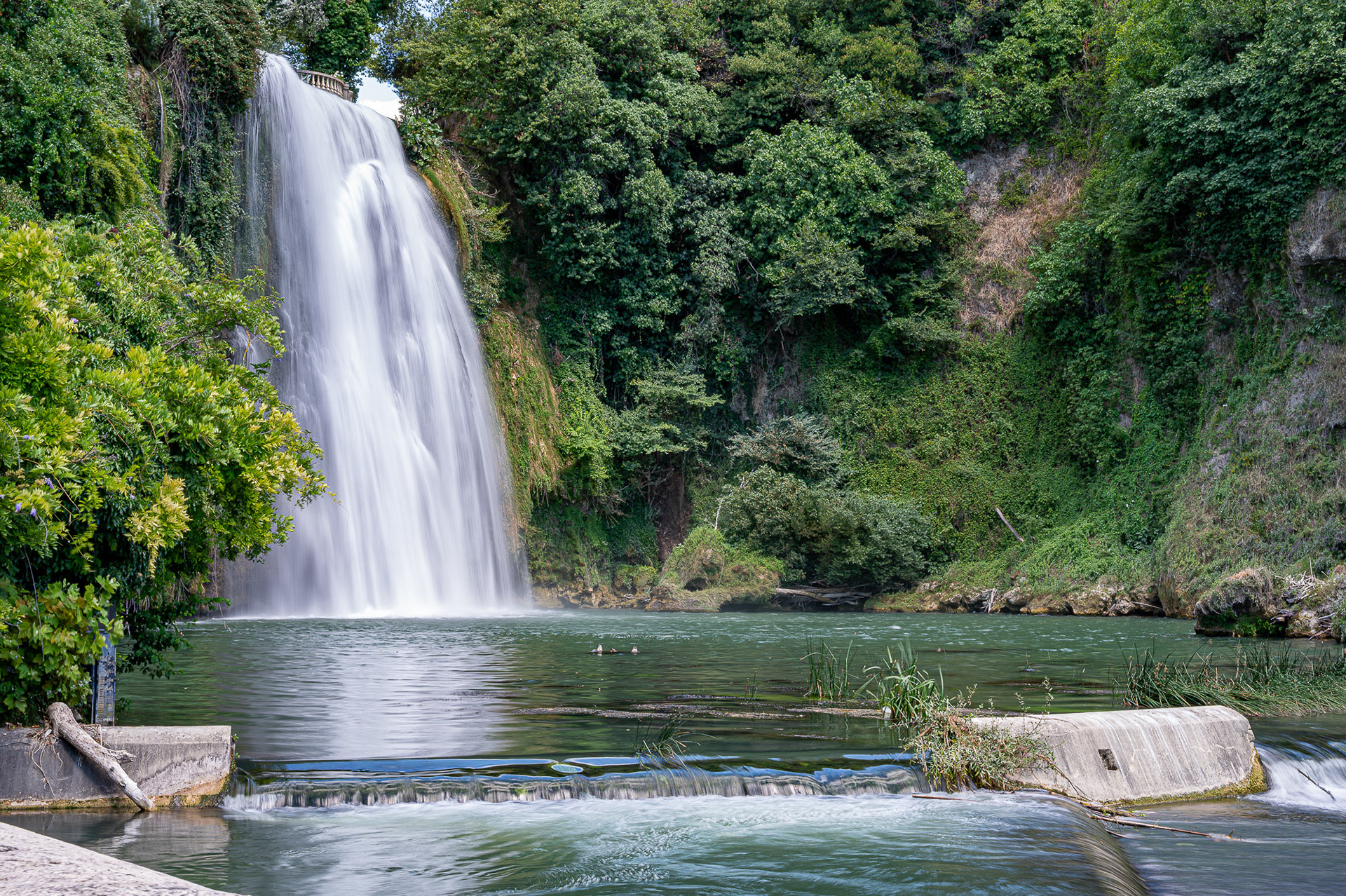
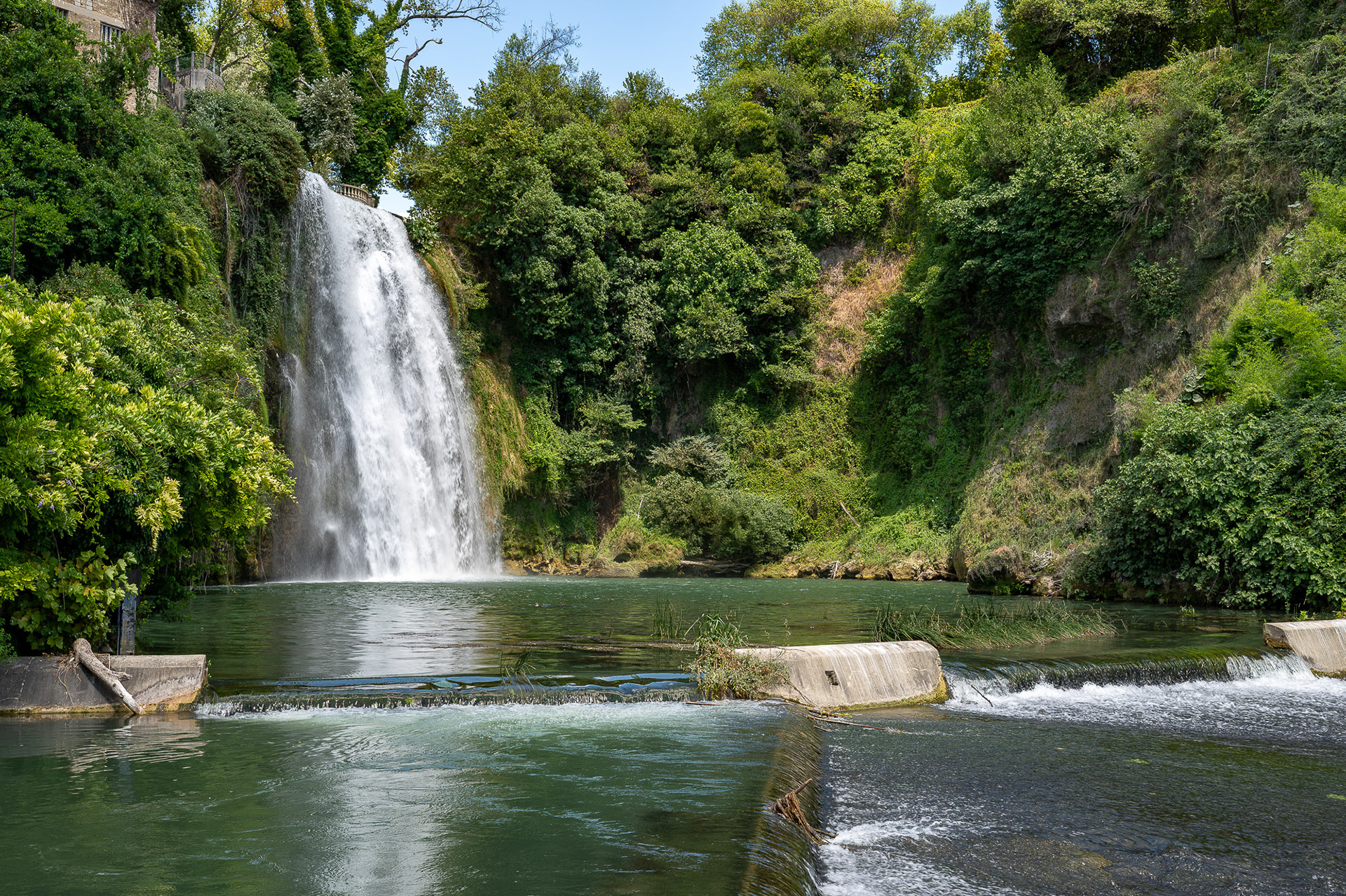
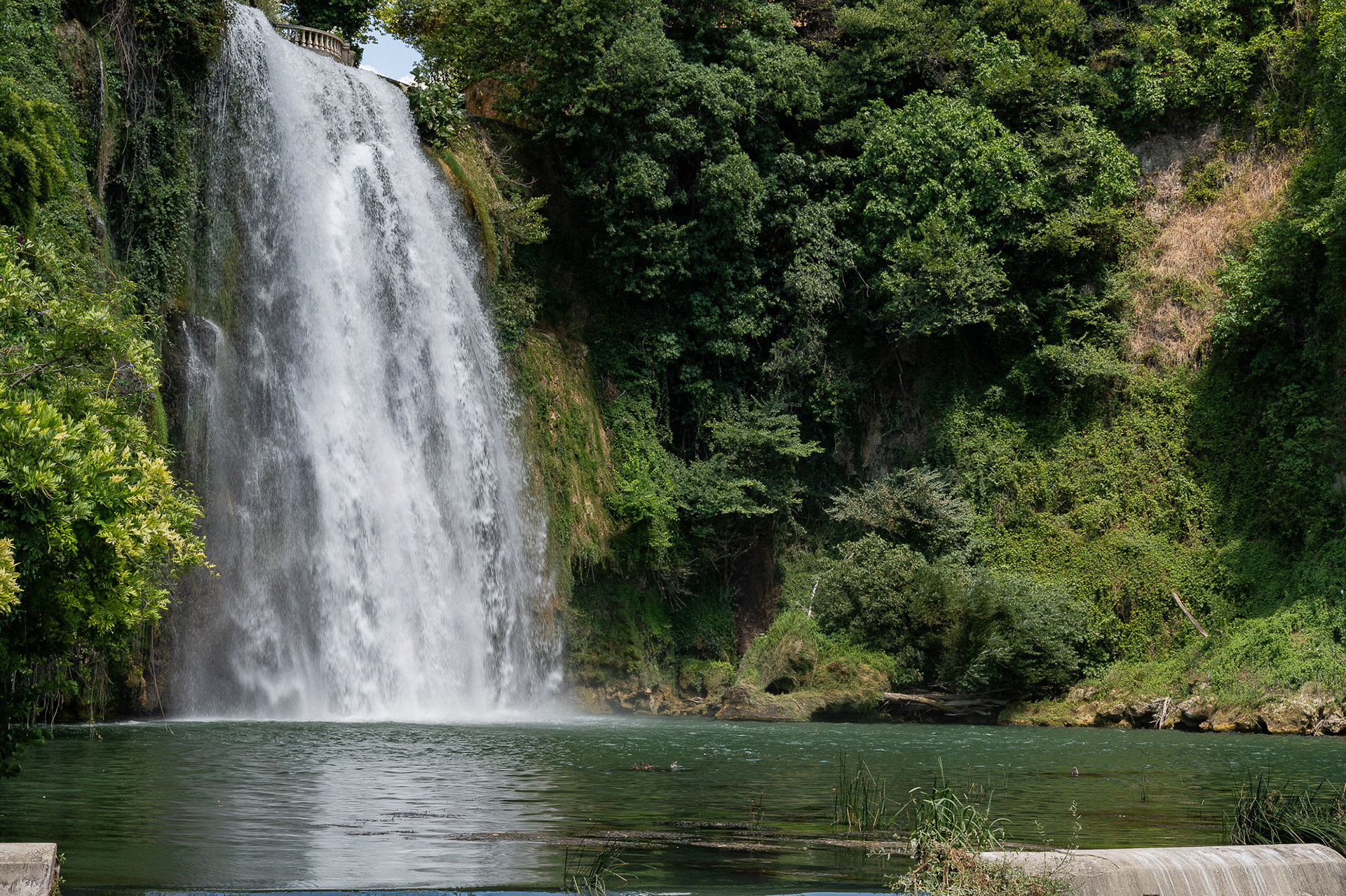
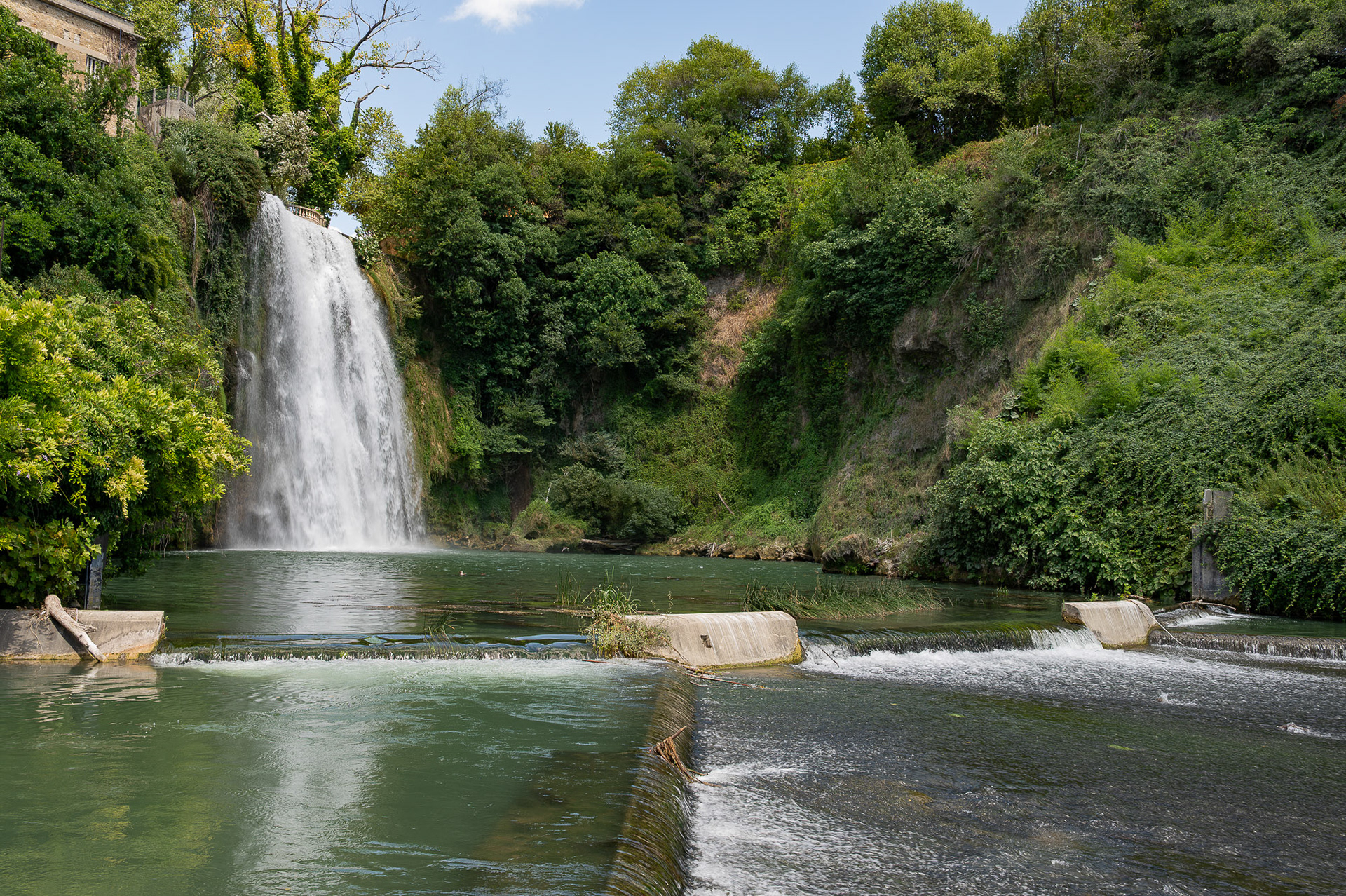
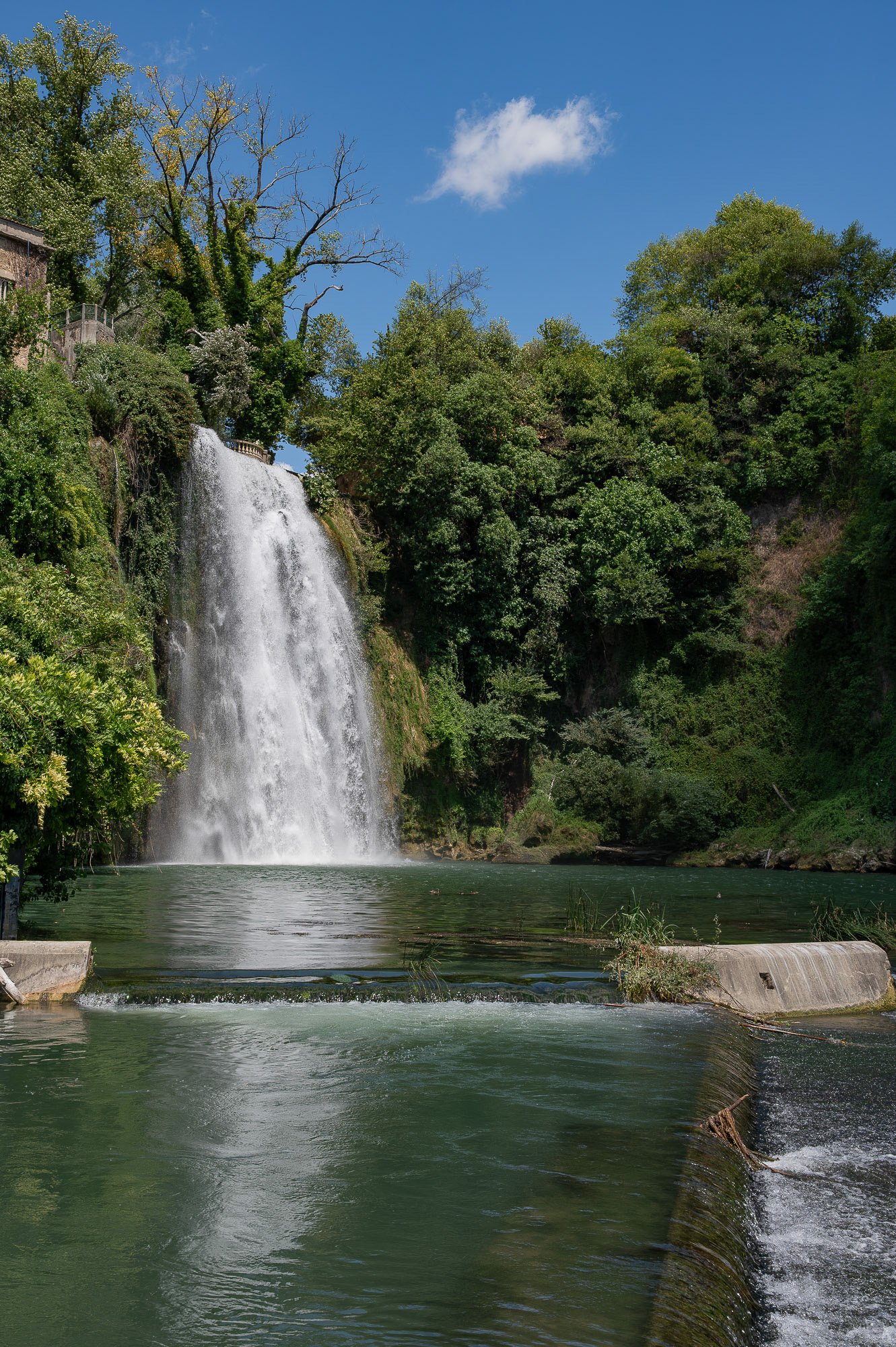
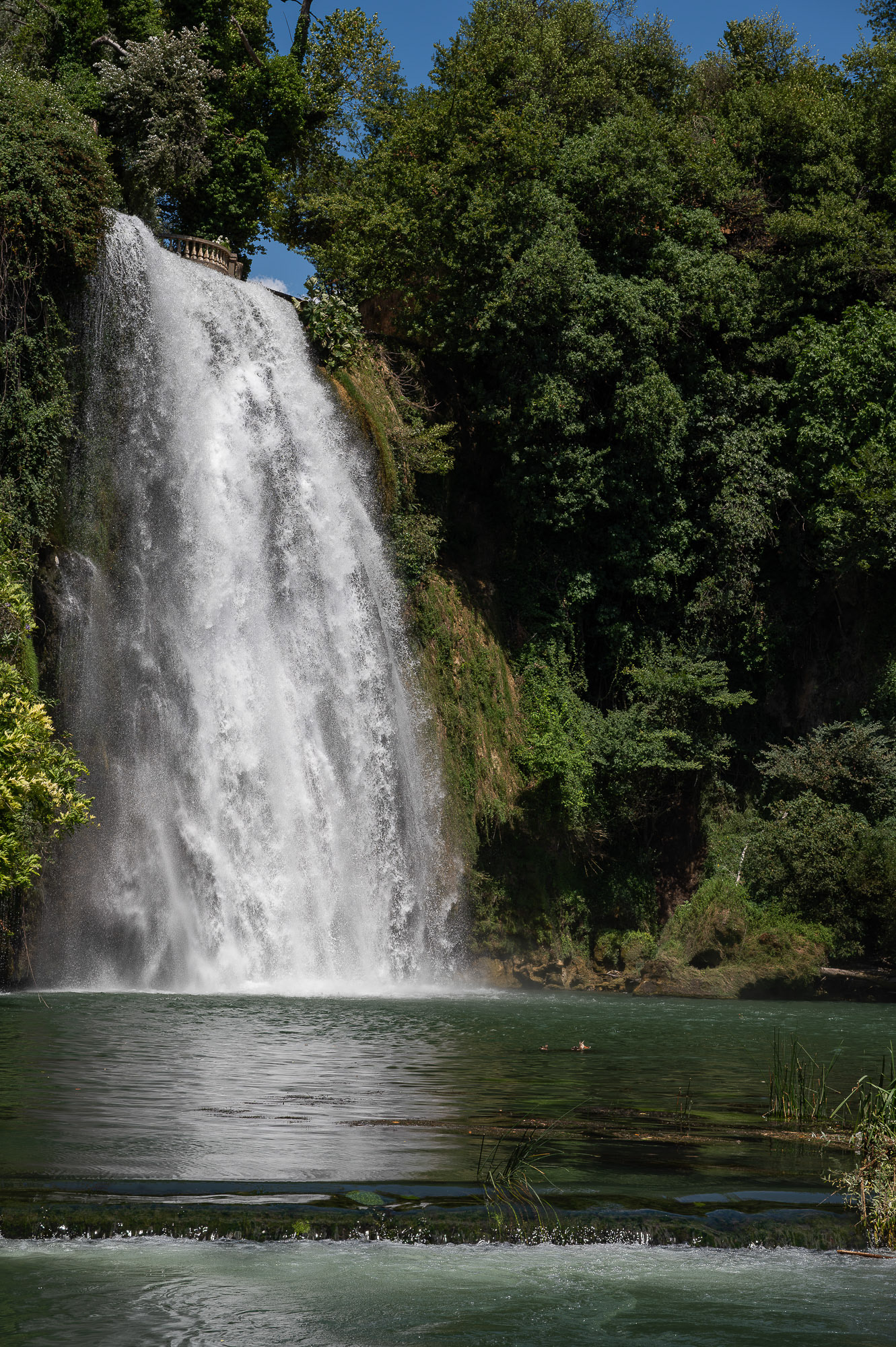
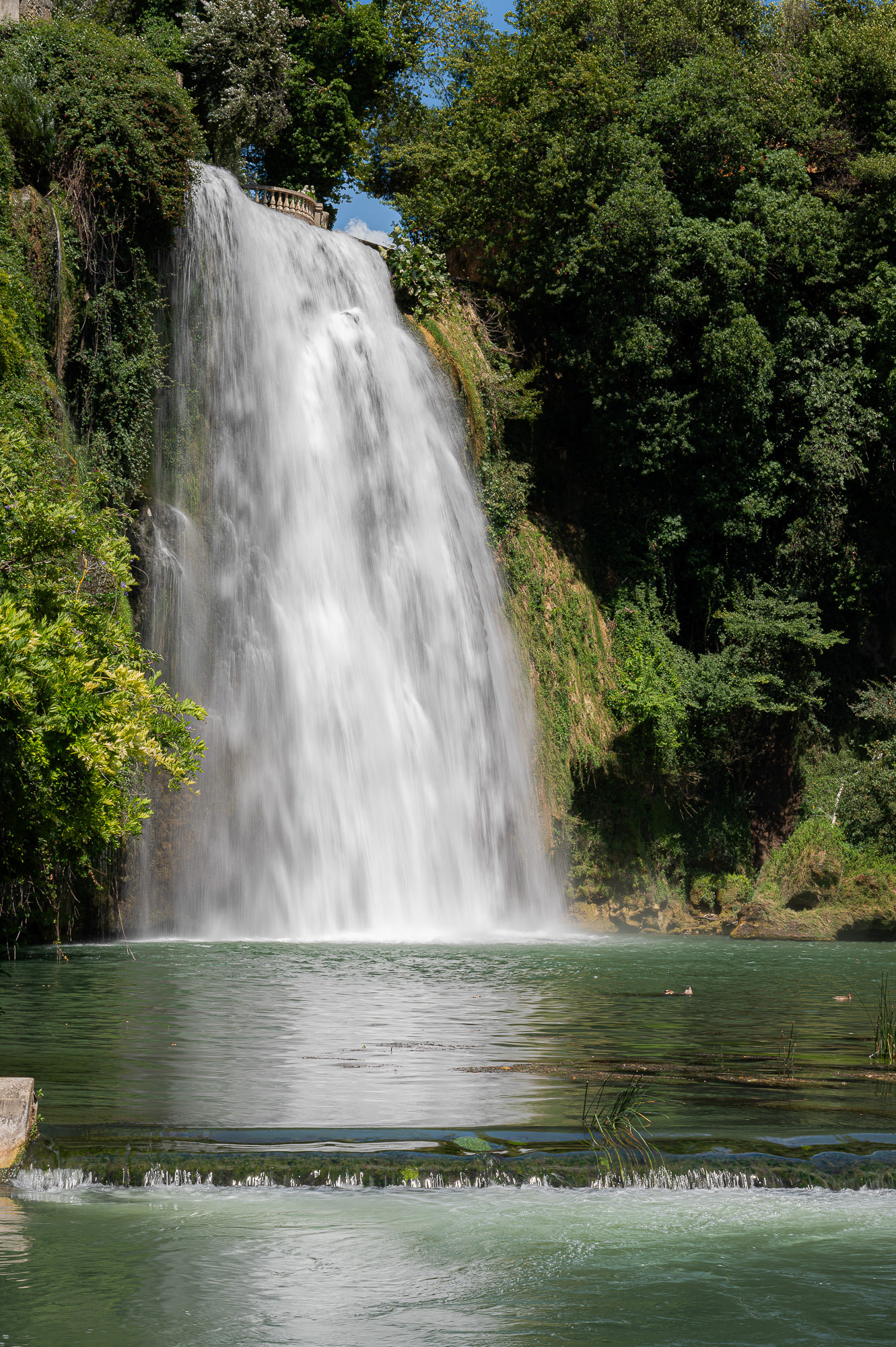
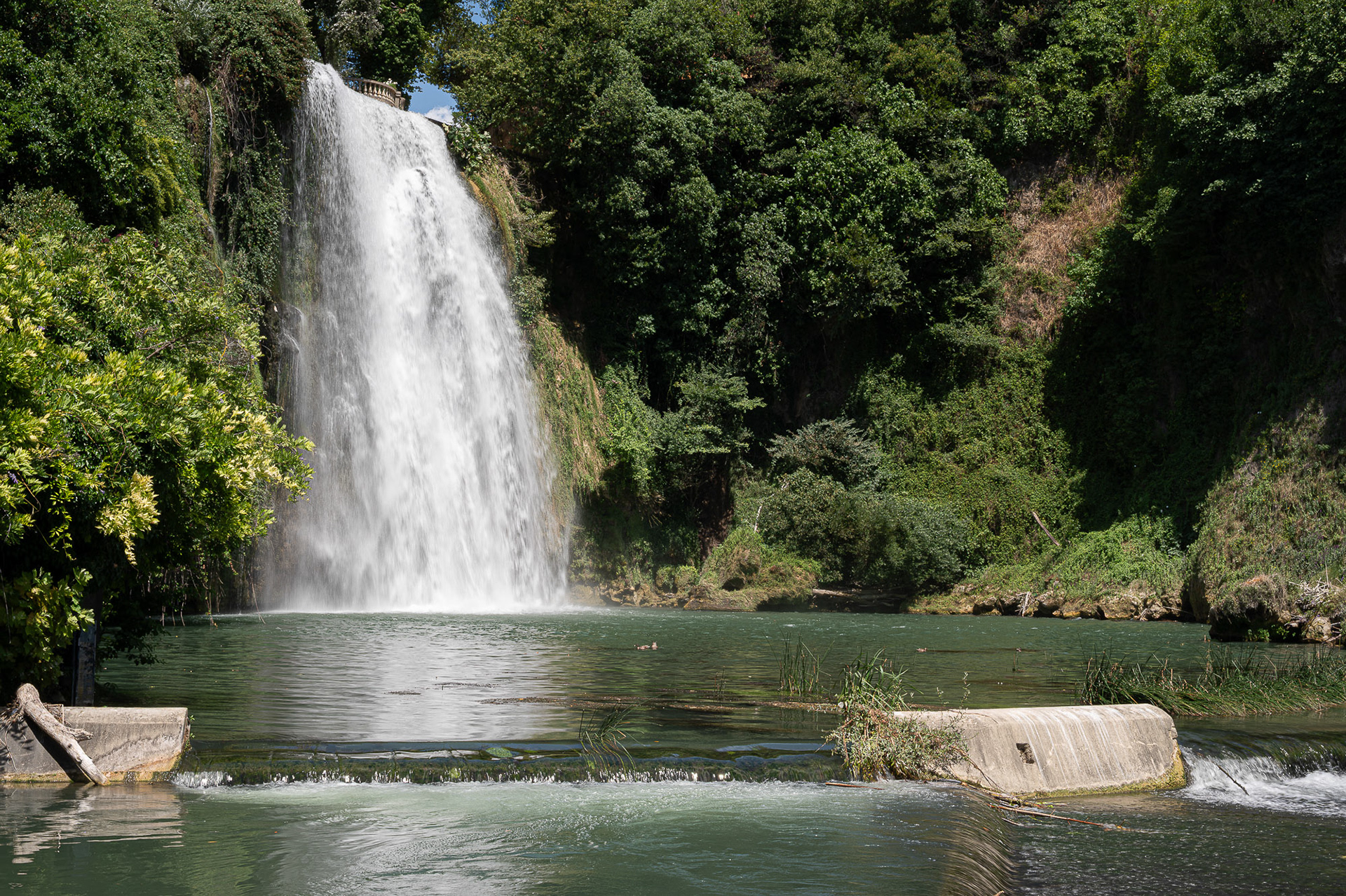
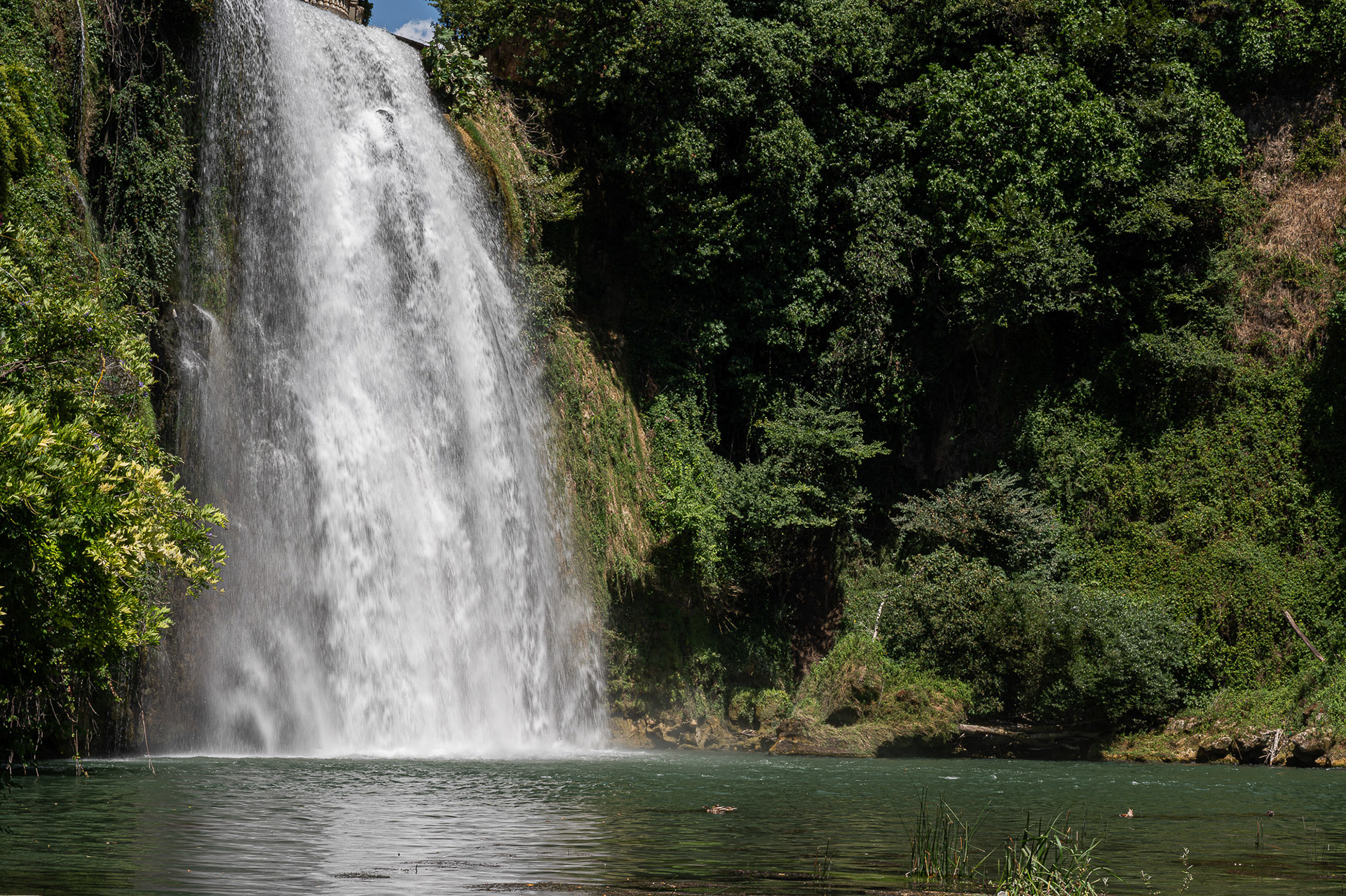
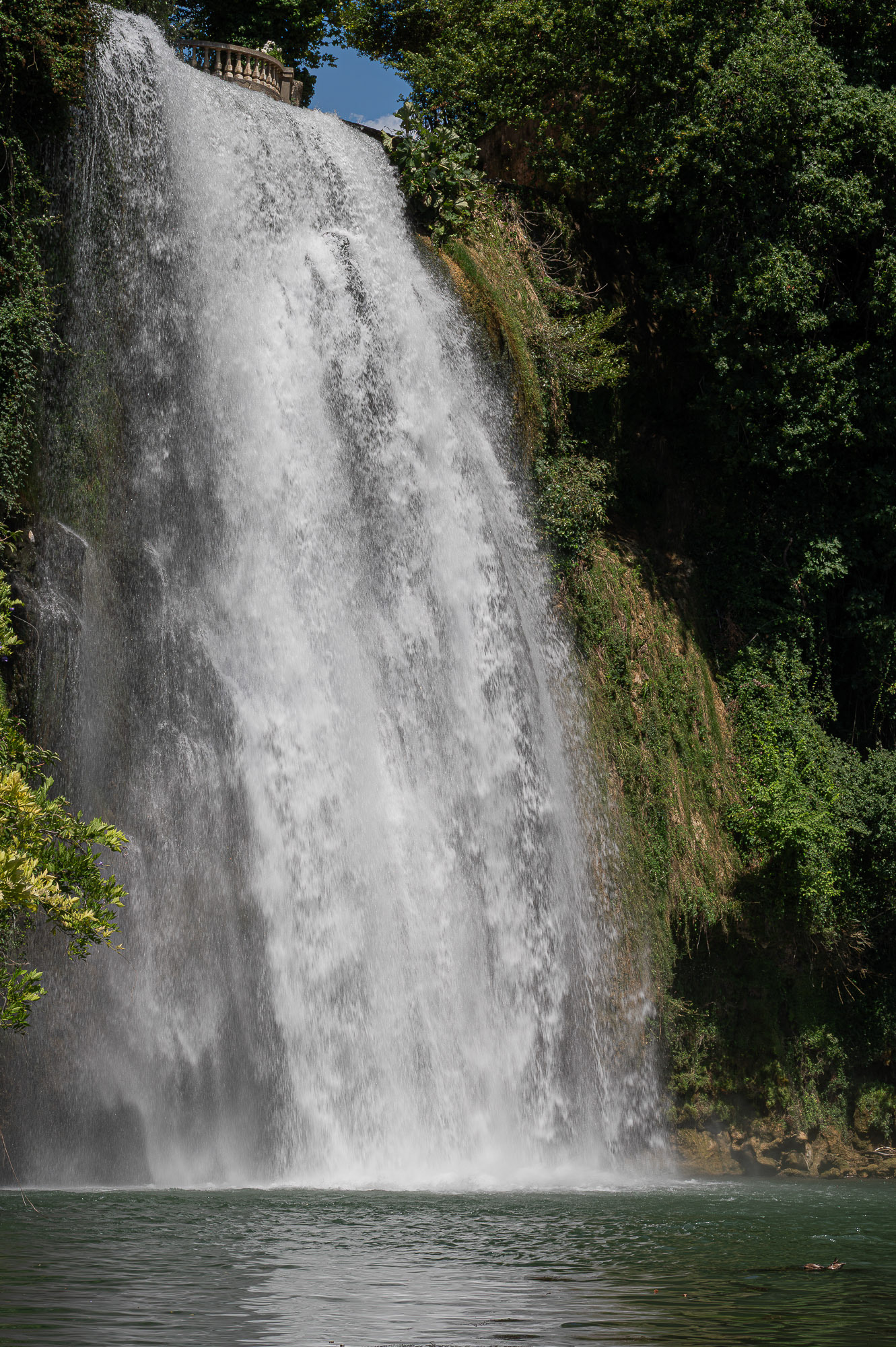
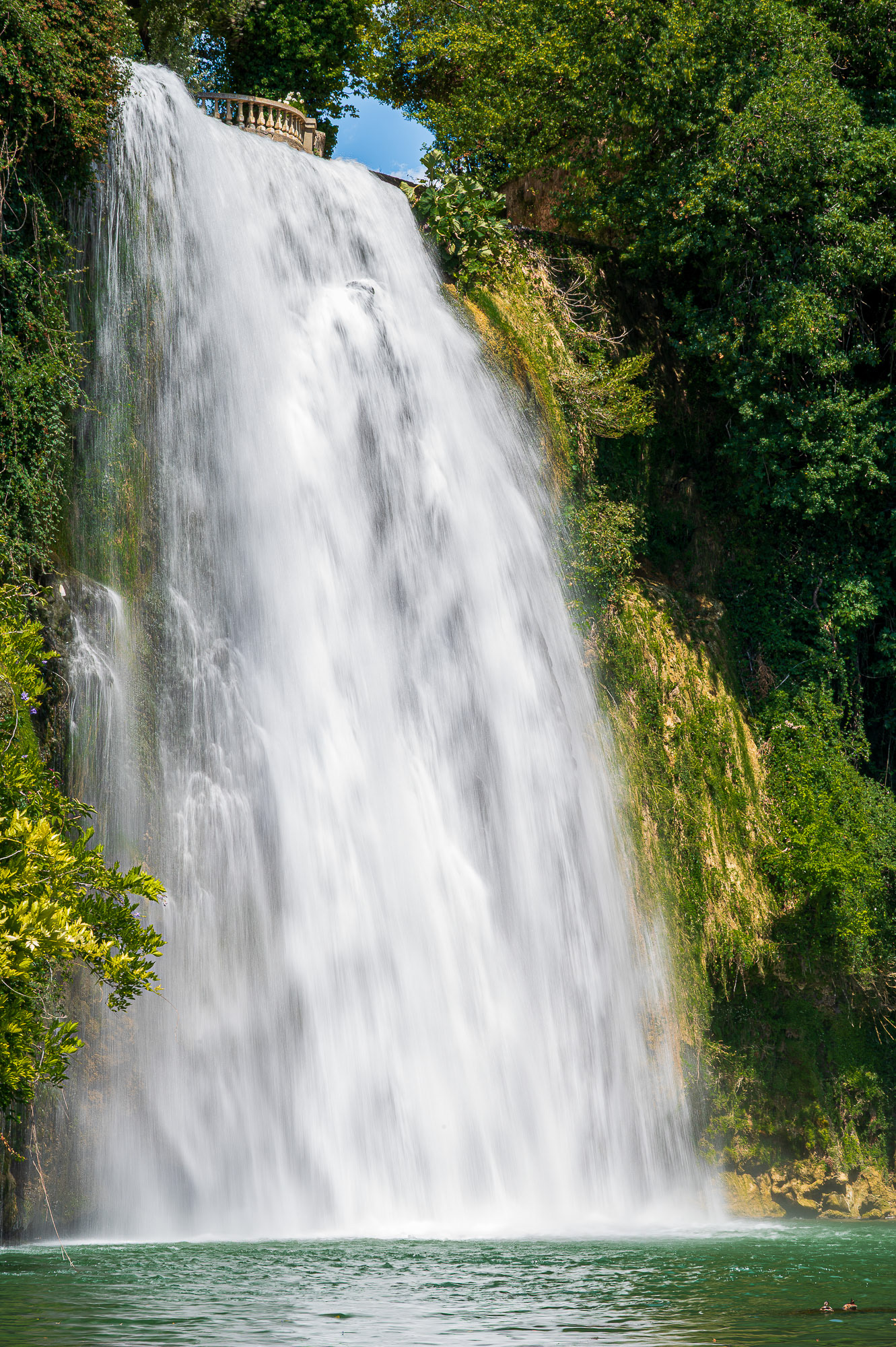
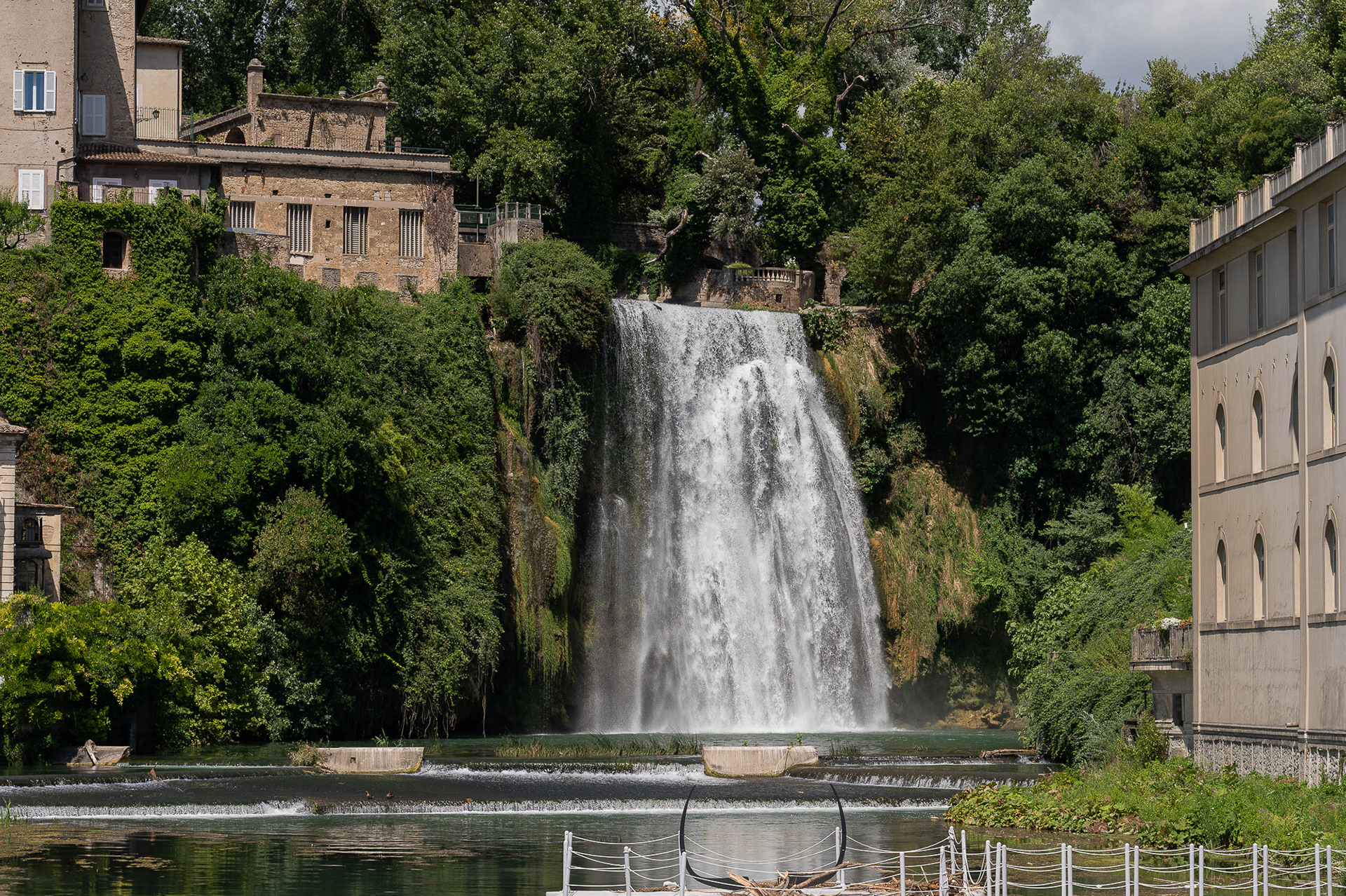
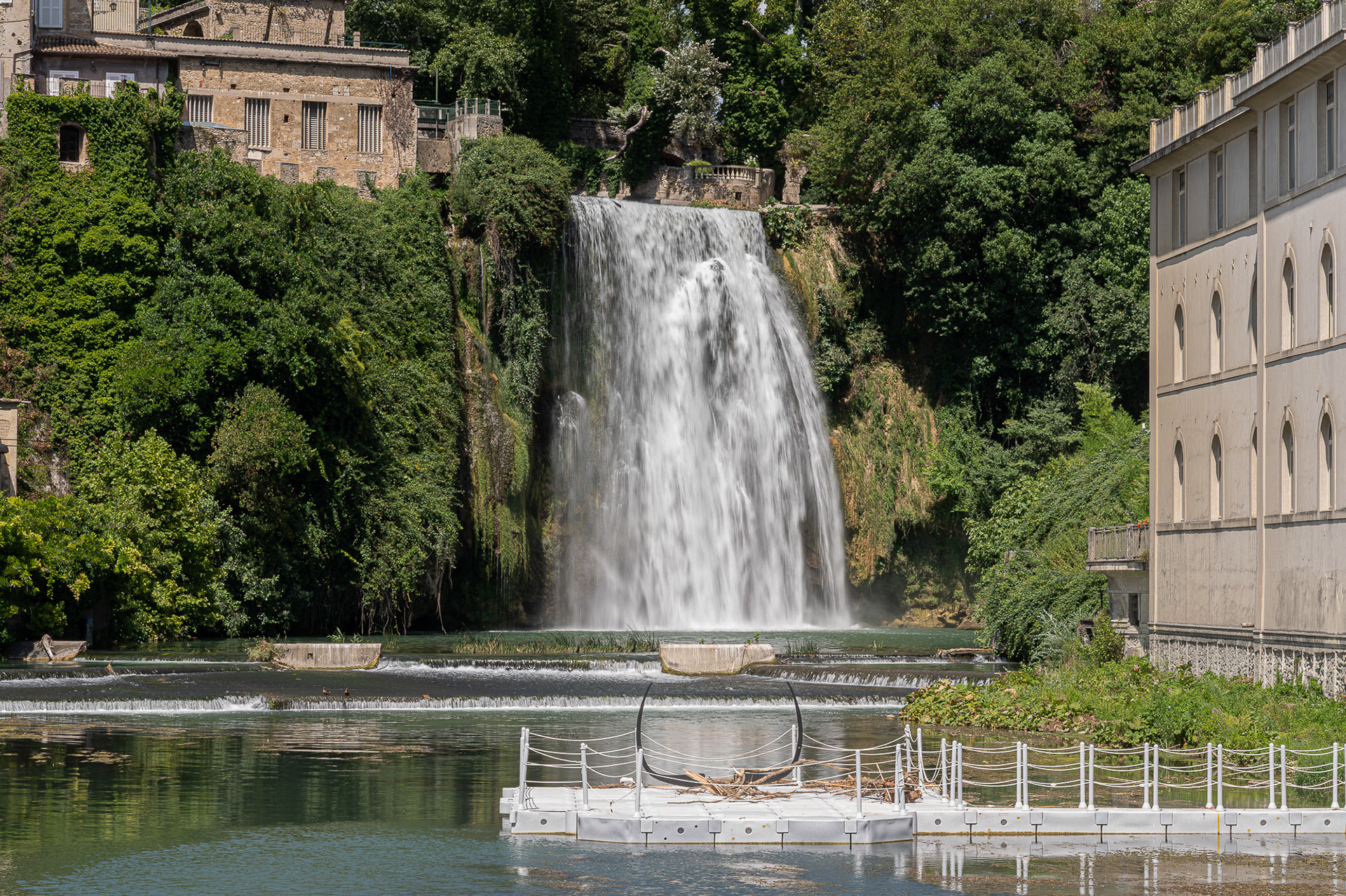
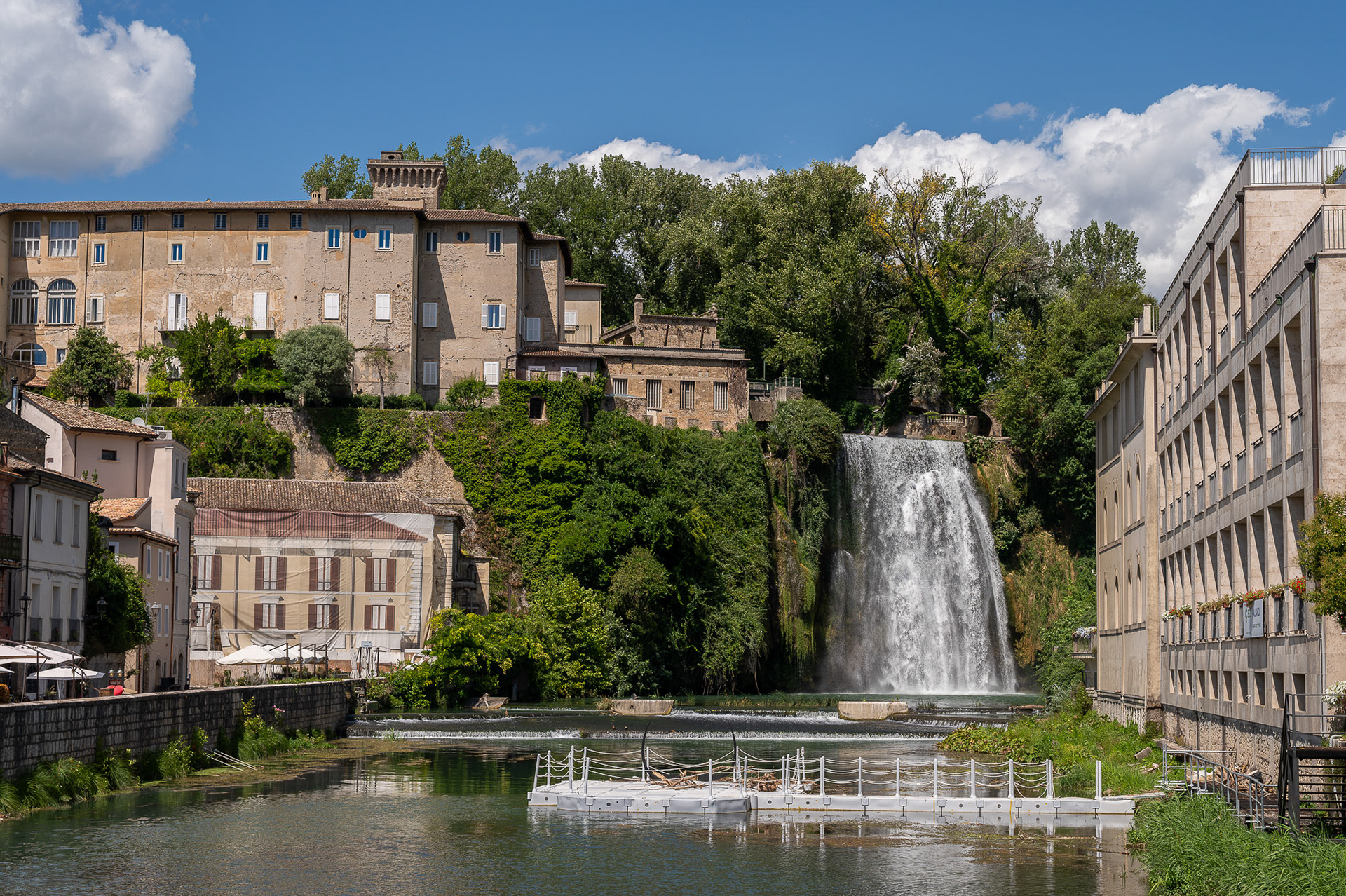
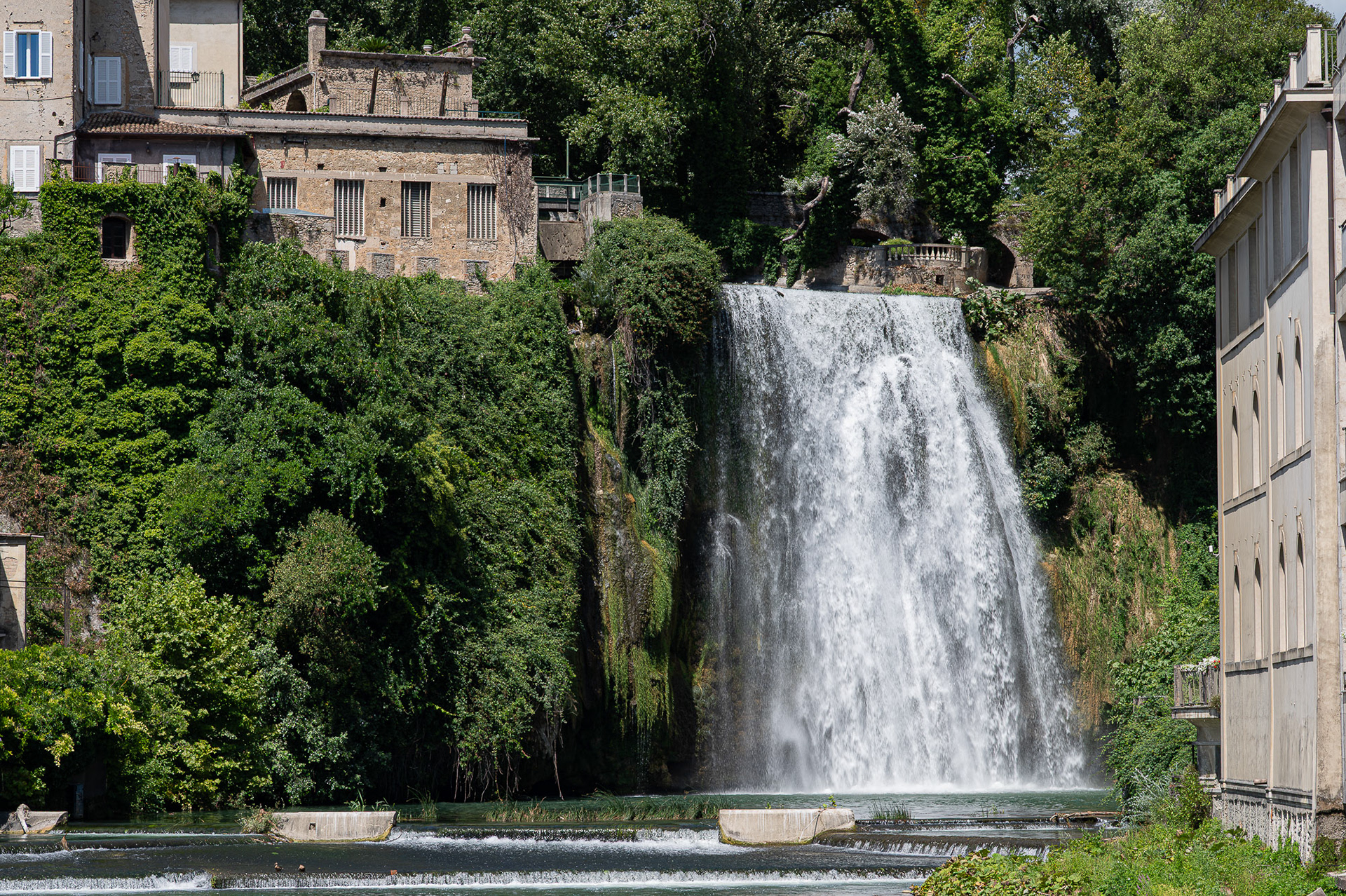
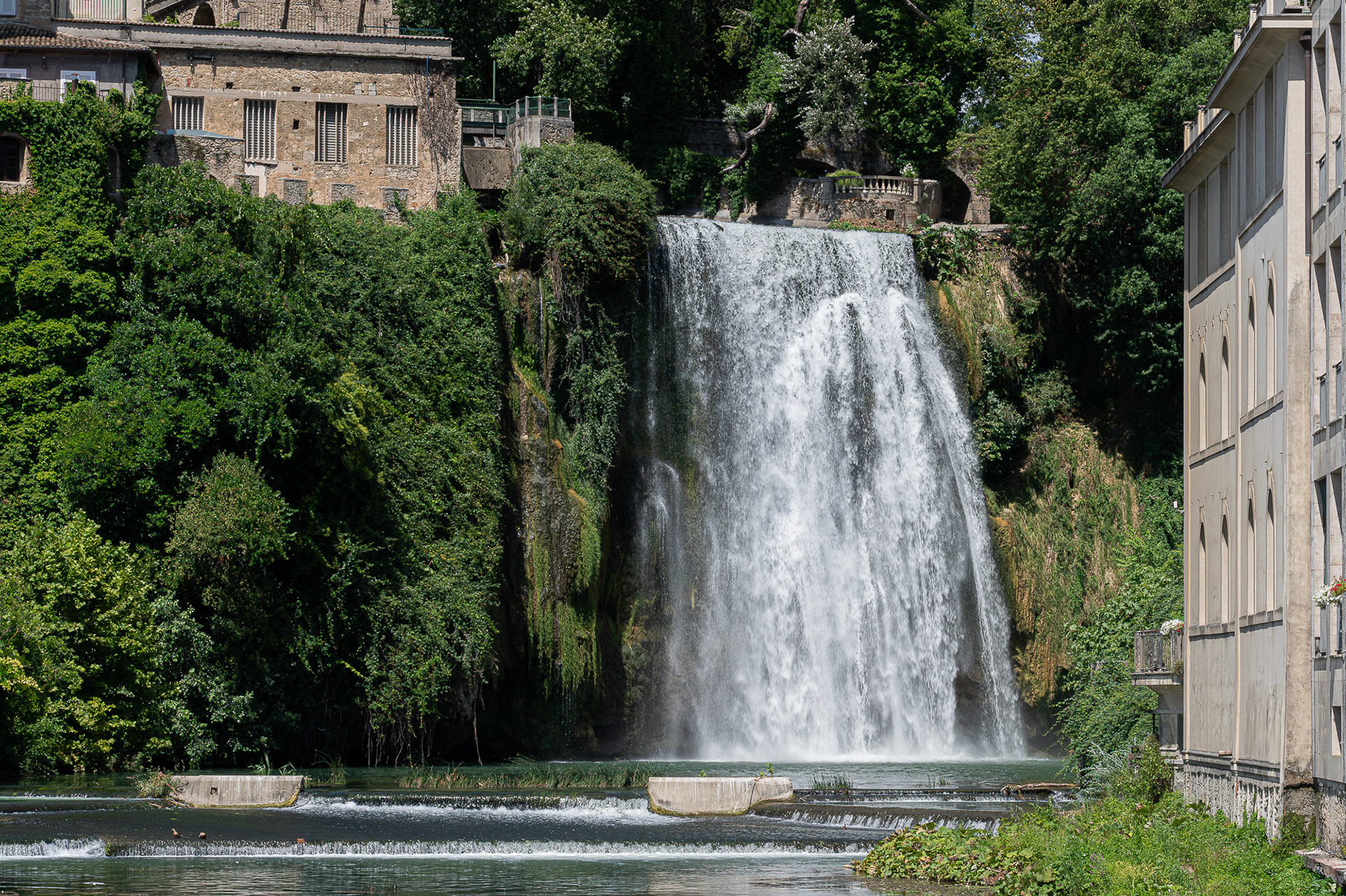
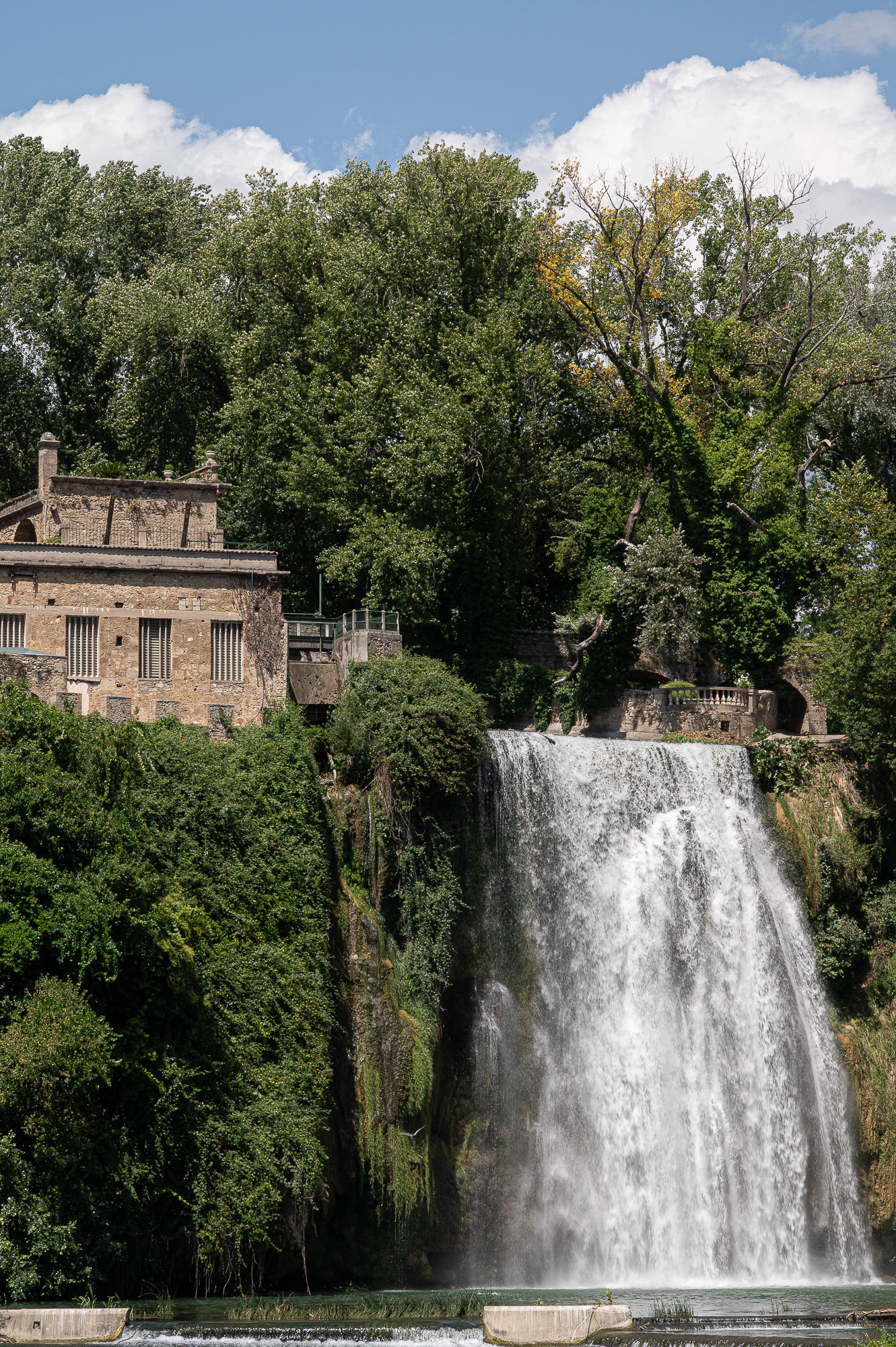
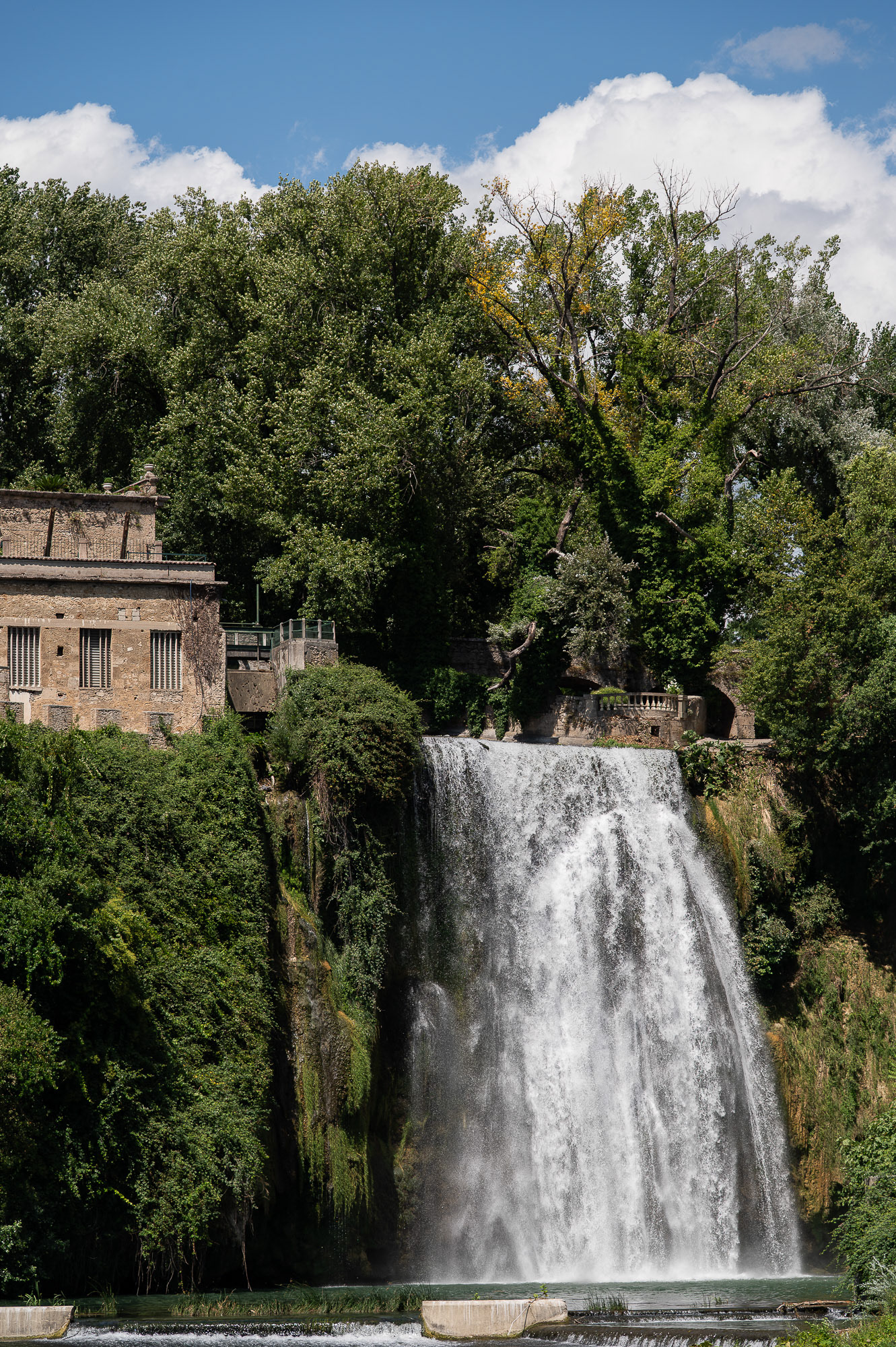
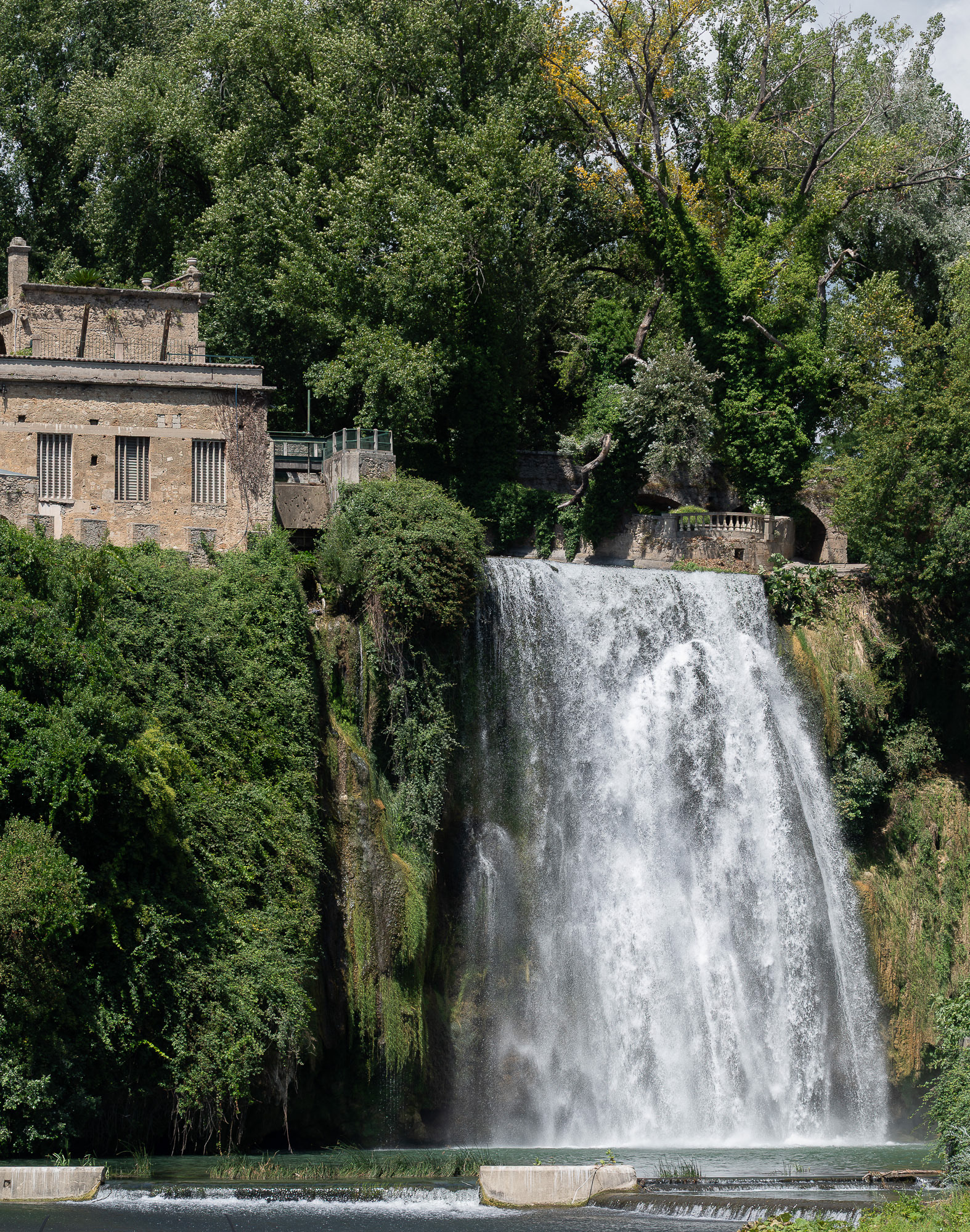
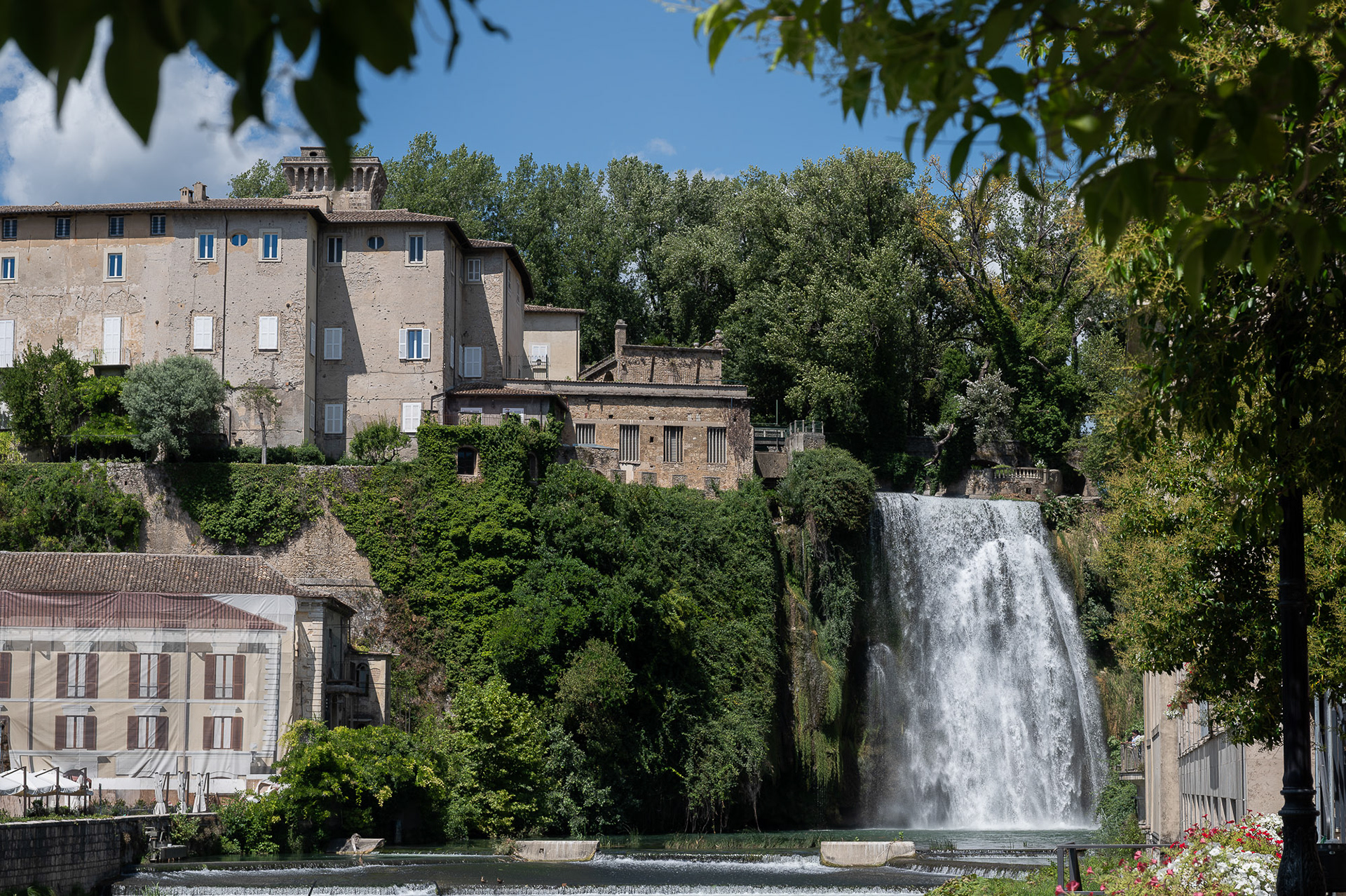
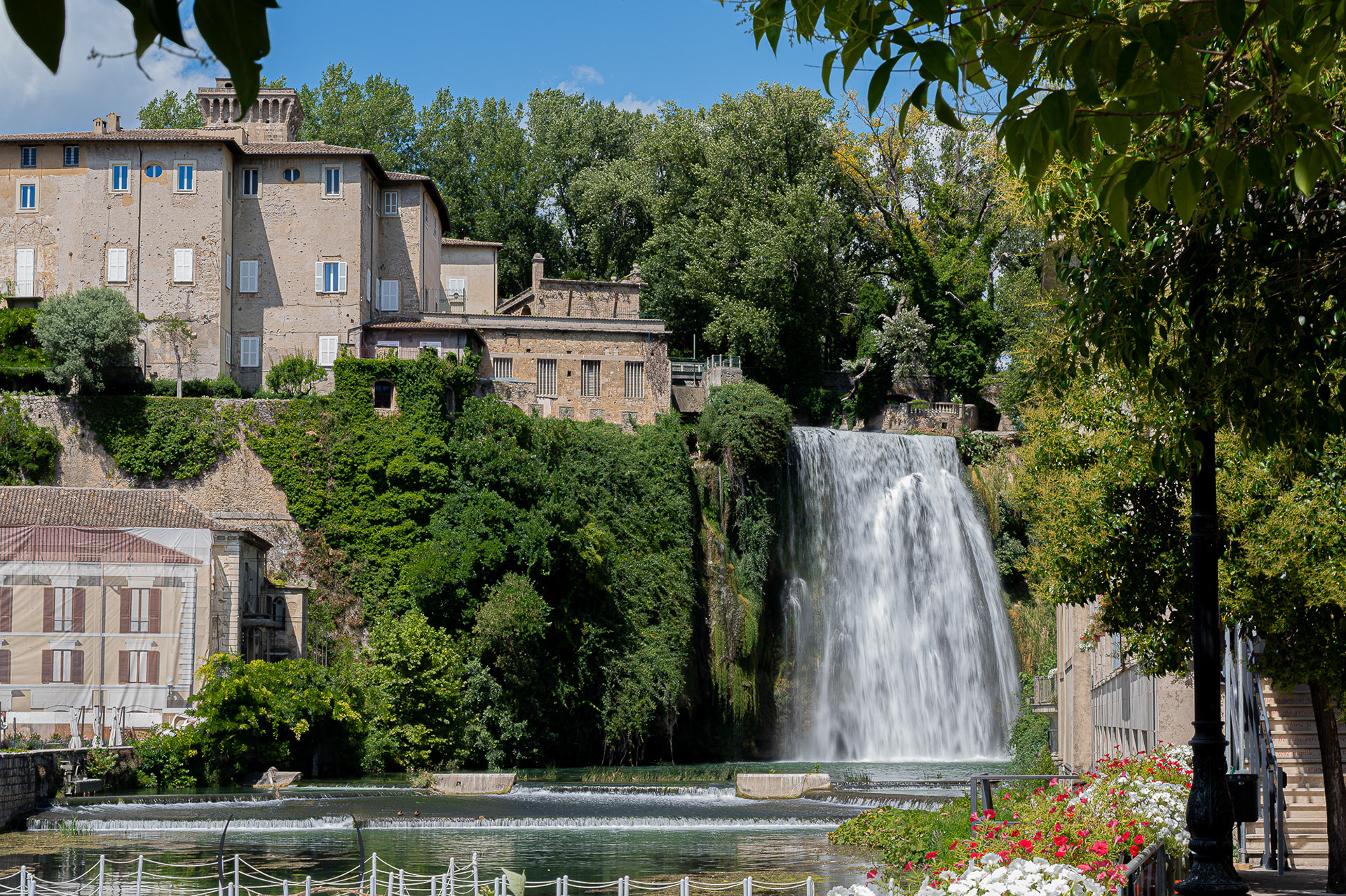
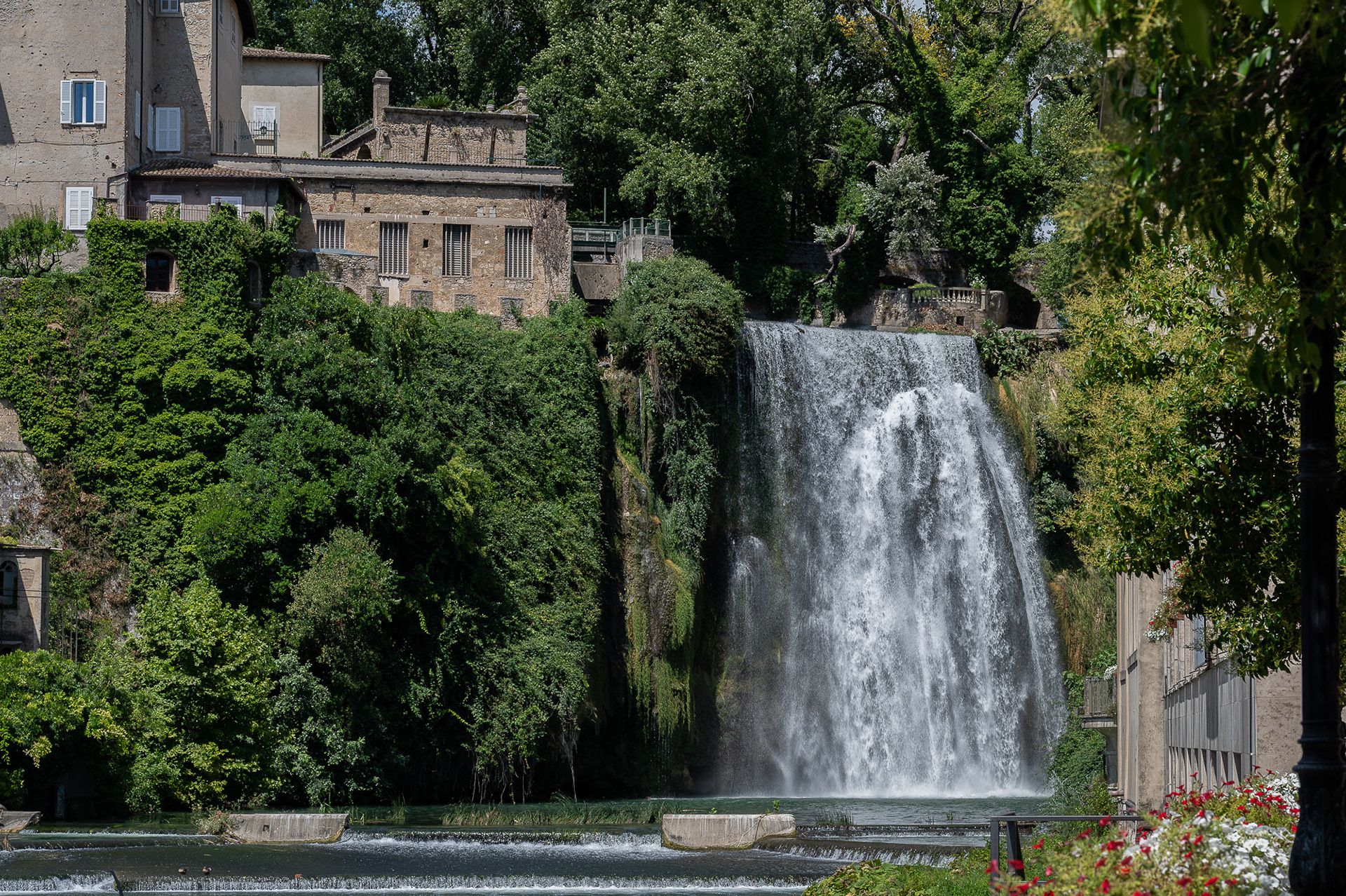
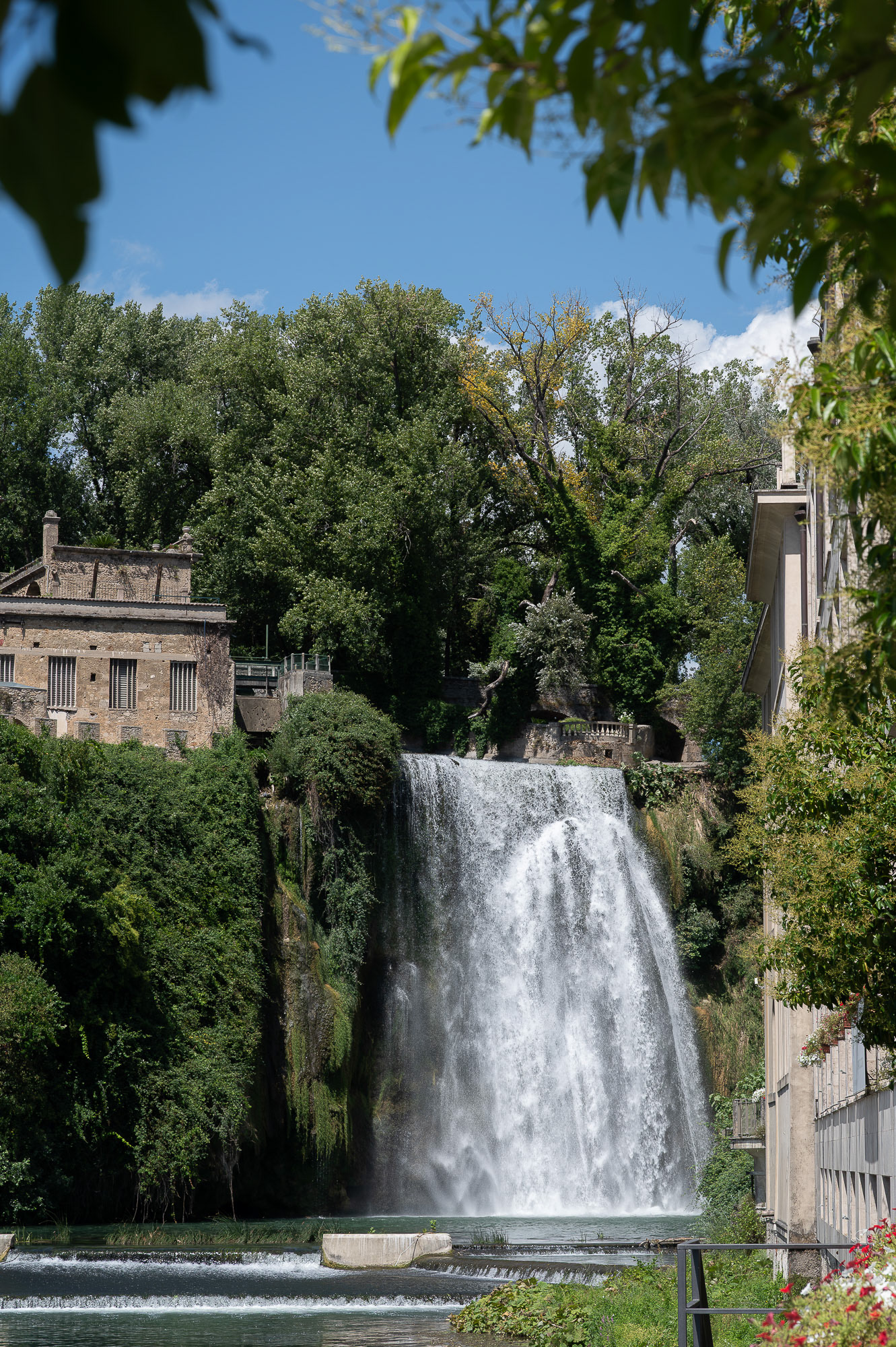
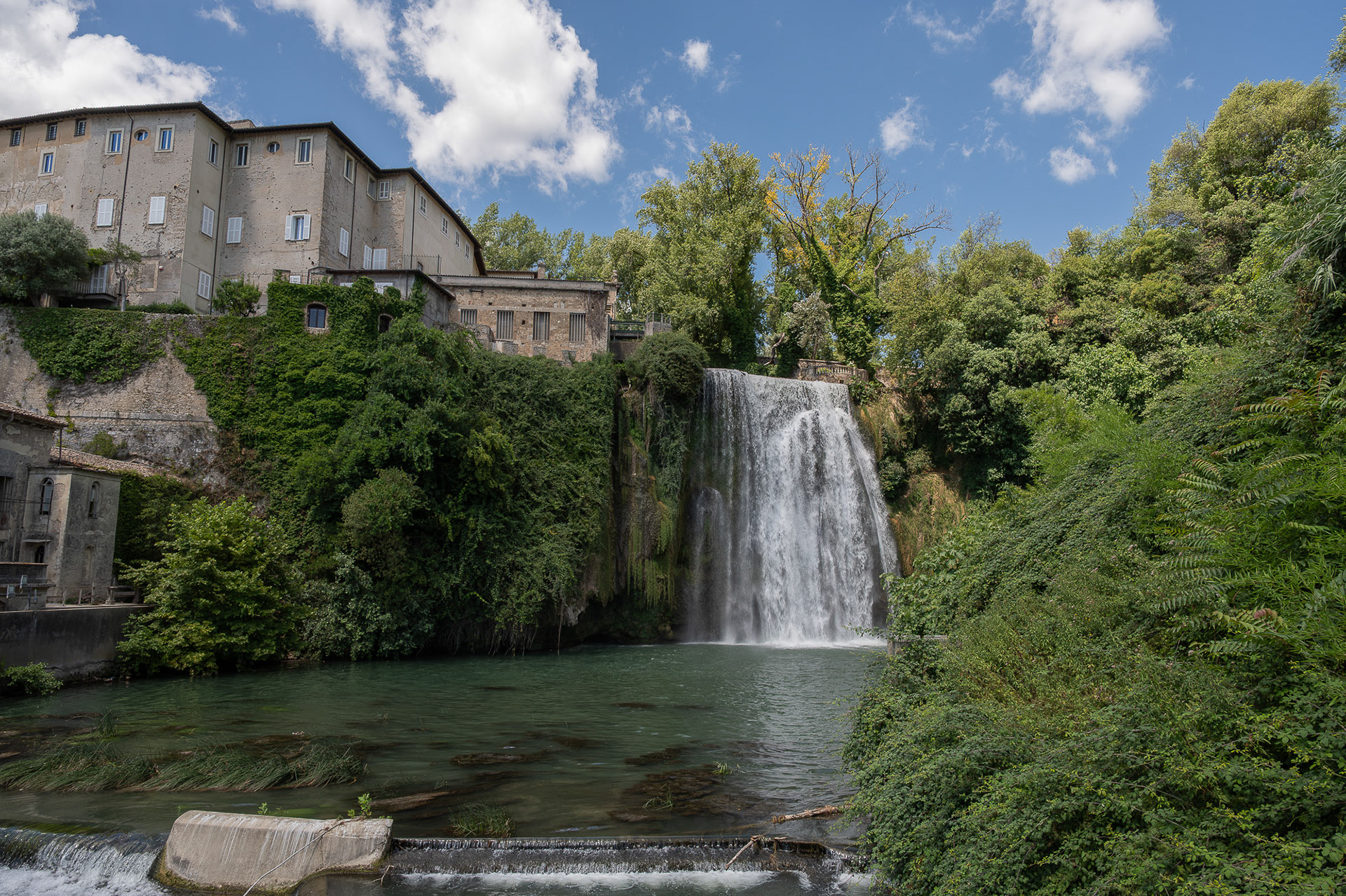
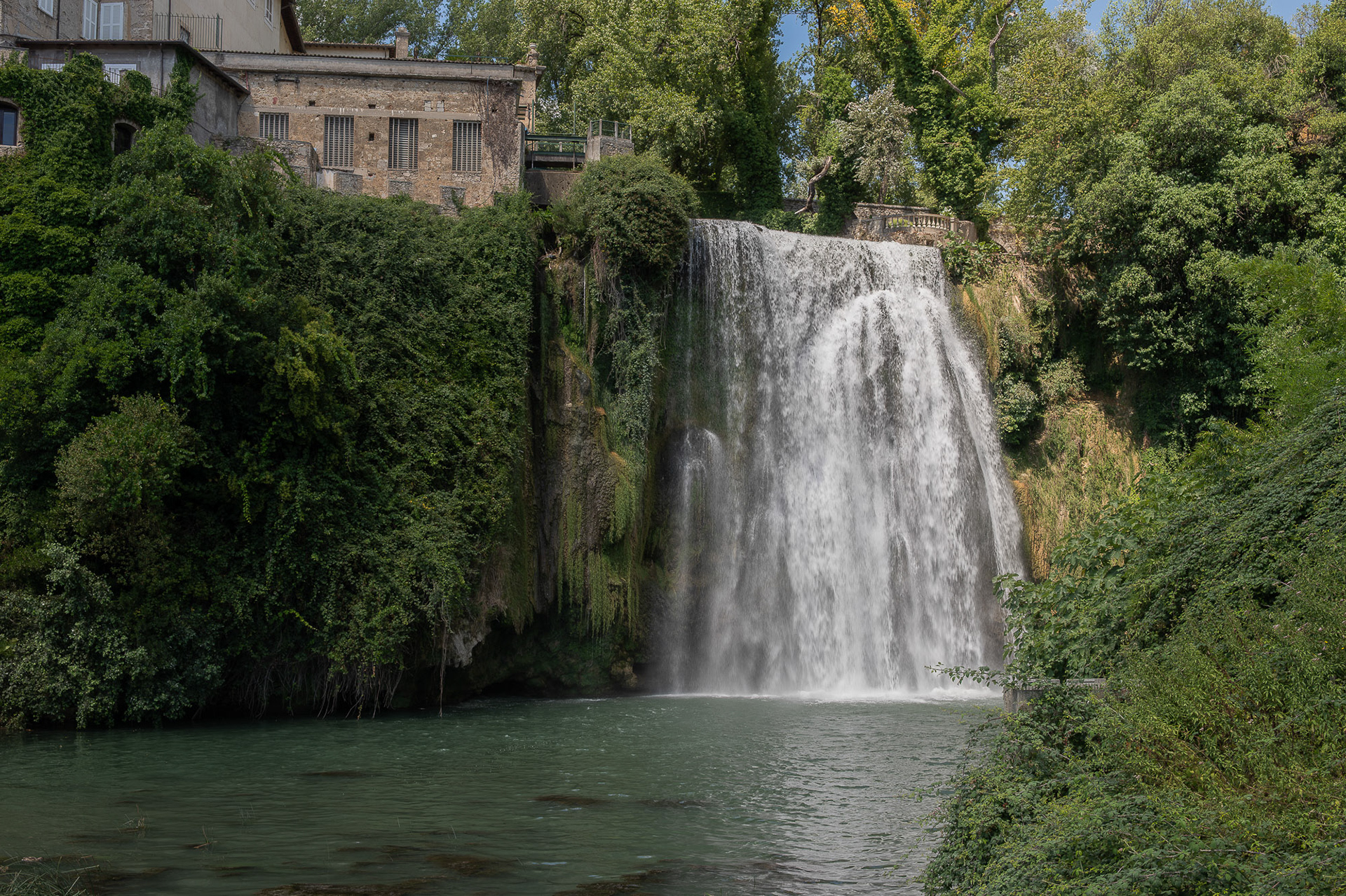
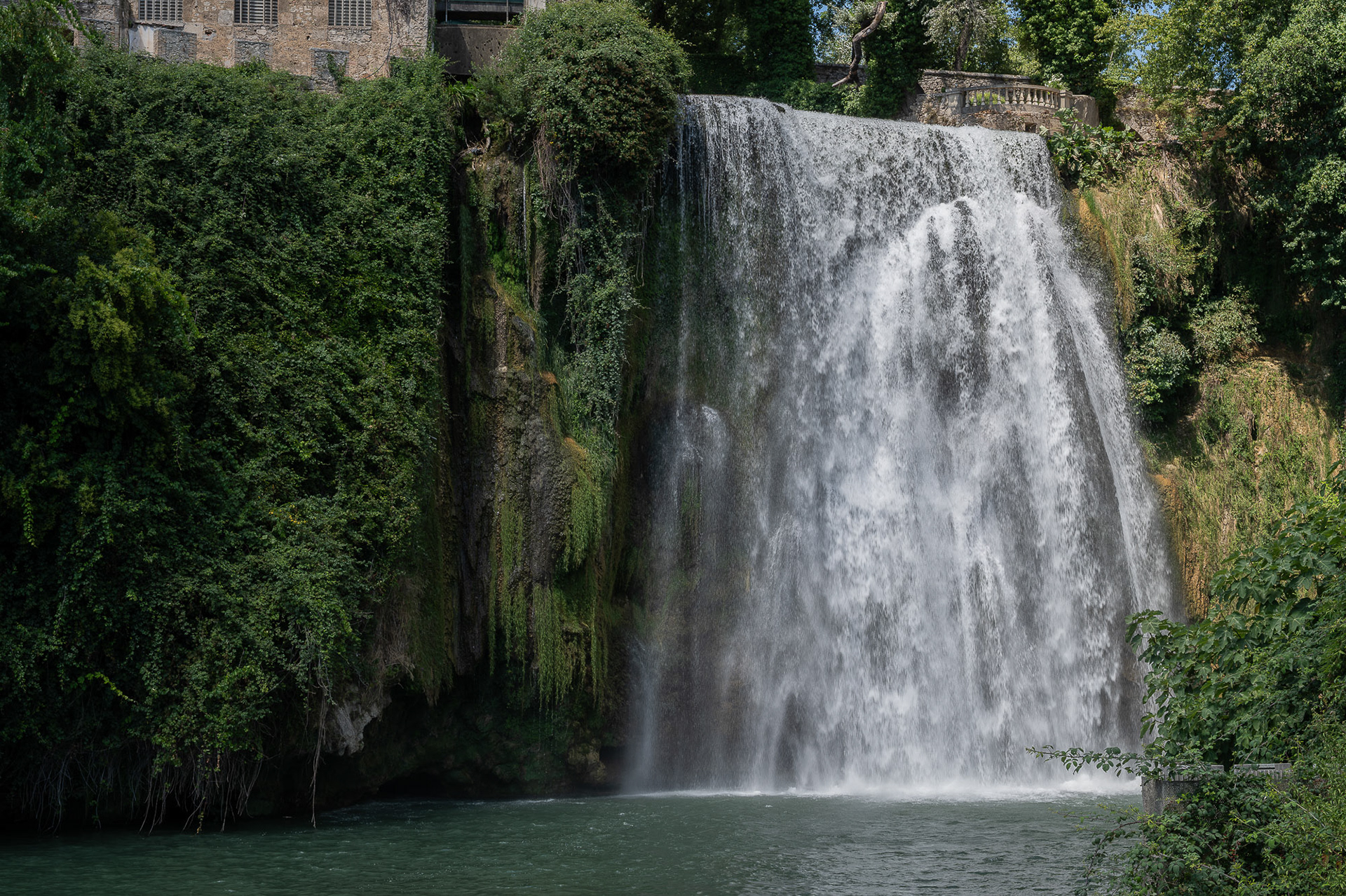
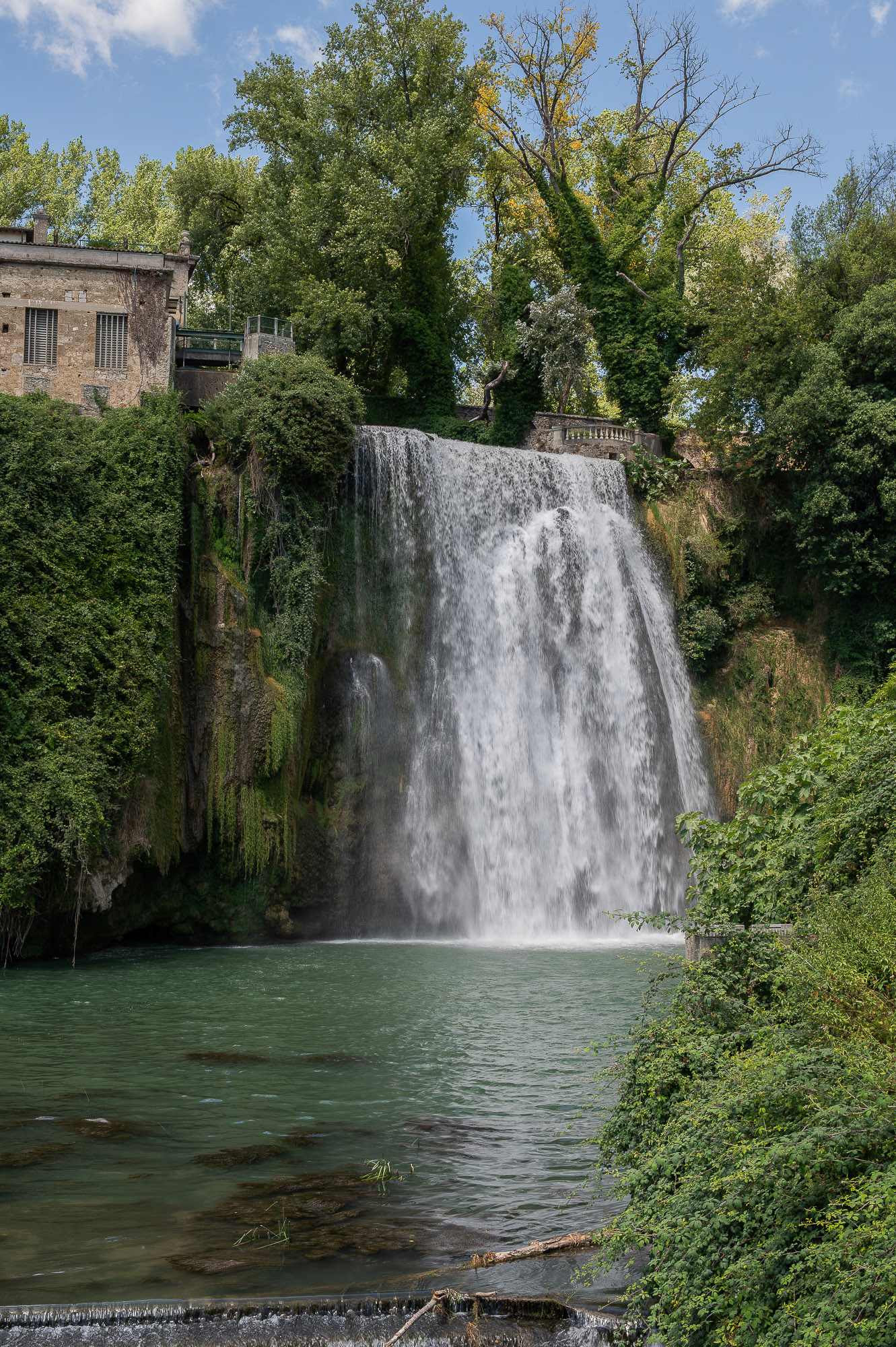
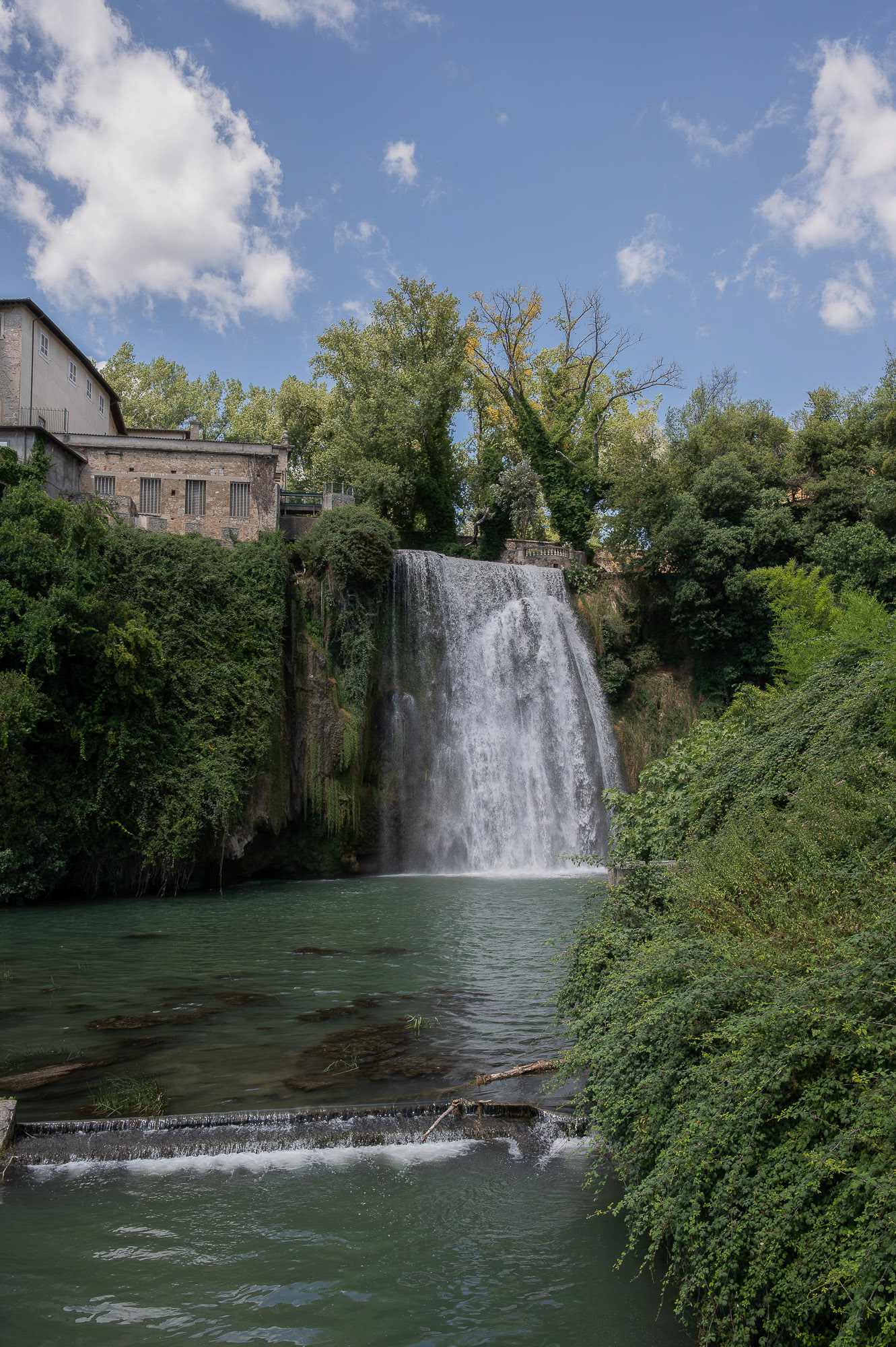
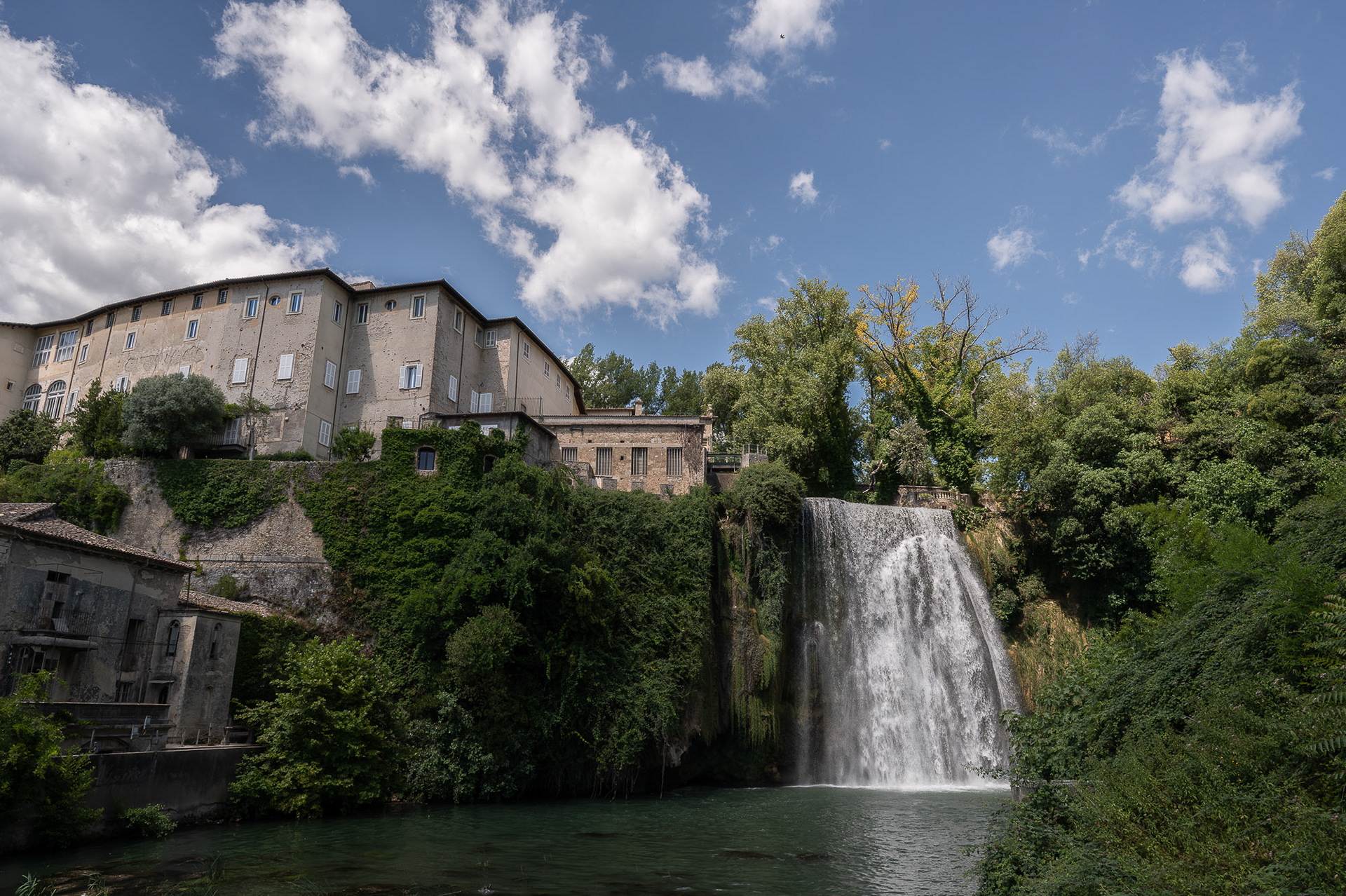
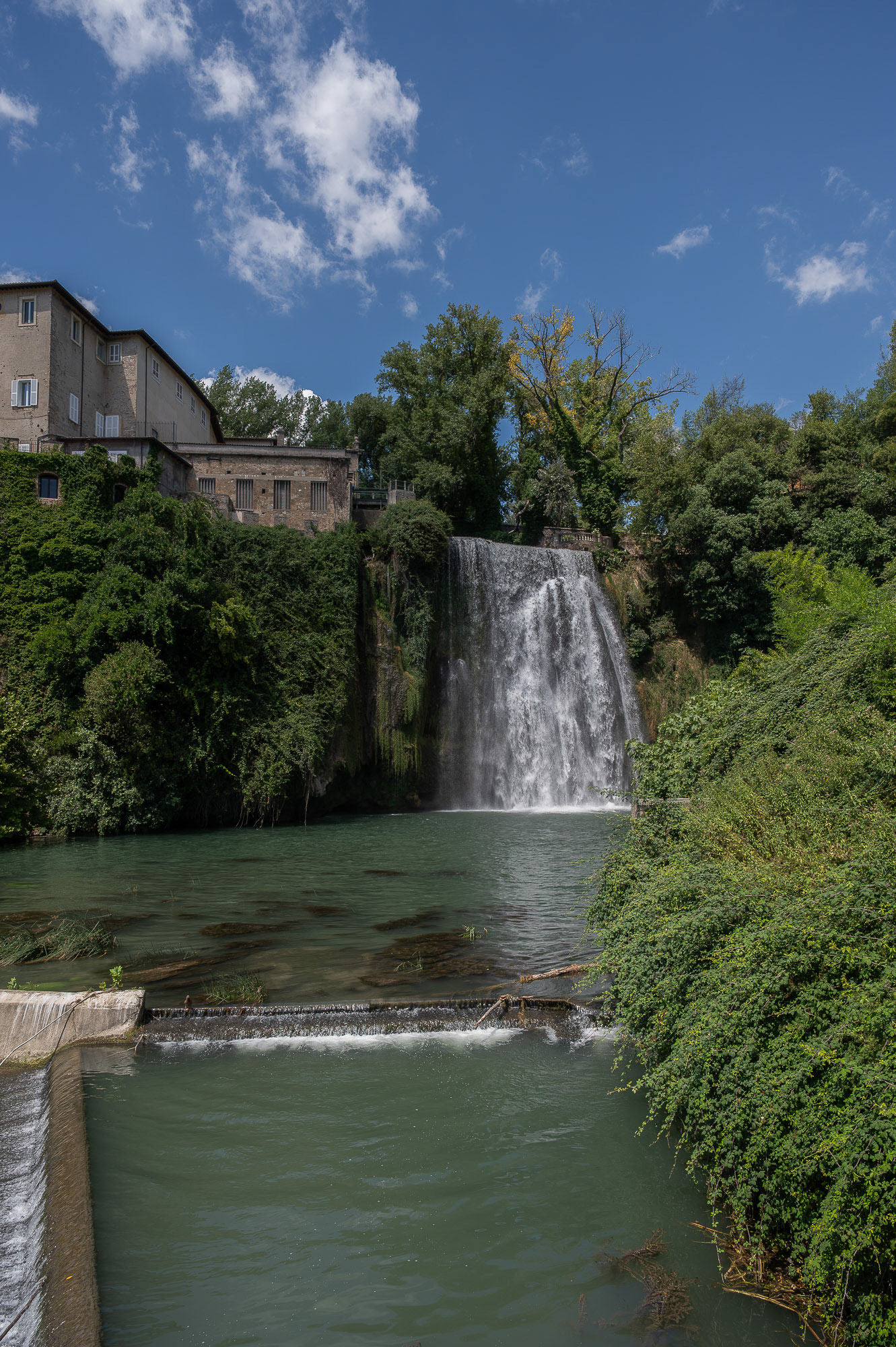
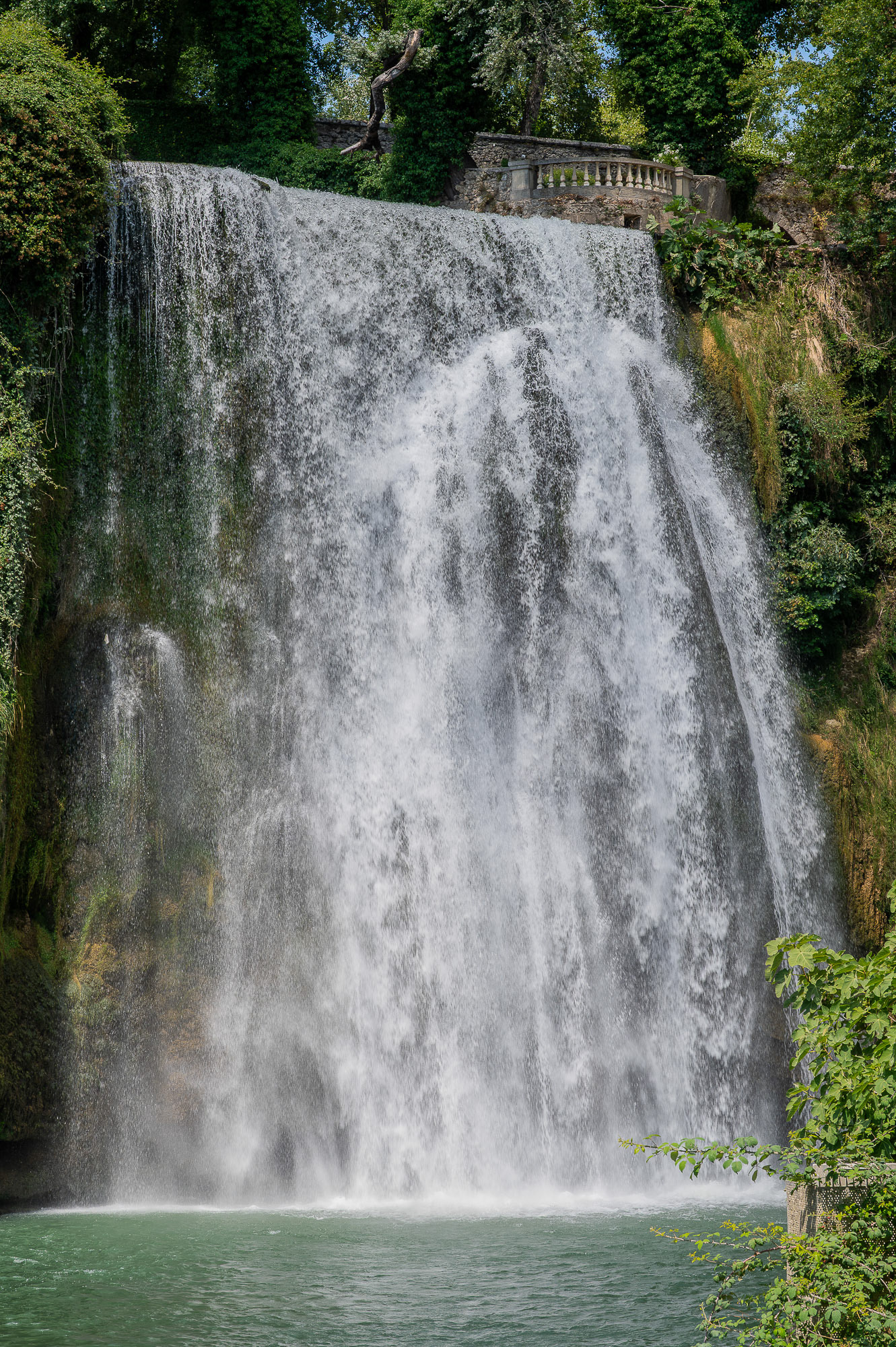
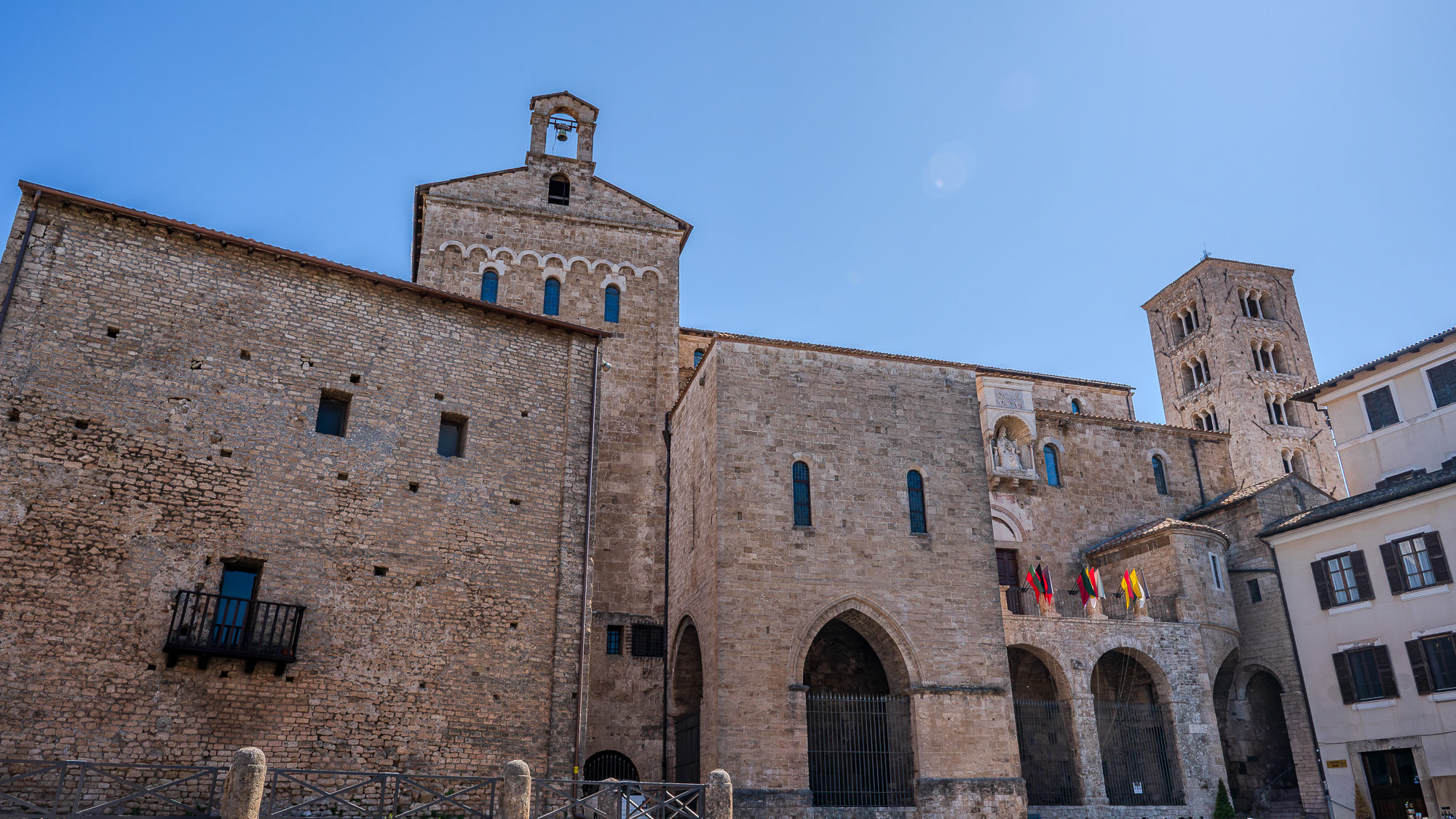
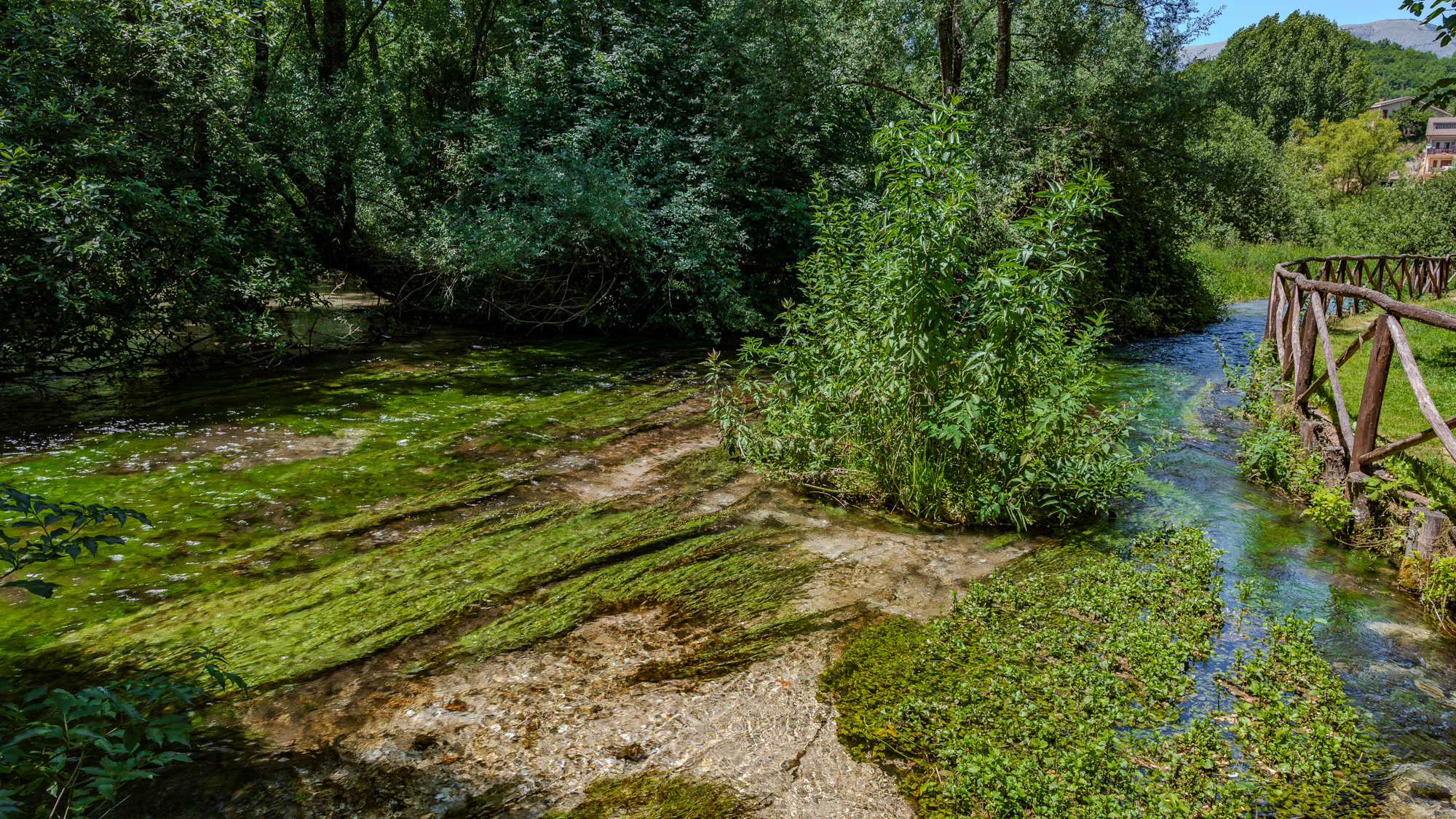
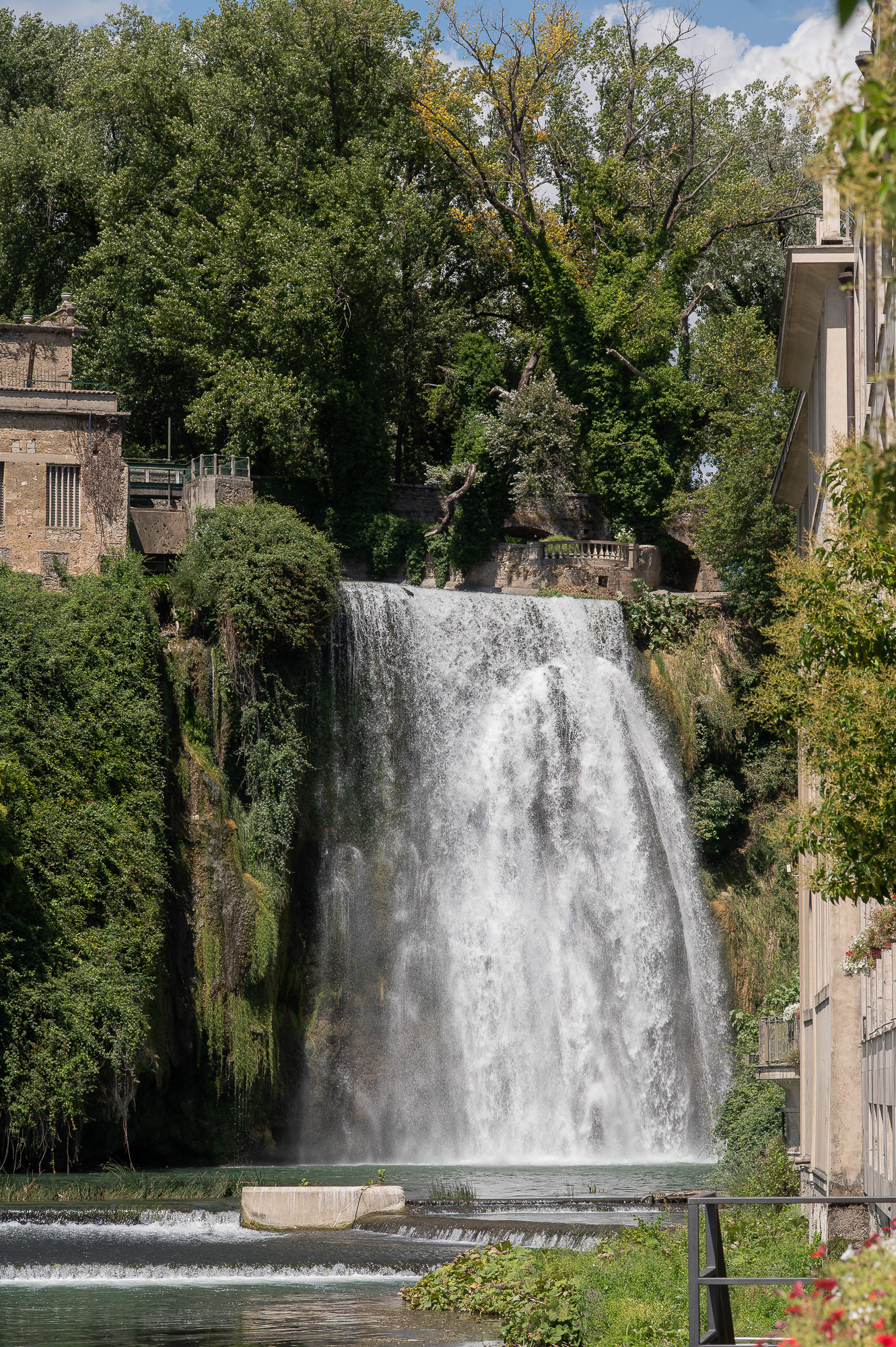
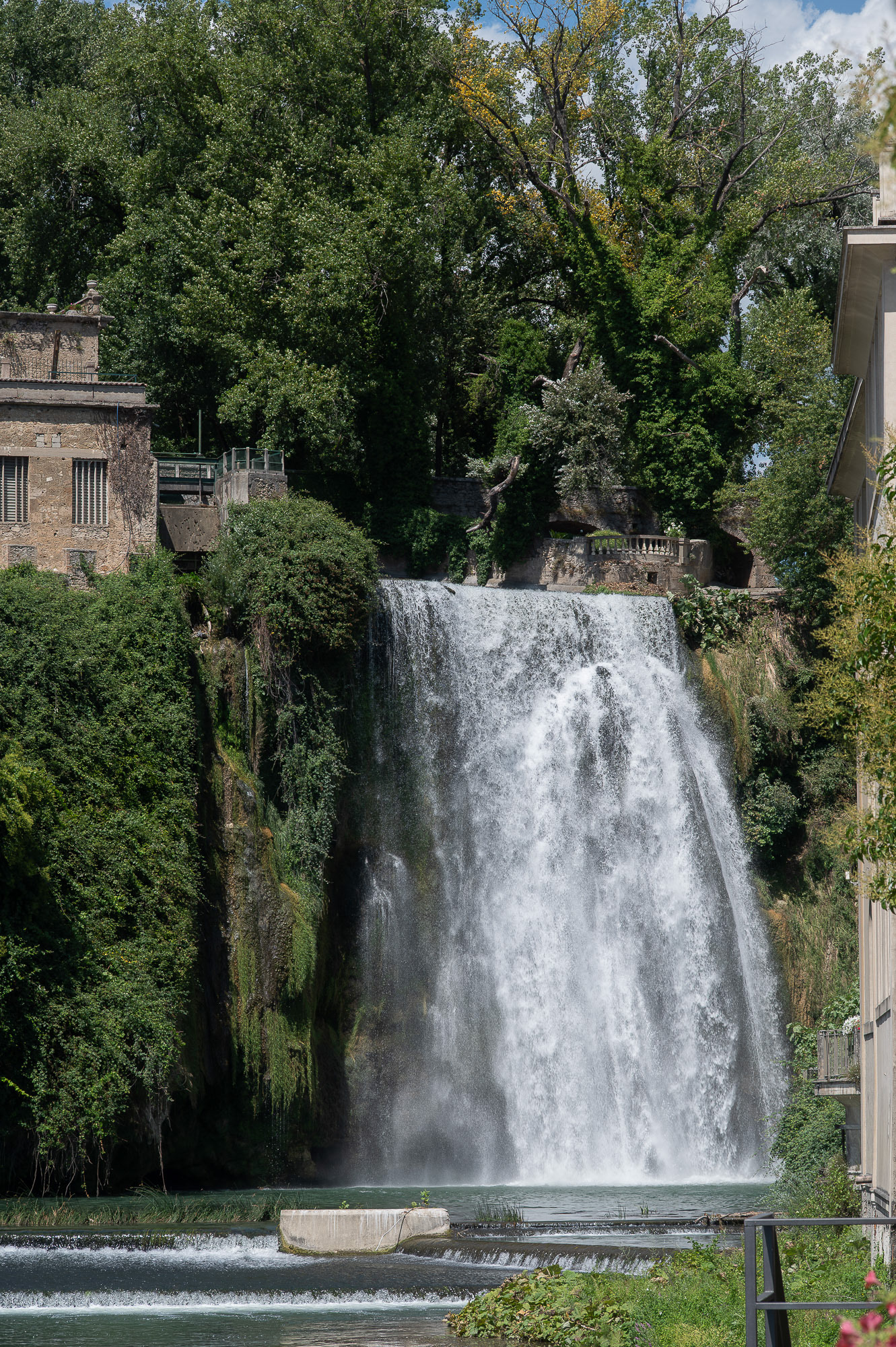
Isola del Liri. The waterfall in the historic center
2025
You may also like
2022
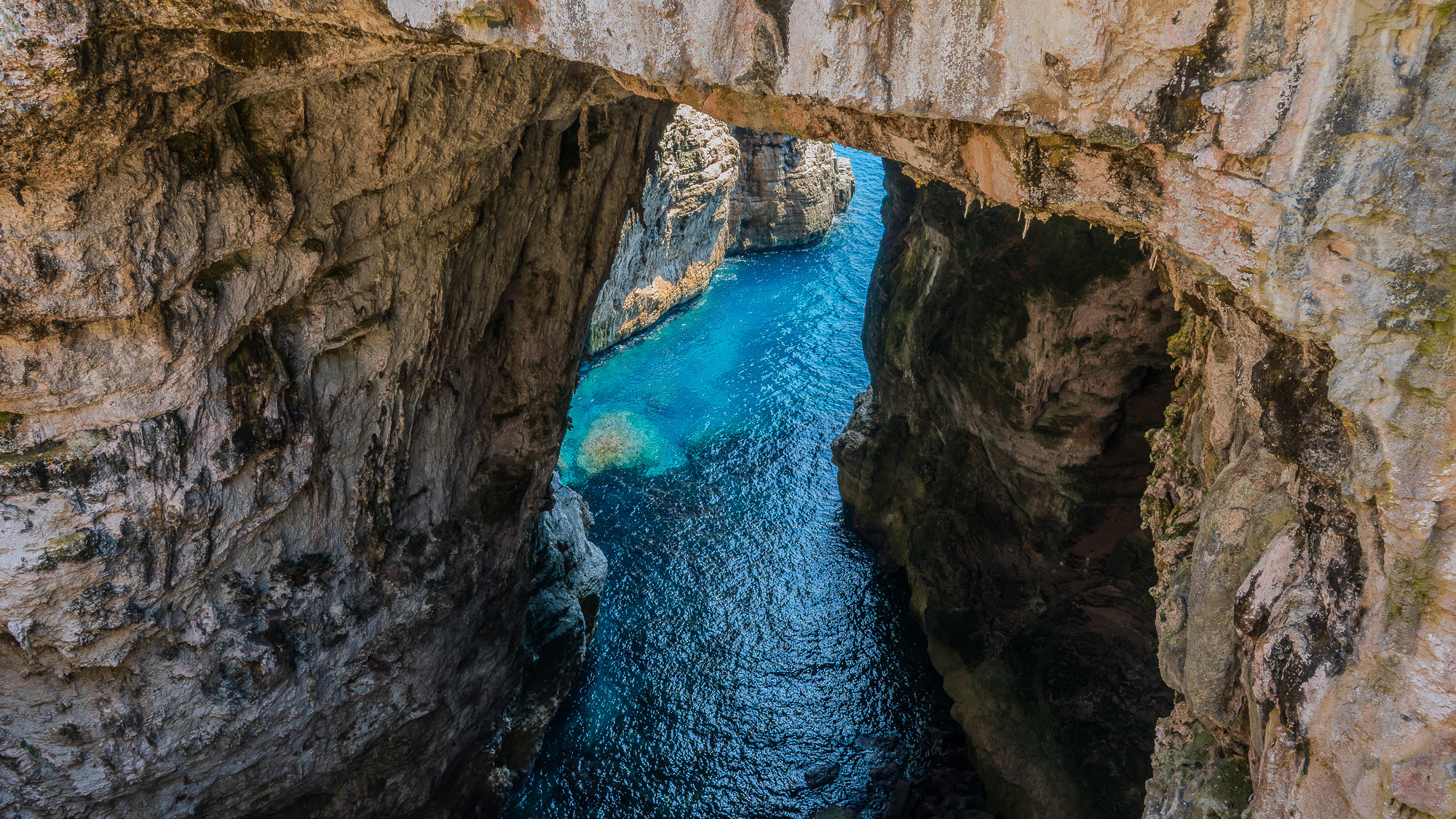
Gaeta, Lazio, the Split Mountain.
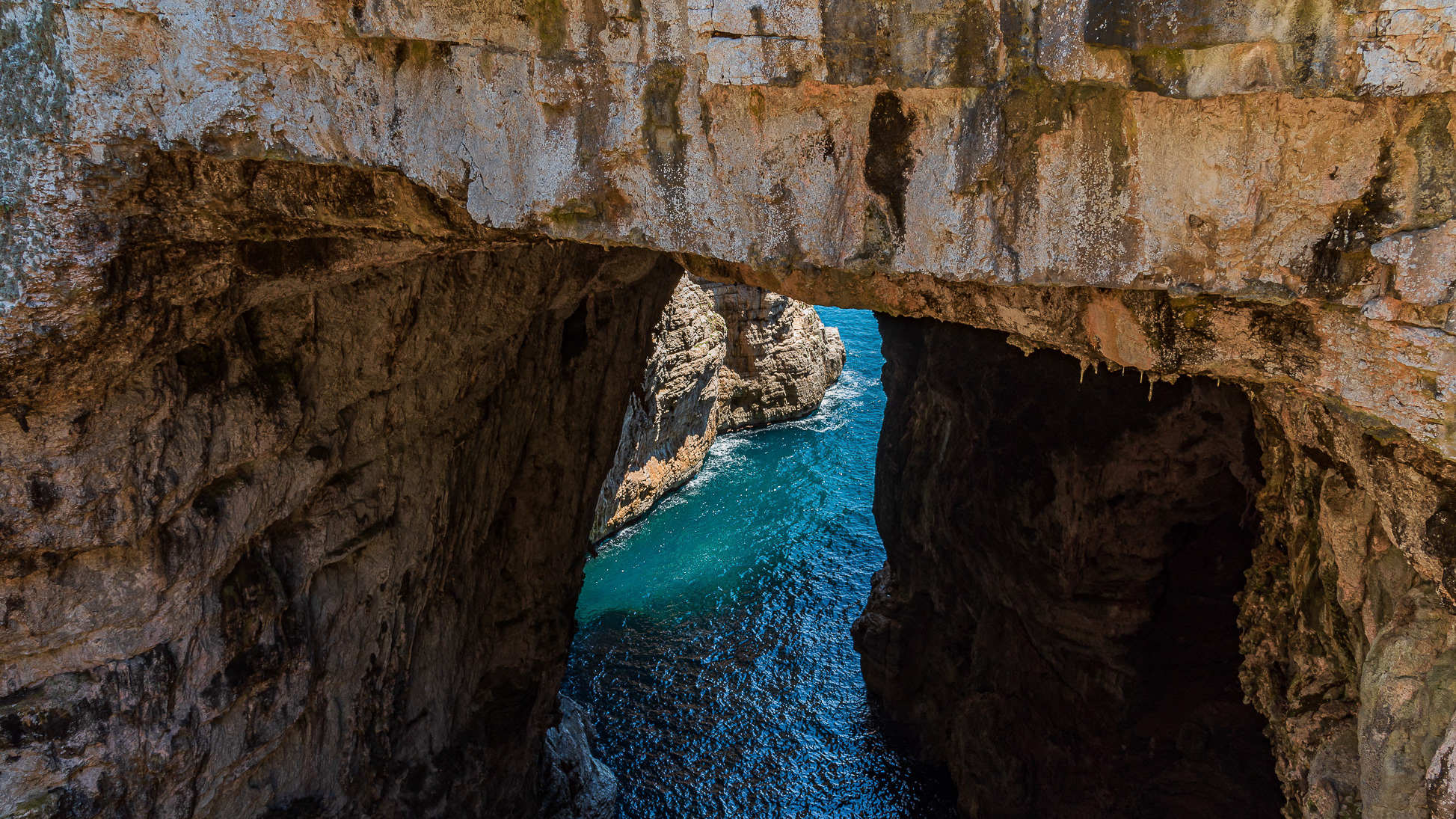
According to the most famous legend, the Montagna Spaccata di Gaeta split into two large blocks of rock at the time of Christ's crucifixion, leaving an inlet to the clear waters of the Gulf. The waters of the Mediterranean poured into the rupture lines, forming underground caves and streams. The natural recess became an ideal hiding place for pirates since ancient times.
2015
Collepardo (FR) - The Charterhouse of Trisulti
The Charterhouse of Trisulti is a monastery located in the municipality of Collepardo, in the province of Frosinone. It has been a national monument since 1873. Since December 2014 it has been managed by the Lazio Museum Complex. It is located among oak woods, in the so-called Selva d'Ecio, at the foot of Mount Rotonaria (Monti Ernici), at an altitude of 825 m and 6 km north-east of the town. Immersed in the green of centuries-old forests lies this famous and majestic Certosa, founded in 1204 by the will of Pope Innocent III and entrusted, since 1208, to the Carthusian monks (hence the name "Certosa"). In 1947 they were replaced by the Cistercian monks of the Congregation of Casamari. In 2018 the Ministry of Cultural Heritage entrusted it in concession to the "Dignitatis Humanae Institute" Association. Inside it is possible to visit the Church with valuable works of art, the ancient Pharmacy of the seventeenth century. , the gardens, the refectory, the large cloister and the small cloister with the ancient cemetery of the monks.
2025
Priverno. Cistercian Abbey of Fossanova.
Fossanova Abbey is located in the municipality of Priverno, 5 km south of the city center, in the province of Latina. The surrounding area has the appearance of a vicus and takes its name from a sewer that in the early days of the small village (now a hamlet of Priverno) was called Fossa Nova. Declared a "national monument" in 1874, Fossanova Abbey is the oldest example of Cistercian art in Italy and, together with Casamari Abbey, one of its highest expressions. The complex was born at the end of the 12th century from the transformation of a pre-existing Benedictine monastery, perhaps dating back to the 6th century, of which a faint trace remains above the rose window of the church. The ancient monastery, built on the ruins of a Roman villa, was in fact ceded in 1134 by Pope Innocent II to some Burgundian monks, led by Saint Bernard of Clairvaux, who followed the rigid rule resulting from the Citeaux reform (1098) based on the original Benedictine orthodoxy.
The abbey complex known as a remake of the Benedictine one is made up of the cloister, the heart of the entire organism, the church of Santa Maria, the Chapter House with the monks' dormitories above, the refectory, the kitchen and the dormitories of the lay brothers. The pilgrims' house, the cemetery and the infirmary complete the complex.
Consecrated in 1208, it preserves the bare architecture, the magnificent rose window and lantern and the finely sculpted capitals, testifying to the pre-eminent role played in the area. The buildings of the monumental complex are fenced so as to appear like a village, further enriched by the remains of a Roman villa from the 1st century BC, visible right in front of the church.
In the 18th century the abbey was called Badia del For Appio.
In one of the abbey's rooms, the monks' products are sold, from food to wines and liqueurs. From 1935 to 2017, a community of Conventual Friars Minor (Franciscans) lived in the abbey. Since 2017, the care of the abbey and the parish has been entrusted to the fathers of the Institute of the Incarnate Word, with the help of the Sisters Servants of the Lord and the Virgin of Matará, by the same Religious Family.
2015
Posta Fibreno (FR) - The Nature Reserve
The Lago di Posta Fibreno regional nature reserve is one of the regional nature reserves established by the Lazio Region and managed in collaboration with the municipal administration of Posta Fibreno. It is famous for hiding a real floating island in the vegetation of the reeds, already mentioned by Pliny the Elder in his Naturalis historia. It was established in 1983. Managed in collaboration with the WWF until 1999, it is currently administered by the Lazio Region and the Municipality of Posta Fibreno which regulates the recruitment of personnel and the management of the budget. It extends for about 400 hectares completely within the limits of the municipal territory of Posta Fibreno, located on the Lazio side of the National Park of Abruzzo, Lazio and Molise in the Province of Frosinone and includes the surface of the homonymous lake (about 300 m asl), the southern and eastern shores, the banks of the Rio Carpello and part of the hilly area (max 500 meters above sea level) between the localities of Carpello and Vallone della Pica on the border with the municipalities of Campoli Appennino and Broccostella. The naturalization of the territory occupies an increasingly large area but the western shore of the lake is very urbanized due to the development of ancient rural settlements and a weak tourist reception activity (mainly catering). The hamlet of Casalvittoria grows to the south, joining the historic center of Posta Fibreno with the former Vandra state road and the Avezzano-Sora-Cassino highway.
2017
Marina di Minturno (LT) - Parte I
2024
Bracciano. The Orsini-Odescalchi Castle
It is located in the municipality of Bracciano and dates back to the 15th century. Composed of three circles of external walls, it has five towers, one for each vertex of the external fortification.
2024
The Charterhouse of Trisulti
Trisulti Charterhouse is a monastery located in the municipality of Collepardo, in the province of Frosinone. It is recognized as a national monument in 1879.
2025
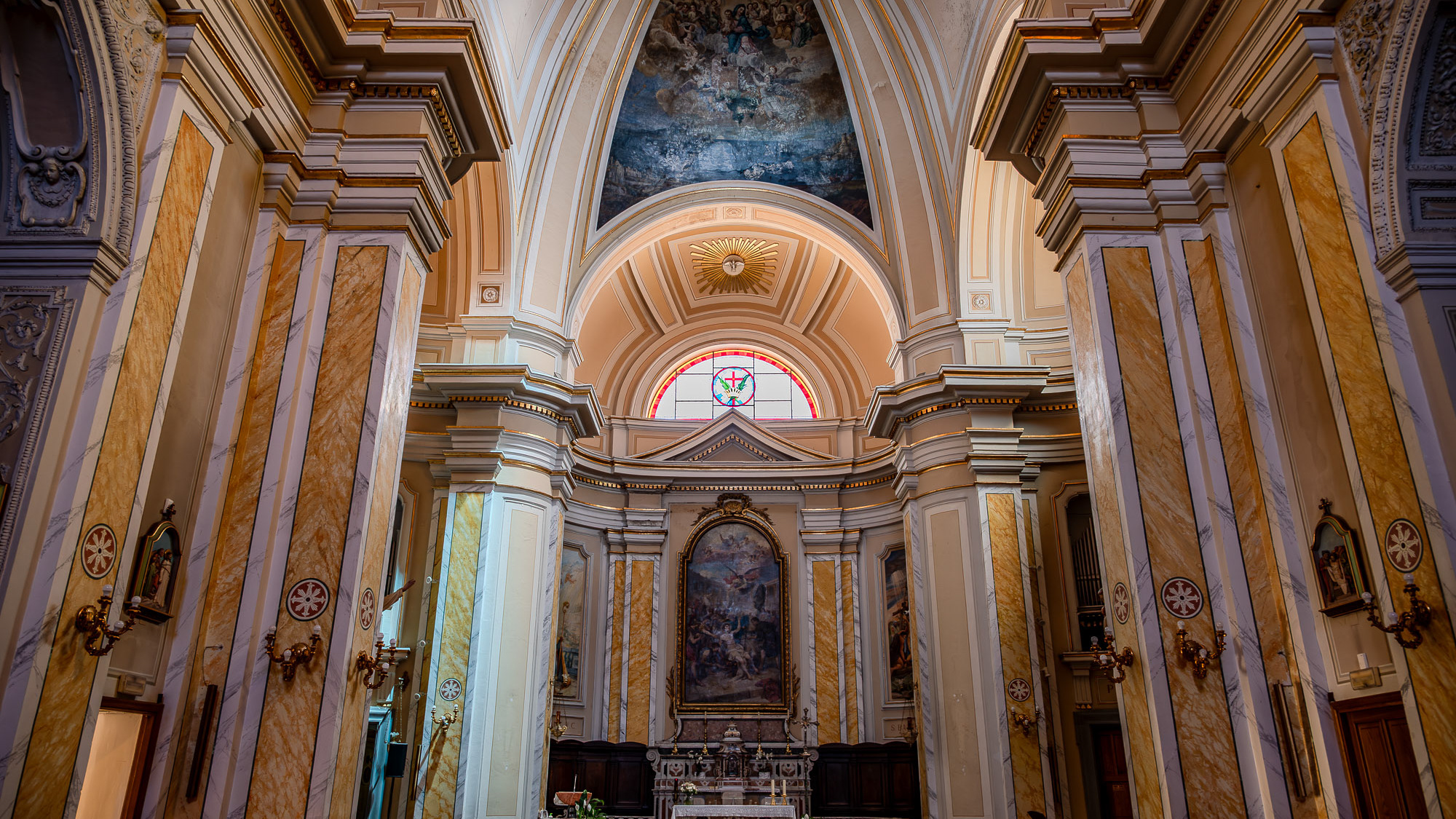
Isola del Liri. Church of San Lorenzo Martire
The Church of San Lorenzo Martire is the city's main church, located in the historic center on Piazza San Lorenzo. It is Isola del Liri's most important monument.
2017
Benedictine Abbey of Montecassino (FR)
The abbey of Montecassino is a Benedictine monastery located on the top of Montecassino, in Lazio. Since December 2014 the site has been managed by the Polo Museale del Lazio. The abbey of Montecassino is the oldest monastery in Italy together with the monastery of Santa Scolastica.
2025
Anagni. Church of St. Andrew
Sant'Andrea is a Roman Catholic church located on Via Vittorio Emanuele in the town of Anagni, in the province of Frosinone, in the Lazio region of Italy. A church on this site has been documented since 1003. Between 1263 and 1276, the church was rebuilt under Bishop Landone Conti in the Gothic style. Some parts of the Romanesque structure remain, including the crypt, once part of the church of San Vito. In the 16th century, Cardinal Benedetto Lomellino renovated the church; another renovation was carried out between 1748 and 1751. The current façade was added in 1761. The interior has a single nave. The altarpieces of the high altar depict Saint Andrew:
Virgin Mary with Saint Andrew and Others by Giorgini
Vocation of Saint Andrew and Martyrdom of Saint Andrew (1894) by Gagliardi.
Triptych of the Savior, with Mary, Andrew and the donor Gregorius Francisci in the central panel, and Saint Magnus and Saint Secondina in the side panels, attributed to the school of Cavallini and Torriti.