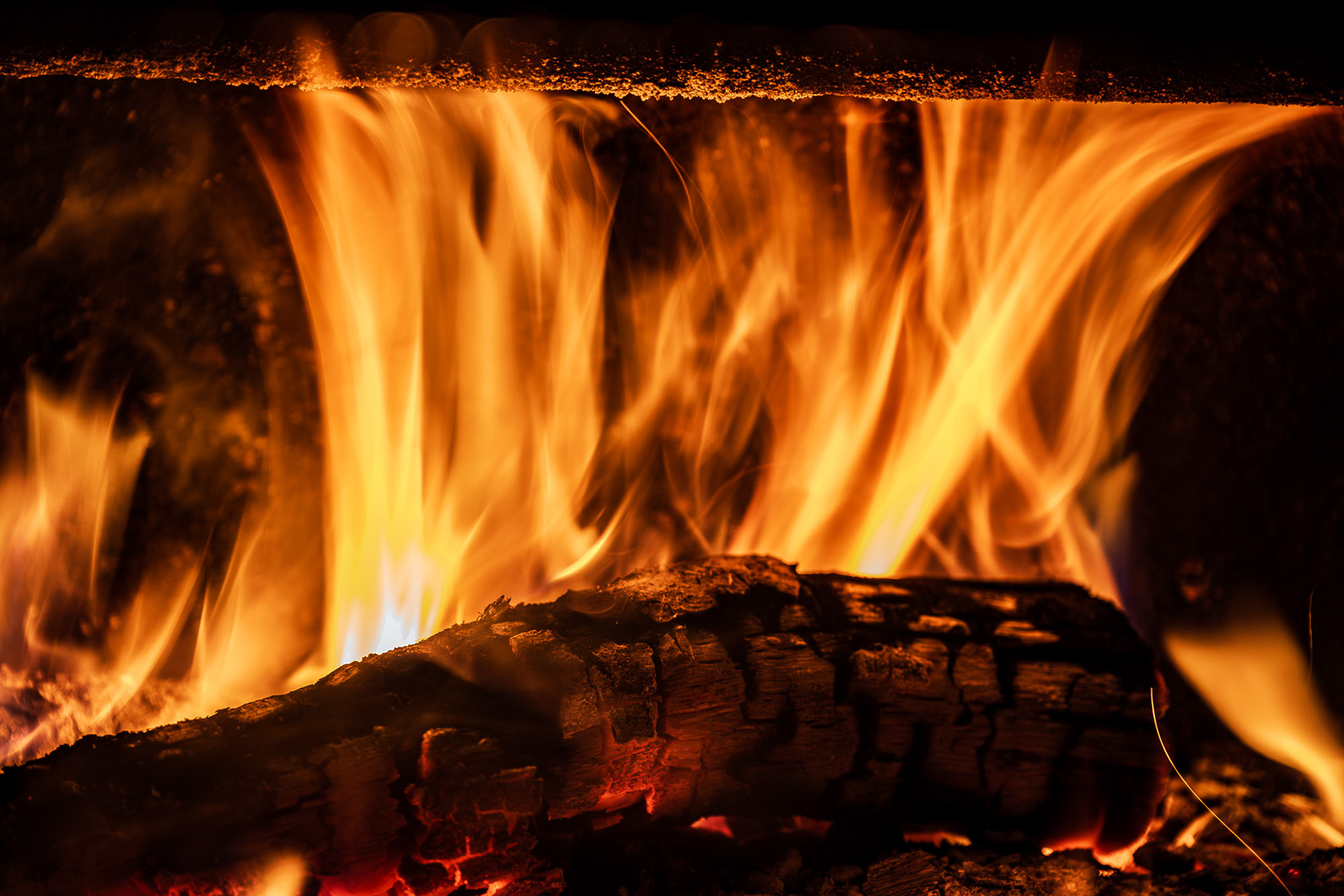
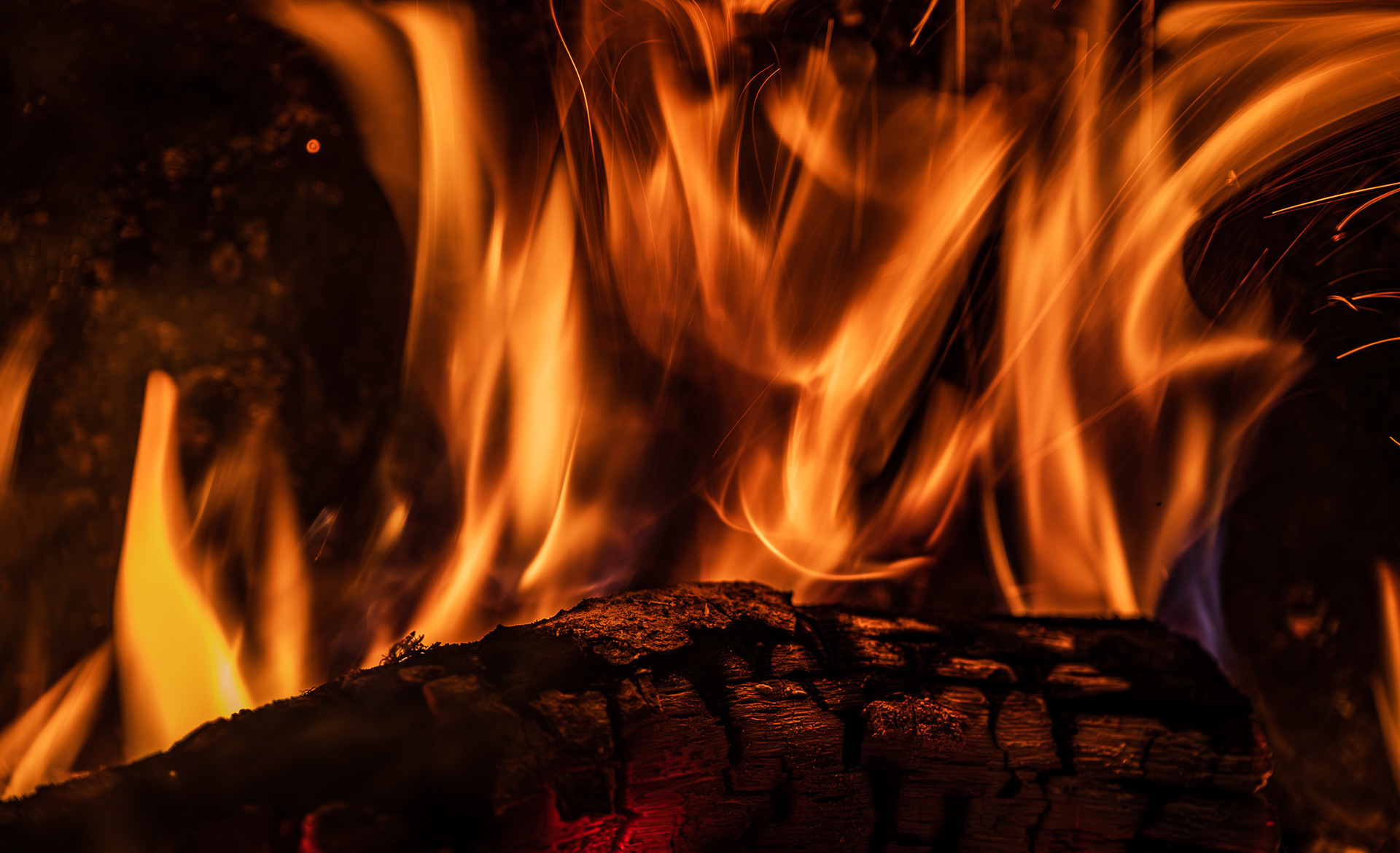
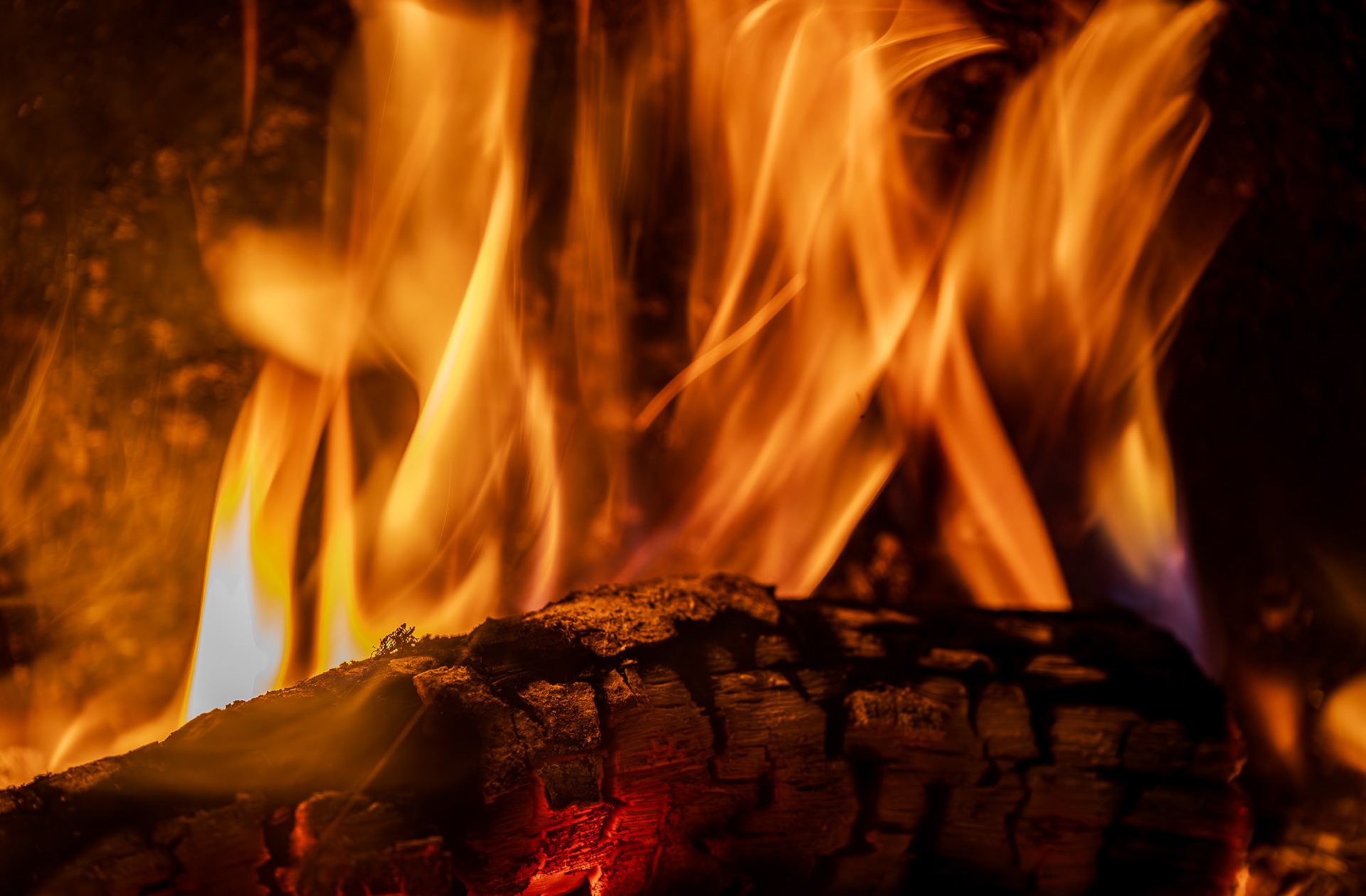
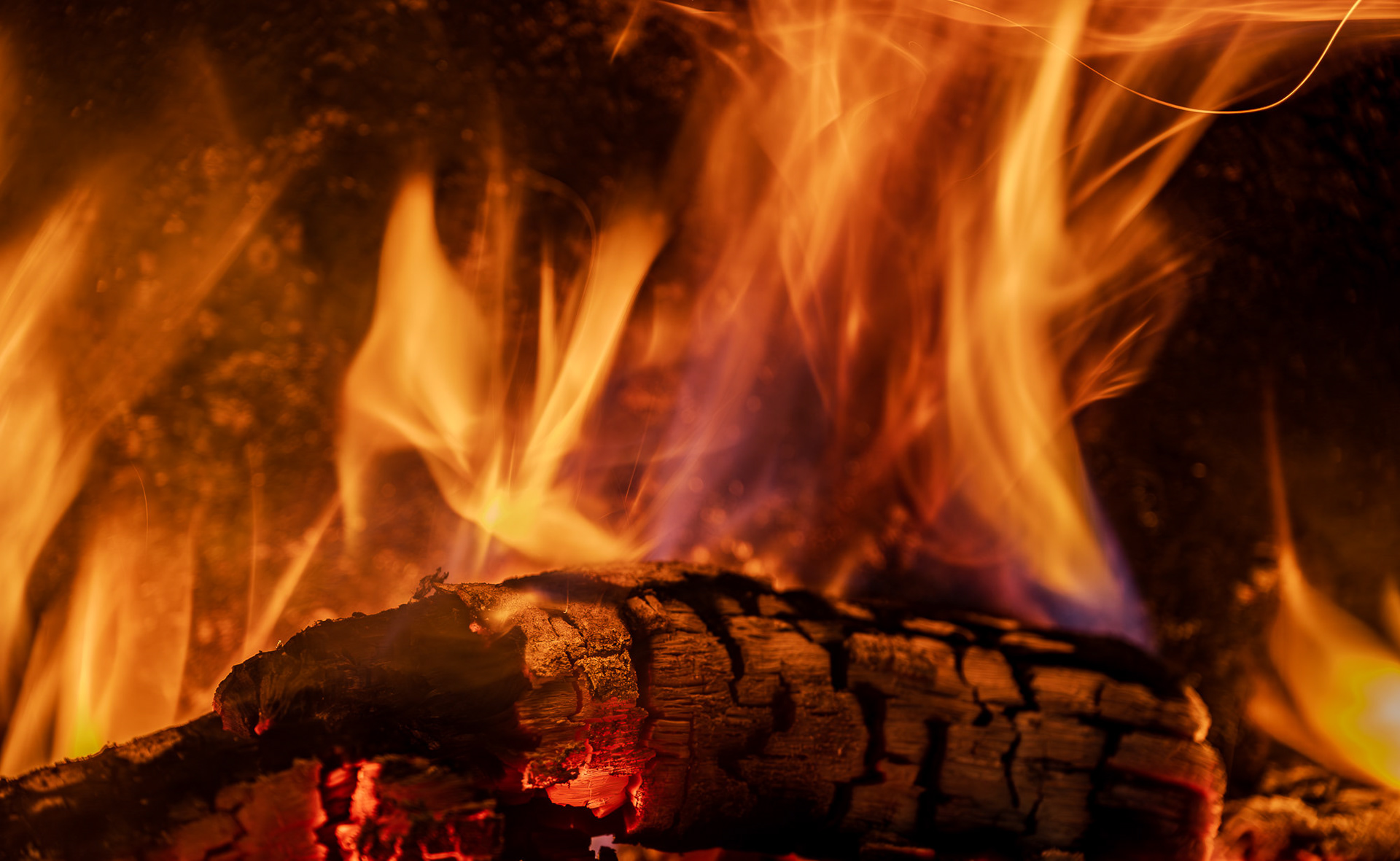
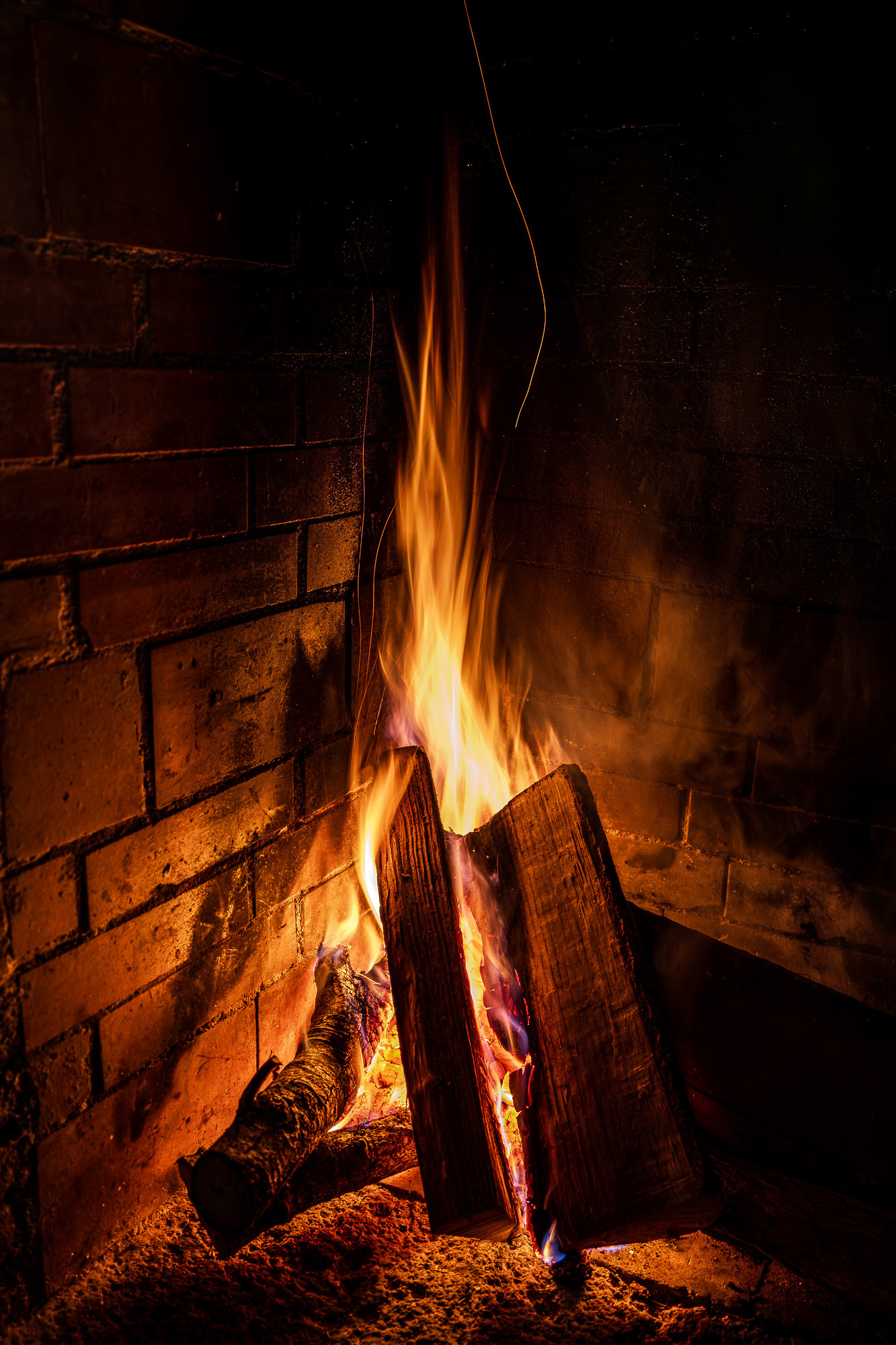
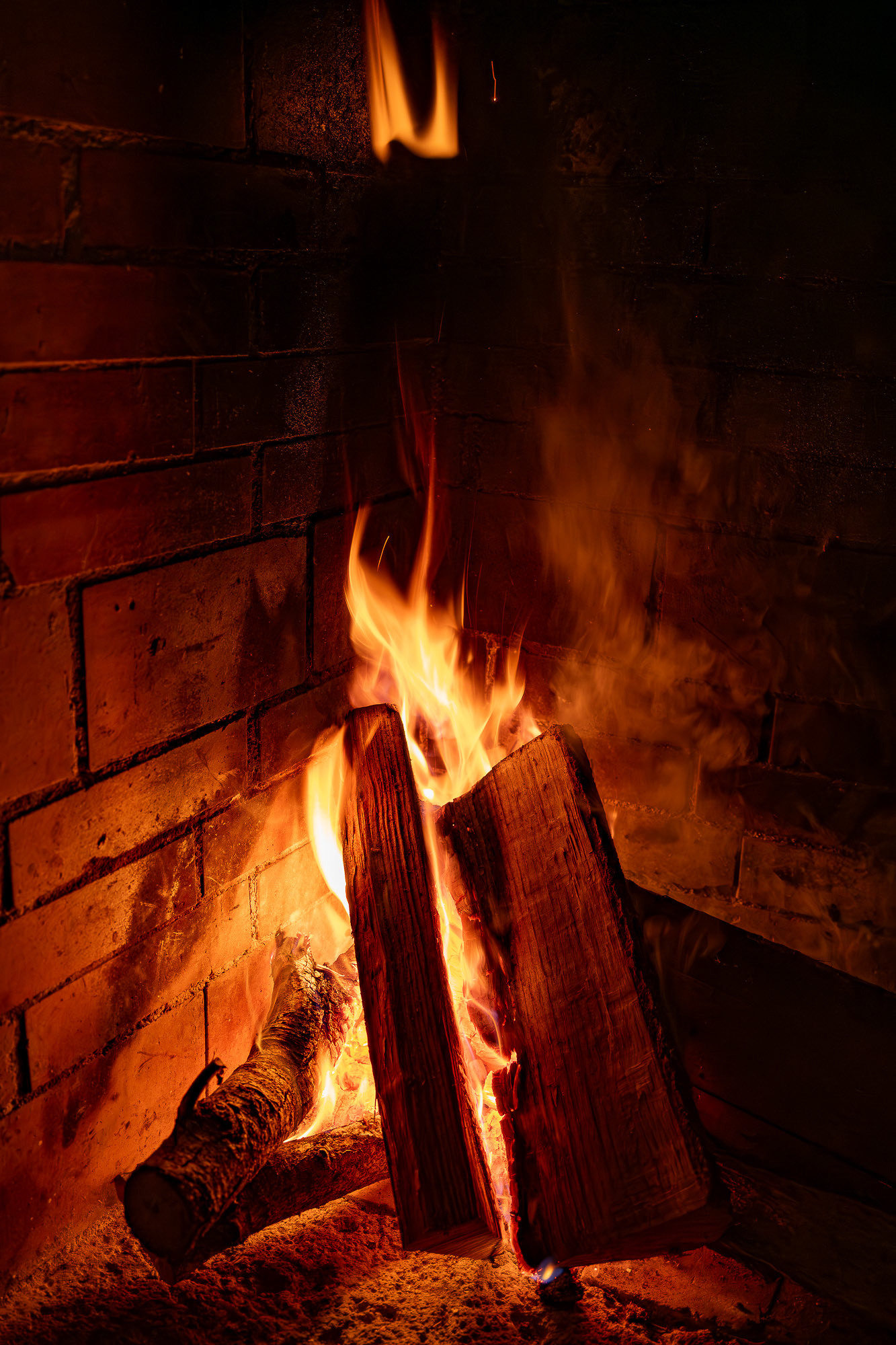
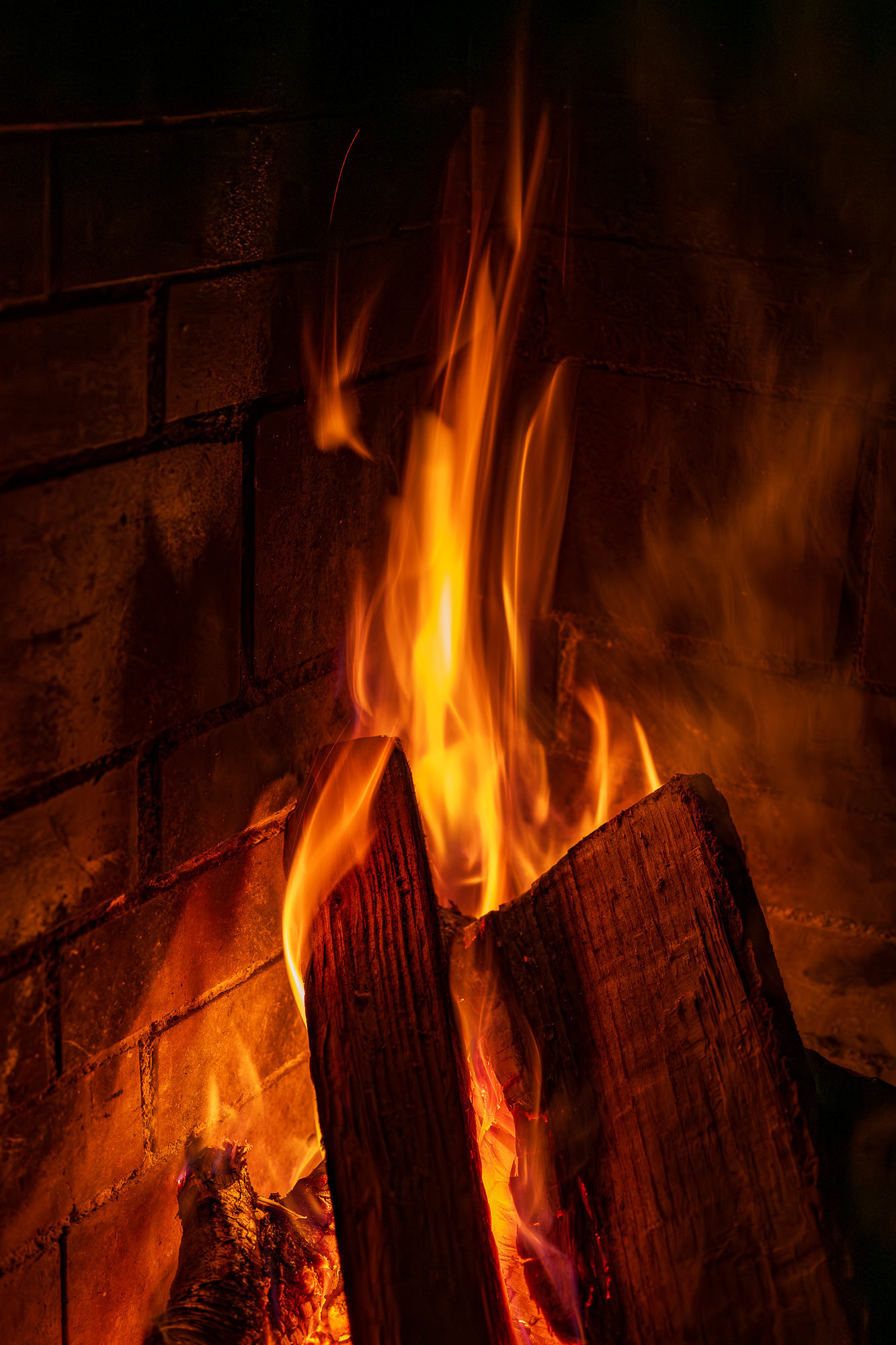
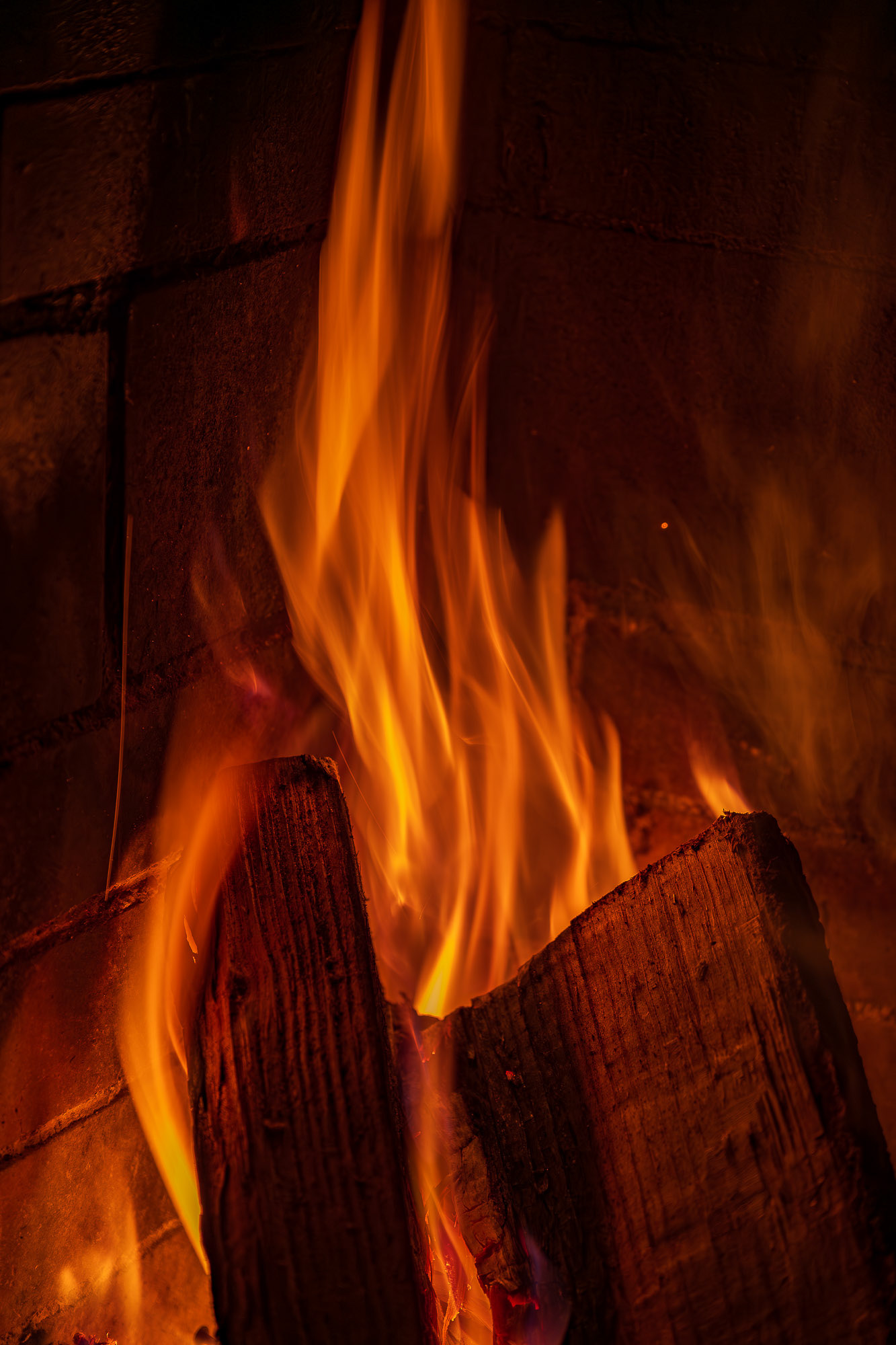
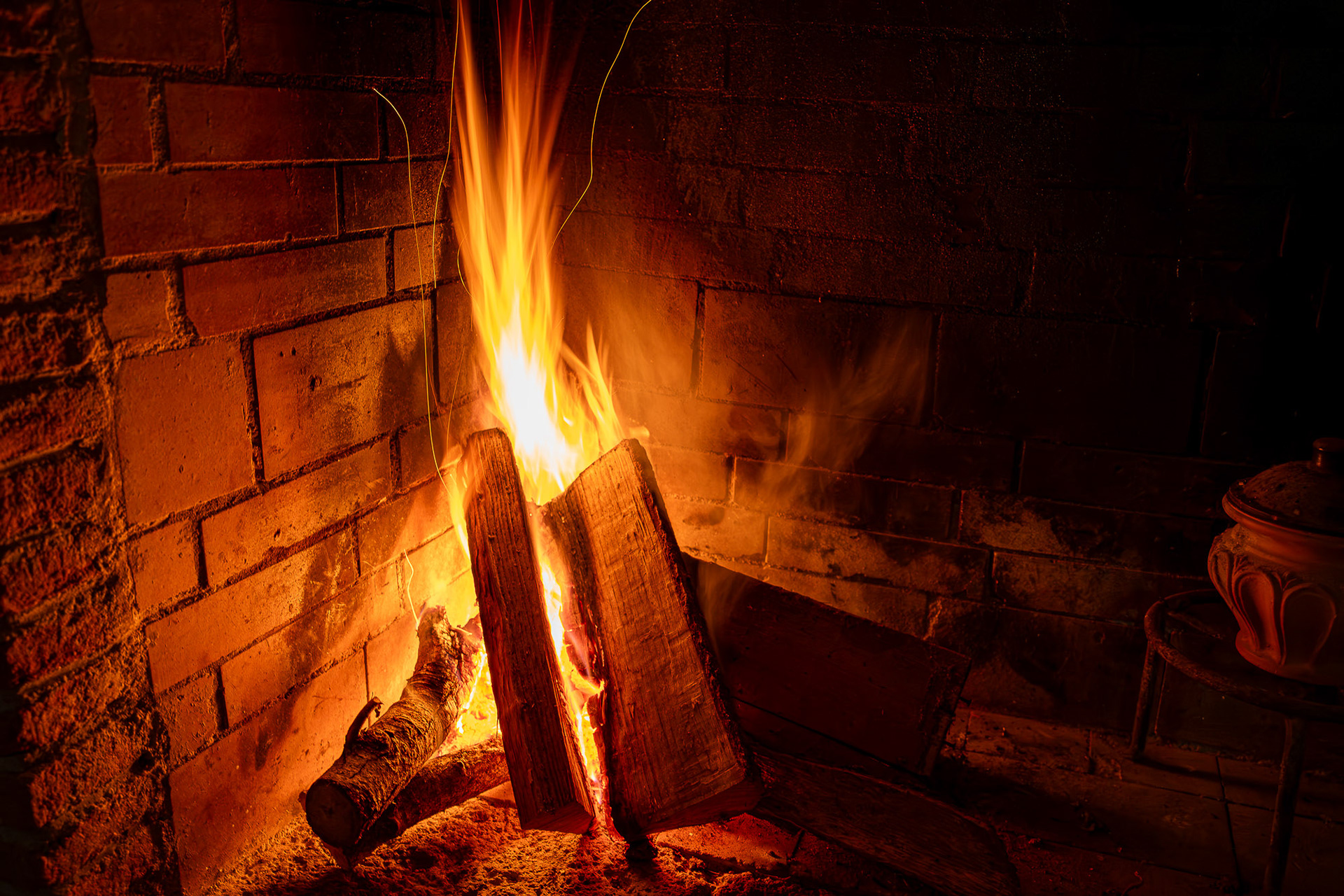
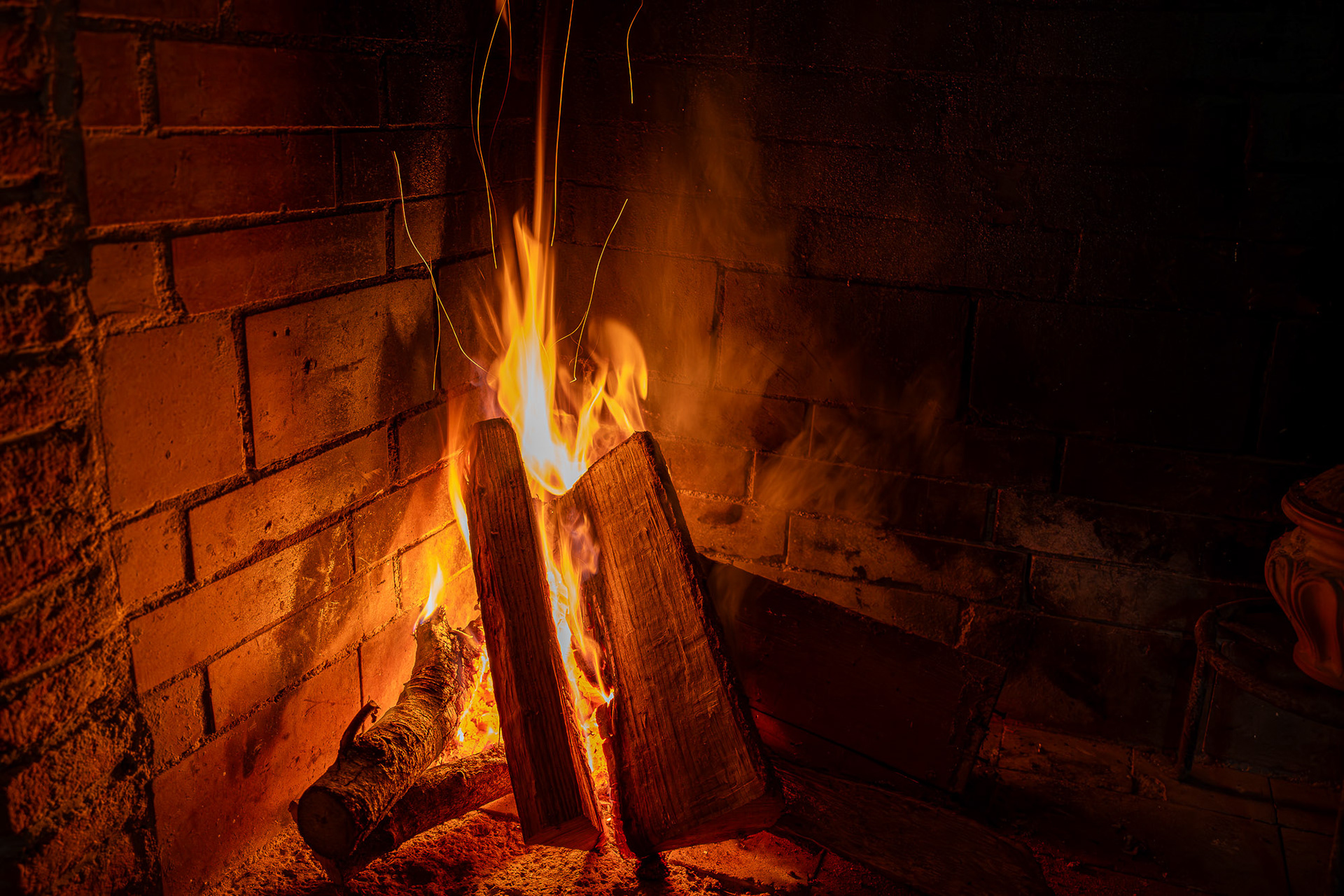
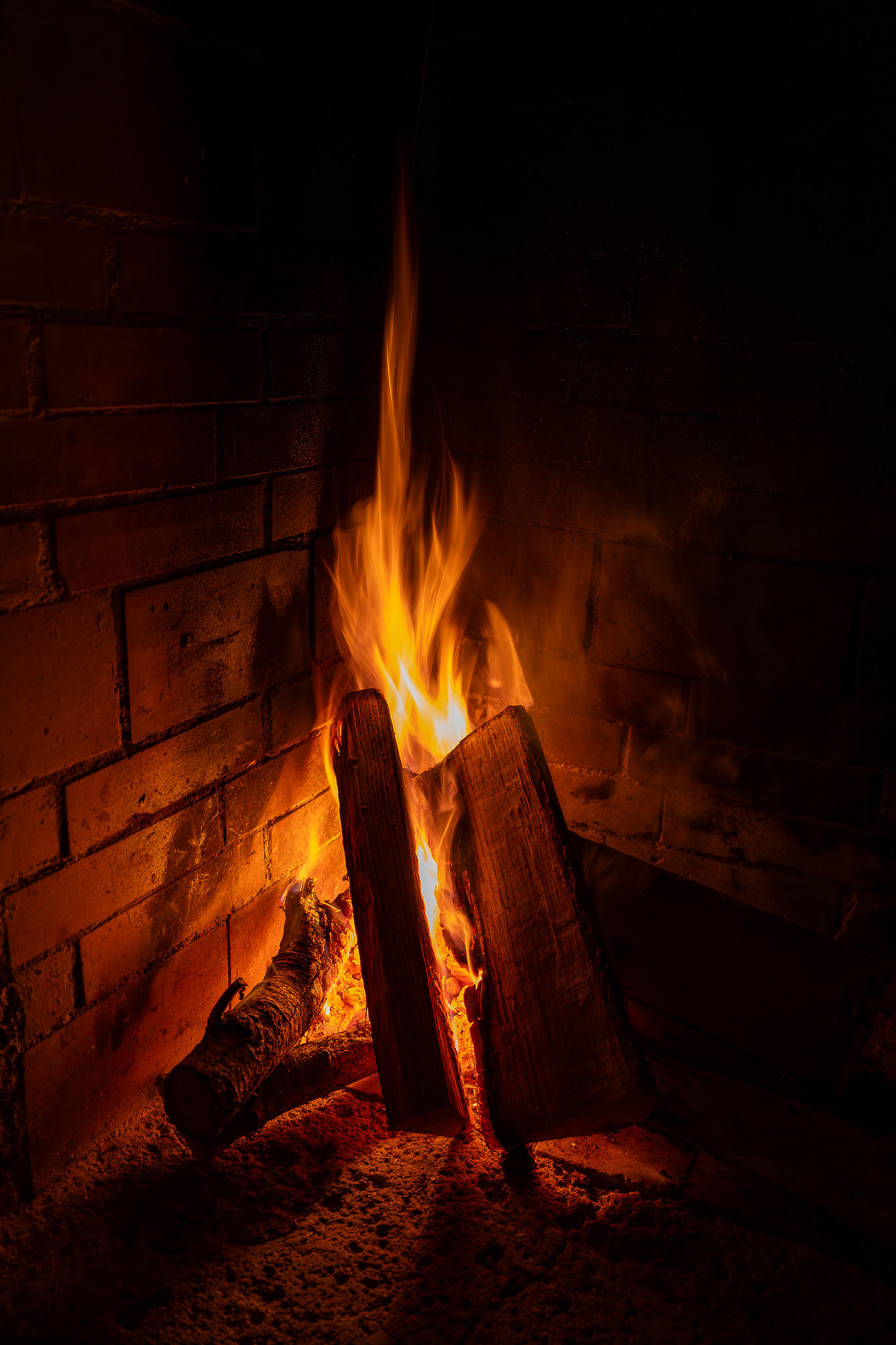
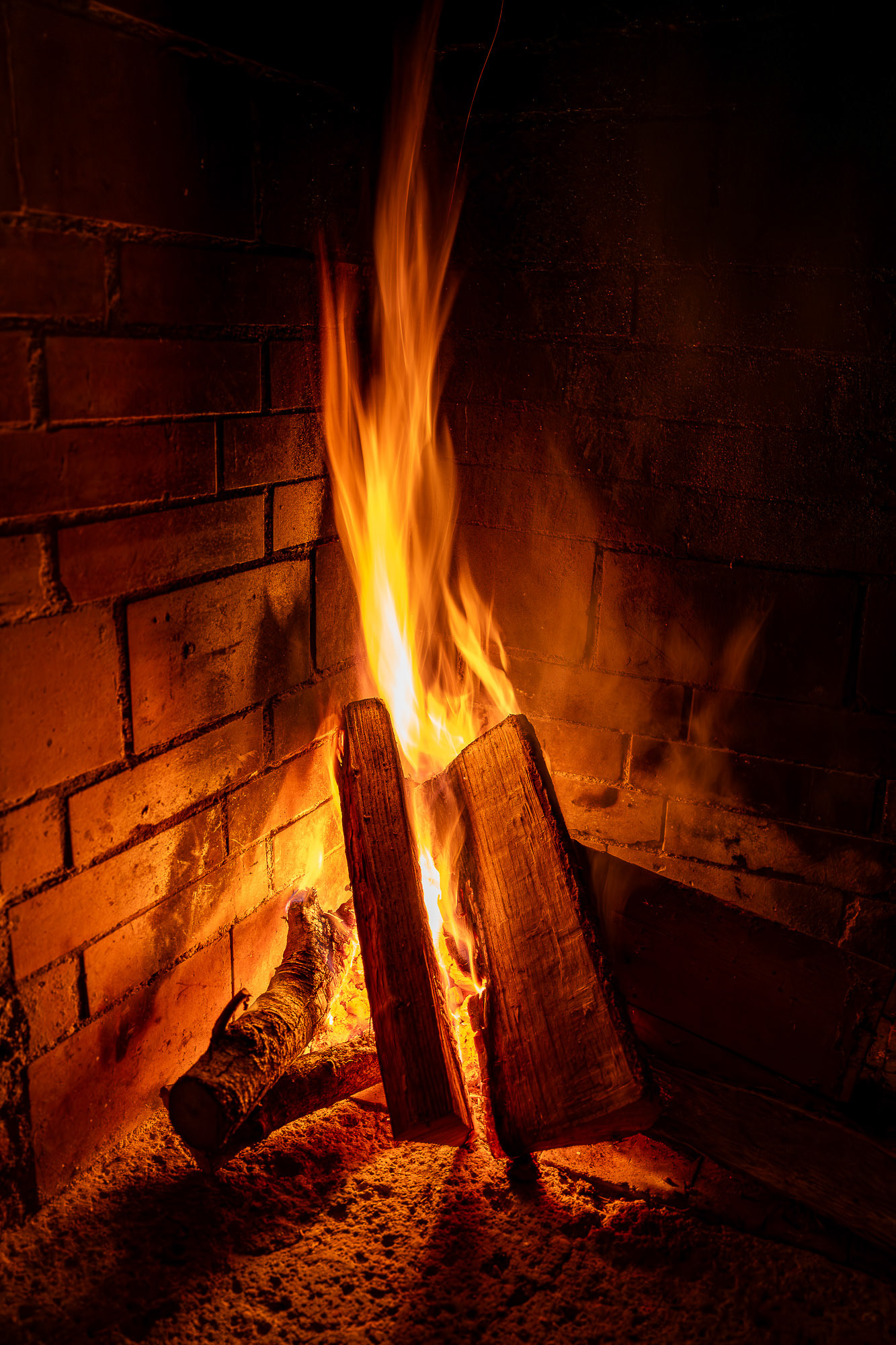
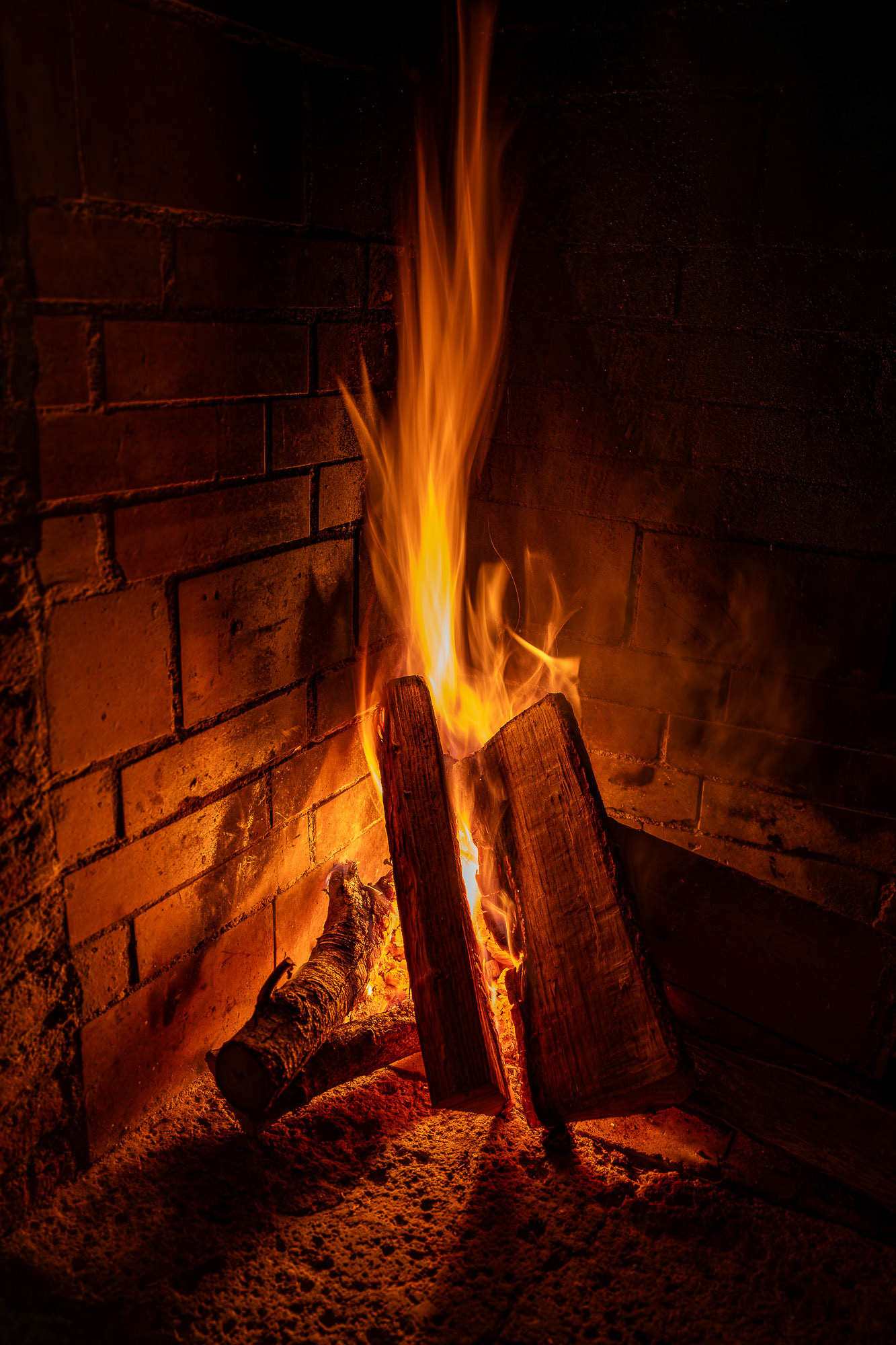
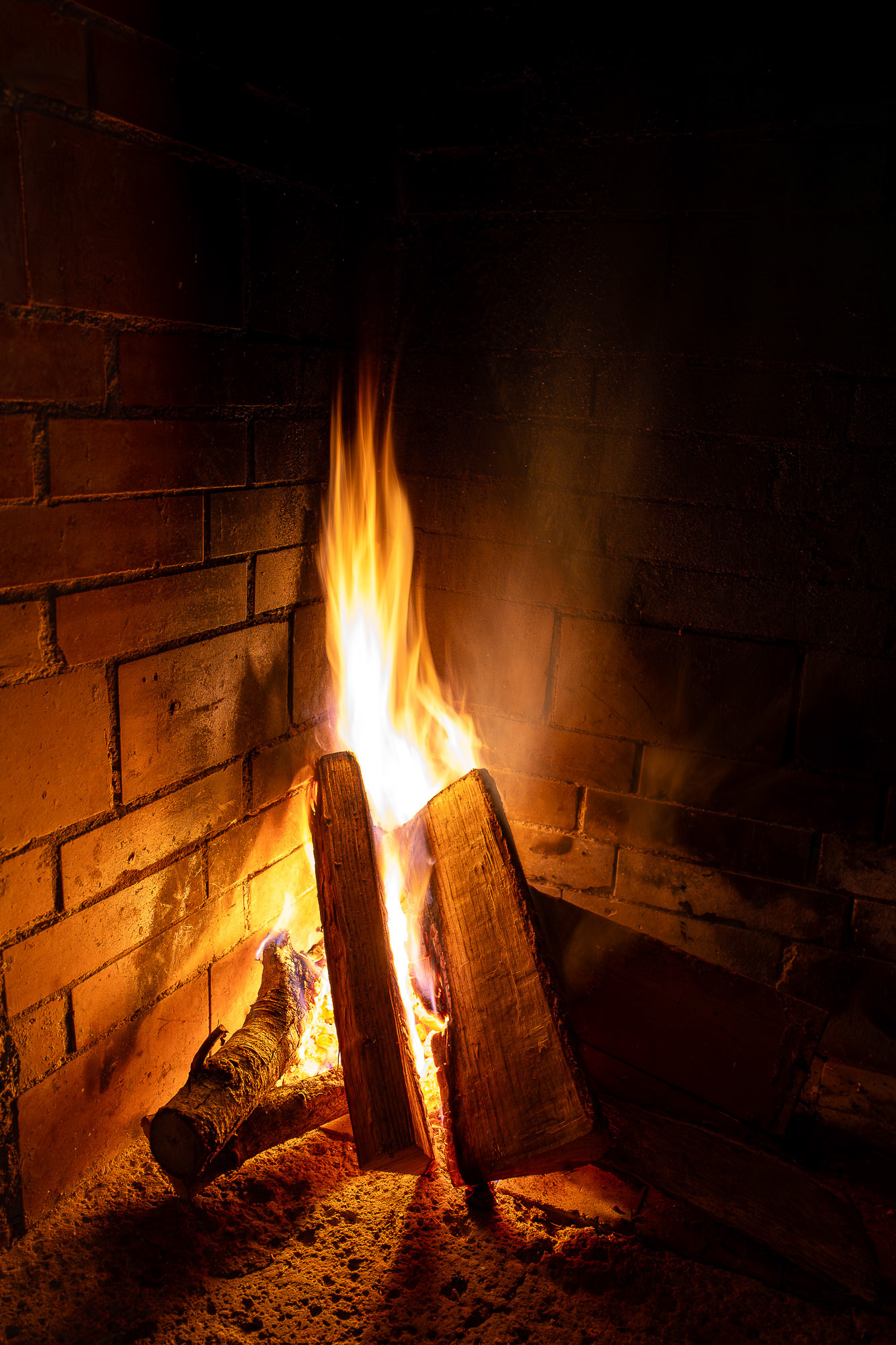
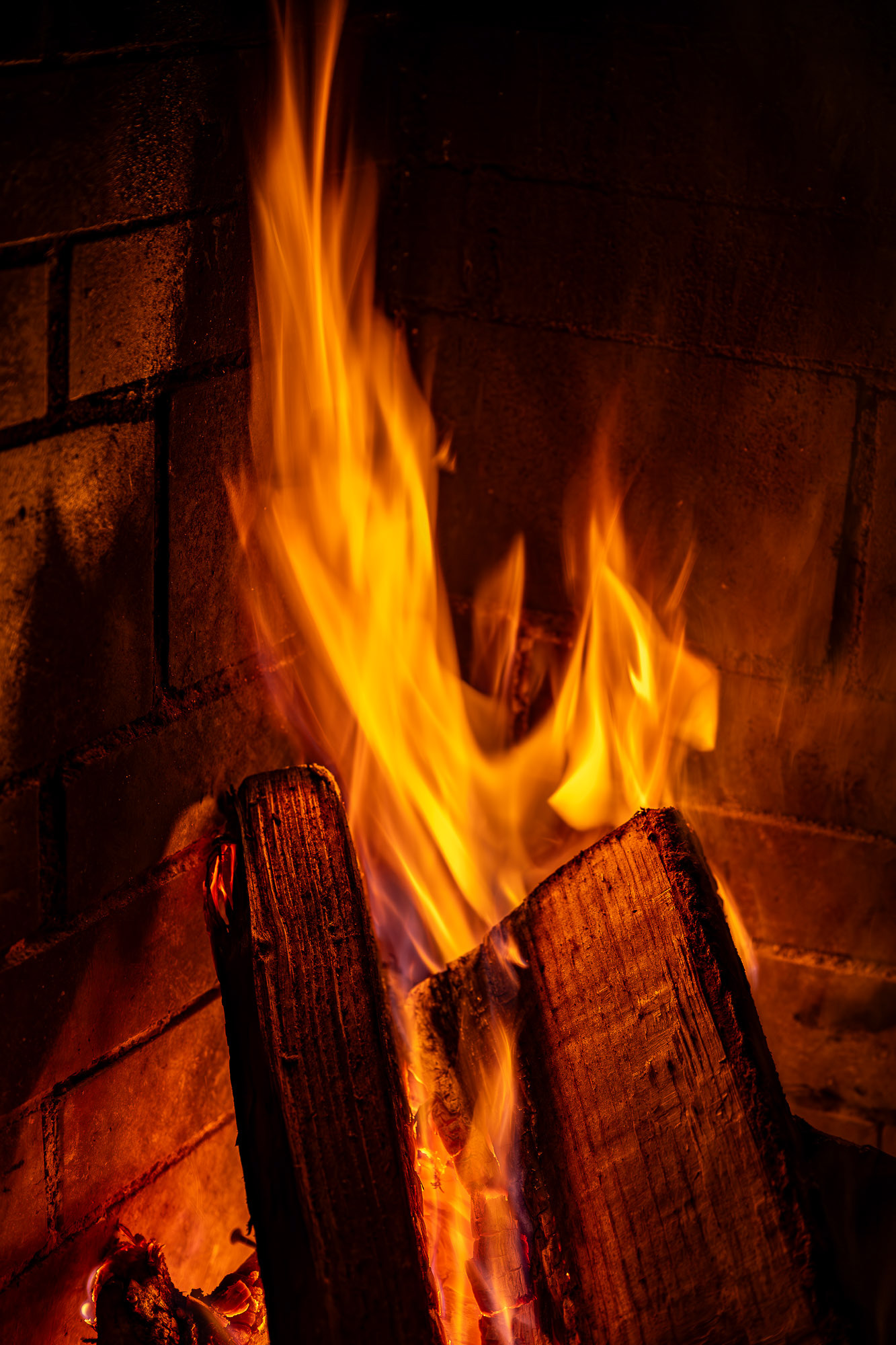
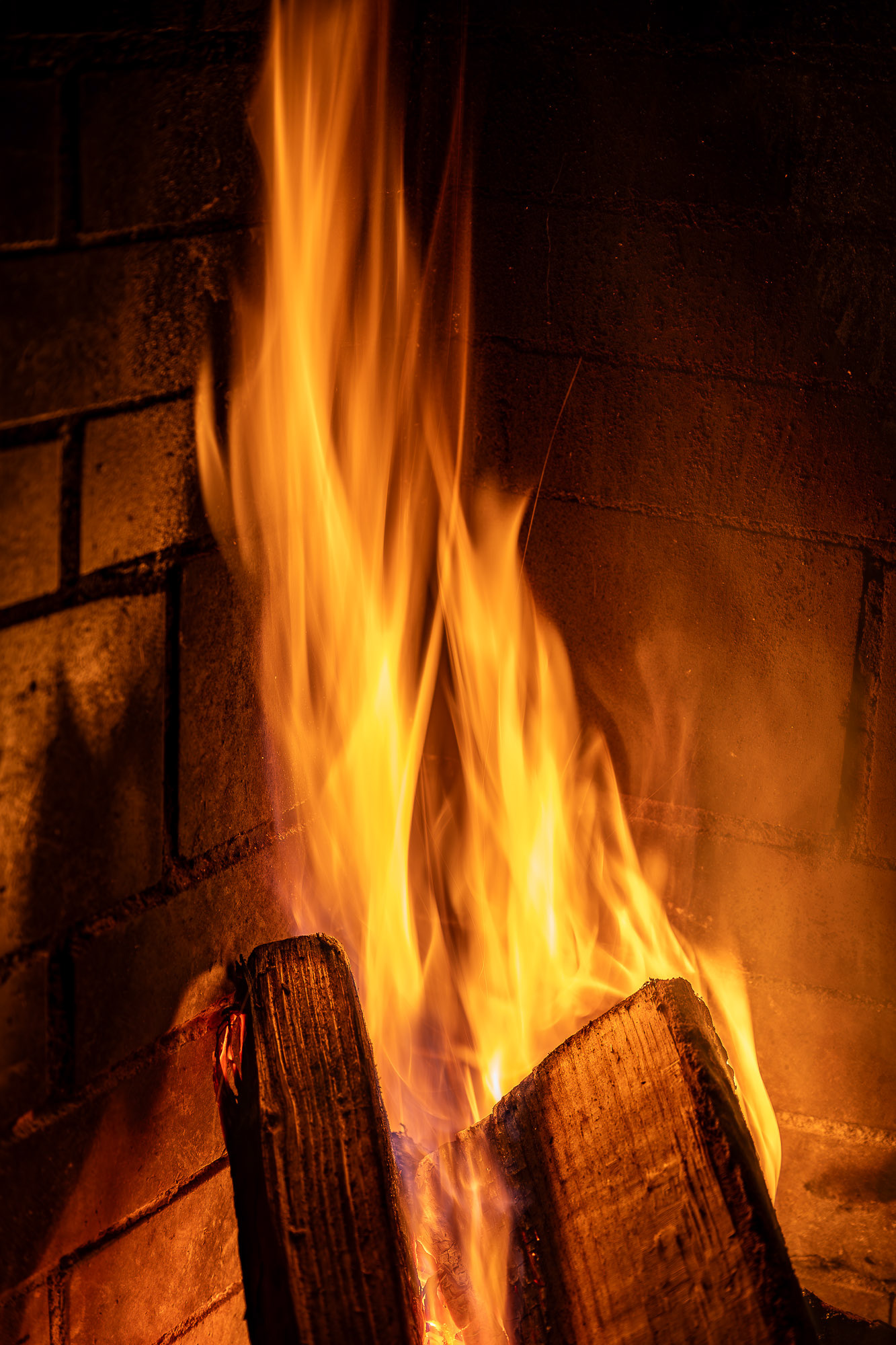
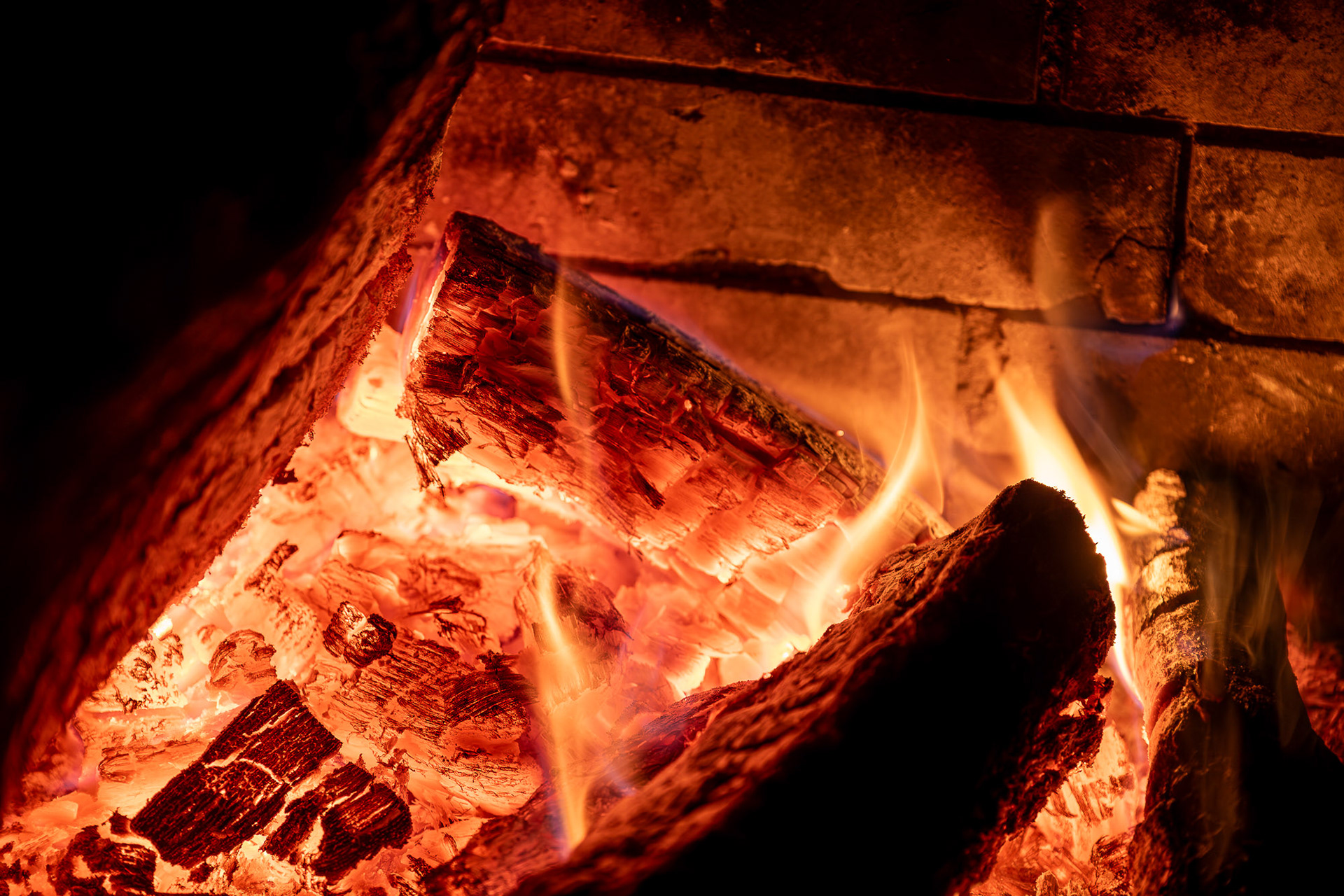
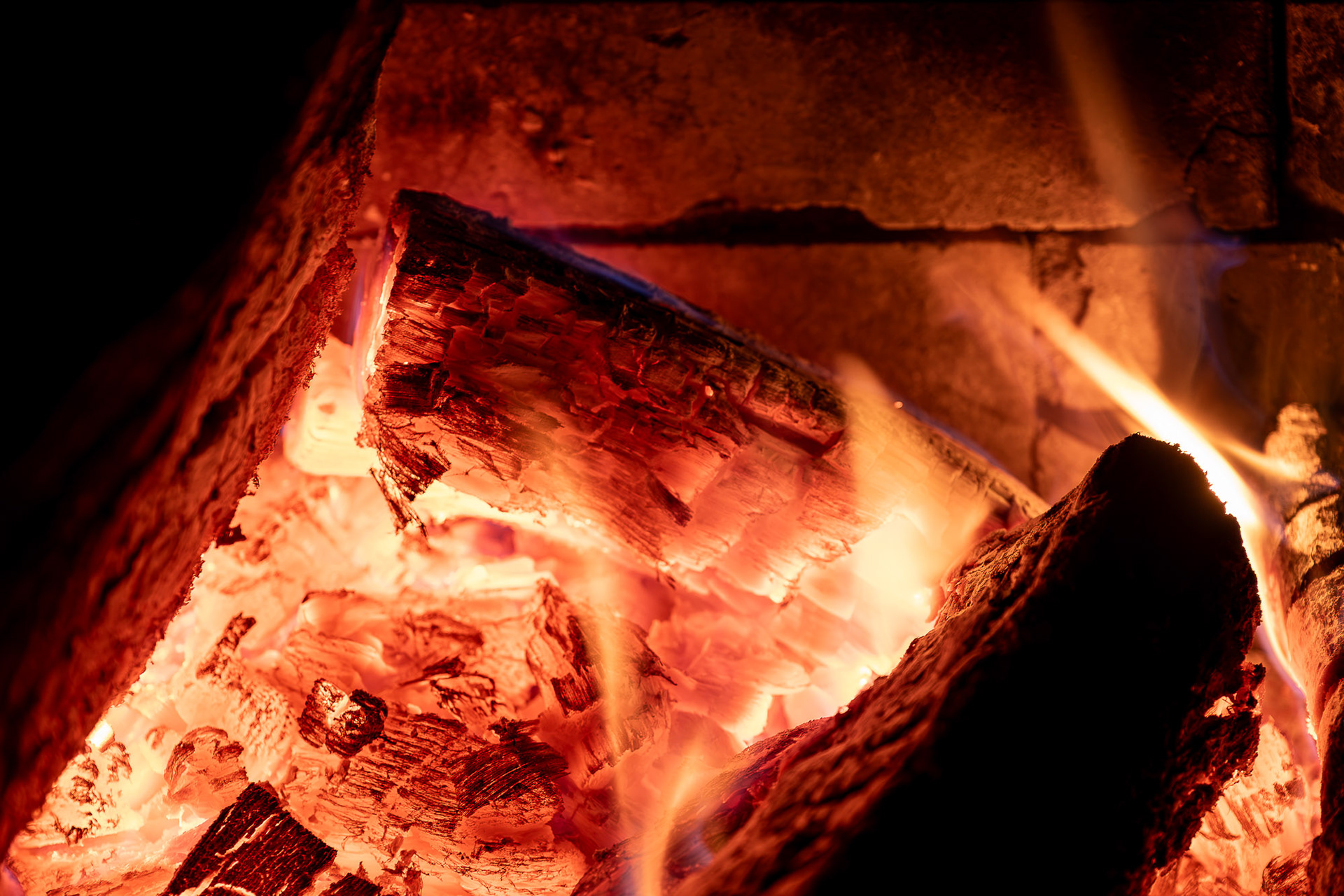
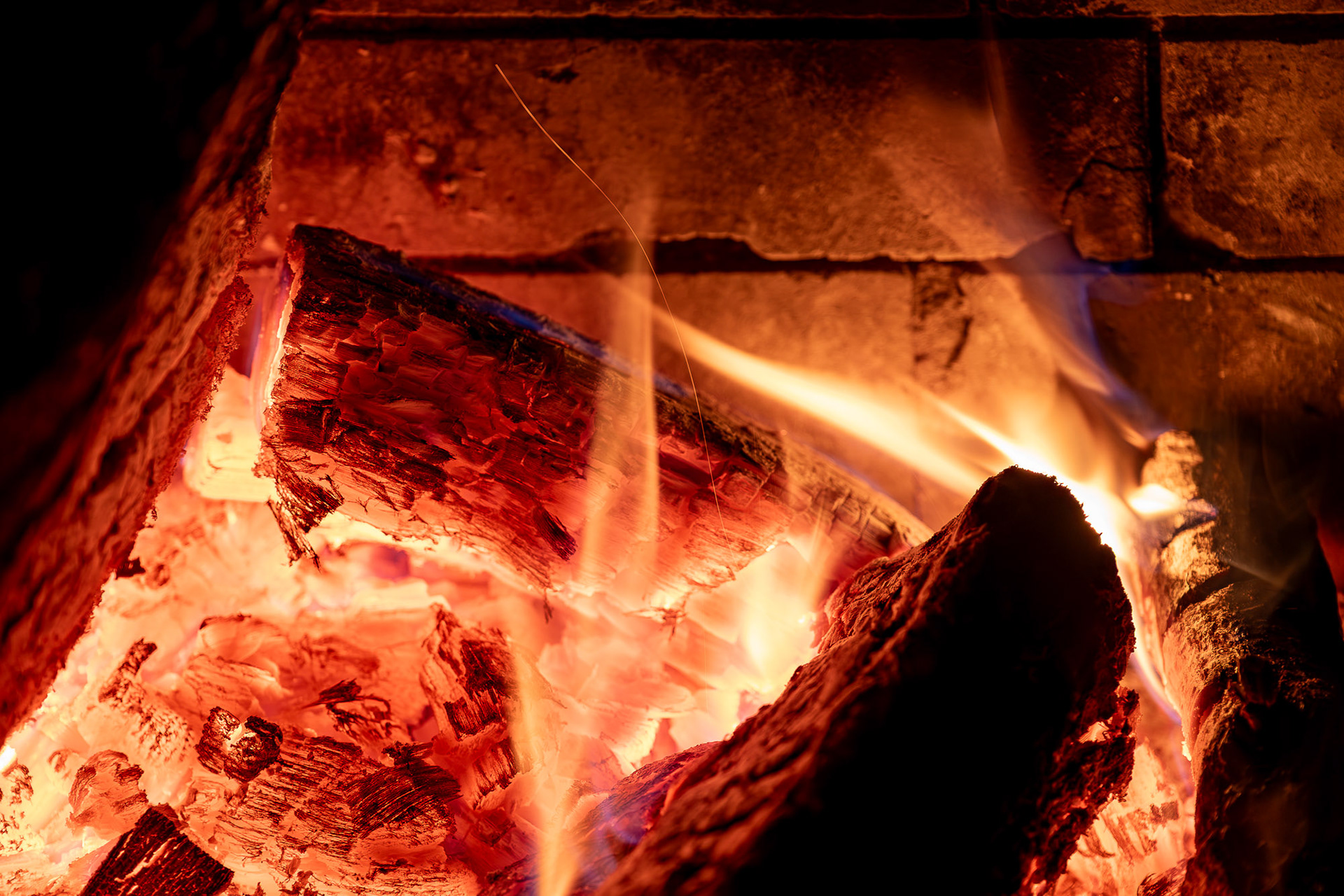
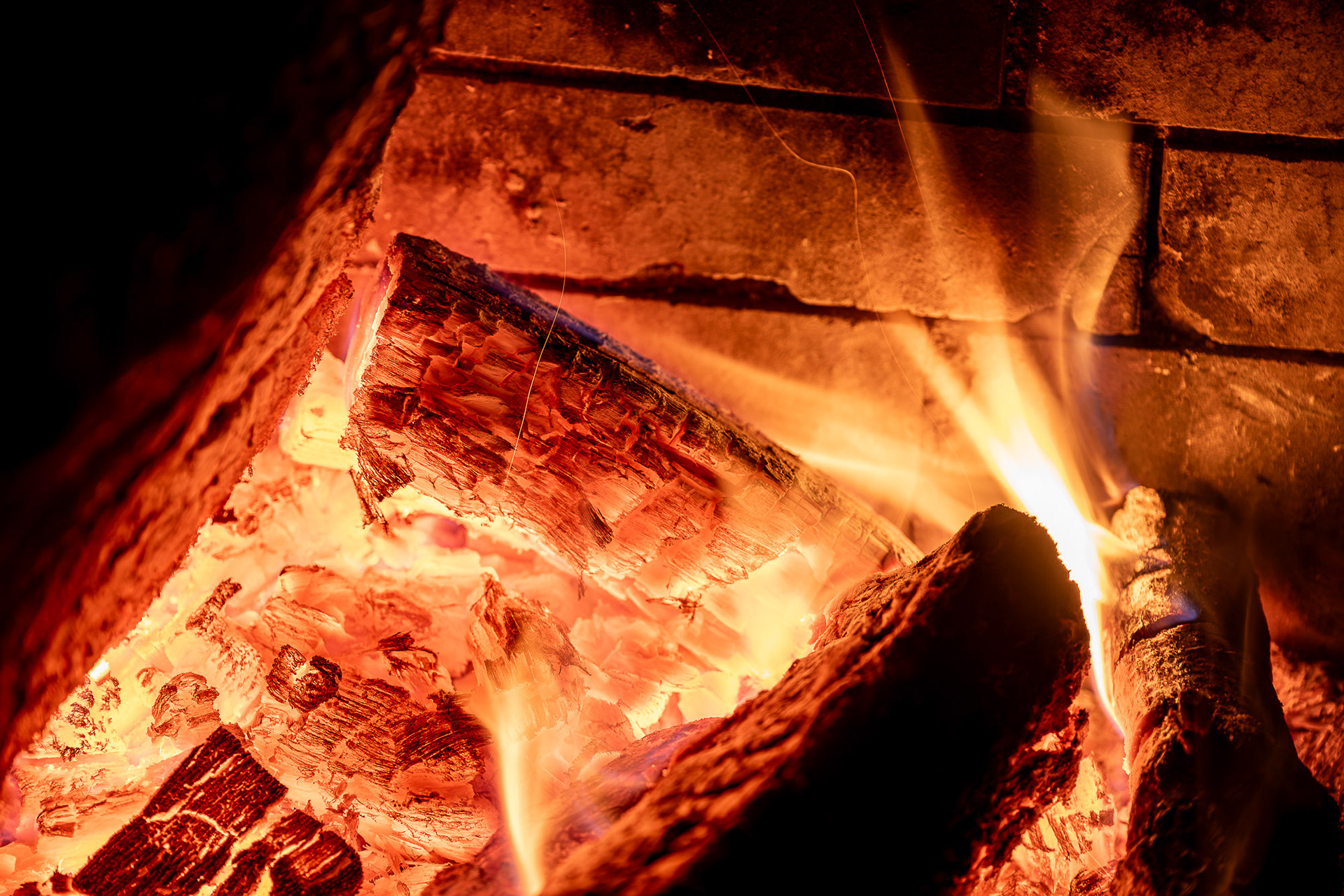
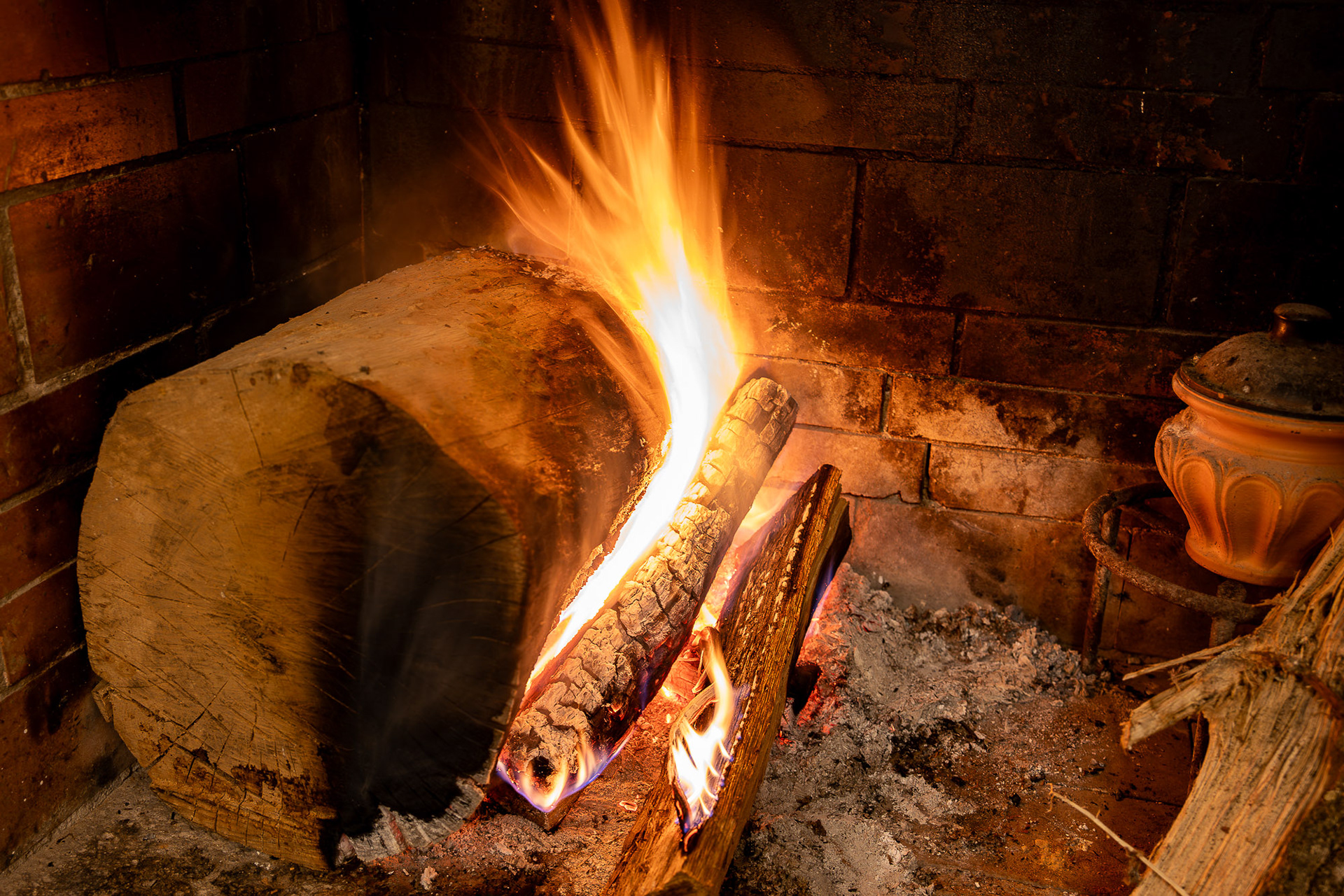
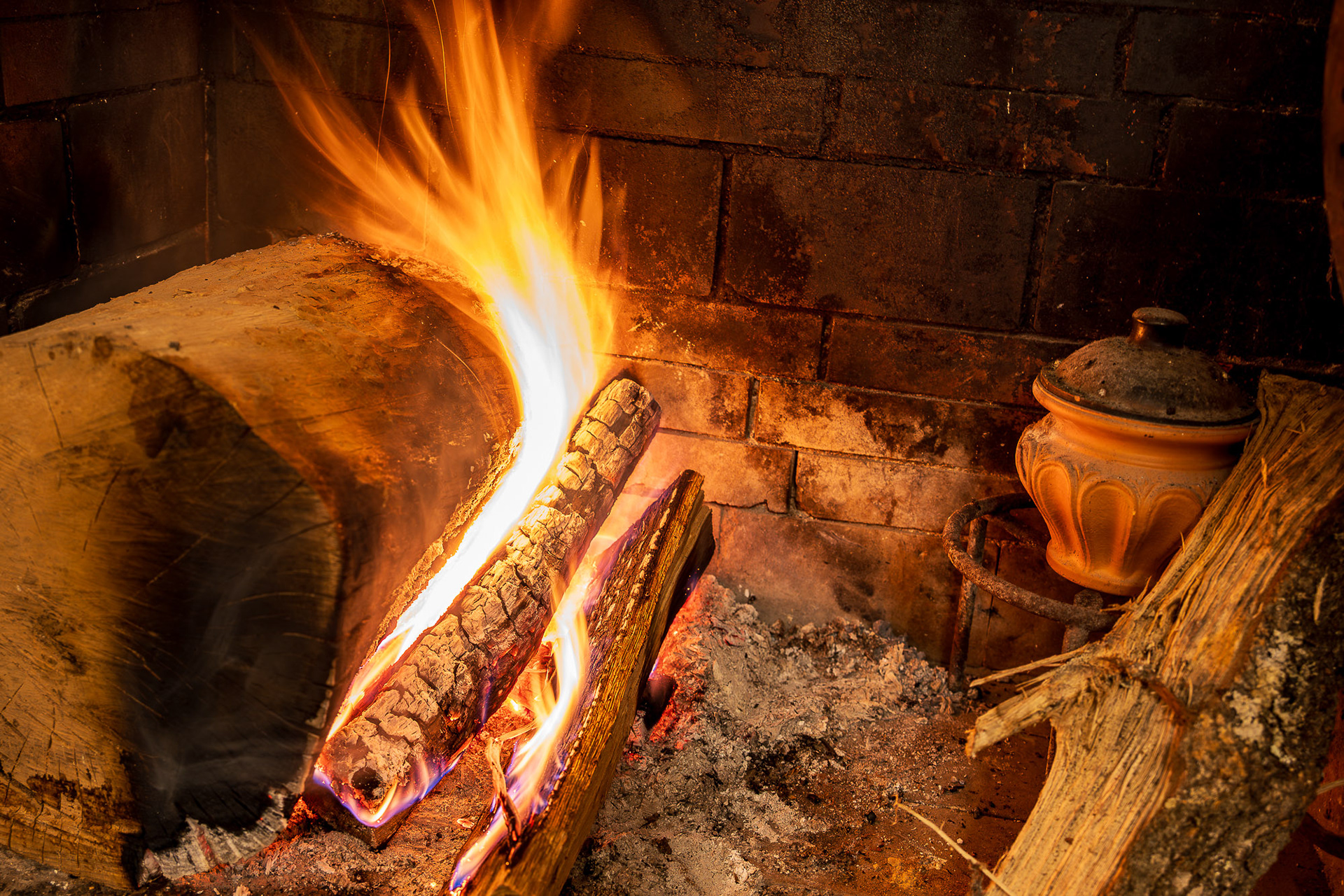
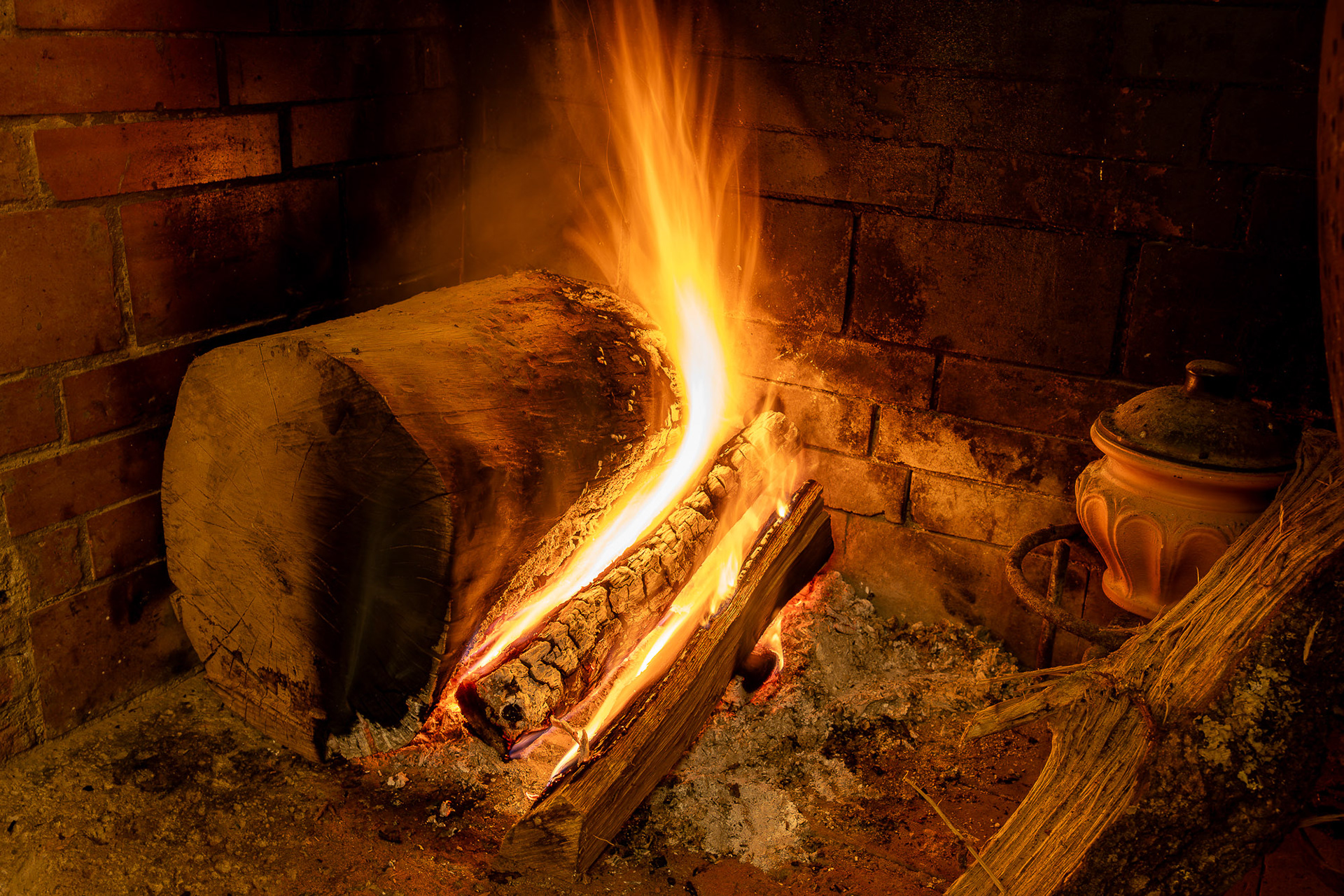
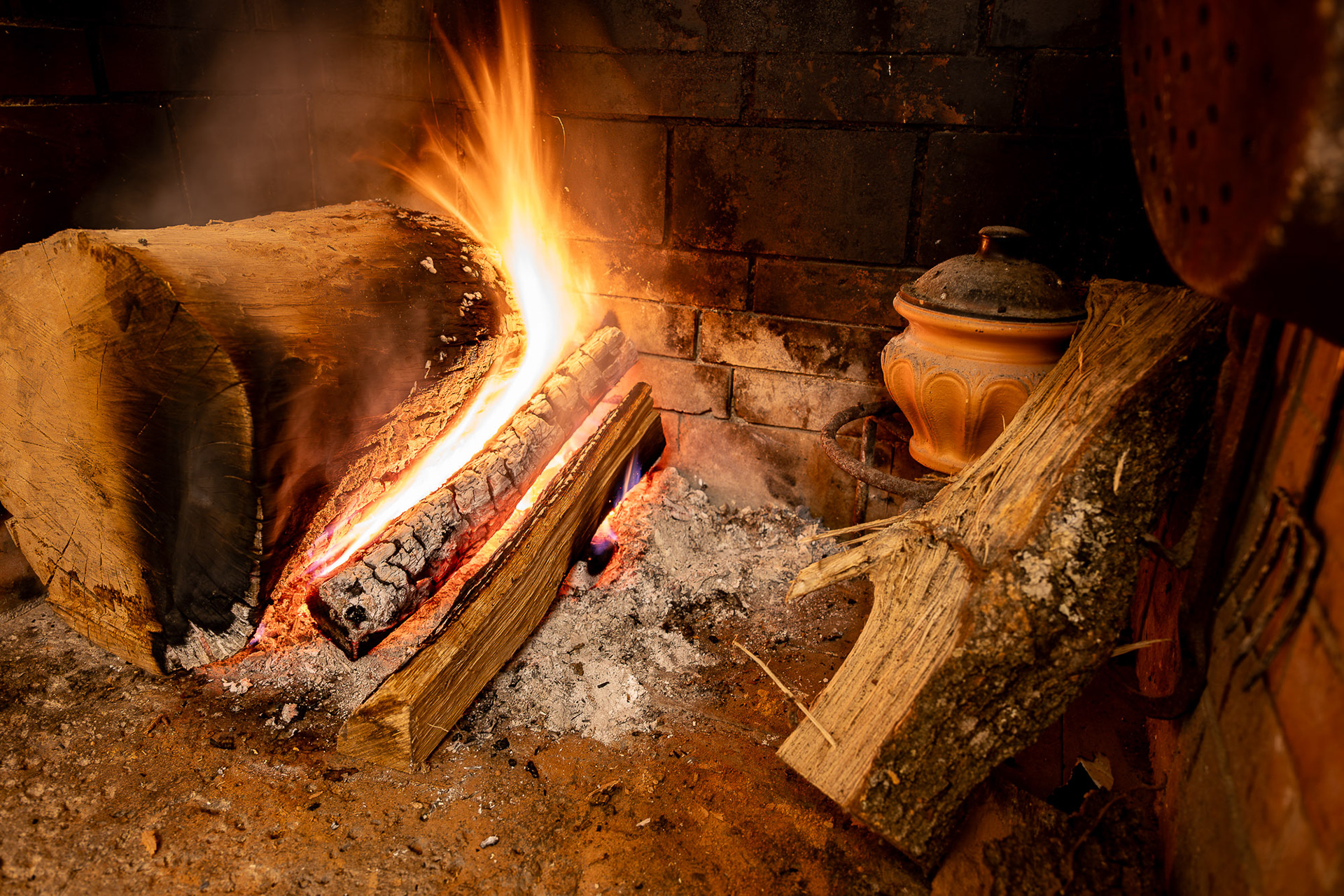
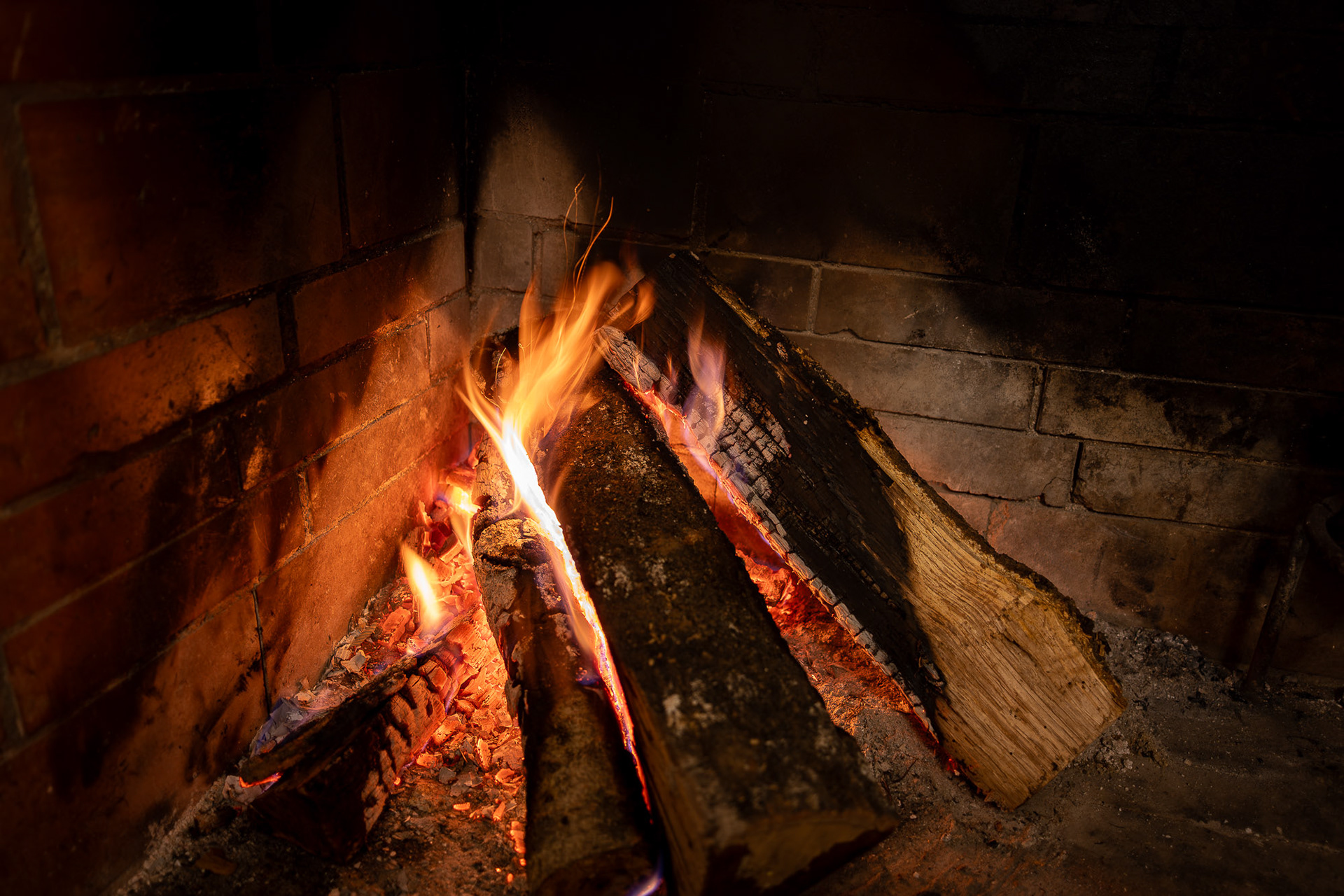
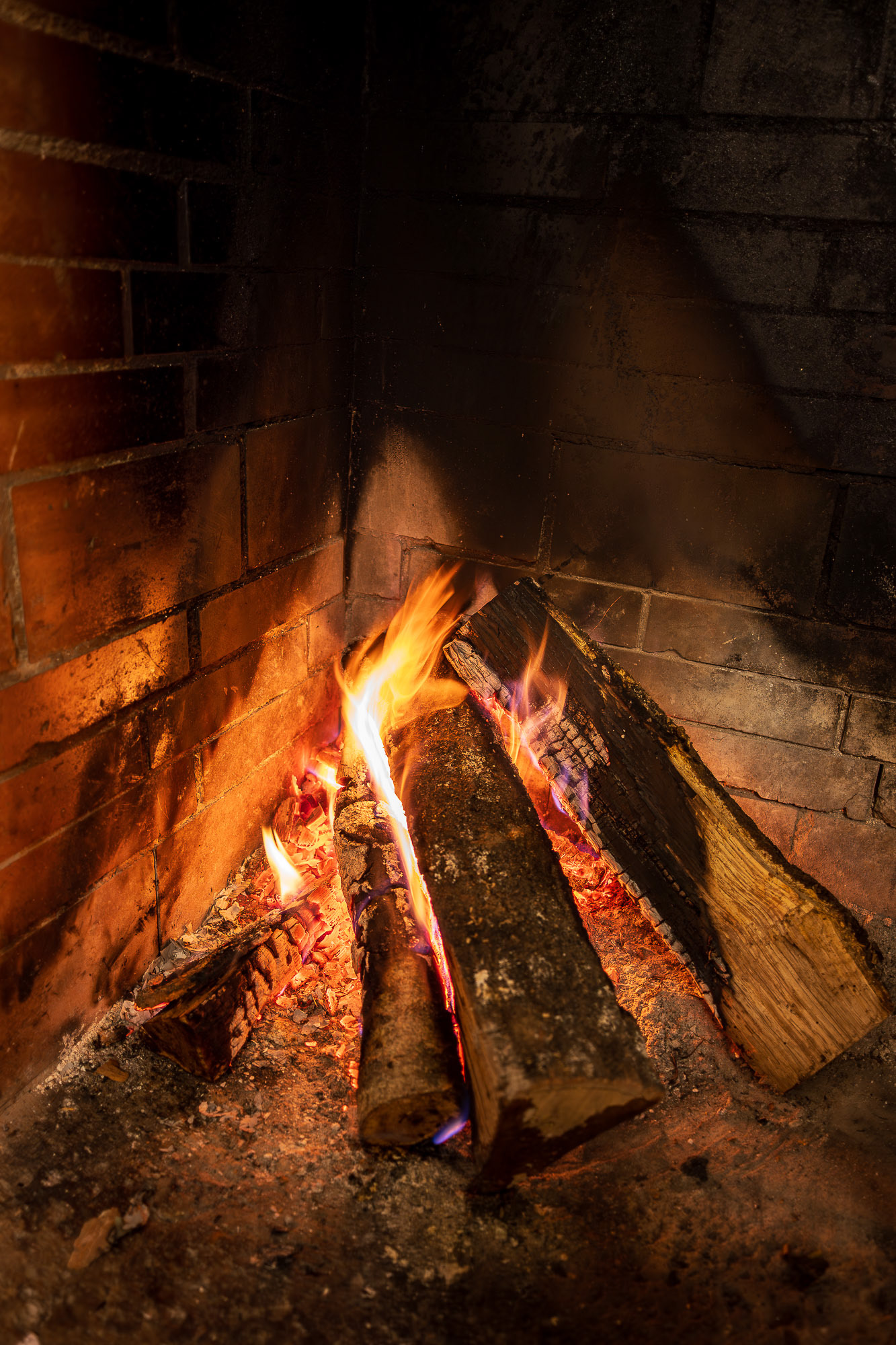
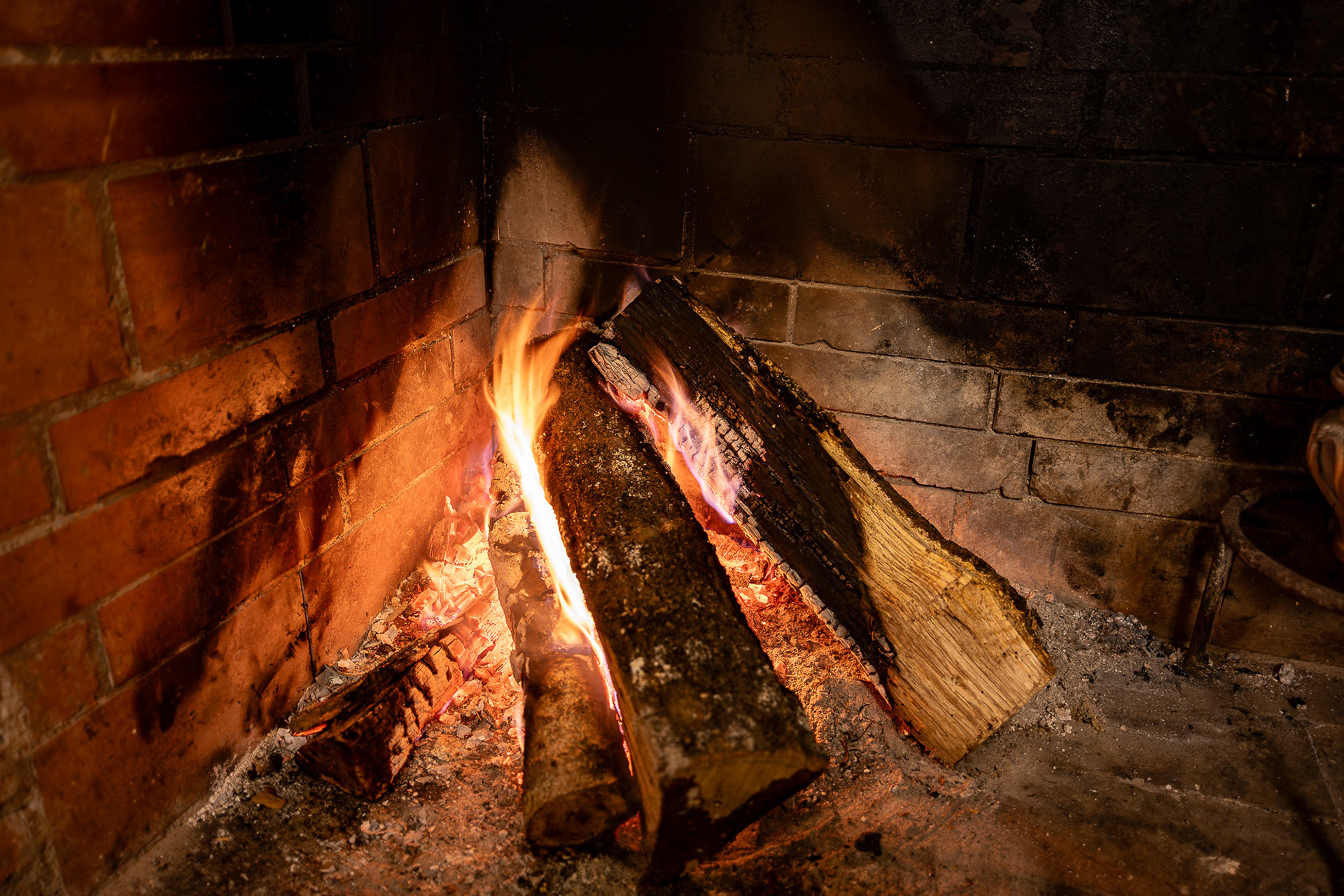
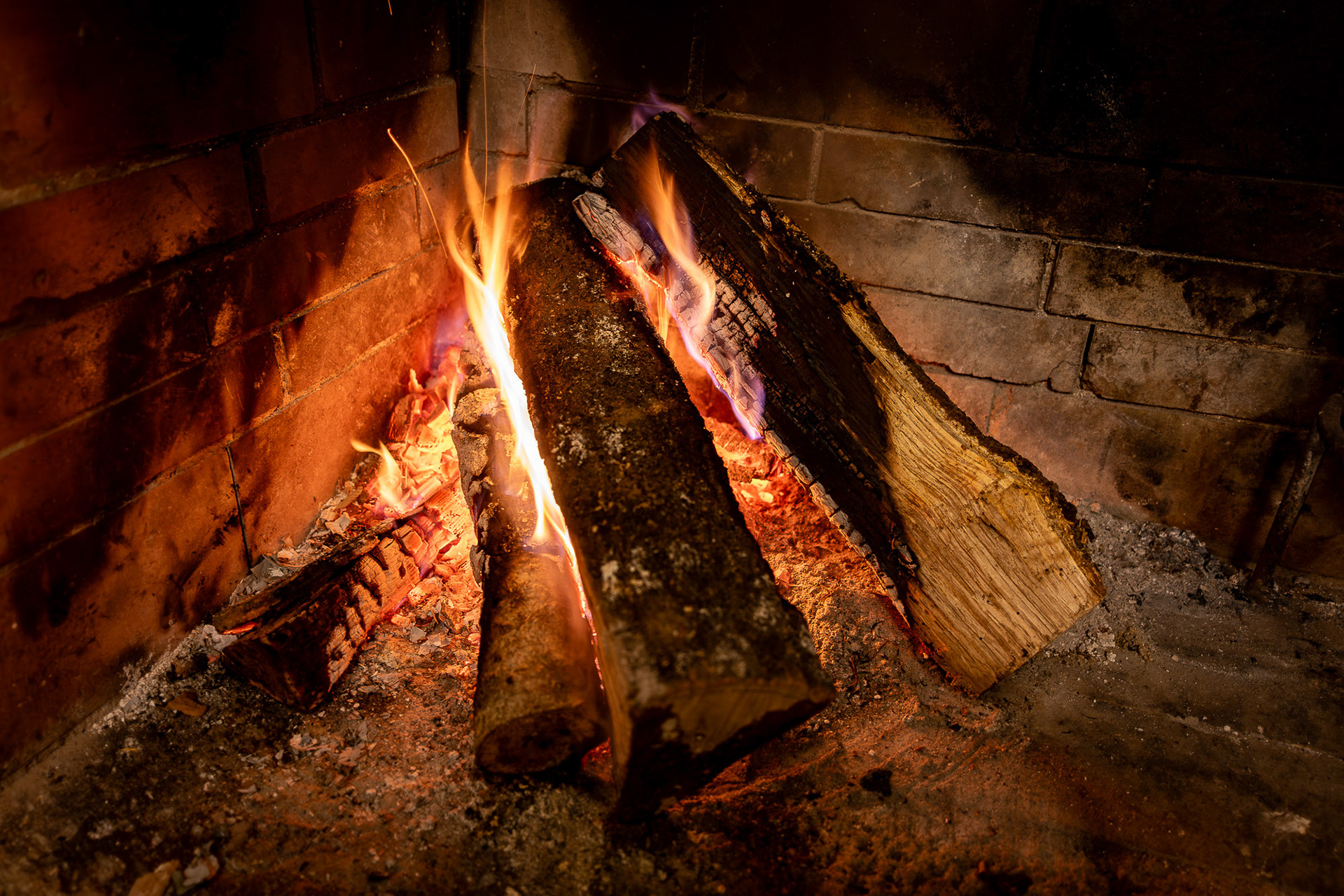
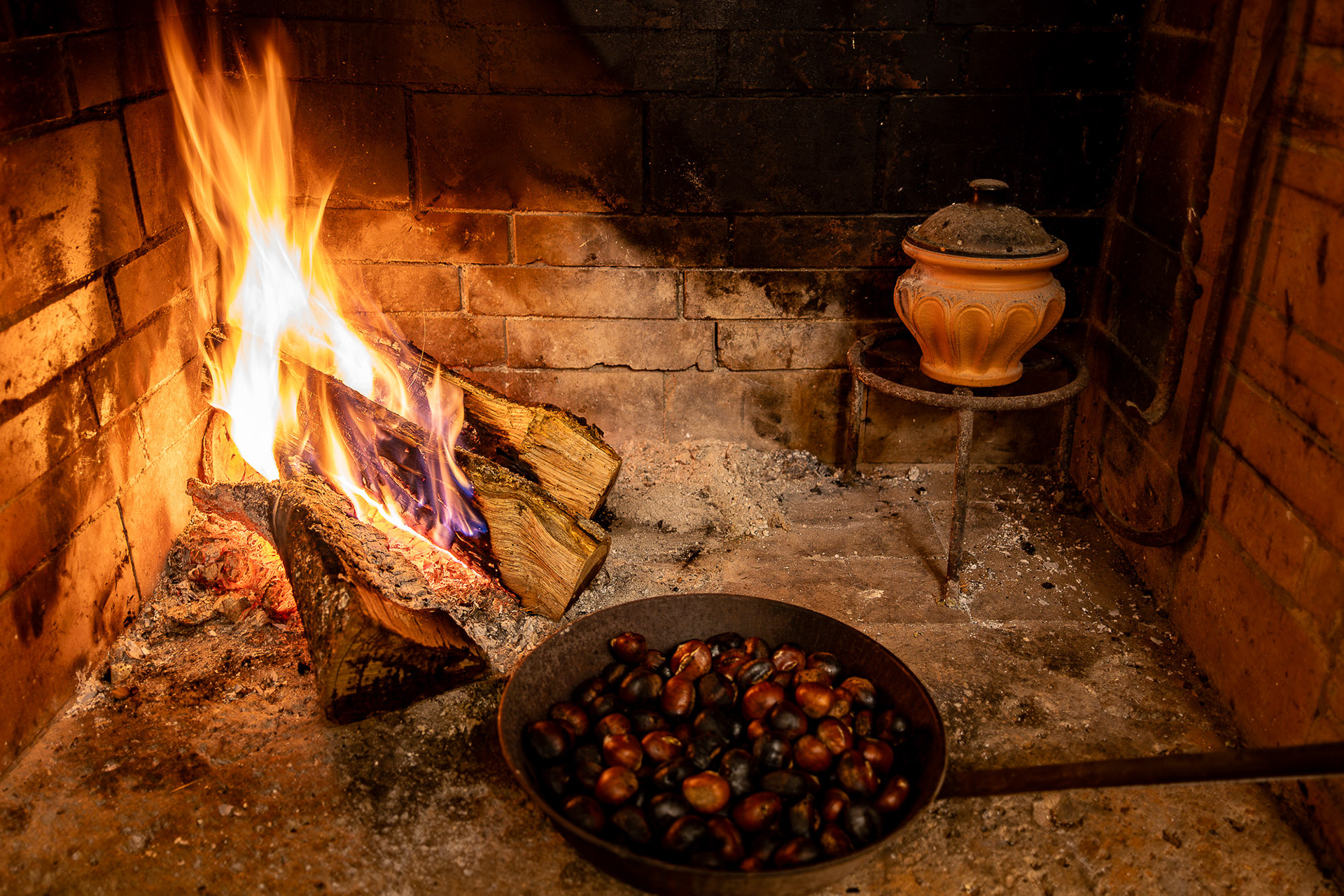
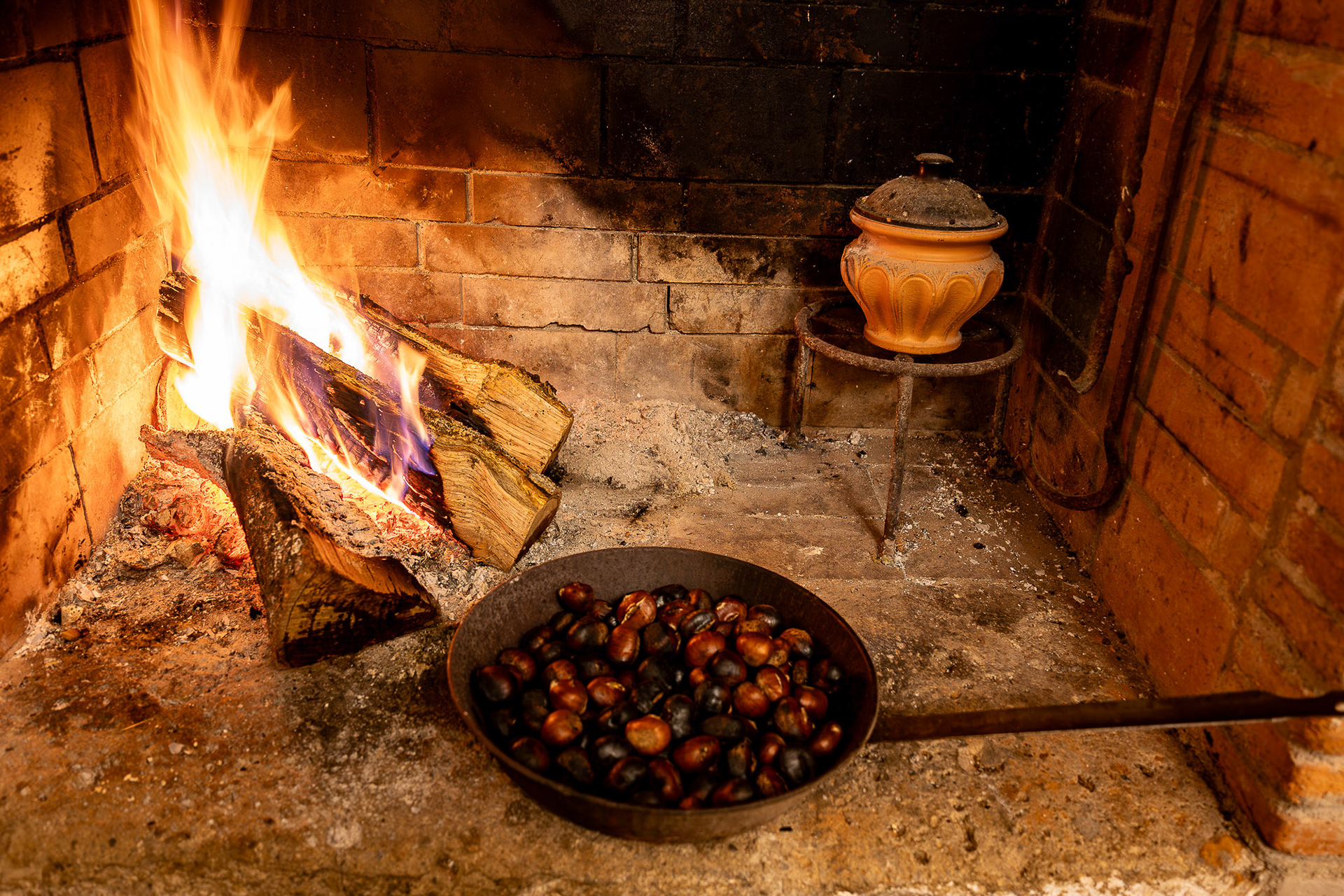
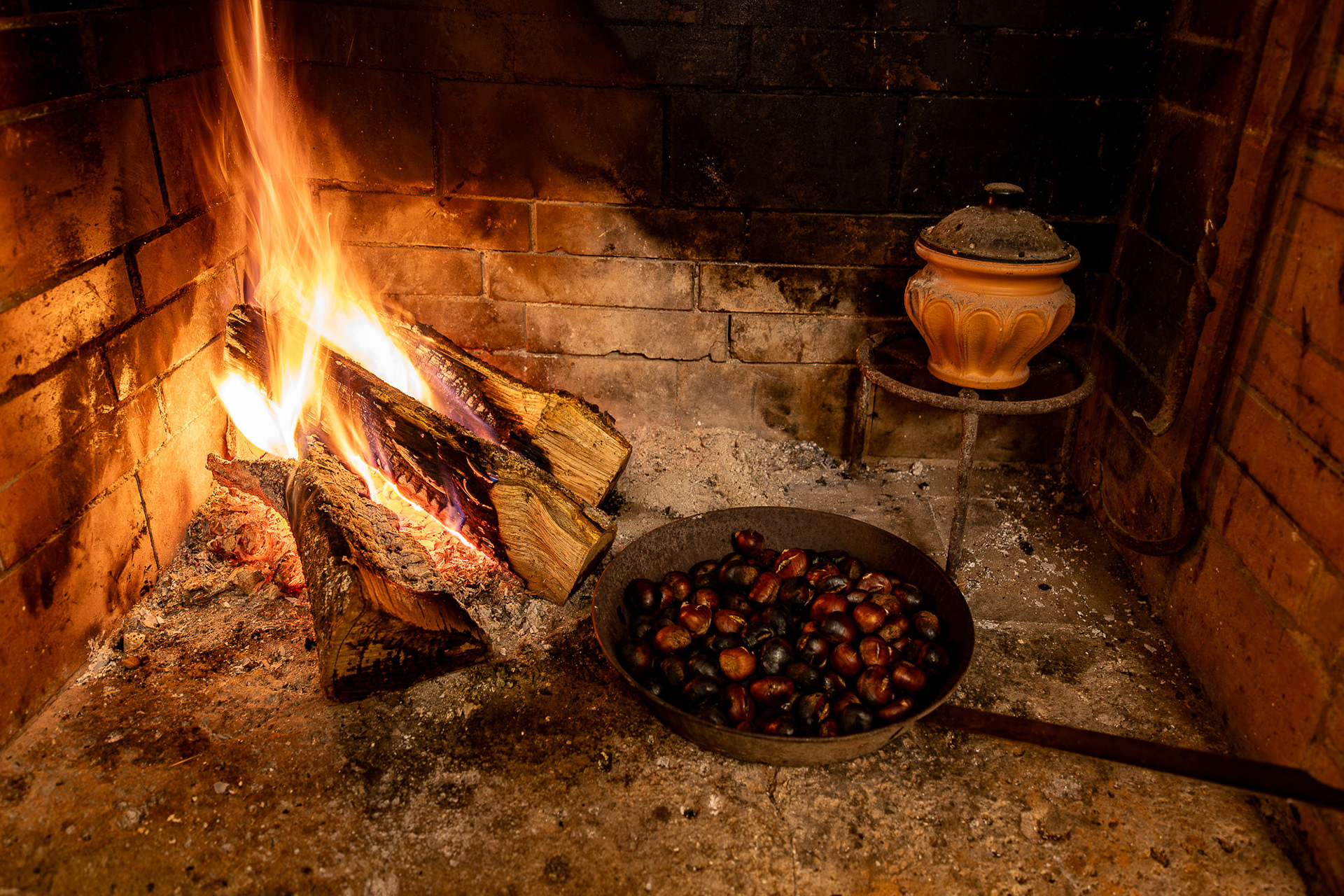
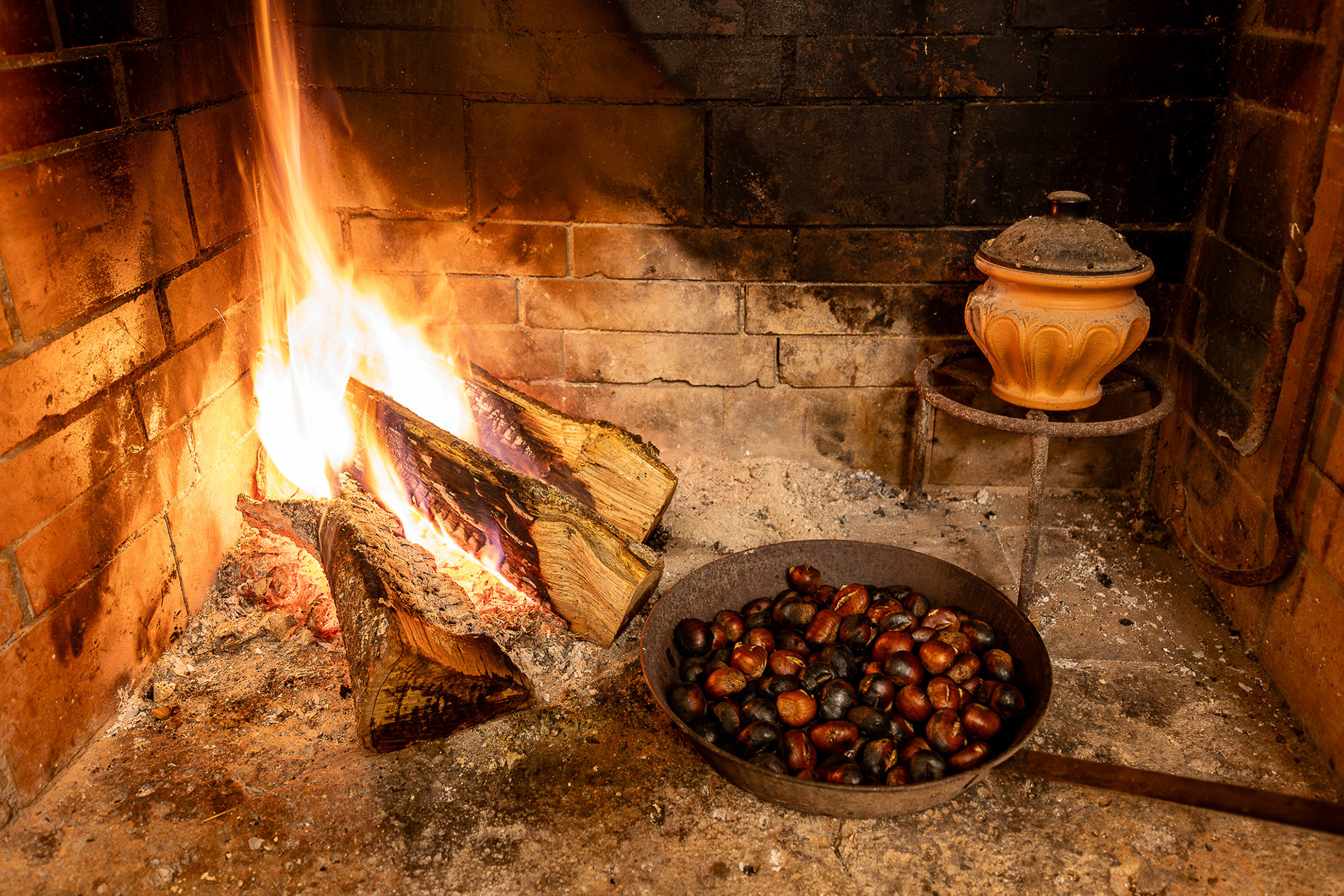
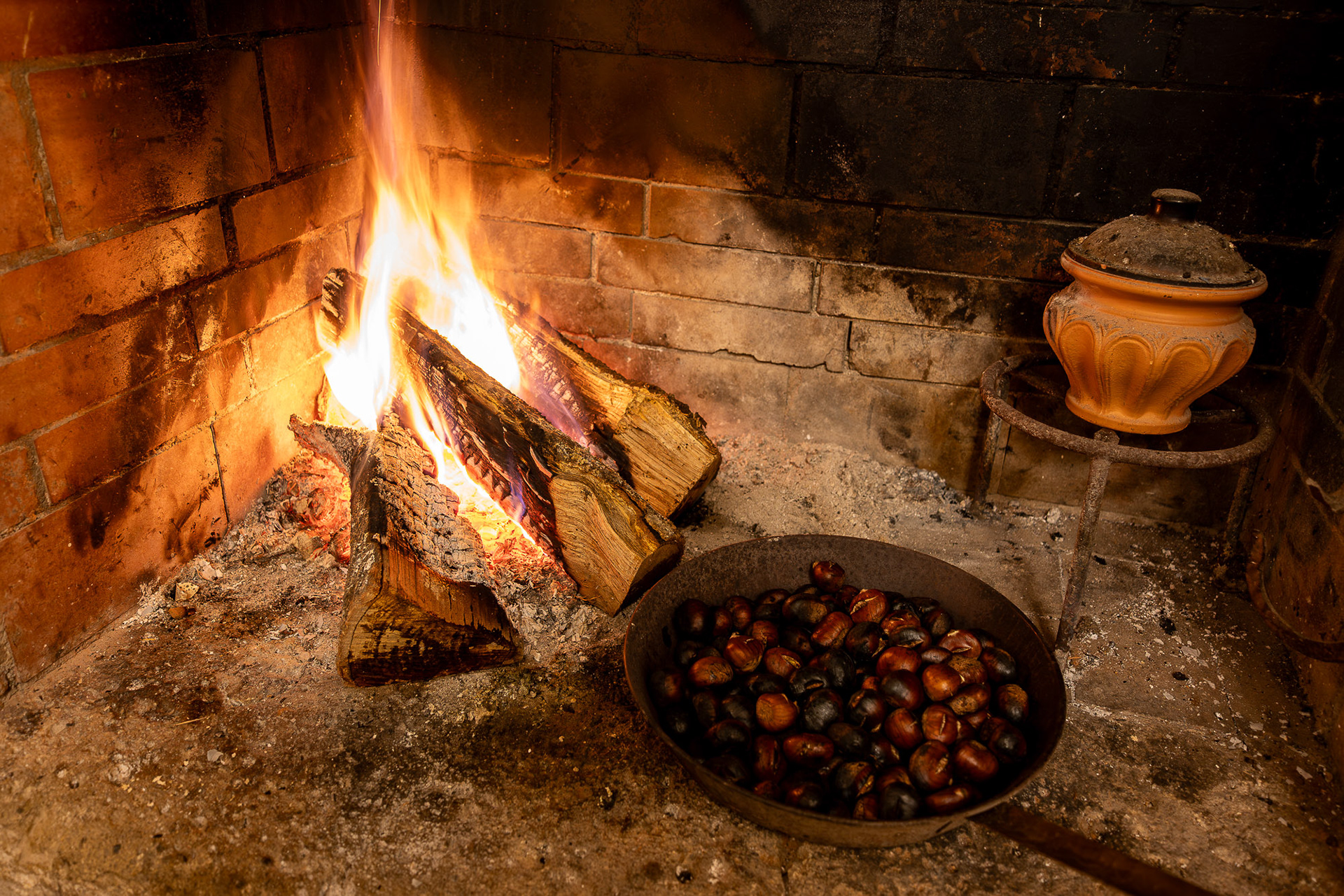
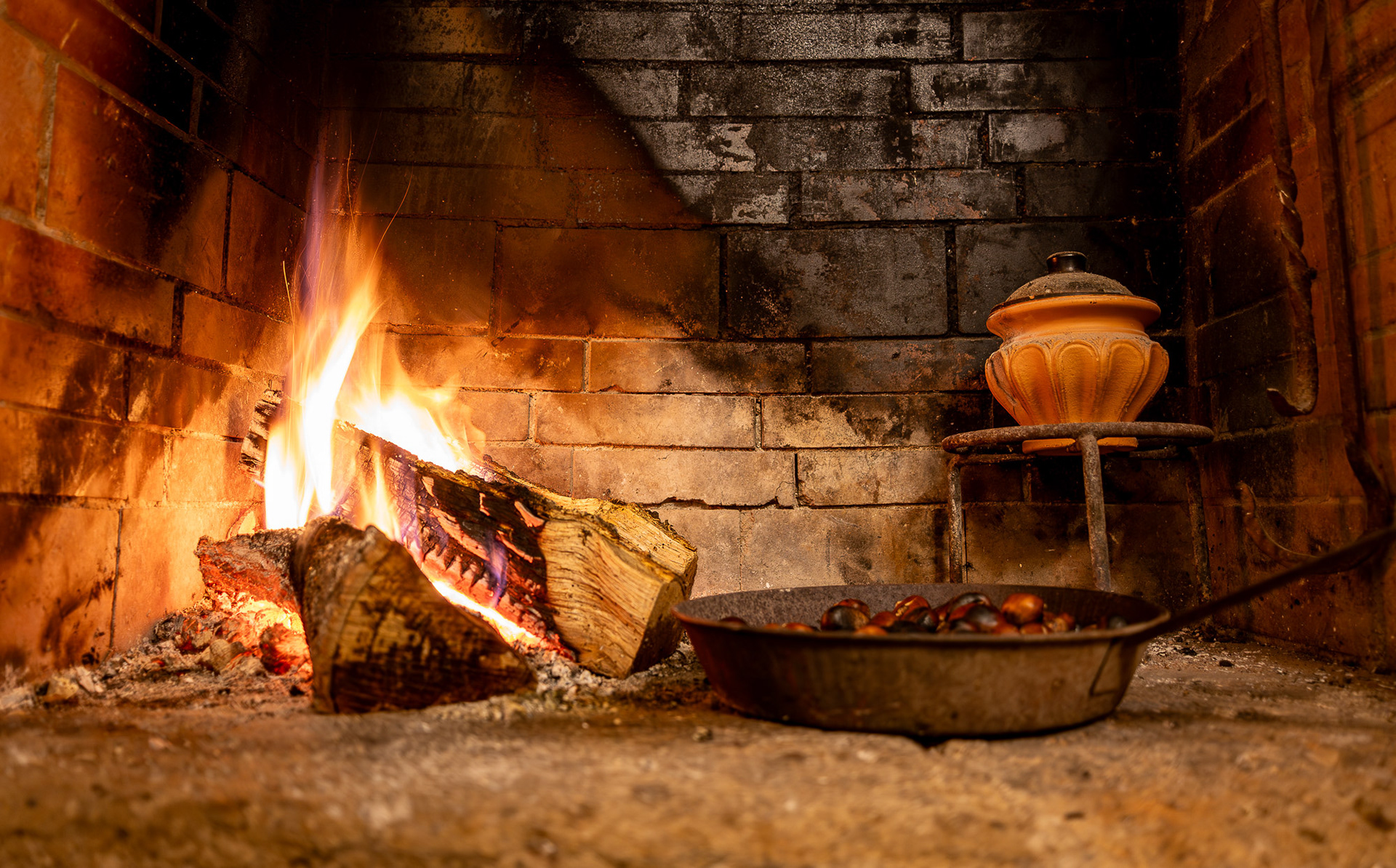
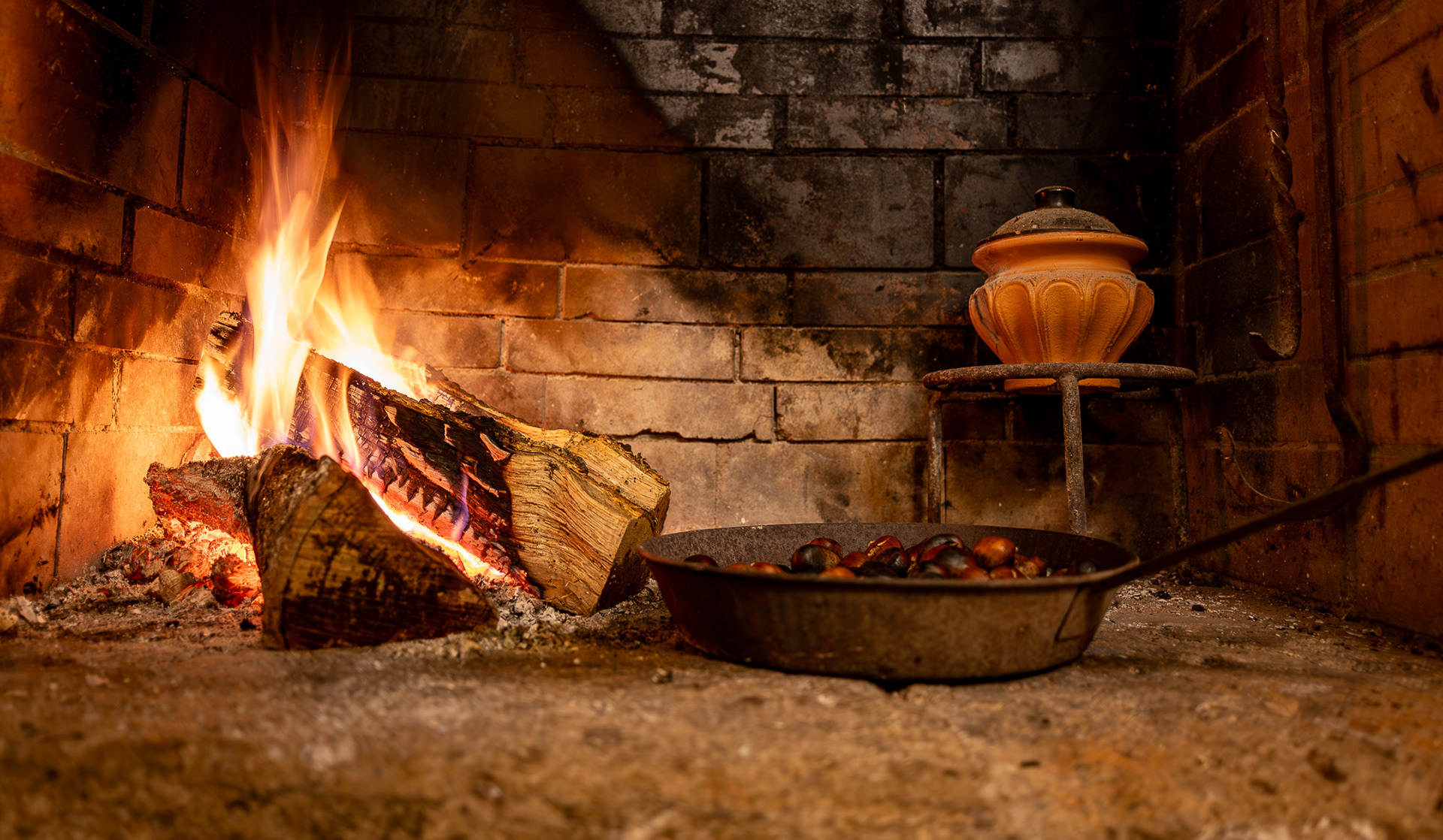
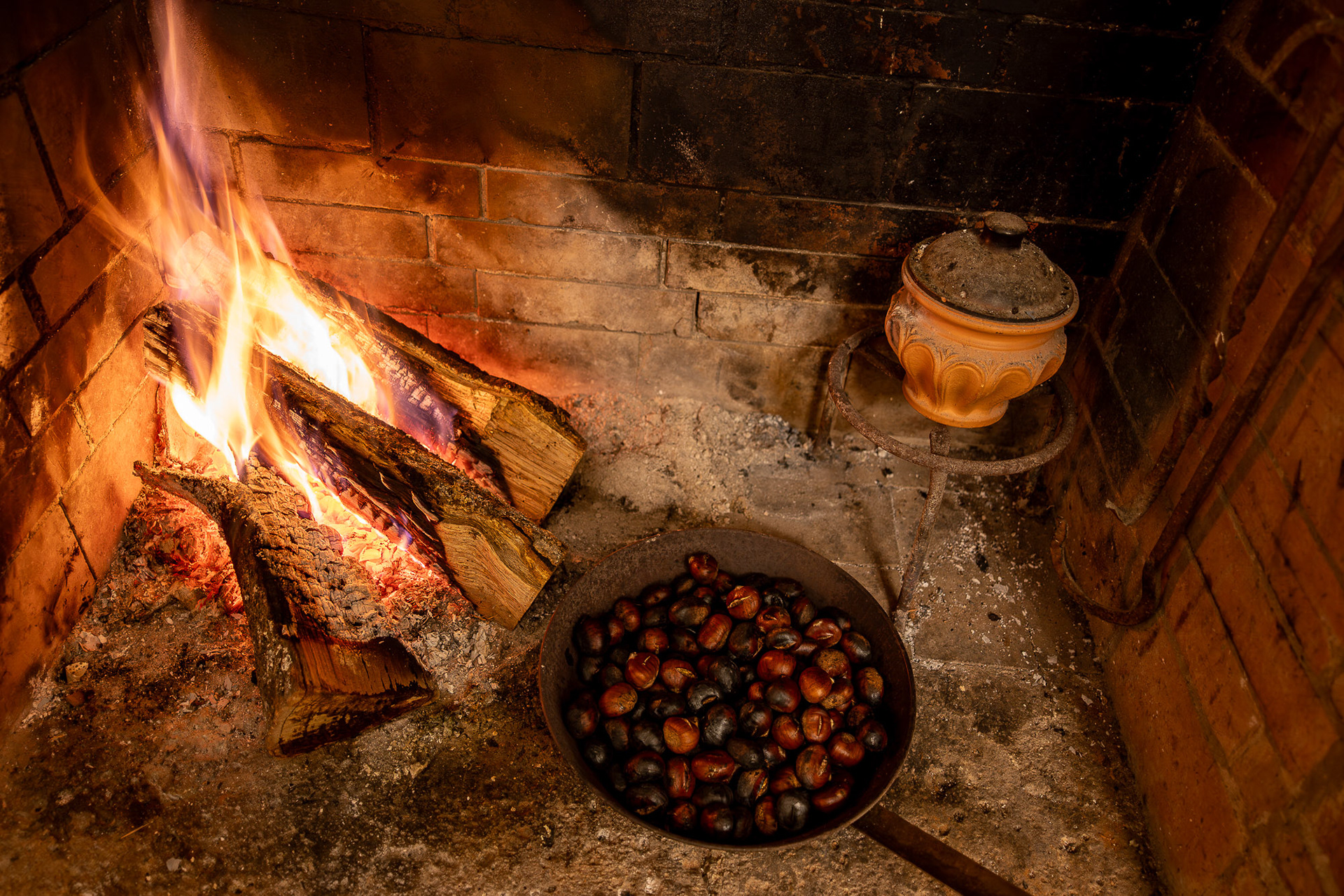
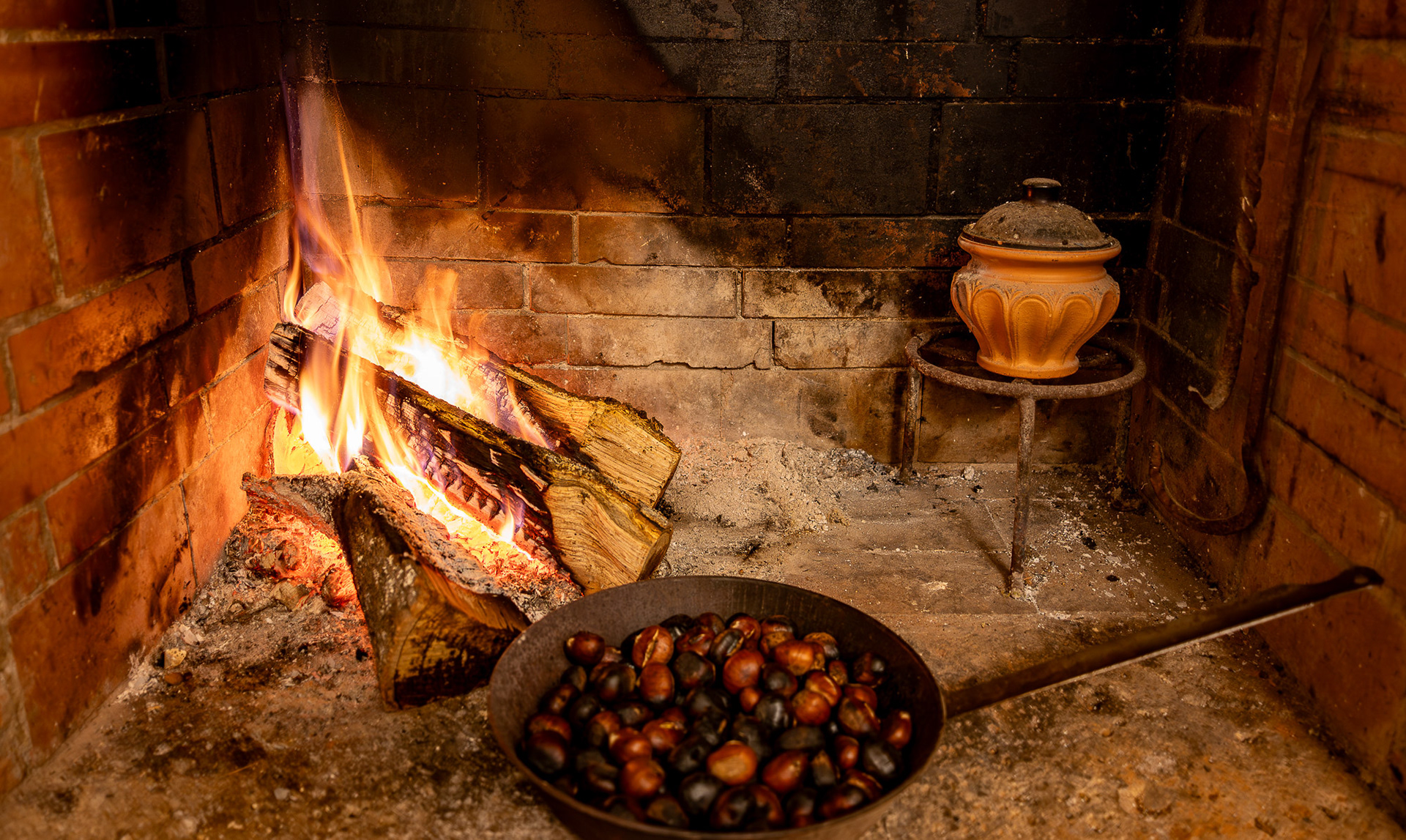
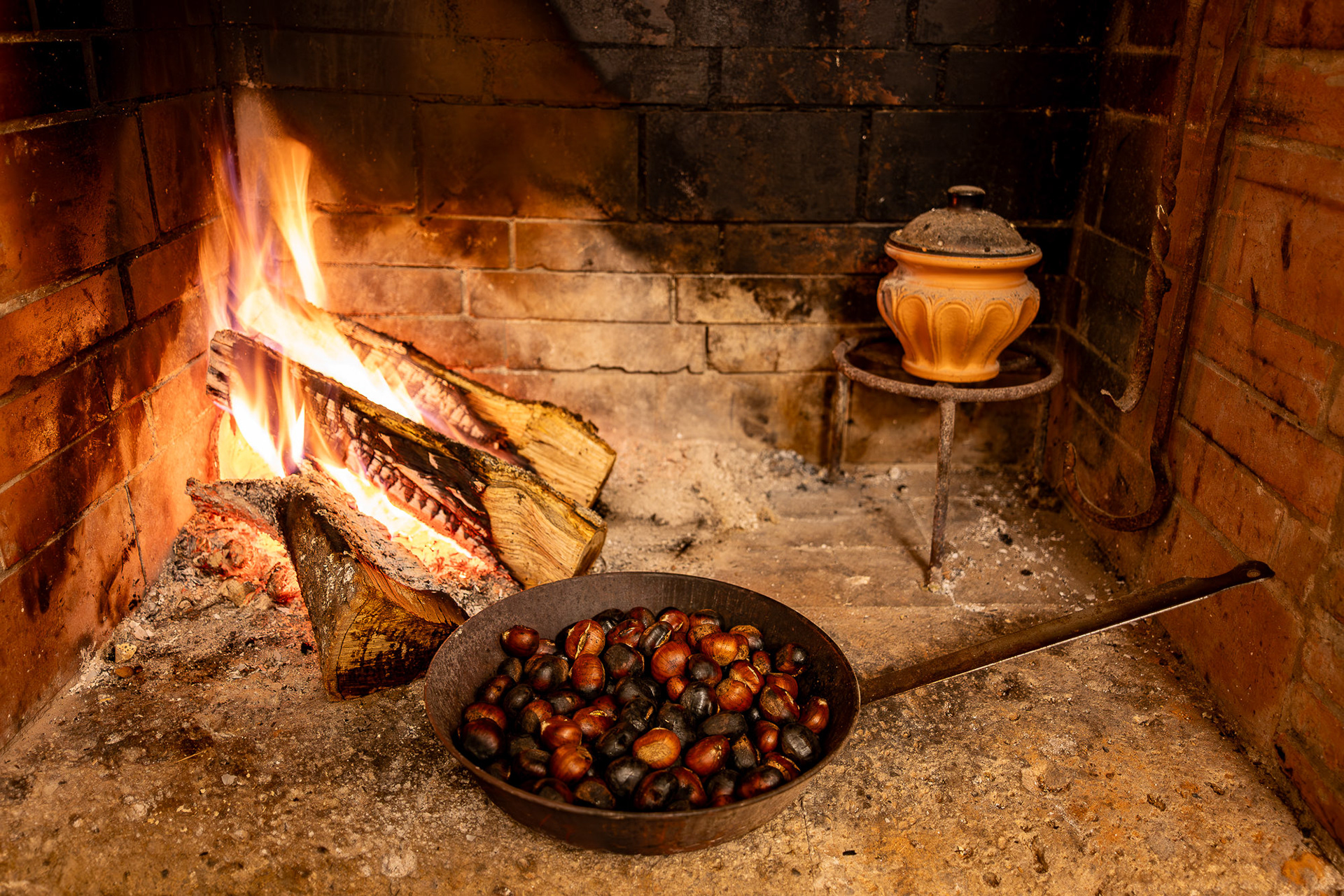
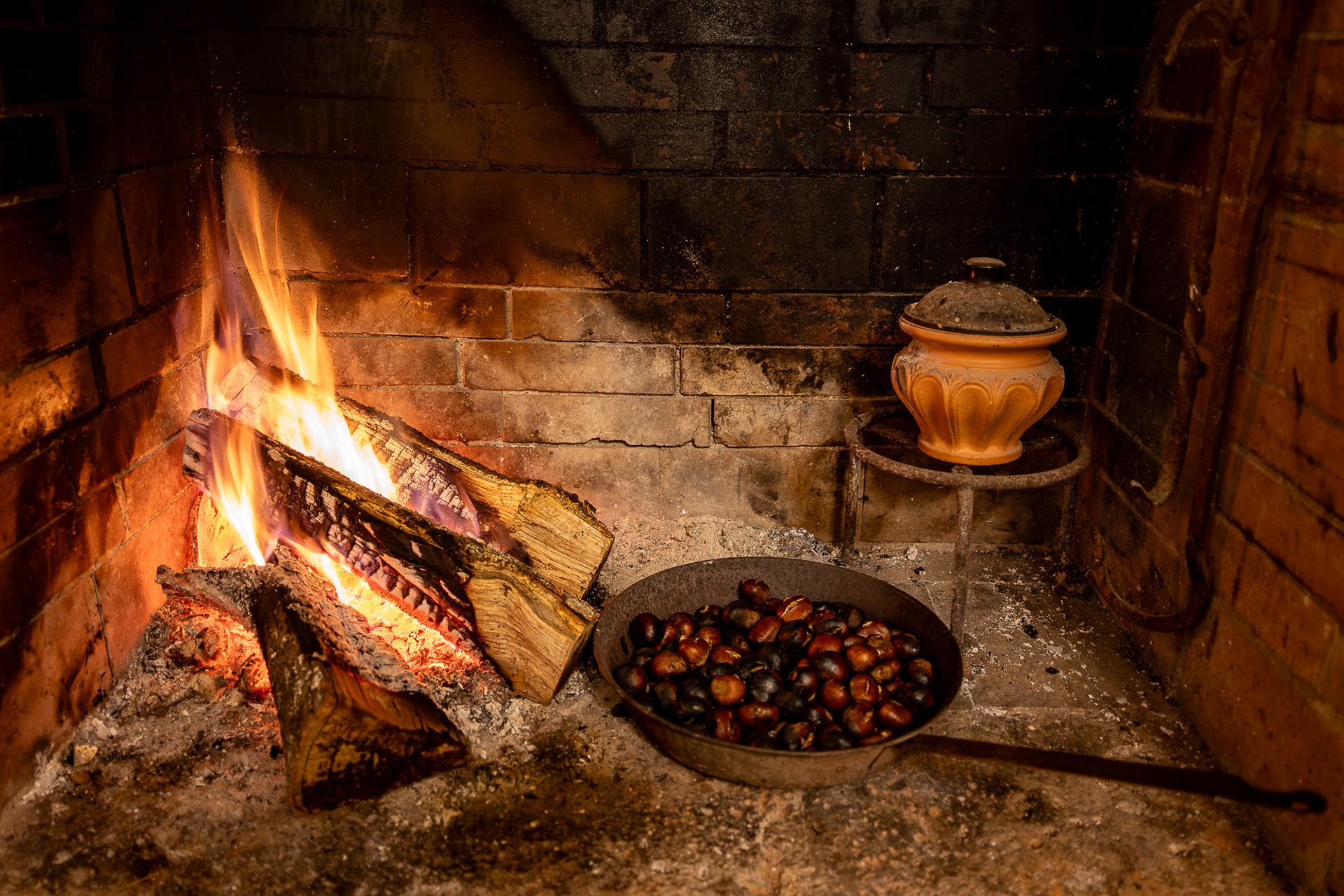
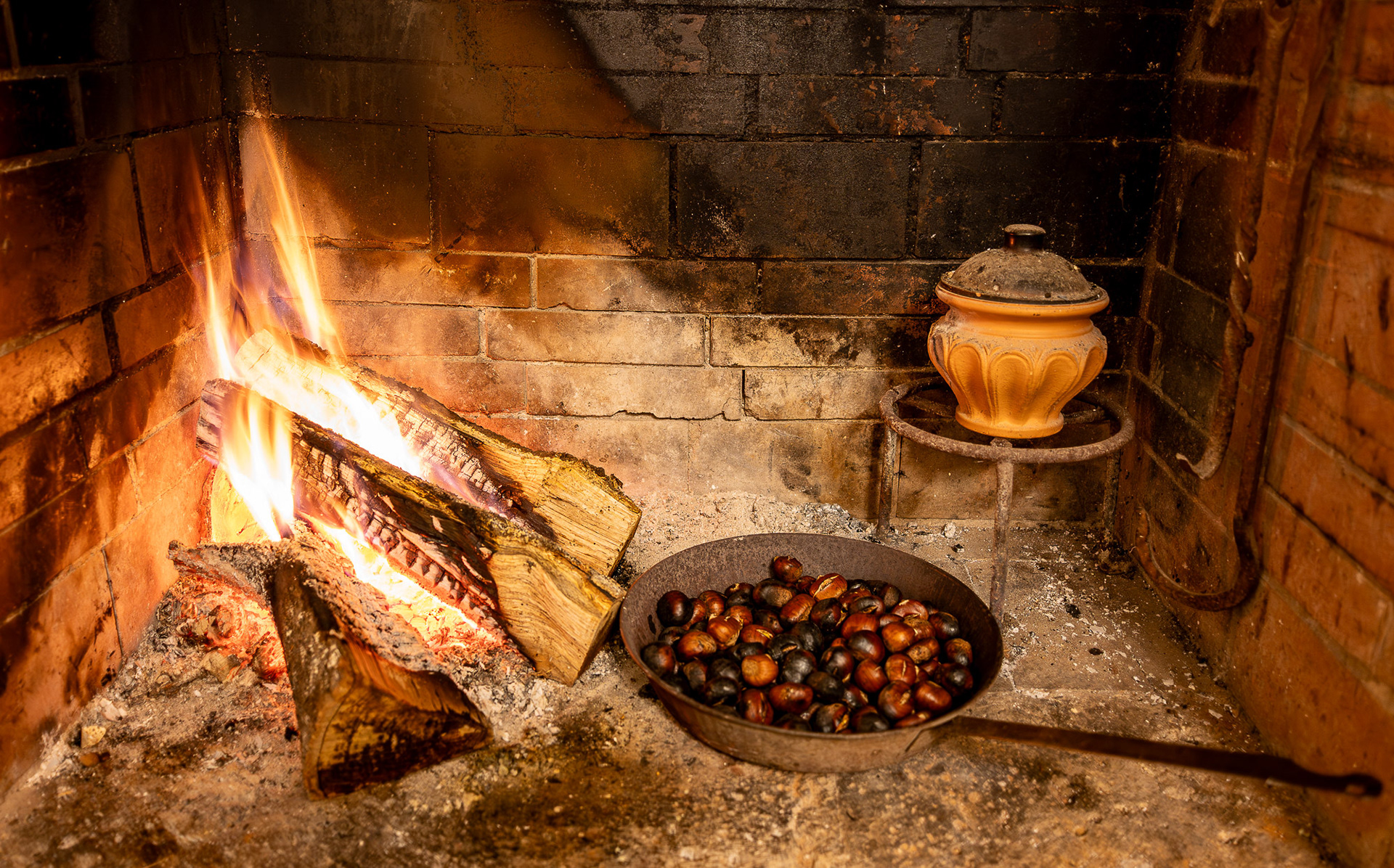
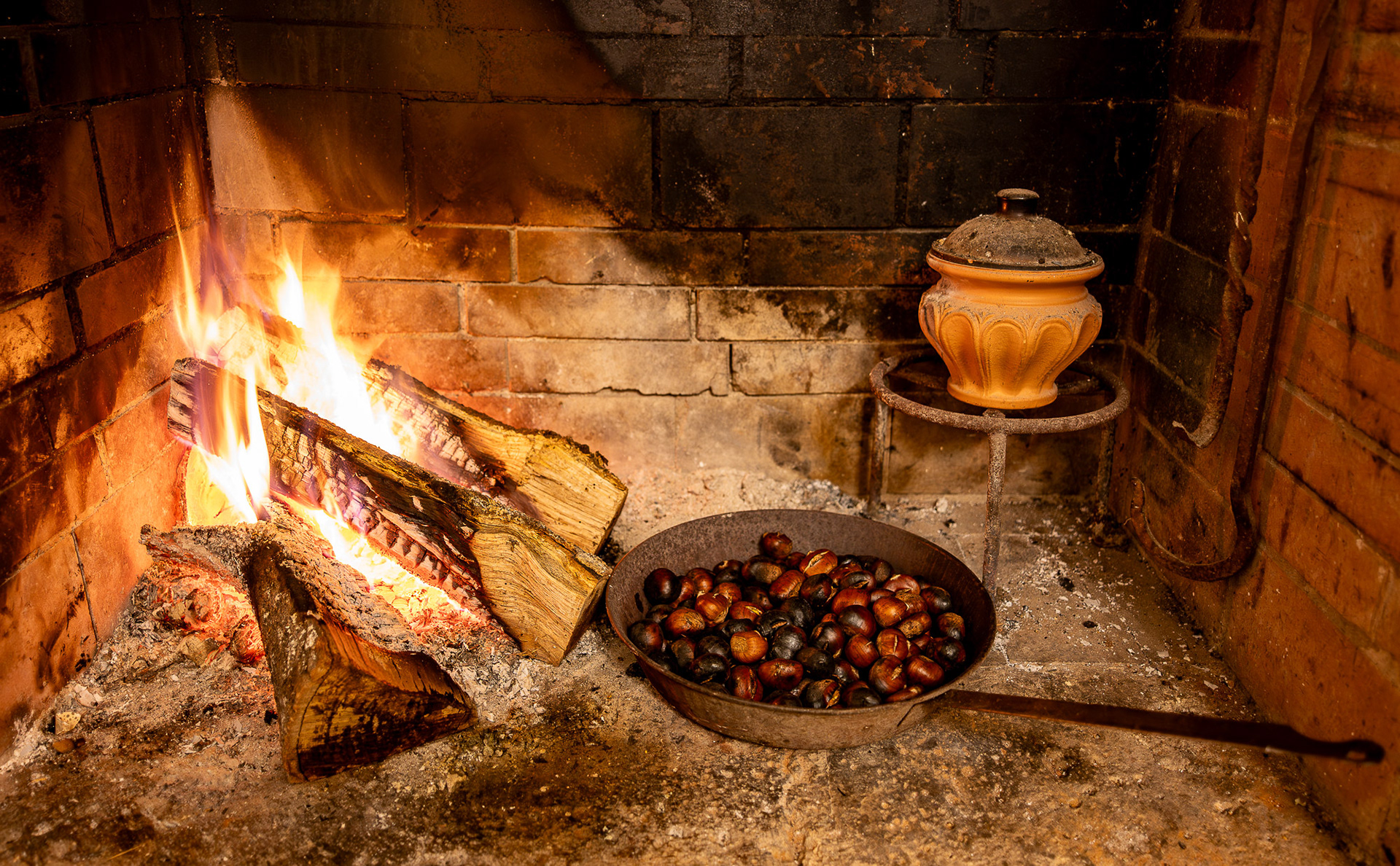
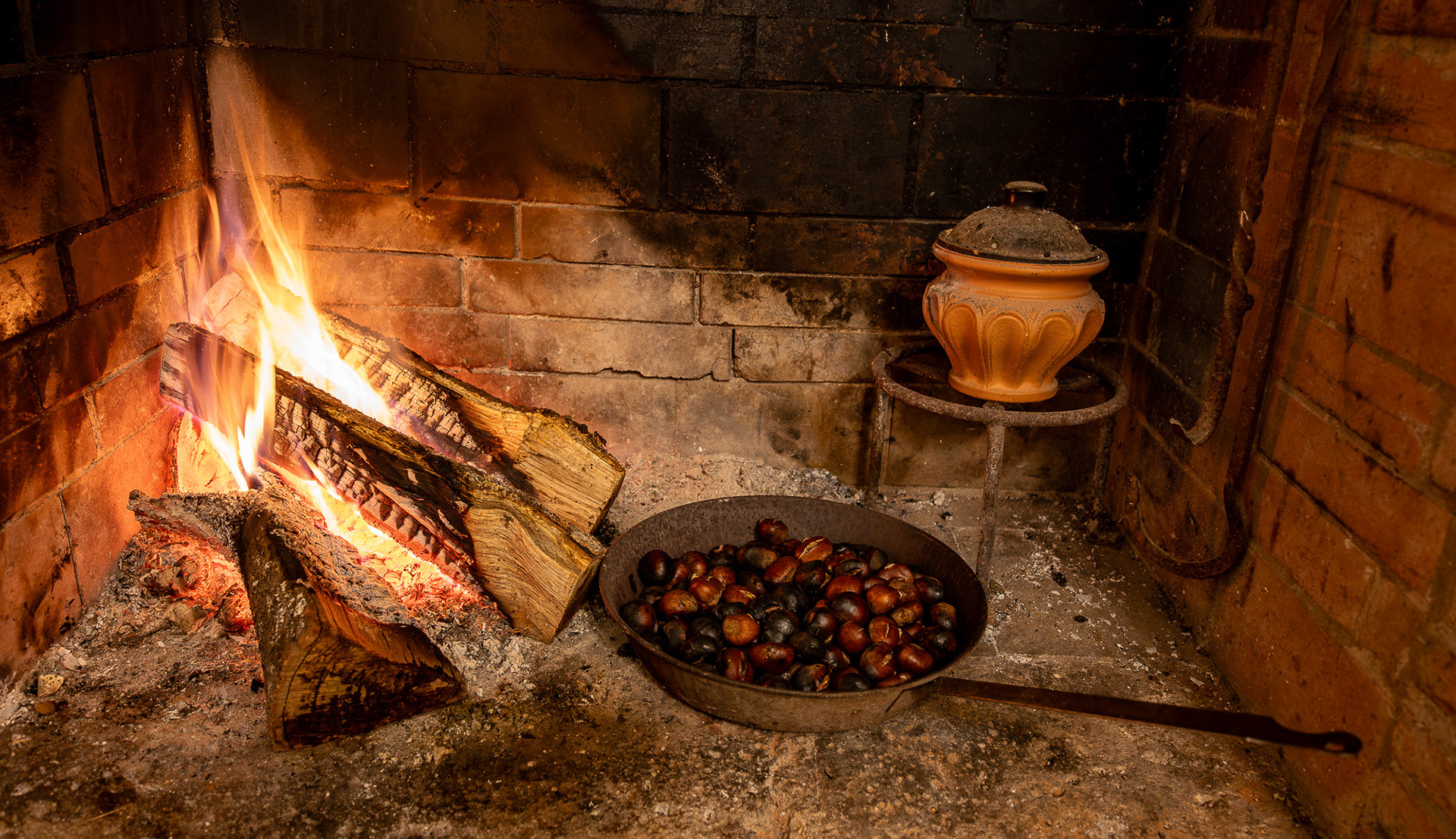
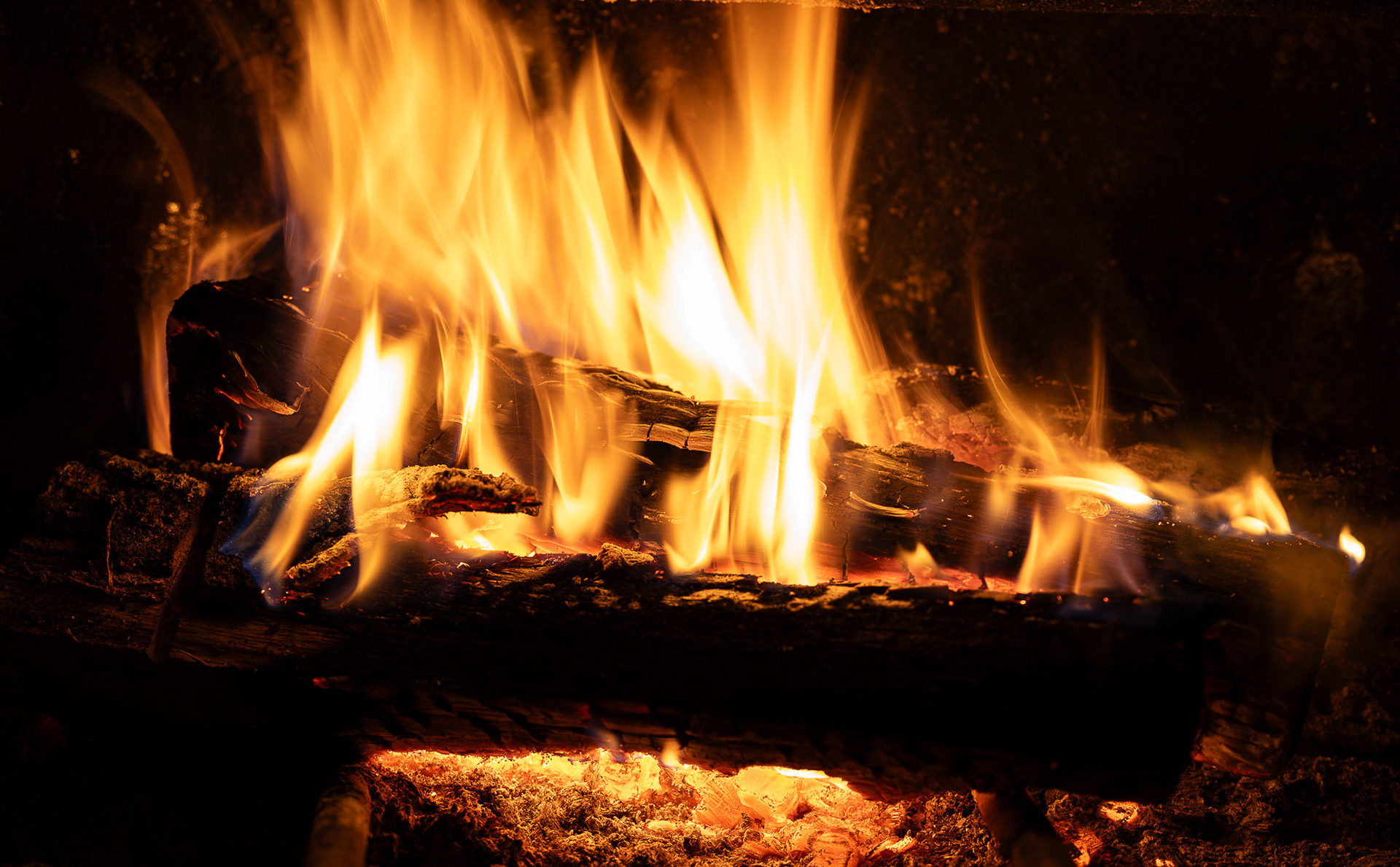
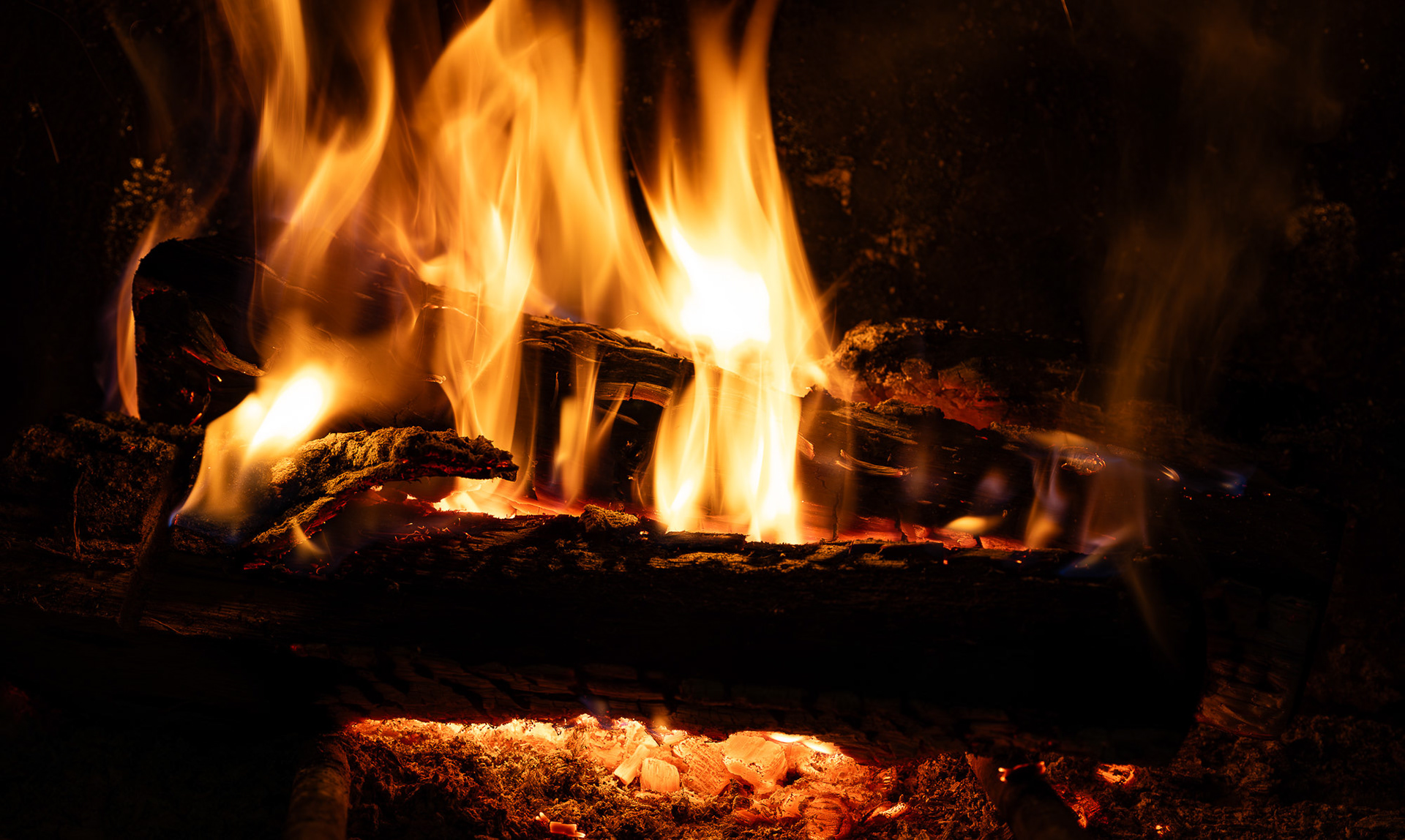
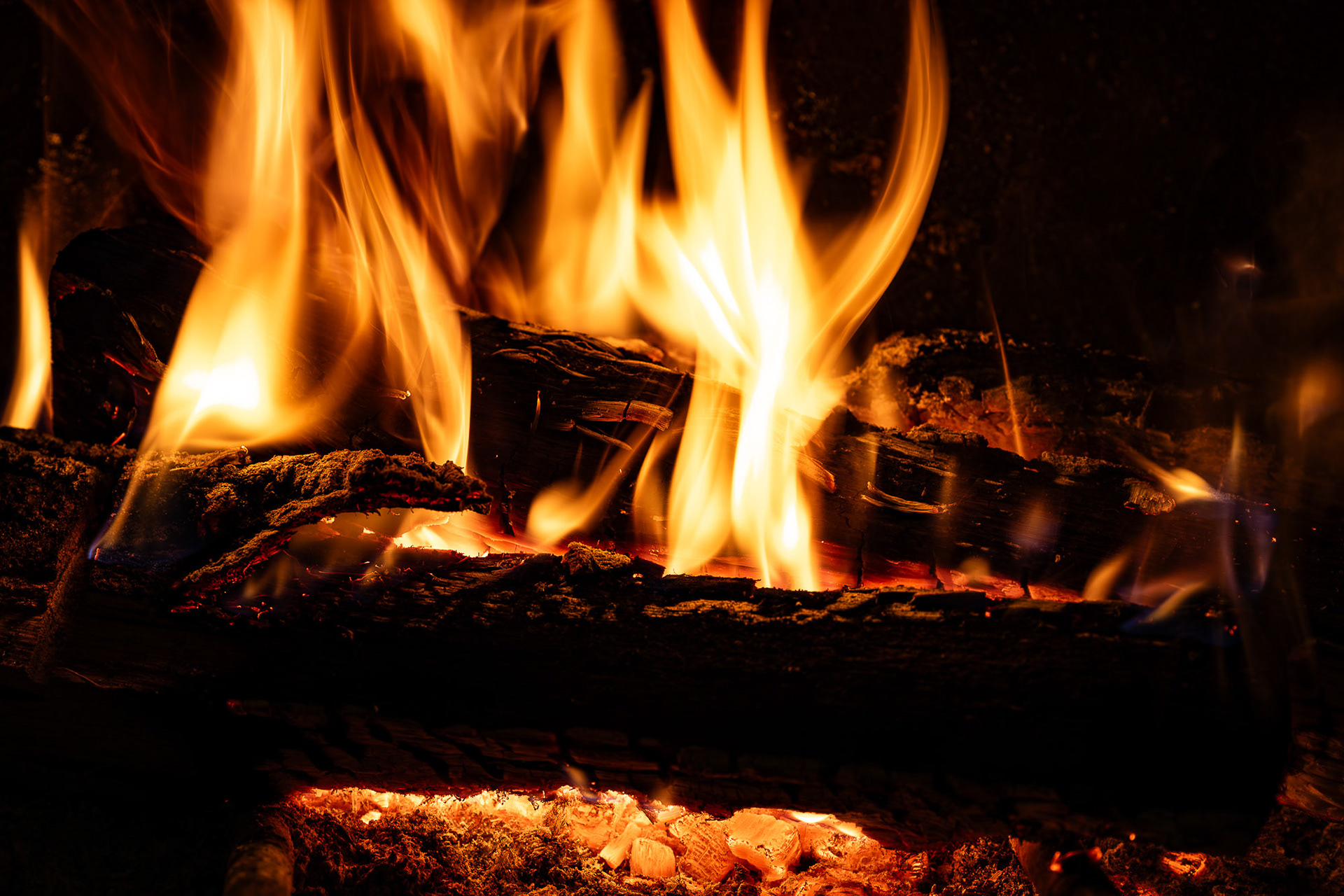
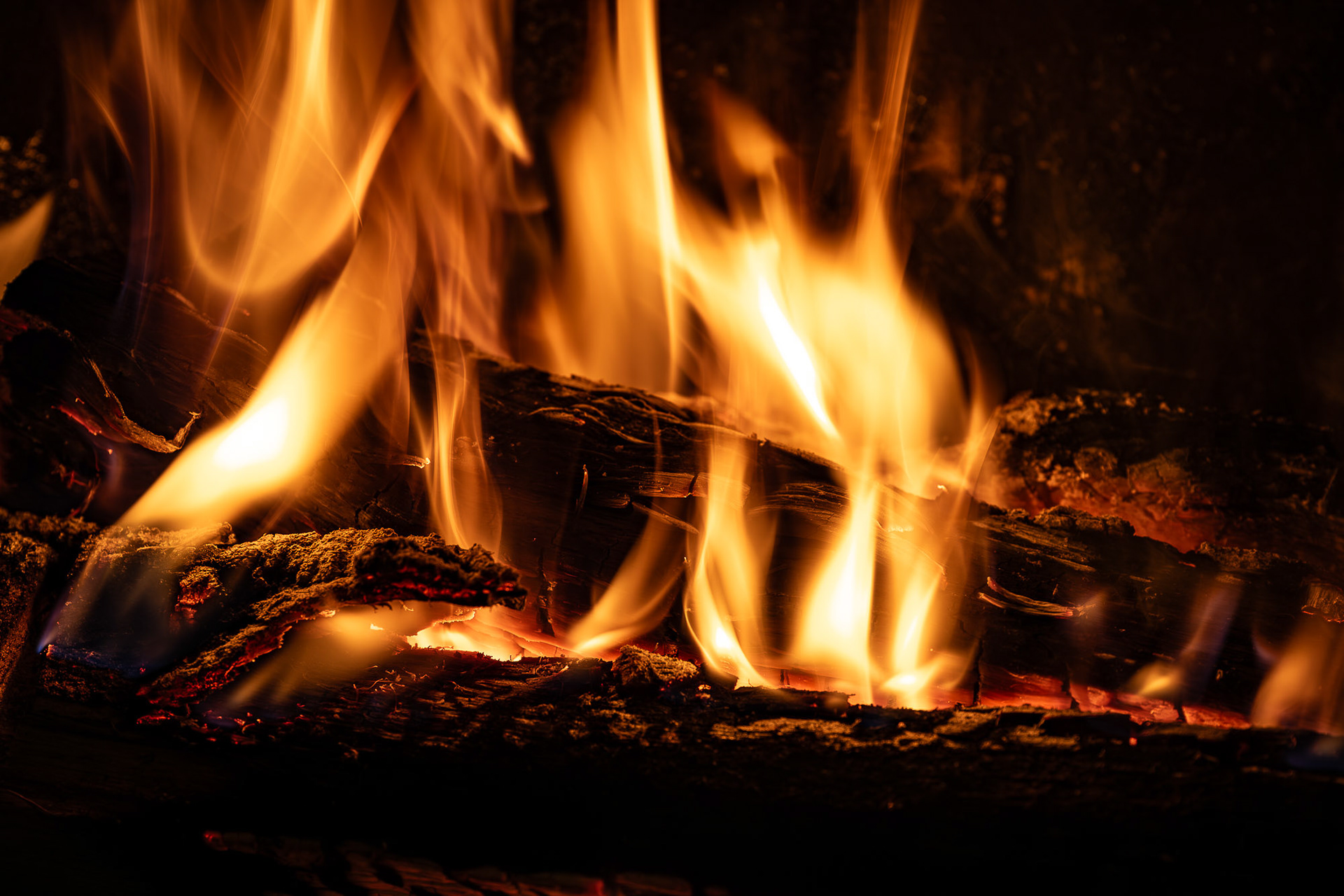
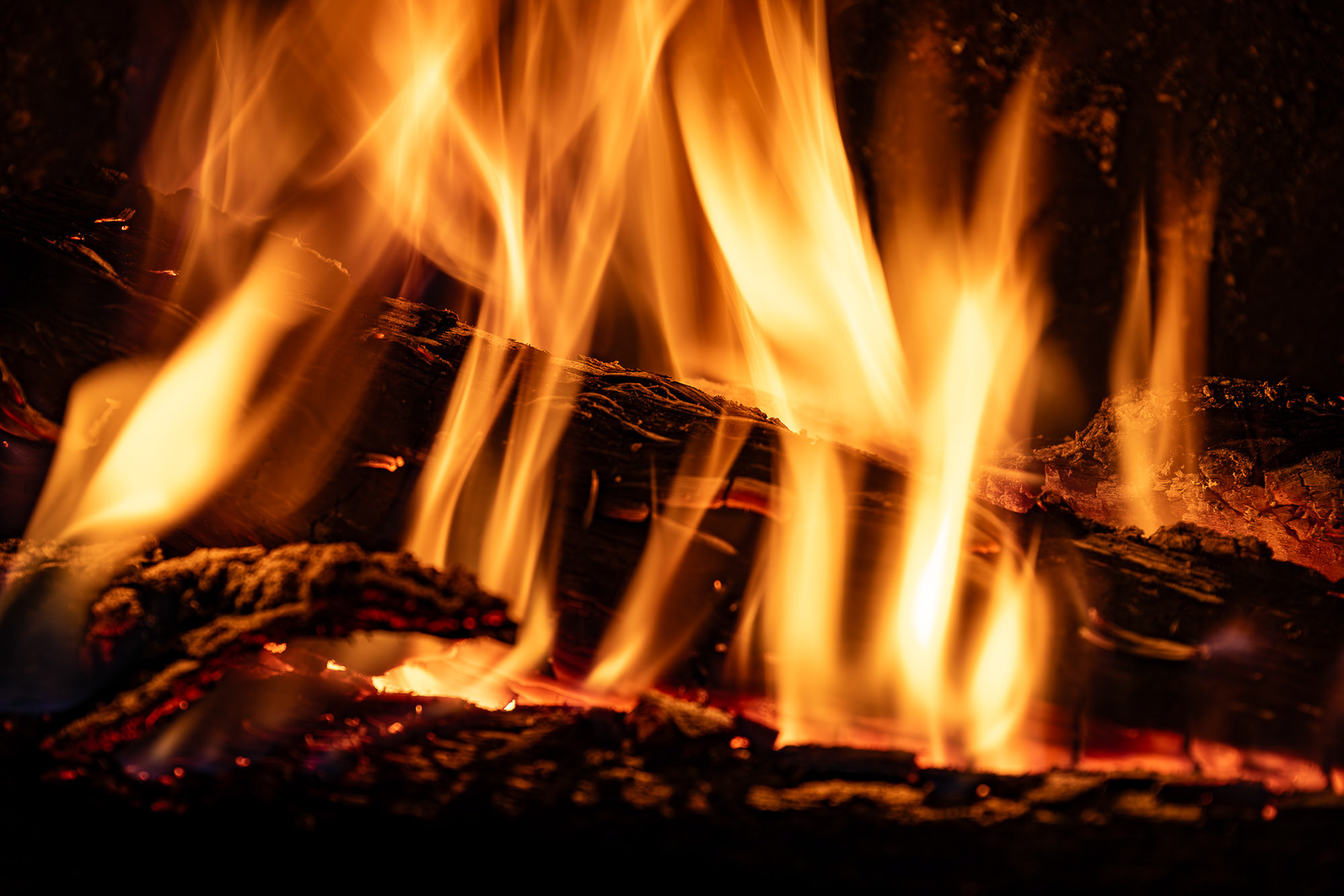
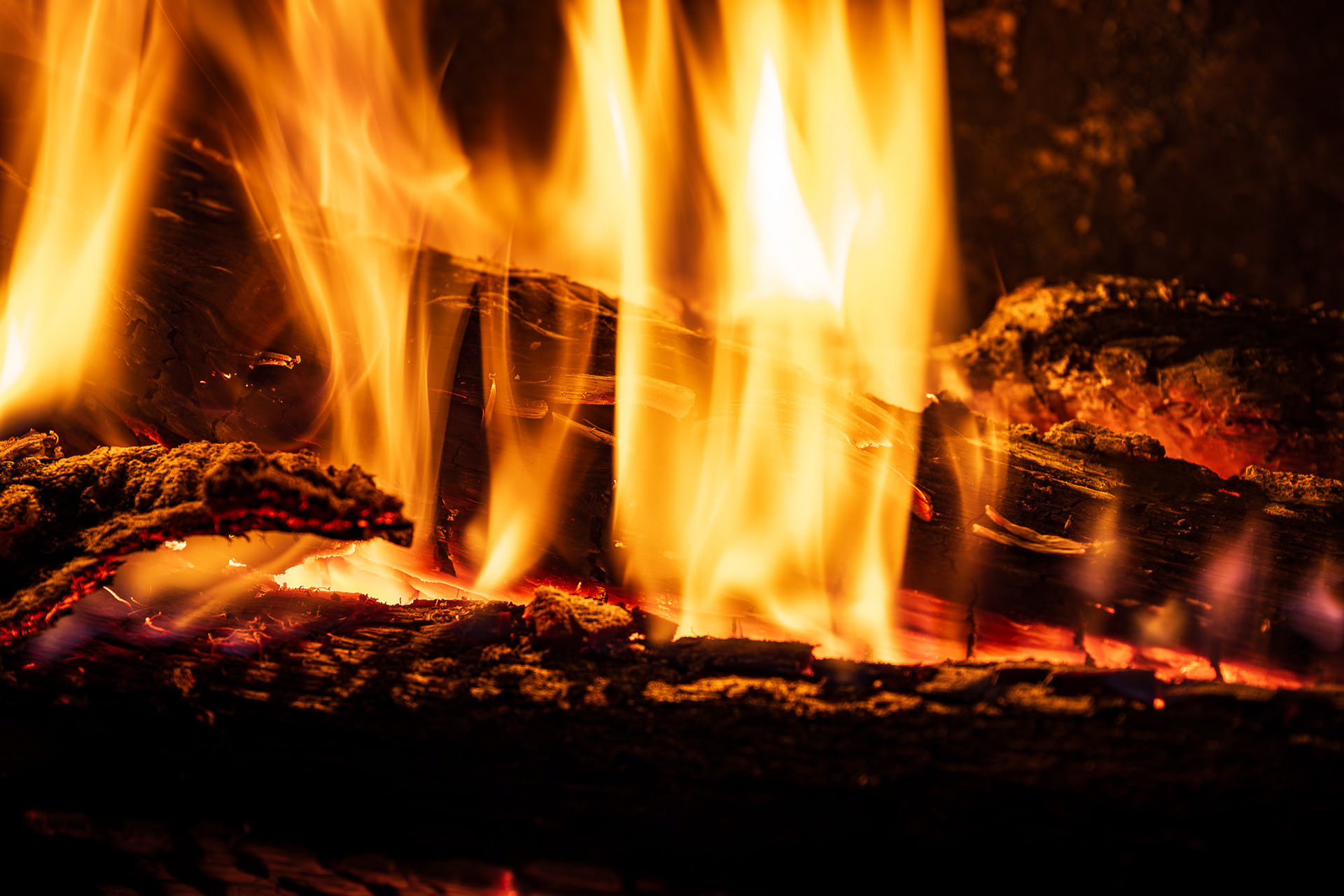
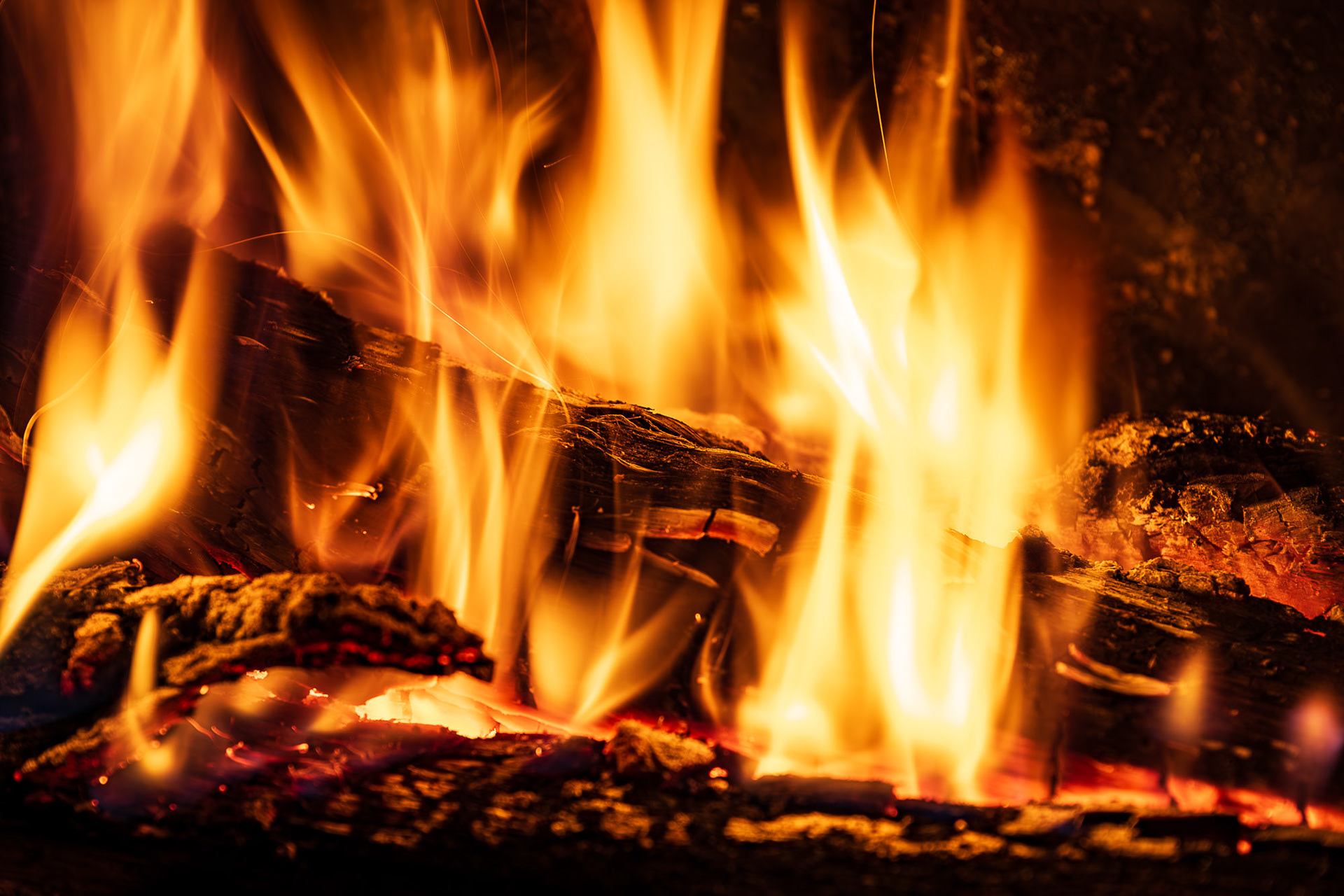
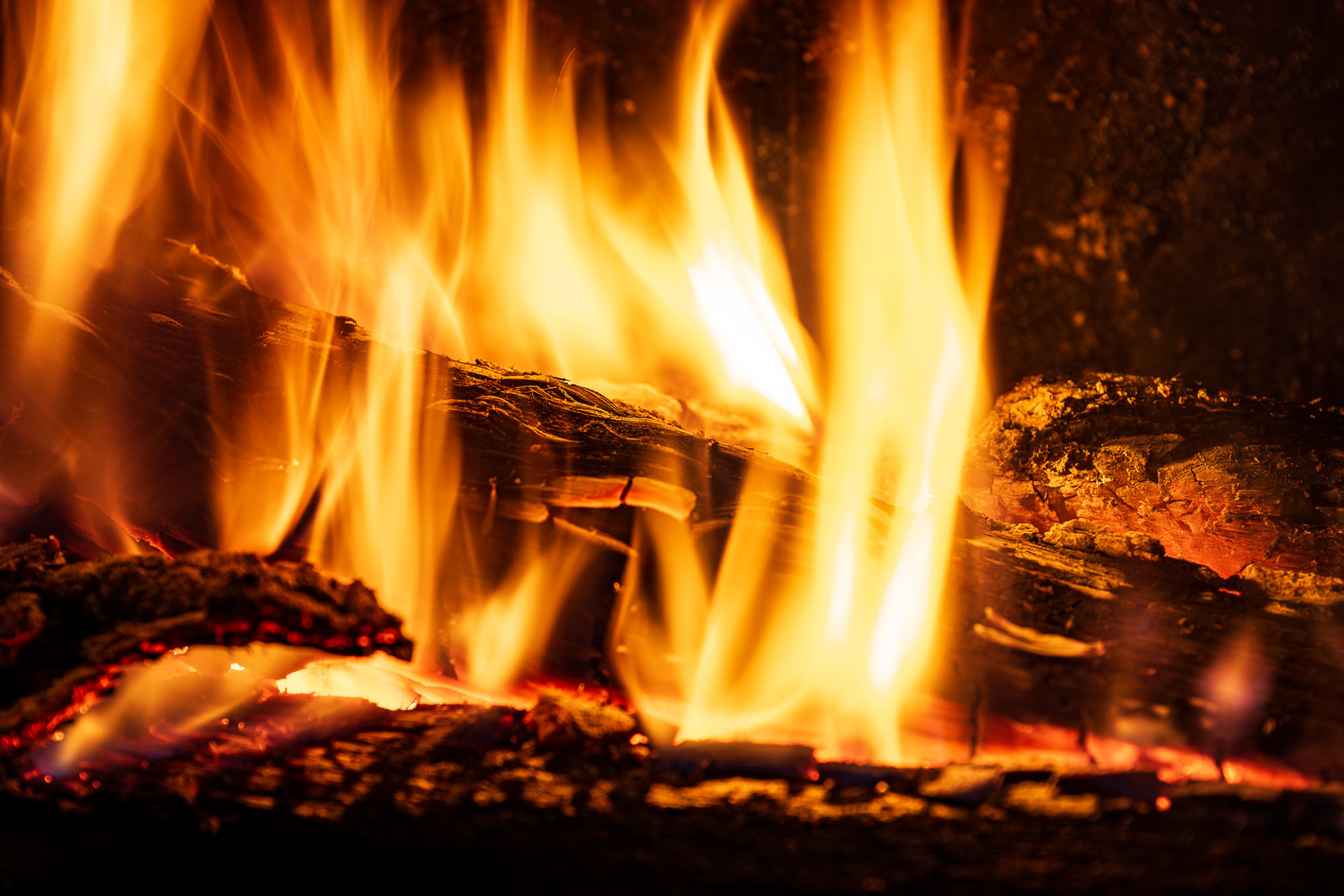
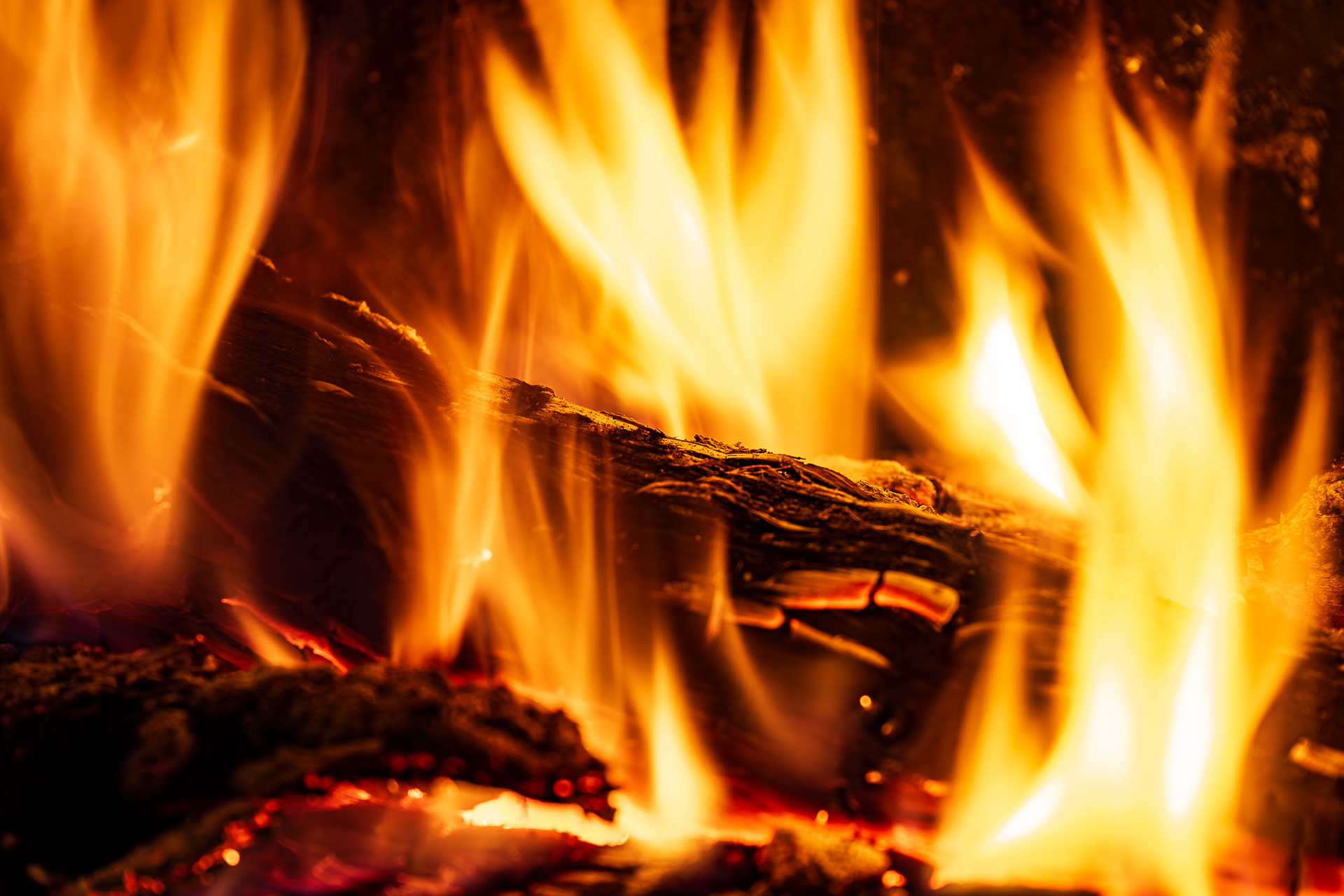
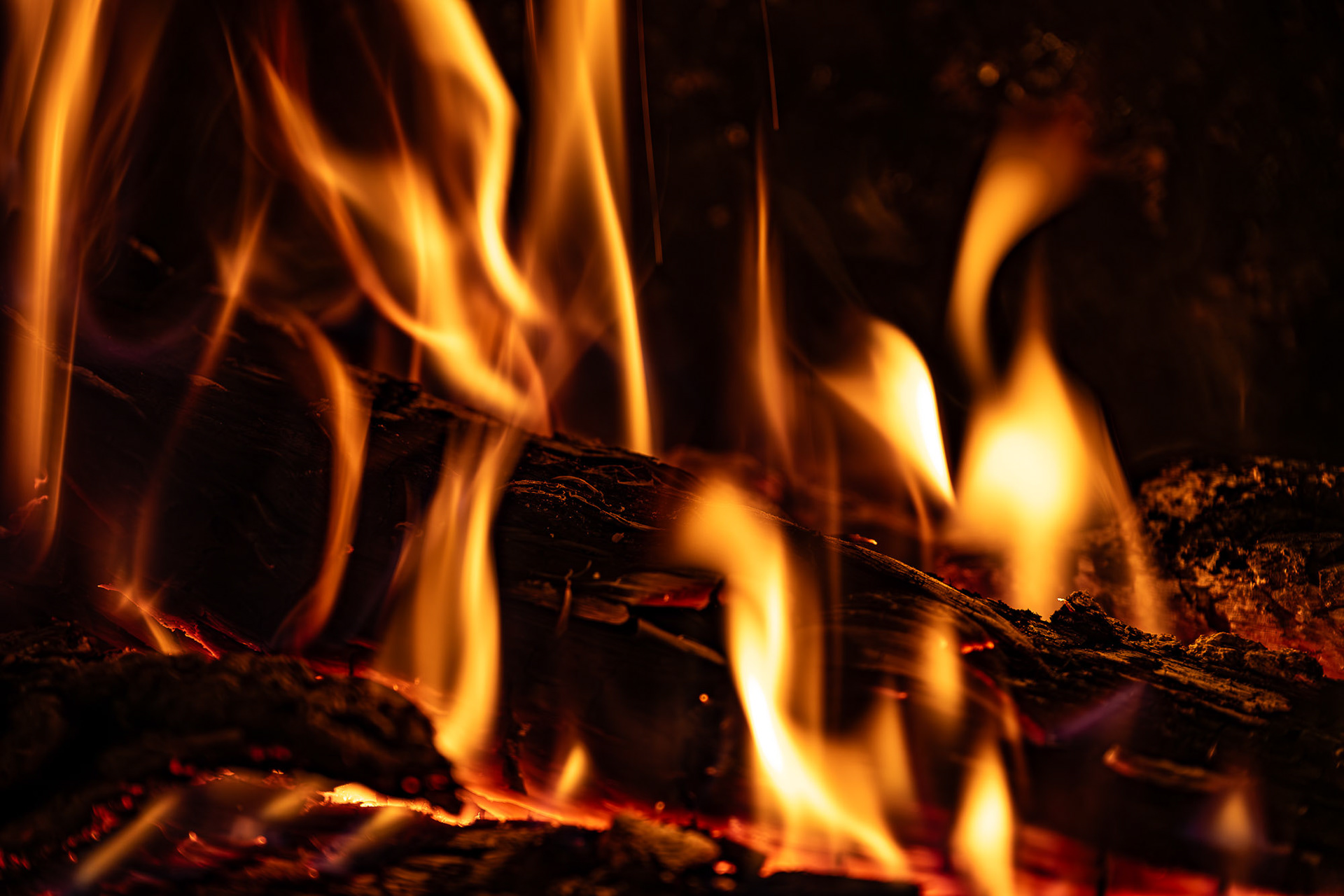
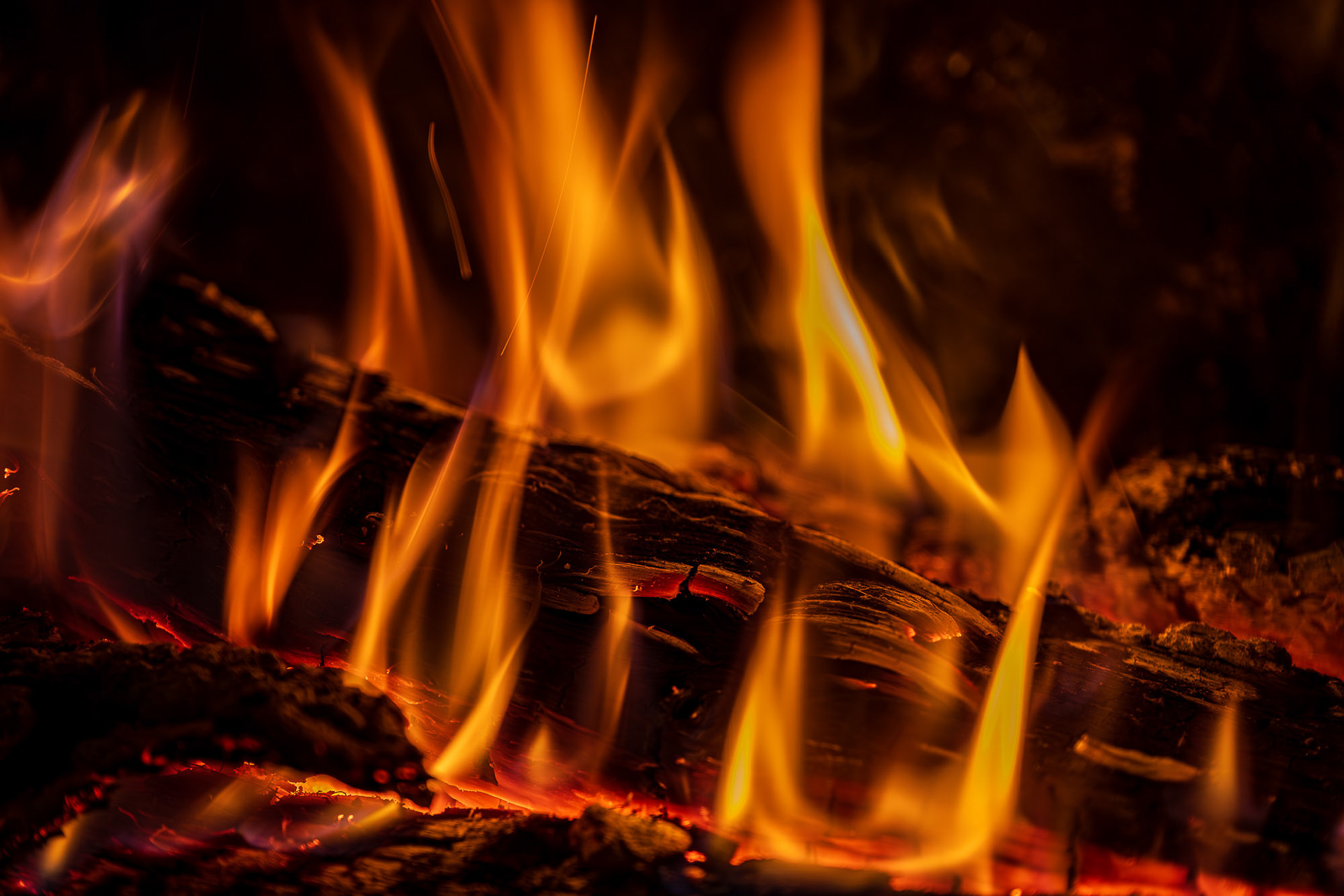
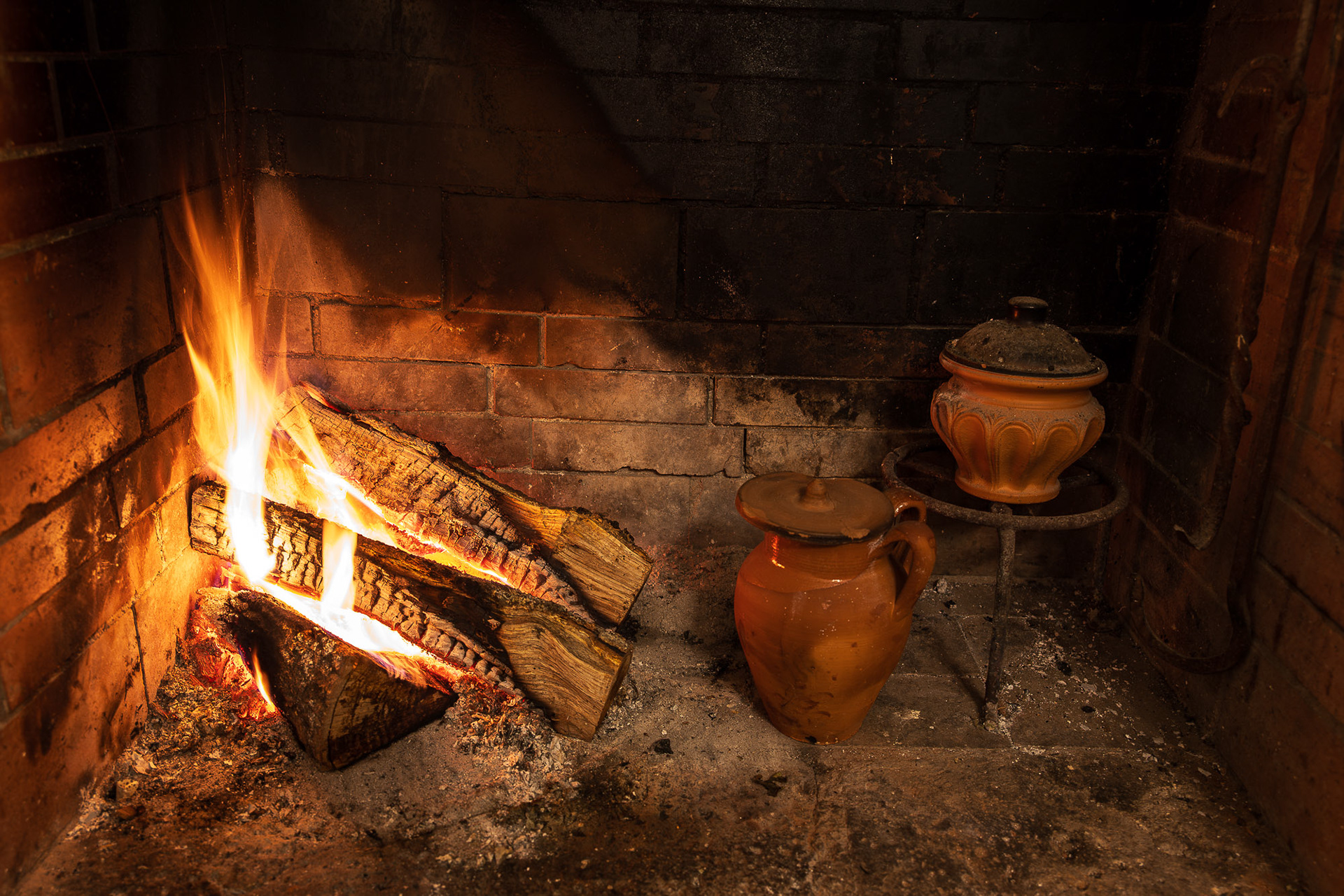
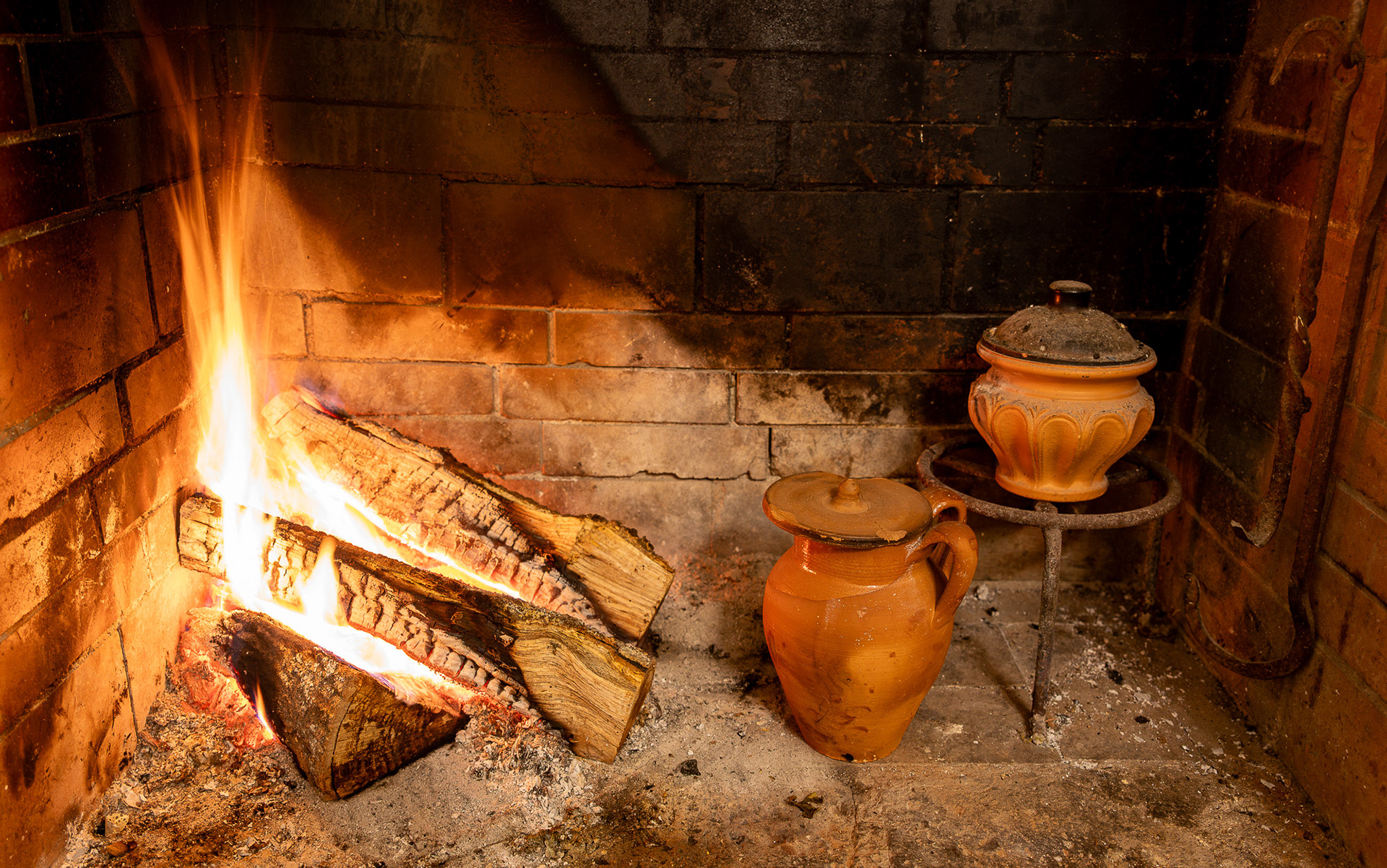
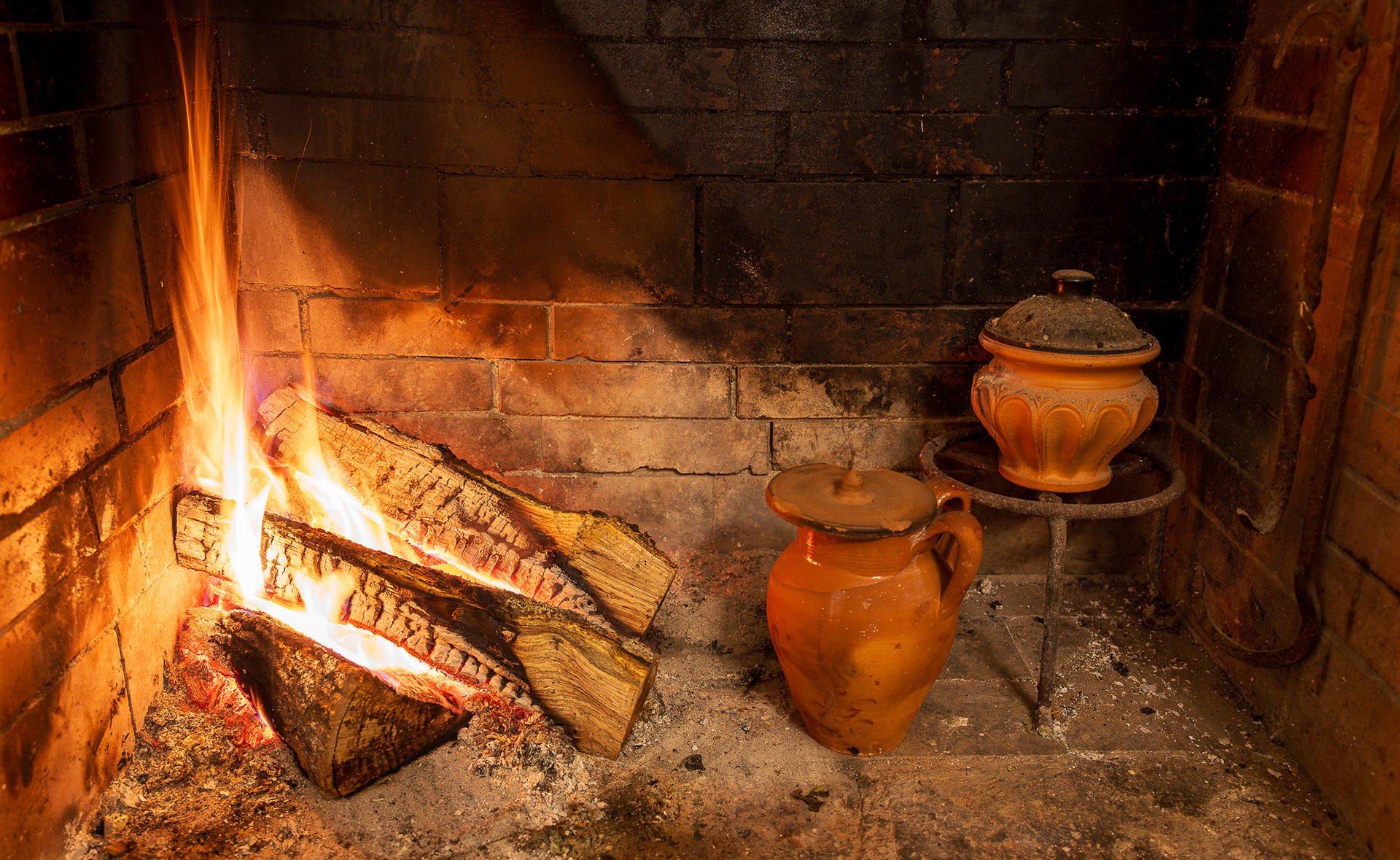
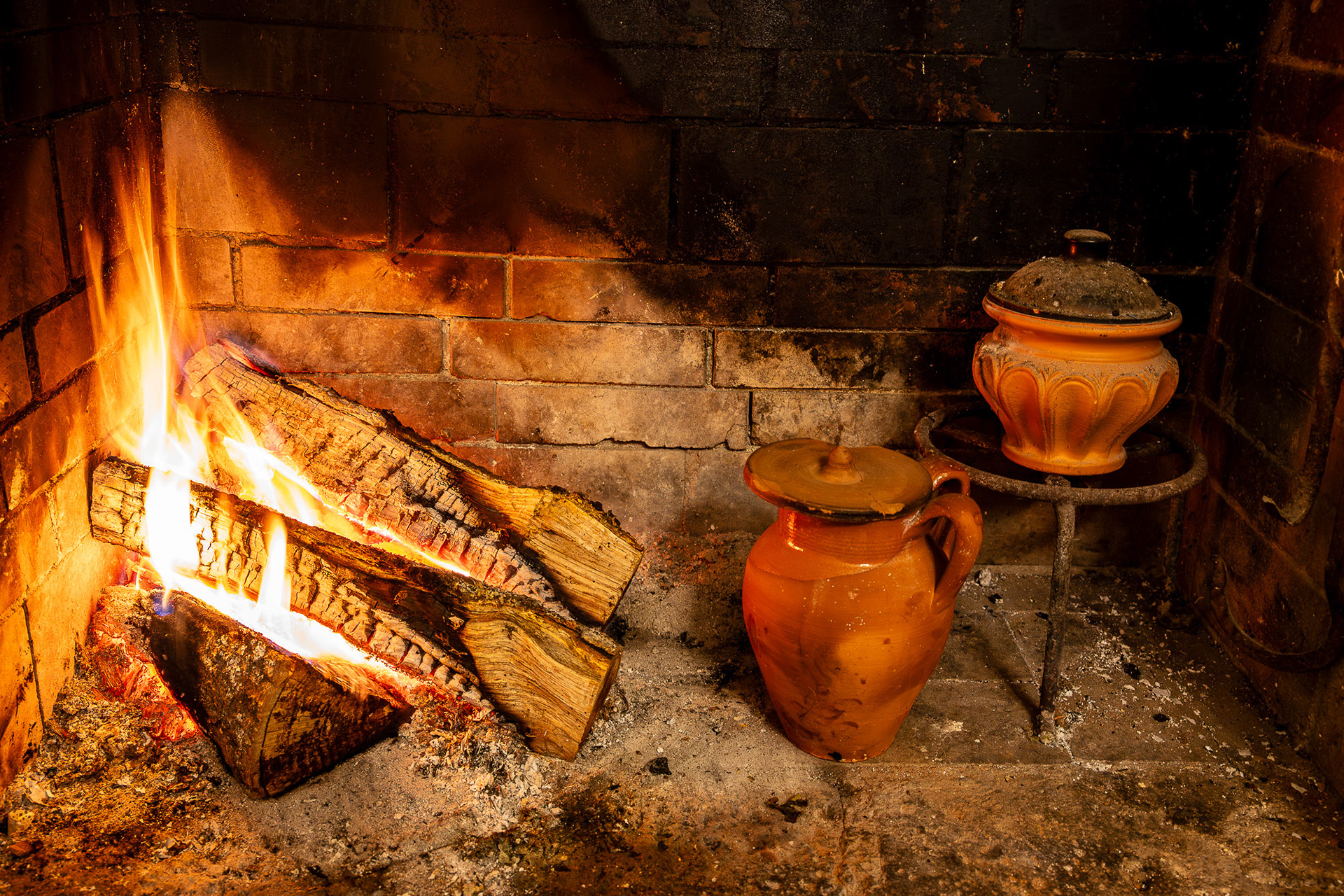
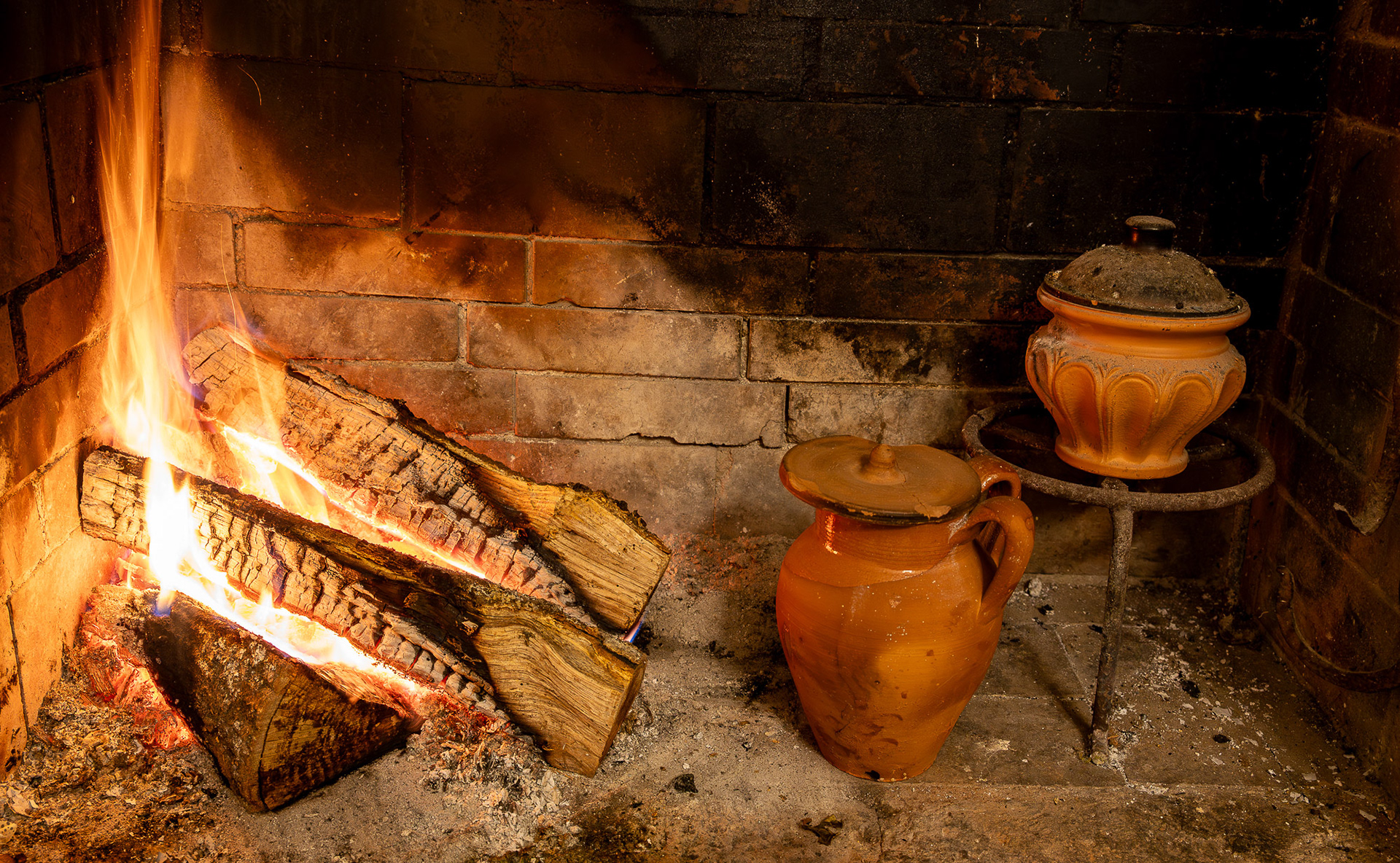
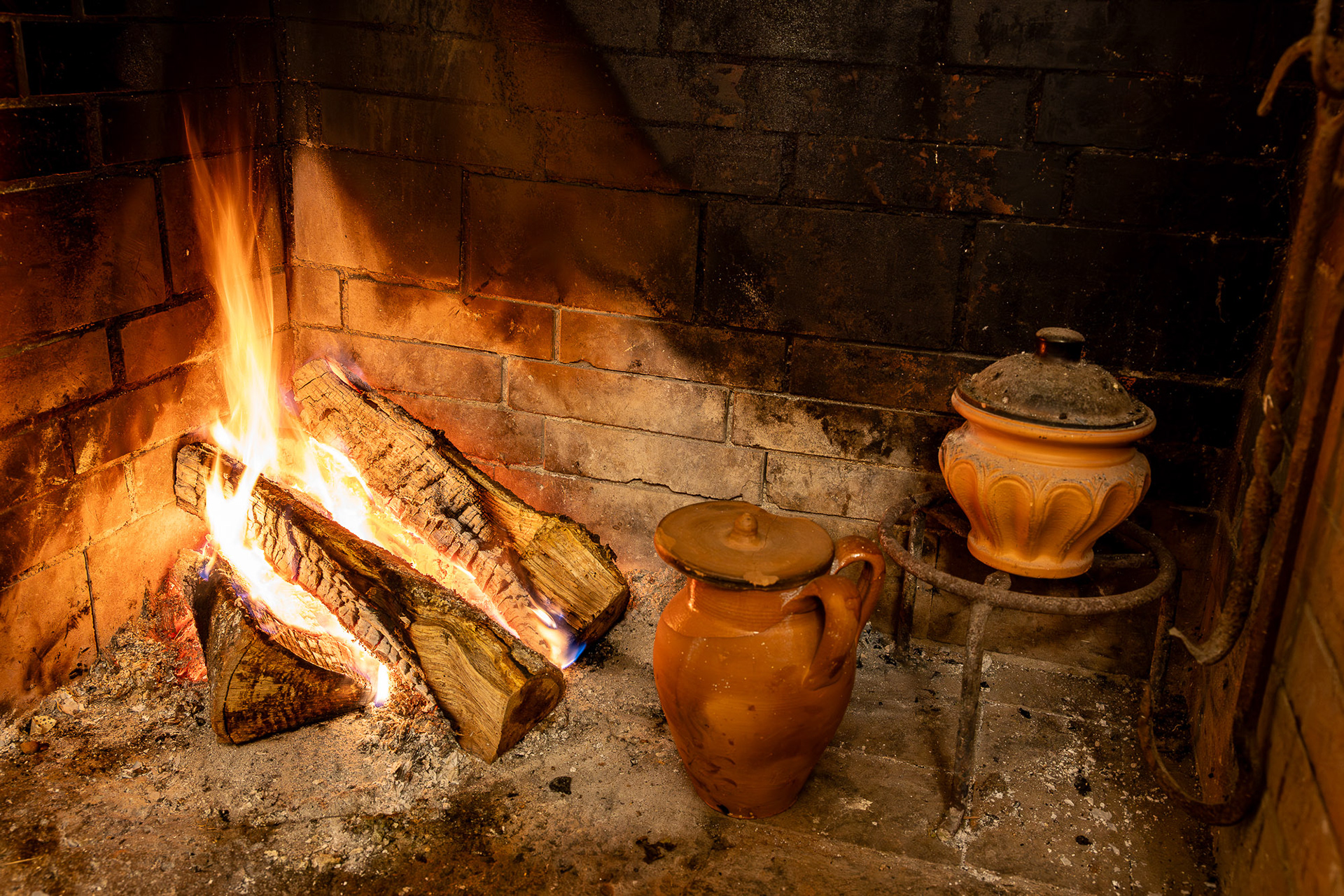
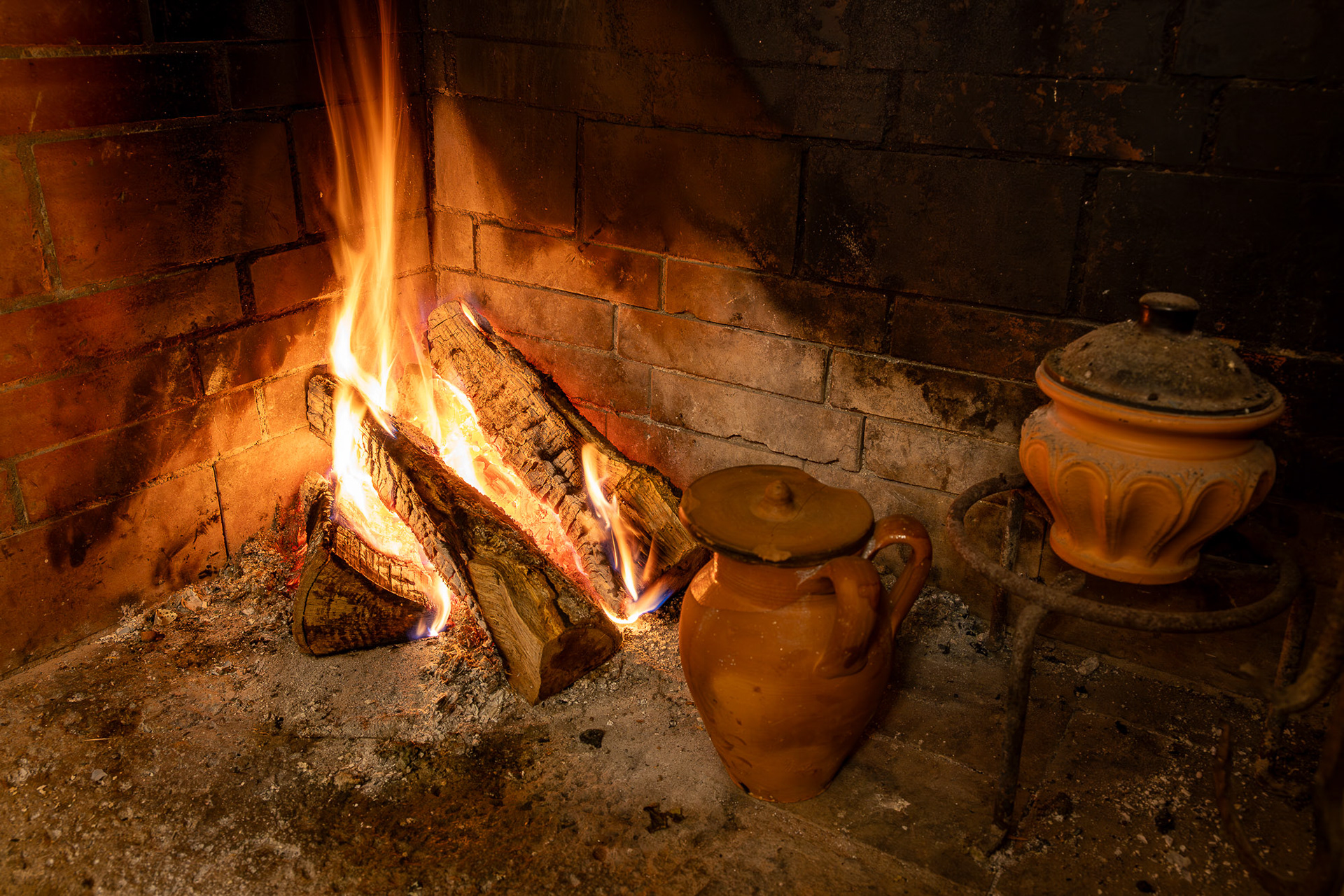
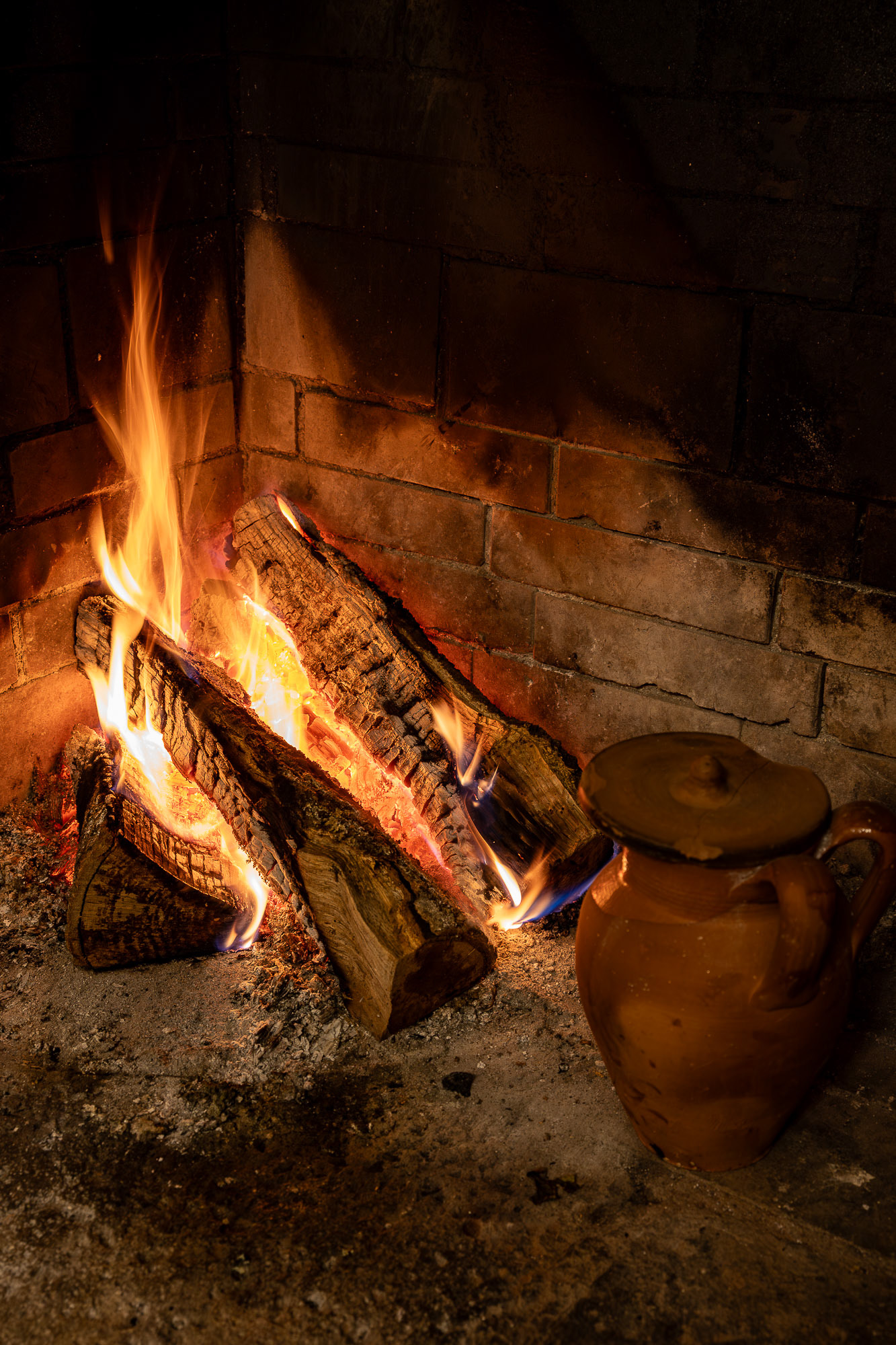
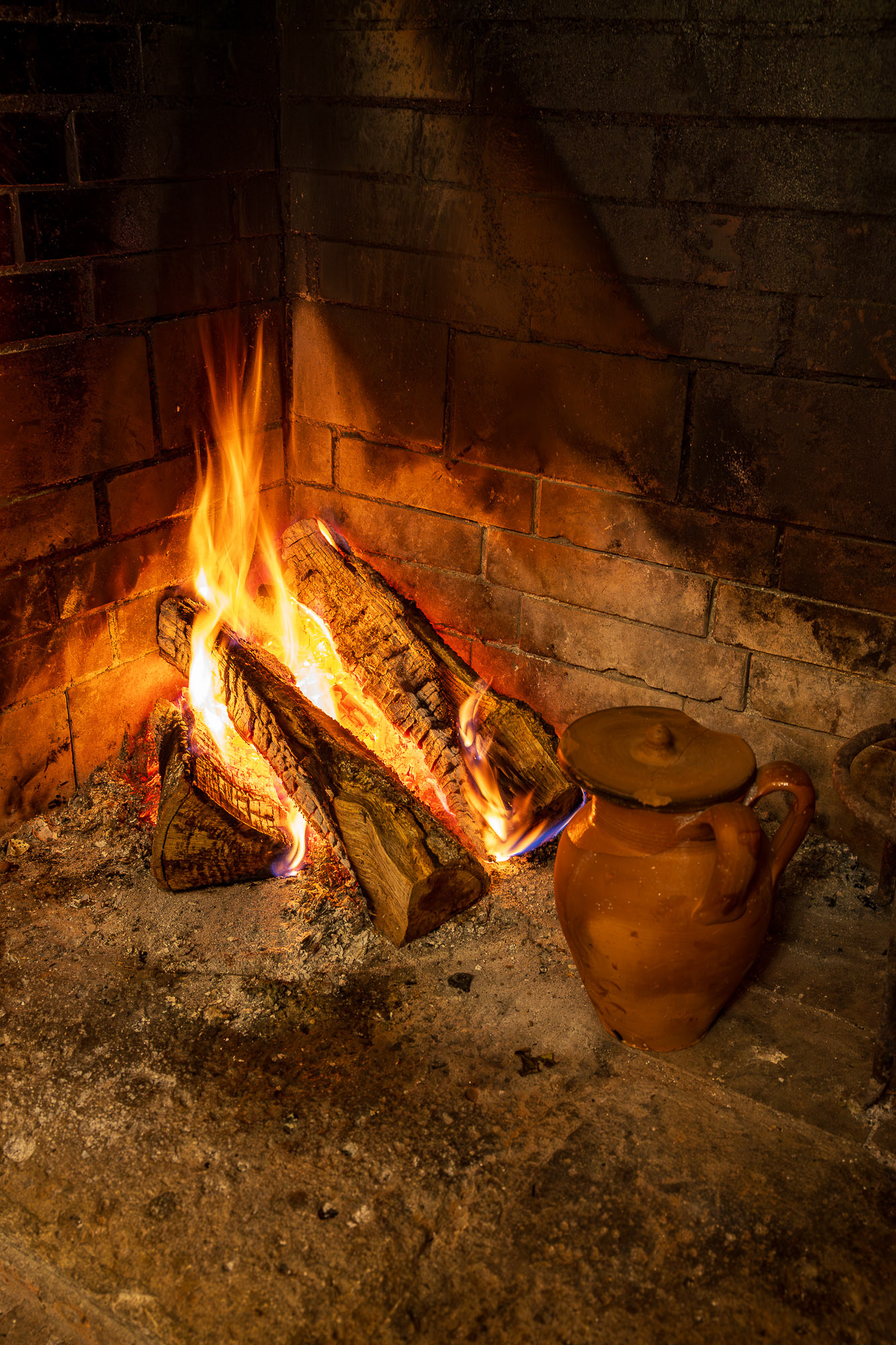
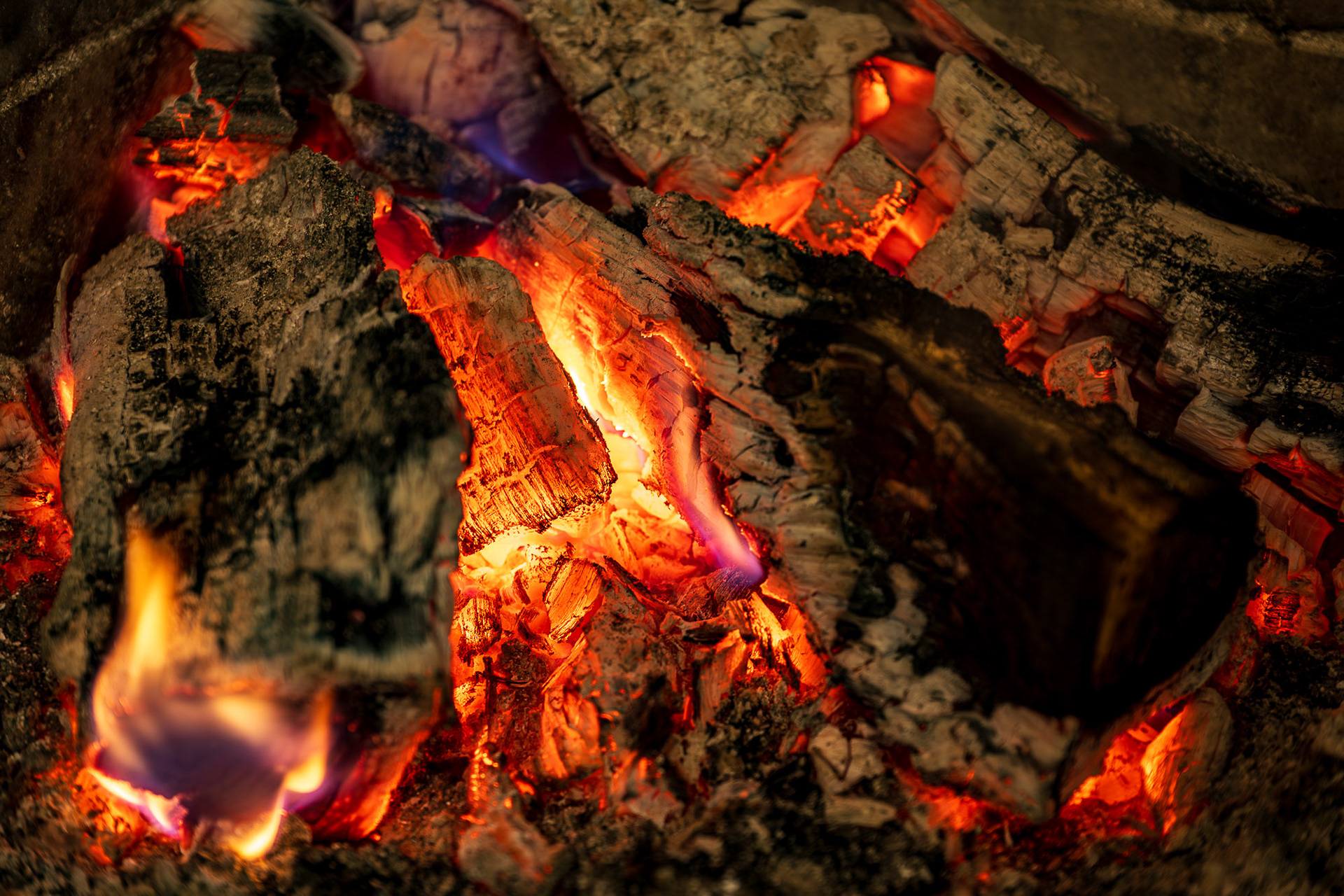
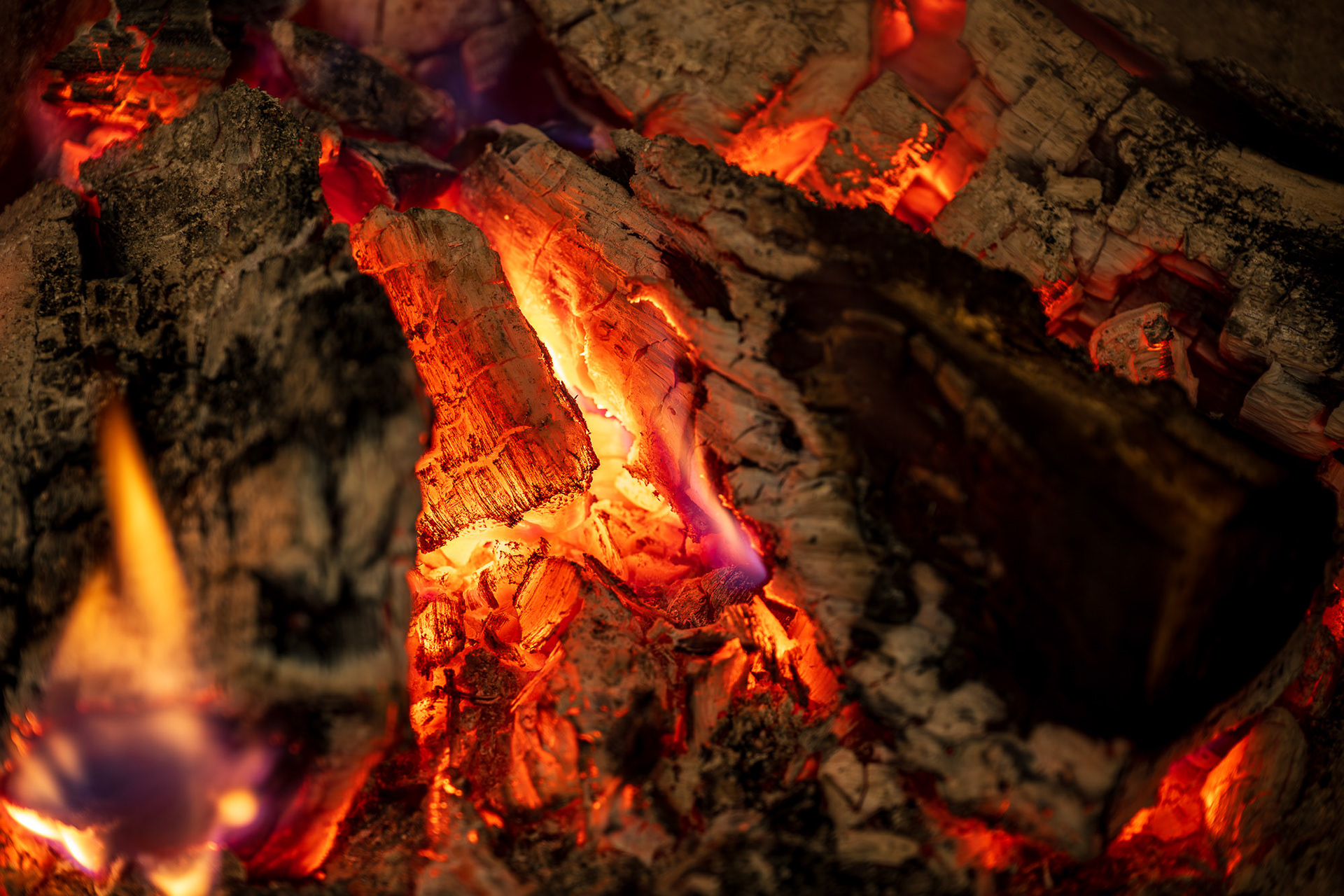
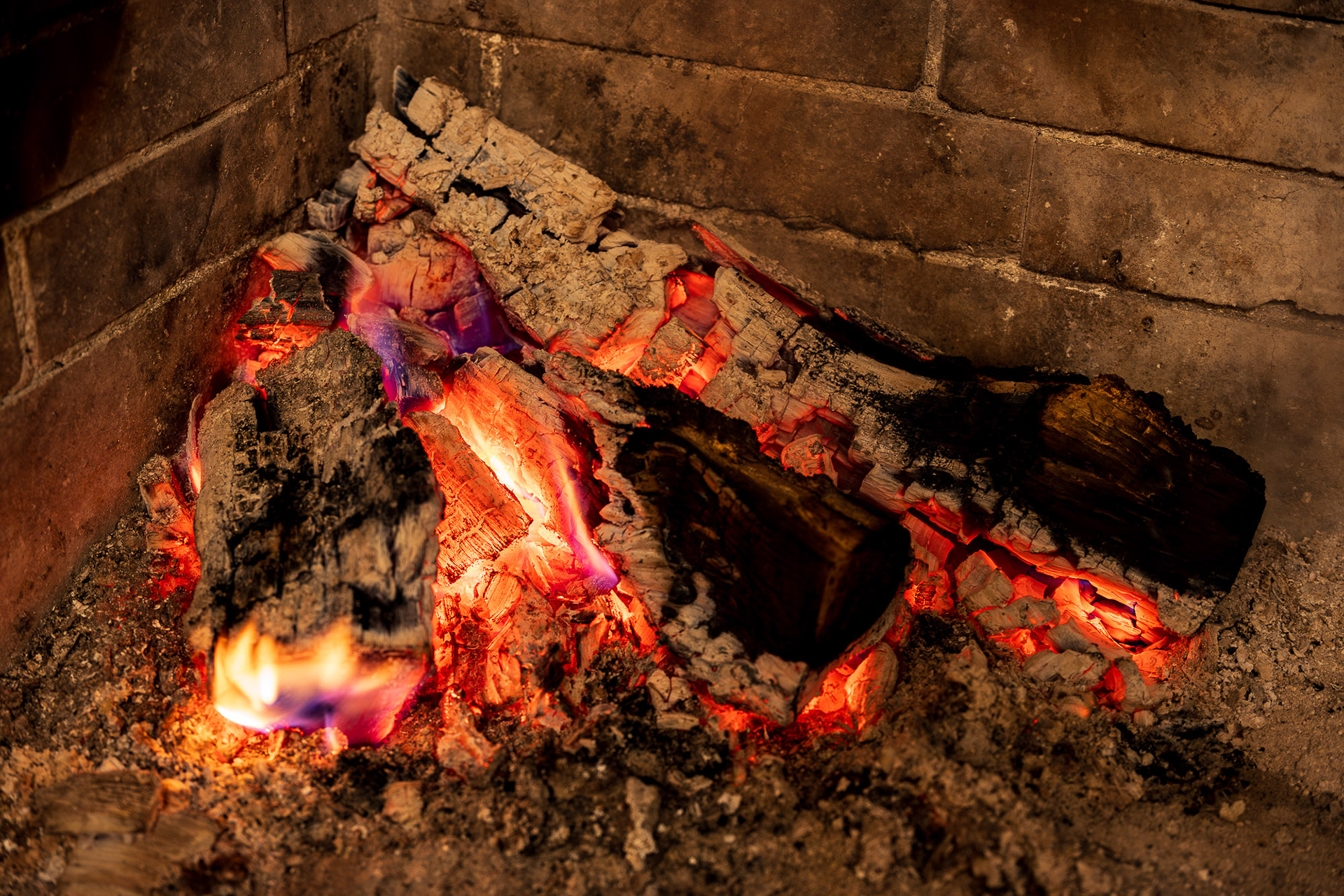
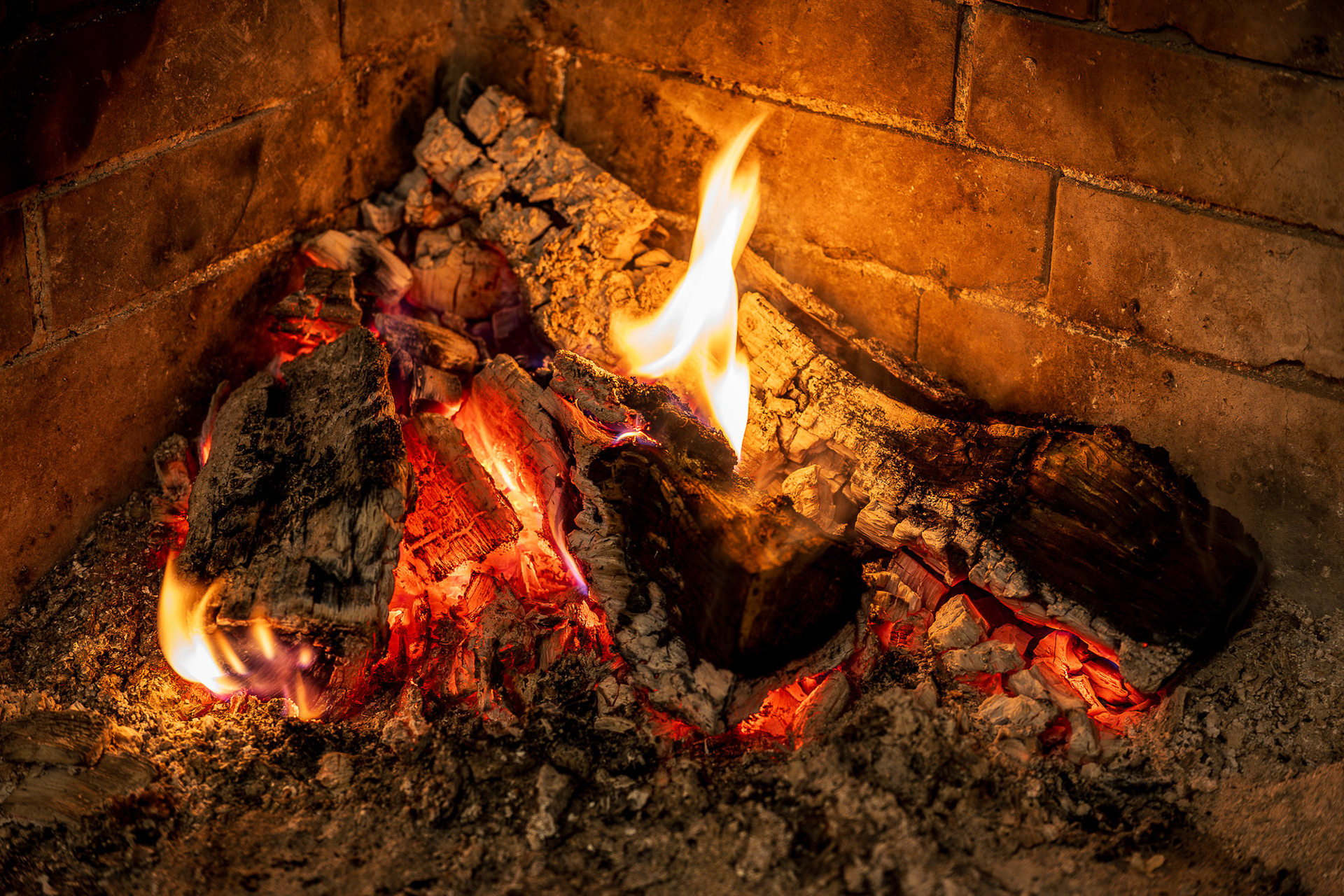
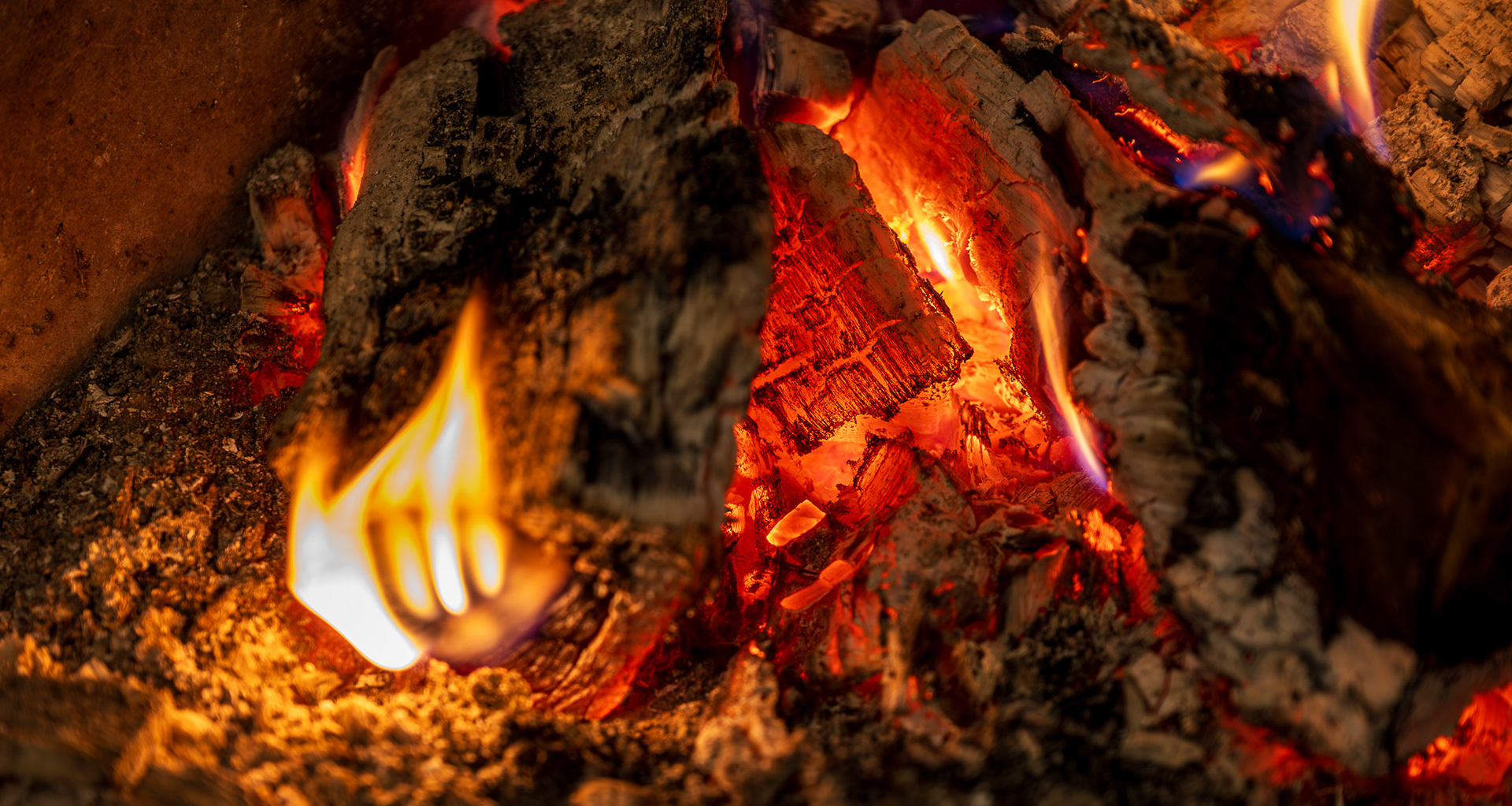
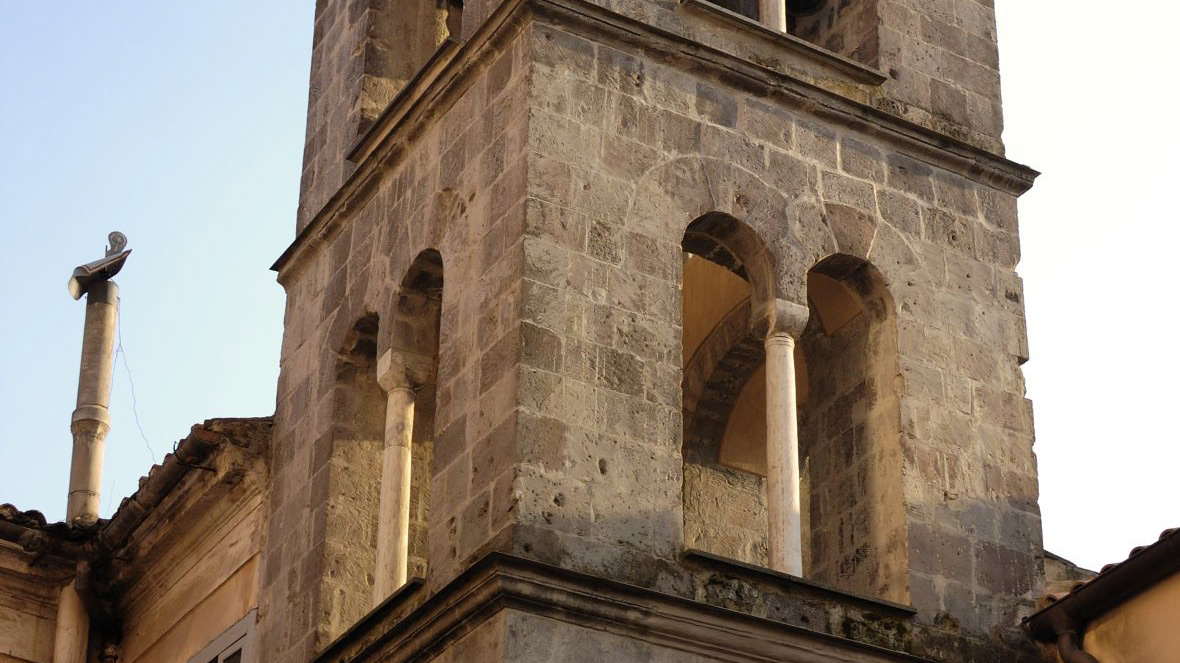
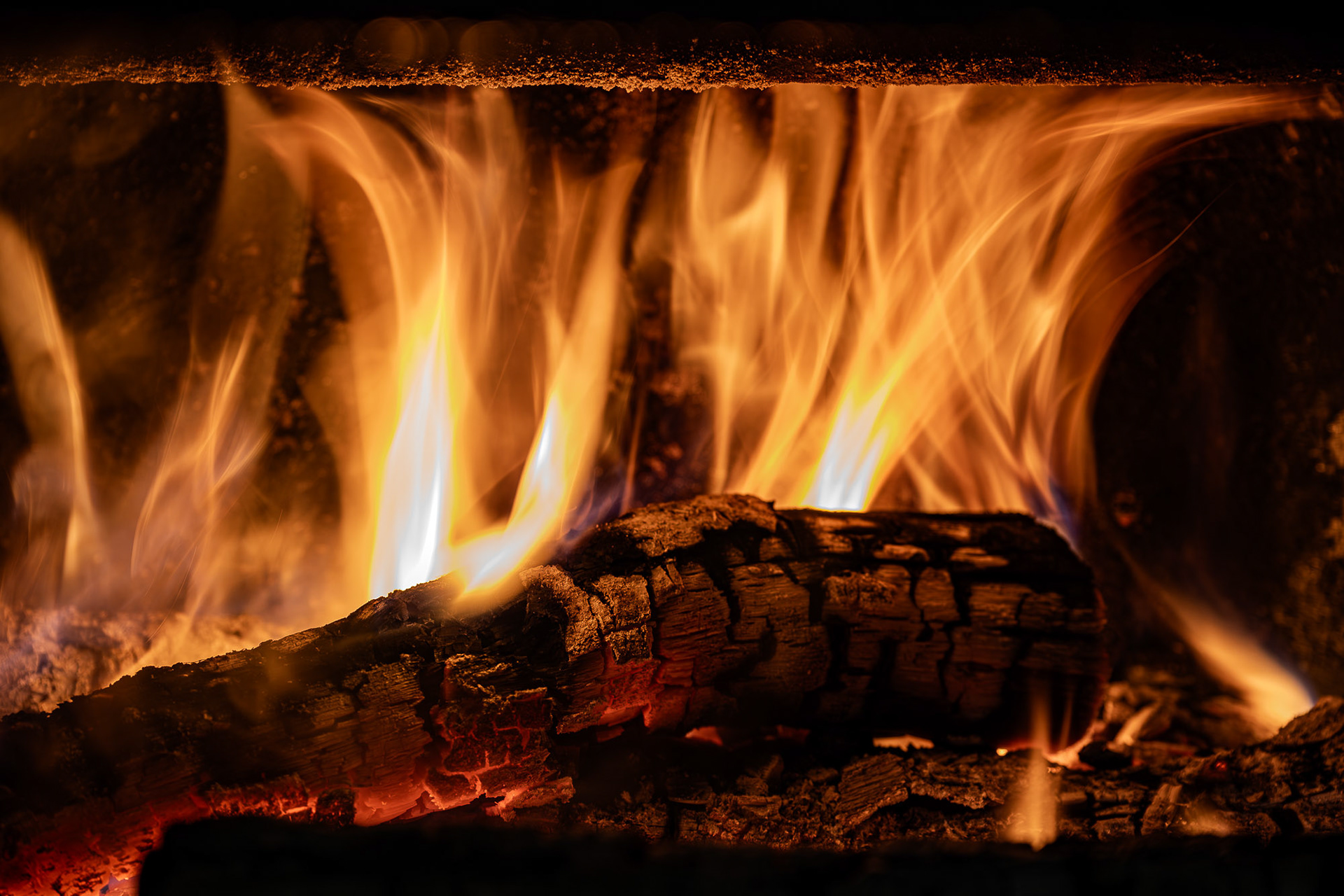
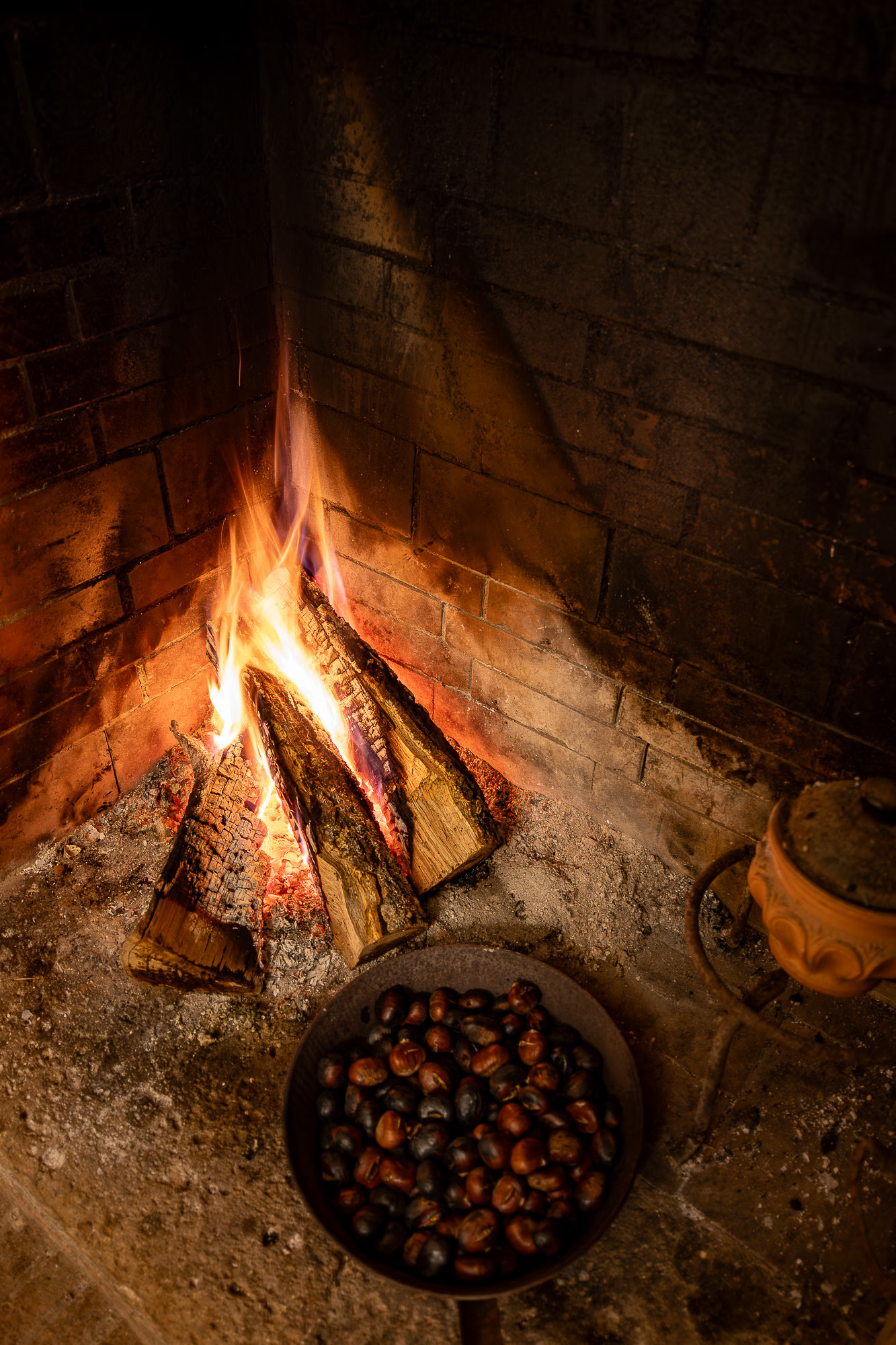
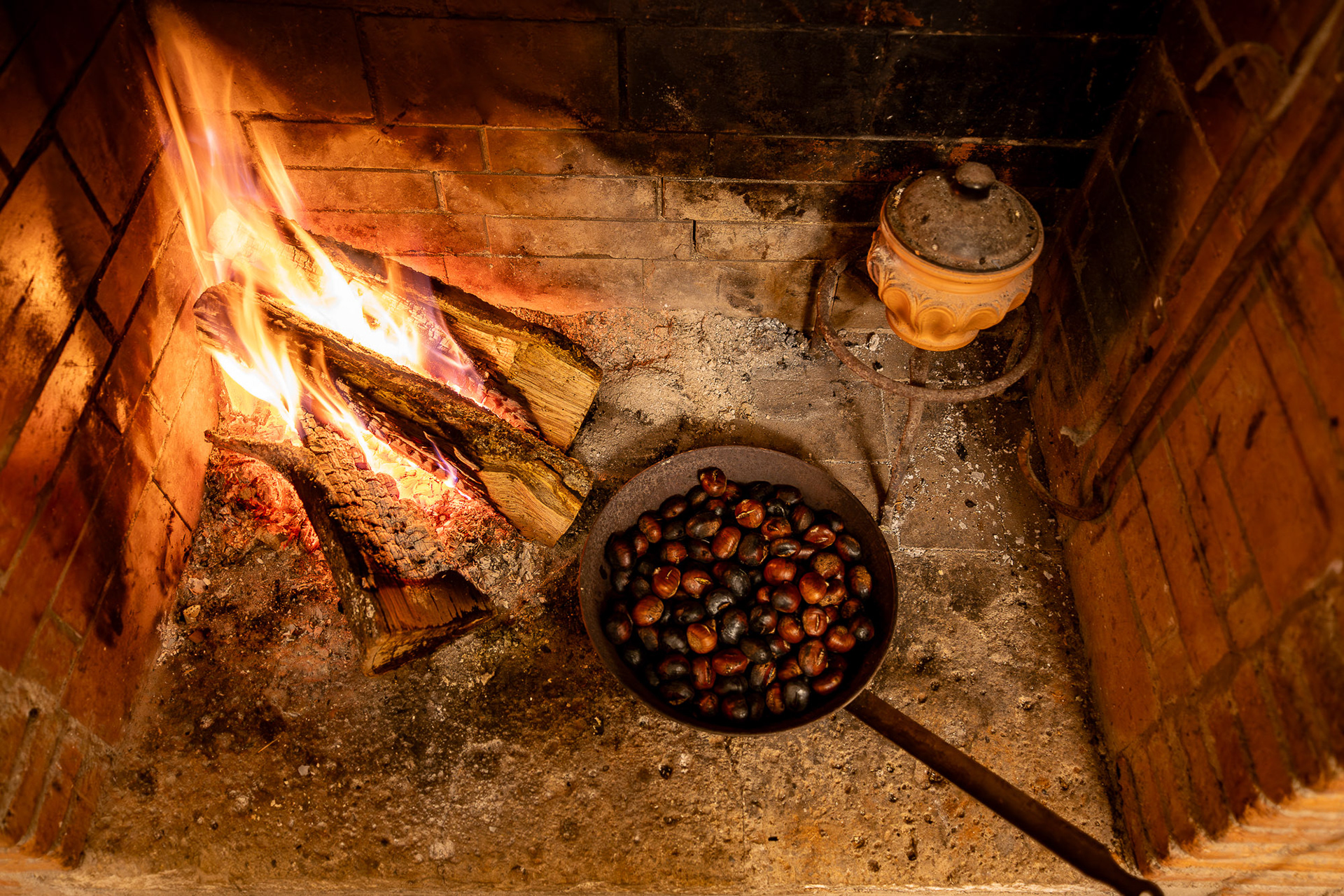
The magic of the fire of the wood fireplace
2026
You may also like
2022
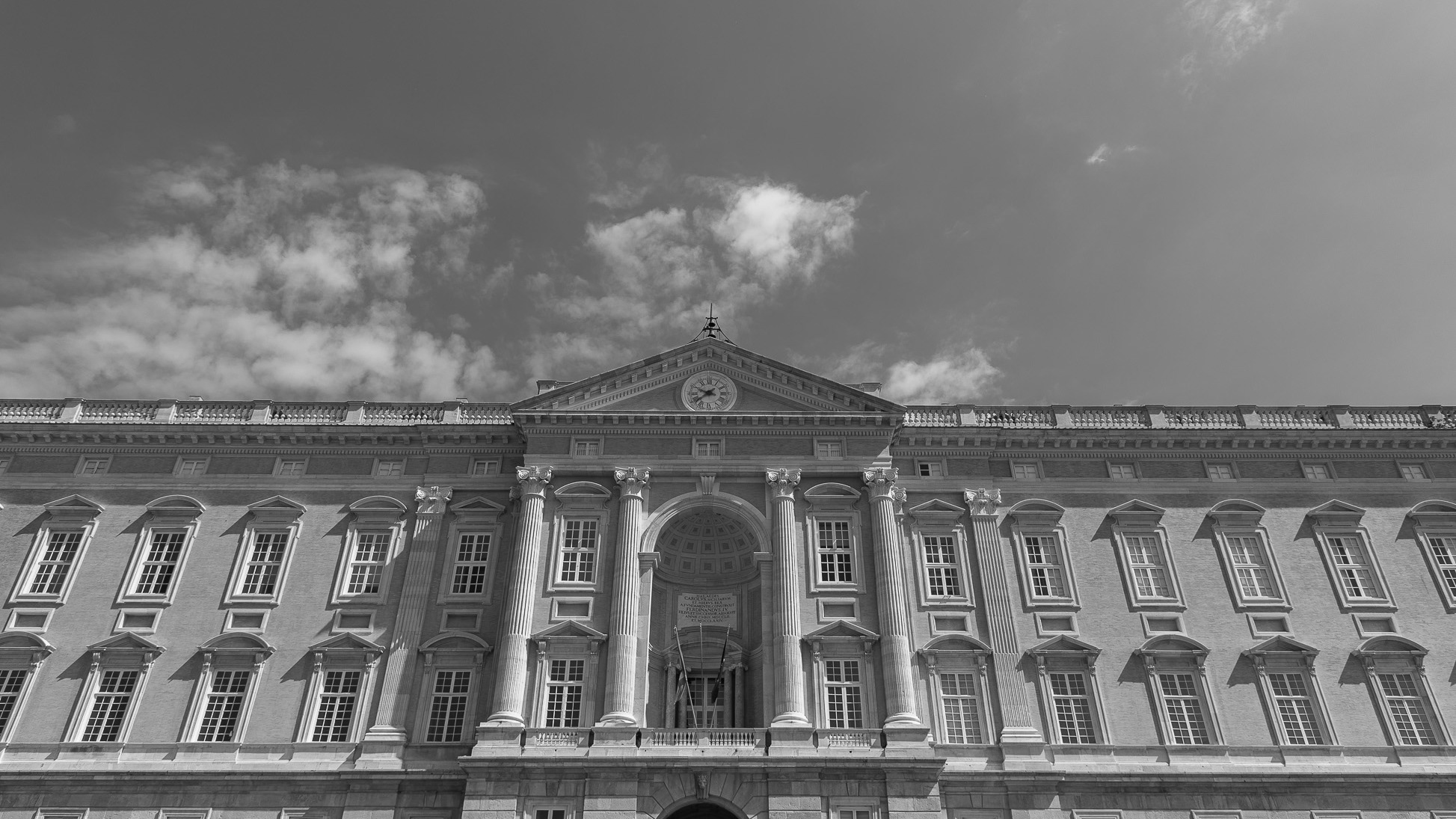
Caserta, the Royal Palace
The Royal Palace of Caserta is a royal residence, historically belonging to the Bourbons of the Two Sicilies, located in Caserta. Commissioned by Charles of Bourbon, the laying of the first stone, which started the construction work, took place on January 20, 1752, based on a project by Luigi Vanvitelli: this was followed by his son Carlo and other architects. The palace was completed in 1845.
2008
The Sanctuary of Montevergine (AV)
The sanctuary of Montevergine is a Marian monastic complex of Mercogliano, located in the hamlet of Montevergine: it is a national monument. The territorial abbey of Montevergine is one of the six Italian territorial abbeys. Inside the painting of the Madonna di Montevergine is venerated and it is estimated that every year it is visited by about one and a half million pilgrims.
2021
Teano. Church of San Michele Arcangelo
2017
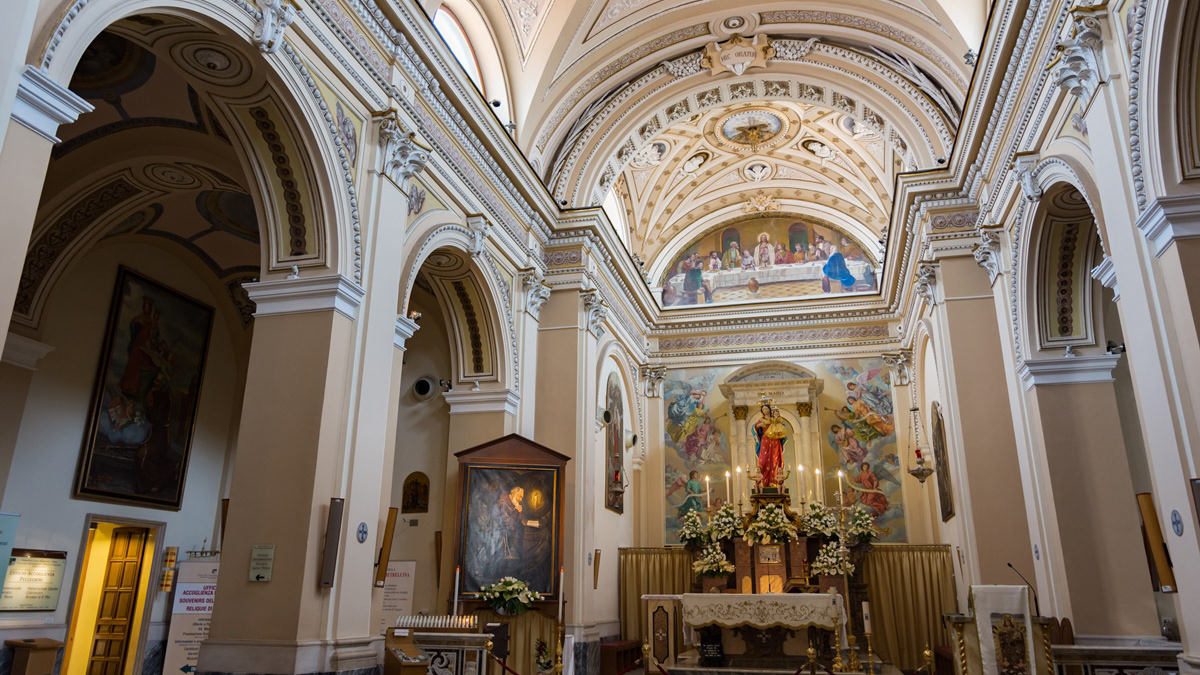
Pietrelcina (BN), church of Santa Maria degli Angeli
Santa Maria degli Angeli, parish church of Pietrelcina, preserves the polychrome wooden statue of the Neapolitan school of the end of the seventeenth century depicting the Madonna della Libera, patron saint of Pietrelcina, which Padre Pio affectionately calls "our Madonnella". In this church Fra Pio began his apostolate and, having obtained the diaconate, he administered the first baptism to a child who later became a Redemptorist priest. In this regard it is said that Padre Pio put so much salt, that the newborn, opening his little mouth, squinted his eyes - "smerzava l`uocchie" - words of Brother Pio, who frightened ran to the archpriest Don Salvatore Pannullo, saying: " I killed the child ”. On the eve of the solemnity of the Assumption, on 14 August 1910, four days after being ordained a priest, Padre Pio celebrated his first mass. A few days later he wrote to Father Benedetto of San Marco in Lamis: "For several days I was a little sick; perhaps the main cause of this was the too much emotion to which the spirit has been subject in these days… my heart is overflowing with joy and it feels stronger and stronger to encounter any affliction, when it comes to pleasing Jesus ”. In this church Padre Pio had interminable moments of prayer and intimacy with God, ecstasy at the foot of the altar, and the mystical phenomenon of the fusion of hearts: "The heart of Jesus and mine, allow me the expression, were no longer two hearts that beat, but only one. My heart was gone, like a drop of water that gets lost in the sea ”. And again: "I feel everything burn without fire ... a thousand flames consume me, I feel I am dying continuously and still alive". Padre Pio celebrated masses in this church that were "too long" and "incomprehensible mystery" so much so that the guardian father had asked the parish priest to recall him in his mind, because in this way he would immediately obey him out of holy obedience.
2021
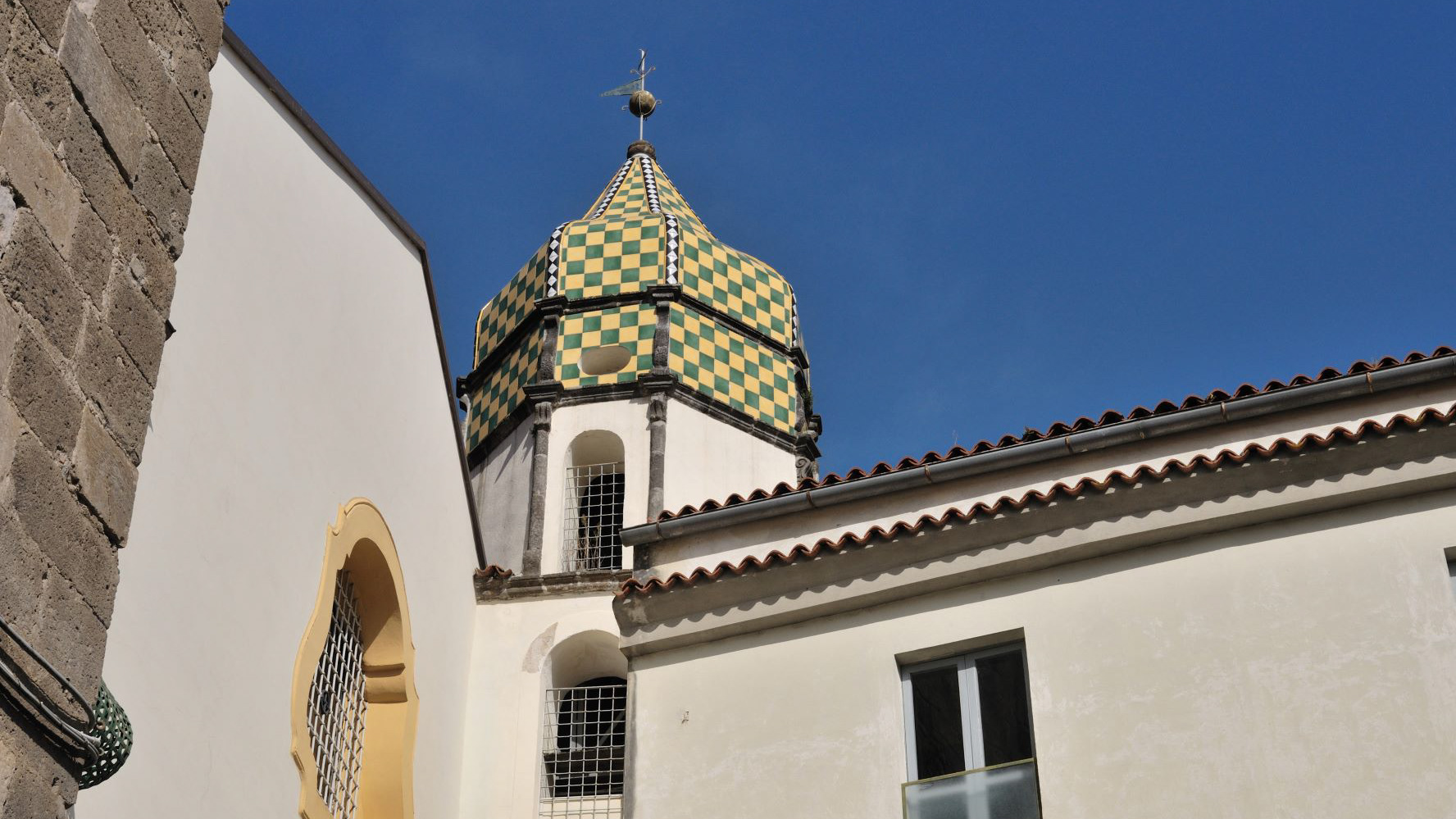
Teano. Monastery of Santa Caterina
2023
Santa Maria Capua Vetere. The Campanian Amphitheater
The Campanian Amphitheater or Capuano Amphitheater is a Roman amphitheater located in the city of Santa Maria Capua Vetere - coinciding with the ancient Capua - second in size only to the Colosseum in Rome. It is located within the municipal area of Santa Maria Capua Vetere, facing Piazza I Ottobre. A substantial part of its stones were used by the Capuans in the Norman era to erect the Castle of the Stones of the city of Capua; some of his ornamental busts, used in the past as keystones for the theater arches, were placed on the facade of the Town Hall of Capua.
2021
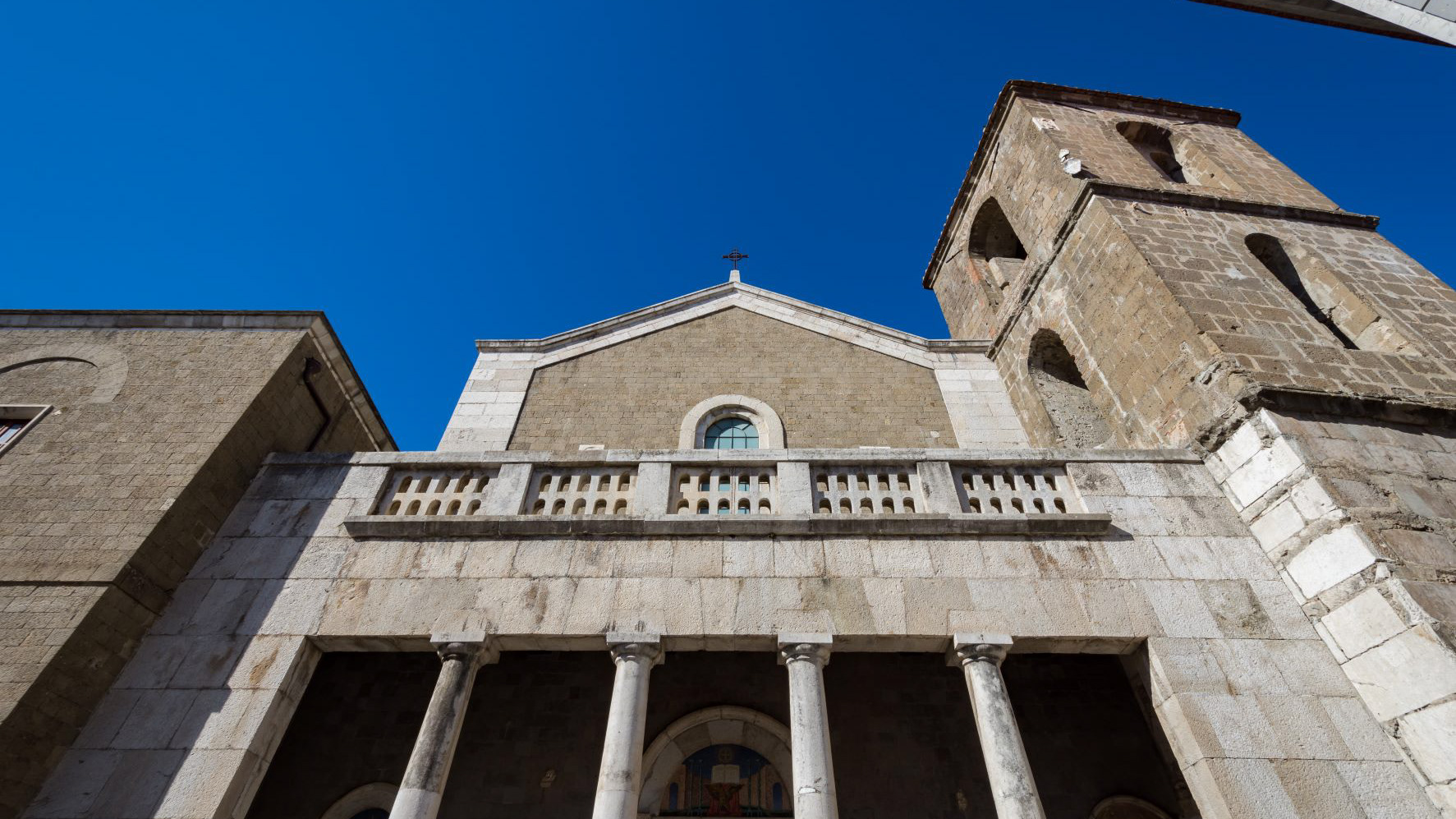
Teano. The Dome. Exteriors
The cathedral, originally dedicated to San Terenziano, was later named after San Clemente. Construction began in 1050 by Bishop Guglielmo, to replace the old cathedral of San Paride ad Fontem, located outside the city walls. The works were completed in 1116 by Bishop Pandulfo. The building has a basilica structure divided into three naves by two rows of columns. In 1608 it was damaged internally by a fire that almost completely destroyed the cosmates ambo, subsequently recomposed using the remains of the previous one integrated with the marble slabs of a fourteenth-century sepulchral monument already present in the church and positioned on twisted columns, two of which rested on fountain lions. During the 16th century the Romanesque apse was modified and on that occasion a precious carved wooden choir was built in the presbytery, built in 1539 by the Benedictine Antonio Maria Sertorio. The choir underwent two restorations, the first in the 17th century and the second in 1957, following the damage suffered during the Second World War.
2021
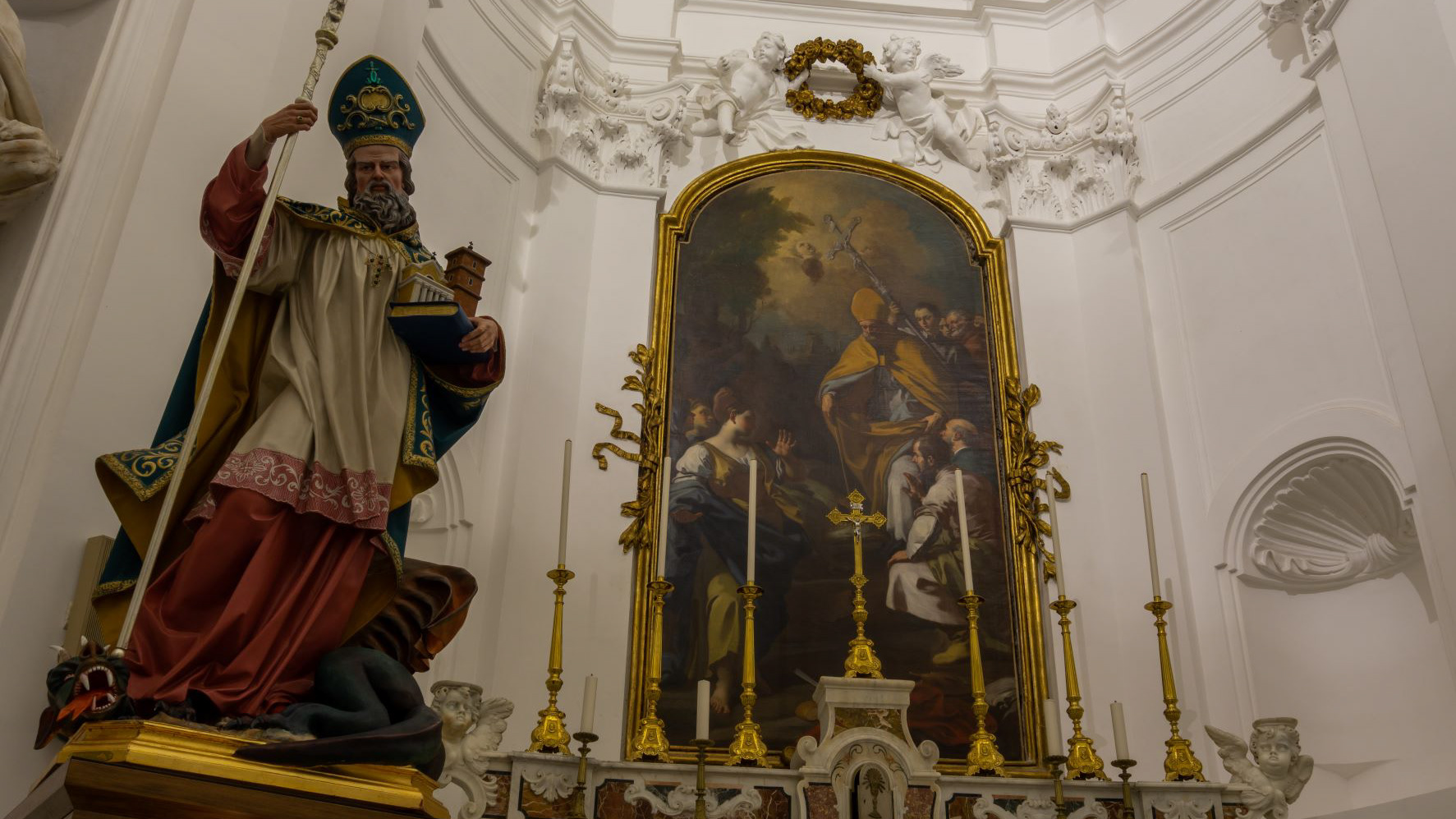
Teano. The Dome. The Chapel of San Paride
The cathedral, originally dedicated to San Terenziano, was later named after San Clemente. Construction began in 1050 by Bishop Guglielmo, to replace the old cathedral of San Paride ad Fontem, located outside the city walls. The works were completed in 1116 by Bishop Pandulfo. The building has a basilica structure divided into three naves by two rows of columns. In 1608 it was damaged internally by a fire that almost completely destroyed the cosmates ambo, subsequently recomposed using the remains of the previous one integrated with the marble slabs of a fourteenth-century sepulchral monument already present in the church and positioned on twisted columns, two of which rested on fountain lions. During the 16th century the Romanesque apse was modified and on that occasion a precious carved wooden choir was built in the presbytery, built in 1539 by the Benedictine Antonio Maria Sertorio. The choir underwent two restorations, the first in the 17th century and the second in 1957, following the damage suffered during the Second World War.
2021
Francolise, Santa Maria a Castello
2021
Teano. Church of San Pietro in Acquariis